Banged Up at the Bridewell

The various galleries of the Museum of Norwich at the Bridewell chart the city’s journey from its humble beginnings as a few muddy huts by a river bank to a UNESCO World City of Literature. As I wrote when we first visited in 2017…

“It’s a ripping yarn of churches and chapels, friaries and priories, martyrs and merchants, weavers and cobblers, chocolatiers and mustard makers, fire and flood, black death and blitzkrieg.”

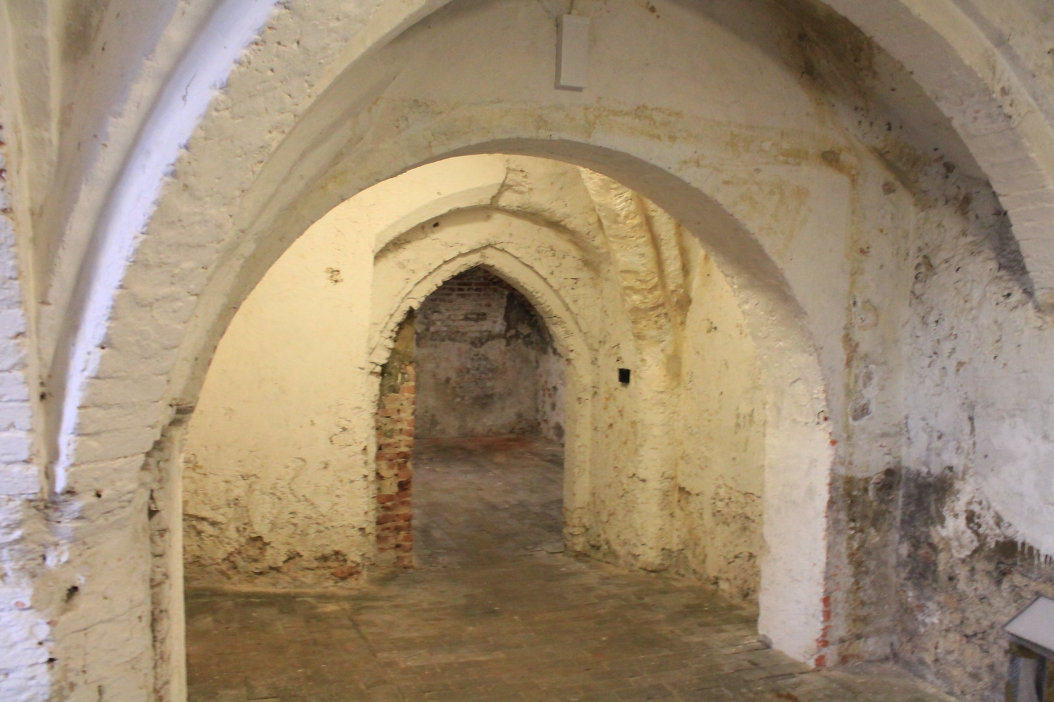
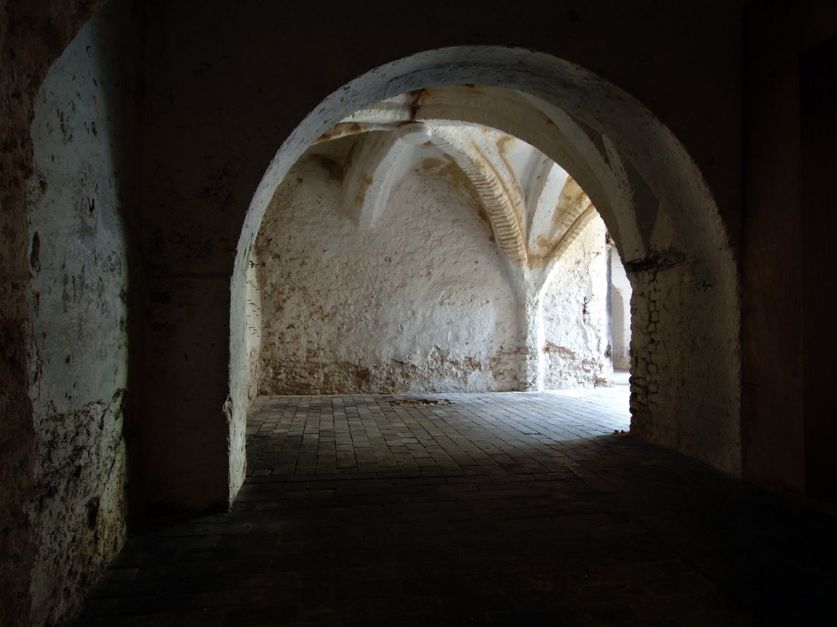
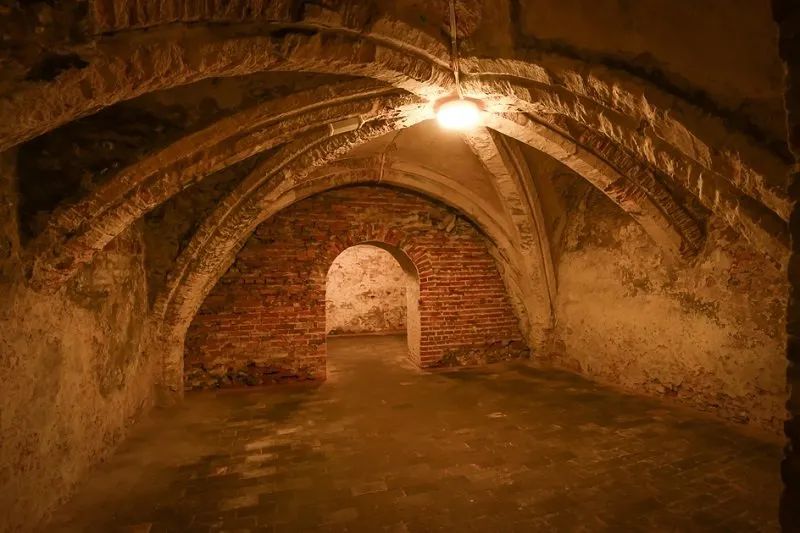
The Museum is a splendid way to spend an afternoon, come rain or shine. But it wasn’t the exhibits we came to see on our most recent visit, but a guided tour of the Undercroft, the vaulted cellar beneath the Museum. Norwich is stuffed with medieval undercrofts – they often escaped fire and the wrecking ball. Whereas the current Museum is mostly 18th-century Georgian, the Undercroft itself – the largest in Norwich – dates from the 14th Century.

The Bridewell Undercroft was originally used to store and display the precious wares of the filthy-rich merchants who lived in the fancy mansion above. It was a dry and secure place to show off the goodies to potential buyers and keep out thieves. But ironically, after the monied merchants moved out, the building became a ‘bridewell’ – a ‘house of correction’ – where those who had fallen on the hardest of times would find themselves incarcerated – the ‘criminalisation’ of the poor, as our guide put it.

Our guide certainly knew her stuff, bringing the story to life with gossipy titbits from the past blended with the serious stuff as she walked us through the suite of underground rooms. The tour provides a fascinating insight into not just the building but also the ebb and flow of the city’s fortunes. The Undercroft was even used as a bomb shelter during World War II.

From a strong room to a prison cell, a place of punishment to a place of safety, the Bridewell Undercroft tells it all. And yes, I bought a fridge magnet.

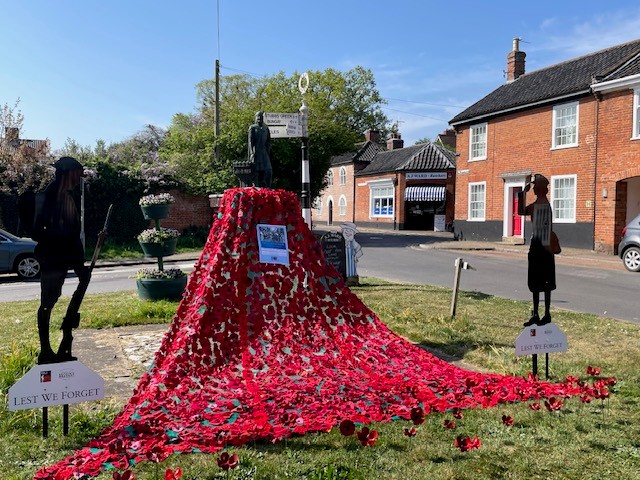
Lest We Forget

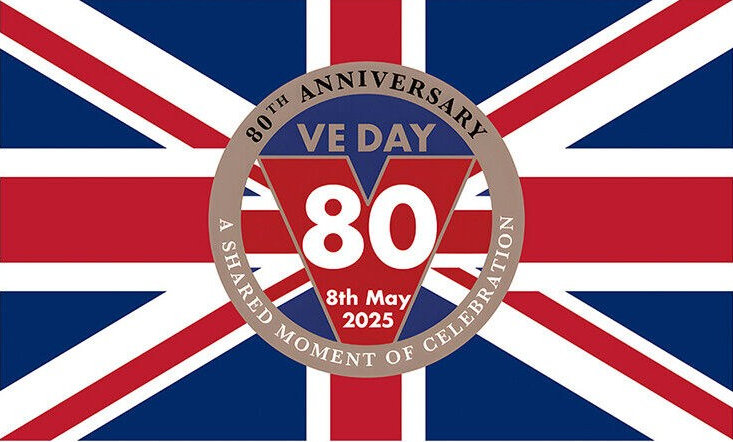
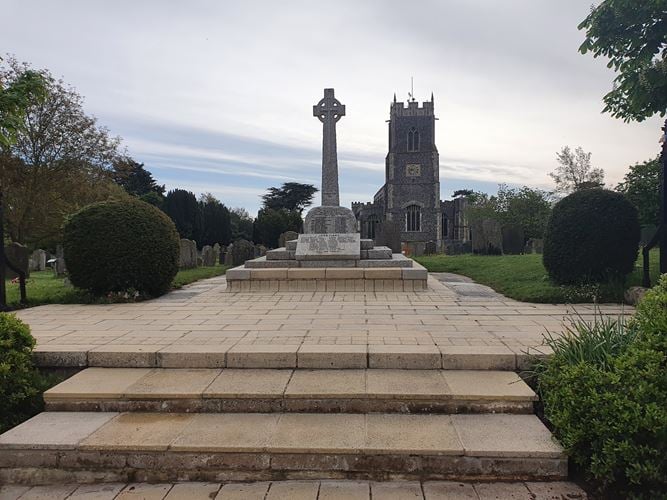
We joined the enthusiastic crowd of locals gathered on Church Plain in front of the Loddon War Memorial to celebrate the 80th anniversary of VE Day – the end of the Second World War in Europe. The organisers did a splendid job. So too did the kids from the local primary school who serenaded us with a medley of wartime songs made famous by forces sweetheart, Vera Lynn.

On the very first VE Day, millions took to the streets for a monster party which was followed, no doubt, by a monster hangover. It’s hard to imagine the immense sense of relief that must have been felt on that momentous day by those who’d lived through six long years of conflict. And also the immense sadness for those who didn’t make it. There are few people still alive today who have direct experience of that terrible war. And soon there will be none.

‘Jaw, jaw is better than war, war’ is a famous Churchill misquote from the Cold War. But with so many hot wars burning around us and the disturbing rise of nasty fright-right nationalists, I wonder what those brave souls died for. Lest we forget? Tragically, I think we have.

On a much lighter, brighter note, the good burghers on Loddon Town Council have compiled a fantastic history trail of local WW1 and WW2 sites hereabouts. It’s a fun and fascinating glimpse into all our yesterdays.

An Ordinary Hero

Sometimes real heroes are just ordinary people who do extra-ordinary things. One such ordinary hero was Nicholas Winton who, following the 1938 German annexation of the Sudetenland in what was Czechoslovakia, travelled to Prague to help deal with the ensuing refugee crisis that was overwhelming the city. Aided by a small and very brave band of fellow heroes, together they saved 669 – mostly Jewish – children from the Nazis. It was part of the much broader ‘Kindertransport’ programme across Western Europe which, in Britain alone, saved around 10,000 children – once again, mostly Jewish. But it couldn’t last. The rescue missions hit the buffers once war was declared in 1939. Tragically, many of the children who arrived on Britain’s shores were the only members of their families who survived the Holocaust.

A quiet and humble soul, Nicholas Winton’s story remained untold for 50 years until in 1988 it was finally picked up by a national newspaper and the That’s Life TV show on the Beeb. And now the heroic tale is the subject of a remarkable film One Life, with Anthony Hopkins brilliantly playing Winton in his dotage and Helena Bonham Carter as his formidable mother in earlier years, who ran the show at the London end.

Along with others, we sat through the film in stunned silence and didn’t rise from our seats until after the final credits had rolled. Winton was later knighted for services to humanity and died in 2015 at the grand old age of 106.

Here’s the trailer followed by original 1988 footage from That’s Life.

For the recreation of the That’s Life scene, the audience in the film was made up of the descendants of ‘Nicky’s children’.

“Save a life, save the World,” Winton says in the film. As we left the cinema, I couldn’t help thinking that despite his amazing story of hope, history just carries on repeating itself over and over again.

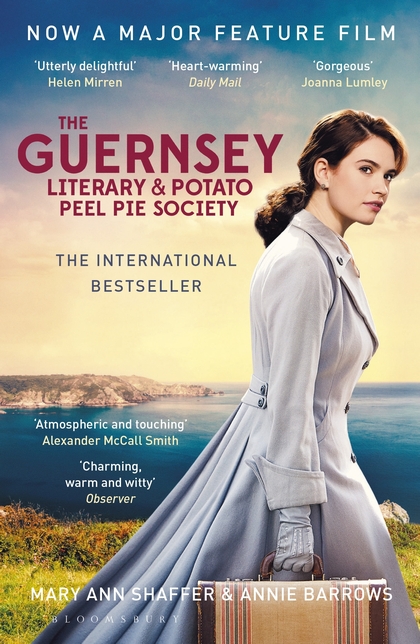
The Guernsey Literary and Potato Peel Pie Society

The Guernsey Literary and Potato Peel Pie Society

For the uninitiated, the Channel Islands are an archipelago in the English Channel, spitting distance from the French coast of Normandy. They include, among smaller fry, Jersey and Guernsey. Traditionally, the islands are thought of as the last vestiges of the Duchy of Normandy still in English hands – think William the Conqueror, 1066 and all that. These days, Jersey and Guernsey are wealthy tax havens taking full advantage of their legal status as Crown dependencies beyond the jurisdiction of the British tax authorities. It’s where the canny and the criminal stash their cash and where global companies avoid their dues.

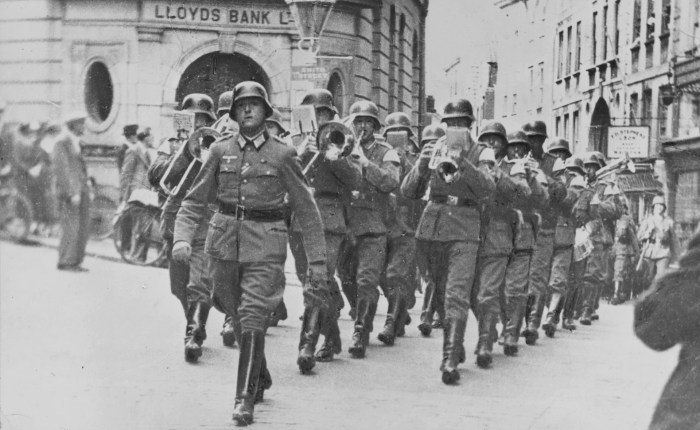
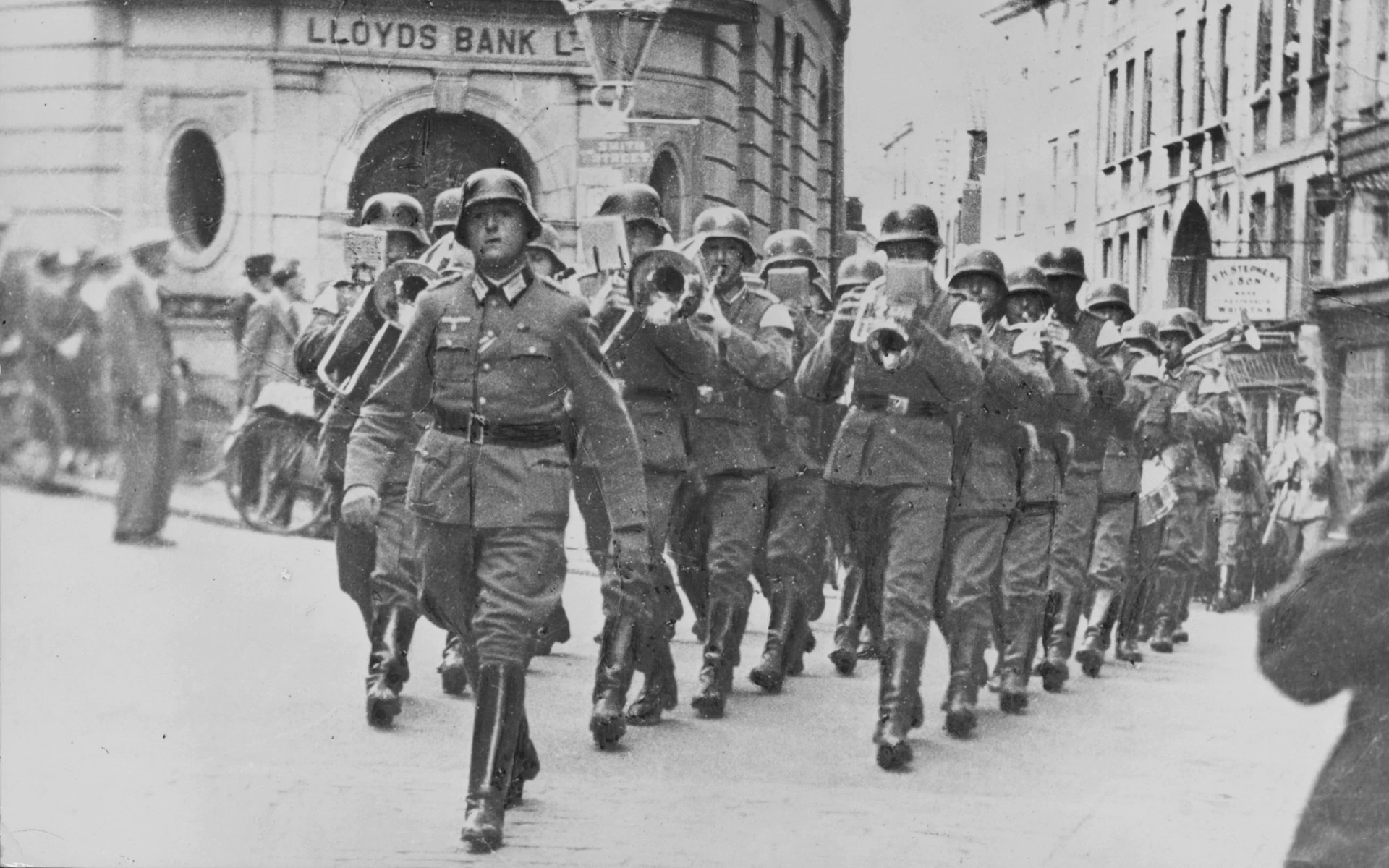
Back in 1940, the economy was very different. Many islanders were dirt poor, scraping a meagre living from the land and the sea. When France fell to the Germans in June of that year, the fate of the islands was sealed. Geography made them indefensible and the Germans occupied them unopposed. The British Government evacuated who they could in a hurry and urged the rest to cooperate.

Germans marching through Guernsey – image from Getty

As was mostly the case throughout the occupied West, life under the Third Reich was not as deadly as in the occupied East – unless of course you happened to be Jewish/ gay/ socialist/ liberal/ Roma (delete according to badge), but it was still very harsh. And then there was the slave labour imported to construct the colossal fortifications built as part of the Atlantic Wall. Few of those poor souls survived. Conditions gradually worsened for everyone, ending in near starvation for both occupied and occupiers during the winter of 1944–45.

This is the backdrop to The Guernsey Literary and Potato Peel Pie Society, a film based on a bestselling novel of the same name. I’m guessing the first half of the title refers to the German desire to maintain ordinary activities during extraordinary times and the second part is an ironic response to the subsistence rations suffered by the locals. The plot goes something like this…

Just after the war, an up-and-coming writer based in battle-torn London begins exchanging letters with members of the society. Feeling compelled to visit, she starts digging about for a story and a picture emerges of life during the occupation. She soon discovers that, while book reading was involved, the society was also a cunning ruse to avoid the night-time curfew and to consume illicit pork and home-brewed gin. Sounds like my kind of society. As she digs deeper, dark secrets begin to surface – needs must as they say – and there was a fine line between cooperation and collaboration. After all, not all Germans were Nazis.

The film also provides some love interest. Will the pretty young novelist shack up with her handsome Yank in his New York apartment with views across Central Park or get down and dirty with the hunky pig farmer with his rough hands, puppy-dog eyes and no electricity? I know who I’d choose.

The film won’t win any awards, but it’s a solid period piece with an interesting theme and not a bad way to spend a raining Sunday afternoon. And it won’t do Guernsey tourism any harm either, even though it was mostly shot in Cornwall and Devon.


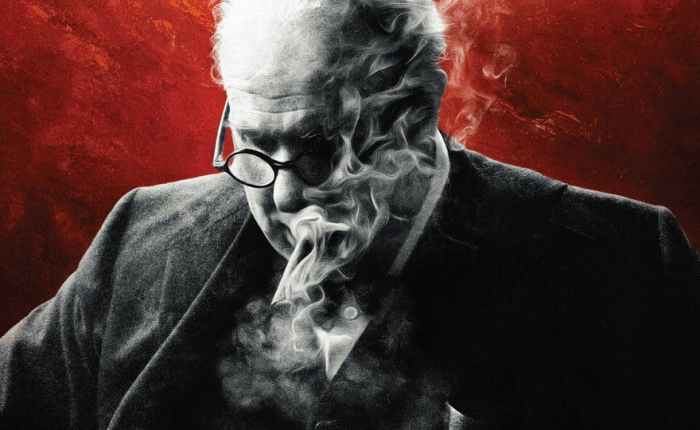
The Darkest Hour

The Darkest Hour

There’s been a flurry of historical war films lately and more to come, I’m sure. It’s not surprising, given the various centenaries involving the Great War of 1914-18 and the knock-on remembrance of other major conflicts. As a general rule, I don’t do war movies. I’d much rather watch Maggie Smith in bustle and bodice than endure the blood, sweat and tears of the trenches. One exception was the cinematic tour de force, Dunkirk  – a masterpiece. Then came The Darkest Hour, a fictionalised account of the first few weeks of Winston Churchill’s premiership during the Second World War; France is finished, the Brits are trapped, the Americans are hedging their bets and Churchill must decide whether to parley with Hitler. The days don’t get any darker than that. We were drawn in by reports of Gary Oldman’s performance as Winston and his Churchillian prosthetic transformation.

I’ve liked Gary Oldman ever since he played Joe Orton, the controversial and irrepressibly gay sixties playwright, in the deliciously naughty but tragic biopic Prick Up Your Ears.  In The Darkest Hour, neither Gary nor the prosthetics disappoint – both are superb. And what of the film in general? It’s a witty script that doesn’t whitewash Churchill’s considerable flaws, ruthless streak or periods of mental paralysis. But it’s the performance that makes it. Expect a few gongs for Oldman and the clever people in the rubber department.

We also recently saw the latest Star Wars blockbuster – The Last Jedi. The critics loved it, the fans less so. I’m with the fans.

Postcards from Albania

Postcards from Albania

When in Greece go to Albania

It’s only three miles from Corfu at its closest point so it would be rude not to. We sailed the hydrofoil from Corfu Town and here we are sipping a cappuccino at a smart restaurant in Sarandë, a port and resort on the Albanian Riviera – yes, they’ve got a riviera. We’re on a coach trip with a herd of Saga louts – Brits and Germans mainly. We had neither the wit nor the inclination to organise the tour independently. Albanian’s call their country Republika e Shqipërisë. No, I can’t pronounce it either so let’s just stick with Albania.
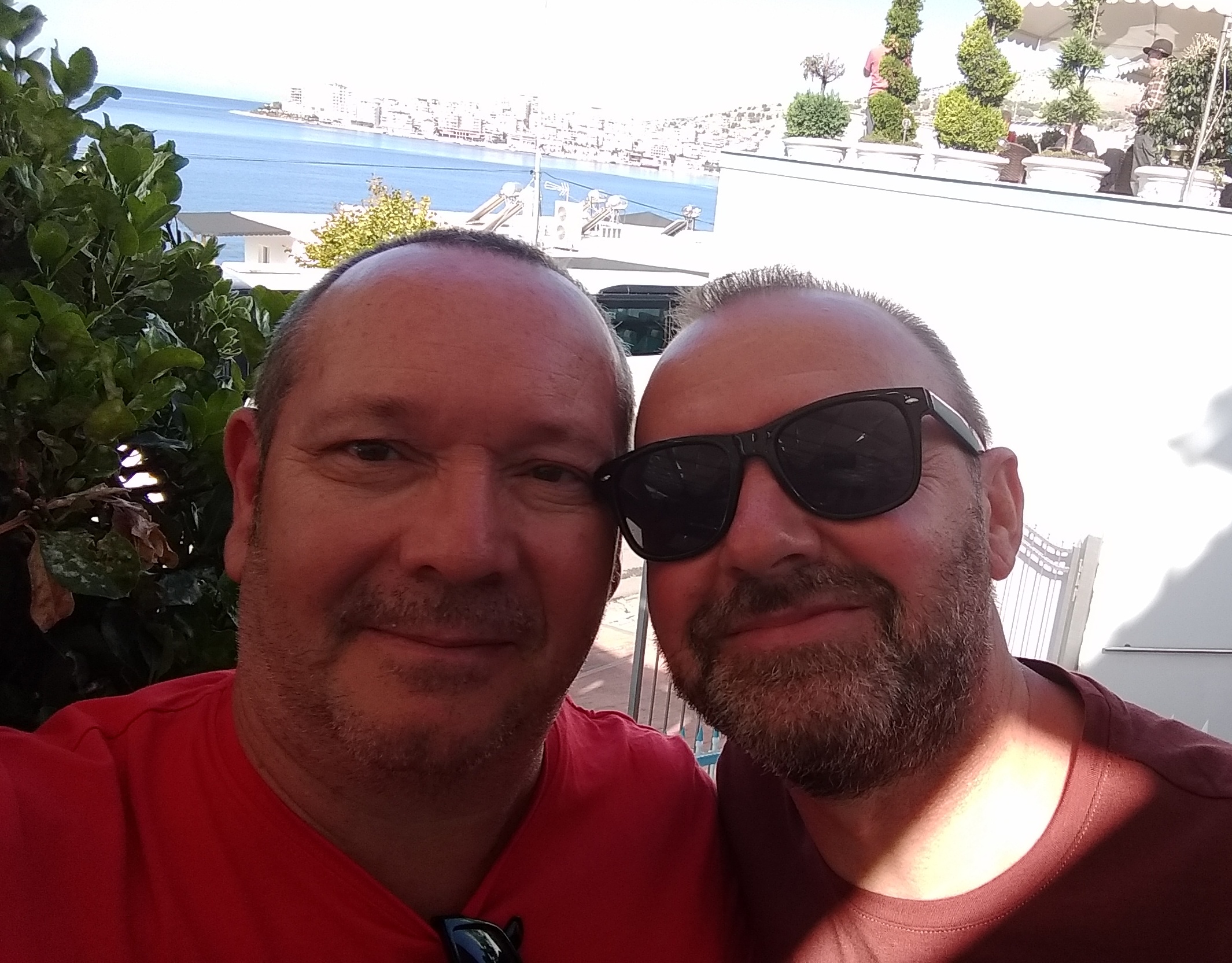
Sarande

The Trojan Connection

Our first excursion is to the ancient city of Butrint – Roman Buthrotum back in the day and a UNESCO World Heritage Site. After years in Turkey, I tend to be a bit blasé about old cities – Turkey’s got ‘em by the quarry-load. But I have to admit the site is pretty impressive with its Greek, Roman, Byzantine, Venetian and Ottoman remains. And the setting on the edge of a lagoon is magical. According to Greek mythology, the city was founded by exiles from Troy. A fanciful tale? Maybe not.

We’ve meandered through a mozzie-infested thicket and over long-buried streets to various ruins in various stages of ruination, including a Byzantine basilica – reputedly the largest in the world after Hagia Sophia in old Constantinople. While imposing, I didn’t think it was that big but what do I know?
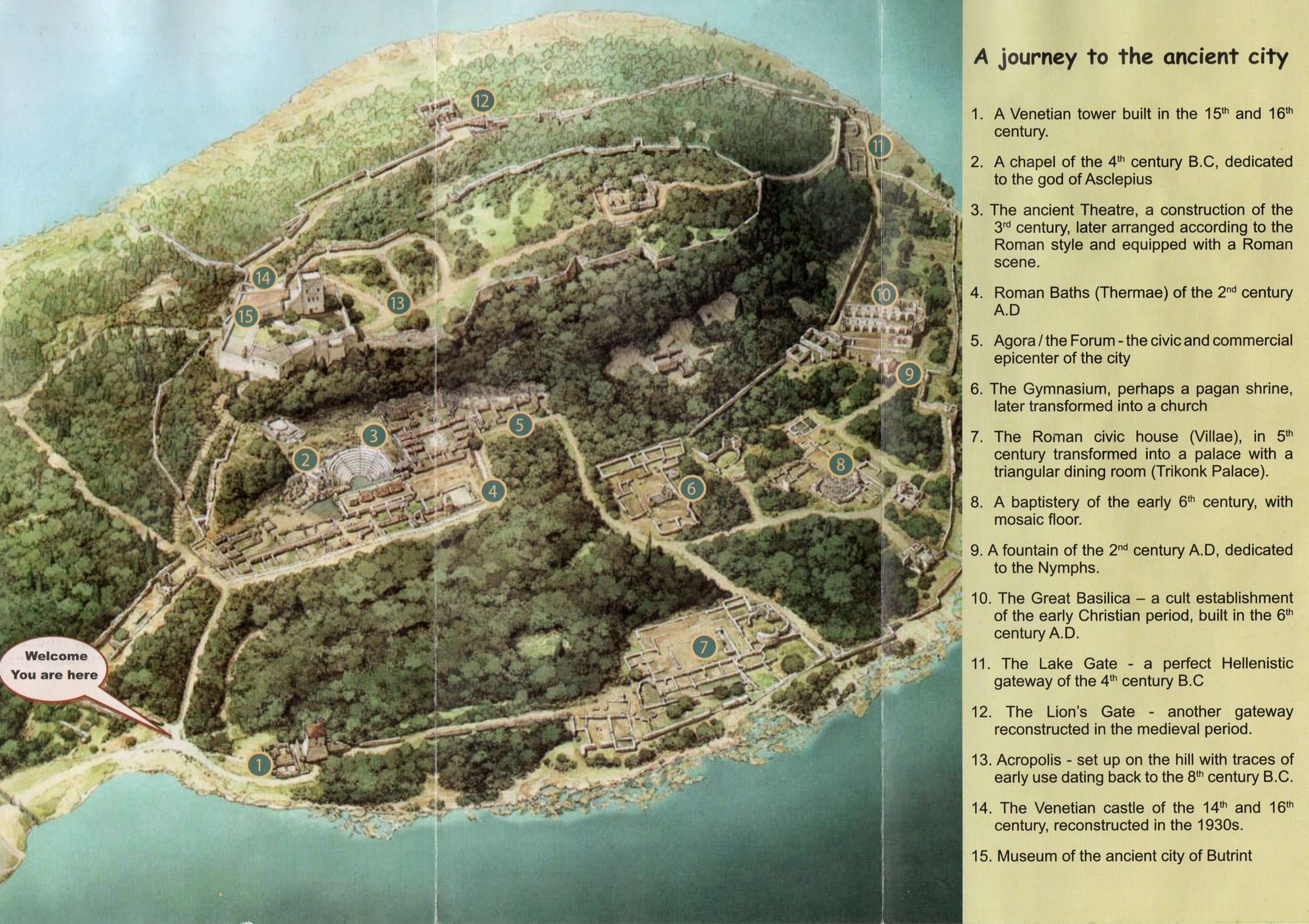
Butrint

As we rambled, I Googled ‘Butrint’ and happened across the UK Butrint Foundation. Guess where it’s based? Yep, Norwich. Small world.

Pushy Fraulein

We’re back in Sarandë for lunch. Many of our fellow passengers would push their firstborn under a bus to get to the buffet first. It’s like feeding time at the zoo. I had to neck an Albanian beer to get over the shock of an ancient Teuton with fat ankles, bum bag and curly perm elbowing me out of the way to get her grubby hands on the köfte.

Eye Spy

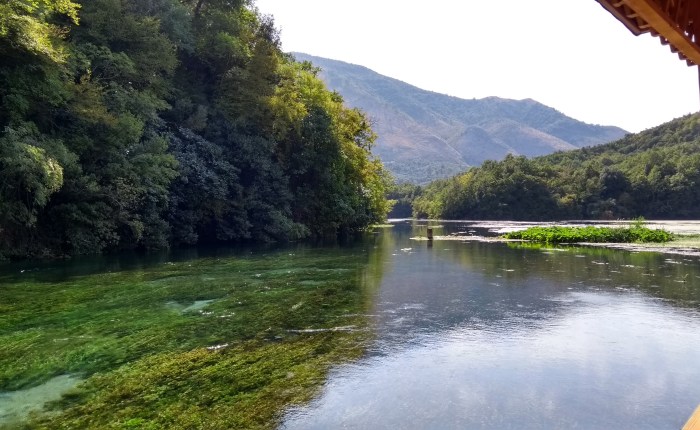
Our afternoon excursion sped us through the Butrint National Park to the Blue Eye, a spring that bubbles forth from a deep pool. I don’t think I’ve ever seen waters so clear or iridescent. The images here are for real – no filters required.

Ooh, Aah, Kosovar

We have an hour or so to kill before our hydrofoil back to Corfu Town. Liam’s sniffed out a swish harbourside bar, with prices to match. I’m sipping Kosovar wine. I didn’t know they made wine in Kosovo. Sarandë is a handsome town – more modern than I was expecting but then I don’t really know what I was expecting. Actually, I’ve never visited an ex-‘Communist’ state before. I’ve been to yer actual Commie country – when I took the train 1,500 or so miles from London to Moscow during Brezhnev’s reign. And then there was Romania when Ceaușescu was on the throne. Both experiences were broadening but those eras are long gone. Albania is beautiful but it’s developing fast. There are mouths to feed and aspirations to fulfil. I just hope they don’t lose too much in the mad rush to be just like everyone else.

Here Endeth the Lesson

I’m guessing not many people know much about Albania. I certainly didn’t. But I know a little more now, courtesy of our guide, a splendid young man who speaks great English, and great German too by the sound of it. Throughout the day, he’s been giving us a potted history in bite-size episodes. He even mentioned the German occupation during the Second World War, something  I thought he might have skipped to avoid offence. It was done in such a matter-of-fact way, I’m sure no one was offended. Our young guide is looking to the future, not dwelling on the past. I’m rather taken with him (not in that way – get your minds out of the gutter). He ended the lesson by saying simply,

Don’t judge Albania by what you’ve heard. Judge Albania by what you see – good and bad.

He got a round of applause – and a tip.

Coming soon – Postcards from Corfu Town.
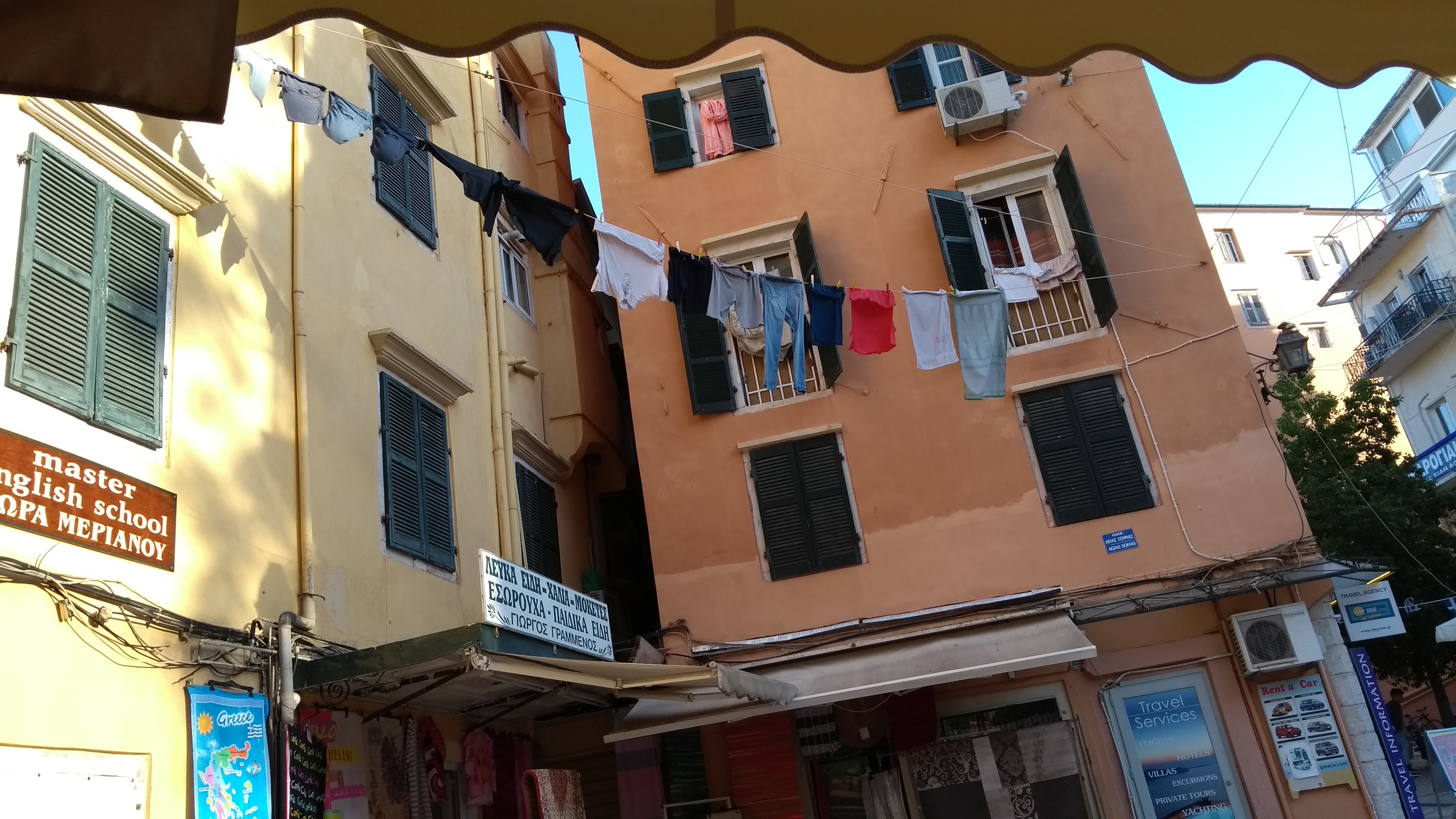
Laundry line


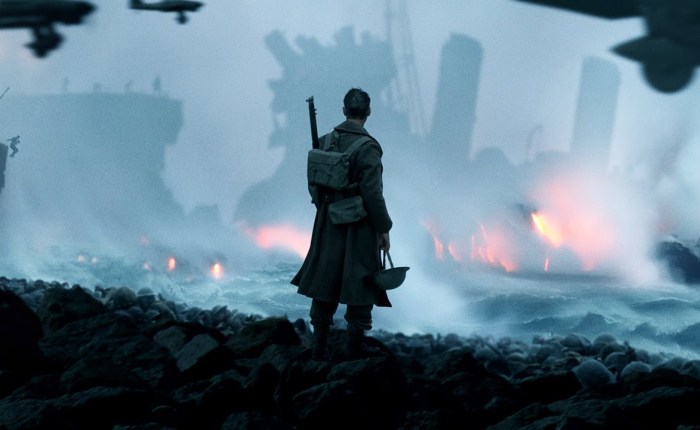
Dunkirk

Dunkirk

Generally, I don’t like war films. They tend to be way too violent or jingoistic (or both) for me. I don’t do gore or mindless nationalism. But then we read a five star review of ‘Dunkirk’ which told us to go see it on the biggest screen possible. So we did as we were told and took our seats at the local multiplex. From the opening sequence to the closing credits, we were on the edge of our seats, teeth clenched and knuckles whitened. Utterly mesmerising and amplified by a devastating Hans Zimmer score threaded with Elgar, the film has ‘epic’ stamped all over it. The story of Dunkirk is the stuff of national legend – hundreds of thousands of allied troops trapped on the beach and rescued by a flotilla of hundreds of small civilian boats. But this film isn’t about plucky Brits snatching victory from the jaws of defeat. It isn’t about the gung-ho glorification of war or the sins of the enemy – not a single German is seen. It’s about survival by the skin of the teeth. It’s about a miracle. And it’s brilliant.


Avenues and Alleyways

Avenues and Alleyways

We were in London for cake and fancies to celebrate my Mother’s 88th birthday. The old girl was in fine fettle – fag in one hand, brandy and coke in the other. I was going to post a video of her blowing out the candles to Happy Birthday, but with the lights off, it came out like a scene from The Blair Witch Project (the cult horror film not the dodgy dossier that did it for a former prime minister).

On our way home the next day, we had a couple of hours to waste before catching the train back to old Norwich so we took a wander round Spitalfields and Broadgate in the City. Last time we were there, we were richly entertained by Tangoing couples. No such luck this time, more’s the pity. So instead, I’m posting a few random shots from our meander. As with much of London, the area is a mishmash of styles old and new, tall and short. It’s what makes the City what it is and I rather like it.

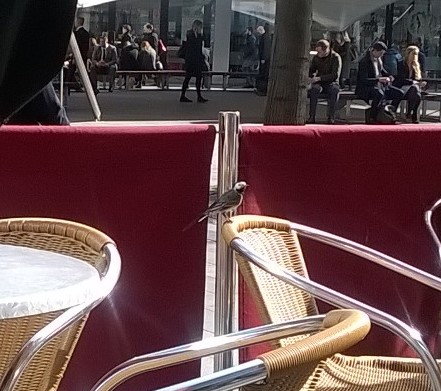
While supping coffee in the afternoon sunshine, Liam spotted a tiny bird nearby begging for a tasty titbit. Pigeons are commonplace in London but this little birdie was a pied wagtail, or so Liam told me. Liam is hardly well-acquainted with birds, so I had my doubts.

Pied Wagtail

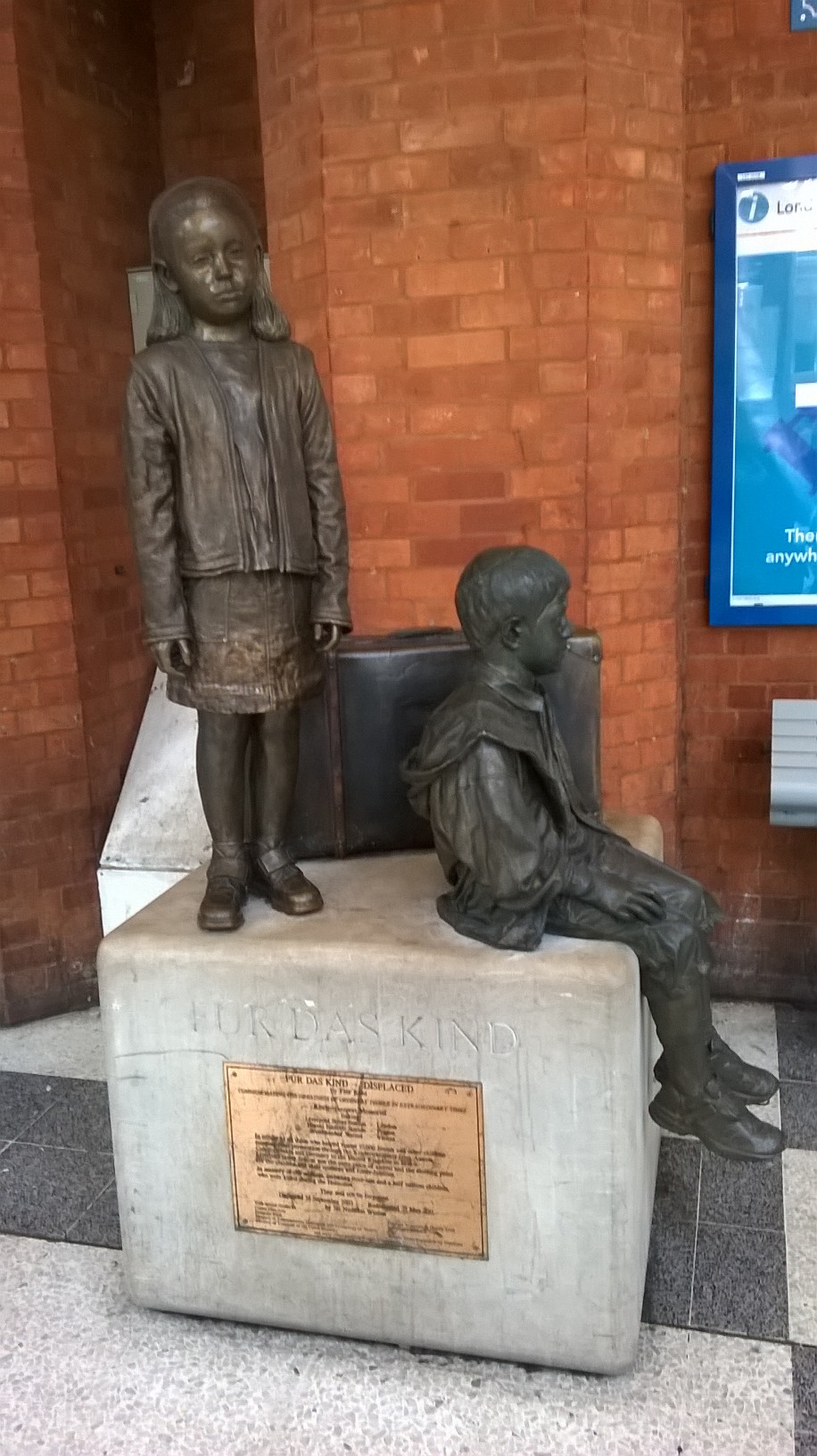
Back to Liverpool Street Station in time for our train, we stumbled across one of the Kindertransport memorials which commemorate the rescue of around 10,000 mostly Jewish children from Nazi persecution just before the outbreak of World War II. It was an age when Britain and others were a little less shoddy to refugees.

Für Das Kind by Flor Kent

There’s a much grander statue on Hope Square in front of the main entrance to the station. But I like this one better as it seems to merge with the ebb and flow of the crowd. There are similar memorials in Berlin, Prague, Vienna and Gdansk. ‘Lest we forget,’ as the saying goes. Trouble is, I think we already have.

I Beg Your Pardon

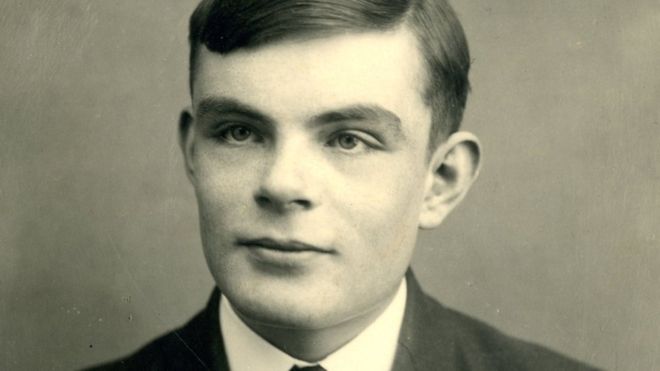
alan-turing

All men convicted of homosexual offences no longer illegal have now received a royal pardon. The general pardon (so-called Turing’s Law) is modelled on the 2013 pardon granted to Alan Turing, the mathematical genius who broke the German Enigma codes during World War Two and shortened the war, saving thousands. In return, he was convicted by an ungrateful nation of gross indecency, chose chemical castration over incarceration and killed himself in 1954 at the age of 41. It’s a story full of shame, none of which was his. For the dead, the pardon is posthumous. Those still alive and mincing (reckoned to be around 15,000) can apply to have their convictions expunged from the record. I could have been one of them. I just didn’t get caught.

The Story of Norwich – Tinker, Tailor, Soldier, Sailor, Rich Man, Poor Man, Bomber Man, Thief

The Story of Norwich – Tinker, Tailor, Soldier, Sailor, Rich Man, Poor Man, Bomber Man, Thief

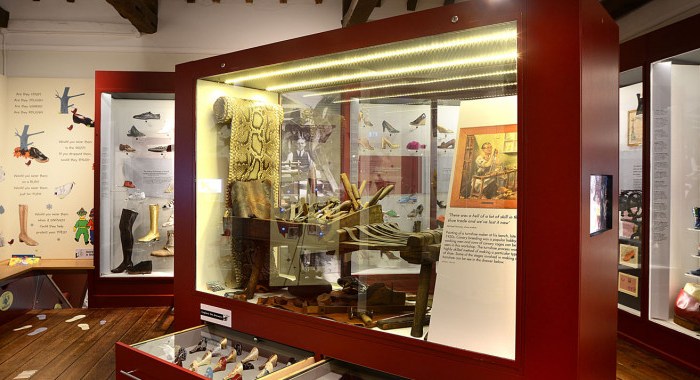
Our flat is like a weather chamber. When Mother Nature decides to throw a wobbly, we hear every eruption. So last month when Storm Doris (Doris?) huffed and puffed with 90 mph winds, we feared she’d blow the house down. We decided to abandon the microloft and seek refuge elsewhere. Usually this would be the pub but on this occasion we choose the Bridewell Museum. The Bridewell charts the civic and social history of Norwich – from its modest beginnings as a few Anglo-Saxon huts on the muddy banks of the river to the pillaging Vikings, conquering Normans, religious glory days of spires and steeples, economic salvation by Flemish refugees, a spectacular rise to become England’s second city, a slow industrial decline and the city’s renaissance as a financial centre, cultural hub and UNESCO City of Literature. It’s a ripping yarn of churches and chapels, friaries and priories, martyrs and merchants, weavers and cobblers, chocolatiers and mustard makers, fire and flood, black death and blitzkrieg. Norwich was the first British city to build social houses and the first to have them flattened by the Luftwaffe – two of the many things catching my attention as we meandered through the exhibits. And what fun we had dressing up.
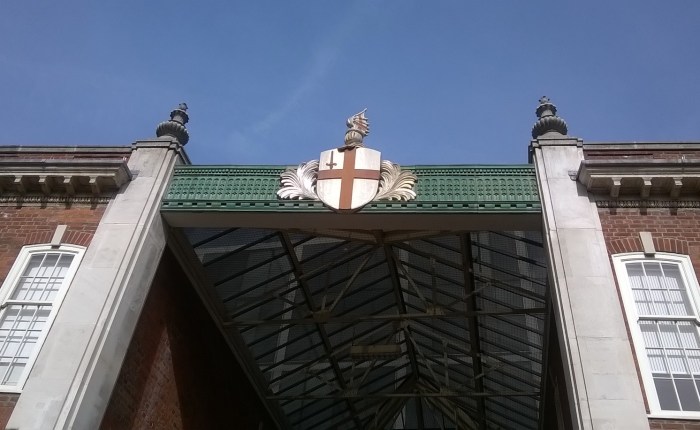
If you’d like to know more, check out Norwich Museum at the Bridewell.

Afterwards we did make it to a local hostelry for a few jars. Well who am I to argue with the lady?

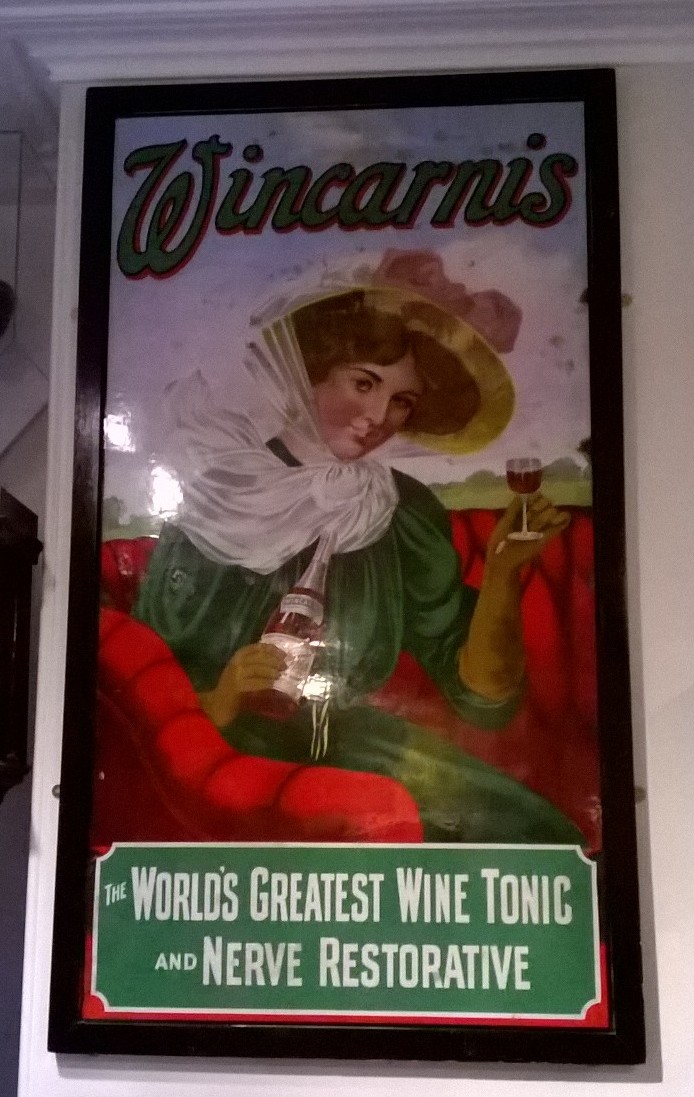
wincarnis-wine-tonic

And so we survived Doris’ rage in one piece. Which is more than I can say for the roof.