
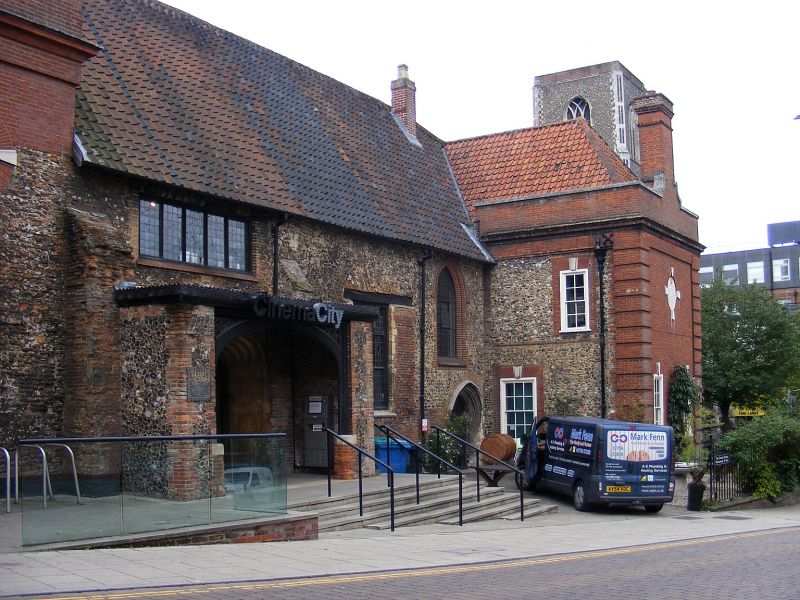
 September was a bit of a cultural marathon ending in a theatrical flourish. Liam surprised me with an early birthday present, a broadcast of the musical Billy Elliot streamed live from London. Set in a small mining community in the northeast of England during the 1984/85 miner’s strike*, Billy Elliot is the tale of a young boy’s unusual ambition to become a ballet dancer set against the backdrop of a divided community on the edge of defeat and the inverted snobbery of his family. Obviously, his nearest and dearest get behind him in the end and Billy goes on to play the lead in Matthew Bourne’s Swan Lake. What we didn’t know when we took our front row seats at Cinema City was that the show was also going to be beamed to 554 cinemas in Britain and Ireland and to others around the world – simultaneously across Europe and with time delays to Asia, Australia and North America.
The performance began with a tribute from Elton John (who composed the score), a back stage tour from one of the current quartet of Billys (and our Billy for the day), the incredibly gifted Elliott Hanna, and an introduction by Stephen Daldry, the director of the musical and of the 2000 film on which the stage show is based. The gloriously uplifting finale was a specially choreographed foot-tapping mashup by 25 Billys from past and present. The raw energy and mesmerising talent made me feel distinctively average.
I have to confess that I’m a bit of a Billy Elliot disciple. I blubbed all the way through the film, cried buckets during the stage show (which I saw in 2008) and wept uncontrollably into my large glass of Pinot Grigio through the broadcast. I wasn’t the only one failing to get a grip. The broadcast became the first live event to go to Number 1 at the UK Box Office. It was seeing those hunky miners in tutus that did it.
I leave you with Grandma’s Song (different Billy, same grandma). If you don’t like a little bit of swearing, you’d best change channels now.
*This was the second strike-themed show of our September culture-fest, the first being the fabulous film Pride which we saw at the beginning of the month.

 Perking the Pansies