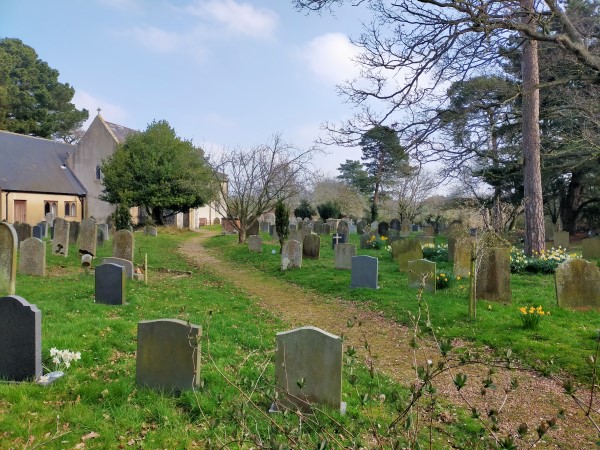
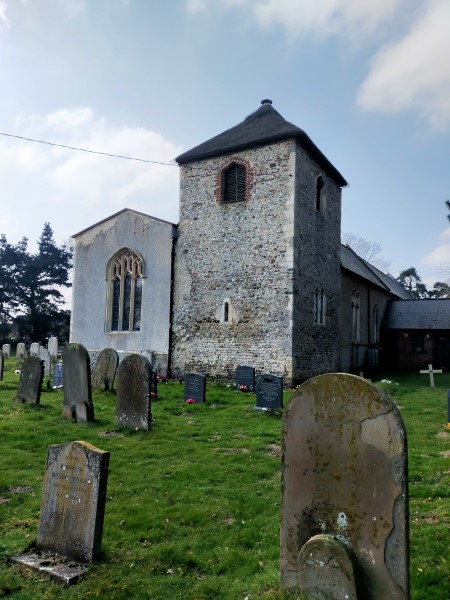
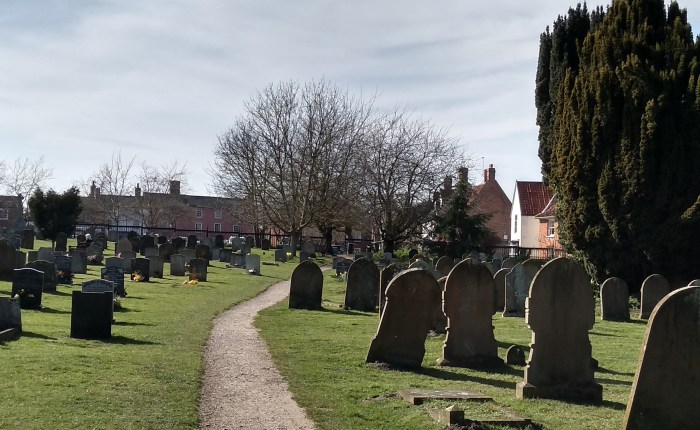
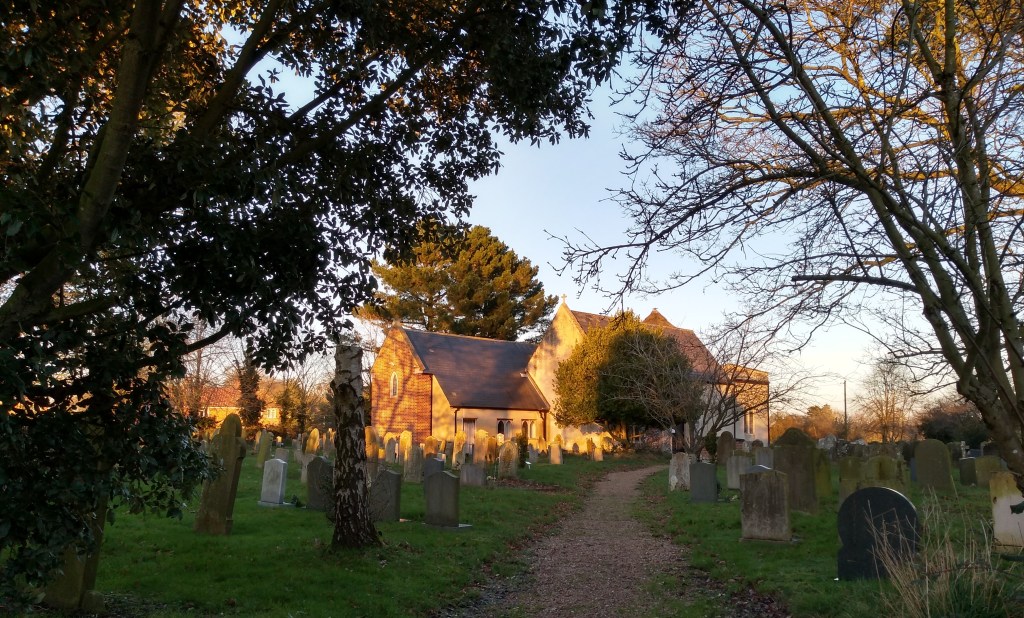
Ringed by wonky tombstones, our pretty village church sits on top of a small hill. Called ‘All Saints’ – to cover all the holy bases – the unassuming little building is an eclectic blend of eras – Norman, Georgian, Victorian and modern. The Norman bell tower features a rare folksy thatched roof, and the east window is rumoured to be from Rouen Cathedral, picked up for a song following the French Revolution.
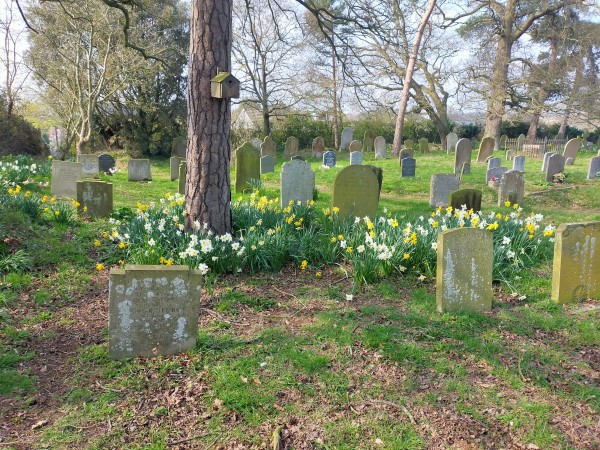
Our micro-cottage nestles at the foot of the hallowed mound, and I pass by the church when popping out for rations. Now and again, I take a stroll around the fir-lined graveyard and while away some me time on a memorial bench. I’m no God botherer, but I find it soulful and restorative, a welcome distraction from a scary world. And now spring has finally sprung, the sight of perky daffodils glowing in the afternoon sun is pretty restorative too.
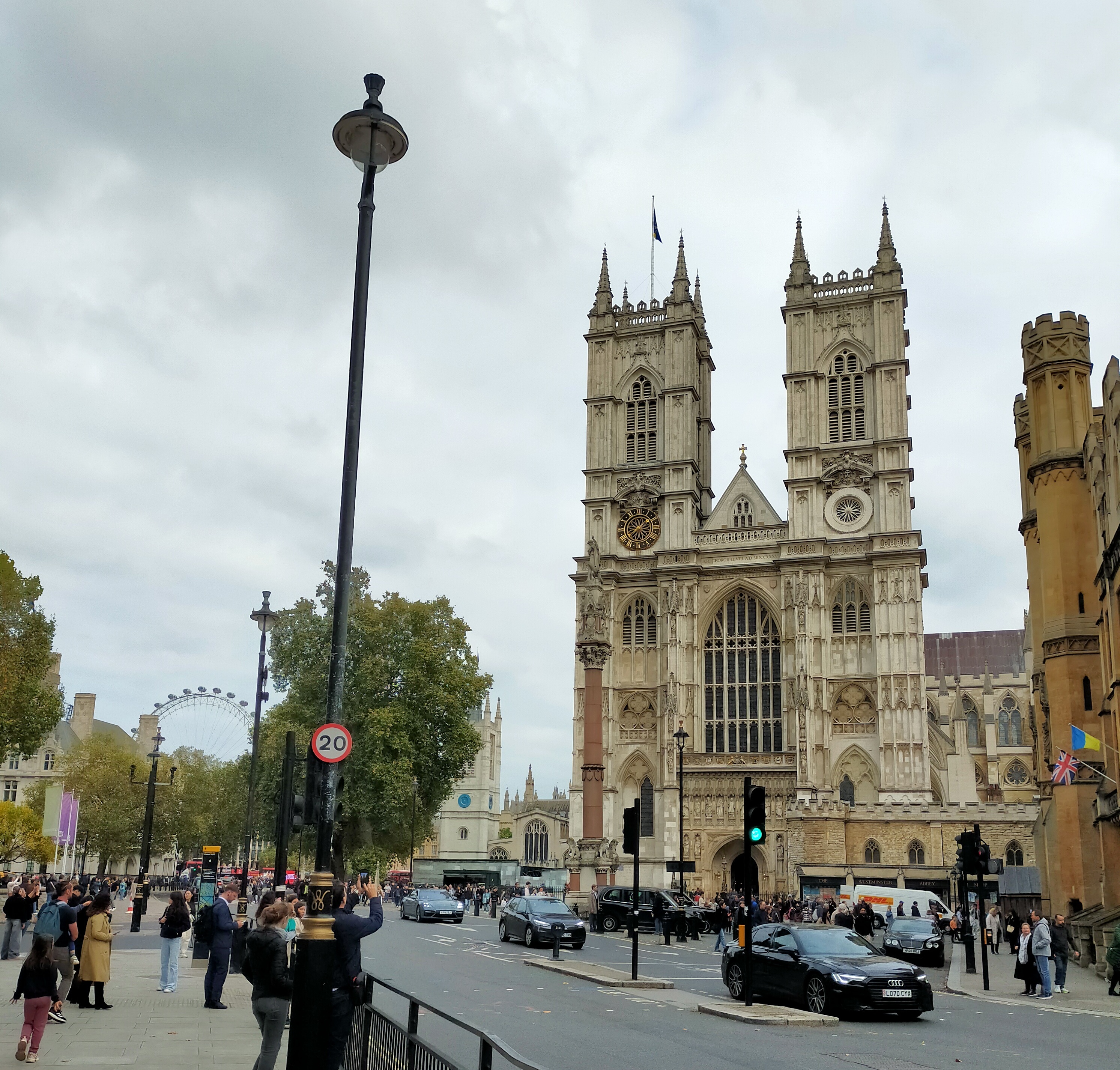
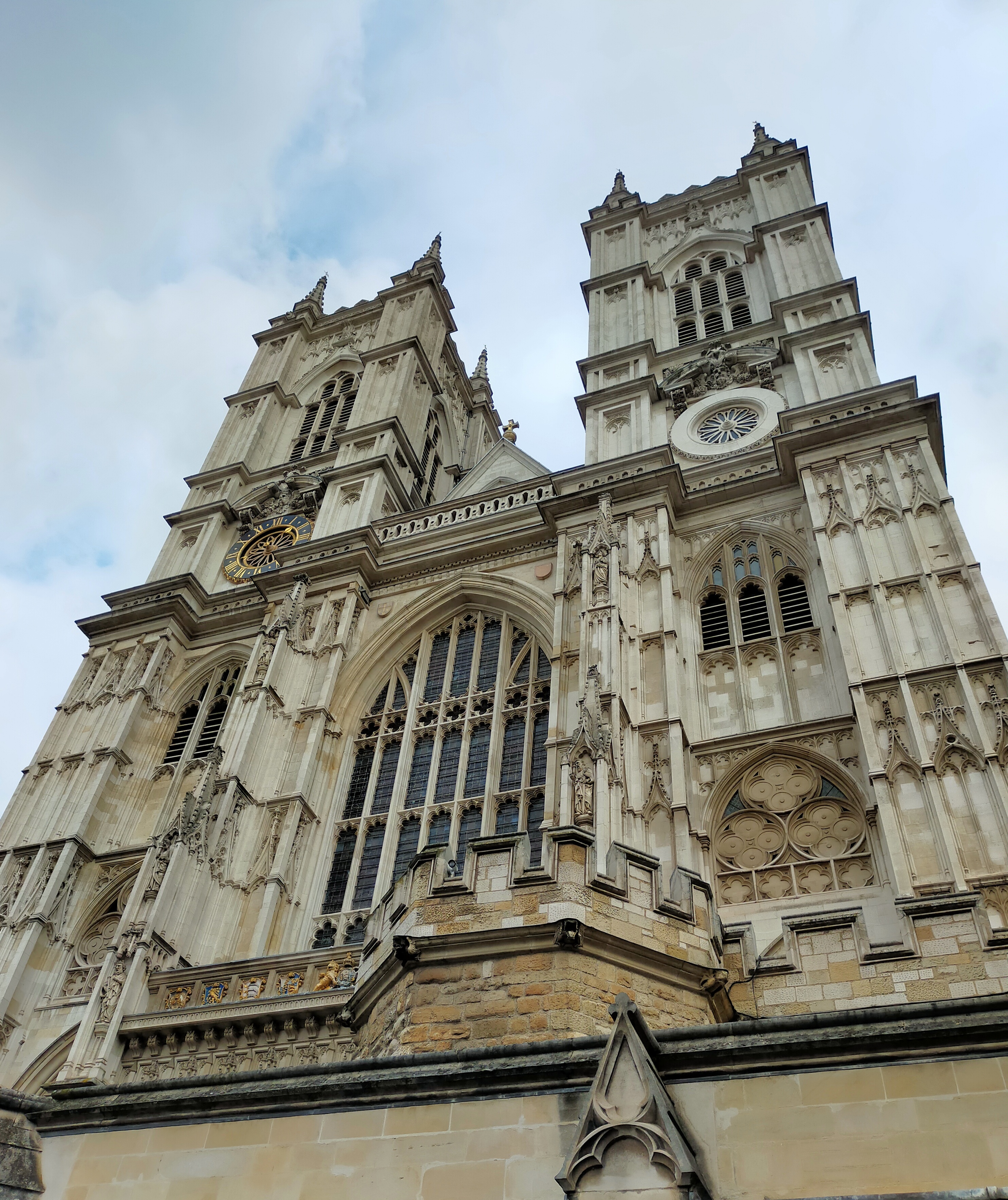
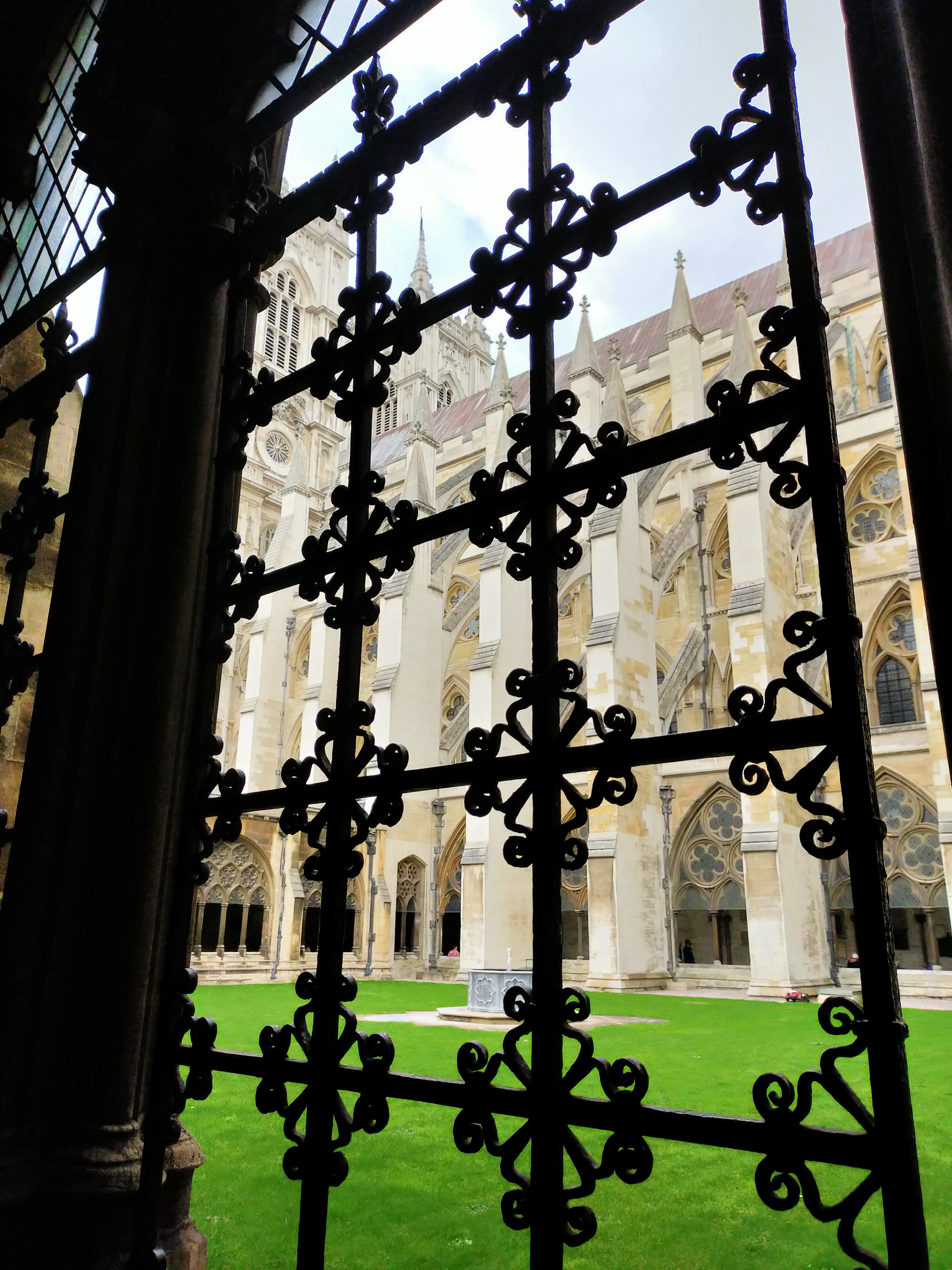
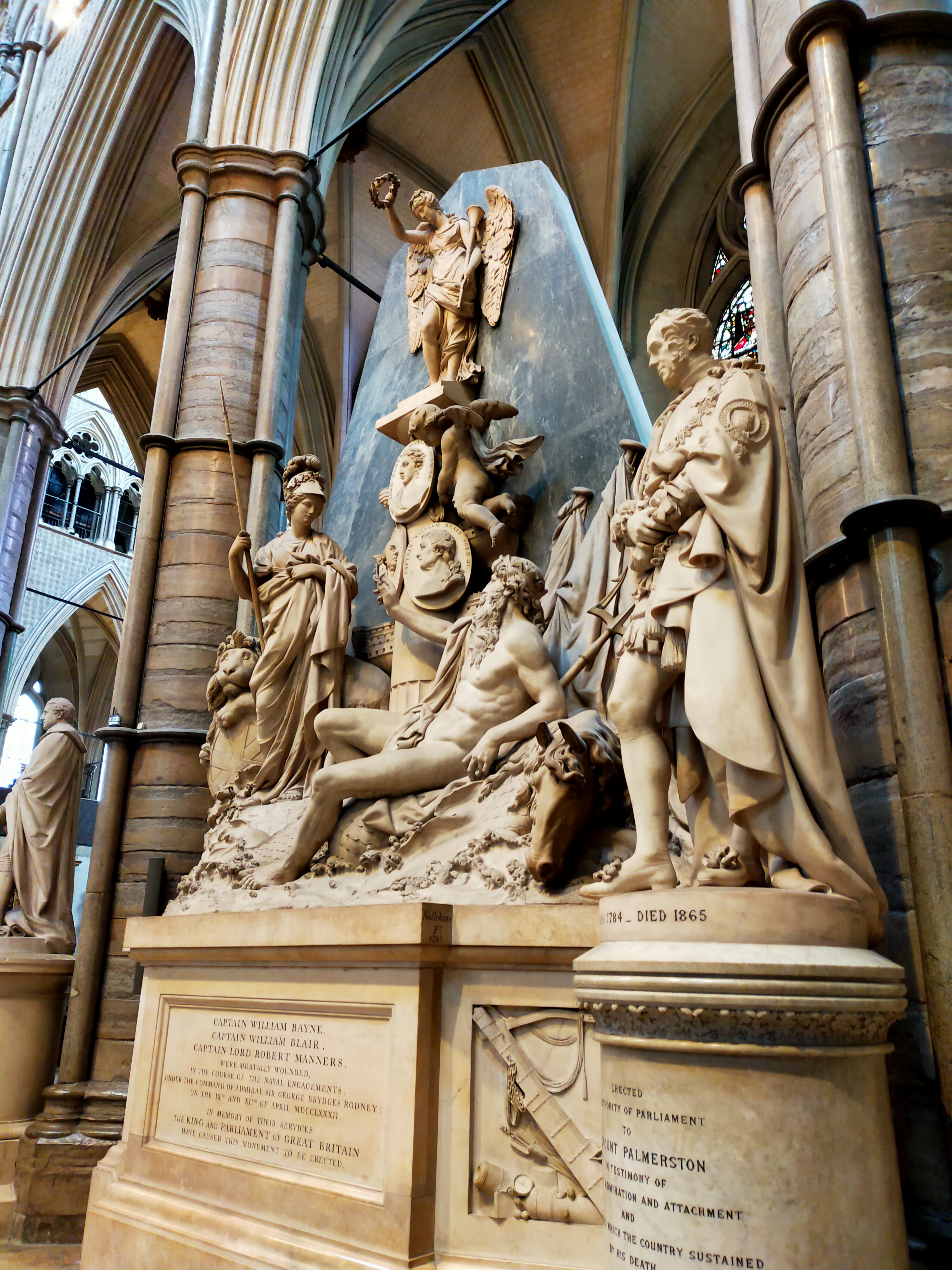
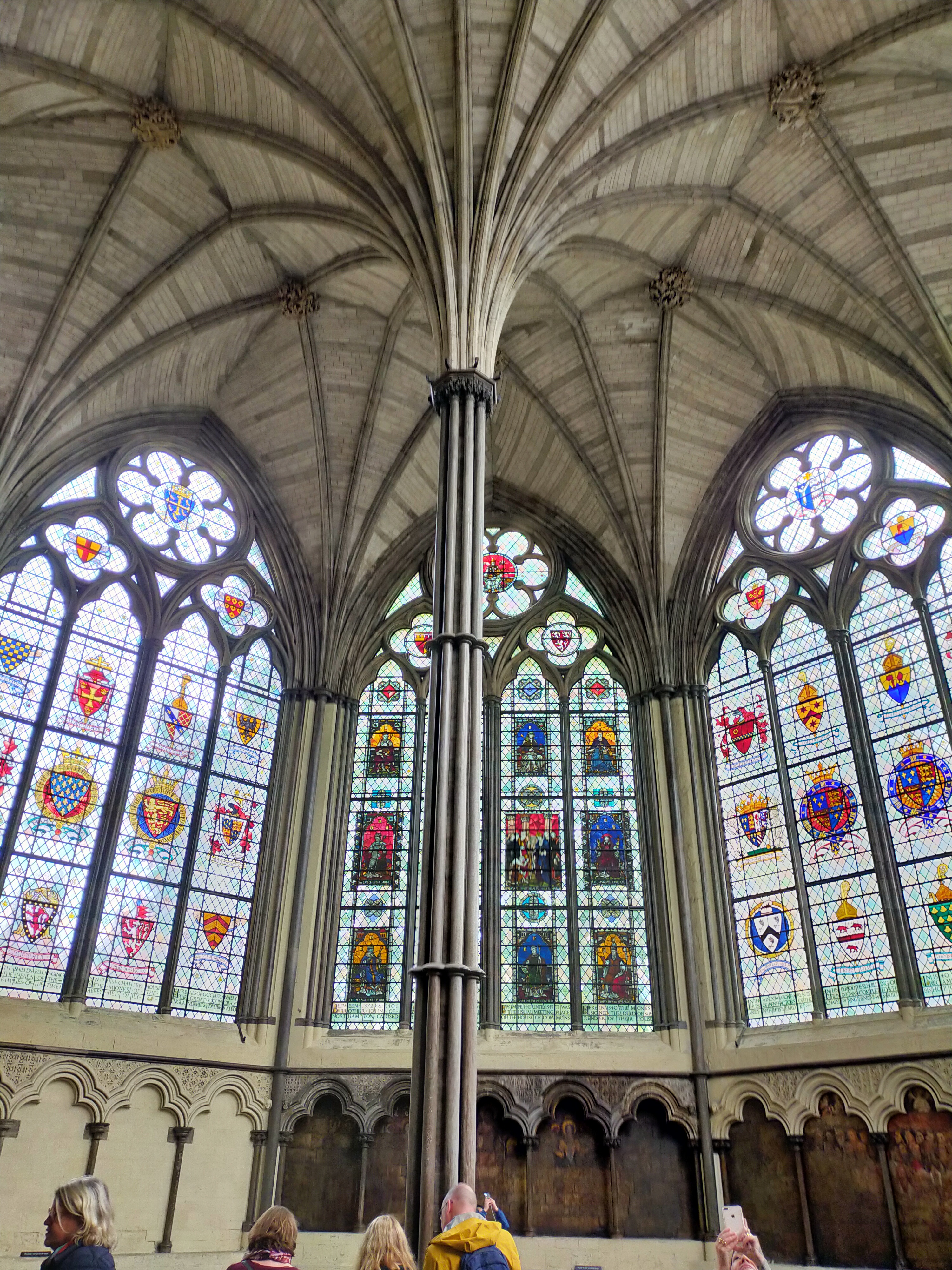
We interrupted our recent theatrical pilgrimage to old London Town to have a gander around Westminster Abbey. Regular viewers will know I’m a sucker for an old ecclesiastical pile, and King (and Saint) Edward the Confessor’s ‘West Minster’ is arguably the most famous ecclesiastical pile in the realm. Generally thought to have been founded in the mid-10th century as a Benedictine monastery, the church was rebuilt by the saintly king about 100 years later to serve as his royal burial chamber. What Edward the Confessor actually fessed up to is anyone’s guess.
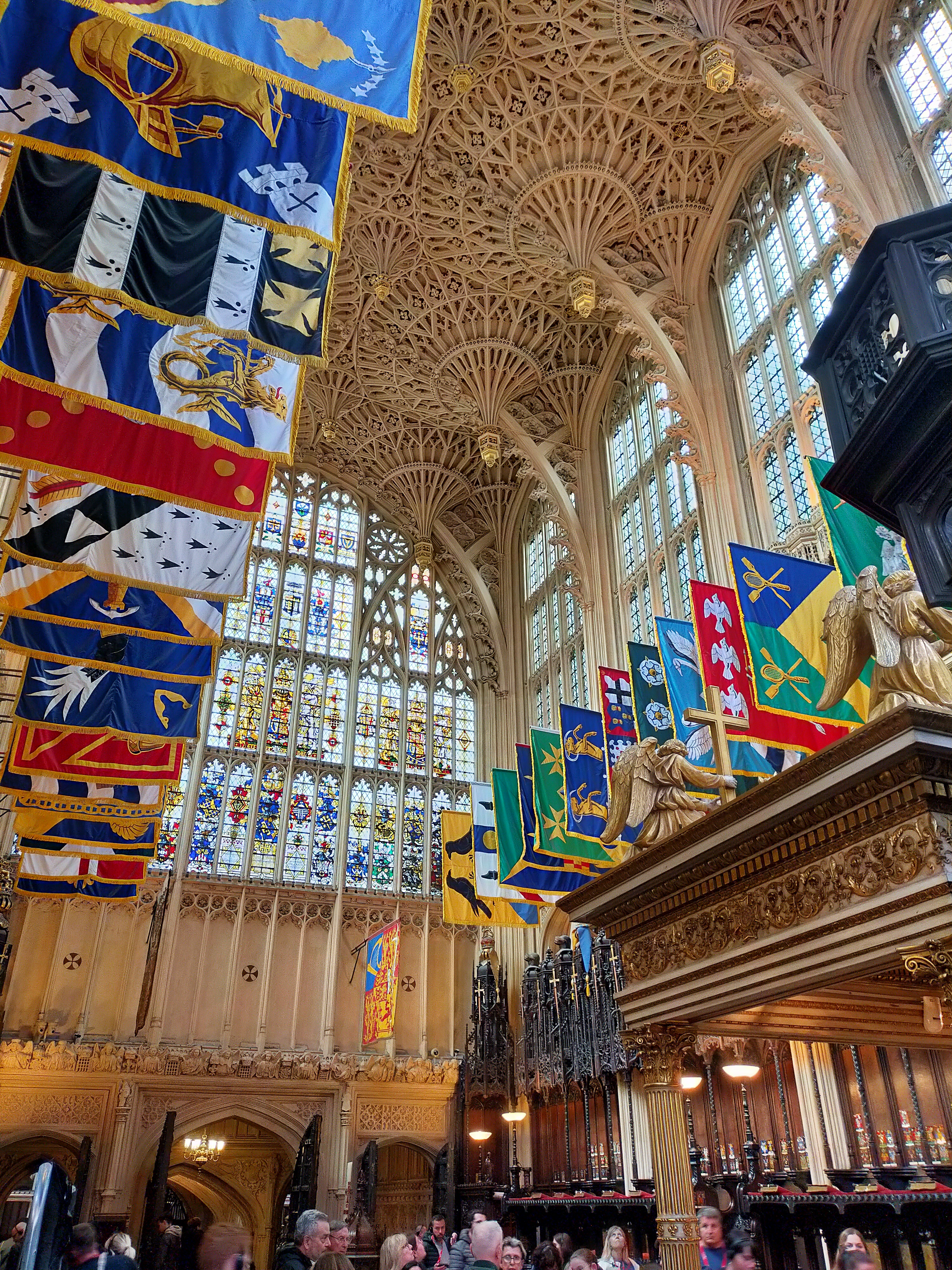
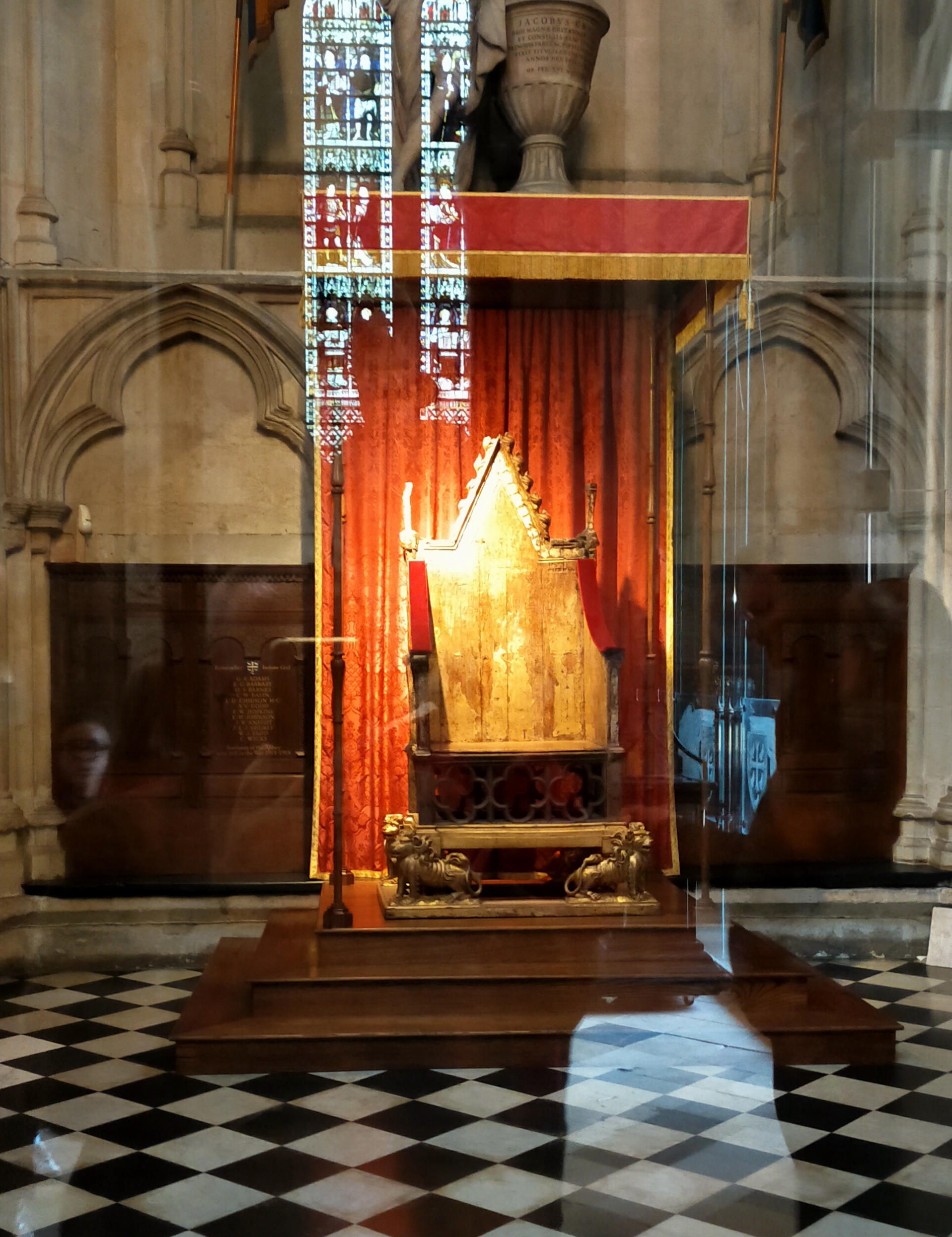
Following the Norman victory at the Battle of Hastings in 1066, William the Conqueror (or ‘the Bastard’ as he was affectionately known) was crowned King of England at the abbey on Christmas Day that same year; just to make sure everyone knew the old bastard was now in charge. Extended and remodelled down the centuries, the church has been the site of royal coronations ever since. The 14th-century coronation chair sits behind bars to prevent we plebs from getting above our station.
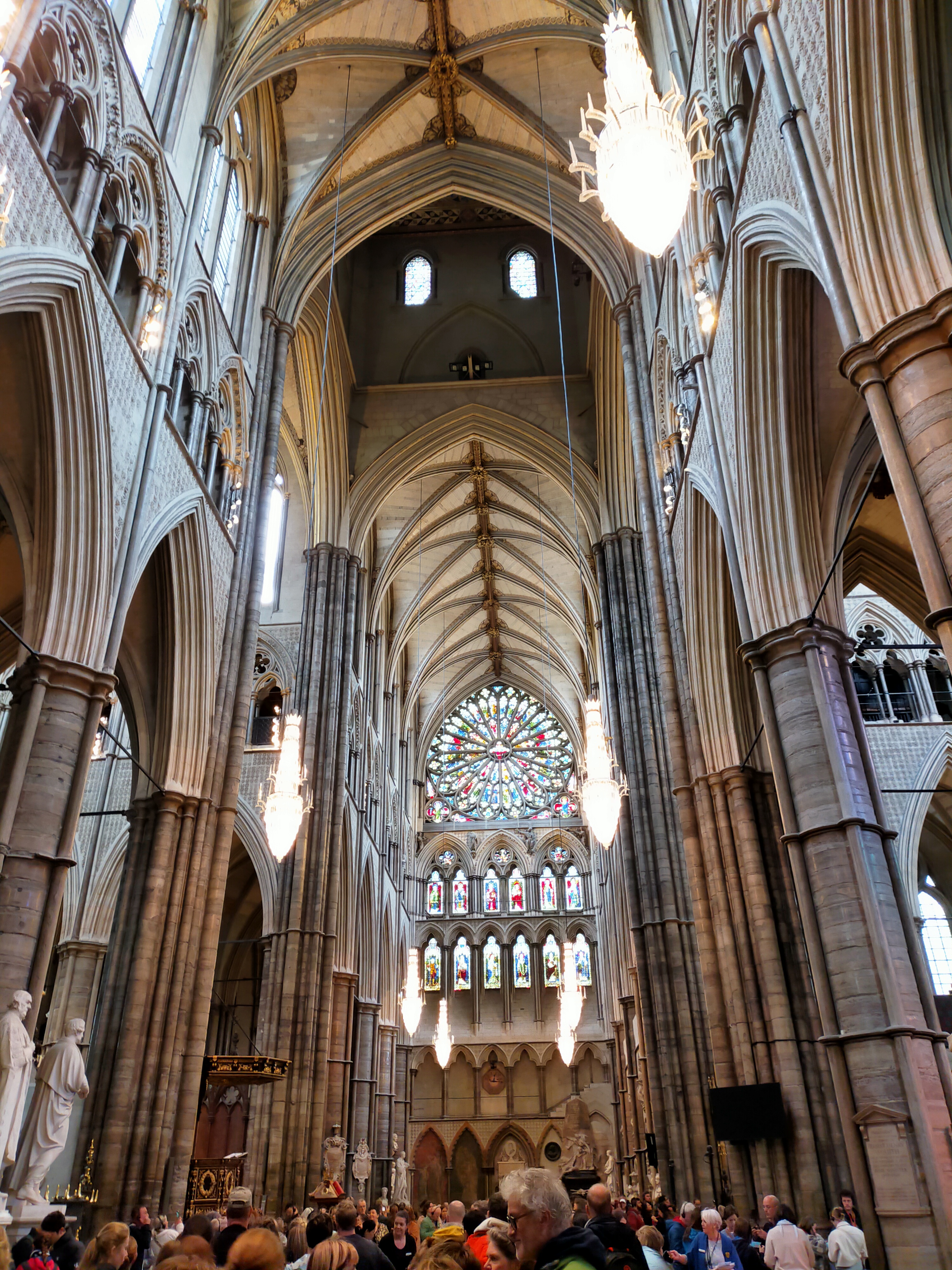
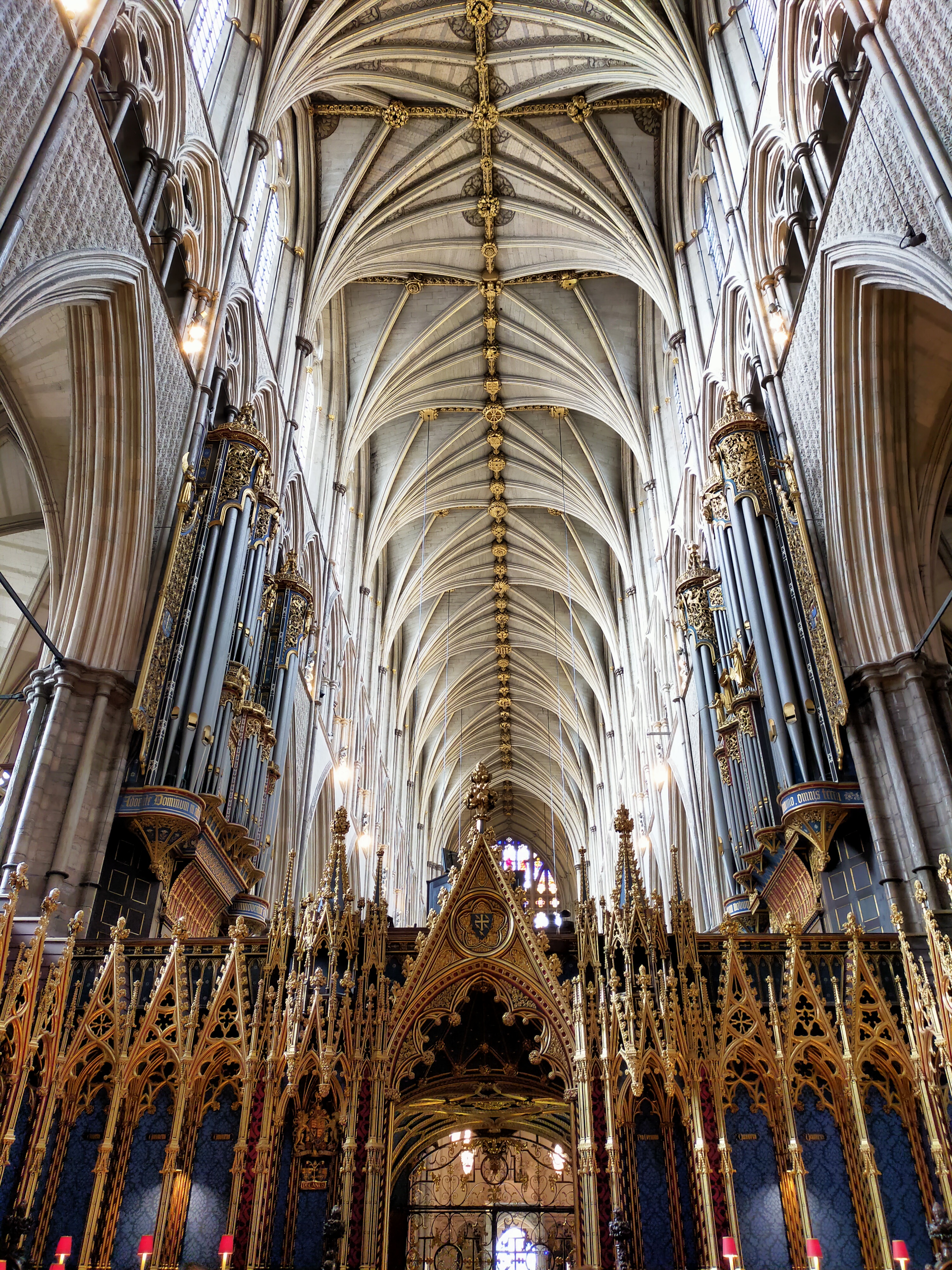
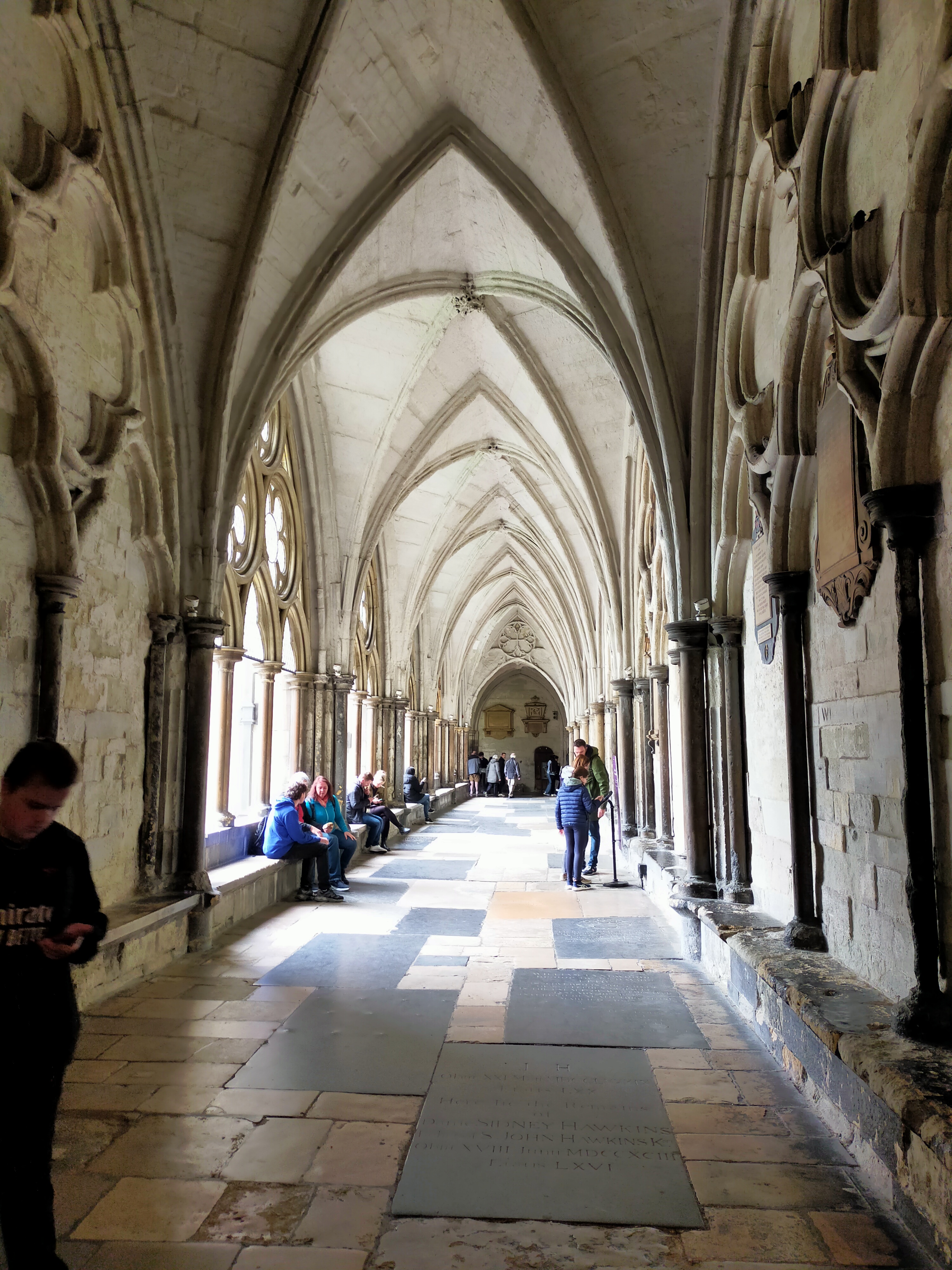
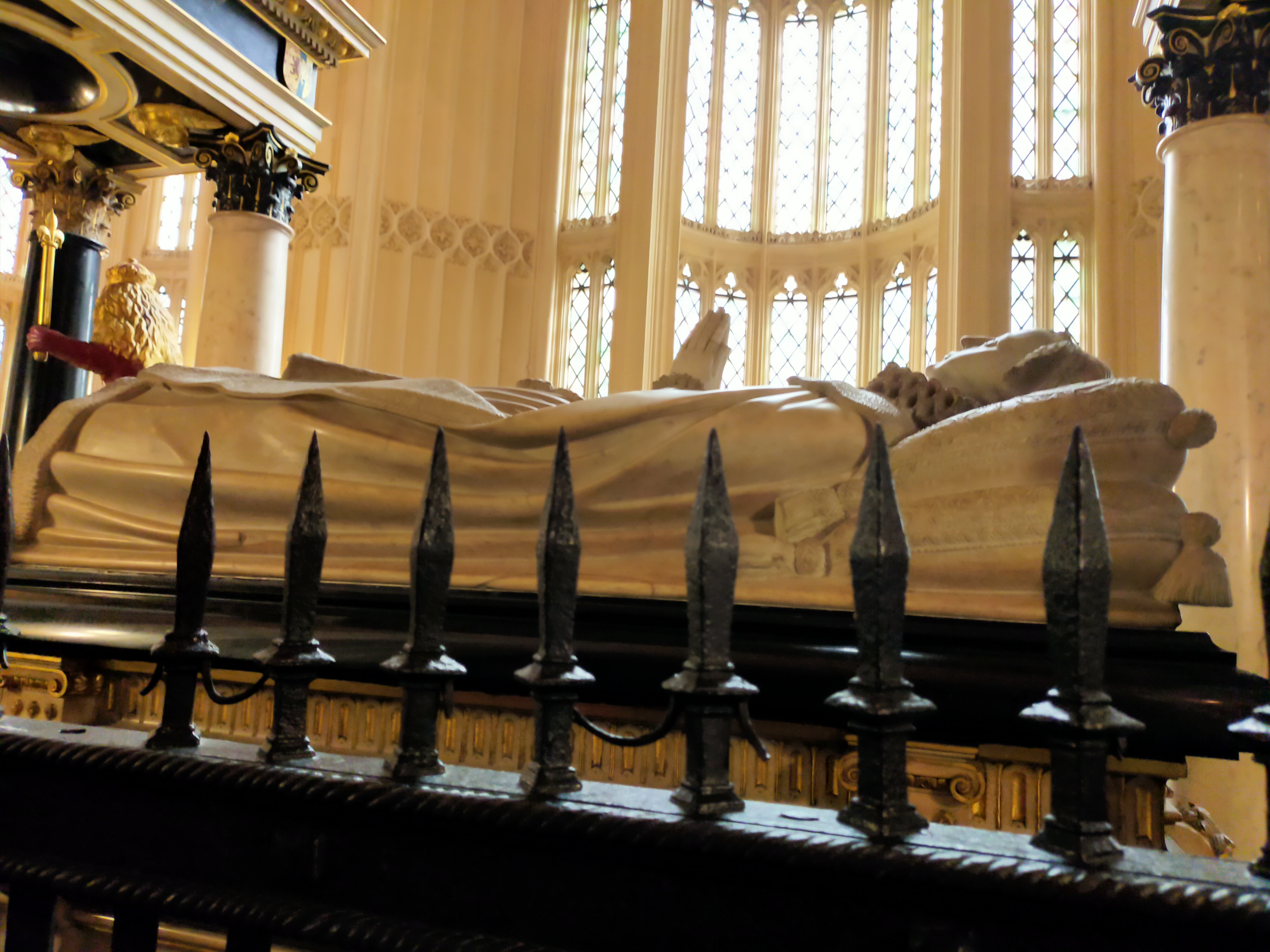
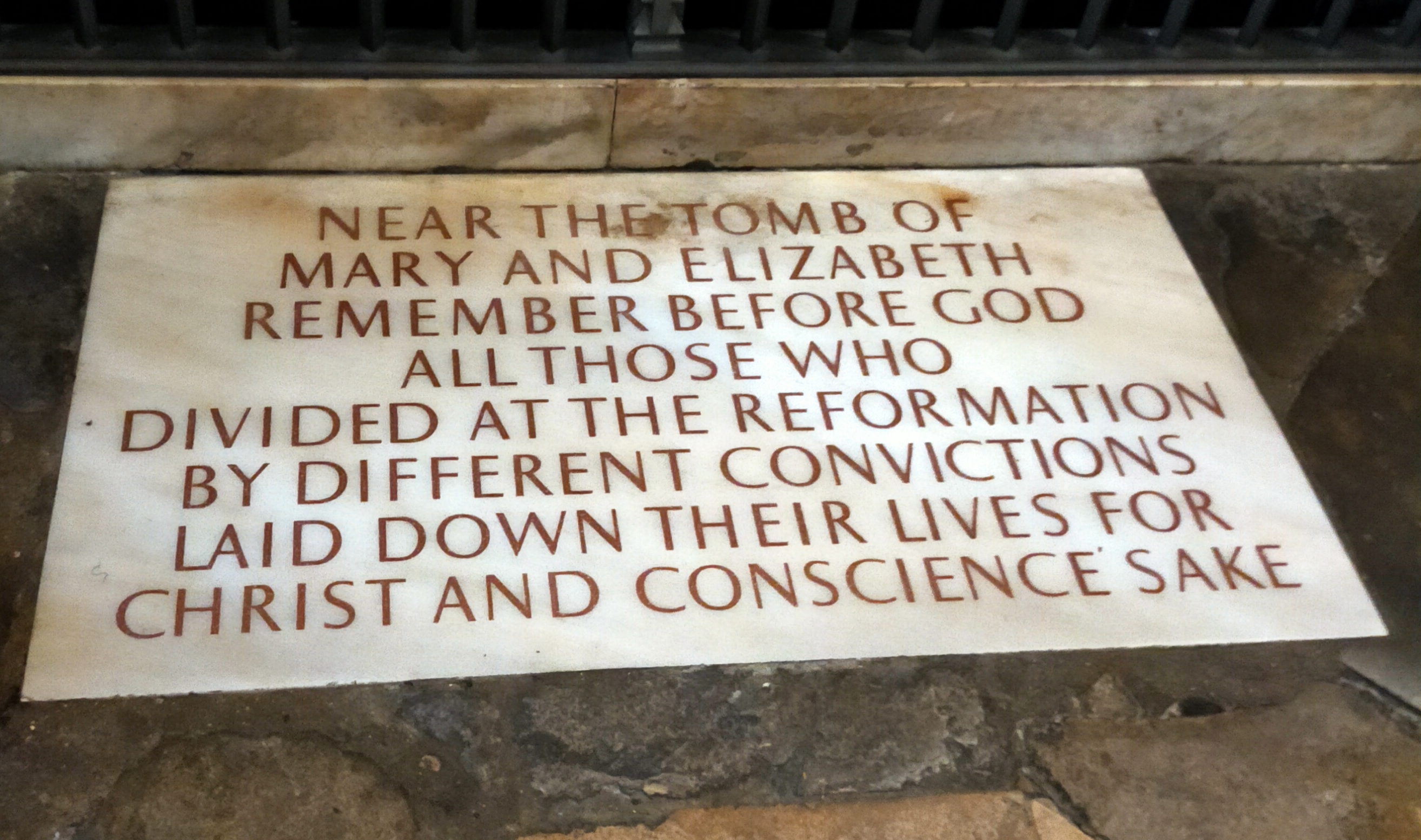
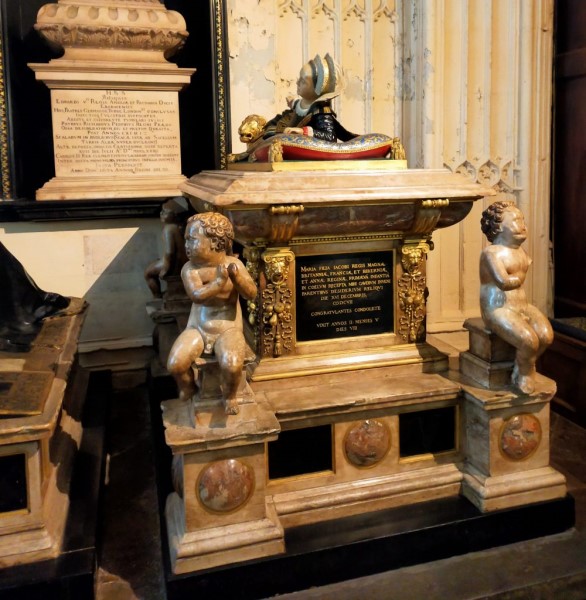
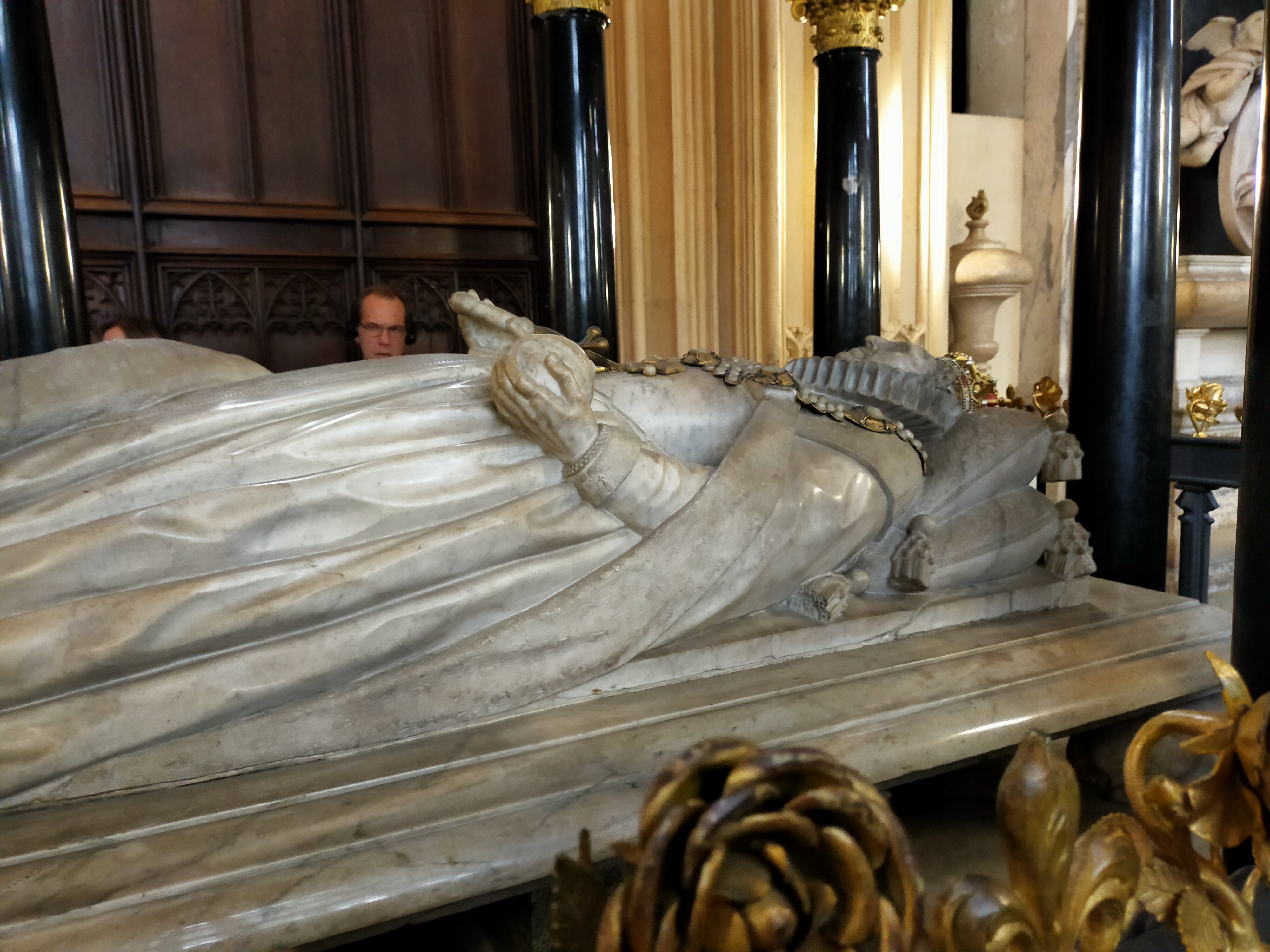
The abbey’s Gothic splendour soars heavenwards while history drips from every statue and every stone. As well as being the most famous house of God in the land, it’s also the most popular. The crowds were too much, particularly when trying to catch a fleeting glimpse of the first two undisputed Queen Regnants* of England – the first Mary and the first Elizabeth – half sisters, one Catholic and one Protestant at a time when you had to pick a side. These two old queens – one Catholic and one Protestant – inched and jostled past the tombs. Of the 16 or so other monarchs buried at the abbey, the tomb of Mary, Queen of Scots is perhaps the most poignant, given her life and times.
*That is, a queen reigning in her own right rather than a queen through marriage to a king.
Mary Queen of ScotsMary IElizabeth I
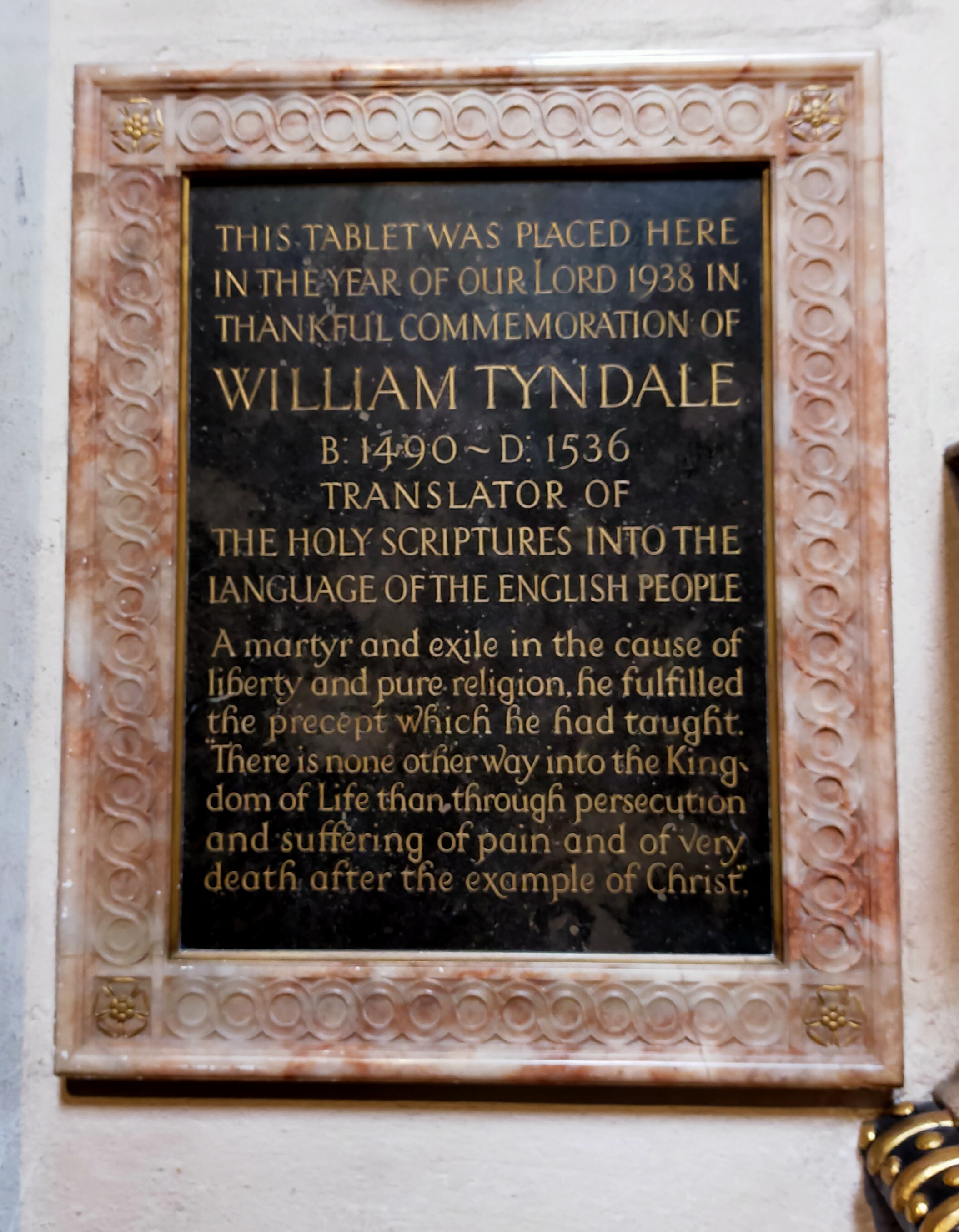
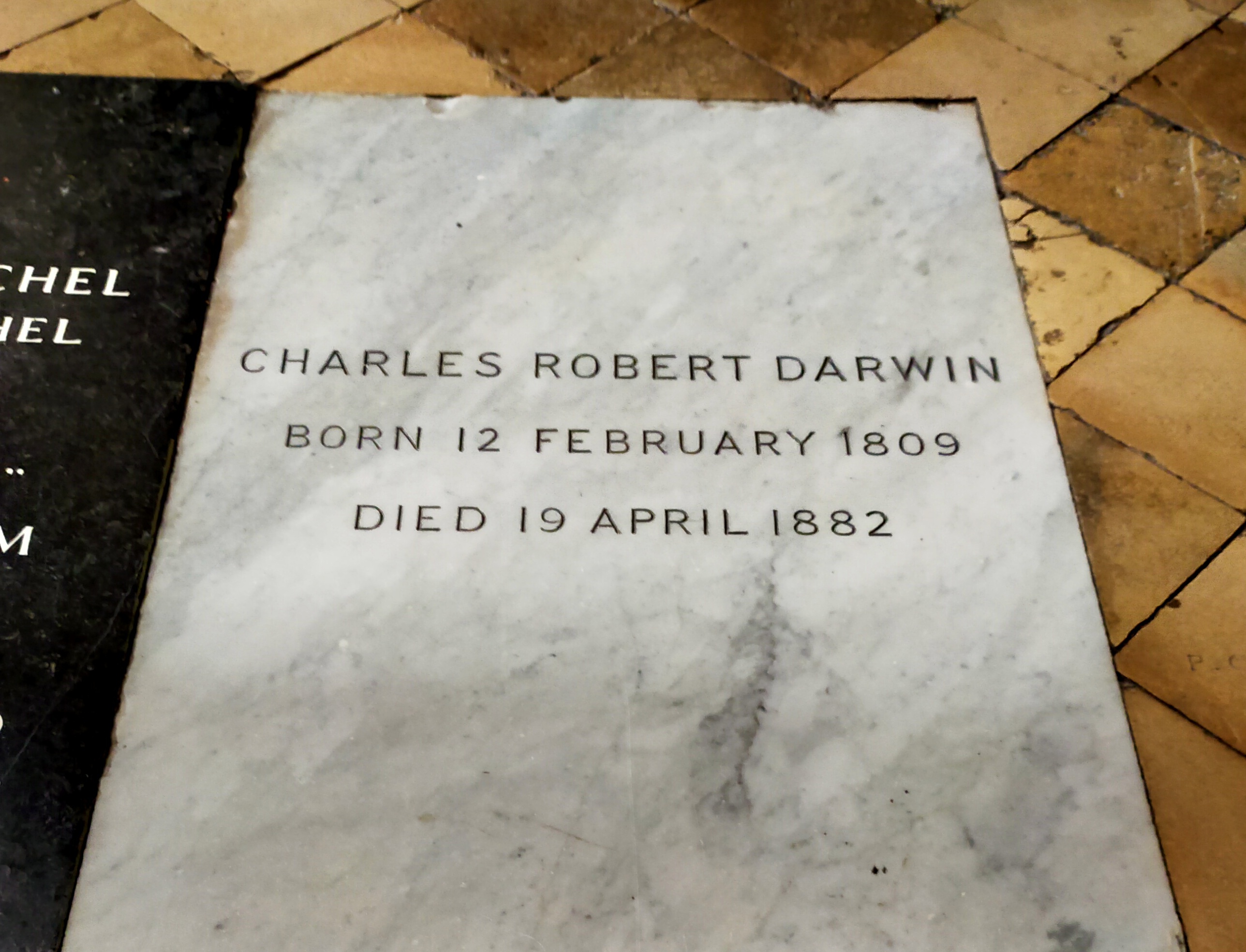
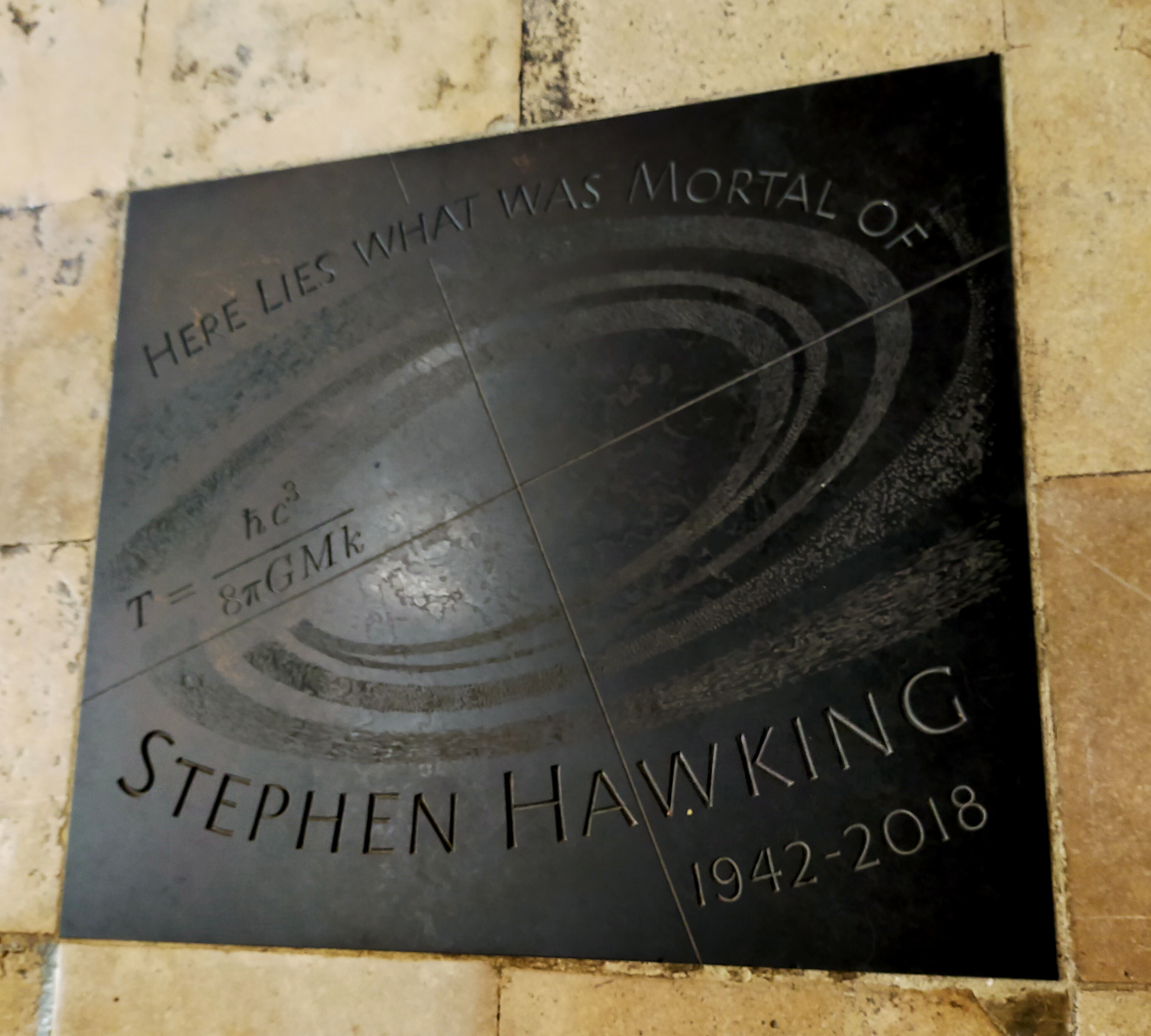
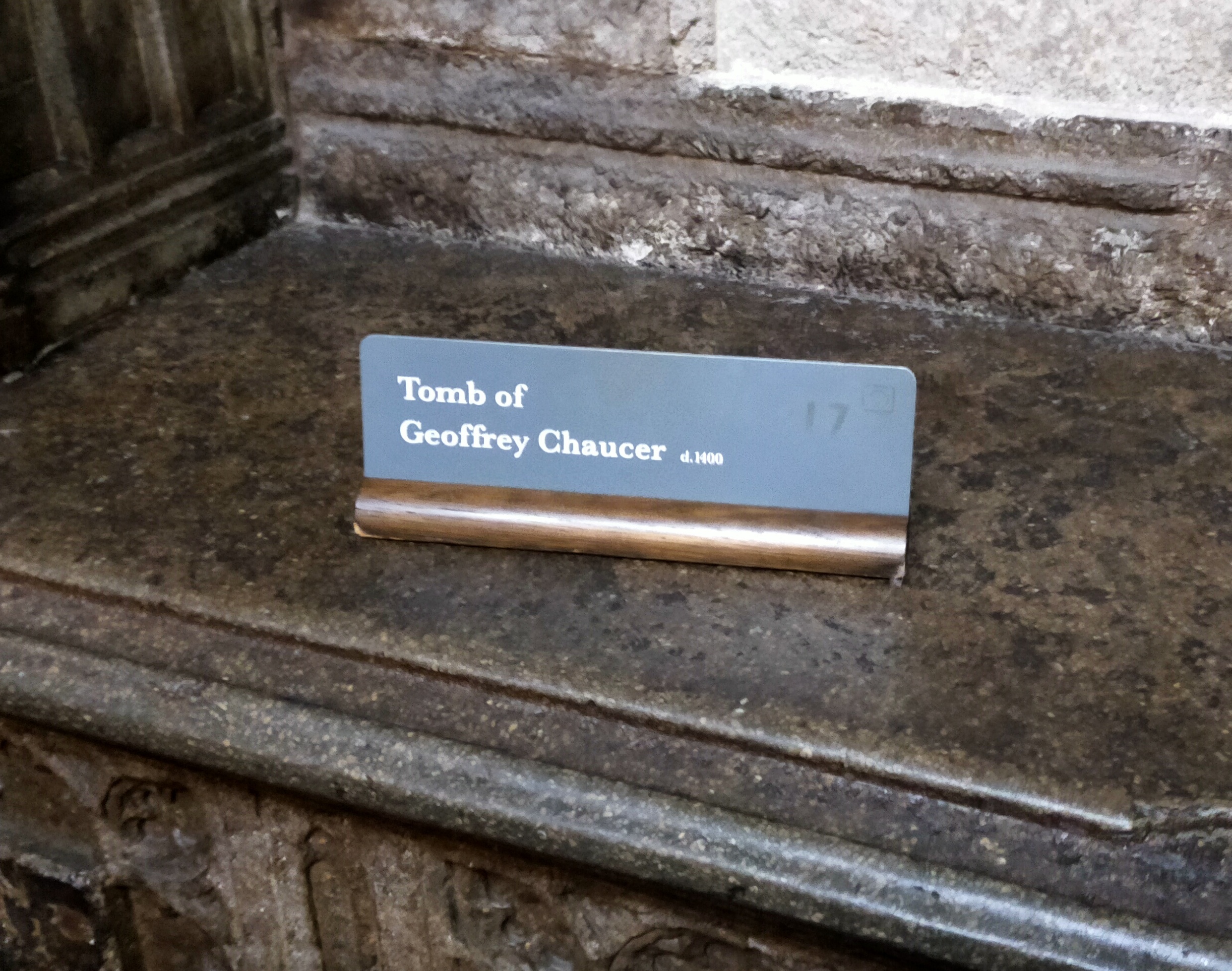
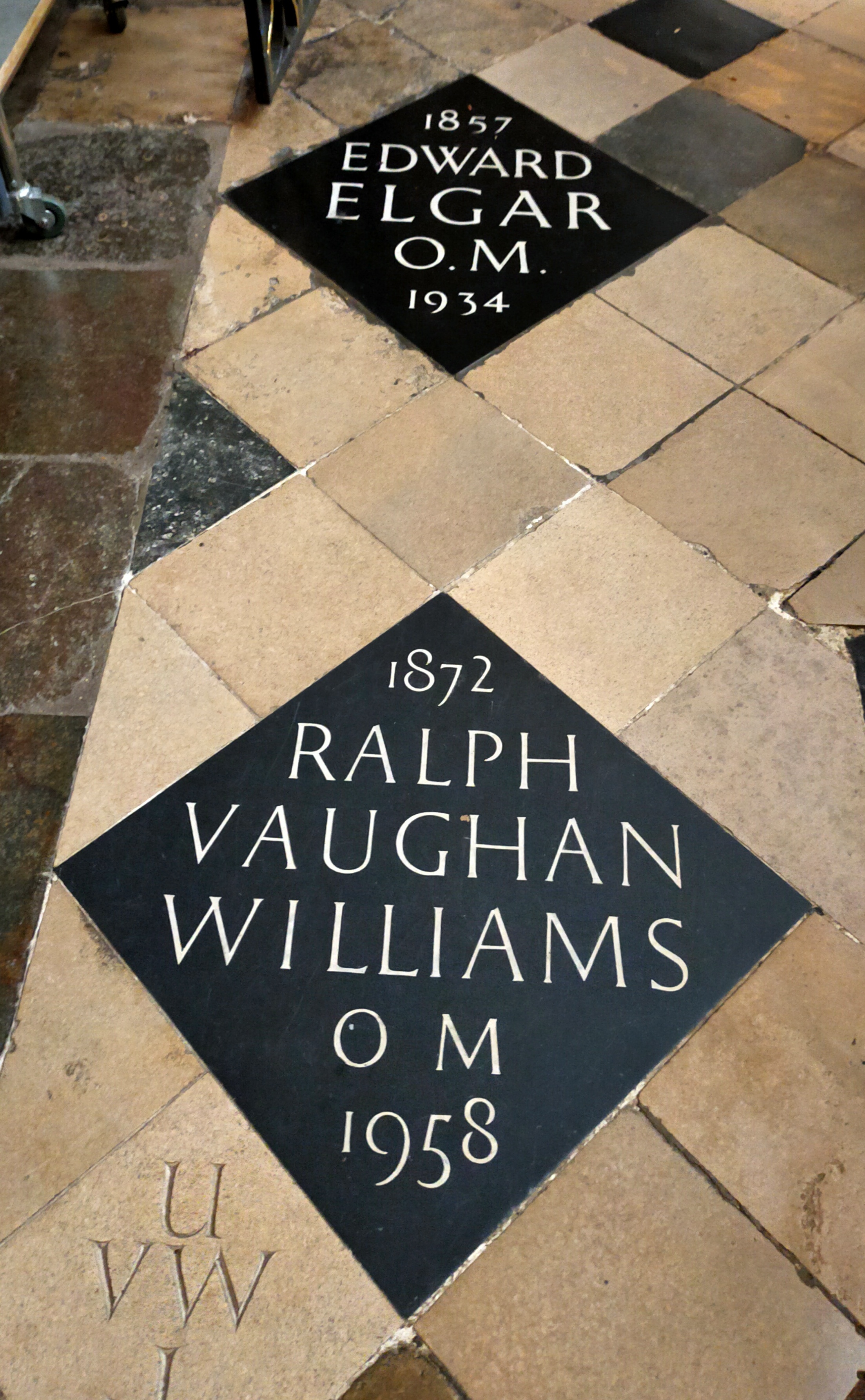
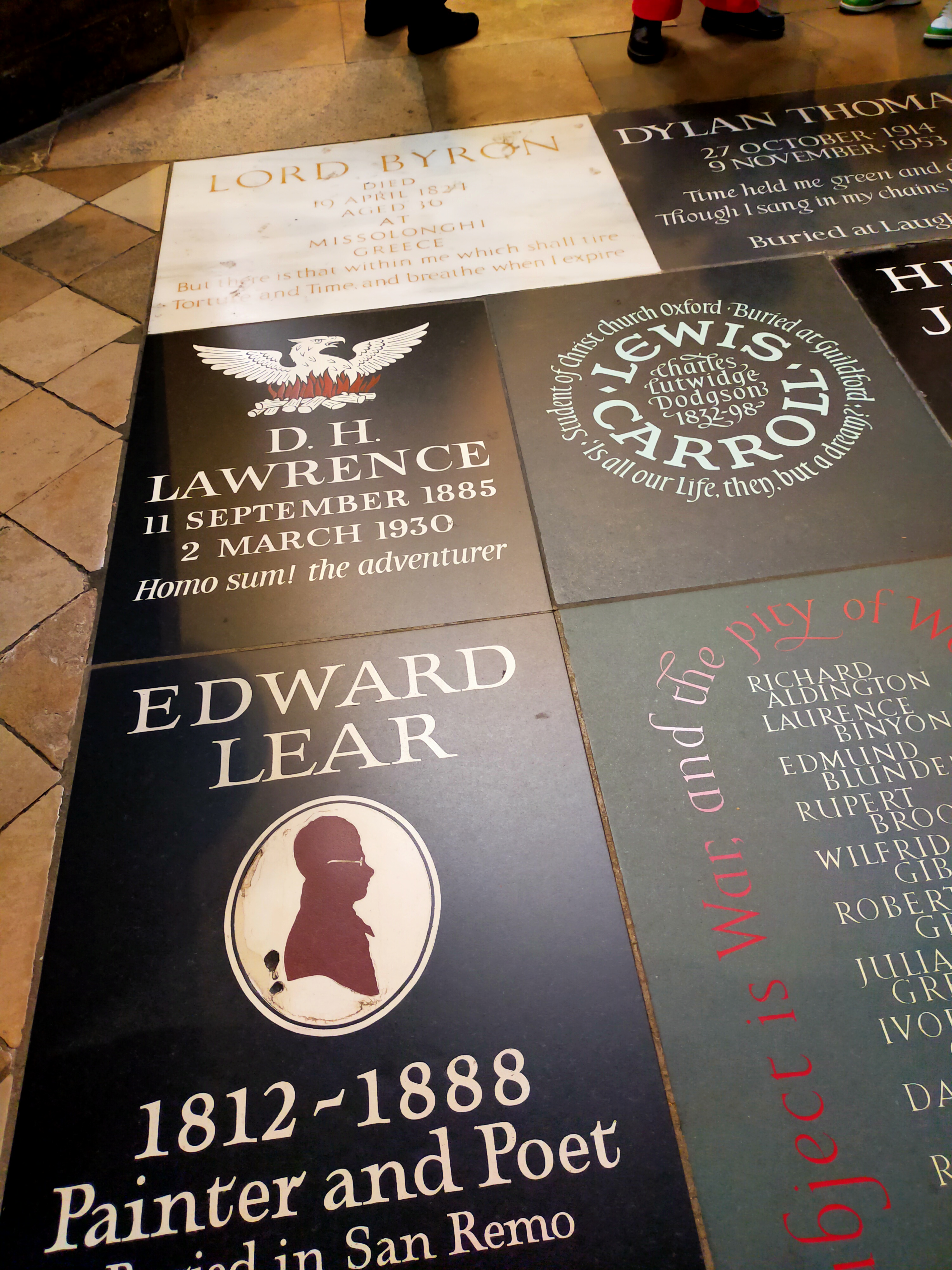
The list of the dead and commemorated is a veritable who’s who of Britons past: a galaxy of big brains – Newton, Hawking, Darwin; a symphony of composers – Purcell, Vaughan Williams, Elgar; a company of luvvies – including Laurence Olivier; and a society of dead poets and writers – Chaucer, Byron, Lewis Carroll, Dylan Thomas, DH Lawrence, et al.
There is also a parliament of politicians – many either forgotten or best unremembered.
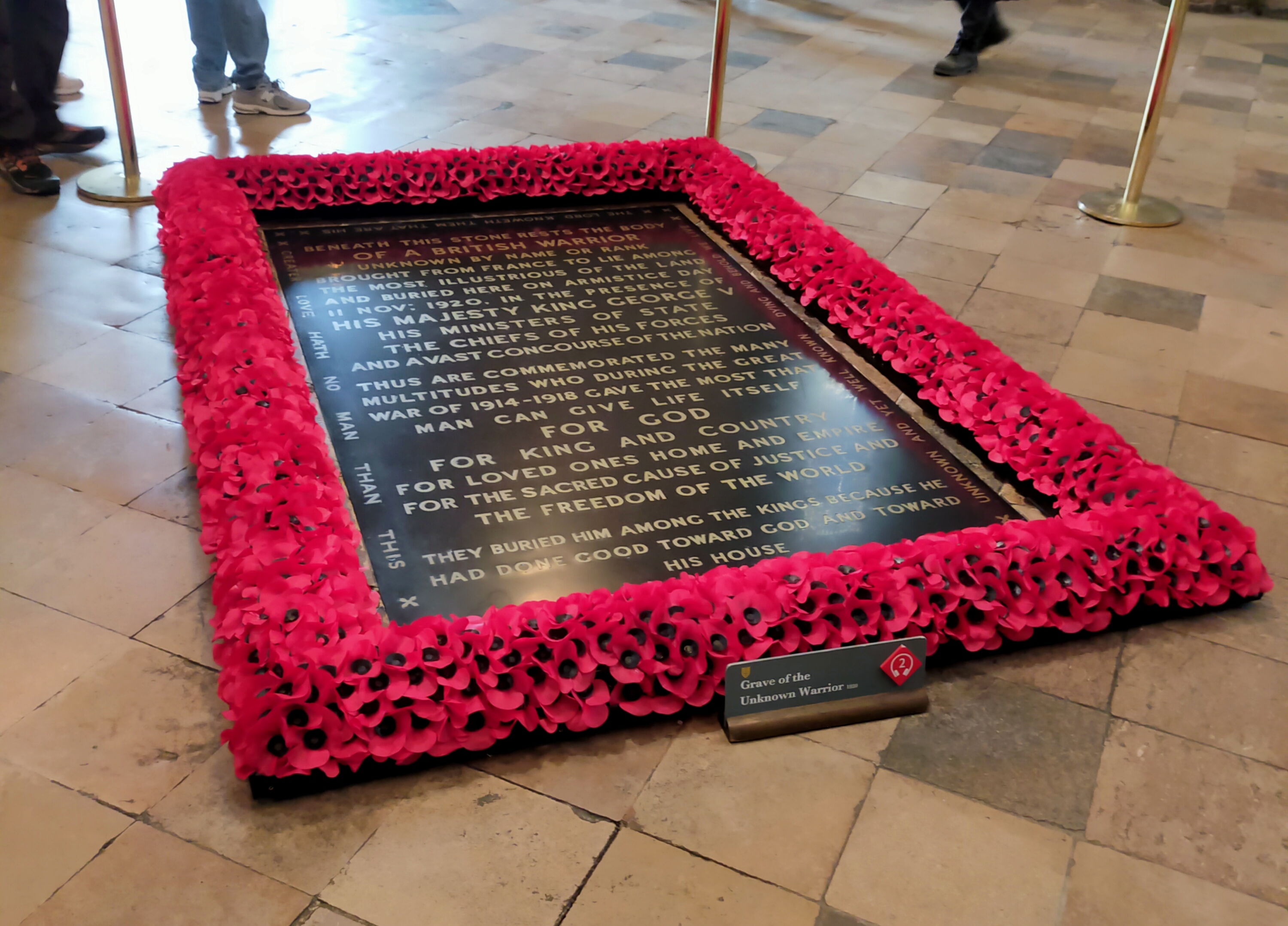
And, lest we forget, the abbey also contains the grave of the Unknown Warrior, commemorating the terrible slaughter of the First World War. It’s the only floor stone on which it’s forbidden to walk. Be warned. Lest you forget.
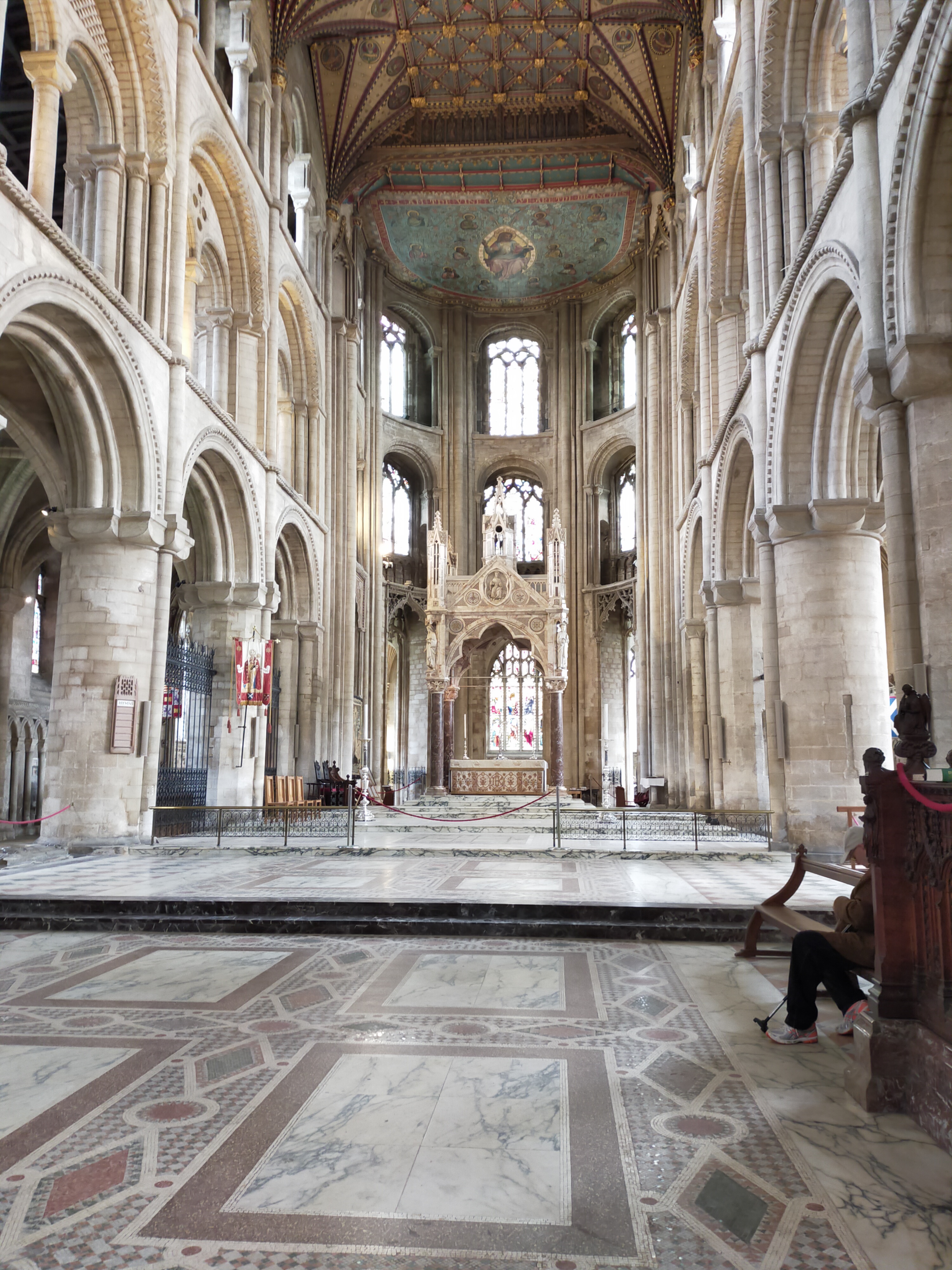
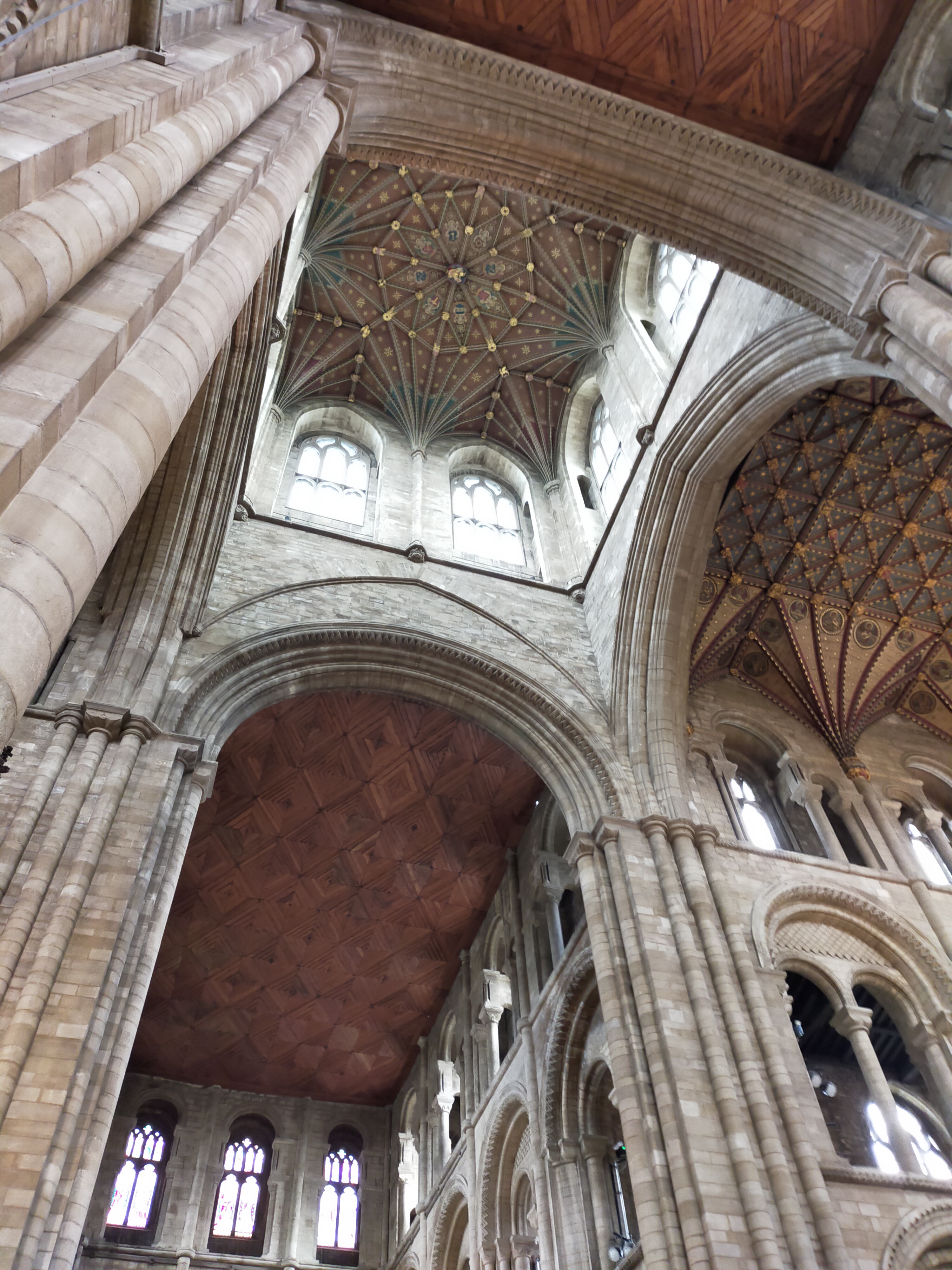
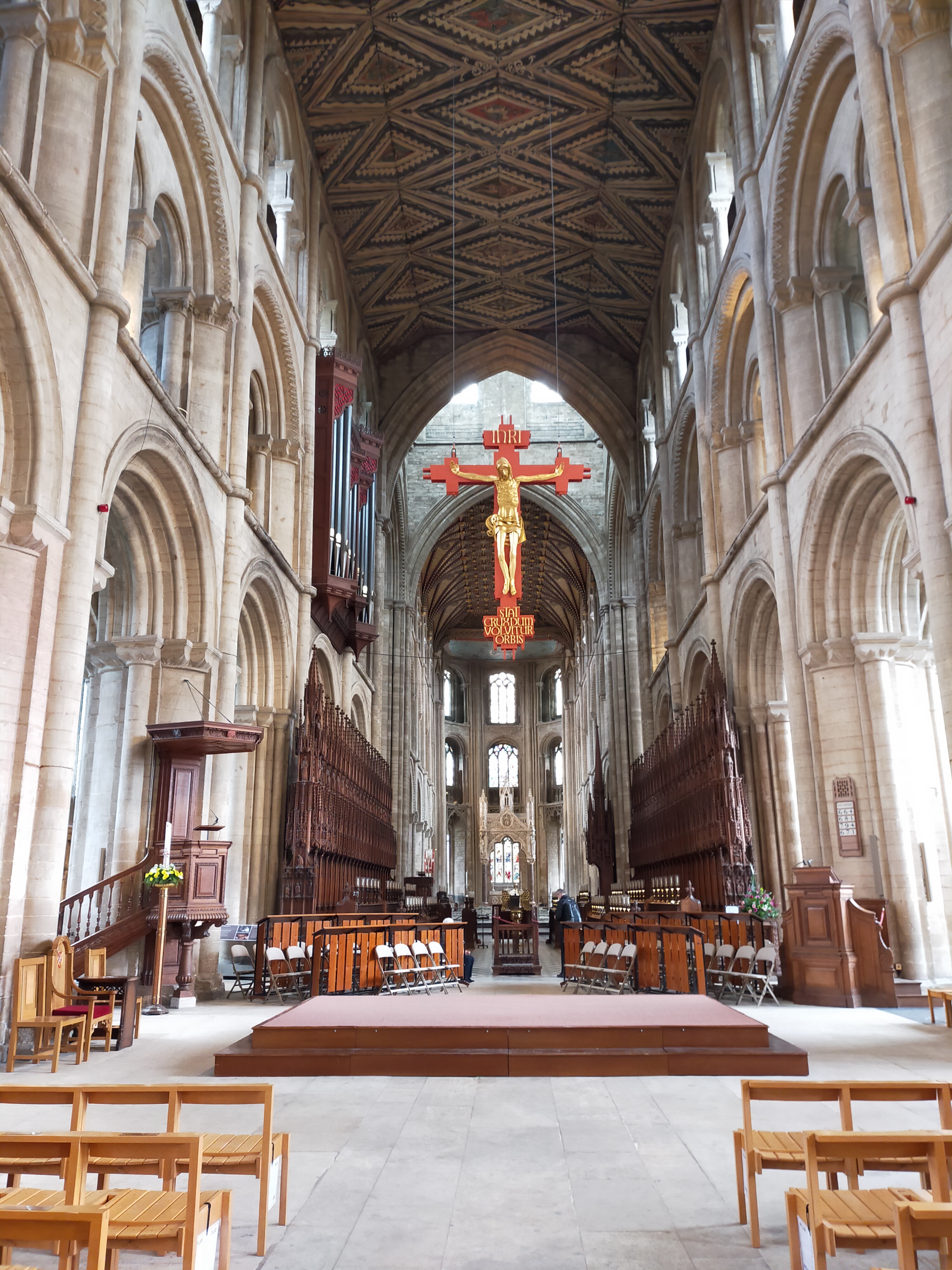
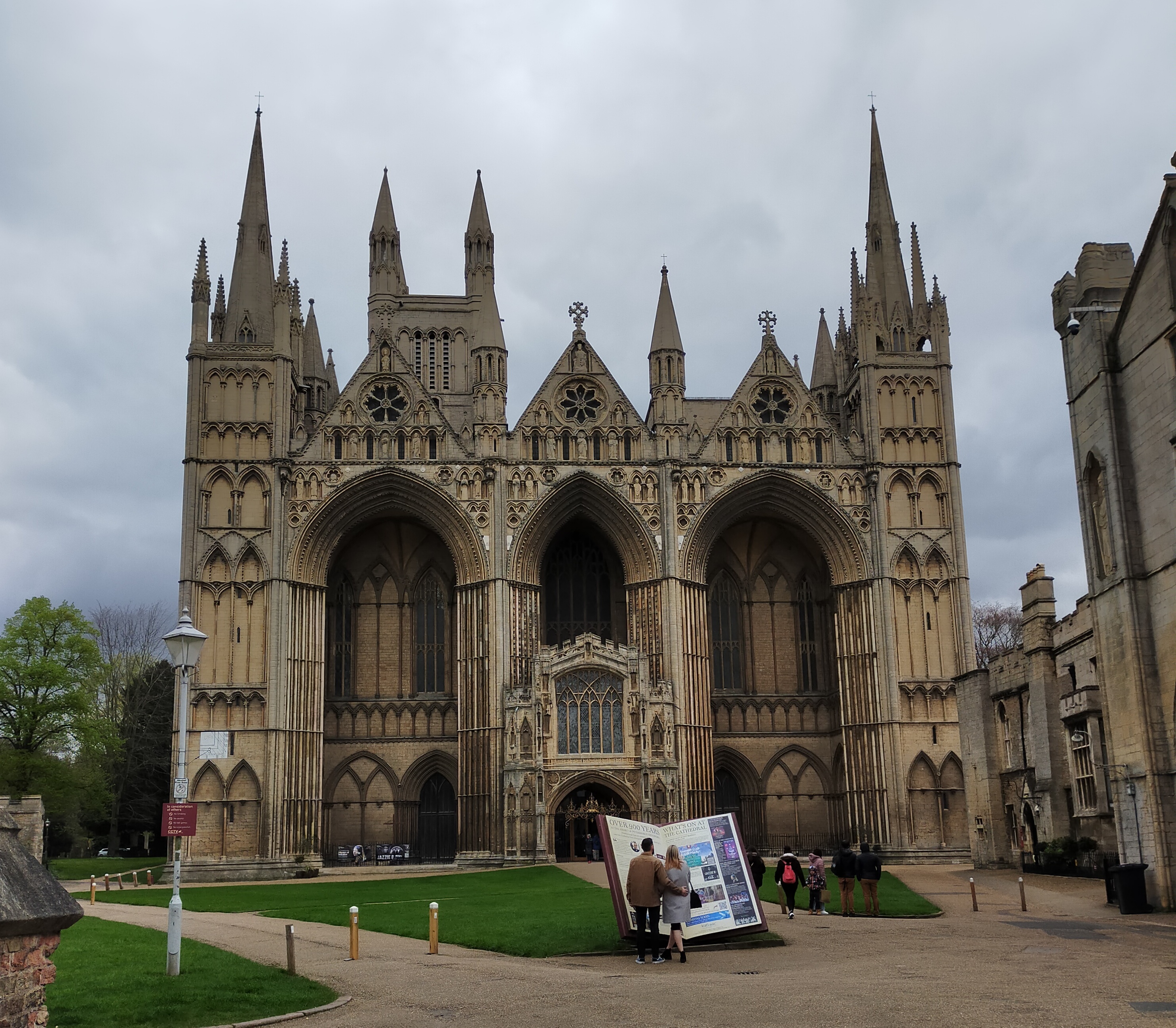
We fancied another pilgrimage and we settled on Peterborough in neighbouring Cambridgeshire, with its epic house of God. While I may be a dedicated heathen, I totally get that back in the days of the great unschooled, the sheer scale and splendour of such colossal erections could keep even the doubters in line. How could mere mortals create such magnificence without the guiding hand of the Almighty? So we jumped on the cross-country ‘Let’s Roll With Pride’ themed train from Norwich.
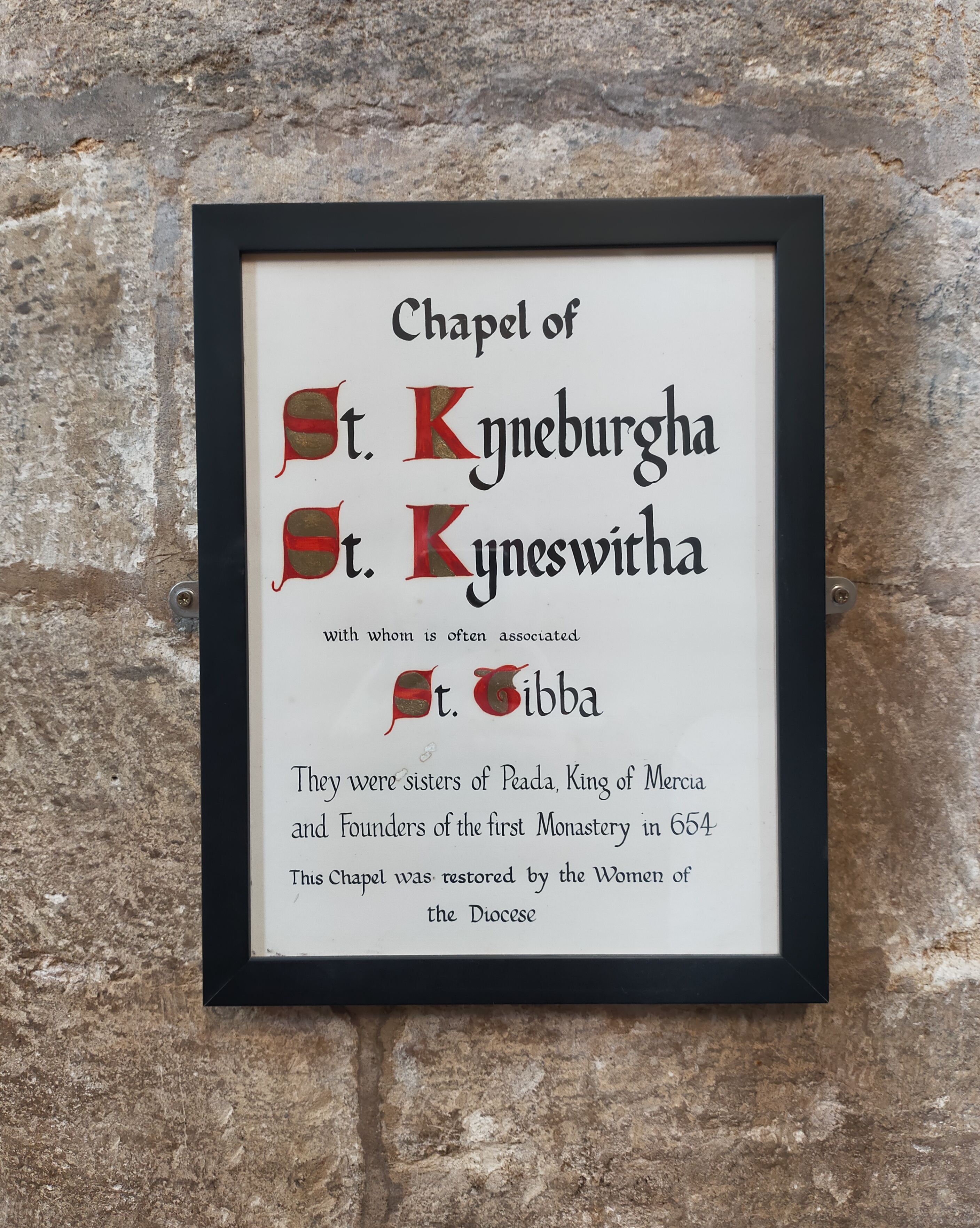
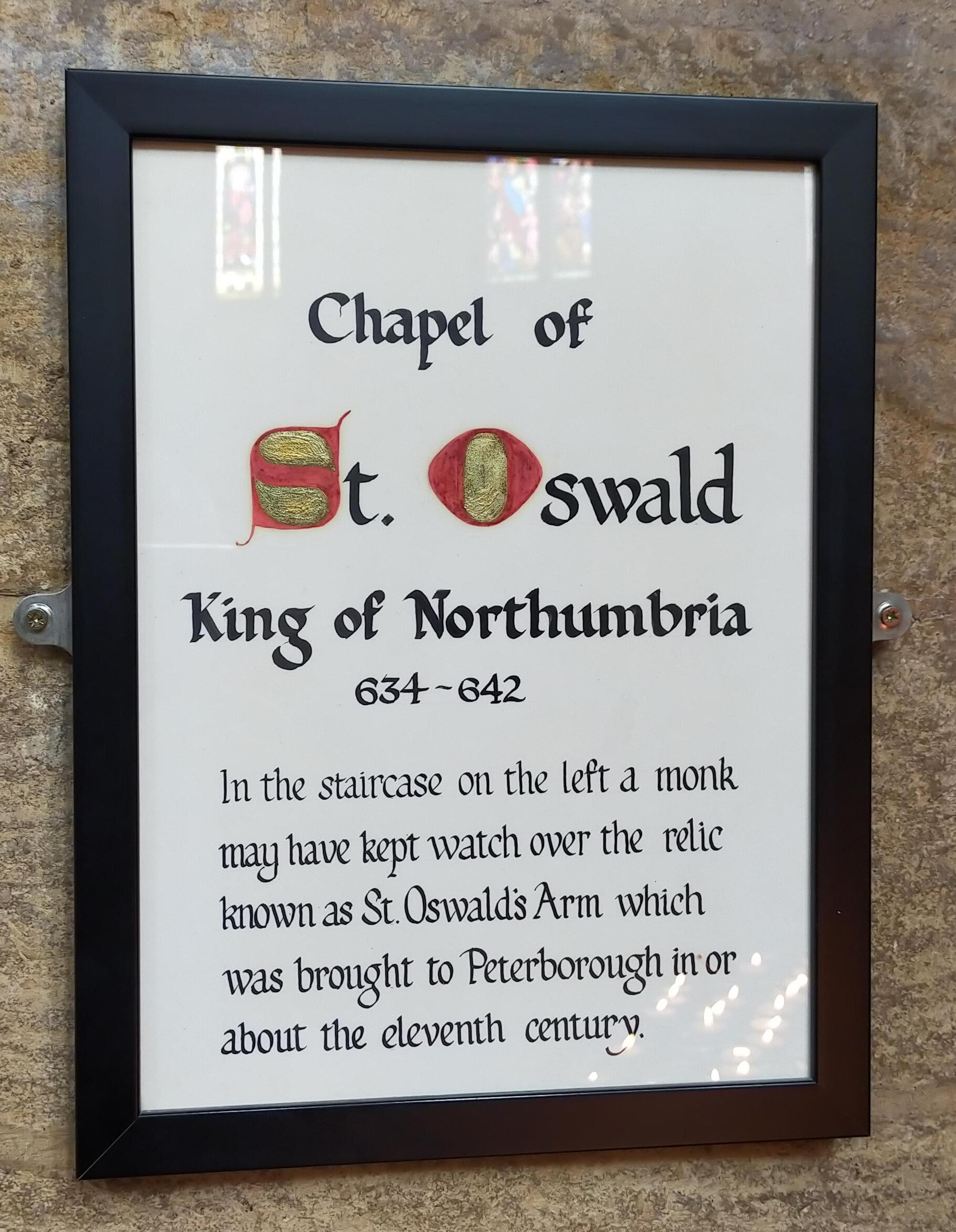
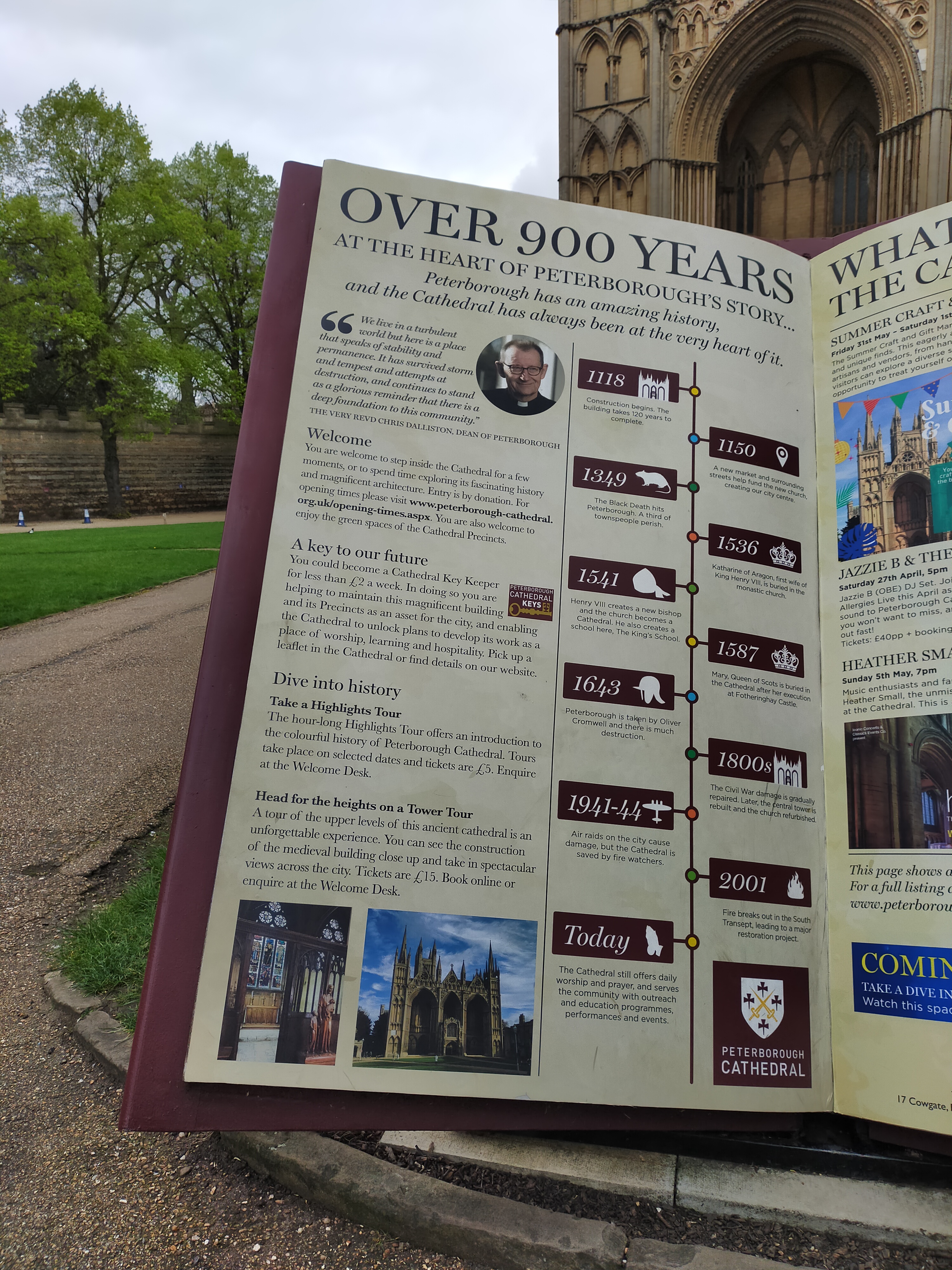
Peterborough Cathedral was originally founded sometime during the 7th century as an Anglo-Saxon monastery called Medeshamstede. The community thrived until the 9thcentury before being sacked by pillaging Vikings. To avoid any repeat of that maker-meeting misfortune, the monks enclosed a rebuilt Medeshamstede in thick stone walls, and the settlement became a ‘Burh’ – a ‘fortified’ place. The name ‘Peter’ was then prefixed to honour the monastery’s principal titular saint, and thus Peterborough was born. Or maybe a simpler explanation is that no one could actually pronounce Medeshamstede. Whatever the reason, the abbey church was finally re-consecrated as a cathedral in the 16th century when that old bed-hopping plunderer Henry VIII dissolved the monasteries and pilfered their assets to pay for all those lavish royal weddings and glittering codpieces.
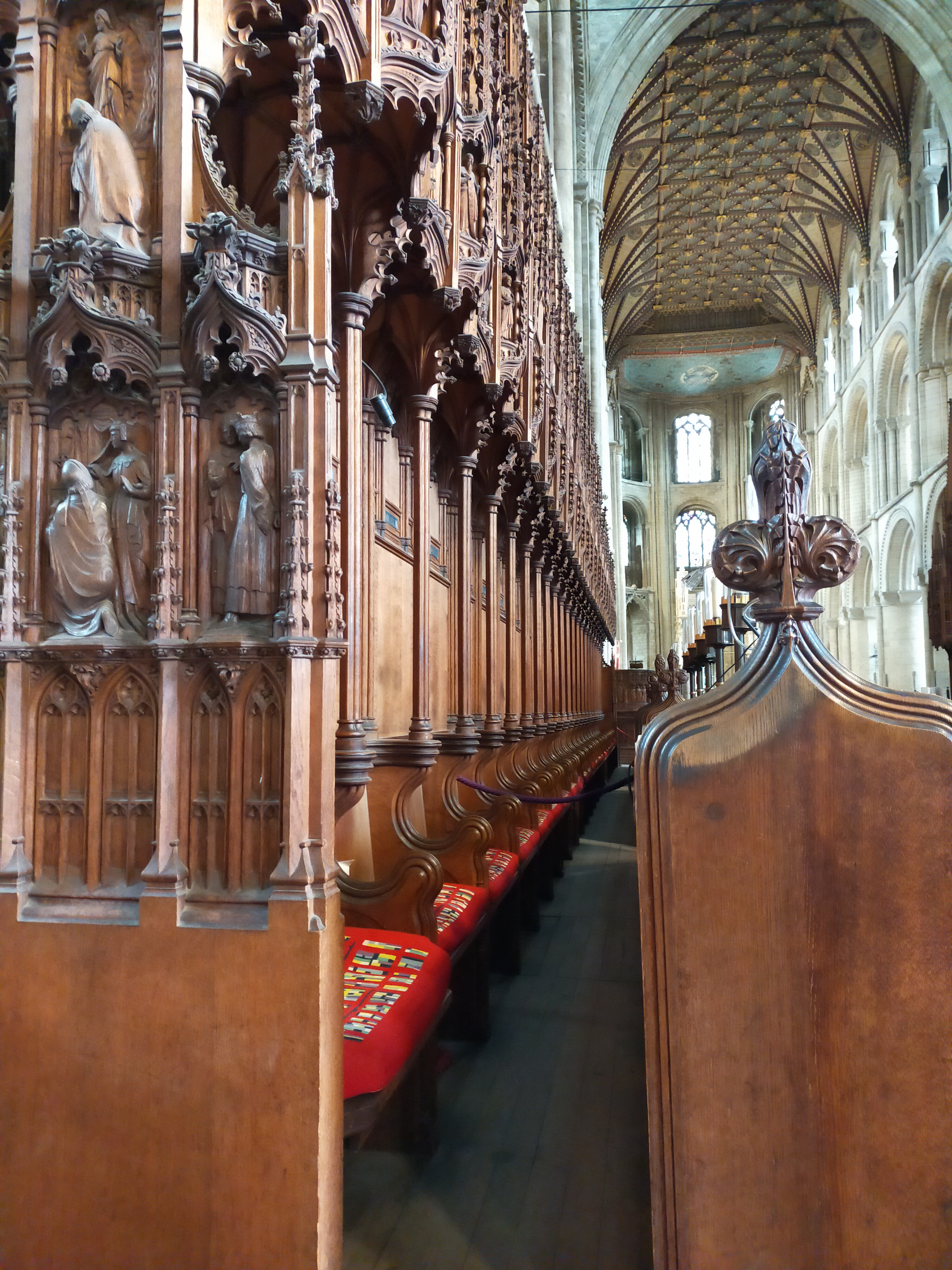
What you see today is mostly 12th-century Norman with a few later Gothic add-ons. As we wandered around, we could hear a heavenly choir rehearsing for an evening concert. The divine sound filled the enormous space – a holy tune amplified by superb acoustics.
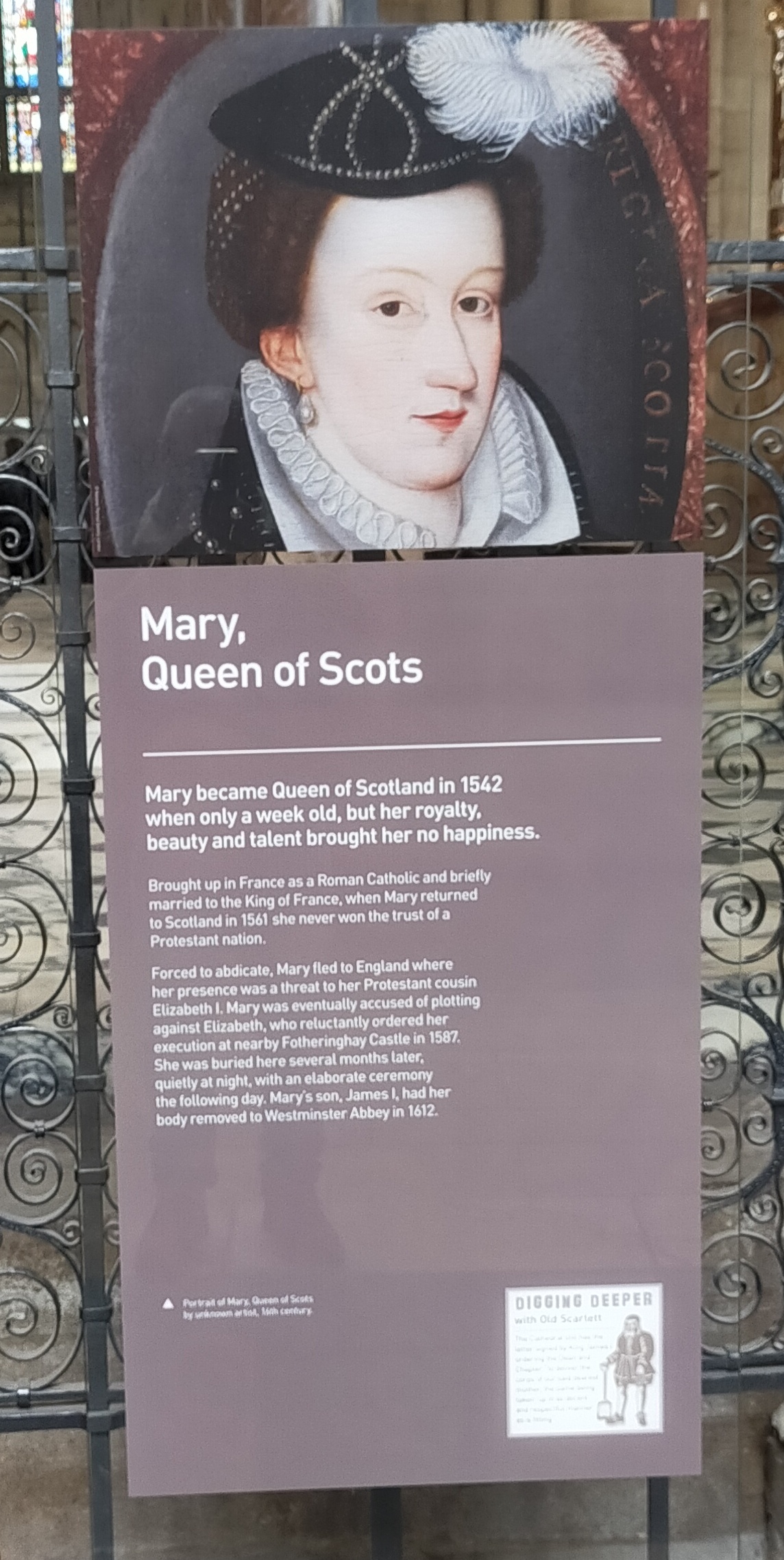
A bit of a surprise was the discovery that Mary, Queen of Scots was buried in the cathedral after she lost her head for plotting against the first Queen Elizabeth. Mary got the last laugh, though. The Virgin Queen died childless and Mary’s own son, James VI of Scotland, became James I of England, thus uniting the crowns. James had his mother’s remains moved to Westminster Abbey. The rest, as they say…
Looking around a big pile works up a big thirst so afterwards we decamped to a local hostelry for a few sherries. It was called the Queen’s Head and featured, yes, you guessed it, the Queen’s head – of the second Queen Elizabeth.
Today, Peterborough often gets a bad press but we found it to be a vibrant and entertaining city with colourful characters and mouthwatering global street food. The only minor irritant was the large congregation of ‘Jesus freaks out on the street, handing tickets out for God’, as famously sung by that other great British queen, Elton John, in ‘Tiny Dancer’. But I guess these modern-day evangelical ‘monks’ are only keeping the holy vibe alive. After all, that’s how it all began.
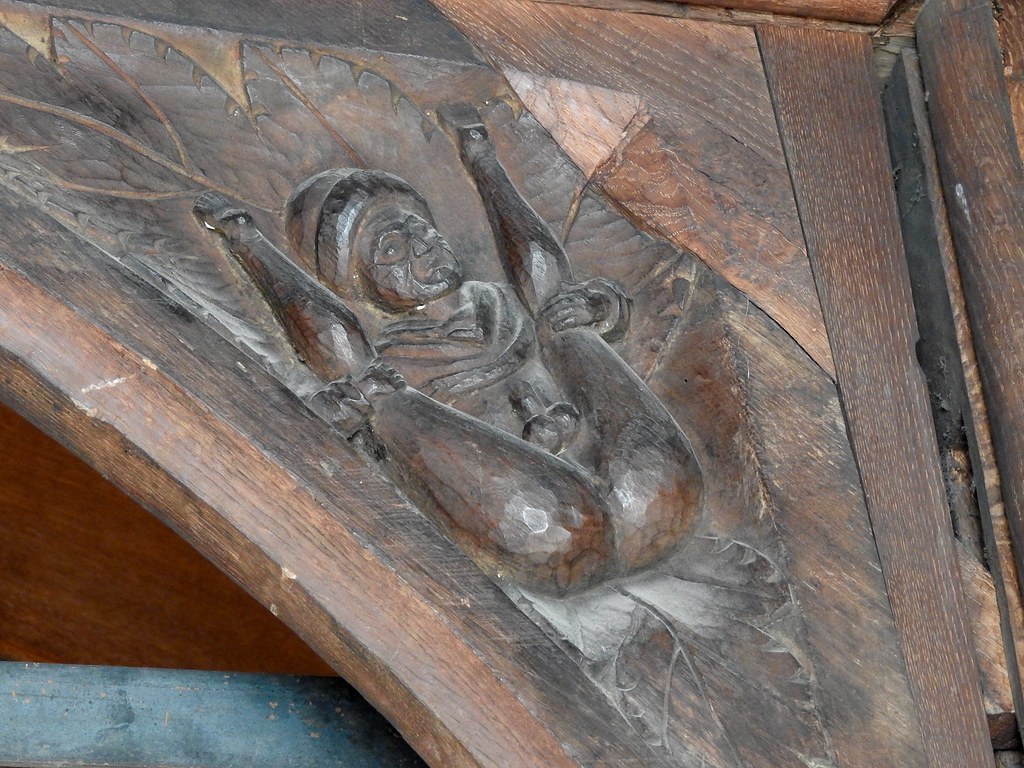
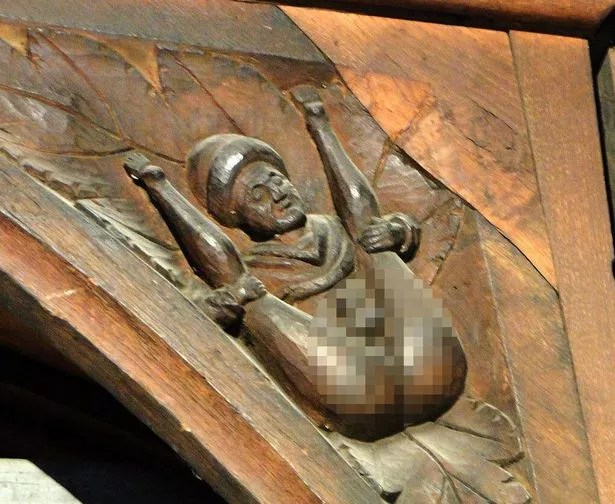
I’ve always had a fu*k ’em attitude to authority, particularly the do-as-I-say-not-as-I-do hypocrites. You know the kind of thing: politicians preaching ‘family values’ while knocking off their secretaries on the side or hellfire priests touching up the altar boys in the vestry. I’m glad to say that sheer bloody-mindedness is a glorious national trait. And one that goes back centuries, judging by the bawdy carving high in the rafters of Hereford’s medieval All Saints Church. Hidden for centuries, it only came to light when a new gallery was added for a café. The gentlemen reclining in anticipation is now in full view of the chattering flat-white coffeeholics below. Well, it’s certainly something to talk about over the Victoria sponge.
Obviously, as a ‘family values’ site, our randy man’s family jewels have been pixilated. But, be honest, you want more, don’t you? Check out the naughty bits here. Sadly, we’ll never know what pissed off the carpenter. And as it’s Norwich Pride today, I rather hope it’s…
Every month without fail, Chet Contact drops on the mat. Produced by the Chet Valley Churches, the community magazine is packed with handy information about local community groups and services for believers and non-believers alike. There’s a lot going on round these parts. From bells to balls, bats to bowls, cakes to quizzes, pumping iron to eyeing up the birds, from stage to the silver screen, arts and crafts, knitting to nattering, foraging to growing your own, and much more besides – all country life is here.
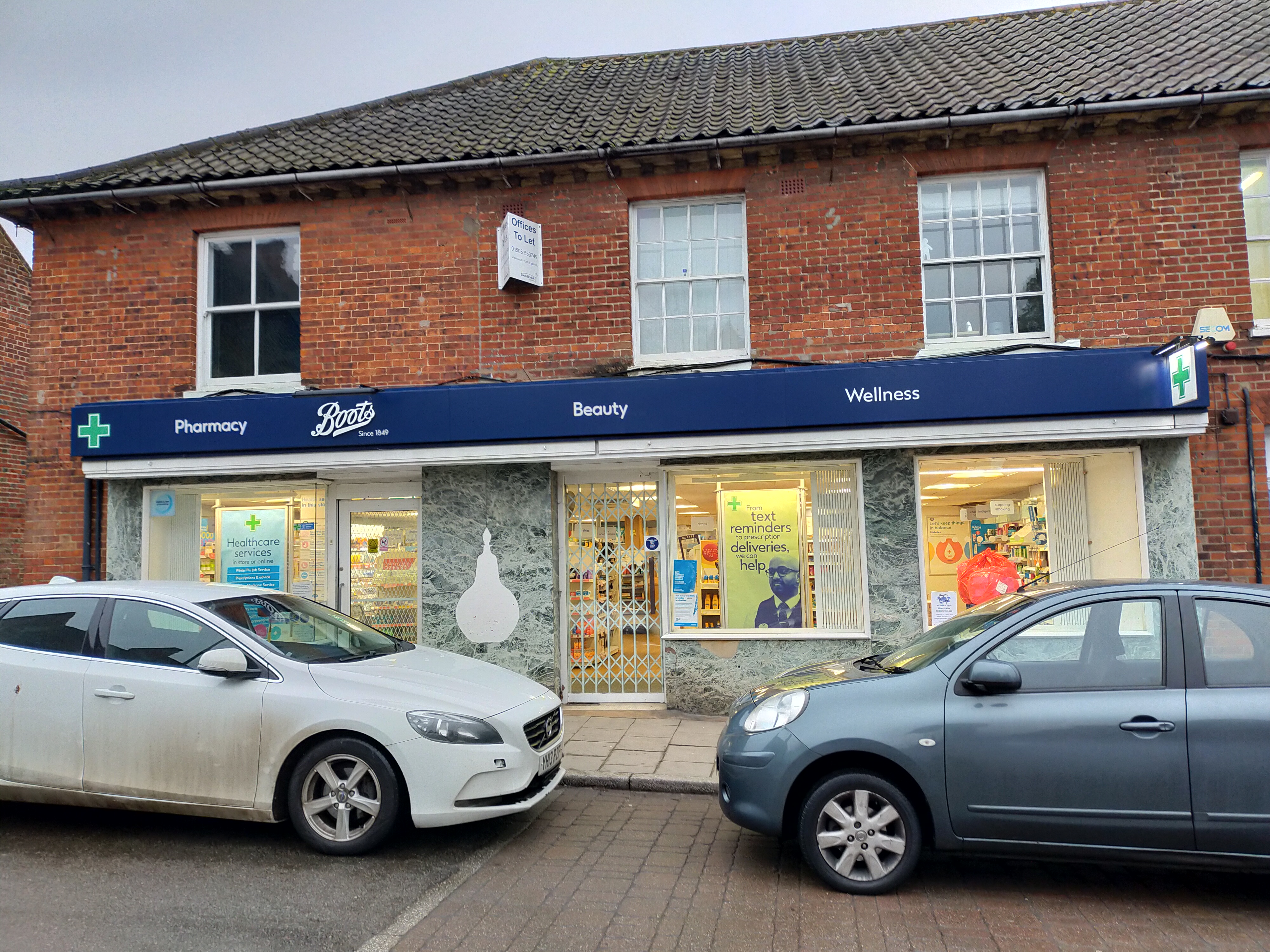
I like the regular history piece in the mag. I knew Loddon has old roots – the earliest written reference to the village was around 1042 – but I was surprised to read that there’s been a pharmacy in Loddon on the same site for over 180 years. It’s now a branch of Boots. Long gone are all those jars full of potions laced with opium and mercury from the apothecary’s handbook of old wives’ tales. Maybe that’s why, back then, life expectancy was only about 57.
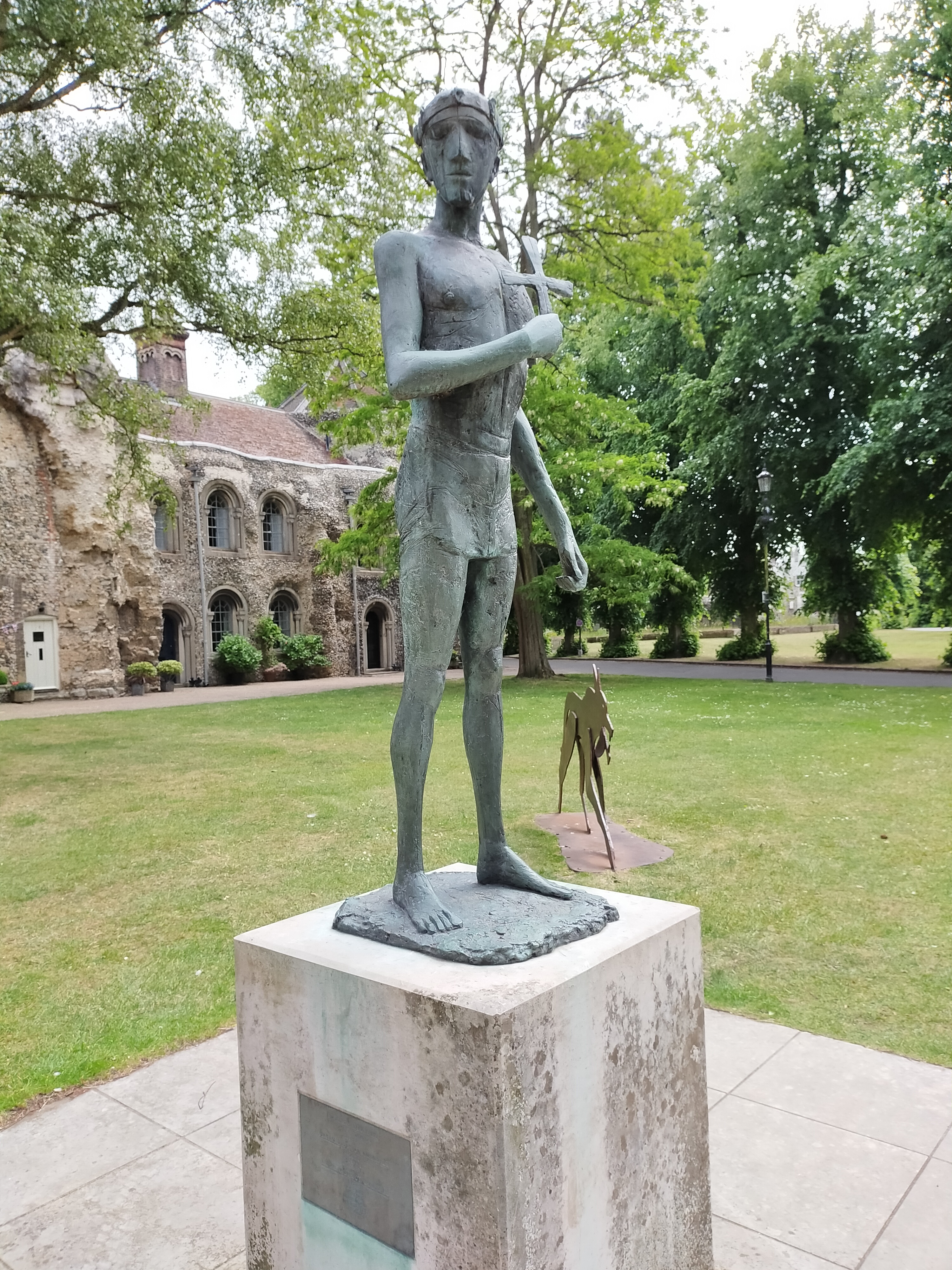
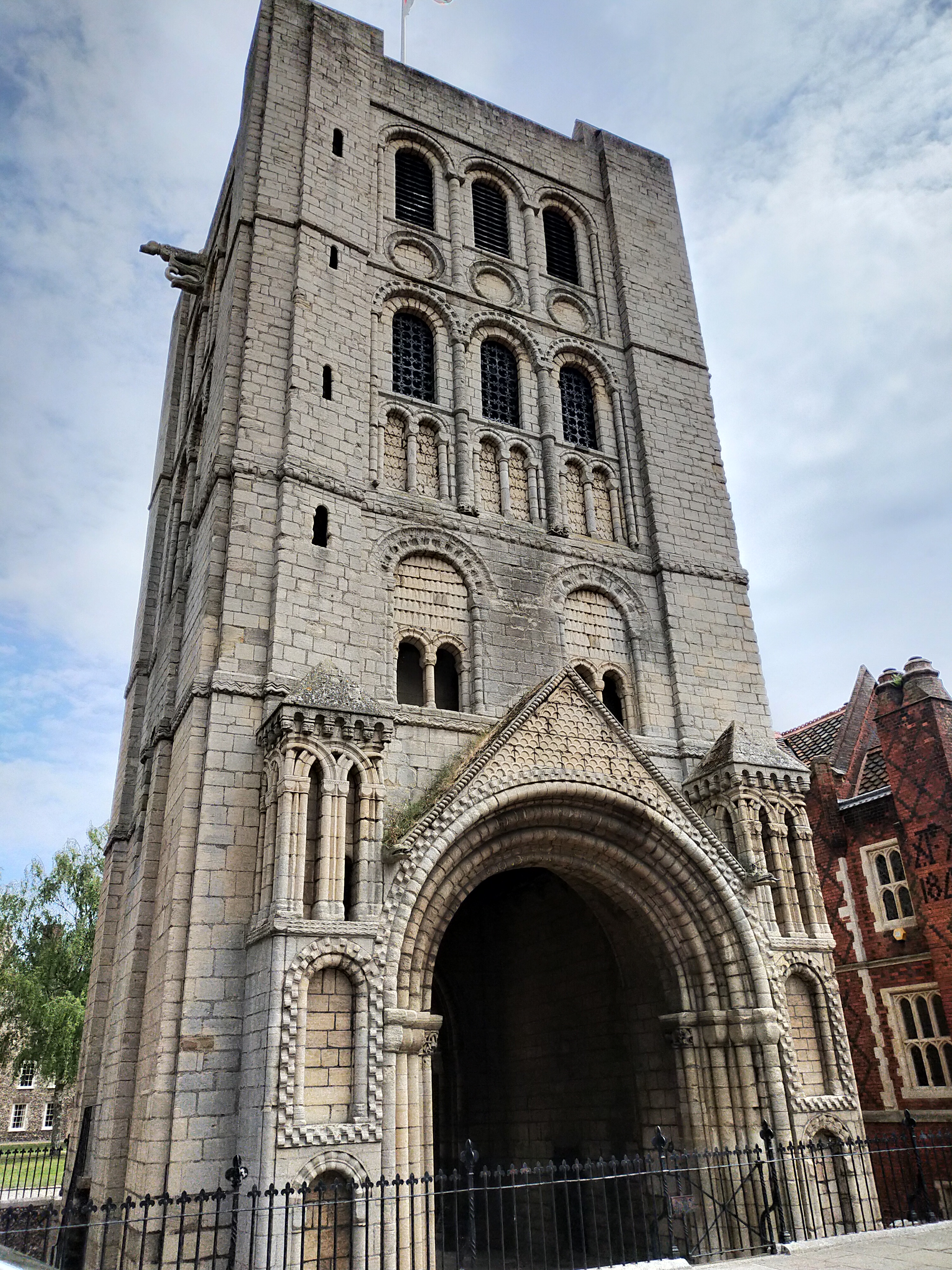
In Bury St Edmunds, obviously – or is he? The cute Suffolk market town might be the final resting place of St Edmund, ninth-century Christian king of East Anglia. Allegedly, he was cut down by a wild bunch of pillaging Danes doing what the Danes did back then.
Eventually those pillaging Danes saw the error of their wicked heathen ways, dropped to their knees, converted to the ‘One True Faith’ and hung up their horny helmets.
For his sins, Eddie the Martyr was canonised and an abbey founded in his honour by that great Dane, King Canute – he of holding-back-the-tide fame. Edmund even became England’s patron saint for a few hundred years until he was rudely upstaged and replaced by George in or around the fourteenth century. And Georgie boy wasn’t even English. But then, who can compete with a dragon slayer?
In Medieval times, a gravy train of pilgrims rolled in from all over Europe to visit Eddie’s shrine. It was a good little earner and the Abbey of St Edmund became one of the richest, largest and most powerful Benedictine monasteries in all of England. Then in 1539 that old letch Henry the Eighth popped along and ‘dissolved’ the abbey (i.e. pillaged like those Danes of old) and that was the end of that.
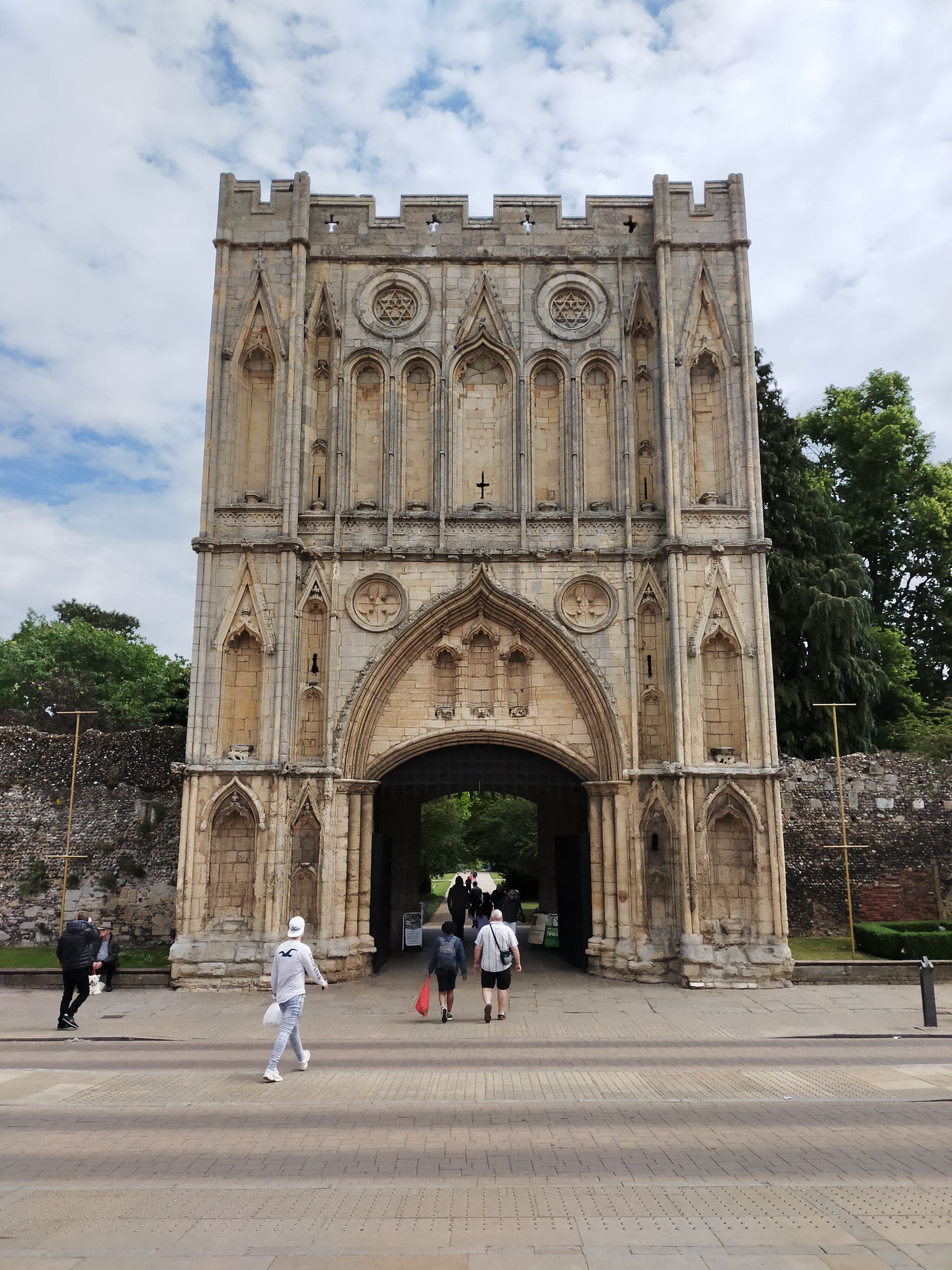
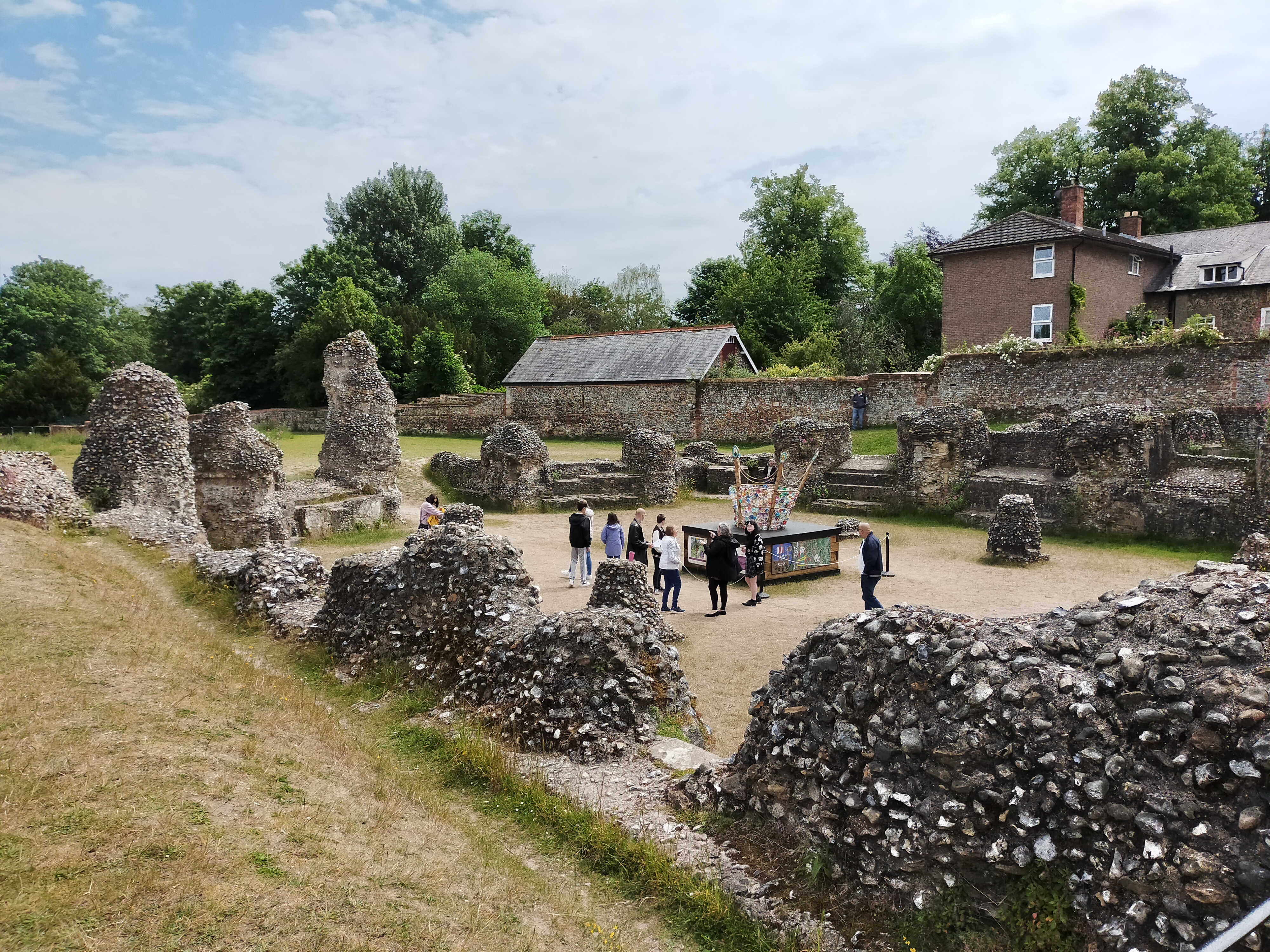
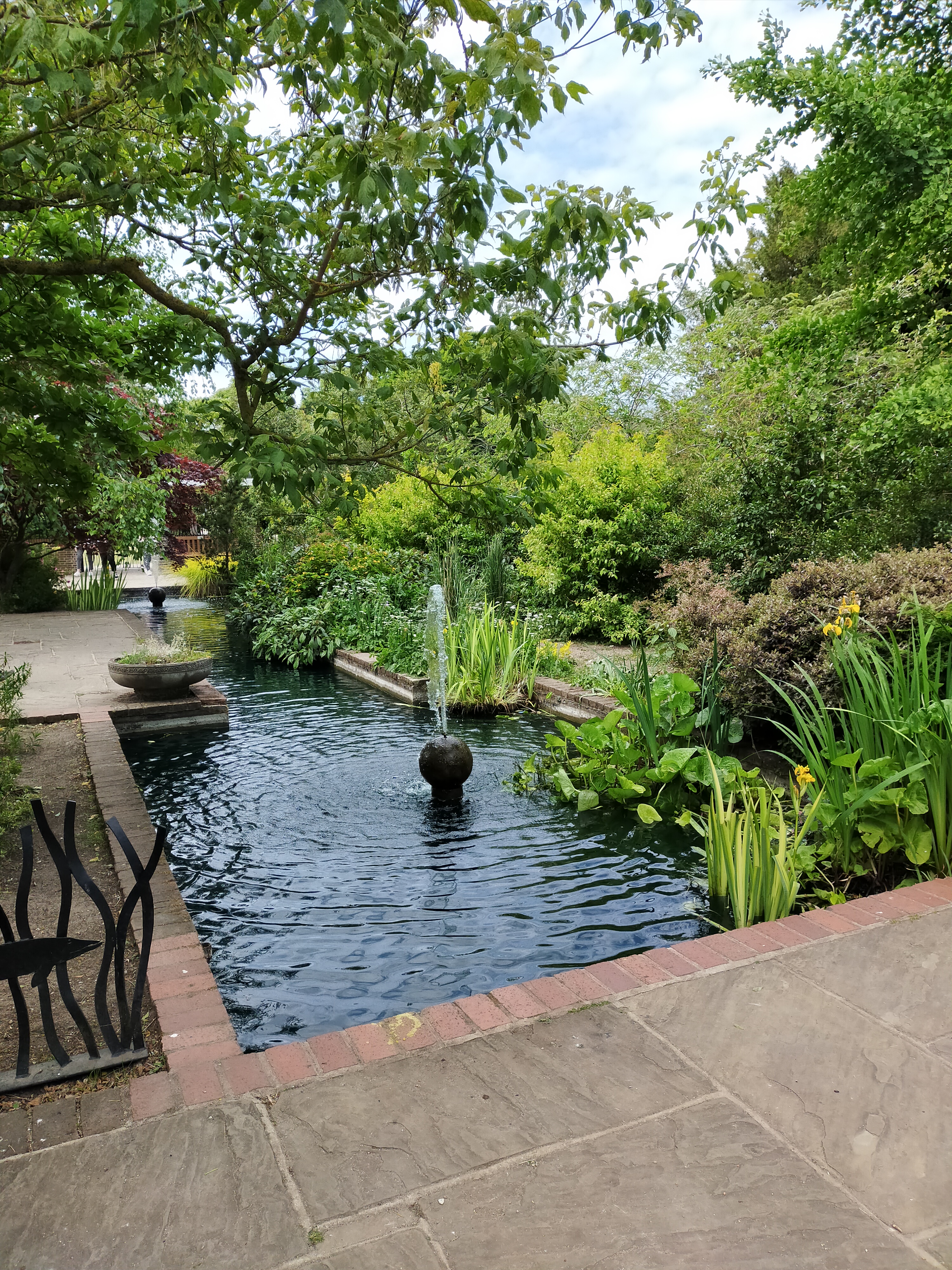
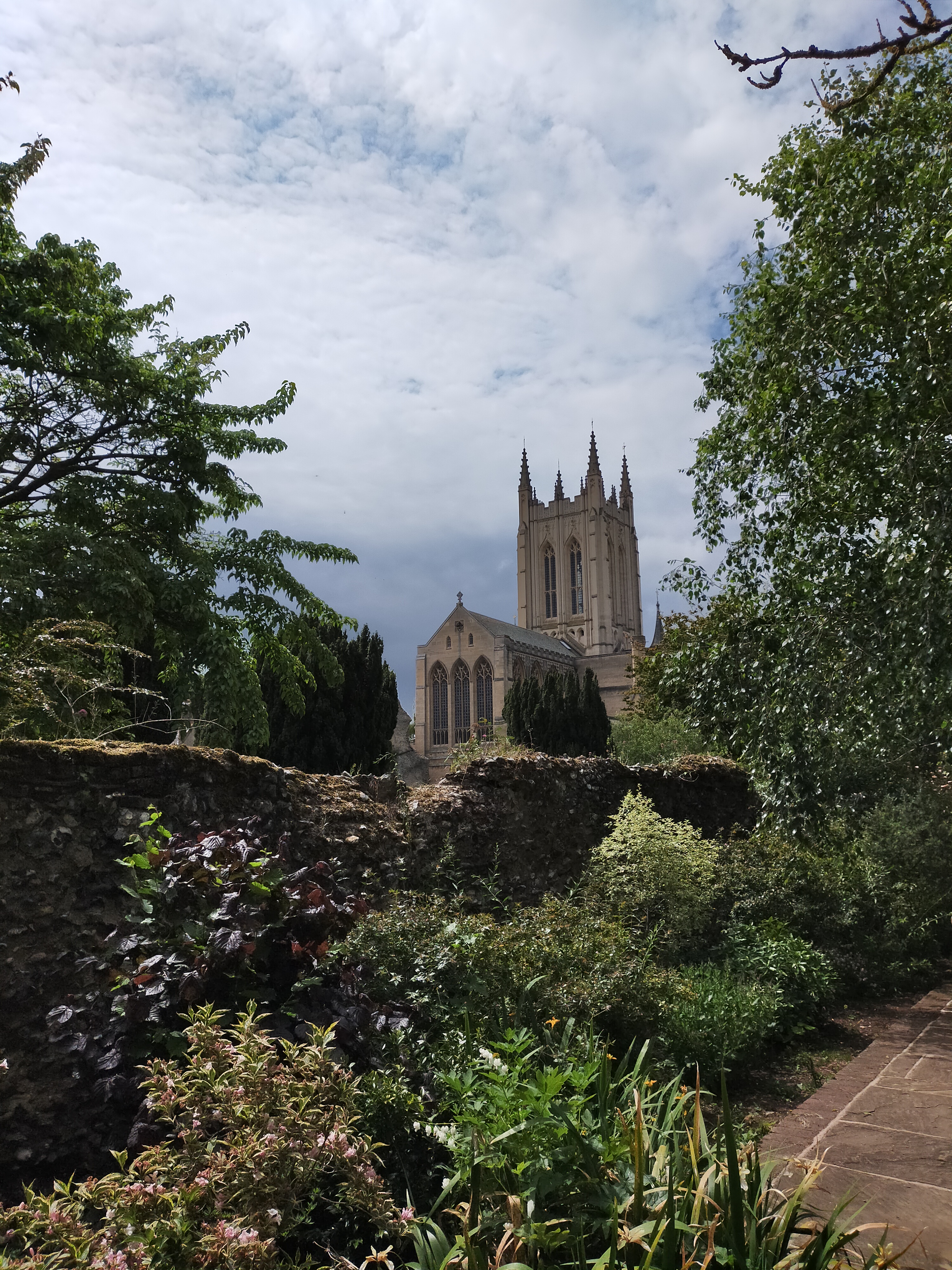
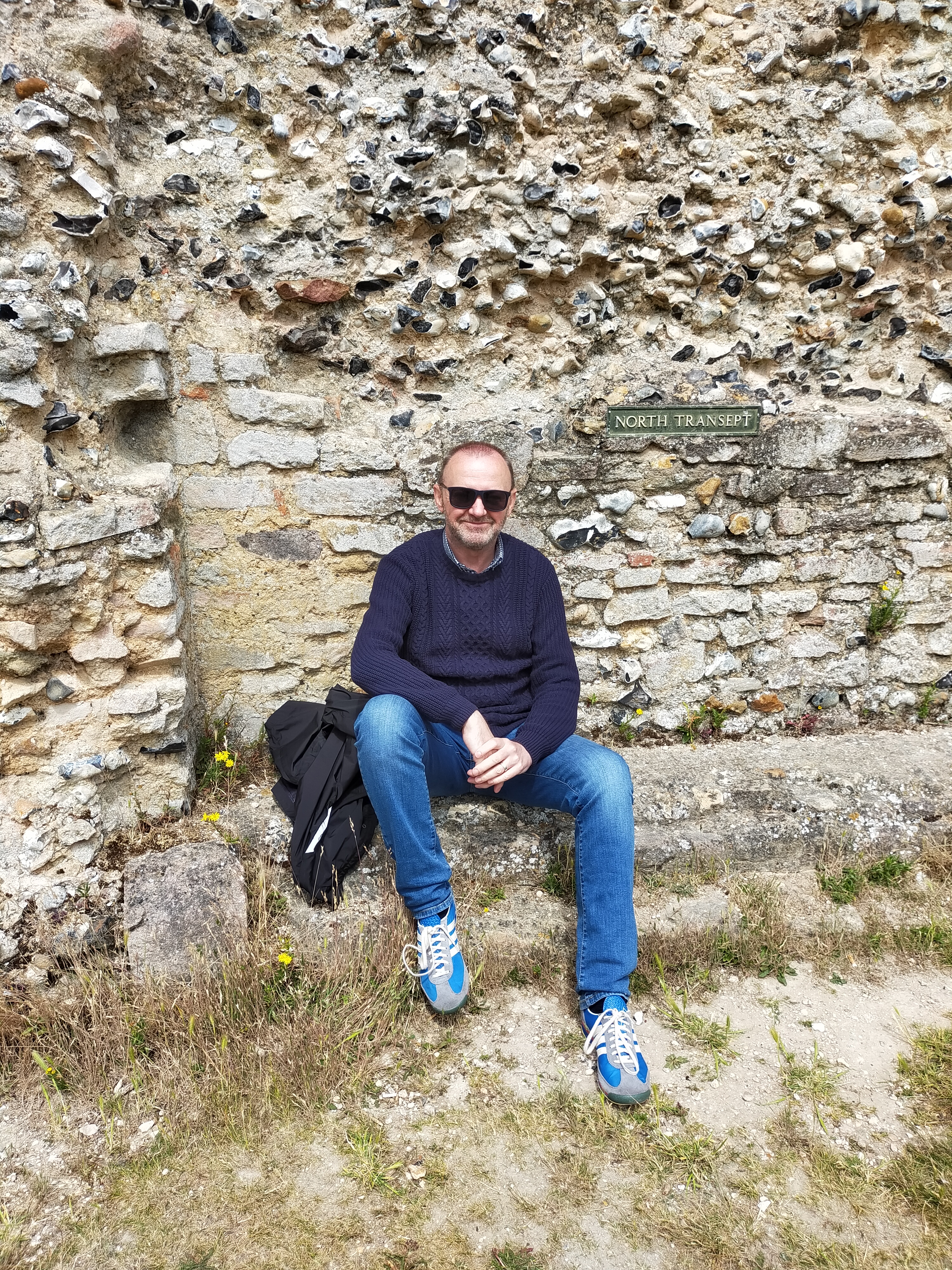
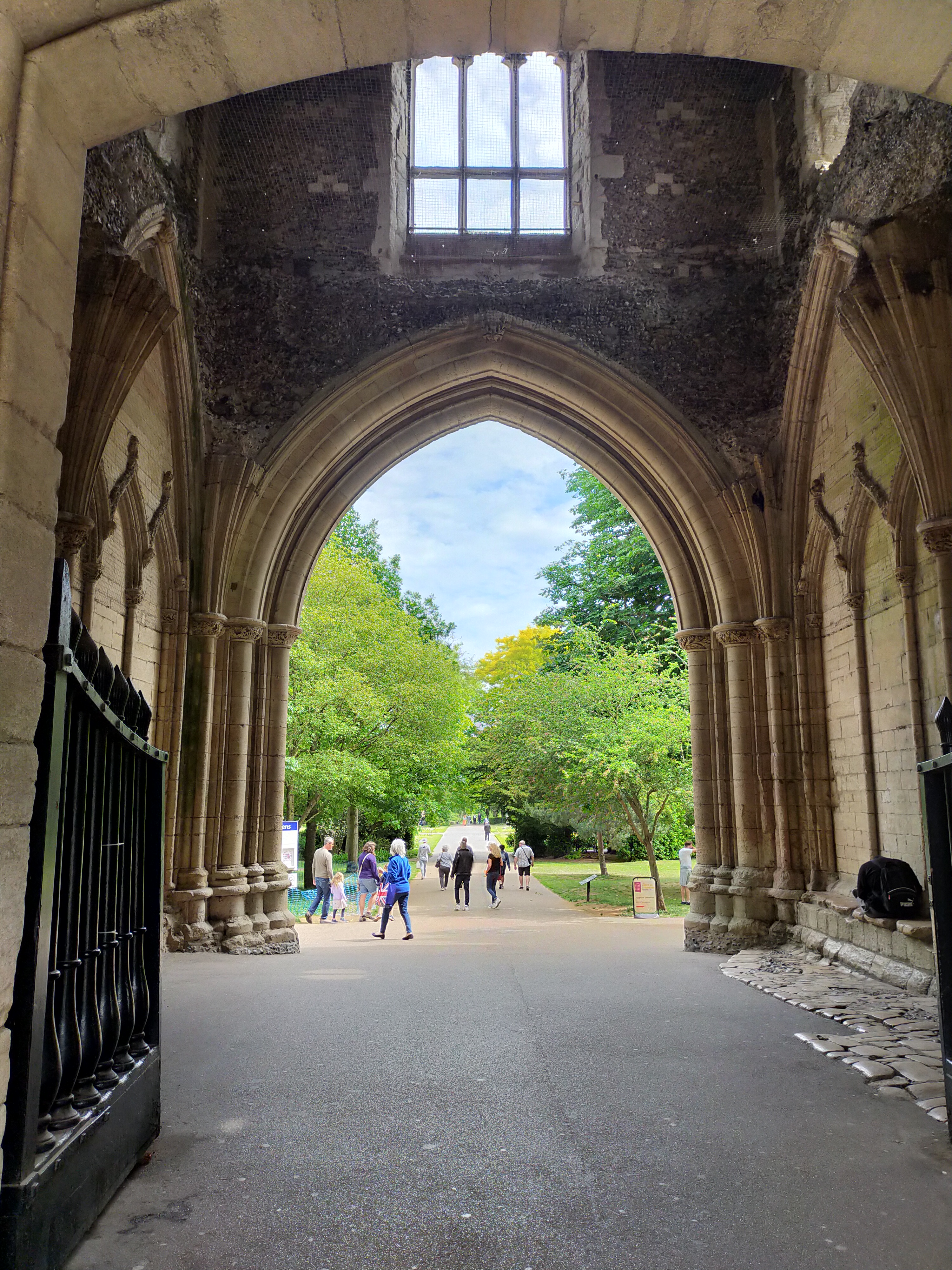
A sunny day took us across county lines for a gander around the old holy pile. Apart from two impressive medieval gatehouses, little remains of the abbey itself, though next door is Bury St Edmunds Cathedral called – wait for it – St Edmundsbury. The Abbey’s pretty grounds are lovingly tendered by the local council and a dedicated army of volunteers; many of them could well be the descendants of those pillaging Danes who cut down the saintly king. ’Tis their penance.
All is forgiven. Nowadays, we really like the Danes.
Among the roses and the ruins, there’s a World War Two memorial to the US Airforce (or the US Army Airforce as it was known back then). The USAF was, and still is, big round these parts as East Anglia is famously flat and just a short bombing raid to the continent.
But … the current whereabouts of Edmund’s sainted bones is anyone’s guess.
We have old friends in Torquay, a palm tree-lined seaside resort in Devon. We hadn’t seen them in ages because of the pandemic, so a catch-up was well overdue. All roads lead to London, and we didn’t fancy the hassle of crossing the sprawling metropolis only to come out the other side, so we flew from Norwich International airstrip to Exeter International airstrip on a little jet – like Z-listers without the paps.
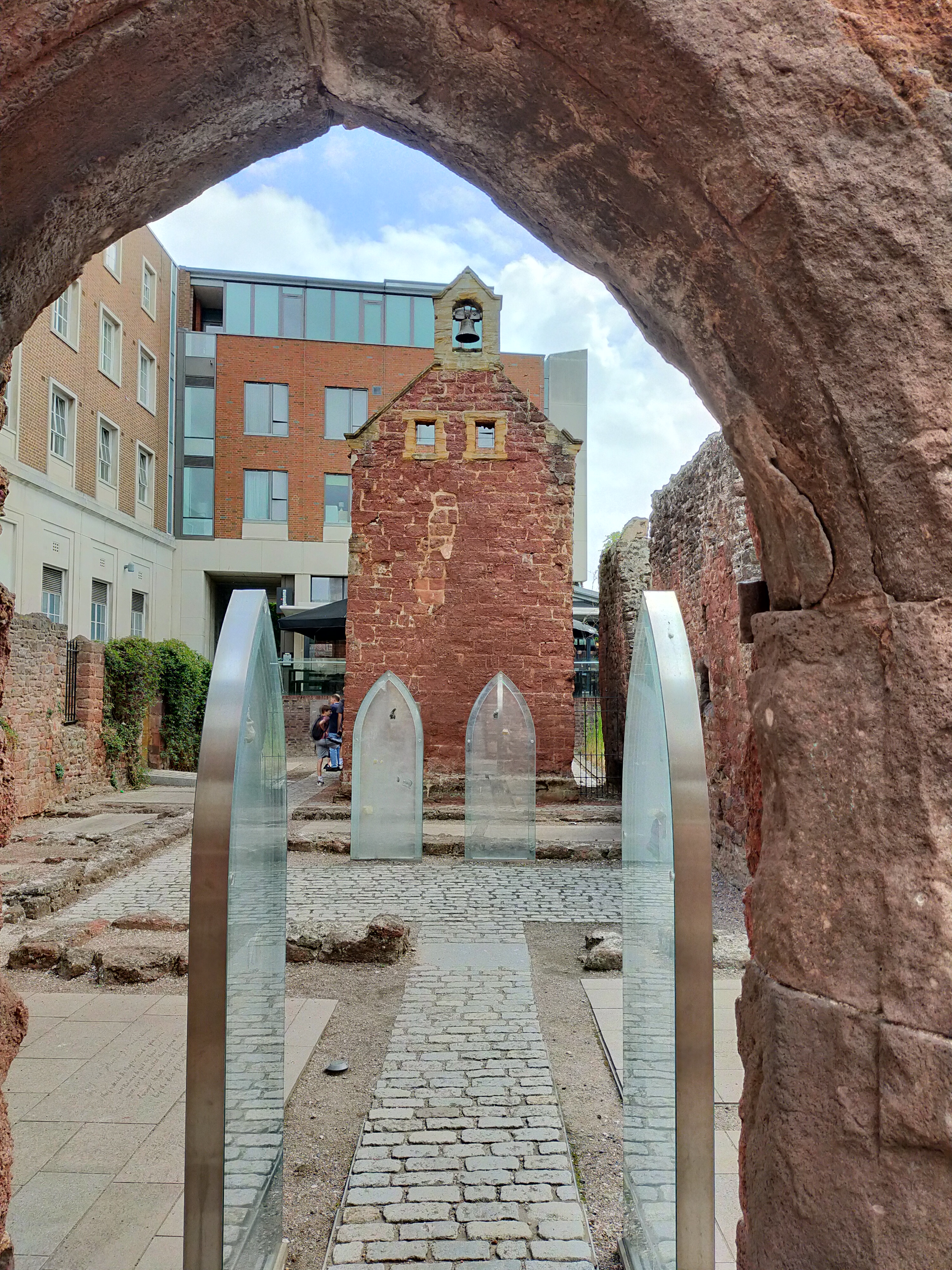
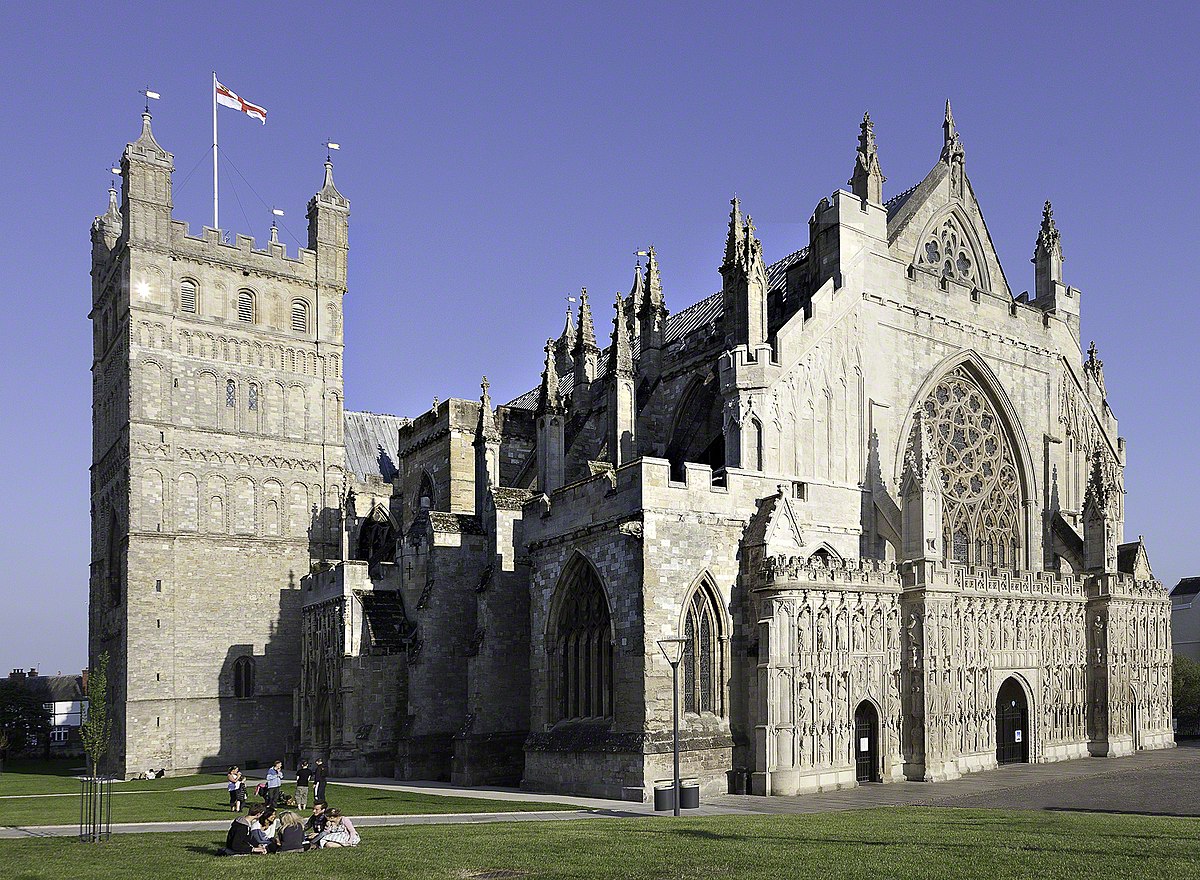
Old Exeter – Roman Isca Dumnoniorum, Saxon Execeaster – has been around a while, though at first glance you’d never know it. The Luftwaffe did a great job flattening the city in the Second World War, so you have to look closely to find ancient treasures.
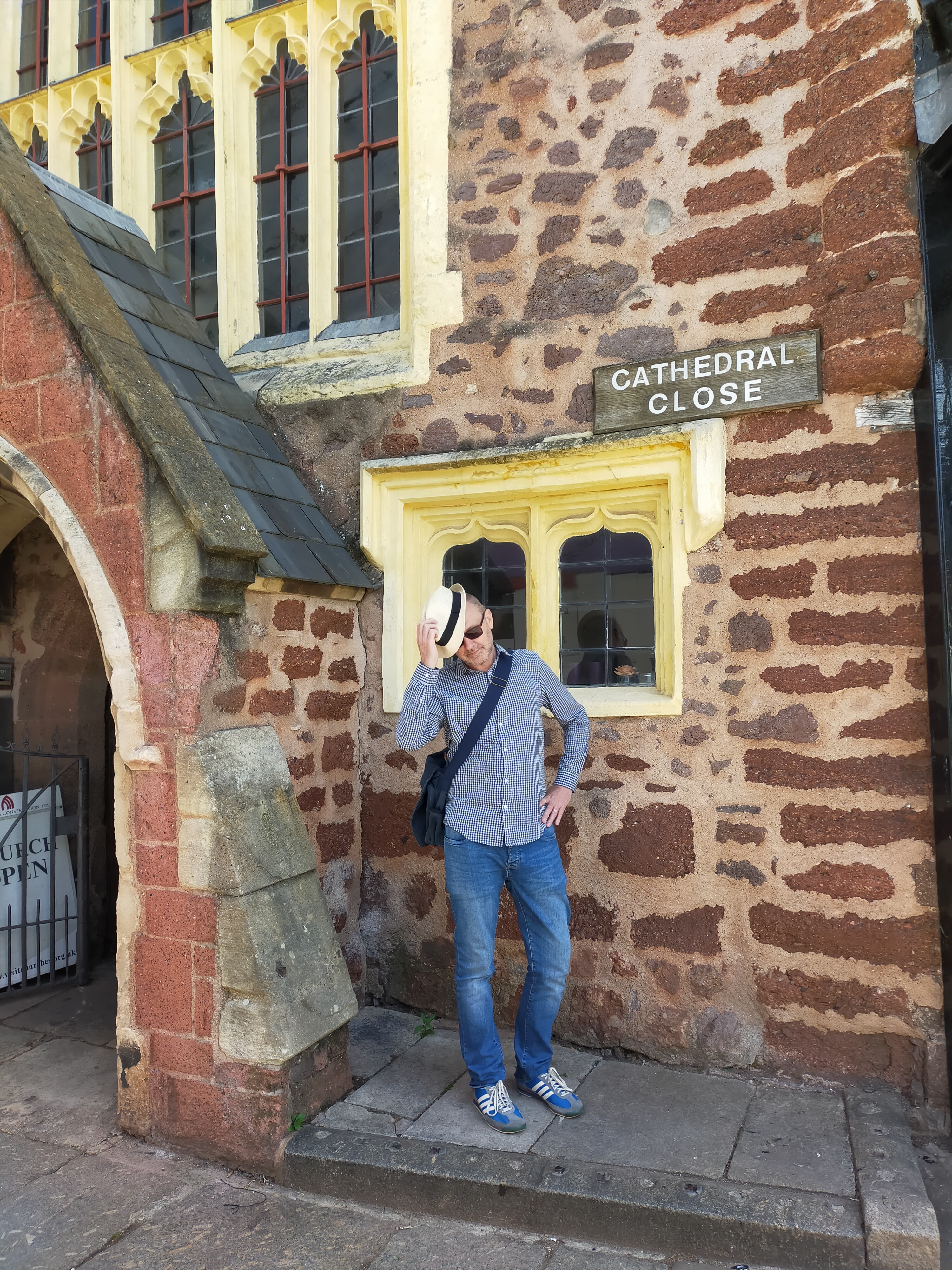
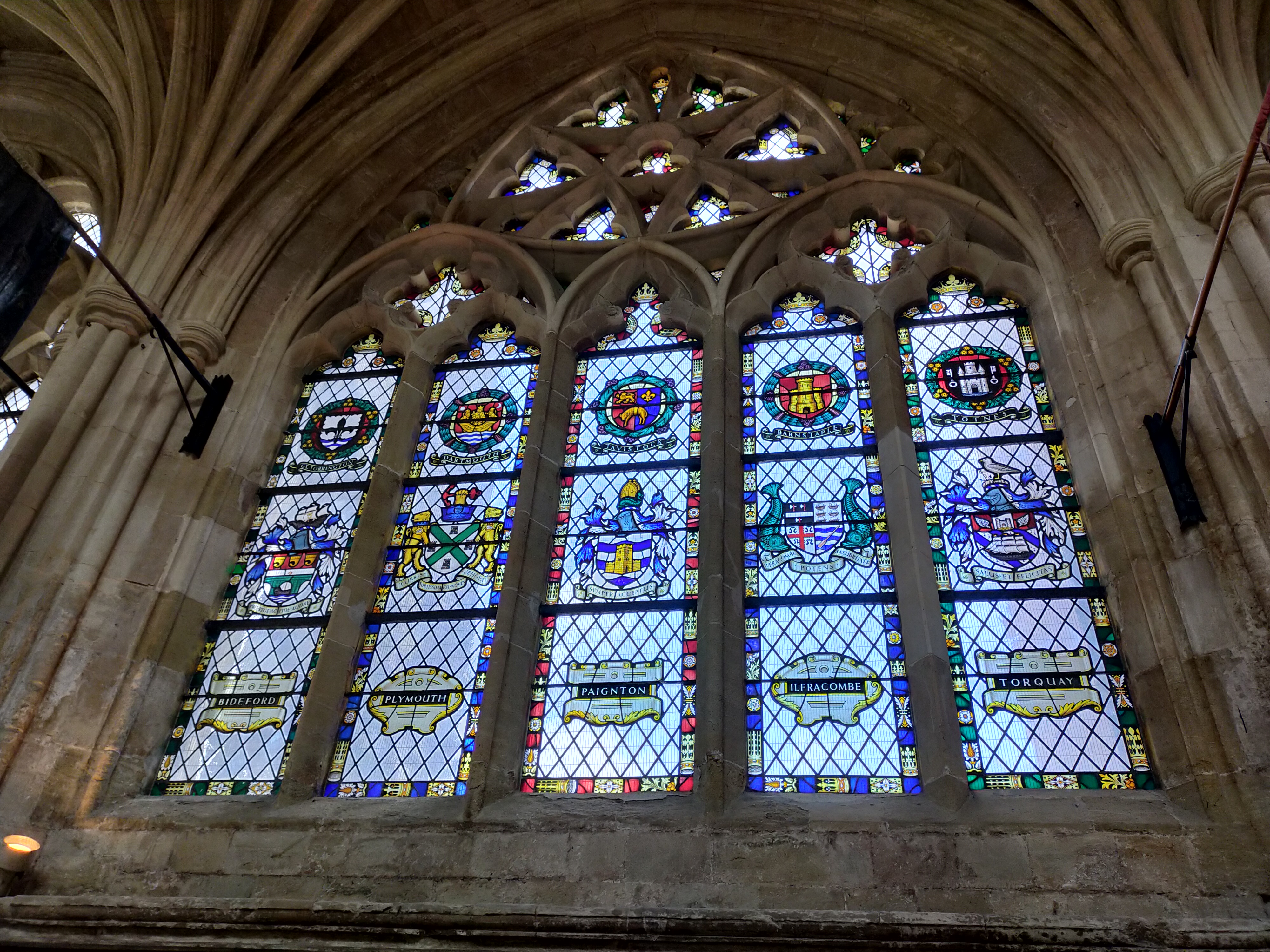
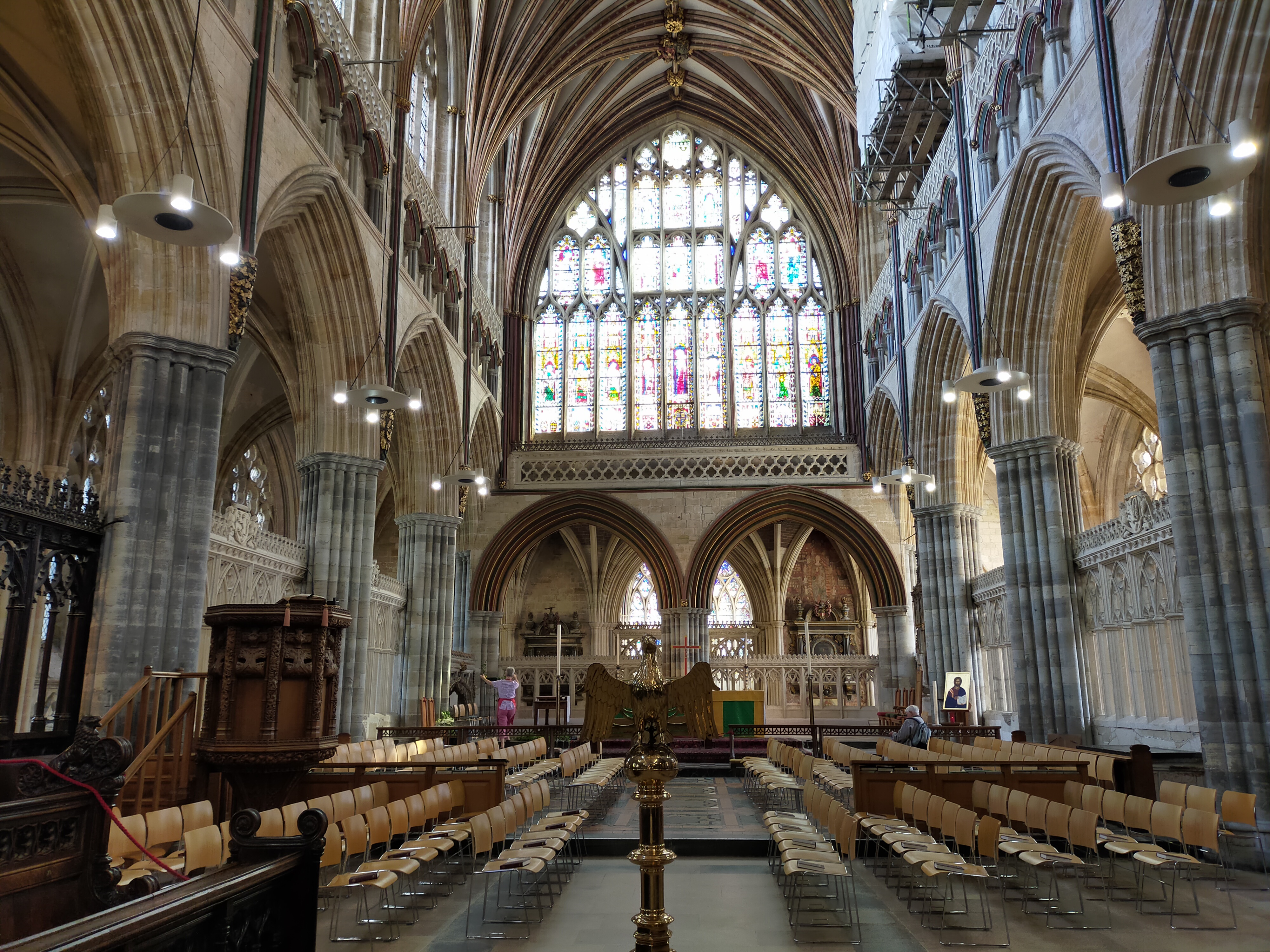
Mercifully, the magnificent cathedral, founded in 1050, was spared the hellfire that destroyed pretty much everything else – a little odd considering it sticks out like a bullseye at the heart of the city. Although I’m not religious in the slightest, I do so love a gander round a holy pile.
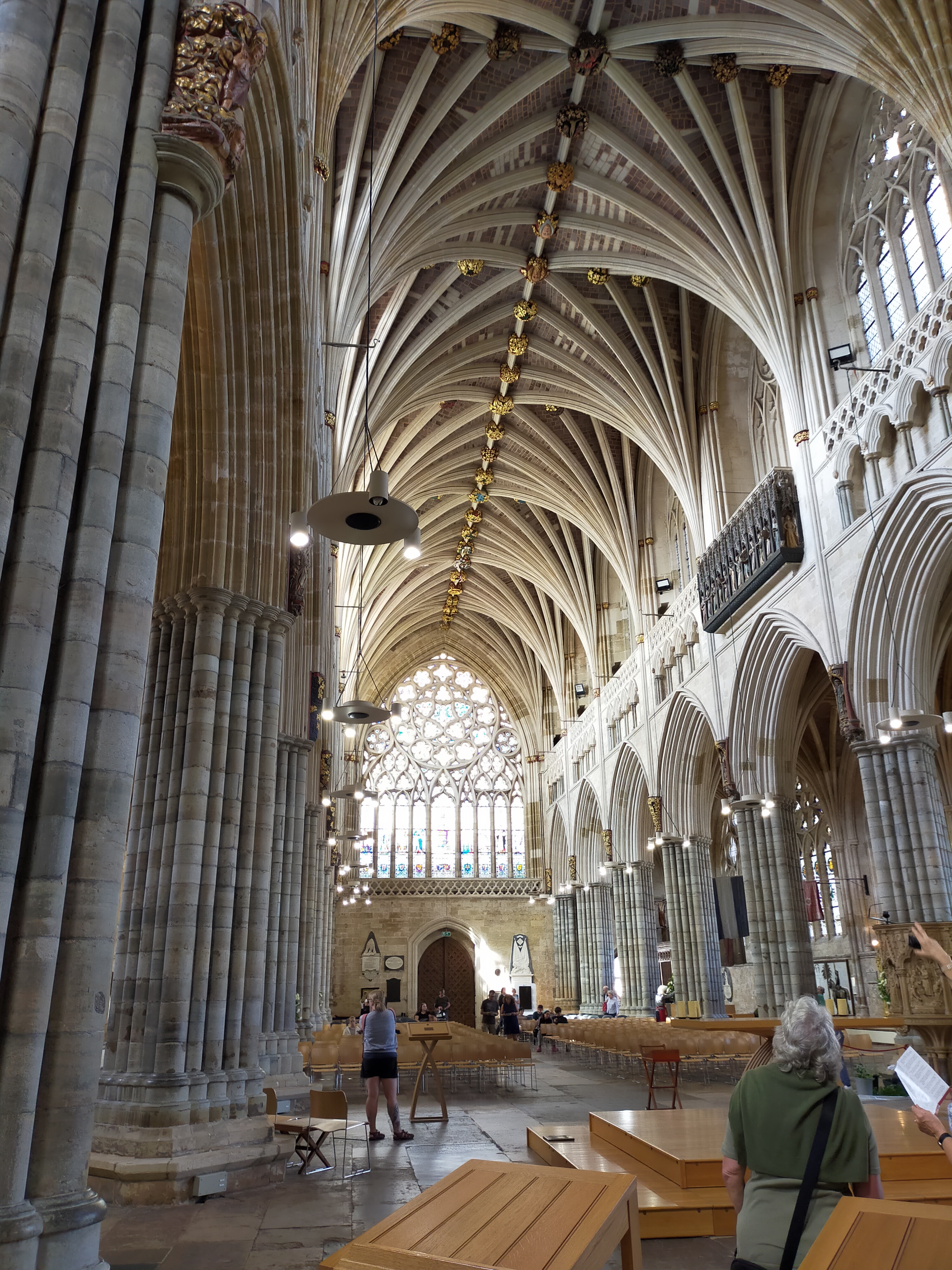
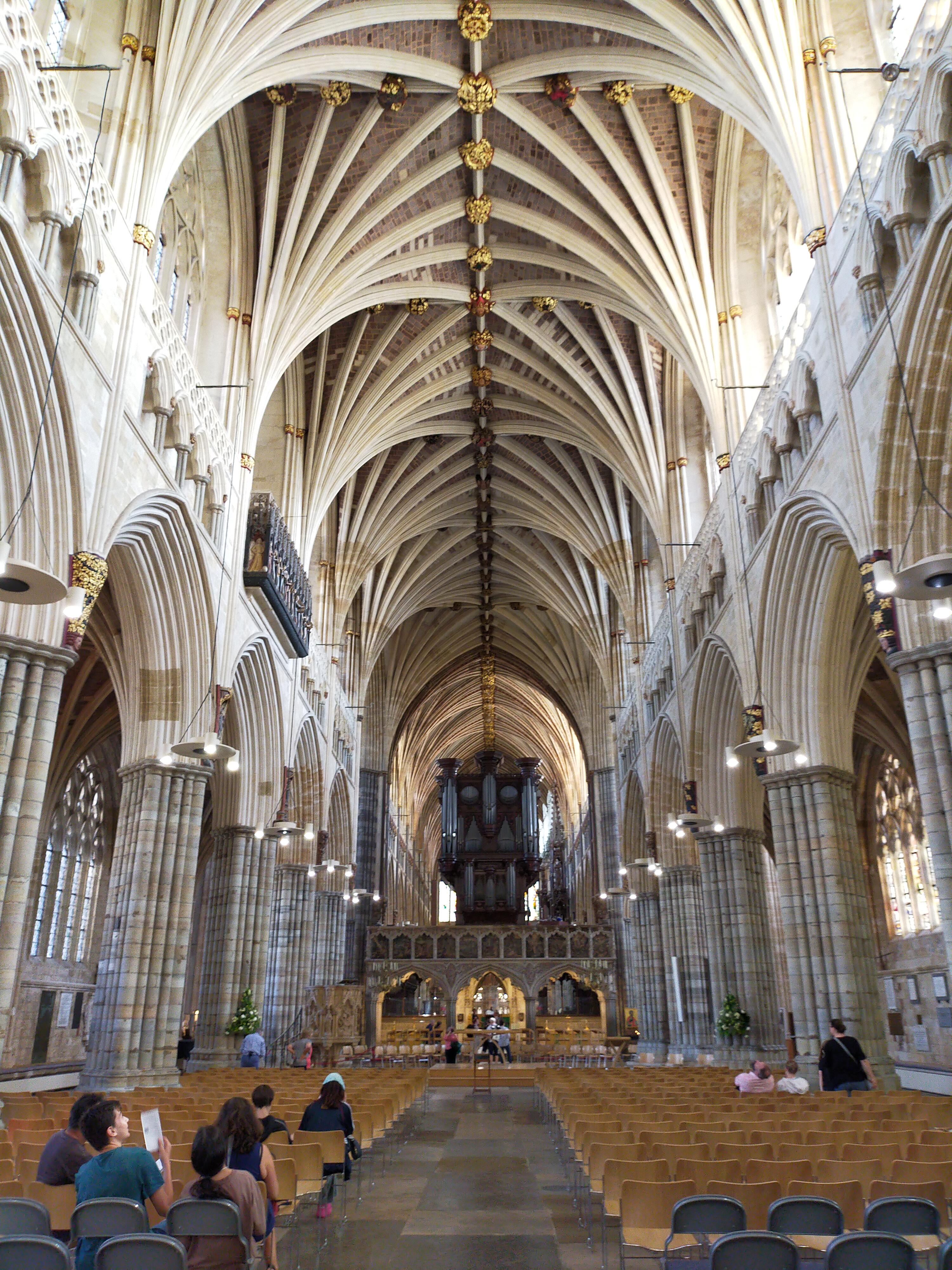
Most of what the visitor sees is thirteenth century, and what impresses first is the awe-inspiring ceiling that soars towards the heavens. At 96 metres, it’s the longest continuous medieval stone vault in the world. It surely convinced the hovel-dwelling, unwashed illiterati of old that it was made with divine intervention – and so helped keep them on their knees.
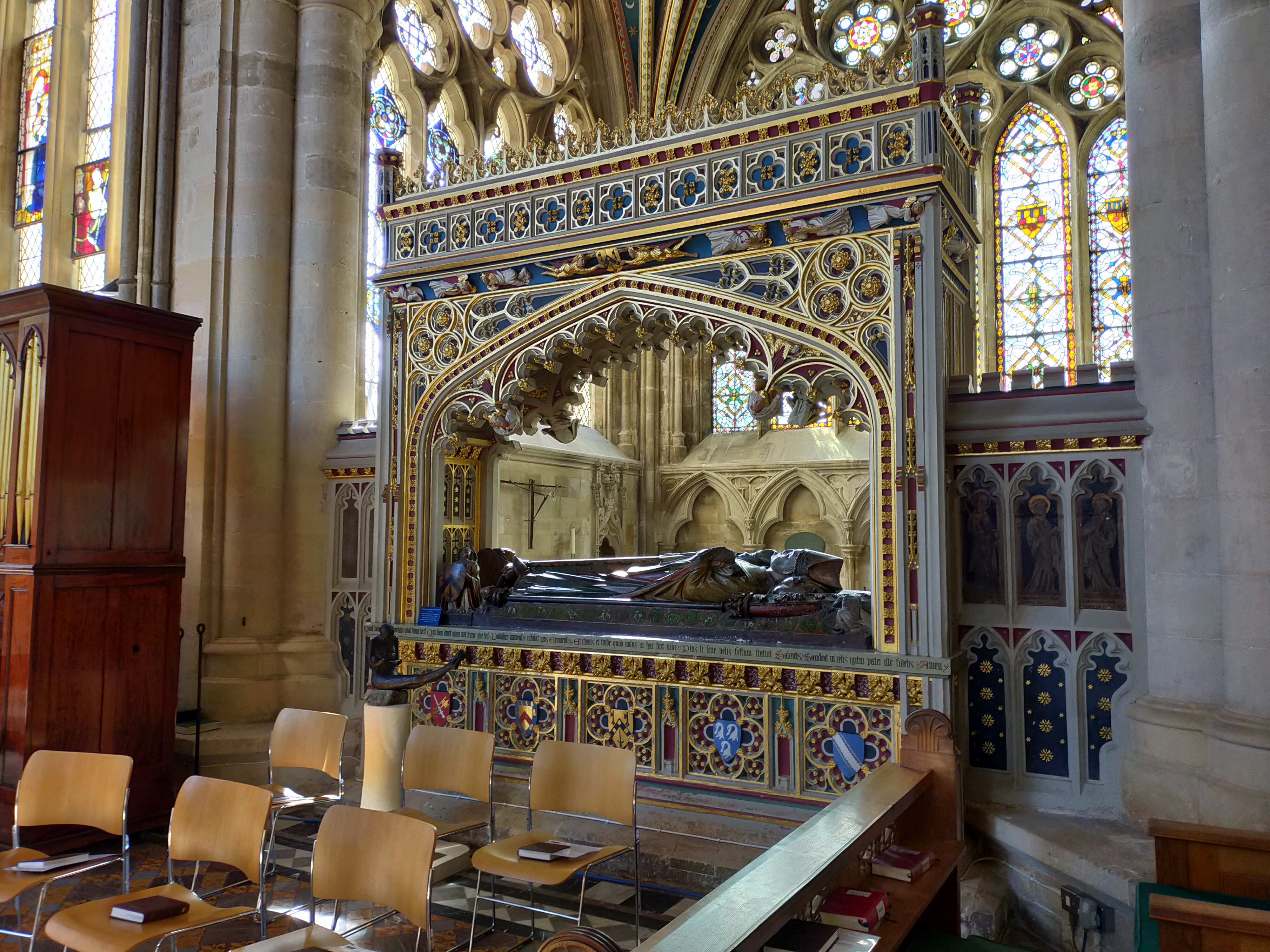
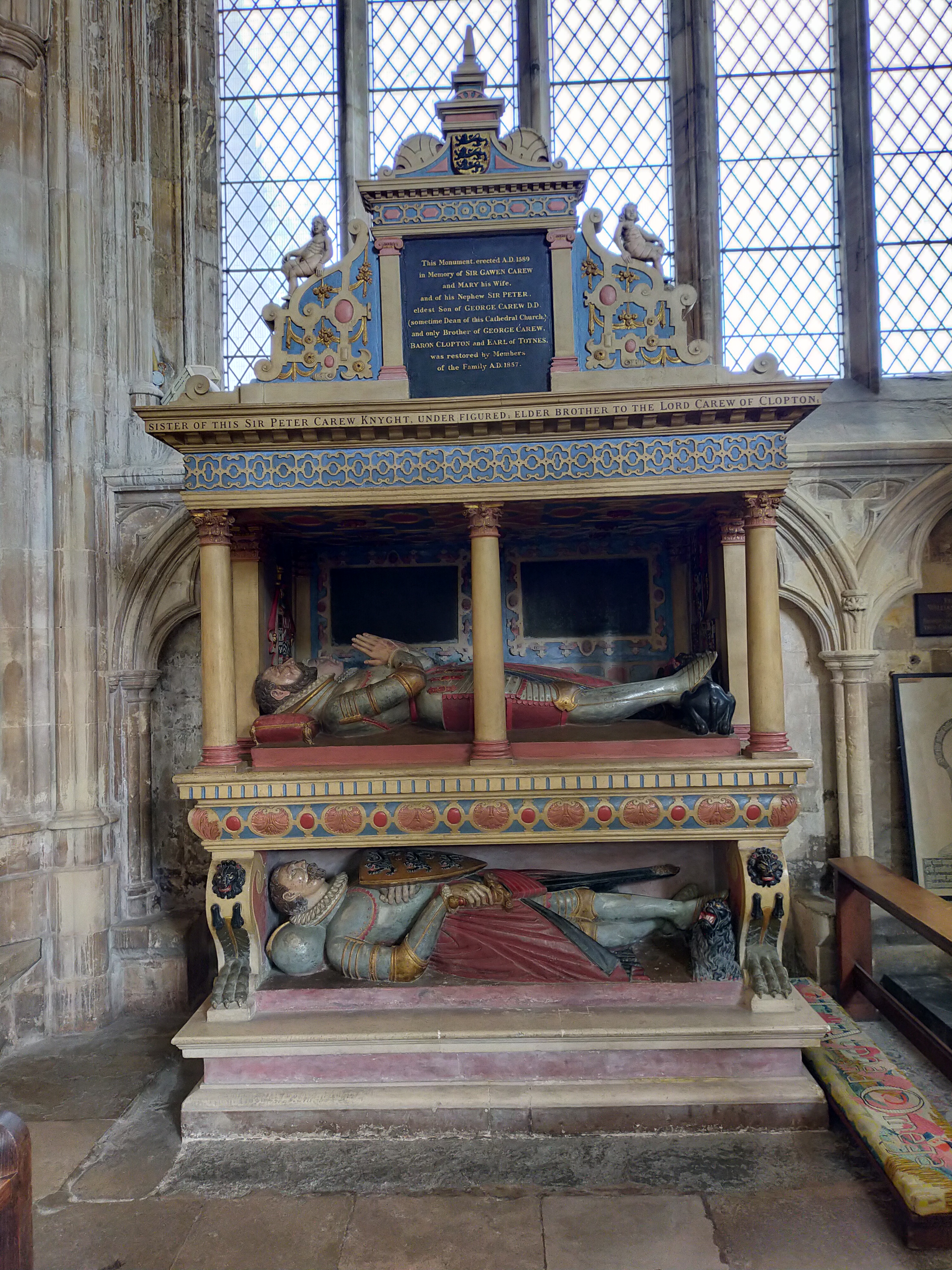
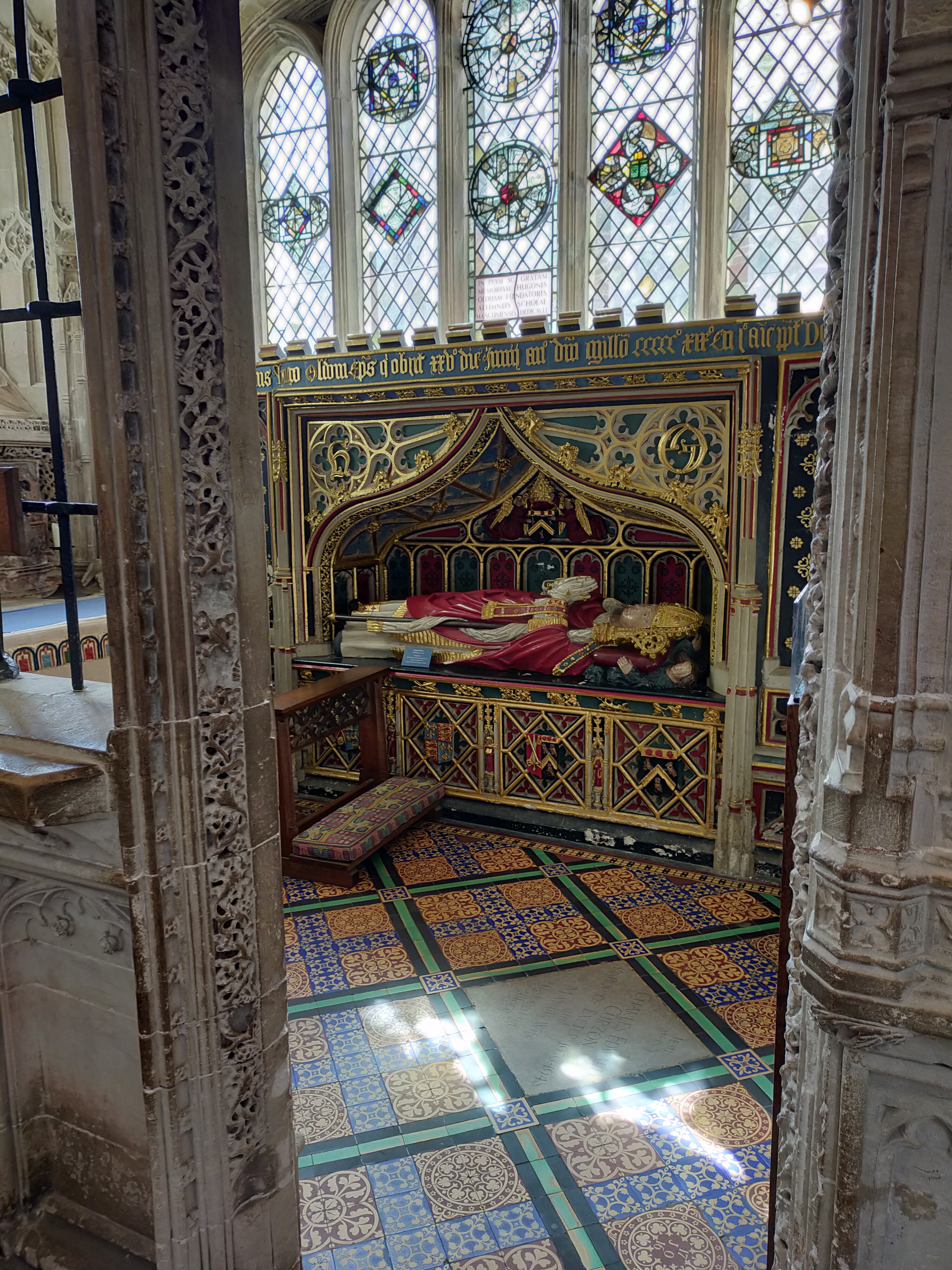
And then there are all the elaborate tombs – mostly containing the old bones of long-dead bishops.
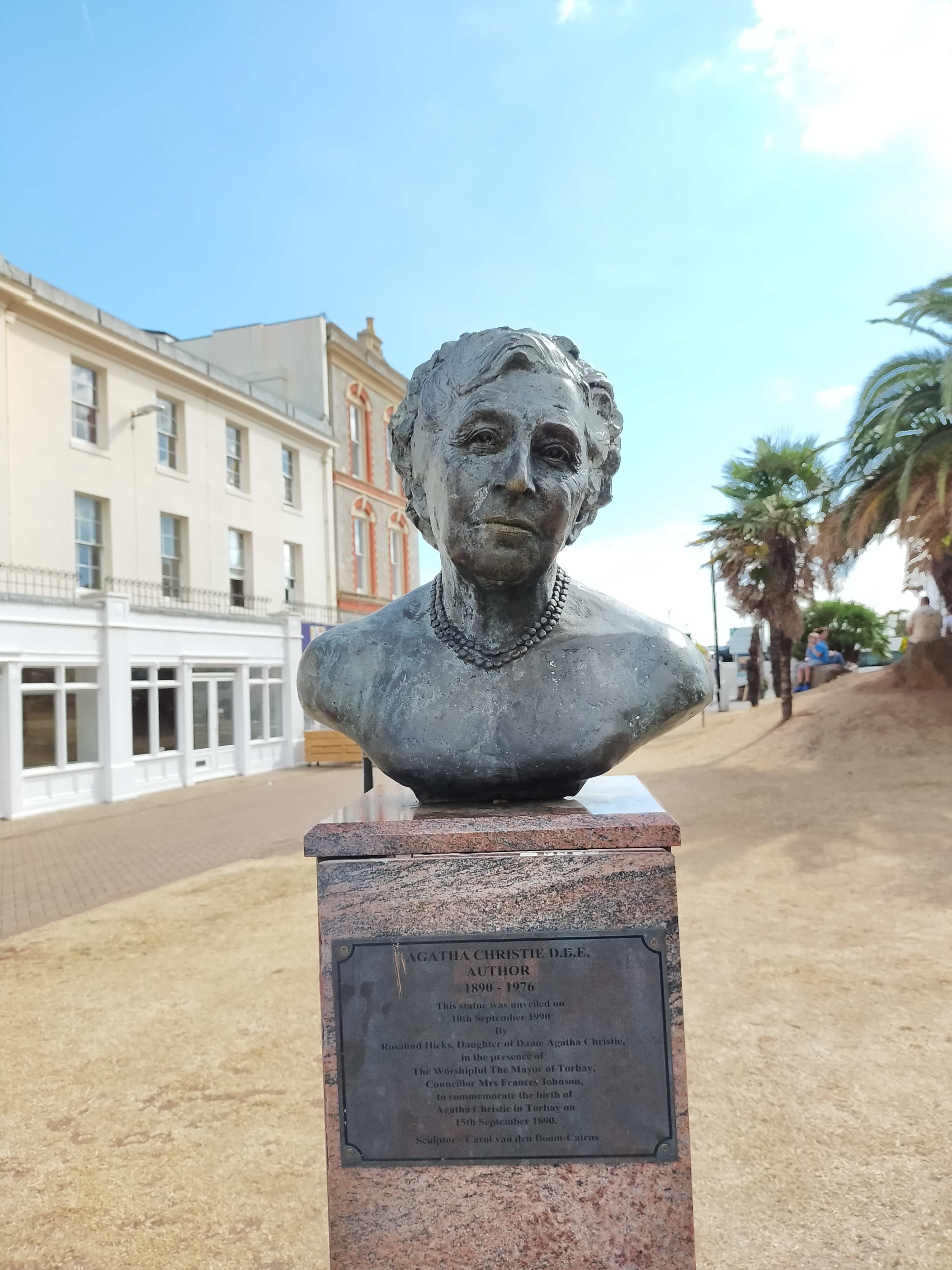
After Exeter, we spent the next couple of days hitting the sherry and chewing the cud with our old muckers at their palatial digs in Torquay. And fantastic it was too. Our hosts are a little camera shy so, instead, here’s an elegant bust of Agatha Christie, the queen of the whodunnit and the best-selling fiction writer of all time, who was born in the town.
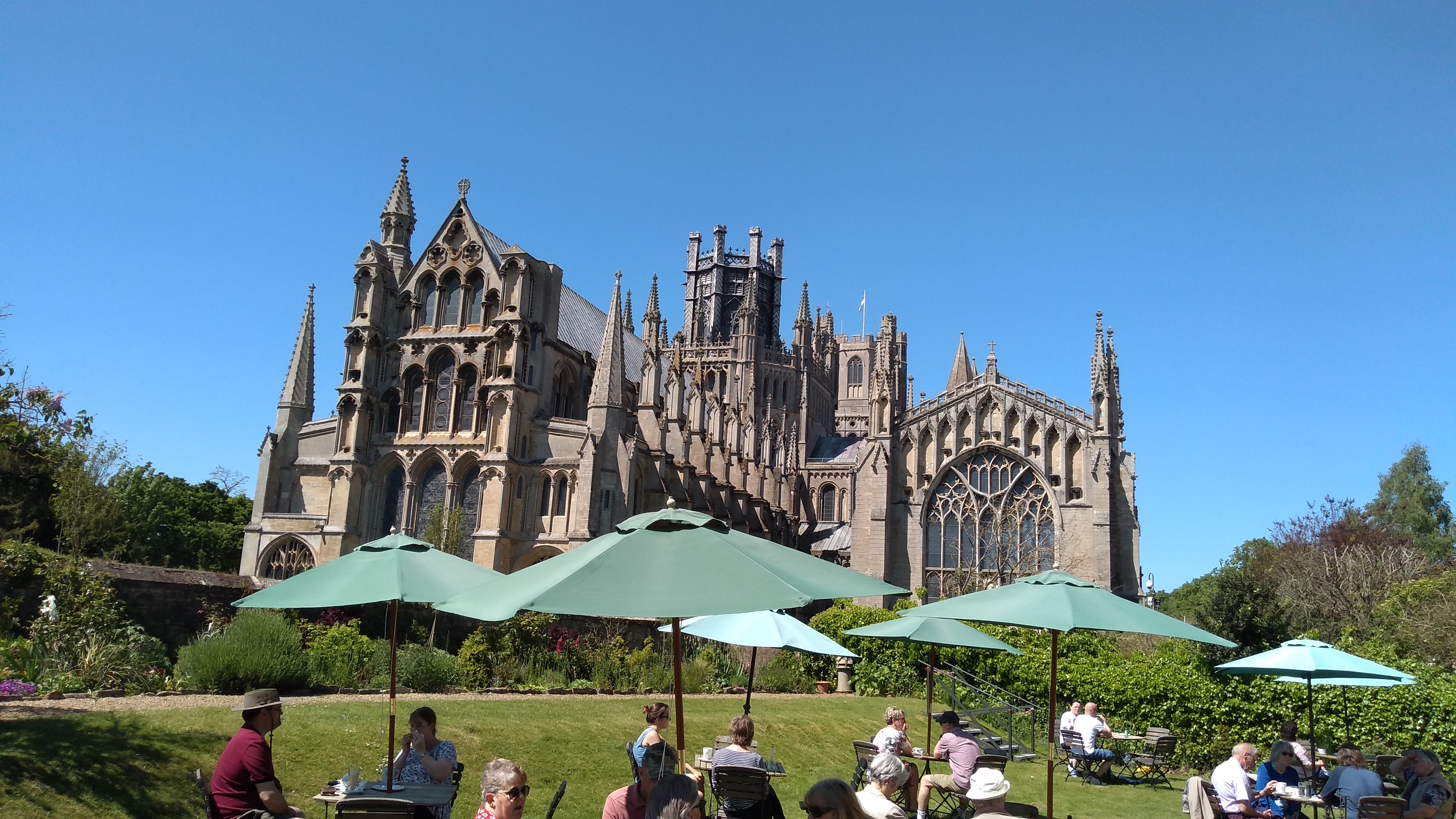
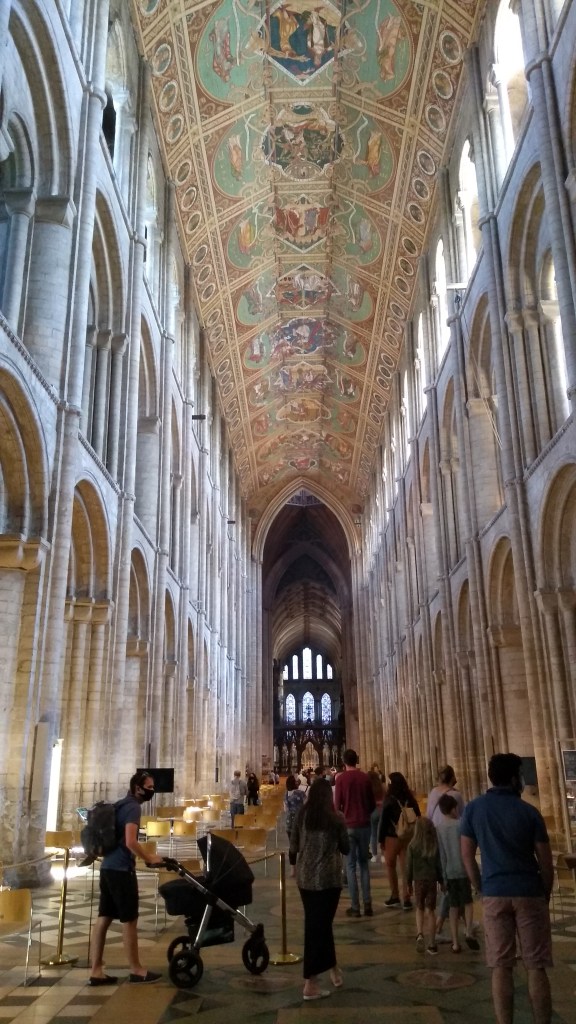
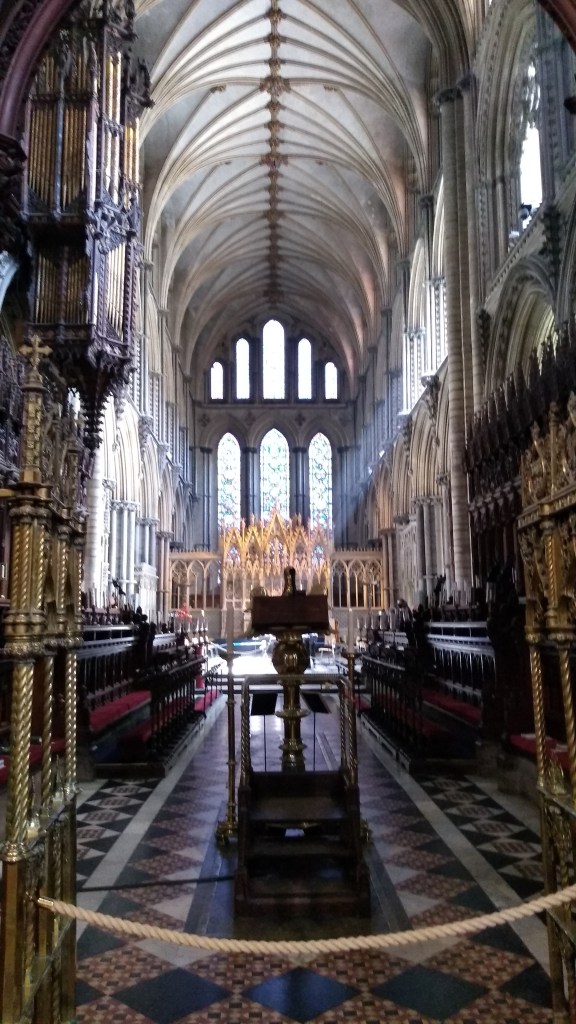
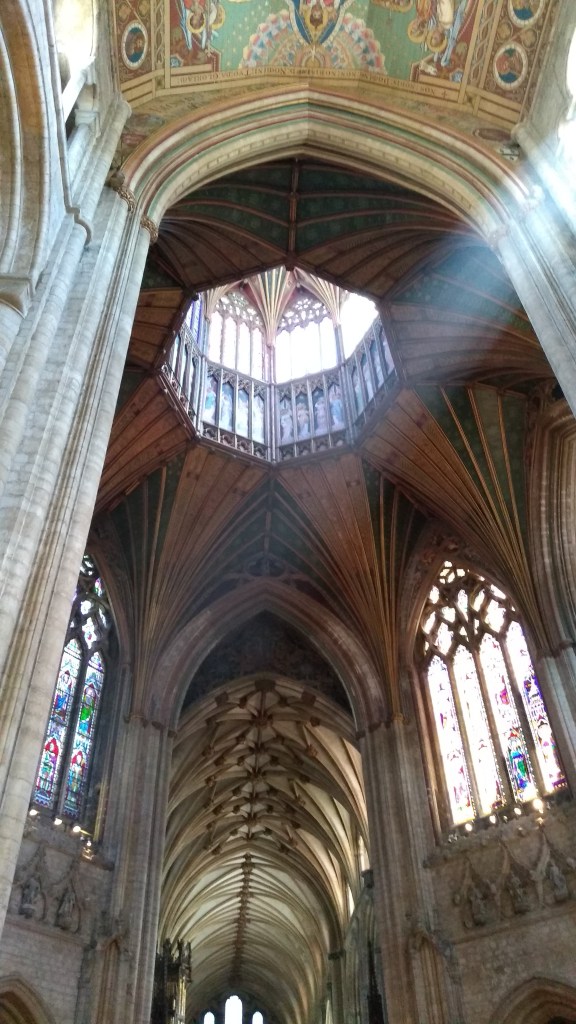
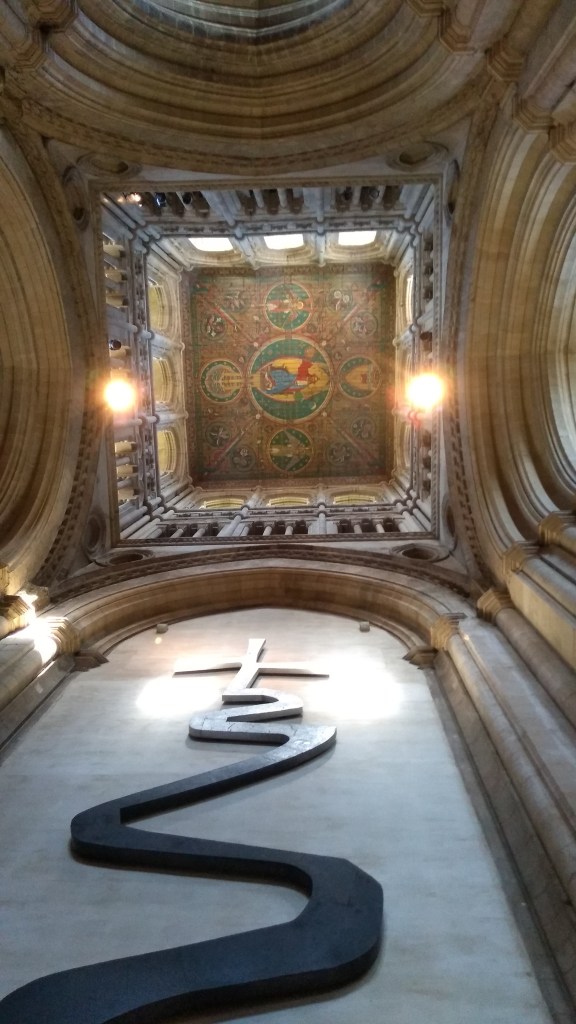
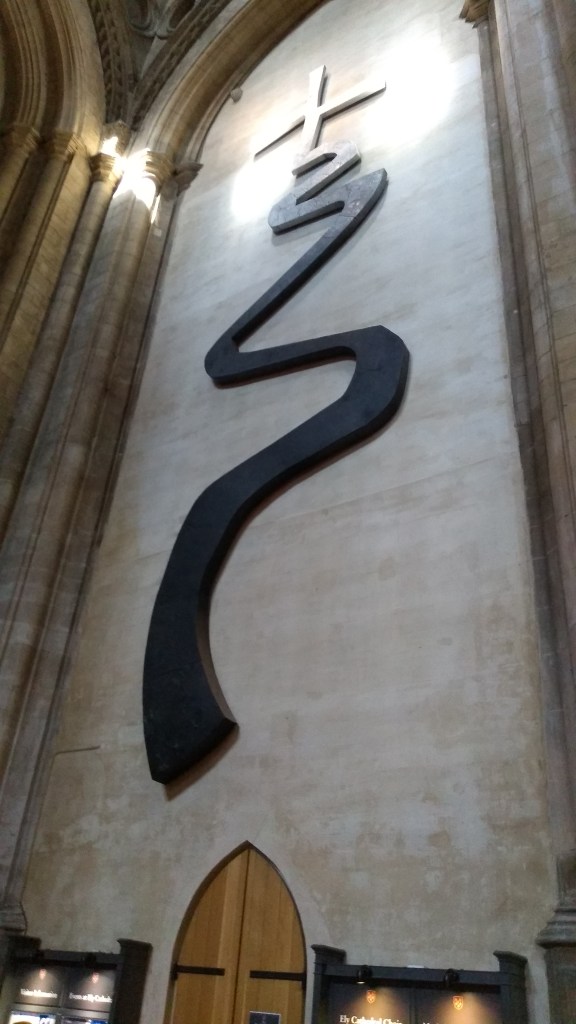
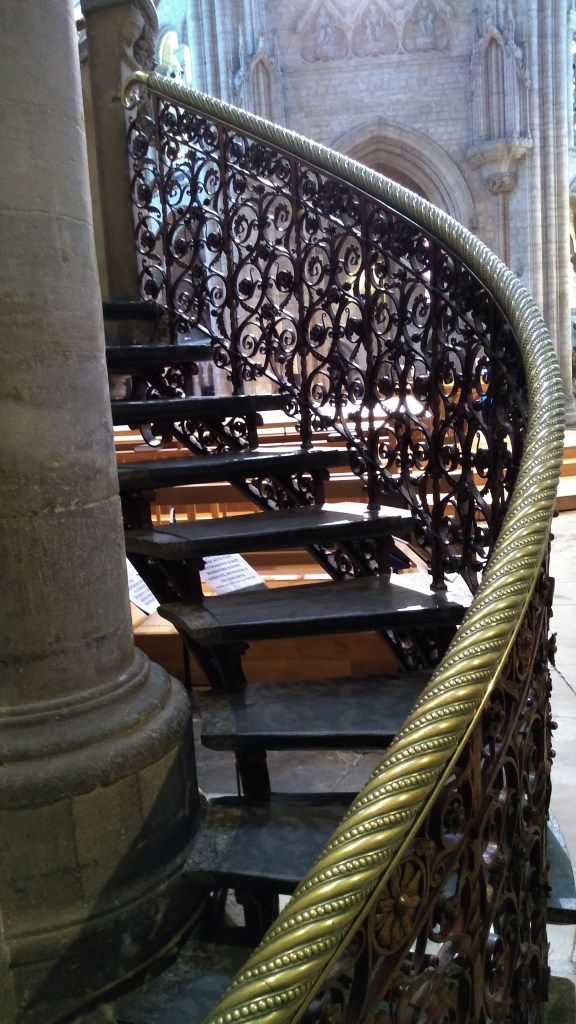
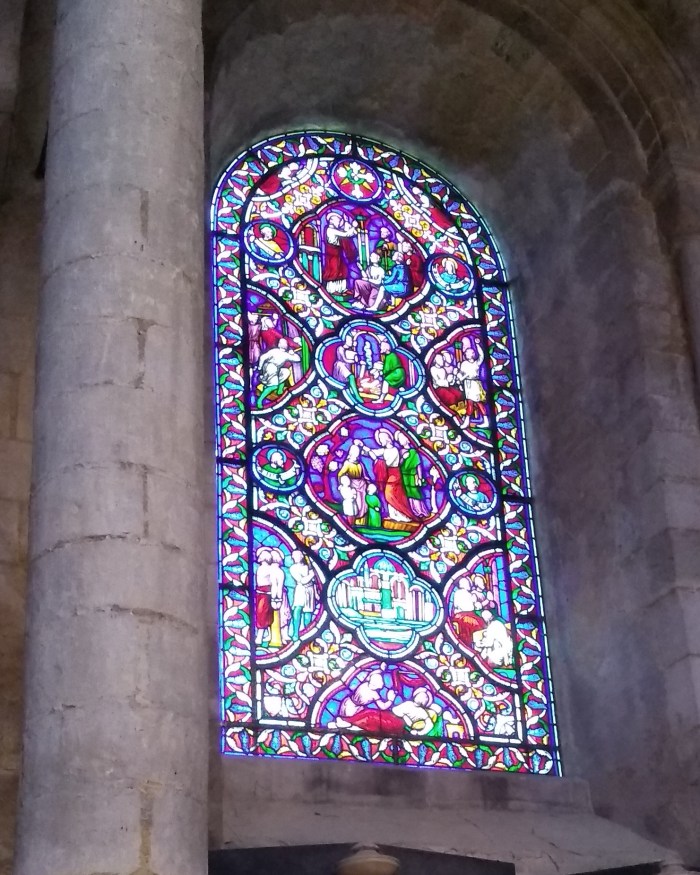
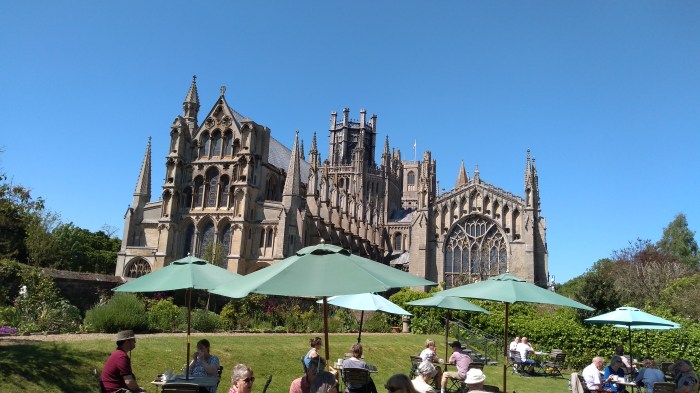
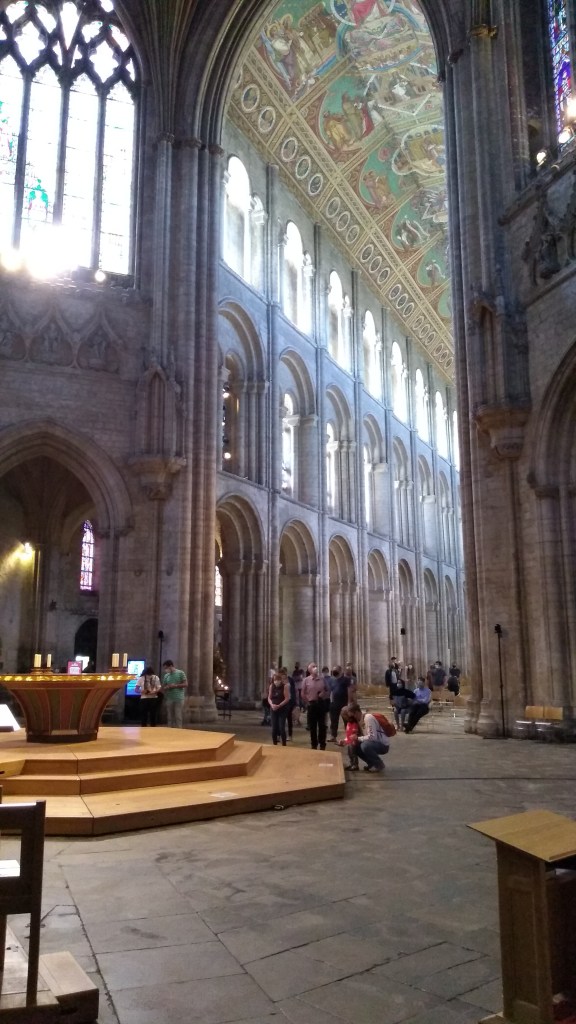
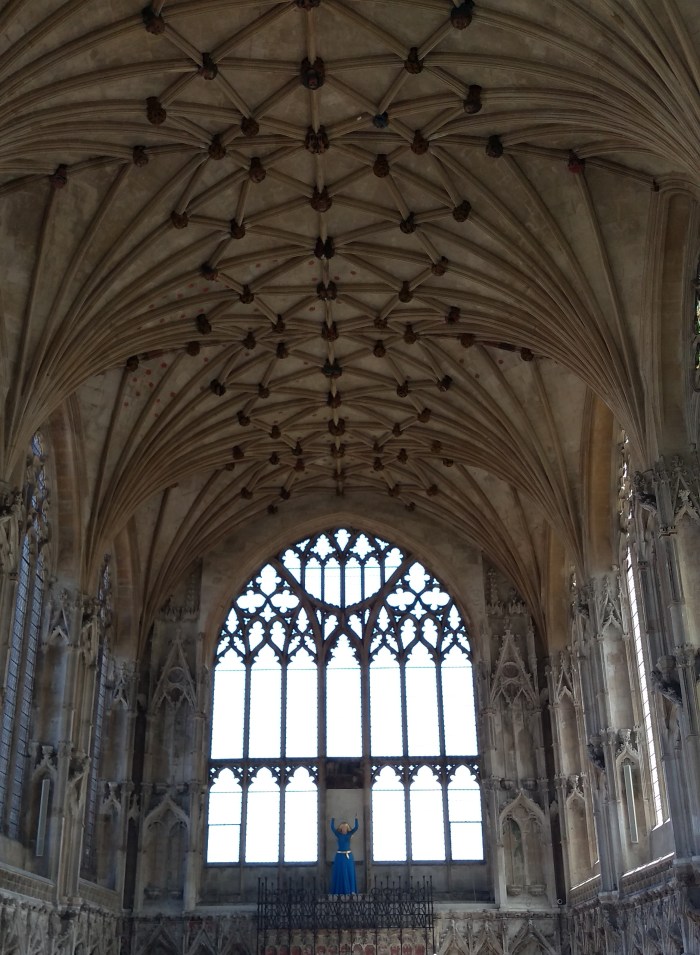
Our next family do since the end of lockdown was to Liam’s lot. A fun family BBQ in rural Hertfordshire, a night or two in Cambridge and a visit to Ely, a teeny-weeny city with a vast cathedral dominating the flatlands. ‘The ship of the Fens’ can be seen for miles around, demonstrating just how important He used to be to the prince, the pauper and everyone in between. There’s been a house of God on this spot since 673.
Ely sits on a small plot of high ground at the heart of the Fens, a once expansive marsh long since tamed by dykes and ditches, and drained for agriculture. The city has a quirky feel to it and, despite being only 14 miles from Cambridge and 80 miles from London, projects an air of splendid isolation and self-sufficiency, perhaps inherited from times past when it was an island, cut off for much of the year.
Obviously, the huge church is the main event. I’m not even remotely religious but its sheer scale forces you to look up to the heavens in utter astonishment.
Fleeting spring warmth, the partial easing of lockdown and the Easter break brought villagers, young and old, out onto the streets to make the most of the fine weather. And we were no exception. Downing tools for the day, we trotted off to Pyes Mill for a spot of lunch by the sparkling waters of the River Chet. The most direct route to the waterside clearing is across a boggy field which the owner has since barred after (allegedly) irresponsible dog walkers allowed Fido and Rover to trouble his cows. These are the same cows who troubled us the first time we ventured across his field forcing us to run for our lives. Just saying.
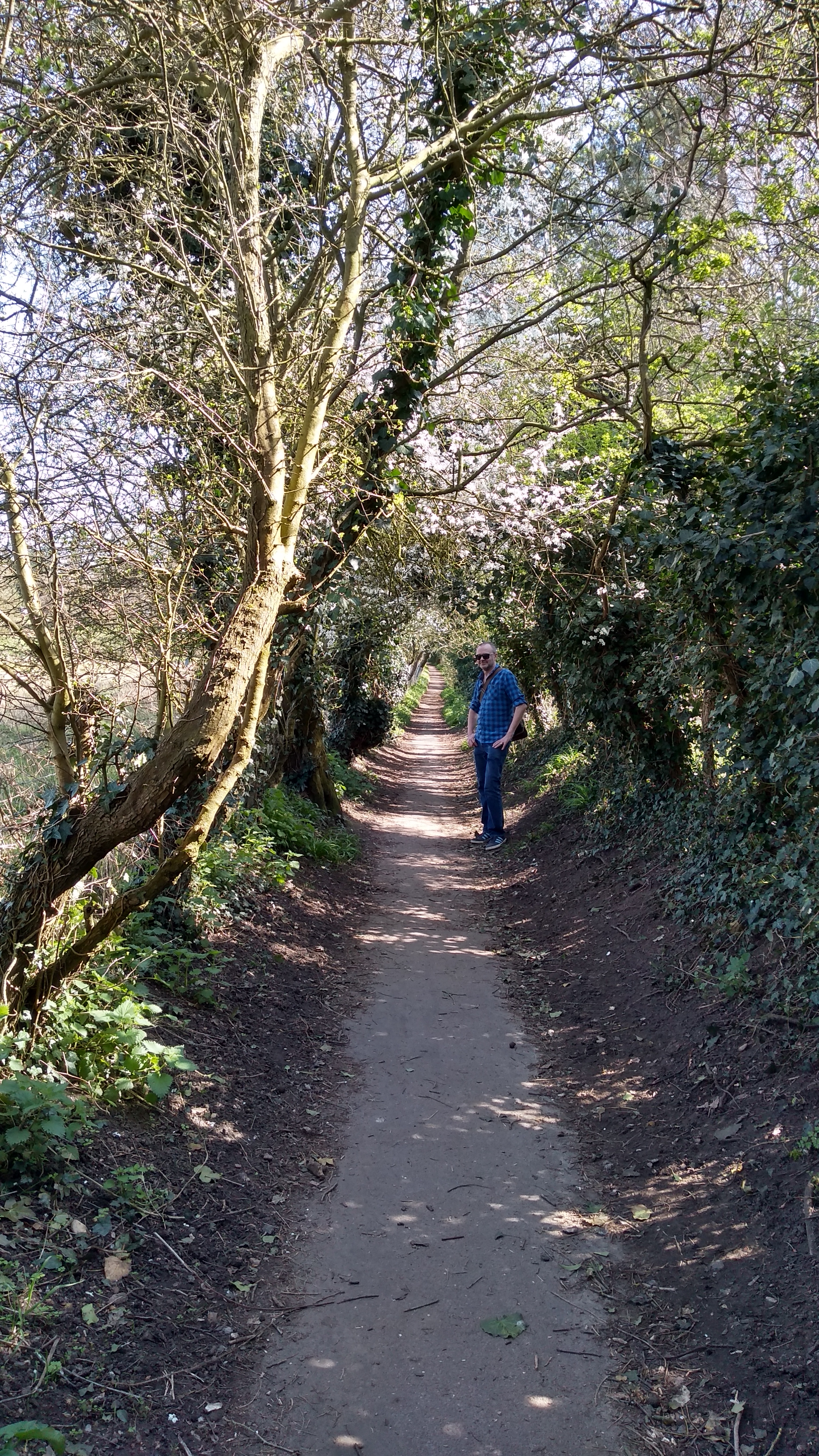
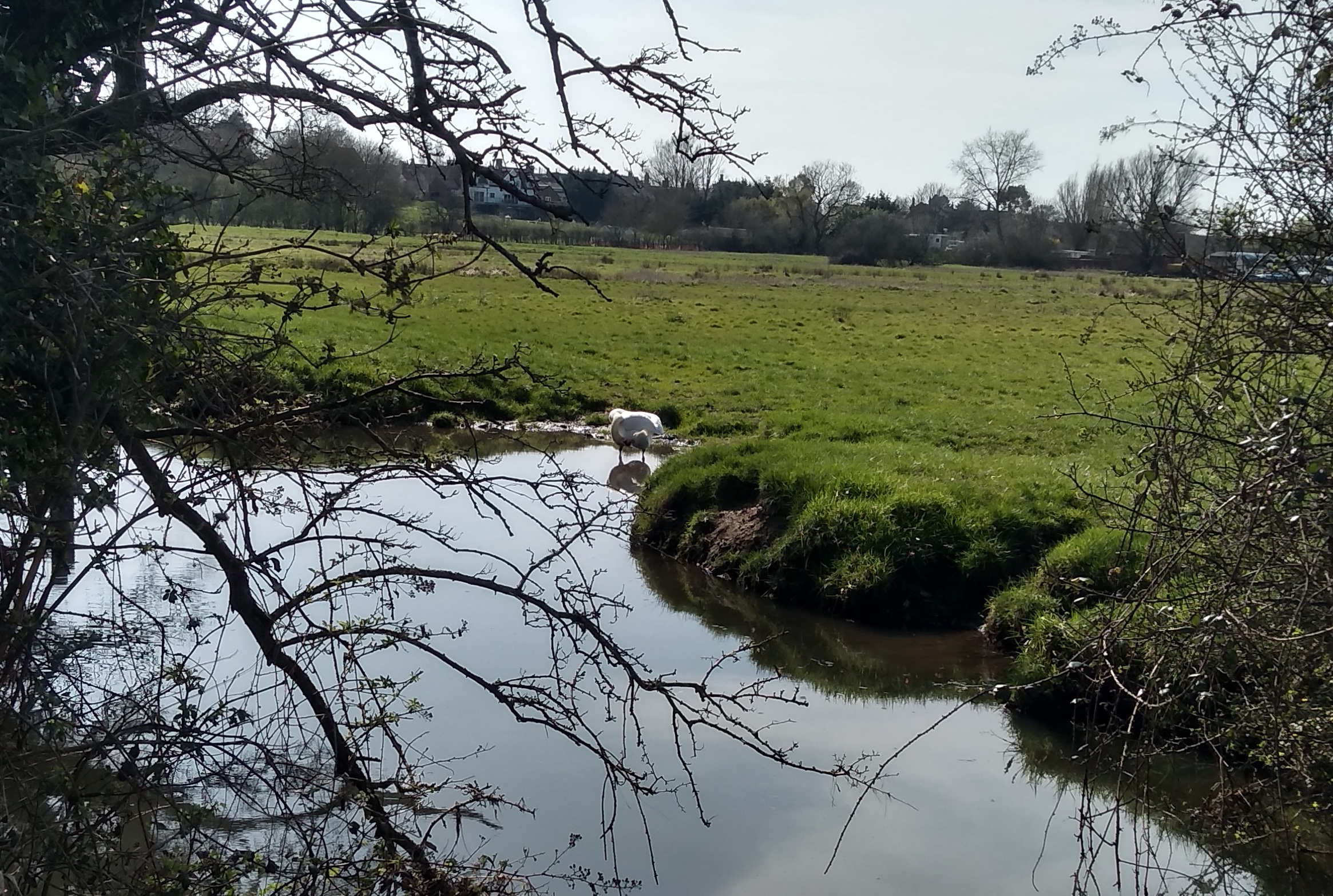
So we took the circuitous route via graves ancient and fresh, a tunnel of wild foliage, a babbling brook and a couple of country lanes. Pyes Mill was less busy than expected, though there was a swan having a good lick (and who wouldn’t if they could?), a few young families mucking about on the grass and a gang of naughty lads sharing a spliff. Liam can smell a joint at twenty paces.
We found a bench among the molehills and unpacked our picnic. When I say picnic, it was a meal deal from the Co-op. After months under house arrest, alcohol was first on the menu. Drink was drunk but rather too quickly. We regretted not picking up a second bottle when we had the chance. Lesson learned for next time.
Our little house is one of a small row of four workers’ cottages standing proud next to the 12th-century parish church of All Saints. Built in 1852, each dwelling once consisted of just four rooms – the original meaning of a ‘two up, two down’ – with water supplied by a well at the end of the row and, in all likelihood, a single outside latrine shared by all and sundry. There must have been quite a queue when cholera struck. The well’s still in full working order but, these days, only used for watering the roses.
One of our neighbours, a sucker for genealogy, obtained the entries for the 1911 national census. It provided a tantalising glimpse into the lives of the residents of our little terrace at that time.
While Liam was lapping up a concert by a local ladies choir at our spitting-distance church, I took a look through the documents. I really hope Mr Jackson the wherryman*, widow-woman Maria, James the omnibus driver, Mr Kerry the jobbing gardener and all their assorted families had happy and fulfilling lives. I guess we’ll never know, but the chances are their day-to-days were hand-to-mouth, horribly insecure and plagued by illness or the fear of it. Life expectancy at the time was about 56 for women and 52 for men, though this average was skewed by high child mortality rates which meant if you did manage to survive to adulthood, you had a better chance of growing grey.
Still, this was a big improvement on the situation when the houses were first chucked up. Back in the 1850s, life expectancy was only 42 for women and just 40 for men. As life was short and often grim, it’s little wonder people took to religion for solace. Thank God for the doorstep chapel.
*a wherry is a shallow-draught barge with a large single sail once used to transport cargo on the rivers and broads hereabouts.







 Perking the Pansies