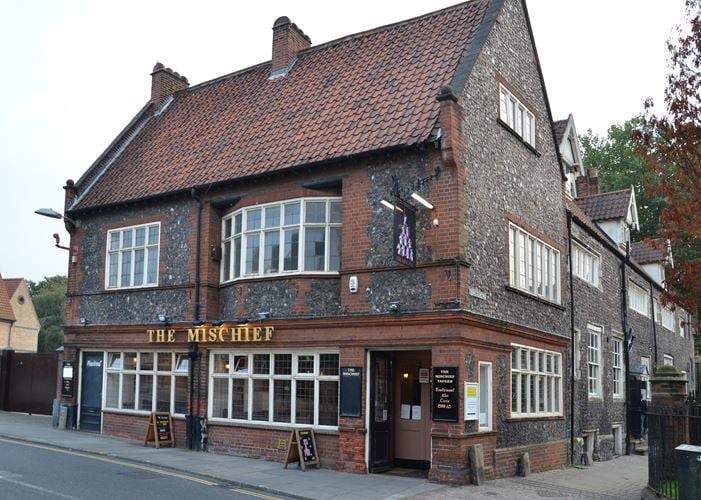
After a few months of hard graft and long days for the publishing malarky, we indulged in a little retail therapy in Norwich followed by a few sherries in the Cathedral Quarter. Unlike other parts of the city, this area has preserved many of its watering holes – just the thing for thirsty shoppers like us. Our final snifter was in the Mischief Tavern on Fye Bridge Street. The Grade II listed building, which sits alongside the River Wensum, was originally a 16th-century wealthy mercer’s house before tumbling down the social ladder to become a pub for the great unwashed.
In more recent times, the basement of the pub was once the venue for the Jacquard Club, a sixties folk music group which hosted the likes of Paul Simon, Judy Collins, Ralph McTell, Tom Paxton and George Melly. The club was founded by our very own Albert Cooper, our neighbour in the old Co-op warehouse before we escaped to the country to become village people. Known about town as ‘The Man in Black’, Albert sings the blues. He’s quite the local celebrity and even gets a mention in the Museum of Norwich. Albert turned 90 last year.
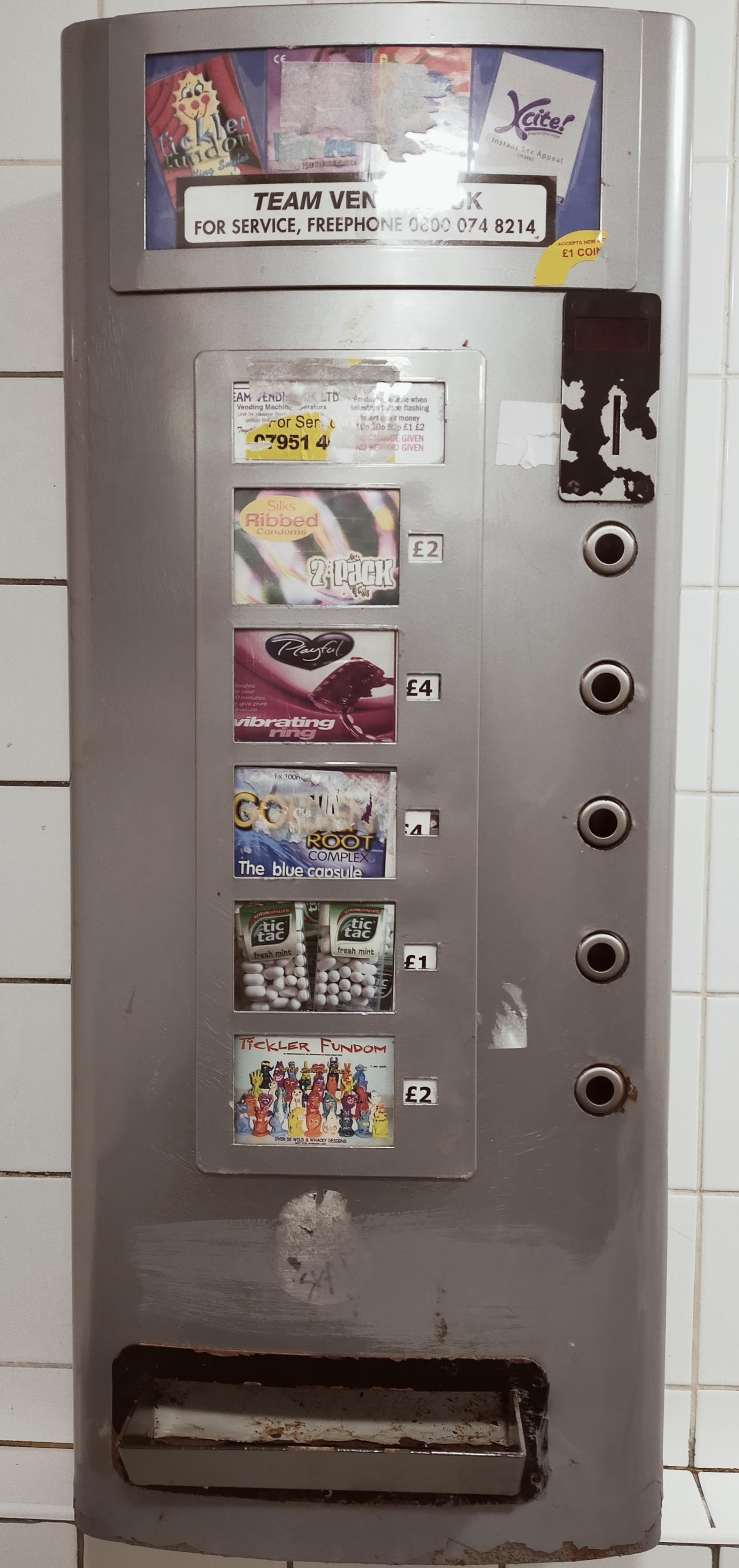
Remarkably, the pub itself still retains some 16th-century features, one of which is definitely not the rusty old condom dispenser in the gent’s loo.
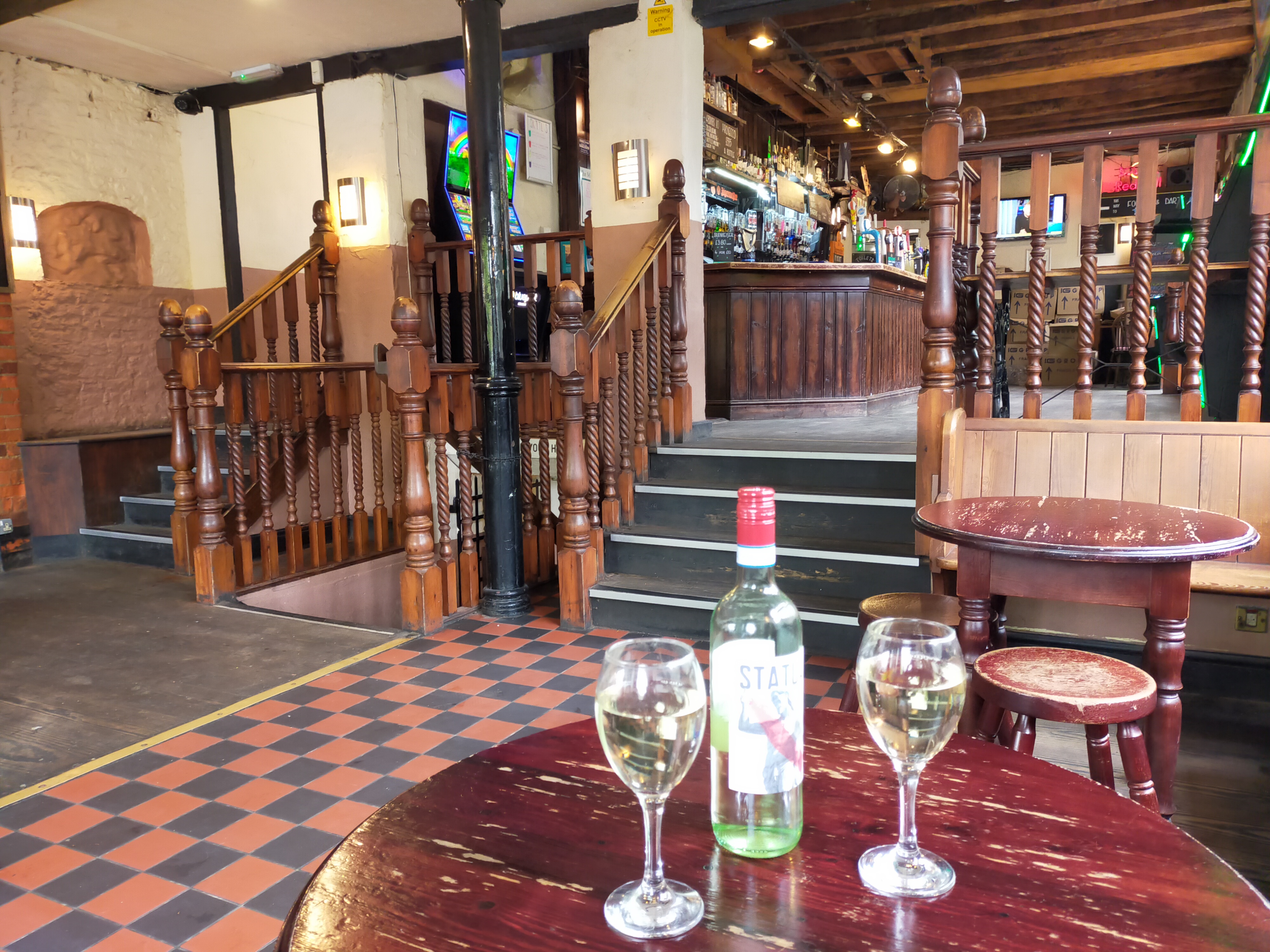
Rather like the pub itself, the cock sock machine has seen better days. Still, we were served a very tasty bottle of Pinot Grigio at a very palatable price, so we weren’t complaining.
London is a gloriously haphazard, jumbled up kind of place where the rich and the ragged sometimes co-exist cheek by jowl. The Boltons in West London is an address for the seriously loaded, thought to be the second most expensive street* in the land – you won’t get much change out of £23 million. Famous former residents include Douglas Fairbanks Jnr, Jenny Lind and Madonna – the queen of pop that is, not of Heaven. And yet, close by is an entirely different Boltons, an imposing late-Victorian pub. It’s a building with a chequered, ever so slightly sleazy history. From the mid-fifties until the early nineties it was a gay bar. But then time was called on the boozy cruising and it was flogged off to be reborn as a faux Oirish theme pub as part of the O’Neill’s chain. Finally, it morphed into a trendy, overpriced gastropub called The Bolton. That didn’t last either. Nowadays, the boozer is down on its uppers – boarded up, forlorn and flaking; the only punters at the bar are squatters.
Back in the late seventies when I was a fresh-faced young gay-about-London Town, I sometimes drank in Boltons. It was a smoke-filled and deliciously seedy den of vice frequented by assorted ne’er-do-wells – rent boys, drunks, druggies, pimps, peddlers and petty thieves – a place to keep a tight hold of your wallet, if not your virtue. Not that I ever rented out, peddled or picked pockets, of course. It was just fun to watch the action, like feeding time at the zoo.
Now I hear that the worthy burghers of Kensington and Chelsea – the local council and my former bosses – have granted the building protected status because as Councillor Cem Kemahli said…
“The recognition of this historic pub as a listed site stands not just as a tribute to its architectural importance but also celebrates its role as a cherished hub within the LGBTQ+ community. The preservation of buildings like this one echoes our history and diverse communities in the borough.”
Blimey. It’s not that long ago when the worthy burghers were trying to get all the local gay venues closed down. From social outcasts to national treasures in just 40 years.
*the UK’s most expensive street is Kensington Palace Gardens in the same London borough, not far away from the Boltons.
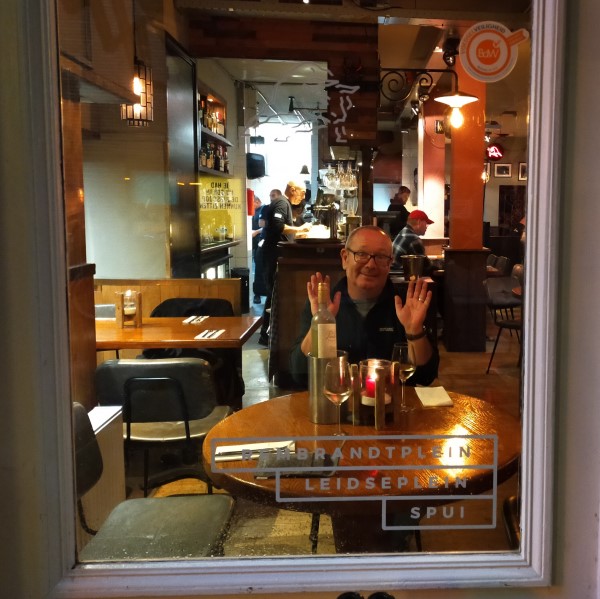
Before we got hitched, Liam and I had both enjoyed the many meaty treats of old Amsterdam. Needless to say, it didn’t include a cultural cruise around the august galleries of the world-famous Rijks Museum. These days, life is mercifully more sedate. Randy times with likely lads on the pull are but a distant memory, and nights on the tiles have given way to days on the trail.
First up on our cultural pilgrimage was the Homomonument, a memorial to those poor souls persecuted for their sexuality during the Second World War. Opened in 1987, the monument takes the form of a giant pale pink triangle jutting out into the Keizersgracht. The pink triangle was the badge gay men were forced to wear in the Nazi death camps. And we all know what happened in those places.
This is the one site I’d seen before. Here’s me in the naughty nineties. The second picture is me now. Obviously, I haven’t changed a bit!
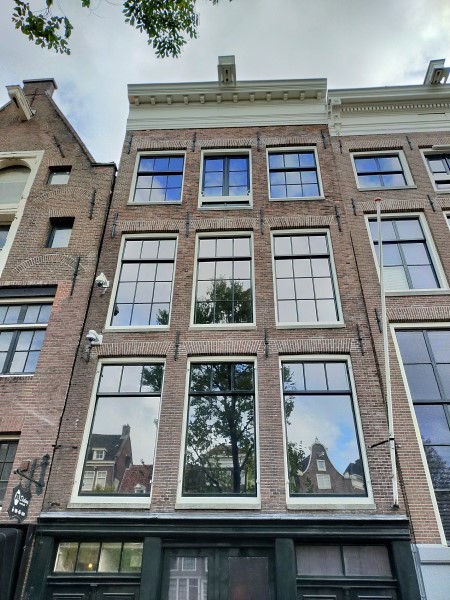
To my shame, I’d never visited Anne Frank’s Huis, so I was determined to right this particular wrong. It was a sobering lesson in everyday evil. Lest we forget.
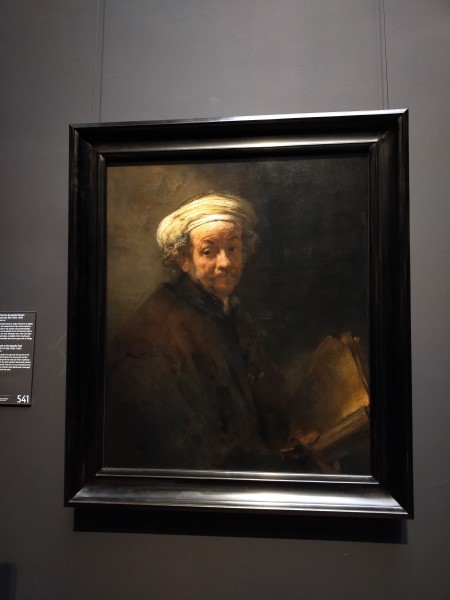
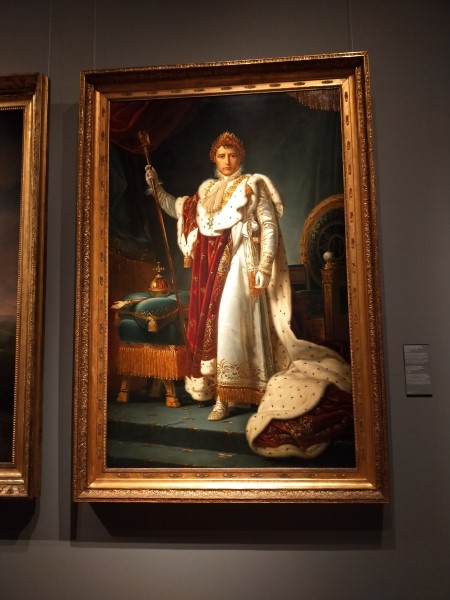
And, yes, we made it to the Rijks Museum – huge and impressive but way too busy, I thought. There’s little time to take in the art without being bothered by jostling, happy snappers. Well, if you can’t beat ’em…
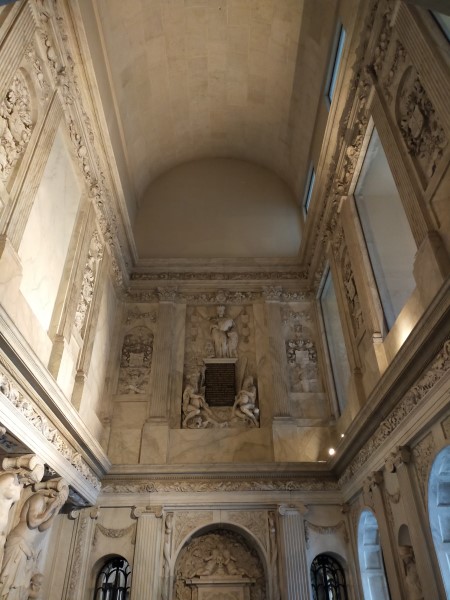
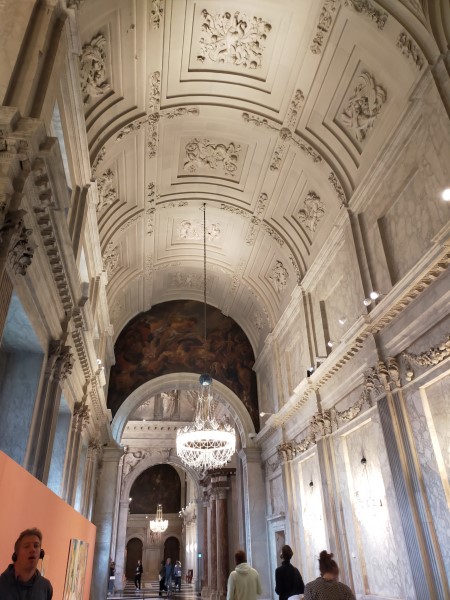
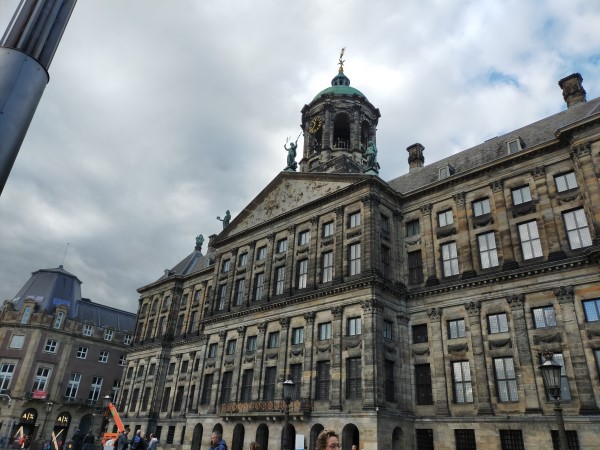
The following day we took an audio tour around the well-sculptured Royal Palace on Dam Square with its lofty ceilings and twinkling crystal chandeliers. It was great fun, apart from the couple of young pushy queens who didn’t understand the simple concept of the queue.
As our long weekend coincided with Storm Babet tearing across Northwest Europe, we were expecting lively weather. And we got it. We coped by drinking through it; like we needed an excuse.
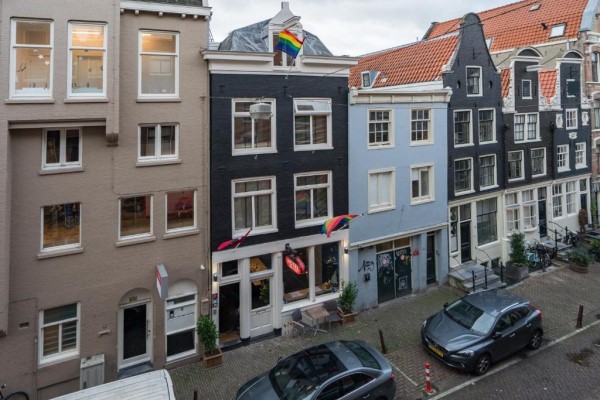
Despite the inclement weather (and contrary to the images below), the city was rammed. Weaving through the obstacle course of talkers, walkers, cars, trams and manic cyclists coming at us from every which way was quite the challenge. It’s a miracle we didn’t come a cropper. But we survived unscathed.
It’s often been said that old Norwich town once had a pub for every day of the week and a church for every Sunday. But as we discovered on our recent Hidden Street Tour with The Shoebox Experiences, there were, in fact, over 600 pubs within the city walls. Come chucking-out time, the streets ran yellow with the piss from the pissed. The distressed city burghers tried several ways to stem the flood, all of which met with limited success until some bright clerk came up with the clever idea of paying pub landlords to install loos. And so the public house toilet was born.
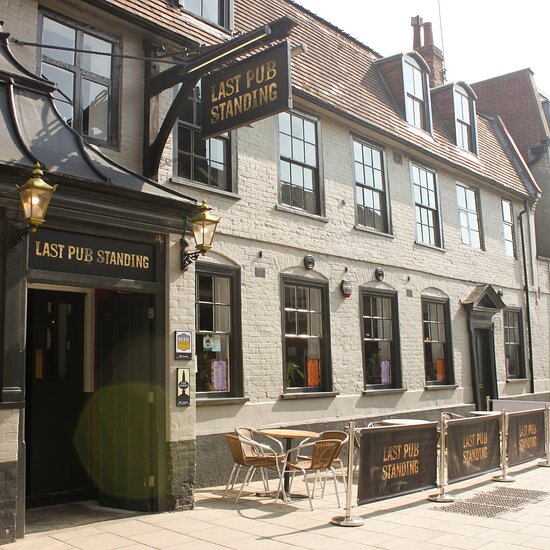
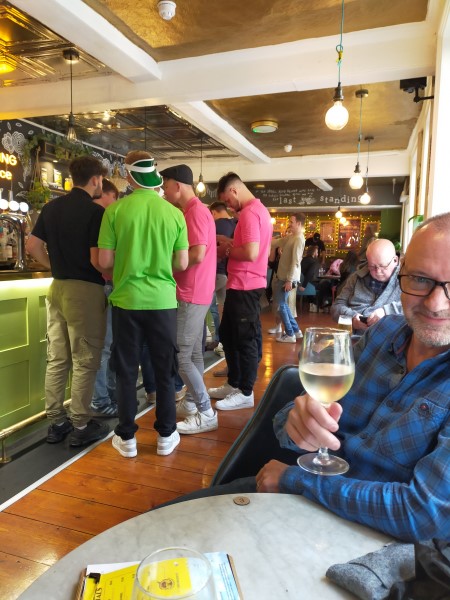
Most of the pubs have since closed but enough remain for a good night out and, after our tour, we visited one of them – Last Pub Standing – the last of 58 watering holes that once stood along King Street.
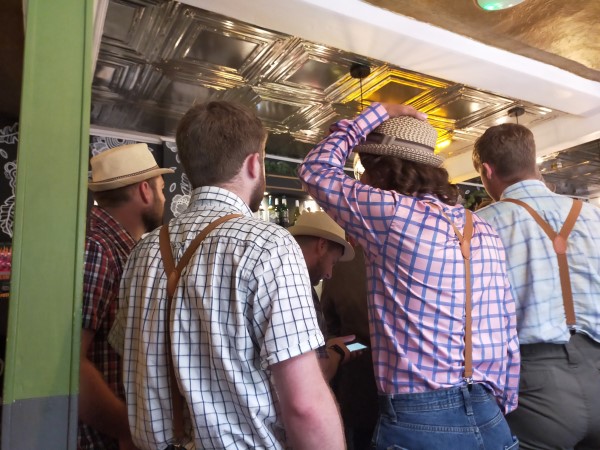
It’s a popular, friendly and well-appointed tavern, and first up on the stag do circuit judging by the gangs of jolly young gentlemen parading past our table. One particular group were farmer-themed in cloth caps, jeans and braces. A bearded farmhand dropped down beside us. He asked me to adjust the floppy strap on his dungarees and invited us to join the party. I happily gave his strap a quick tug but declined his offer of extras. We knew joining the boys out on the lash would only lead to ruination – and pissing in the street, probably.
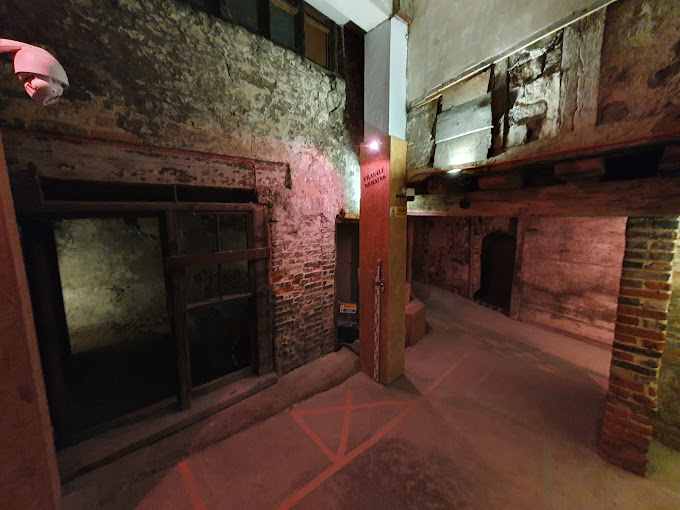
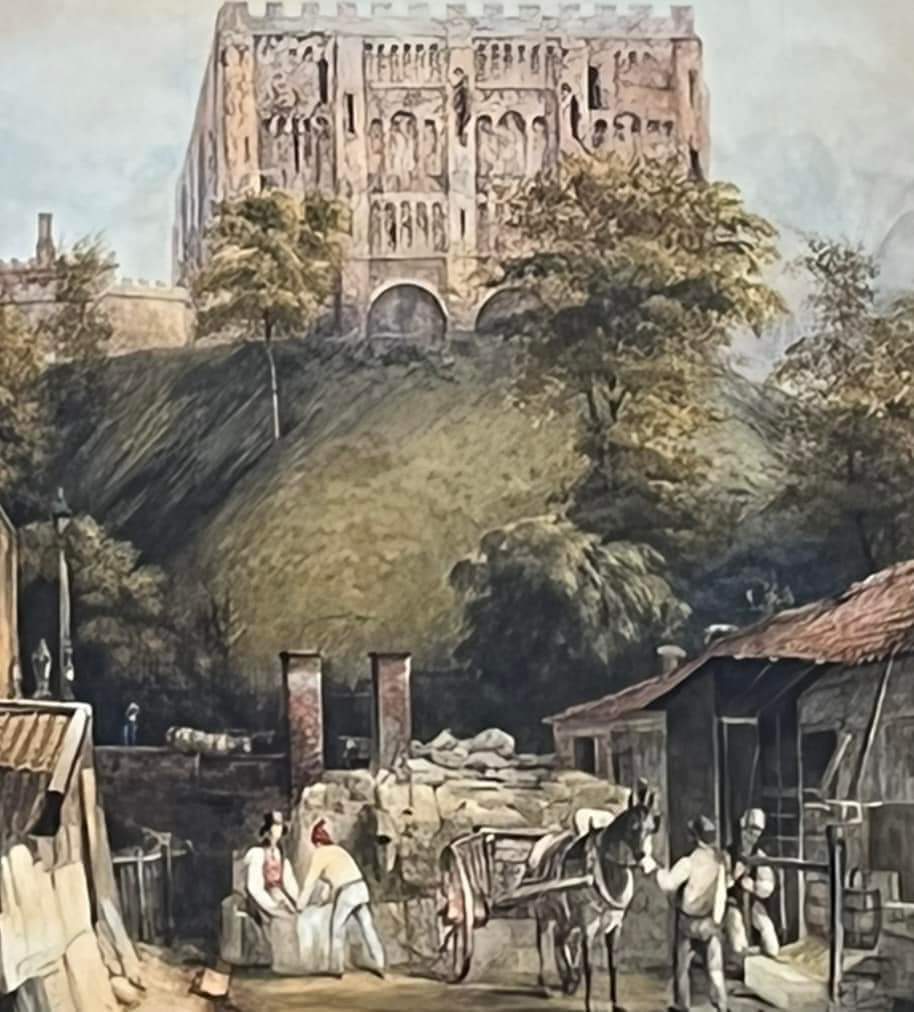
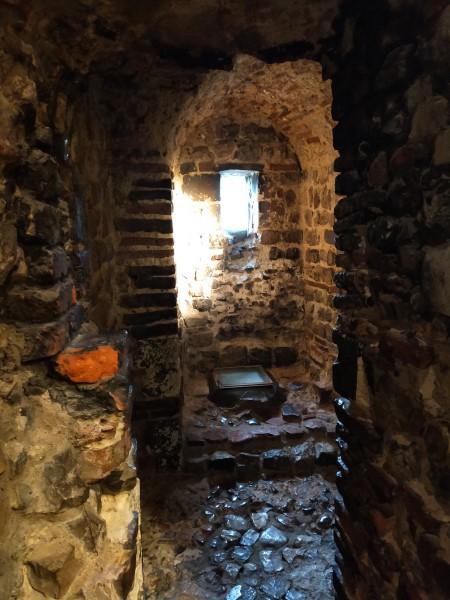
We first heard about one of Norwich’s secrets in the local rag and decided to give it a whirl courtesy of The Shoebox Experiences. It just so happens that under their community hub on Norwich’s Castle Meadow lies a tantalising fragment of a bygone street dating back to the 15th century. What lies beneath is Castle Ditches, once a narrow warren of medieval lanes and alleys skirting Norwich Castle mound, a place where jobbing weavers and their broods were born, lived, worked and died – with their looms and their livestock.
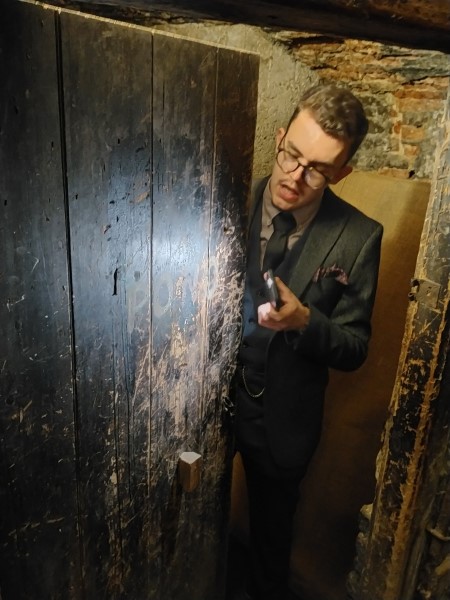
As we descended to the old street level, our charming guide, Ollie, took us back through time with his captivating and comical tales of yesteryear. In the medieval era, the rag trade made Norwich rich, and the area boomed. But by the time of the steam age, traditional weaving had been killed off by the industrial mills of the North and the city had reinvented itself with a brand-new trade – making money, lots of it. Castle Ditches became a pig-stinking slum where no respectable Victorian lady would venture; so the fine and upstanding burghers of the city decided to cover it over with a new road – out of sight and out of mind, so to speak. Castle Meadow was born, turning Castle Ditches on its head – top floors became ground floors, ground floors became cellars.
That wasn’t quite the end. The Ditches lived on for a while longer as the city’s crime-riddled red-light district – think Nancy turning tricks for the drunks after closing and the Artful Dodger picking a pocket or two.
All but one of these images of the sunken street are courtesy of The Shoebox Experiences. My own photographic attempts were a little bit rubbish.
Coincidentally, as I was writing about our time down under, this old painting of Castle Ditches popped up on Faceache. It was found in a shop in Norwich. Amazing!
The Shoebox Experiences run a number of city tours. All profits go to their social enterprise which has a mission to create supportive environments for people to connect. Their Tipsy Tavern Tour sounds right up our alley.
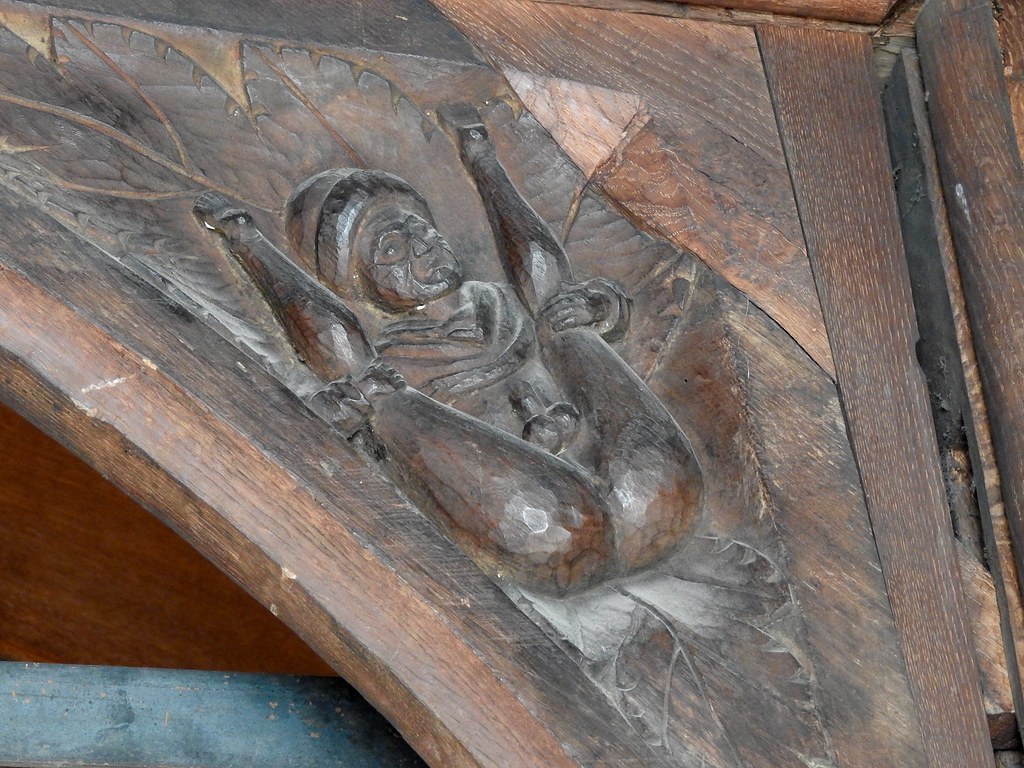
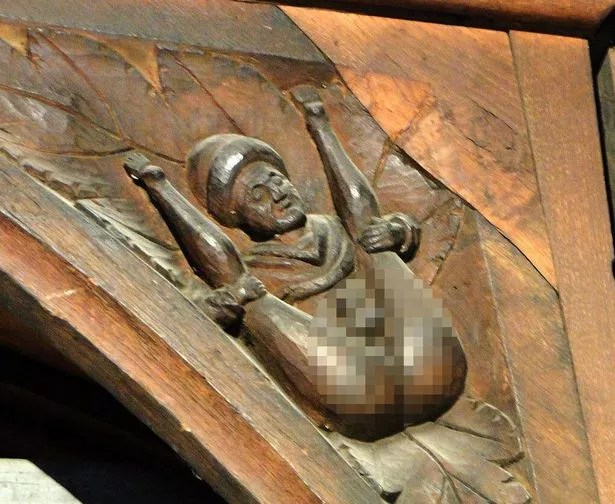
I’ve always had a fu*k ’em attitude to authority, particularly the do-as-I-say-not-as-I-do hypocrites. You know the kind of thing: politicians preaching ‘family values’ while knocking off their secretaries on the side or hellfire priests touching up the altar boys in the vestry. I’m glad to say that sheer bloody-mindedness is a glorious national trait. And one that goes back centuries, judging by the bawdy carving high in the rafters of Hereford’s medieval All Saints Church. Hidden for centuries, it only came to light when a new gallery was added for a café. The gentlemen reclining in anticipation is now in full view of the chattering flat-white coffeeholics below. Well, it’s certainly something to talk about over the Victoria sponge.
Obviously, as a ‘family values’ site, our randy man’s family jewels have been pixilated. But, be honest, you want more, don’t you? Check out the naughty bits here. Sadly, we’ll never know what pissed off the carpenter. And as it’s Norwich Pride today, I rather hope it’s…
Essex, the home county to the east of London, has the reputation of being, well, a bit chavvy. But there’s more to Essex than big hair, gaudy bling, fake tans, assisted tits and impossibly white tombstone teeth – and that’s just the men.
Beyond the faceless towns of the commuter belt, Essex is a green and pleasant land, and its county town, Colchester, has ancient roots. Although not officially awarded city status until 2022, Colchester can reasonably claim to be Britain’s first proper city, sitting as it does on top of Camulodunum, the first major settlement of Roman Britannia and the province’s first capital.
Even before the unstoppable Romans slashed and burned their way through village, forest and field, the settlement was already a centre of power for the locals, including King Cunobelin – Shakespeare’s Cymbeline. When the Romans displaced the tribal huts with their first legionary fortress, it was like saying ‘we’re top dogs now’.
Following the Boudican revolt of AD60, when the seriously pissed-off Queen of the Iceni slaughtered everyone and burned everything in her path, a defensive wall was thrown around the town in an after-the-horse-has-bolted kinda way. Not long after, Camulodunum lost its status as provincial capital to the better-placed Londinium but continued to thrive as a garrison town, something which continues to this day.
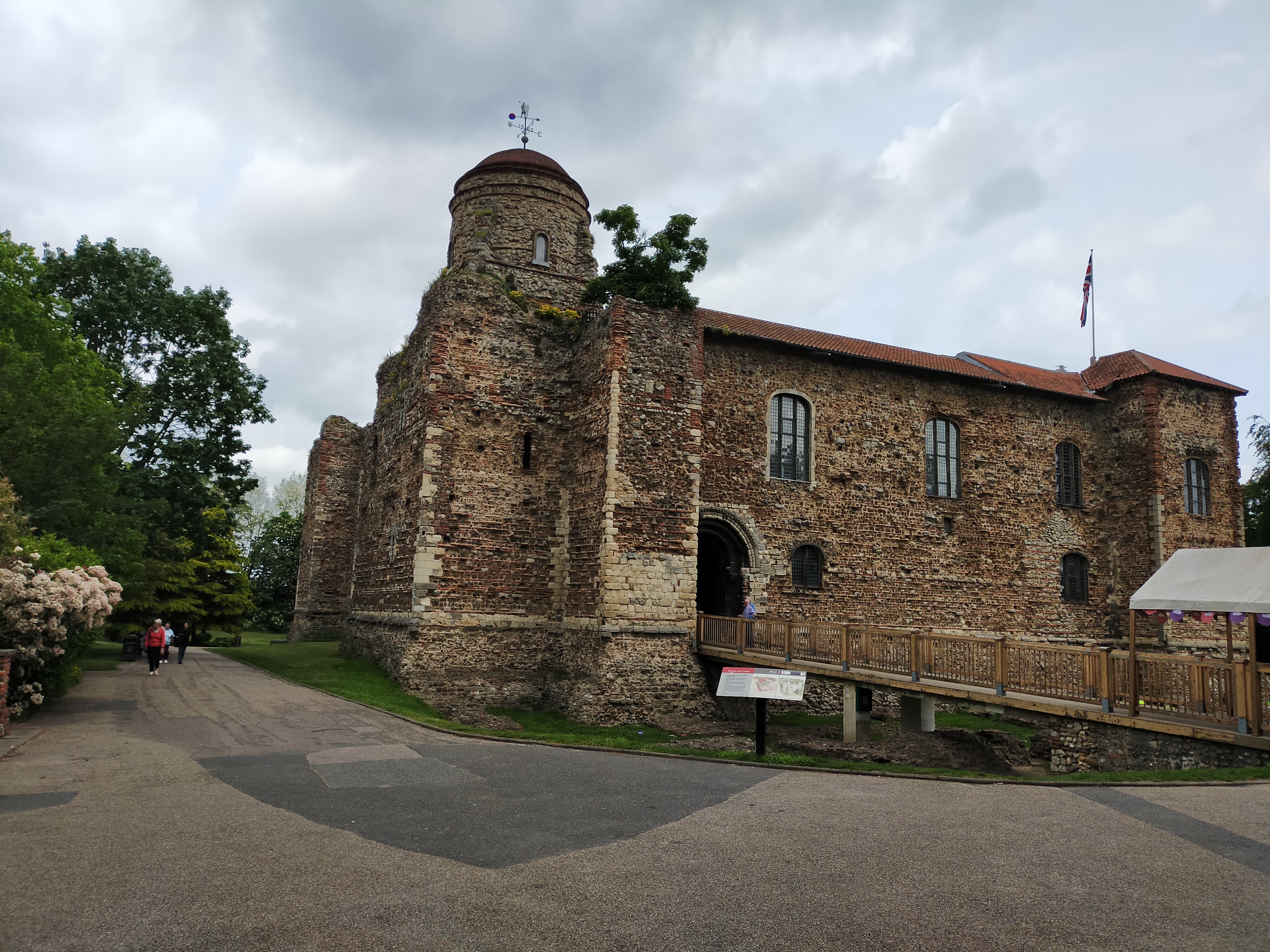
We’ve passed through Colchester many times – it’s on the mainline from Londinium to Norwich – but we’d never stepped off the train for a gander. So, we thought, let’s give it a go, and we stayed overnight. The main event for us was Colchester Castle, which sits in a pretty park populated by picnickers and grey squirrels. The park also contains remains of that post-Boudica Roman city wall – the earliest ever constructed.
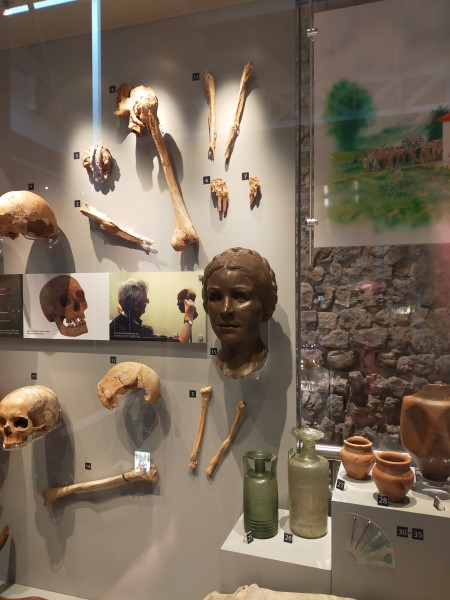
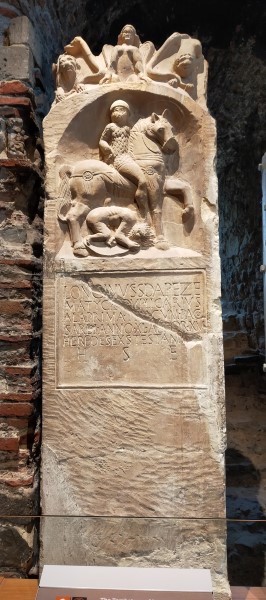
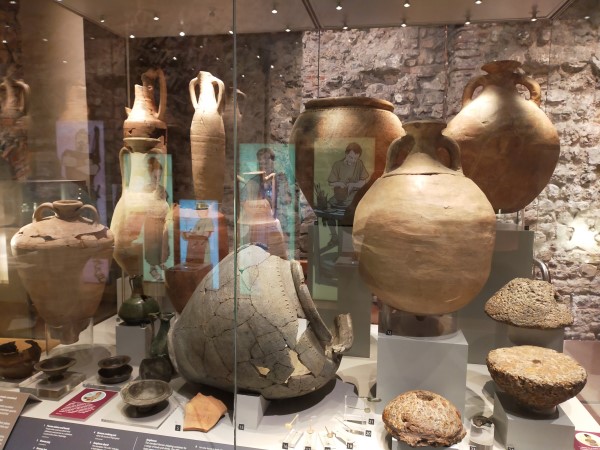
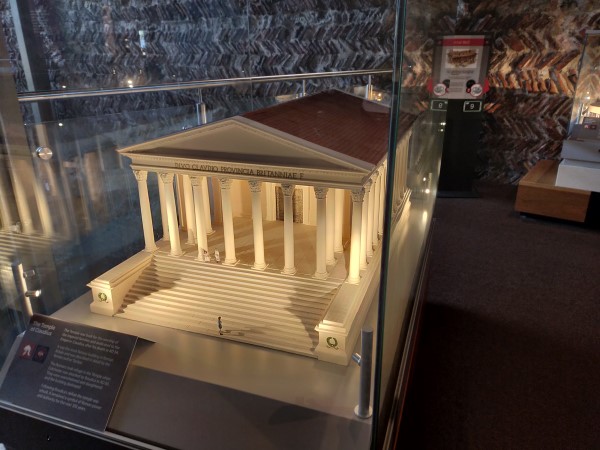
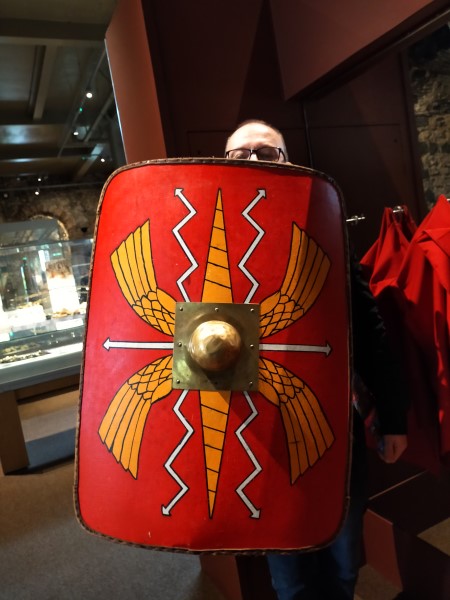
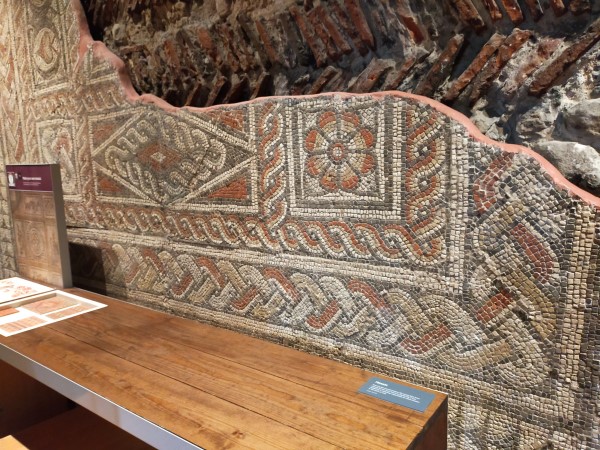
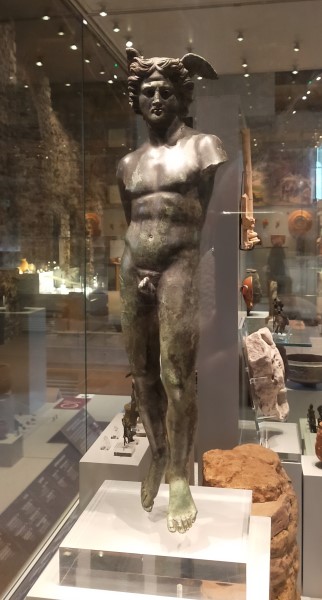
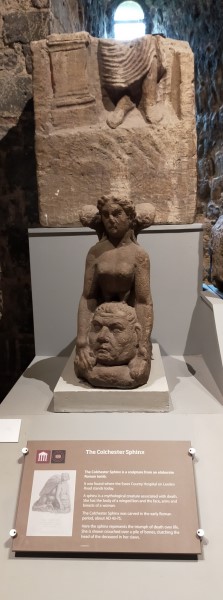
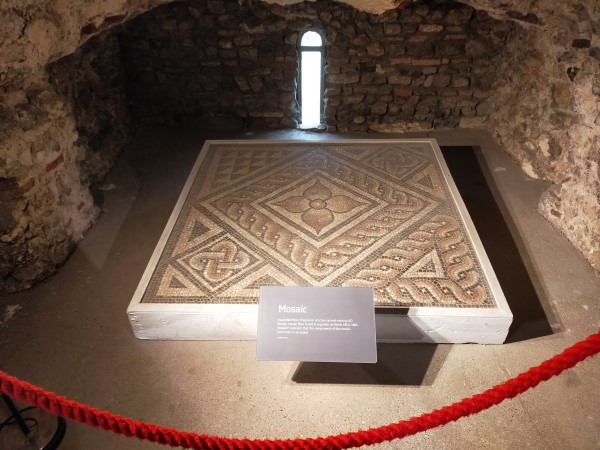
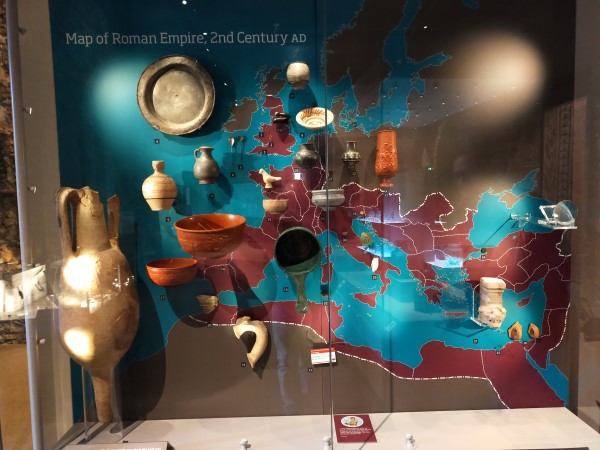
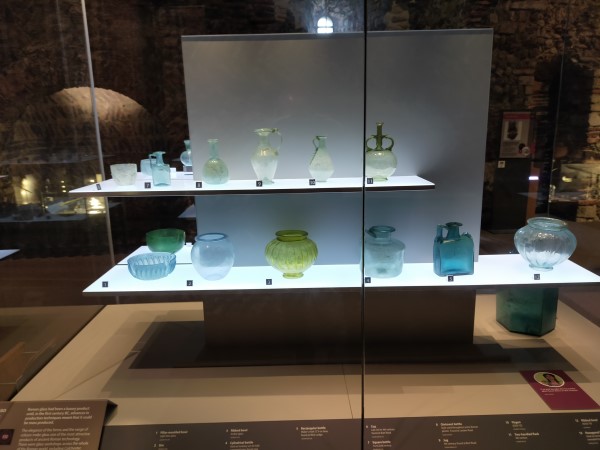
The castle keep is eleventh-century Norman, built on the foundations of the massive classical temple of Claudius the Divine; Roman emperors just loved to be worshipped. The castle is now a rather splendid museum dedicated to the long history of the city. Roman-era relics are what really draw in the punters. We were lucky enough to avoid the modern-day legions of over-excited schoolkids in hi-vis jackets screaming their way through the exhibits.
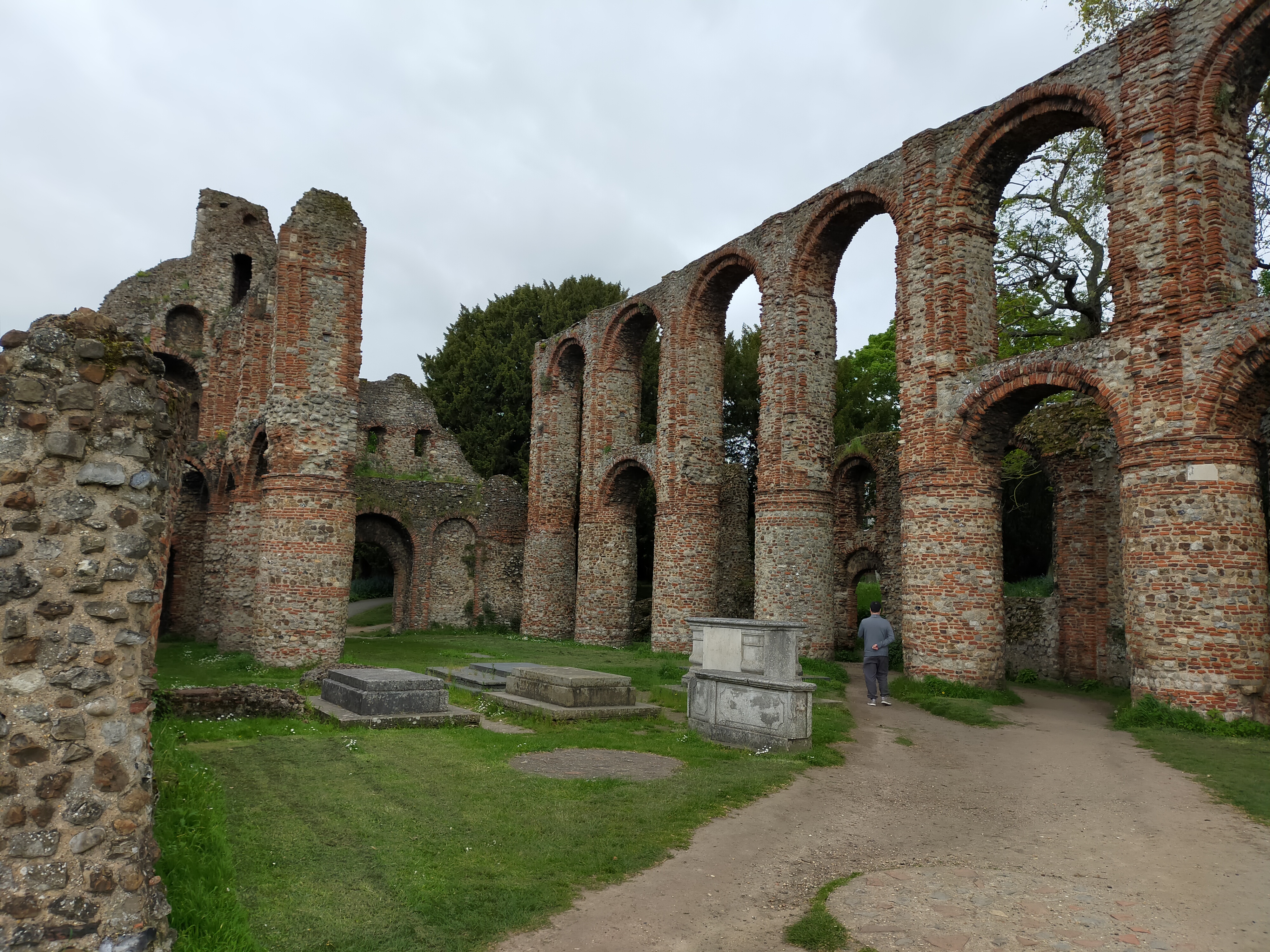
Museum’d out, we took a slow stroll around the ruins of St Botolph’s Priory, where Liam caught forty winks; then we withdrew to a local tavern for a bottle and a bite.
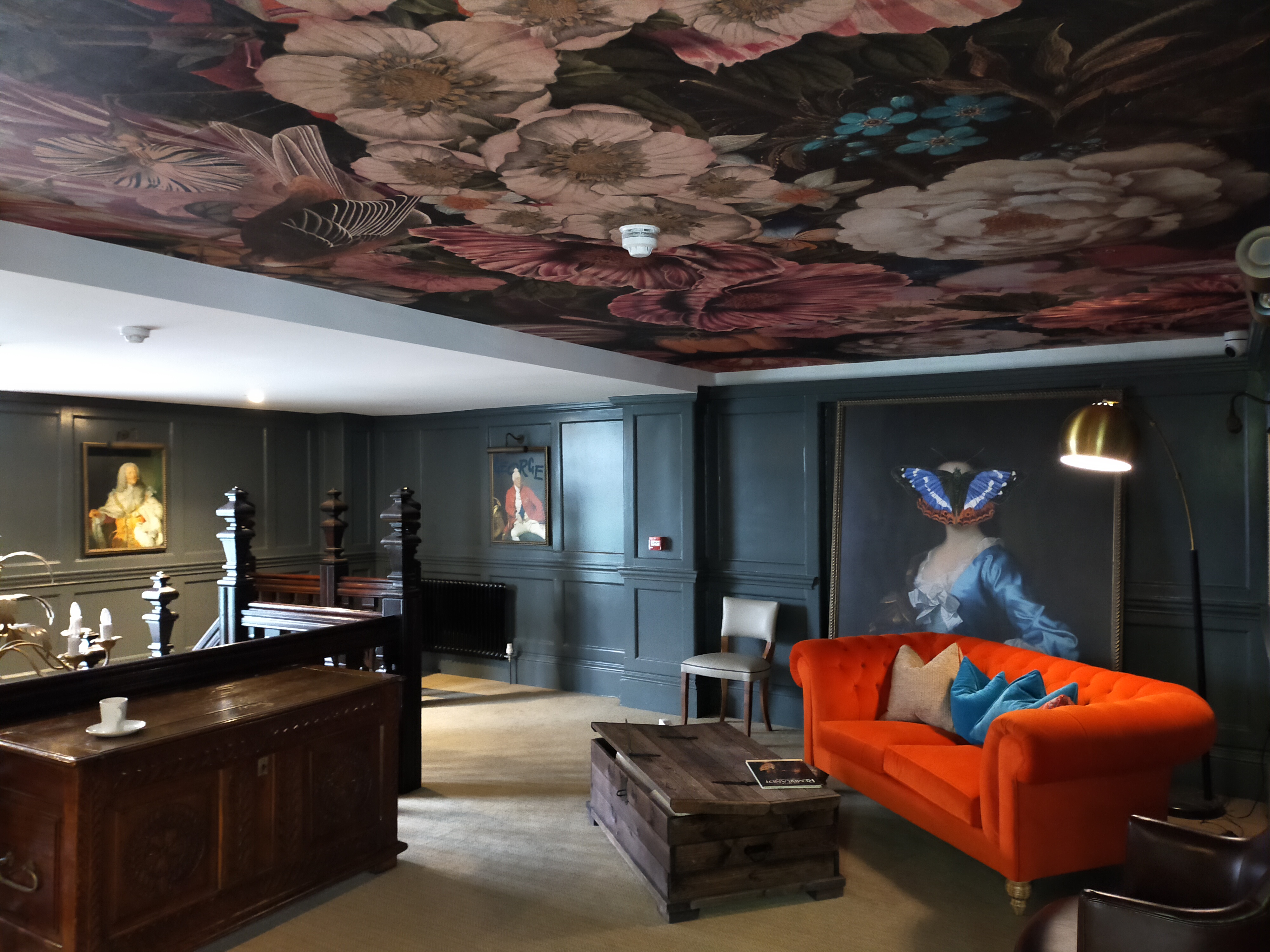
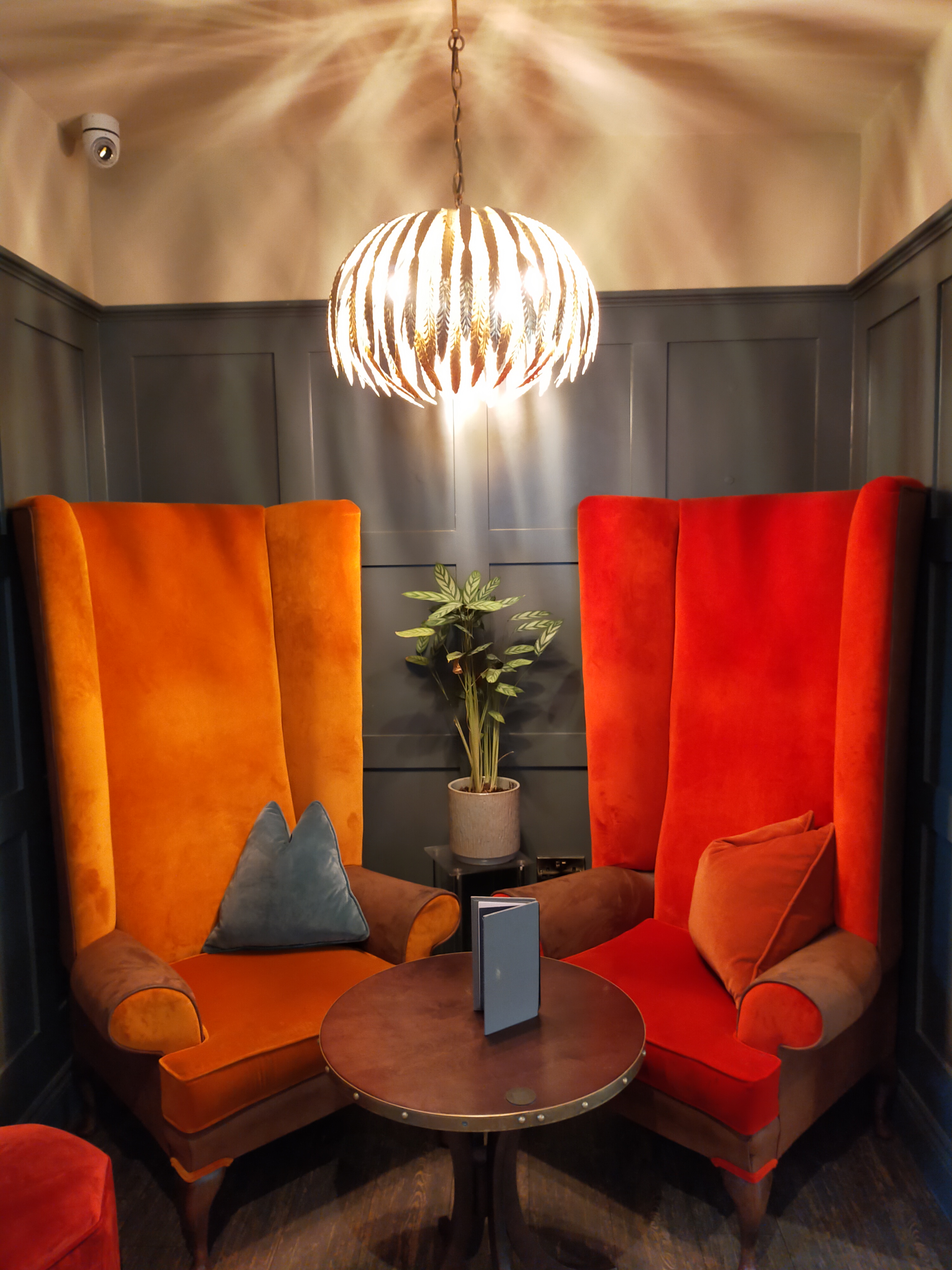
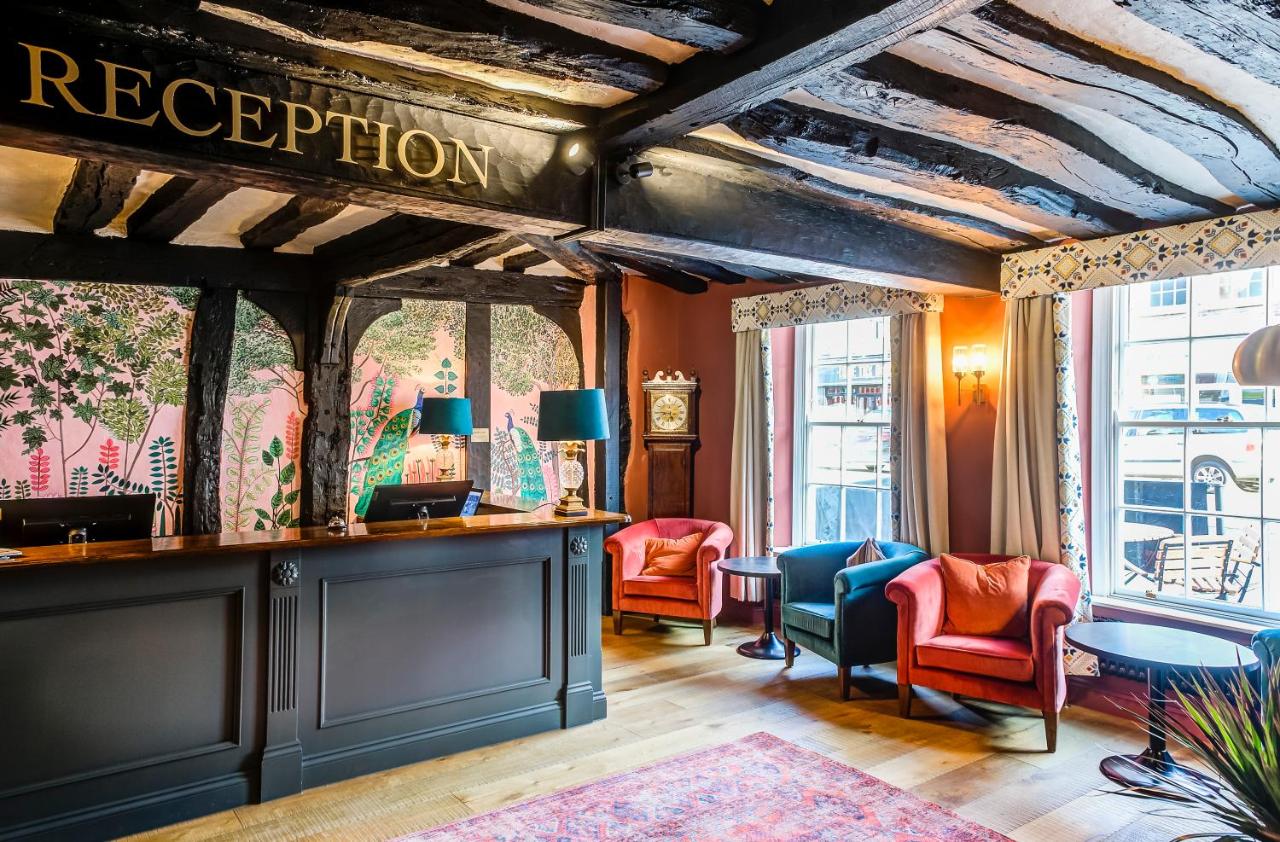
Our bed for the night was at the historic George Hotel, along the High Street. We chose well. Behind the hotel’s Georgian façade lies a timber-framed building said to date back to the fourteenth century, although the hotel’s extensive cellars may be older and feature the ruins of a Roman gravel pavement. A few years back, the hotel underwent extensive renovation and refurbishment. We fell for the lavish and distinctly quirky style.
I posted this image on Faceache of little ol’ me in a funky, over-the-top, oversized wing-back chair. It prompted this response from an old mucker of mine…
PUT THAT CHAIR IN YOUR HANDBAG AND STEAL IT FOR ME *NOW* PLEASE!
My dad took the King’s shilling in the late forties and made a career out of soldiering for the next twenty-something years. Despite swearing allegiance to the monarch, Dad was a soft leftie, voting Labour all his life. He liked and respected the Queen but he didn’t think much of the motley crew of incidental royals – the ‘hangers on’ as he called them. My mother, on the other hand, was a devoted royalist and had a picture of Her Maj hanging on her bedroom wall.
In my adult years, I’ve always been conflicted about the entire notion of a hereditary head of state. My head questions its relevance in our modern, more egalitarian world but my heart tells me different. I was genuinely saddened by the Queen’s death. I can’t explain why. Maybe it’s my age. And when I look around the world at the assortment of elected nobodies, ne’er-do-wells and nasties, particularly those who would sell their children to the Devil to cling to power, I think, well, if it ain’t broke…
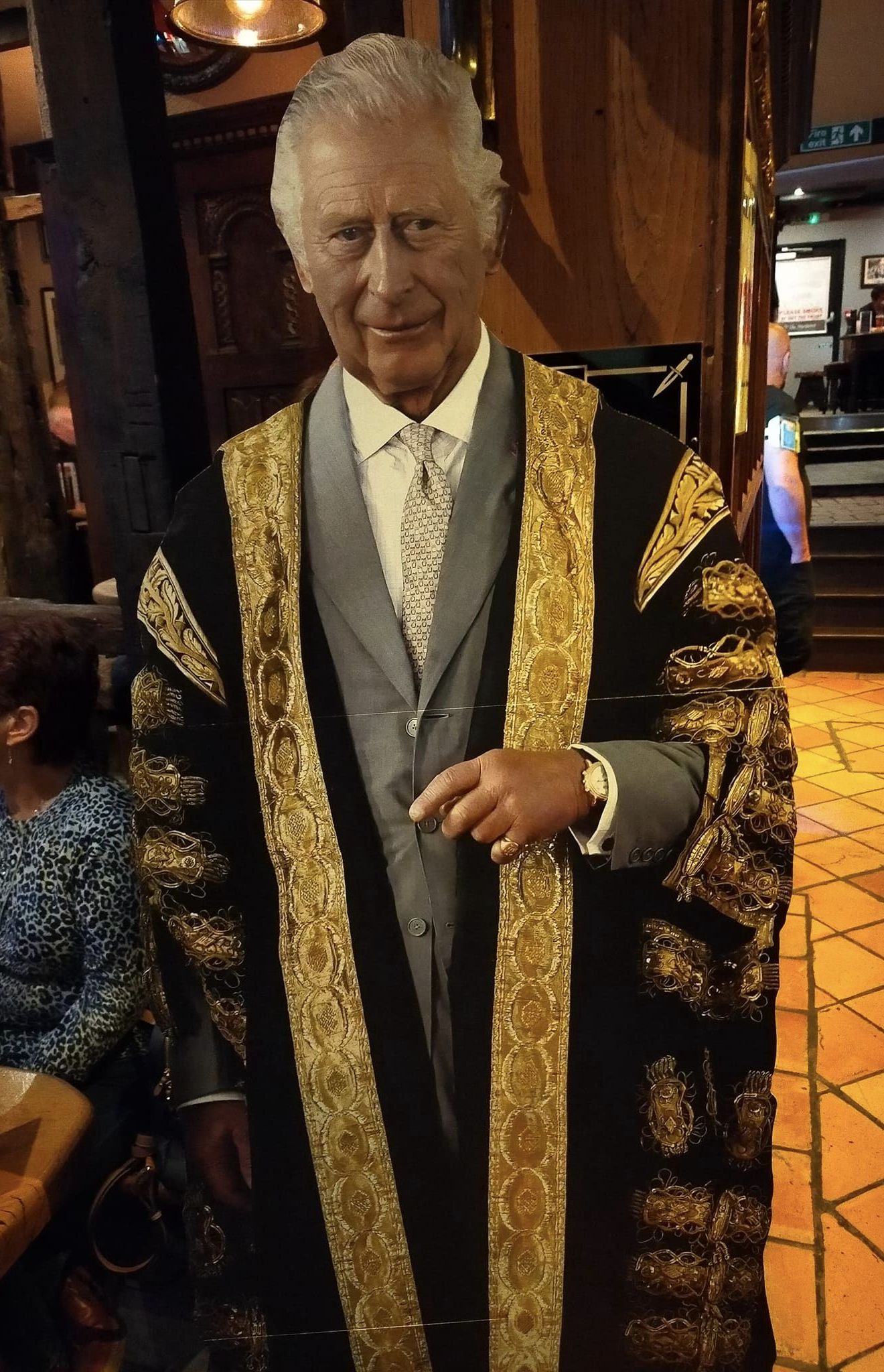
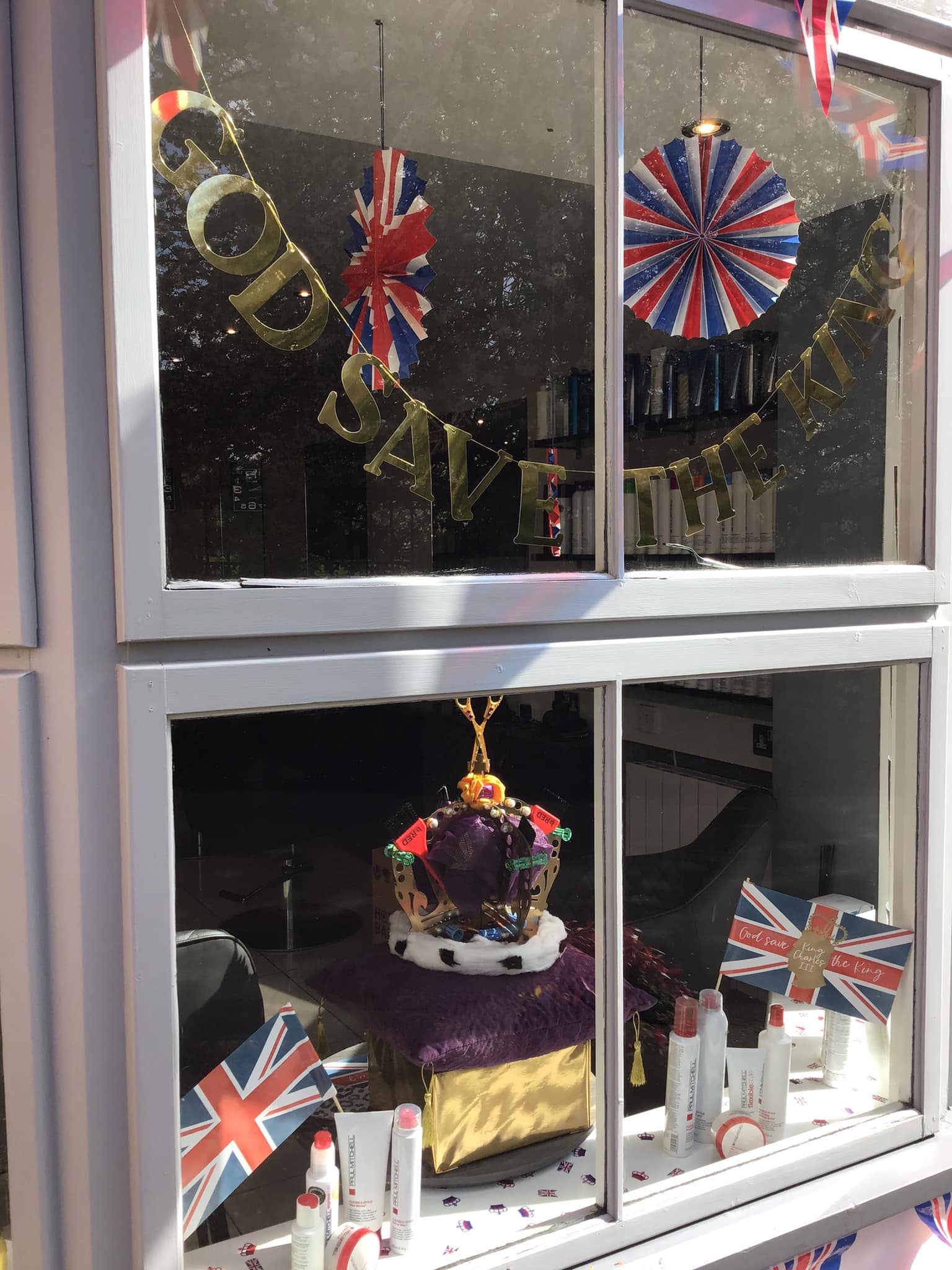
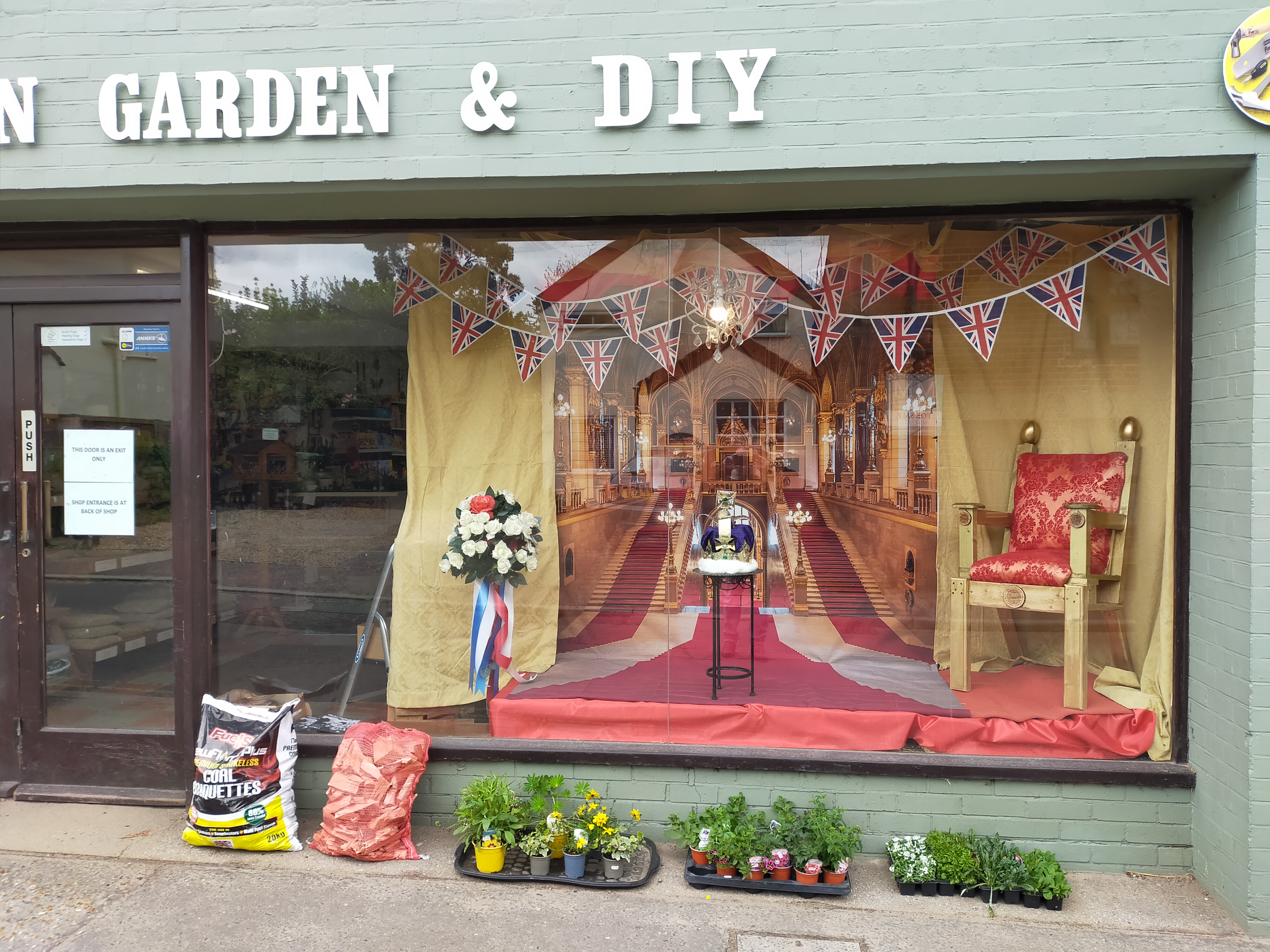
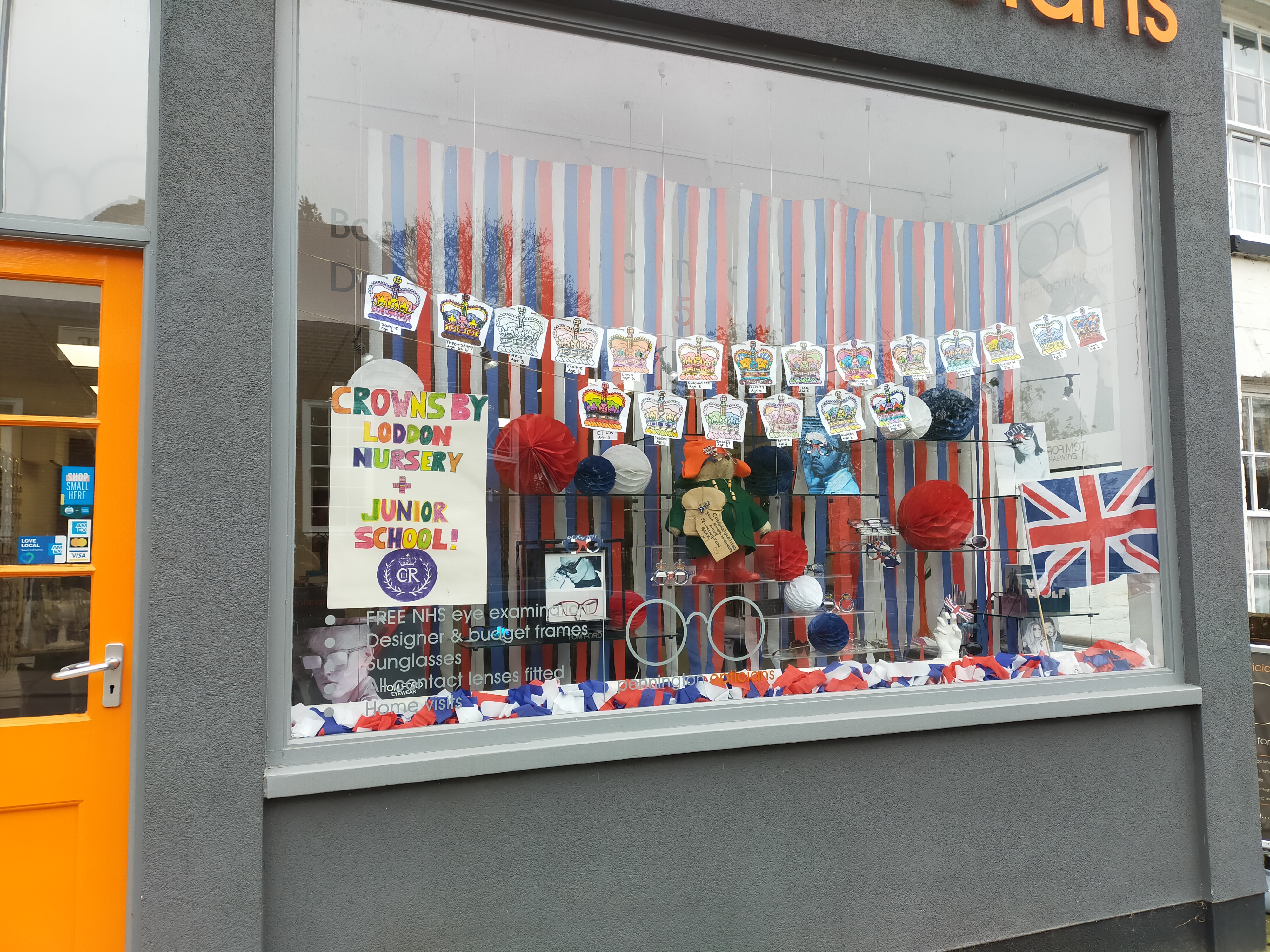
Today, we have the right royal do of the Coronation with Charles and Camilla riding the golden Cinderella coach to their ball at Westminster Abbey, the venue for such rituals for nearly a thousand years. The Crown Jewels will be dusted down, oaths will be sworn, heads will be anointed. And yes, we will be joining the locals at our local for a glass of bubbly to watch the fairy tale on the big screen.
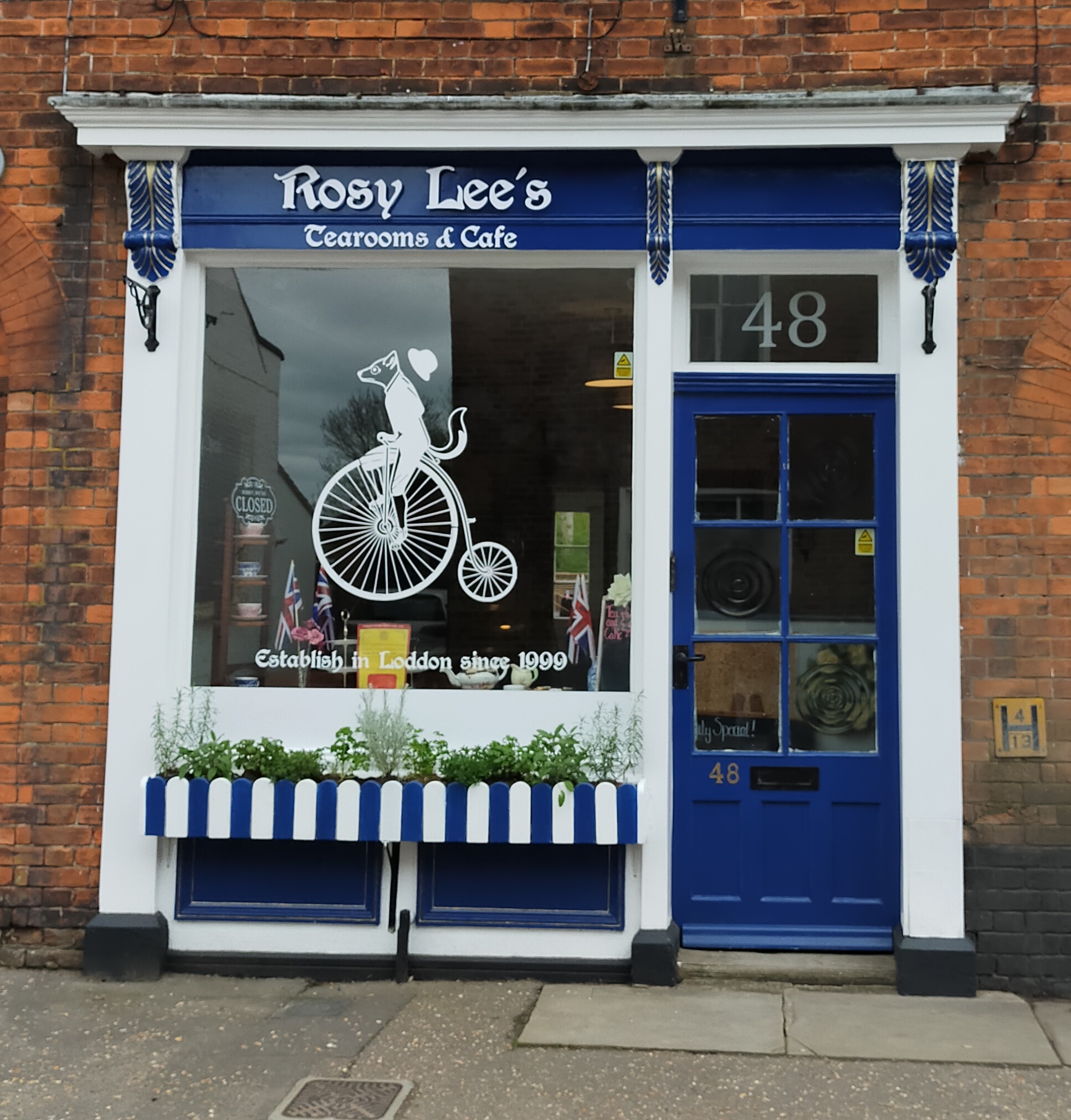
Across our twin villages, the streets are decked out in fluttering flags and bunting of red, white and blue, and shops have gone all out to put on the best stately display. Here’s a taste…
And tomorrow, our villages are throwing their very own right royal do with a big Coronation party. We’ll be joining the festivities because let’s face it, we could all do with a party right now.
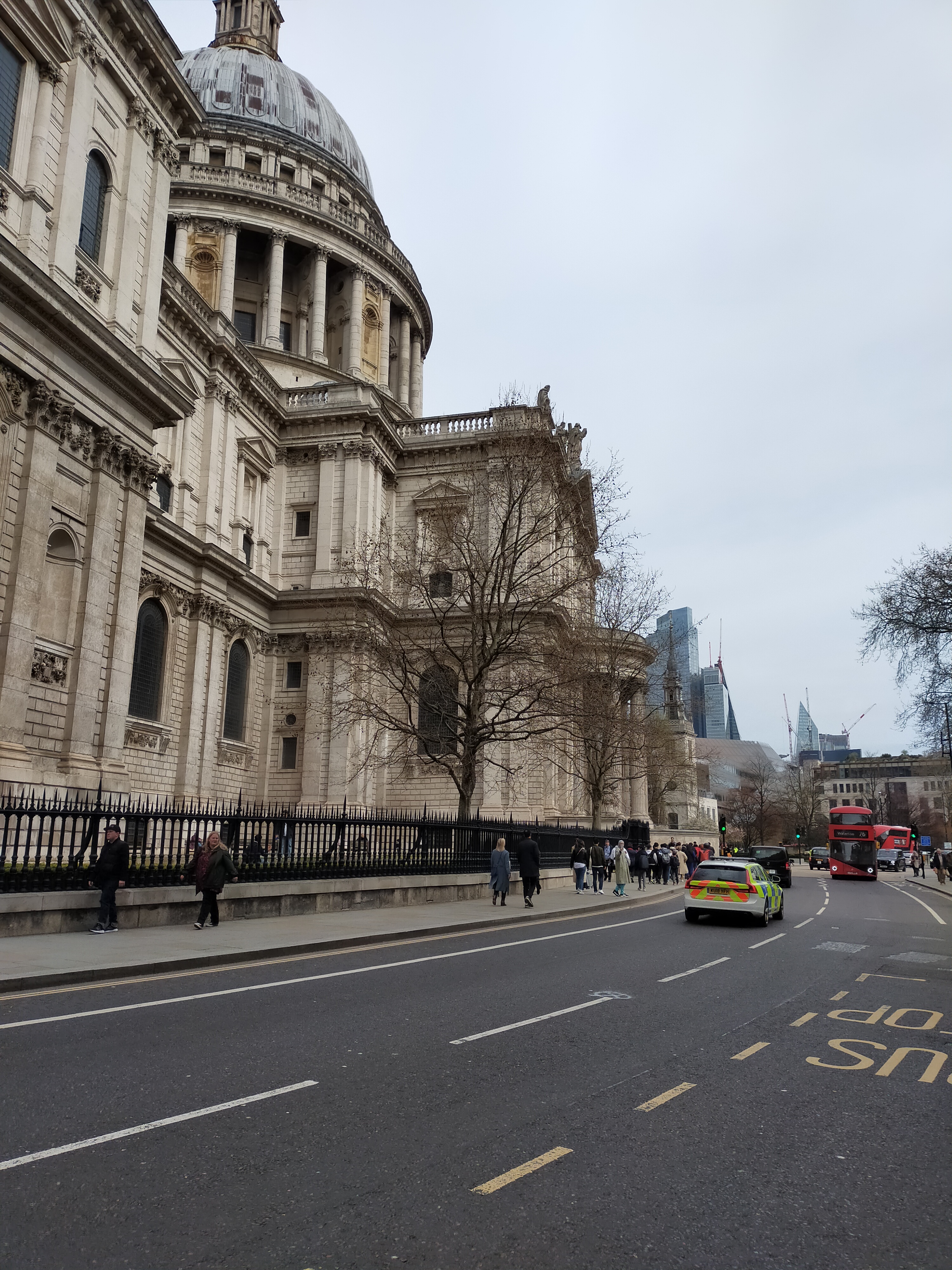
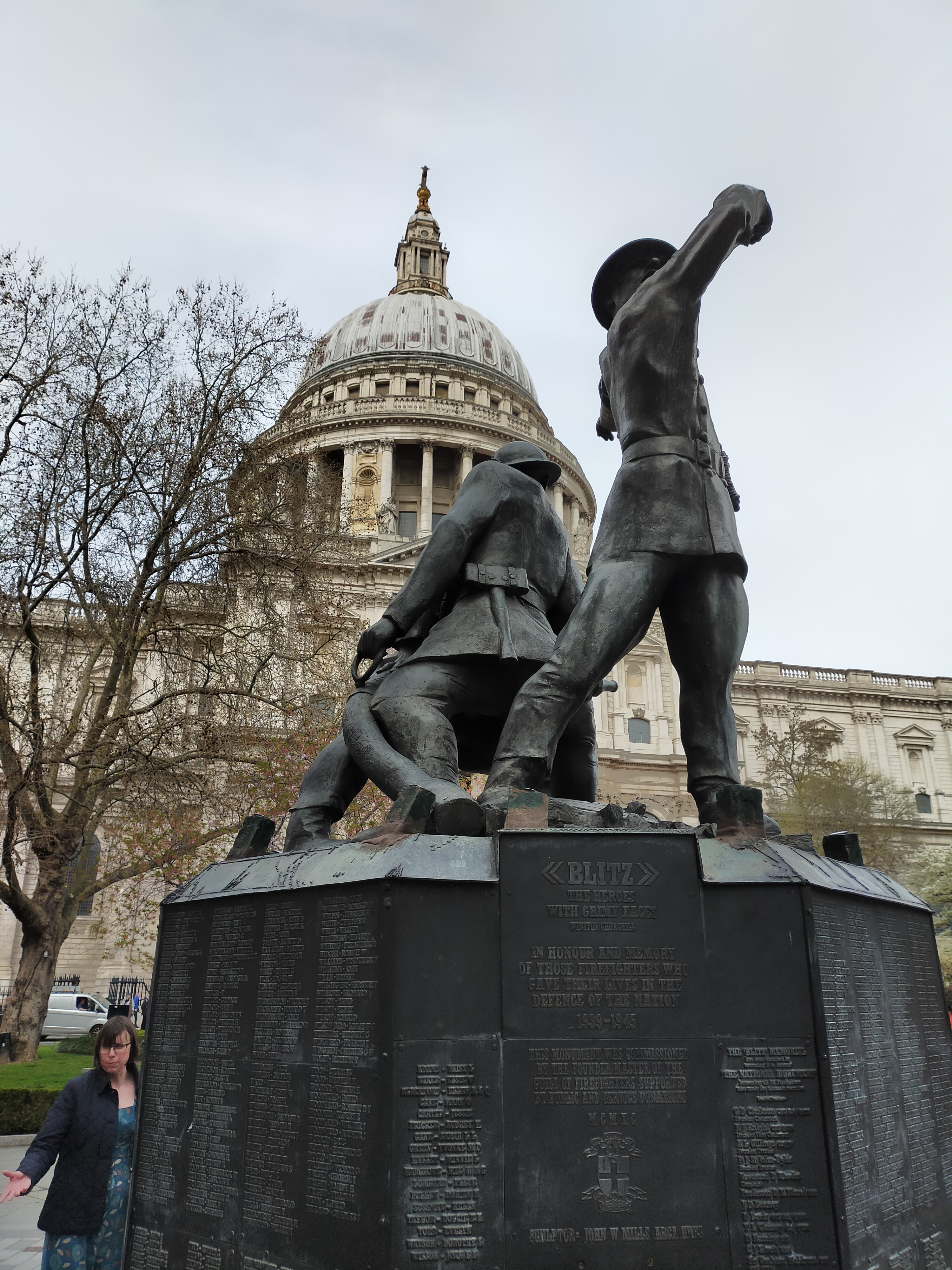
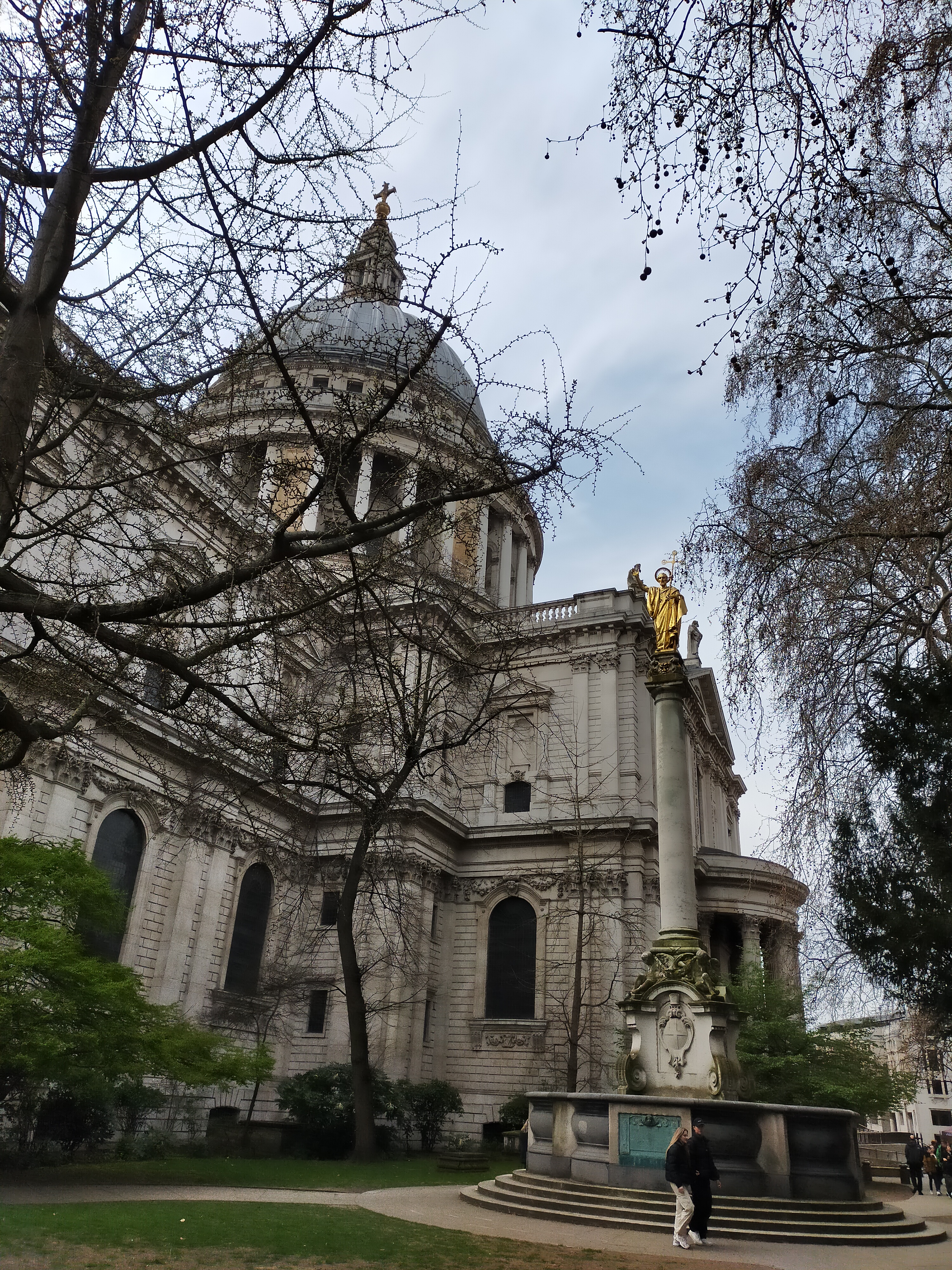
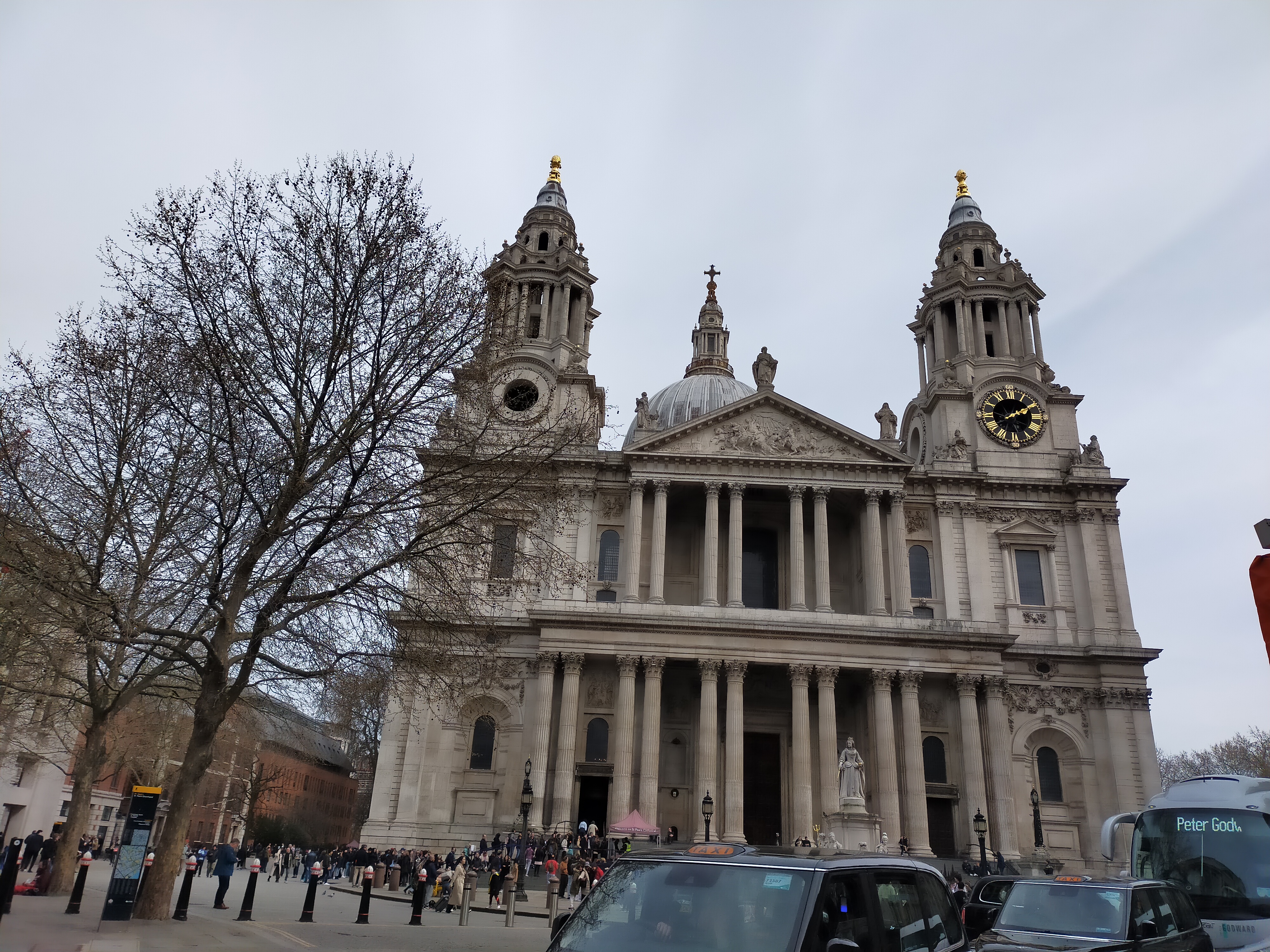
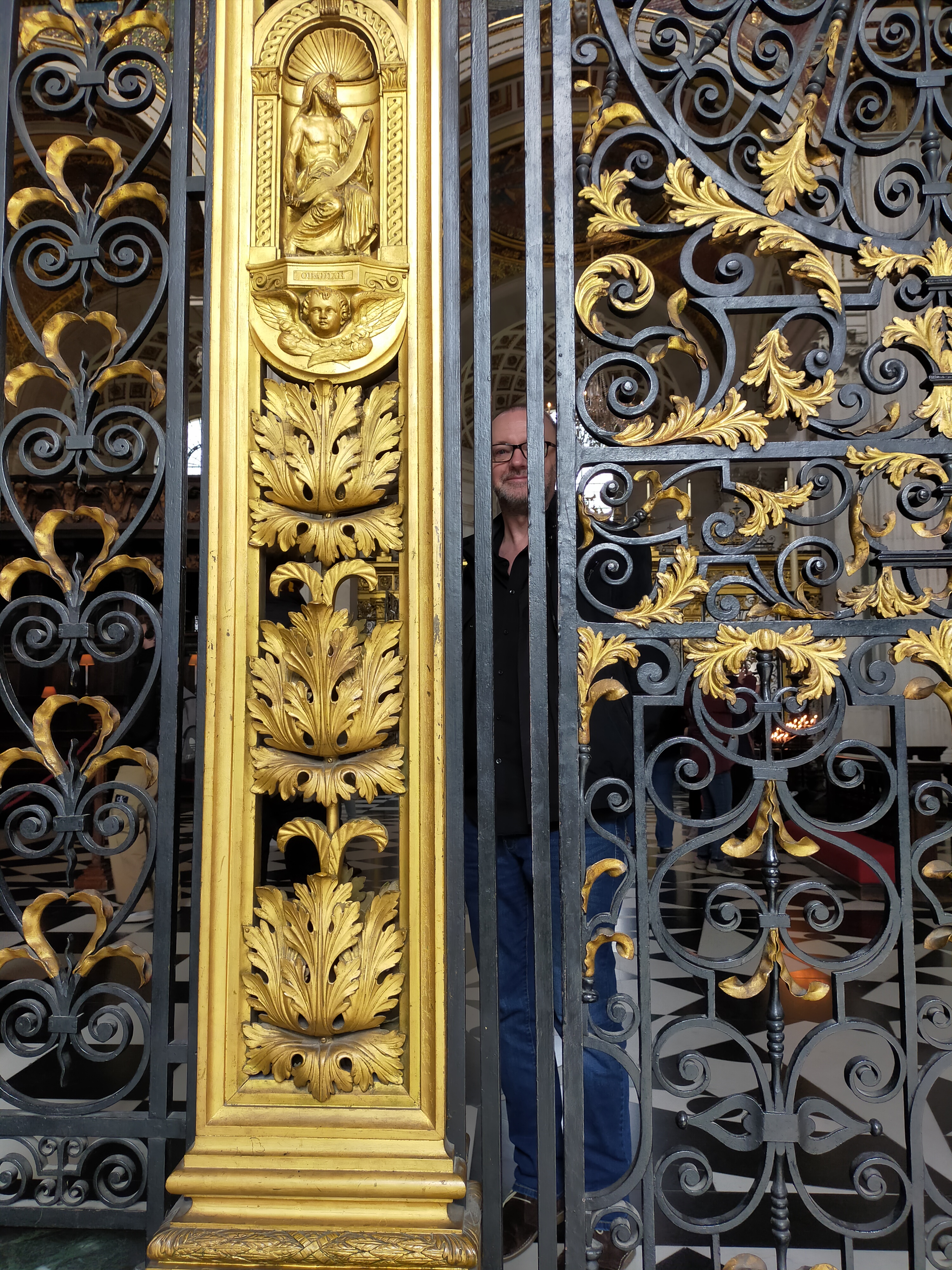
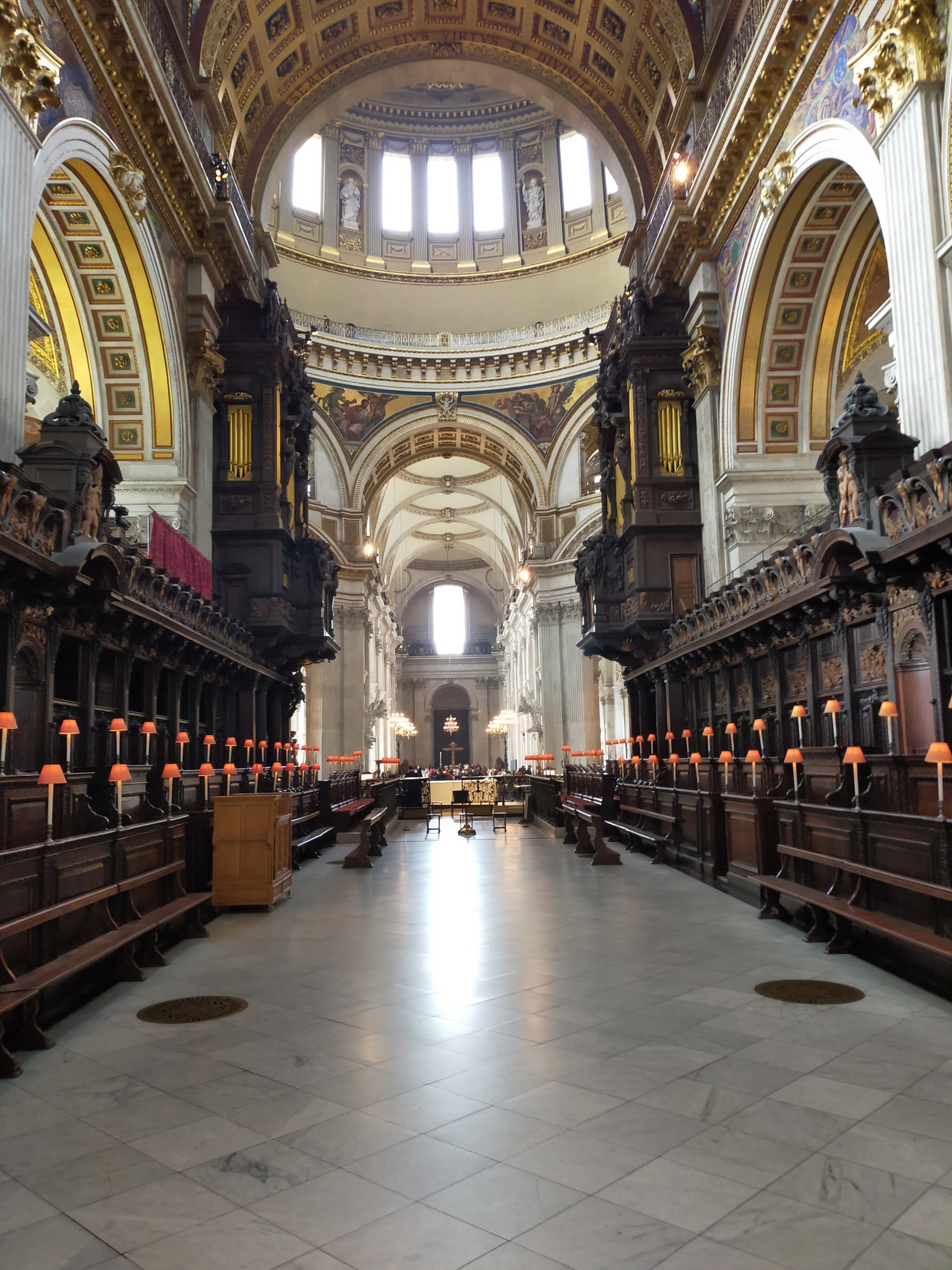
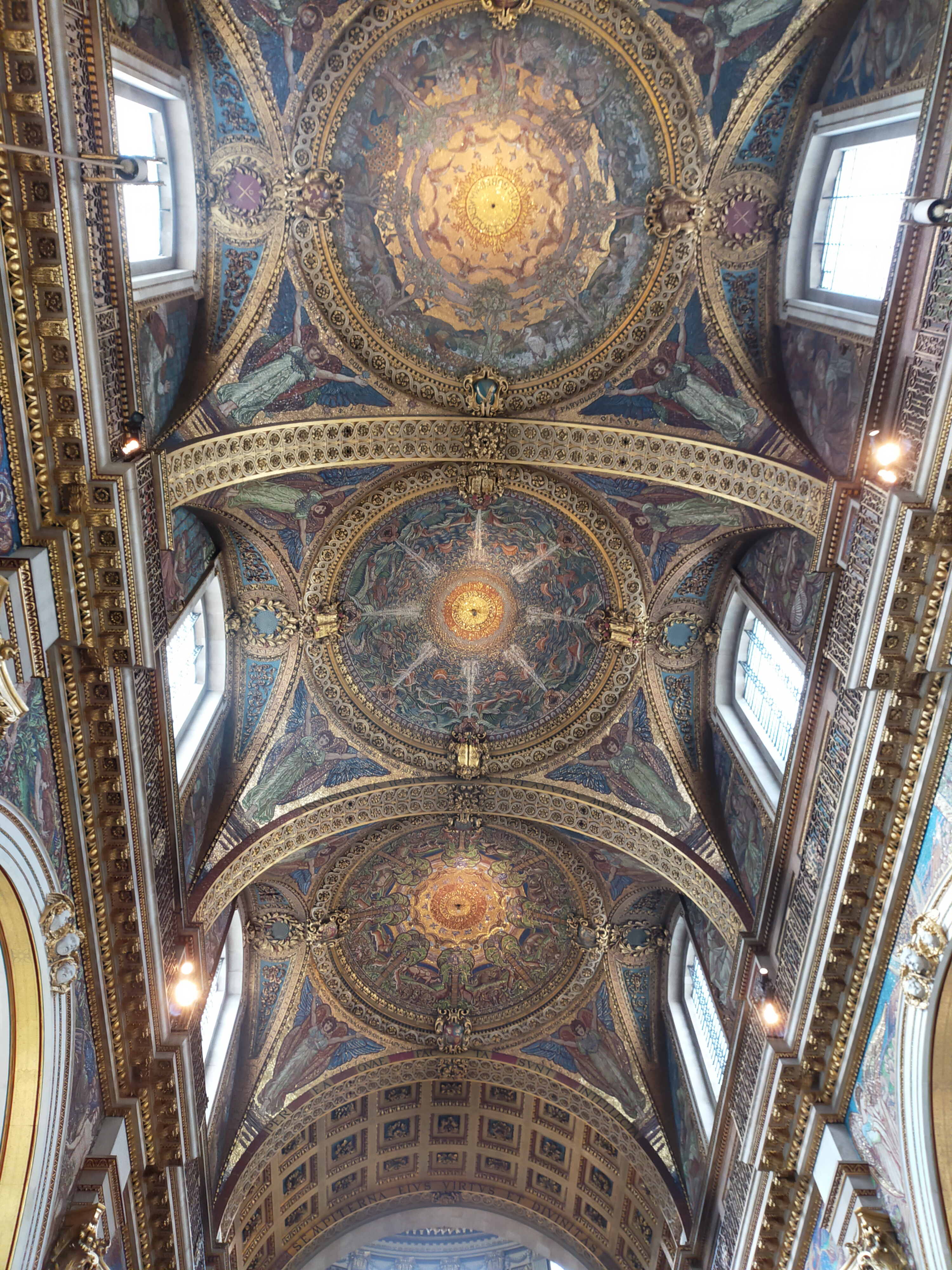
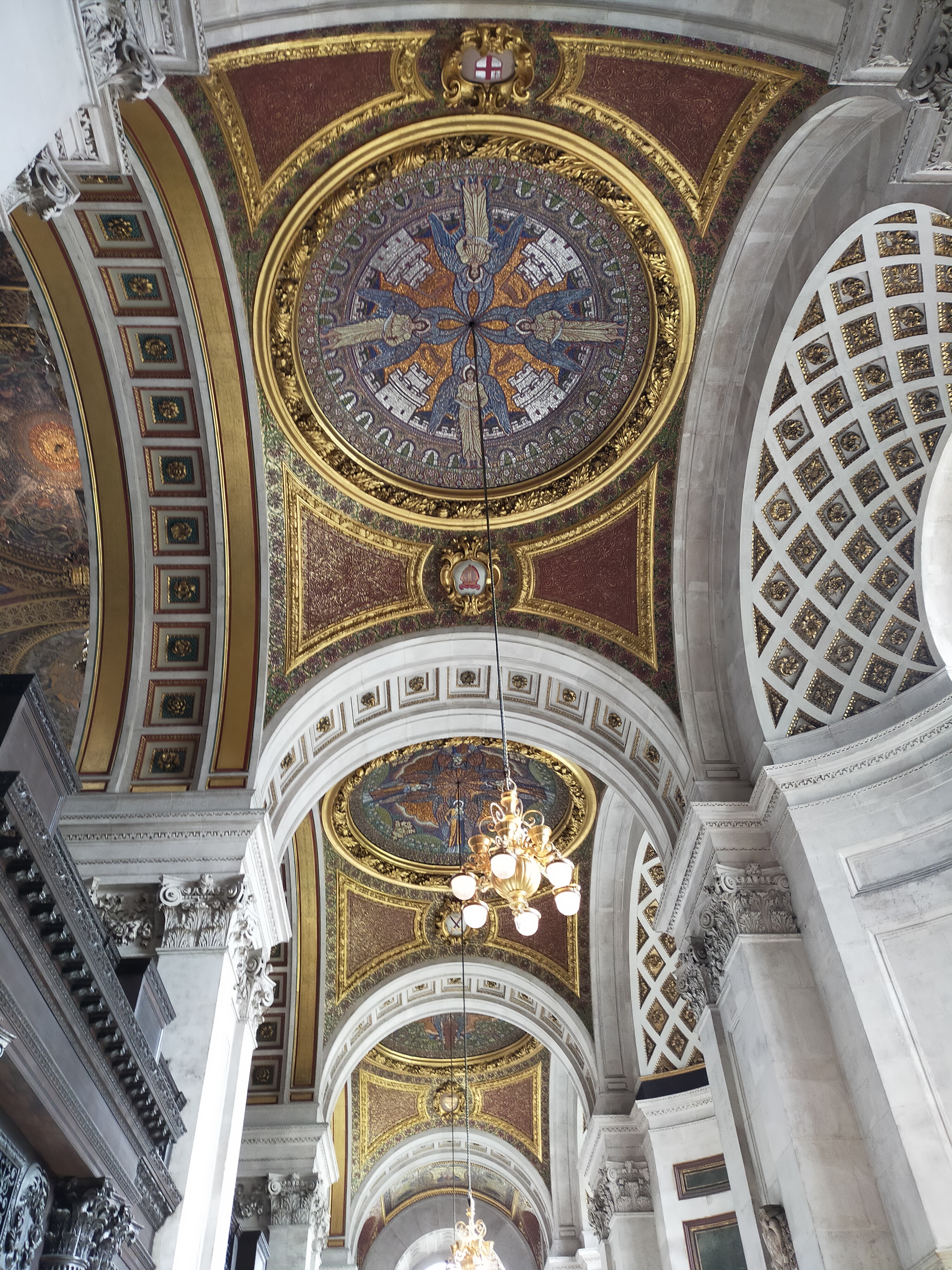
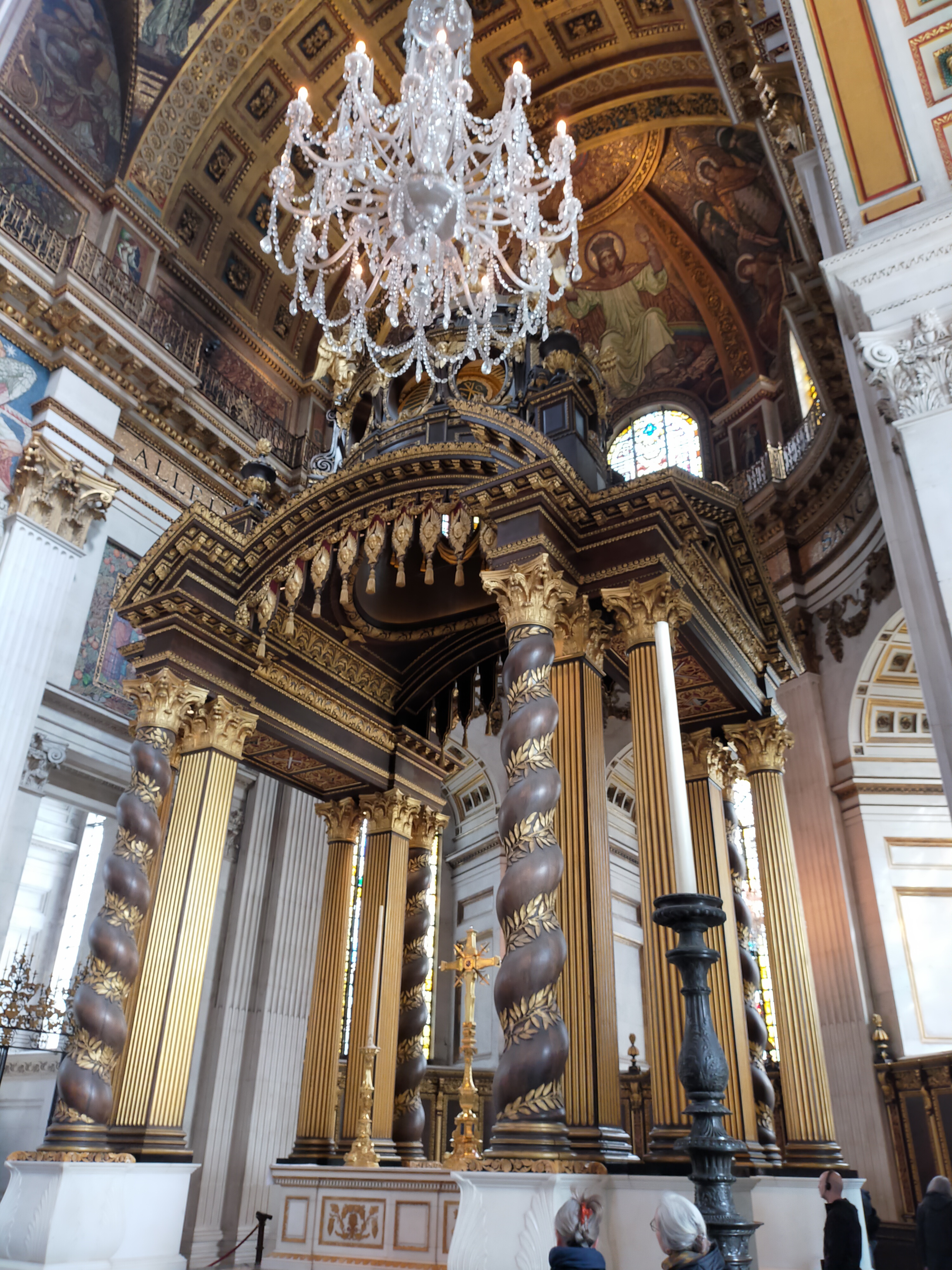
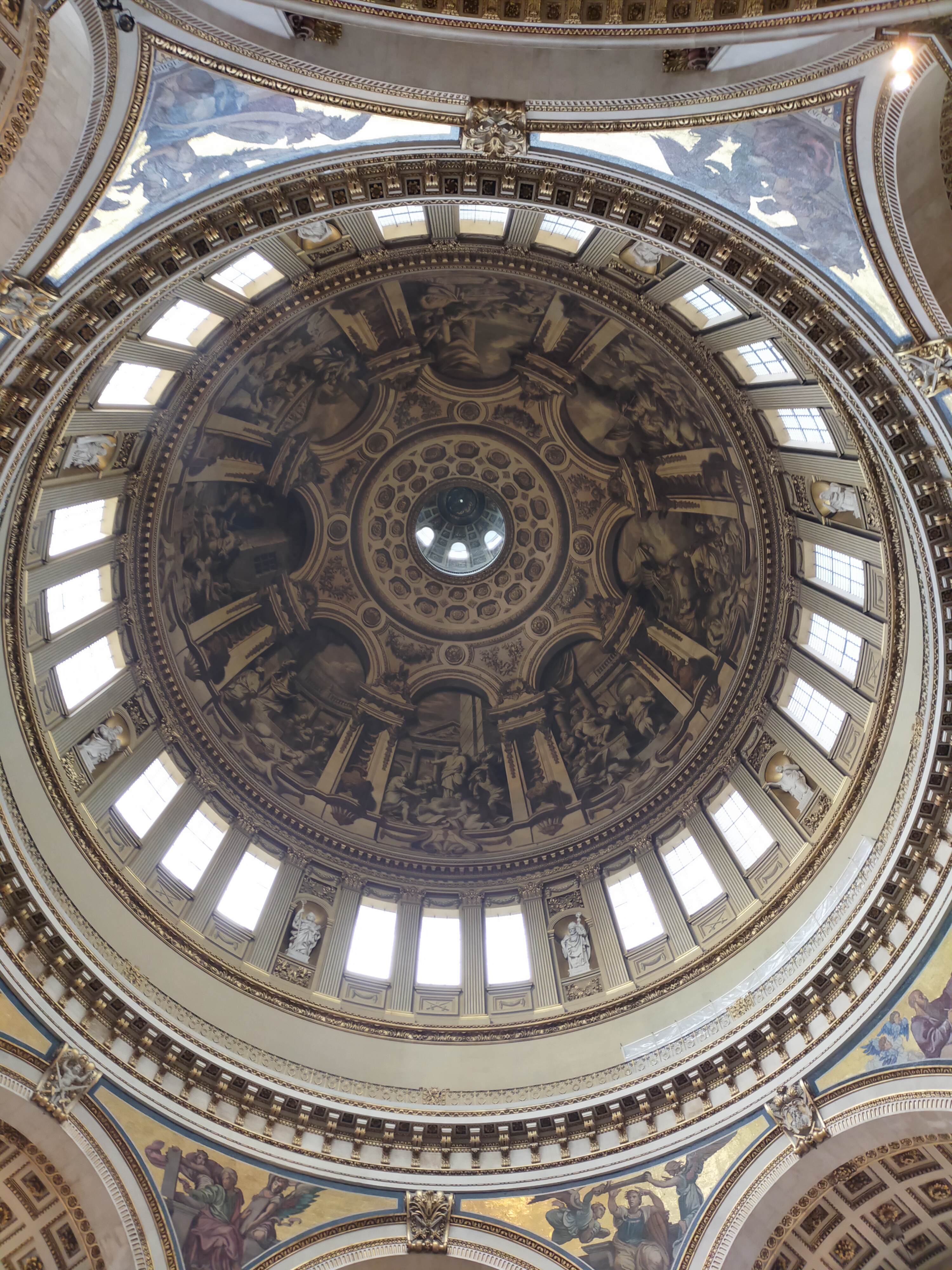
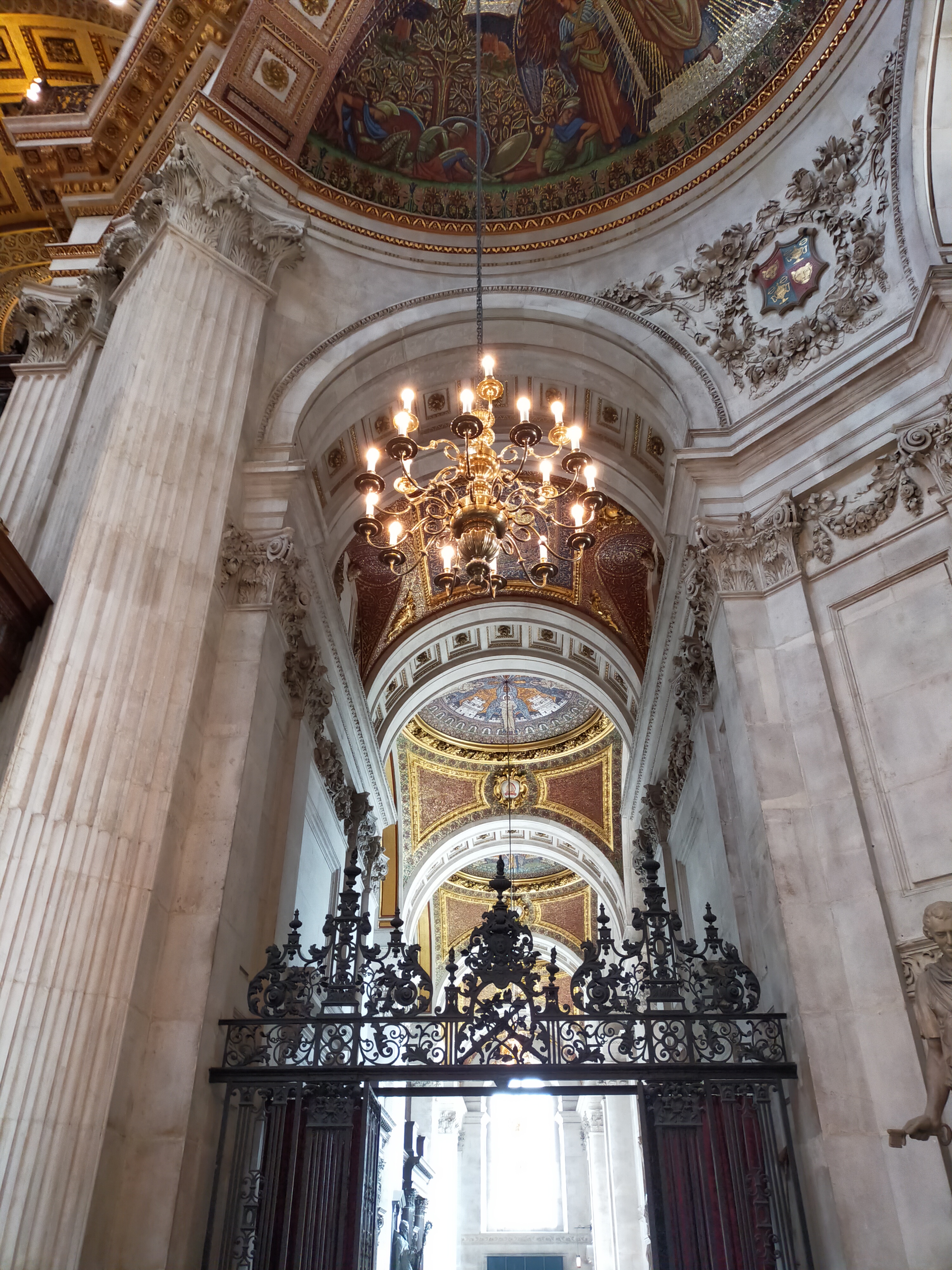
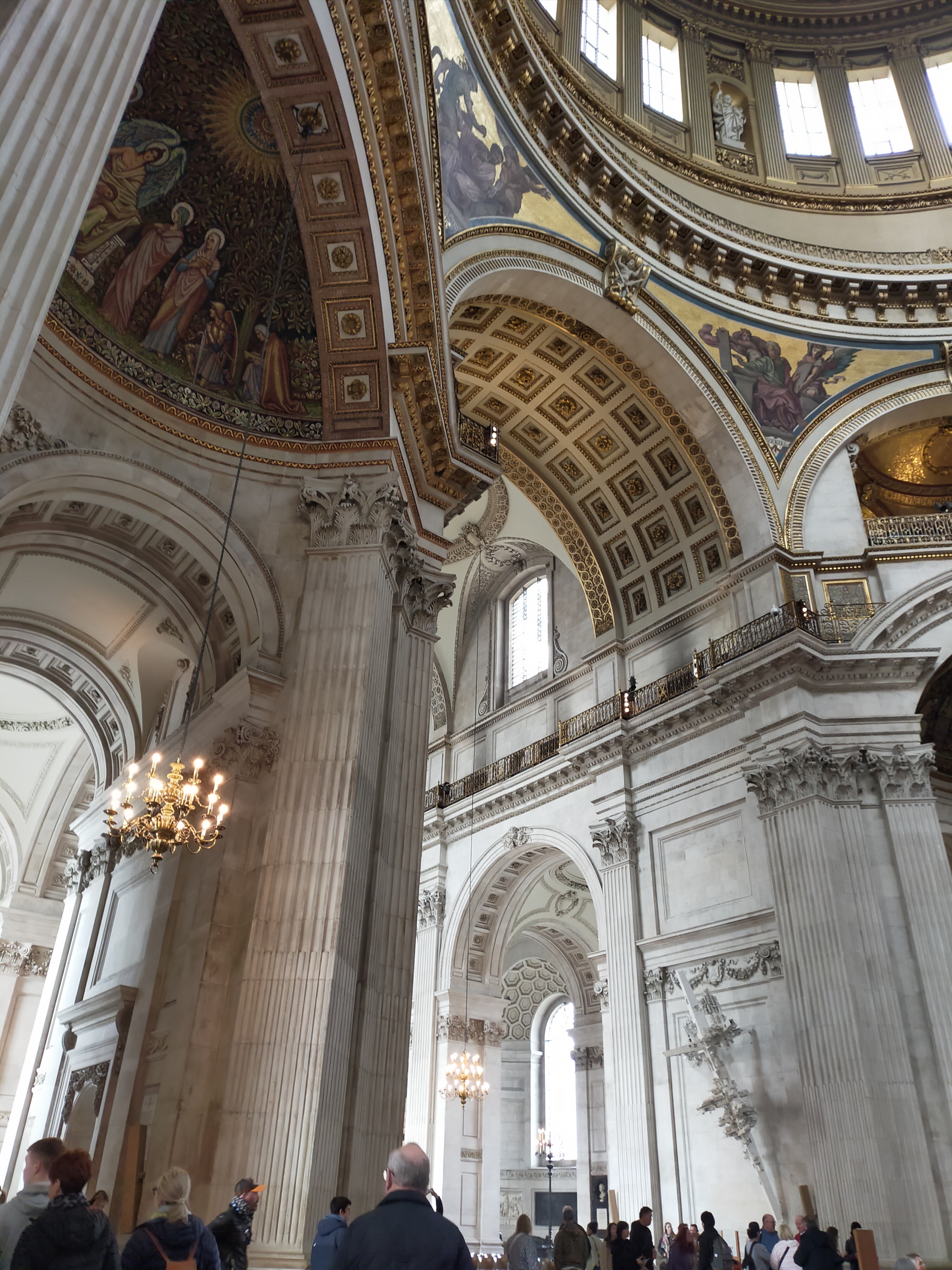
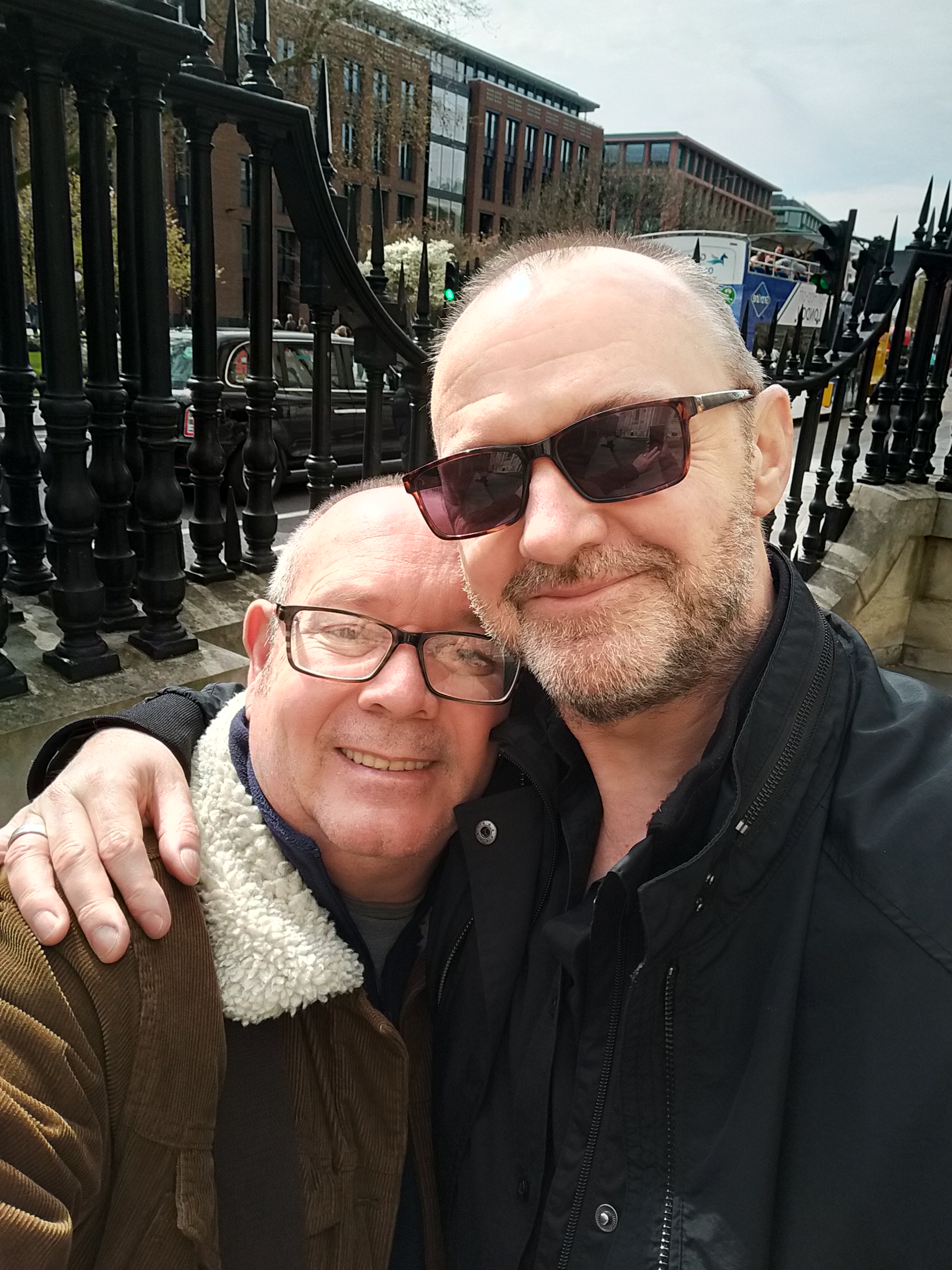
For our fifteenth wedding anniversary we were itching for a big city scratch with a difference. Despite my heathen leanings, I do like an impressive church, and few are more impressive than London’s St. Paul’s Cathedral, Christopher Wren’s tour de force topped with its heavenly dome. The earlier Gothic pile was torched along with much of the old medieval city in the Great Fire of 1666. It’s reckoned the blaze started in a bakery in the appropriately named Pudding Lane, bringing a whole new meaning to the hallowed phrase ‘give us our daily bread’.
Meandering around the flashy Baroque splendour brought back happy memories of my first pilgrimage – back in my spotty teens when I accompanied my grandmother, who was over from Ireland.
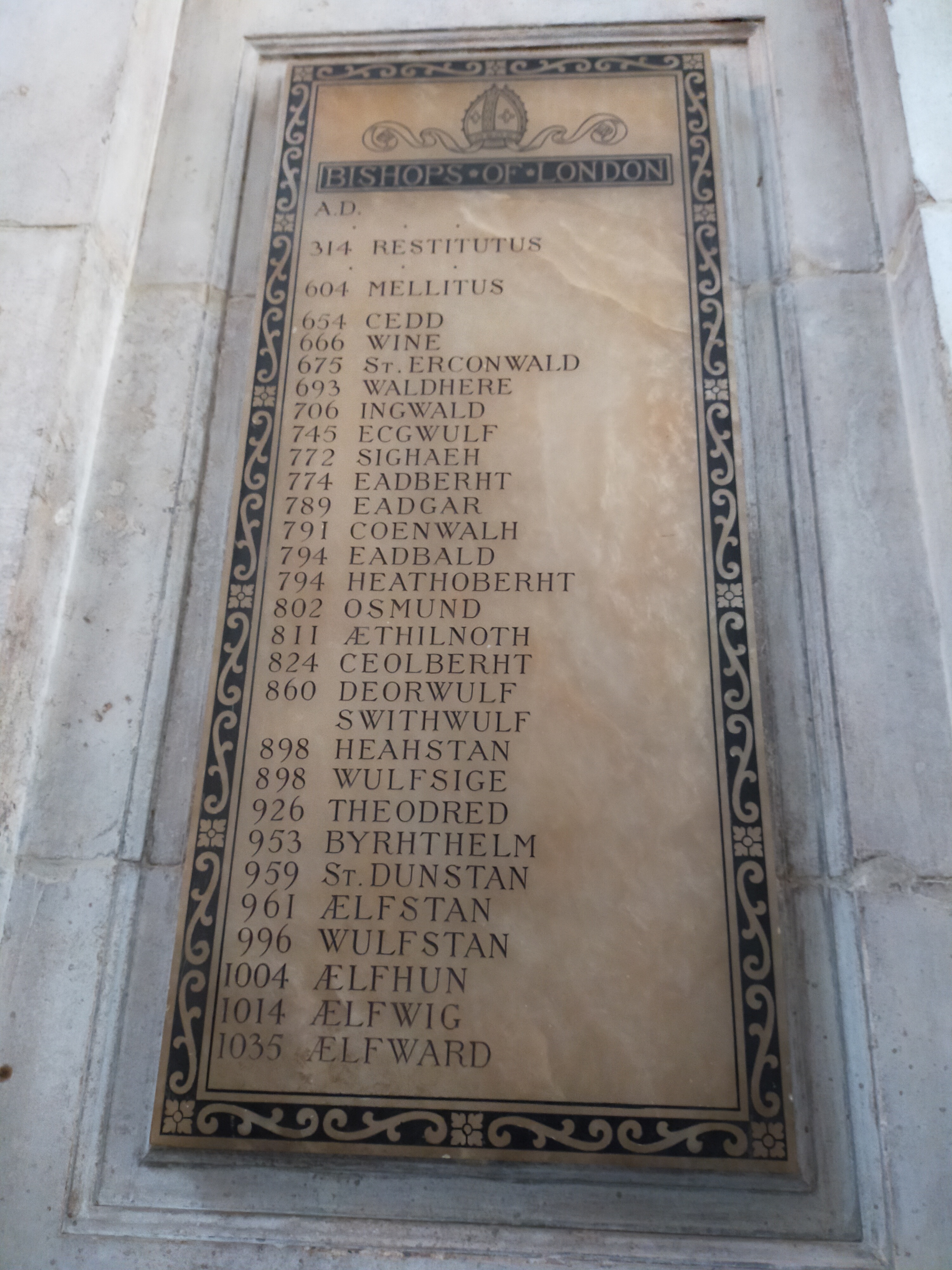
According to the annals, there’s been a church on the same spot since 604 AD, and possibly as far back as the late Roman period, as suggested by a plaque listing the pre-Norman bishops with their glorious tongue-twister names.
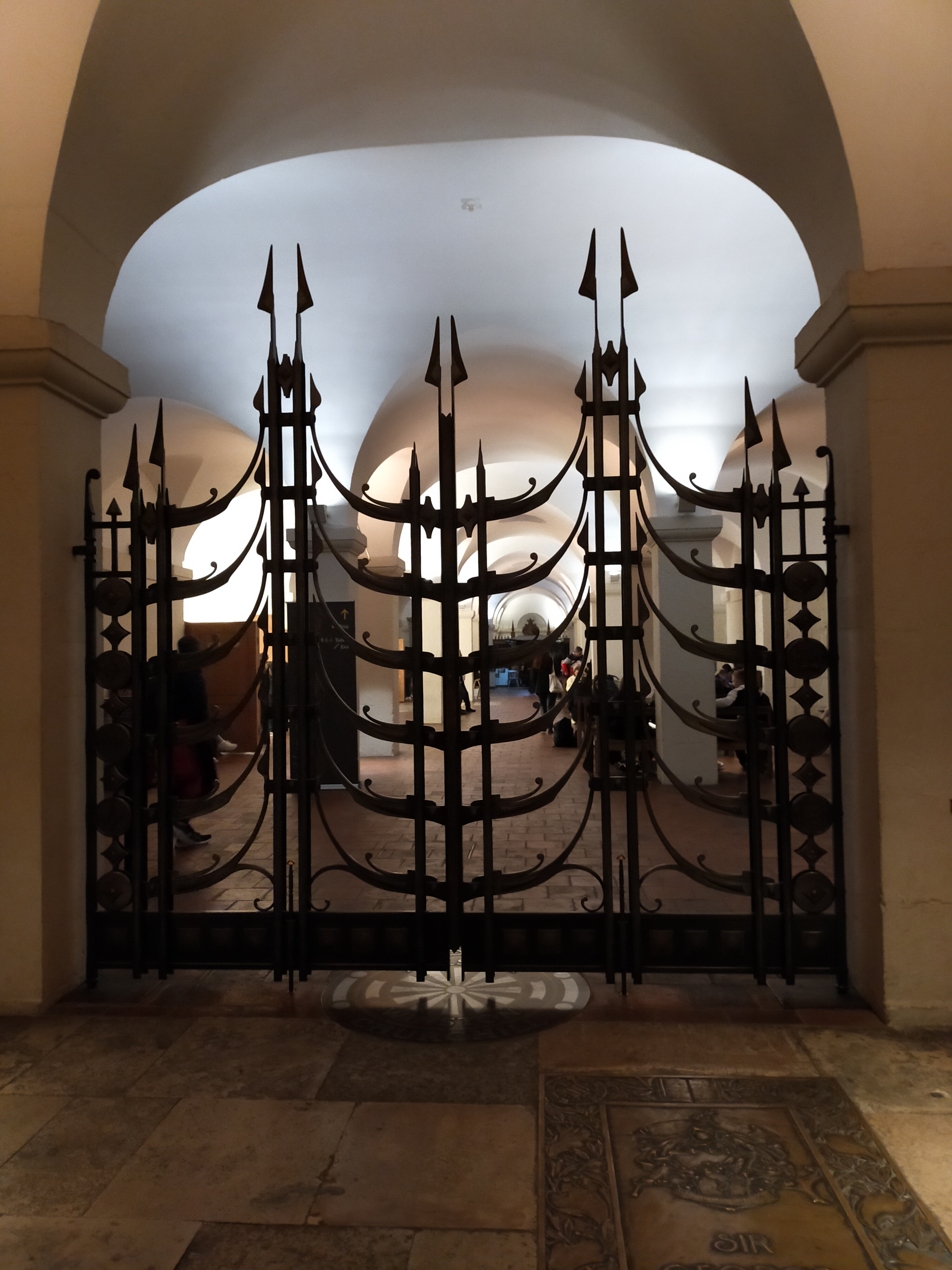
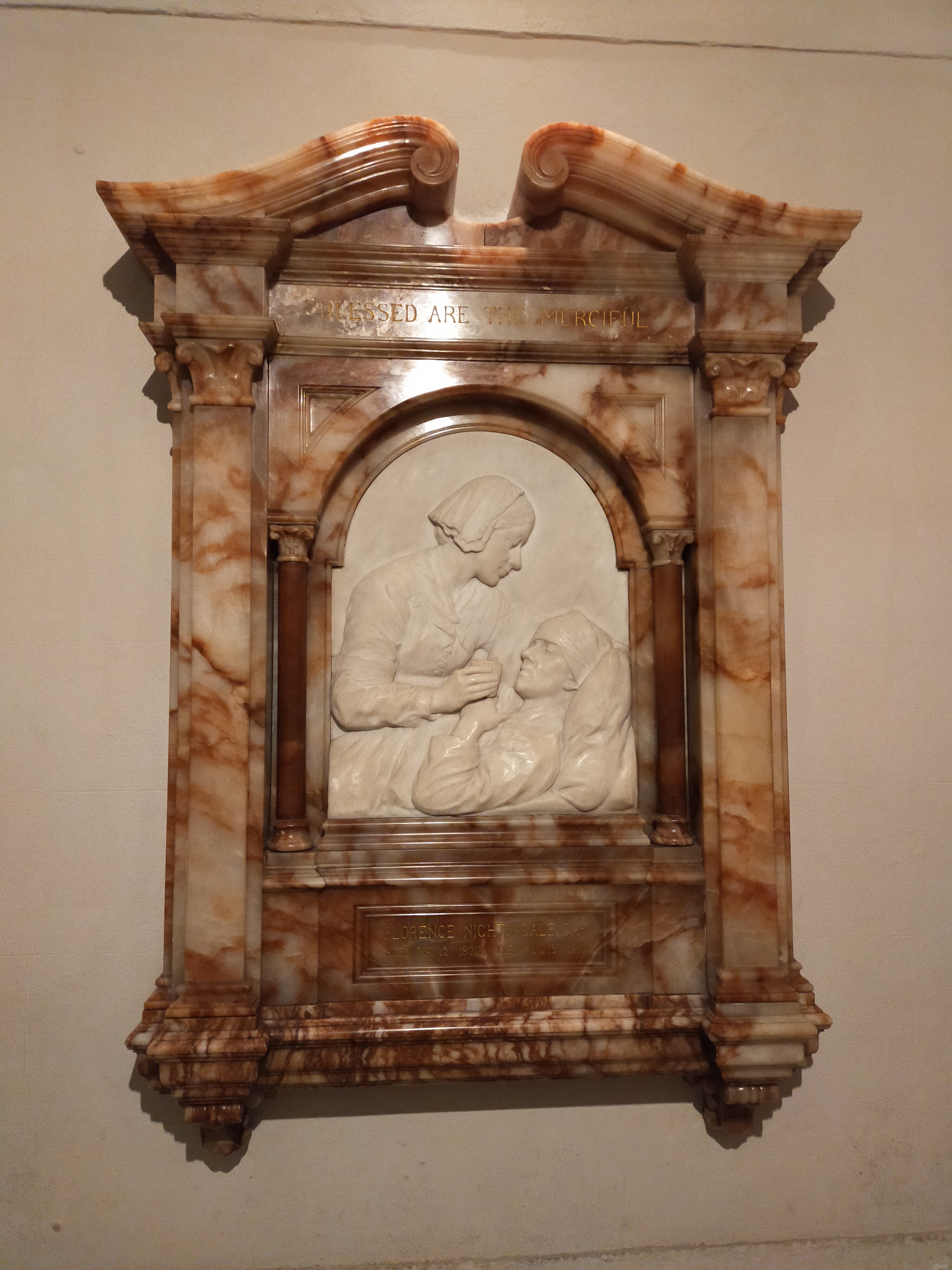
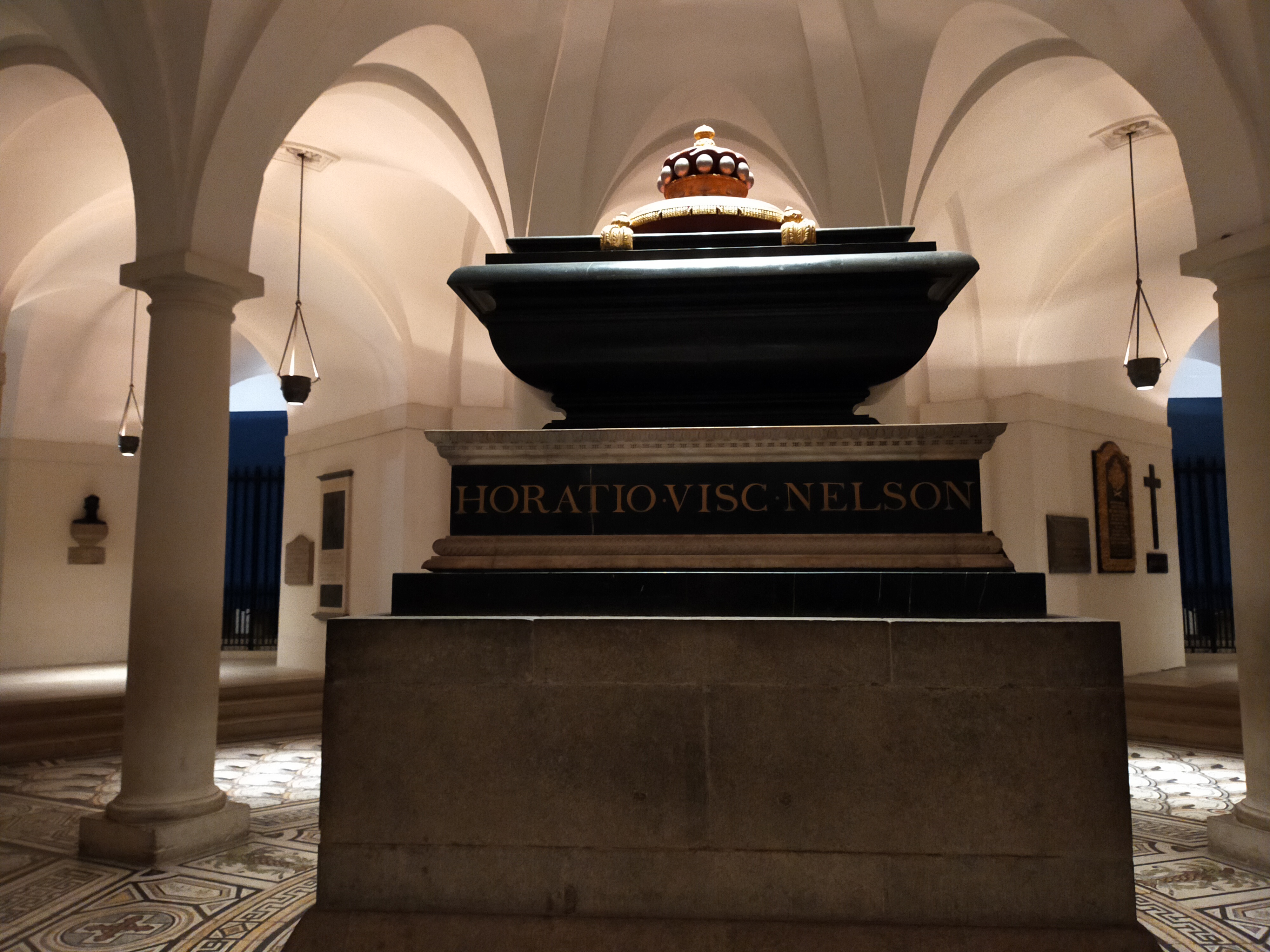
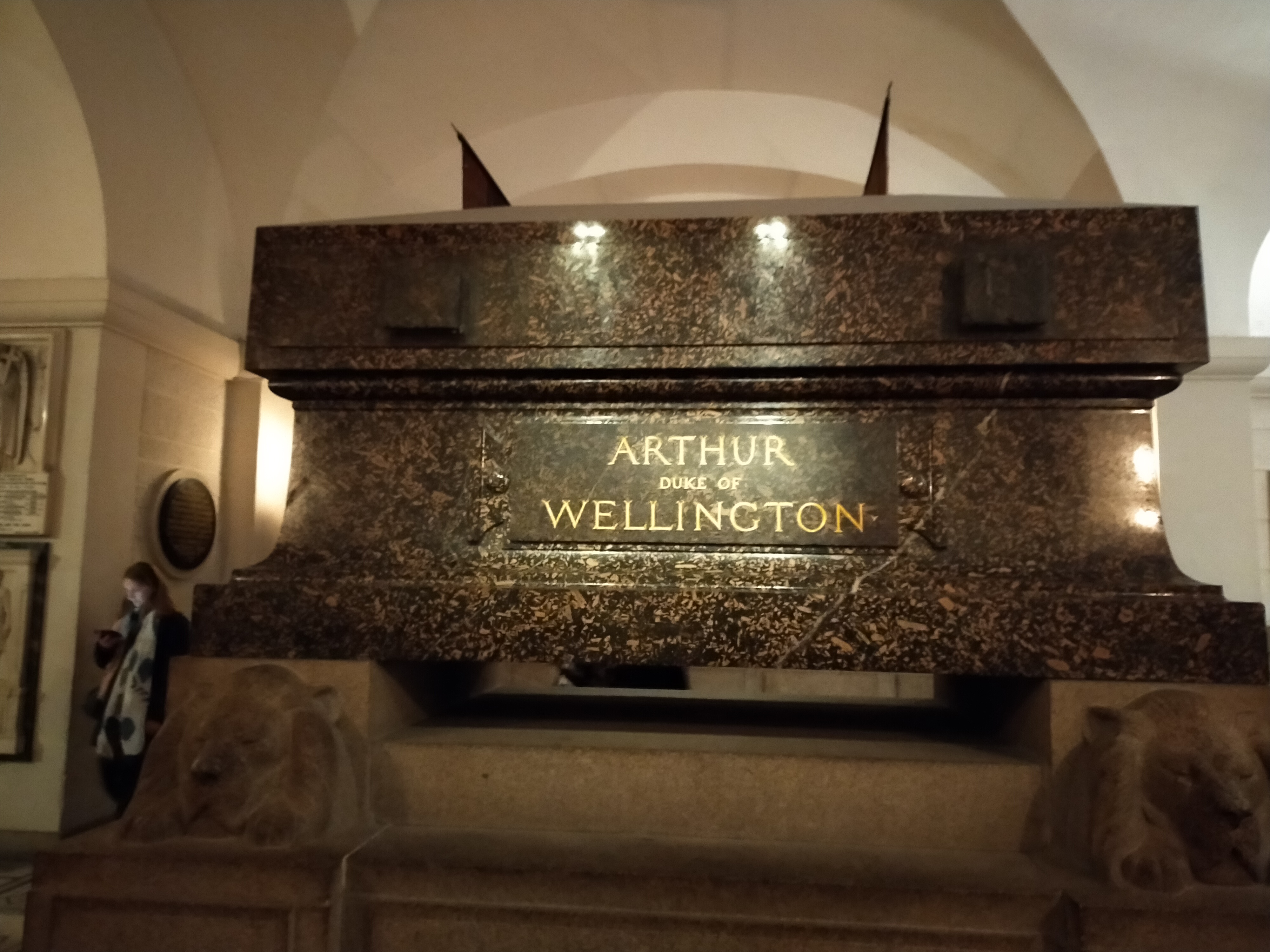
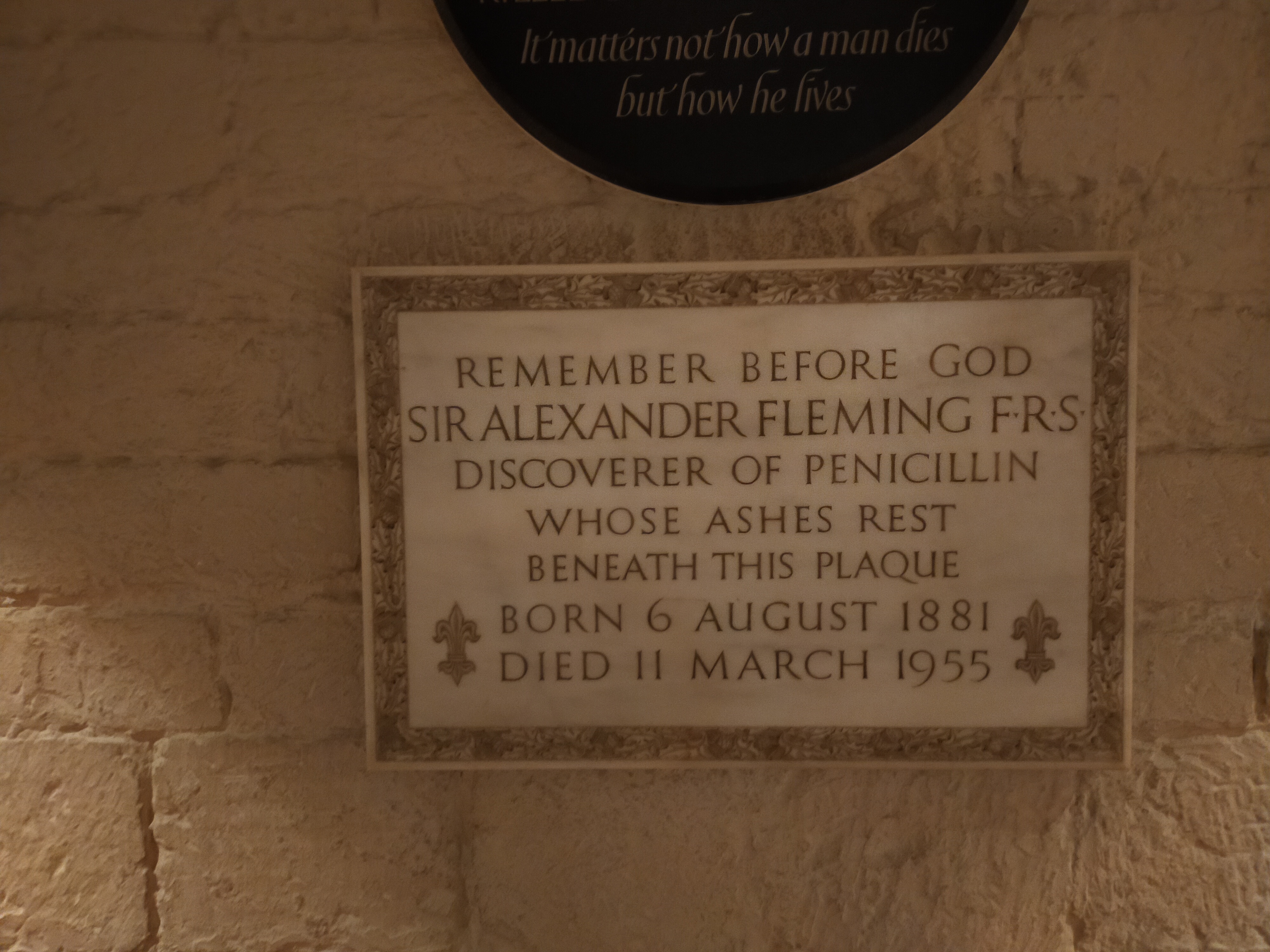
In stark contrast to the lavish decor above, the crypt is simply appointed and stuffed with the tombs of kill and cure notables from days long past, from Florence Nightingale and Alexander Fleming – who discovered penicillin quite by chance – to the victors of Trafalgar and Waterloo, Nelson and Wellington. Napoleon must be spinning in his monumental Parisian grave. Wren is there too, of course.
After piety came avarice, with indulgent afternoon tea and bubbles in The Swan at Shakespeare’s Globe Theatre followed by mother’s ruin at Halfway to Heaven, the homo watering hole near Nelson’s massive column, where Liam and I first met. They knew we were coming judging by the ultimate gay megamix playing on the jukebox – Pet Shop Boys, Erasure, Marc Almond, The Communards, Frankie Goes to Hollywood, Dead or Alive, Gloria Gaynor and Hazel Dean – with Liza Minnelli’s ‘Love Pains’ bringing up the rear. Liam’s shoulders shimmied to the beat. Perfect.
Every month without fail, Chet Contact drops on the mat. Produced by the Chet Valley Churches, the community magazine is packed with handy information about local community groups and services for believers and non-believers alike. There’s a lot going on round these parts. From bells to balls, bats to bowls, cakes to quizzes, pumping iron to eyeing up the birds, from stage to the silver screen, arts and crafts, knitting to nattering, foraging to growing your own, and much more besides – all country life is here.
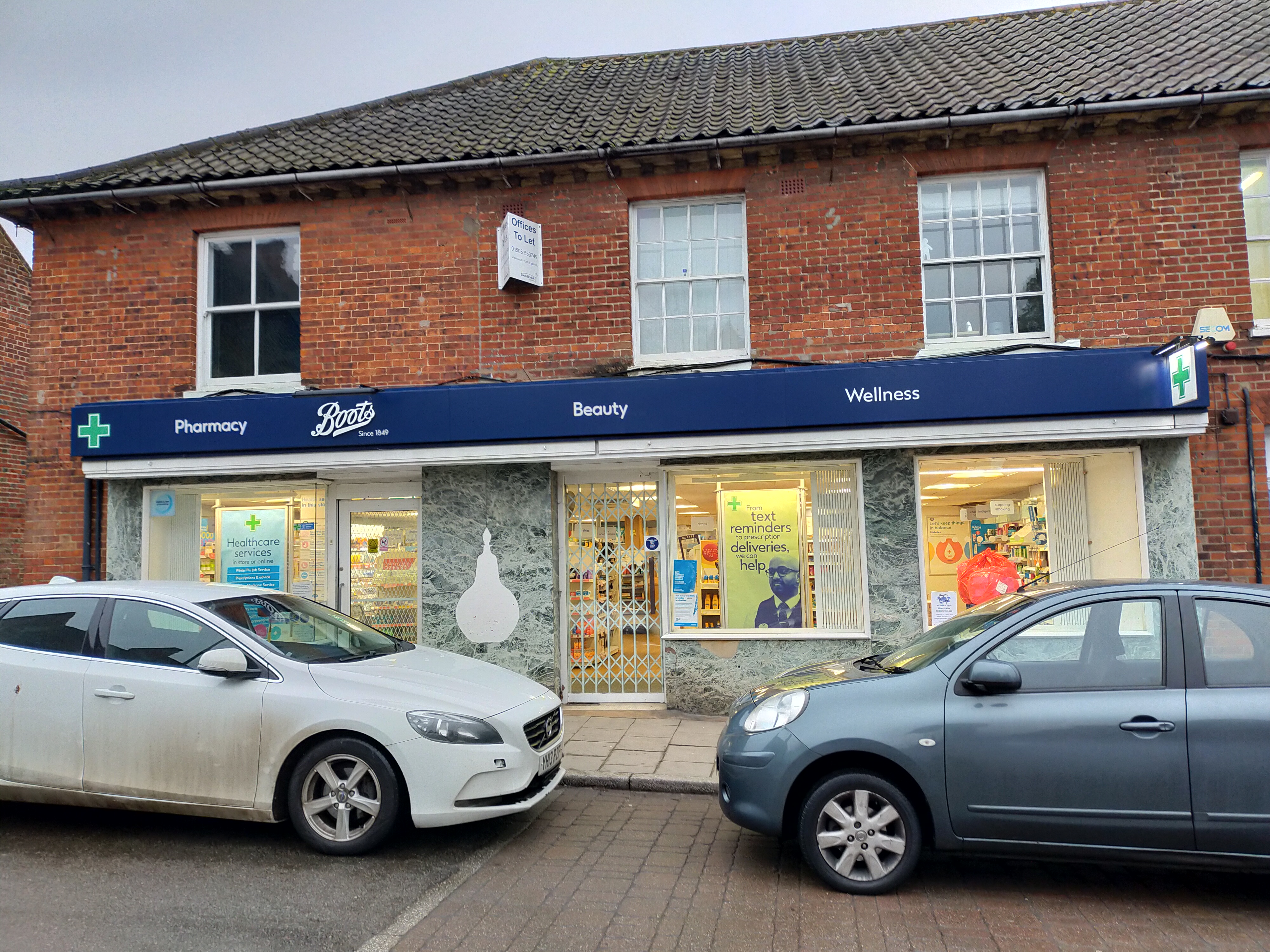
I like the regular history piece in the mag. I knew Loddon has old roots – the earliest written reference to the village was around 1042 – but I was surprised to read that there’s been a pharmacy in Loddon on the same site for over 180 years. It’s now a branch of Boots. Long gone are all those jars full of potions laced with opium and mercury from the apothecary’s handbook of old wives’ tales. Maybe that’s why, back then, life expectancy was only about 57.
























 Perking the Pansies