
Last month, His Maj, King Charles, dedicated the first national memorial honouring LGBT armed forces personnel, 25 years after the ban on LGBT people serving in the military was lifted. Before this, those who were – or who were thought to be – gay or transgender were subjected to interrogation and discharge, a brutal and utterly needless witch hunt that ruined countless lives. Ironically, in the past when the nation faced an all-too-real existential threat – a couple of world wars – the top brass didn’t care less where you stuck it so long as you kept your mouth shut and didn’t frighten the horses. We were all cannon fodder back then.
The memorial in bronze, at the National Memorial Arboretum in Staffordshire, takes the form of a crumpled letter featuring words from those affected by the ban, with the words ‘pride’ and ‘solidarity’ highlighted.
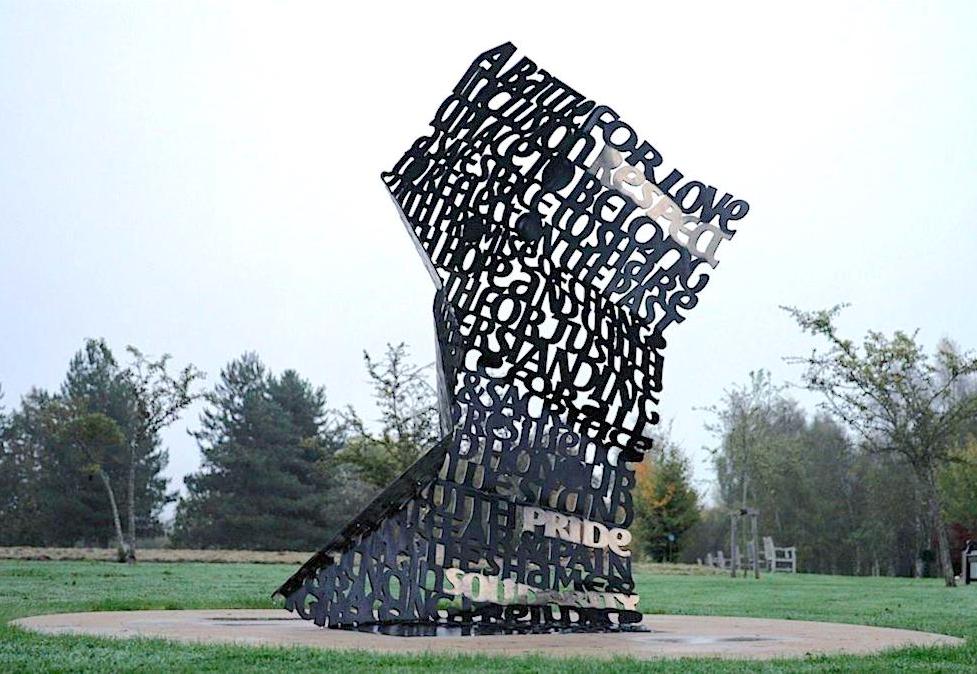
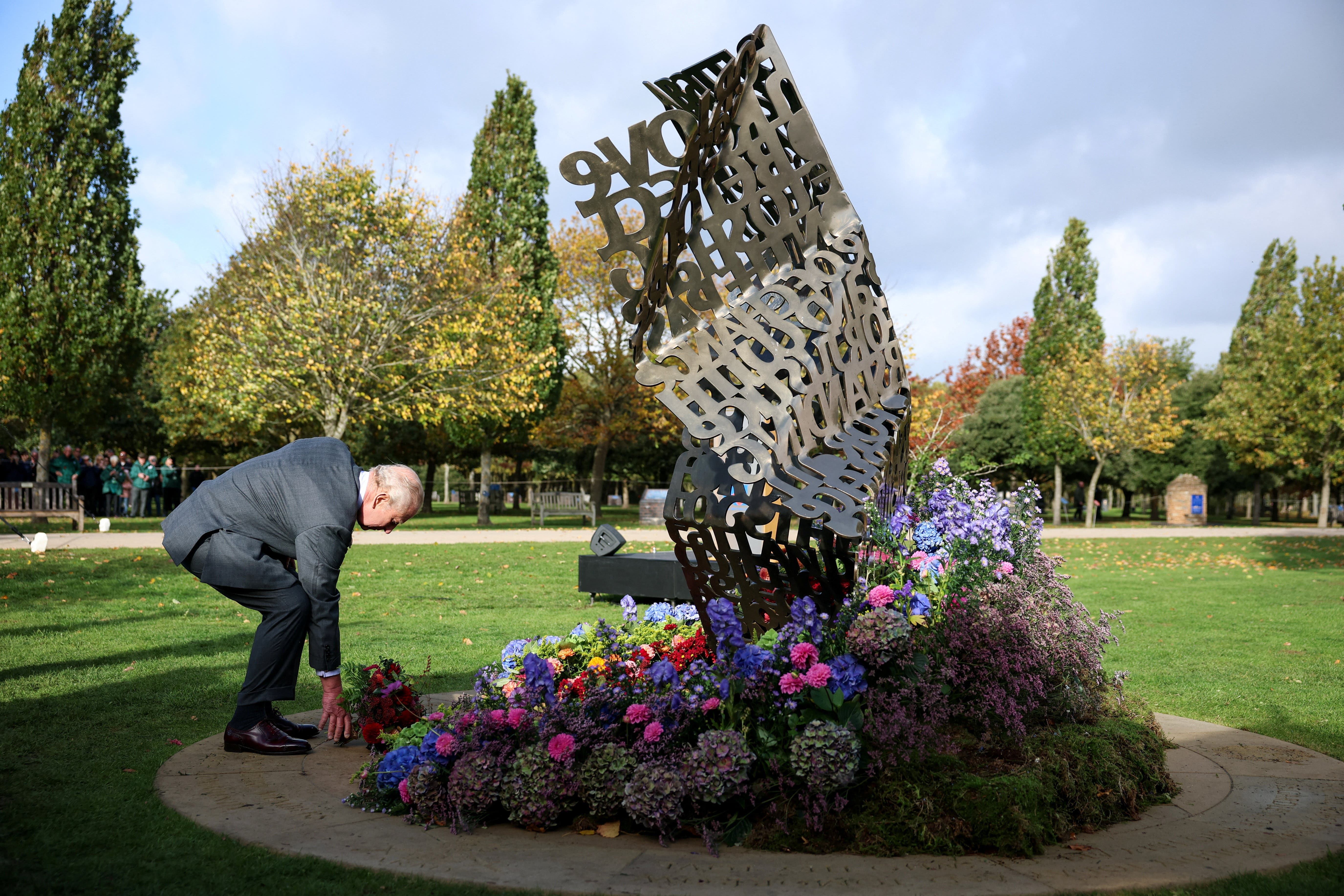
Here’s what the Beeb had to say about it…
The memorial is especially poignant for me, not just because I’m an ex-forces brat who was born in an army barracks, or that I am a great believer in natural justice and fair play for all. It’s also because, in the early nineties, I met Duncan, a dashing young former naval officer who was forced to walk the plank simply for being gay; another irony given the senior service used to be described as ‘rum, bum and the navy’. Even Churchill said something similar.
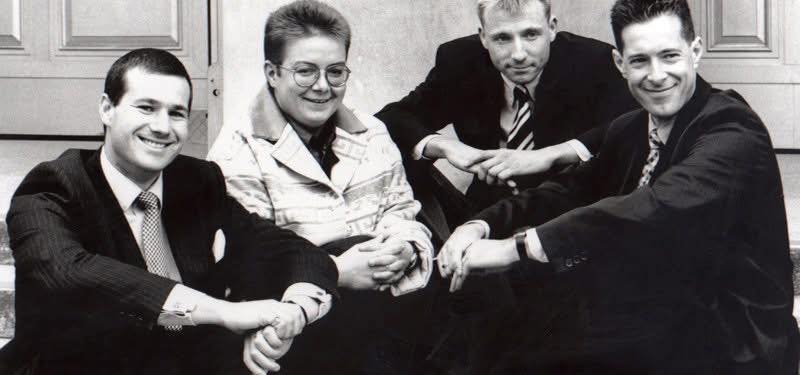
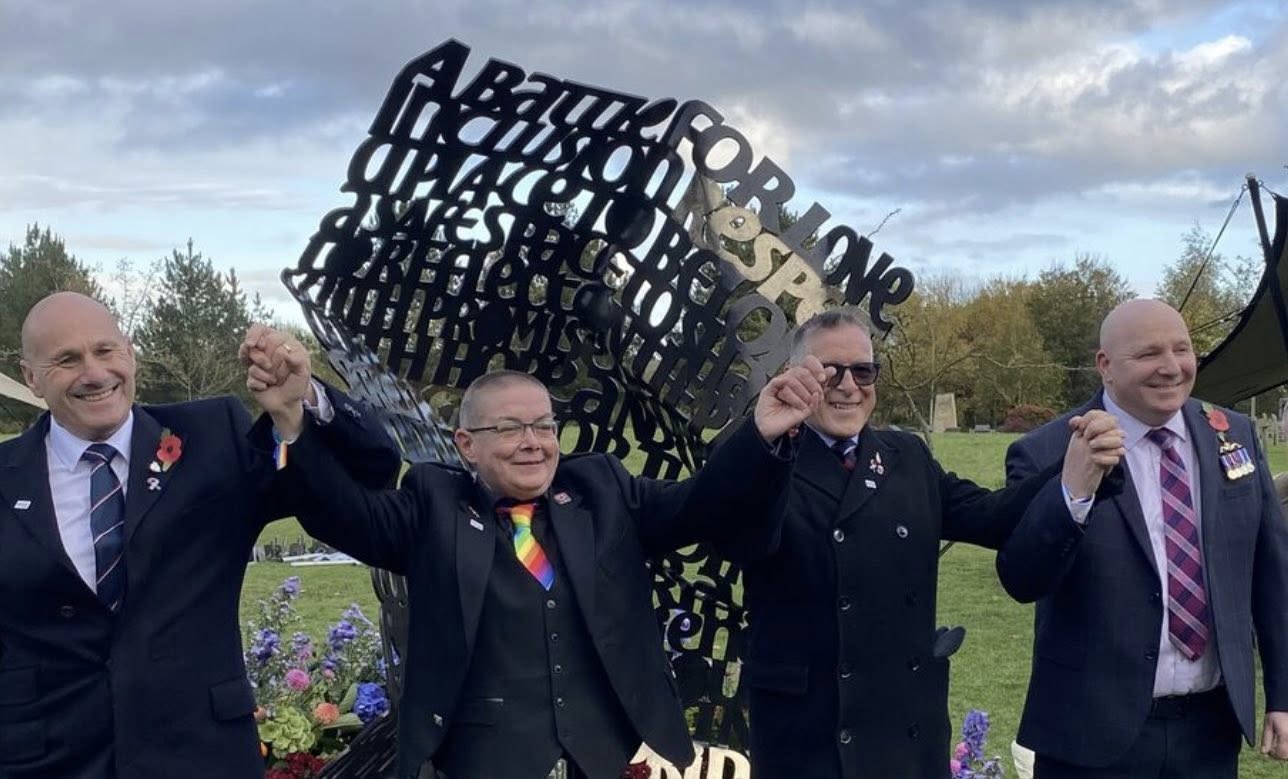
Duncan didn’t take it lying down. Oh no, he joined three other ‘dishonourables’ and took the UK Government to the European Court of Human Rights. Against all odds – including a hostile press and the pissed off powers that be – they won. Soon after, much to the horror of a few fuddy-duddy generals and bearded rear admirals, the ban was overturned.
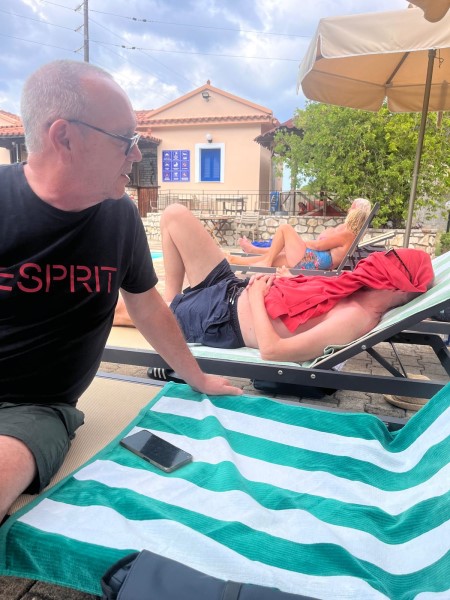
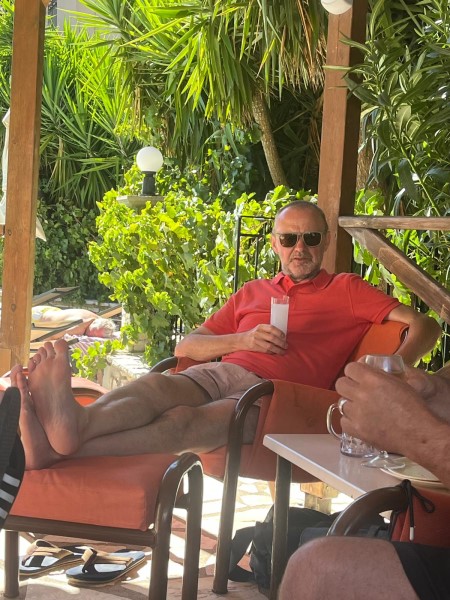
Here they are then and now, with Duncan on the left…
Of course, it wasn’t just the four gay crusaders who made it all happen. There was a small army of supporters bringing up the rear. And the rest, as they say, is LGBT history. My history.

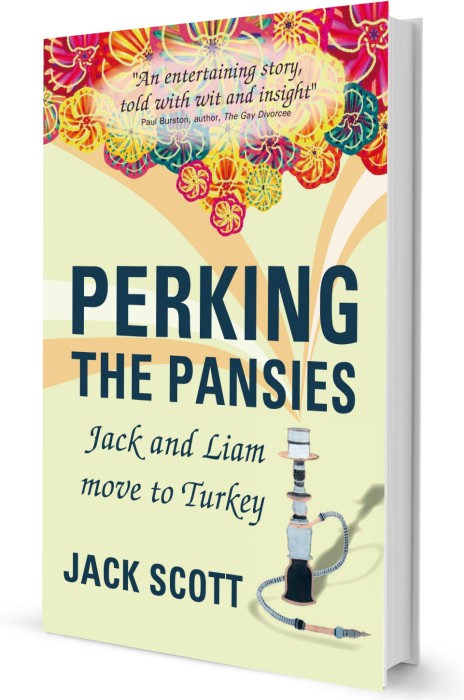

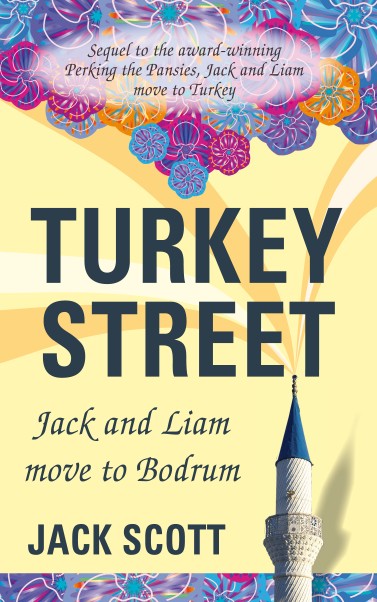
 Perking the Pansies