Norwich-Over-The-Water

Norwich-Over-The-Water

After 20 months, we finally closed the door on the Weaver’s Cottage and left the old parish of Norwich-Over-The-Water. It was a sad parting but bricks and mortar are just that, even when they’re 370 years old and located in the oldest ward in town. In any case, we shall return. Our new gaff (my 18th home since I dropped) is less than a mile across the city on the other side of the water. We fully intend to re-visit our old haunts every now and then and wallow in the exuberance and pretentiousness of Norwich arty types (also known as a few pints on a warm summer’s evening at the Playhouse Theatre bar).

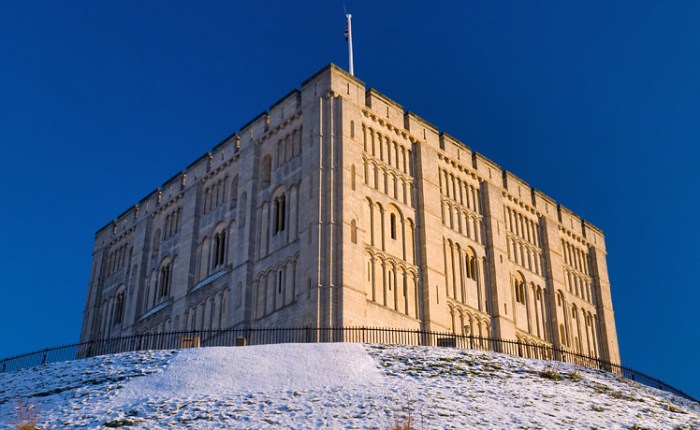
There’s something a little bit special about Norwich-Over-The-Water. It’s reckoned by those in the know to be the site of the original Saxon (or rather Anglish) settlement called Westwic. According to the Anglo-Saxon Chronicle, wood-pannelled Westwic was torched in 1004 by the deliciously named Sweyn Forkbeard, King of the Danes. Clearly there was something rotten in the State of Denmark, to misquote the Bard. However, the doughty arsonist’s marauding hit the right spot and he later became the first Danish king of England and introduced flat-packed furniture to a world-wide audience. Okay, I made that last bit up.

Fast forward to medieval times and Norwich-Over-The-Water welcomed Huguenot, Walloon and Flemish refugees from the near continent, fleeing religious persecution from the dastardly French and Spanish. The immigrants became known as “The Strangers” and eventually made up a third of the city’s population. Apparently, the mighty flood of immigrants caused very little resentment at the time. Far from packing out the workhouses and stealing the jobs of the local farmhands, the highly skilled expats from the Low Countries bolstered trade with mainland Europe and helped make Norwich rich. Stick that in your pipe and smoke it, Nigel Farage and your UKIP xenophobic swivel-eyed loons.

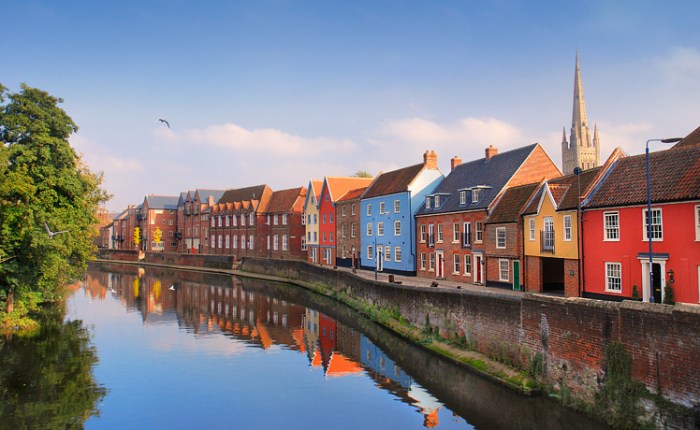
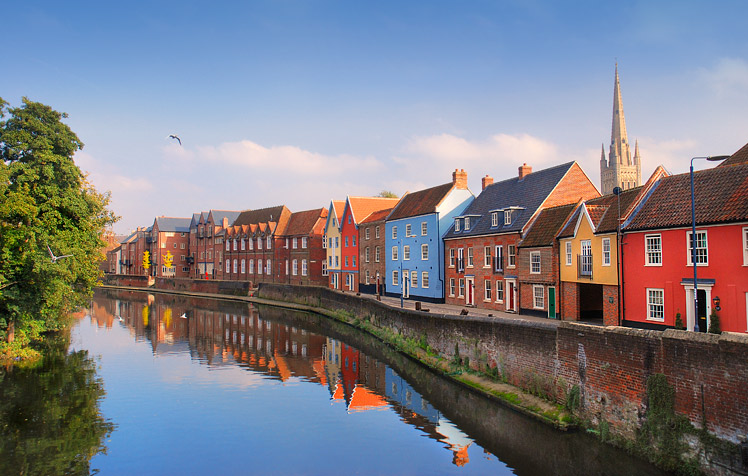
So, I give you a little tour of Norwich-Over-The-Water from the comfort of your own sofa:

Enhanced by Zemanta

The Biggest Cock in Town

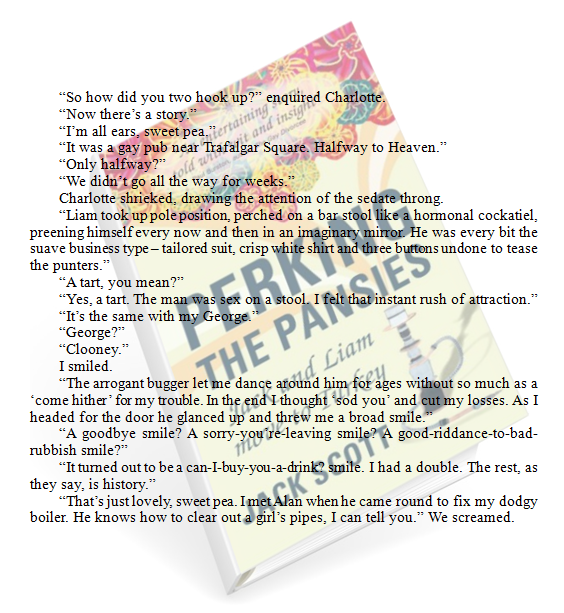
On a recent trip down to the Smoke, Liam and I decided on a post-matinee snifter. We headed towards Trafalgar Square to the stage of our inaugural meeting, a chilly evening in the spring of 2006. The chance encounter is best described in my first book:

PtP_Excerpt

The rest, as they say, really is history.

As we hurried past the Sainsbury Wing of the National Gallery, we were confronted by the biggest cock I’ve ever seen, glowing bright blue in the late afternoon sunshine. It caused quite a stir, I can tell you.

Two cocks for the price of one

The puffed up rooster, by German sculptor, Katharina Fritsch, is the latest temporary exhibit on the empty corner plinth of the Square. The work is intended to poke fun at the vainglorious imperial statues of puffed-up men (Nelson, George IV, and generals Havelock and Napier) that surround it. There have been many fleeting displays on the podium down the years, from the daft to the inspirational, the profound to the whimsical. The reason there is no permanent statue has been an open secret for years. The plinth is reserved for an effigy of Her Maj after she drops off her throne. Given her mother’s longevity (the last Empress of India lived until she was 101), the chances are they’ll be a more temporary erections to come.

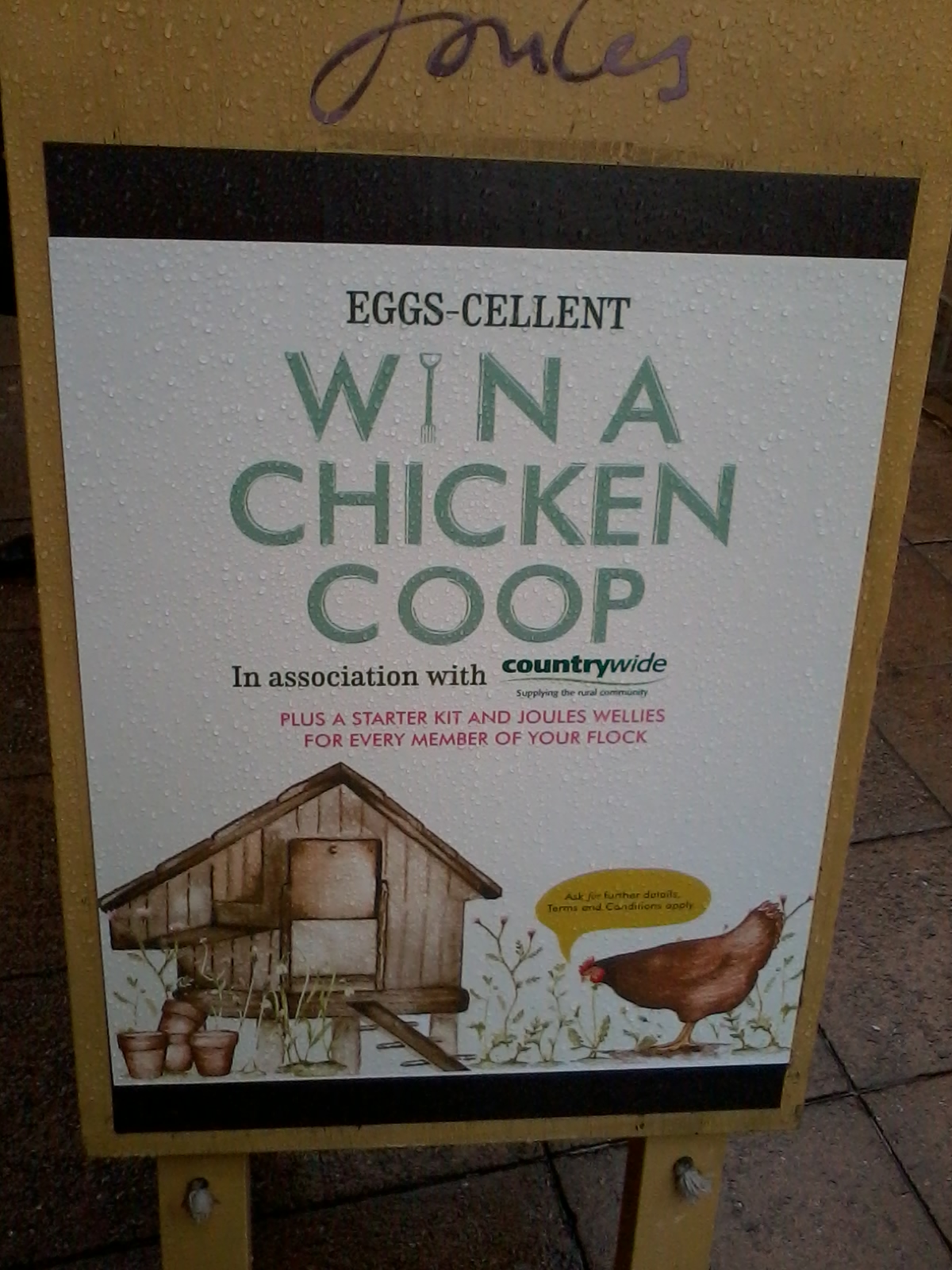
Back in Norwich, the cock of the coop theme continued.

Coop

Personally, I’d rather win a week in the Maldives but then, this is Norfolk, the nation’s bread basket and home to Bernard Matthews, king of the gobblers. It’s a funny old world.

The Norwich Book of Records

The Norwich Book of Records

Norwich is stuffed with the biggest, finest, oldest and firsts in all the realm. There’s a gem on virtually every corner. These are a few of my favourites. Hover over the image for a brief hint and click for more scintillating facts that you never knew you wanted to know.

With thanks to Visit Norwich for much of this treasure trove.

Cold Calling

Cold Calling

cold callingWe got a whole load of cold calls when we lived in Turkey. We would just put the phone to the side and let them babble on in light-speed Turkish. They would soon get bored and hang up. As soon as we landed in Norwich, I registered our new phone numbers with the Telephone Preference Service, a nifty little operation that lets Joe Public opt out of unsolicited marketing calls. It works well and most reputable companies comply but there’s a bit of a weak link: it doesn’t stop those organisations we do deal with calling willy-nilly and usually at the most inconvenient times. Cue British Gas who have the uncanny knack of cold calling just when we’re a kissin’ and a cuddlin’, and cue my response:

No, my equipment doesn’t need a service, thank you, how many more times? Look, shove this message into your computer, young man: don’t coitus interruptus me again.”

Then there was Richard Branson’s mob over at Virgin Mobile. Minding my own business and fingering the Pinot Grigio at our local Tesco’s, I got a call from the Indian Subcontinent. A disagreeable man called ‘Martin’ was absolutely determined to talk to me about my tariff (i.e. increasing it), despite my protestations to the contrary. When the penny finally dropped that I wasn’t interested, my emotional phone stalker seemed to take it personally:  

“But why don’t you want to talk to me?”

I’m afraid I was forced to use a ripe word or two to get rid of moody ‘Martin.’

Charities are no better these days. Last December, I made the mistake of donating a fiver by text to UNICEF. It was Christmas and it was for Syria, so why wouldn’t I? I received a thank you text in return and a promise to let me know all about their good work. I wish I’d replied telling them not to bother. Weeks later, and after several missed calls from an unknown number, I eventually answered the phone to a woman with a Julie Andrews accent and a Mary Poppins demeanour to match. She was rather put out that I didn’t want to listen to her well-rehearsed patter that, no doubt, would end with a request for my bank details. I stopped her in mid-pitch and, with as much officiousness as I could muster:

“I’m sorry, Mary, or whatever your name is, Cold calling damages UNICEF’s reputation and undermines its fund-raising activities. Take my number off your list and do not call me again. Do you understand?”

And what did she say?

“So you don’t want to hear all about UNICEF’s good work, then?”

That’s it. Not a penny more from me. It’s bad enough that I can’t go about my lawful business without being harassed by an Exocet student outside Tesco’s armed with a pushy smile, easy charm and a clipboard-full of standing order forms. Honestly!


Enhanced by Zemanta

The Love Letter

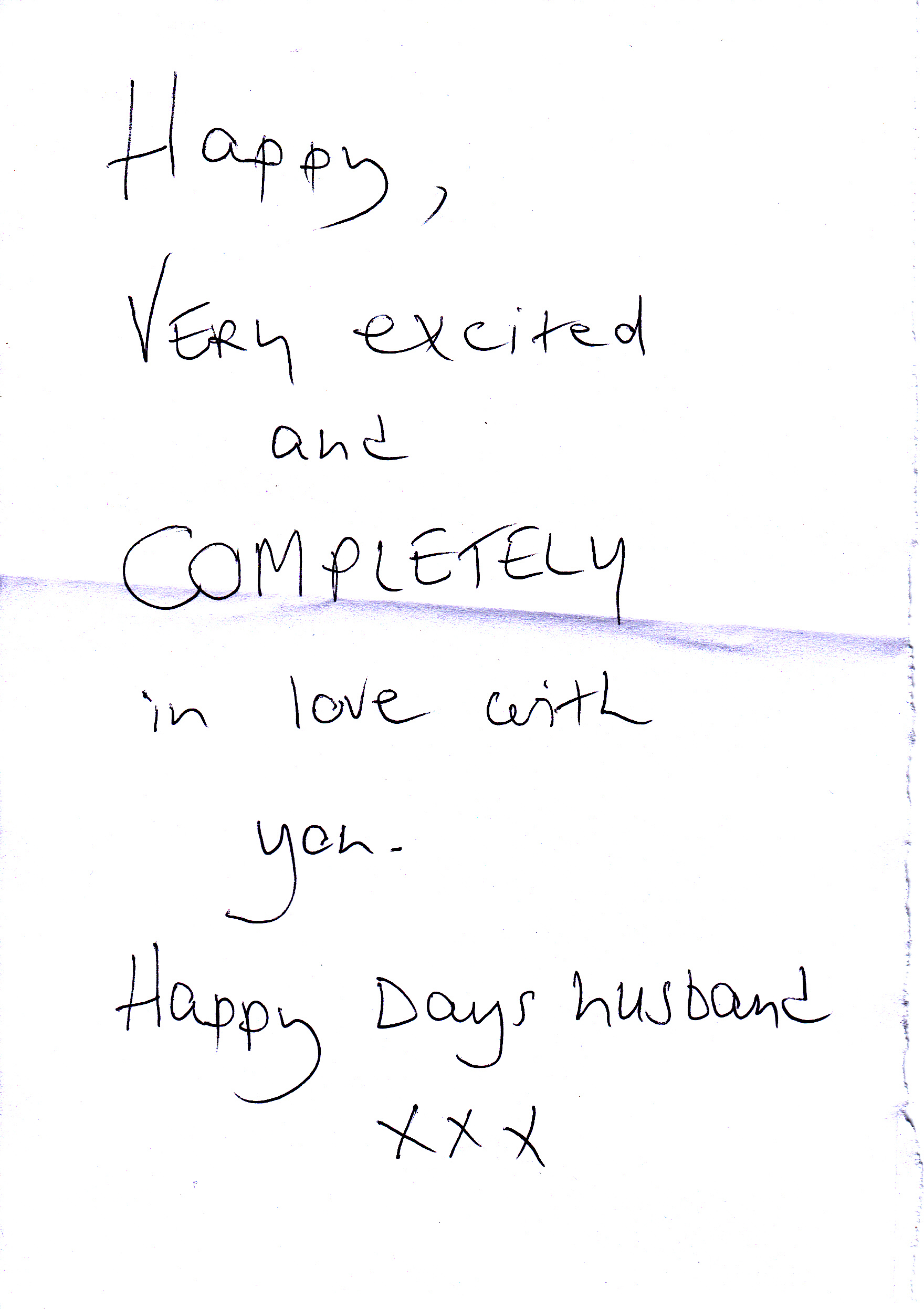
Just after Liam left for work, I rolled out of bed, staggered down the treacherous winding stairs of the old Weaver’s Cottage and wandered into the kitchen to make my morning cuppa. I flicked on the kettle and opened the fridge to retrieve the milk, only to find this little note taped to the carton:

The Love LetterBrought a little tear to my cynical eye.

Itchy Feet

In the summer of 2012, we parachuted into Norwich on a wing and a prayer. We hadn’t the slightest inkling whether this golden-oldie city of medieval steeples would suit us or not. It was a difficult ask: somewhere we could replant our off-peak life but avoid the workhouse and somewhere within a bearable commute of London so we could keep tabs on our folks.

When we first paddled up the Wensum, we somehow ended up living in a Grade II listed Seventeenth Century brick and flint weaver’s cottage. The place had been through the wars and oozed history. By the Nineteenth Century, weaving had gone the way of the dodo and the cottage was reincarnated as a public house. In the Thirties, the Great Depression depressed ale sales along with everything else and time was called on the Devil’s brew. After that, the building gradually fell into miserable dereliction, boarded up and unloved. The final insult came when the building was gutted by fire; demolition seemed likely. Cue the city elders who stepped in with their compulsory purchase powers, repaired the structure, modernised the fabric and flogged it off. In 1986 the Weaver’s Cottage was reborn as two comfortable maisonettes with all mod-cons. The partially charred beams above our marital bed are the one remaining sign of that near-death experience.

A year and a bit on, those itchy feet are back but this time we’re moving across town, not continents. We’re rather taken with Norwich and have decided to put down roots by buying a small piece of it (while we can still afford to). So it’s goodbye to our pretty weaver’s cottage with its olde worlde beams, toffee-coloured fireplace and drafty halls and hello to our handsome warehouse conversion just beyond the old city walls with big picture windows, views across the burbs and proper insulation. We’re expecting our bills to plummet. Otherwise, that workhouse beckons.

Oi Speak Narrfuk Oi Do

Anyone living on these damp little islands and anyone who visits them knows that Britain is a nation of a thousand and one accents and dialects. Homespun and imported lingo twists and turns through town and county. We may live in a global village and in a mass media world where ‘Globalish’ (the cut-down version of English-light) dominates, but that hasn’t stopped many regional accents kicking against the tide. In many cases, they are thriving. English in all its variants is constantly evolving and because the language is such a magpie, words are being dropped and added, borrowed and adapted, created and extended all the time. Our cousins across the Pond might be forgiven for thinking that there are only two English accents: posh and Cockney. But even those stereotypes are changing. These days, only the Queen speaks like the Queen and the word on the street, the inner city London street, is a marvellous infusion of words, phrases and pronunciations from right across the world. Quite different from an Eastenders episode.

Unfortunately, many English dialects are truly indecipherable to an untrained ear. Pity the poor foreigner, jumping into a cab at East Midlands International Airport to be greeted by:

“Ayup me duck.”

The thick Norfolk accent, aptly named “Broad Norfolk” is no less difficult to fathom and notoriously difficult to imitate. Norwich may only be 115 miles from central London but that’s far enough away for Broad Norfolk to survive the onslaught of the insipid Estuary English, the dominant accent of southeast England (and the one Liam and I speak). There’s even an organisation, the Friends of Norfolk Dialect (FOND) which is…

…dedicated to conserving and recording Norfolk’s priceless linguistic and cultural heritage, thus keeping ‘Broad Norfolk’ alive.

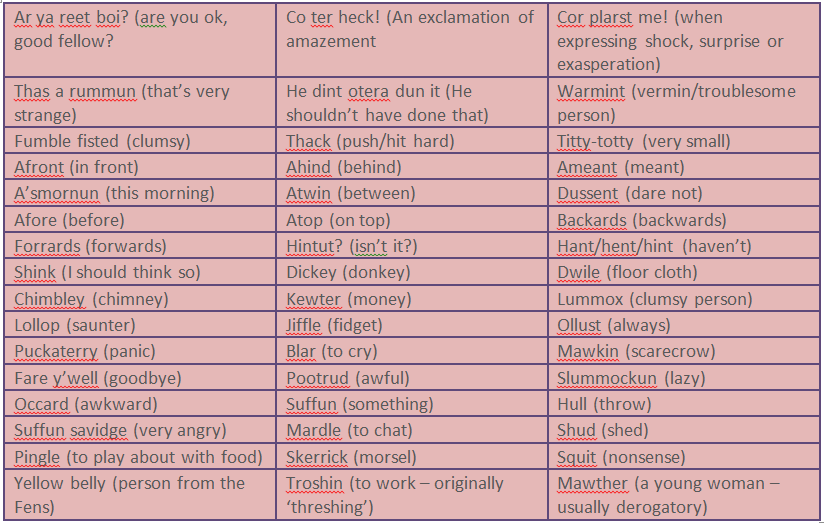
Broad Naarfuk is rich in local words and phrases, some of them variants on standard English, others completely unique. A year in and Liam and I are only just beginning to look a little less baffled. Here’s a few to give you a titty-totty taste:

Norfolk_Words

Want to know how all of this sounds? Take a look at this. I’ll be testing you later.


Only in Norwich

Only in Norwich

RiverWensum

Image courtesy of Daniel Tink at Scenicnorfolk

Liam answered the door of our old weaver’s cottage to a little middle-aged man wearing a bucket hat, wax jacket and supermarket denim. “Sorry to disturb ya, mate,” he said, “Been visitin’ me old girl (at the adjacent granny flats) and I’m goin’ fishin’ later but I forgot me worms. Can I dig some outta ya flower bed? Won’t make a mess, promise.” At the time I was enjoying a cuppa and thumbing through a copy of our local rag, the Eastern Daily Press (the most popular morning regional newspaper in the country, apparently). The front page headline was:

“Farmer Killed by Bull”

Only in Norwich.

Smash

Smash

We have an embarrassment of TV choices courtesy of Virgin Media but it’s funny how the more channels we get, the more selective we become. It’s a reflection, perhaps, that more of the same isn’t much of a choice at all. So, as the nights draw in, we camp in front of the box hitting the boxed sets. Our latest televisual distraction is Smash, an American soap-style drama about the birth of a stage musical from kernel to opening night – Glee for grown-ups. Less sugar, more spice. The series was a joint birthday gift from our old friend, Clive. Frustrated music-hall maestro, Liam is a sucker for this kind of thing; the gay cliché cap fits my husband very well. The fictitious musical – Bombshell – focusses on the tragic life of Marilyn Monroe as she is passed around the troops. It cleverly parallels Norma Jean’s descent into Hell with that of the musical lead. With an Emmy, a Grammy and Globe nominations under its belt, the show tangos along nicely with twists and turns to suit even the most dedicated conspiracy theorist. There are a few nice tunes and more than a few nice routines but don’t expect to actually like any of the characters that much (with the possible exception of the impresario played by Angelica Huston). There’s an awful lot of back-biting, bitching, double-crossing and good old fashioned infidelity – all in a day’s work for the Broadway board-treading business. It’s a jungle in there and Liam loved every minute.

Philomena

Philomena

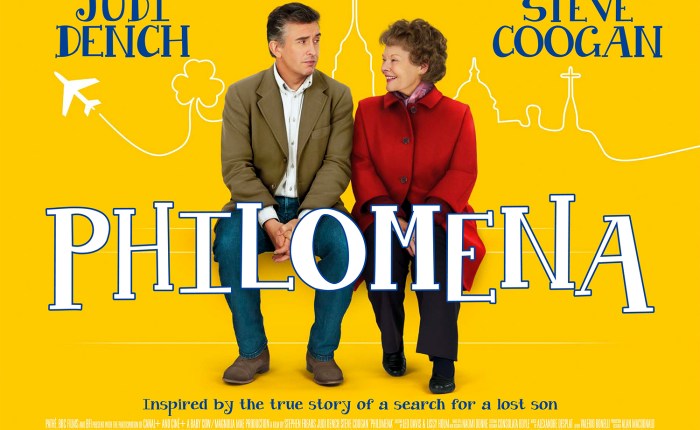
The nice people at Virgin Media offered us two preview tickets to see Philomena, Judi Dench’s latest flick. The advanced screening was at our local Odeon Multiplex which isn’t my venue of choice – too Las Vegas lounge for my liking. I prefer Cinema City, a nice bar-restaurant with a picture house attached. But, it would have been rude to refuse a freebie. Based on true events, the film is about an elderly Irish woman trying to find the son she was forced to give up to the nasty nuns following a quickie with handsome young buck at a village fair. Well, it was the buttoned-up no-thrills Fifties and unmarried mothers were the whores of Babylon. The film co-stars Steve Coogan (who also produced it and co-wrote the screenplay) as the real-like Martin Sixthsmith, former BBC journalist and Blairite spin doctor who wrote the book upon which the film is based. The movie went on general release today so I won’t add a spoiler. Suffice it to say it ain’t The Sound of Music but it isn’t Angela’s Ashes either. The subtle, gentle and often funny script allows the harrowing  story to unfold and take centre stage without the outrage slapping the audience about the face. Dame Judi is, as always, superb and Steve Googan (who is more famous as Norwich’s very own fictitious DJ, Alan Partridge) is surprisingly good.  It’s well worth shelling out a few shillings for.