Angels, Monks and the Devil’s Brew

Angels, Monks and the Devil’s Brew

Learning to speak English must be difficult enough, but learning to spell it must bring even the most dedicated student out in hives. It’s just the little game we English like to play on Johnny Foreigner. Place names can be particularly bothersome. So for the uninitiated…

Leicester is Lester, Gloucester is Gloster, Chiswick is Chizik, Warwick is Warik (unless you’re Dionne) Harwich is Haridge and Norwich is Noridge (or Naaridge if you’re from round these parts).

But there is a certain consistency to the cesters, the wicks and the wiches. Not so in Norfolk – or I should say Naarfuk. Asking a Naaridge bus driver for a ticket to Costessey or Wymondham will provoke a puzzled response. You see, it’s Caassy and Windum. Confused? You will be.

We’d learned our lesson in correct enunciation by the time we caught our bus to Wymondham, a pretty parish of 15,000 souls southwest of Norwich. June was bustin’ out all over the place along the 10 mile route. We arrived to find the place bathed in sunshine but spookily empty for a hot Saturday afternoon. Perhaps everyone was at Pilates.

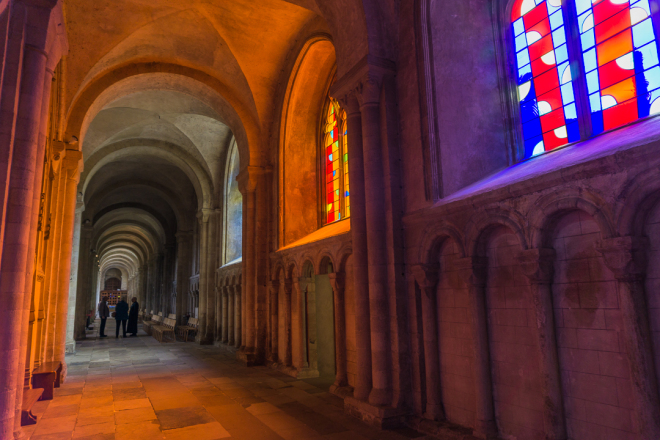
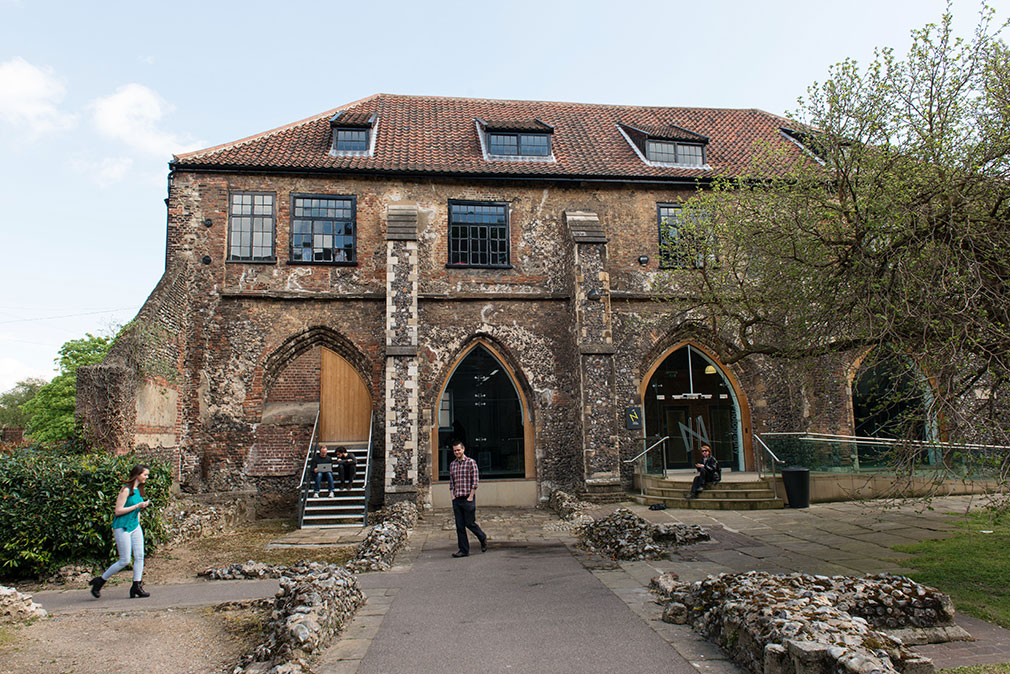
The main event was the famous abbey, founded in 1107. Well, it was famous until Henry VIII got his grubby hands on it. Once a thriving Benedictine priory, it only survived complete demolition by becoming the parish church – the monks were pensioned off and the last abbot became the local vicar. Nevertheless, and despite being half the length it once was, the twin-towered abbey church remains an imposing pile, rising majestically above the pine trees. Inside, the largely Norman-period nave has a fine wooden roof studded with carved angels. We sat in the pews awhile watching the roadies setting up for an evening concert. A plot for Midsomer Murders gathered momentarily in my mind in which an angel is pushed from the roof to squash a portly mezzo-soprano as she sings something seductive from Carmen. But whodunnit? If I ever get the commission, you’ll be the first to know but suffice it to say it involves a darts match and a ladies-only night in Cromer. I decided to call the episode ‘Revenge of the Fallen Angels’. As you can tell, I got rather carried away.

Wandering round, we’d never met a friendlier or more passionate bunch of volunteers. They positively gushed with enthusiasm. Without them we wouldn’t have known about the abbey’s more eclectic secrets. I cradled the hand of an angel to pray for world peace – and a lottery win. Liam stuck his finger in the monk’s hole and made a wish. Amen to that.

We were also told about the secret tunnel that allegedly led to the nearby fourteenth century Green Dragon tavern and the ancient exit still to be found in the pub. Apparently, the naughty monks were rather fond of the Devil’s brew. It might explain all that hole filling. Naturally, we had to investigate and partake of the Devil’s brew ourselves –  purely for research purposes.


The City of Perspiring Dreams

The City of Perspiring Dreams

Now their kids have flown, Liam’s sister and significant other have sold their north London nest and migrated to a chocolate-box cottage with half an acre or so in rural Hertfordshire. Brother-in-law’s sixtieth birthday BBQ provided the perfect opportunity to survey the estate for the first time. It was gold stars all round from their Norwich kin, and a marvellous afternoon was had by all. I’m sure the birthday boy won’t mind me mentioning he was rather upstaged by the astonishing sight of a herd of wild deer trotting past the garden fence. They stopped and stared for just an instant before bolting off. This city slicker has never been up close and personal to a herd of anything before. Be still my racing heart. Apparently, the stag often makes himself at home on their lawn. I wonder if Bambi poo is any good for the roses?

To make the most of the weekend, we lodged overnight in Cambridge and the next day took a ramble around the famous city streets, following in the footsteps of some of the greatest thinkers of all time – Darwin, Newton, Hawking and our PhD’d niece, to name a just a few. The ‘city of perspiring dreams’ (a nickname coined by the student’s union) is truly impressive and the ancient colleges tightly packed along one side the leafy River Cam are simply stunning. But the flow of weekend tourists was overwhelming, the cyclists annoying and the price of pretty much everything inflated. In my romantic mind’s eye, I had a vision of floppy-haired scholars in straw hats punting down the river like a scene from Brideshead Revisited, but this was rather spoilt by an armada of long-lensed Koreans in baseball caps. In the end, these drinkers abandoned the thinkers and we caught the train home. And we made it to the Norfolk and Norwich Festival’s Party in the Park just before last orders.

Some snaps of the lovely Cambridge as we dodged the cyclists…

Avenues and Alleyways

Avenues and Alleyways

We were in London for cake and fancies to celebrate my Mother’s 88th birthday. The old girl was in fine fettle – fag in one hand, brandy and coke in the other. I was going to post a video of her blowing out the candles to Happy Birthday, but with the lights off, it came out like a scene from The Blair Witch Project (the cult horror film not the dodgy dossier that did it for a former prime minister).

On our way home the next day, we had a couple of hours to waste before catching the train back to old Norwich so we took a wander round Spitalfields and Broadgate in the City. Last time we were there, we were richly entertained by Tangoing couples. No such luck this time, more’s the pity. So instead, I’m posting a few random shots from our meander. As with much of London, the area is a mishmash of styles old and new, tall and short. It’s what makes the City what it is and I rather like it.

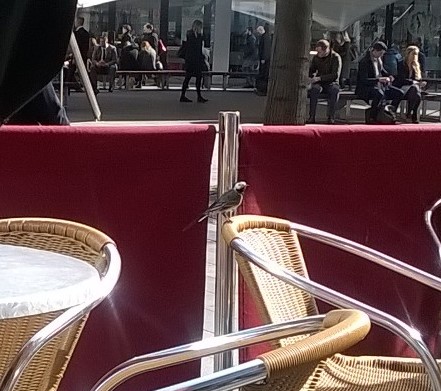
While supping coffee in the afternoon sunshine, Liam spotted a tiny bird nearby begging for a tasty titbit. Pigeons are commonplace in London but this little birdie was a pied wagtail, or so Liam told me. Liam is hardly well-acquainted with birds, so I had my doubts.

Pied Wagtail

Back to Liverpool Street Station in time for our train, we stumbled across one of the Kindertransport memorials which commemorate the rescue of around 10,000 mostly Jewish children from Nazi persecution just before the outbreak of World War II. It was an age when Britain and others were a little less shoddy to refugees.

Für Das Kind by Flor Kent

There’s a much grander statue on Hope Square in front of the main entrance to the station. But I like this one better as it seems to merge with the ebb and flow of the crowd. There are similar memorials in Berlin, Prague, Vienna and Gdansk. ‘Lest we forget,’ as the saying goes. Trouble is, I think we already have.

That Sinking Feeling

That Sinking Feeling

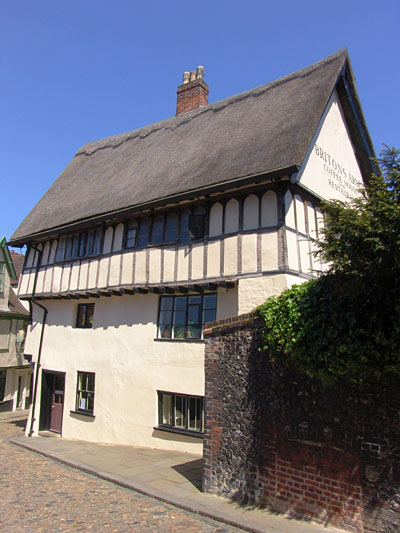
Norwich is riddled with old tunnels. Chalk and flint was mined for centuries, and many of the oldest mines run close to the centre of the city. Chalk was used for liming and mortar, and flint was used as a building material. You see flint everywhere – in what’s left of the old city walls, in the medieval Guildhall and in the 17th century weaver’s cottage we rented when we first paddled up the Wensum five years back.

Weaver's Cottage

Who knows what snakes beneath our feet? Many of the older shafts are uncharted, and sink holes appear without warning. Such was the case recently when a hole opened up close to the entrance to the Plantation Garden, Norwich’s sunken Eden, itself created from an old chalk pit. Babes in buggies and picnicking pensioners dropping into the abyss wouldn’t be good for business so the gardens were closed to the public while council surveyors did what council surveyors do. The hi-vis boys poked about a bit with their equipment and declared the area safe(ish). The gardens have now reopened and, once again, we can all look forward to a balmy summer of cream buns and string quartets.

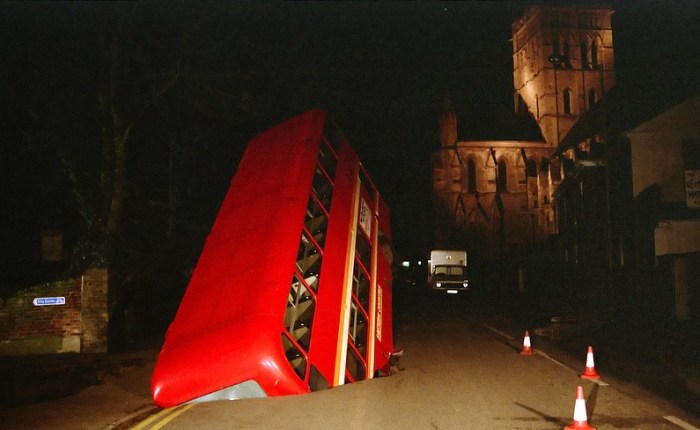
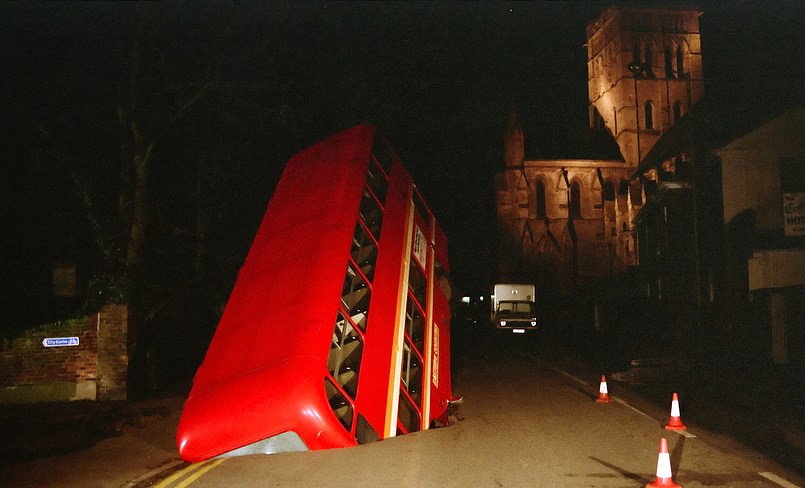
A more famous example of that sinking feeling happened in 1988 when the ground collapsed beneath a bus along the Earlham Road, close to the gardens. Shaken but not stirred, neither the bus driver nor his startled charges were hurt. Pictures of the scene were beamed around the world; sleepy Norfolk gained international notoriety not seen since 61AD when Boudicca gave the Romans a bloody nose and razed Londinium to the ground in the first great fire of London. The whole area around the gardens is a death trap. The papal faithful at the nearby Catholic cathedral best get down on their knees to prevent the congregation going down like the Titanic.

Not to miss a trick, confectioner Cadbury, used the incident to promote one of their products with the line…

Nothing fills a hole like a double-decker.

I couldn’t agree more.

The Story of Norwich – Tinker, Tailor, Soldier, Sailor, Rich Man, Poor Man, Bomber Man, Thief

The Story of Norwich – Tinker, Tailor, Soldier, Sailor, Rich Man, Poor Man, Bomber Man, Thief

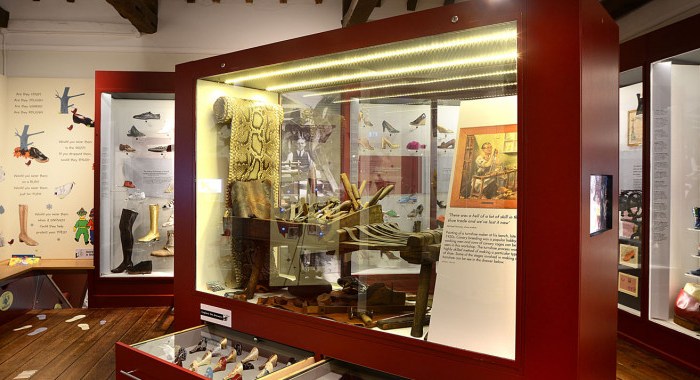
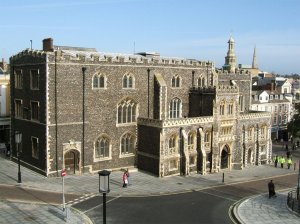
Our flat is like a weather chamber. When Mother Nature decides to throw a wobbly, we hear every eruption. So last month when Storm Doris (Doris?) huffed and puffed with 90 mph winds, we feared she’d blow the house down. We decided to abandon the microloft and seek refuge elsewhere. Usually this would be the pub but on this occasion we choose the Bridewell Museum. The Bridewell charts the civic and social history of Norwich – from its modest beginnings as a few Anglo-Saxon huts on the muddy banks of the river to the pillaging Vikings, conquering Normans, religious glory days of spires and steeples, economic salvation by Flemish refugees, a spectacular rise to become England’s second city, a slow industrial decline and the city’s renaissance as a financial centre, cultural hub and UNESCO City of Literature. It’s a ripping yarn of churches and chapels, friaries and priories, martyrs and merchants, weavers and cobblers, chocolatiers and mustard makers, fire and flood, black death and blitzkrieg. Norwich was the first British city to build social houses and the first to have them flattened by the Luftwaffe – two of the many things catching my attention as we meandered through the exhibits. And what fun we had dressing up.

If you’d like to know more, check out Norwich Museum at the Bridewell.

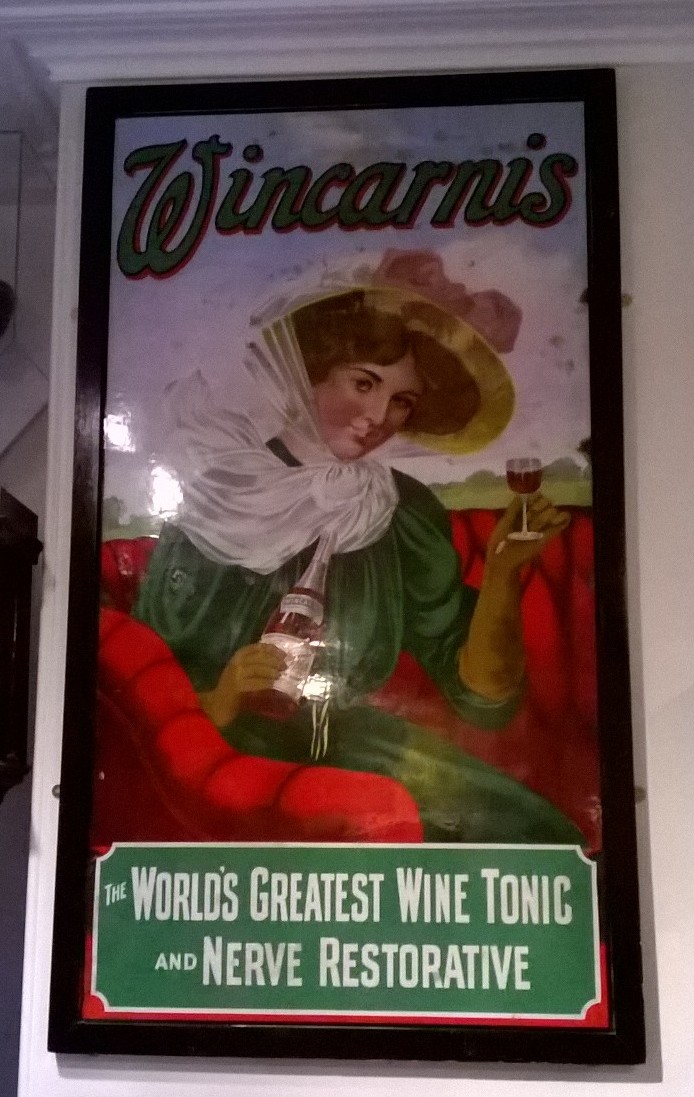
Afterwards we did make it to a local hostelry for a few jars. Well who am I to argue with the lady?

wincarnis-wine-tonic

And so we survived Doris’ rage in one piece. Which is more than I can say for the roof.

Jack and Liam Move to Norwich

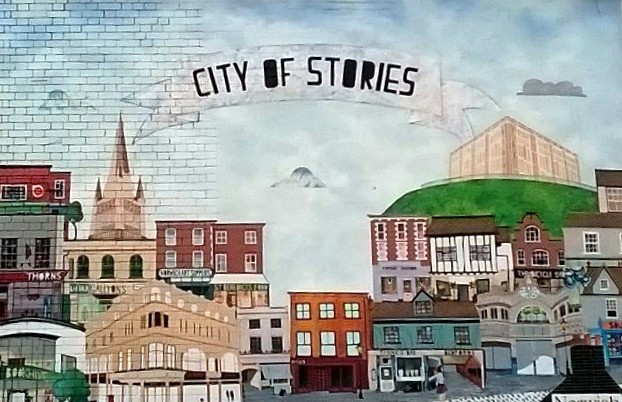
Hardly breaking news is it? But it’s the title of a little something I wrote back in the summer of 2014 for the Visit Norwich City of Stories website. I was chuffed at the time when it was chosen as the opening piece in a series showcasing different aspects of Norwich life. I even pitched up at the red carpet launch and helped myself to one too many cocktails. The website has recently gone from literary showcase to shop window and content has been updated to feature the best the city has to offer. My article still stacks up I think, so I’m posting it here for posterity, with a few images to give it life.

City of Stories

Jack and Liam Move to Norwich

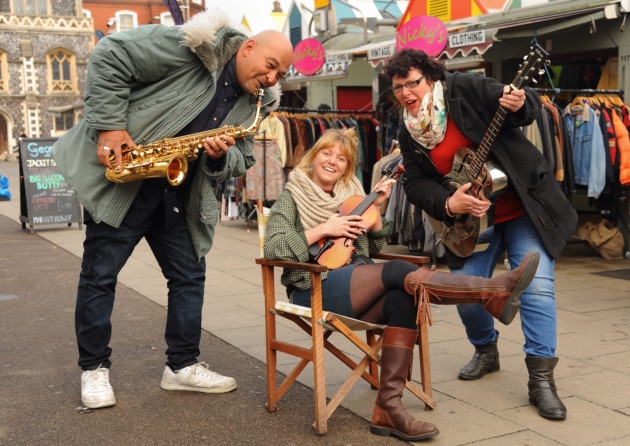
Jack and Liam took up pole position outside a coffee shop to sup their lattes and people watch. The passing footfall was a bumper crop. A warm summer’s afternoon had delivered coaches of North Folk and charabancs of tourists to Norwich’s cobbled streets. Dutch lowlanders in sensible shoes mingled with happy snapping Koreans; local gentry in waxed jackets weaved through the hipsters in vintage garb; busy bees in smart suits hurried past, glued to their smart phones and a jester-hatted Big Issue seller competed with a line of smiley charity workers collecting direct debits for the cause. In the middle of the rainbow crowd, two men with well-fed midriffs and trendy whiskers paused to take in a busker crooning for his supper. They grinned as the Frank Sinatra tribute segued from New York, New York to a local interpretation of My Kind of Town (‘Naaridge is’) and when the final chords faded to nothing, they tossed some coins into a trilby perched on a Fender amp and vanished into the throng holding hands. Like everyone else in the surprising city, they were doing it their way.

Norwich Buskers

Jack ran his fingers along the cartoon tourist map. The tapestry of streets was weaved with familiar names of old London Town like Charing Cross, Blackfriars Bridge, Bishopsgate, Spitalfields, Haymarket, and Pudding Lane, threaded with roads of goats, cattle, dogs and a rampant horse, and stitched with more holy places than a mitred man could shake his crook at. But clearly this was not London. What the boys from the Old Smoke heard was an altogether different soundscape, just distant enough to escape the orbit of the great metropolis and the relentless surge of Estuary English. Somehow, Norwich had preserved a unique linguistic heritage, a melodic sweep of bouncing vowels and dropped consonants pickled down the centuries.

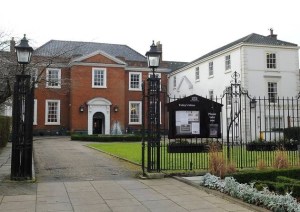
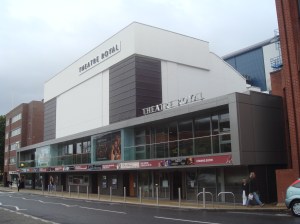
The inquisitive strangers downed their coffees to roam the streets. Their meandering took them to the Assembly House, a gorgeous pile of Georgian elegance and the perfect stage for Regency debutantes in ribboned bonnets to chase Mr Darcy and his magnificent britches around the courtyard fountain. Next door, the architectural show continued with the Theatre Royal, its modern overcoat disguising 250 years of board treading. A quick circuit of the front-of-house posters revealed an eclectic tradition of new and old, high-brow and kitchen sink, top hats and tutus, laughter and tears.

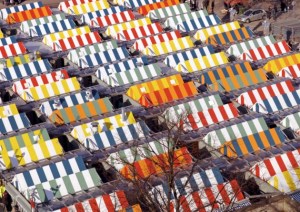
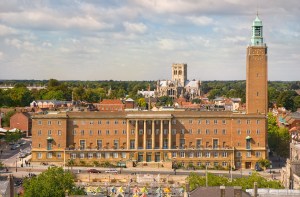
Back down the hill and along Gentlemen’s Walk, they passed neat rows of multi-coloured market stalls lined up like beach huts marooned at low tide. The vast City Hall, looking down on the medieval guildhall it replaced, provided an over-imposing backdrop.

Jack and Liam scampered down a maze of lanes and alleyways, a treasure trove of independents – shops, pubs and cafés. Norwich had bucked the national trend of sameness. Maybe the city’s relative seclusion had bubble-wrapped it from the commercial onslaught of identikit chains or perhaps wise burghers had protected the endangered. Whether by accident or design, it was a window shopper’s dream.

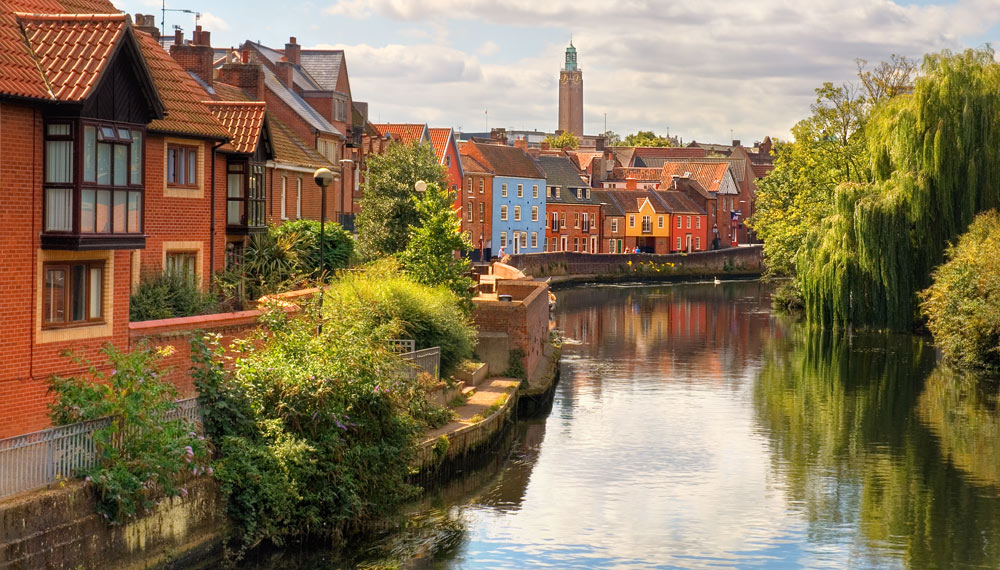
The most complete medieval city in Britain boasted the guide book, and as they pounded the streets up Saint This, down Saint That and along the lazy winding river that caressed the city like a feather-leafed boa, Norwich oozed the ages from every brick, paving stone and stained glass window. The city, it seemed, was triple dipped in history.

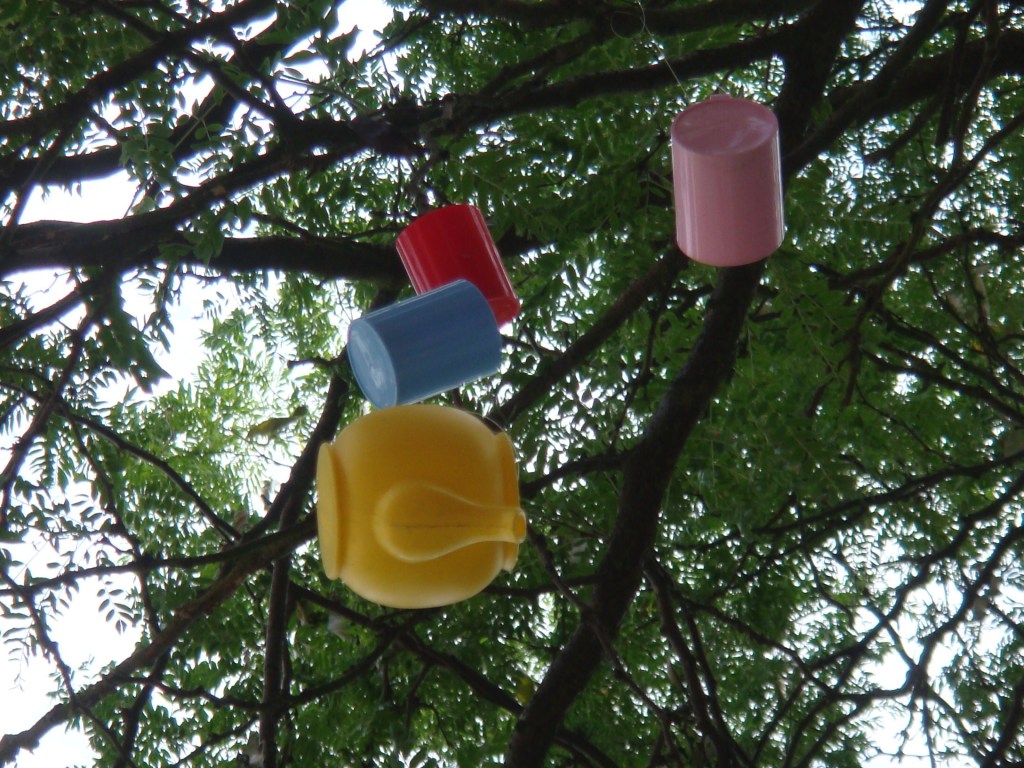
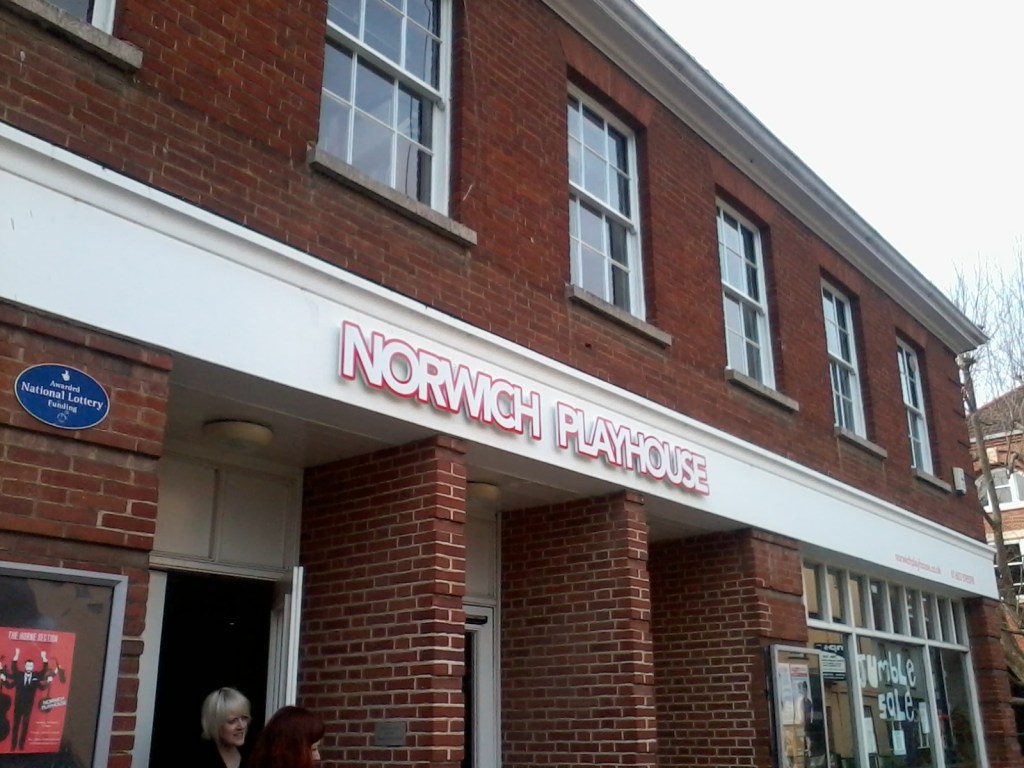
Finally, Jack and Liam came to rest on the far side of a handsome stone bridge and sat under the shade of a sprawling tree outside the Playhouse, the Theatre Royal’s little sister. A tree-top teapot in vivid yellow wafted in the breeze. The walk-weary old Londoners rested with a bottle of Merlot in the Playhouse beer garden. Close to the newly elevated University of the Arts, the bustling bar was the trough of choice for young fashionistas and their arty mentors. Jack and Liam took their seats in the refectory and imbibe an ambience that overflowed with naive optimism.

And that’s how it happened. One heady afternoon in the garden of the Playhouse Theatre Bar, Jack and Liam found somewhere new to lay their hats. An offbeat, theatrical, cosmopolitan, romantic, open-minded and open-hearted place set beneath the true-blue skies of Norfolk. Norwich, a surprising city. A place to live and a place to start living.

I Believe in Fairies

I Believe in Fairies

An over-hot day (we do get them once in a blue moon) took us back to the Plantation Garden for a spot of afternoon tea accompanied by a folksy duet. I’ve posted about the sunken folly before. It’s a gorgeous sanctuary just minutes from Norwich city centre, adjacent to the imposing Cathedral of St John the Baptist. The centrepiece of the garden is the neo-Gothic fountain, all creepy and Harry Potteresque. At this time of year, spray rains down into a lily pond, breaking the sunlight into mini rainbows. It’s enough to make you believe in fairies.

Liam got quite carried away and took some footage with his smarty phone, assembling all the clips into a short video back at the ranch. I was hoping for enchanted. I got slapstick.


Jack Scott’s Postcards from the Ege

Jack Scott’s Postcards from the Ege

Not much of the news coming out of Turkey these days is positive – refugees, bombs, riots, censorship and the usual rhetoric from the imperious Erdoğan. The western media do so love to stoke up a drama. You could be forgiven for thinking the place is falling apart. Well, it isn’t. But the headlines are putting visitors off. According to some estimates, bookings by Brits are down by over a third. A glance at the travel agent’s window reveals the bargains to be had, reflecting a tourist trade going through lean times. It would be foolish to suggest there aren’t any problems but Turkey remains one of the safest holiday destinations anywhere.

It’s been four years since we returned from Turkey and we’re content with our lot in old Norwich Town. The slowish pace of life suits us well. But, we’re often nostalgic for our easy come, easy go days of Bodrum. During one particularly wistful afternoon in the boozer, Liam and I took a drunken stagger down memory lane. Over the last few years I’ve scribbled a word or two about my best bits of Turkey and I’ve even won writing competitions with my musings. So to cure me of my melancholy, Liam suggested I put them all together. So that’s what I’ve done. And very cathartic it was too. I’ve called it Postcards from the Ege, Jack Scott’s Turkey Trail.
Here’s the blurb:

With such an immense political and cultural heritage, it’s no surprise kaleidoscopic Turkey is such a feast – a prime cut of authenticity, seasoned by the West and spiced by the East. Jack Scott knows a thing or two about the country. He lived there for years and travelled widely – to Istanbul and along its south-western shores from Izmir to Alanya. In Postcards from the Ege, Scott shares some of his must-sees and personal highlights. Follow Scott’s trail. Come to Turkey.

The e-book has just been published on Kindle by Springtime Books. It’s a steal at a couple of quid and if it encourages people to sample the extraordinary land we used to call home then that’s all to the good.

amazon-kindle-logo1

Türkiye’ye Hoşgeldiniz!

Superior Wisteria

Superior Wisteria

The weather may be a little bit rubbish at the moment with low pressure rolling in from the plains of Northern Europe but this hasn’t held back the wisteria dripping from the railings of St Giles Church. Last year’s show was impressive enough but this year’s lilac pageant is Oscar-winning. A gorgeous smell hits the senses as you pass by. Something to savour while it lasts.

Twisted Cabaret

Twisted Cabaret

Norwich has more medieval churches than you shake a stick at, a church for every week of the year so the saying goes. You can hardly turn a corner without bumping into a stone steeple or Gothic arch. Back in the day, the cloth trade made Norwich rich and the top of the heap paid their way into Heaven by sponsoring medieval masterpieces. The cassock class were more than happy to indulge the myth and take the bung.  But in these more secular times, the Faithful are few: come Sunday, most pews are empty. Some churches have been mothballed – boarded up and padlocked to keep out the elements and the vandals. Many others, though, have been given a new lease of life as arts centres, theatres, museums and exhibition spaces. Such is the case with the Church of St Peter the Less on Barrack Street. The pretty 15th century building miraculously survived the Luftwaffe’s bombs which flattened everything else around one night in 1942, and now sits on a grassy mound by a busy roundabout. Since 1980, the church has been home to the Norwich Puppet Theatre, one of those amazing provincial arts organisations that flourish against all the odds.

When not stringing up the cast to amuse little people, the theatre is available for hire (including civil weddings, ironically). So, one Sunday we took our pews for a performance of Twisted Cabaret by the Knightshift Dance Company and jobbing drag queen, Miss Special K. The fusion of modern community dance with old-school gay showbiz was inventive enough but a man in a frock and ginger wig singing ‘Your son’ll come out tomorrow,’ in a deconsecrated church was deliciously subversive. Those God-fearing old merchants must be spinning in their graves. I loved it.