The Accidental Writer

Katherine Hepburn is reputed to have said:

Death will be a great relief. No more interviews.

InterviewLike the late, great Ms Hepburn, I used to get probed by all and sundry when we were fairies in a faraway land. Alas, it all but dried up when we returned to the old country and became happy nonentities. So, when an invite dropped on the mat requesting my presence at Writing…Just Because, I re-sharpened my blunt quill with a meat cleaver and scribbled a whole load of nonsense about hard-boiled expats, the road to writing ruin and my days as an unrepentant eavesdropper.

You can catch my pearls of wisdom here.

Jack Scott’s Postcards from the Ege

Jack Scott’s Postcards from the Ege

Not much of the news coming out of Turkey these days is positive – refugees, bombs, riots, censorship and the usual rhetoric from the imperious Erdoğan. The western media do so love to stoke up a drama. You could be forgiven for thinking the place is falling apart. Well, it isn’t. But the headlines are putting visitors off. According to some estimates, bookings by Brits are down by over a third. A glance at the travel agent’s window reveals the bargains to be had, reflecting a tourist trade going through lean times. It would be foolish to suggest there aren’t any problems but Turkey remains one of the safest holiday destinations anywhere.

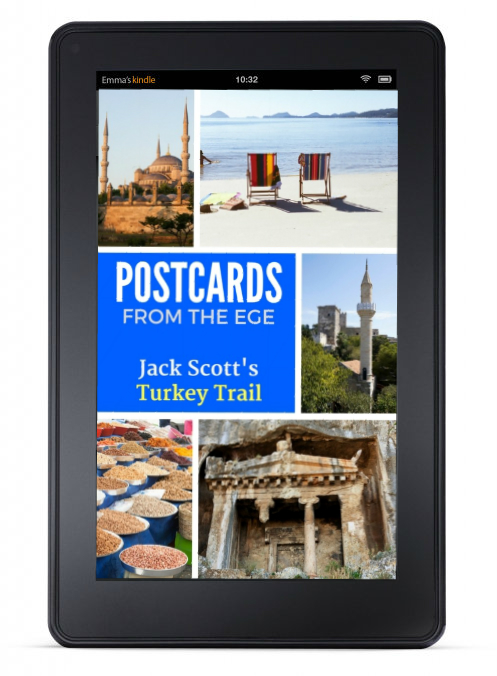
It’s been four years since we returned from Turkey and we’re content with our lot in old Norwich Town. The slowish pace of life suits us well. But, we’re often nostalgic for our easy come, easy go days of Bodrum. During one particularly wistful afternoon in the boozer, Liam and I took a drunken stagger down memory lane. Over the last few years I’ve scribbled a word or two about my best bits of Turkey and I’ve even won writing competitions with my musings. So to cure me of my melancholy, Liam suggested I put them all together. So that’s what I’ve done. And very cathartic it was too. I’ve called it Postcards from the Ege, Jack Scott’s Turkey Trail.

Here’s the blurb:

With such an immense political and cultural heritage, it’s no surprise kaleidoscopic Turkey is such a feast – a prime cut of authenticity, seasoned by the West and spiced by the East. Jack Scott knows a thing or two about the country. He lived there for years and travelled widely – to Istanbul and along its south-western shores from Izmir to Alanya. In Postcards from the Ege, Scott shares some of his must-sees and personal highlights. Follow Scott’s trail. Come to Turkey.

The e-book has just been published on Kindle by Springtime Books. It’s a steal at a couple of quid and if it encourages people to sample the extraordinary land we used to call home then that’s all to the good.

amazon-kindle-logo1

Türkiye’ye Hoşgeldiniz!

Learning Turkish

Learning Turkish

I get regular requests from people asking to guest post here at Pansy HQ.  Generally, I politely refuse because the subject matter just doesn’t work for me – too commercial/ too dull/ too libellous/ too weird/ totally irrevelant (delete accordingly). Occasionally, though, something falls on the mat that rings my bell.  This is such a post. Why? Because it’s from someone who’s written a fascinating memoir about Turkey and the post is about the agony of learning Turkish. I failed pathetically to grasp even the barebones of the language. Liam fared much better.  So, ladies and gents,  please give it up for talented bilingual Yankee author, Ann Marie Mershon.

Who would have thought I’d live in Turkey? It evoked an image of mustachioed Bedouins galumphing out of the desert on camels—and I could barely find it on a map.

No, thank you.

An American teacher, I yearned for adventure, an escape from a world that was imploding on me. A painful divorce had left me on the perimeter of social gatherings, keenly aware of my image as a divorcee. Not really a pariah, I felt like one.
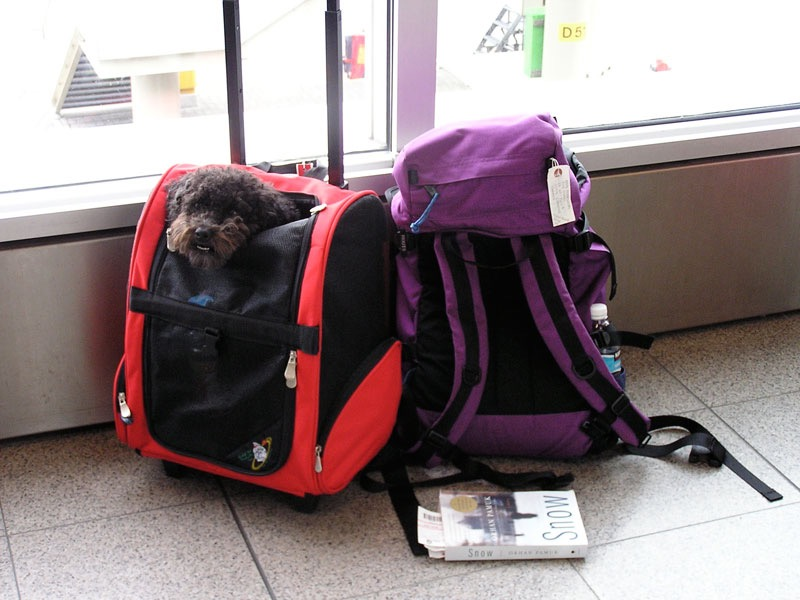
Ann Marie's DogThis excerpt comes from the preface of  You must only to love them, lessons learned in Turkey, which recounts my trials and joys adapting to life in Istanbul. Smarting from a recent divorce, I had decided to establish a new life overseas, intending to find a teaching job in Paris or Salzburg. Through a number of possibly serendipitous events, I landed in Istanbul instead (with my little dog). So began my love affair with Turkey and the Turks.

Actually, it wasn’t a love affair right off, as I battled loneliness and the frustrations of language as I navigated my new world. It was probably to my disadvantage that I lived on the remote and very English-speaking campus of Koç Lisesi (20 miles east of Central Istanbul), but the school kindly offered free Turkish lessons for foreign hires and there were a number of Turkish administrators living on campus. They also offered service busses to get us into the city on the weekends. which was a godsend.

I’d prepared for my move by purchasing and diligently studying a book called Teach Yourself Turkish. Each new lesson brought more questions than insights, but I forged on, thinking I’d learned the basics before moving to Istanbul. At least I knew tuvalet (toilet), bira (beer), and şarap (wine). What more could one need? Well, anlamadım came in handy (I don’t understand).

I thought I’d learned numbers, but once I tried to buy something in Istanbul I realized that Turks talked REALLY fast. Gosh, what was that word that meant slowly’? My first forays from campus into the Turkish world were riddled with anlamadims and yavaşes.  I guess that’s typical.

Turkish class on Wednesdays after school was helpful, but I needed more conversation and less grammar. My GOODNESS, the grammar was overwhelming. I wished that our charming teacher had first explained the basics of Turkish. Here’s what I think they are:

  • Every sentence begins with a subject and ends with a verb with all the modifiers in between.
  • Most languages have six possible verb endings (first person singular and plural, second person singular, etc.), while Turkish multiplies that by four. They like to vary those six endings with four variants order to harmonize with the verb. Twenty-four basic verb endings. ARAUGHHH!!!
  • There are a few letters that are confusing but you get used to them: c sounds like j, and ç sounds like ch, ş sounds like sh and the only silent letter is ğ, which is sort of a placeholder in a sentence.
  • The beautiful thing about Turkish is that every letter ALWAYS makes the same sound – hence, no need for spelling bees in elementary school. If you can say it, you can spell it.
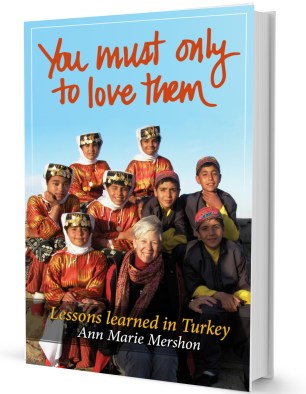
You must only love themIt took me years to learn more than the rudiments of Turkish, and I’ve come to an amazing realization. The best way to learn a language is to immerse yourself in it. When I finally lived off-campus in a sweet apartment up the hill in Arnavutköy, I began to truly learn Turkish. I had no choice if I wanted to survive, as few people in my little community spoke English. I chatted with the checkout person at DIA, I sat talking with the electrician as he fixed my hair dryer, and I met a boat captain who often invited me for a cup of tea on his back deck. It was a delight. The Turks helped me learn their language, just as they help us whenever we’re in need. It’s just who they are.

You must only to love them is available through Amazon.

About Ann Marie
Ann Marie Mershon

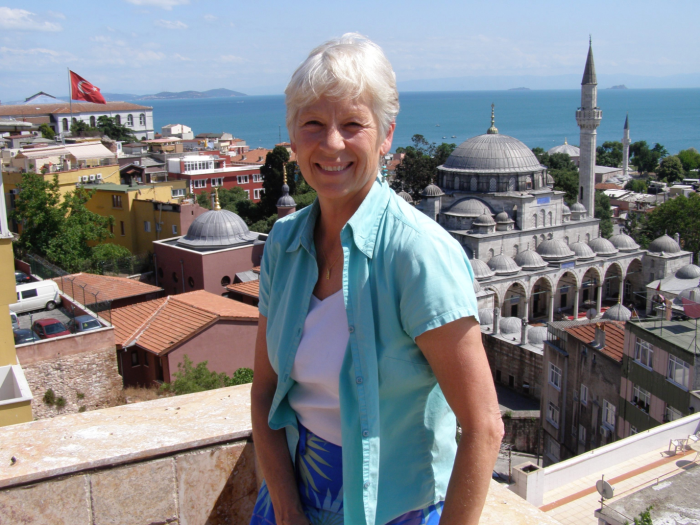
Ann Marie Mershon is a Minnesota writer who taught high school students in Istanbul between 2005 and 2011. She kept a weekly blog while she lived there. She also published a guidebook with Edda Weissenbacher, Istanbuls Bazaar Quarter, Backstreet Walking Tours. She now lives on a lake near the Canadian border with her husband and their two dogs. Visit Ann Marie’s website at annmariemershon.com.

Fancy a free print copy of You must only to love them? Enter the Goodreads giveaway here (May 1-May 16 – US residents only). Or for a free e-book, enter here (May 10-17).

It’s All Double Dutch to Me

It’s All Double Dutch to Me

A couple of weeks ago I popped over to the low land of dykes, bikes, canals, tall thin blonds and tall thin buildings. I’ve been to old Amsterdam many, many times before. Back in the day, Amsterdam was a blesséd escape from finger-wagging, buttoned-up Britain, and a place where I could feel totally free. I won’t regale you with ripe tales of how I expressed that freedom – this is a family show, after all. Needless to say, it rarely involved a cultural troll round the marvellous galleries of the Rijks Museum.

Here’s an ancient image of me in the naughty Nineties on one of my gayfests.

scan0047

I’m standing on the Homomonument, a memorial to those persecuted for their sexuality. Opened in 1987, the monument takes the form of a large pink triangle jutting out into the Keizersgracht canal. It’s a potent symbol: the pink triangle was the badge of shame gay men were forced to wear in the Nazi concentration camps during World War Two. And we all know what happened in those places.

This time I was there on business. I was attending the 2016 Families in Global Transition Conference (#FIGT16NL), a gig that brought together people from far flung corners, all concerned with issues affecting global families. The current refugee crisis in Europe and the Middle East added an extra layer of complexity to this year’s august jamboree.

Why me? You may well ask. I’m neither an expat, nor a family in transition (not anymore anyway). In fact, I was there as part of my work with Summertime Publishing and Springtime Books, specialists in expat titles. And I was asked to lead a social media workshop for writers. It was a bit of a hit, I’m told. I even got to sell signed copies of my books in the FIGT bookshop – and was more than chuffed when they flew off the shelves and soon sold out. Clearly some people like a dash of camp with their esoteric.

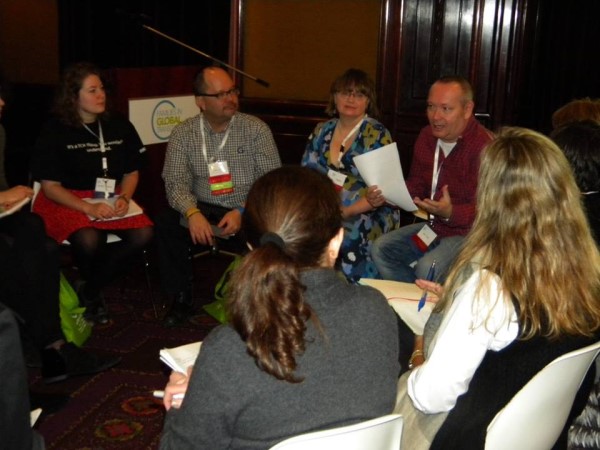
Here’s me flapping my hands about in the social media workshop.

FIGT Workshop

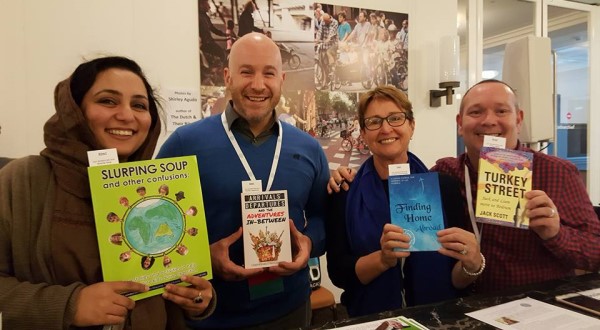
And me on the right grinning inanely in the bookshop.

FIGT Bookshop

After a hectic few days navigating through the talkers, walkers, cars, trams and manic cyclists on a mission coming at me from every which way, I landed back at Norwich Airport at ten to nine in the evening. I was home with a large glass of Pinot in hand twenty minutes later. Now that’s the way to travel.

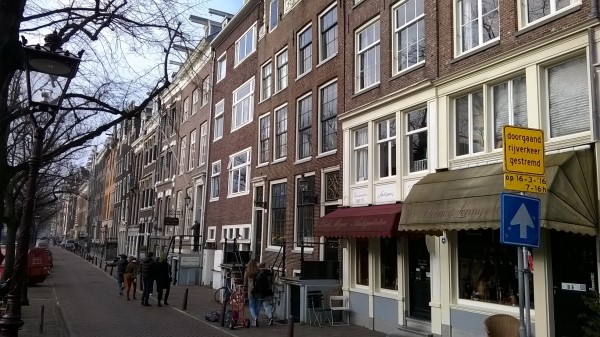
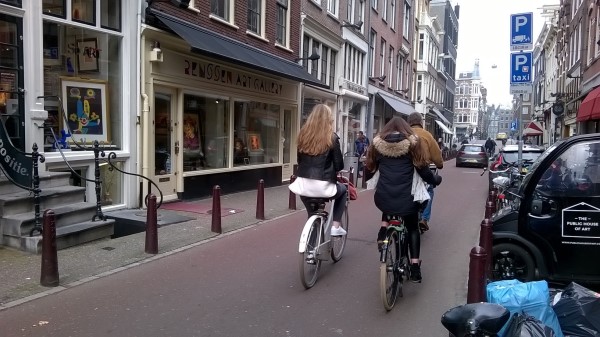
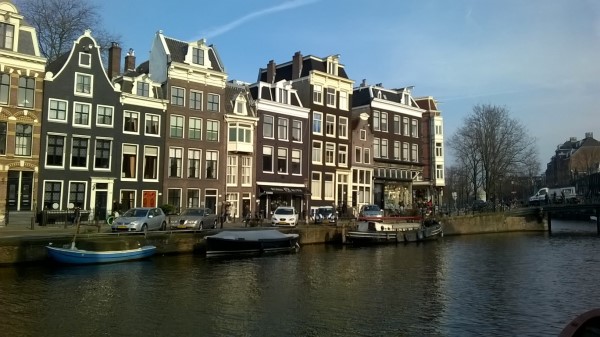
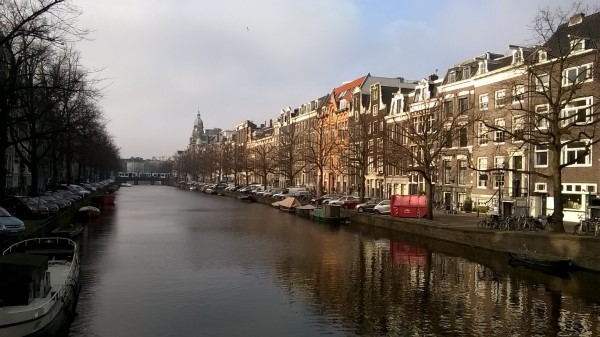
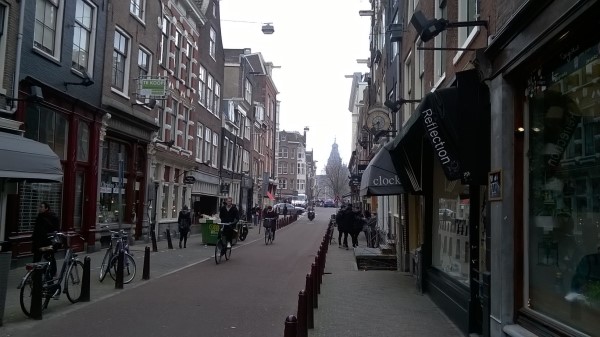
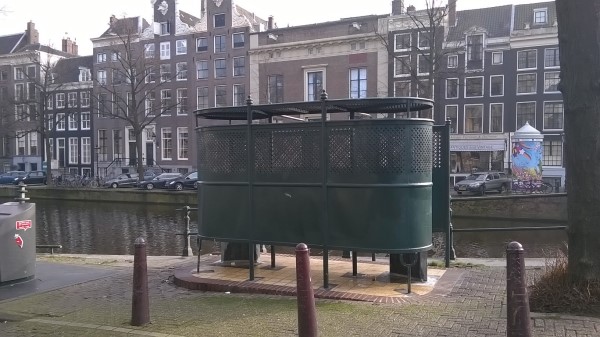
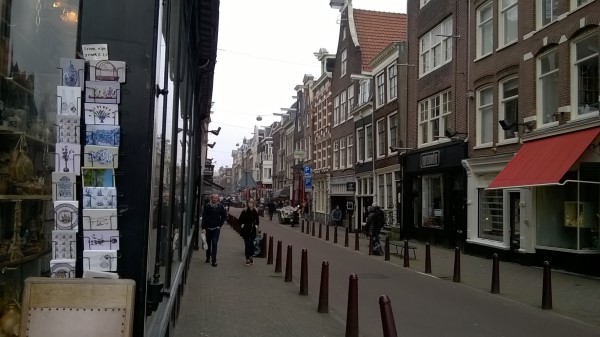
If you’d like to know more about Families in Global Transition and their valuable work, check out their website. In the meantime, here are some pretty pictures I took of the pretty city.

The conference pictures are courtesy of FIGT.

Ghost of Gallipoli

Ghost of Gallipoli

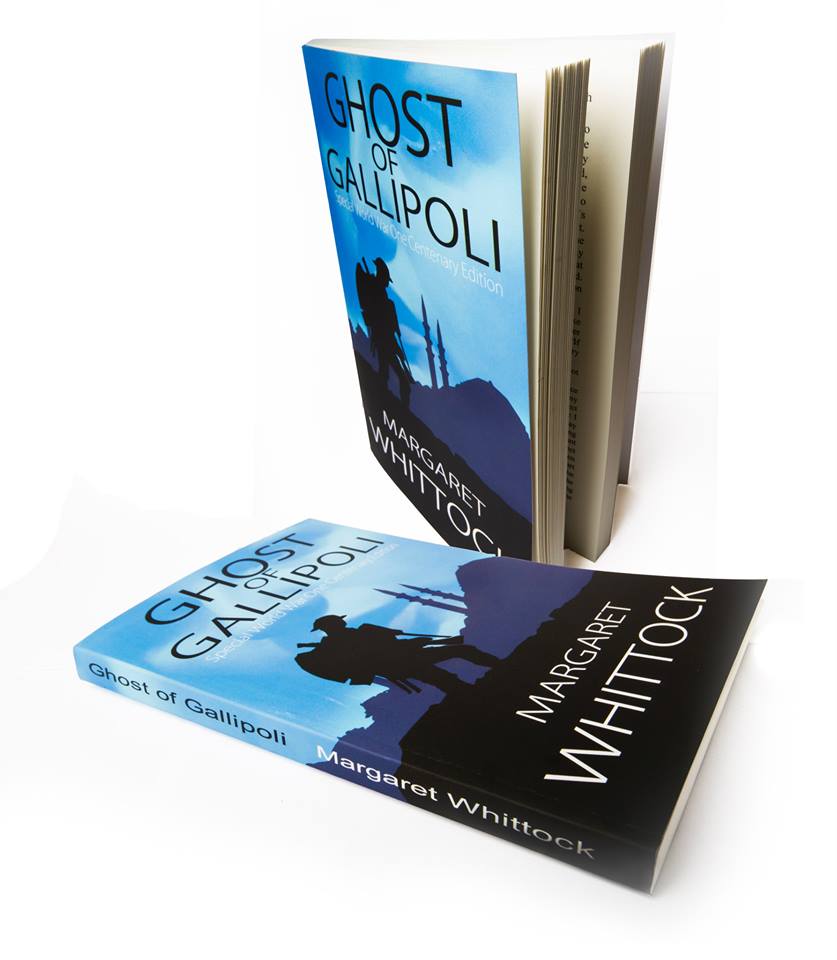
Ellie McKnight is a bright academic working at Belfast University. When she falls for a minor diplomat, Ellie throws caution to the wind, jettisons her career and follows him to a posting at the British Consulate in Istanbul. And so begins her extraordinary journey in Margaret Whittock’s ingenious and atmospheric novel, Ghost of Gallipoli. Ellie is quickly chucked into the rarified world of the diplomatic corps and it’s a loose fit. Ensconced in the grand imperial pile that was the old British embassy during the days of the Sultans, she crashes into the pomposity of middle England and we are treated to a legion of midget-minded expatriates (sends a shiver down my spine and dark memories flooding back) – a ‘tight-knit group of wives into jam and chutney making’ led by head bitch, Alice Melefont.

But all is not as it seems.

Events take a spooky twist when Ellie encounters the restless soul of her great uncle Jack – an eighteen year old Private from Ulster, cannon fodder for the Gallipoli debacle of the Great War. To find some peace, Jack’s spirit is resolved to exact revenge on the descendants of those responsible for his premature demise (‘I went to war, never fired a single shot, never killed anyone, why should I have to suffer like this?’) and he needs Ellie’s earthly help. Once Ellie recovers from the disbelief and shock, the determined duo launch a dastardly partnership.

Margaret gives us a warts and all account of 1990’s Istanbul, avoiding overwrought romanticism (‘a blanket of smog often hung over the city, a poisonous mixture of lignite and car exhaust fumes’) but we never doubt the city’s power to beguile as we see Ellie ‘transfixed by the brutal beauty of the place’. With some chilling flashbacks to the Gallipoli carnage and a tantalising climax delayed until the very last pages, Ghost of Gallipoli fires on all cylinders.

Margaret was inspired to write her novel after discovering the headstone of her great uncle in a Gallipoli war cemetery. The novel is a taut and atmospheric thriller, a cleverly plotted, well-paced drama, peppered with twists and turns. It is, as they say, a ripping yarn.

Top of the Pansy Pops 2015

Top of the Pansy Pops 2015

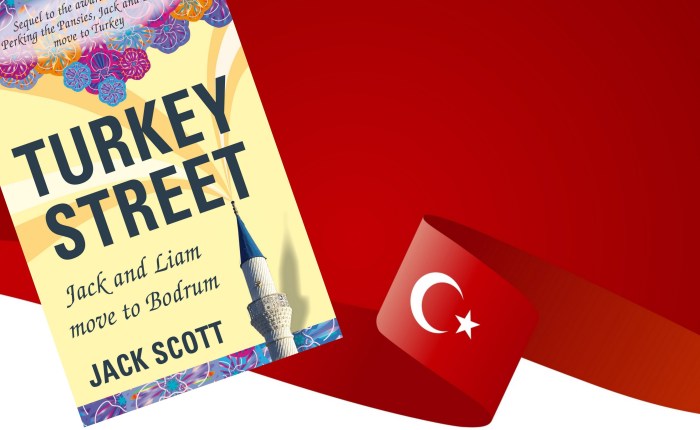
It’s been a stonker of a year. In partnership with Summertime Publishing, I launched Springtime Books to provide a publishing platform for expat writers and in May, I wrapped up the saga of our emigrey days with the release of Turkey Street. The book birthing was particularly painful. Eighteen months later than planned, I fretted my comeback would be as welcome as another Spice Girls reunion, but the pain eased as the reviews dropped onto the mat. Against the blogging odds, Perking the Pansies continues to trip along nicely with a bevy of fans old and new. Somehow or other, I’ve just exceeded my 1,000th post and 10,000th comment. Not bad, I suppose, for some silly old nonsense. For all these things, I’m nothing if not grateful.

Here are the top of the pansy pops for 2015 – a fine diet of gay pride; righting an old wrong; butts of steel; relationship highs and Turkish lows; murderous intent and loose ends finally tied; the dreaded curse of middle England; bad tempered café society; and a little cottage industry to keep us out of the workhouse.

London Pride | Pardon Me | Catching Crabs | Istanbul Pride, Turkey Shame | Death Duties | Turkey Street Uncovered | Happy Anniversary, Liam | Whinging Brits | Give Us a Quiche | Springtime Has Sprung

As for the most popular image of 2015? Typical!

Rowers8

Here’s looking ahead to more pansy adventures in 2016. Happy New Year to one and all.

The Rainbow Awards 2015

The Rainbow Awards 2015

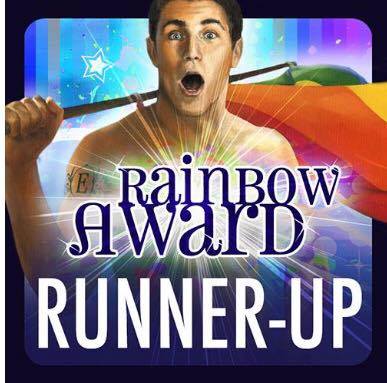
Runner upYesterday, I received an early Christmas present and very nice it was too. I awoke to the news that Turkey Street, Jack and Liam move to Bodrum was runner up for the prestigious Rainbow Book Awards 2015 (best LGBT Biography/Memoir). I’m stunned. I entered ages ago with rock bottom expectations and so the announcement has left me rather speechless (most unusual for me). All in all, not bad for a bit of camp old nonsense about a place few have heard of from an unknown ex-pretty boy with his best years way, way behind him. The judges were generous with their praise:


One of the best non-fiction books of the year.
 
Delightful…brimming with atmosphere, interesting characters, and wonderful central ones.
 
Fast and funny… sophisticated dialogue.
 
The characters practically leap off the page.
 
The language is beautiful.
 
Playful, witty and poignant.
 
Full marks. It’s that good.
I guess they liked it. Check it out here.

Closet Queens

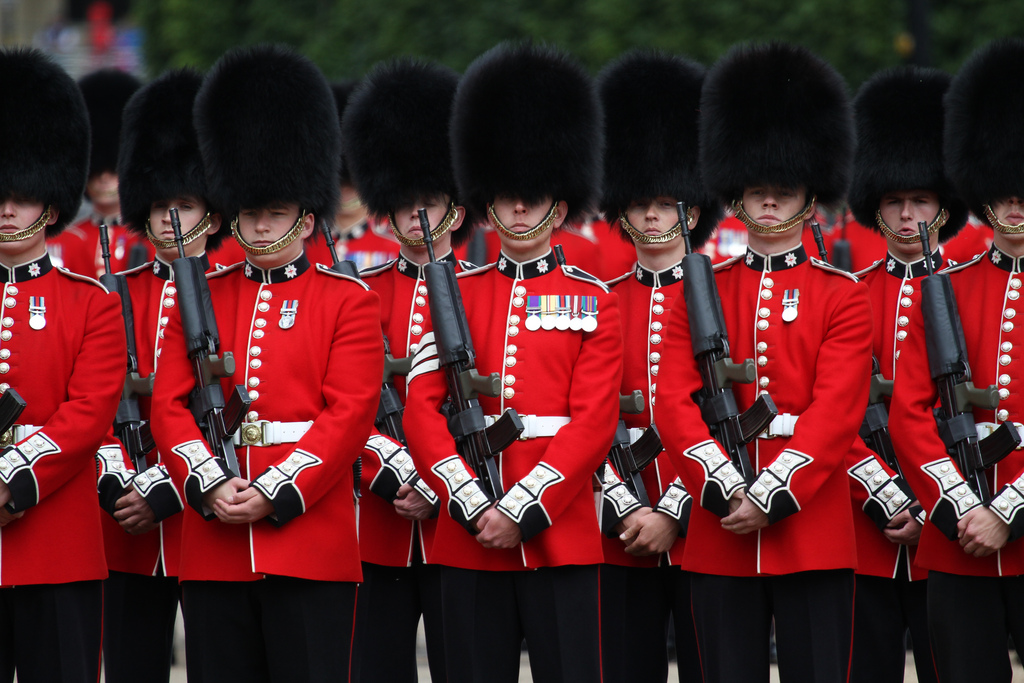
Coldstream GuardsWhen, one winter’s night in 1958, Ian Harvey (a minor apparatchik in Her Maj’s Government of the day) was caught pleasuring a Coldstream Guard in the bushes of London’s St James’s Park, Winston Churchill is said to have remarked,

On the coldest night of the year? It makes you proud to be British.

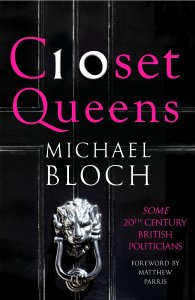
Closet QueensI laughed when I read this but it does reveal the barefaced hypocrisy of the ruling class at the time with their do-as-I-say-not-as-I-do attitude to sexual shenanigans. Boy-on-boy activity was on the menu at every British public (i.e. private) school and fagging* was the dish of the day, whereas us plebs could be banged up for even the briefest of fumbles behind the bike sheds. Many were. Now there’s a fascinating new book that prises open the Establishment’s closet door and shines a torch into the dank recesses. Closet Queens by Michael Bloch is a survey of alleged gay or bisexual male politicians of the Twentieth Century. From tittle-tattle to open secrets, it’s an amusing read. But what about the plaster saints of the cassock class? There are a quite a few bones rattling away in the rectory, or so I’ve heard.

As for Mr Harvey, he got off lightly with a small fine and a slap on the wrist but he was forced to resign his ministerial position. For a Tory, he sounds quite a decent sort of chap. He paid the errant soldier’s fine and returned to his wife and kids with his tail between his legs. From 1972 onwards, he was the Vice-President of the Campaign for Homosexual Equality. And that’s not all. In 1980 he became Chairman of the Conservative Group for Homosexual Equality. Blimey. I didn’t know there was a Conservative Group for Homosexual Equality. In fact, until fairly recently, I’d never seen the words ‘Conservative’ and ‘homosexual equality’ in the same sentence. To be fair, equality wasn’t exactly high on Old Labour’s agenda either. Your average salt of the earth, red blooded working class bloke wasn’t really into poofters; unless it was behind the bike sheds, of course.

*A fag was a young pupil who provided a personal service to one or more older boys. Well, you can just imagine what that involved.

Amazon Versus Waterstone’s

Waterstone's book shop signWaterstone’s is the UK’s second biggest bricks and mortar bookseller (after the ubiquitous WH Smith’s) and its stores are great places to shelter from the rain and thumb through a title or two. I would hate to see them disappear from the high street just because of the relentless march of the on-line retailer. ‘If you can’t beat them, join them,’ may be a well-worn adage but it made perfect commercial sense for Waterstone’s to launch its own on-line offer a few years ago.

Much has been said about the phenomenal growth of Amazon and its sharp practices, not to mention its questionable (but quite legal) tax avoidance shenanigans. But you can’t fault their business acumen. If you view an out of stock item, you get this message:

Temporarily out of stock, order now and we’ll deliver when available

Contrast this with the message from Waterstone’s:

 Not in our warehouse. We can order it, but could take up to 3 weeks

It’s like they can’t be arsed. Hopeless really.

Land of the Blind

Land of the Blind

Land of the Blind 3dIf you’re looking for a masterclass in how to open a thriller, I suggest you read the first two pages of Barbara Nadel’s latest book, Land of the Blind. It’s the start of a rich and taut mystery, expertly crafted and atmospherically set in the extraordinary city of Istanbul. Following the discovery of a woman’s body in the hidden depths of the ancient Hippodrome, dog-eared, chain-smoking Inspector Çetin İkmen, leads the reader to the achingly satisfying reveal. İkmen is eminently likeable. He puffs and shuffles his way through the politically charged streets of the city like a Turkish Columbo. Nadel’s writing is fluid, crisp and crystal clear. As the clever plot weaves its way, she deftly lifts the veil on the contradictions of contemporary Turkey: the clash between secularism and Islamism, freedom and conformity. But this is no personal polemic against the direction of modern Turkey, more an astute observation seen through the eyes of the cleverly cast characters, from Inspector Süleyman and his controversial liaison with a feisty gypsy in the hills, to Ahmet Oden, a despised and despicable property mogul. Add into the mix the riots at Gezi Park and you end up with a compelling and electrifying read. In some ways, the city is as much a protagonist as the canny sleuth. A brilliant seventeenth book in the Çetin İkmen series.