Oh, I Do Like to Be Beside the Seaside

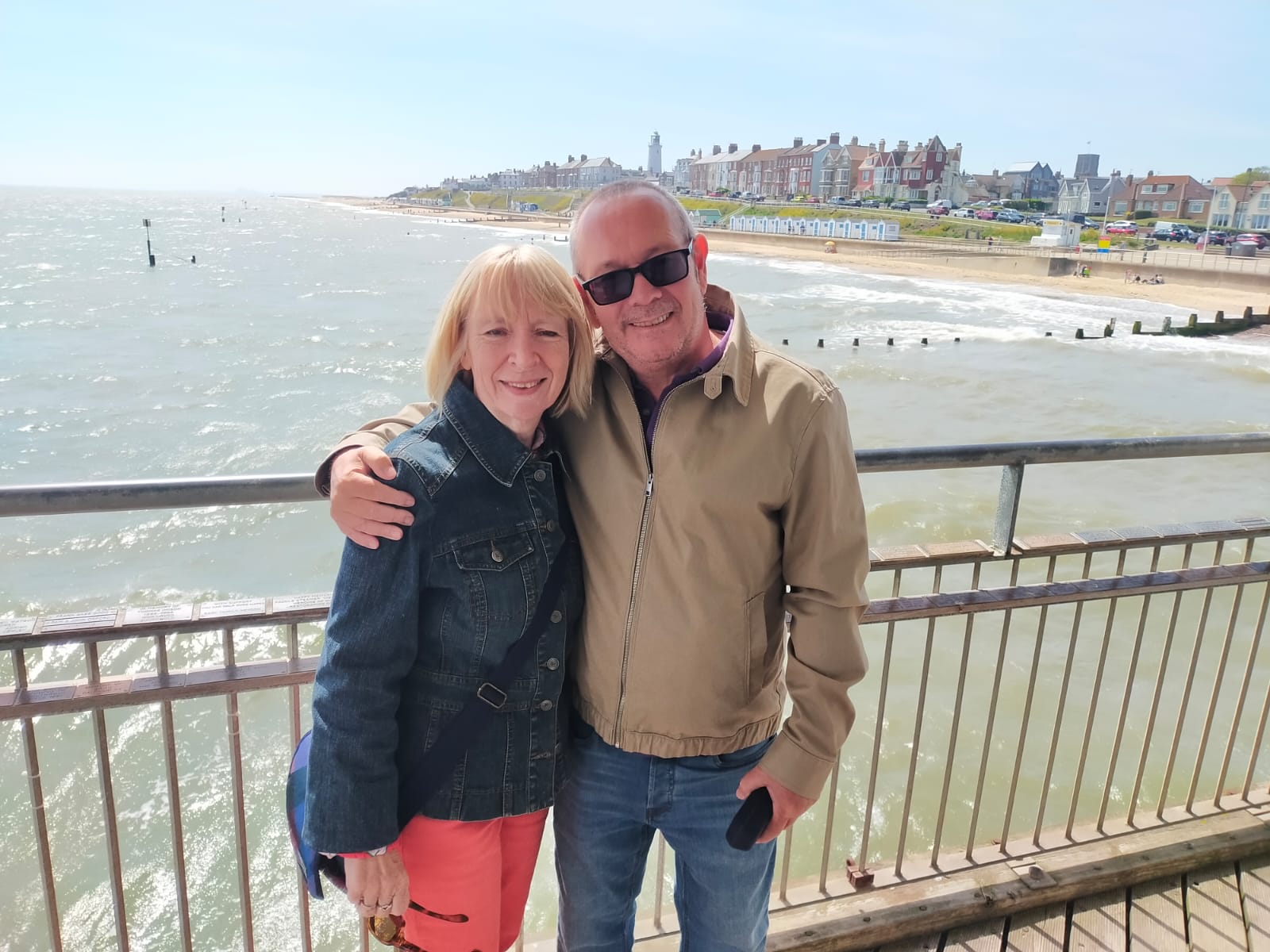
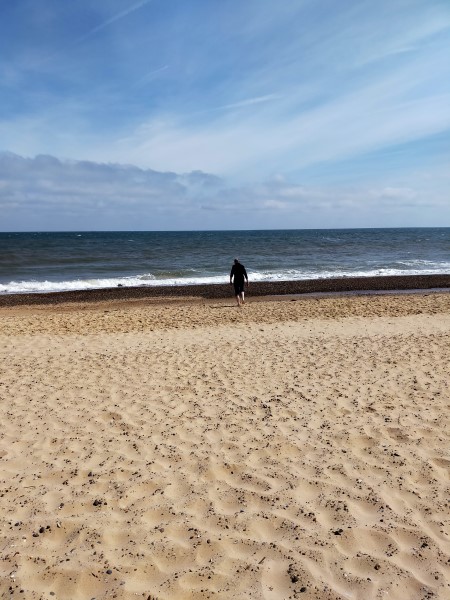
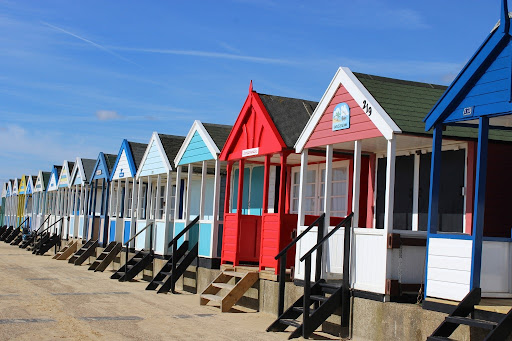
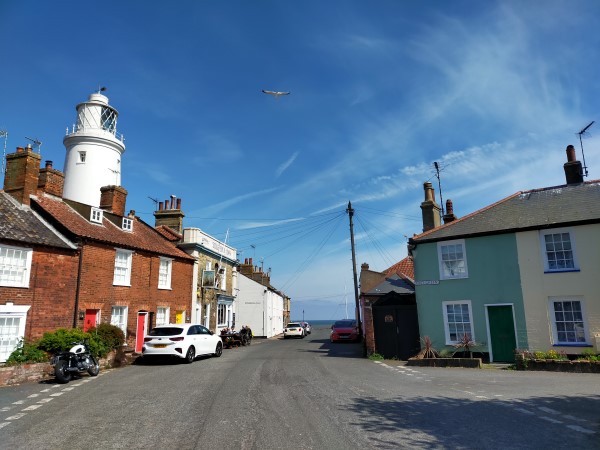
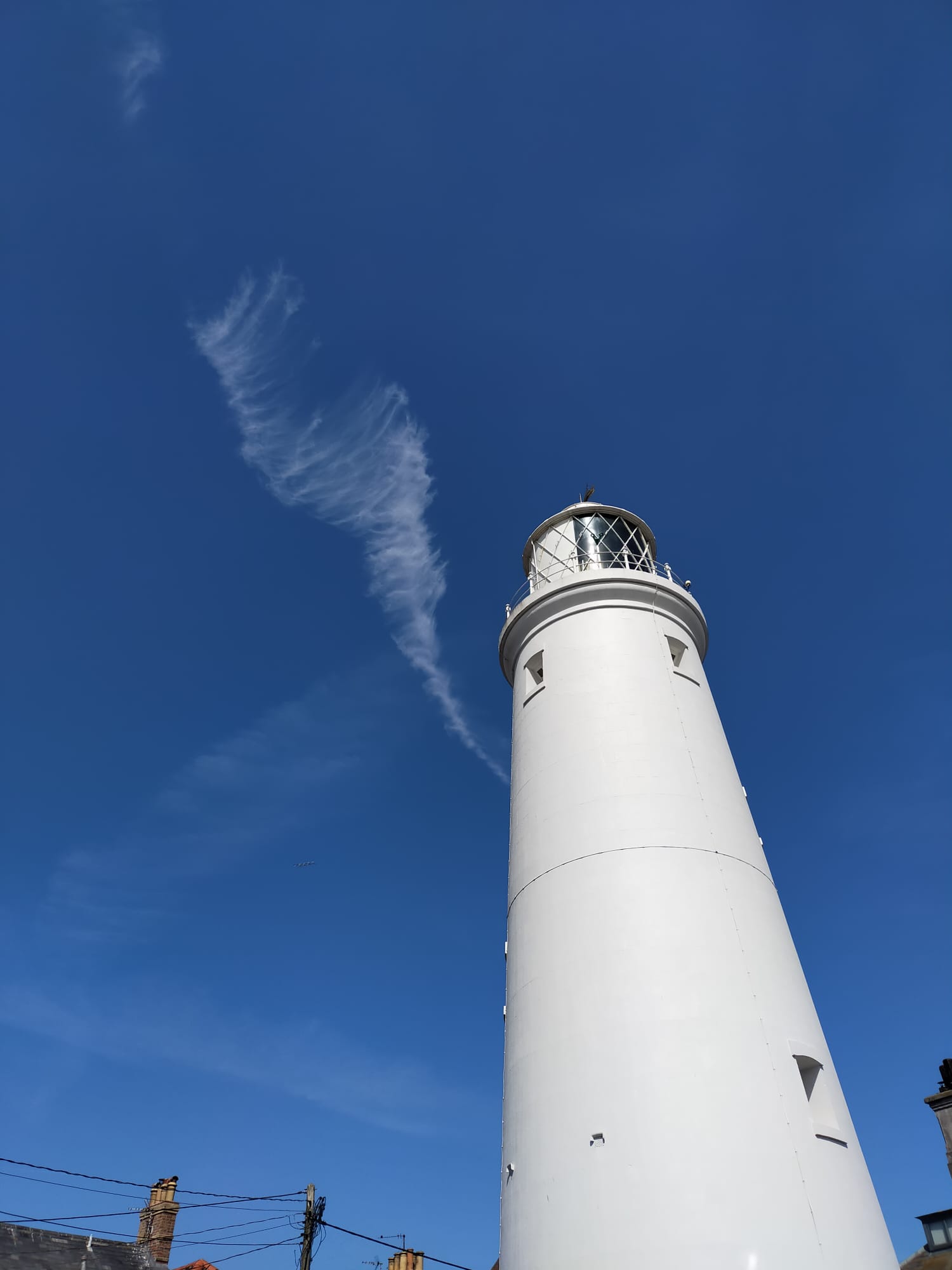
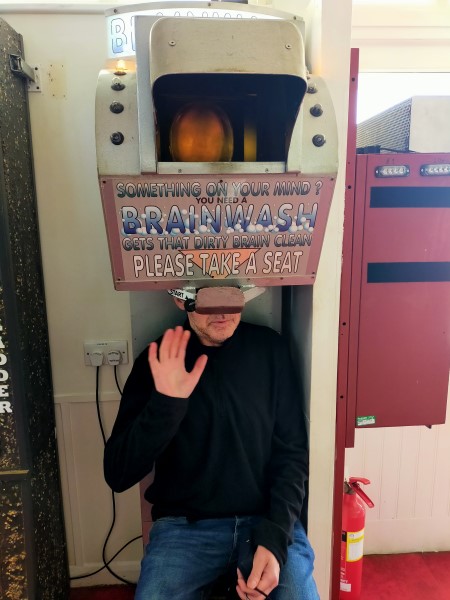
What better way to spend a sunny spring afternoon than a trip to the seaside? We’d never been to Southwold, the classy resort on the Suffolk coast because, without our own wheels, it’s a bit of a trek. So an equally classy neighbour took pity on us and offered to take us. We had a fine time frolicking around on the eccentric antique arcade games at the old pier, strolling along the beach and scoffing scrumptious scones topped with the must-have clotted cream and jam at the posh Swan Hotel. Liam even went for a paddle. The bracing wind blowing in from the North Sea didn’t put him off.
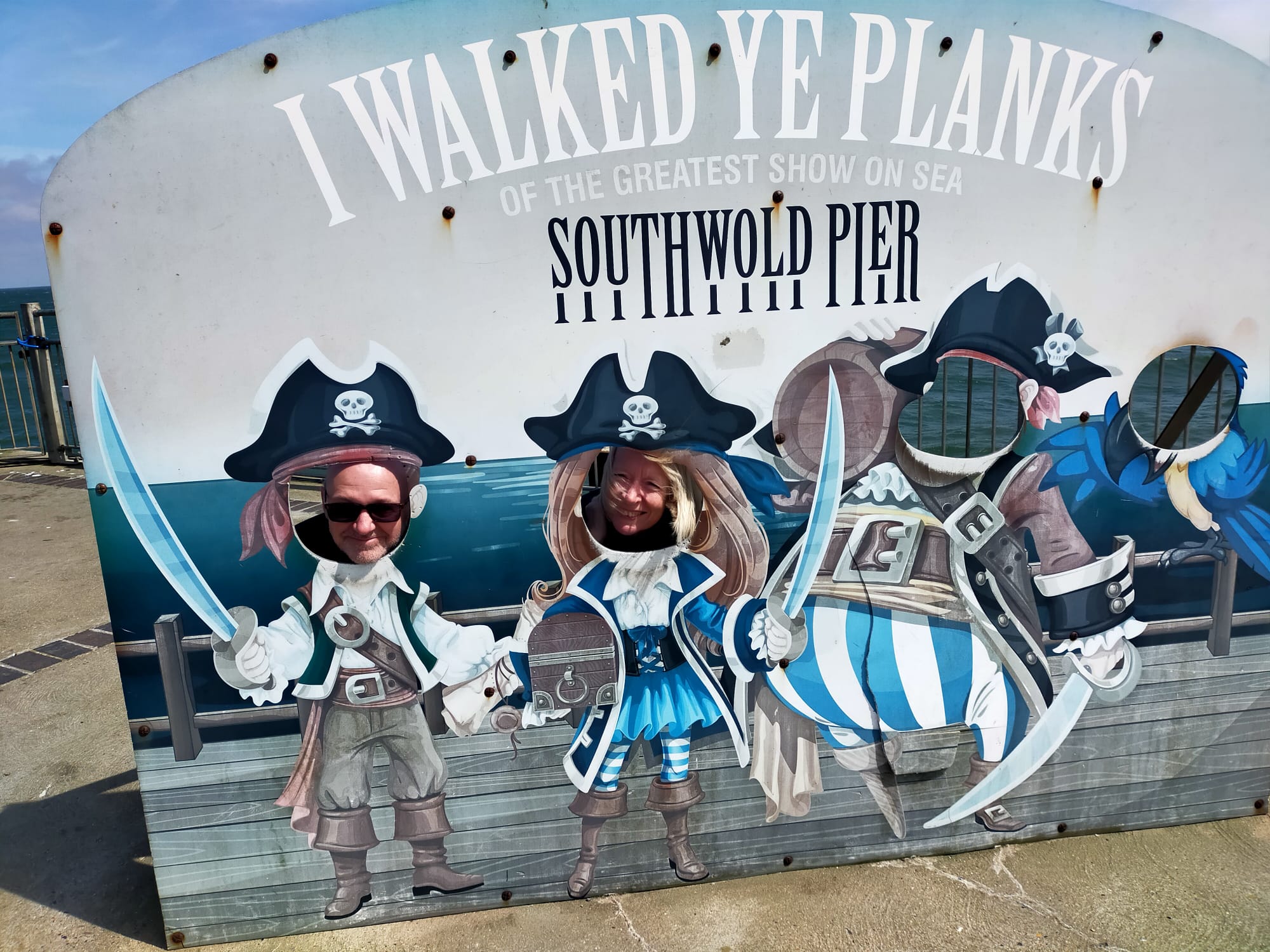
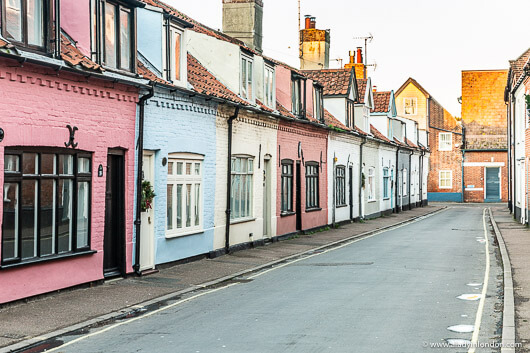
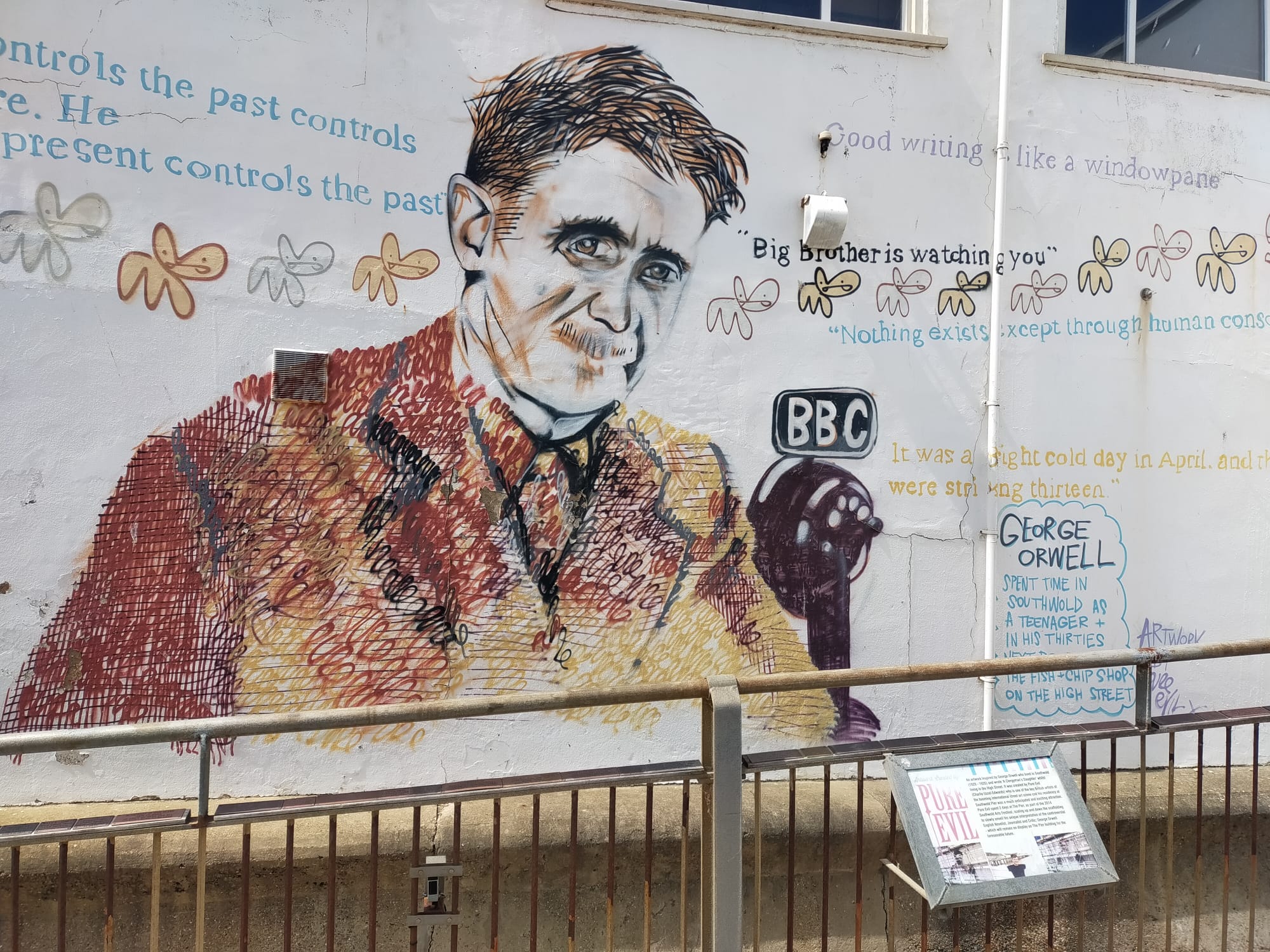
First mentioned in the Domesday Book* of 1086, the pretty town is notable for several things, not least a bunch of bible-bashing, buttoned-up puritans who, in 1637, emigrated to Hingham*, Massachusetts. Southwold was also the teenage home to author George Orwell. His most famous novel, Nineteen Eighty-Four, warns of the slide into totalitarianism. I see a connection.
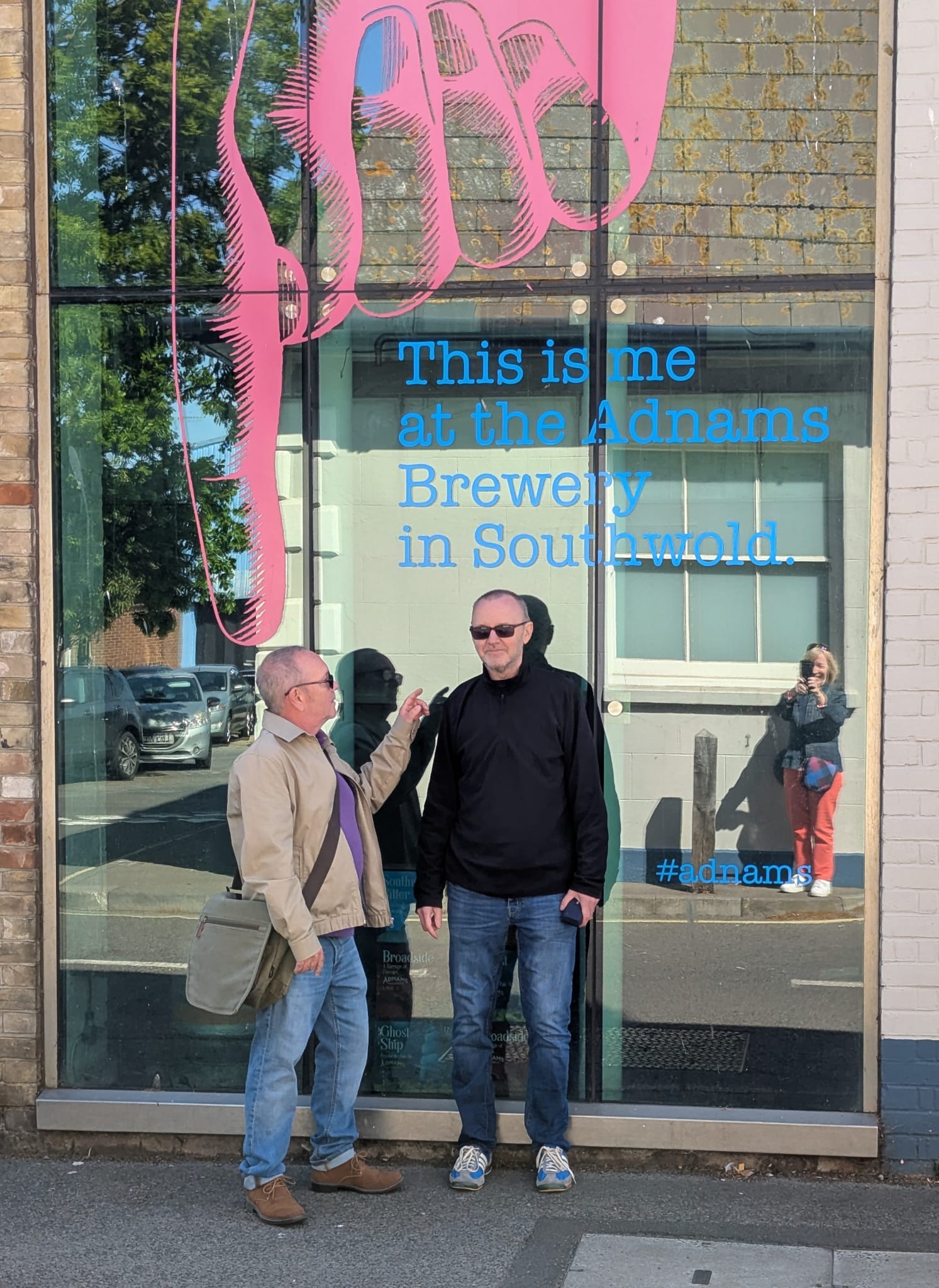
On a lighter note, the town is also home to the famous Adnams Brewery. These days, I prefer the grape to the grain but Liam tells me they brew a quaffable ale. The afternoon ended with traditional fish ‘n’ chips down by the old harbour. All in all, a fun day out.

Some images courtesy of Pat Jacobs.

*The Domesday Book was commissioned by that bastard William the Conqueror to price up the realm he stole.

*The Massachusetts town was named after Hingham, Norfolk, from where most of the new settlement’s first colonists came, including Abraham Lincoln’s ancestor, Samuel Lincoln. A bust of old Abe takes pride of place in Hingham’s St Andrew’s Church. The Norfolk Hingham is also where Liam worked at the medical practice for a few years to keep the wolves from the door after we returned from our Anatolian misadventures. It’s a small world.
Banged Up at the Bridewell

The various galleries of the Museum of Norwich at the Bridewell chart the city’s journey from its humble beginnings as a few muddy huts by a river bank to a UNESCO World City of Literature. As I wrote when we first visited in 2017…

“It’s a ripping yarn of churches and chapels, friaries and priories, martyrs and merchants, weavers and cobblers, chocolatiers and mustard makers, fire and flood, black death and blitzkrieg.”

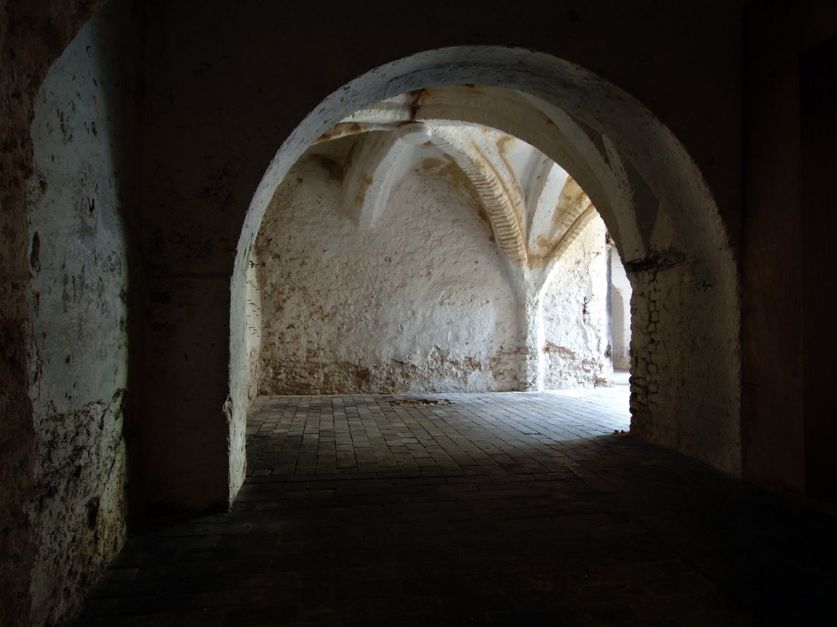
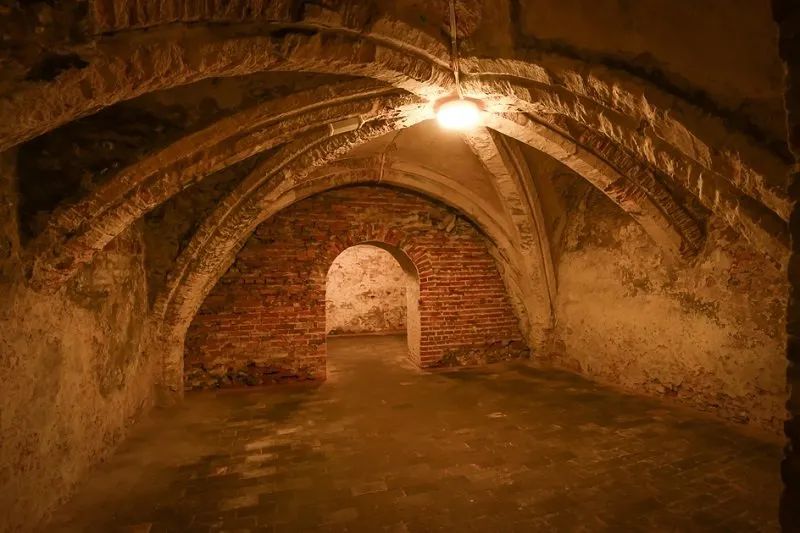
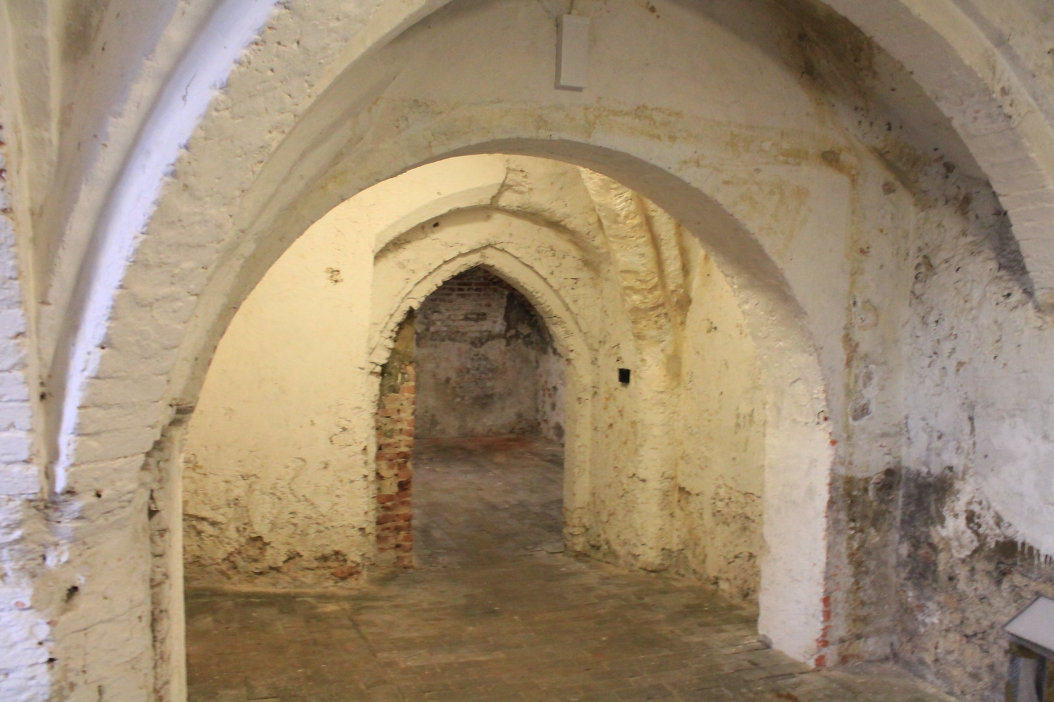
The Museum is a splendid way to spend an afternoon, come rain or shine. But it wasn’t the exhibits we came to see on our most recent visit, but a guided tour of the Undercroft, the vaulted cellar beneath the Museum. Norwich is stuffed with medieval undercrofts – they often escaped fire and the wrecking ball. Whereas the current Museum is mostly 18th-century Georgian, the Undercroft itself – the largest in Norwich – dates from the 14th Century.

The Bridewell Undercroft was originally used to store and display the precious wares of the filthy-rich merchants who lived in the fancy mansion above. It was a dry and secure place to show off the goodies to potential buyers and keep out thieves. But ironically, after the monied merchants moved out, the building became a ‘bridewell’ – a ‘house of correction’ – where those who had fallen on the hardest of times would find themselves incarcerated – the ‘criminalisation’ of the poor, as our guide put it.

Our guide certainly knew her stuff, bringing the story to life with gossipy titbits from the past blended with the serious stuff as she walked us through the suite of underground rooms. The tour provides a fascinating insight into not just the building but also the ebb and flow of the city’s fortunes. The Undercroft was even used as a bomb shelter during World War II.

From a strong room to a prison cell, a place of punishment to a place of safety, the Bridewell Undercroft tells it all. And yes, I bought a fridge magnet.

Dwile Flonking

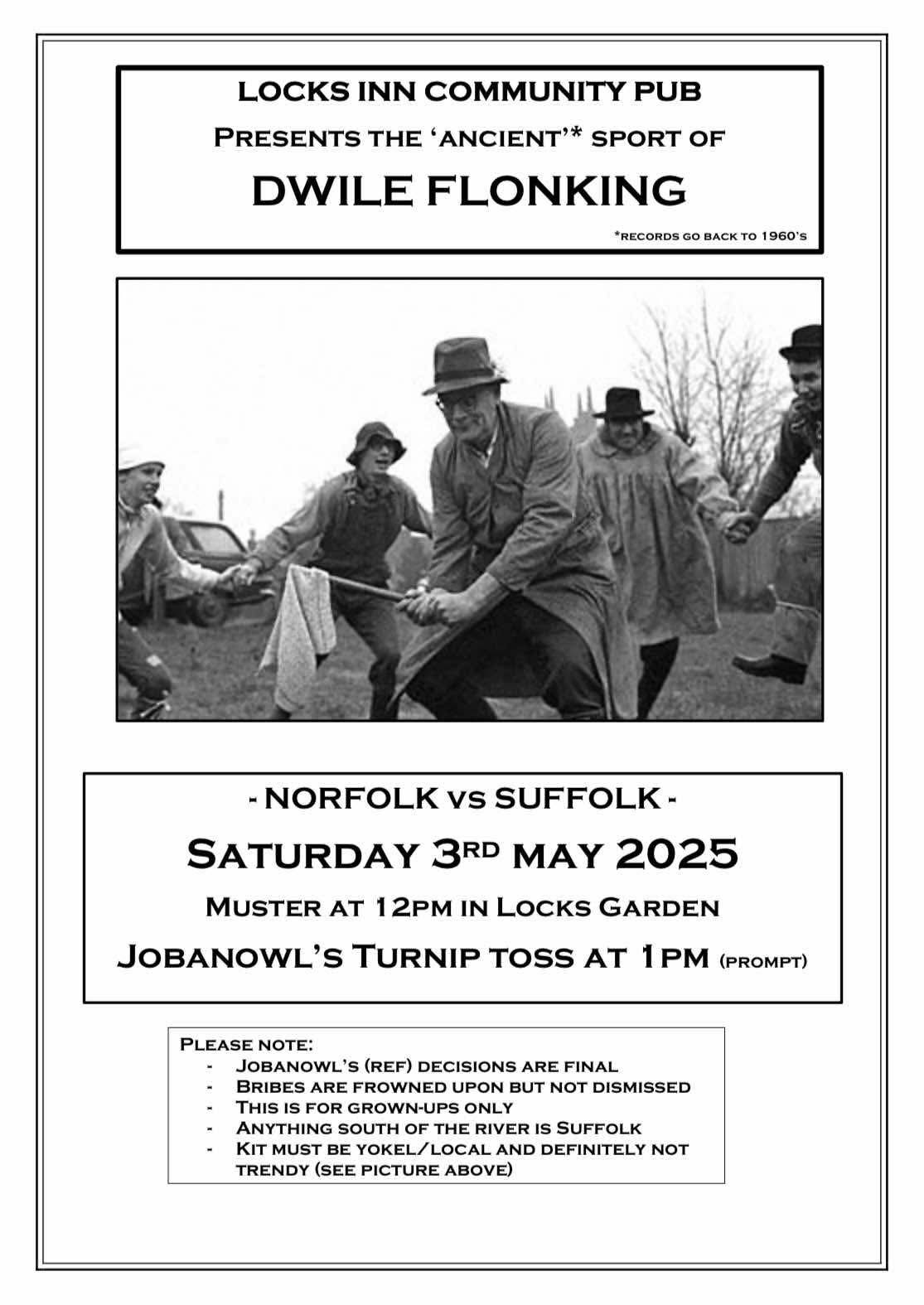
A couple of summers ago, I wrote a tongue in cheek piece about Dwile flonking, a notorious East Anglian pub game involving two teams of twelve players, each taking a turn to girt (dance) around the other while attempting to avoid a beer-soaked dwile (cloth) flonked (flung) by the non-girting team.

Imagine my amazement to find out that the Locks Inn Community Pub, a gorgeous country tavern in the parish of Geldeston, has resurrected the boozy ‘sport’ as a trial of strength between the north folk (Norfolk) and the south folk (Suffolk) of old East Anglia. The Norfolk pub sits on the north bank of the River Waveney looking down on Suffolk on the south side.

Alas, we didn’t find out about it until afterwards and don’t know the result but I hope the merry folk made it a good clean fight. Okay, what I really mean is I hope Norfolk flonked our rivals into the dirt. And don’t even ask about the turnip tossing.

Totally flonking bonkers.

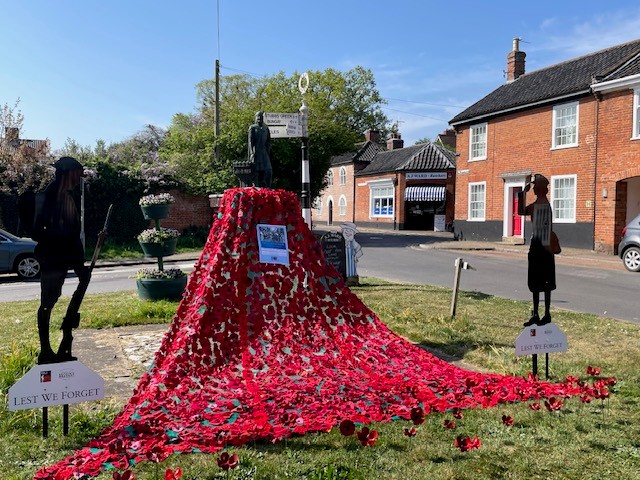
Lest We Forget

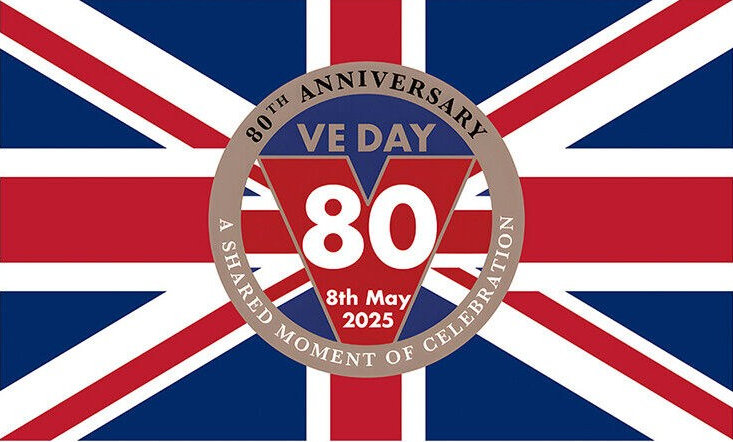
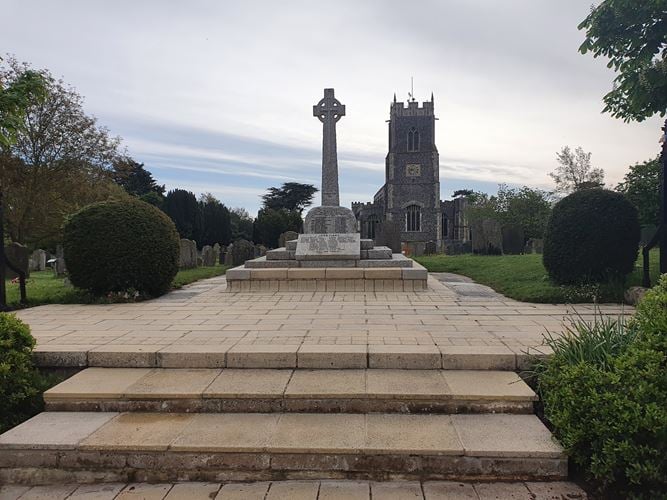
We joined the enthusiastic crowd of locals gathered on Church Plain in front of the Loddon War Memorial to celebrate the 80th anniversary of VE Day – the end of the Second World War in Europe. The organisers did a splendid job. So too did the kids from the local primary school who serenaded us with a medley of wartime songs made famous by forces sweetheart, Vera Lynn.

On the very first VE Day, millions took to the streets for a monster party which was followed, no doubt, by a monster hangover. It’s hard to imagine the immense sense of relief that must have been felt on that momentous day by those who’d lived through six long years of conflict. And also the immense sadness for those who didn’t make it. There are few people still alive today who have direct experience of that terrible war. And soon there will be none.

‘Jaw, jaw is better than war, war’ is a famous Churchill misquote from the Cold War. But with so many hot wars burning around us and the disturbing rise of nasty fright-right nationalists, I wonder what those brave souls died for. Lest we forget? Tragically, I think we have.

On a much lighter, brighter note, the good burghers on Loddon Town Council have compiled a fantastic history trail of local WW1 and WW2 sites hereabouts. It’s a fun and fascinating glimpse into all our yesterdays.

Spuds, Spies and Something for the Weekend

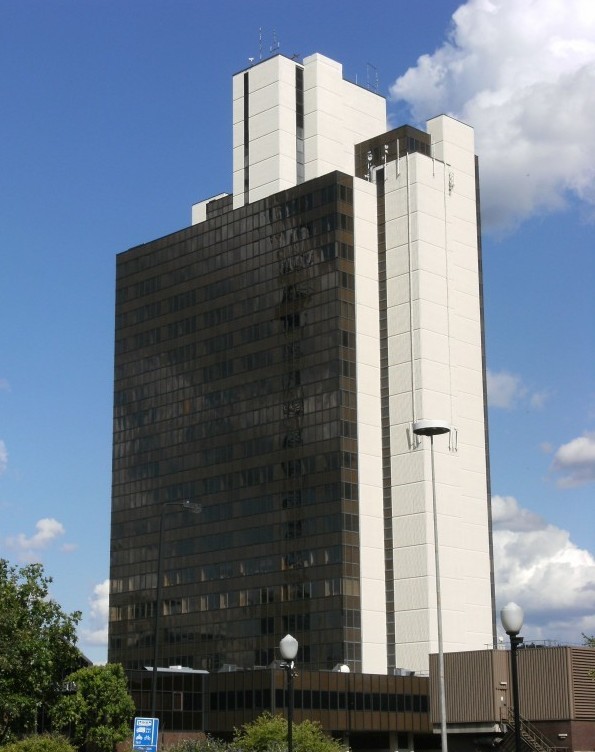
The renaissance of the iconic Battersea Power Station and its surroundings isn’t the only radical regeneration along the old Thameside rust belt. Virtually the entire south bank from Grosvenor to Vauxhall Bridges has been transformed by new fancy offices and posh flats along Nine Elms Lane. At the Vauxhall end once stood Market Towers, a typically seventies block with the Market Tavern on the first floor. It was added for the traders who fancied a pint or two after a hard day’s graft shifting spuds and sunflowers at the nearby New Covent Garden Market*.

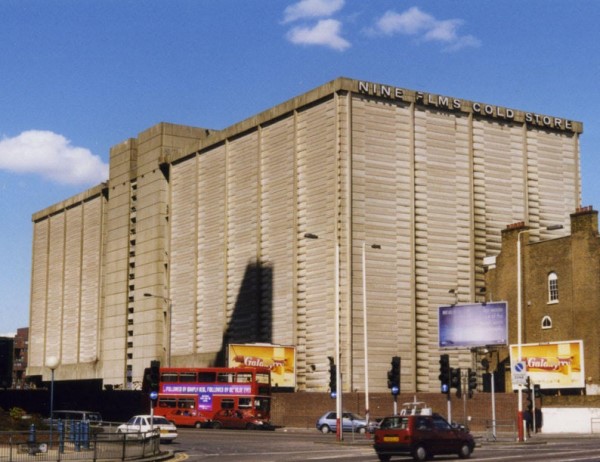
Come the weekend, though, an altogether different trade was transacted. The pub doubled up as a gay bar, particularly popular on a Sunday afternoon because the boys just loved to booze and cruise after Sunday prayers. I should know, I was one of them. I misspent many an afternoon there during the nineties and noughties. As did Jean Paul Gaultier during his Eurotrash years. But I was never tempted to try my hand in the very ugly and very derelict Nine Elms Cold Store next door. Many a randy lad came a cropper cruising its dark and dank corridors. Plunging down an unlit crane shaft was not good for anyone’s health. Ironically, it was built on part of the 17th-century Vauxhall Pleasure Gardens, which had pleasured Londoners for over 200 years. Both Market Towers and the Cold Store are now gone, swept away by redevelopment. Ah, the memories.

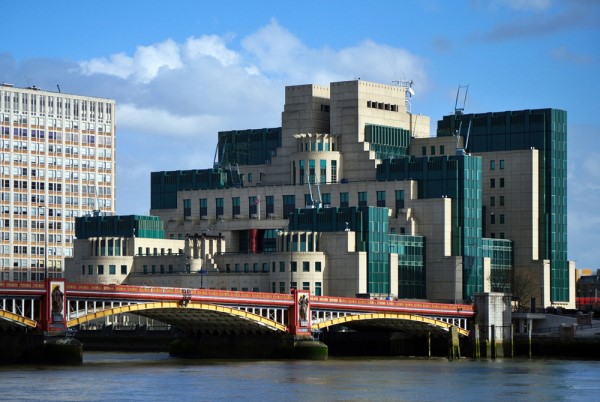
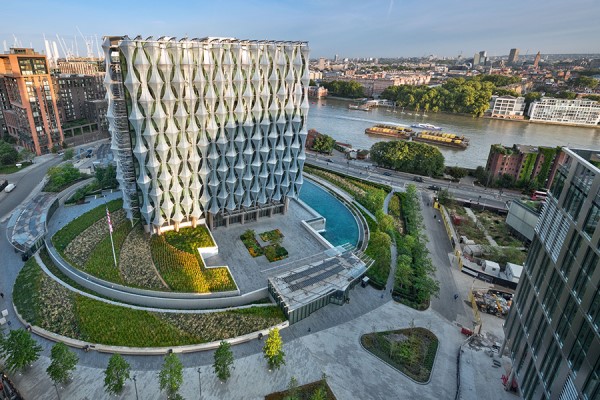
Alongside the ribbon of luxury riverside high rises sits the HQ of MI6, the UK’s spymasters, as featured in a number of James Bond films. And not far away is the new, fortress-like US Embassy, which looks like it sits on a lazy Susan. No doubt, both buildings are bristling with various top-secret ways to detect and deter, disrupt and destabilise. Is their proximity to one another just a coincidence? I wonder. Let’s hope they’re keeping us safe from Tsar Pukin and his deadly cronies.

*The old Covent Garden in Central London is now an uber-busy tourist hotspot, so you won’t find Eliza Doolittle flogging flowers and warbling ‘Wouldn’t it be Loverly’ on the steps of the Royal Opera House.