Flight, Fight or Fancy

On a recent shopping and supping matinee in old Naaridge, we spent the afternoon watching the macabre horror flick The Heretic. Hugh Grant is bone-chilling as the over-courteous villain who menaces with oh-so-typical English charm as he dissects faith with a pair of nervous Mormon missionaries. Struck dumb as we left the cinema, we needed a drink to loosen the tongues and unpick what we’d just witnessed. Despite – or perhaps because of – a round or two of the Devil’s brew, we weren’t able to make too much sense of the religious experience we’d just had.

When we got back to the village, we had a final snifter at our local. A couple of likely lads in football kit were sitting at the bar. They kept looking across. We couldn’t think why at first. Usually this means one of two things – fight or fancy. Had we pulled? Fat chance at our age. Should we flee? We soon realised that what they actually fancied was the signed Norwich City FC shirt hanging on the wall behind us. Well, at least they didn’t want to beat us up.

Getting the Abbey Habit

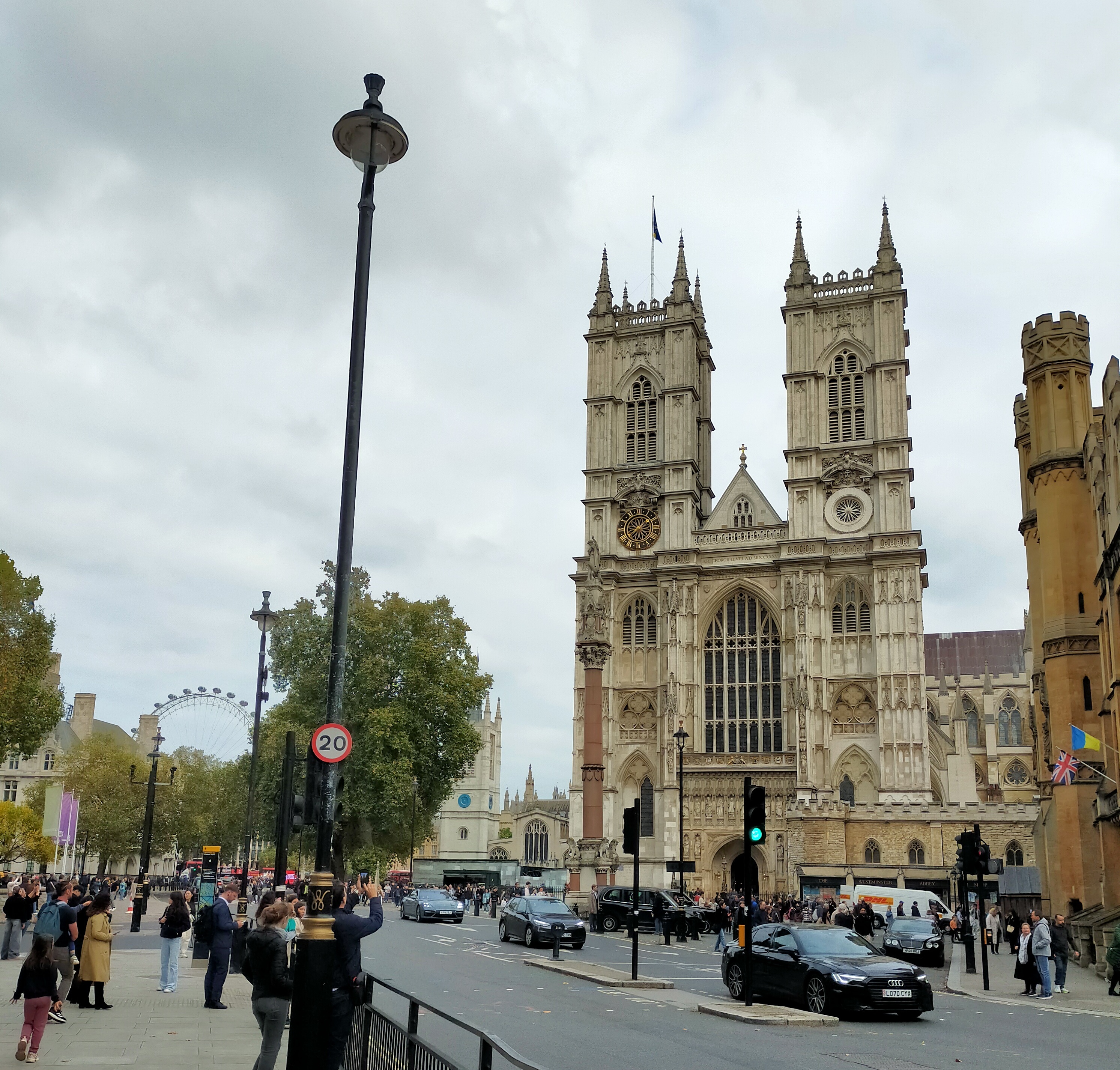
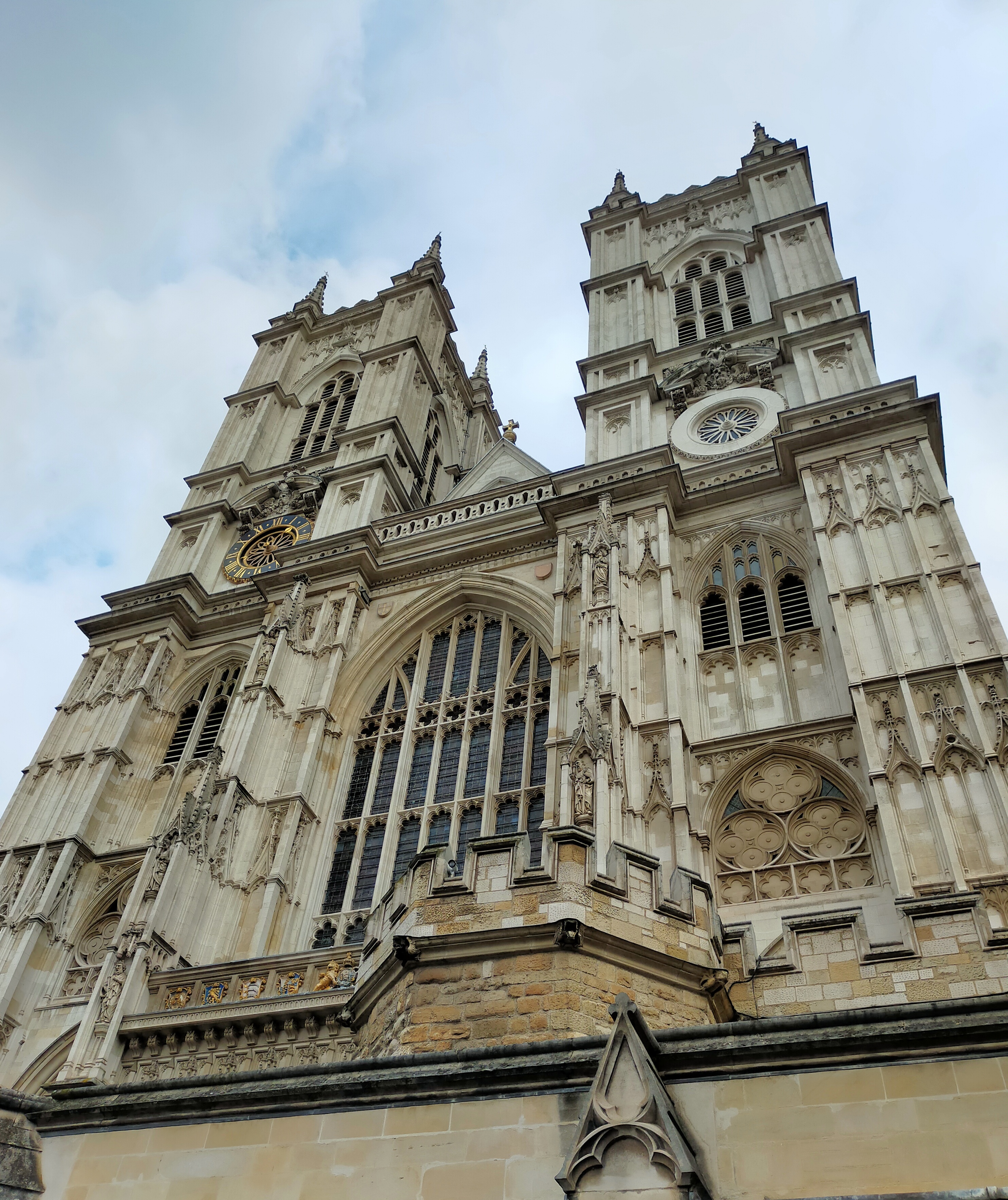
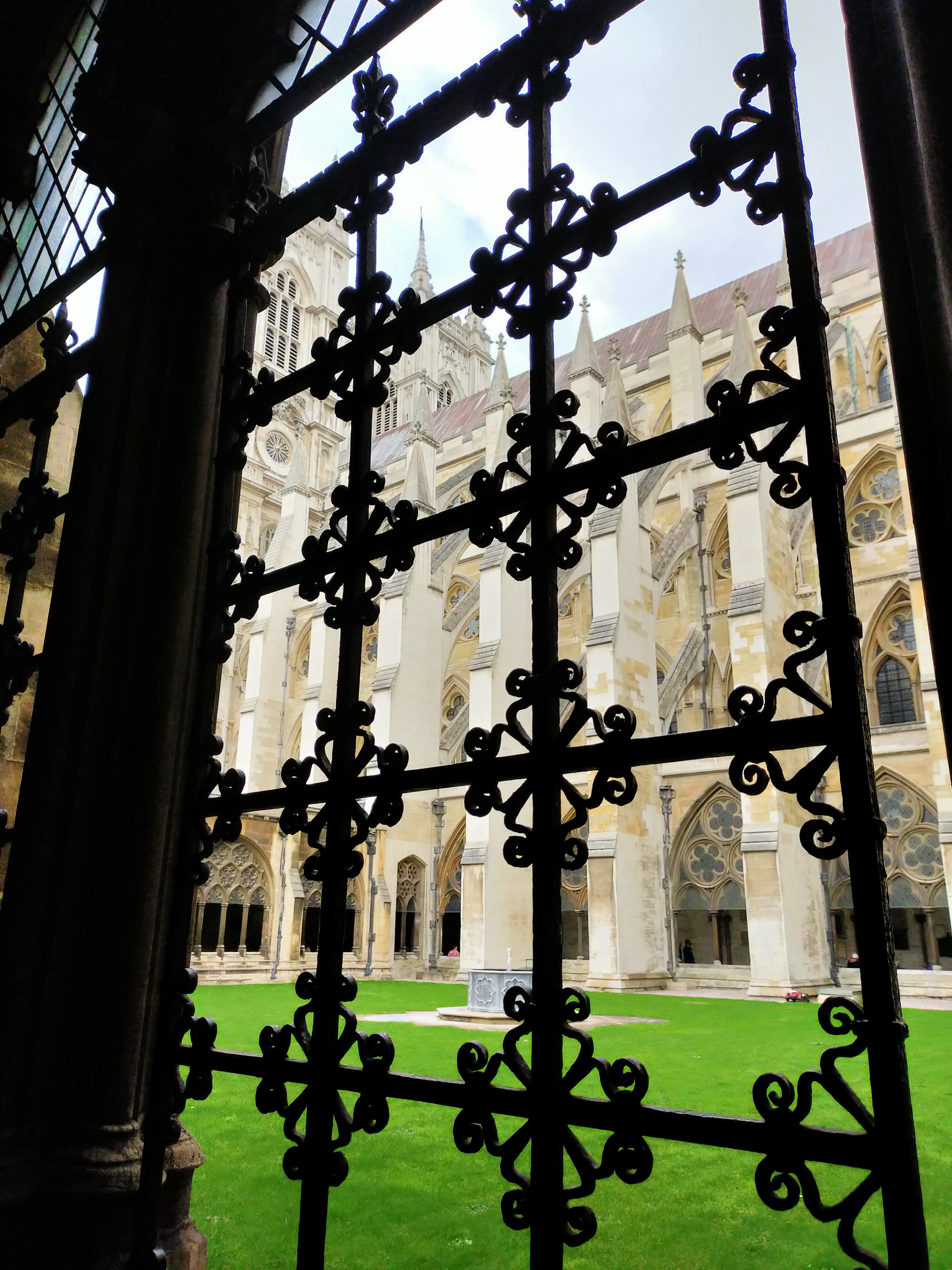
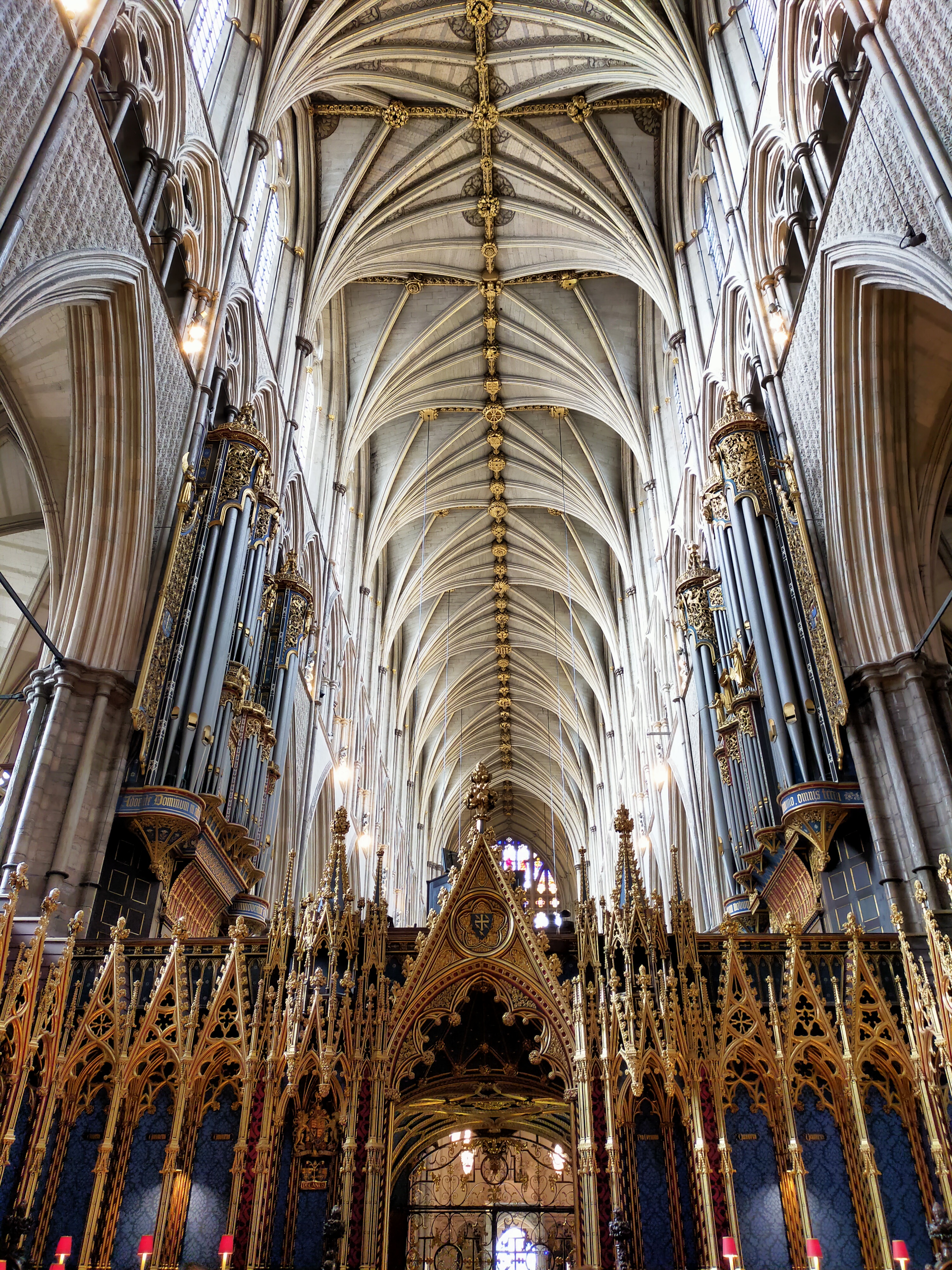
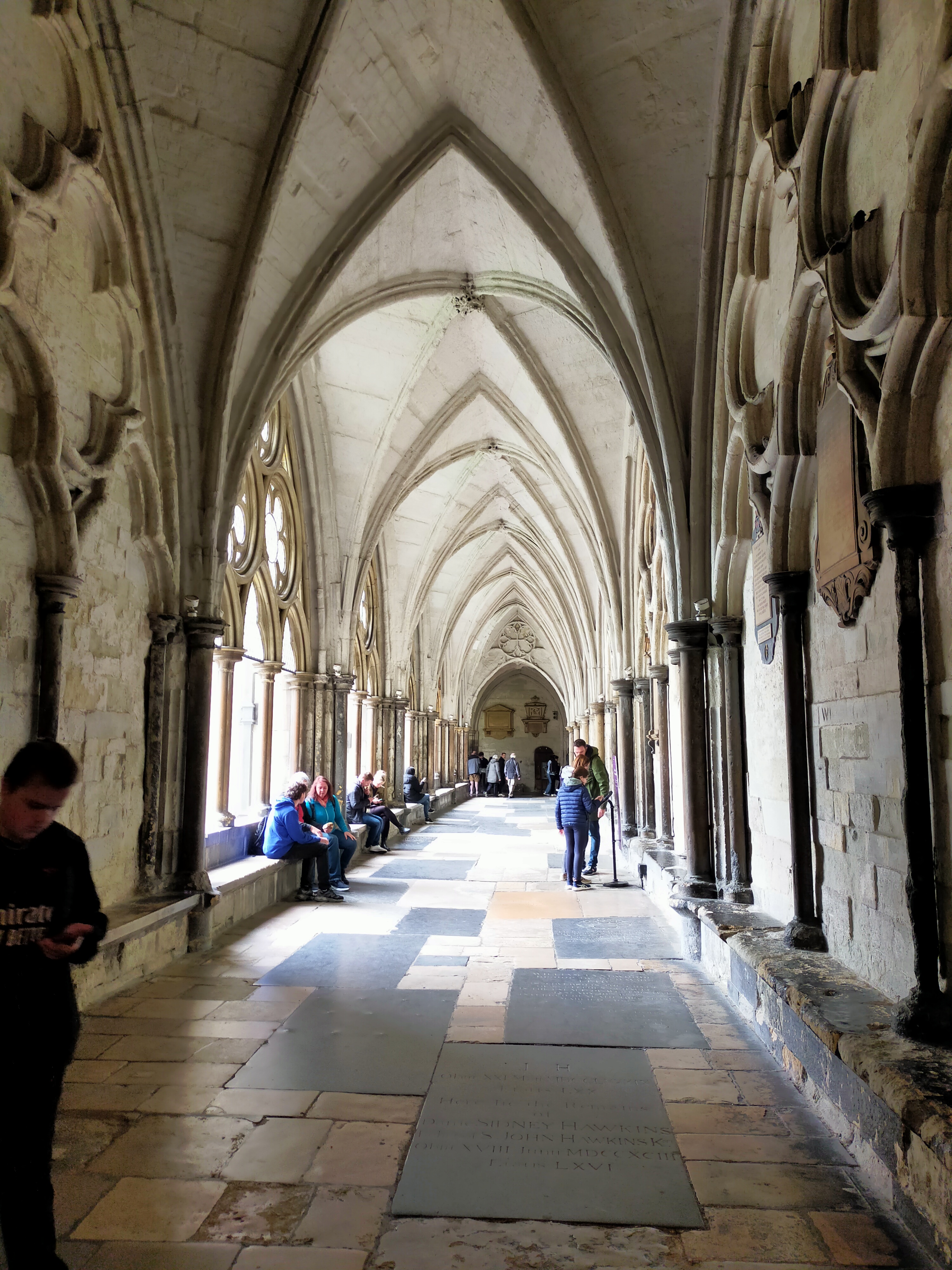
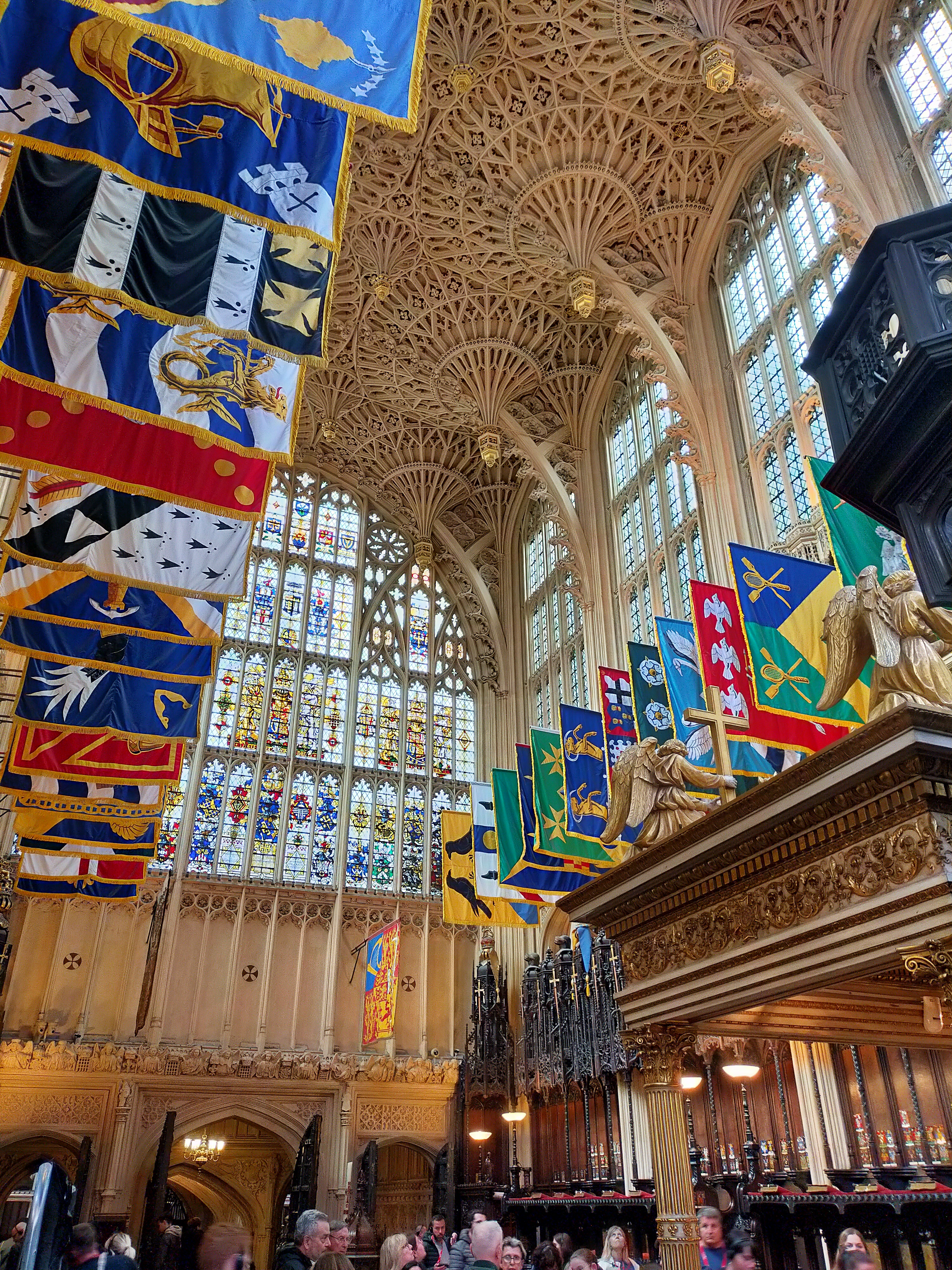
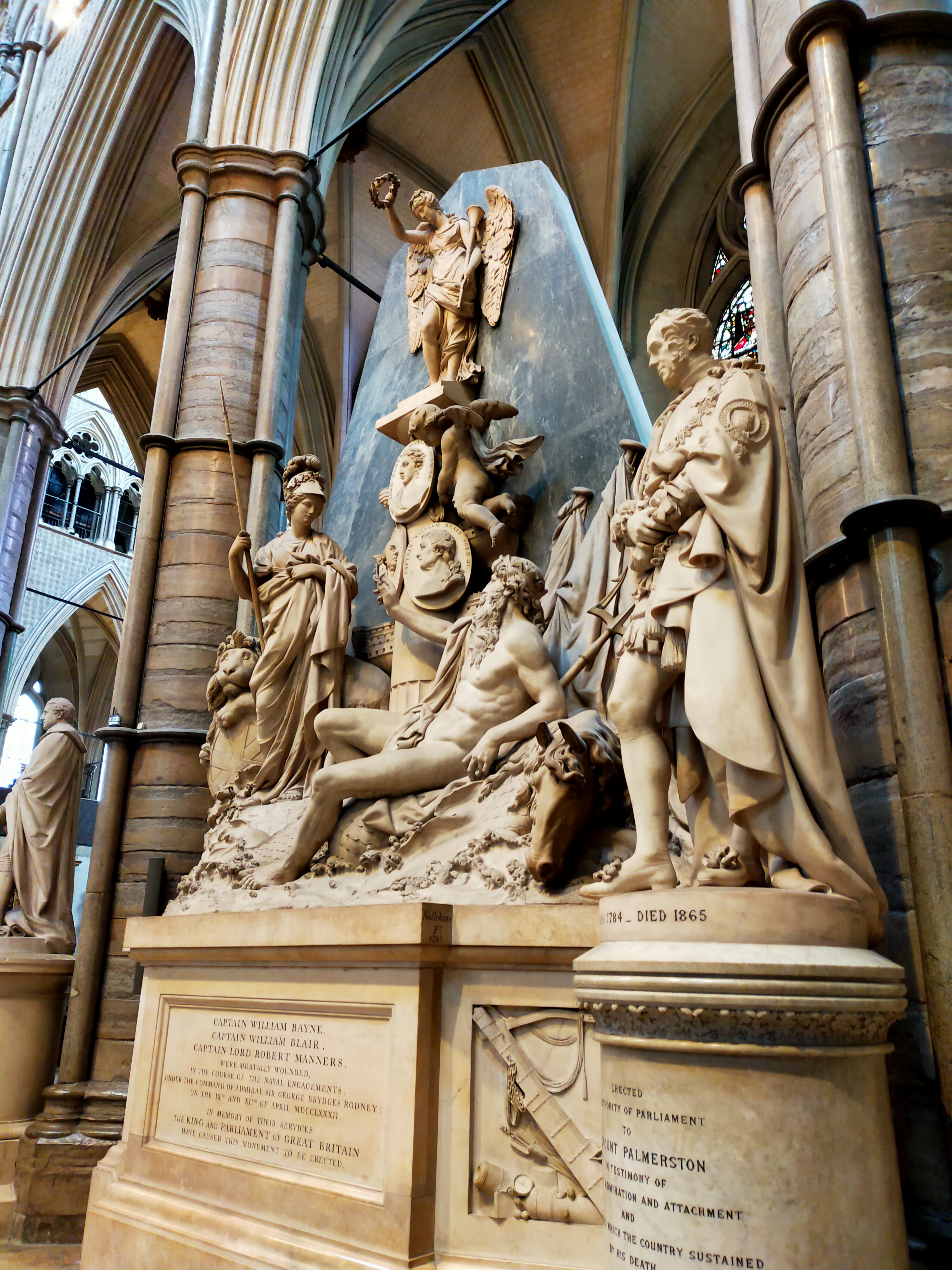
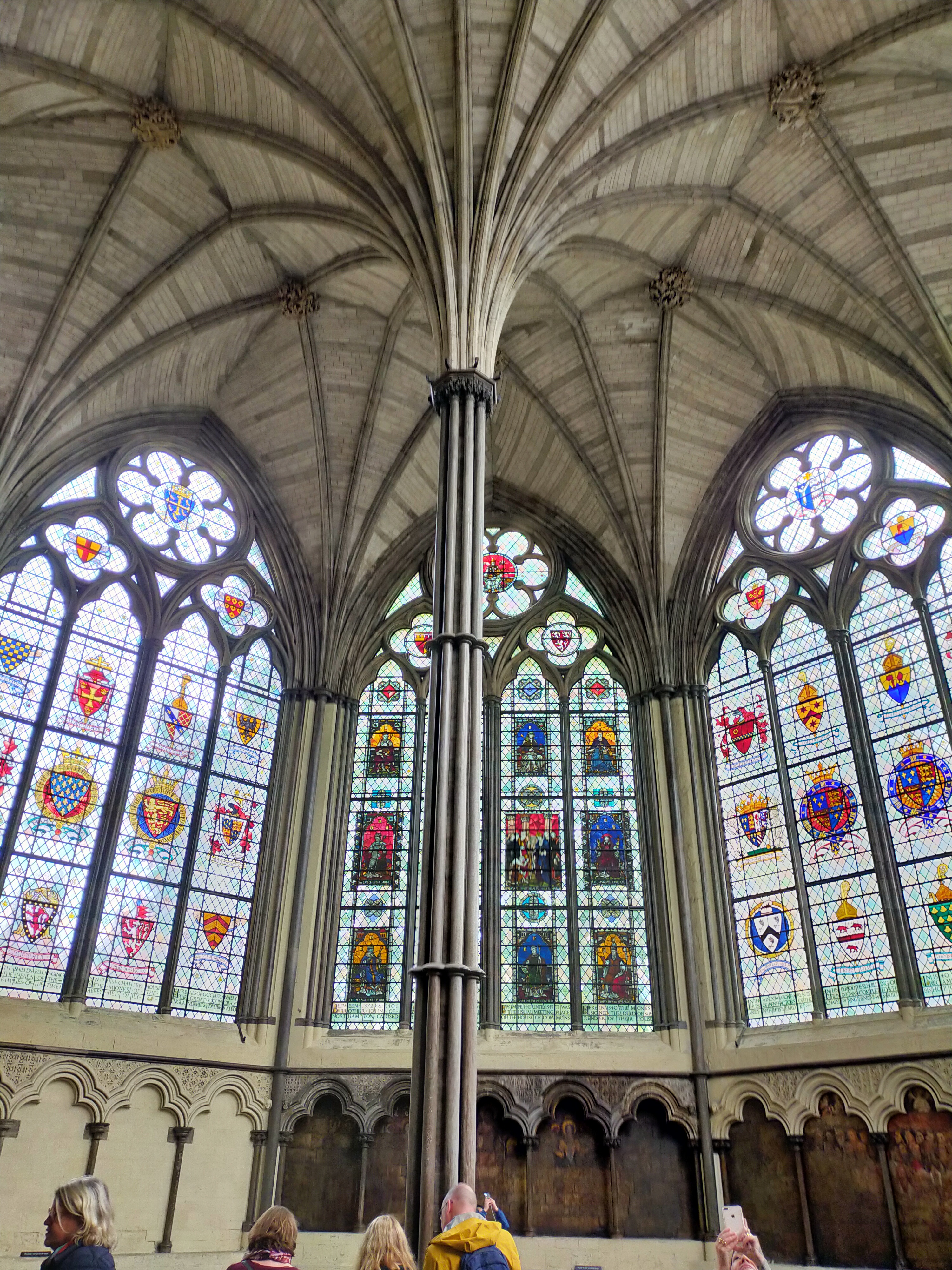
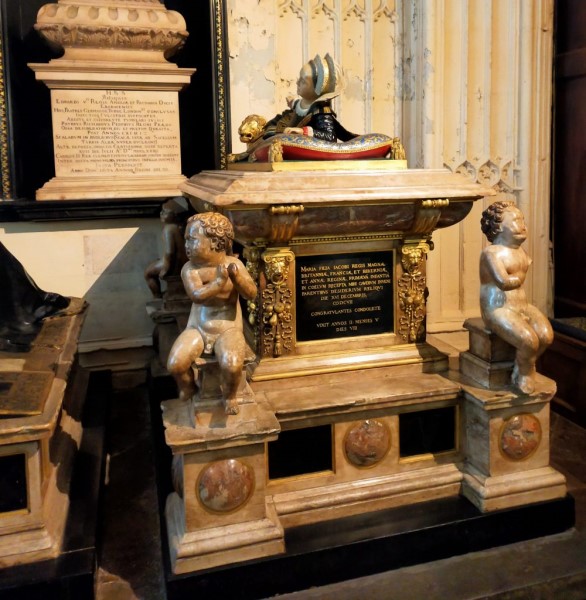
We interrupted our recent theatrical pilgrimage to old London Town to have a gander around Westminster Abbey. Regular viewers will know I’m a sucker for an old ecclesiastical pile, and King (and Saint) Edward the Confessor’s ‘West Minster’ is arguably the most famous ecclesiastical pile in the realm. Generally thought to have been founded in the mid-10th century as a Benedictine monastery, the church was rebuilt by the saintly king about 100 years later to serve as his royal burial chamber. What Edward the Confessor actually fessed up to is anyone’s guess.

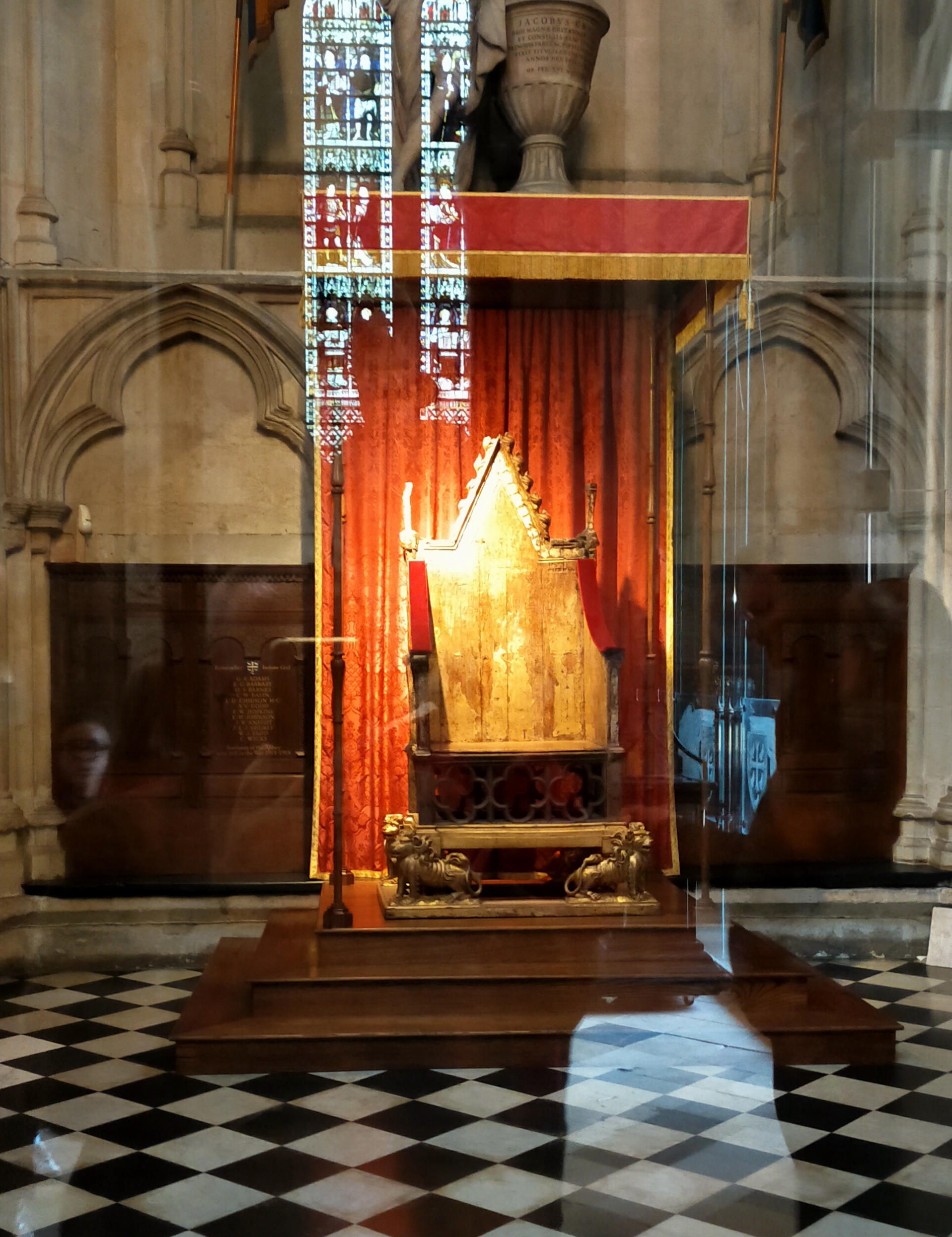
Following the Norman victory at the Battle of Hastings in 1066, William the Conqueror (or ‘the Bastard’ as he was affectionately known) was crowned King of England at the abbey on Christmas Day that same year; just to make sure everyone knew the old bastard was now in charge. Extended and remodelled down the centuries, the church has been the site of royal coronations ever since. The 14th-century coronation chair sits behind bars to prevent we plebs from getting above our station.

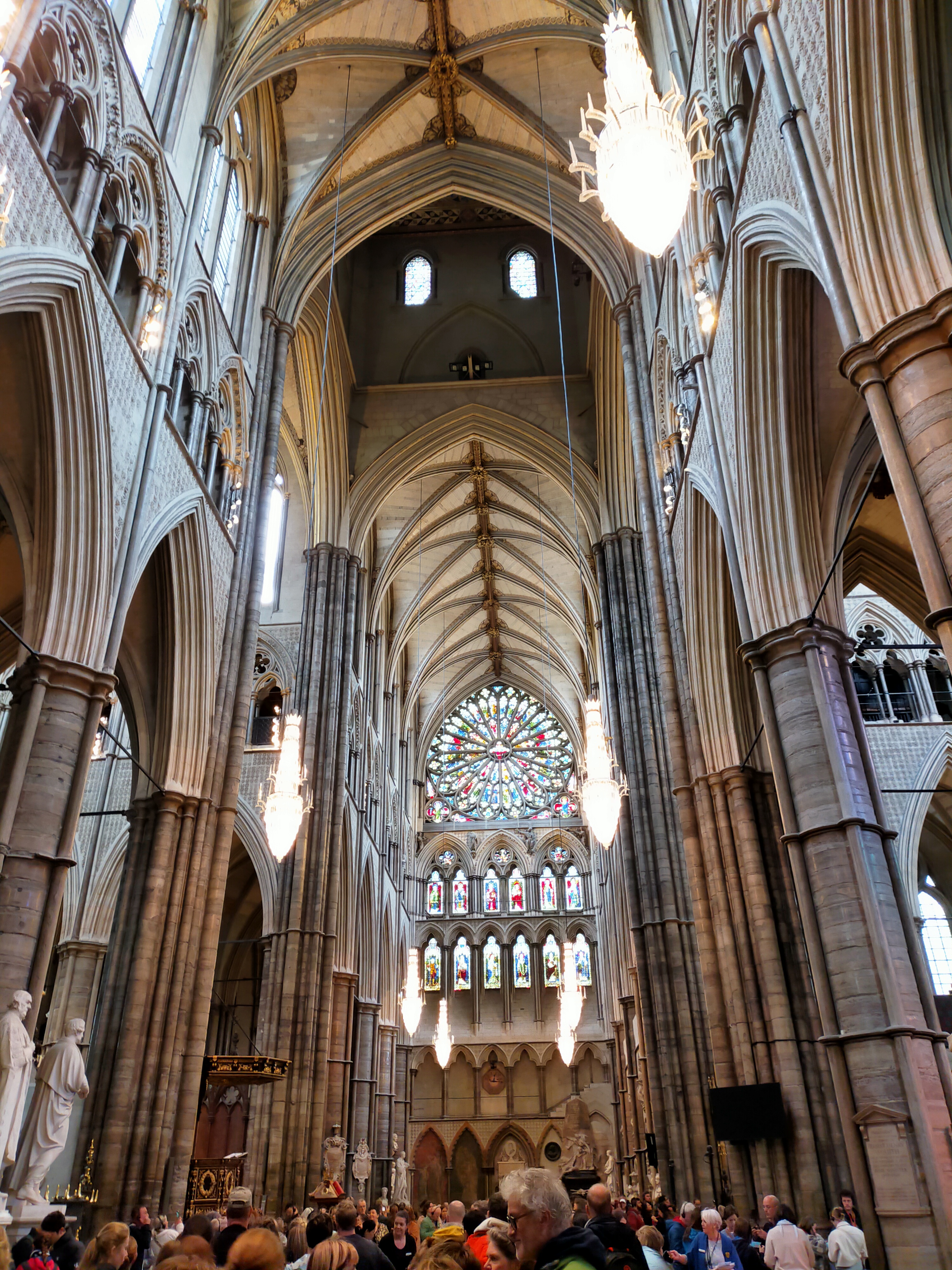
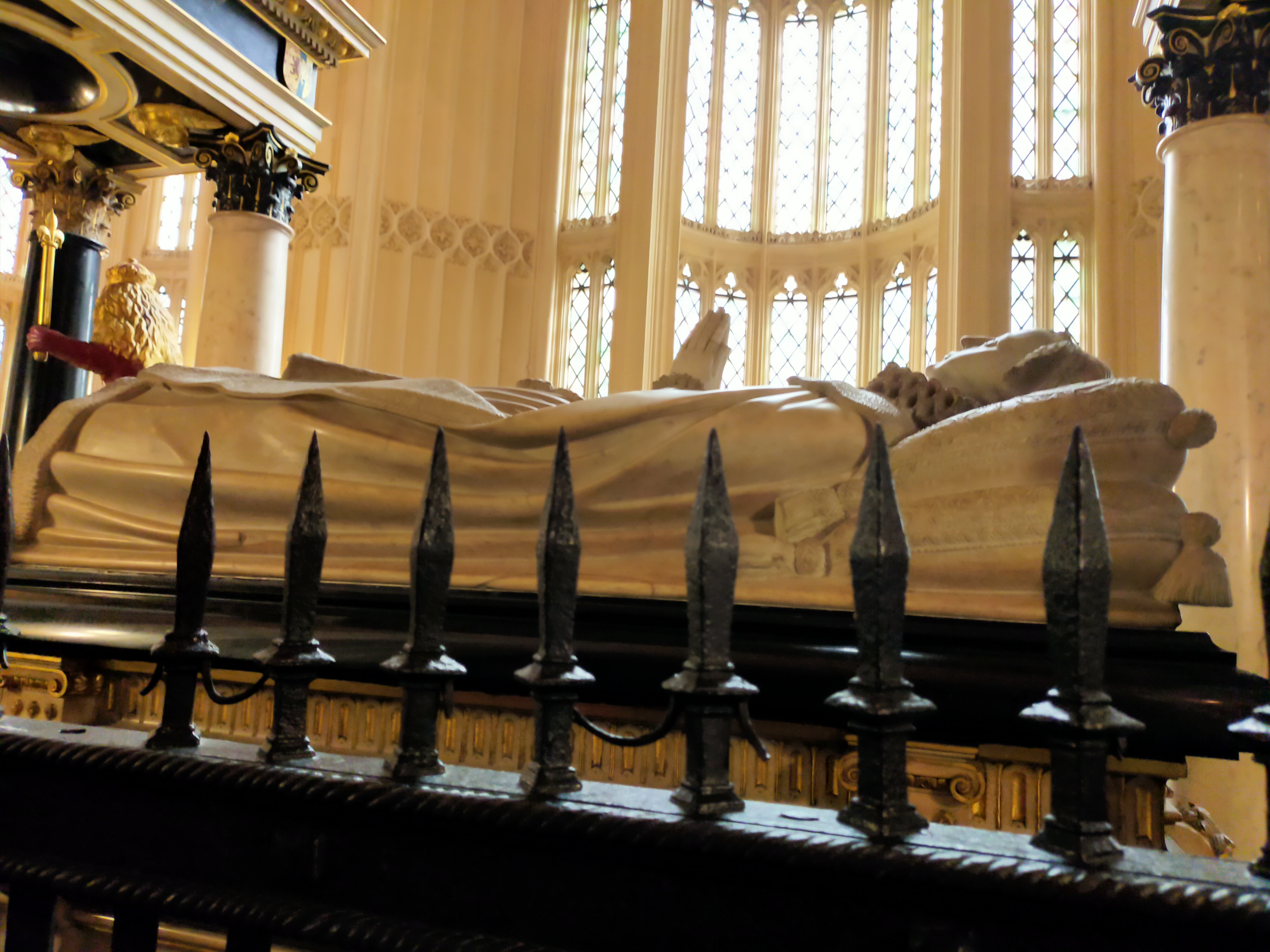
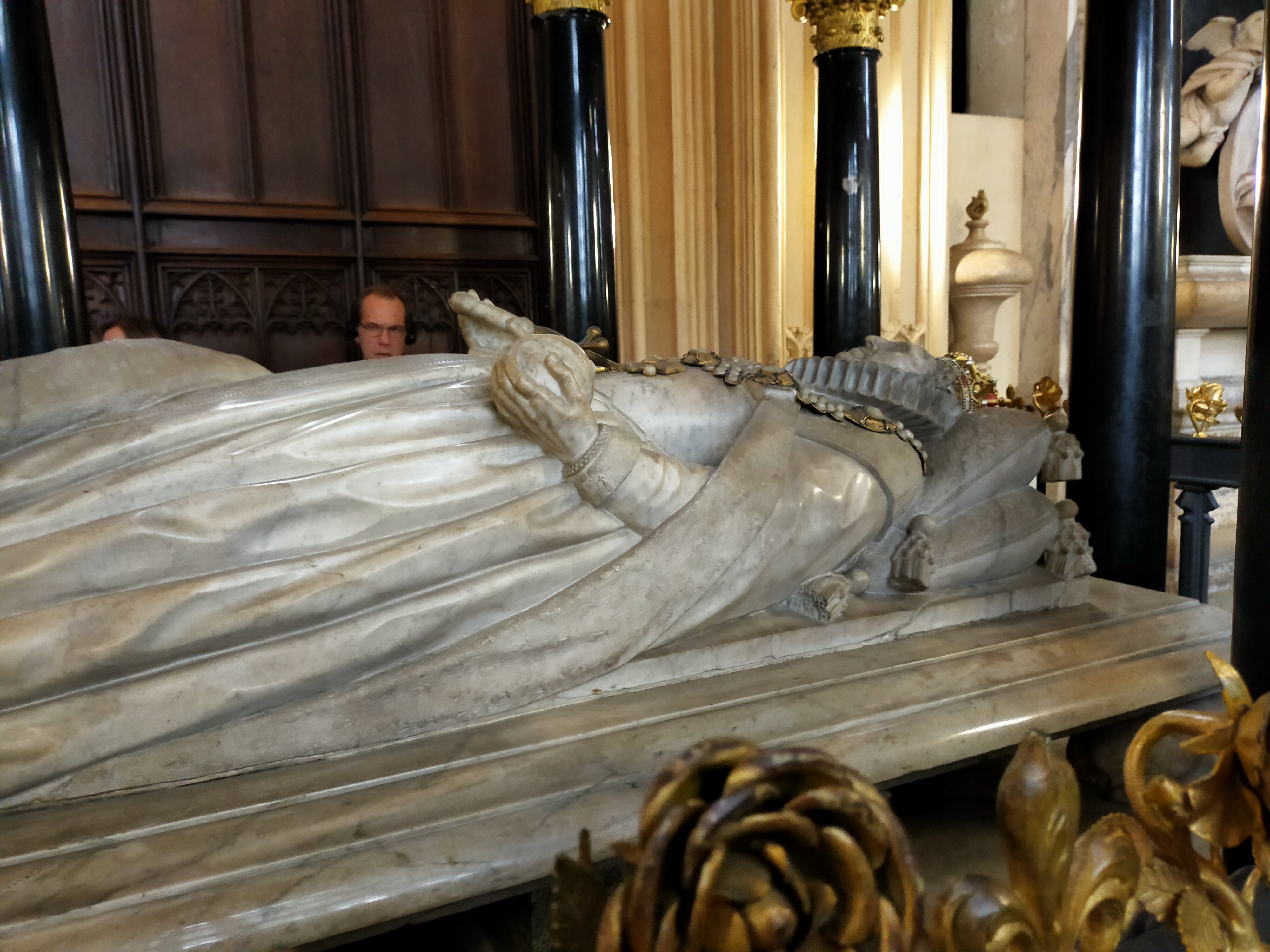
The abbey’s Gothic splendour soars heavenwards while history drips from every statue and every stone. As well as being the most famous house of God in the land, it’s also the most popular. The crowds were too much, particularly when trying to catch a fleeting glimpse of the first two undisputed Queen Regnants* of England – the first Mary and the first Elizabeth – half sisters, one Catholic and one Protestant at a time when you had to pick a side. These two old queens – one Catholic and one Protestant – inched and jostled past the tombs. Of the 16 or so other monarchs buried at the abbey, the tomb of Mary, Queen of Scots is perhaps the most poignant, given her life and times.

*That is, a queen reigning in her own right rather than a queen through marriage to a king.

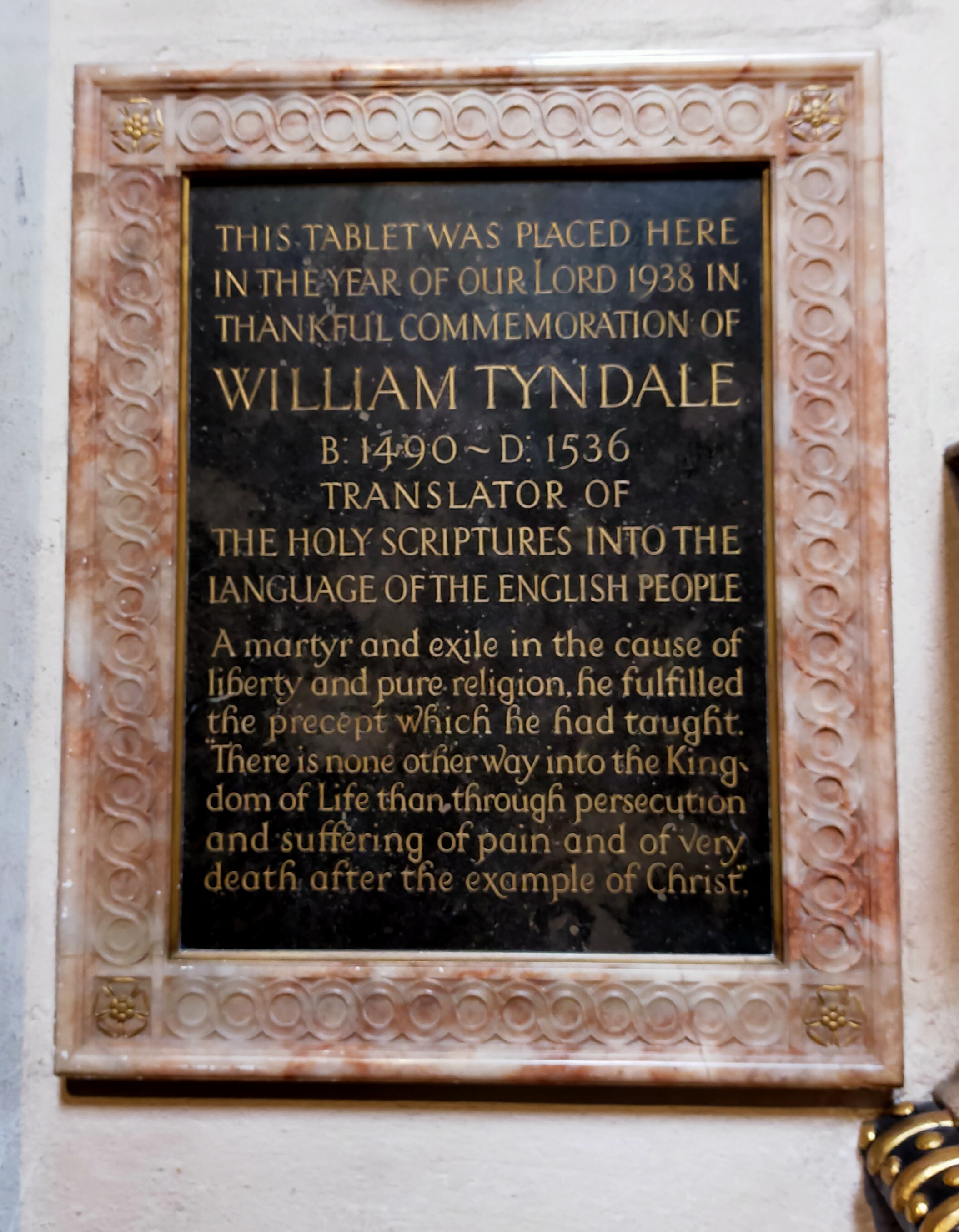
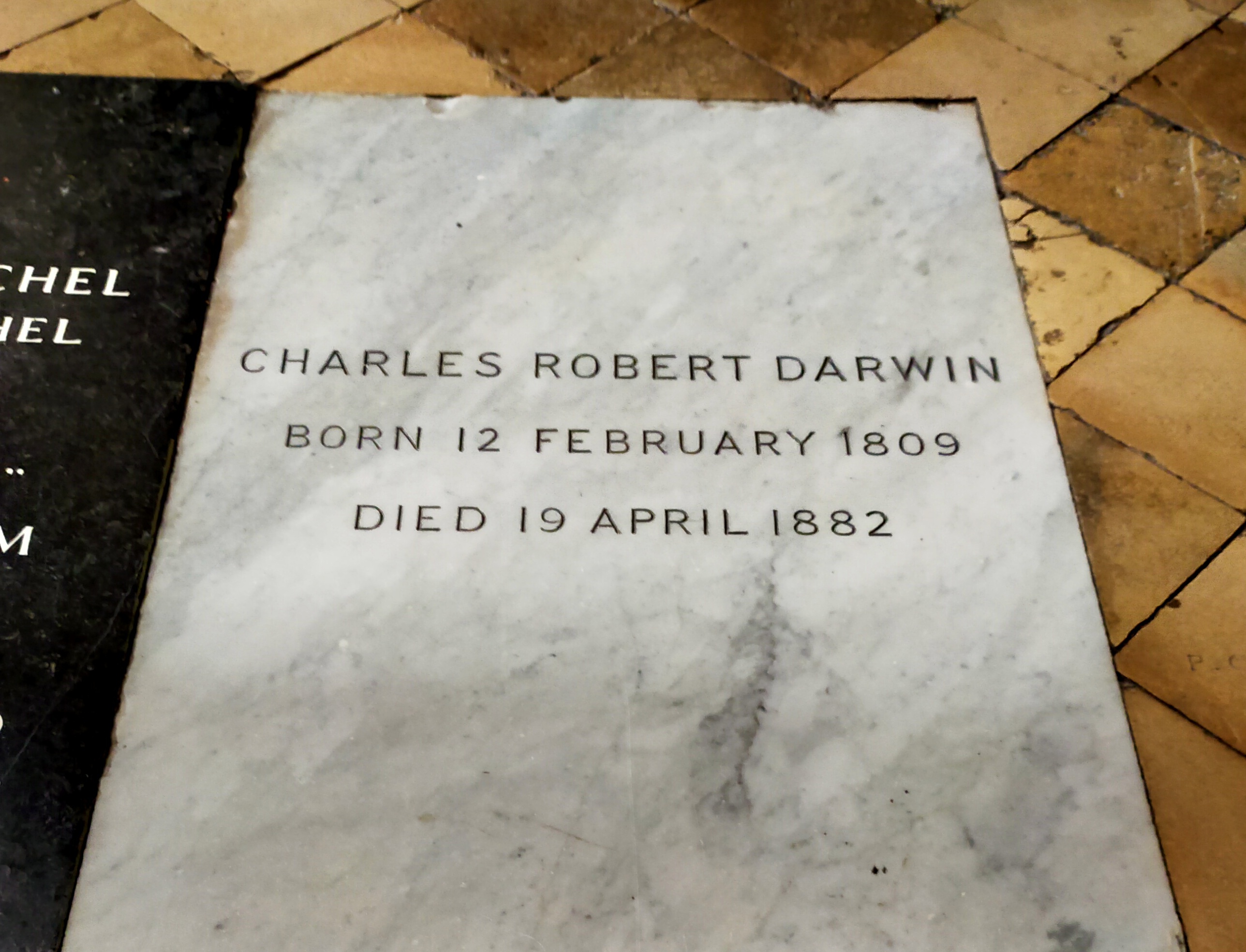
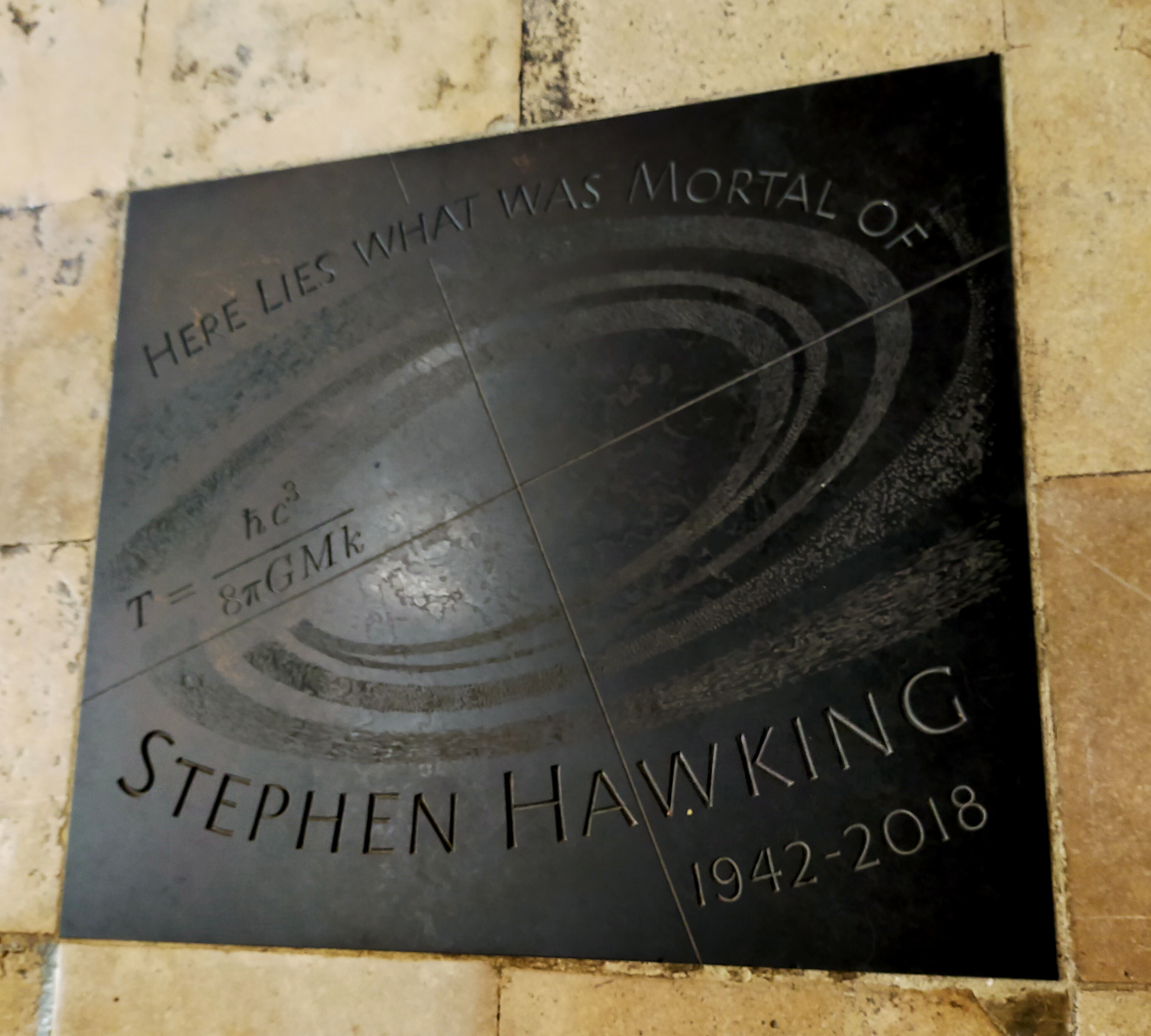
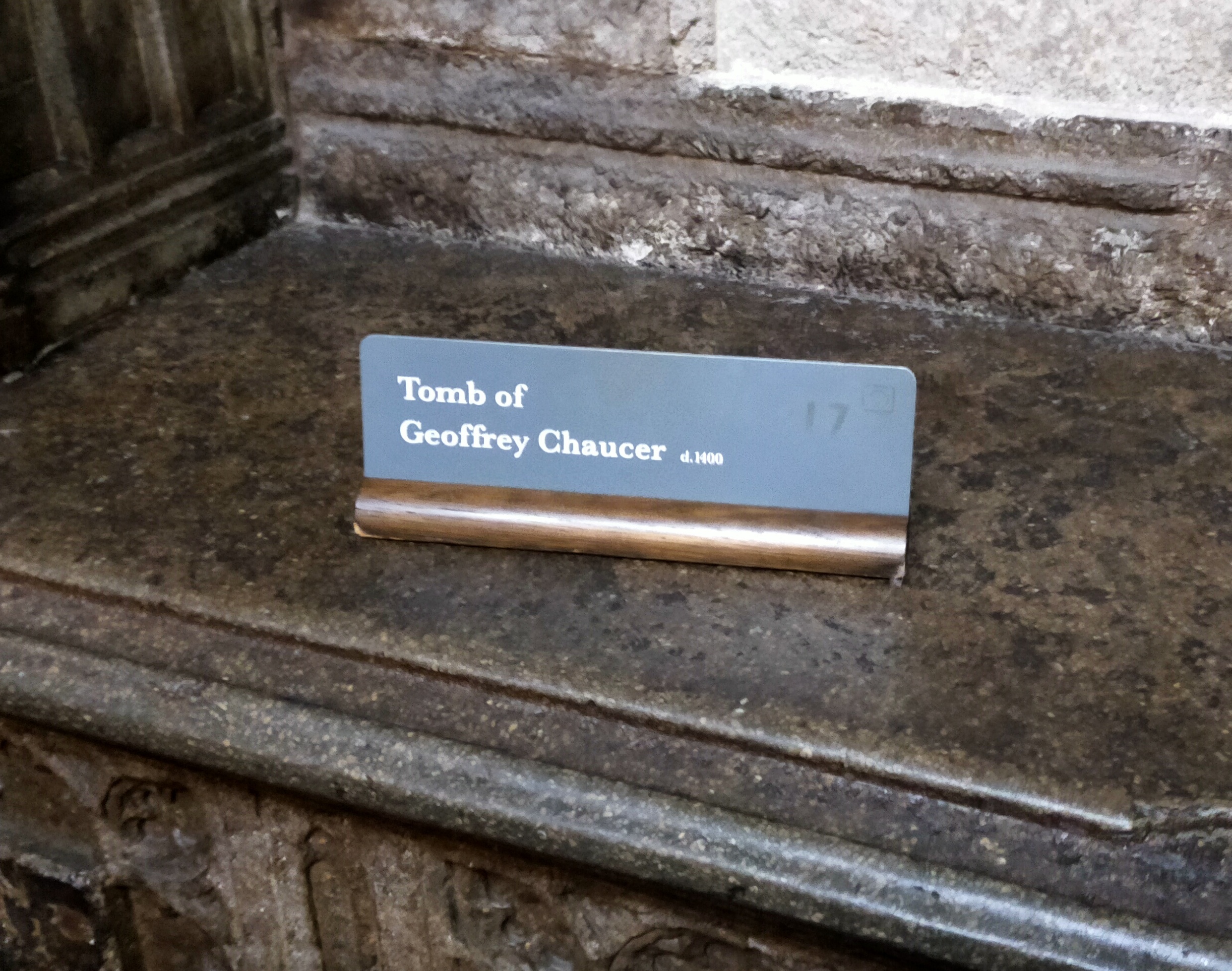
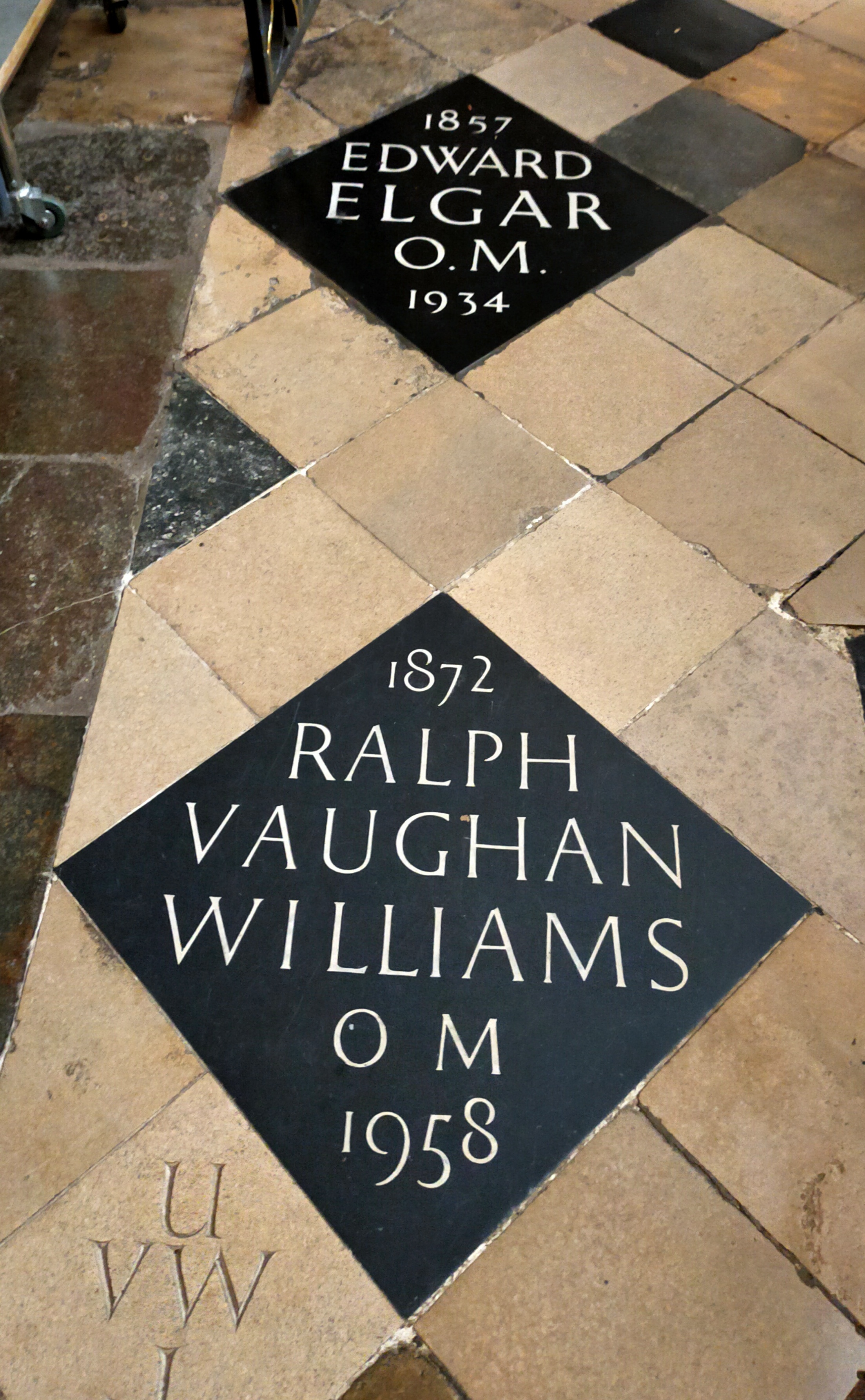
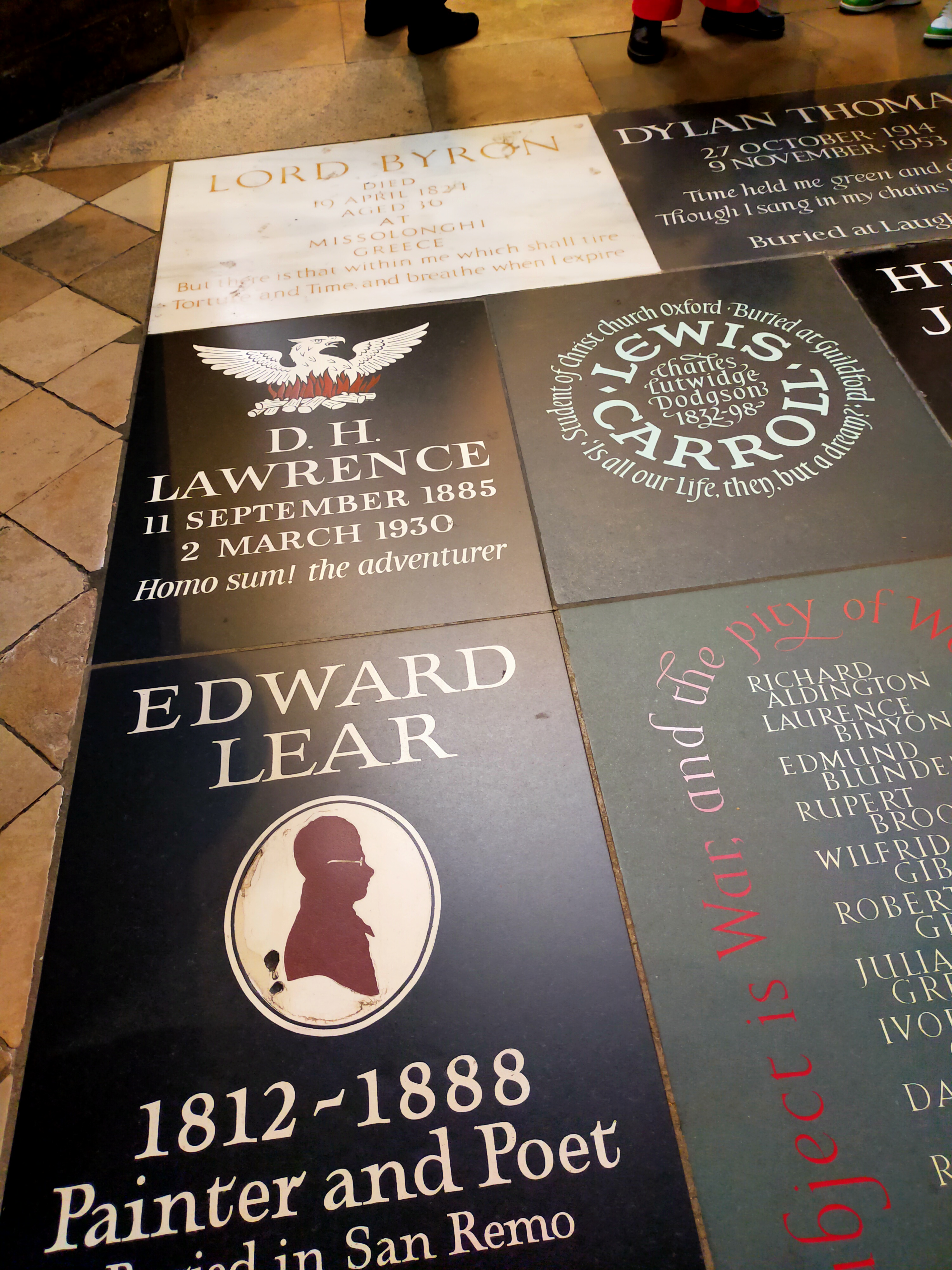
The list of the dead and commemorated is a veritable who’s who of Britons past: a galaxy of big brains – Newton, Hawking, Darwin; a symphony of composers – Purcell, Vaughan Williams, Elgar; a company of luvvies – including Laurence Olivier; and a society of dead poets and writers – Chaucer, Byron, Lewis Carroll, Dylan Thomas, DH Lawrence, et al.

There is also a parliament of politicians – many either forgotten or best unremembered.

And, lest we forget, the abbey also contains the grave of the Unknown Warrior, commemorating the terrible slaughter of the First World War. It’s the only floor stone on which it’s forbidden to walk. Be warned. Lest you forget.

Beer is All Around

The big screen at Cinema City flickered green – Gremins green. So that was the end of that. No matinee at the flicks for us. What’s a couple of likely lads to do instead on a damp and dismal afternoon in old Norwich town? Find a pub, of course. Down the years, we’ve supped at most city centre watering holes and one of our favourites is the Murderers on Timberhill, a traditional ale house stuffed with old world charm, oak beams and exposed brickwork. The pub has a dark past – hence the name – and it’s usually our last port of call before we stumble onto our bus back to the village.

They serve a very quaffable house wine at the Murderers, at a very good price. And quaff it we do. At the time of our visit, the bar was rammed to the crooked beams with hard-drinking young bearded types. Boisterous but good-humoured, it turns out the hairy merry men had parachuted in from the North Sea gas rigs. And the riggers were hell-bent on spreading the love by offering sambuca shots to everyone from a loaded tray. It would’ve been rude to refuse.

Not to miss a PR trick, the Murderers has stepped into Christmas with a brilliant parody of a famous scene from that perennial festive favourite, Love Actually. So folks, I give you…

Ghost Post

Apologies for the ghost post, folks. A slip of the wrist. Normal services will resume soon! 🙂

Cruising Down by the River

I stumbled upon a strange fella lurking among the trees who gave me the old ‘come hither’. So I came hither. Okay, that’s not true. I’m a little long in the tooth for that old malarkey. Having said that, while my sell-by date might have long expired, I like to think there’s still a bit of mileage left in my use-by date. Liam, on the other hand, may disagree.

In reality, a glorious autumn day took these two old codgers for a shuffle down by the River Chet. We’re making the most of the fine weather while it lasts – it keeps us out of the pub. It won’t be long before the trees will be totally bald and the bone-chilling drizzle will force us back to the bar for a hot toddy. Tod had better brace himself.

It’s Showtime!

For our two-day birthday bonanza in old London Town, we hit the theatrical jackpot with a double bill of top-drawer shows. First up – The Curious Case of Benjamin Button – is a foot-tapping bundle of heart-warming folksy fun, despite the strange and, at times, bleak plot of a man born old who gradually regresses to a babe in arms. Based on a short story by F. Scott Fitzgerald, the tale is relocated to a Cornish fishing village at the turn of the last century. Unique, funny, charming, fast-paced and complex, the entire ensemble remains on stage throughout – singing, dancing, swapping instruments and characters in a dazzling display of talent. At its heart, Benjamin Button is a moving tale of love against the odds, and it’s a triumph.

Images © Marc Brenner

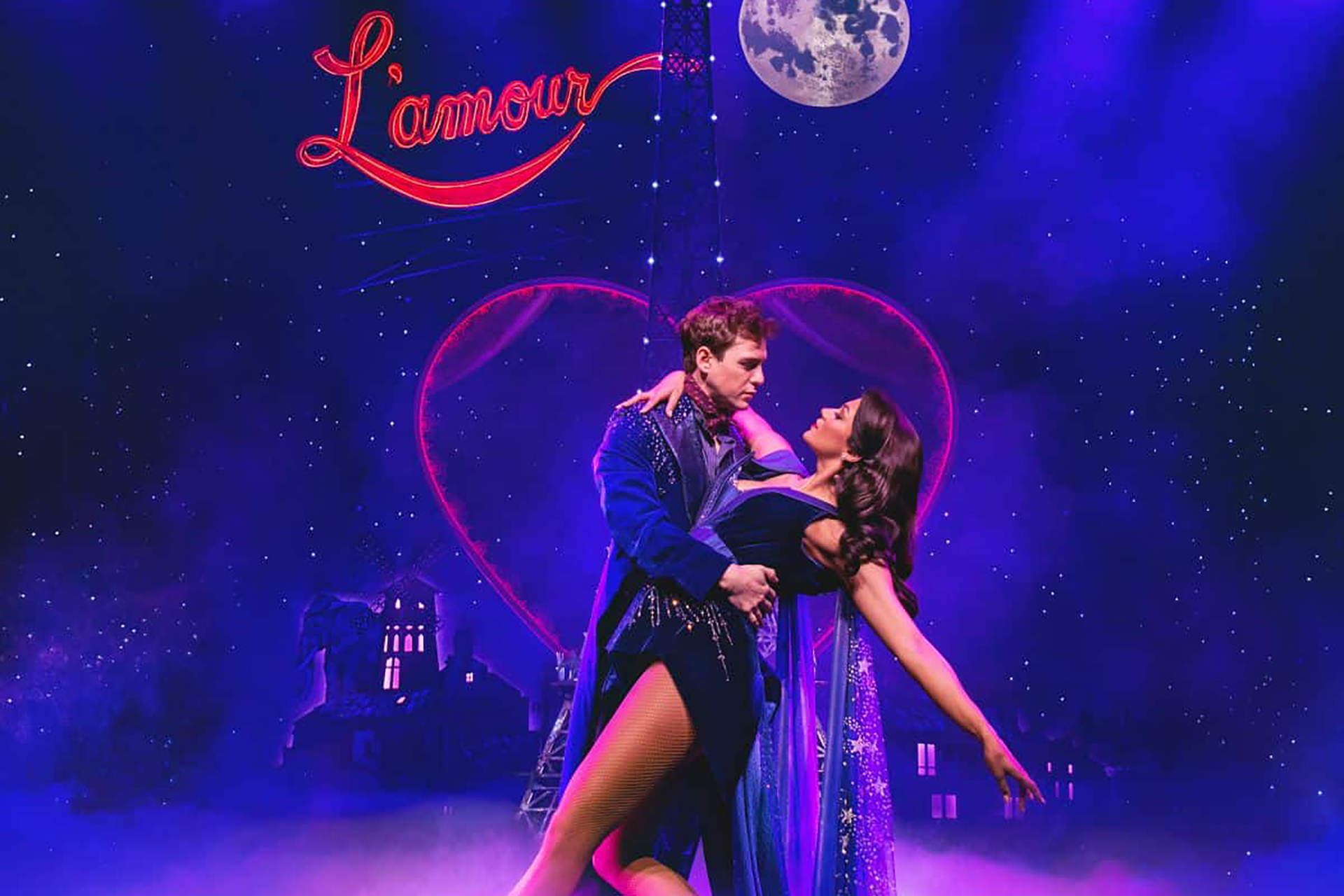
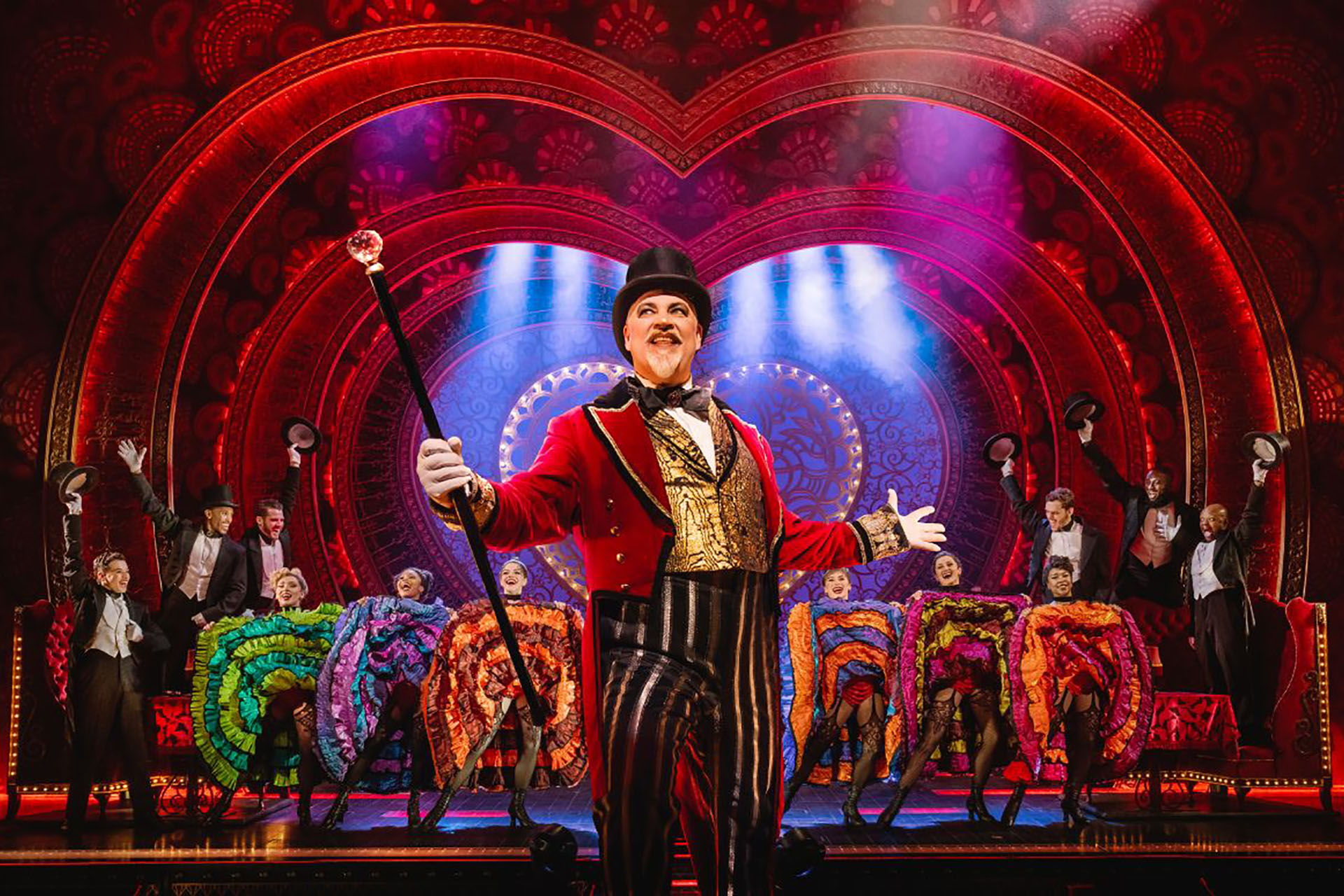
Talking of love against the odds, second up was Moulin Rouge, based on Baz Luhrmann’s iconic 2001 boy-meets-girl basque-and-knickers glitterfest. The show was our emergency stand-in for the cancelled performance of The Devil Wears Prada, Elton John’s new musical. Lavish, brilliantly staged, slick, bawdy and addictive, the disappointment of missing The Devil evaporated within minutes of us taking our seats. Superbly delivered to a clever karaoke mash-up, including (ironically) Elton’s Your Song, I have a feeling in my water that this spectacular high-octane, all-singing, all-can-canning tale of consumption and doomed love in a Parisian garret will run and run. Ooh la la!

Images courtesy of The Piccadilly Theatre

The Devil Wears Prada

Picture it. October, London, Liam’s birthday and the much-anticipated new Elton John stage musical, The Devil Wears Prada, based on the acclaimed 2006 film. So imagine our disappointment to discover, quite by chance, that the performance we were due to see had been cancelled – no notice, no explanation. We contacted the Dominion Theatre Box Office to establish what was what. They said they’d emailed. Well, sweet Fanny Adams received this end – zero, zilch, zip, nada, nothing, nowt. Lost in cyberspace or so it seems. Or was it? A first-world problem, I know, but annoying nonetheless. We could have arrived at the theatre to find it ‘dark’, as they say in the trade. Many happy returns.

Anyway, once prompted, the theatre refunded the cost of our tickets and we booked to see Moulin Rouge instead. Because we can-can!

A Family Affair

This week has been a double bill of showbiz fun featuring our local innkeeper’s talented family. First to mince across the boards was the master of the house himself, Simon Peck. Simon played Roger De Bris in The Producers, Mel Brooks’ notorious black comedy. The story centres around a dodgy theatre producer and his accountant who together hatch a get-rich-quick scheme to swindle investors – by staging a gay romp about Hitler that’s designed to fail. De Bris, an uber-camp, cross-dressing director whose shows rarely get past the first reading, is hired to make doubly sure the musical flops.

If offence is easily taken, then Springtime for Hitler, the musical within a musical, is superficially offensive on every level. But it’s outstanding, a satirical piss-take at its most piercing. And Simon Peck was brilliant in it as the OTT limp-wristed luvvie – as camp as a row of tents – a role he was simply born to play.

Down the years, The Producers has achieved cult status and expectations were high, but we needn’t have worried. The entire top-notch cast at The Pavilion Theatre Gorleston put in a stonking performance. These two old gay luvvies loved it.

Talking of cross-dressing, next up was a stage version of the 1998 film romcom Shakespeare in Love from The Echo Youth Theatre at The Garage in Norwich. Echo Youth always put on a good show. And for this production, gender roles were mostly reversed. Whether this was due to a shortage of boys in the company or as a statement about the ban on female actors in Shakespeare’s day (a key theme in the plot), it worked extremely well.

Young starlet in the making, Alice Peck, played one of the leads as playwright Christopher Marlowe, a contemporary of the Bard. In the show (as in real life), Marlowe comes to a sticky end in a pub brawl. Ms Peck gave a glowing performance, lighting up the stage. And she died well too. In a good way, of course. Alice’s brother, Rory, whose principal role was playing clarinet in the chorus, had a hand in her undoing. Did he volunteer? We can’t say.

A special mention must go to the young chap playing Elizabeth I. Let’s face it, Judi Dench is a tough act to follow and he did a great job. Oscars all round, we thought.

The Canterbury Tales

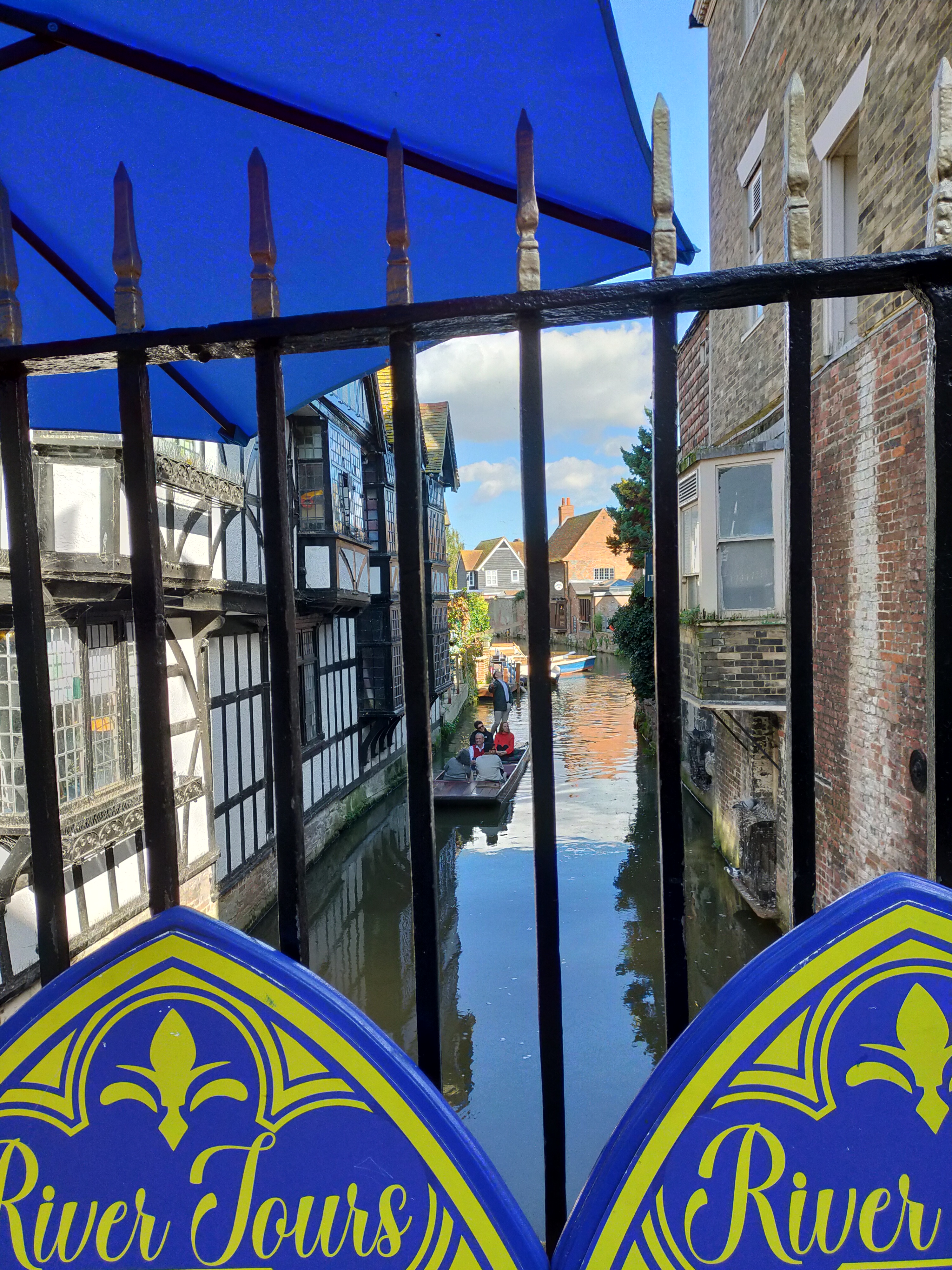
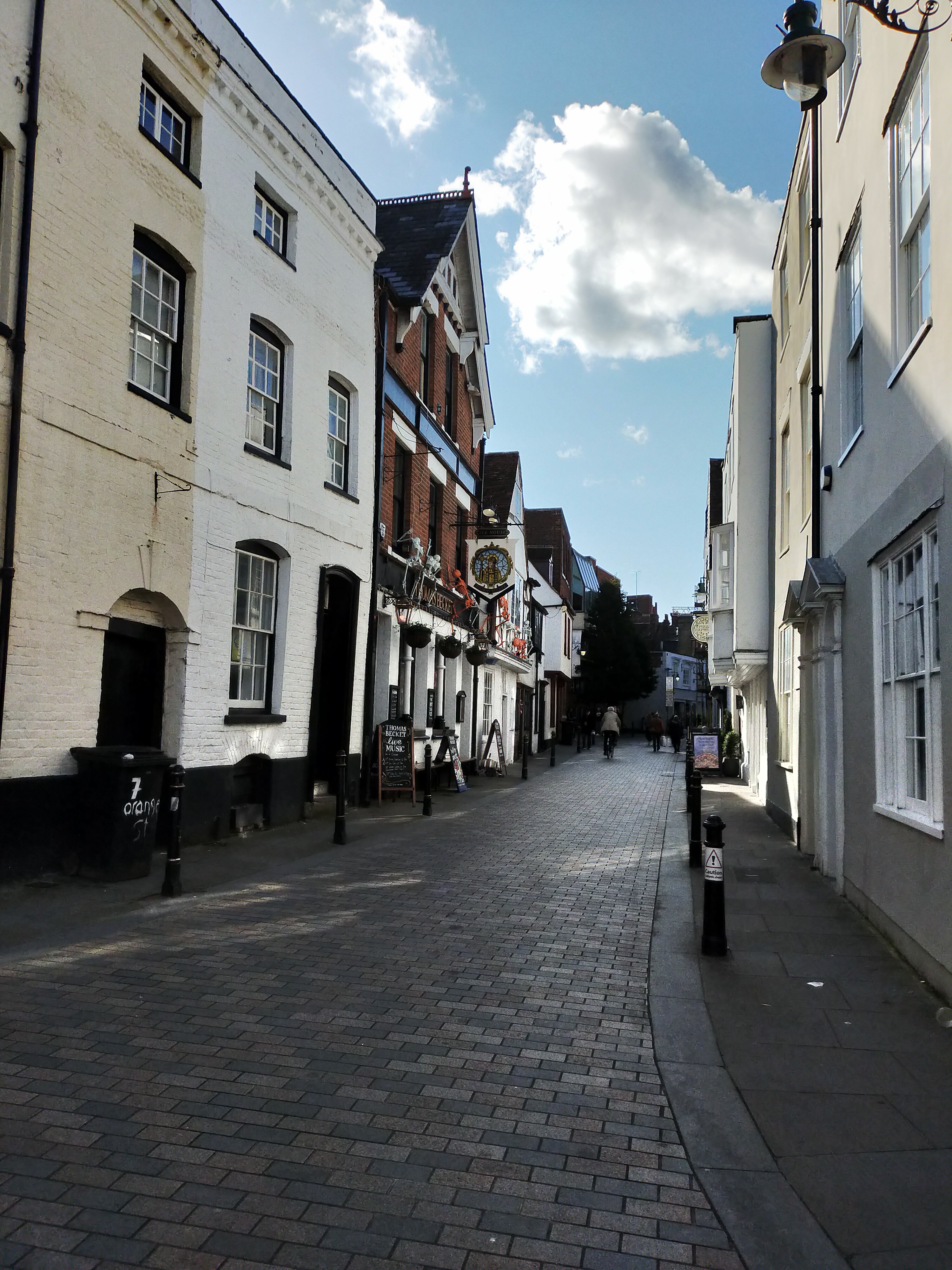
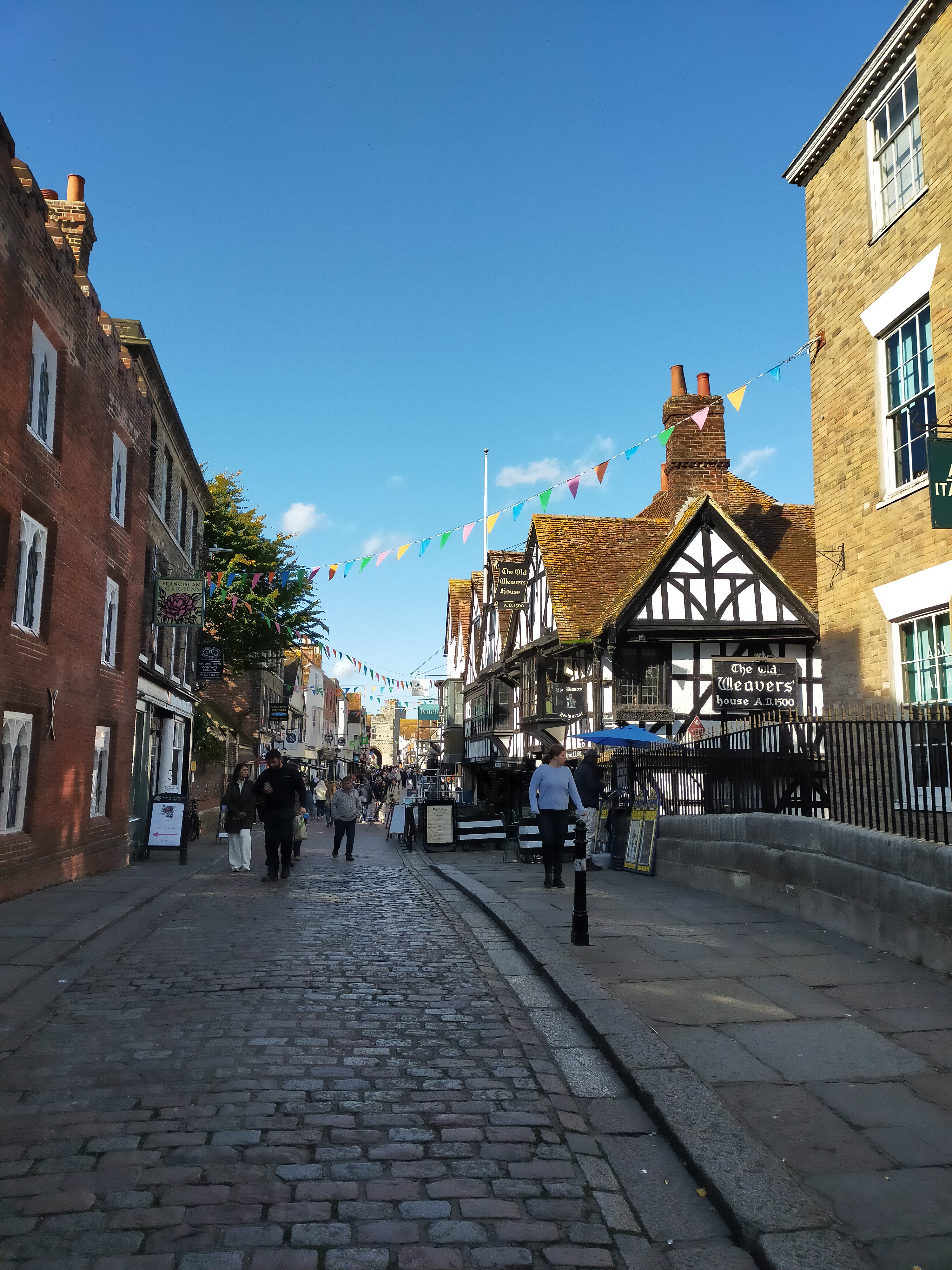
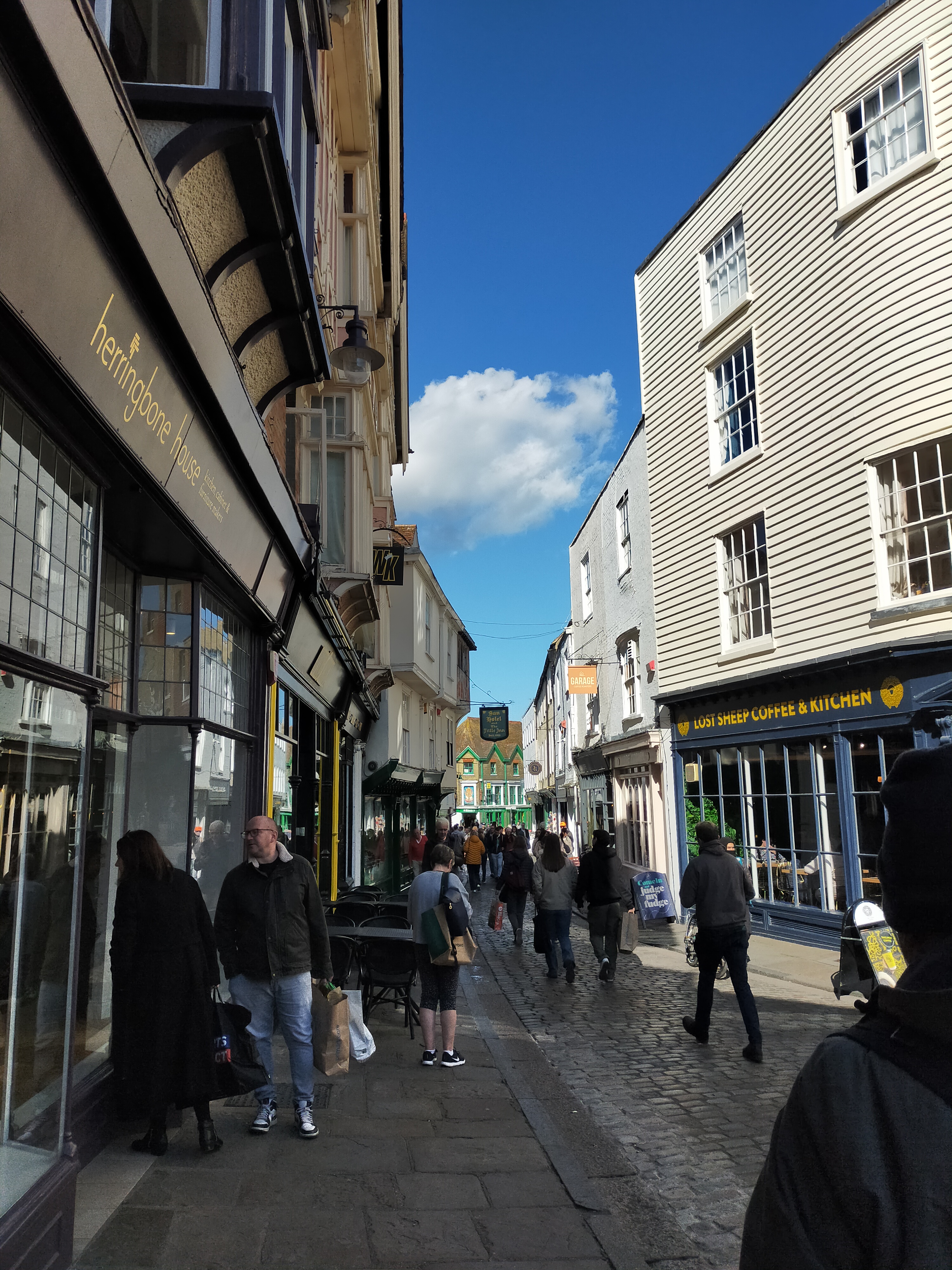
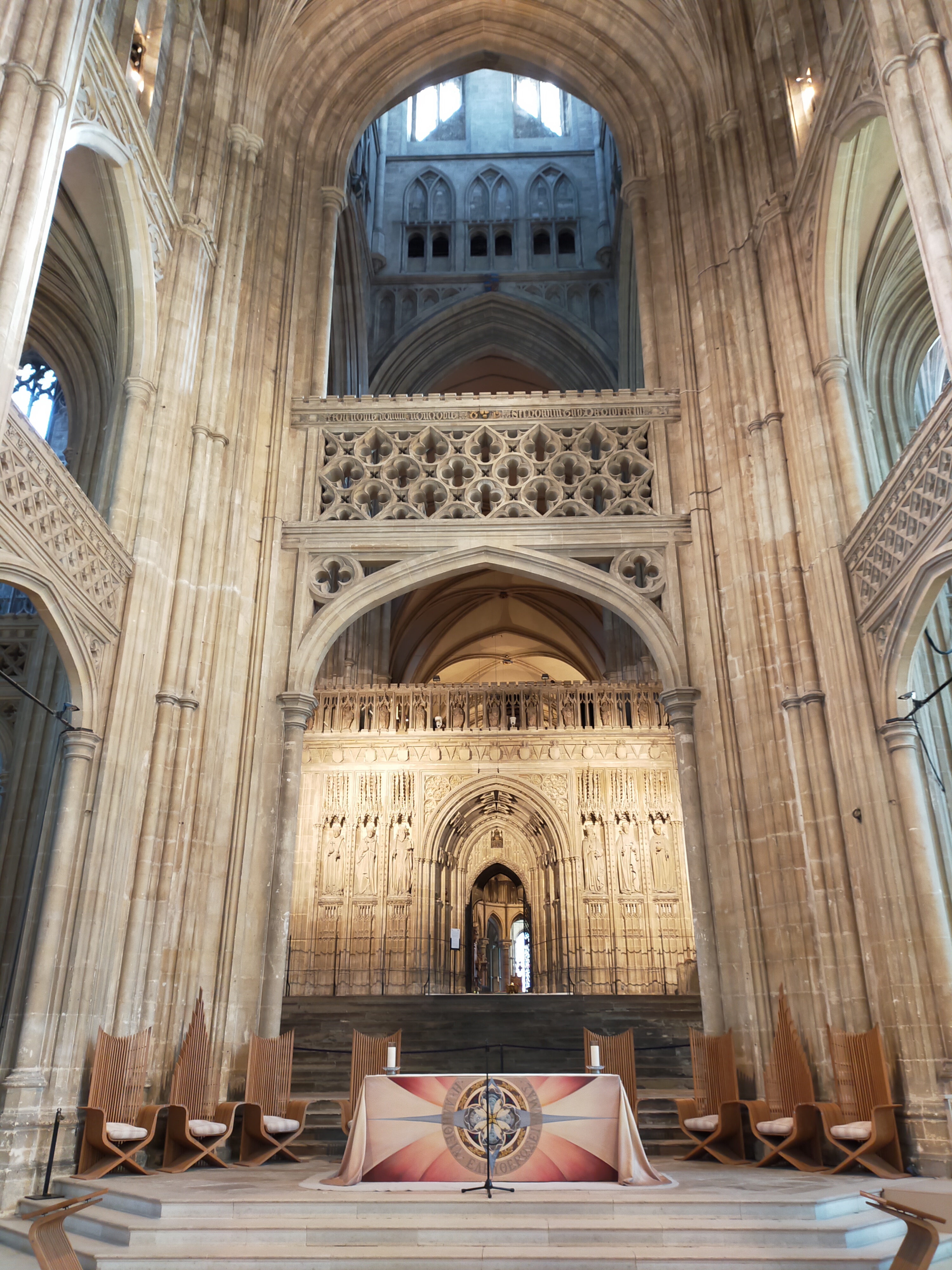
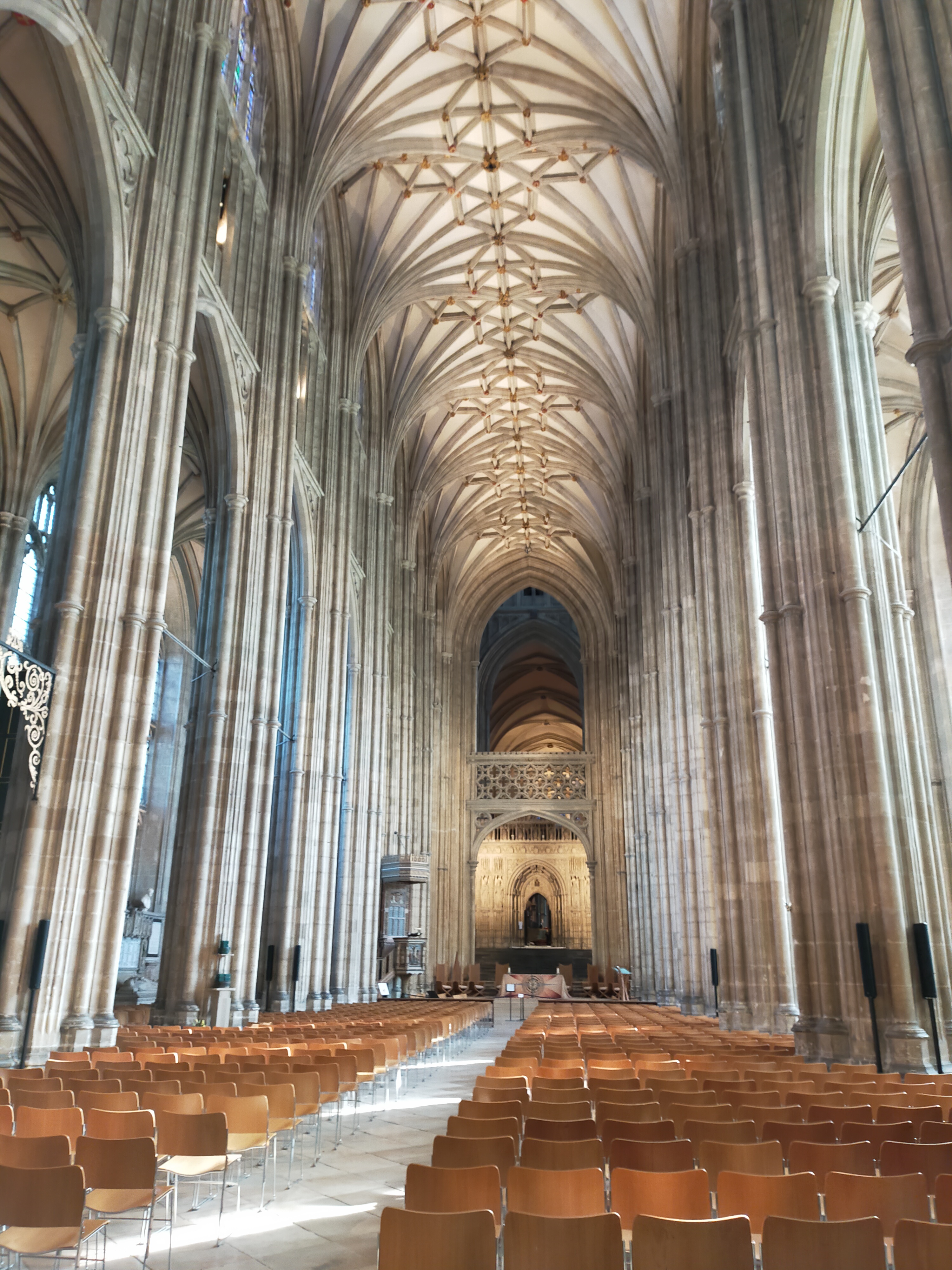
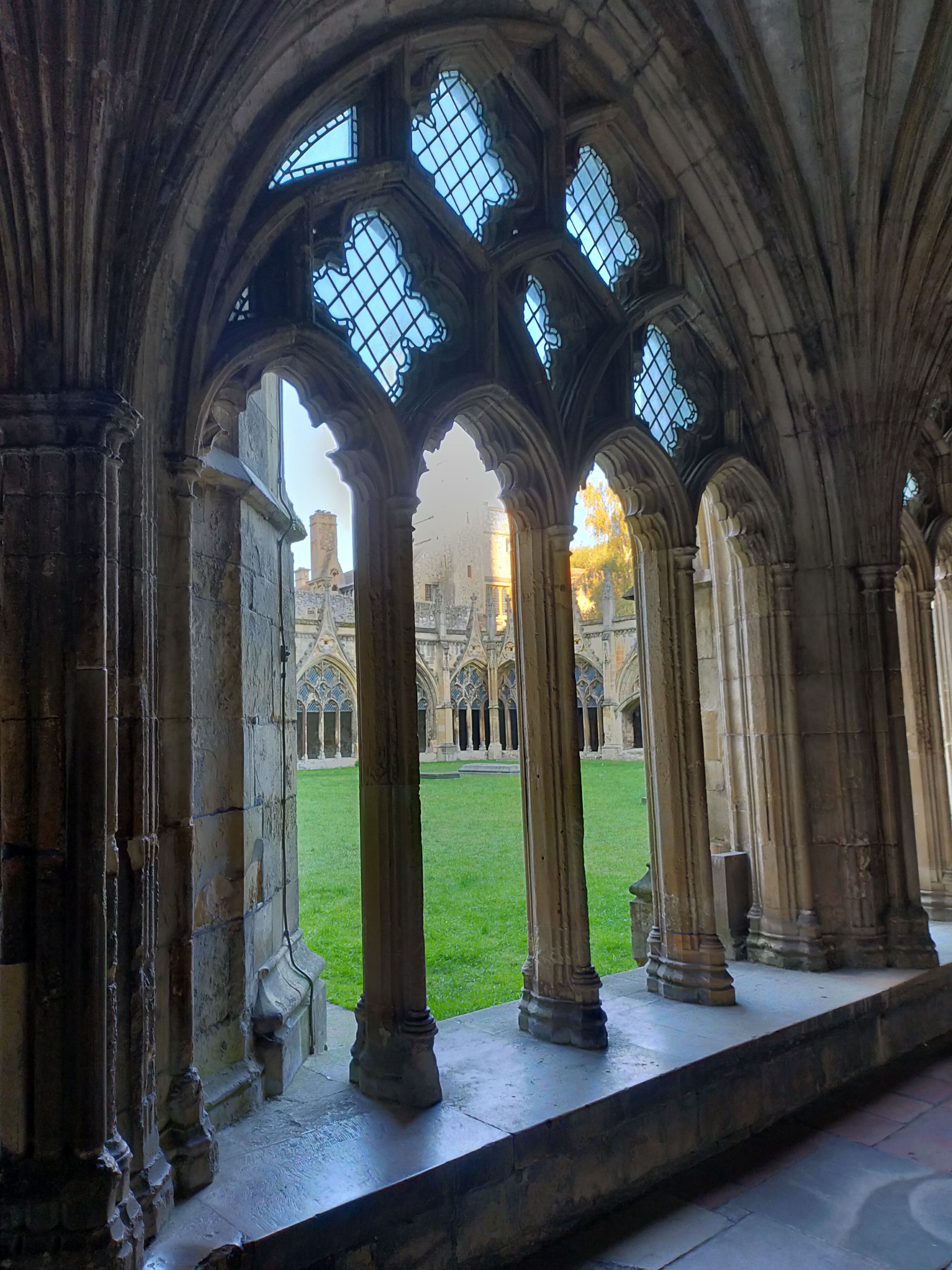
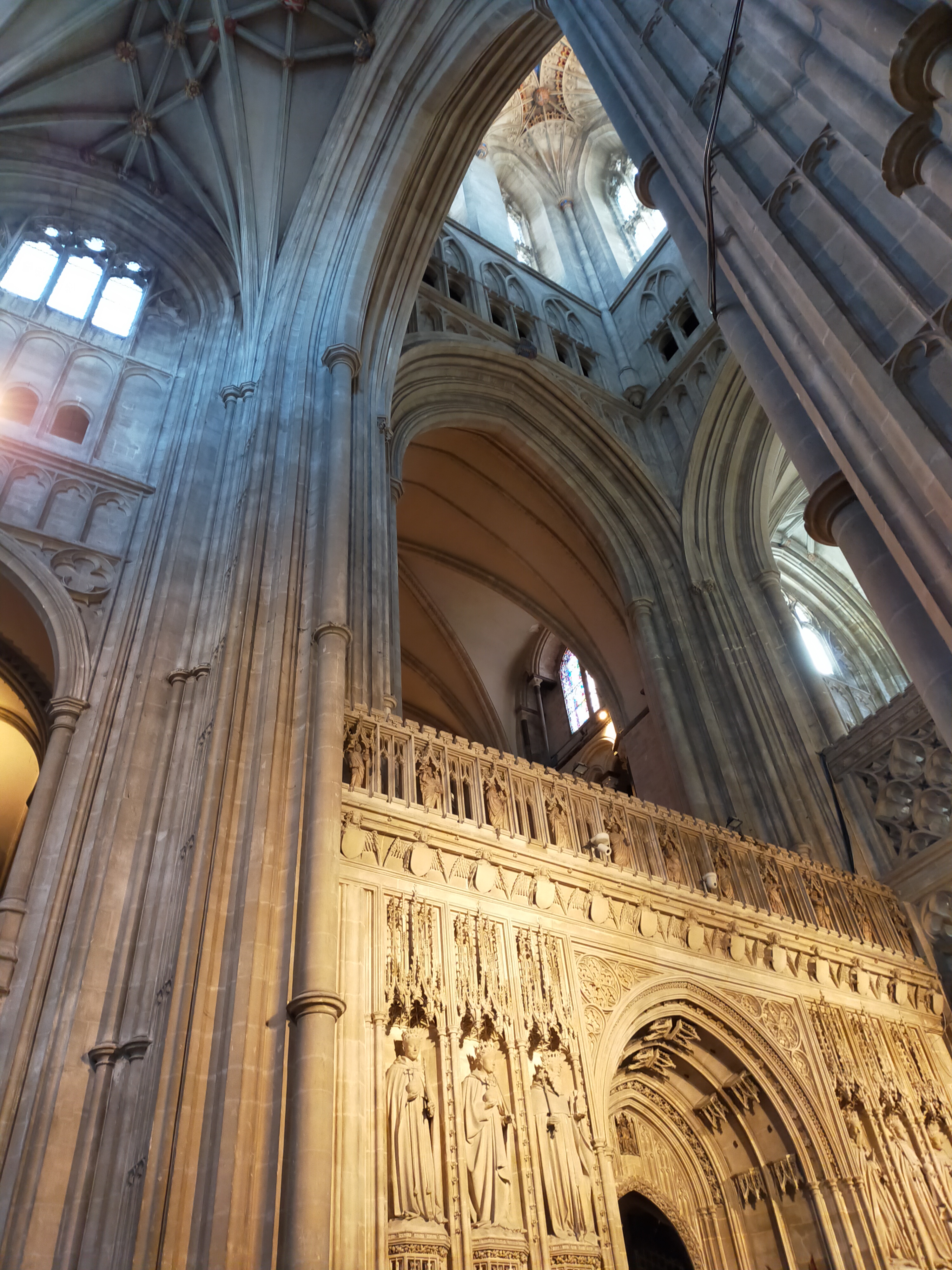
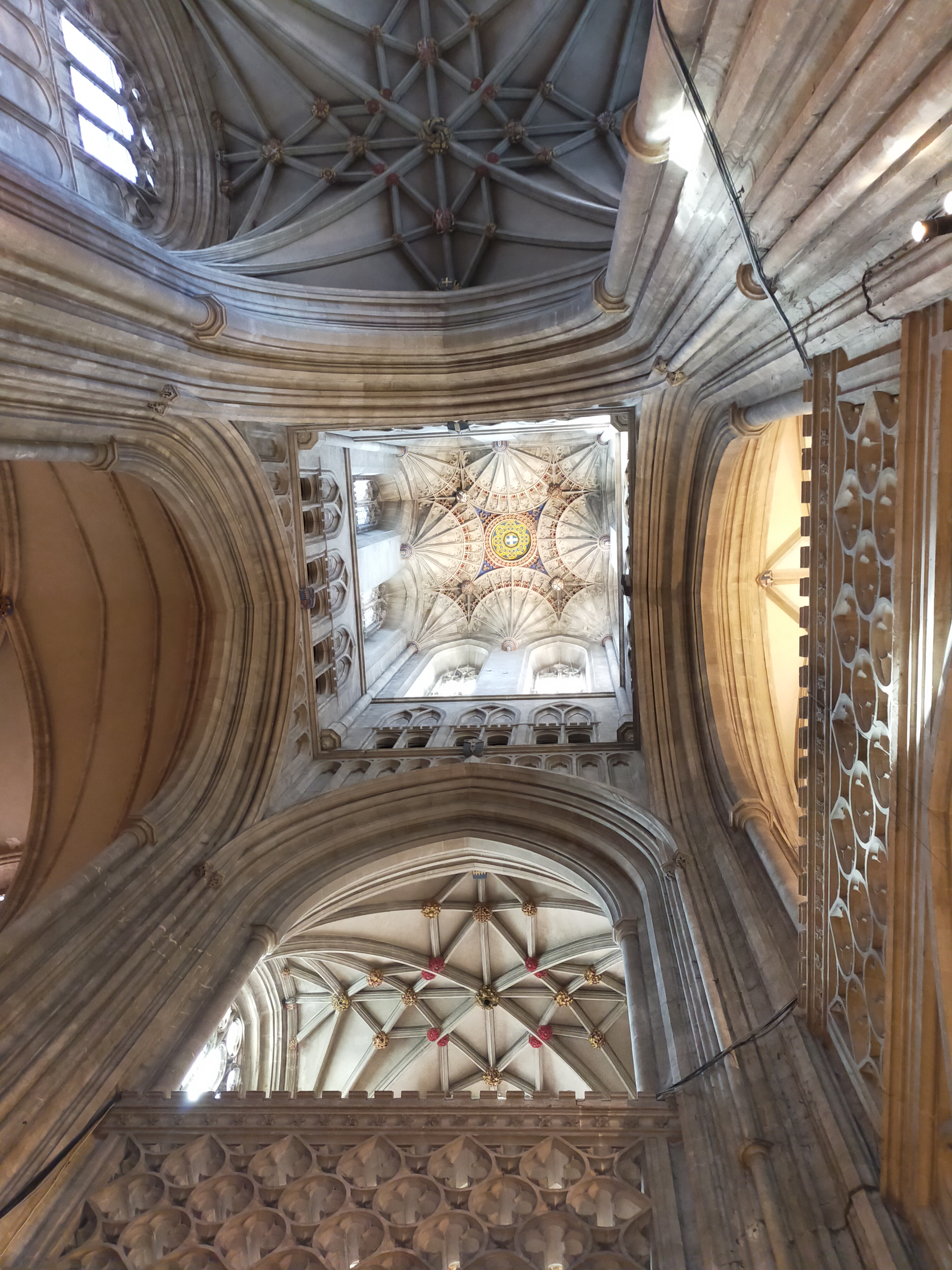
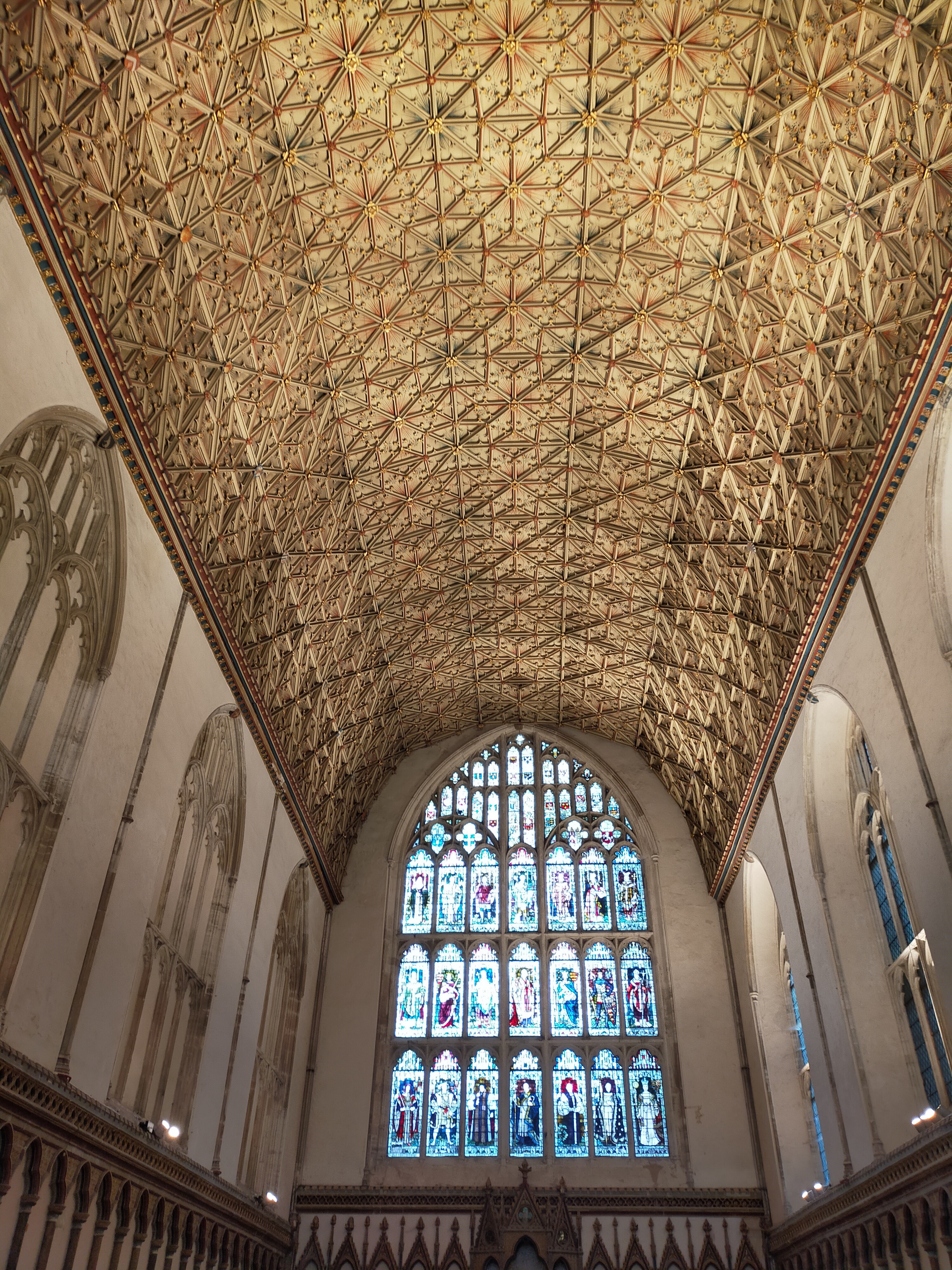
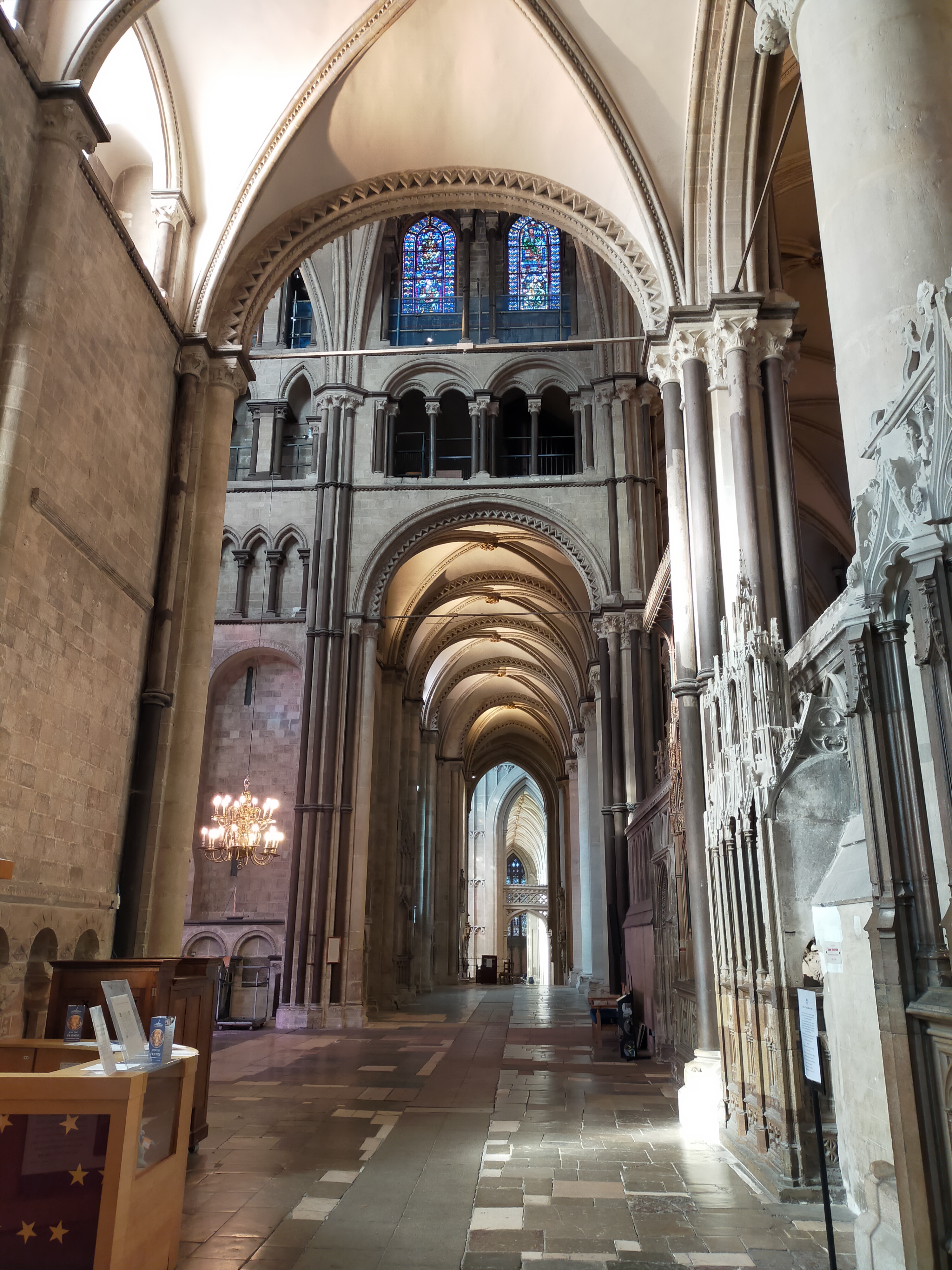
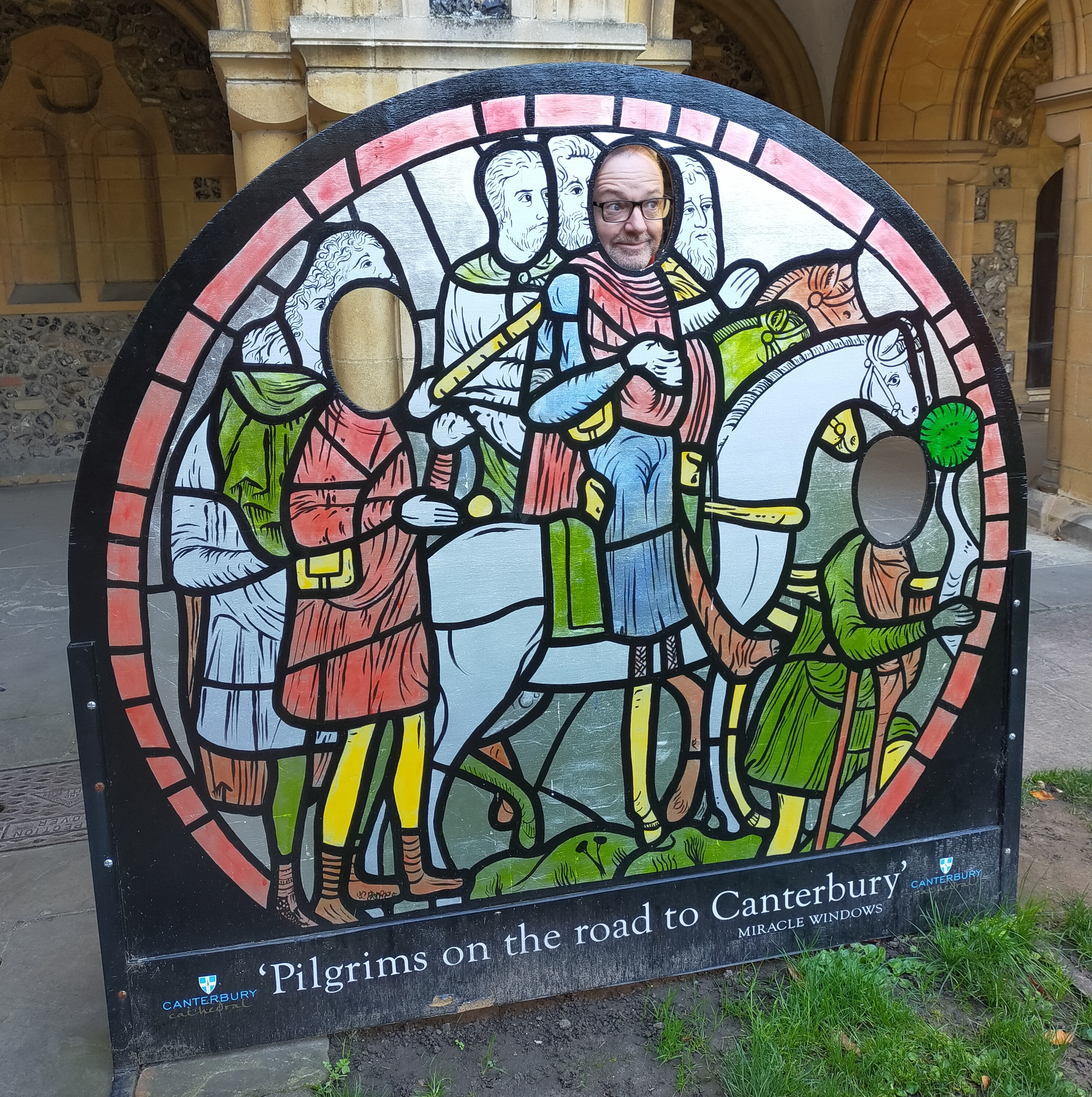
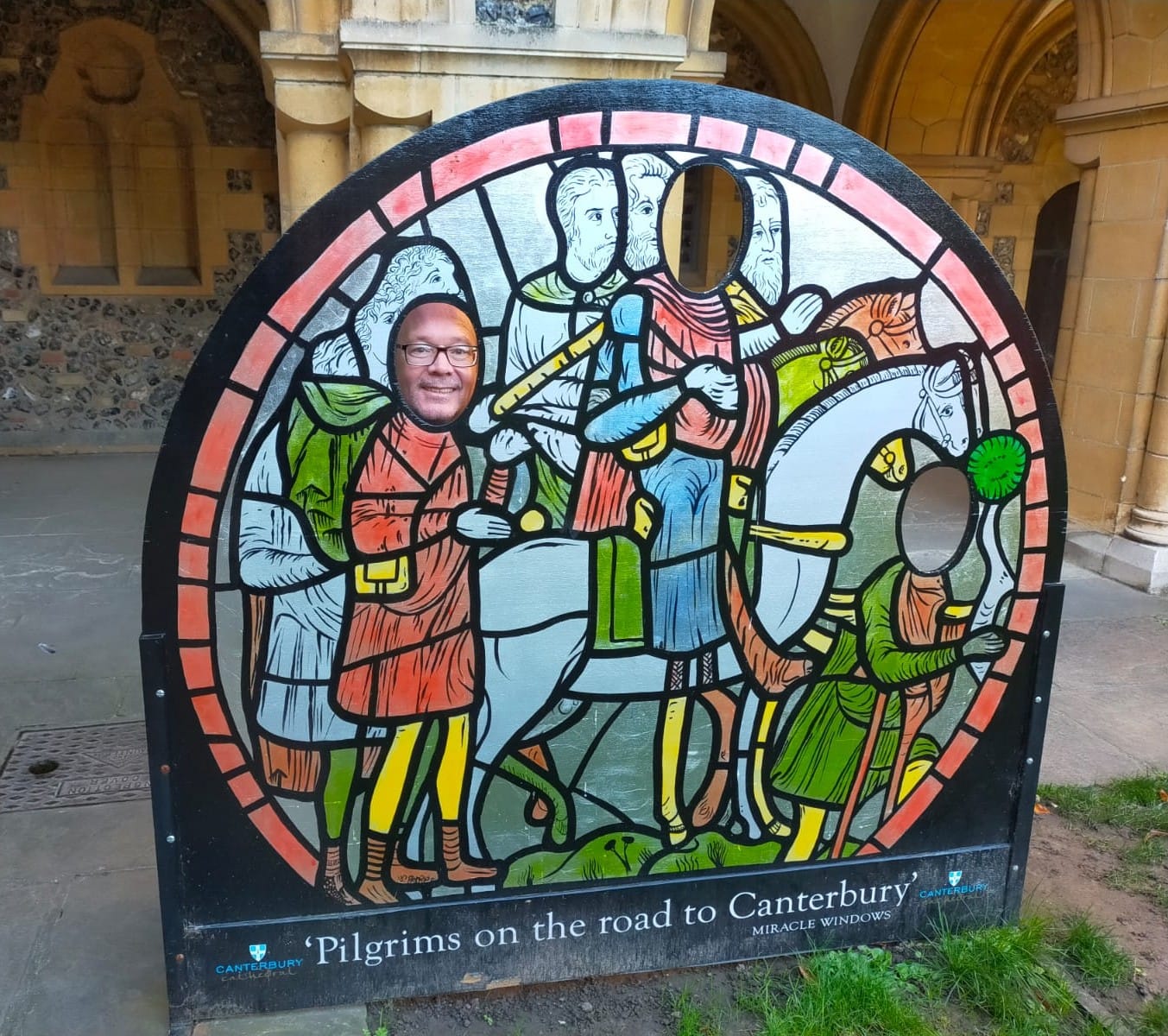
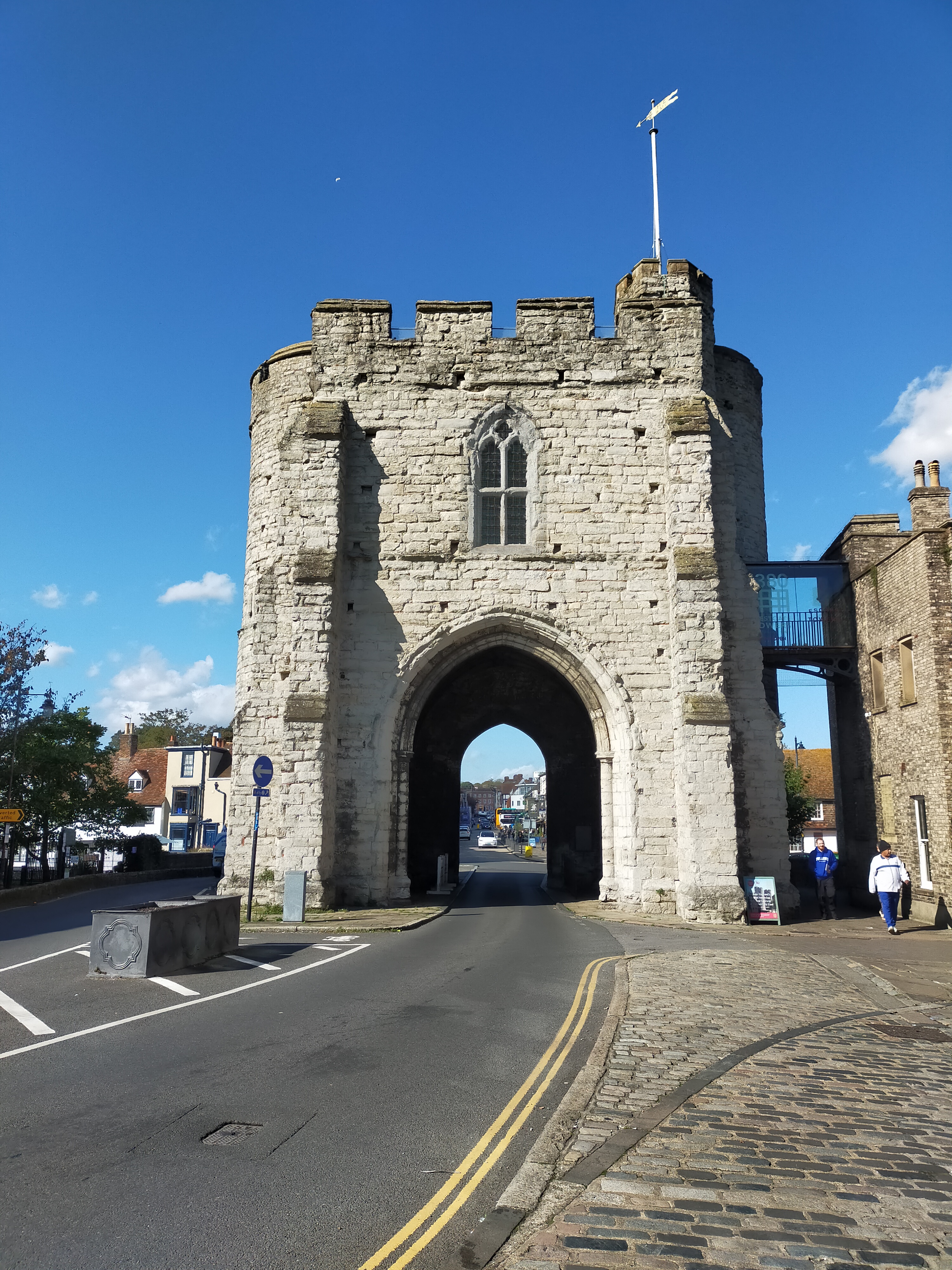
A family wedding took us to rural Kent, the so-called Garden of England, with its rolling downs, dripping orchards and bountiful fields. We padded out the nuptials with a good gander around pretty Canterbury. The city has ancient roots – think Celts, Romans, Jutes, Anglo-Saxons, Vikings, Normans and Huguenots. Canterbury’s city centre was flattened by the Luftwaffe during the Second World War, but unlike many other British towns and cities, it was sympathetically rebuilt. Today, Canterbury is a university city and a huge tourist draw, principally due to the vast cathedral – a UNESCO World Heritage Site – which dominates the skyline. The largely pedestrianised cobbled streets are charming, if a tad Disneyfied (no doubt to keep modern-day pilgrims progressing).

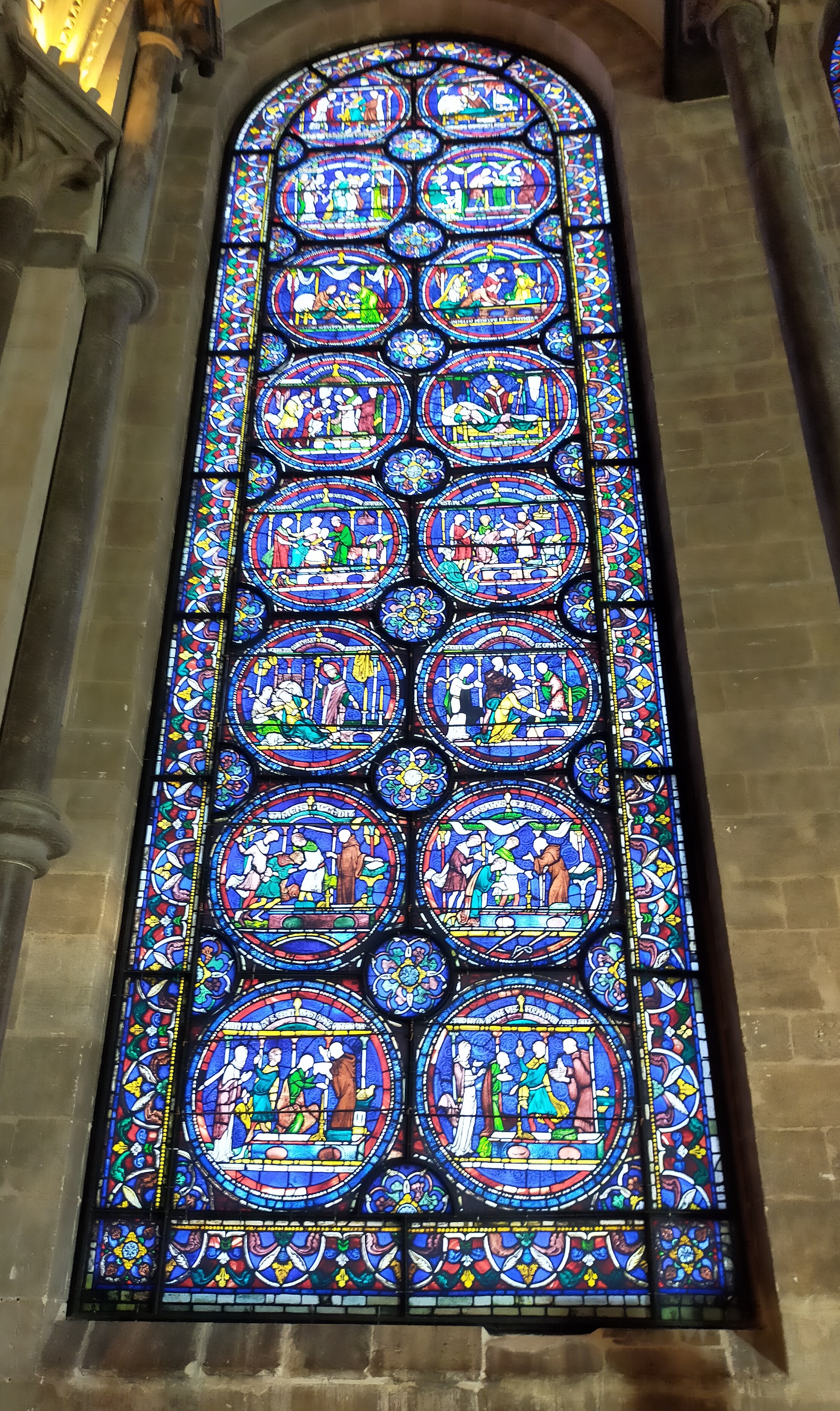
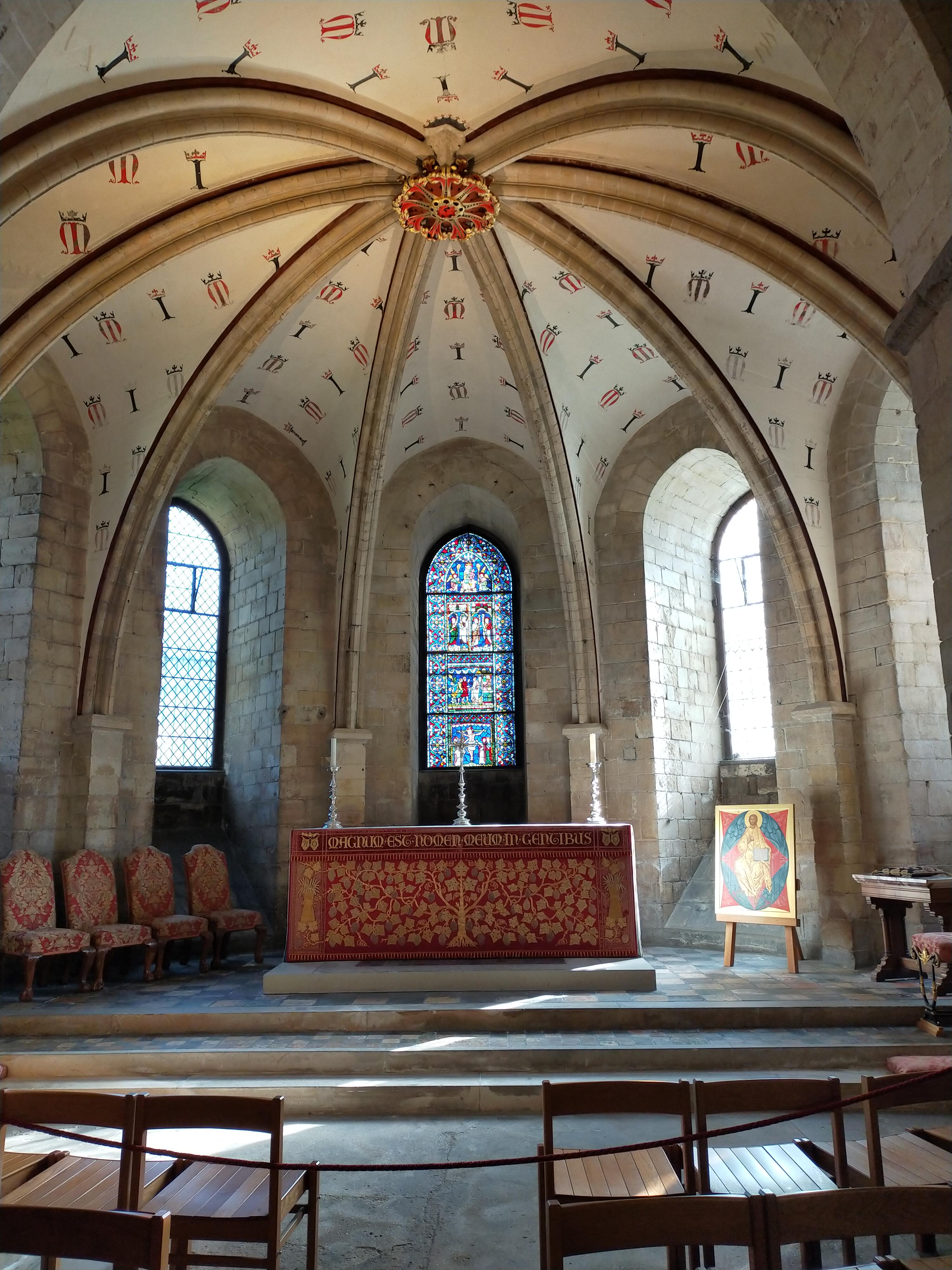
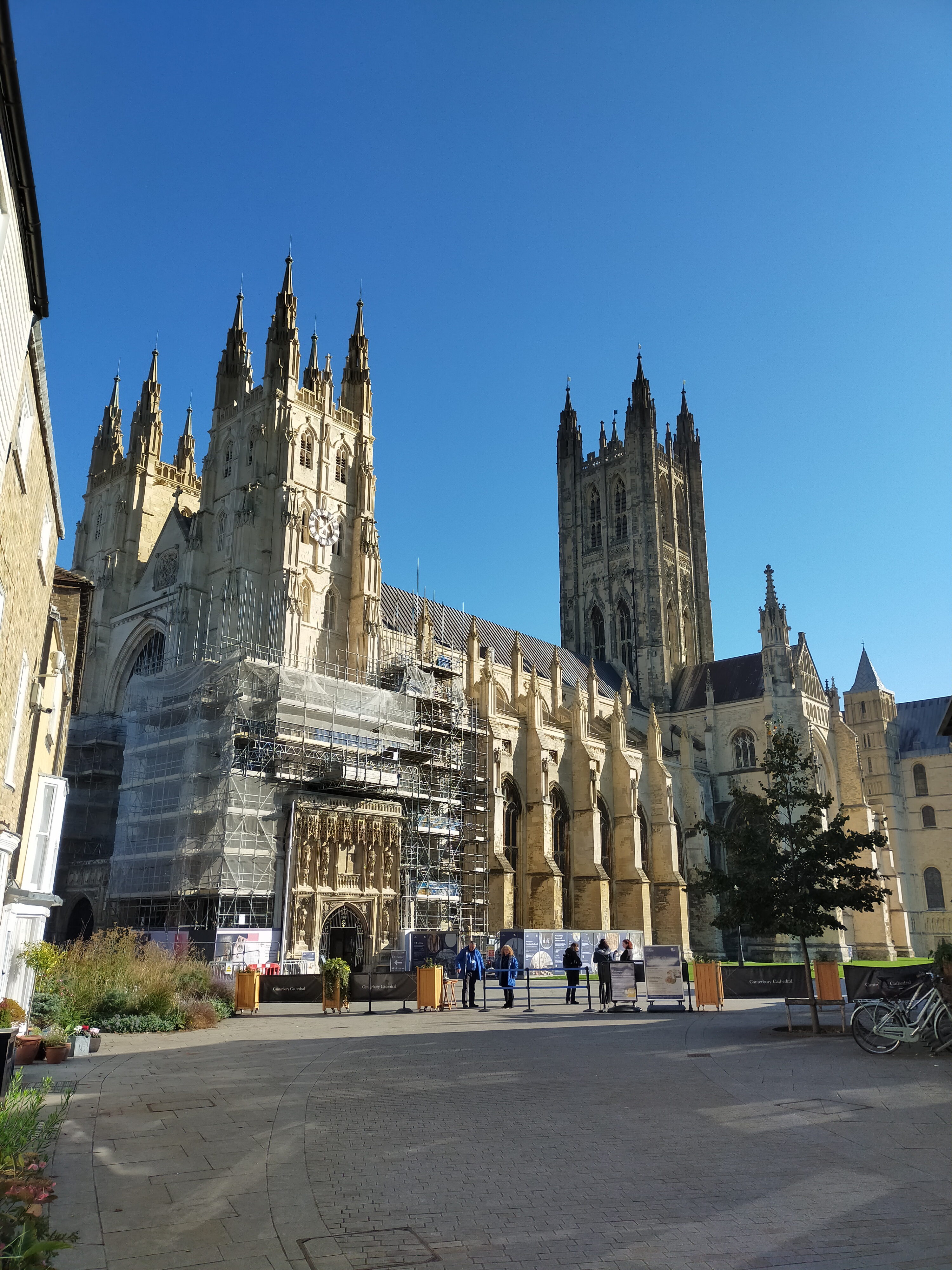
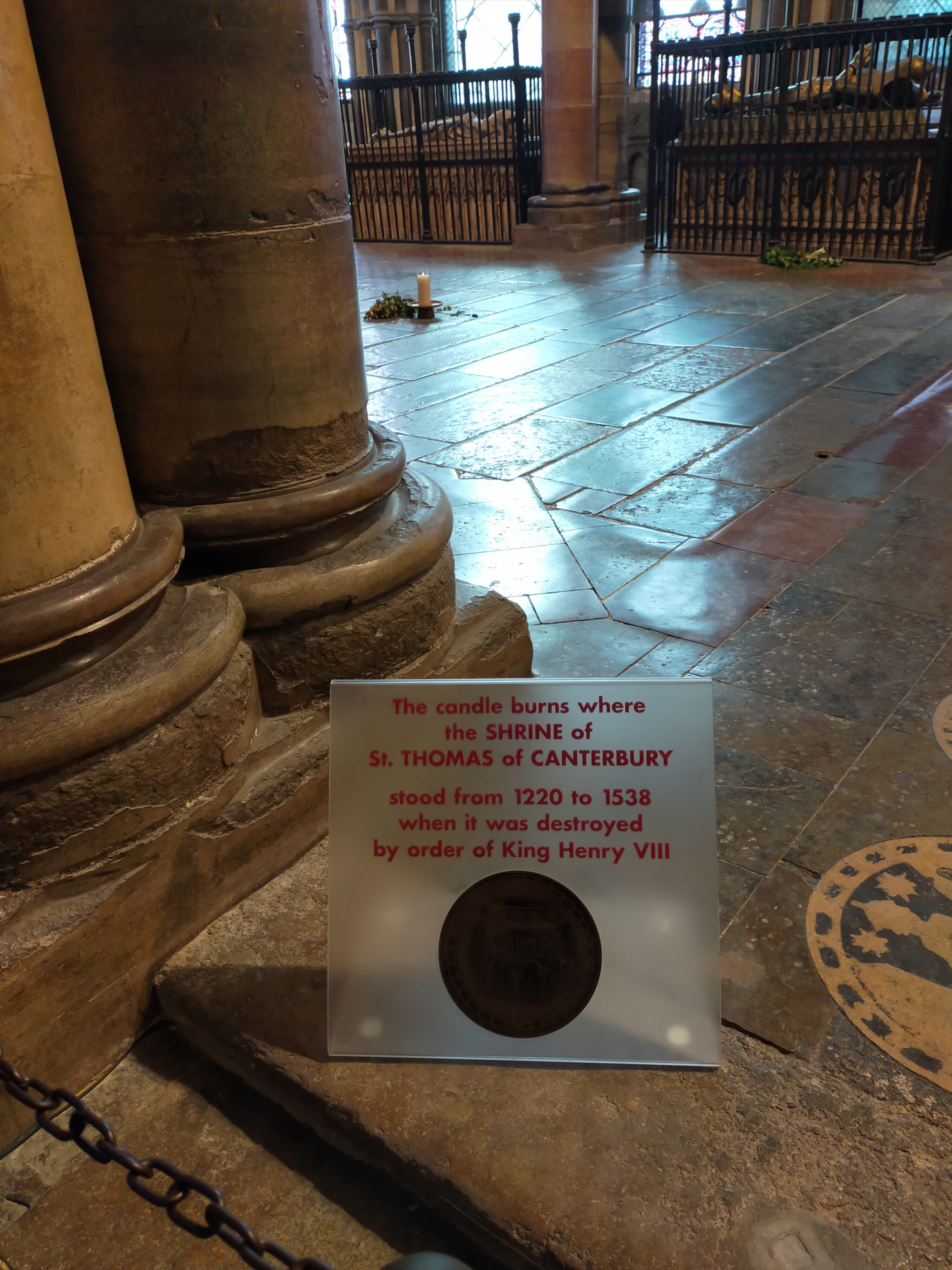
Without a doubt, the cathedral gets top billing and is not to be missed. Despite my dim view of religion in general, I love a big holy pile, and they don’t come much bigger or more holy than Canterbury Cathedral. There’s been a house of God on this site since 597, after Pope Gregory sent Saint Augustine over to save the heathens from their evil pagan ways. What visitors see today largely dates from the 11th and 12th centuries.

The Cathedral’s fortunes really took off after the murder of Archbishop Thomas Beckett in 1170. Beckett had become a right royal pain in the arse for King Henry II, who threw a queenie fit and exclaimed (allegedly),

“Will no one rid me of this turbulent priest?”

Some knights took Henry at his word and martyred Beckett in the north-west transept. Like you do.

The posthumous veneration of Beckett transformed the cathedral into a major centre of pilgrimage and a money-making machine. And then came Chaucer’s Canterbury Tales. The rest, as they say…

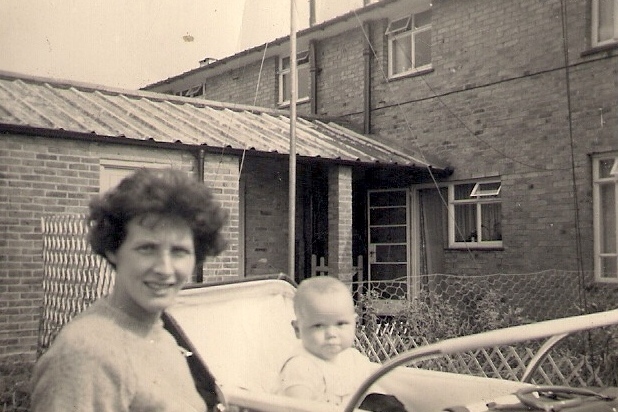
Canterbury is also famous, here at Pansies HQ, as the birthplace of one Jack Scott. Dad was a soldier and I was born at Howe Barracks in married quarters on Talavera Road – number 24, according to my birth certificate. The barracks are long gone, replaced by a new housing development, though Talavera Road remains. That’s my Canterbury tale.

Clickbait

We live in a digital world of information overload with stuff coming at us from every which way, all day, every day. If you’re plugged in and switched on, it’s unavoidable. I like to think of myself as a savvy reader with mostly moderate views. I find it relatively easy to ignore the bile from the keyboard warriors and the bedroom bores – misfits, axe grinders and ne’er-do-wells, the lot of ’em (that’s me being not so moderate). And don’t get me started on the so-called social media influencers and make-believe ‘experts’ conning the gullible. But now, the ‘respectable’ traditional media is at it too, grabbing attention with sensationalist and totally misleading headlines. Clickbait, I think it’s called. A good example is a recent online headline from the Manchester Evening News:

“ITV Emmerdale regular sacked after harrowing abuse revelations come to light”

So some dodgy soap star has been up to no good? Sounds alarming, doesn’t it? Except it’s not true. It was a plot line for the show – not real life at all. A relief I suppose, but utterly cynical.