
Essex, the home county to the east of London, has the reputation of being, well, a bit chavvy. But there’s more to Essex than big hair, gaudy bling, fake tans, assisted tits and impossibly white tombstone teeth – and that’s just the men.
Beyond the faceless towns of the commuter belt, Essex is a green and pleasant land, and its county town, Colchester, has ancient roots. Although not officially awarded city status until 2022, Colchester can reasonably claim to be Britain’s first proper city, sitting as it does on top of Camulodunum, the first major settlement of Roman Britannia and the province’s first capital.
Even before the unstoppable Romans slashed and burned their way through village, forest and field, the settlement was already a centre of power for the locals, including King Cunobelin – Shakespeare’s Cymbeline. When the Romans displaced the tribal huts with their first legionary fortress, it was like saying ‘we’re top dogs now’.
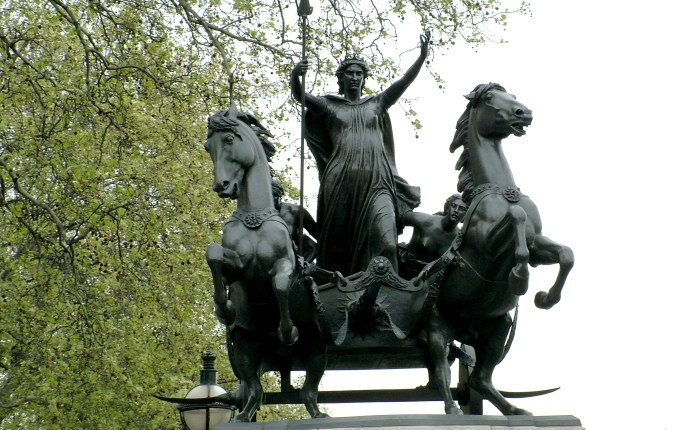
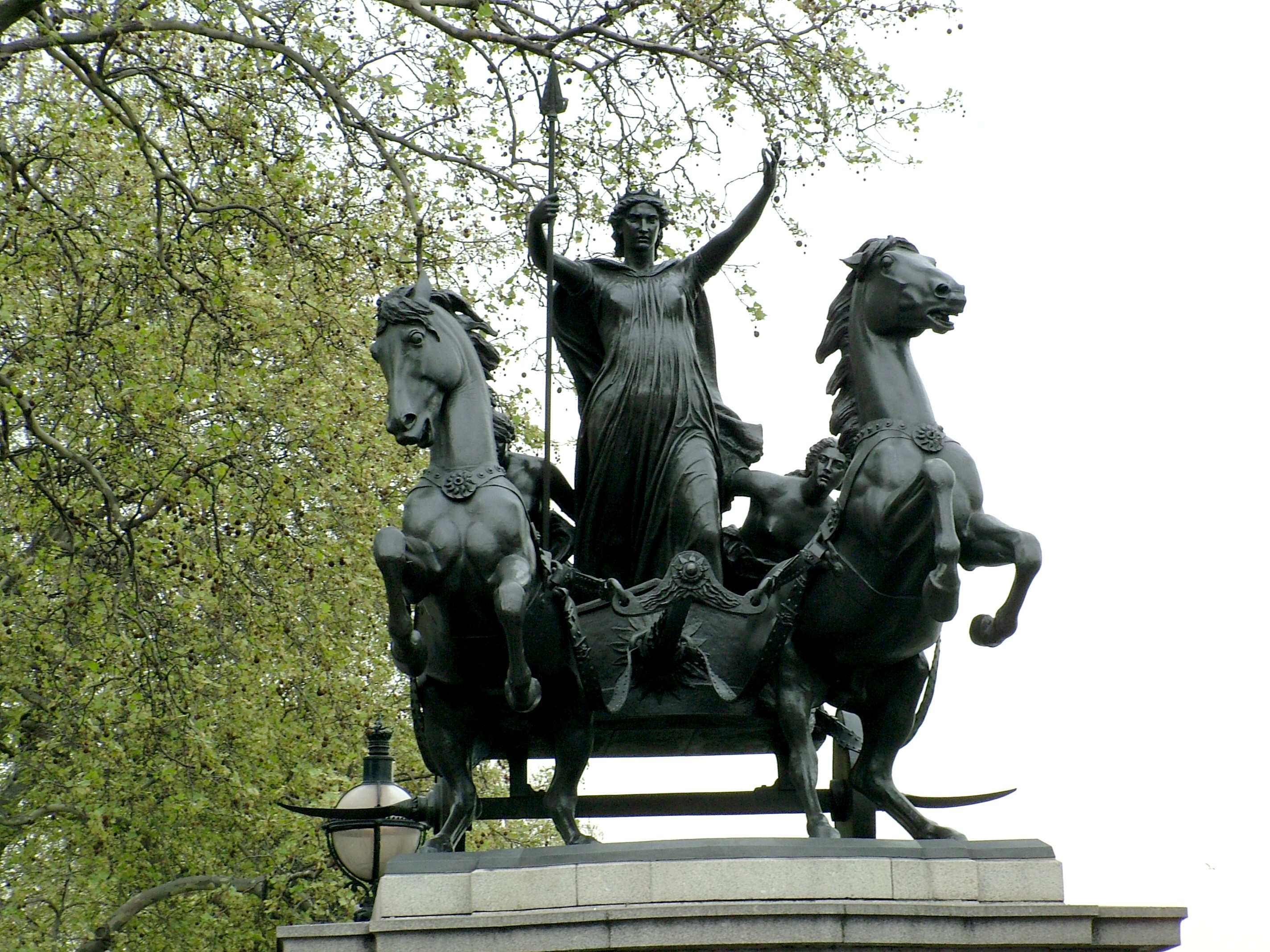
Following the Boudican revolt of AD60, when the seriously pissed-off Queen of the Iceni slaughtered everyone and burned everything in her path, a defensive wall was thrown around the town in an after-the-horse-has-bolted kinda way. Not long after, Camulodunum lost its status as provincial capital to the better-placed Londinium but continued to thrive as a garrison town, something which continues to this day.
We’ve passed through Colchester many times – it’s on the mainline from Londinium to Norwich – but we’d never stepped off the train for a gander. So, we thought, let’s give it a go, and we stayed overnight. The main event for us was Colchester Castle, which sits in a pretty park populated by picnickers and grey squirrels. The park also contains remains of that post-Boudica Roman city wall – the earliest ever constructed.
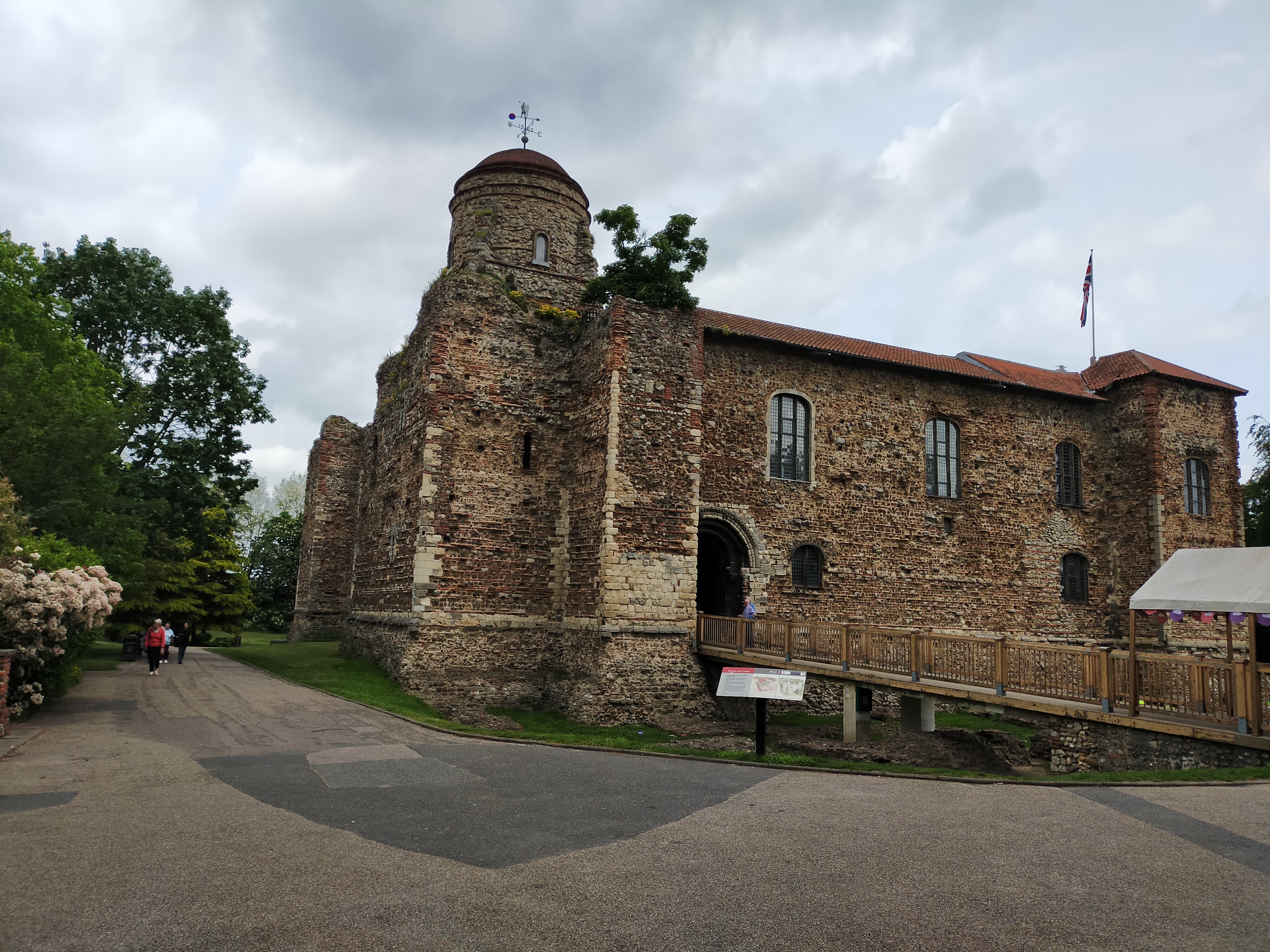


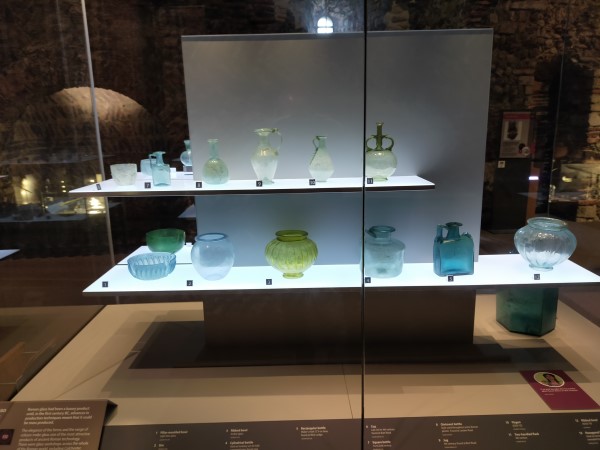
The castle keep is eleventh-century Norman, built on the foundations of the massive classical temple of Claudius the Divine; Roman emperors just loved to be worshipped. The castle is now a rather splendid museum dedicated to the long history of the city. Roman-era relics are what really draw in the punters. We were lucky enough to avoid the modern-day legions of over-excited schoolkids in hi-vis jackets screaming their way through the exhibits.
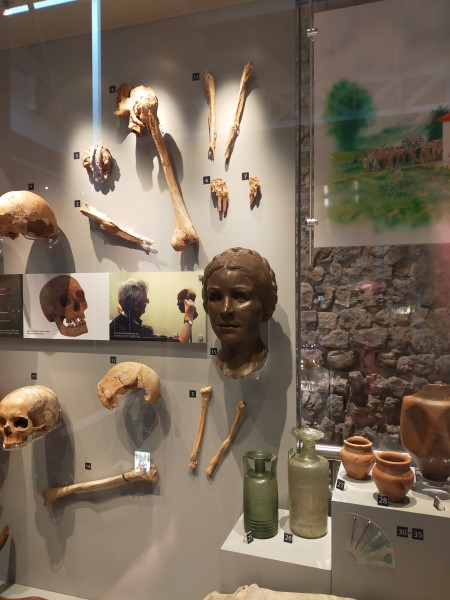
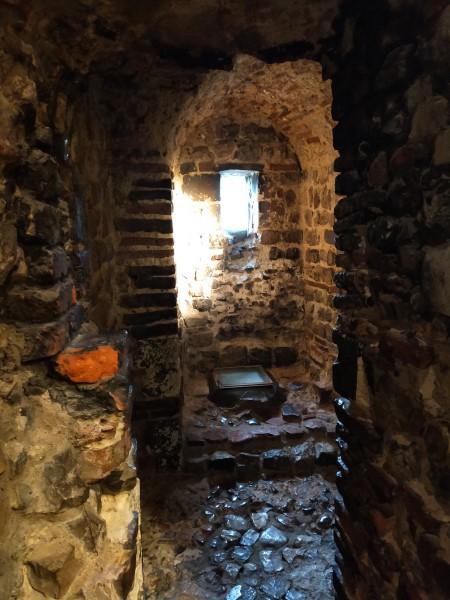
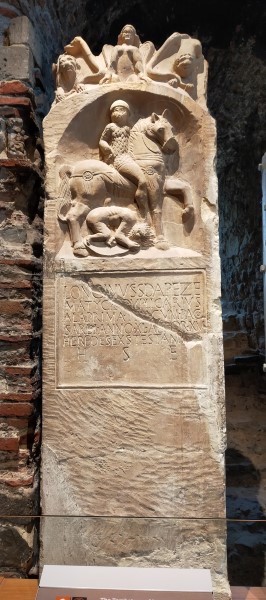
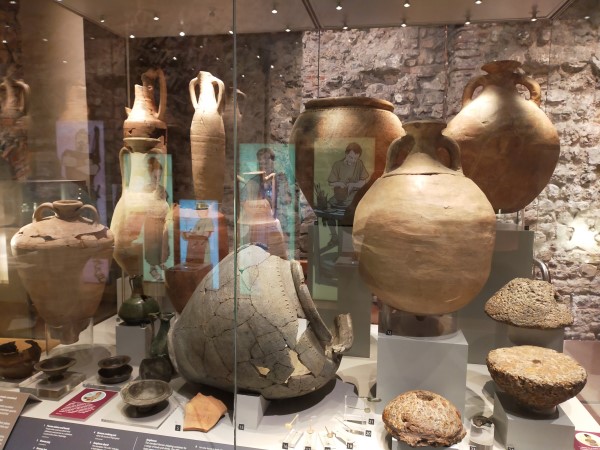
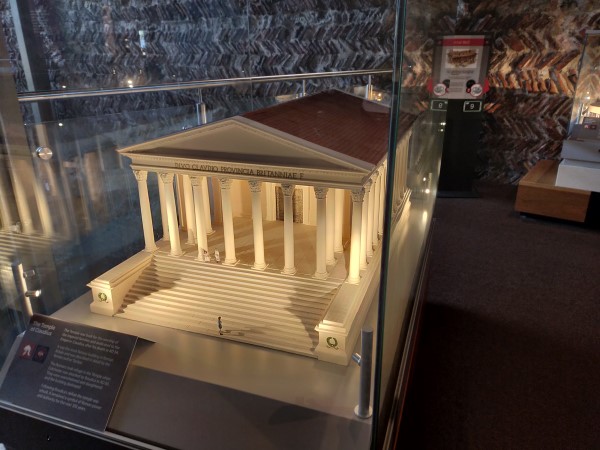
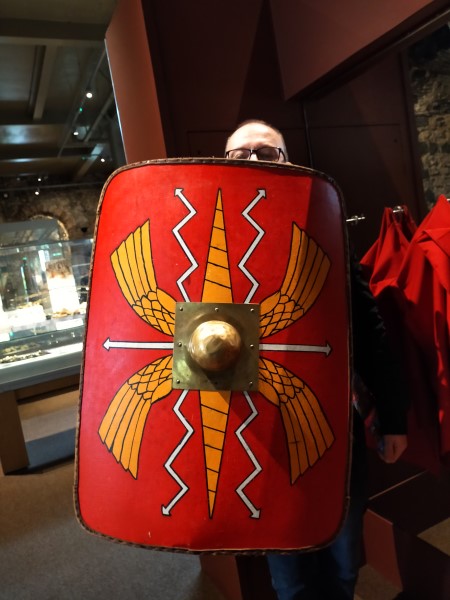
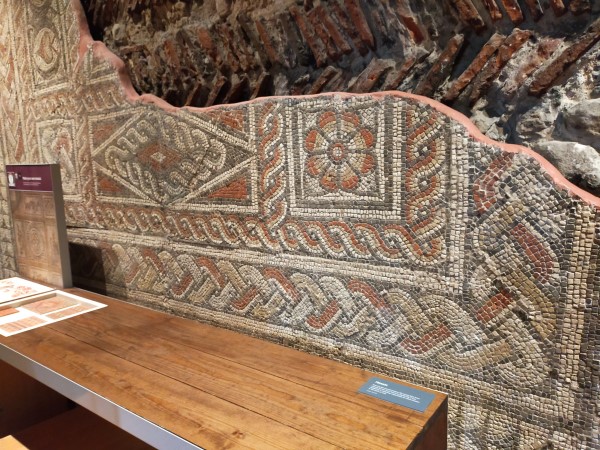
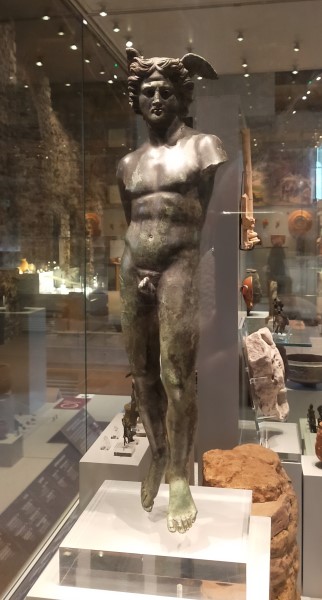
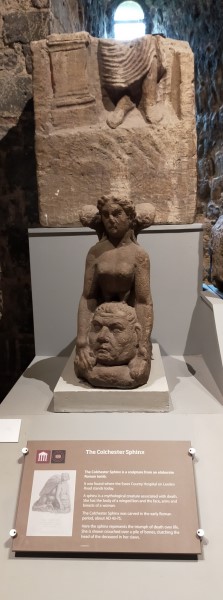
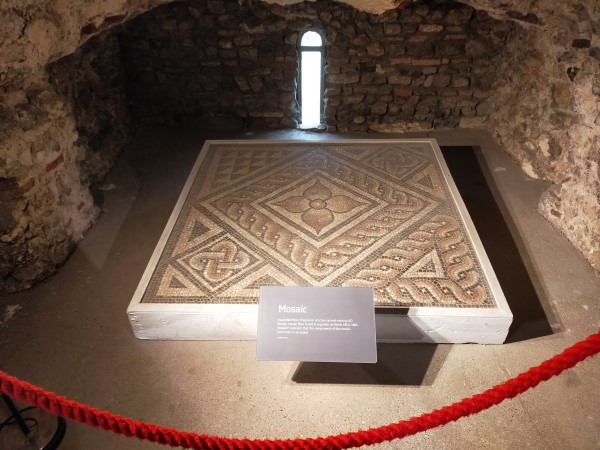
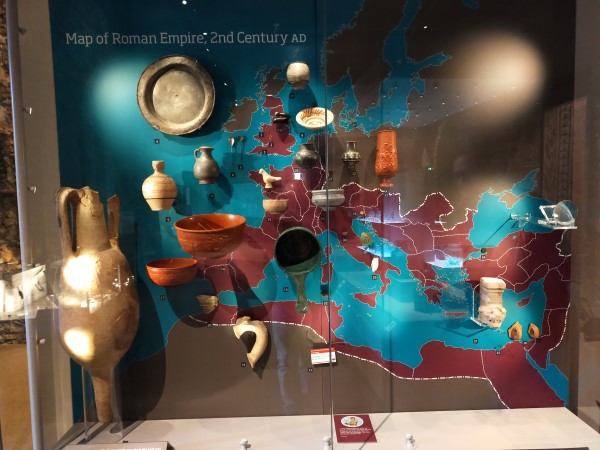
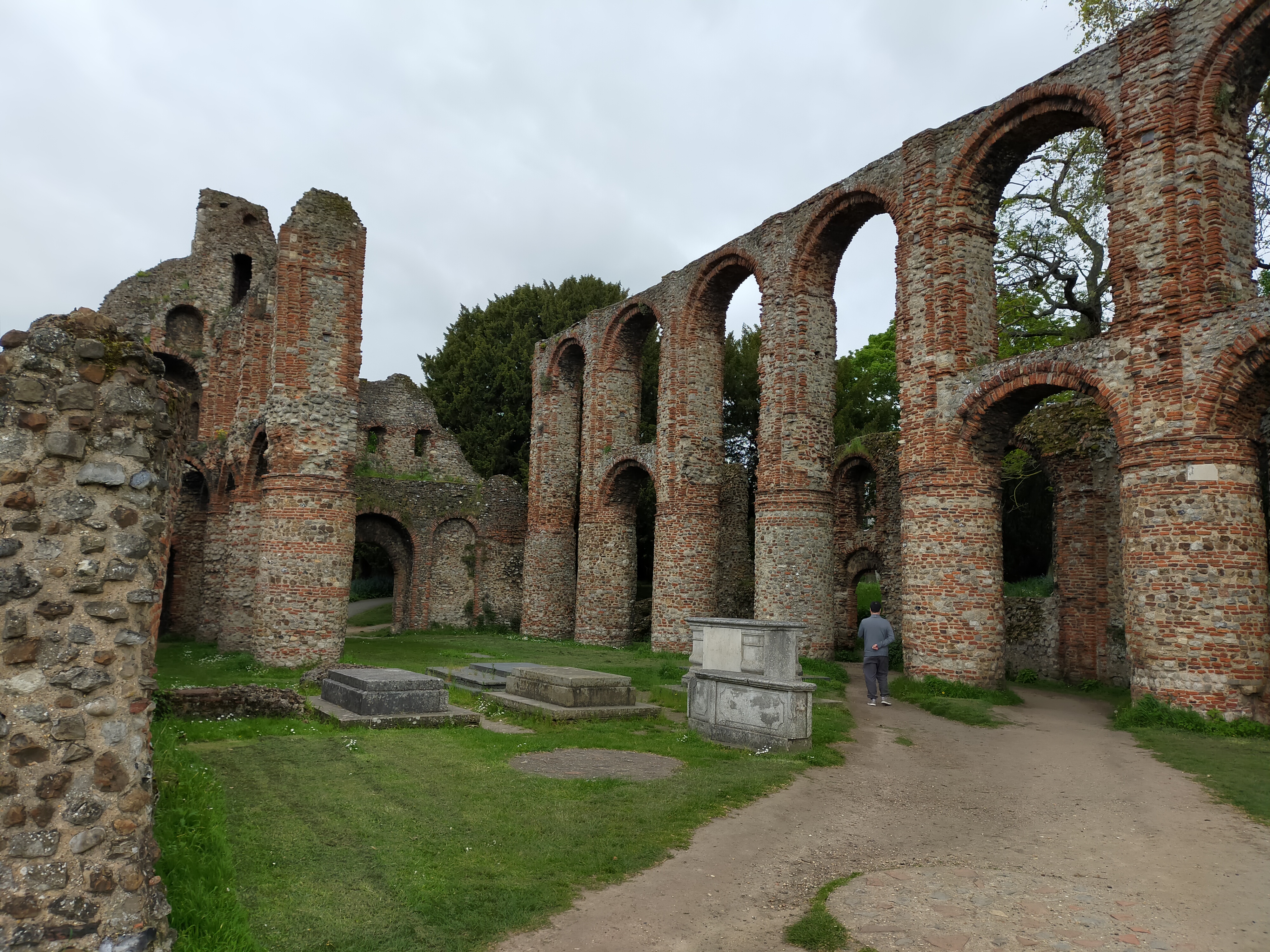
Museum’d out, we took a slow stroll around the ruins of St Botolph’s Priory, where Liam caught forty winks; then we withdrew to a local tavern for a bottle and a bite.


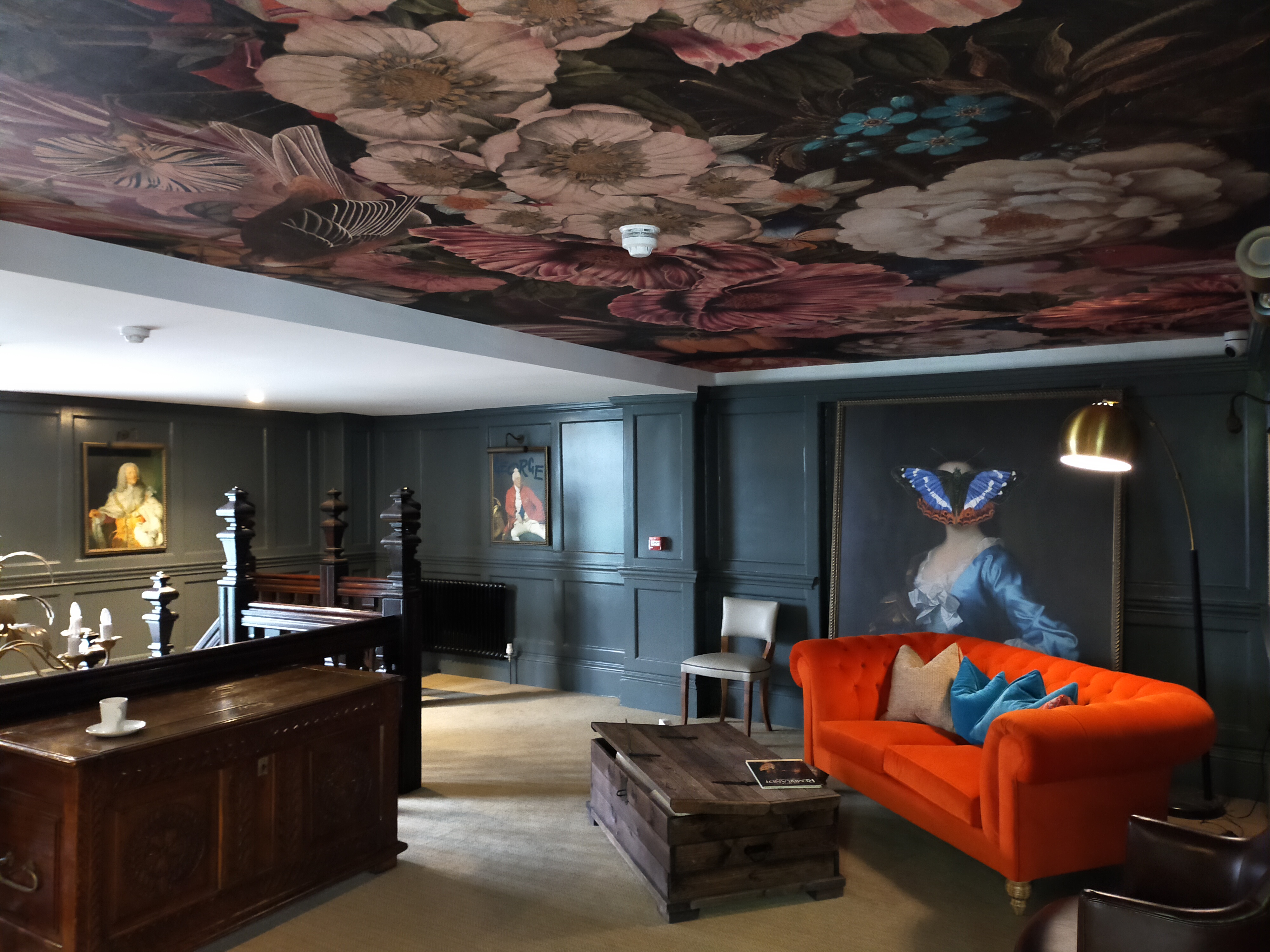
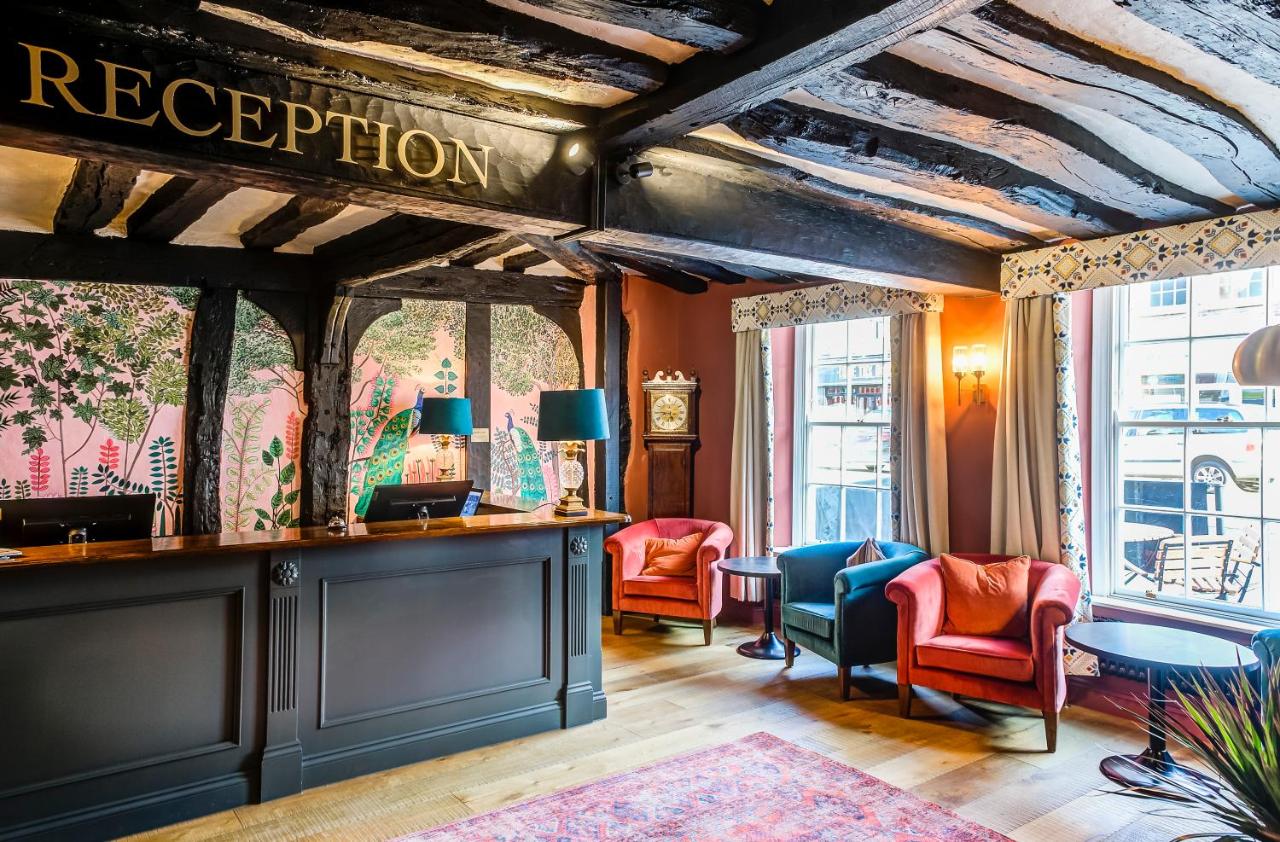
Our bed for the night was at the historic George Hotel, along the High Street. We chose well. Behind the hotel’s Georgian façade lies a timber-framed building said to date back to the fourteenth century, although the hotel’s extensive cellars may be older and feature the ruins of a Roman gravel pavement. A few years back, the hotel underwent extensive renovation and refurbishment. We fell for the lavish and distinctly quirky style.


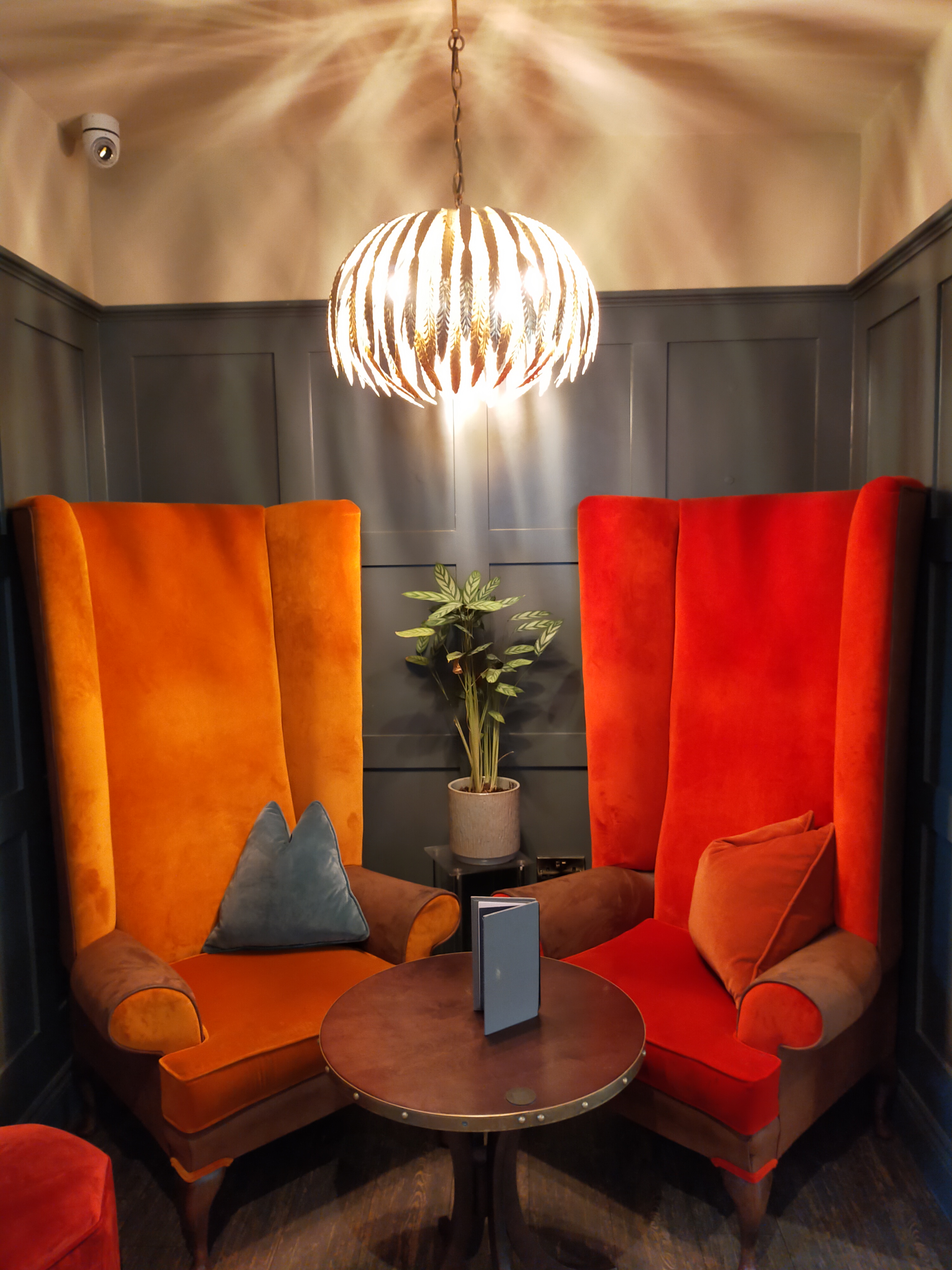

I posted this image on Faceache of little ol’ me in a funky, over-the-top, oversized wing-back chair. It prompted this response from an old mucker of mine…
PUT THAT CHAIR IN YOUR HANDBAG AND STEAL IT FOR ME *NOW* PLEASE!
If only I had a handbag big enough.

 Perking the Pansies