Roys of Wroxham

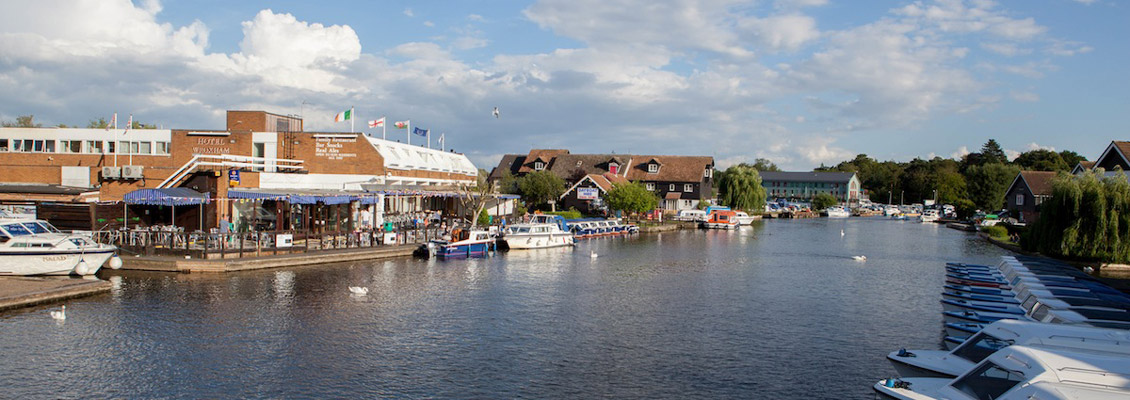
Way back in 2013, I wrote a brief throwaway piece about a day trip to Wroxham – ‘Gateway to the Norfolk Broads’ – a town entirely given over to those who like to mess about in boats and those who service them. I called it Roy’s Town because we were baffled by the dominance of what seemed to be some bloke called Roy – Roys Supermarket, Roys Pharmacy, Roys Toys, Roys Garden Centre, Roys Car Park. Note the missing apostrophes. Tut, tut.

Last week, the long dead and buried post attracted fresh attention. This happens now and again, usually without rhyme or reason. But not this time. BBC East – Auntie Beeb’s local news hereabouts – featured one of those newfangled ‘influencers’ who was also baffled by Roy’s riches. He posted about it on TikTok.

Riding on his coat-tails, my post got a few hundred extra hits. He got millions. Such is life.

Turkey Street with Bettany Hughes

People who know me know that I love an old ruin. Nothing gets me going more than a pile of ancient tumbledown stones. When I can’t visit ’em, I watch programmes about ’em on the box. And few TV pundits get the sap rising better than classical scholar Bettany Hughes. Buxom Bettany flits and flirts around the Med telling tales of the ancients in a fun and fascinating way. In fact, it was she who first introduced us to Ithaca in her series A Greek Odyssey. We’ve been to Odysseus’ legendary isle twice now, so she really does deserve a medal from the Greek Tourist Board.

Bettany’s latest expedition is Seven Wonders of the Ancient World, a three-part series on Channel 5. In a deliciously vivid and insightful narrative enhanced with the very latest archaeological finds, she walks the viewer through the meagre remains of those once wondrous wonders of yore. We’ve visited three of the sites – The Statue of Zeus at Olympia (carted off centuries ago), The Temple of Artemis in Ephesus (just one forlorn column remains standing) and, of course, the scattered pile of stones that is The Mausoleum of Halicarnassus in present-day Bodrum, our former home town.

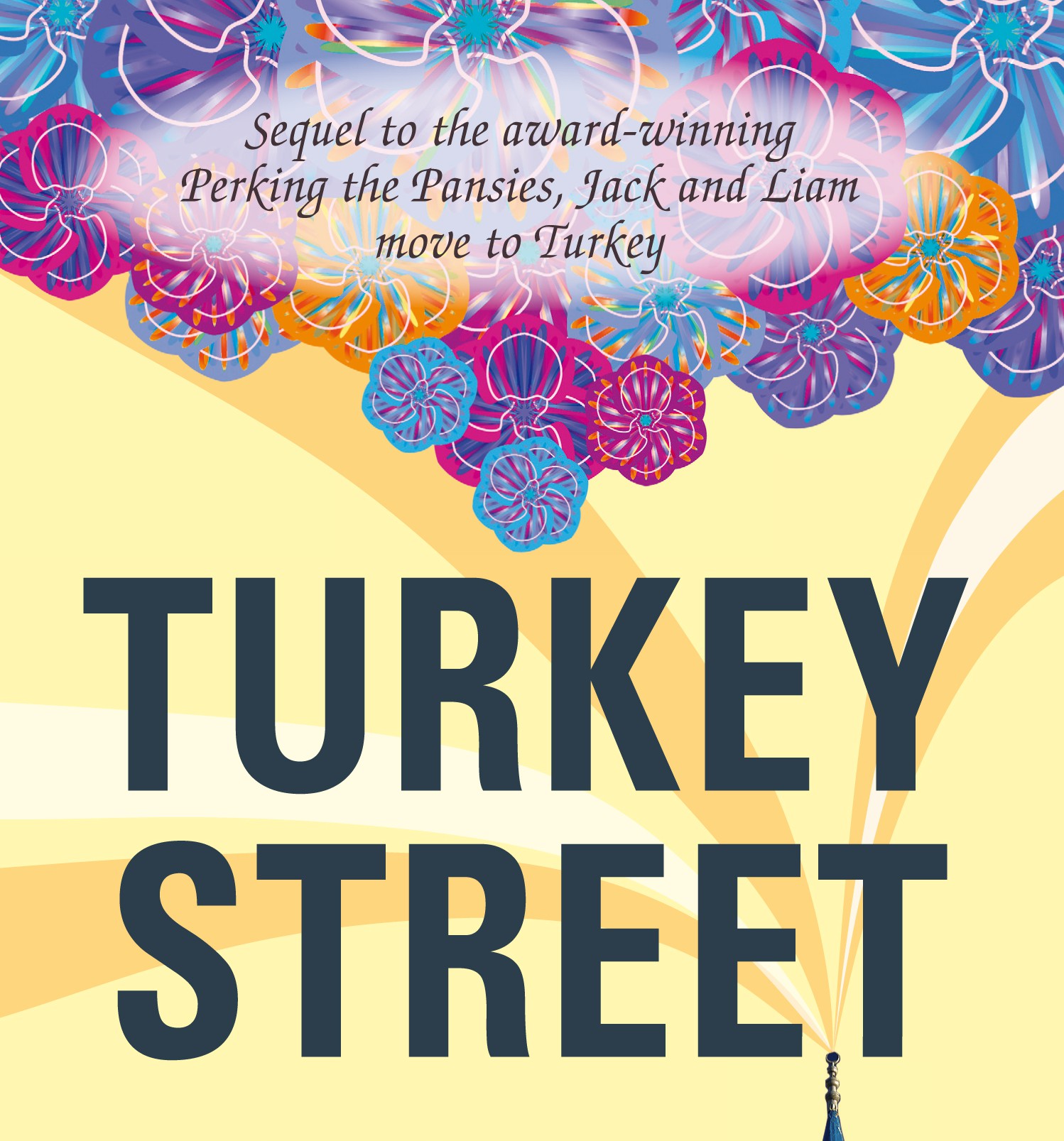
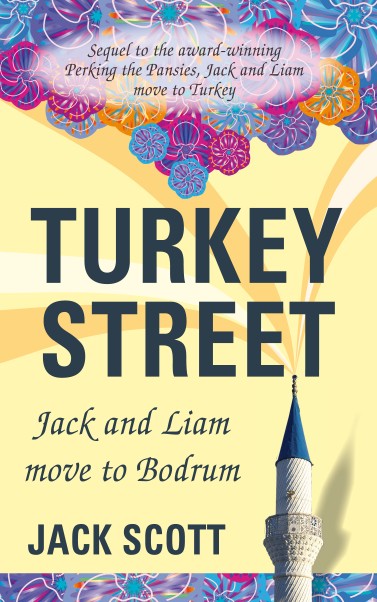
Cue the first shameless plug for my second memoir, Turkey Street

… as Bodrum had always provided refuge to the exiled and the unorthodox, we gambled on getting the going rate for ‘theatrical’ types. Supplemented by Liam’s feeble but endearing attempts at Turkish, the gamble paid off and Hanife the Magnificent, the undisputed matriarch of an old Bodrum family, accepted us and our pink pounds with open hands. We paid our rent and two weeks later moved into Stone Cottage No. 2 on the corner of Sentry Lane and Turkey Street. And so it came to pass that by happy coincidence we found ourselves living on the same road as the Mausoleum of Halicarnassus, one of the Seven Wonders of the Ancient World. ‘I think,’ Liam had said at the time, ‘you would call that a result.’

Chapter 1 – The Garden of Sin

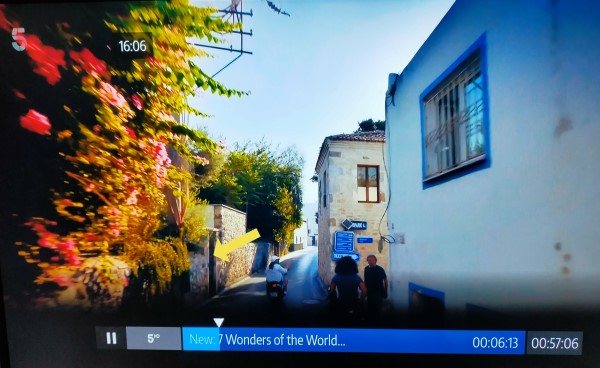
The final episode of Bettany’s epic journey starts with her riding pillion on a scooter driving the wrong way down Turkey Street trying to find the entrance to the ancient site. Imagine our complete surprise and delight as she passed Stone Cottage No. 2 along the way.

Blink and you’ll miss it, so here’s a still with a big yellow arrow indicating our garden wall.

Cue my second shameless plug…

Tired and dripping, I waded past rows of sleeping dolmuş minibuses – ‘dollies’, as Liam called them – and splashed home along Turkey Street. Twenty-three centuries earlier, Alexander the Great had marched along the very same road to wrest old Halicarnassus from the doughty Persians, just before he went on to conquer half the known world. My ambitions were rather more modest: to survive the short stroll in one piece and jump back under the duck down duvet. Like many old Anatolian thoroughfares, Turkey Street was just wide enough for two emaciated camels to pass each other unhindered. This constraint never seemed to trouble the locals, but for us, motorcades of Nissan tanks flanked by Vespas on amphetamines made for a testing pedestrian experience. Aided by the now-you-see-them-now-you-don’t pavements, death or permanent disability lurked at every twist and turn of the perilous road.

Chapter 2 – Turkey Street

Eventually Bettany found the Mausoleum, bringing the scanty ruins to life more than I did when I wrote about them back in the day. Thank you, Bettany, you brought back such monumental memories.

It’s a Fair Cop, Guv’nor

As my regulars know, I love an old-fashioned whodunnit. I’m still grieving over the loss of Vera. I’ll get over it eventually, as the pain fades with time. Besides, I can always rekindle my ardour by watching the repeats on a loop. My fondness for crime shows may stem from my brief but passionate dalliance with a cute detective sergeant from Greater Manchester Police many moons ago. Our eyes met across a smoky gay bar on Gran Canaria. But that’s another story.

However, one must-have aspect of a murder mystery has always baffled me. Those mugshots pinned to the incident board. Where the hell do the bobbies in blue get them from? It’s not like the prime suspect is likely to pop their best swipe right pic in the post with a note attached saying It’s a fair cop, guv’nor. It’s the biggest mystery of all.

Image courtesy of ‘The Bay’
Image courtesy of ‘Murder in Paradise’

Sometimes, Big Boys Do Cry

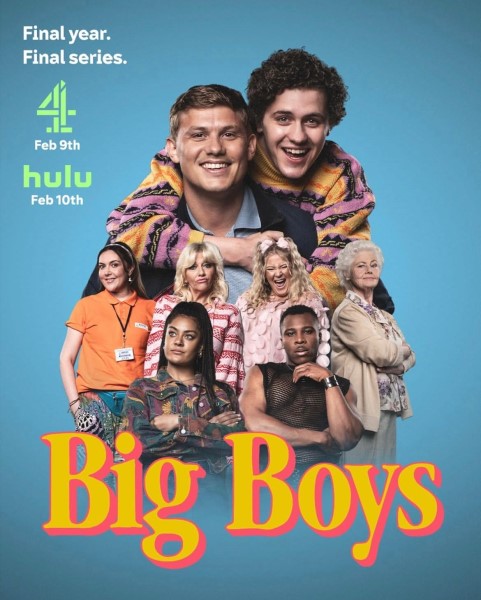
We binge-watched the third and final series of Big Boys on Channel 4, having been hooked from the very first episode of series 1. A semi-autobiographical account of the university years of writer and comedian Jack Rooke, Big Boys follows his journey from freshers’ week to graduation. As if coping with teenage angst and social awkwardness isn’t enough, Jack is also dealing with the agony of his father’s tragic death from cancer and exploring his own sexuality. The real Jack is both writer and narrator.

BAFTA nominated and featuring a rich tapestry of vivid characters, the sad-happy comedy deftly weaves together challenging themes of grief, coming of age, mental health, suicide and sexuality with a beautifully light touch, making us belly laugh one minute and well up the next. It’s rude, lewd and pulls few punches.

Jack’s touching relationship with his mother is one of the show’s many incredible highlights. Here’s a small taste from series 1. His coming-out confession halfway through the clip gets me every time. Because, sometimes, big boys do cry.

End of a Vera

I am bereft. After 14 series over 13 years, we’ve just watched the final two episodes of Vera, featuring the dishevelled and irascible detective from the fictitious Northumberland and City Police Force, played with great panache by the wonderful Brenda Blethyn. Based in and around England’s most northerly county, Vera blends the gritty streets of Newcastle with the desolate beauty of shore, moor and heath. The Northumberland landscape itself is an essential character. Vera wouldn’t be Vera without the dramatic vistas and hit-and-miss Geordie accents.

I love a traditional whodunnit – all that CGI-stuffed superhero nonsense isn’t for me. Vera does it old school in her battered Land Rover wearing her signature outfit of floppy hat and weather-beaten raincoat. Despite the twisting plots and false leads that make the brain hurt, Vera always gets her man. Because not all heroes wear capes.

And I’m not alone in loving a bit of Vera; the show is broadcast in around 180 territories worldwide and dubbed into various languages. But now Brenda Blethyn, at the incredible age of 78, has decided to hang up her mac and hat for good. And who can blame her? I’m missing her already.

Clickbait

We live in a digital world of information overload with stuff coming at us from every which way, all day, every day. If you’re plugged in and switched on, it’s unavoidable. I like to think of myself as a savvy reader with mostly moderate views. I find it relatively easy to ignore the bile from the keyboard warriors and the bedroom bores – misfits, axe grinders and ne’er-do-wells, the lot of ’em (that’s me being not so moderate). And don’t get me started on the so-called social media influencers and make-believe ‘experts’ conning the gullible. But now, the ‘respectable’ traditional media is at it too, grabbing attention with sensationalist and totally misleading headlines. Clickbait, I think it’s called. A good example is a recent online headline from the Manchester Evening News:

“ITV Emmerdale regular sacked after harrowing abuse revelations come to light”

So some dodgy soap star has been up to no good? Sounds alarming, doesn’t it? Except it’s not true. It was a plot line for the show – not real life at all. A relief I suppose, but utterly cynical.

Lost Boys and Fairies

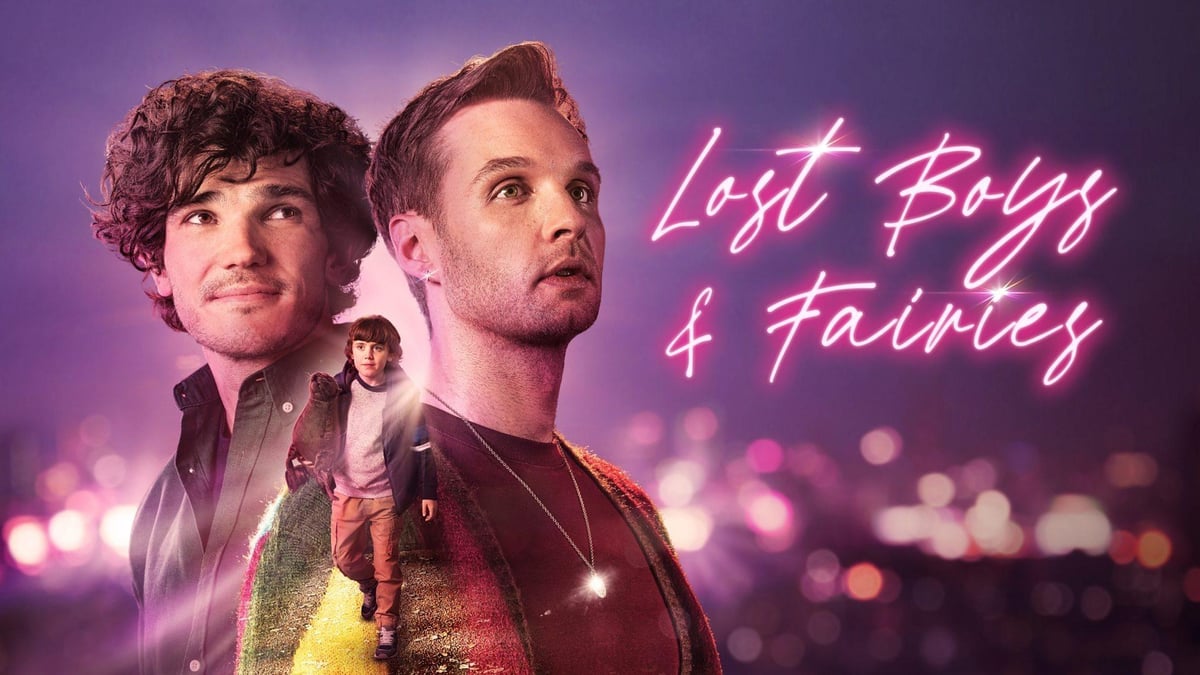
Sometimes something just turns up without warning, punches you in the gut and has you reaching for the Kleenex. Such a thing is Lost Boys and Fairies, the three-part prime time BBC drama about a gay couple – Gabriel and Andy – applying to adopt a child in Wales. No big deal in these more liberal times, you might think. It’s all about love, right? Except it is a big deal. Not because of the gay angle but because the adoption process is forensic and intrusive. It has to be. Kids in the care system are often already badly damaged, and getting it wrong can finish them off for good.

Cue the gradual opening up of old wounds for lost boy Gabriel – the strict chapel upbringing, the relentless bullying, the repression, depression, an over-fondness for risky pleasures and eventual salvation through sequins and song. Brilliantly scripted, peppered with Welsh, tender performances and gloriously showy musical interludes. Glitzy and graphic, the drama pulls no punches. At times, it’s uncomfortable viewing. Does it end well? Watch it to find out, but don’t forget the tissues.

Cup Hands, Here Comes Cadbury’s

Our immediate neighbours at the Duke of York’s Theatre in old London Town were a trio of antique thesps with silver hair, floaty chiffon and silk scarves – very Sunset Boulevard – who were getting so over-excited by Backstairs Billy I thought we might have to ask if there was a doctor in the house. Liam got chatting to the classy lady in the pew next to him. She was an actress – retired, not resting, she told him.

“Theatre? TV? Films?” he asked.

“Ads, darling,” she said.

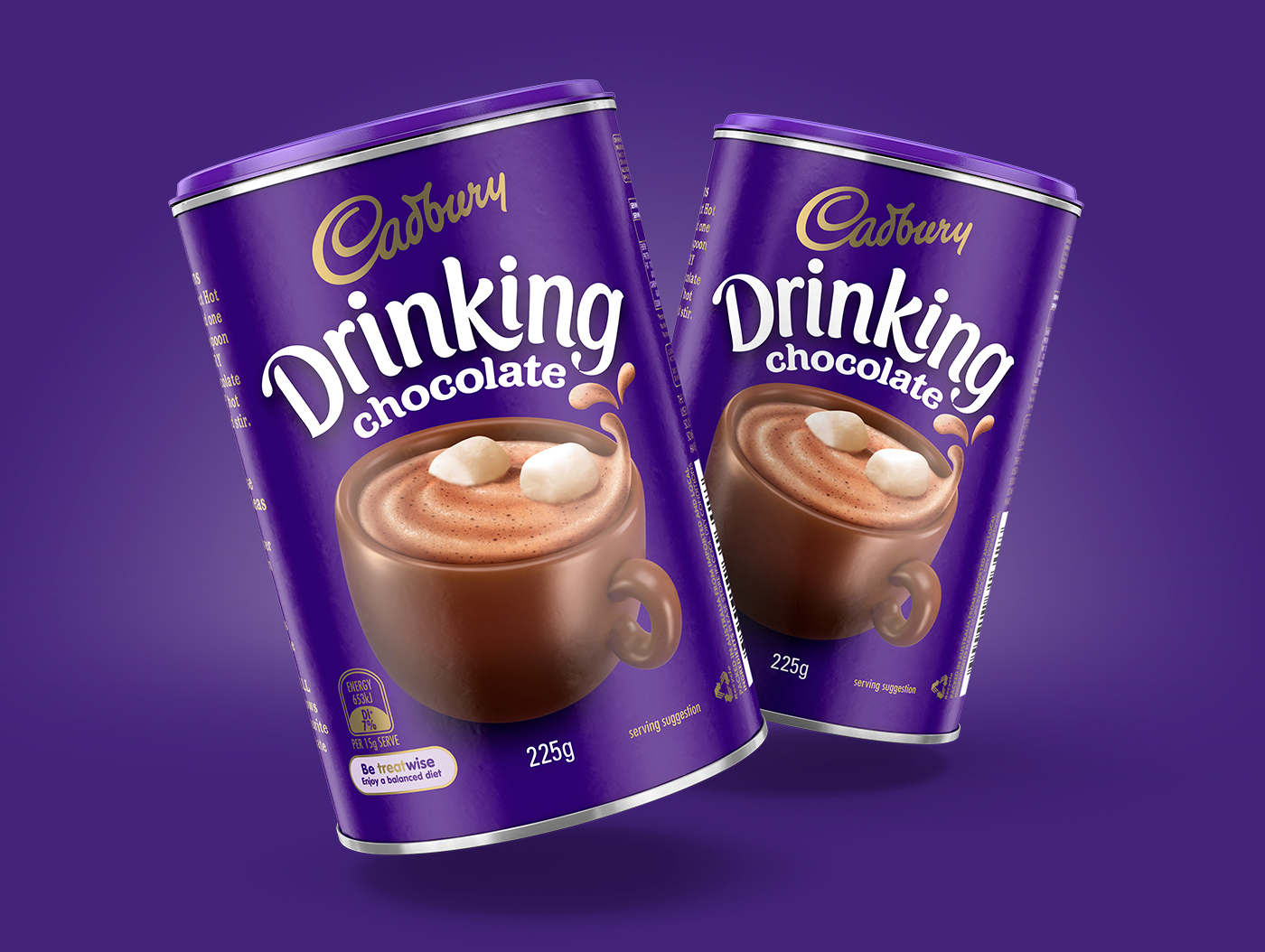
It turns out she was the face of Cadbury’s drinking chocolate back in the day.

And yes, I think this is her…

The Molly Boys

I’ve been watching Suffolk and Norfolk: Country and Coast on the box. It’s a gentle pilgrimage through the timeless counties that make up ancient East Anglia. By episode five, we reached the picture-postcard Norfolk village of Great Hockham – AKA Hockham Magna – and its Hornfair. The annual bash dates back to 1272 when King Henry III granted the villagers permission to hold a fair and weekly market. These days it’s an excuse to get a bit silly with daft games like the Woodchop Challenge and the World Stick Balancing Championship. And then there’s molly dancing. Molly who? You may well ask.

Molly dancing is a form of English Morris dance which was traditionally done by out-of-work ploughboys during midwinter in the 19th century. It was a way to fill the fallow season between Christmas and spring ploughing. The farmhands would visit the more well-to-do parishioners and offer to dance for money – because a boy’s gotta eat. Those who refused might see their mixed borders turned over.

Molly was an old term for an ‘effeminate man’, and dancers always included at least one fella dressed in women’s clothes. Who knew 19th-century country life could be so fluid? I wonder what else the molly boys did for a few farthings when times were hard? Well, it’s better than slipping a ring on Daisy the cow.

Molly dancing has enjoyed a recent revival, and the Hockham troupe are called the Clobhoppers – clumsy bumkins – and here they are in action doing a rather aggressive stick dance. These molly men don’t muck about, even in a frock. And don’t be put off by their black faces. It’s not intended to be racist. The ploughboys of old painted their faces with soot so they wouldn’t be recognised as they ploughed up your prize pansies.

Glad Tidings We Bring

Yes, folks, it’s that time of year when big money is lavished on those big-budget Yuletide TV ads with a social conscience – ads to make you smile, make you cry and make you think. I know it’s all about the relentless commercialisation of Christmas and a crude attempt by big business to convince us all that they’re the good guys really. But, if they’re well done and have a laser-sharp message then they can strike the perfect note and, hopefully, make a difference. Every little helps, as they say at Tesco. Here are my personal favourites from the UK, Germany and Spain.