Close Encounters

We were to meet up with the fragrant Roving Jay for one of our regular bloggers’ food-and-drink conventions but our plans were scuppered at the last minute. As we’d already bought the bus ticket, we went into town anyway for a wander around. Tombland, Norwich’s historic heart, is looking splendid after a recent wash and brush up. You might think the name comes from something spooky but it’s actually old English for ‘open ground’ (or such like) and is where the old market was held until those dastardly all-conquering Normans moved it to its present location a little after 1066 and all that.

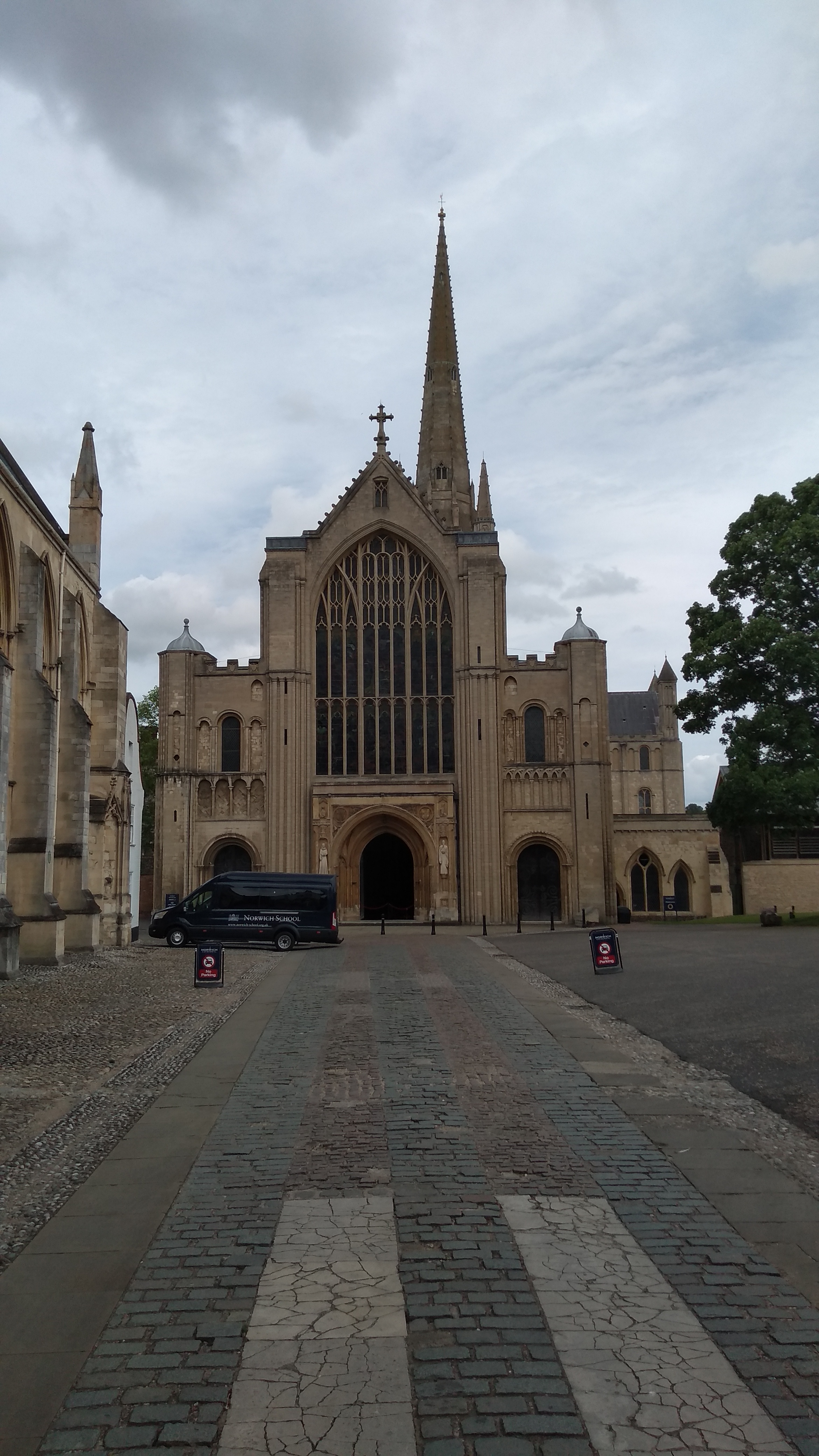
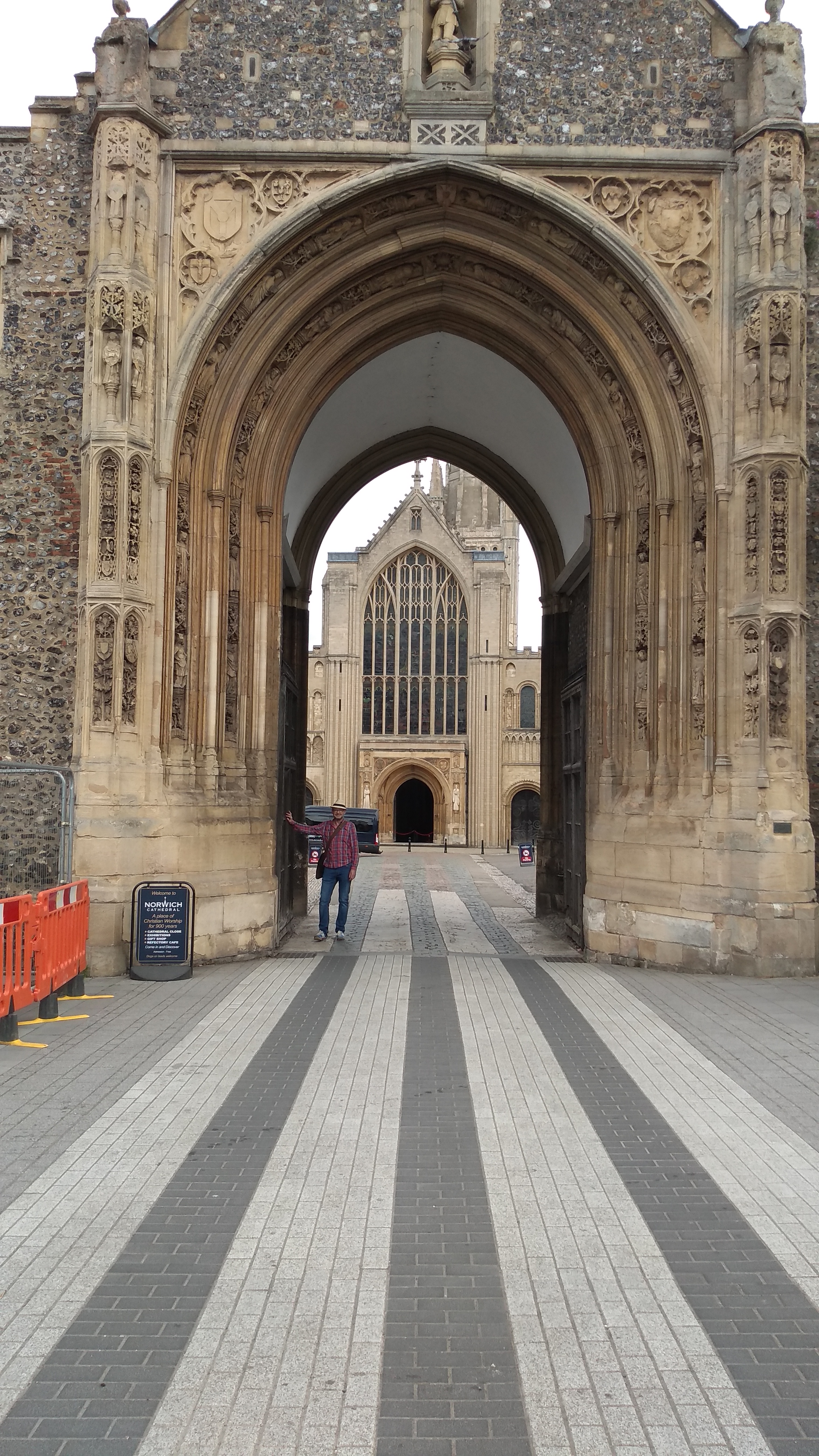
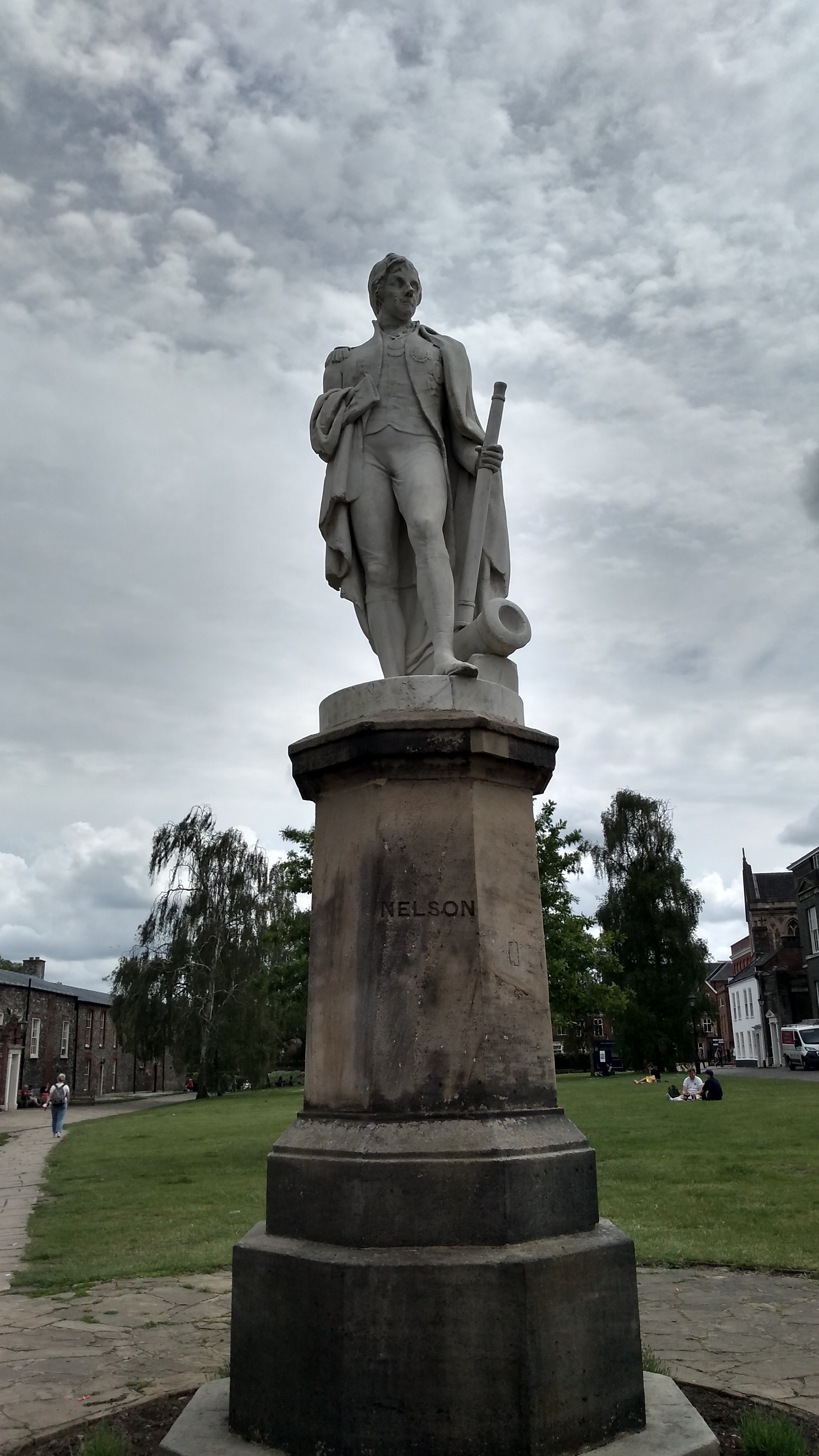
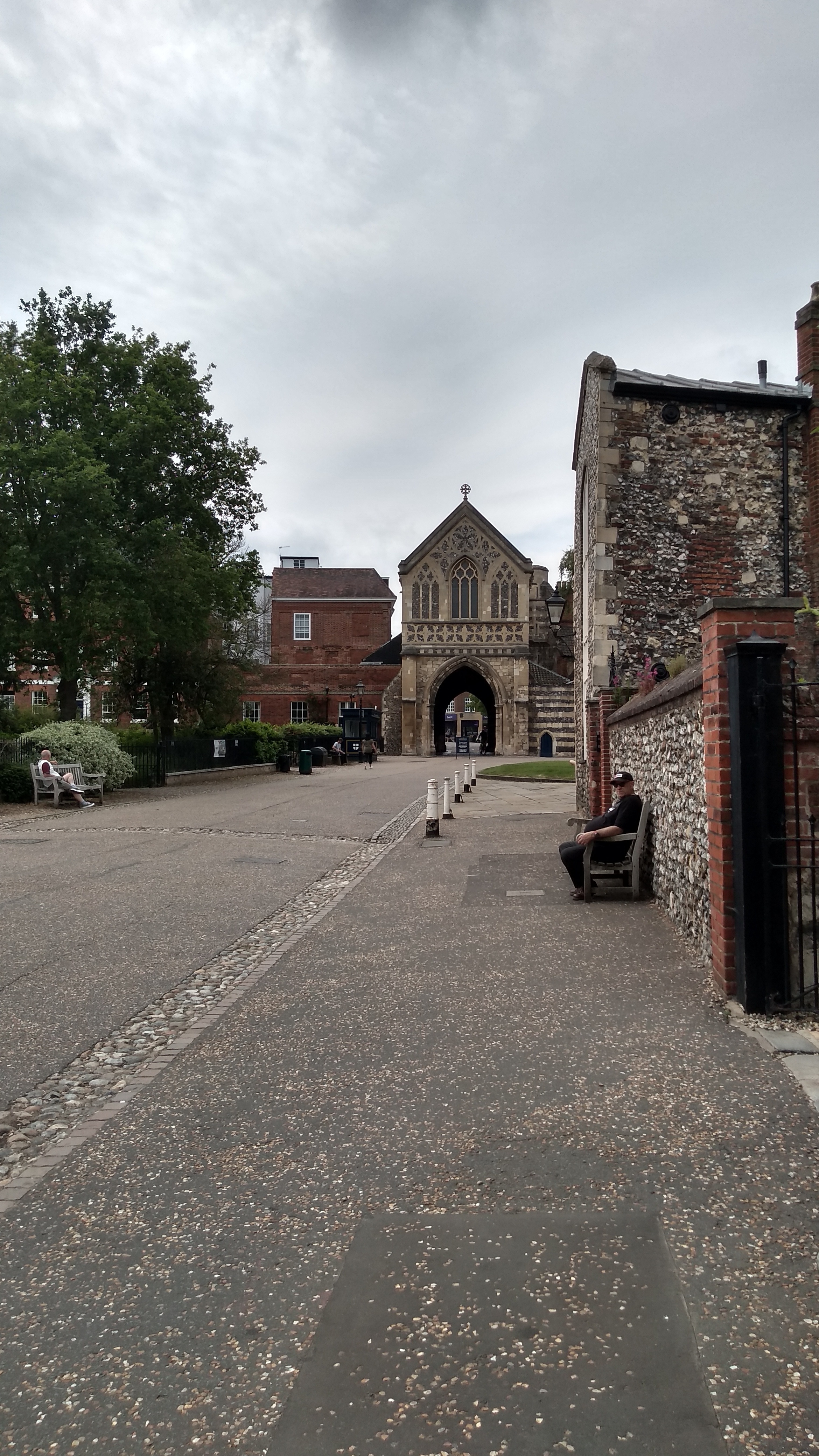
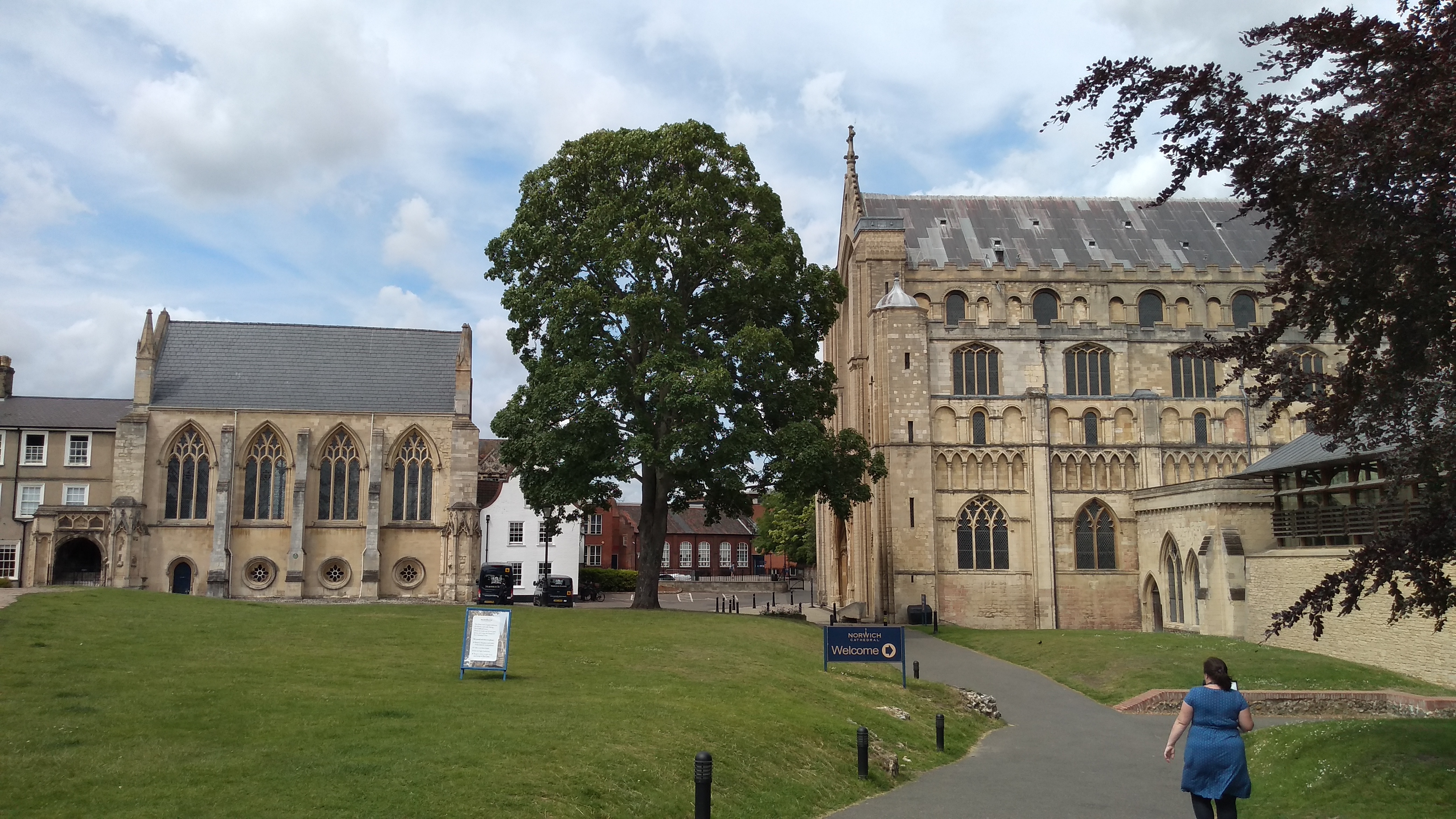
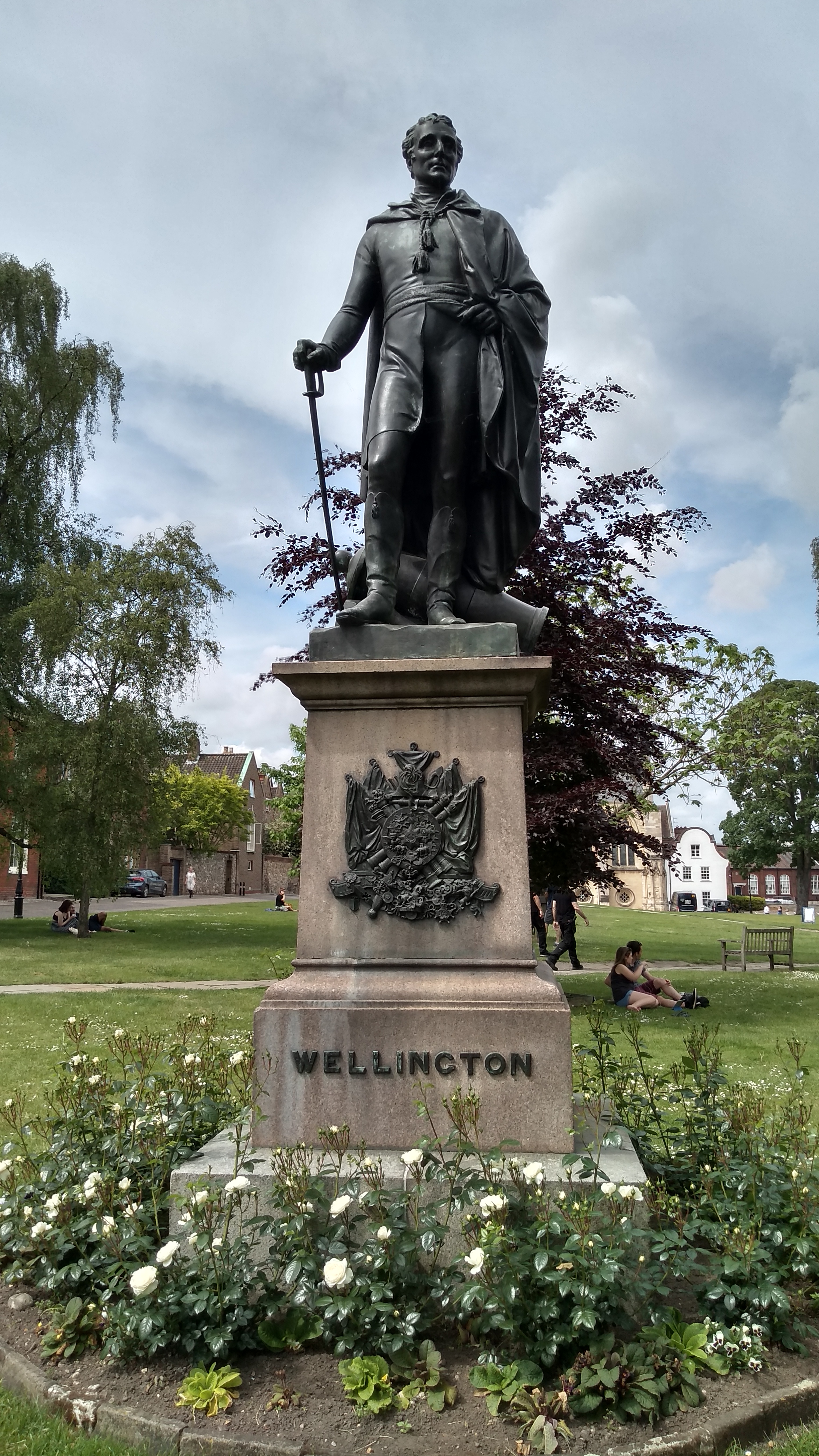
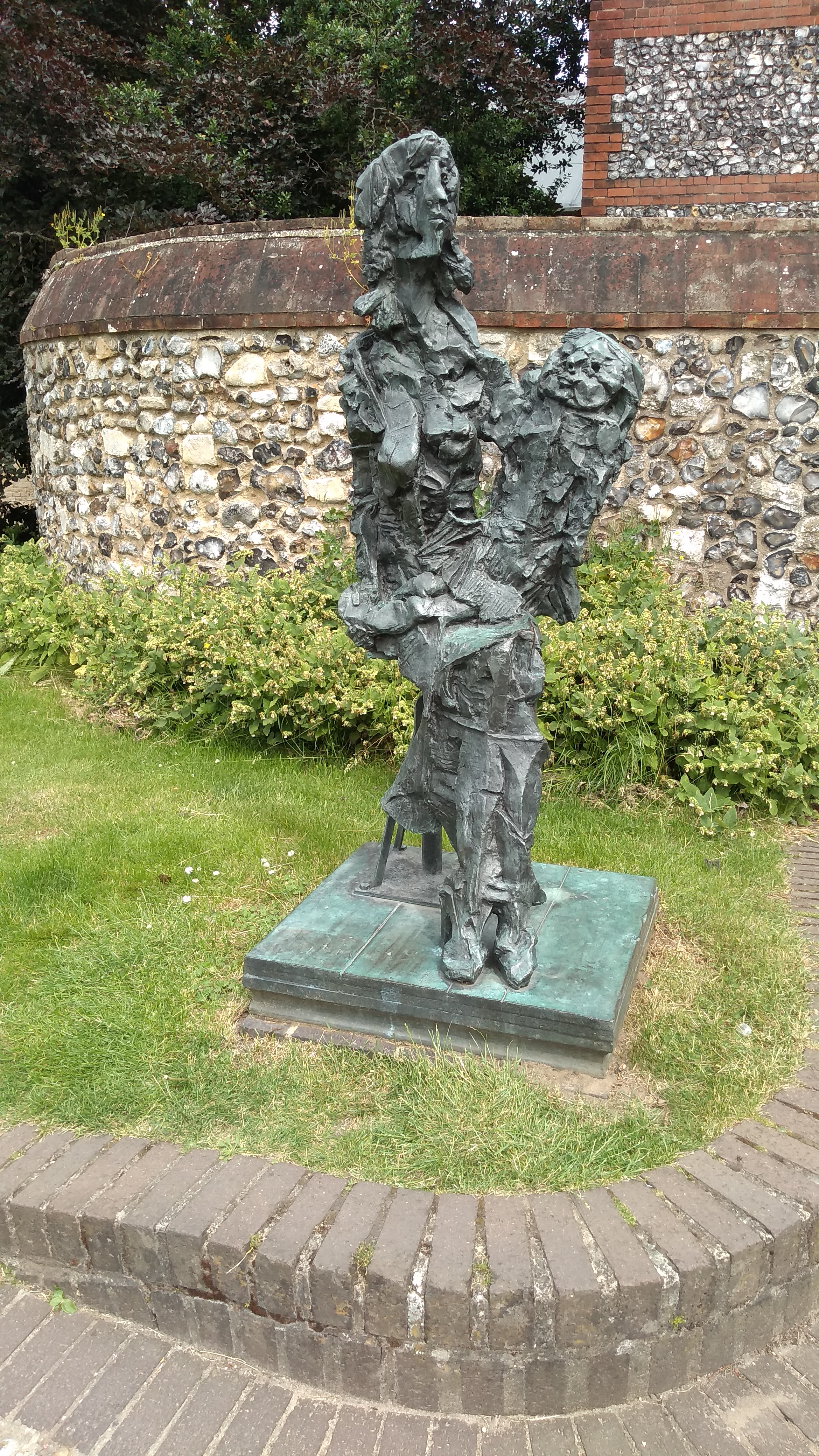
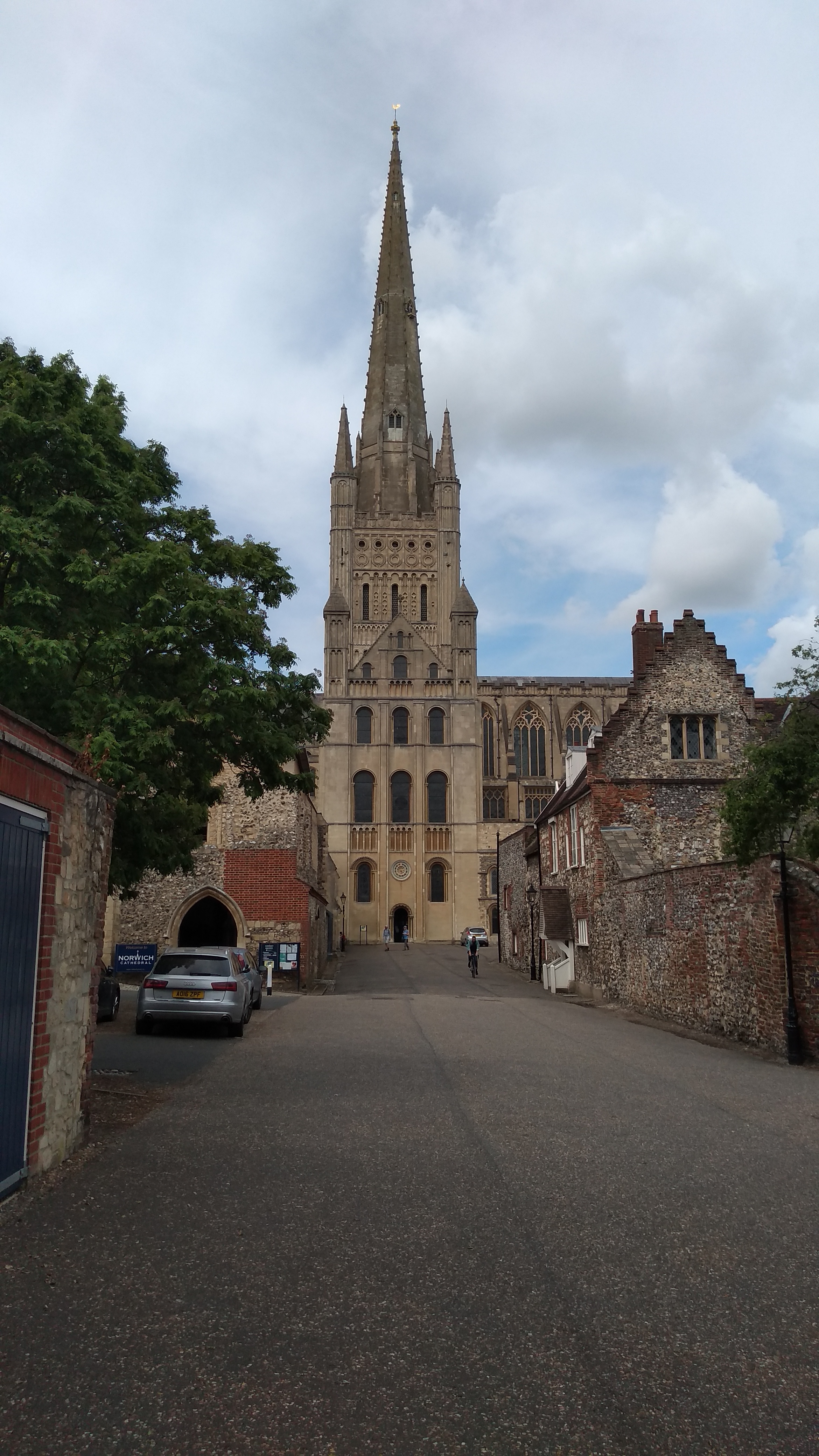
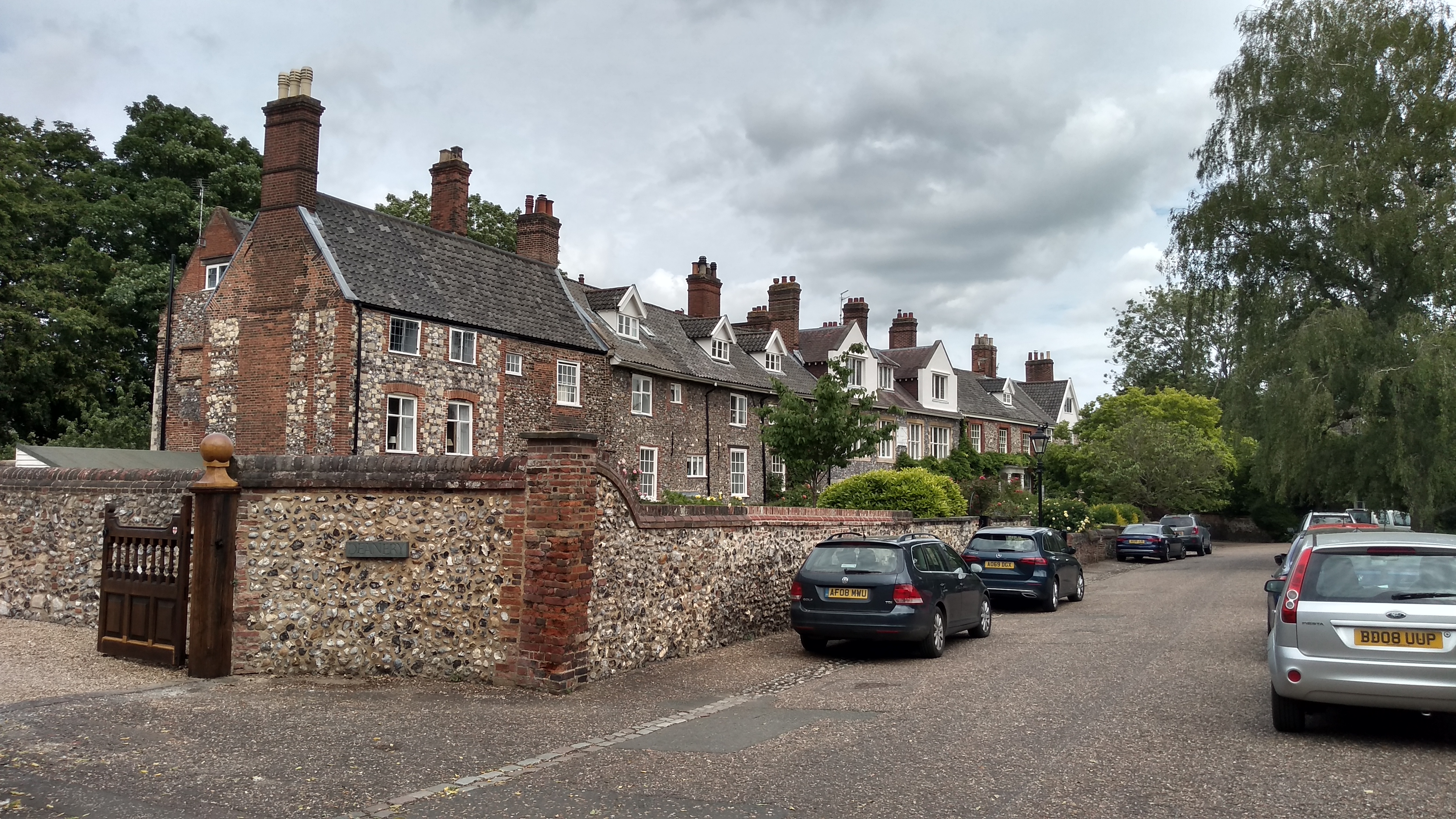
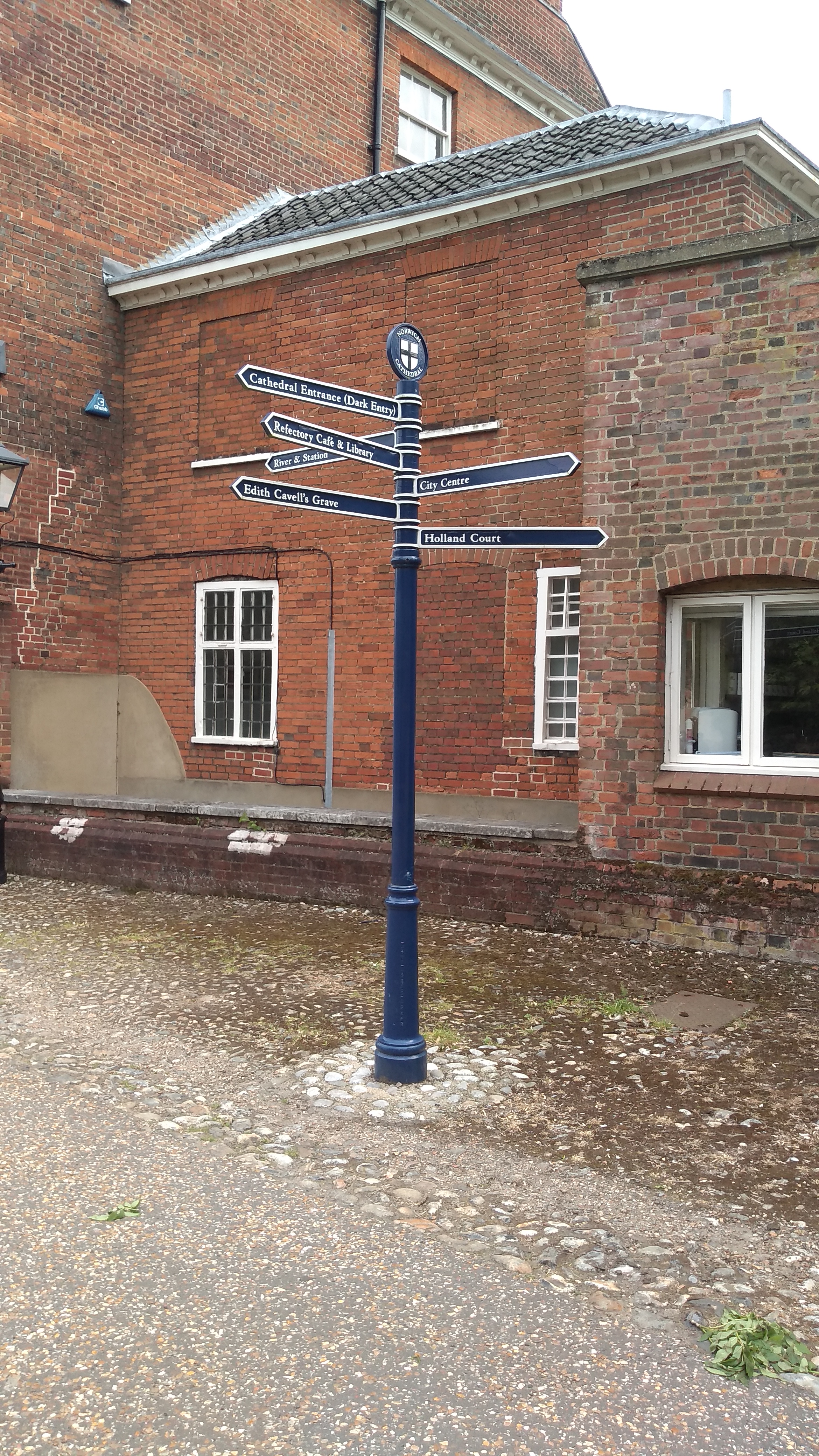
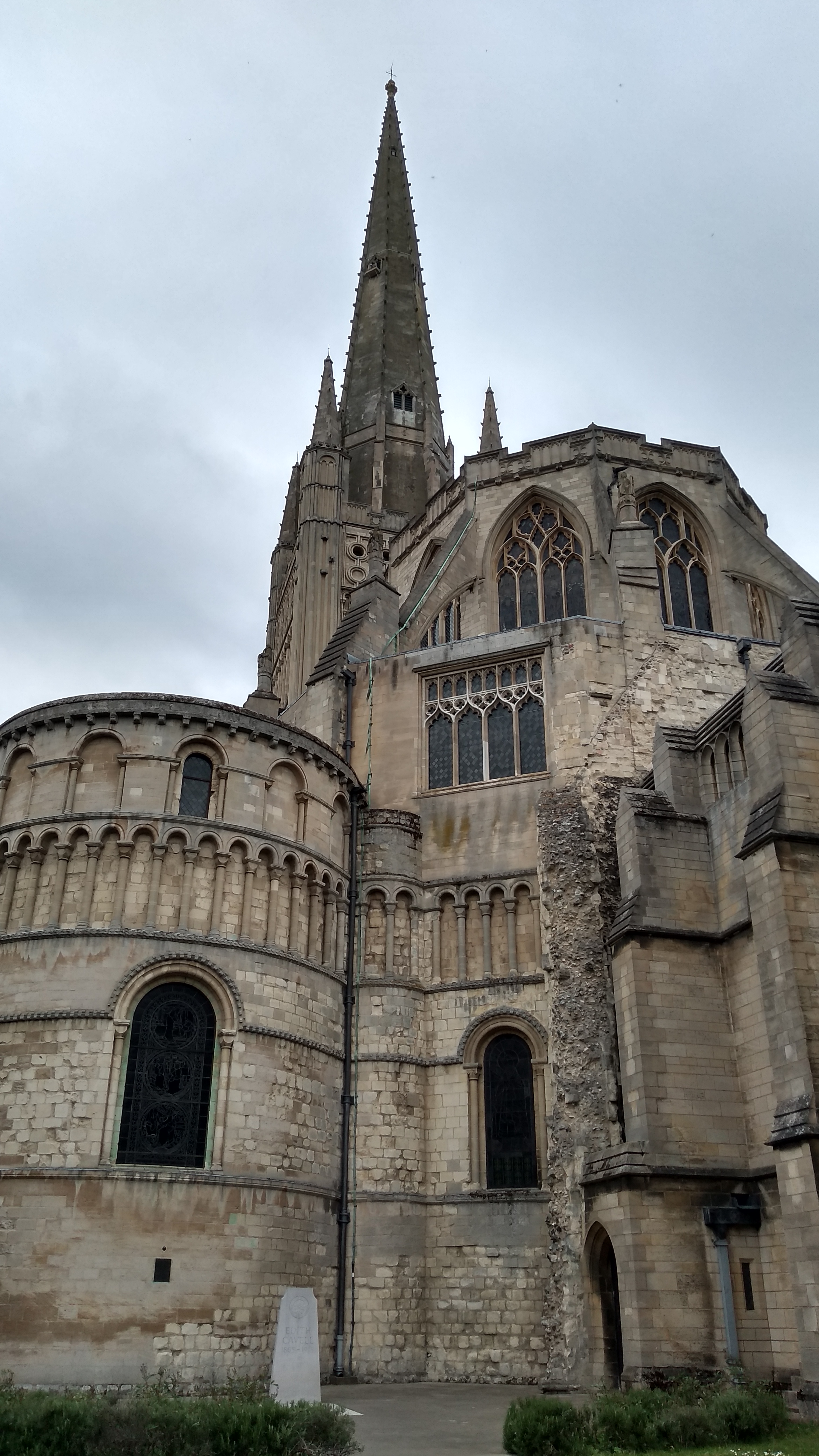
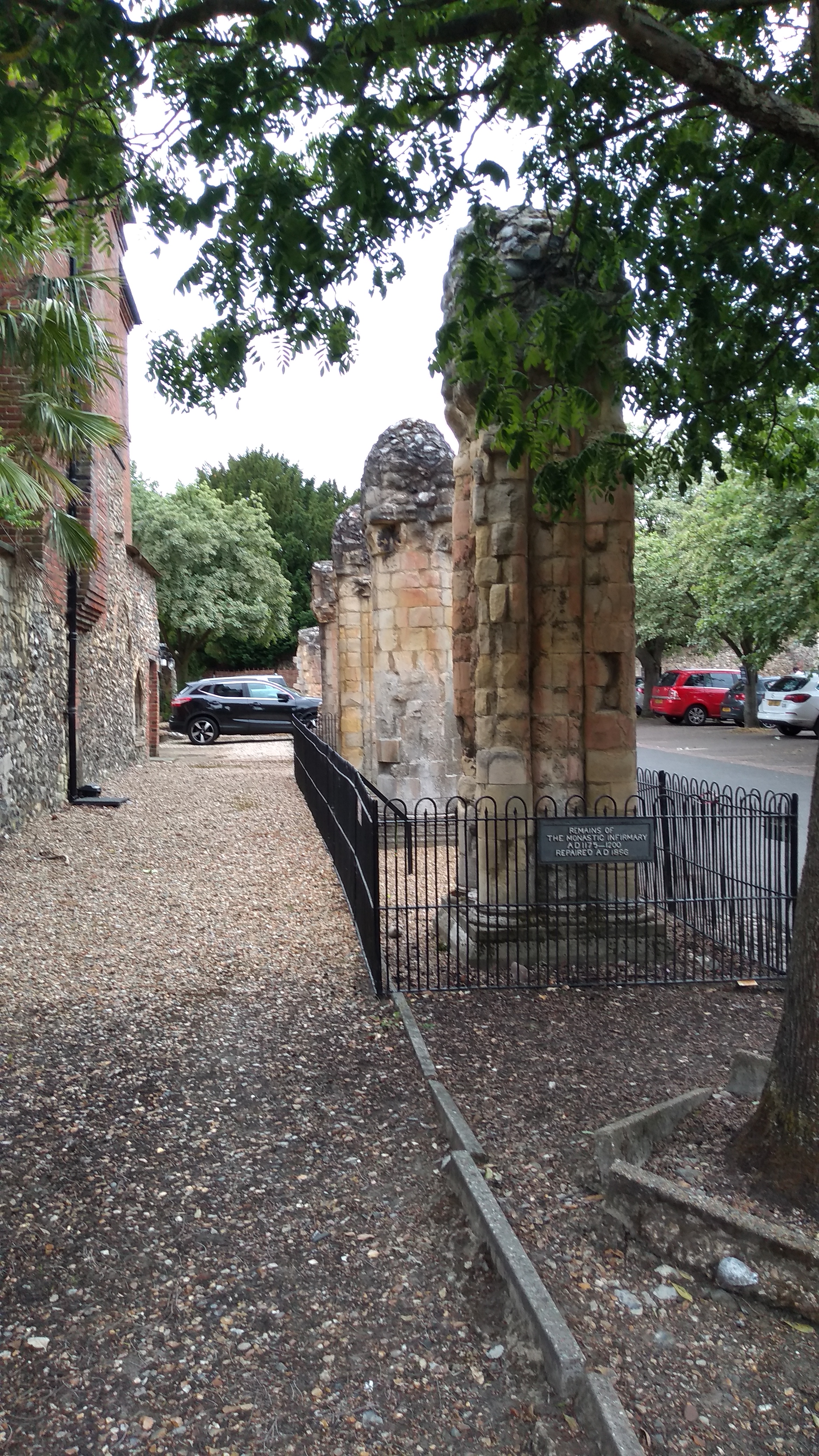
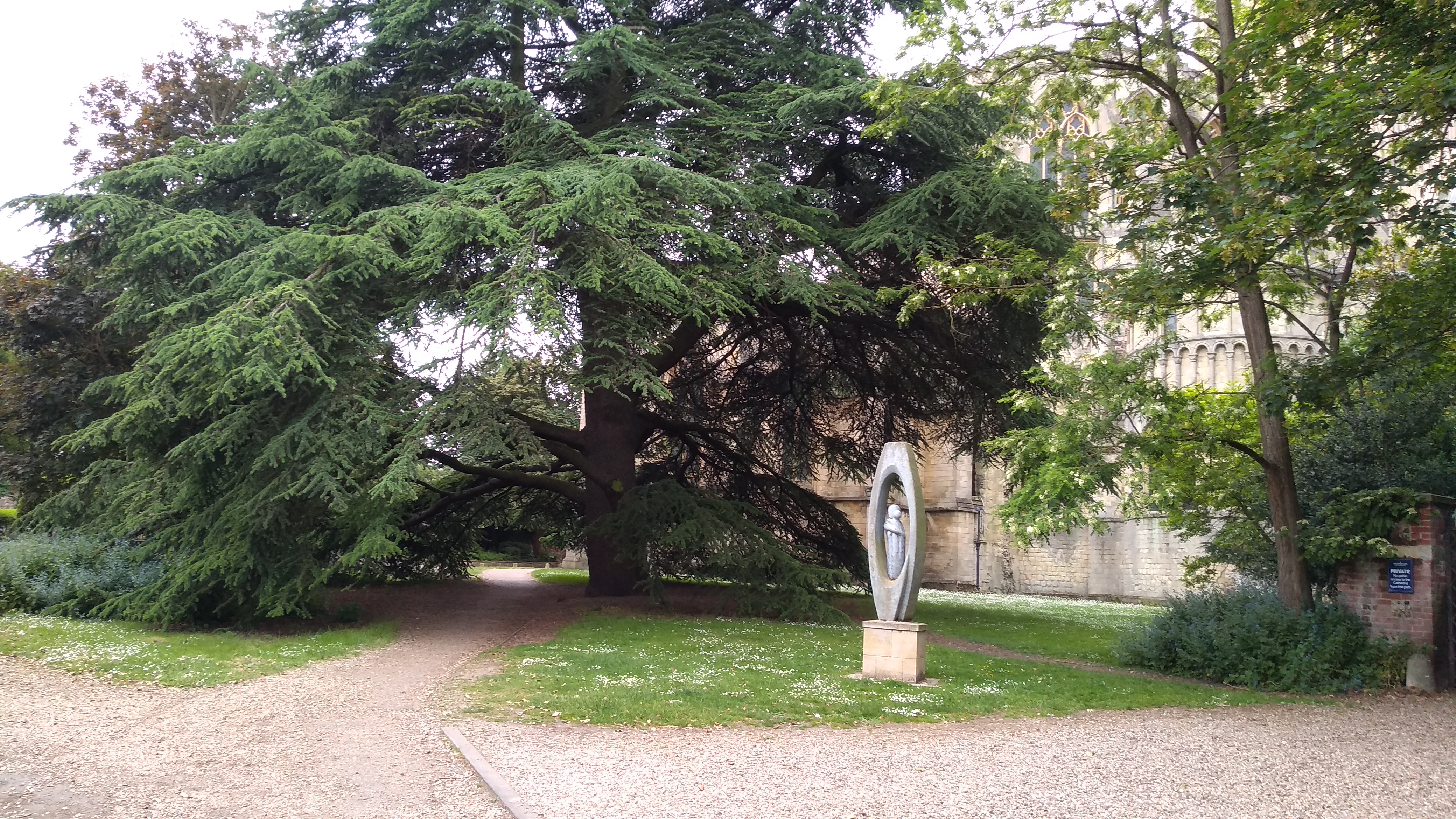
It was a great day for a stroll so we decided to check out Cathedral Close, the substantial grounds of the grand Norman church. The Close is full of statues – of men mostly, as is the norm. However, one woman, Edith Cavell, has pride of place at the entrance. Ms Cavell was a British nurse in German-occupied Belgium during the Great War. She is remembered for tending to soldiers from both sides of the trenches and for helping about 200 Allied soldiers escape. Arrested by the Germans, she was tried for treason and shot by firing squad. It caused quite an international incident at the time as it wasn’t the done thing to shoot women – only horses. As she was a Norfolk lass, Edith Cavell is buried in the cathedral.

Doubtless, someone will discover something about Ms Cavell’s words, views or deeds that wouldn’t quite be cricket by today’s standards and demand she’s knocked off her plinth. That would be a shame.

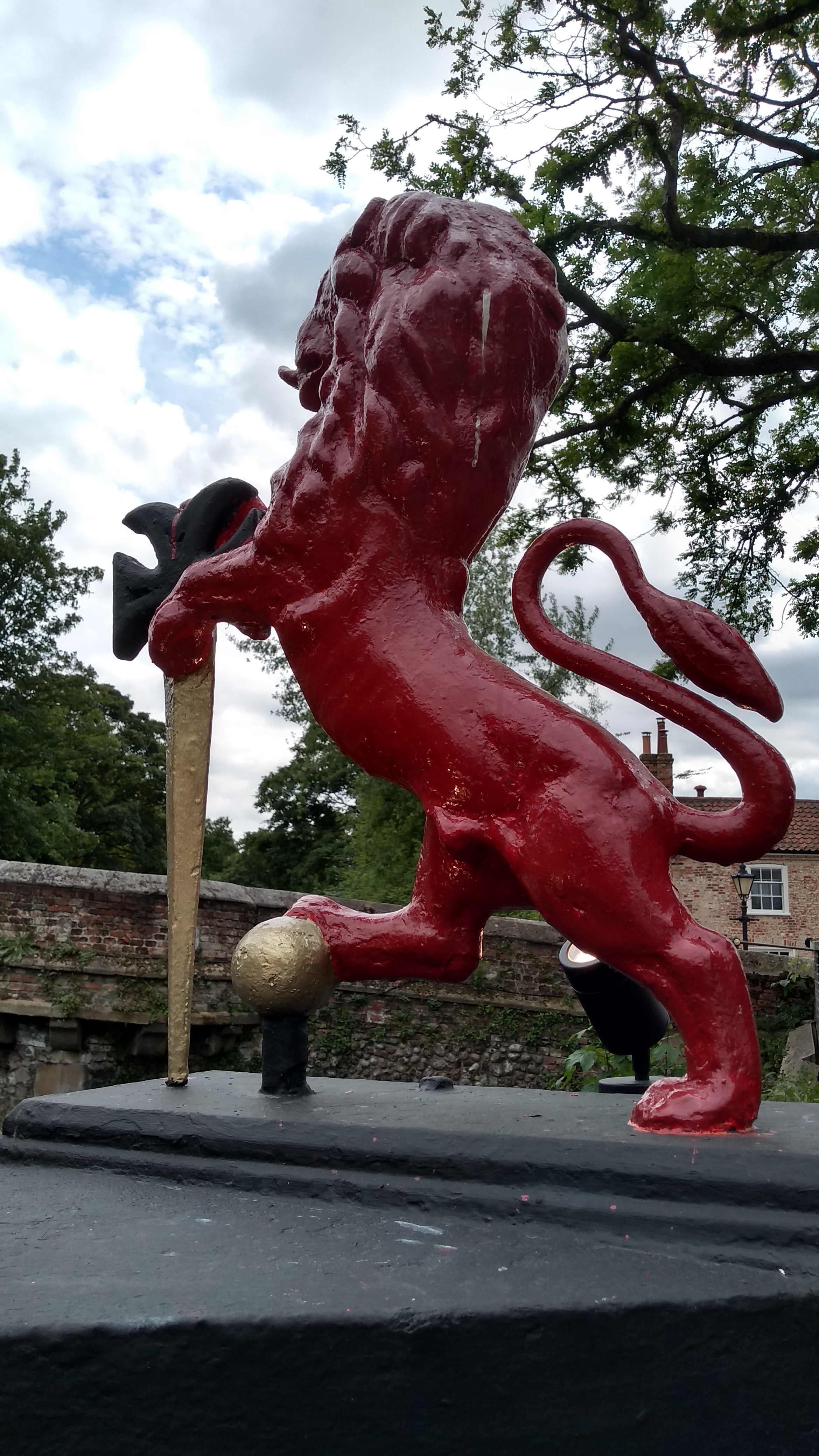
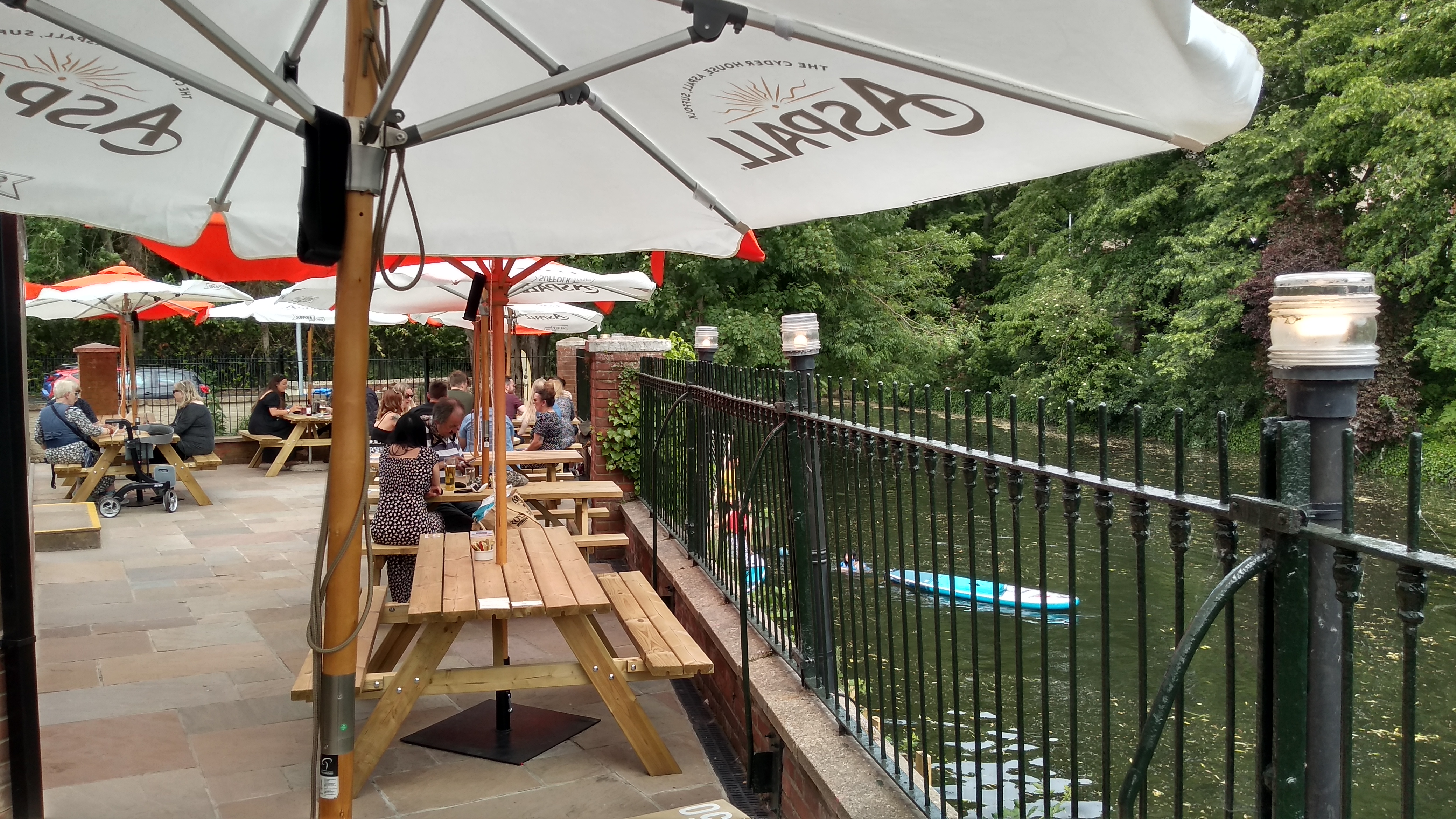
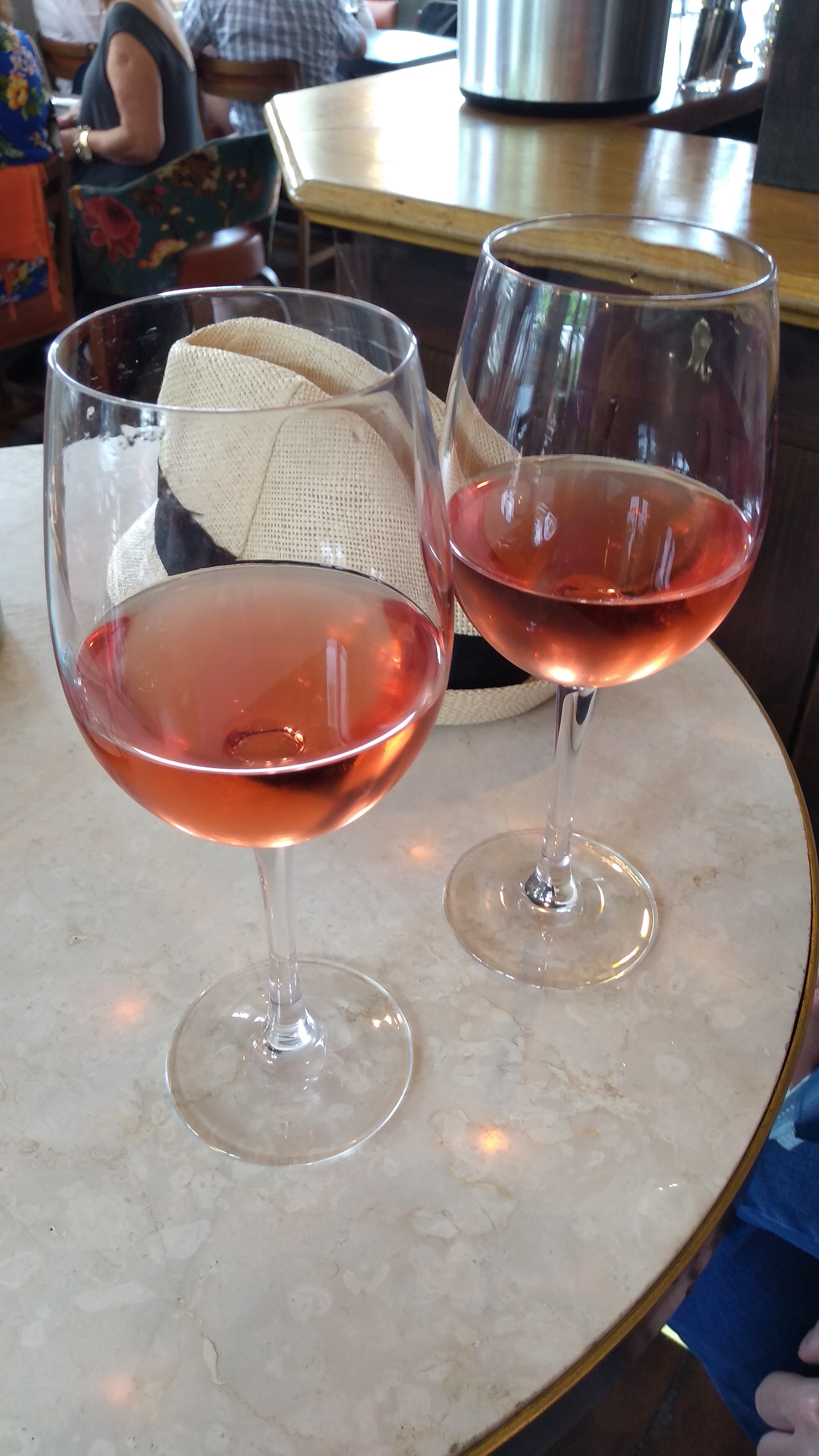
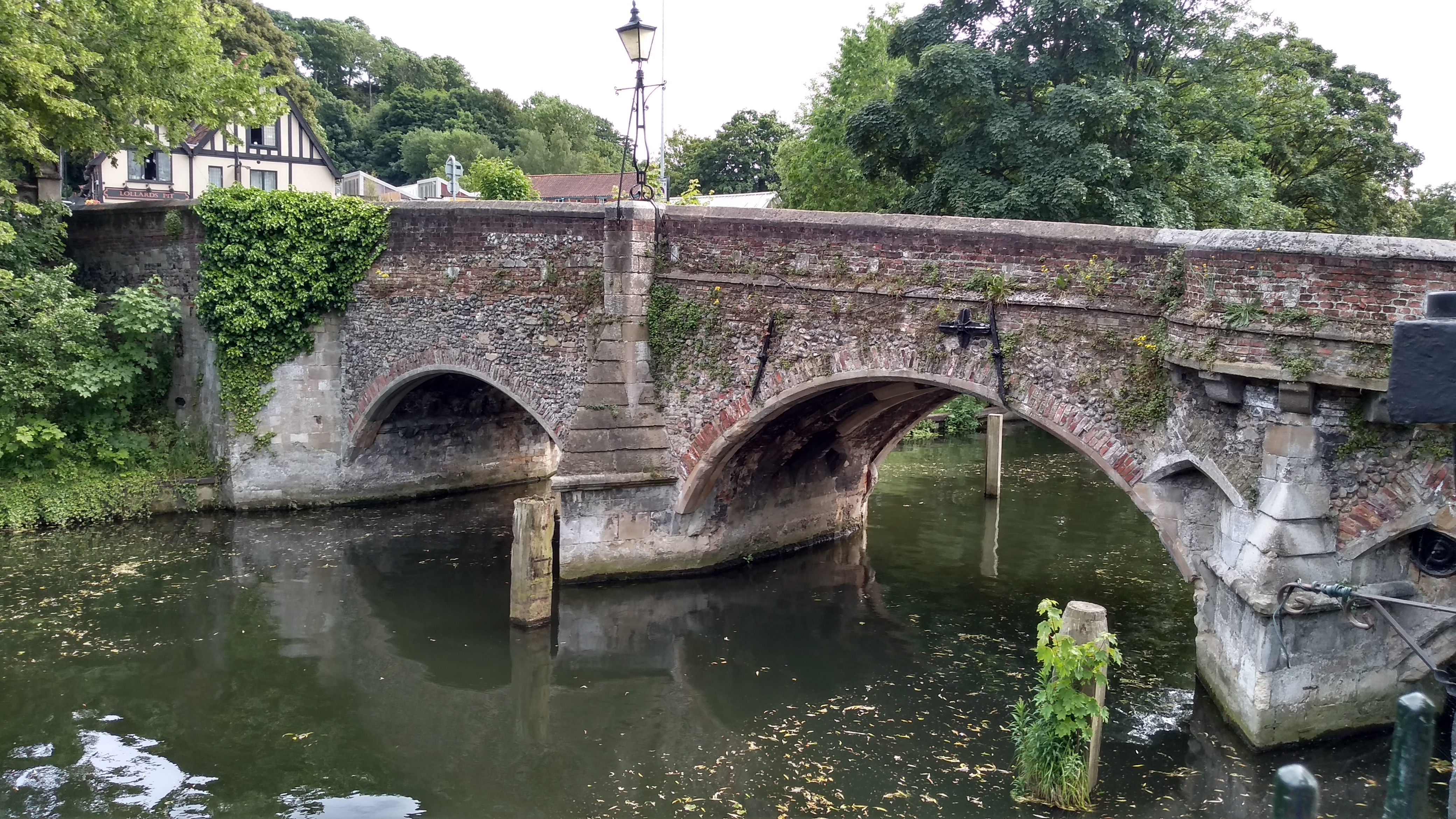
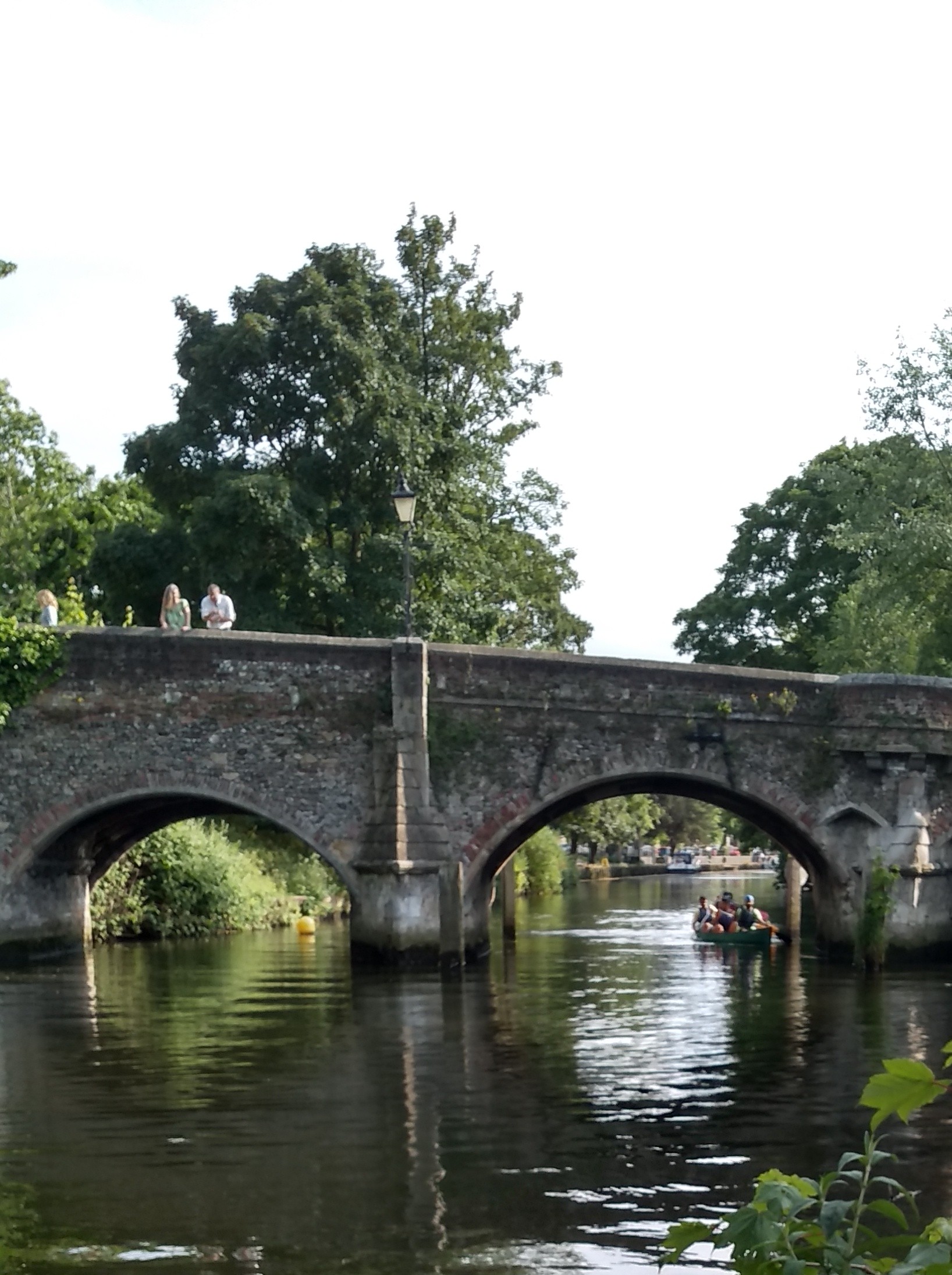
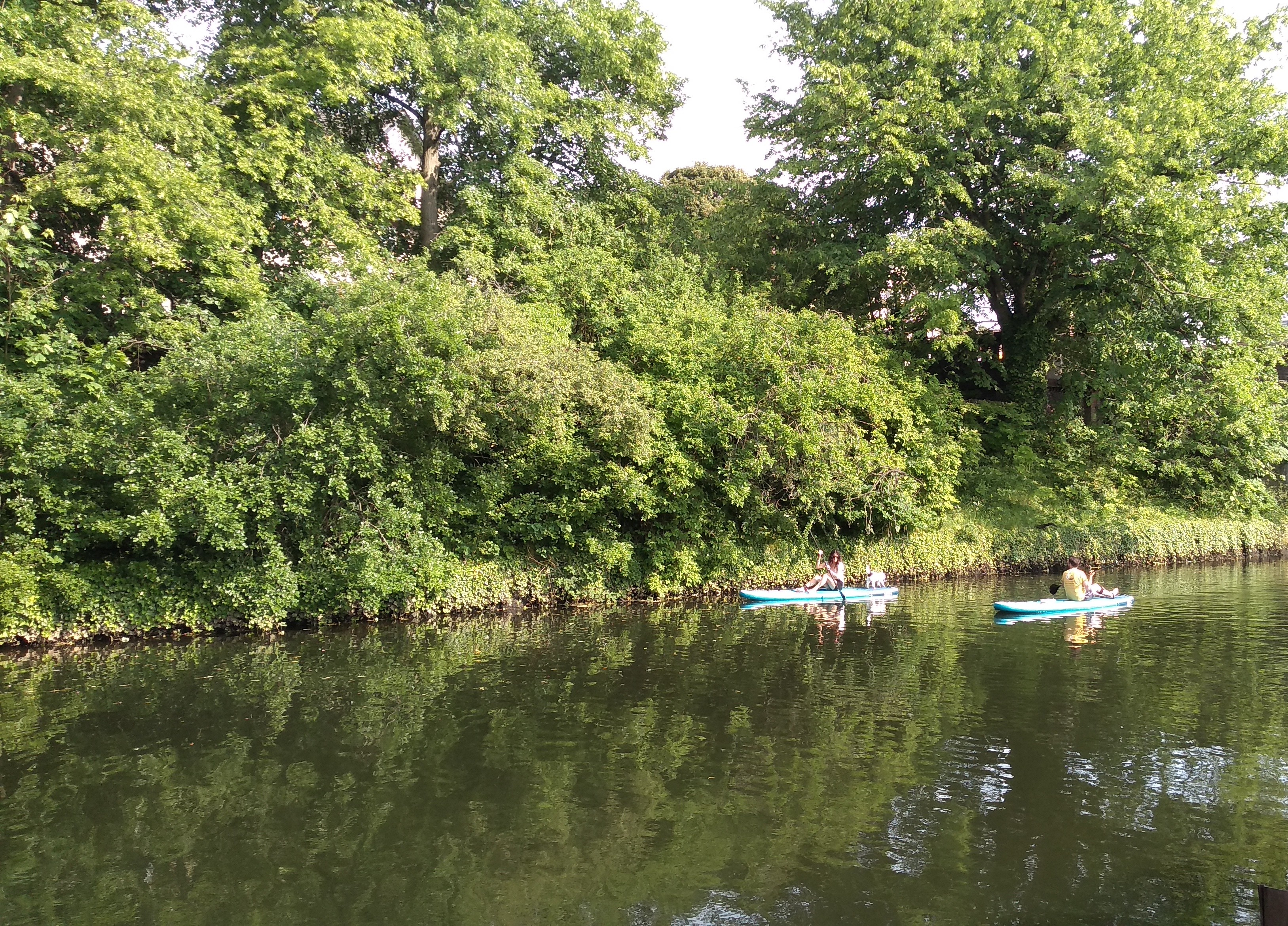
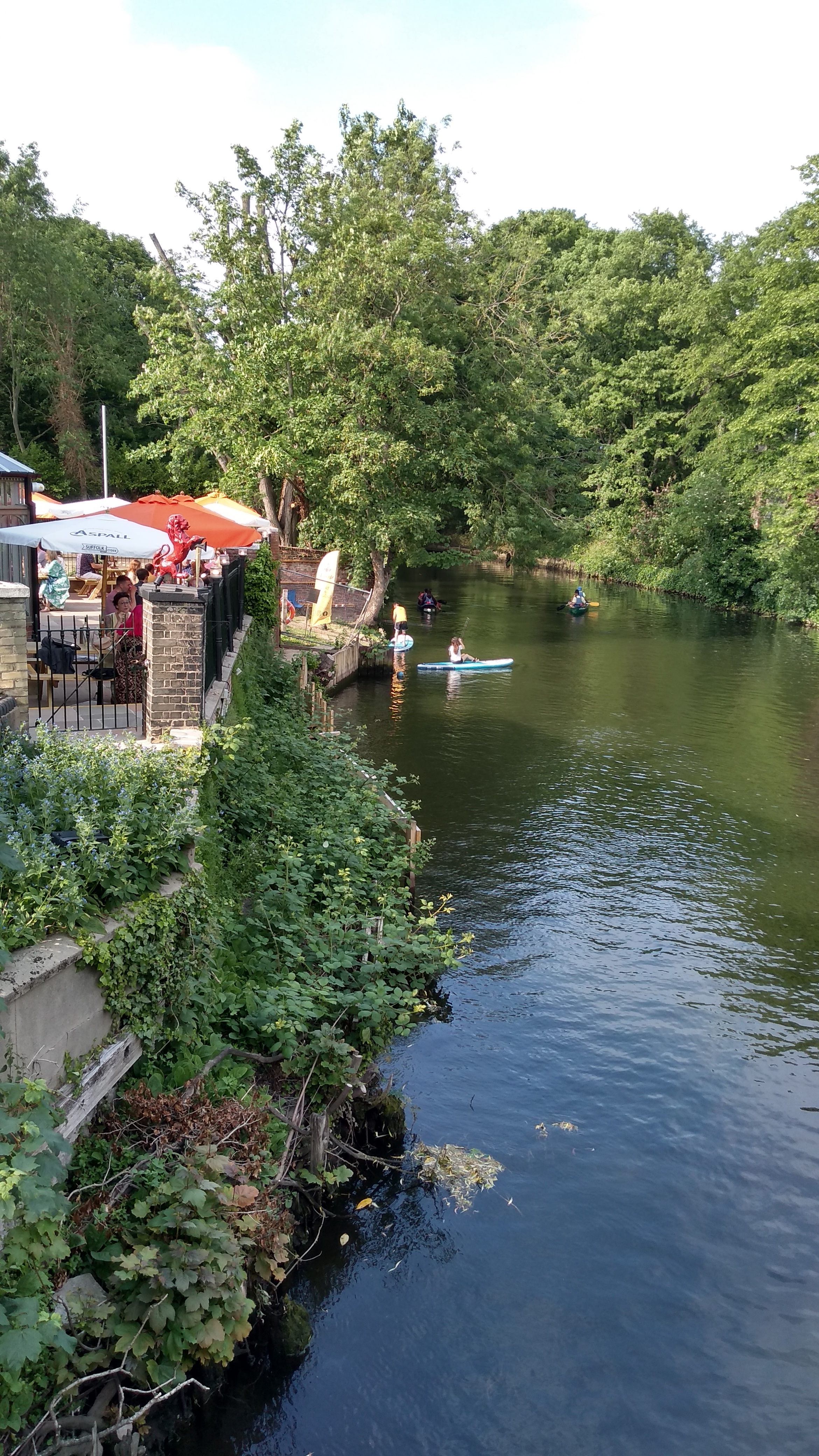
Naturally, a chilled bottle was waiting for us at the end of the trail. We settled down at the Red Lion Pub on the river next to the Bishop Bridge, built in 1340 and the city’s oldest, to watch people messing about in canoes. Bottoms up!

The Ship of the Fens

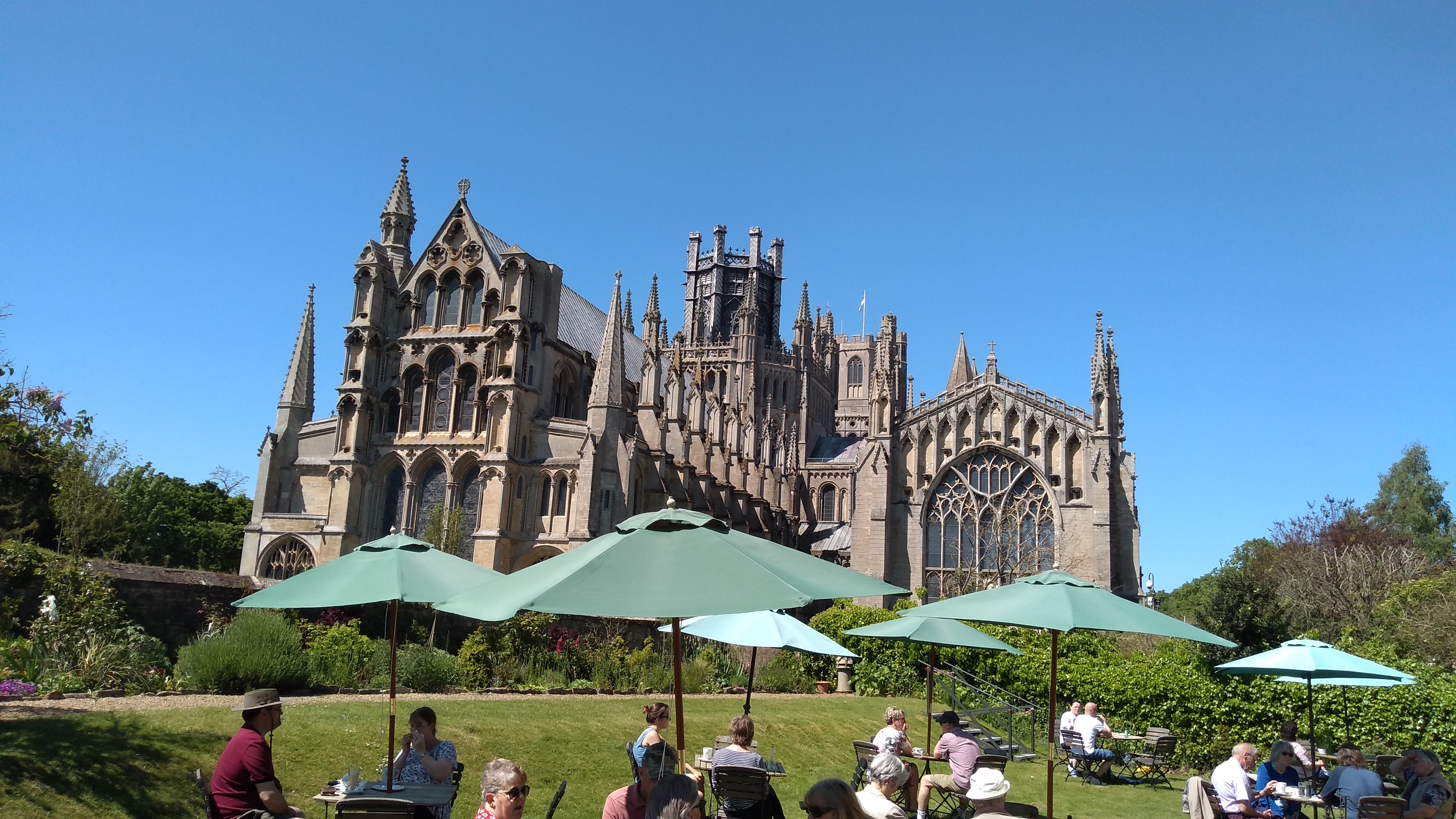
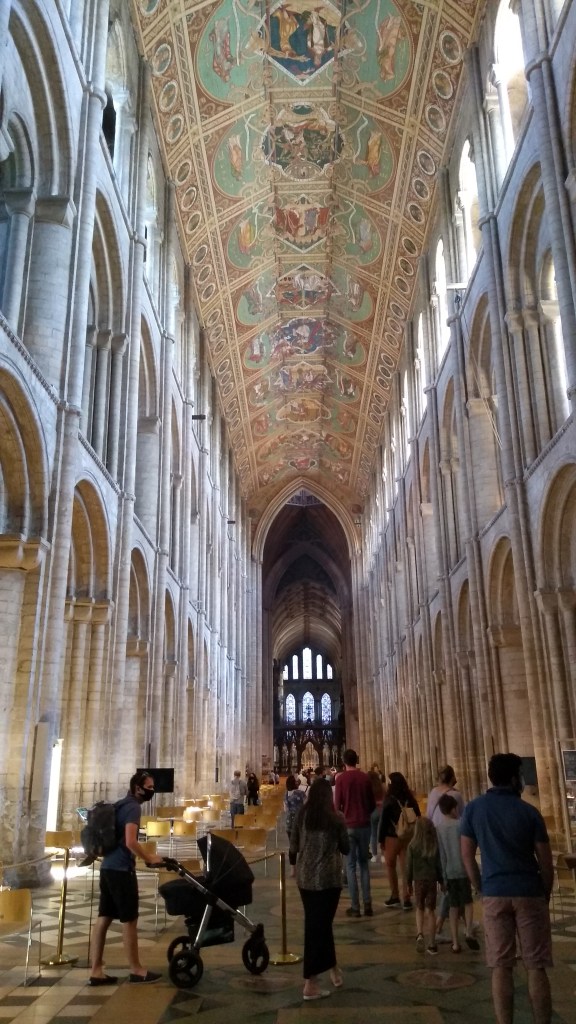
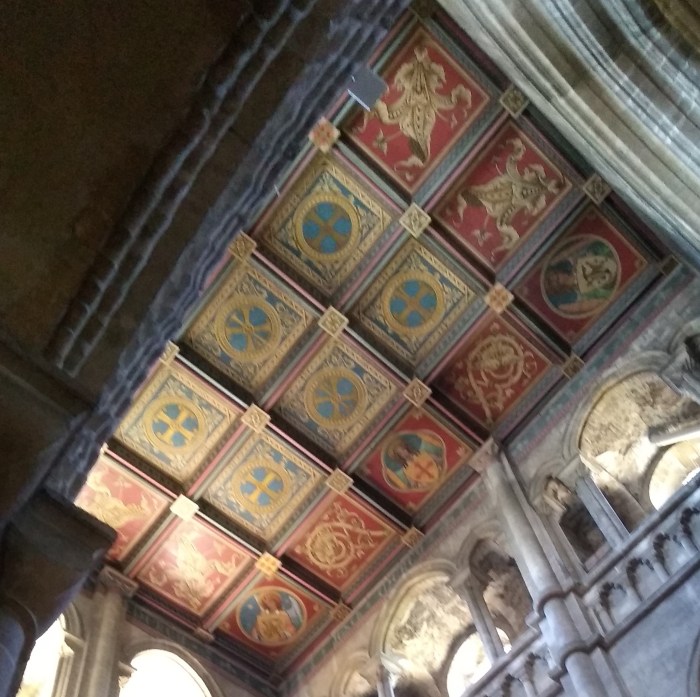
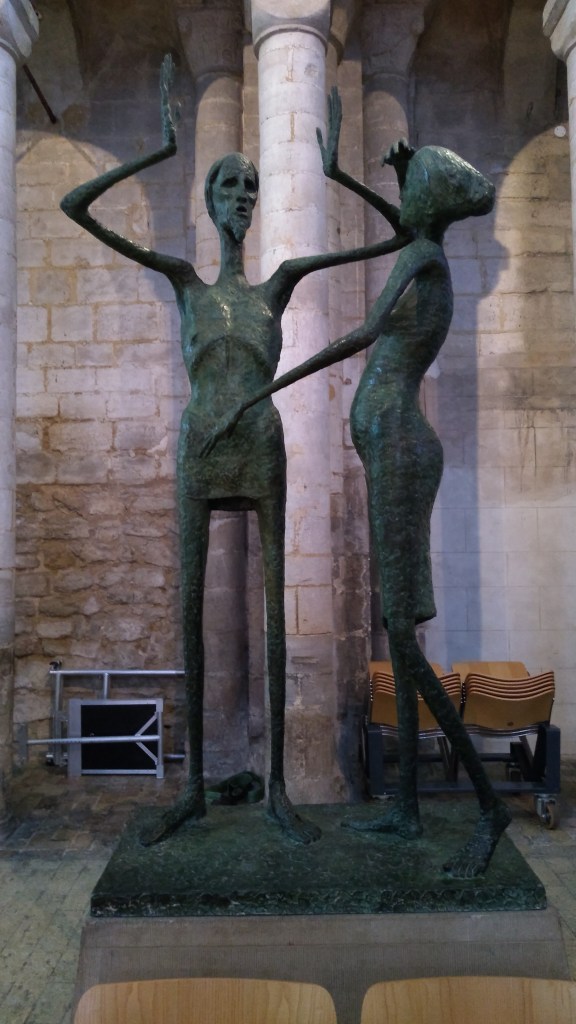
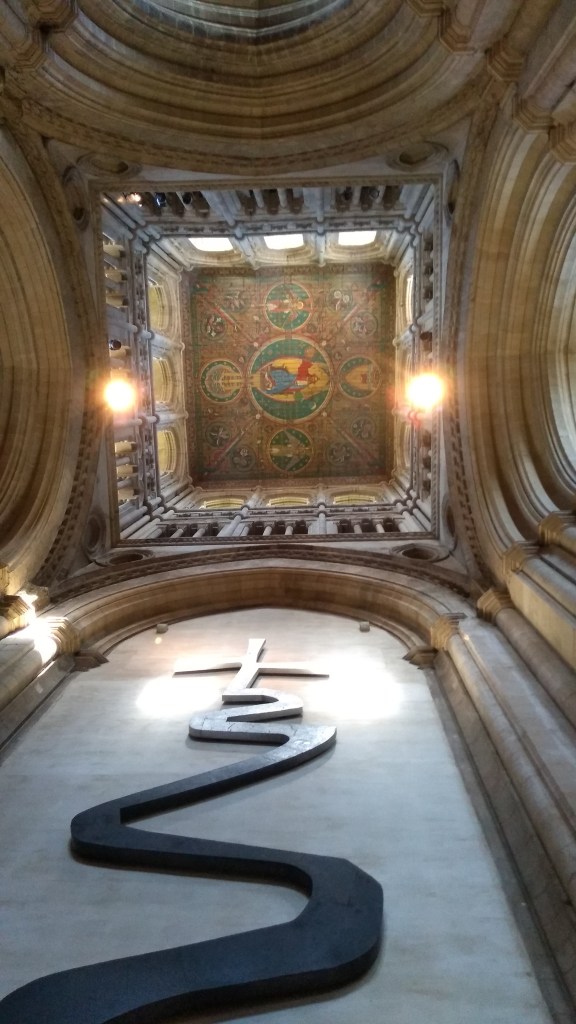
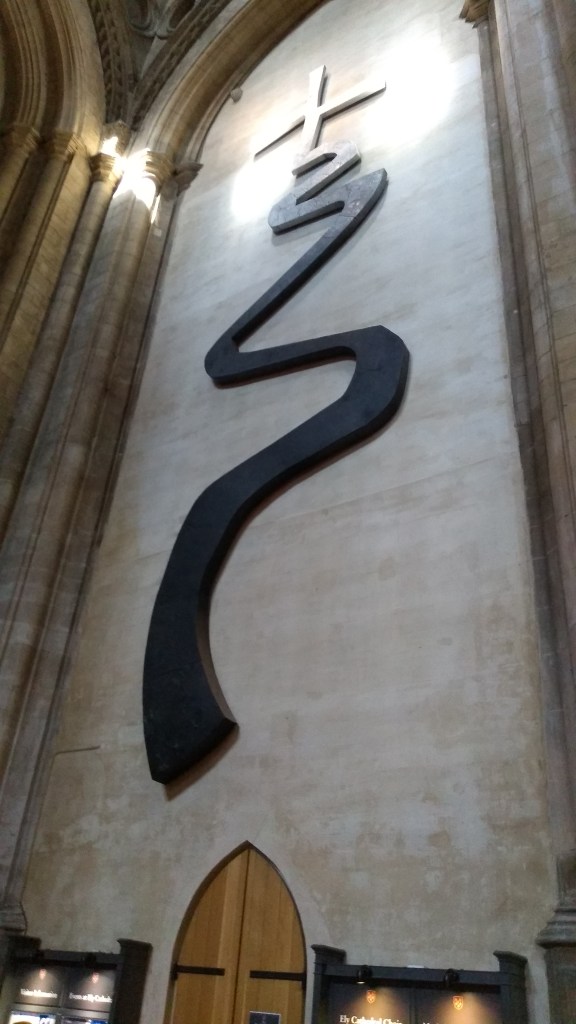
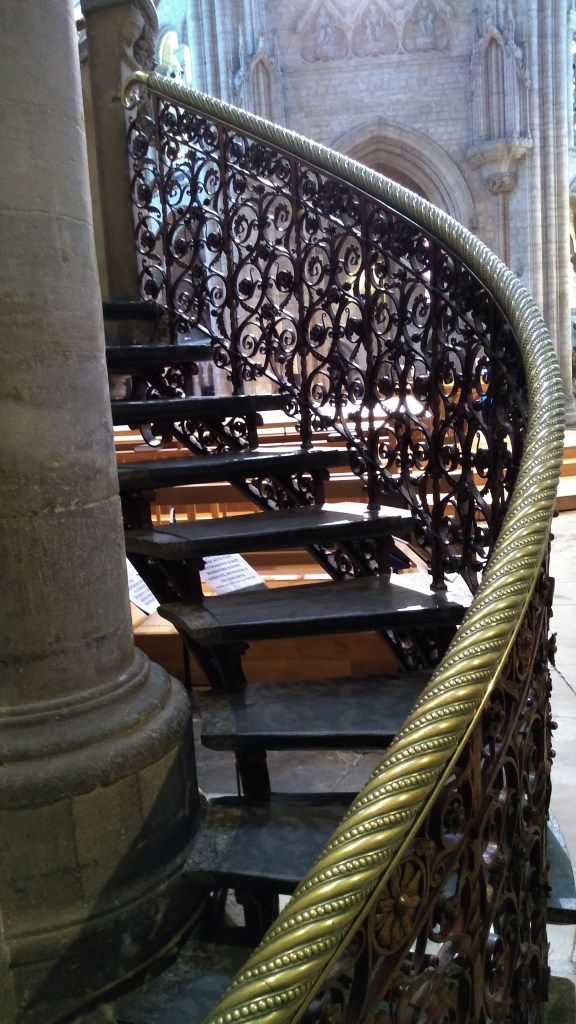
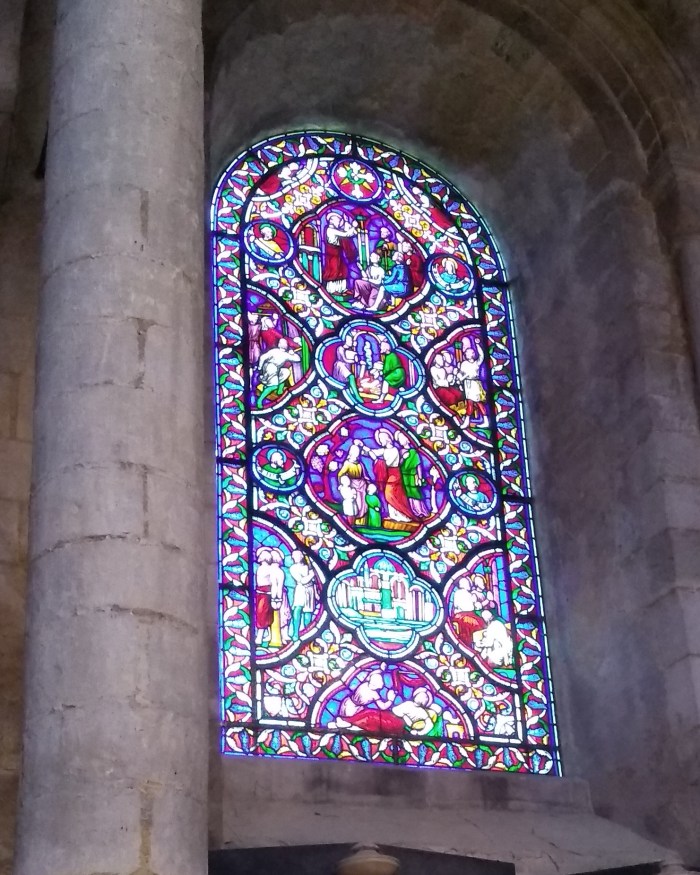
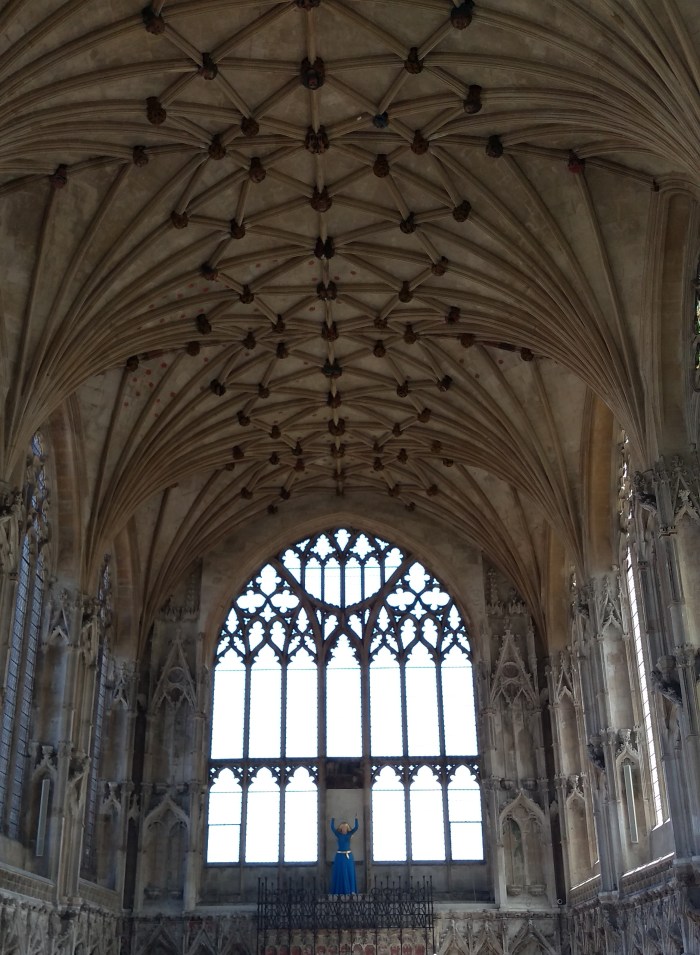
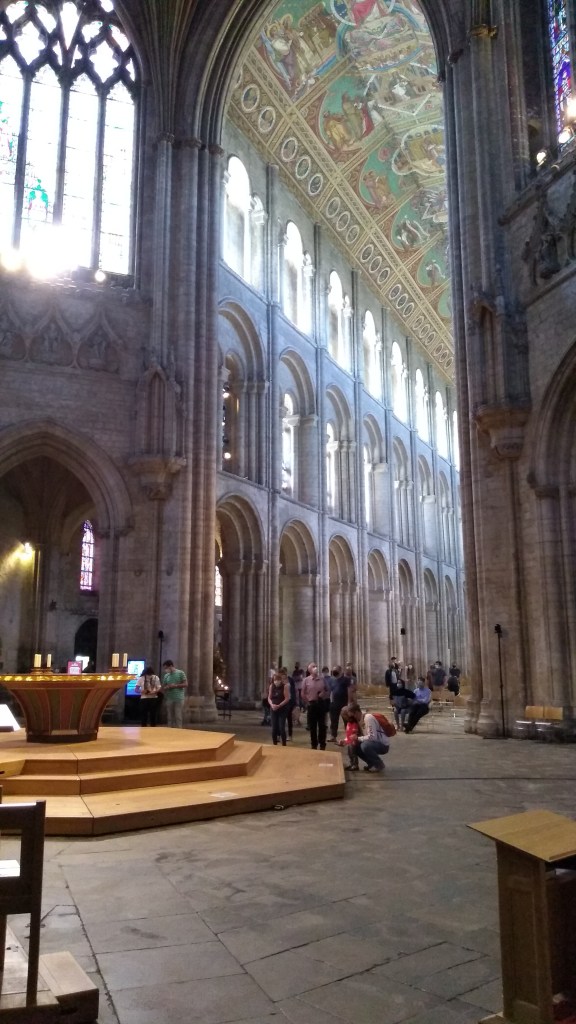
Our next family do since the end of lockdown was to Liam’s lot. A fun family BBQ in rural Hertfordshire, a night or two in Cambridge and a visit to Ely, a teeny-weeny city with a vast cathedral dominating the flatlands. ‘The ship of the Fens’ can be seen for miles around, demonstrating just how important He used to be to the prince, the pauper and everyone in between. There’s been a house of God on this spot since 673.

Ely sits on a small plot of high ground at the heart of the Fens, a once expansive marsh long since tamed by dykes and ditches, and drained for agriculture. The city has a quirky feel to it and, despite being only 14 miles from Cambridge and 80 miles from London, projects an air of splendid isolation and self-sufficiency, perhaps inherited from times past when it was an island, cut off for much of the year.

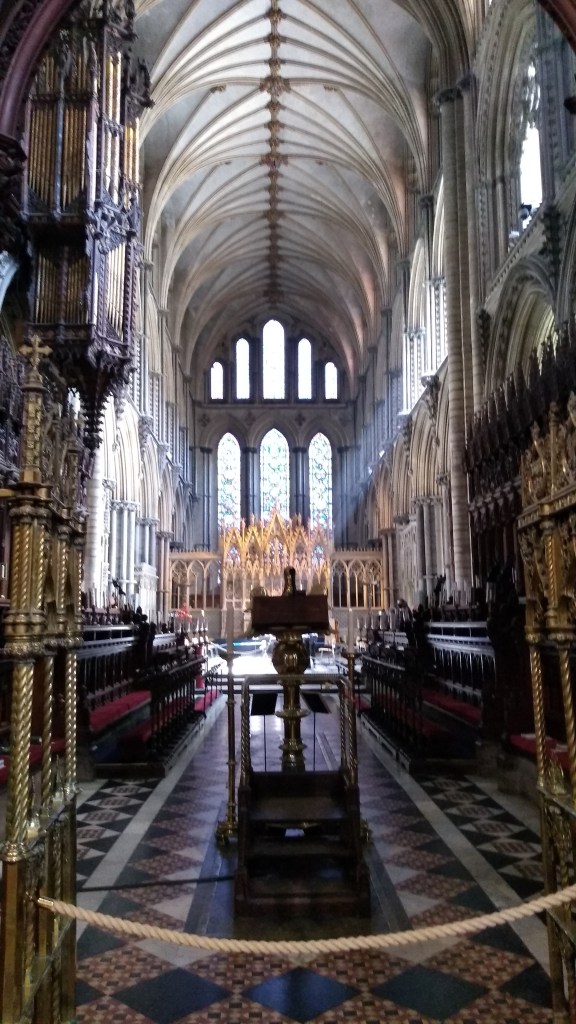
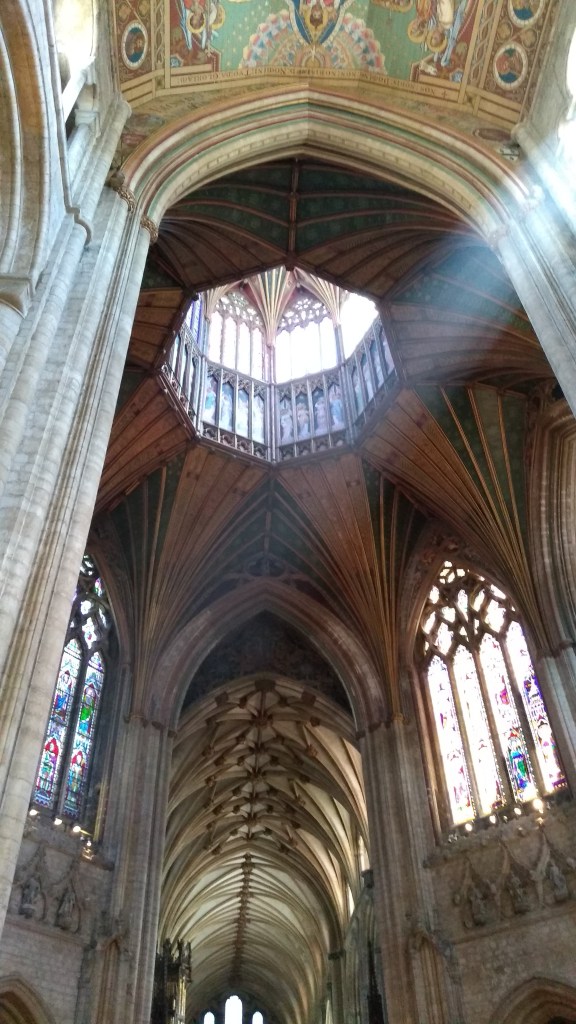
Obviously, the huge church is the main event. I’m not even remotely religious but its sheer scale forces you to look up to the heavens in utter astonishment.

The Donkey and the Great Dame

“Chloe the lovely donkey who has led the Palm Sunday procession from Alpington School to Yelverton Church for many years, has left the area. We would be most grateful if anyone has a donkey in the area who would be willing to fill this important job to please get in touch.”

Nextdoor, the neighbourhood hub

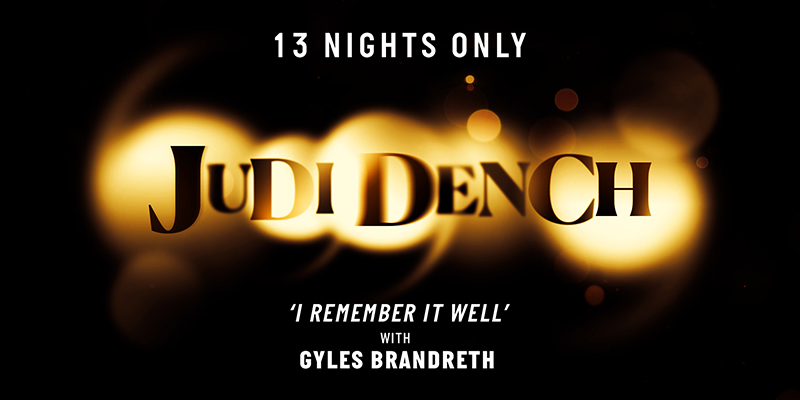
I’m guessing Chloe’s understudy is no longer required as tomorrow’s gig will have been cancelled just like tonight’s performance of ‘I Remember it Well’ with the incredible Judi Dench at the Bridge Theatre in London. The great dame was a surprise anniversary present from Liam. That’s pandemics for you – a monumental pain in the ass.

Apologies for yesterday’s ghost post. I pressed the wrong button – duh!

Two Up, Two Down

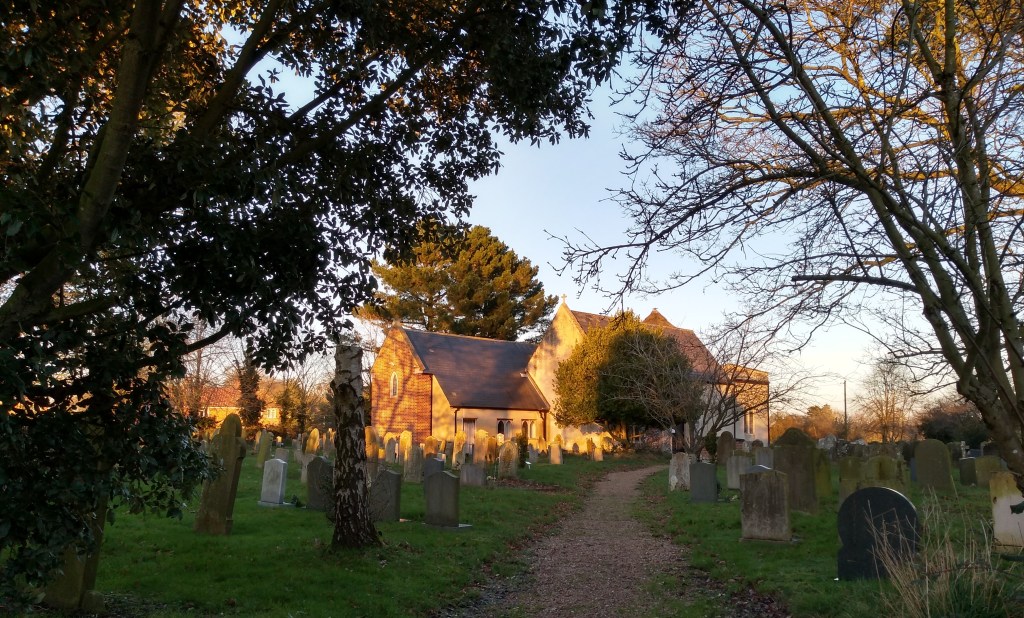
Our little house is one of a small row of four workers’ cottages standing proud next to the 12th-century parish church of All Saints. Built in 1852, each dwelling once consisted of just four rooms – the original meaning of a ‘two up, two down’ – with water supplied by a well at the end of the row and, in all likelihood, a single outside latrine shared by all and sundry. There must have been quite a queue when cholera struck. The well’s still in full working order but, these days, only used for watering the roses.

One of our neighbours, a sucker for genealogy, obtained the entries for the 1911 national census. It provided a tantalising glimpse into the lives of the residents of our little terrace at that time. 

While Liam was lapping up a concert by a local ladies choir at our spitting-distance church, I took a look through the documents. I really hope Mr Jackson the wherryman*, widow-woman Maria, James the omnibus driver, Mr Kerry the jobbing gardener and all their assorted families had happy and fulfilling lives. I guess we’ll never know, but the chances are their day-to-days were hand-to-mouth, horribly insecure and plagued by illness or the fear of it. Life expectancy at the time was about 56 for women and 52 for men, though this average was skewed by high child mortality rates which meant if you did manage to survive to adulthood, you had a better chance of growing grey.

Still, this was a big improvement on the situation when the houses were first chucked up. Back in the 1850s, life expectancy was only 42 for women and just 40 for men. As life was short and often grim, it’s little wonder people took to religion for solace. Thank God for the doorstep chapel.

*a wherry is a shallow-draught barge with a large single sail once used to transport cargo on the rivers and broads hereabouts.

And About Time Too!

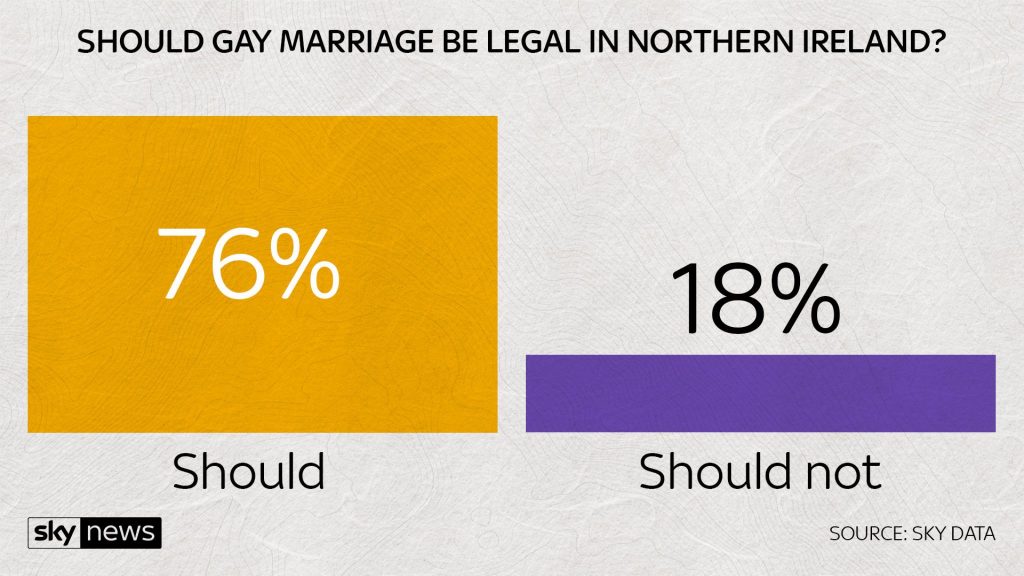
Finally, the United Kingdom Parliament at Westminster intends to legislate on two important issues affecting Northern Ireland – marriage equality and abortion – to ensure fairness and equity for everyone. And about but time too. Northern Ireland is the only part of the UK which does not recognise same-sex marriage and it’s also where the law on terminations is the most repressive. Generally, such social issues are a matter for the devolved legislatures in each of the four countries of the UK, but tribal bickering and pig-headed intransigence have meant that the Northern Ireland Assembly at Stormont hasn’t sat for over two years, depriving Northern Ireland of a functioning government. As a result, these and many other key issues have been stuck in limbo. No doubt, though, the members are still drawing their salaries.

Despite overwhelming evidence of popular support for marriage equality and abortion reform, the joyless old dinosaurs of the Democratic Unionist Party (DUP) are implacably opposed to both on puritanical moral grounds but, unless the Stormont Assembly reconvenes by the 21st October (like that’s gonna happen), the Westminster Parliament will likely legislate. While some of the more reactionary fire and brimstone elements of the DUP will be foaming at the mouth, I suspect many others will just be relieved, with a handy ‘wasn’t me, guv’ alibi to keep the faith.

Holy Joe

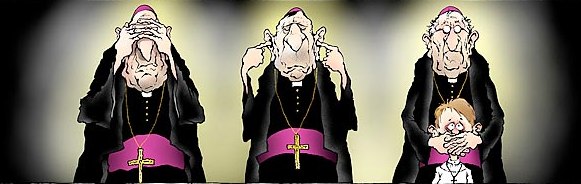
The word according to Holy Joe, the former Pope Benedict XVI, is that social change in the sixties created the cancer of child sex abuse in the Catholic Church. The ex-Vicar of Christ cites, among other things, “the clothing of that time” leading to “mental collapse” and “violence”. So there it is. The Church’s undoing is all down to miniskirts and loon pants – not the secrecy, the silence, the denials, the collusion or the arrogant belief that the Holy See is above the law. No, Joe, priestly kiddie fiddling and other clerical abuses were rife long before the sixties. It’s just that in a more enlightened, less deferential age, people aren’t willing to put up with it. The Catholic Church is not uniquely guilty of these sins, but it is guilty nonetheless. And that’s why the pews are empty come Sunday.

Image courtesy of Morten Ingemann

Holy Joe went on to preach that “the death of God in a society” means “the end of freedom”. The end of whose freedom, I wonder? Certainly not mine. It’s not religion per se that bothers me. I’ve no beef with faith as long as it’s not used to demonise others. No, it’s the corrosive stench of hypocrisy that hangs over it that I find offensive. God save us all from the bigots in the pulpit. And don’t get me started on the hangers, floggers and stoners out there.

For the Love of God

For the Love of God

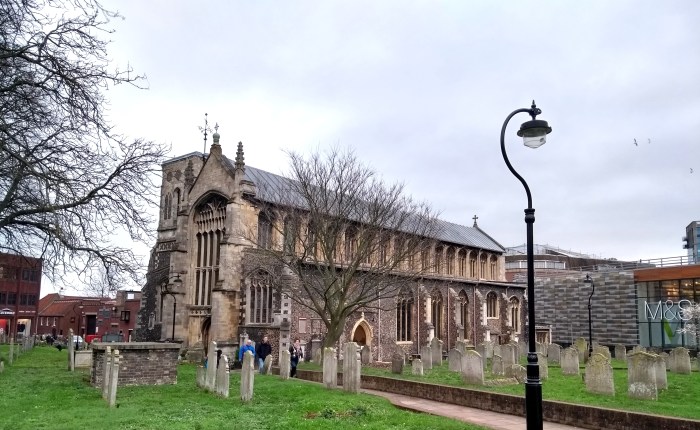
Come Christmas time, the patients at the surgery where Liam earns an honest crust are a generous lot. Gifts of biscuits, sweets, chocolates and the odd bottle of booze flood in. Liam comes home laden with festive fancies. We keep a few and donate the rest to St Stephen’s Church. It’s an ancient pile, founded over 900 years ago and now mostly dating from the sixteenth century. The roots might be old but the approach of the dedicated team of clerics and laypeople is bang up-to-date. Community engagement and outreach are the services of the day. Much of the nave is given over to a café which…

‘… provides an open place for people to belong, whether customers, volunteers or those experiencing tough times… the café is a place of welcome, refreshment and peace.’

St Stephens Church

It’s a Heaven-sent distraction from the hubbub outside and operates a ‘pay what you can’ policy where punters can pay the suggested price, more, less or nothing at all. The church also runs a seasonal food bank for those in need. When we dropped off the Quality Street, Fox’s luxury selection and Ferrero Rocher, I apologised for only bringing sweets and biscuits. A lady with a kindly face replied…

‘Everyone deserves something nice for Christmas, don’t they?’

It was a humbling experience. I’m not religious in the slightest but if this is what the love of God means, then long may it continue.

You Have My Word

You Have My Word

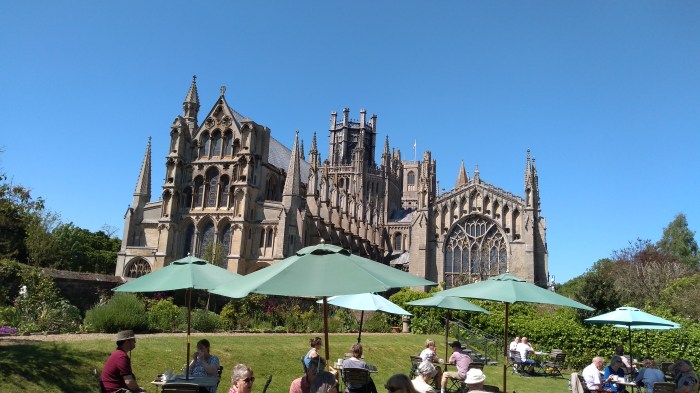
A family ‘do’ took us cross country to Hertford, north of London – three trains there, three trains back. On the way, we changed at Cambridge – ‘the City of Perspiring Dreams’ as it’s known to the top-notch scholars who tread the hallowed precincts. Last year we took the same route and stopped off for a look around. This time we didn’t pop in – too many perspiring tourists for my liking. On the return leg, we changed at Ely, a tiny city with a vast cathedral dominating the flatlands. God’s house can be seen for miles around, demonstrating just how important He used to be to the prince, the pauper and everyone else in between. The city sits on a small patch of highish ground at the heart of the Fens, a once expansive marsh long-since tamed by dykes and ditches and drained for agriculture.

A sign at Ely station caught my eye.

I’ve had a bit of bother with my own Office package of late so it amused me. My picture-taking caught the eye of a ragged local with a lumpy face.

‘Take my picture,’ he insisted. ‘I’m famous, you know. I’ve been on the telly.’

It cost nothing to oblige him and I showed him the snapshot. He smiled and shuffled off down the platform. He may never have been on the box but at least he’s now on the blog.

As for teeny-weeny Ely with its oversized church, calmed waters and bobbing boats, it’s on the bucket list for next year.

Twas the Night Before Christmas

Twas the Night Before Christmas

It’s Christmas Eve and, after a year of sensible eating, tomorrow we’re looking forward to calorific grub (thank you M&S), artery-hardening afters, saturated snacking, a barrel of vino, and a little peace and tranquillity. The latter two seem to be rare commodities these days. Whatever Christmas means to you, may your day be merry and bright. I’ll leave you with Norwich’s festive Tunnel of Light. Unassuming by day, by night it’s a dazzling riot of twinkle and glow – a bit like me.

Tunnel of Light

The Day the Rot Set In

The Day the Rot Set In

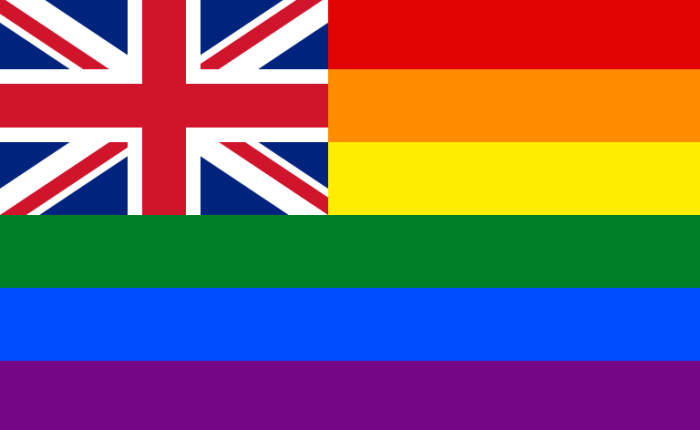
On this day fifty years ago, the Sexual Offences Act received Royal Assent. The act partially decriminalised male homosexual acts. I say partially because the repeal only applied to rumpy bumpy between men 21 and over in England and Wales. It excluded the rest of the UK and those bastions of red-blooded machismo, the Merchant Navy and the Armed Forces. The ripe phrase ‘rum, bum and the Navy’ must have seemed even more ironic to randy sailors on a long and lonely tour of duty. By contrast, girl on girl action has never been illegal, perhaps because the (almost exclusively male) elite were rather titillated by the thought of it (well, those who weren’t fiddling with the altar boys or servicing the groom, that is). Reform-wise, the Scots didn’t join the party until 1980 and the Northern Irish brought up the rear in 1982. This may explain the over-representation of ginger queens on the pink streets of London during the seventies and eighties.

If the holier-than-thou pulpiteers, tight-arsed little Englanders, mighty-mouths down the pub or queer bashers on the streets thought the 1967 act was the one and only concession to be made, they were in a for a nasty surprise. It was a call to arms. The eighties and nineties brought the darkest days of AIDS and many hoped we’d all sashay back into our closets and die. No such luck. Despite the violence, the ridicule, the outraged press and pushy coppers in rubber gloves, a growing band of brave souls kept the rainbow flag flying higher than ever. Direct action and the outing of mitred hypocrites became rather fashionable. And it worked. One day, the walls came tumbling down and what followed was a bonfire of the prejudices.

The age of consent was reduced (first to 18 then to 16), the armed forces ban was lifted, the offence of gross indecency was repealed, Section 28* was abolished, gender re-assignment was recognised, fostering and adoption laws were liberalised, employment protection secured, civil partnerships were introduced and, by 2014, full marriage equality was realised across Britain. Then came the royal pardon for past deeds no longer illegal and, in time, so too will come the official apology.

On equal marriage, only Northern Ireland is still holding out, with some dour old dinosaurs desperately trying to hold back the tide, Canute-like. Their days in the sun are numbered, despite their last hurrah propping up Chairman May.
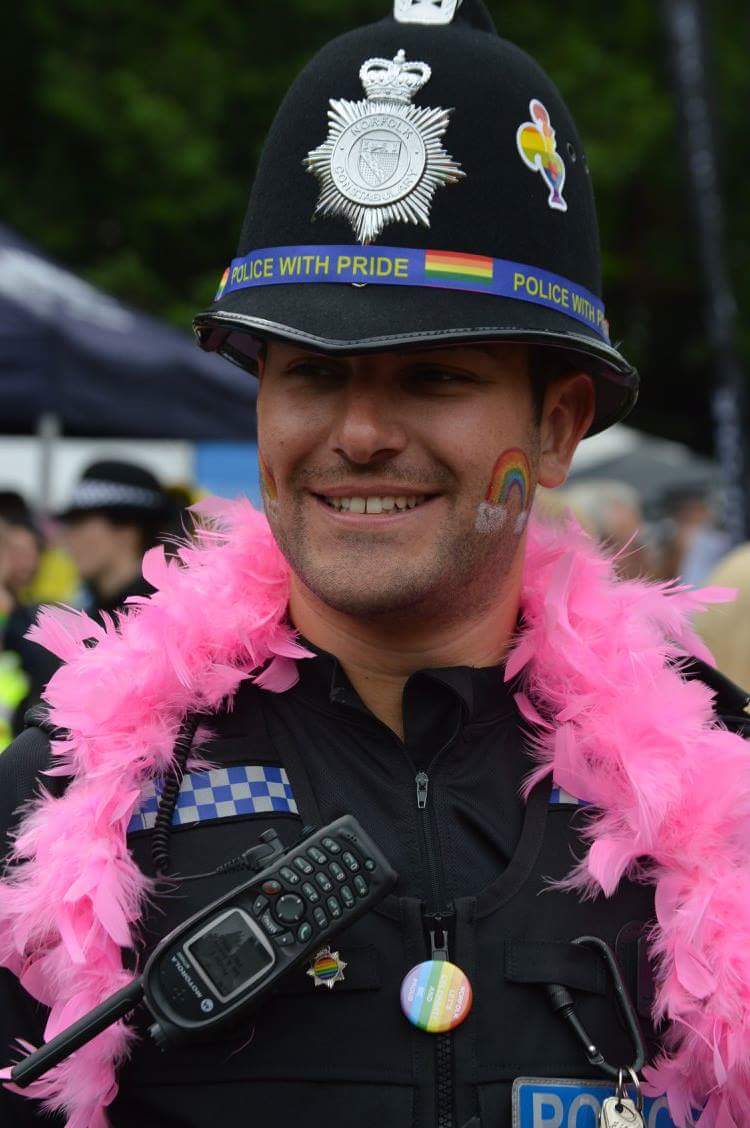
Rainbow Copper

The gestation of the 1967 Act was a long one. It was the Wolfenden Report of 1957 that recommended the decriminalisation of certain homosexual offences and concluded:
“…unless a deliberate attempt be made by society through the agency of the law to equate the sphere of crime with that of sin, there must remain a realm of private that is in brief, not the law’s business.”

Some still get hot under the collar in matters sex and sin, stoked up by bigots from across the religious divide. The issue even hit the headlines during the recent general election. Tim Farron, leader of the Liberal Democrats and a devout Christian, was repeatedly harangued about whether he thinks gay sex is sinful. The poor man squirmed and wriggled presumably because in his heart of hearts, he probably does. After the election, he resigned because of it. I don’t normally feel sorry for politicians but even I thought it was all too much. I’m well-acquainted with oppression by the majority and it smacked of bullying. And I don’t like bullies whatever their persuasion – left, right or centre. Mr Farron’s personal religious beliefs are his own business and, to paraphrase the Virgin Queen, I have no desire to make a window into anyone’s soul. Mr Farron can think whatever he likes as long as he doesn’t move to impose those beliefs on others. And as far as I know, unlike the orange relics and meddlesome priests of the Emerald Isle, he never has.
So I celebrate the day the rot started to set in. It eventually brought the whole edifice of hypocrisy crashing down. Now we can live happily ever after. Or can we? For some in our sceptre’d isle, life is still a little bit shit – bigotry can lurk just beneath the surface and the pendulum never stops swinging. And what of rainbow life beyond our shores? You only have to look around to see how really grim things are for many – the recent roundup and torture of young men in Chechnya is a case in point. And Allah only knows which way the wind will blow now Turks have foolishly voted sweeping presidential powers to an autocrat with a messianic streak. As for Saudi Arabia and Iran, the sword and the noose are kept on standby just case anyone dares poke a toe out of the closet.

*A shameful and largely symbolic law banning the alleged ‘promotion’ of homosexuality in schools, as if sexuality were a choice.