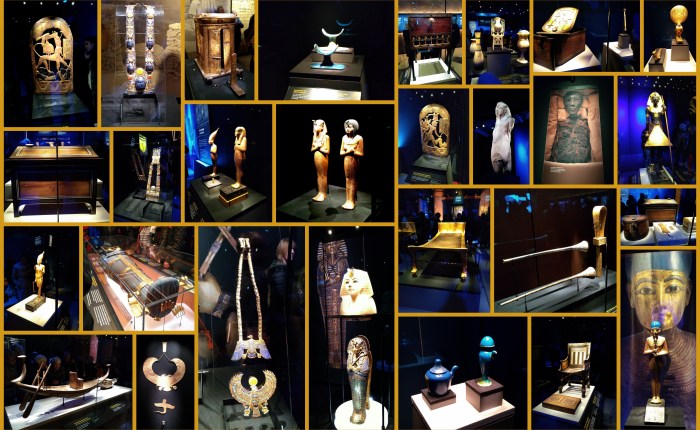
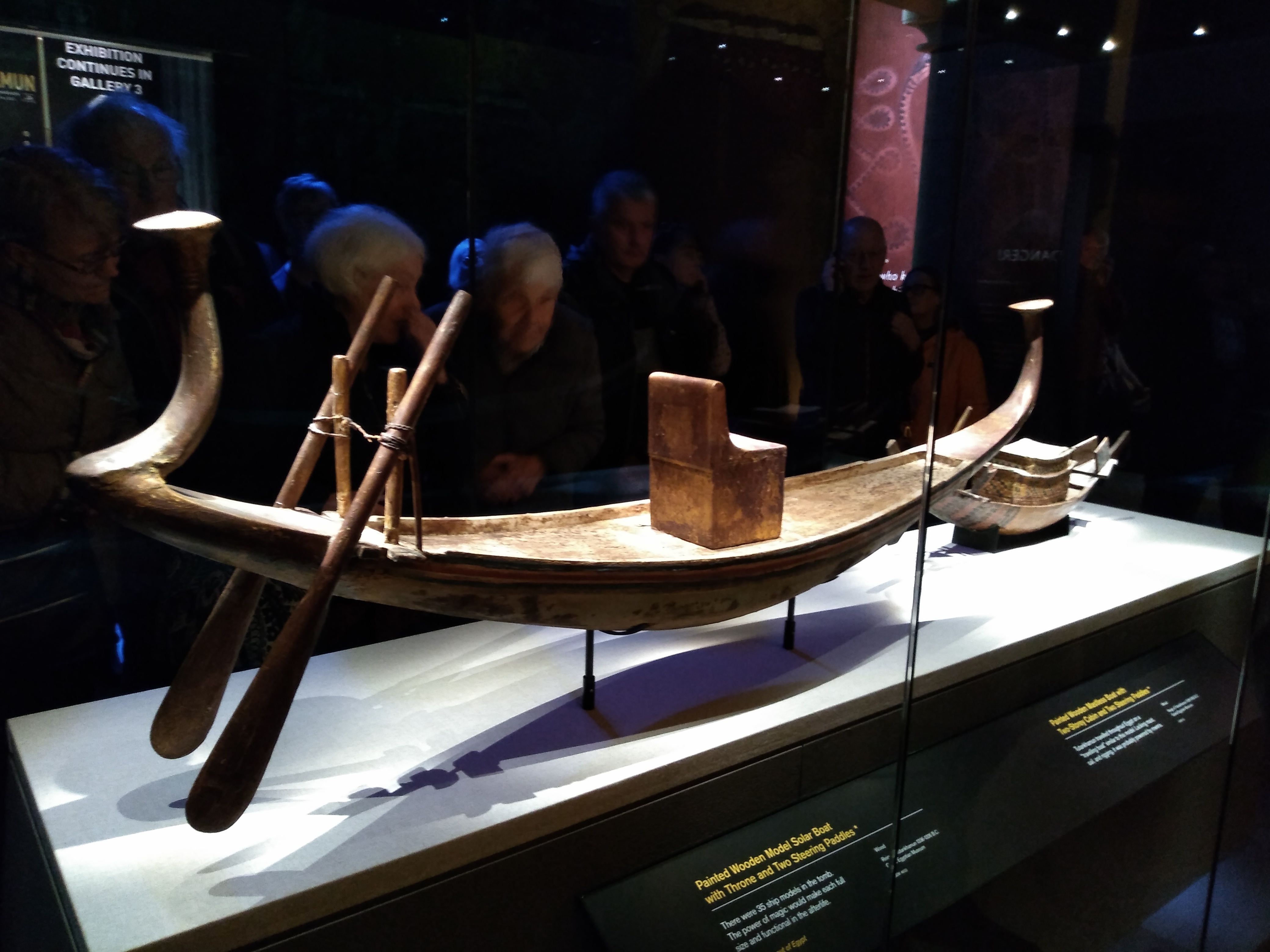
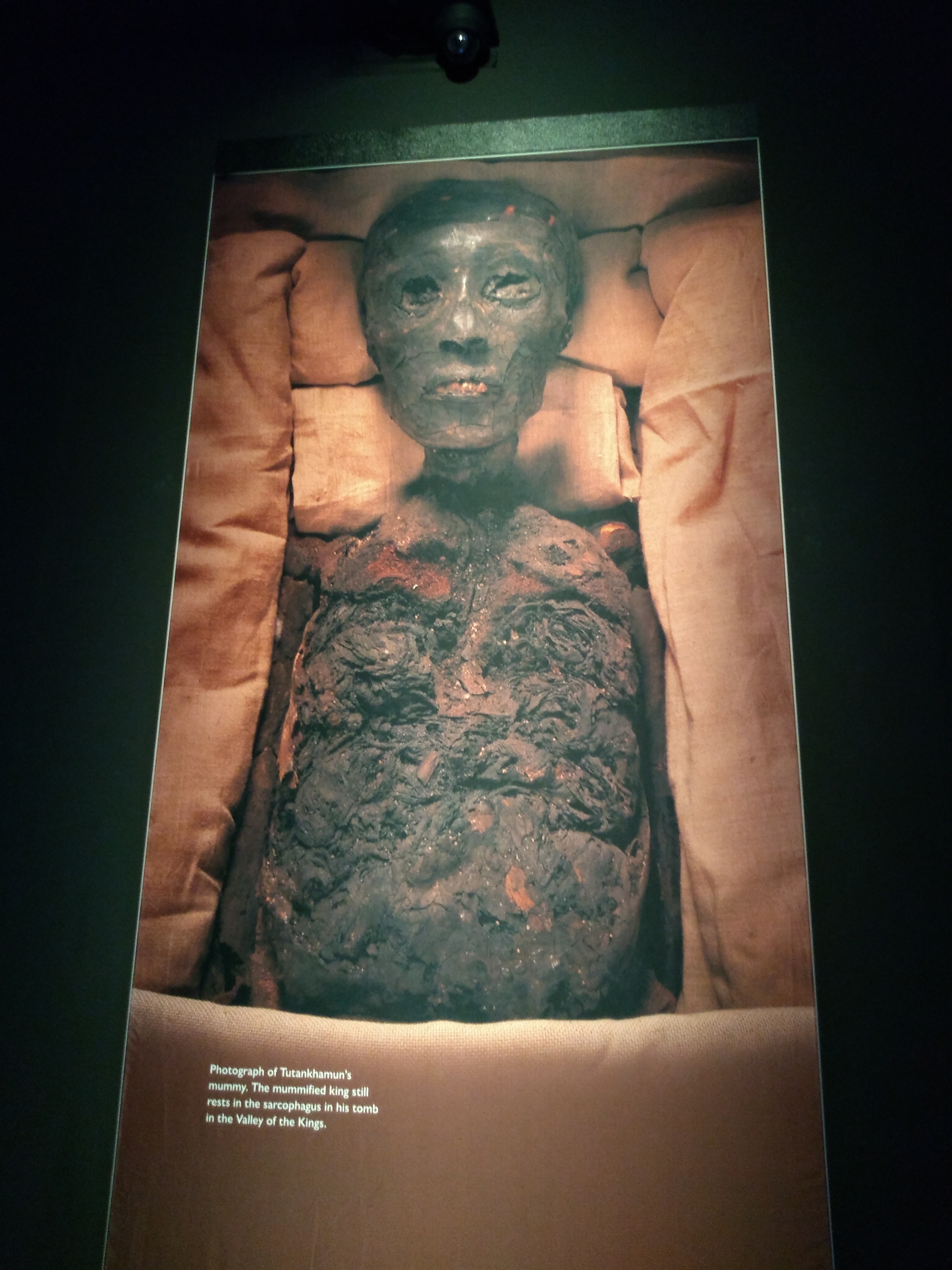
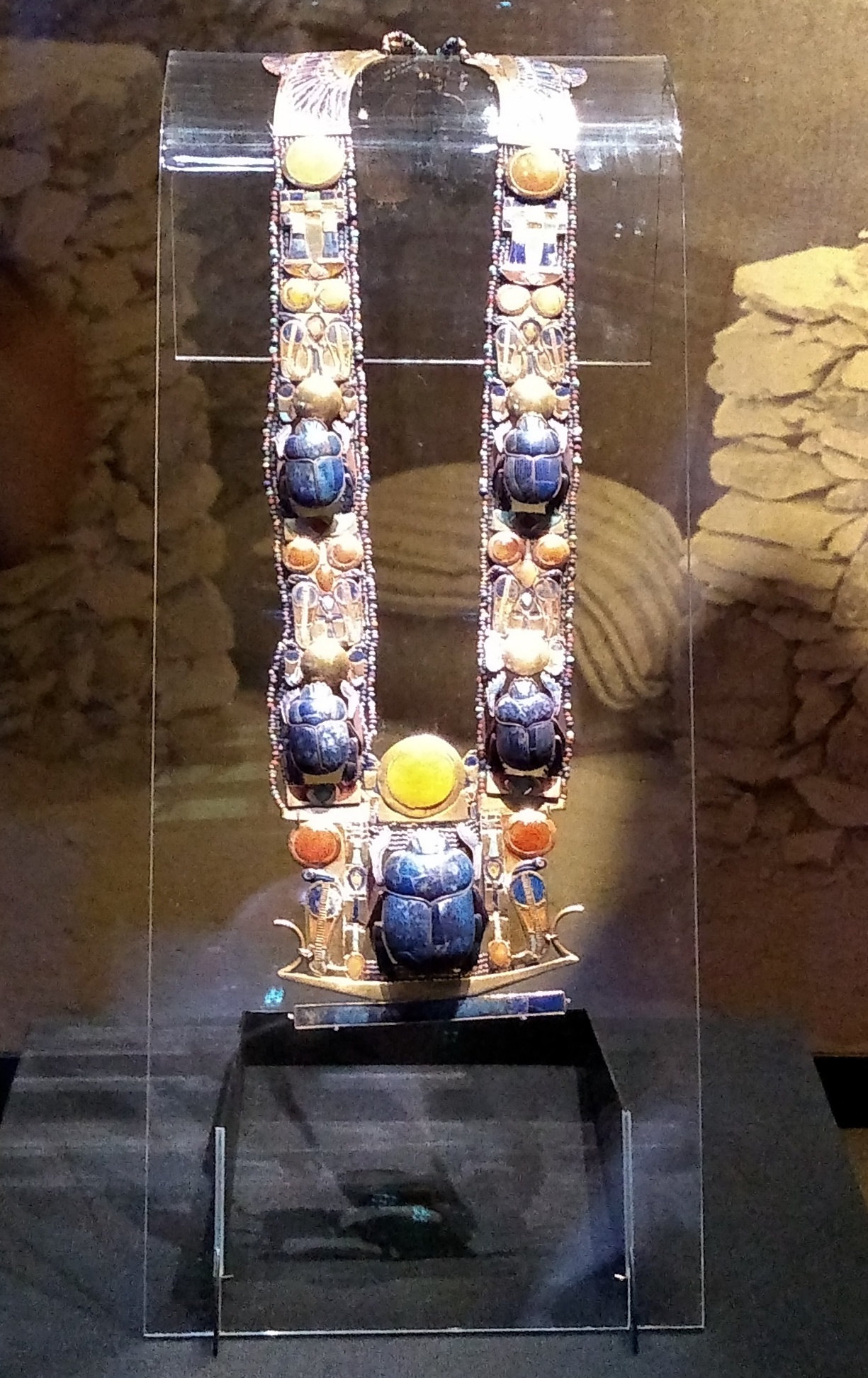
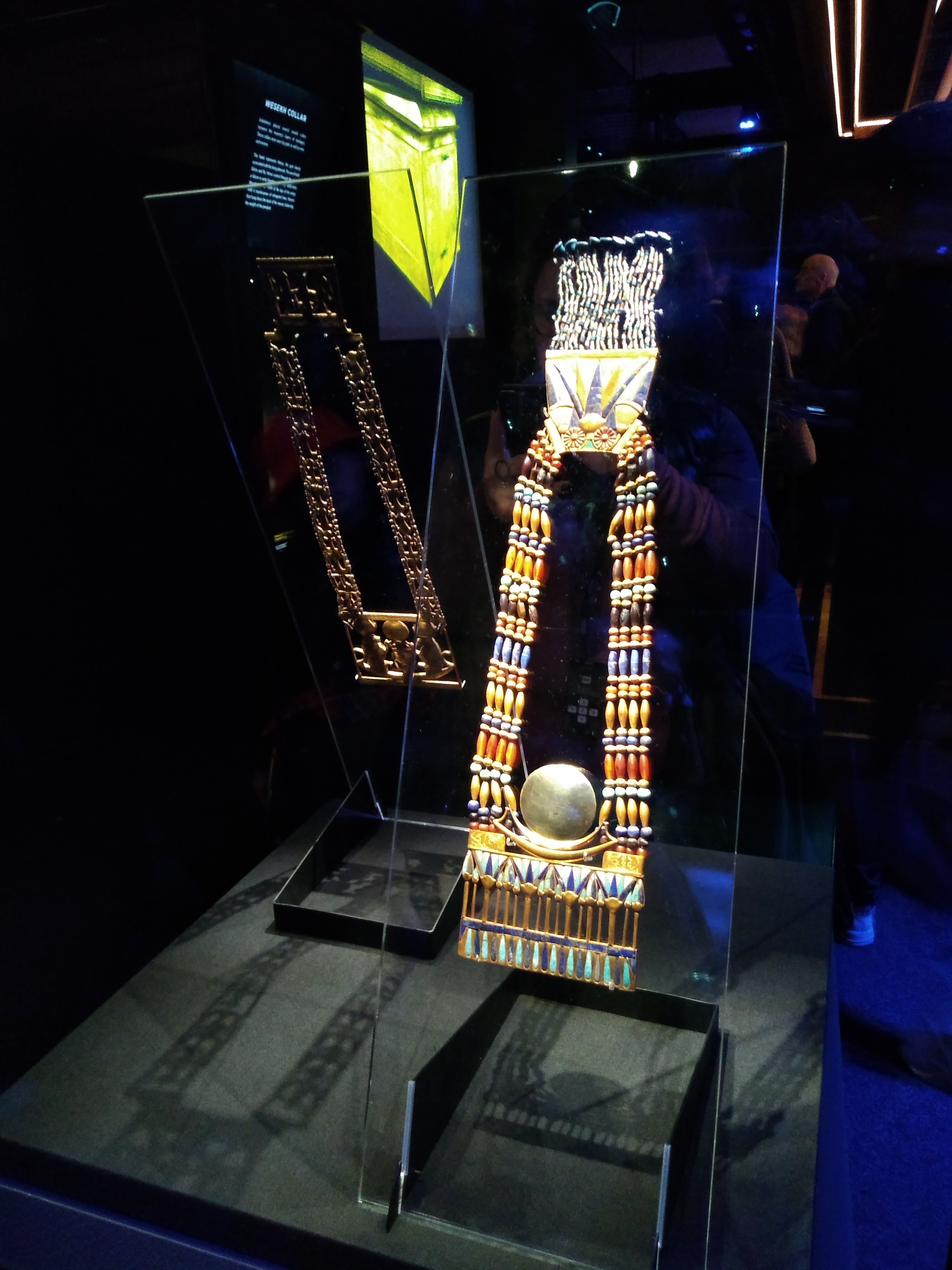
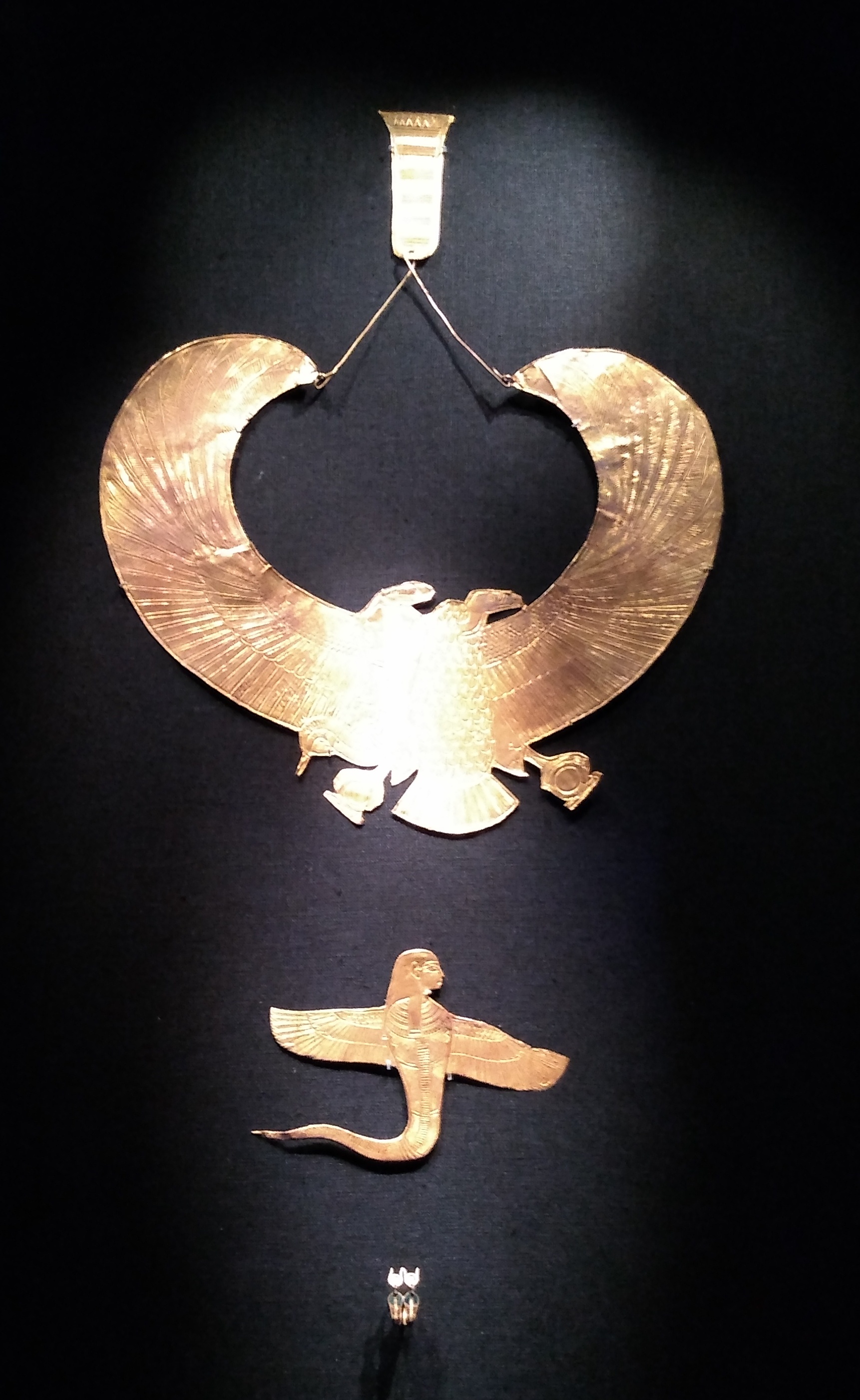
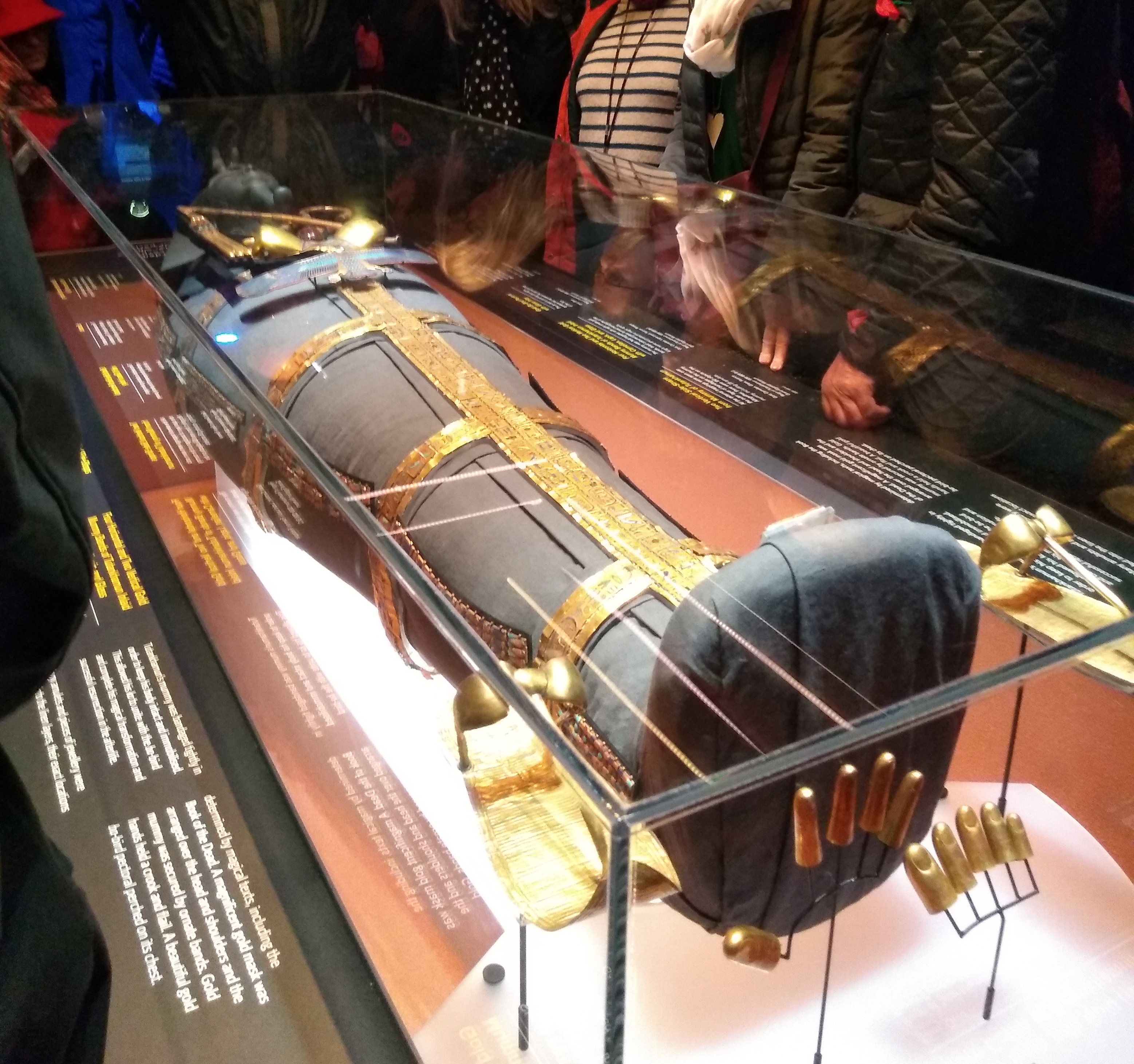
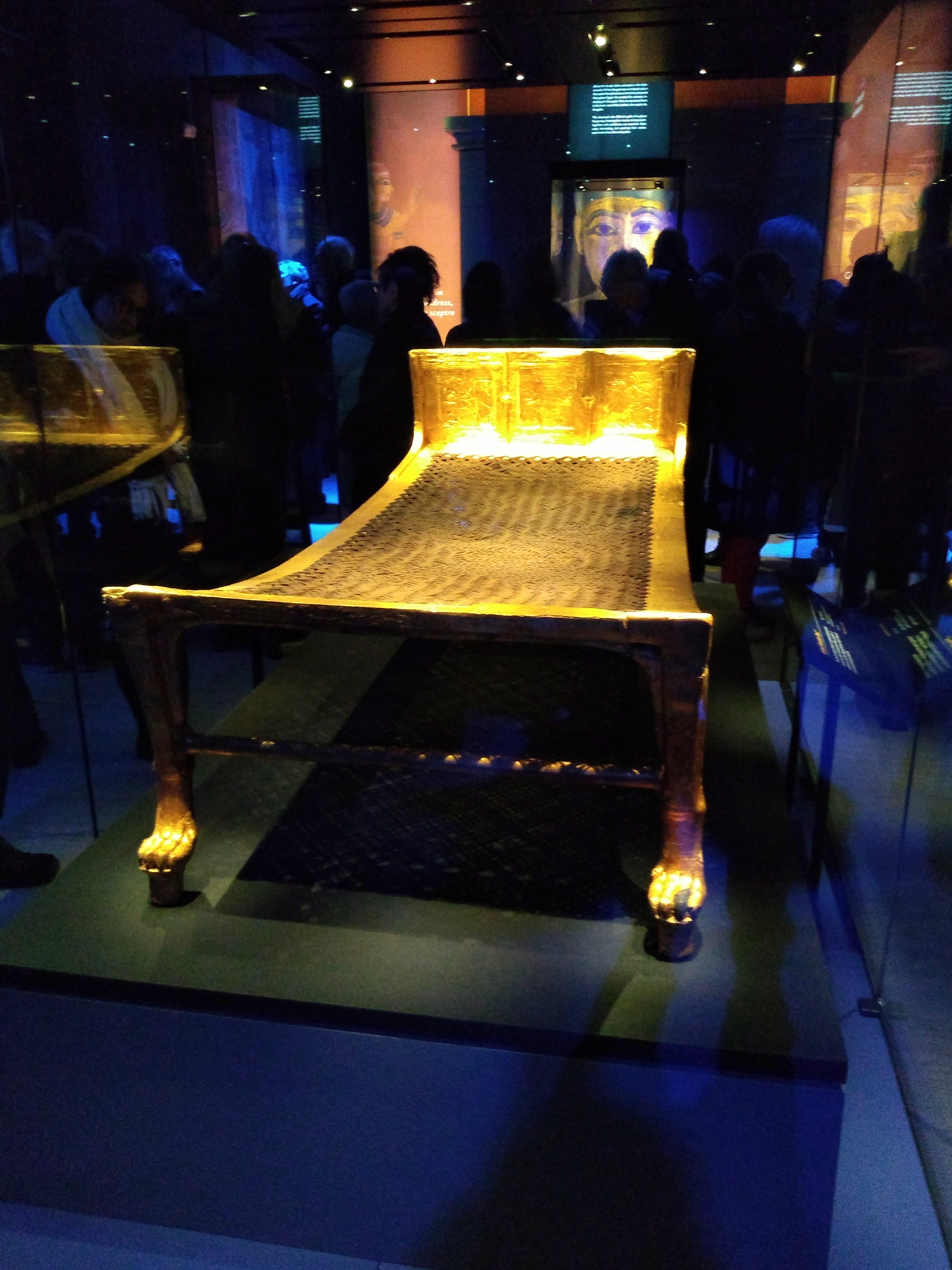
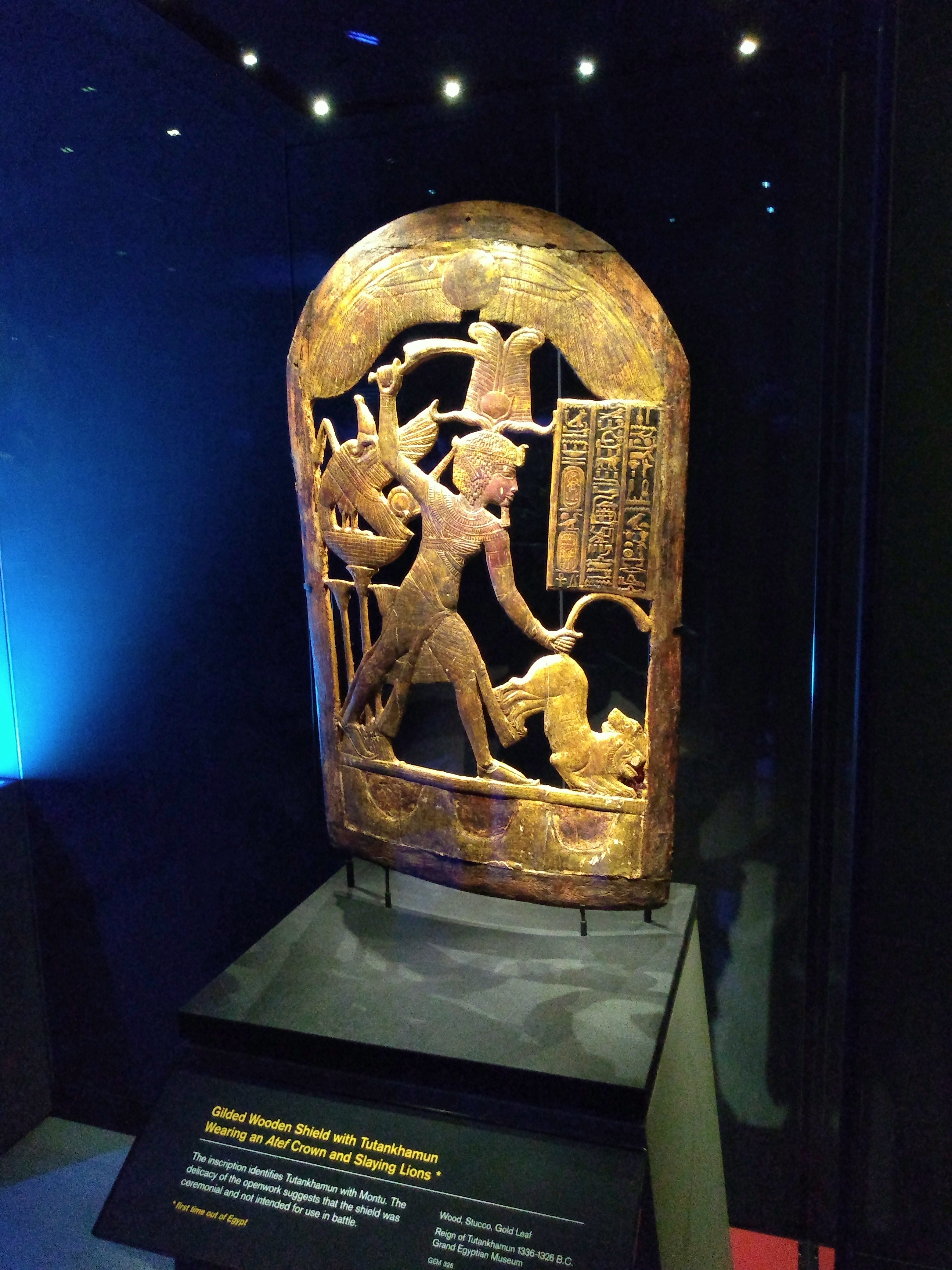
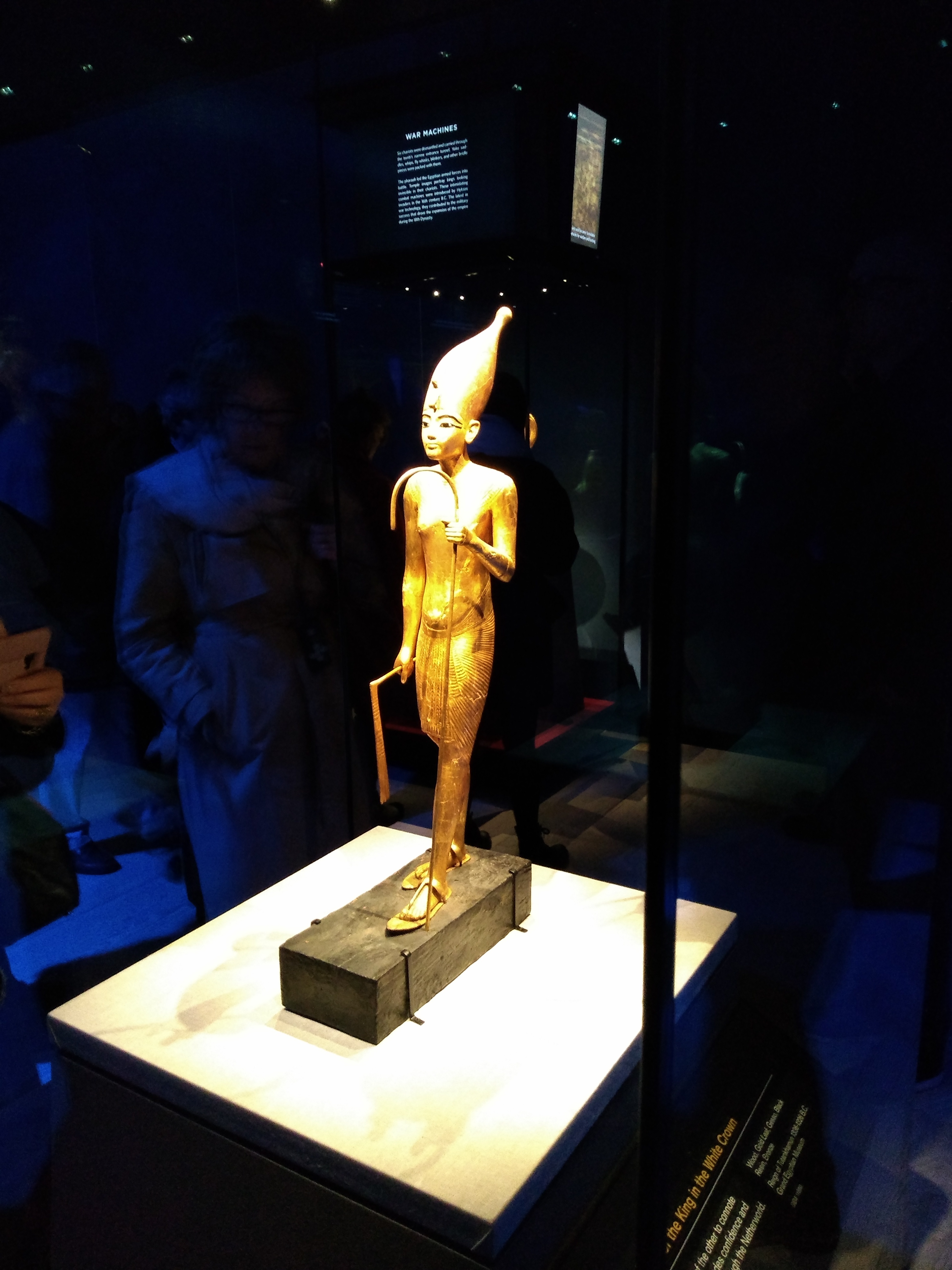
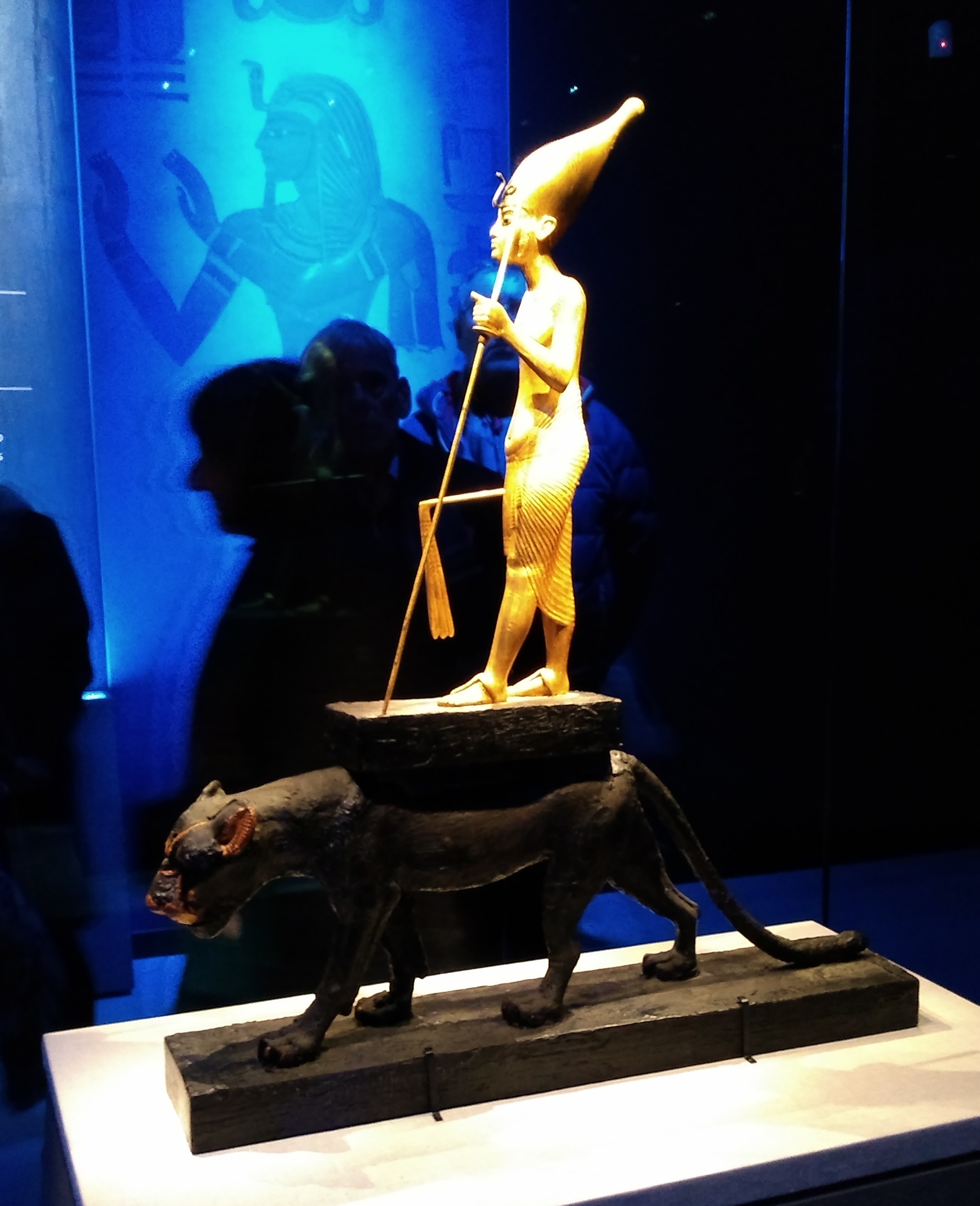
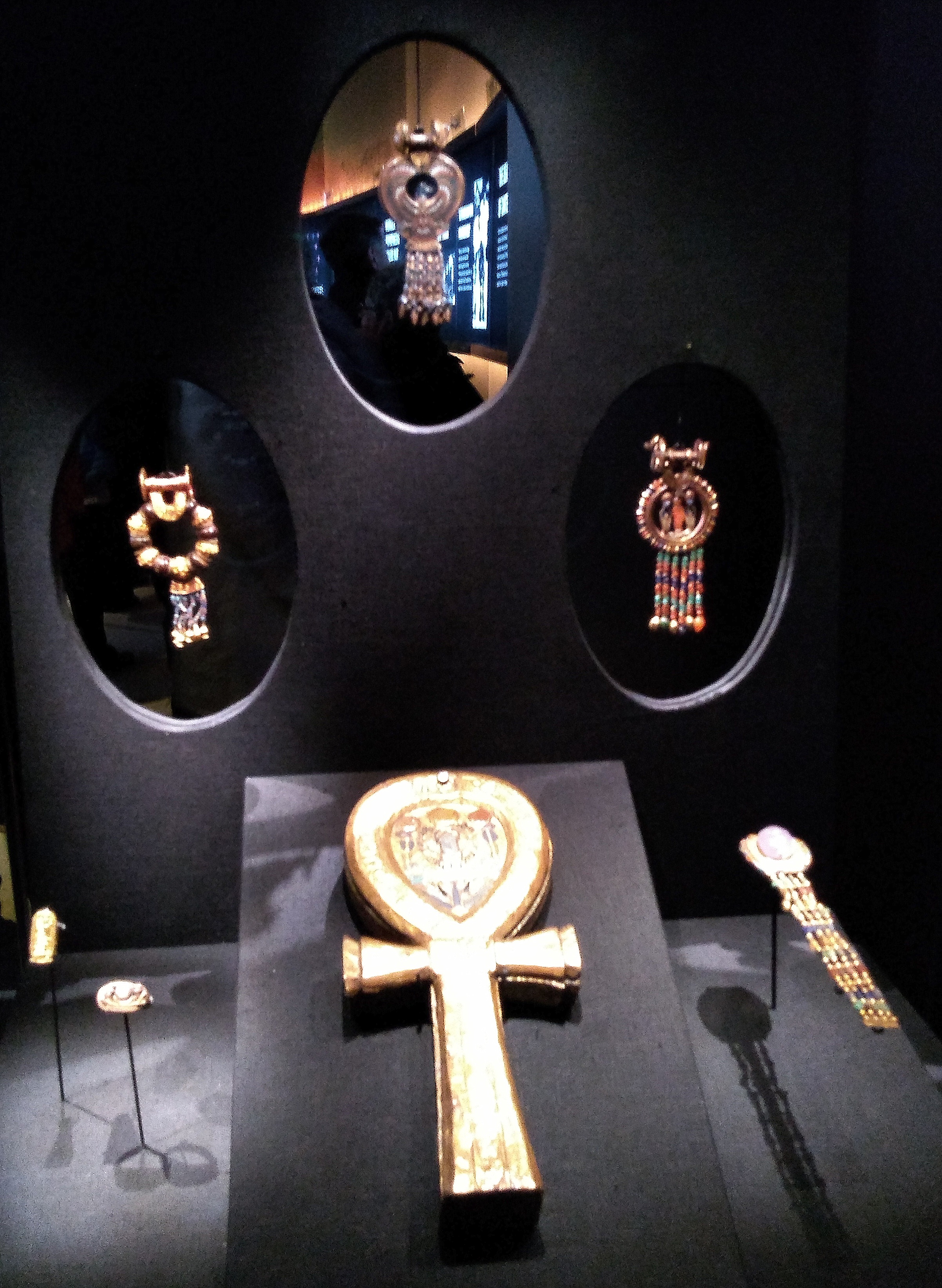
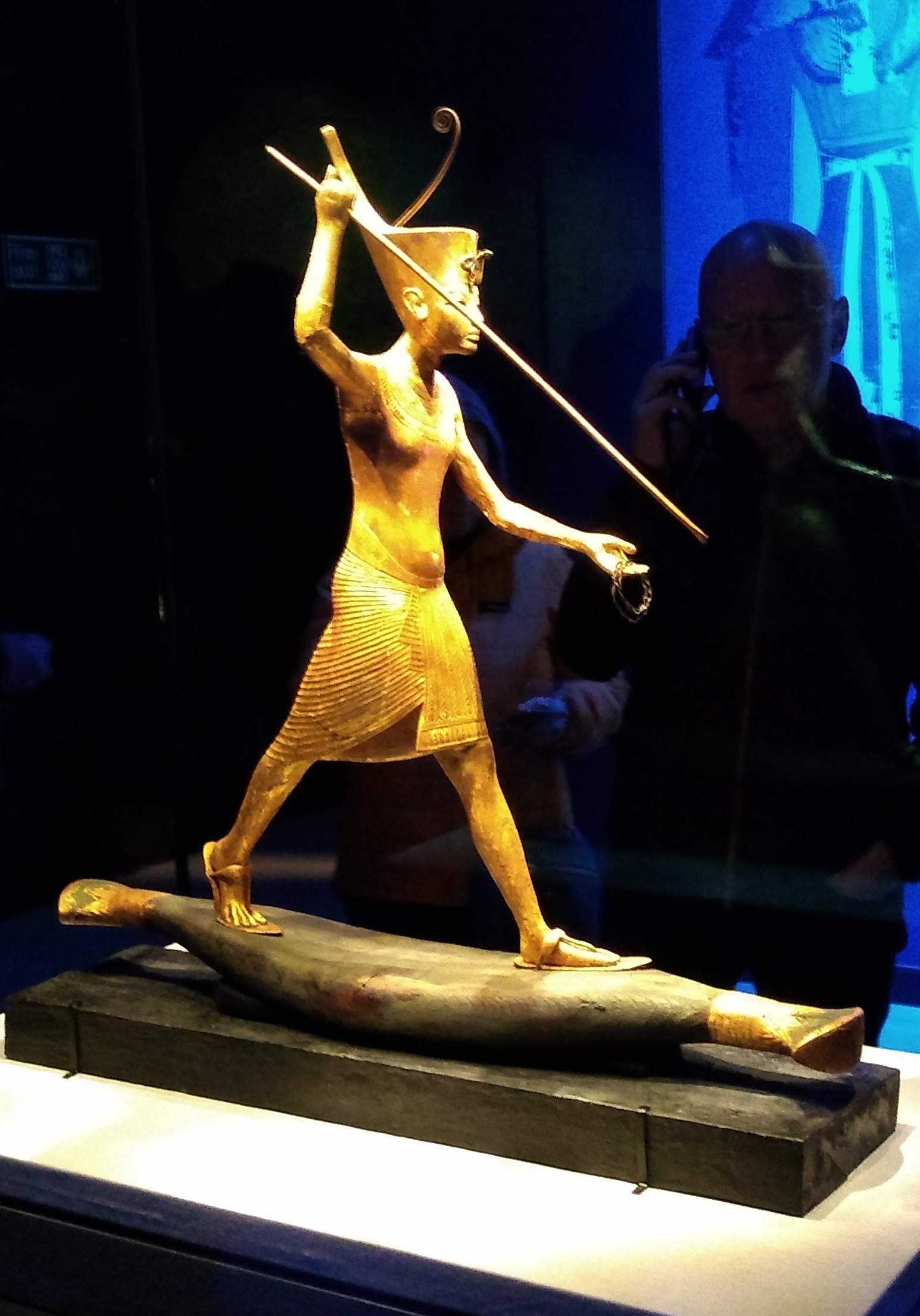
I was eleven when, in 1972, Tutankhamun last came to town. I queued for hours at the British Museum to get just a fleeting glimpse of that death mask as I filed past with all the other kids bussed in from the four corners of the realm. 47 years later, King Tut’s on tour again – probably his last – and Liam and I caught the London gig at the Saatchi Gallery in Chelsea. Sadly, this time Tut left his extraordinary mask at home but there were plenty of other astonishing riches to gasp at. Let the bling speak for itself.
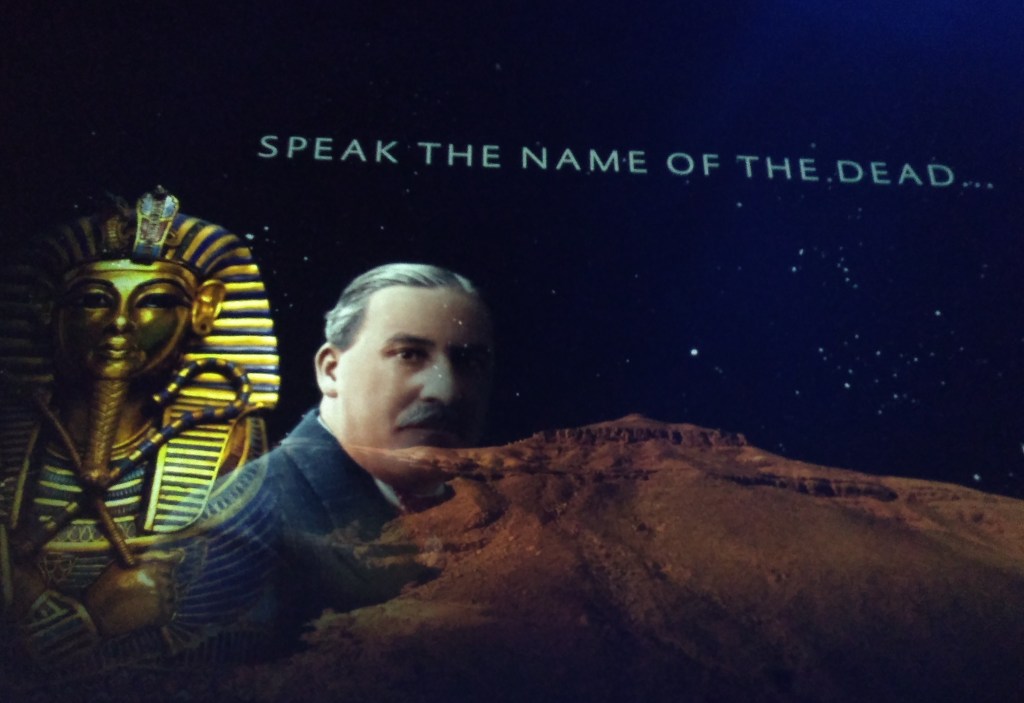
The exhibition – Tutankhamun, Treasures of the Golden Pharaoh – was very, very busy with lots of polite jostling, reflecting, perhaps, an eternal fascination with the antiquarian boy king and his burial booty. Apparently, ancient Egyptians believed we all die twice – first with our final breath, and then the last time our name is mentioned. At this rate, young Tut really will live forever.
As we’re the only gays in the village, Liam, in his infinite wisdom, thought it would be fun to get better acquainted with our new parish. I thought pub crawl. He thought picnic and a gentle stroll along the river Chet. Now, anyone who knows me, even ever so slightly, knows I don’t hike, roam, ramble, trek or yomp. Still, I thought, what’s the worst that could happen?
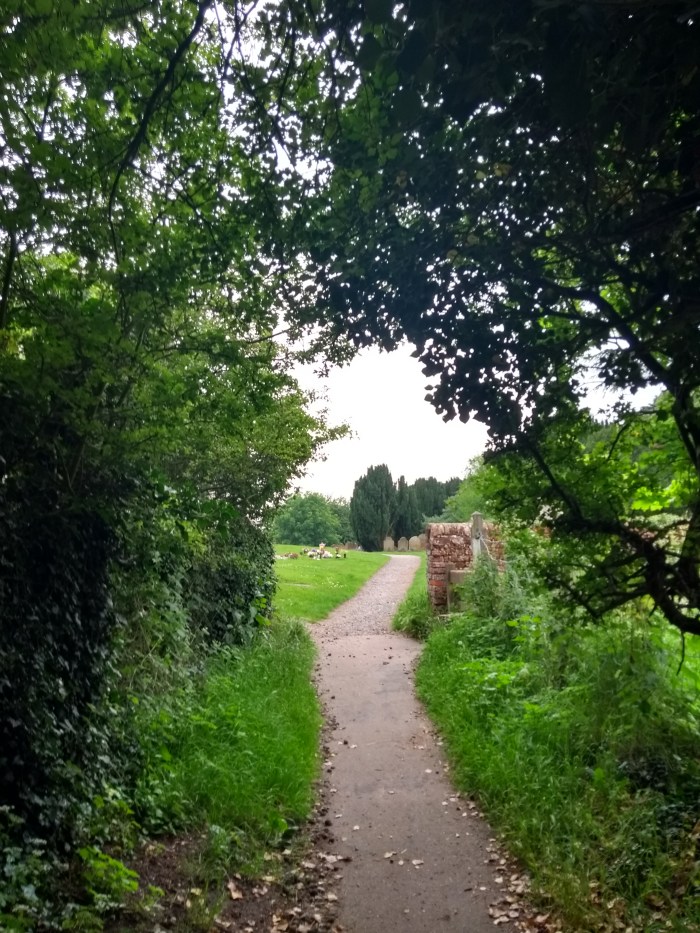
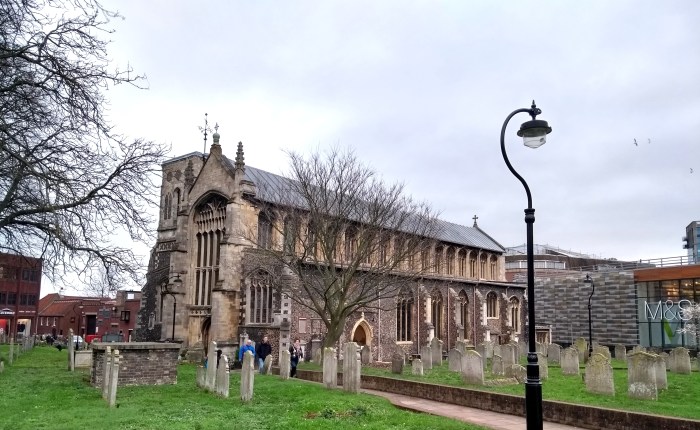
Having hunted and gathered our provisions – a meal deal at the Co-op – we ambled across the pretty graveyard of Loddon’s fifteenth century Holy Trinity Church in search of the leafy gate to one of the many Broads walks which make up the Wherryman’s Way. As we passed the rows of lopsided headstones, we were serenaded by squawking rooks. It was an ominous sign.
The trail guided us through a tunnel of wild foliage, across babbling brooks and along country lanes to a riverside clearing called Pyes Mill. The mill’s long gone but it’s a pleasant spot with picnic tables, a barbecue grill and a place to shelter from the rain. We munched on our lunch watching the holiday boats slowly chug along the still waters of the river.
Fully replenished, we embarked on stage two of our great expedition – across a marshy field populated by bugs and a small herd of black cows grazing on the lush grass, tails flapping about to shoo away the flies. We’re both city boys and the only cows we normally see are sliced up at the Tesco’s meat counter so we kept well clear as we tip-toed around the puddles and shit.
Suddenly, a white-faced beast with pendulous udders and a mad cow look in her eyes emerged from the brush heading towards us, mooing in earnest. We stopped. She stopped. We stared her out. She stared us out. Guess who blinked first? Knowing the game was up, we turned round and started slowly retracing our steps. She followed. We quickened our pace. She quickened hers. Then she charged, picking up quite a speed, udders sloshing from side to side. We ran. Yes, we ran. It wasn’t our finest hour and thank the Lord there was no one around to video the pathetic sight of two old poofs fleeing from one ton of angry beef hell-bent on making mincemeat of us. It could have gone viral. Liam even considered chucking himself in the Chet to escape. Having seen us off, she trundled back into the bush.
Returning to Pyes Mill, we glanced back at our nemesis. She was being closely followed by a cute little brown calf. That was why the old cow was so pissed off. She was protecting the veal. Pity they didn’t mention that in the guidebook. I knew we should have gone to the pub.
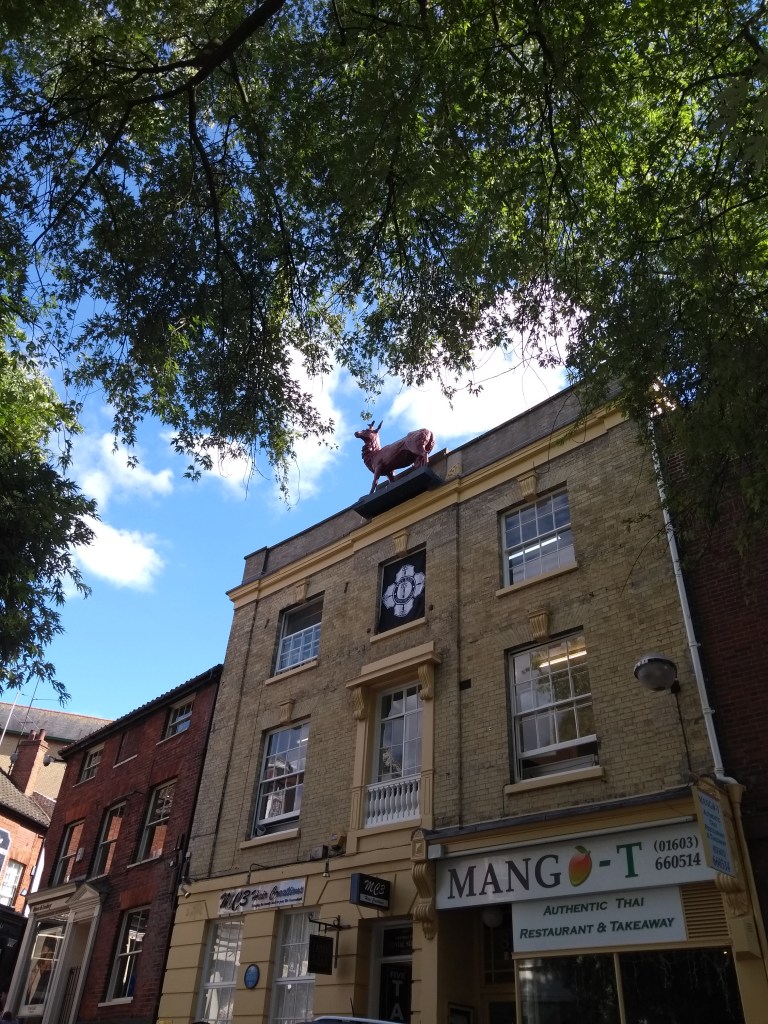
In 2010, I handed over a king’s ransom for a set of crowns courtesy of a handsome Turkish dentist called Ufuk (yes, you’ve read it right). And since we ended our Anatolian affair in 2012, I’ve been going to a dentist regularly here in old Naaridge in an effort to preserve my Hollywood smile. It’s a modest surgery above a shop on Timberhill – very different from the swish practice Liam attends where the waiting room looks like a hotel lobby. Ramshackle it may be, but my dentist has all the right equipment and a hands-on approach. Despite my many scale and polishes, I’ve only just recently noticed the statue of a stag on top of the building. I must have passed it a thousand times so that says a lot about my powers of observation. My only defence is that, unlike the monarch of the hill, I don’t keep my head in the clouds. I did a bit of digging and the sculpture was erected in the 1890s by gun maker George Jeffries who once occupied the shop below. Presumably, it was put there to promote his deadly double-barrels, just the ticket for slaughtering these magnificent beasts in the wild. Hardly what I call a fair fight.
Following our friendly skirmish with modern Norsemen, we decided to give the Viking Exhibition at Norwich Castle a whirl and find out a little bit more about their hell-raising forebears. I’ve no clue what kind of history kids get taught these days but when I recently asked a history student what happened in 1066, he didn’t know. Now, I’m not one who thinks it should all be about dynasties and dates, but 1066? Really? In my day, the ‘Dark Ages’ (as they used to be called) were very much part of the curriculum and the Viking era was all about rape, pillage and good King Alfred burning his cakes. The aim of the exhibition – Viking, Rediscover the Legend – is to deconstruct the blood and guts myth and tell the more complex story of raid, migration and integration.
Sadly, I was a little underwhelmed by the show – a bit sparse, exhibit-wise. But it was a welcome distraction on a very hot and sweaty afternoon. And I loved the exquisite York Helmet, the best surviving example of its type in Europe. It’s quite small. I imagine the owner, Oshere, was a bit on the short side. This may explain all that Viking aggro – small man syndrome! I know all about that. I was also struck by the size of the coinage – no bigger than modern-day pennies and easily lost down the side of a sofa. But then they didn’t have IKEA back in the dark days of the Dark Ages.
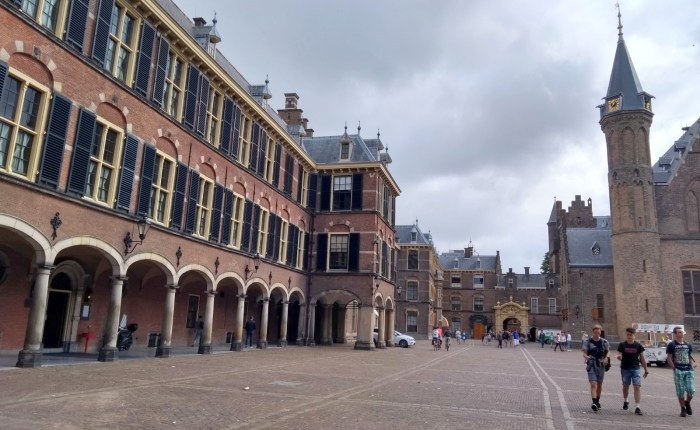
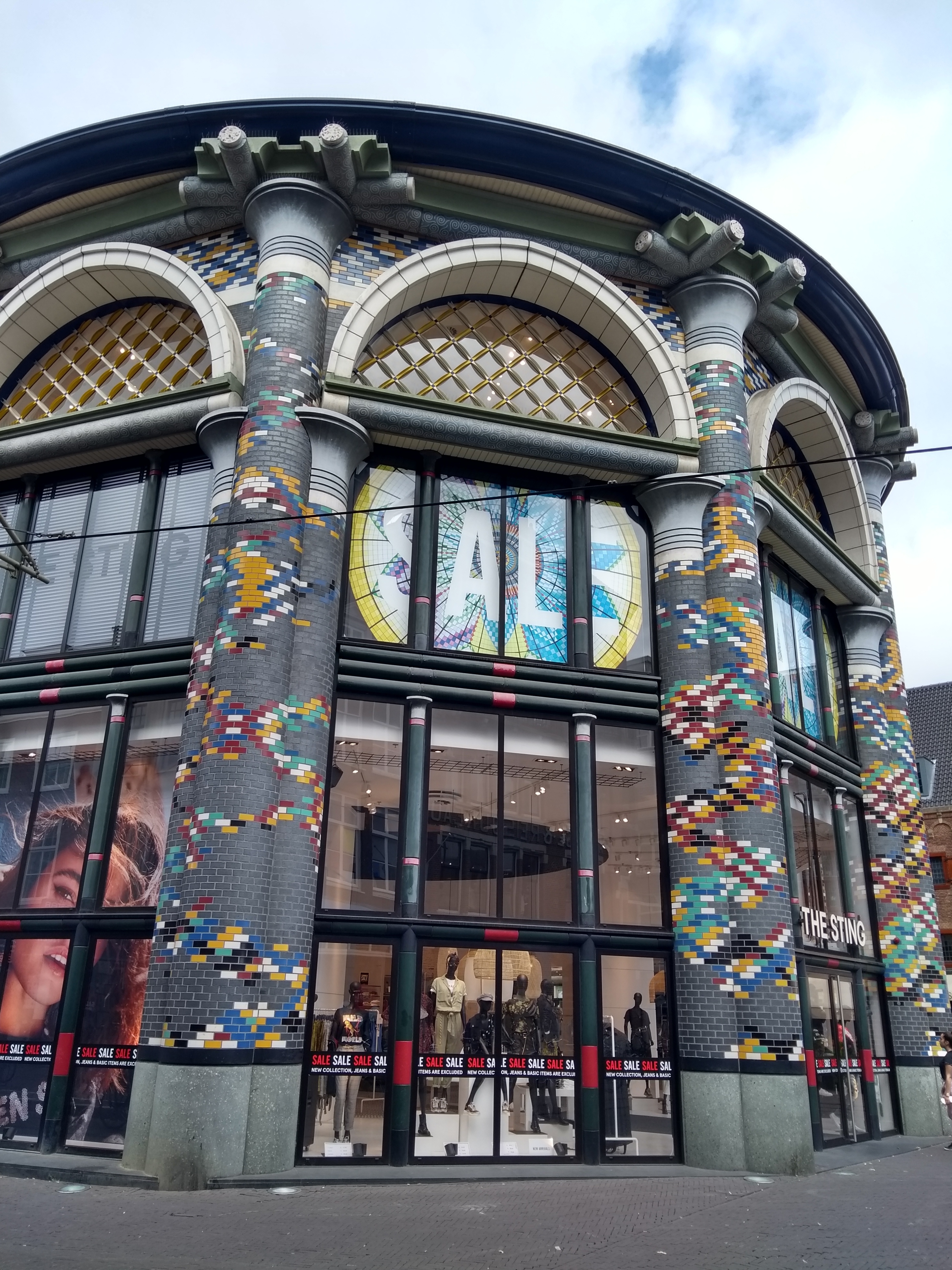
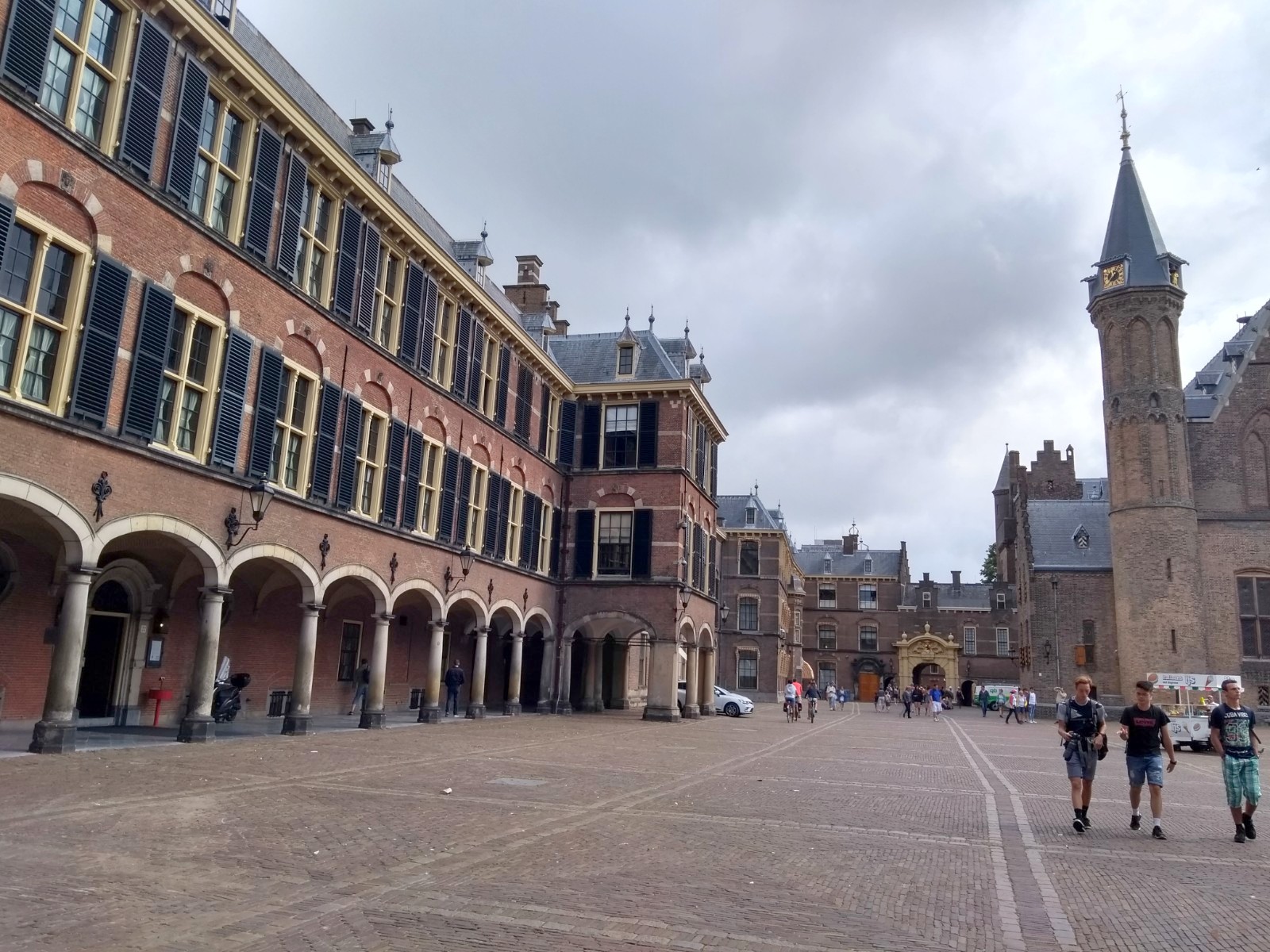
It was that time of year again when I joined my partner in crime and the force of nature that is Jo Parfitt for our annual general meeting to discuss this publishing malarkey and plan the road ahead. It also provided a welcome excuse to have a proper natter. Previous AGMs have been on this side of the North Sea and so Jo suggested we pop across the water to her elegant gaff in The Hague. We bit her hand off.
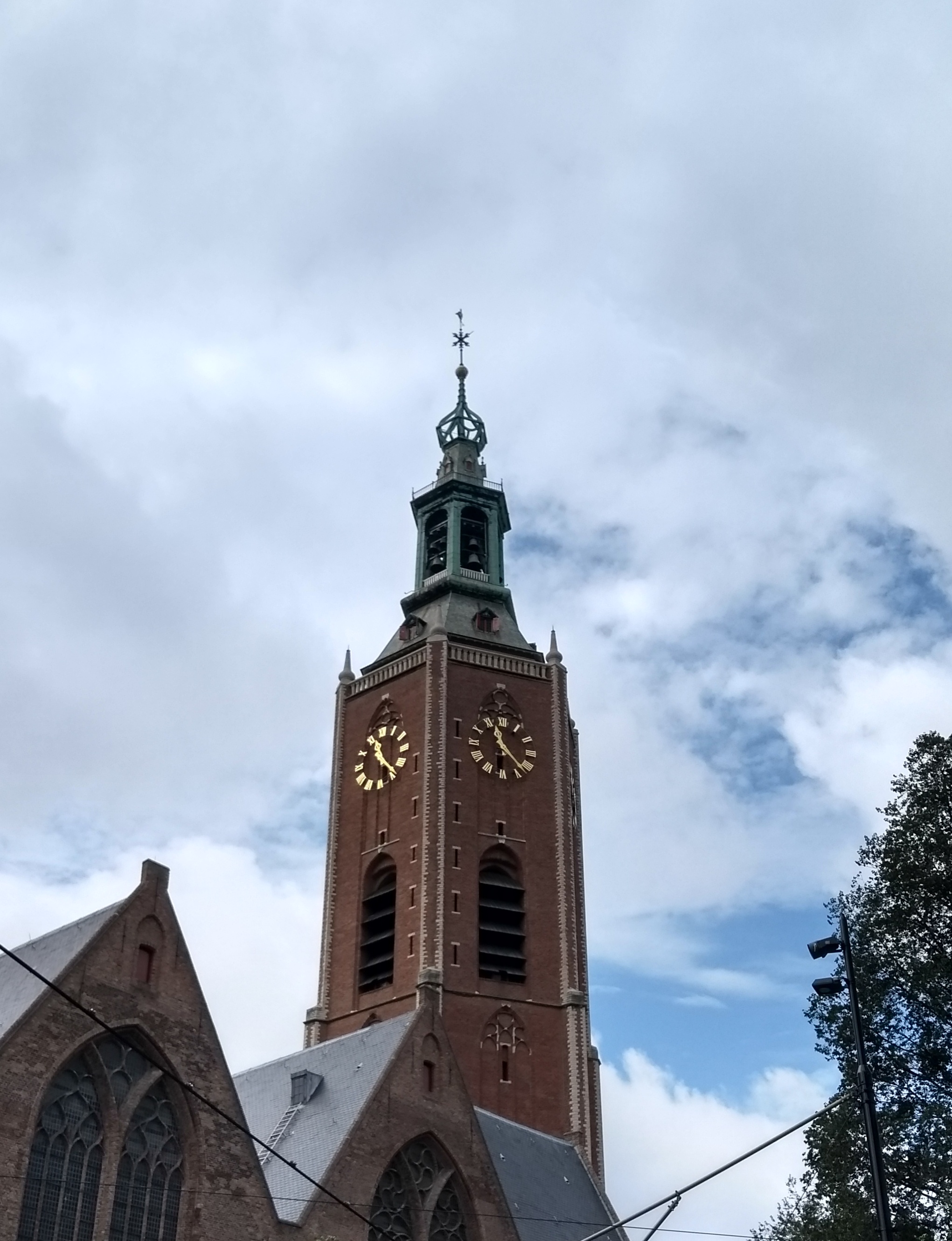
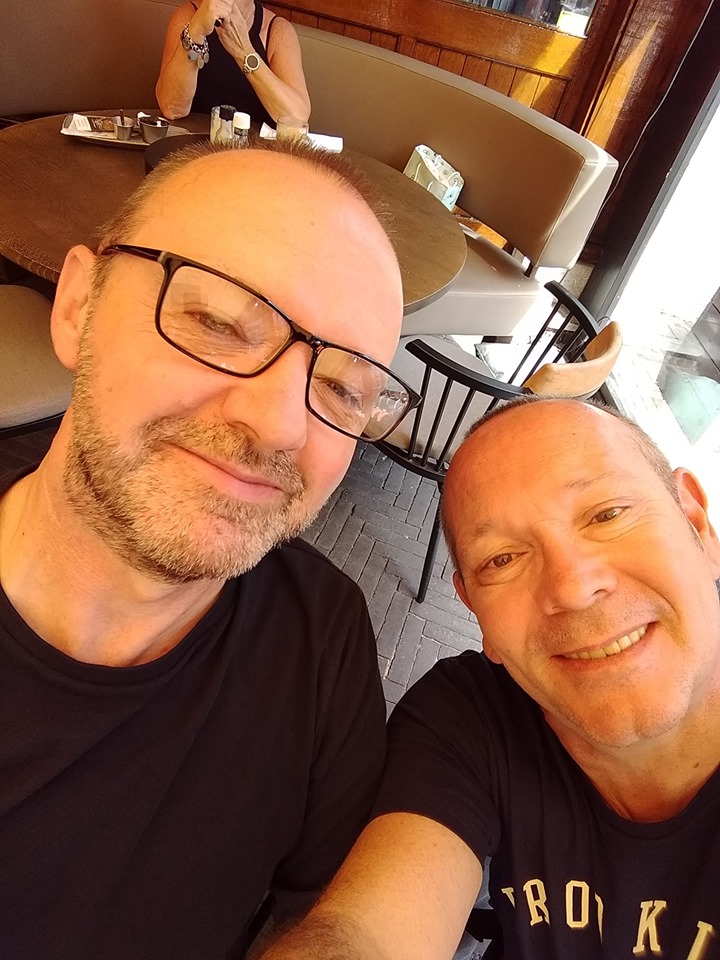
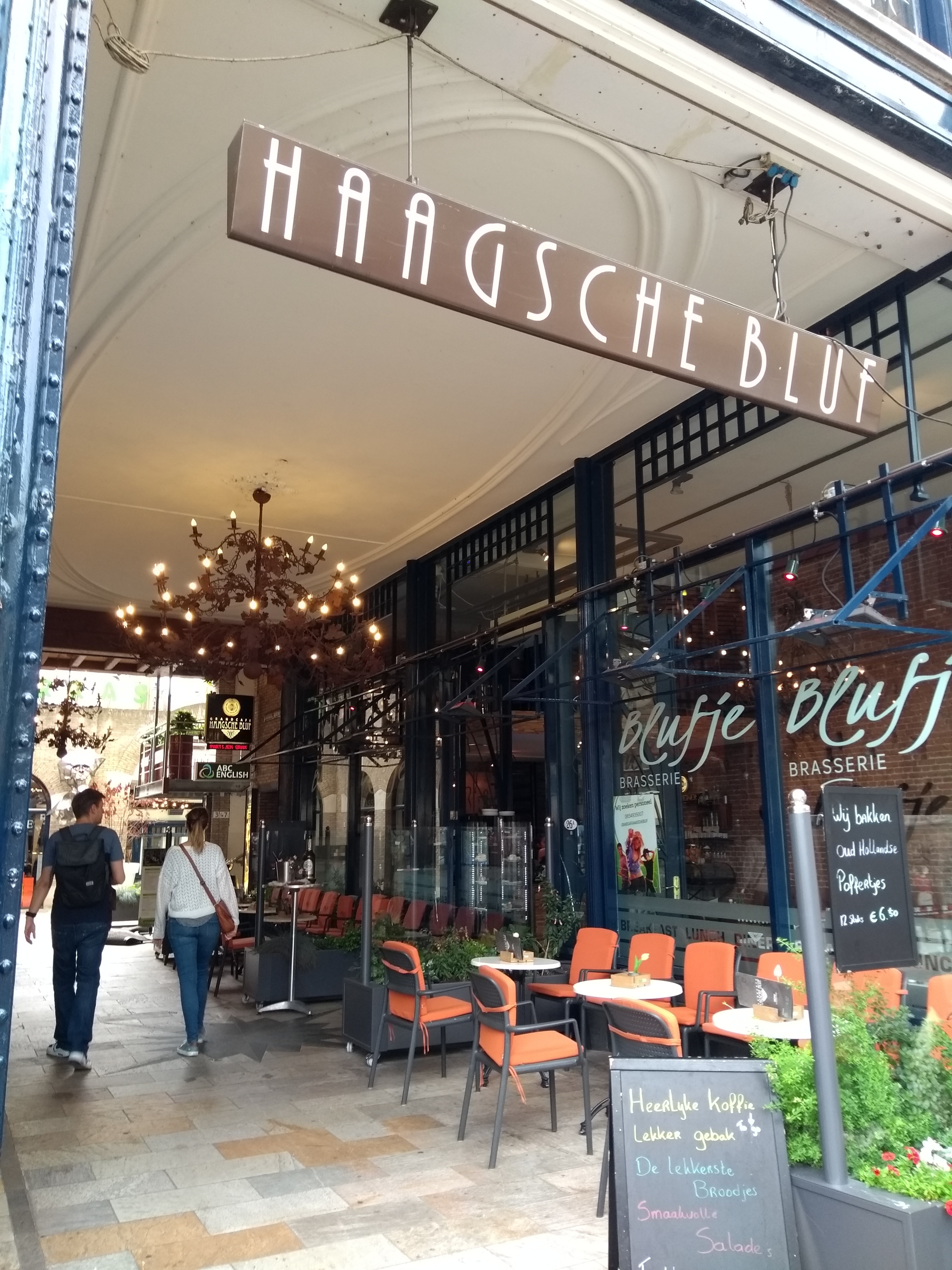
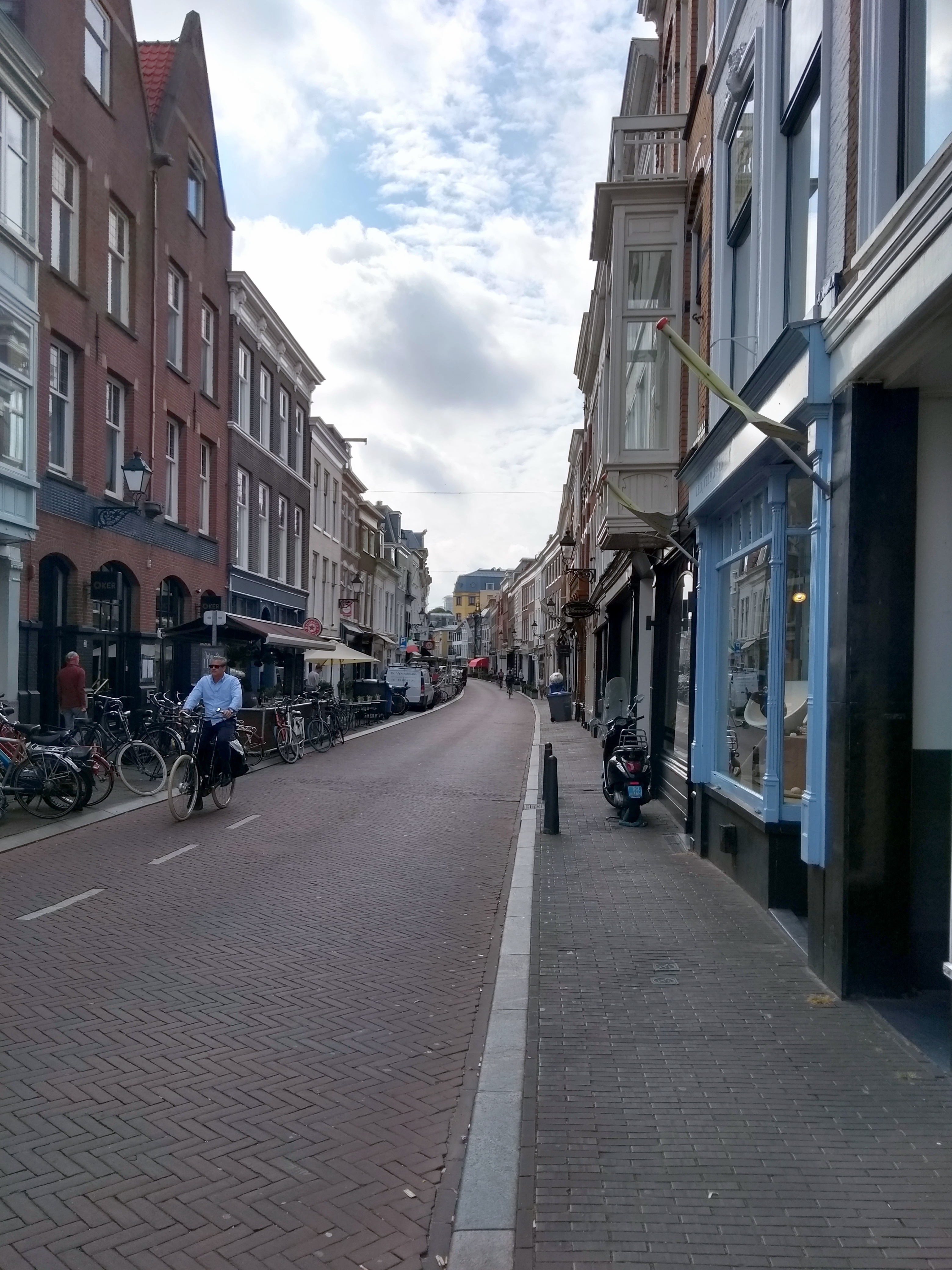
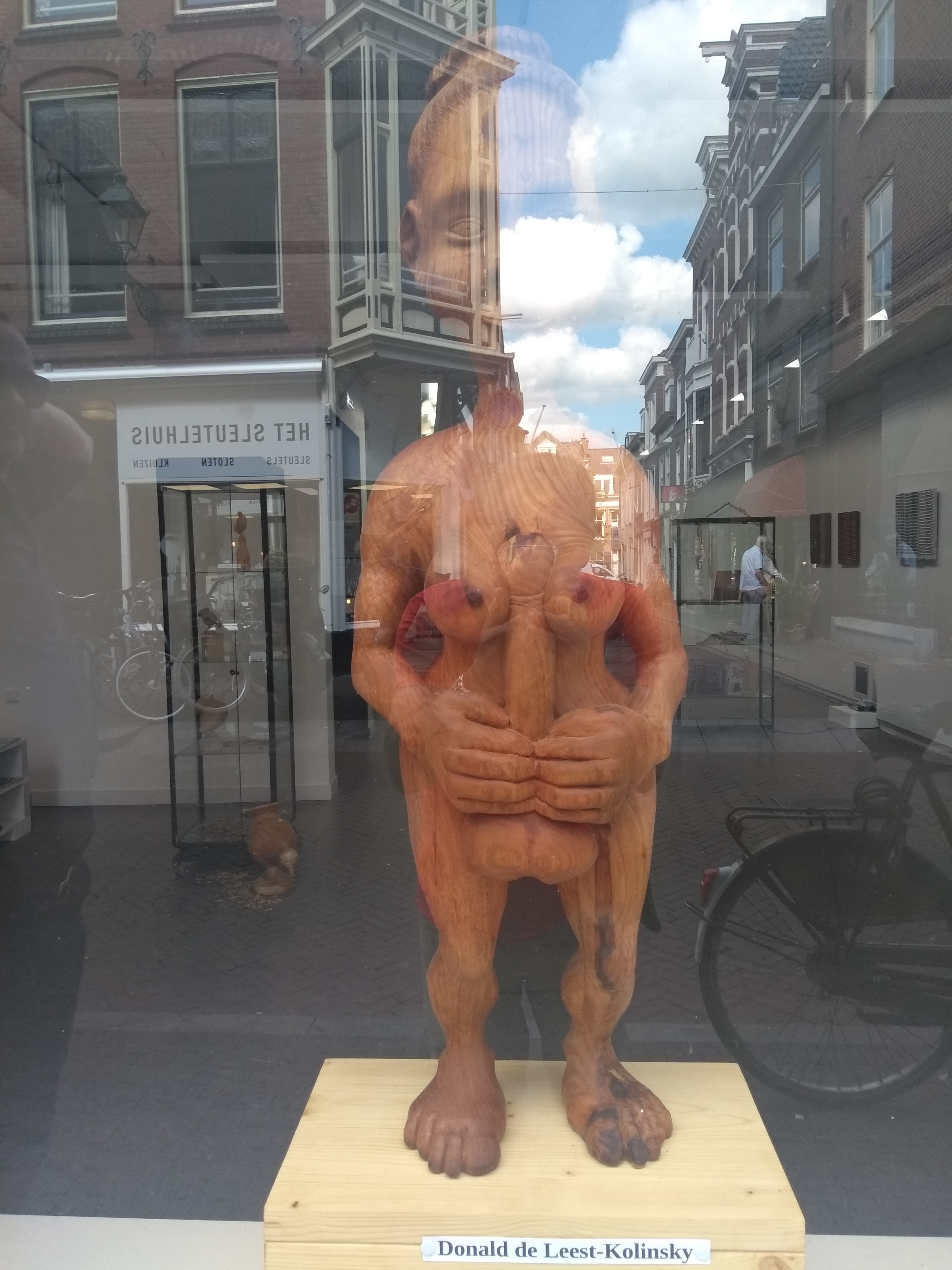
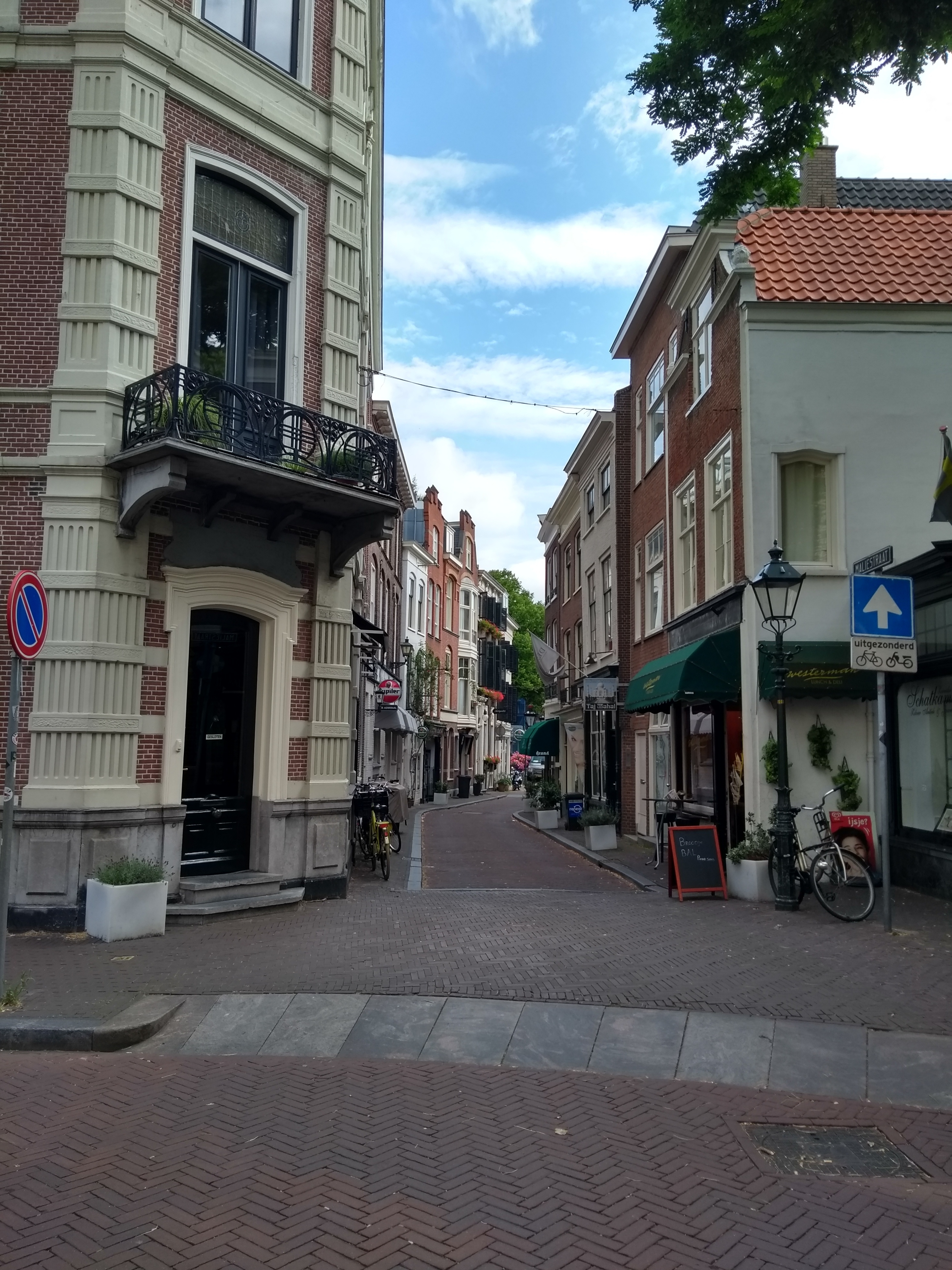
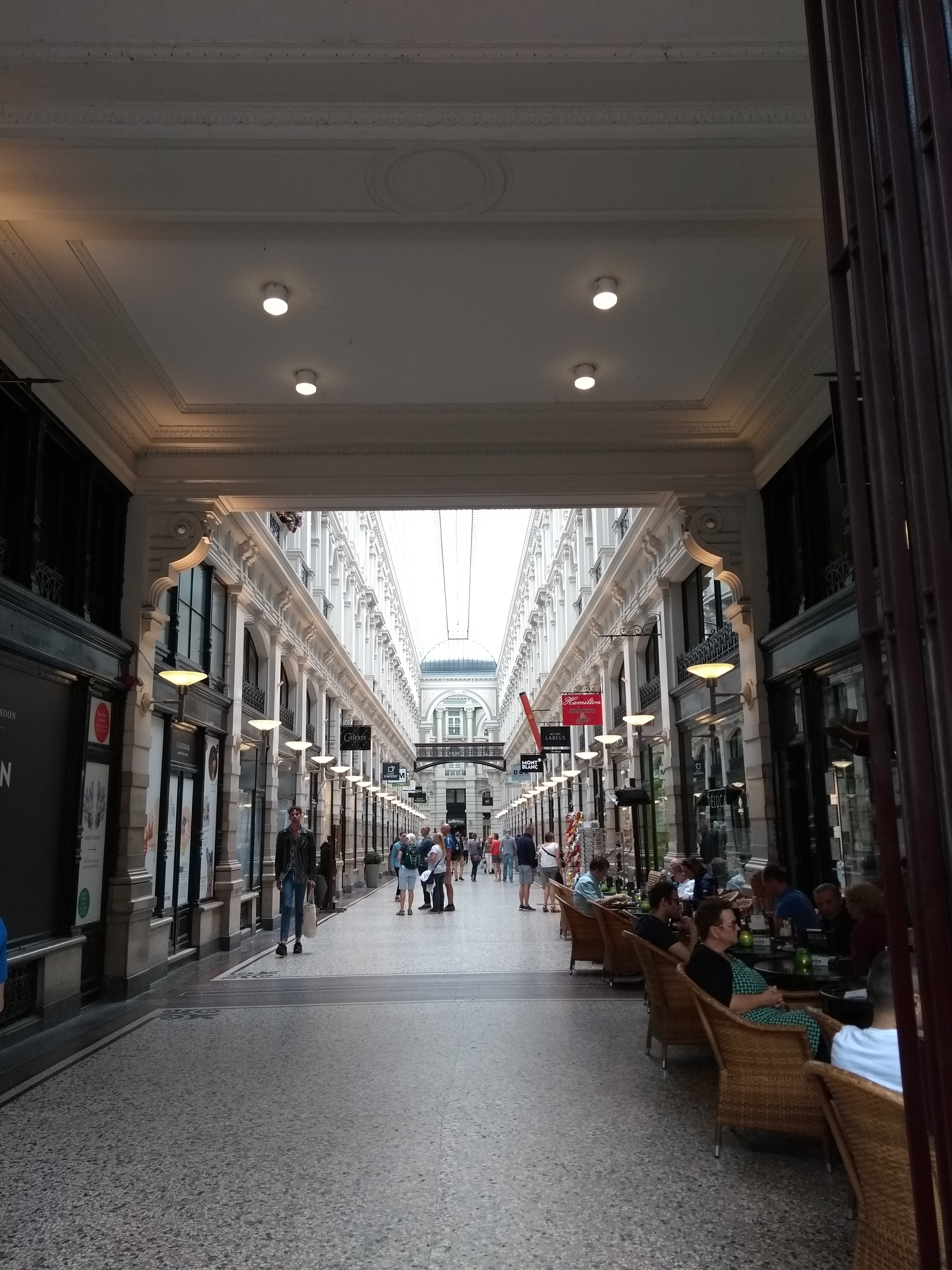
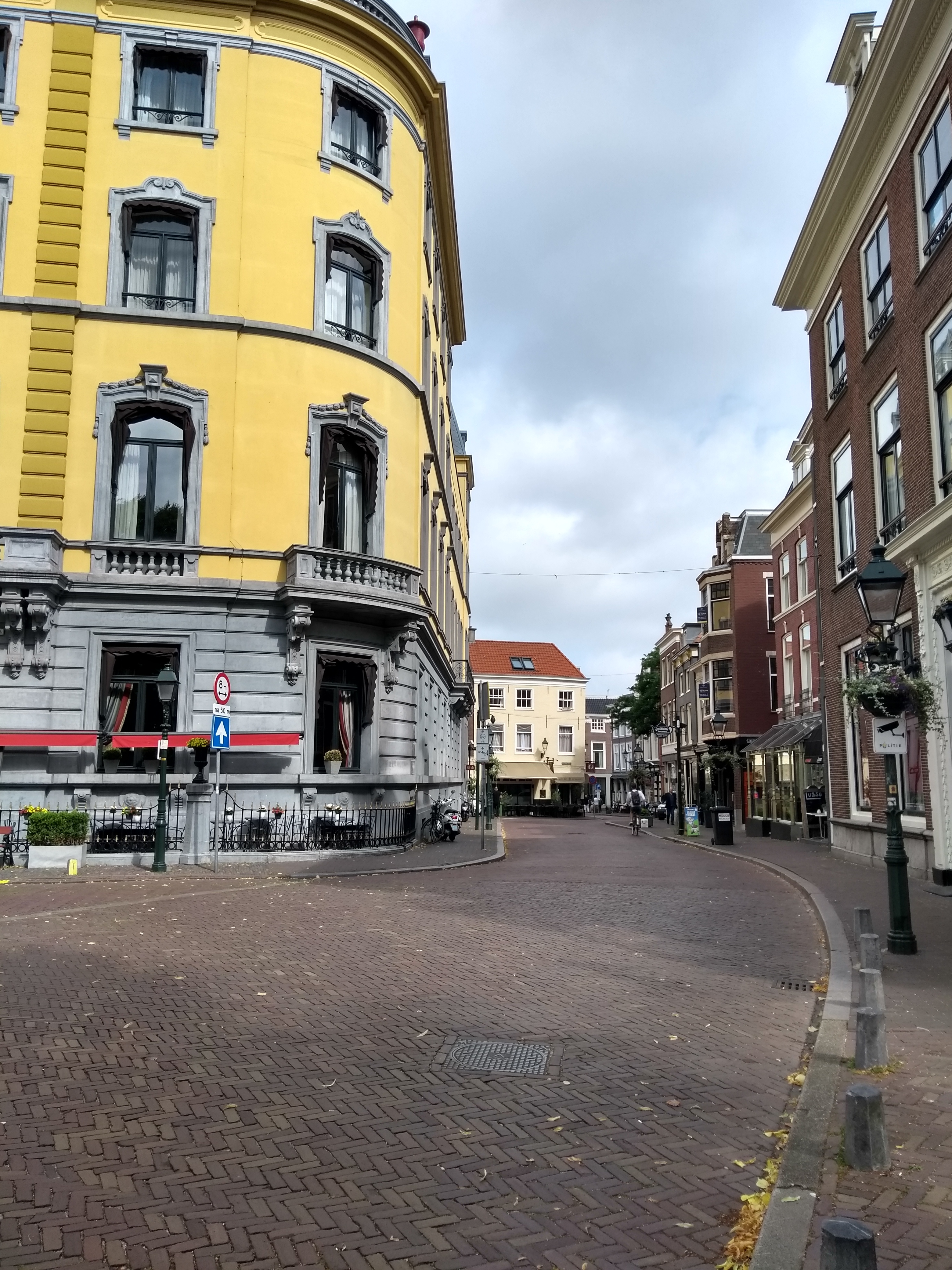
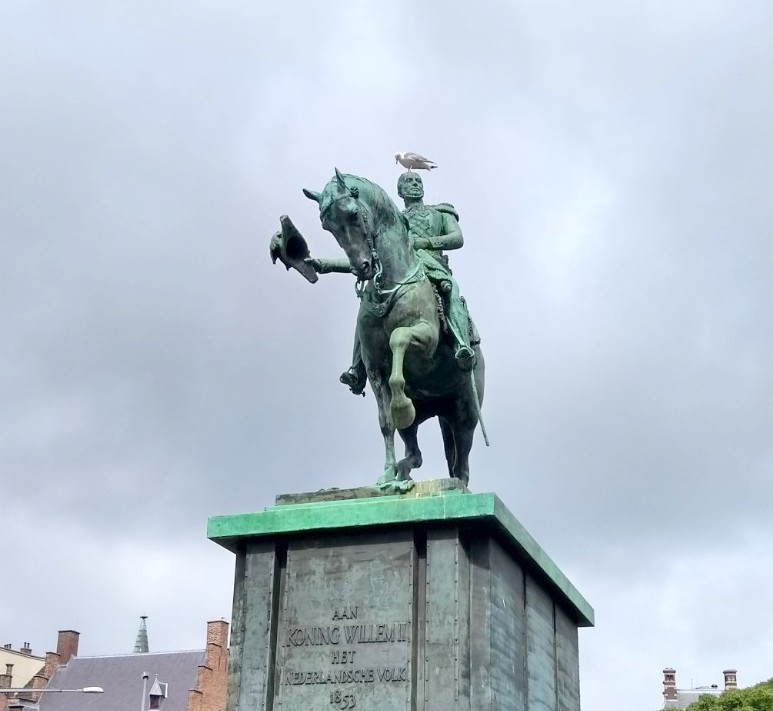
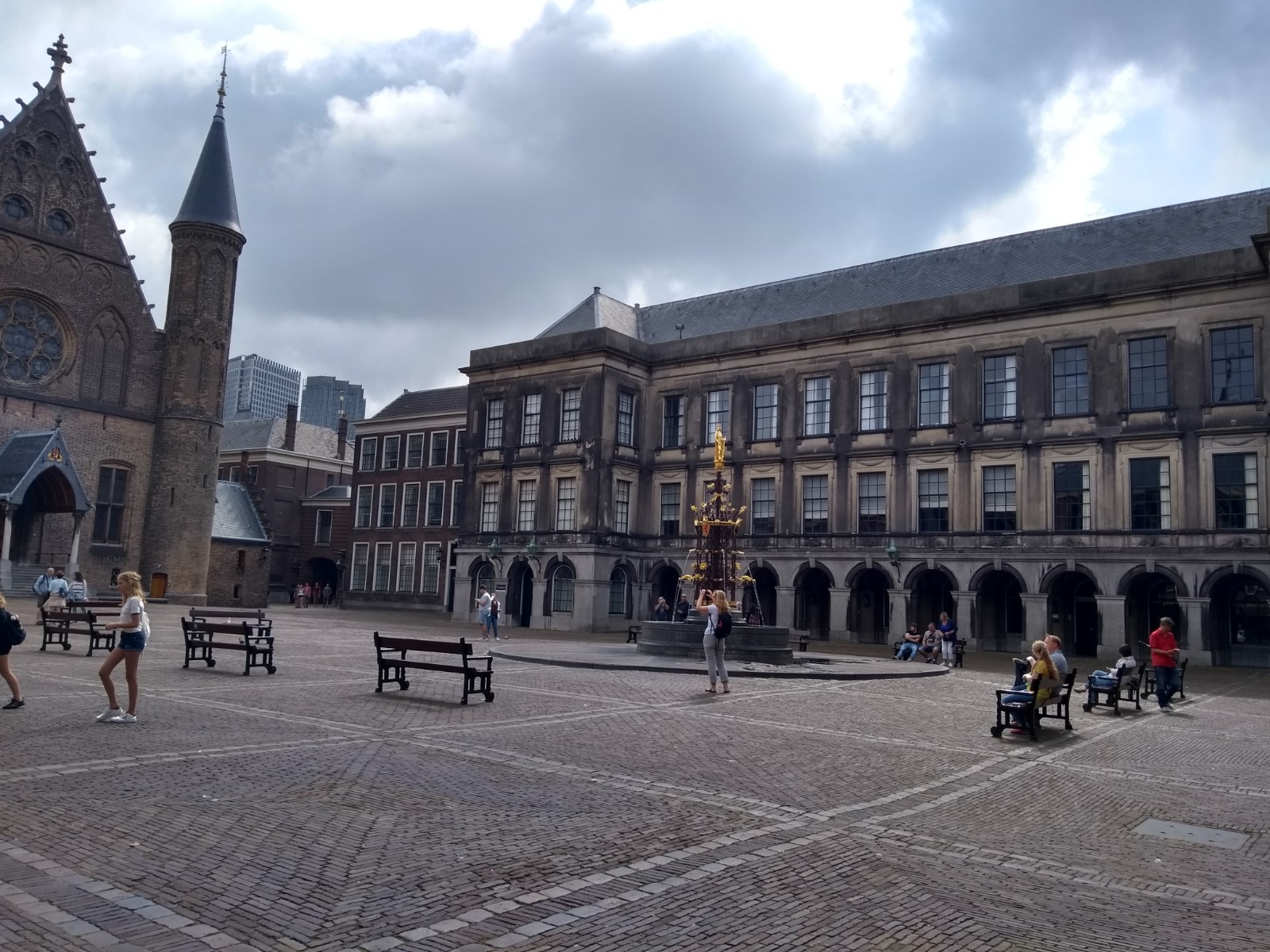
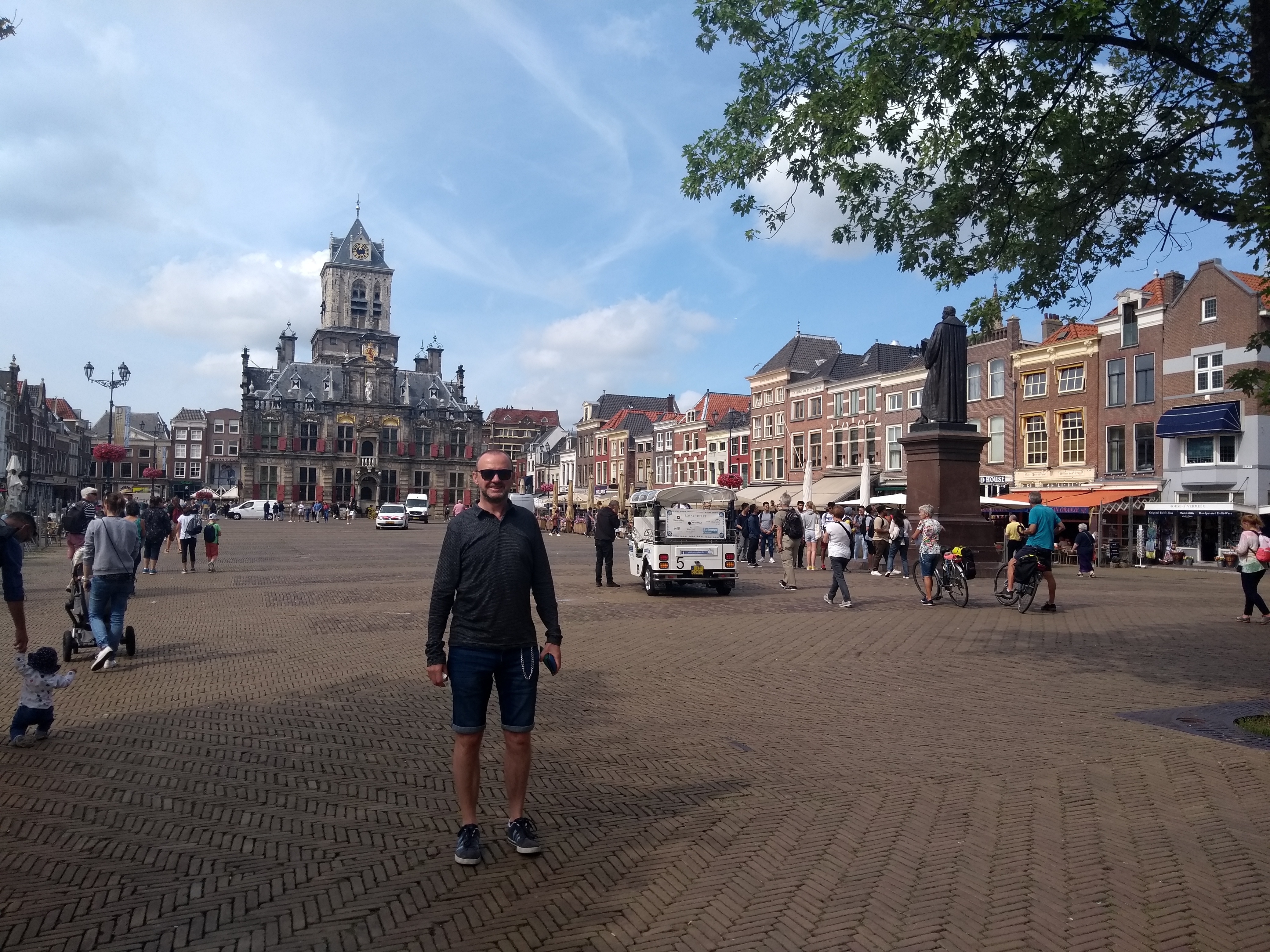
Not that it was all work and no play. That would make Jack a very dull boy. Naughty gossip was definitely at the top of the agenda, accompanied by tasty fare and free-flowing wine. Jo and husband were generous hosts. The ‘any other business’ involved a walkabout. As our lodgings were city-centre chic, we had plenty of time to amble round the cobbled streets of the tidy and graceful City of Peace and Justice. We had to keep our wits about us – looking left not right, eyes anxiously peeled for the trams and cyclists coming at us from every which way. We were lucky with the weather: warm and breezy with a few heavy rain clouds that failed to burst, and we took full advantage of the café culture spilling out all over the bricked pavements.
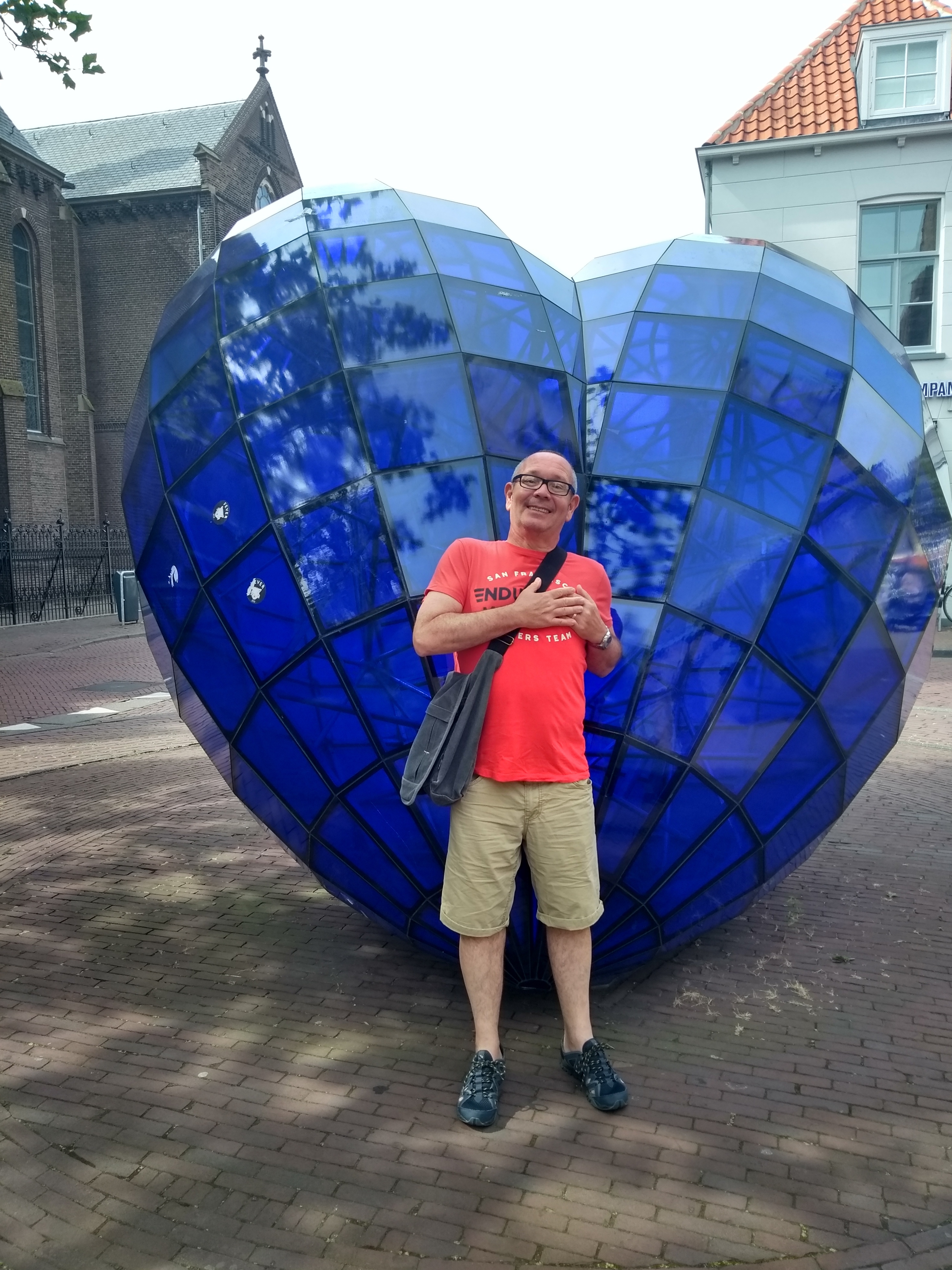
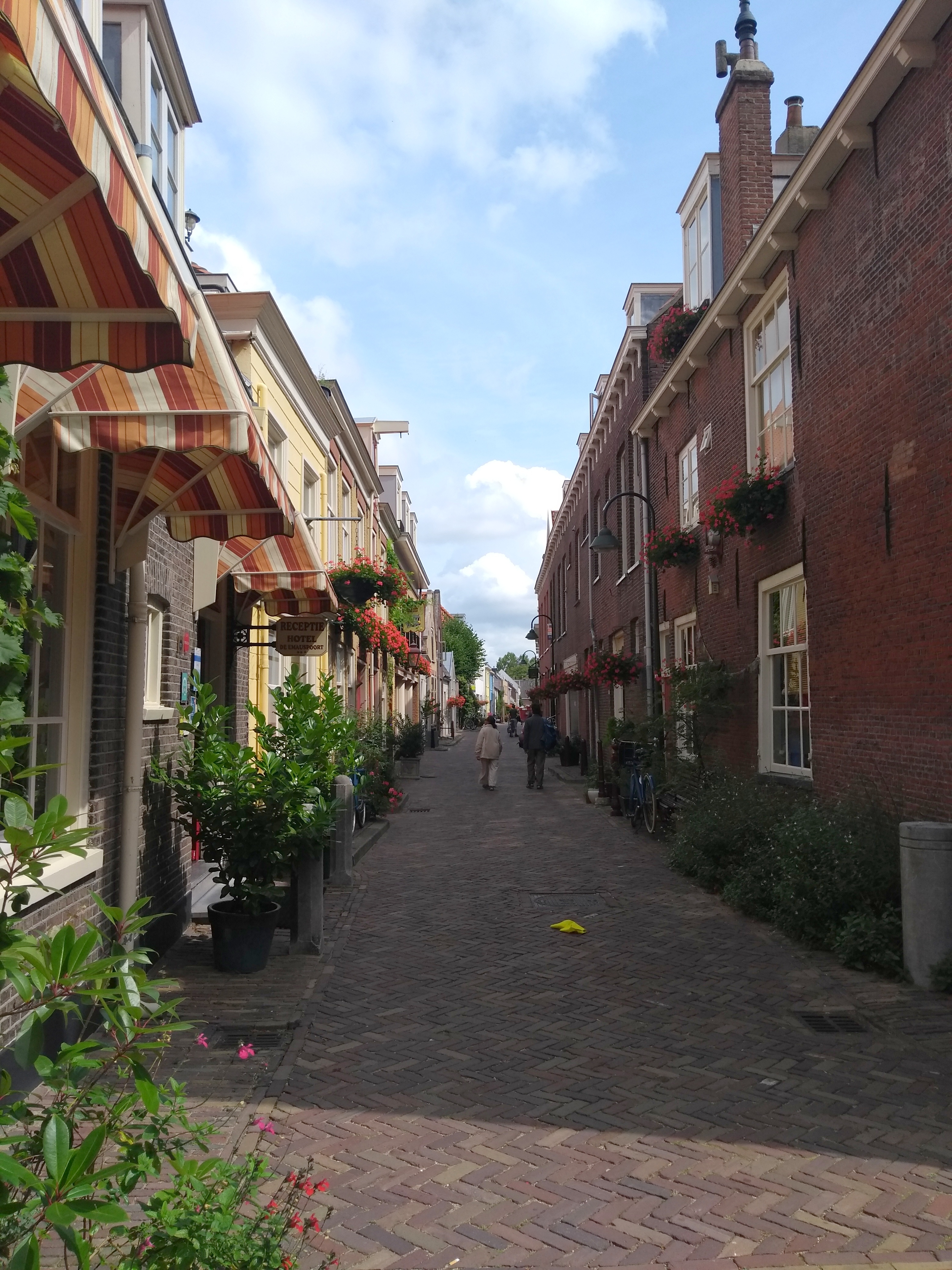
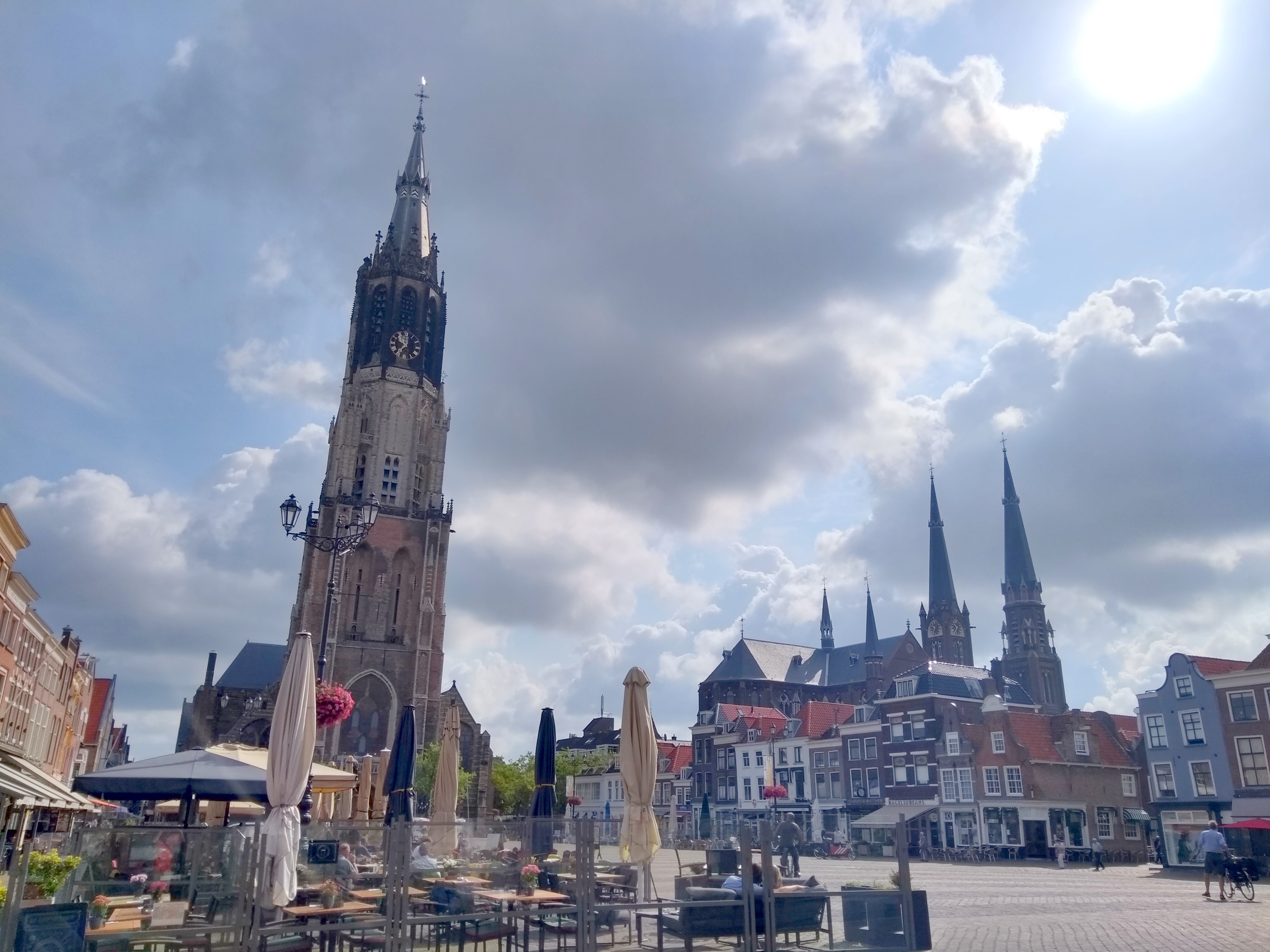
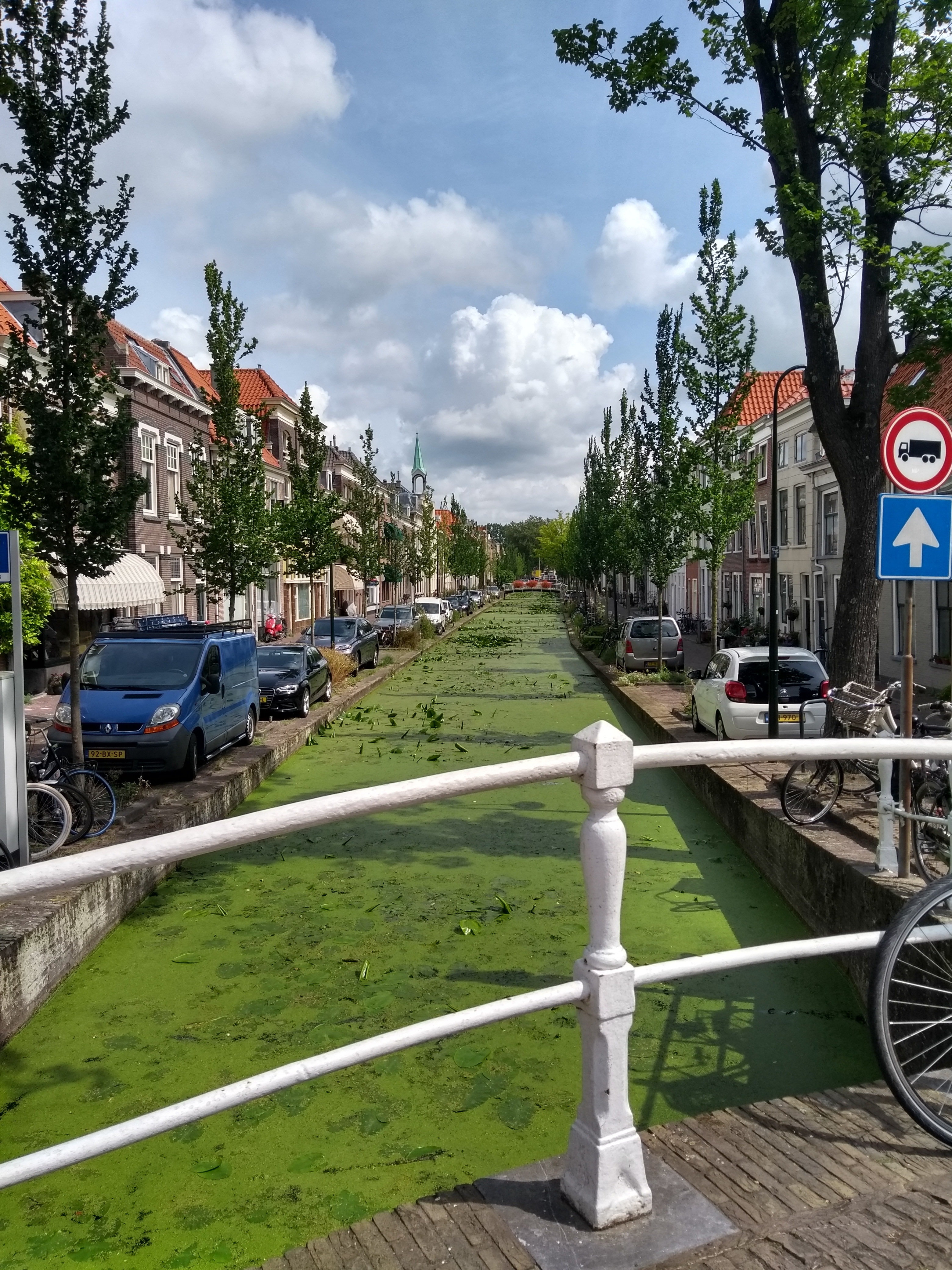
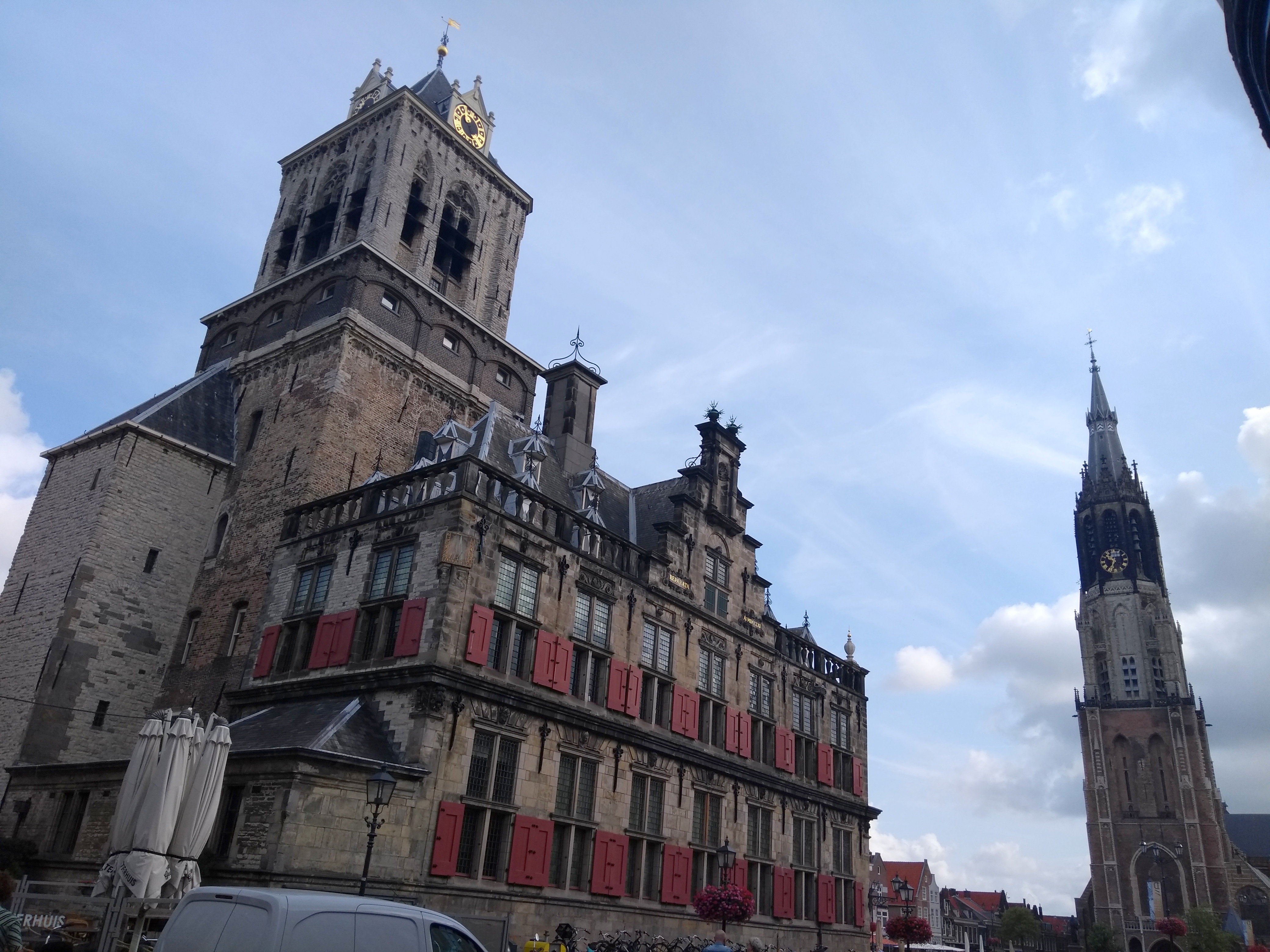
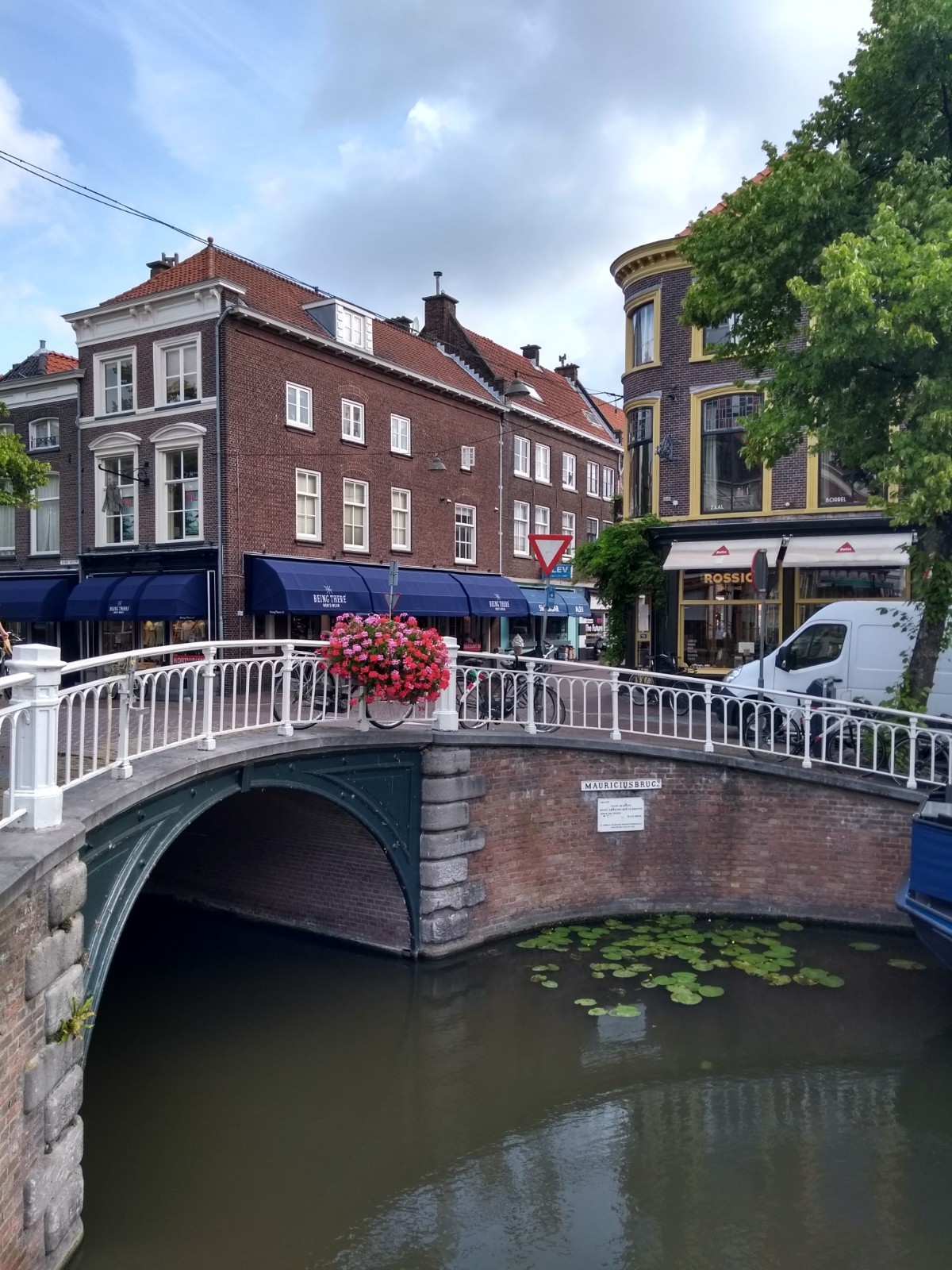
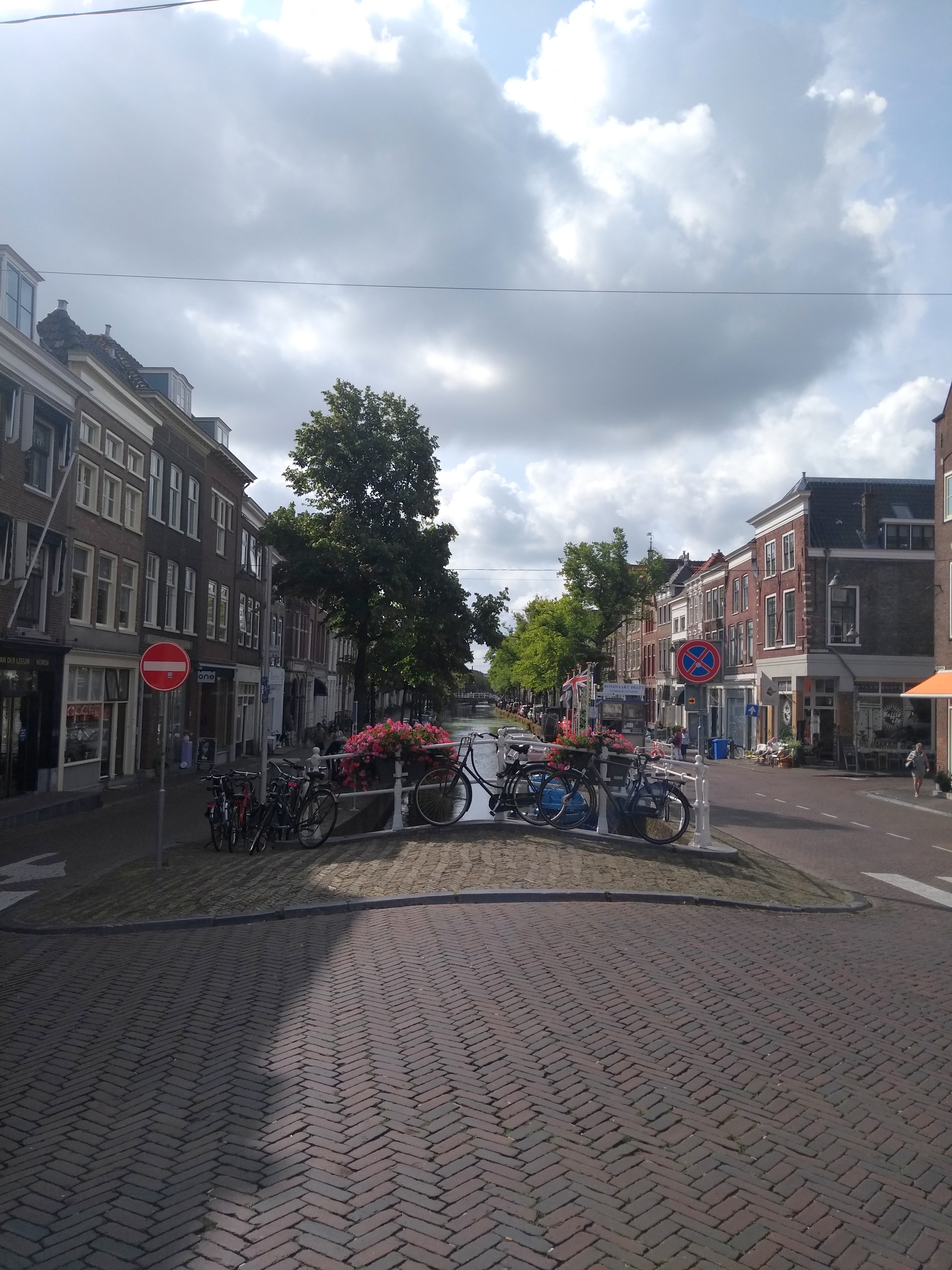
We even got the chance to hop on a tram to delightful Delft, a mini-Amsterdam without the reputation, criss-crossed with pretty canals and home to blue pottery and the House of Orange. The still waters were distinctly green in places: a quick dip would have been unwise.
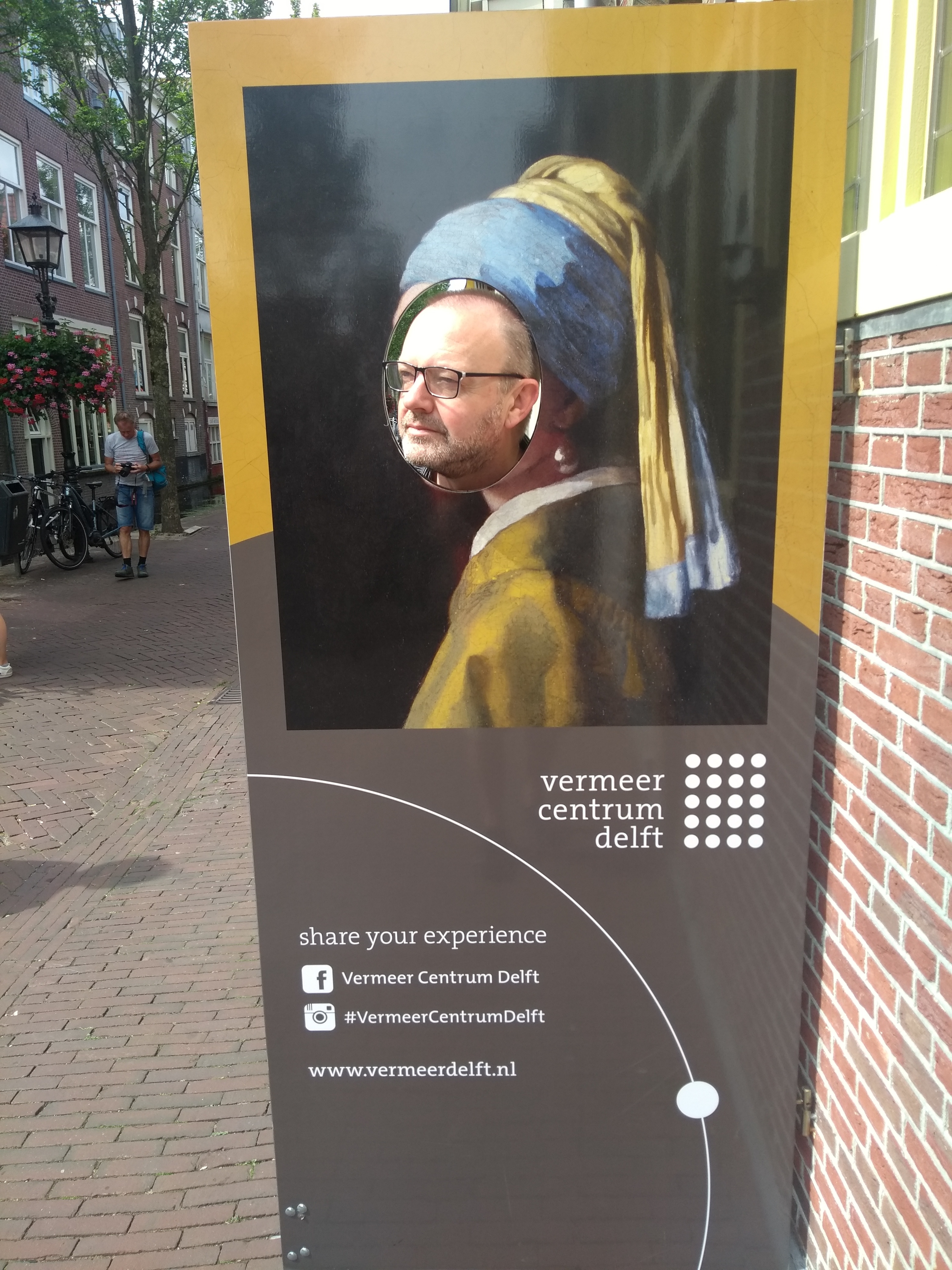
Just to demonstrate we’re not total lightweights, cultuur-wise, we took in the cute and bijou Vermeer Museum to sample Delft’s most famous artist. Liam was definitely plugged in to the Vermeer vibe.
We flew the KLM City Hopper to and from Amsterdam’s manic Schiphol Airport courtesy of the rather sedate Norwich International which is more of a hut than a hub, but then we were home 30 minutes after landing, chilled white in hand.
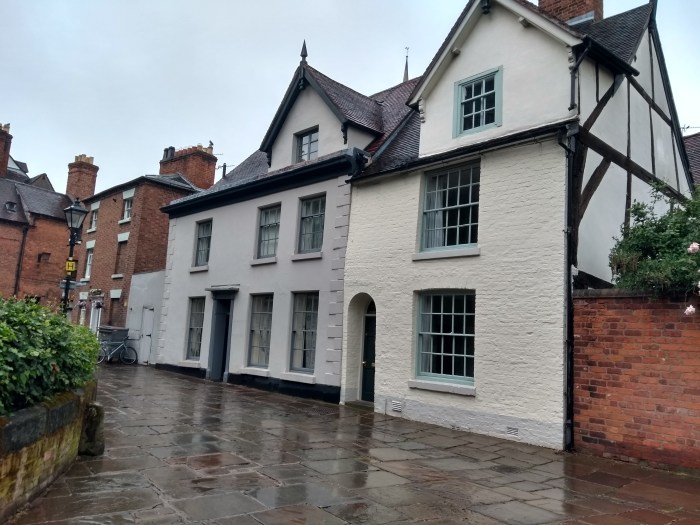
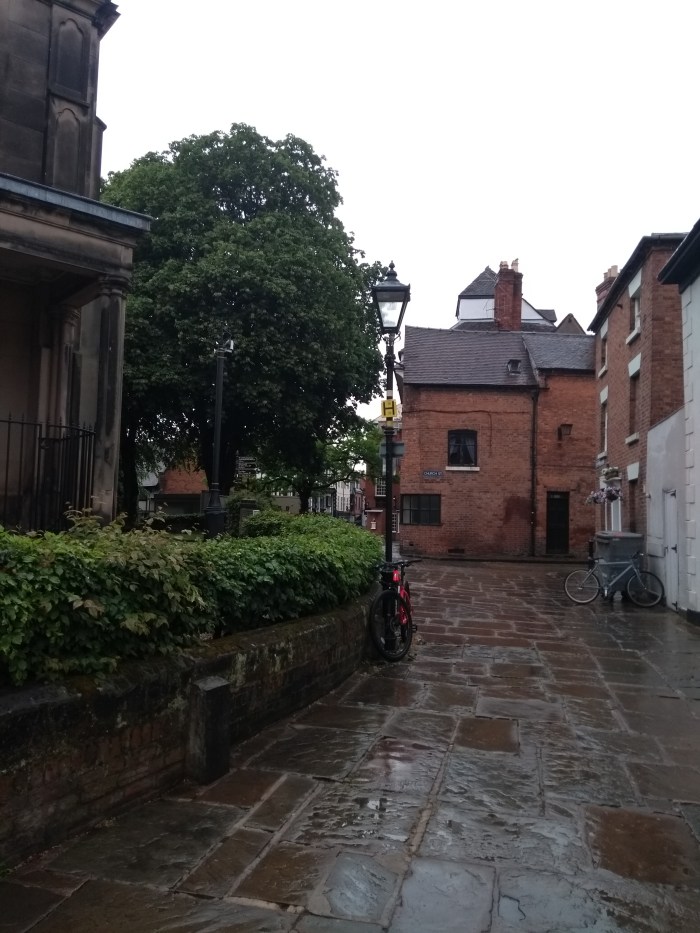
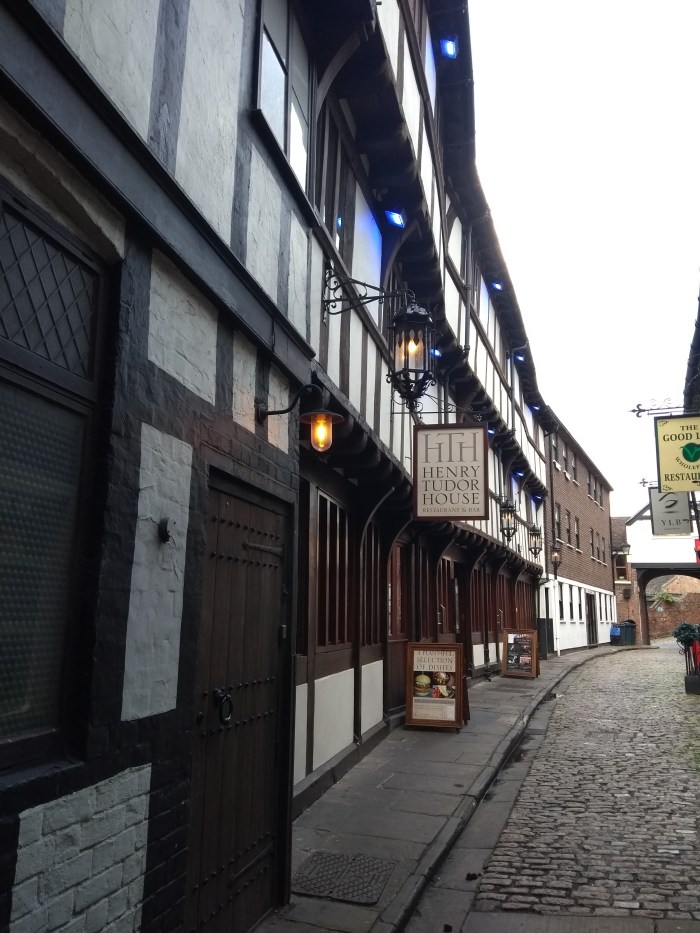
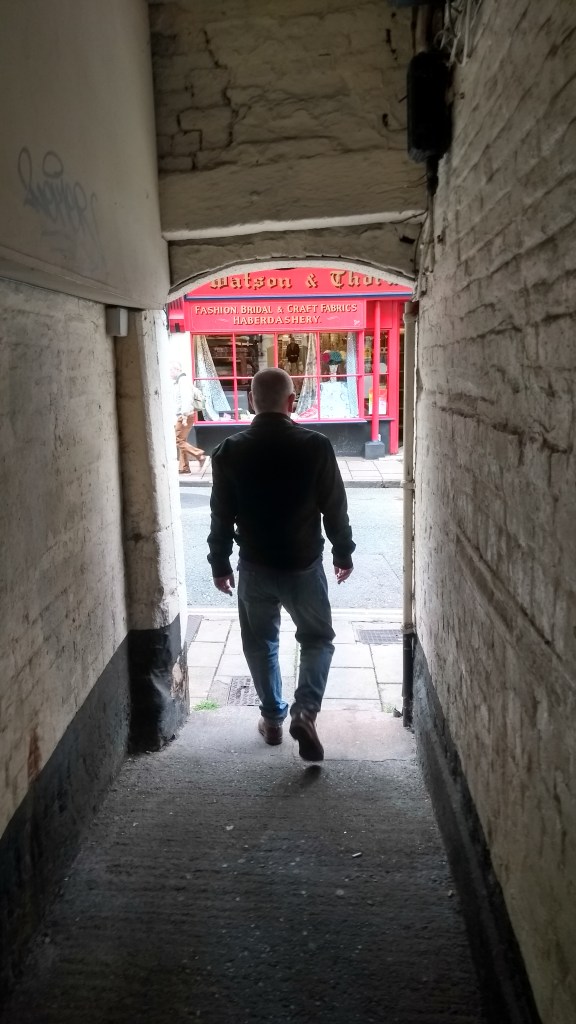
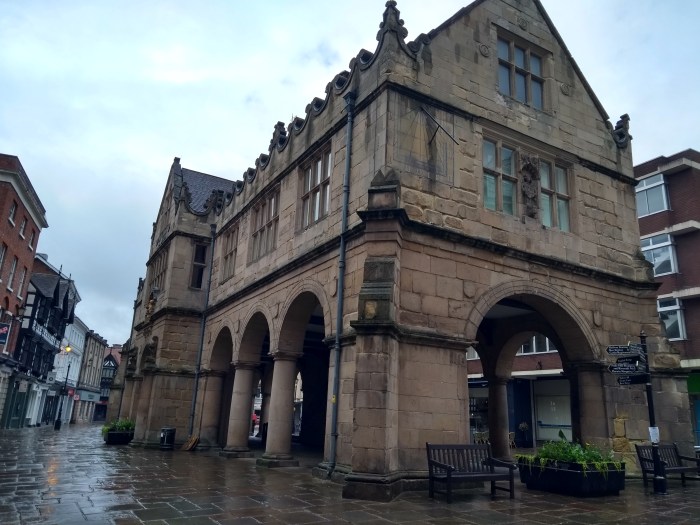
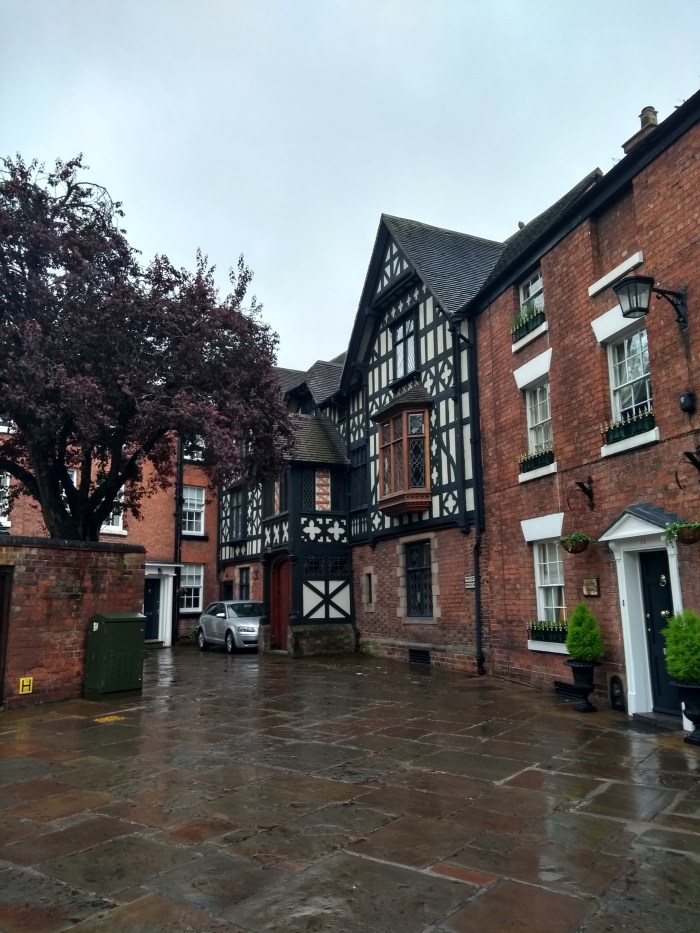
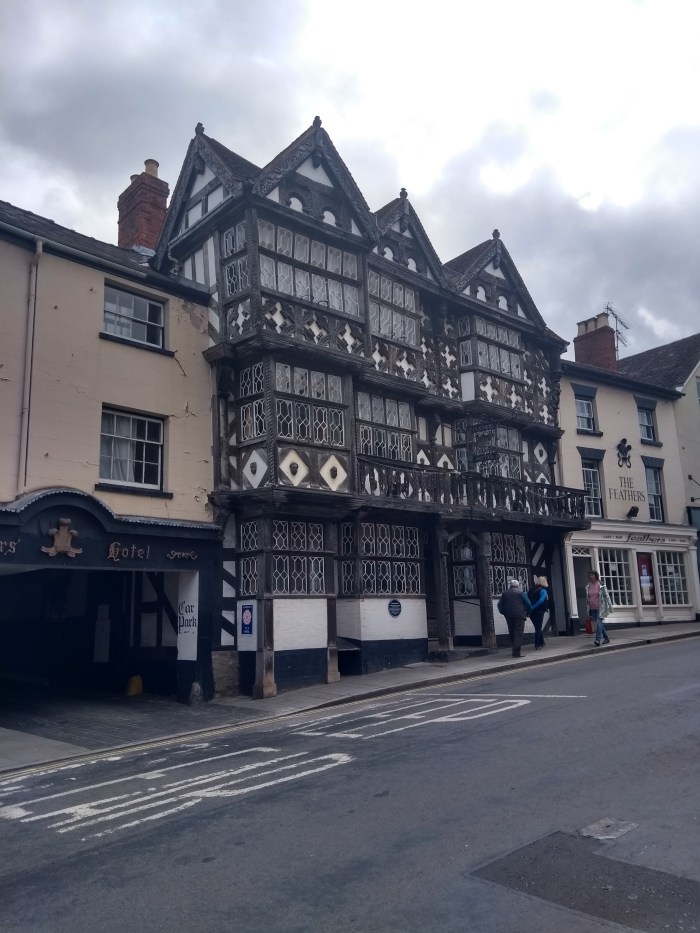
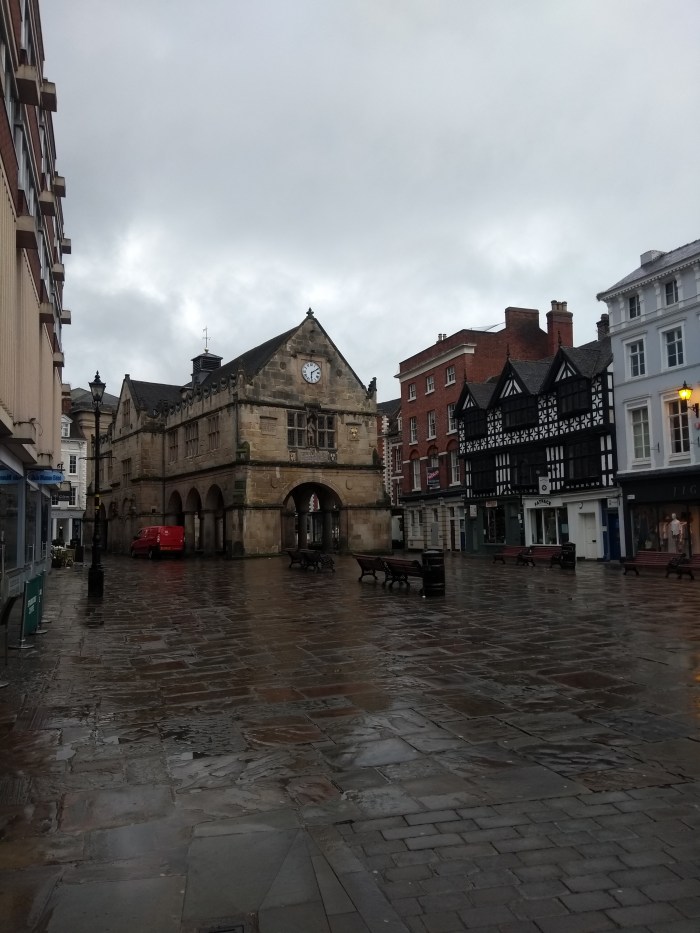
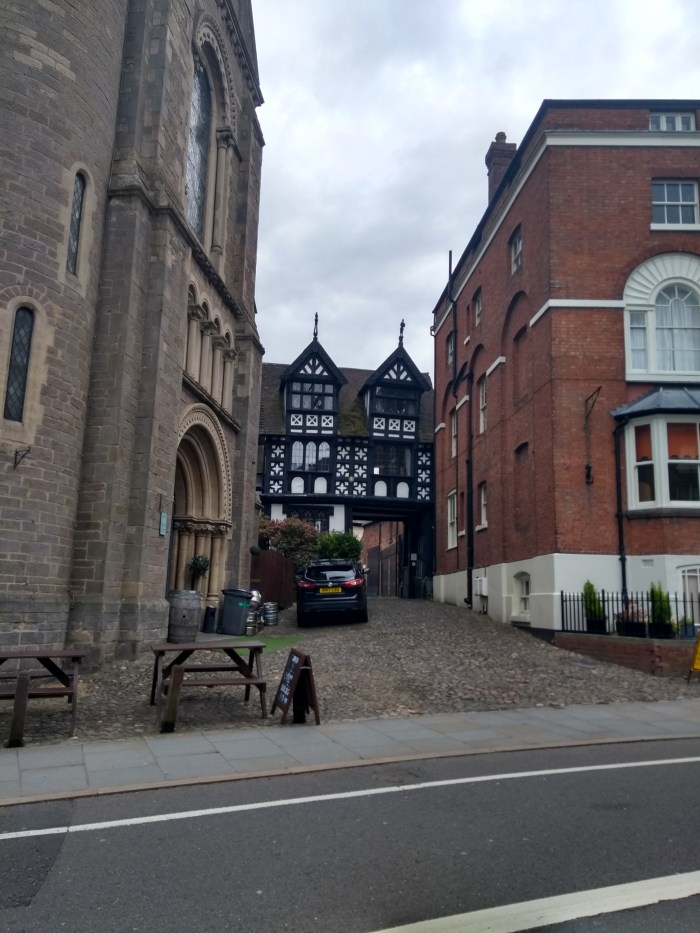
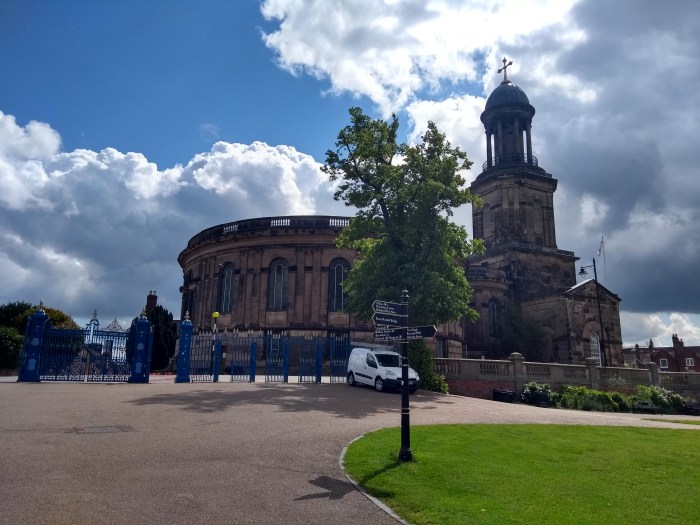
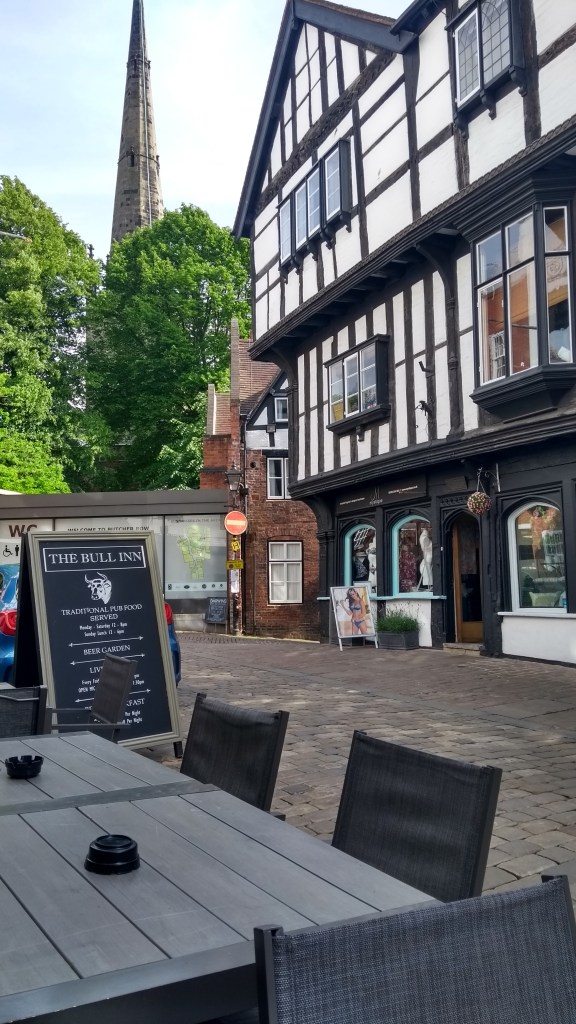
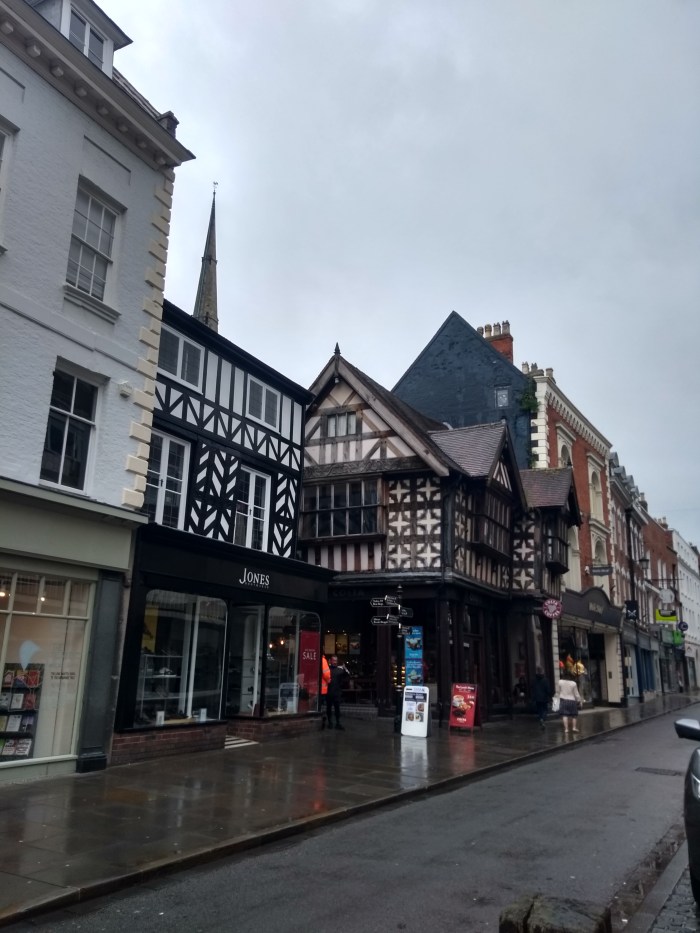
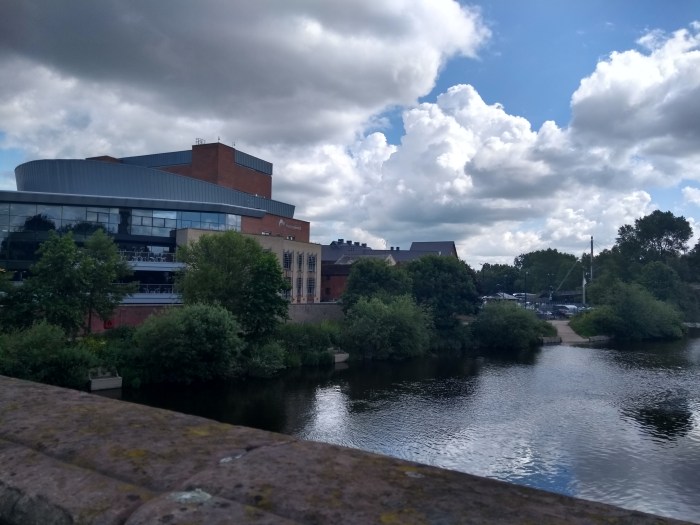
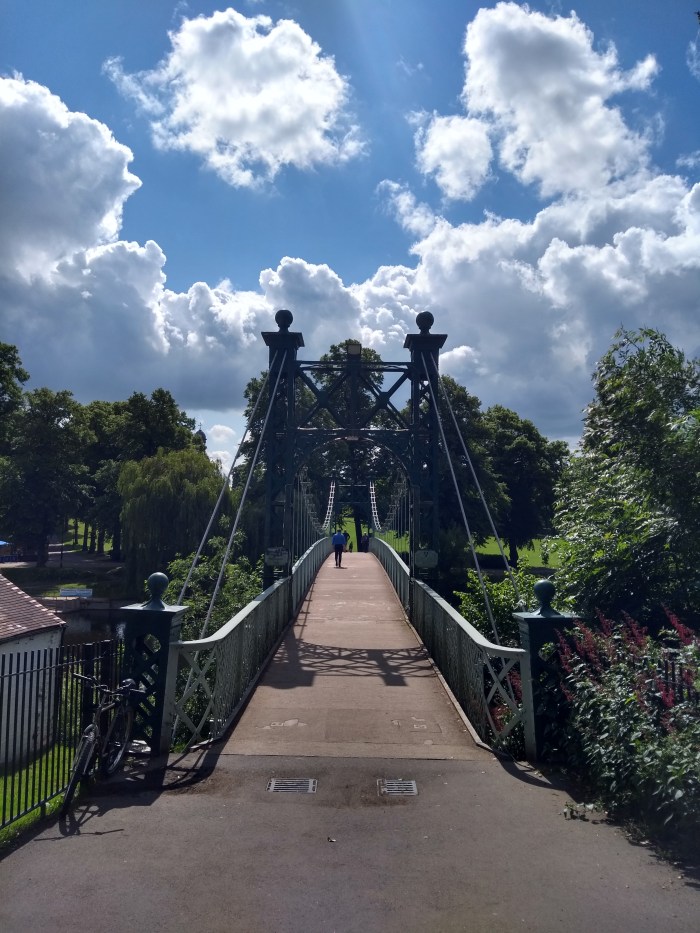
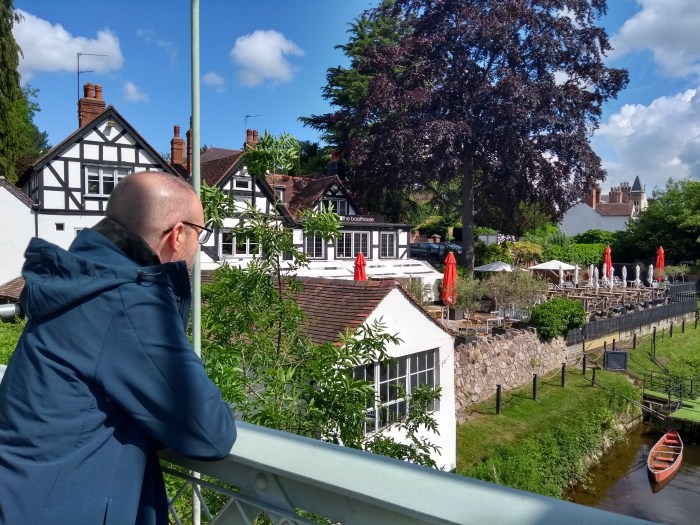
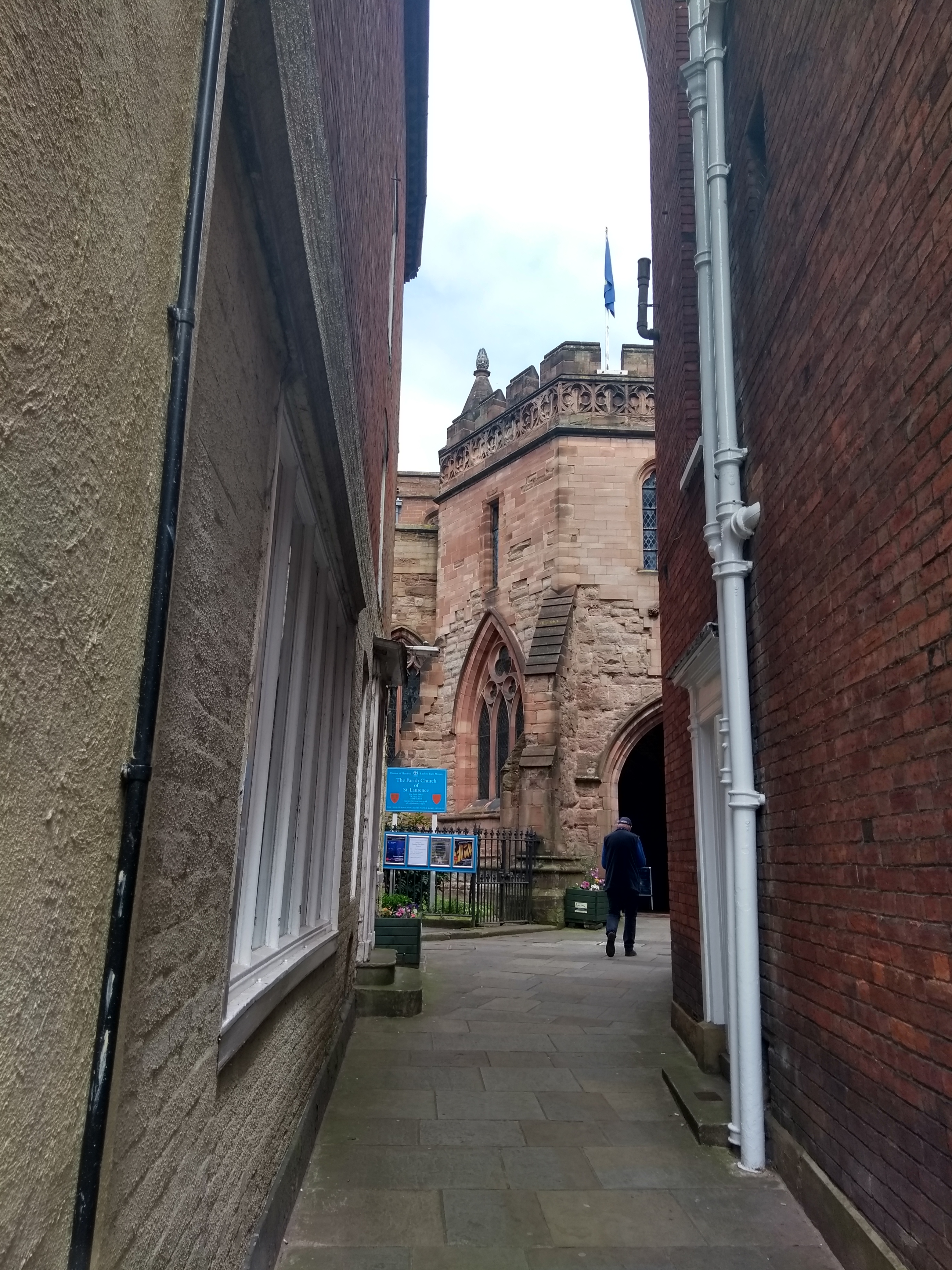
One thing we confirmed during our cheery jolly to Shrewsbury is that, according to Salopians (as Shropshire folk are called), it’s pronounced Shroosbury, as in ‘Taming of the…’. We also discovered that it’s tranquil, polite and stuffed with interest – from amazing ‘olde worlde’ architecture along Dickensian streets with quirky names to match to an embarrassment of watering holes and eateries to suit all tastes and pockets. And rain didn’t stop play – well this was the wet West Country (or rather the West Midlands as pointed out by an old friend – you know who you are). It’s west of East Anglia so that’s good enough for me. In fact, the number of Welsh accents we heard almost convinced us we were actually in Wales.
After a good old gander round the narrow streets and little lanes, we happened upon ‘The Nag’s Head’, a bijou pub on Wyle Cop (yes, that’s the name of the street) to be welcomed by an old codger at the bar supping Guinness. He said…
I knew you were comin’ so I put ABBA on.
‘Dancing Queen’ was followed in quick succession by Freddie Mercury, Elton John and George Michael. As Liam slurped his large Merlot, I googled ‘gay bars in Shrewsbury’ and guess what came up? Yep, The Nags Head.
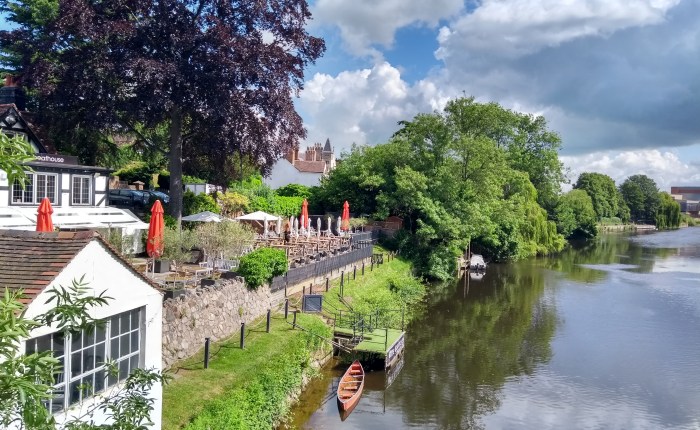
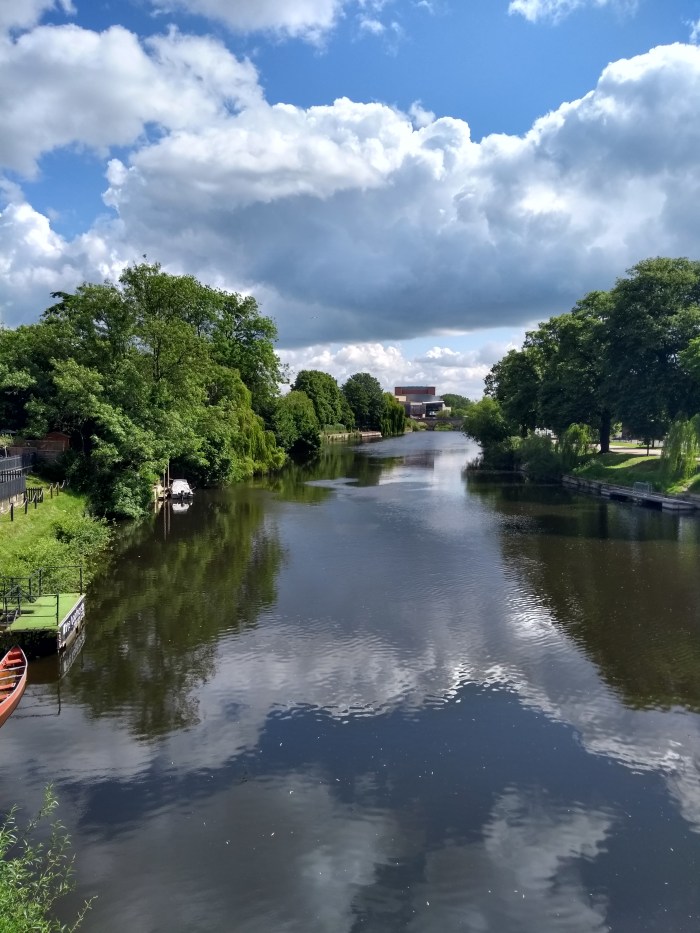
Britain’s longest river, the Severn, wraps around Shrewsbury like a leafy boa (very much like Norwich’s Wensum) which presumably provided an effective defence against the marauding Welsh way back when. These days the calm waters provide a pleasant riverside stroll and opportunities for a tipple or two on sunny days.
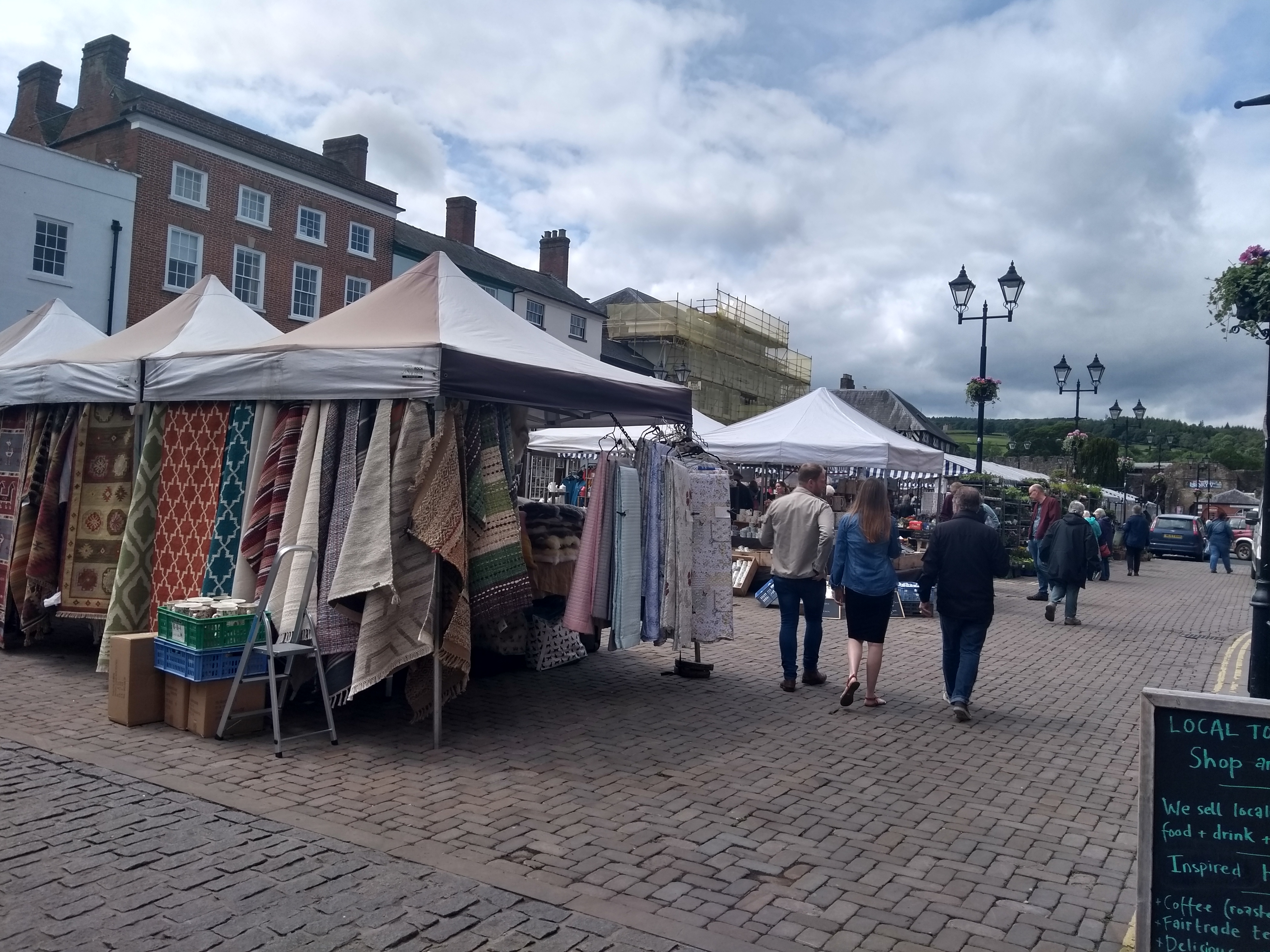
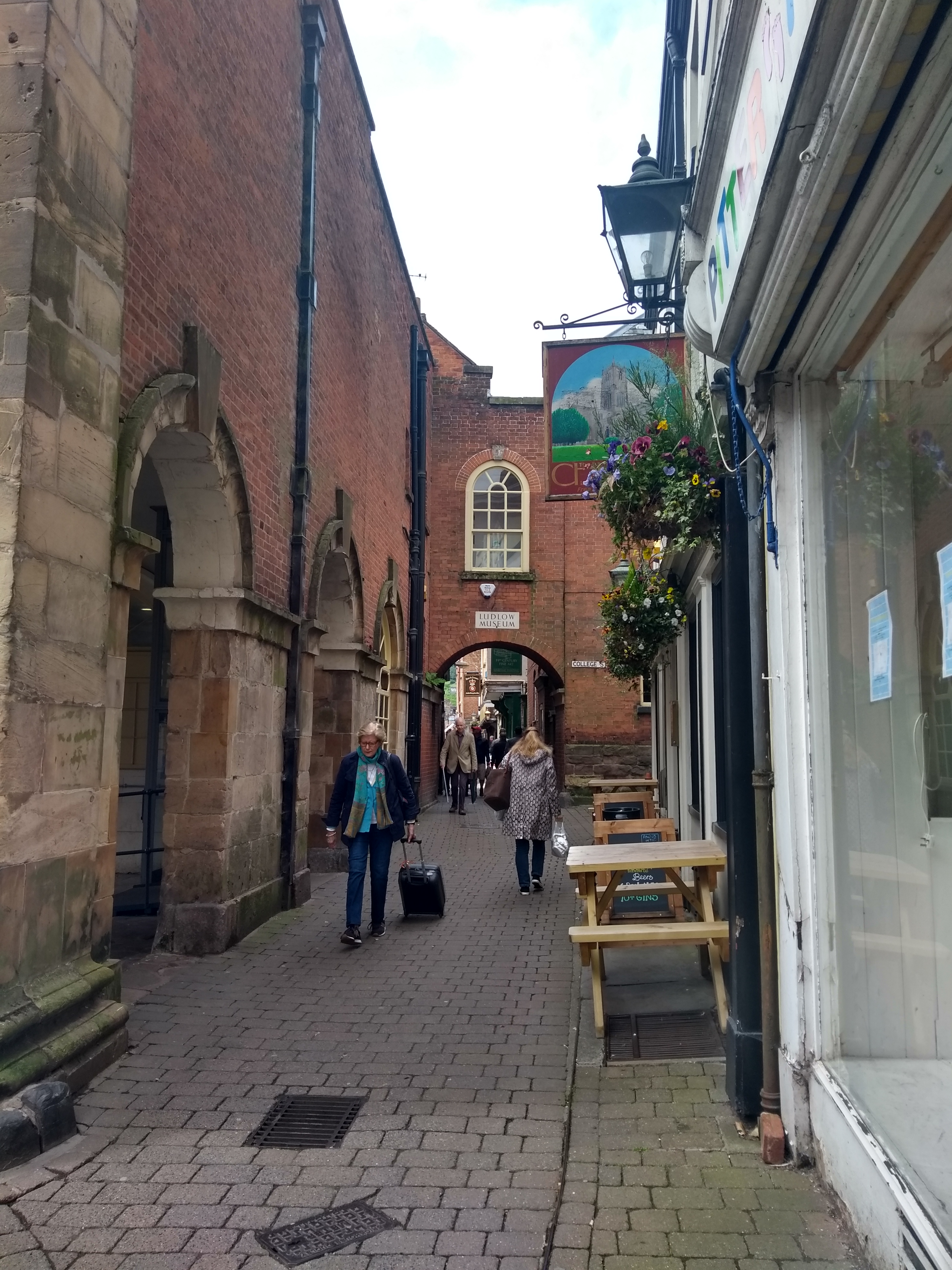
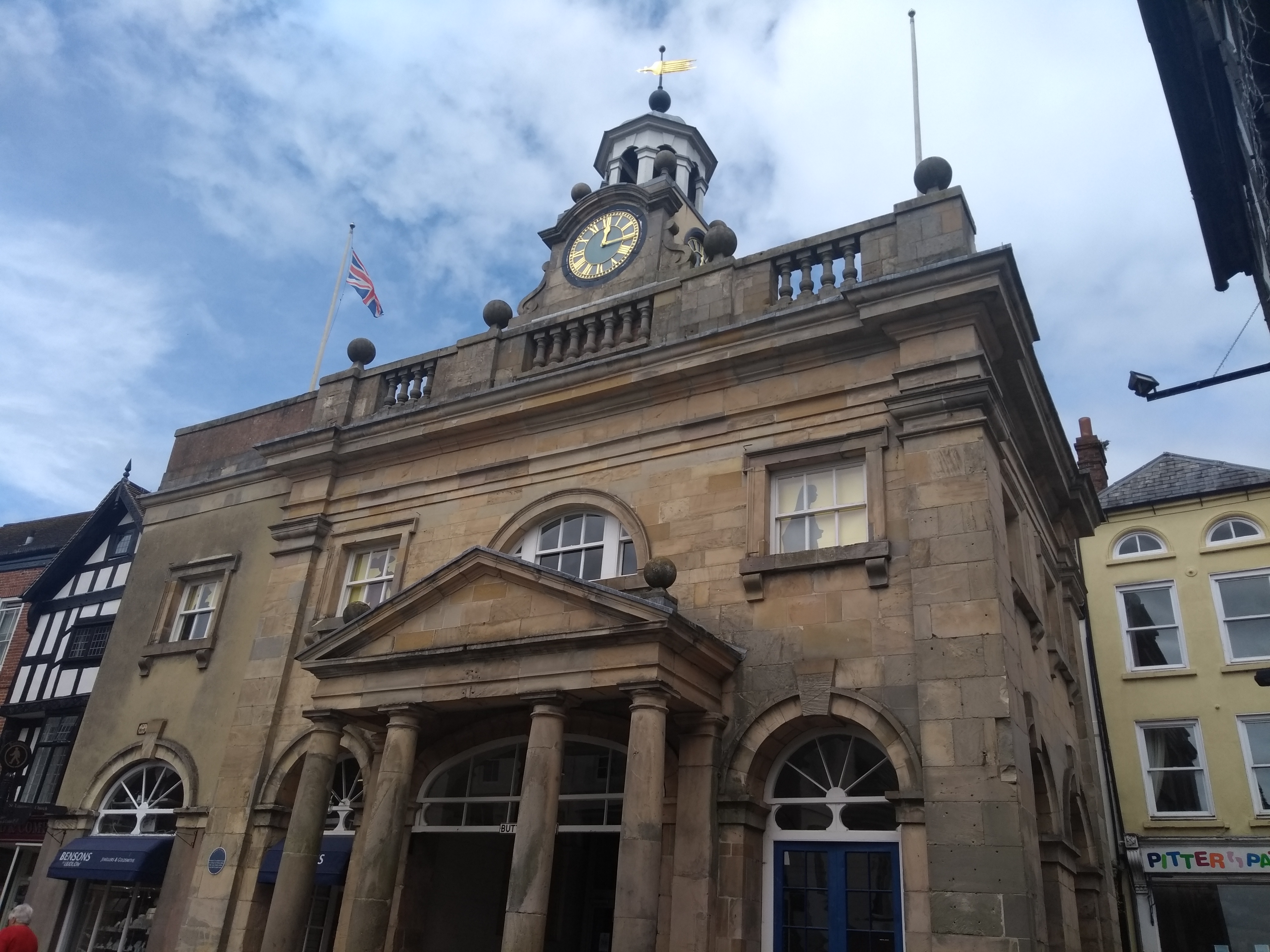
Day two was spent in lovely Ludlow, a genteel medieval, Tudor and Georgian assortment sitting on top of a hill overlooking rolling Shropshire countryside. Poet Laureate John Betjeman described Ludlow as ‘probably the loveliest town in England’ and we could see why. The sun poked through the clouds for market day and judging by the posh merchandise on offer, we knew Ludlow was a notch or two above. The town is famous for food so, after a good look around, we settled on delicious Thai for lunch provided by an Anglo-Thai gay couple. We seem to have a nose for the gay thang.
So that was Shrewsbury and Ludlow. Are they on the leader board for our dotage? Shrewsbury certainly, Ludlow less so. Lovely as it is, I don’t think we’re nearly posh or genteel enough.
Come Christmas time, the patients at the surgery where Liam earns an honest crust are a generous lot. Gifts of biscuits, sweets, chocolates and the odd bottle of booze flood in. Liam comes home laden with festive fancies. We keep a few and donate the rest to St Stephen’s Church. It’s an ancient pile, founded over 900 years ago and now mostly dating from the sixteenth century. The roots might be old but the approach of the dedicated team of clerics and laypeople is bang up-to-date. Community engagement and outreach are the services of the day. Much of the nave is given over to a café which…
‘… provides an open place for people to belong, whether customers, volunteers or those experiencing tough times… the café is a place of welcome, refreshment and peace.’
It’s a Heaven-sent distraction from the hubbub outside and operates a ‘pay what you can’ policy where punters can pay the suggested price, more, less or nothing at all. The church also runs a seasonal food bank for those in need. When we dropped off the Quality Street, Fox’s luxury selection and Ferrero Rocher, I apologised for only bringing sweets and biscuits. A lady with a kindly face replied…
‘Everyone deserves something nice for Christmas, don’t they?’
It was a humbling experience. I’m not religious in the slightest but if this is what the love of God means, then long may it continue.
A family ‘do’ took us cross country to Hertford, north of London – three trains there, three trains back. On the way, we changed at Cambridge – ‘the City of Perspiring Dreams’ as it’s known to the top-notch scholars who tread the hallowed precincts. Last year we took the same route and stopped off for a look around. This time we didn’t pop in – too many perspiring tourists for my liking. On the return leg, we changed at Ely, a tiny city with a vast cathedral dominating the flatlands. God’s house can be seen for miles around, demonstrating just how important He used to be to the prince, the pauper and everyone else in between. The city sits on a small patch of highish ground at the heart of the Fens, a once expansive marsh long-since tamed by dykes and ditches and drained for agriculture.
A sign at Ely station caught my eye.
I’ve had a bit of bother with my own Office package of late so it amused me. My picture-taking caught the eye of a ragged local with a lumpy face.
‘Take my picture,’ he insisted. ‘I’m famous, you know. I’ve been on the telly.’
It cost nothing to oblige him and I showed him the snapshot. He smiled and shuffled off down the platform. He may never have been on the box but at least he’s now on the blog.
As for teeny-weeny Ely with its oversized church, calmed waters and bobbing boats, it’s on the bucket list for next year.
The final leg of our great north run saw us in England’s ‘second’ capital – variously called Eboracum by the Romans, Eoforwic by the Saxons, Yorvik by the Vikings, Everwic by the Normans, then on to Yerk, Yourke, Yarke and finally – York. The city has an ancient pedigree, medieval city walls to march round, a higgledy-piggledy heart and a gigantic Gothic minster dominating the skyline.
York has fascination around every corner – who knew that Constantine the Great was proclaimed Roman Emperor there in 306 AD? But, unsurprisingly, it’s also packed with tourists from just about everywhere. After an hour or two weaving through the international swarm, we were relieved to find a traditional Italian to fill our bellies and rest our tired old hides. Of course, the over-indulgence of the previous three days in Knaresborough might have had something to do with it.
The pasta was delicious as was the hair of the dog that washed it down.
Oops. The naughty little gremlins ran amok this morning and so this post didn’t get shared properly and I’m publishing it again. If you get it twice, then that’s two for the price of one. Cheers!
The final leg of our great north run saw us in England’s ‘second’ capital – variously called Eboracum by the Romans, Eoforwic by the Saxons, Yorvik by the Vikings, Everwic by the Normans, then on to Yerk, Yourke, Yarke and finally – York. The city has an ancient pedigree, medieval city walls to march round, a higgledy-piggledy heart and a gigantic Gothic minster dominating the skyline.
York has fascination around every corner – who knew that Constantine the Great was proclaimed Roman Emperor there in 306 AD? But, unsurprisingly, it’s also packed with tourists from just about everywhere. After an hour or two weaving through the international swarm, we were relieved to find a traditional Italian to fill our bellies and rest our tired old hides. Of course, the over-indulgence of the previous three days in Knaresborough might have had something to do with it.
The pasta was delicious as was the hair of the dog that washed it down.




















 Perking the Pansies