Getting the Abbey Habit

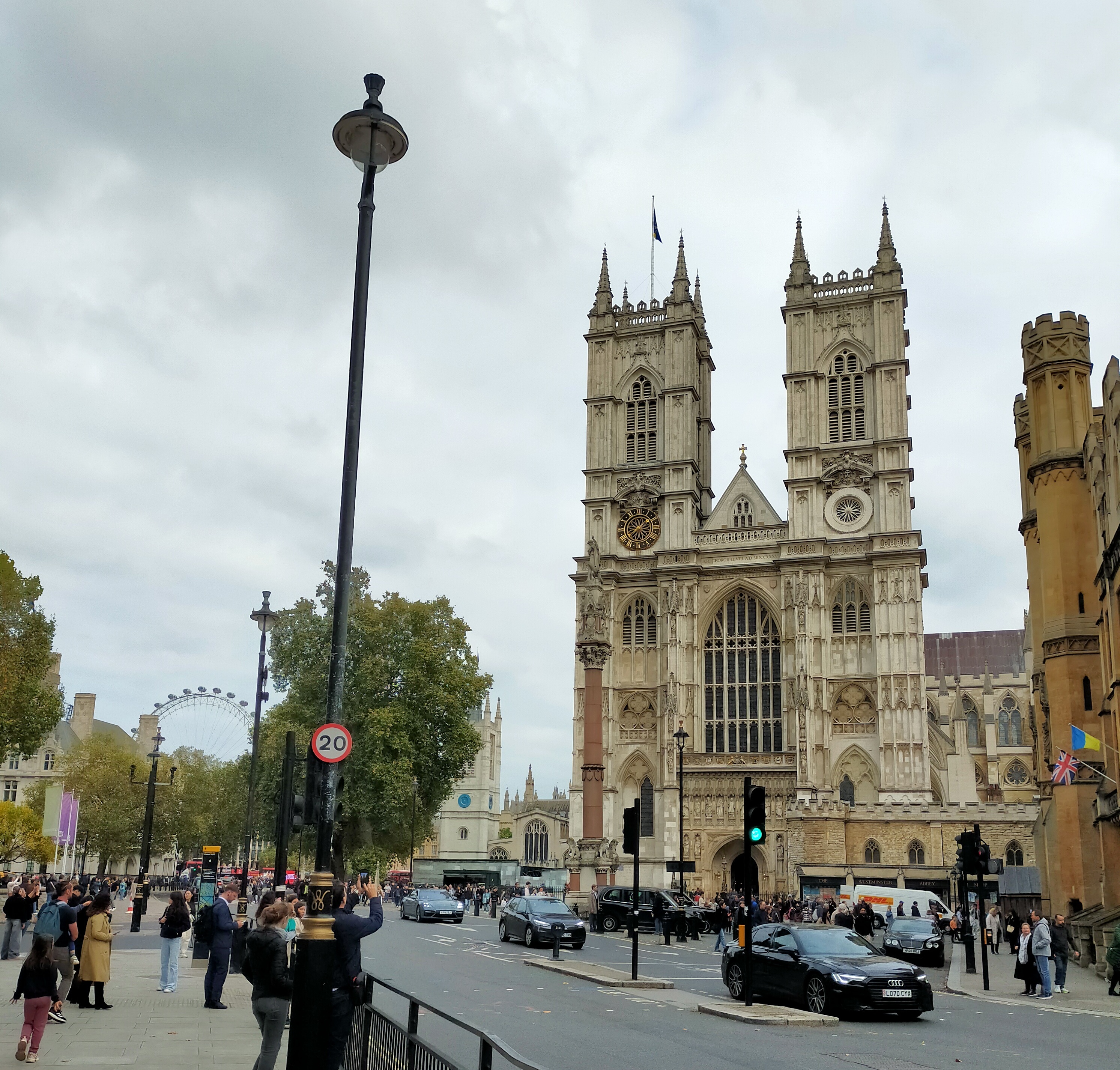
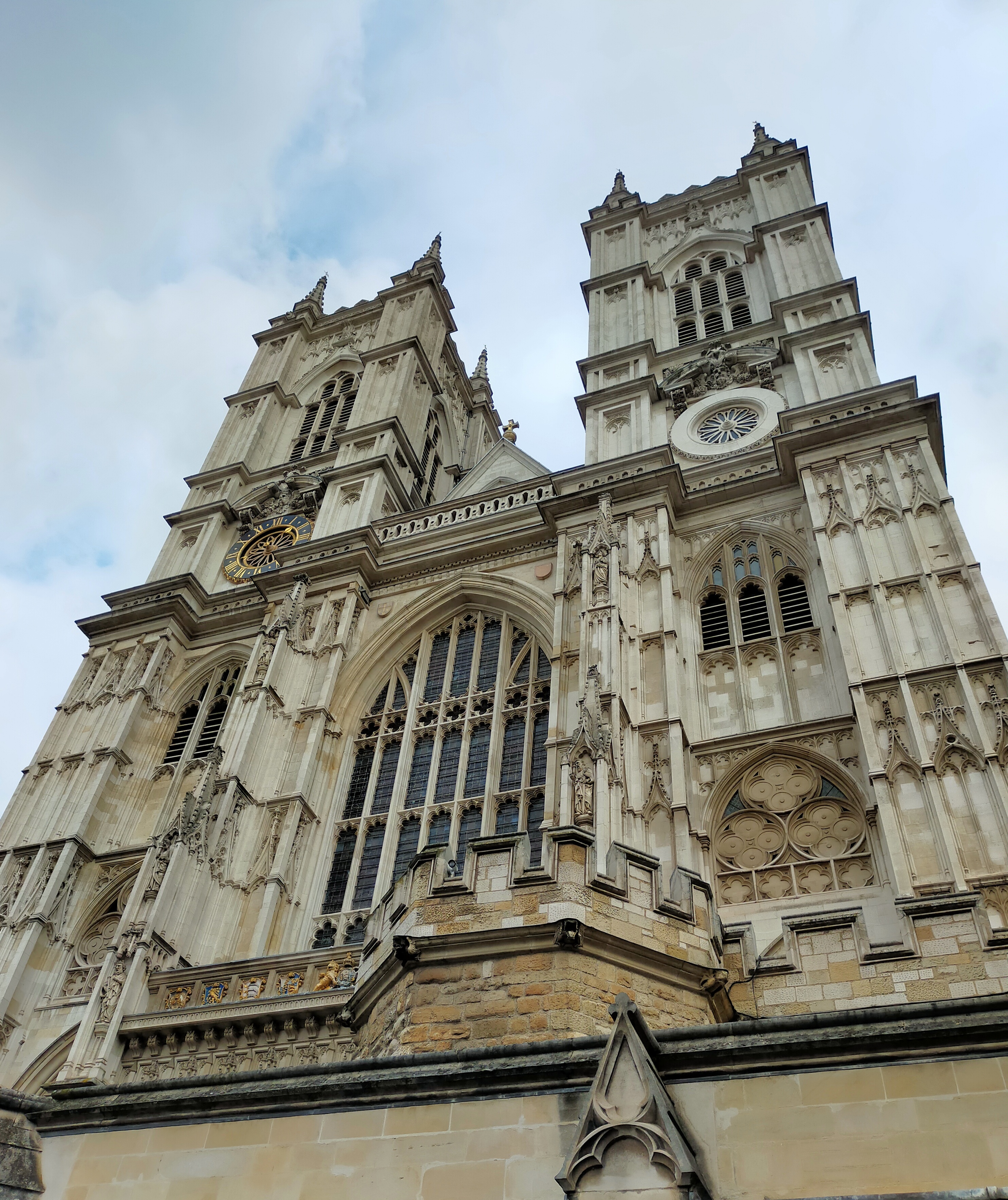
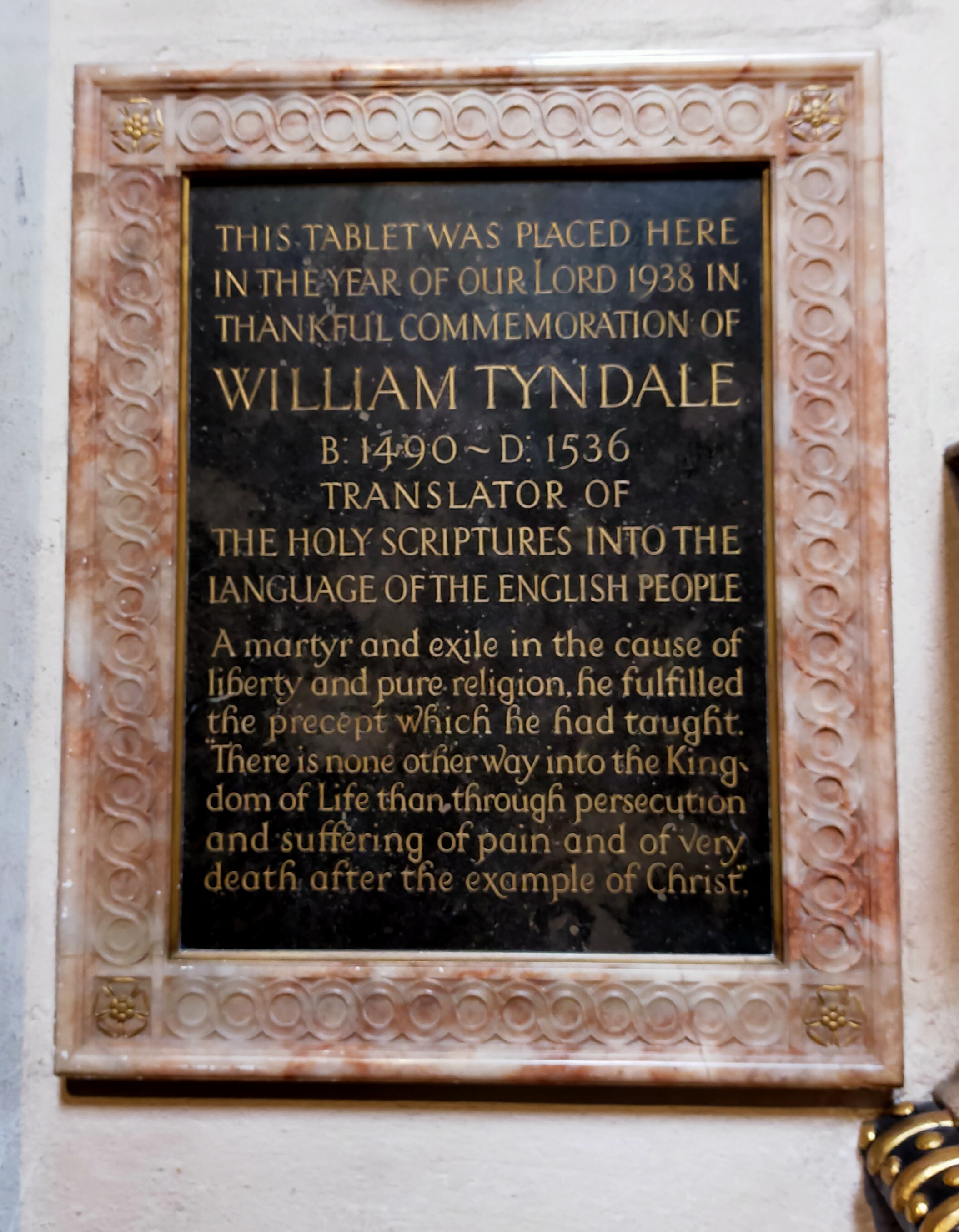
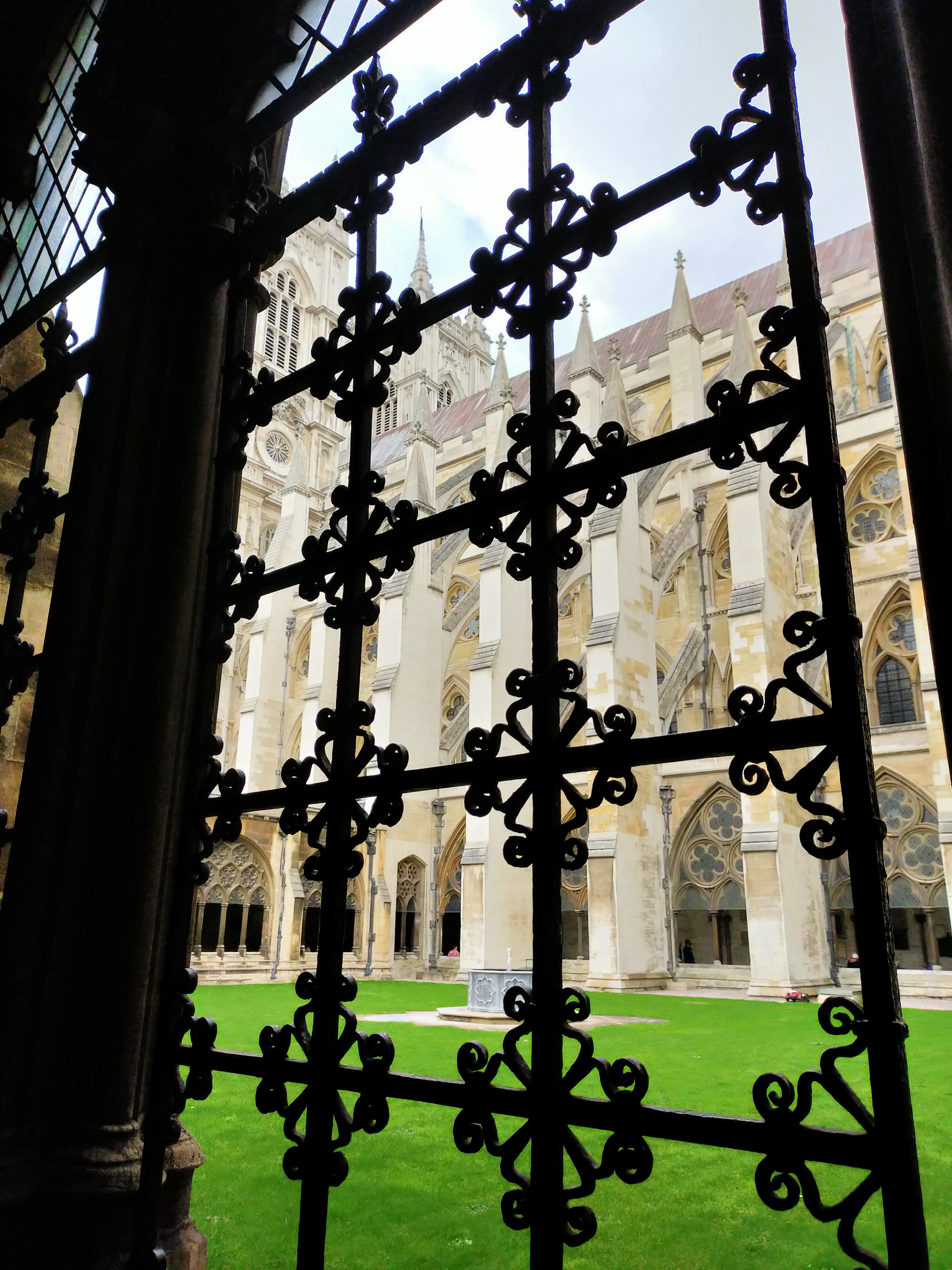
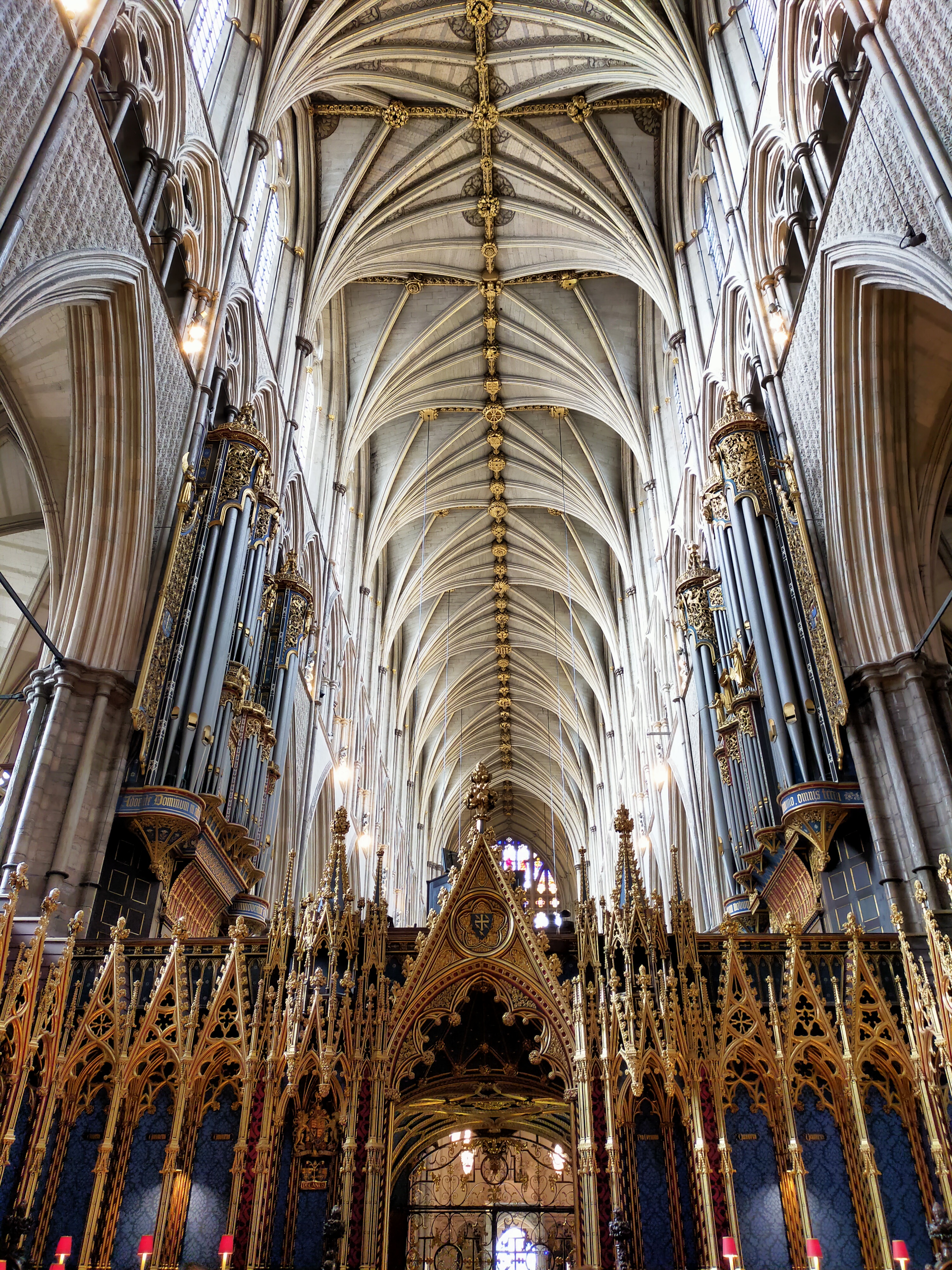
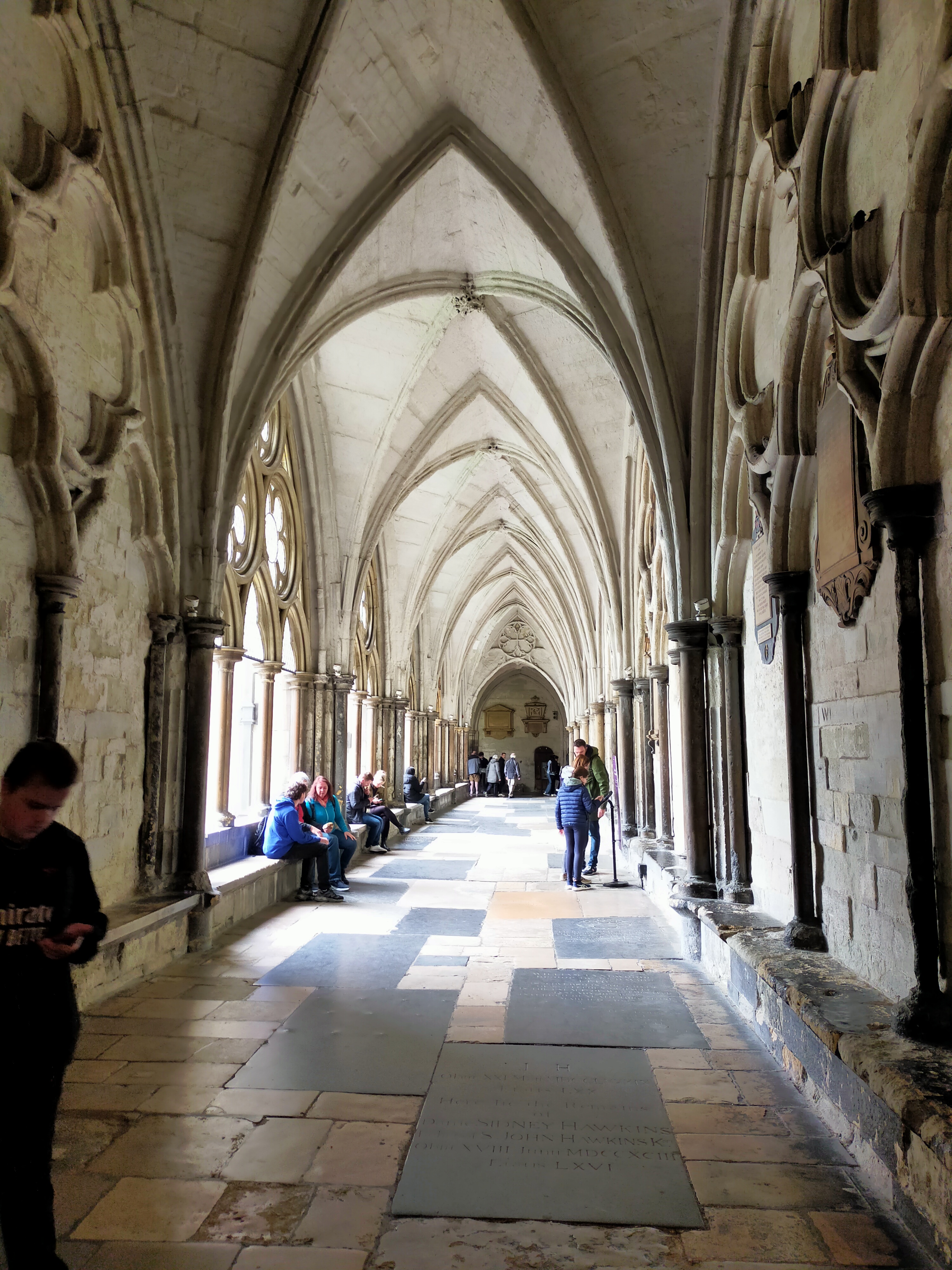
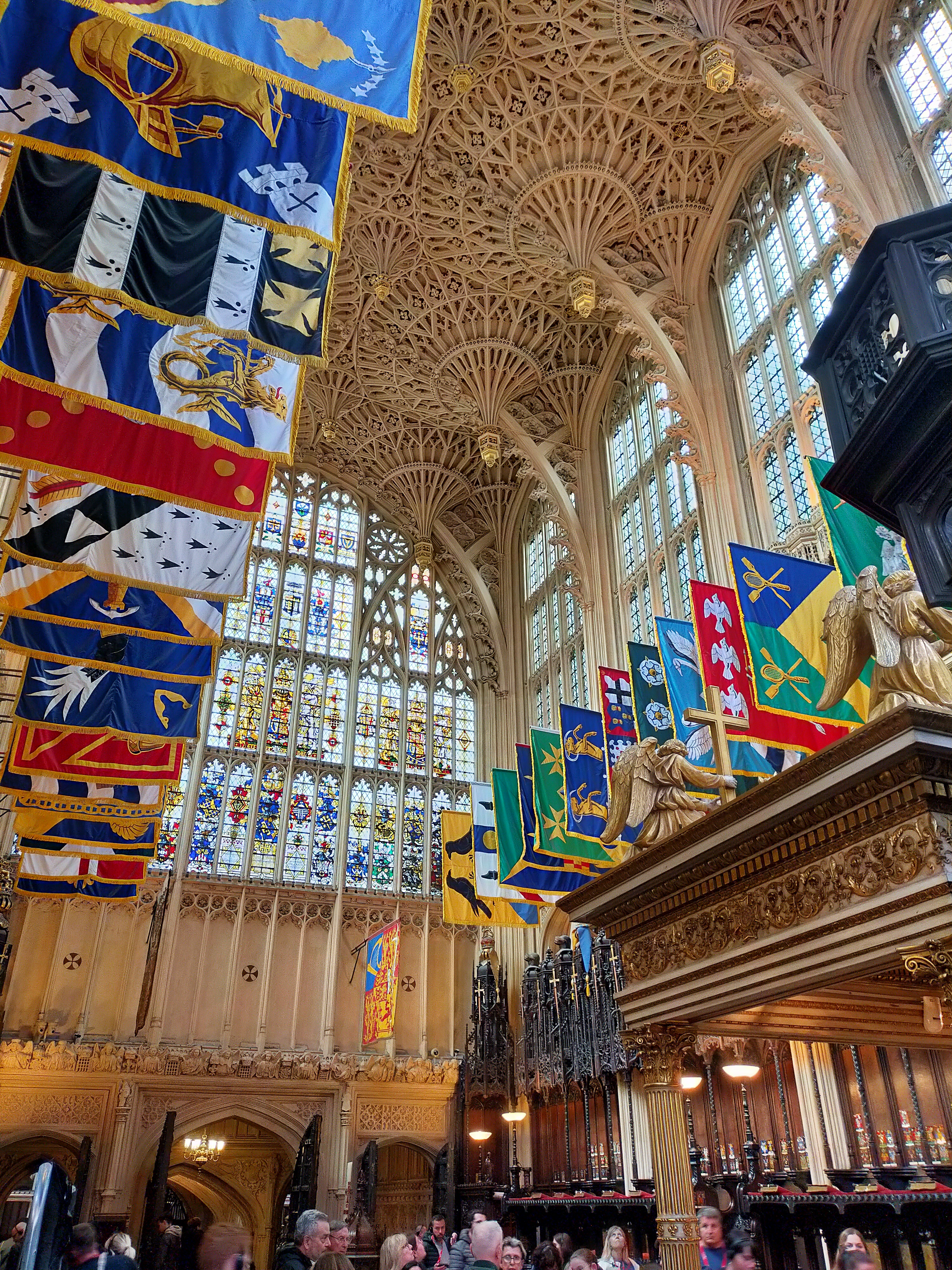
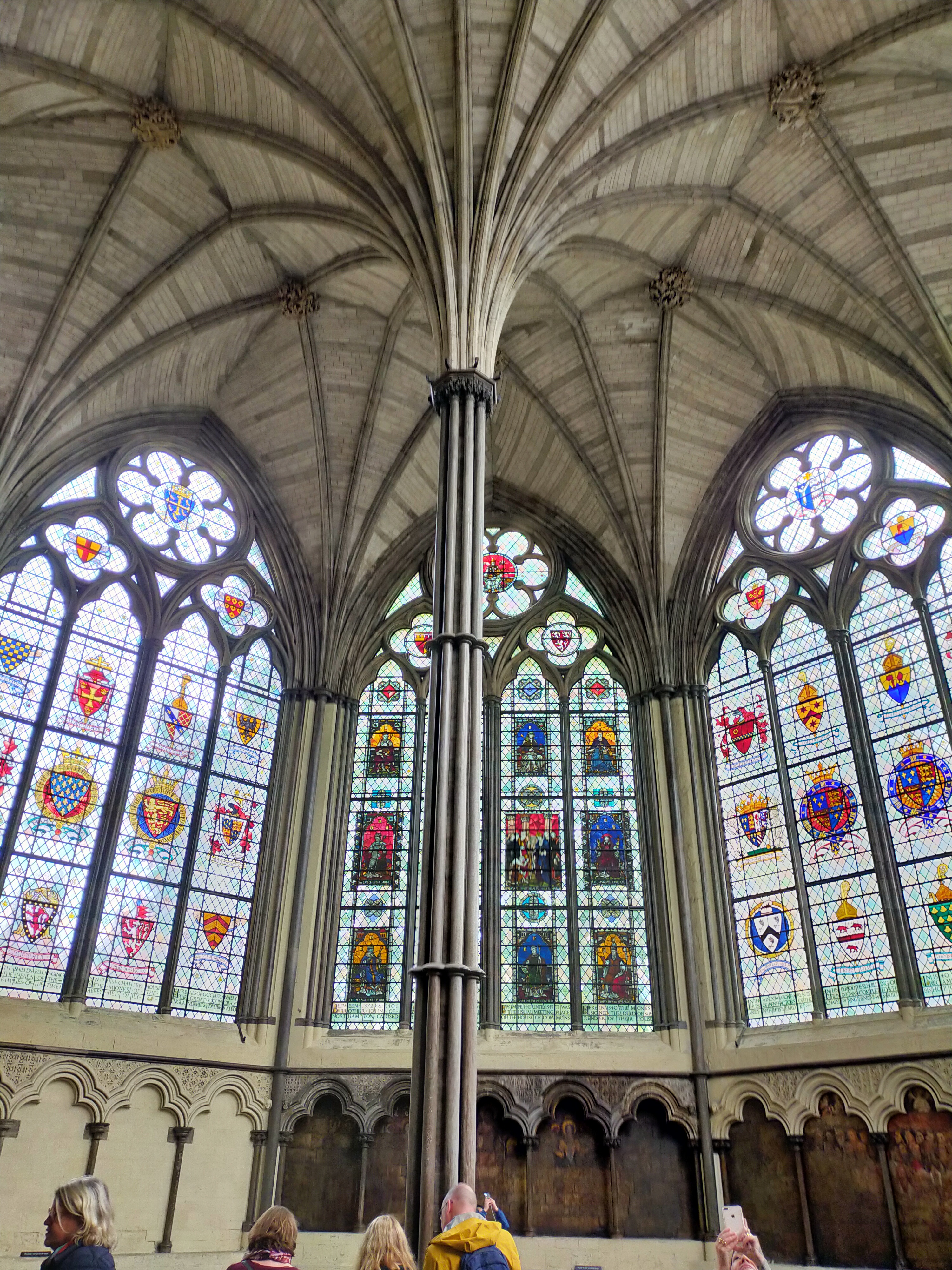
We interrupted our recent theatrical pilgrimage to old London Town to have a gander around Westminster Abbey. Regular viewers will know I’m a sucker for an old ecclesiastical pile, and King (and Saint) Edward the Confessor’s ‘West Minster’ is arguably the most famous ecclesiastical pile in the realm. Generally thought to have been founded in the mid-10th century as a Benedictine monastery, the church was rebuilt by the saintly king about 100 years later to serve as his royal burial chamber. What Edward the Confessor actually fessed up to is anyone’s guess.

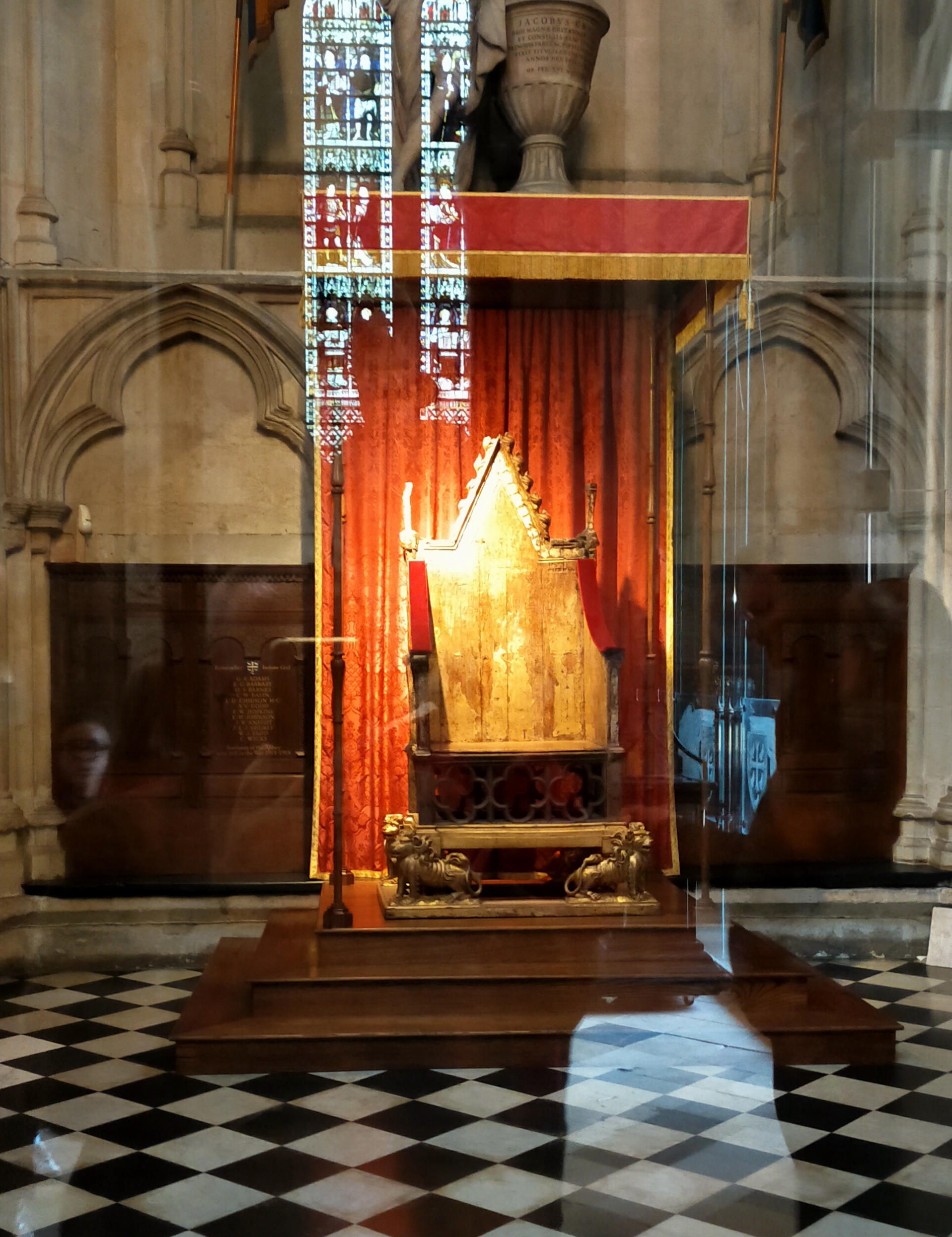
Following the Norman victory at the Battle of Hastings in 1066, William the Conqueror (or ‘the Bastard’ as he was affectionately known) was crowned King of England at the abbey on Christmas Day that same year; just to make sure everyone knew the old bastard was now in charge. Extended and remodelled down the centuries, the church has been the site of royal coronations ever since. The 14th-century coronation chair sits behind bars to prevent we plebs from getting above our station.

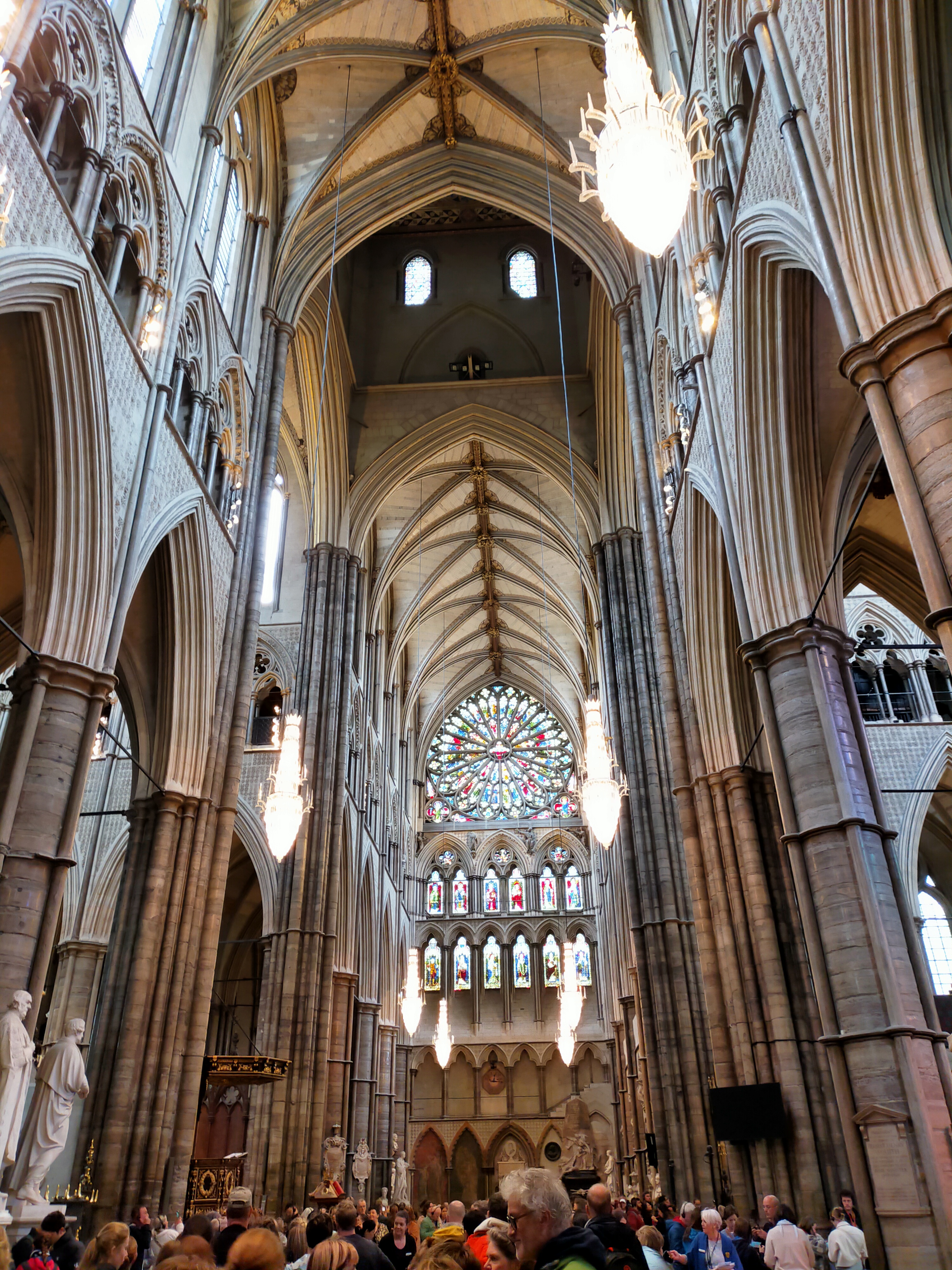
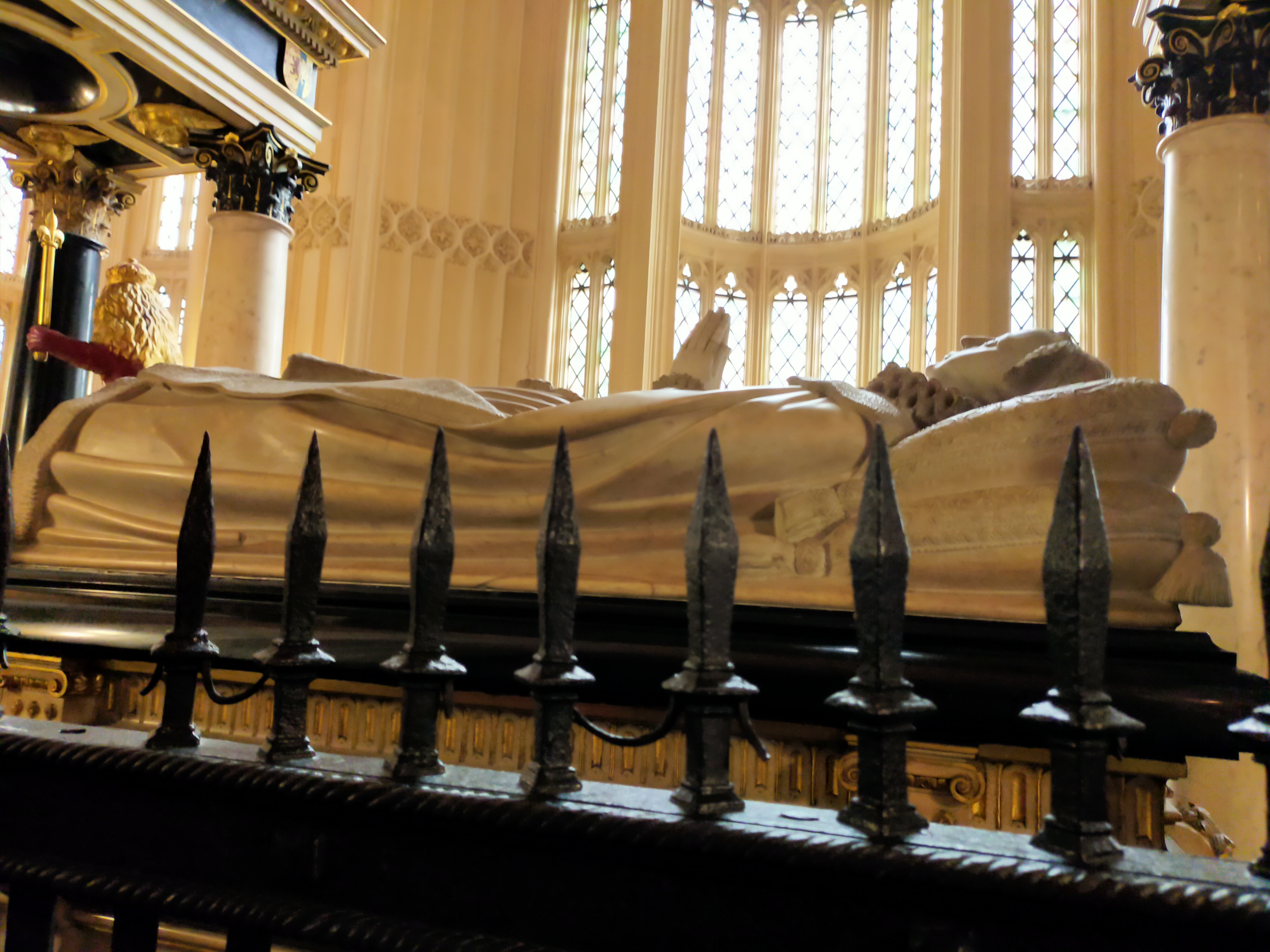
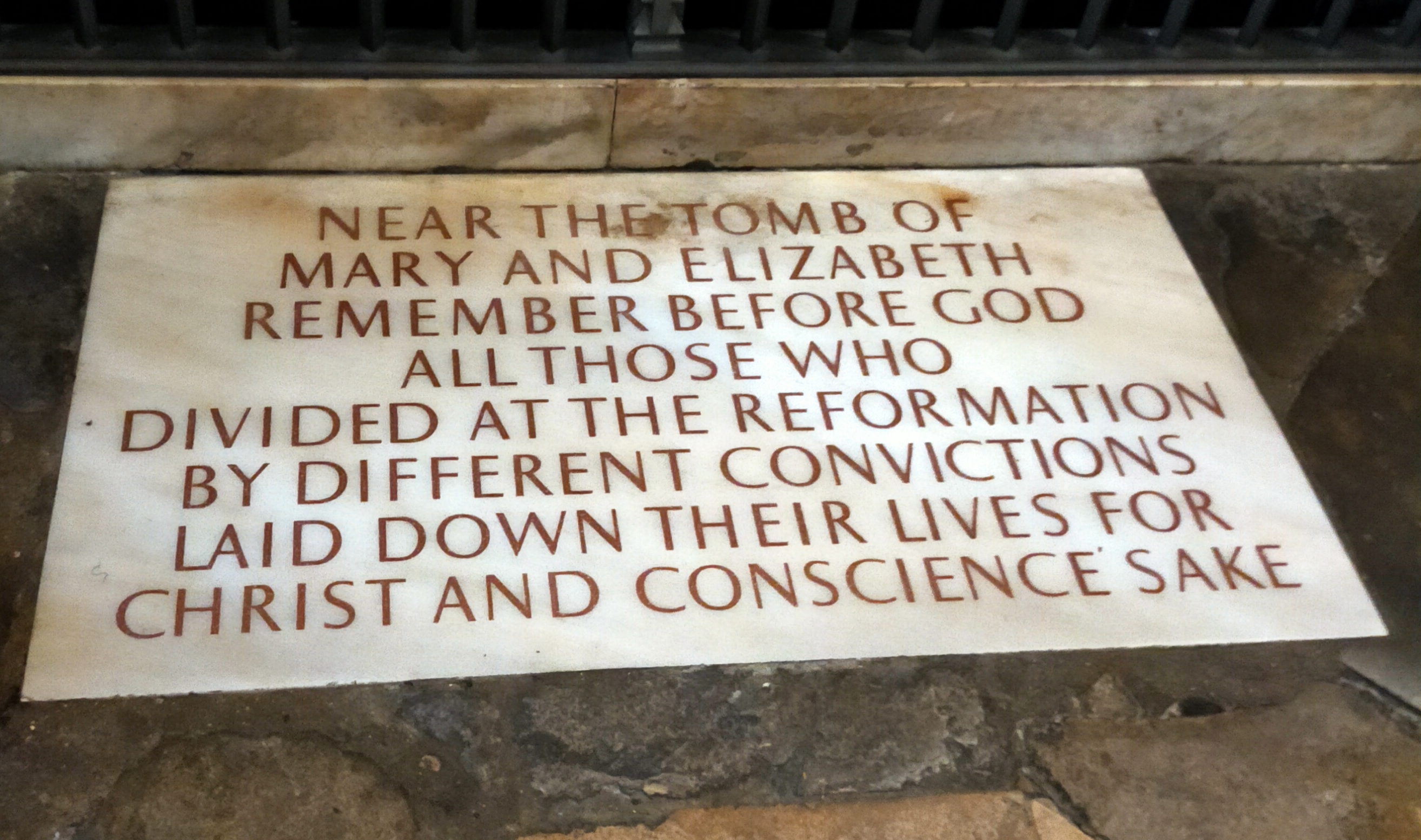
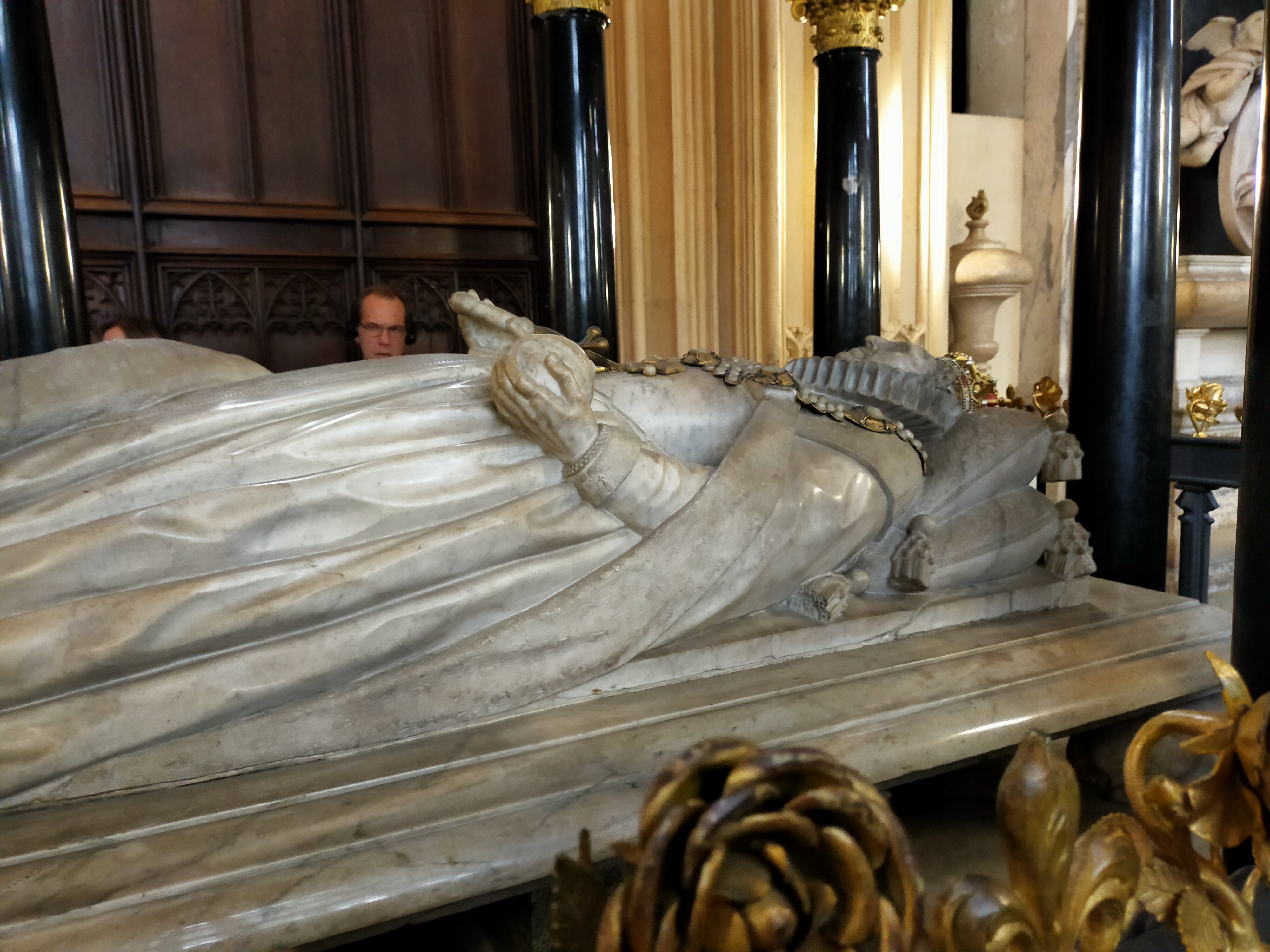
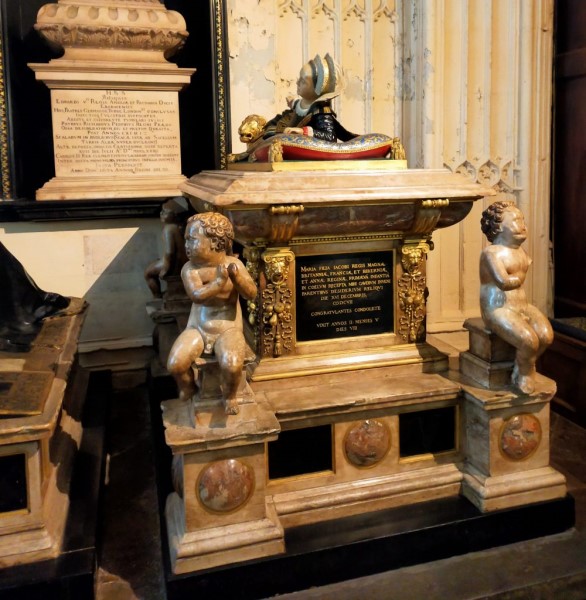
The abbey’s Gothic splendour soars heavenwards while history drips from every statue and every stone. As well as being the most famous house of God in the land, it’s also the most popular. The crowds were too much, particularly when trying to catch a fleeting glimpse of the first two undisputed Queen Regnants* of England – the first Mary and the first Elizabeth – half sisters, one Catholic and one Protestant at a time when you had to pick a side. These two old queens – one Catholic and one Protestant – inched and jostled past the tombs. Of the 16 or so other monarchs buried at the abbey, the tomb of Mary, Queen of Scots is perhaps the most poignant, given her life and times.

*That is, a queen reigning in her own right rather than a queen through marriage to a king.

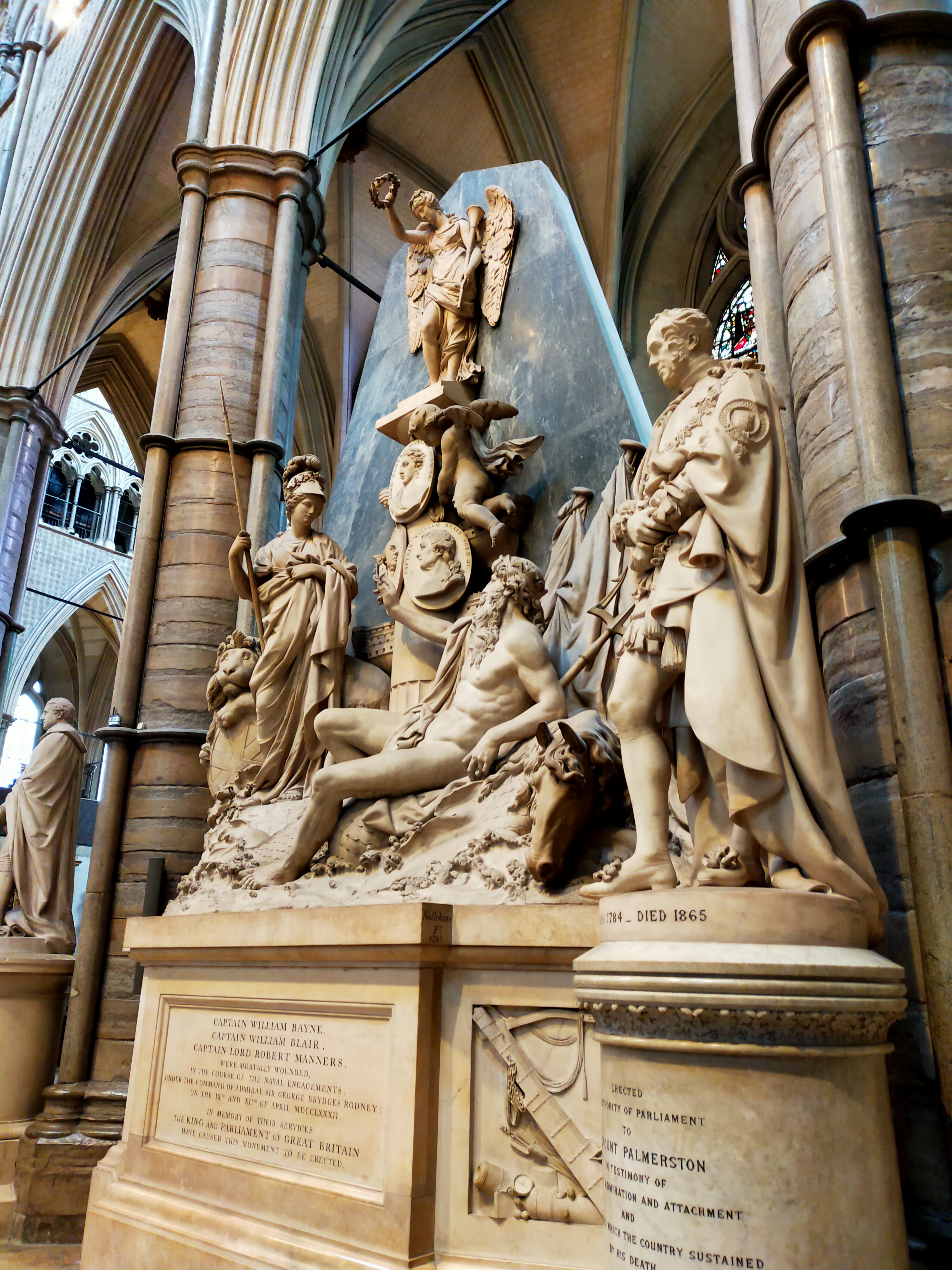
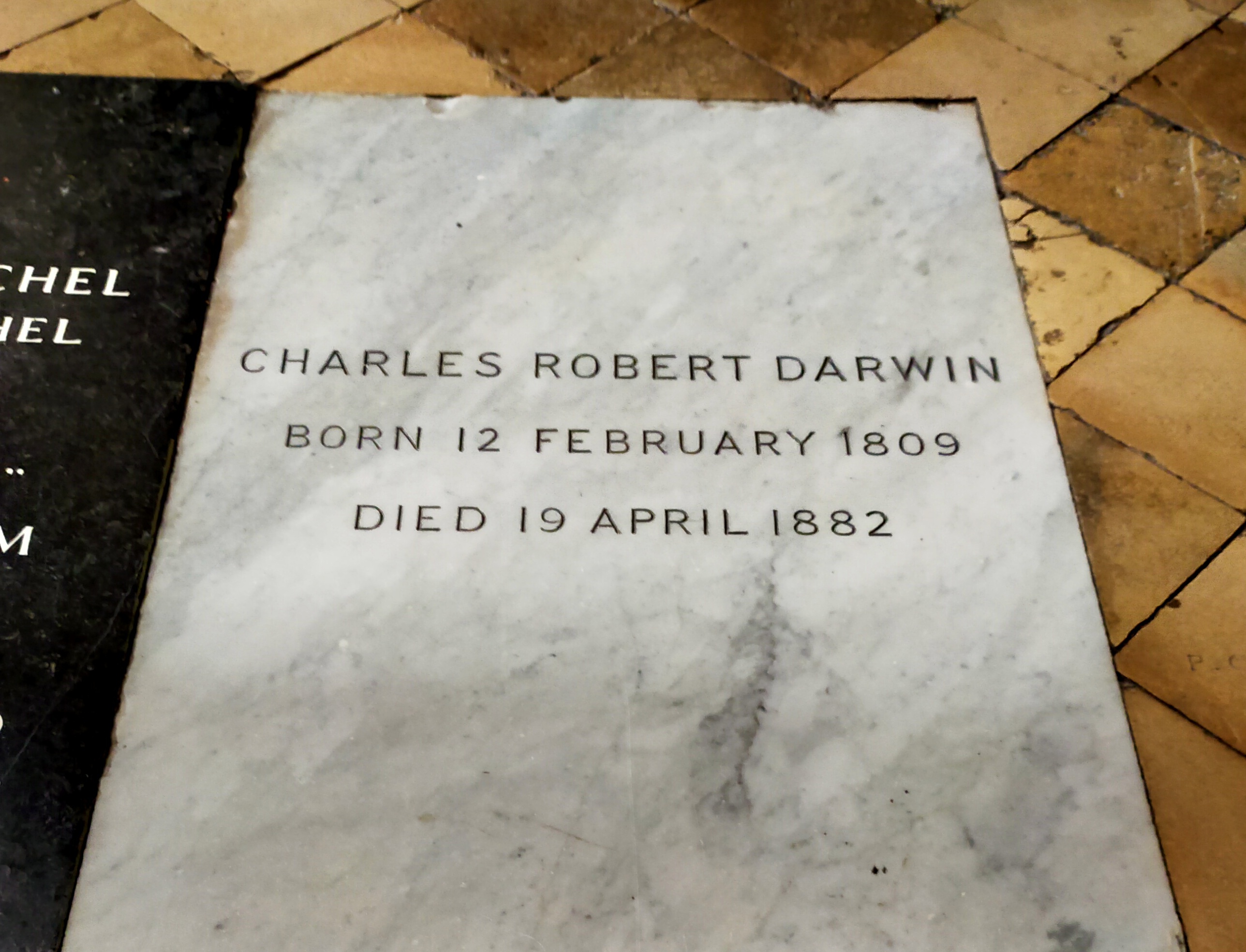
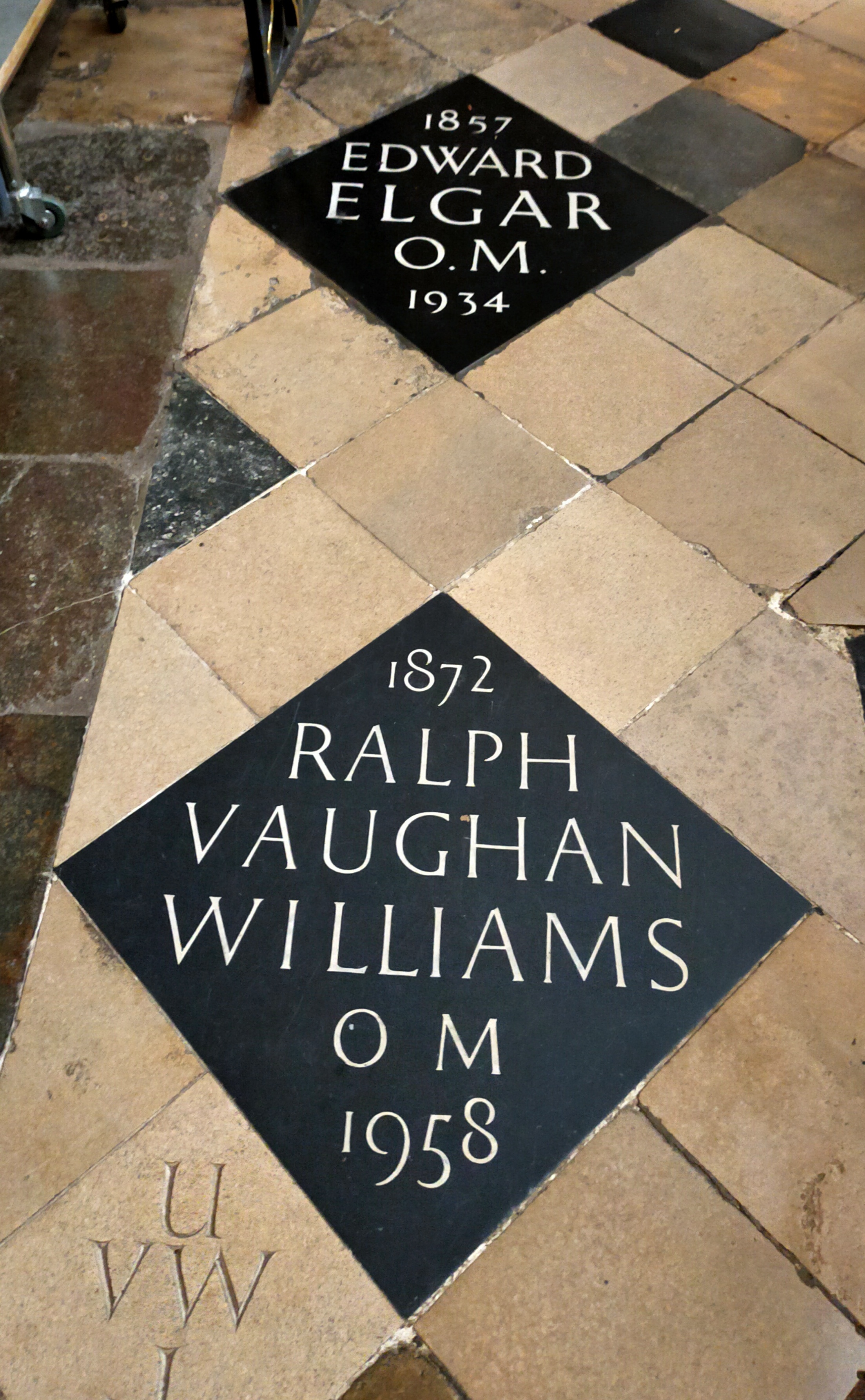
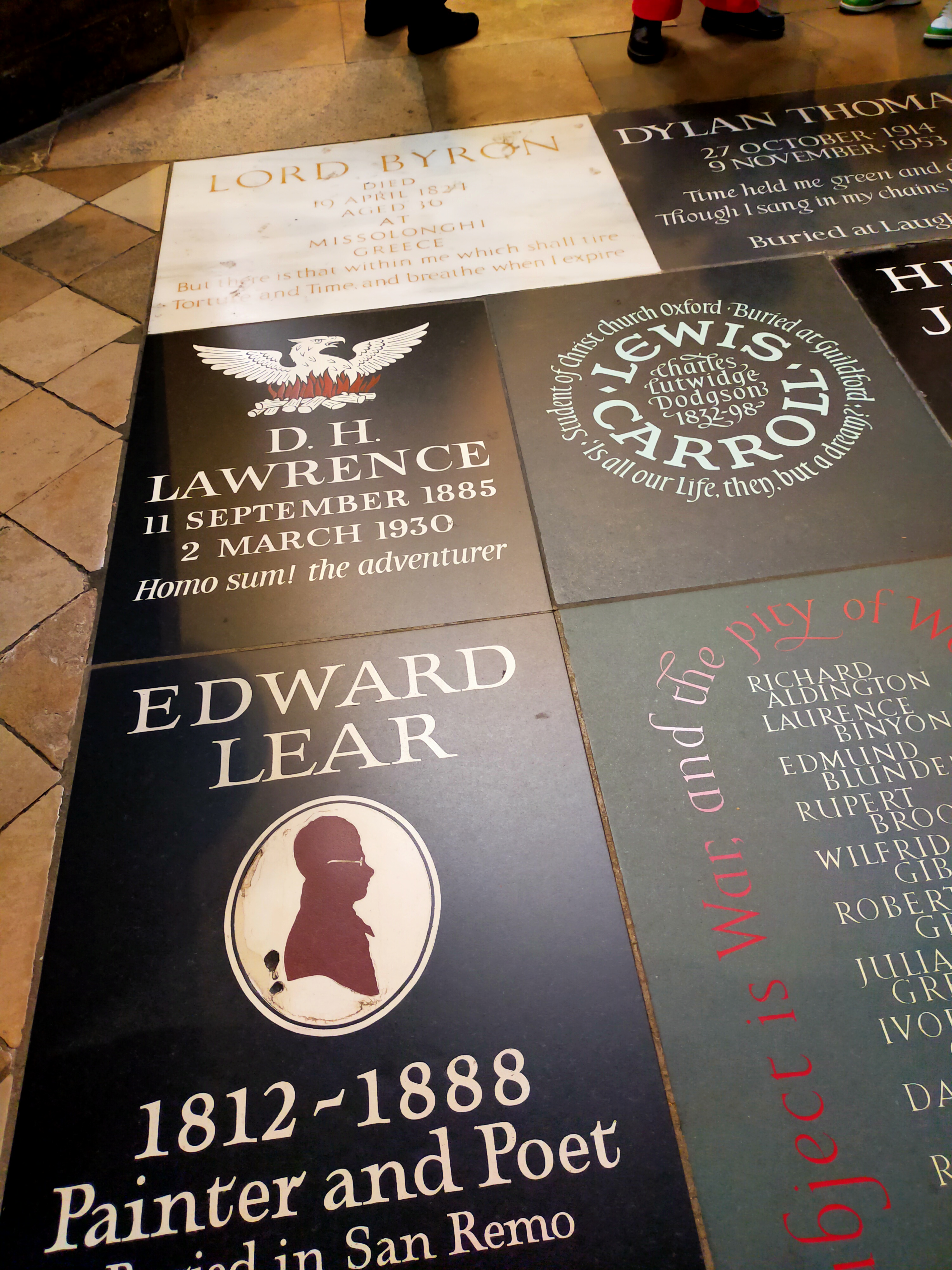
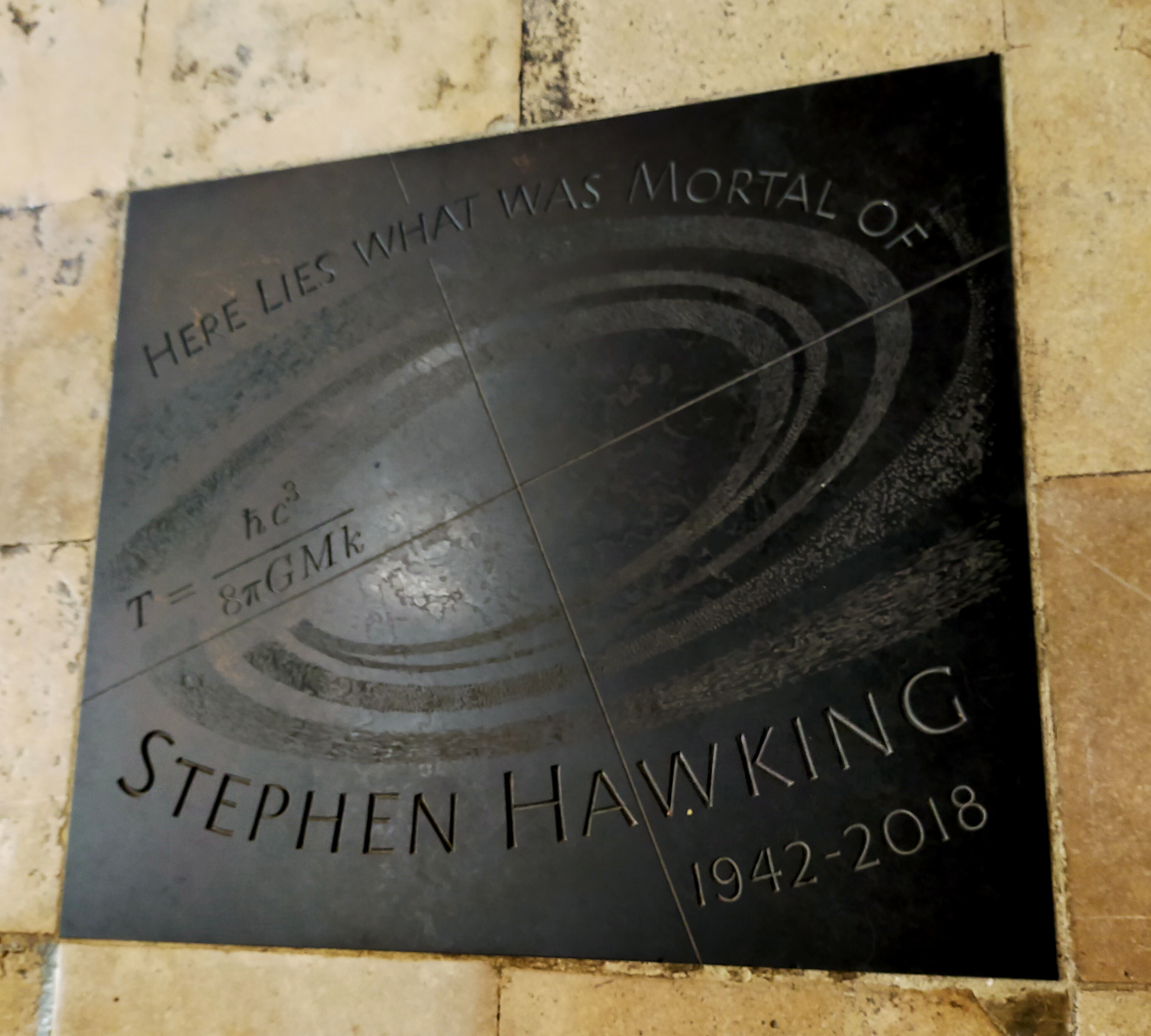
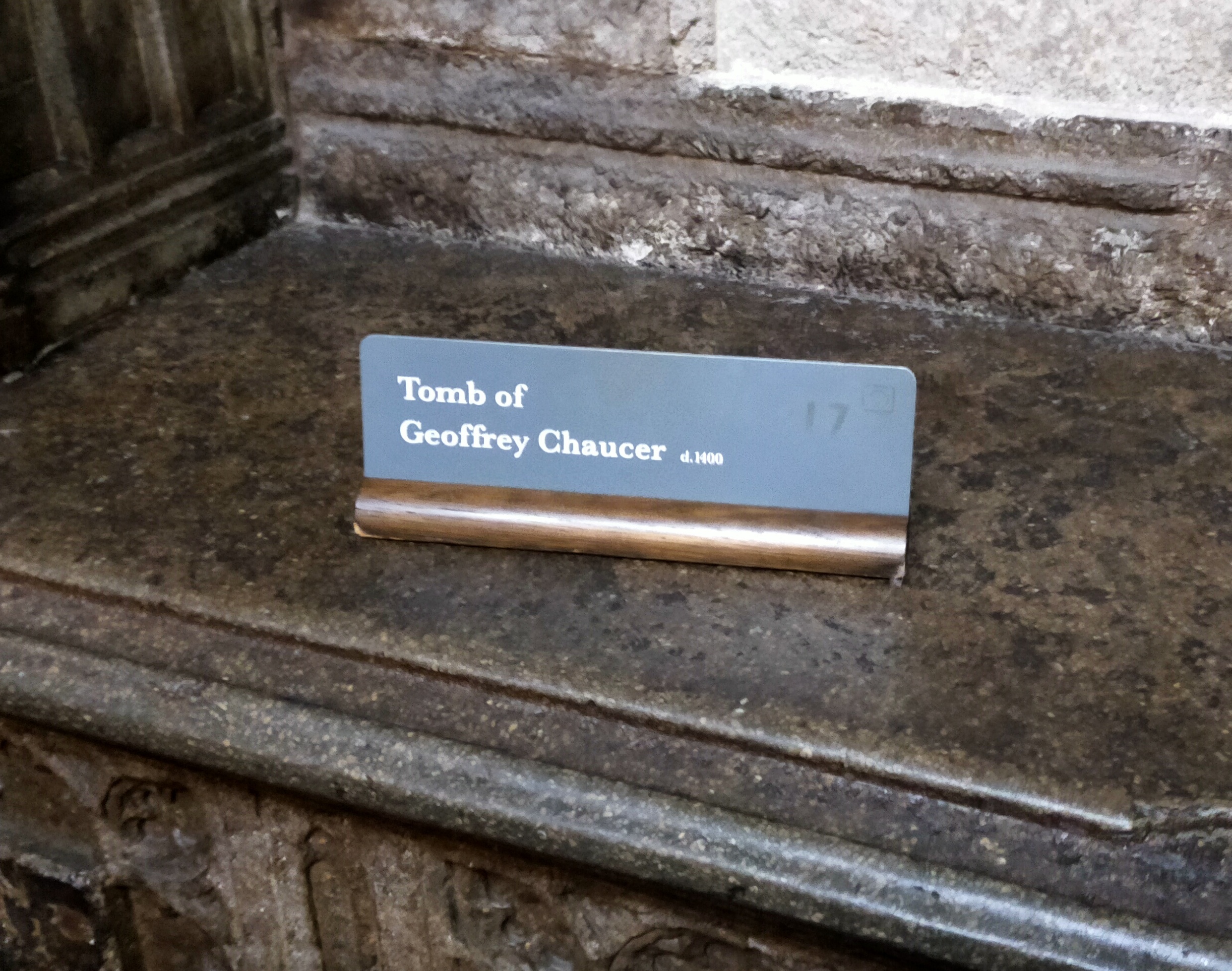
The list of the dead and commemorated is a veritable who’s who of Britons past: a galaxy of big brains – Newton, Hawking, Darwin; a symphony of composers – Purcell, Vaughan Williams, Elgar; a company of luvvies – including Laurence Olivier; and a society of dead poets and writers – Chaucer, Byron, Lewis Carroll, Dylan Thomas, DH Lawrence, et al.

There is also a parliament of politicians – many either forgotten or best unremembered.

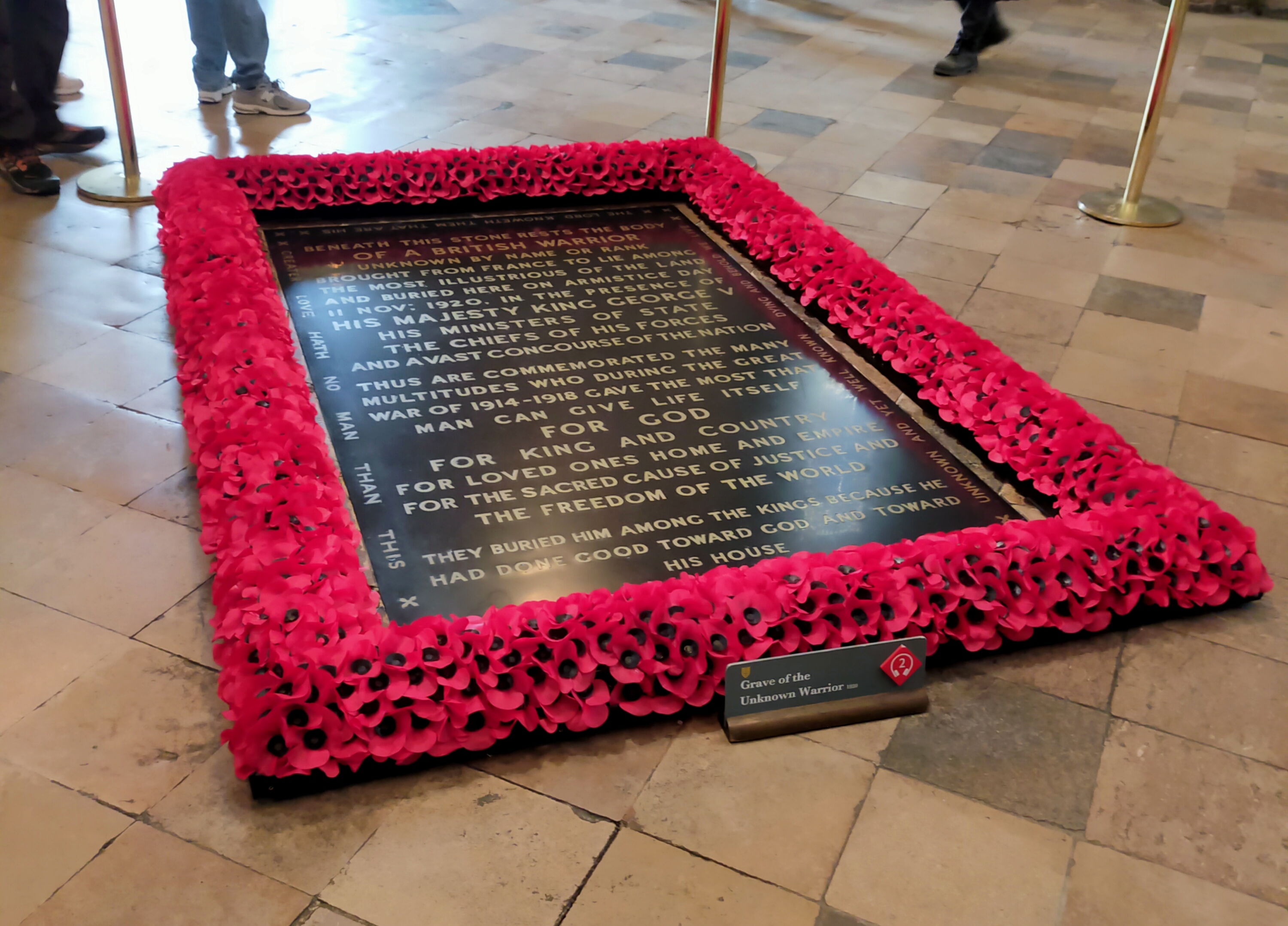
And, lest we forget, the abbey also contains the grave of the Unknown Warrior, commemorating the terrible slaughter of the First World War. It’s the only floor stone on which it’s forbidden to walk. Be warned. Lest you forget.

The Canterbury Tales

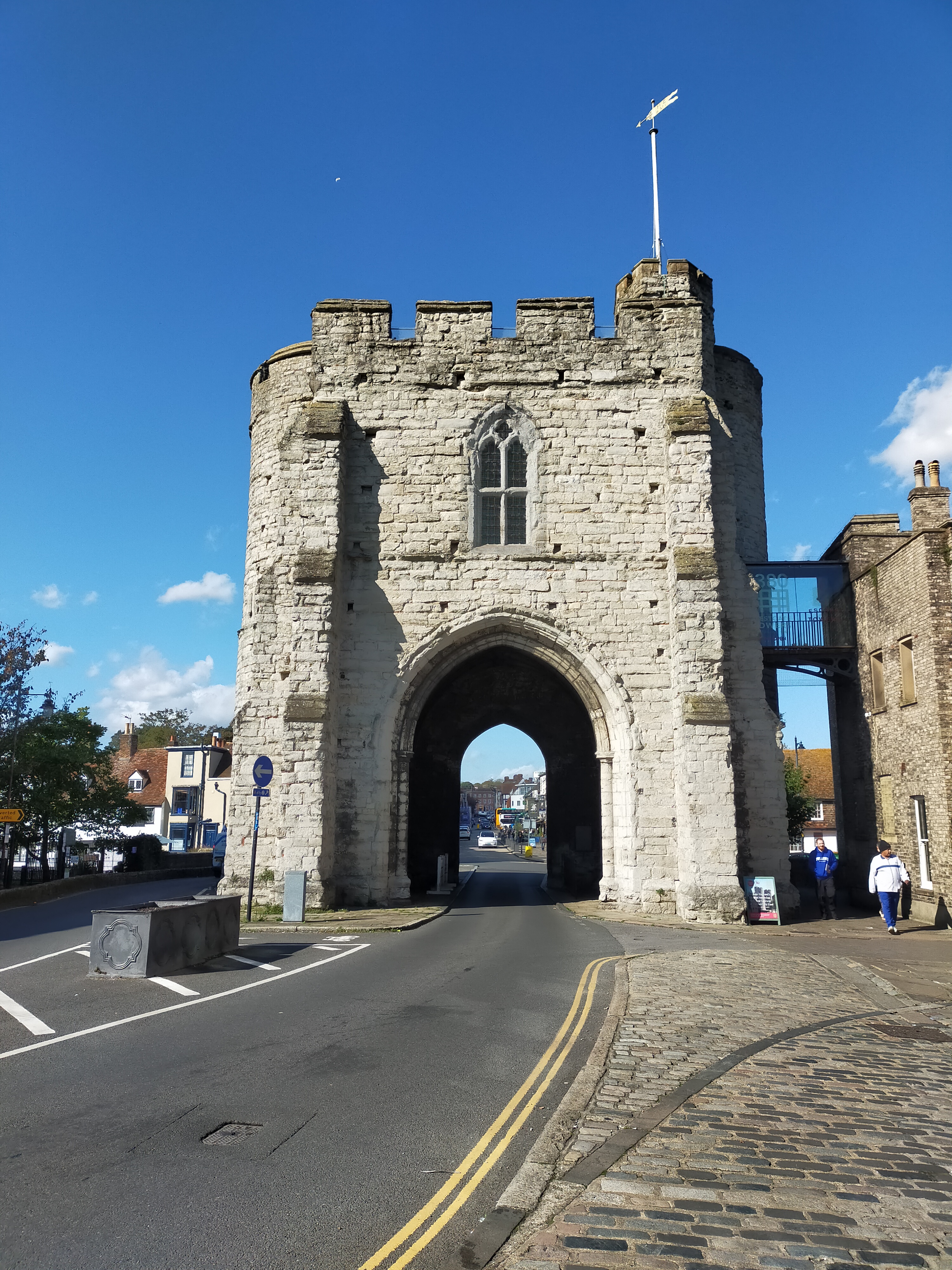
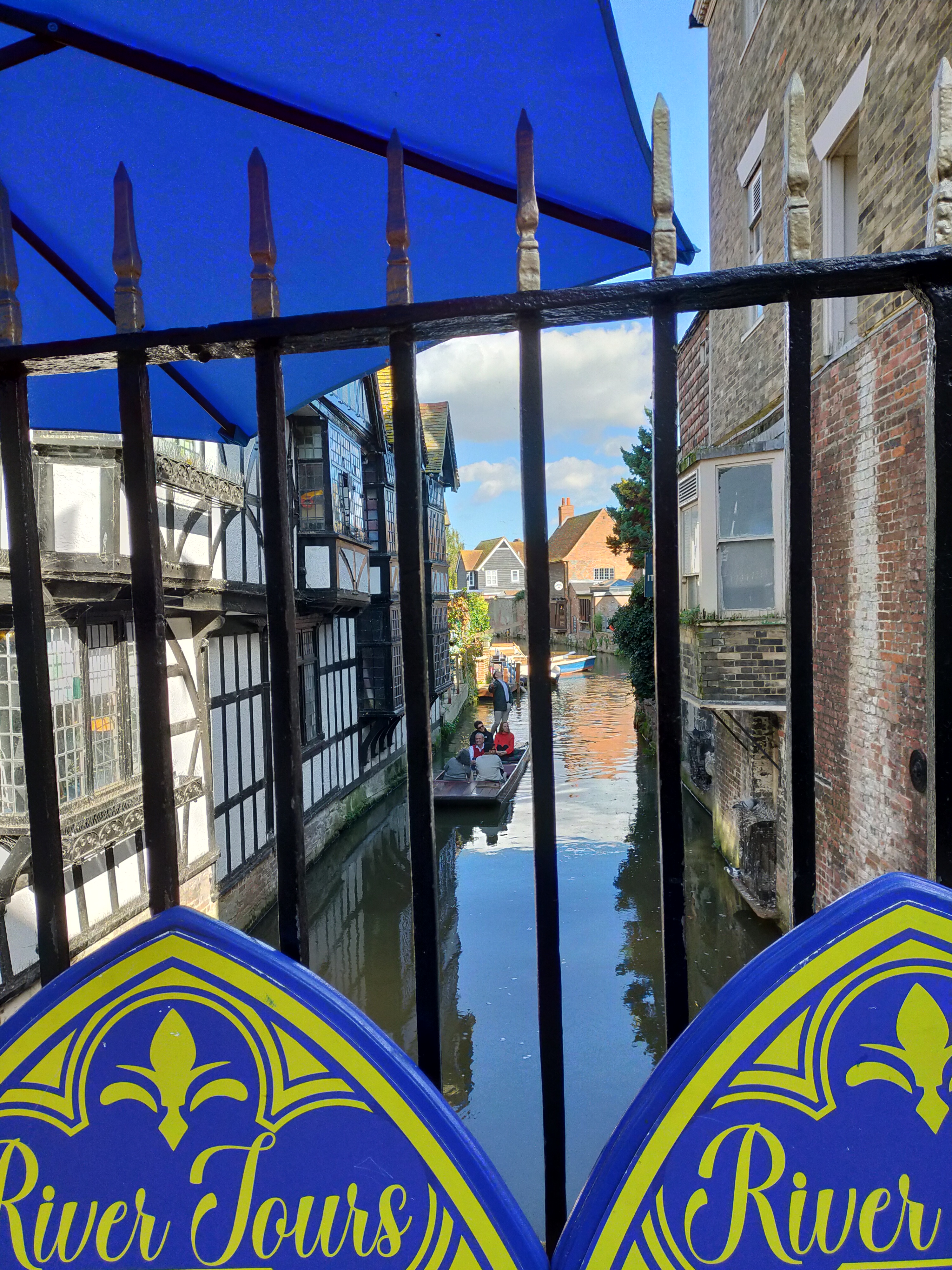
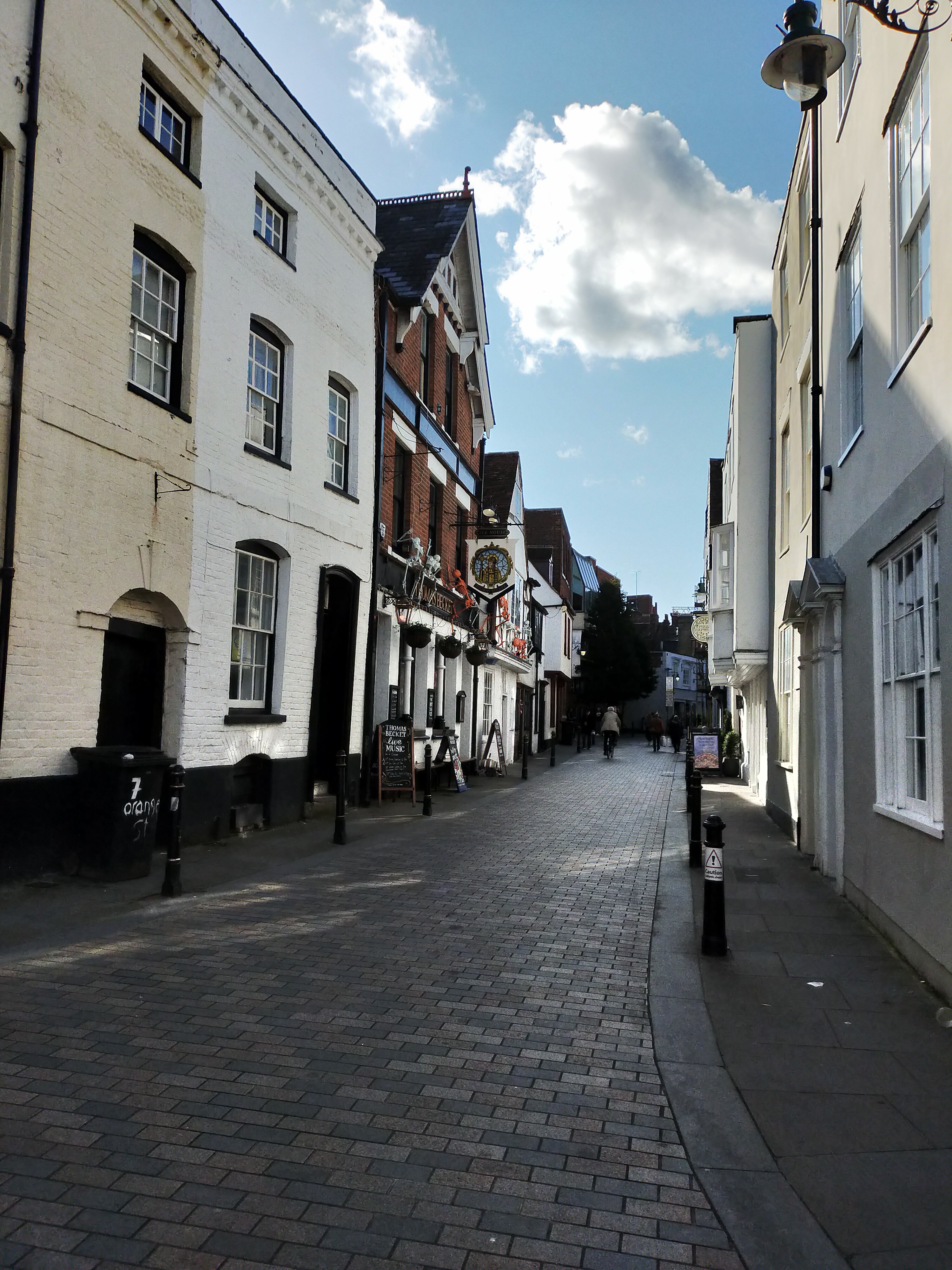
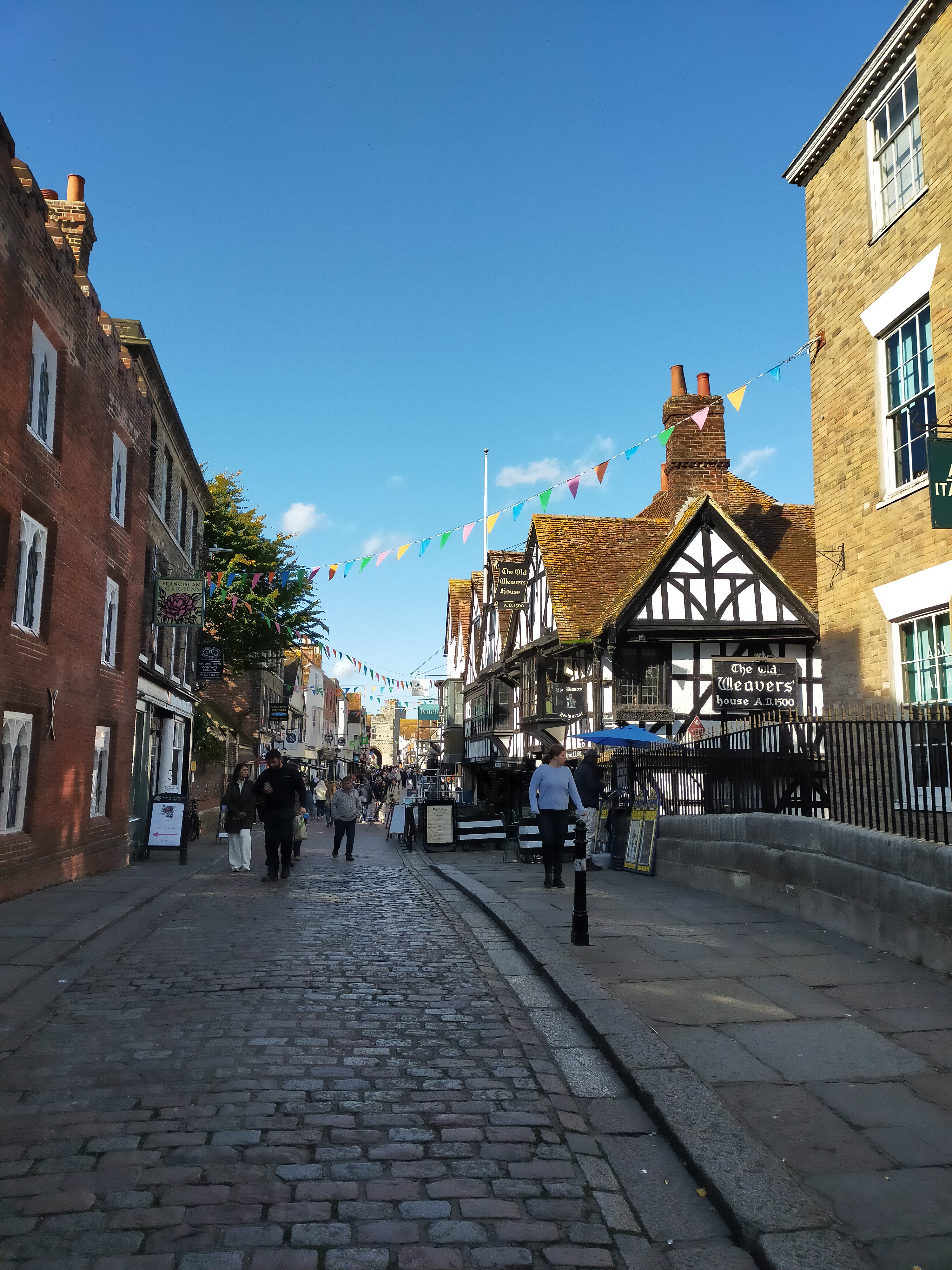
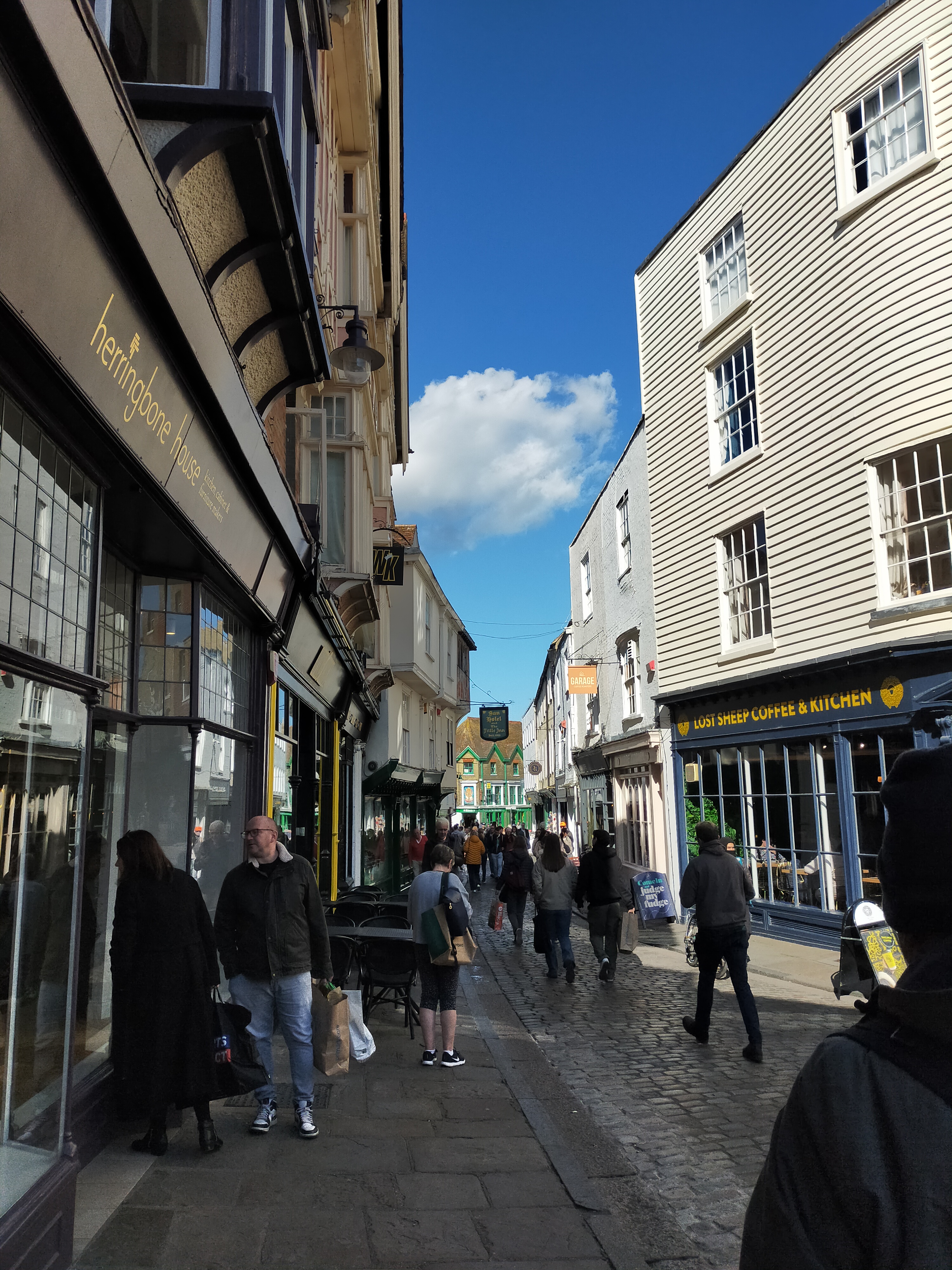
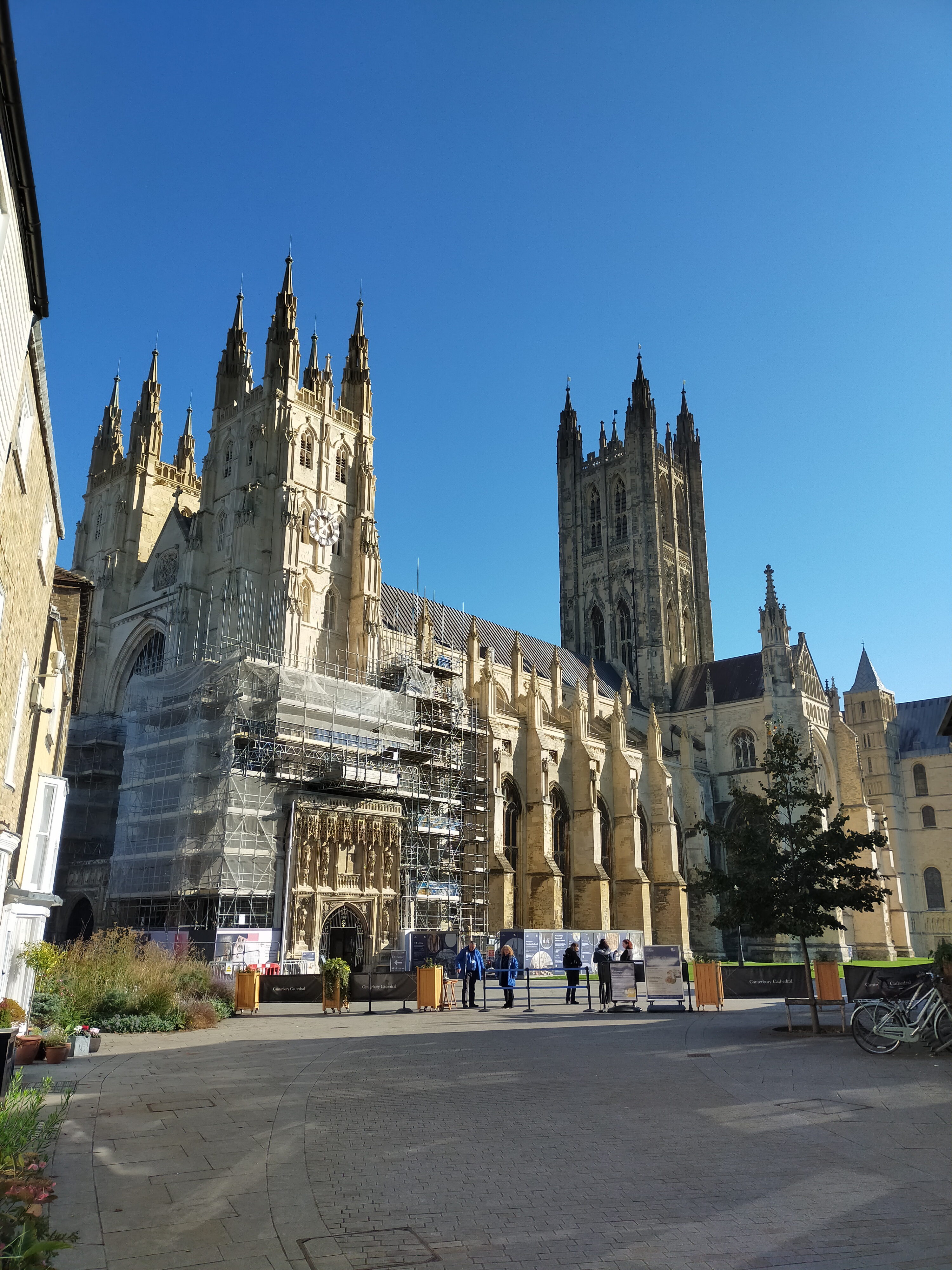
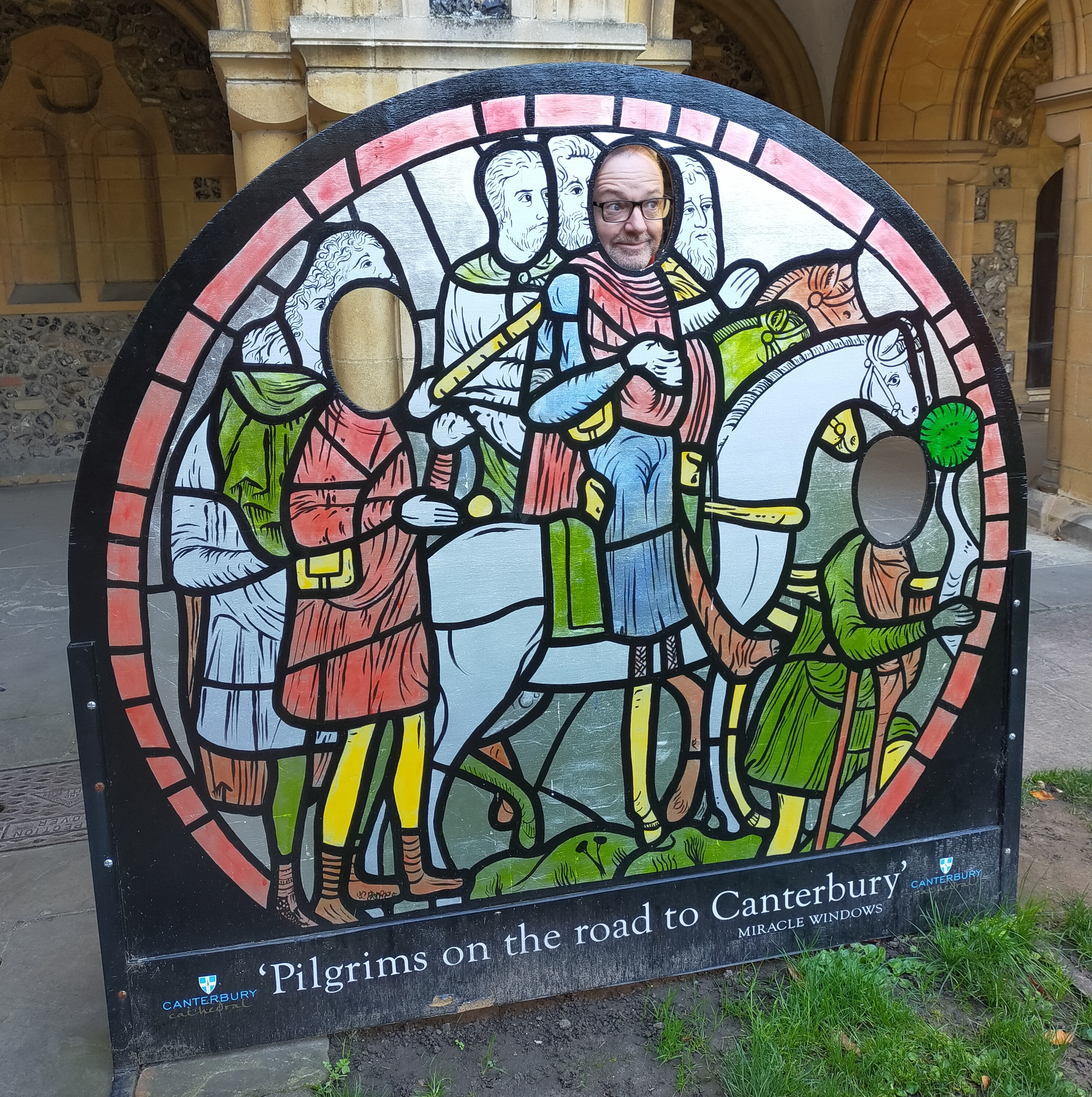
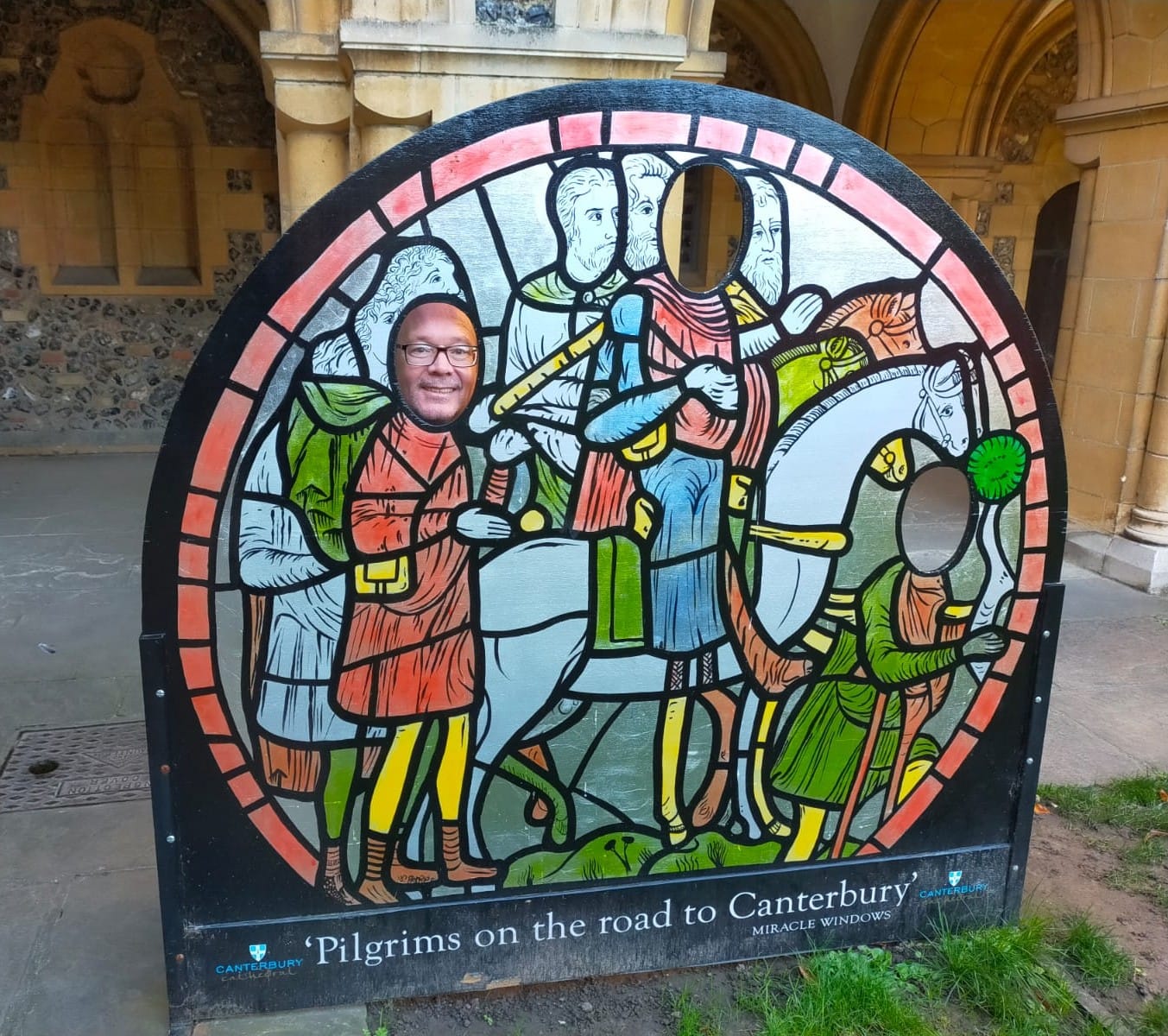
A family wedding took us to rural Kent, the so-called Garden of England, with its rolling downs, dripping orchards and bountiful fields. We padded out the nuptials with a good gander around pretty Canterbury. The city has ancient roots – think Celts, Romans, Jutes, Anglo-Saxons, Vikings, Normans and Huguenots. Canterbury’s city centre was flattened by the Luftwaffe during the Second World War, but unlike many other British towns and cities, it was sympathetically rebuilt. Today, Canterbury is a university city and a huge tourist draw, principally due to the vast cathedral – a UNESCO World Heritage Site – which dominates the skyline. The largely pedestrianised cobbled streets are charming, if a tad Disneyfied (no doubt to keep modern-day pilgrims progressing).

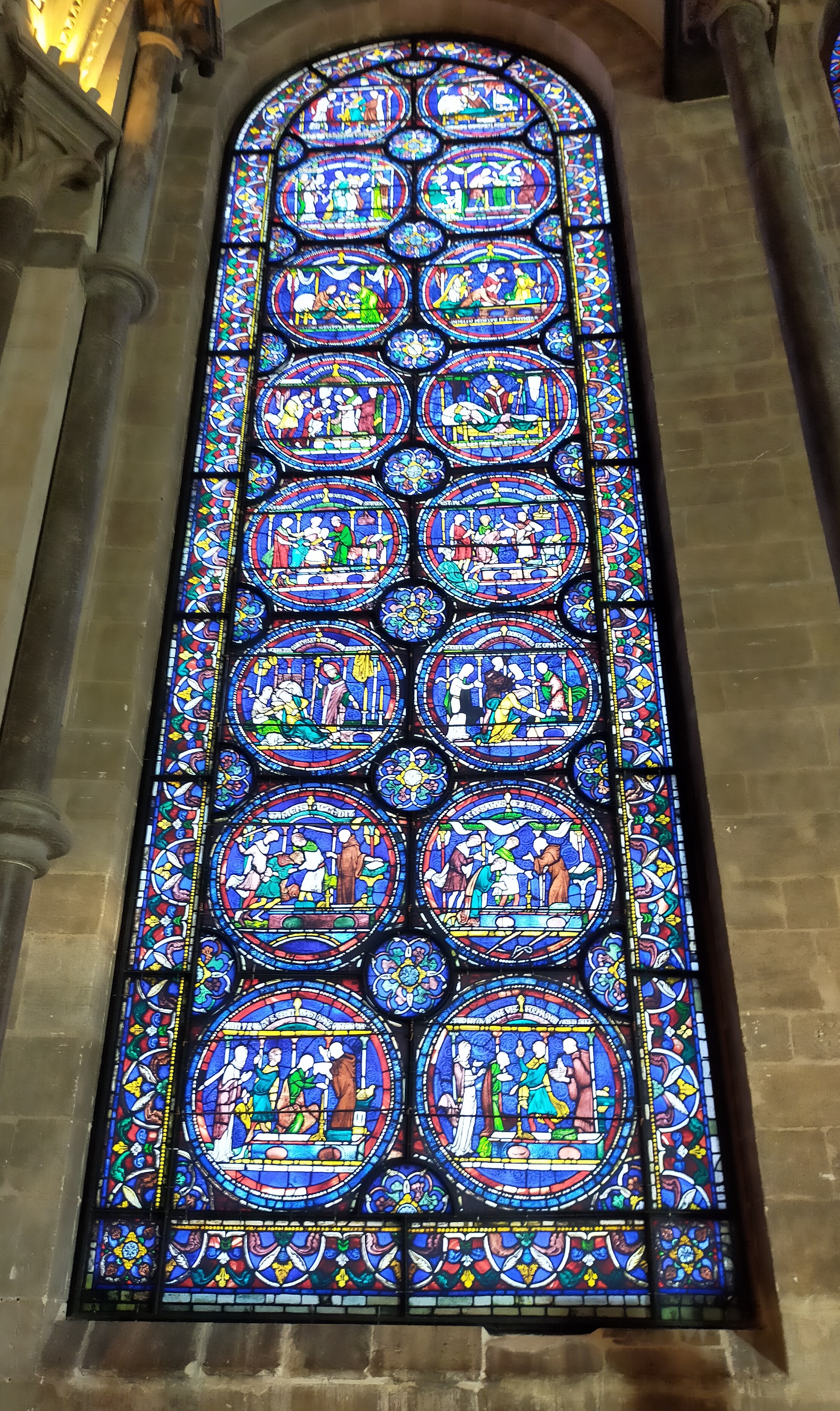
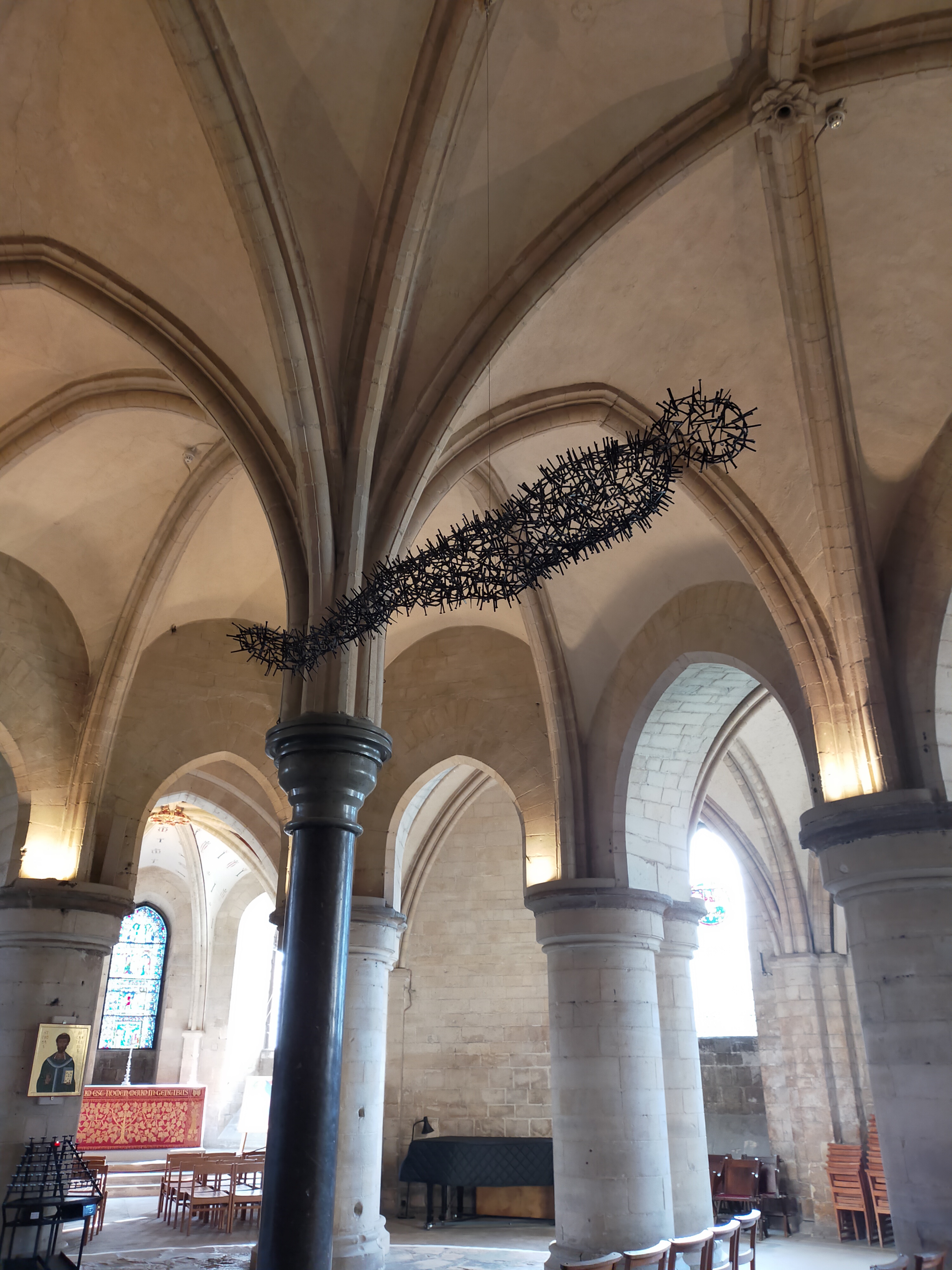
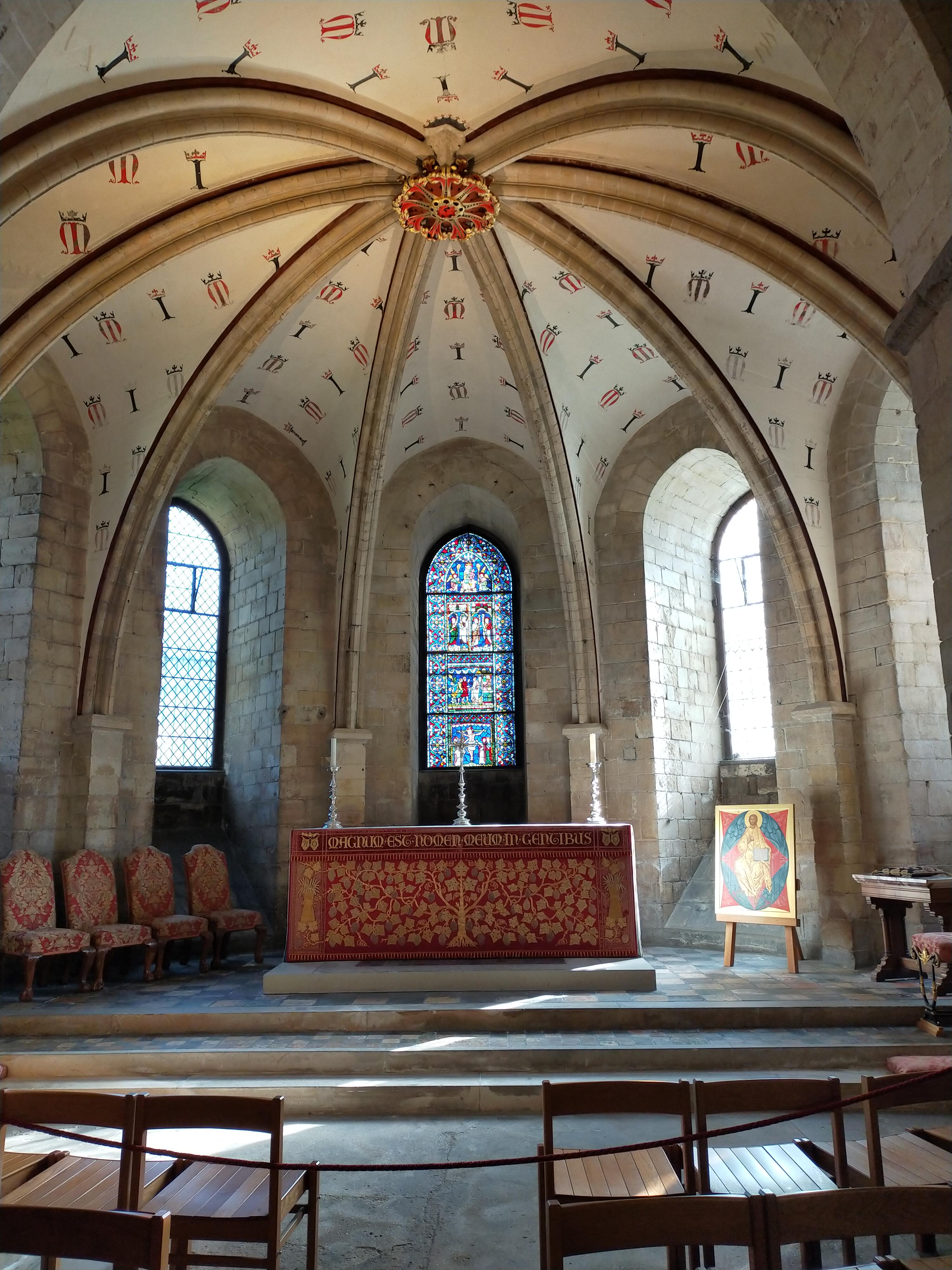
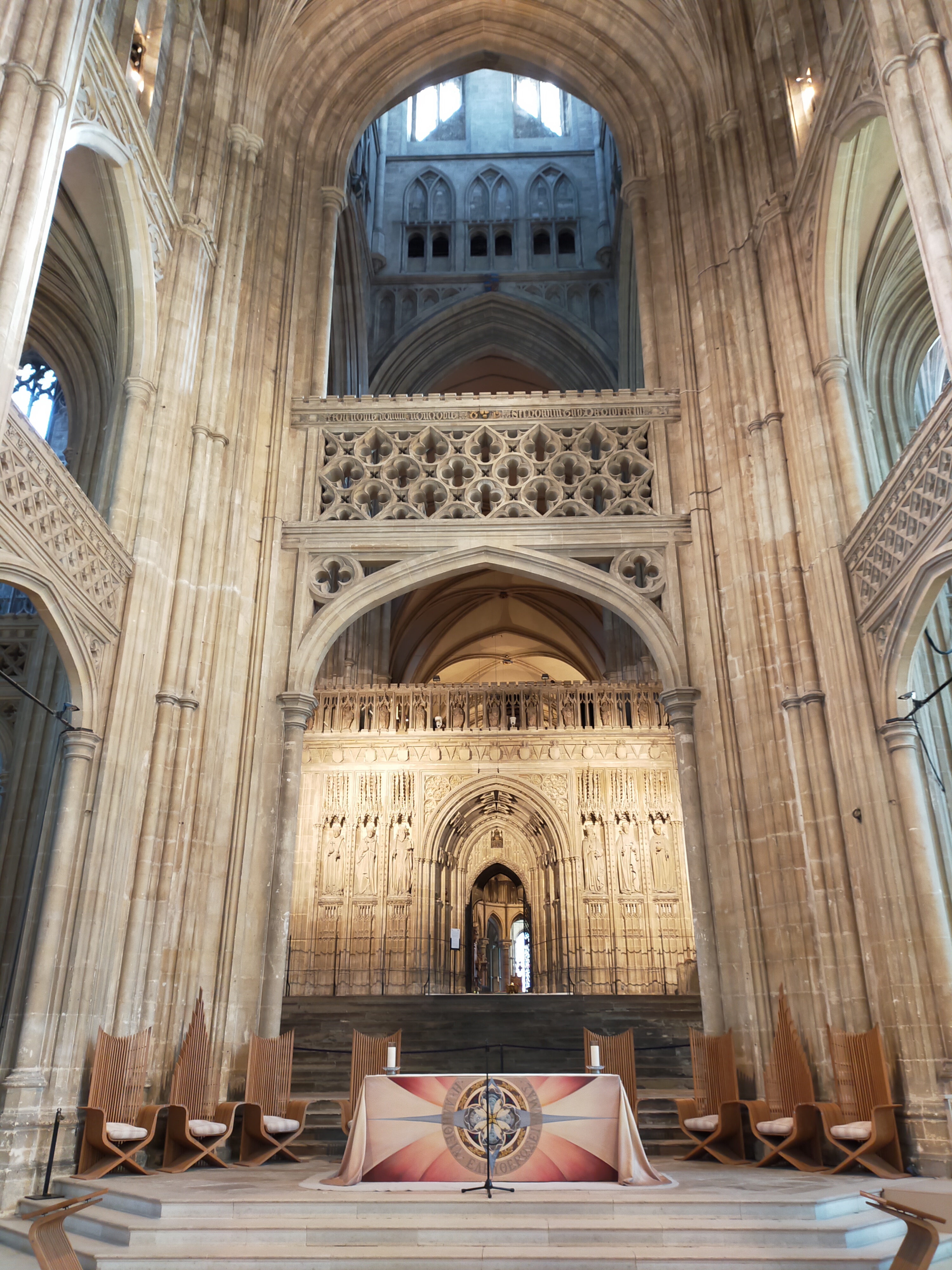
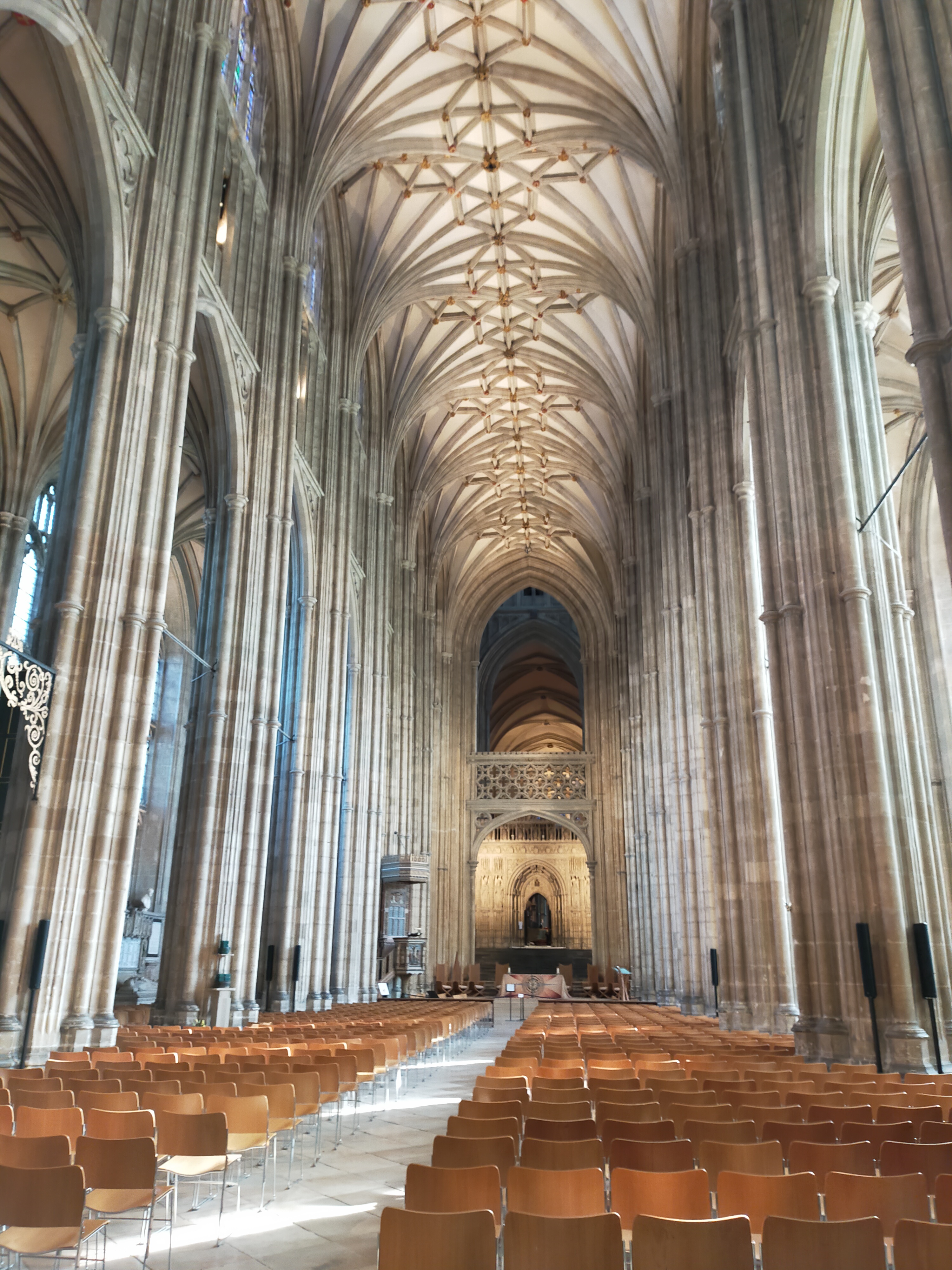
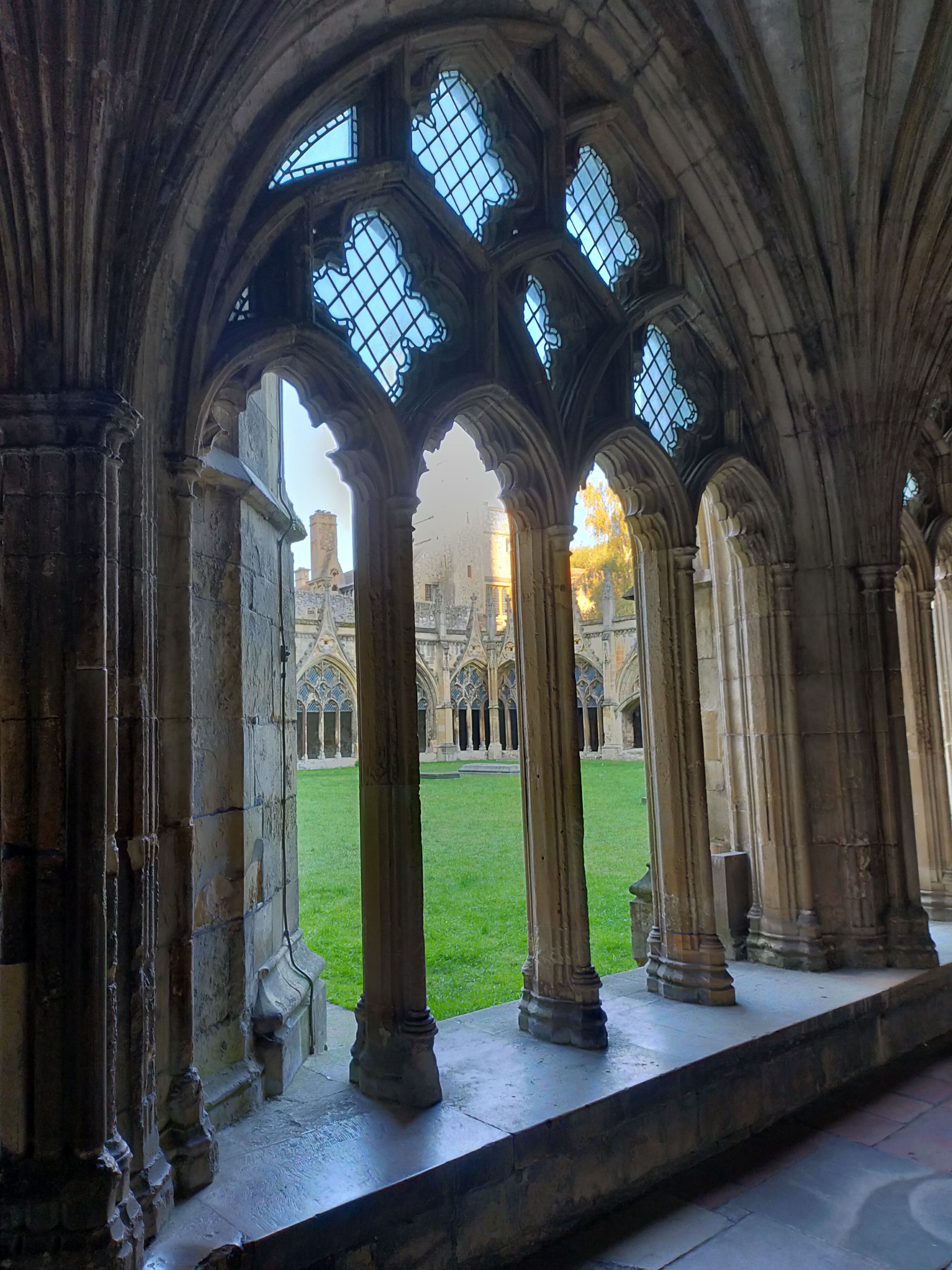
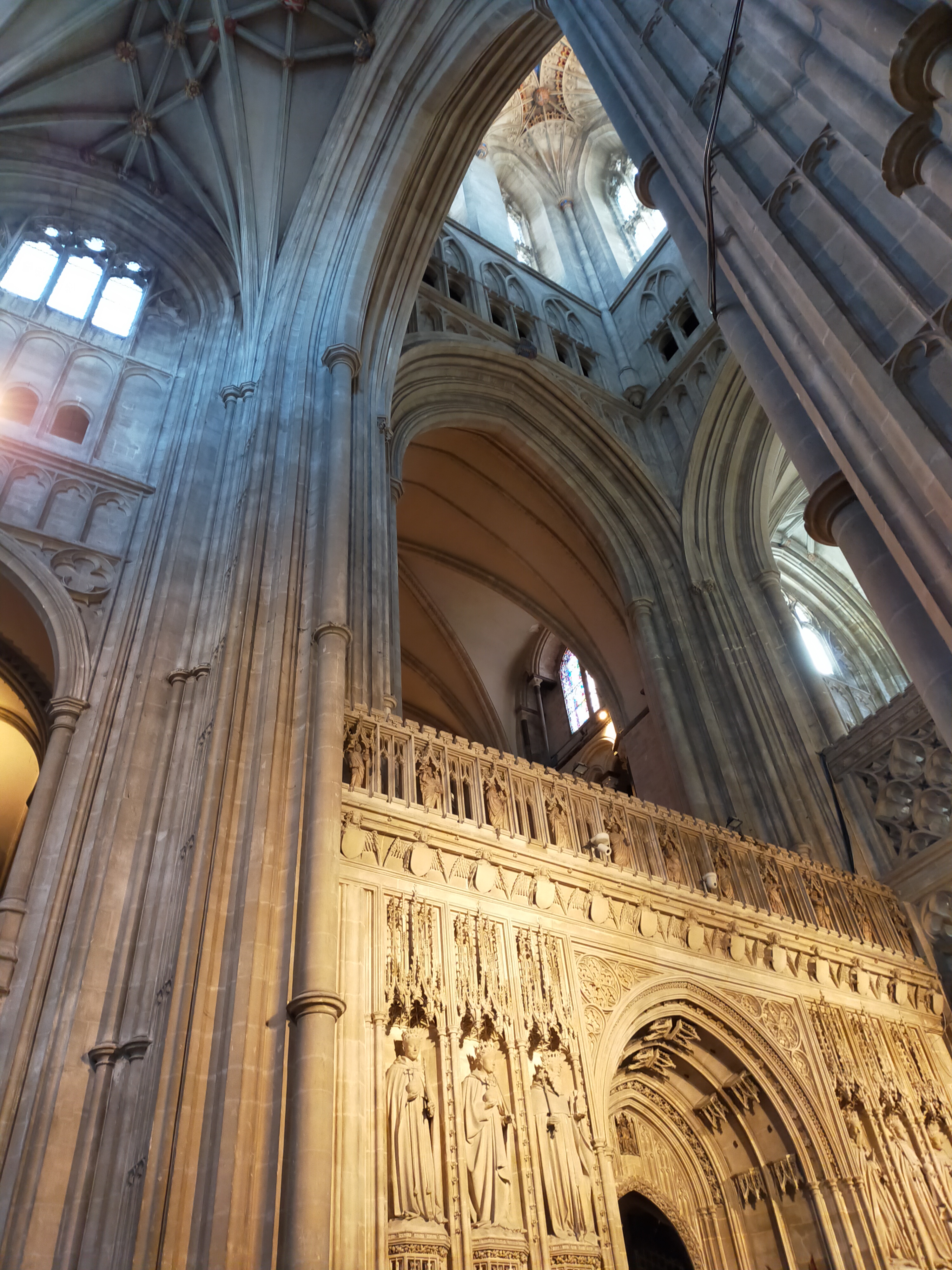
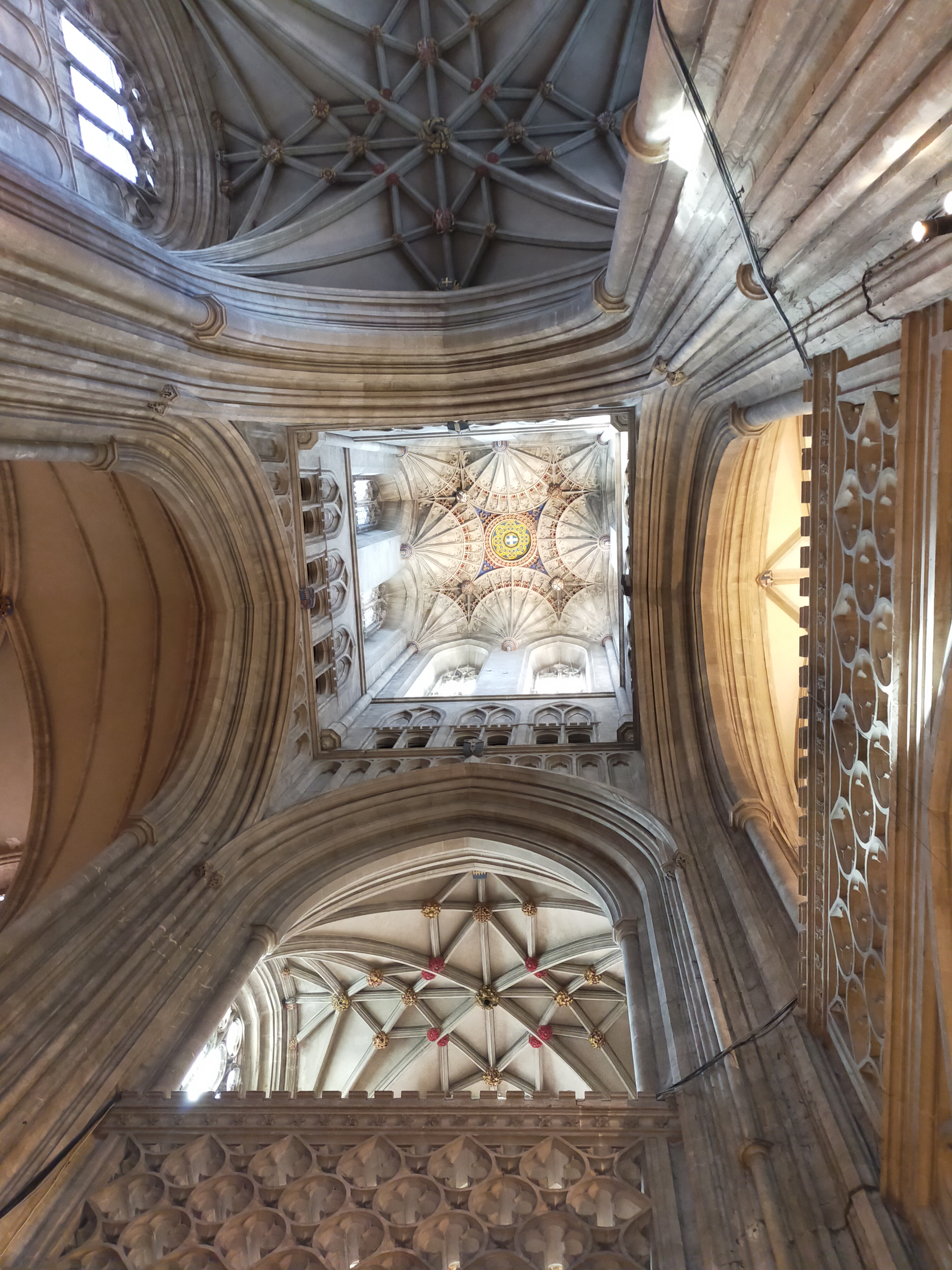
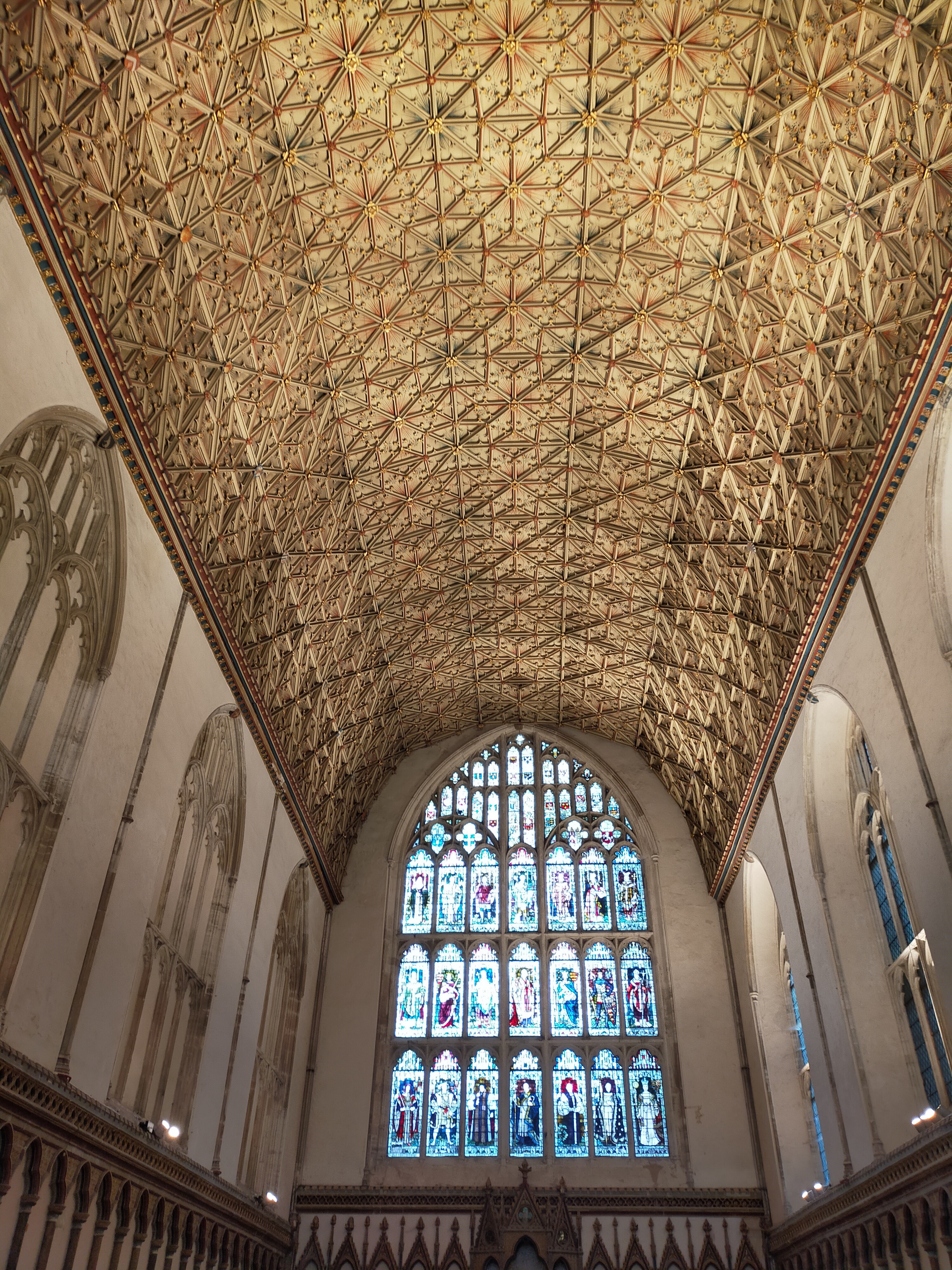
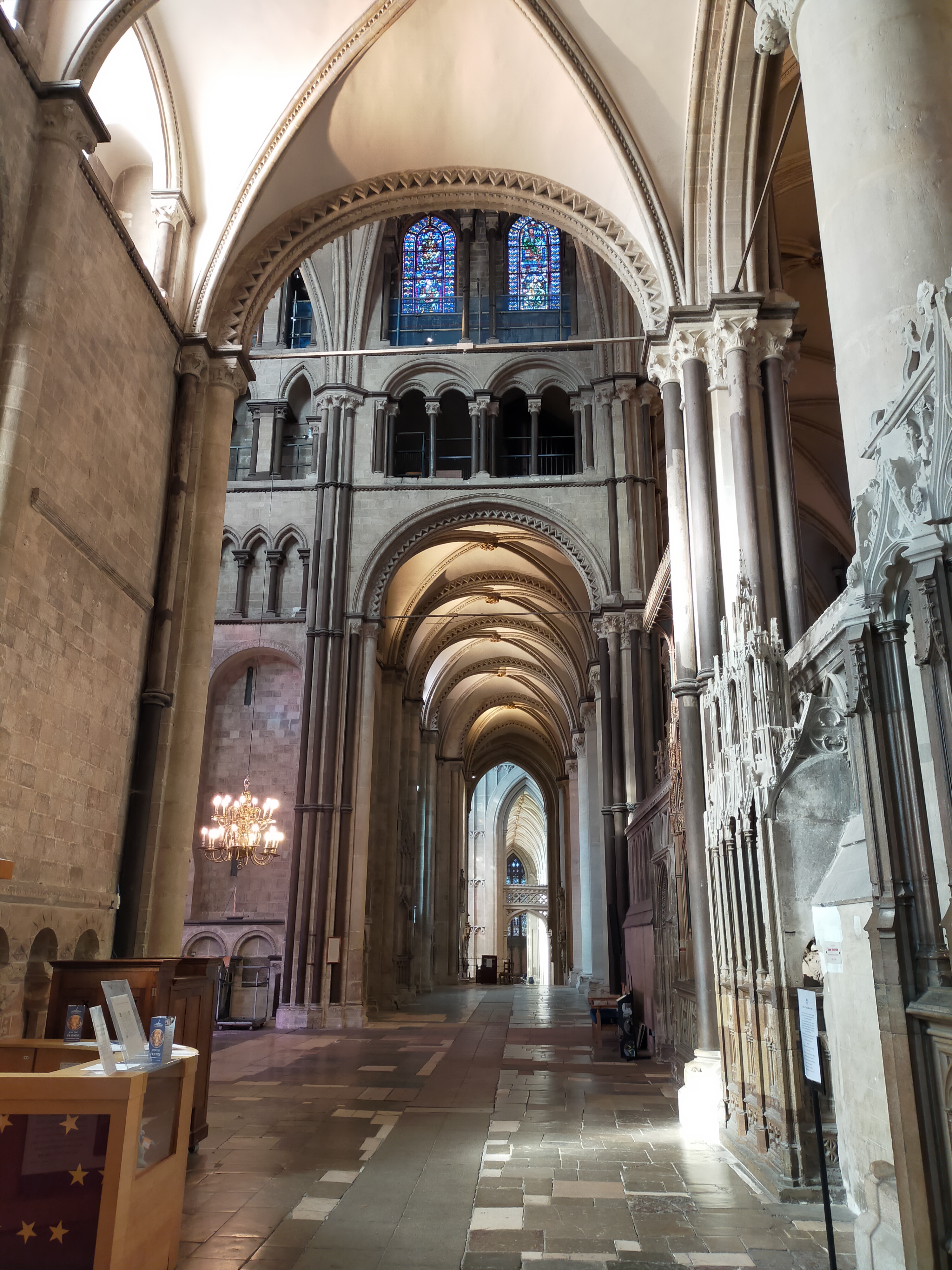
Without a doubt, the cathedral gets top billing and is not to be missed. Despite my dim view of religion in general, I love a big holy pile, and they don’t come much bigger or more holy than Canterbury Cathedral. There’s been a house of God on this site since 597, after Pope Gregory sent Saint Augustine over to save the heathens from their evil pagan ways. What visitors see today largely dates from the 11th and 12th centuries.

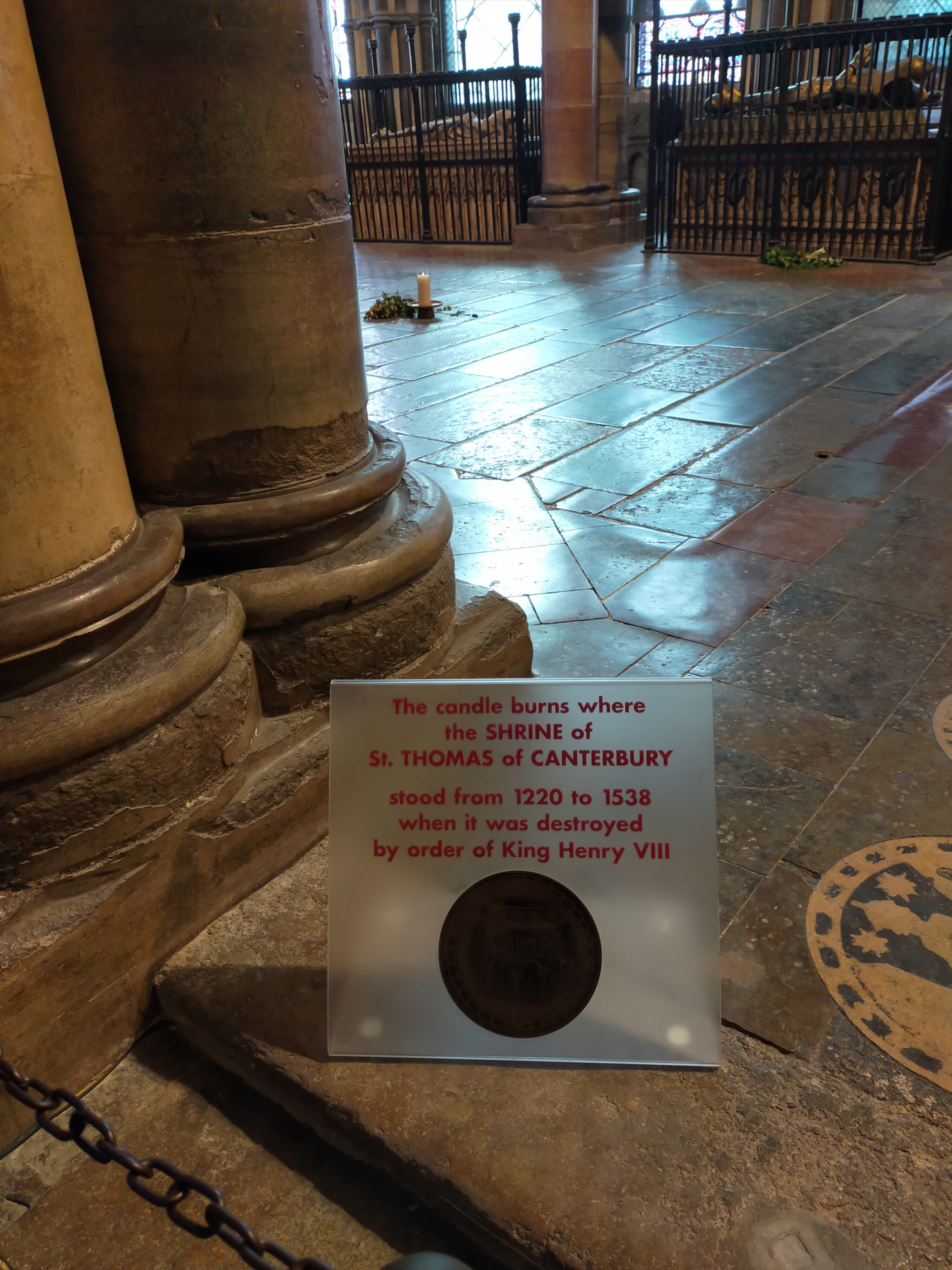
The Cathedral’s fortunes really took off after the murder of Archbishop Thomas Beckett in 1170. Beckett had become a right royal pain in the arse for King Henry II, who threw a queenie fit and exclaimed (allegedly),

“Will no one rid me of this turbulent priest?”

Some knights took Henry at his word and martyred Beckett in the north-west transept. Like you do.

The posthumous veneration of Beckett transformed the cathedral into a major centre of pilgrimage and a money-making machine. And then came Chaucer’s Canterbury Tales. The rest, as they say…

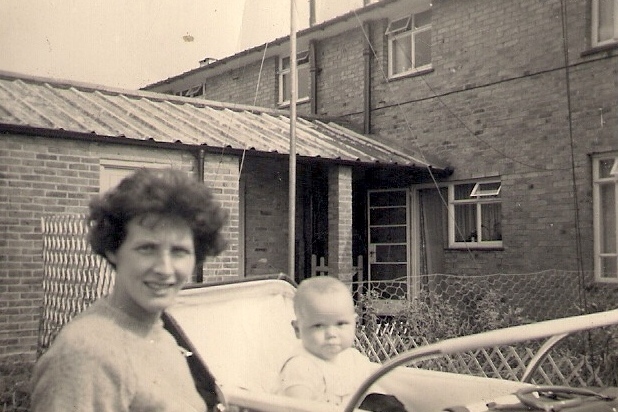
Canterbury is also famous, here at Pansies HQ, as the birthplace of one Jack Scott. Dad was a soldier and I was born at Howe Barracks in married quarters on Talavera Road – number 24, according to my birth certificate. The barracks are long gone, replaced by a new housing development, though Talavera Road remains. That’s my Canterbury tale.

Postcards from Corfu Old Town

Following a week or so of life-affirming lolling and libations on Paxos, we’ve switched it up a gear for a couple of nights in Corfu Old Town – Kerkyra to the locals. We’re staying at the Hotel Konstantinoupolis, a beautiful but faded 19th-century neo-Venetian pile overlooking the Ionian Sea with a faint but distinct whiff of Poirot about it. The aircon in our room provides blesséd relief but our over-zealous shower floods the entire bathroom. Ours is the balcony with the open shutters to the right of the second-floor hotel sign. It was too hot to sit out.

Buzz Town

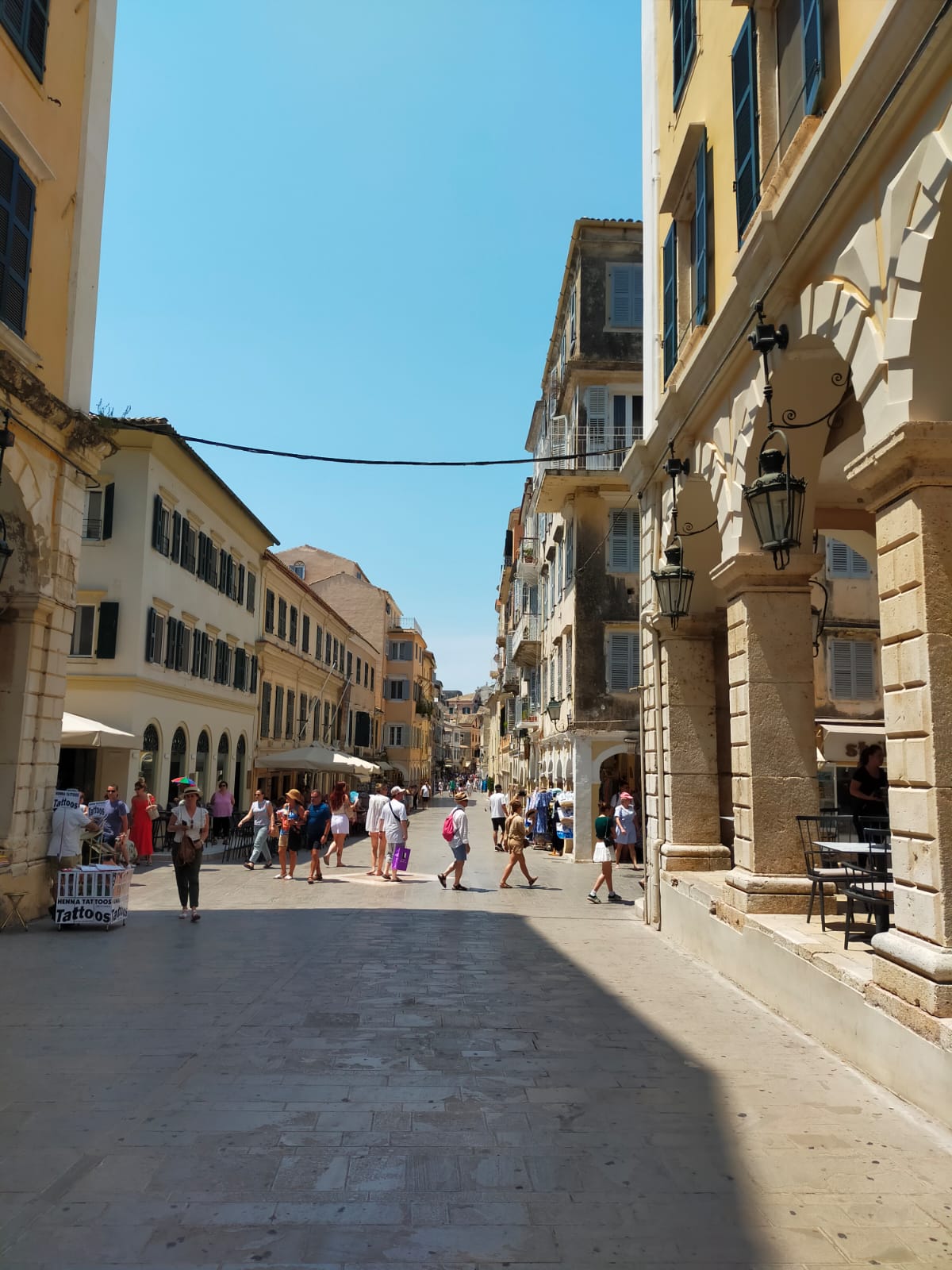
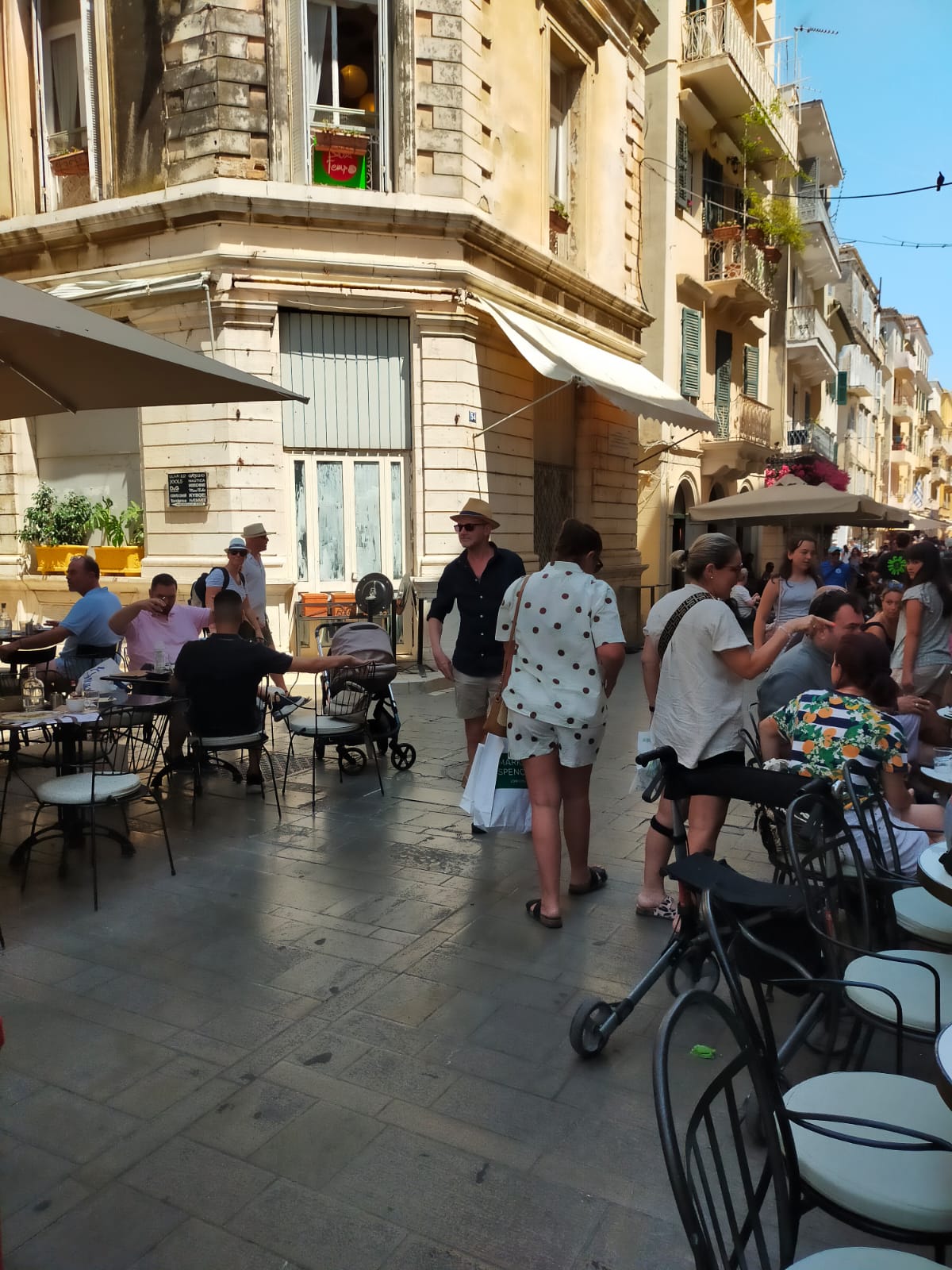
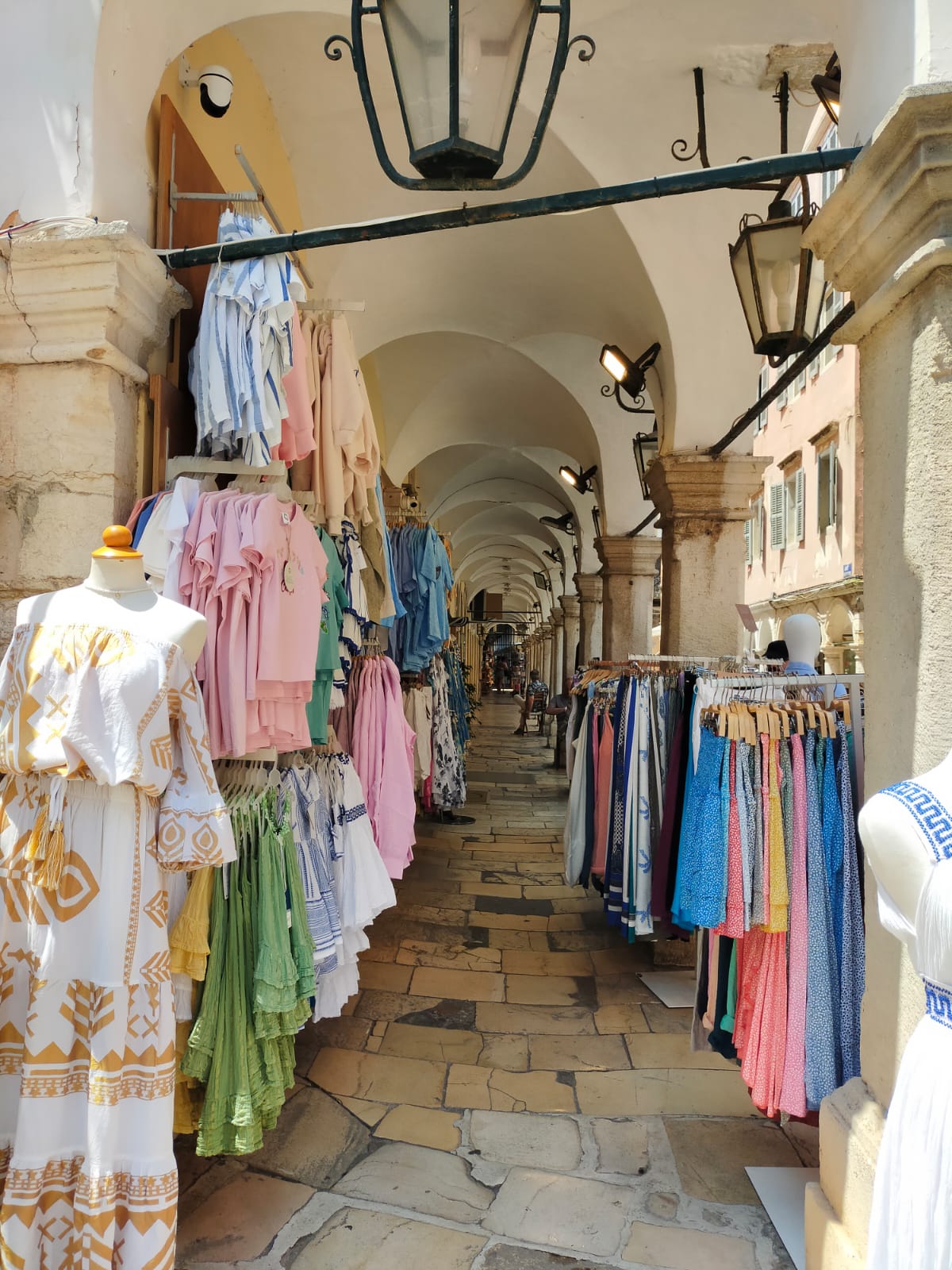
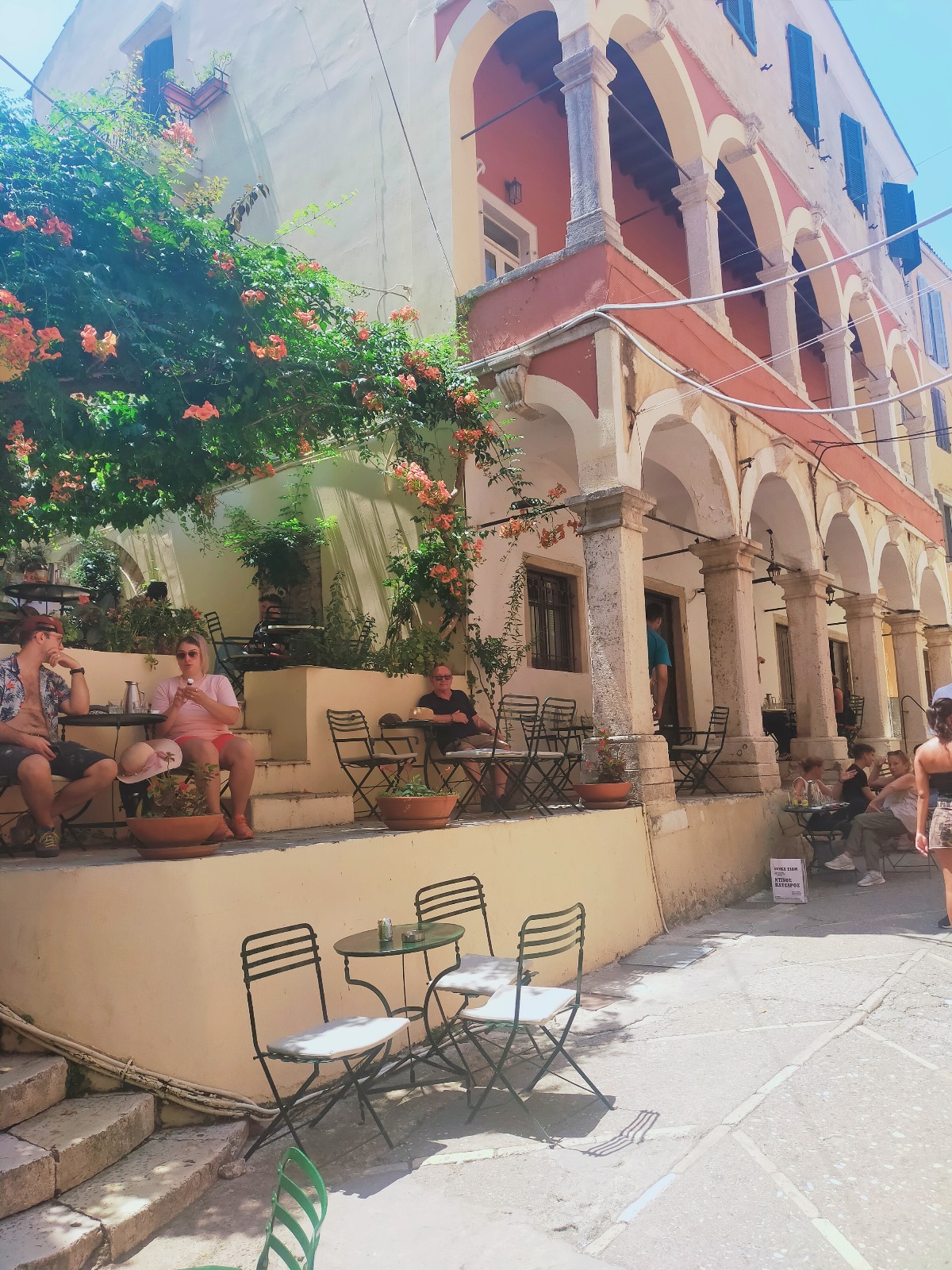
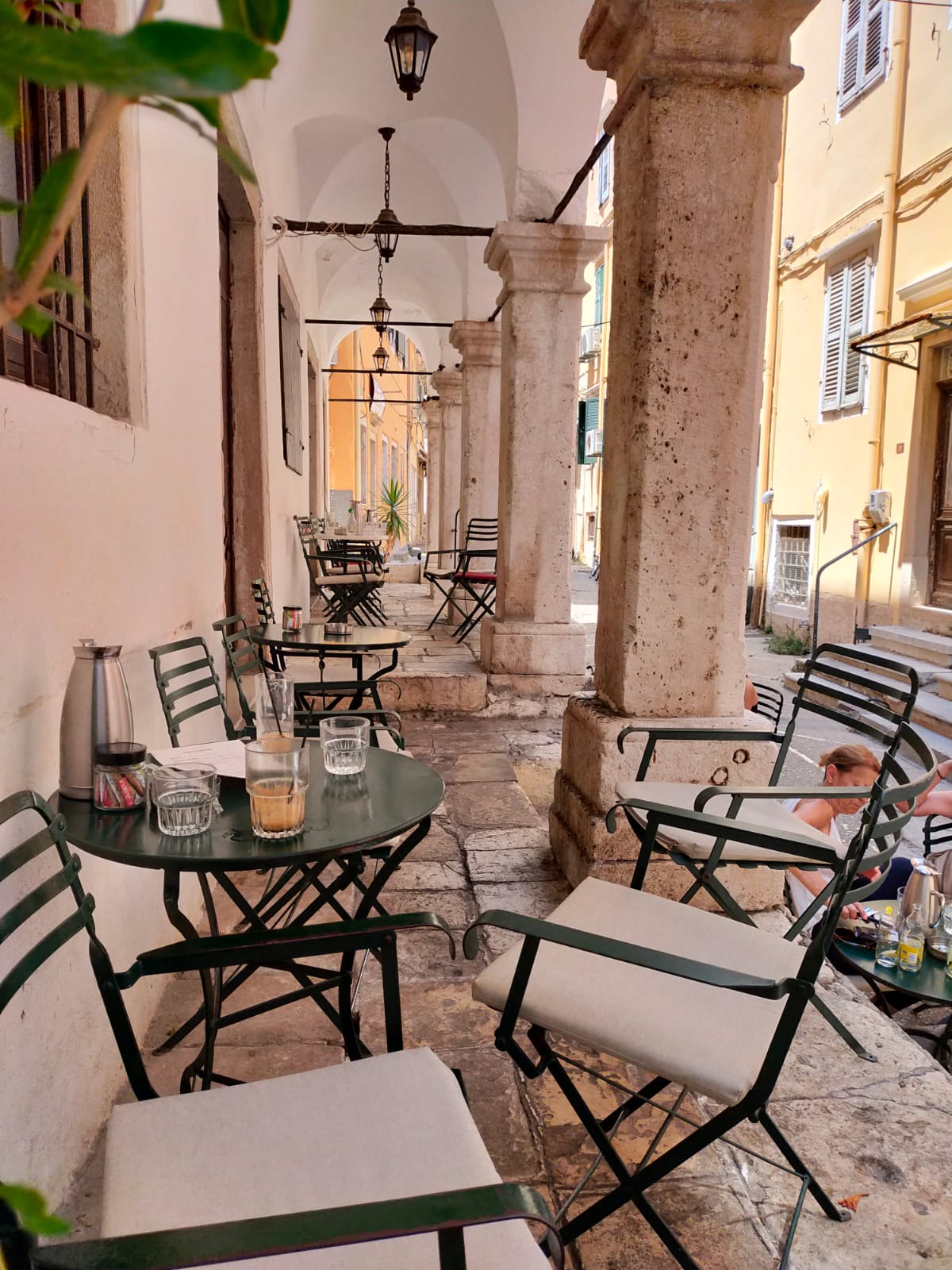
Designated a UNESCO World Heritage Site, Corfu Old Town is a caramel-coloured labyrinth of lanes and alleyways stuffed with rows of old Venetian-style tenements – all wooden shutters, ornate balconies and grandma’s bloomers blowing in the wind. Down on the street, tourist tat vies for space with posh shops and designer labels. There’s a real buzz in the super-heated air.

Feeling Hot, Hot, Hot

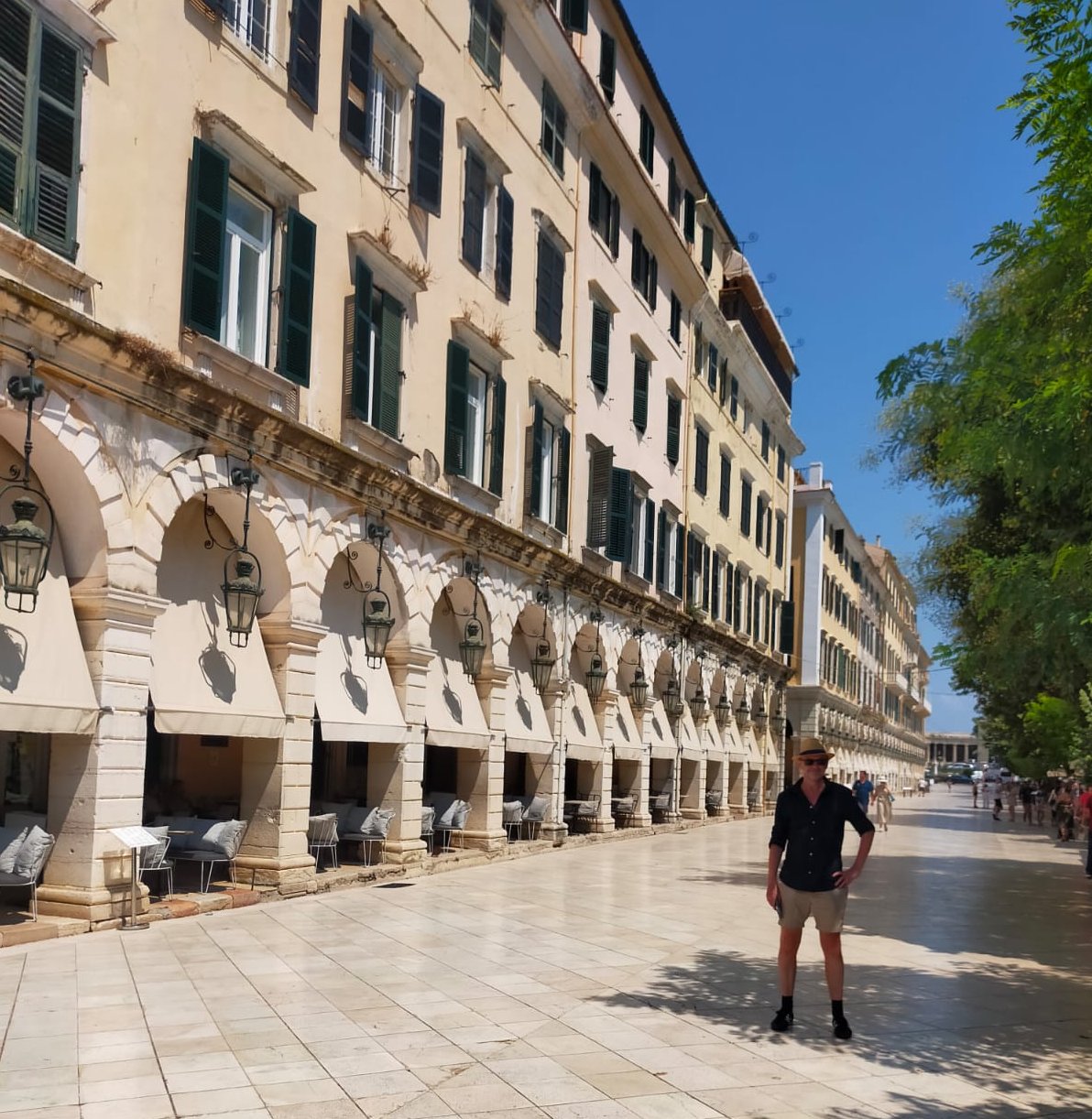
It’s hot, really hot. The face-slapping sizzle on Paxos was moderated slightly by a sea breeze and a cool pool. Not so in Corfu Town. To stop these old pansies from wilting completely, we dive in and out of air-conditioned souvenir shops for a pretend thumb and browse, and pitstop at various watering holes along the way to our final destination, the trés élégante Liston, an arcade modelled on the Rue de Rivoli in Paris. It’s simply stunning. We take up pole position to people watch the shuffling lines of sweaty cruise ship oldies in socked sandals, bum bags and floppy hats.

Rude!

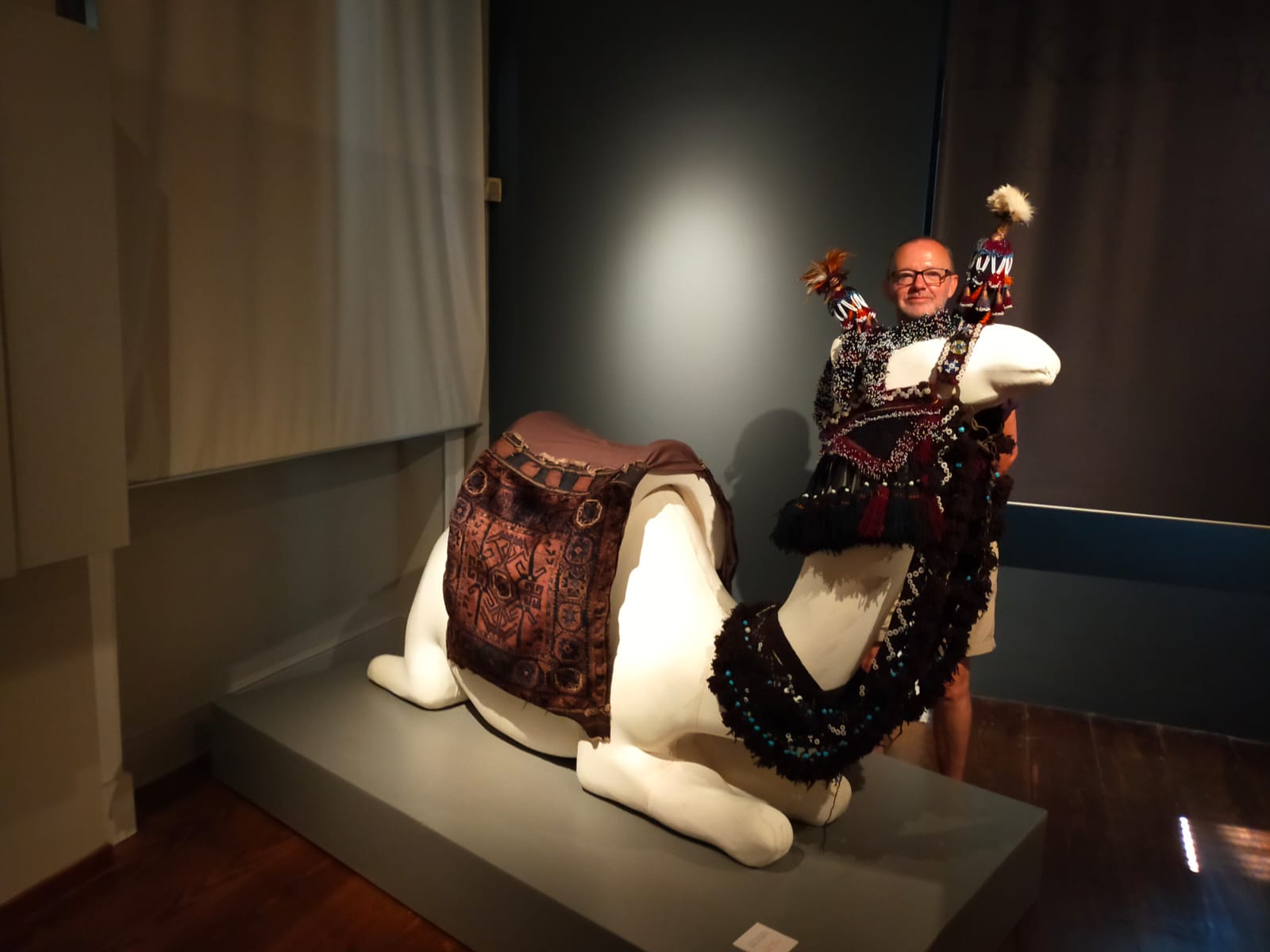
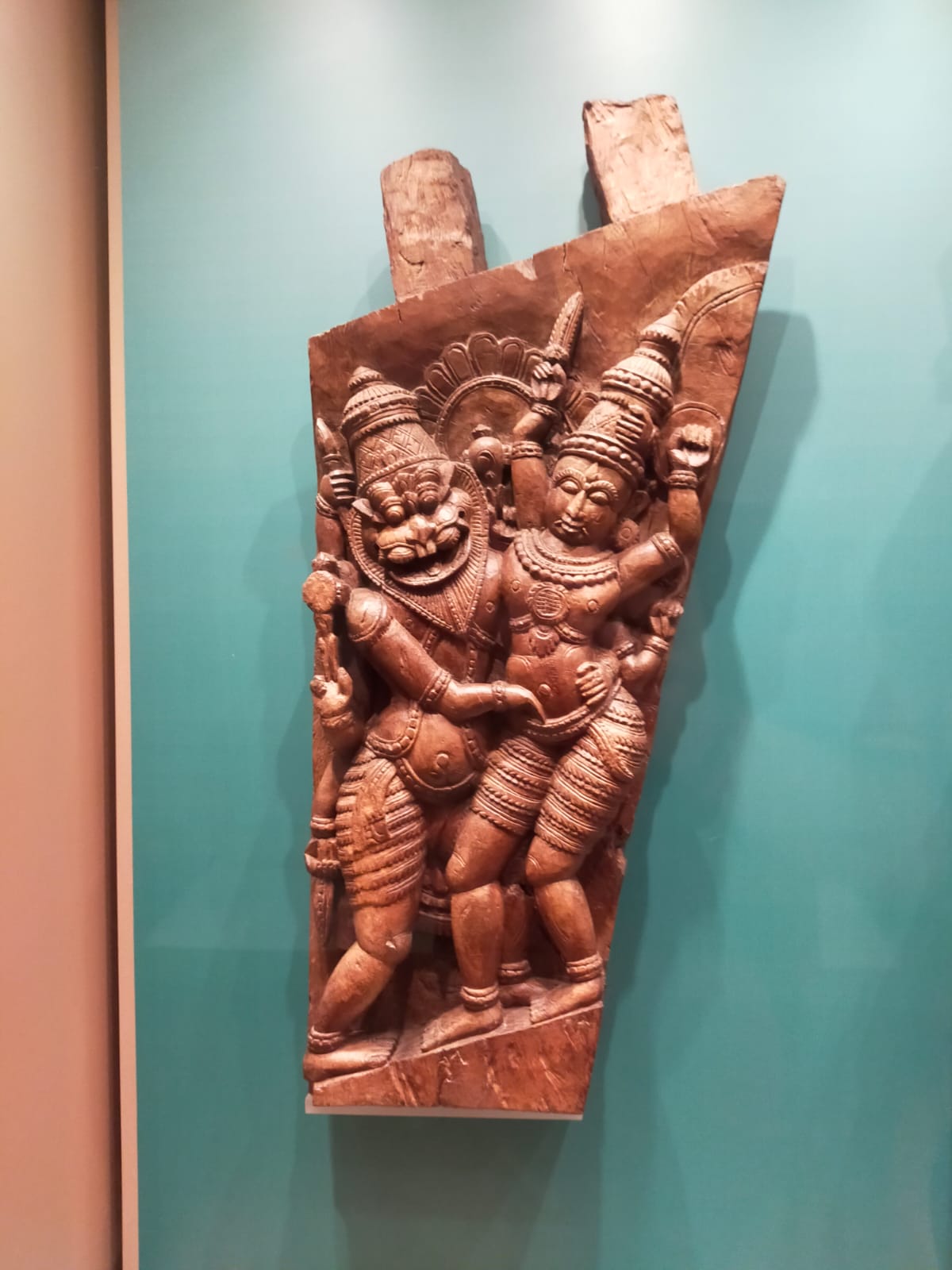
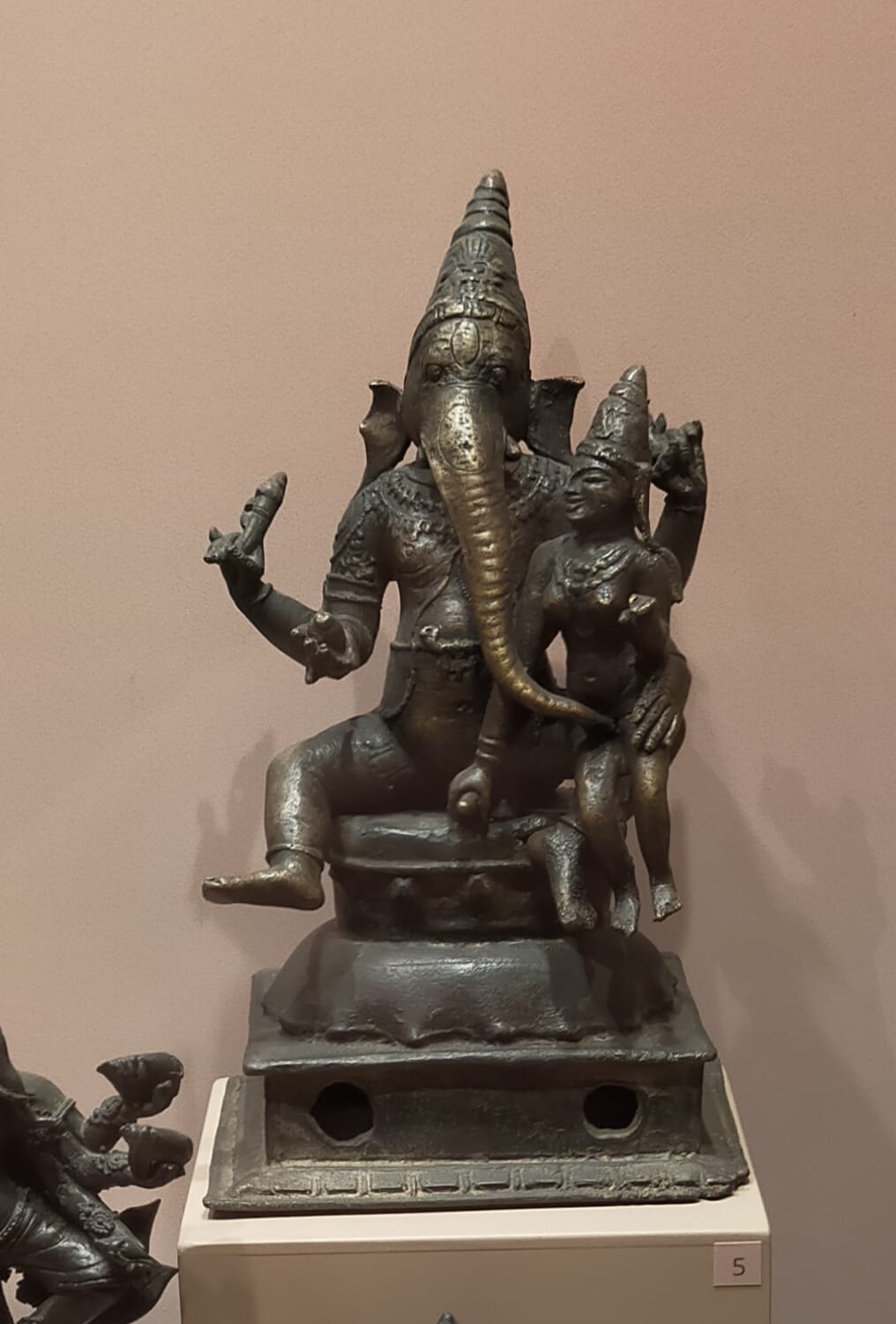
For our culture fix, we had a gander around the mercifully cool Museum of Asiatic Art housed in the Palace of St Michael and St George. Constructed by the British between 1819 and 1824, the neo-classical palace was built for the colonial high commissioner and the Ionian Senate. The collection is impressive, with artefacts assembled from across the Asian continent – paintings and pictures, silks and Samurai swords, vases, masks and magic carpets, and more Buddha heads to shake a slapstick at. Liam was rather taken by the flamboyant camel drag, but his interest really piqued with the display of erotic Indian sculptures. Yes, they really are doing what you think they’re doing.

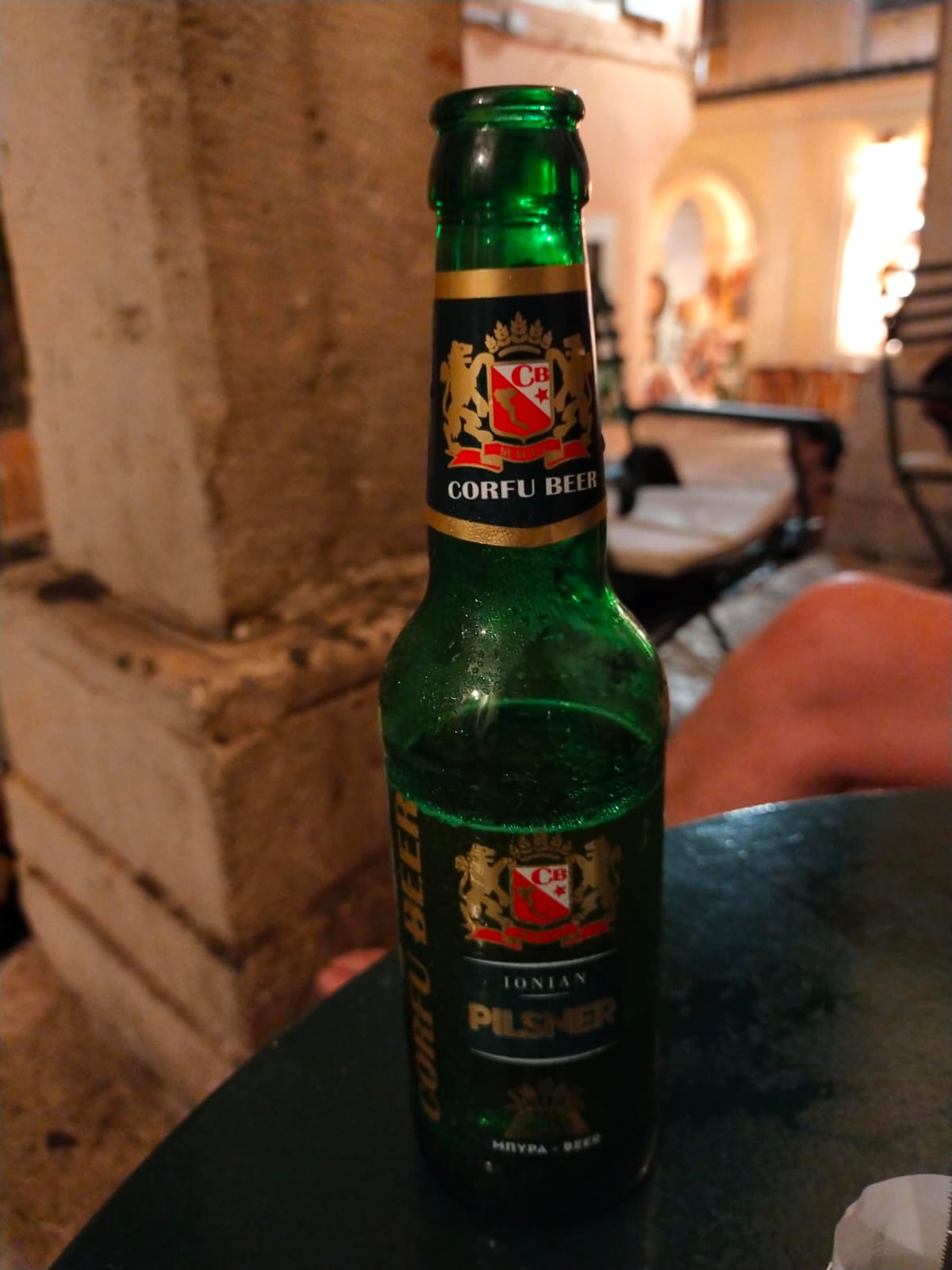
So that was Paxos and Corfu – two iridescent islands, fourteen clammy days and enough cheap plonk to sink a frigate. We shall return. But maybe not in July next time.

The Merry Husbands of Windsor (Part Two)

Day two of our merry Windsor trip was big castle time. I’d forgotten how relentlessly busy the town gets. The castle receives about 1.5 million visitors a year, and for a small town of only 32,000, that’s a lot of bodies. By the mid-afternoon rush hour, you can hardly move for slow-moving happy snappers.

These images were taken in the early morning before the hordes of day trippers arrived.

The queue into the castle was snaking, and security was airport-style. The weather was stuck in April, and as the forecast wasn’t good, we thought we were in for a drenching. But the sun poked through the low clouds and the rain held off. We spotted the Royal Standard flying from the Round Tower, so His Maj was at home. Sadly, we weren’t invited in for tea and cake.

First stop, the series of interconnecting state rooms, a riot of Georgian bling – lavish and impressive with walls plastered with old masters, perfect for hobnobbing with presidents and prime ministers, princes and potentates. Way too gaudy for my tastes, though.

I much preferred the elegant interior of the 14th-century St George’s Chapel, which was up next on our agenda. It’s called a chapel but it’s the size of a cathedral. And it’s gorgeous.

Visitors are not allowed to take photos inside the castle buildings, so these internal pictures are all stock images.

It had slipped my mind that the late Queen is interred in the chapel, in a modest roped-off niche she shares with her parents, sister and husband. It took us by surprise. We joined the mourners filing past in silent respect.

In fact, the chapel is pretty much stuffed with the bones of long-dead monarchs and assorted worthies. Liam even stumbled over the grave marker of that much married, lecherous old tyrant, Henry the Eighth. Off with his head!

After our big castle fix, we dodged the click-clicking throng by escaping across the river to Eton. Despite its famous school for the grossly over-privileged, pretty Eton is much quieter than its big sister. We polished off the afternoon, tourist-style, with the tea and cake we weren’t offered by Charlie in his castle on the hill. Another merry day.

The Merry Husbands of Windsor (Part One)

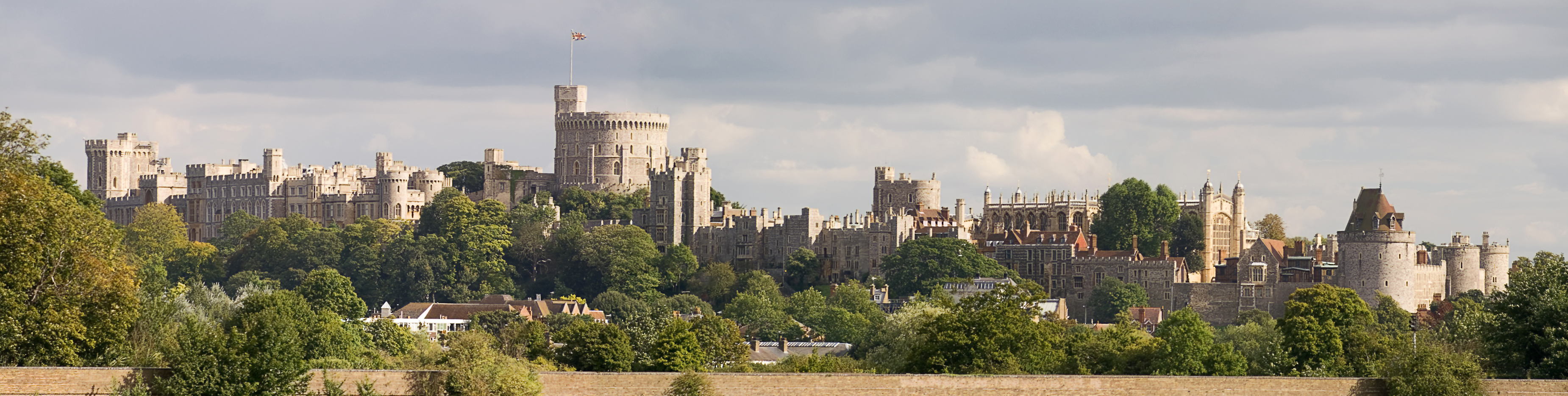
For about six years until 1993, I lived in Windsor. The pleasant Berkshire town is famous for one thing – an enormous, sprawling castle. Established in the 11th century shortly after the nasty Normans conquered Anglo-Saxon England, the castle has a commanding position overlooking the River Thames, guarding the western approaches to London and dominating the town that grew around it from virtually every angle. The vast pile has been a royal residence for most of its millennium-long history, projecting muscular power and proclaiming who’s the daddy now?

Although I’d often wander around the castle grounds back in the day, I never once ventured inside for a nose about. ‘Let’s go, then,’ said Liam. Sure, I thought, better late than never. Besides, I fancied a mince down memory lane and a chance to show Liam my old manor. So off we went.

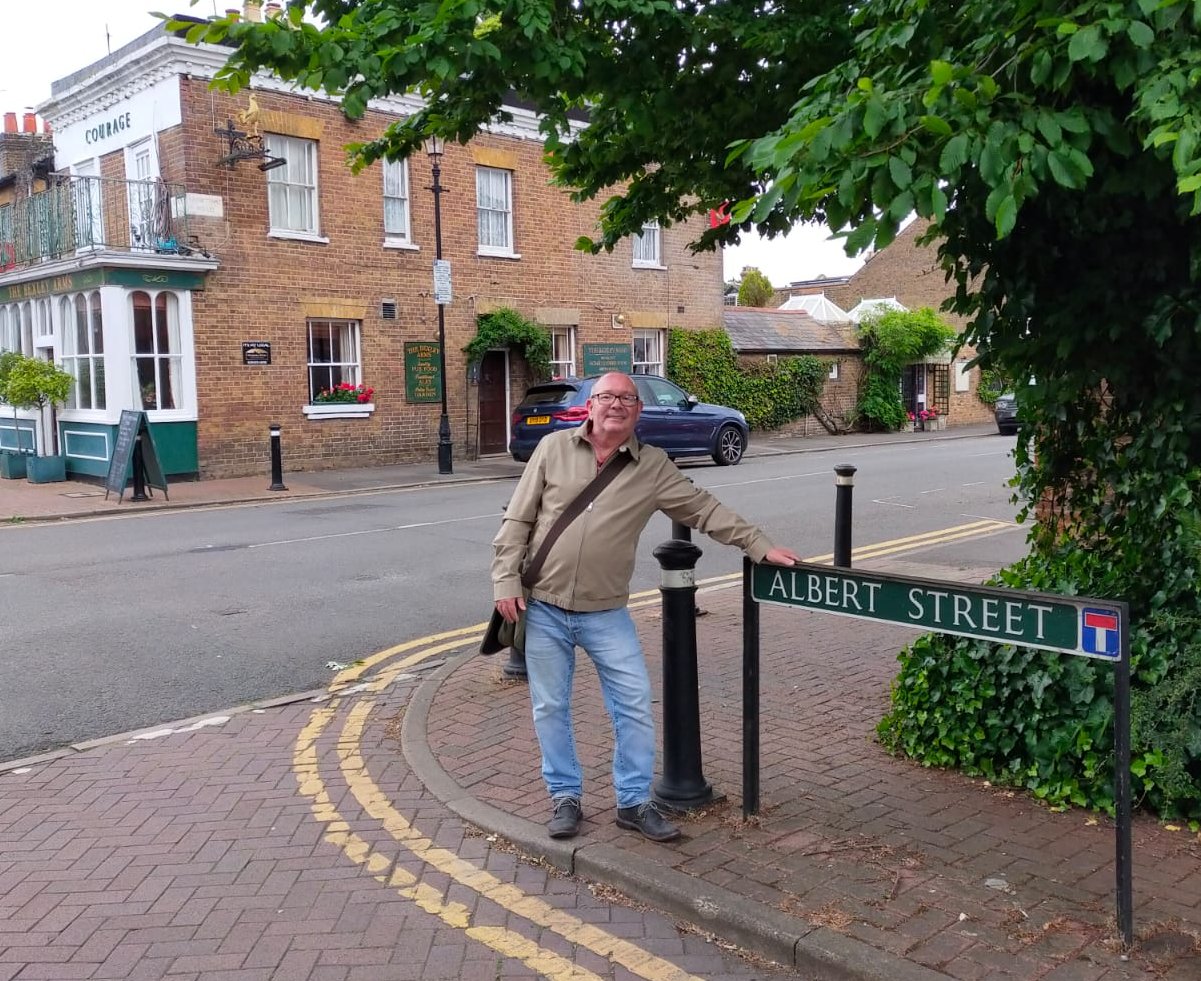
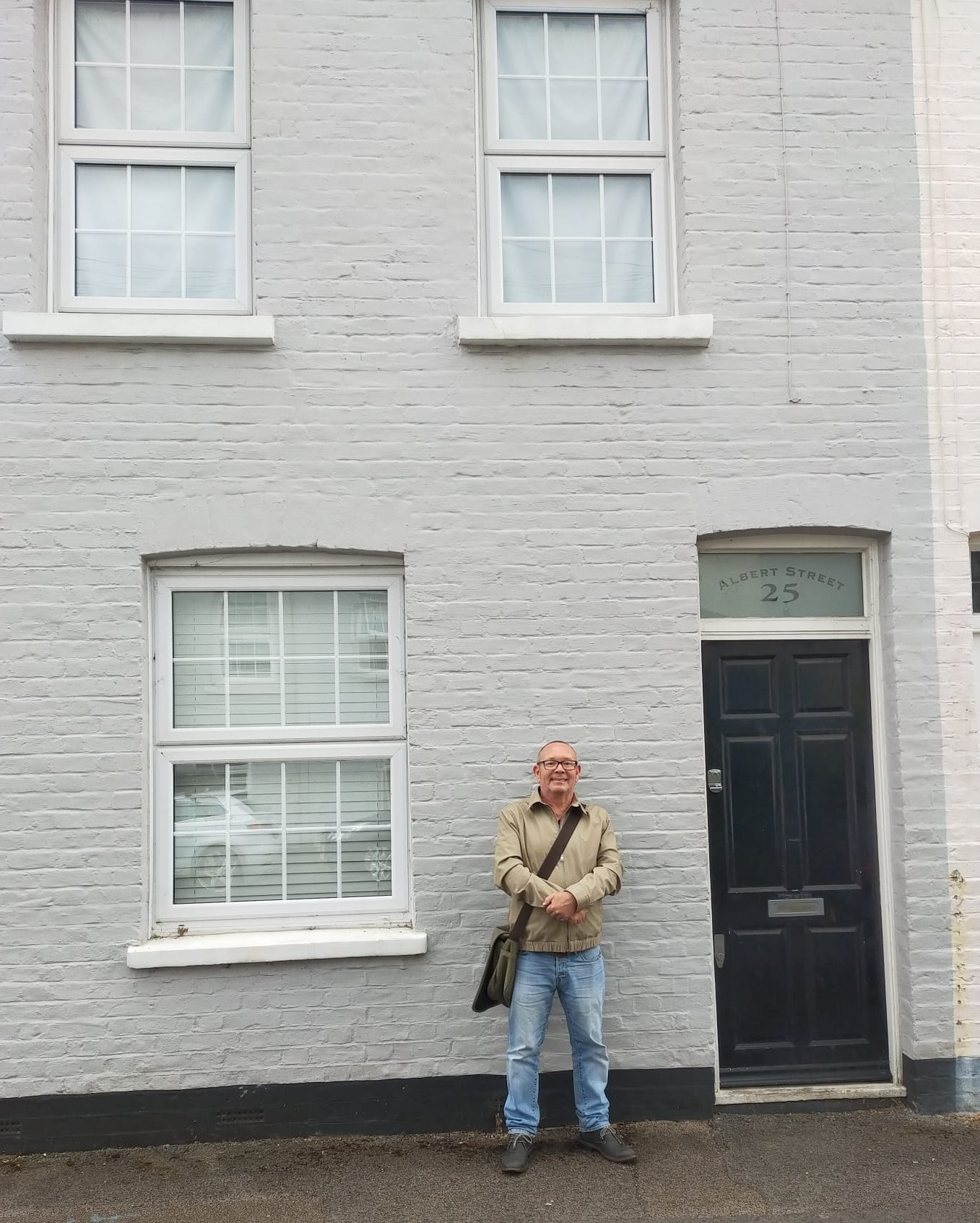
First up was a short walk away from the town centre to a terraced house on Albert Street which I once shared with a man with a cloney moustache, drop-yer-knickers eyes and a naughty, licentious grin. We’re still friends – in a Faceache kinda way. Every Englishmen’s home is his castle, so they say, though ours was a bit smaller than the big one up on the hill. The street has changed little in the 31 years since I was in residence, except our old gaff is now a different colour and has replacement windows and a new front door.

After the photoshoot we retired to the pub round the corner for a wine-fuelled memory-rich chat. I recalled the time when I’d been out on the lash with some fellow bean counters from work and got back late. It was November 1992. As I staggered out of the train station, I saw flames rising above the castle, lighting up the night sky. Being three sheets to the wind, I thought I was imagining it. But no, the castle really was on fire. The blaze destroyed nine of the principal state rooms and damaged countless others.

After the dose of nostalgia, we wandered back into town for cocktails by the river. And these husbands got very merry indeed.

Where To Now St. Peter?

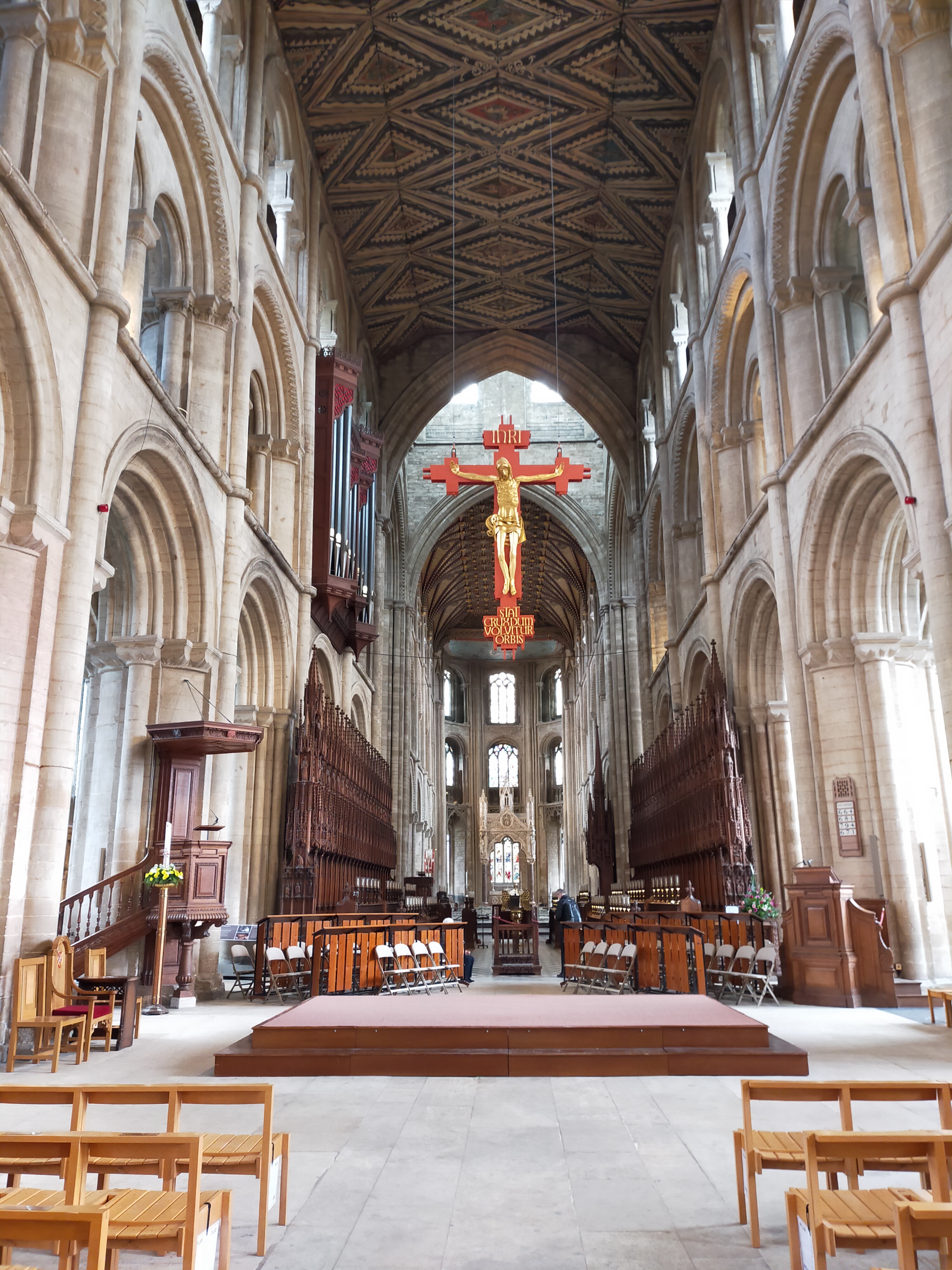
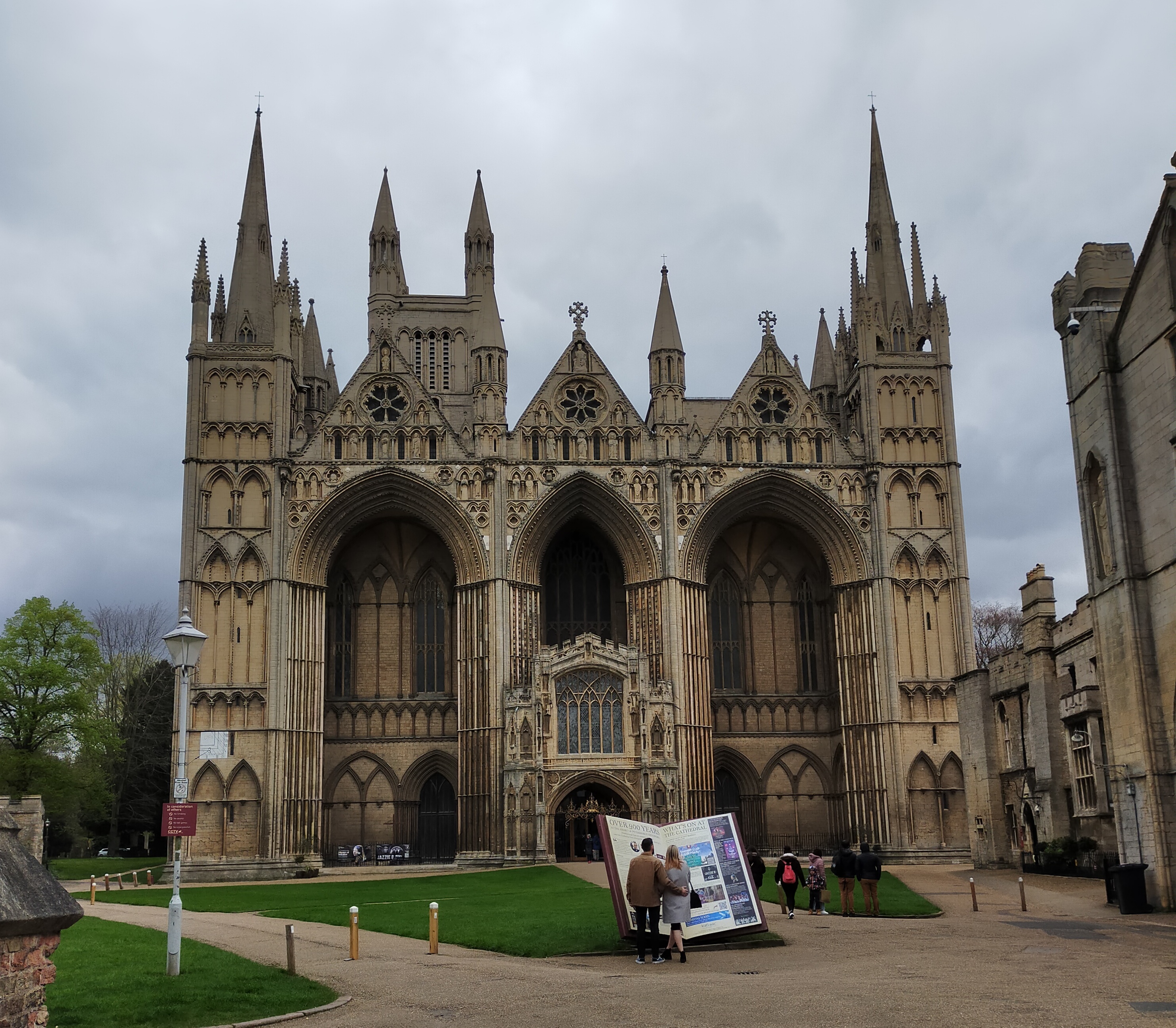
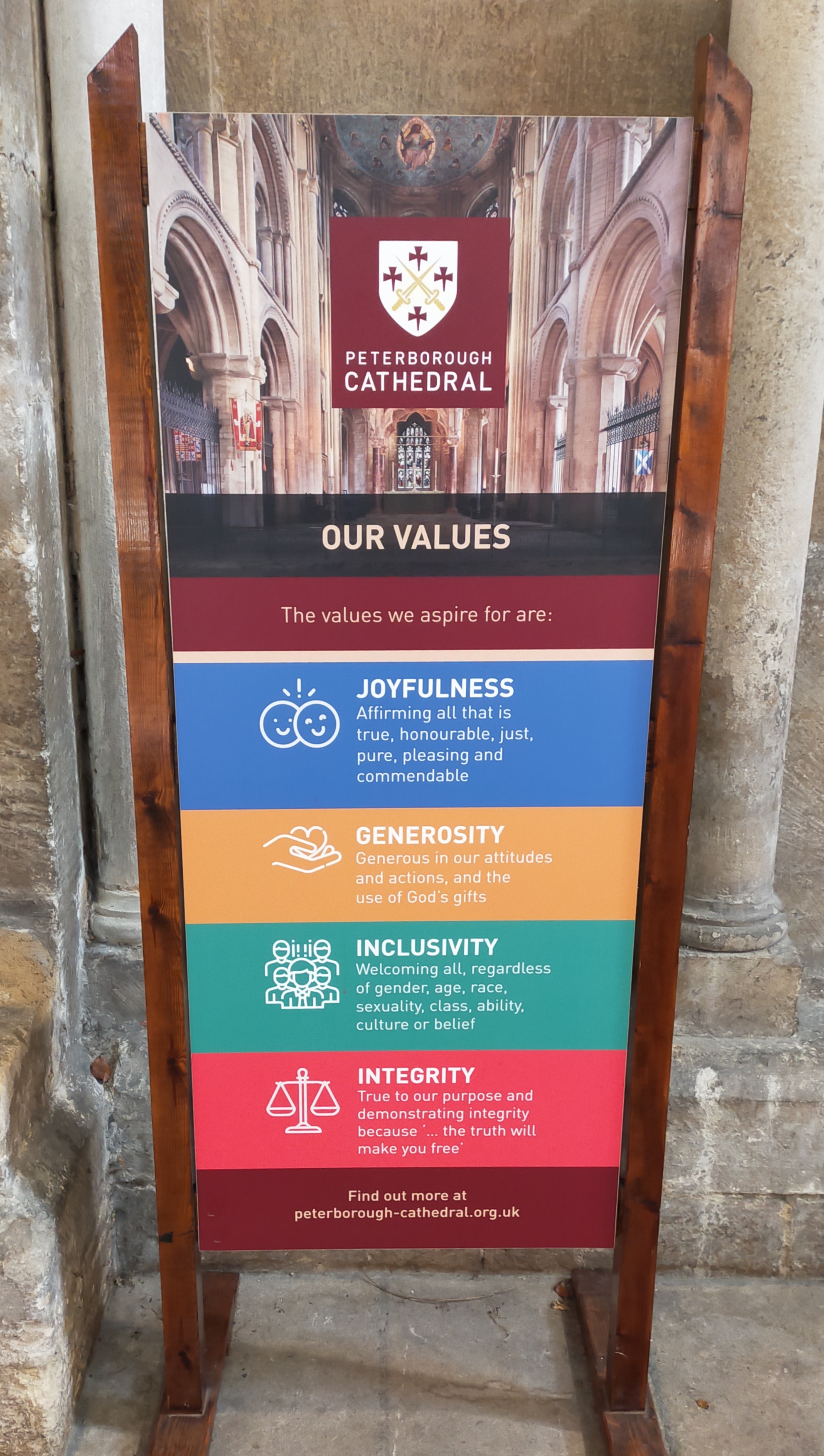
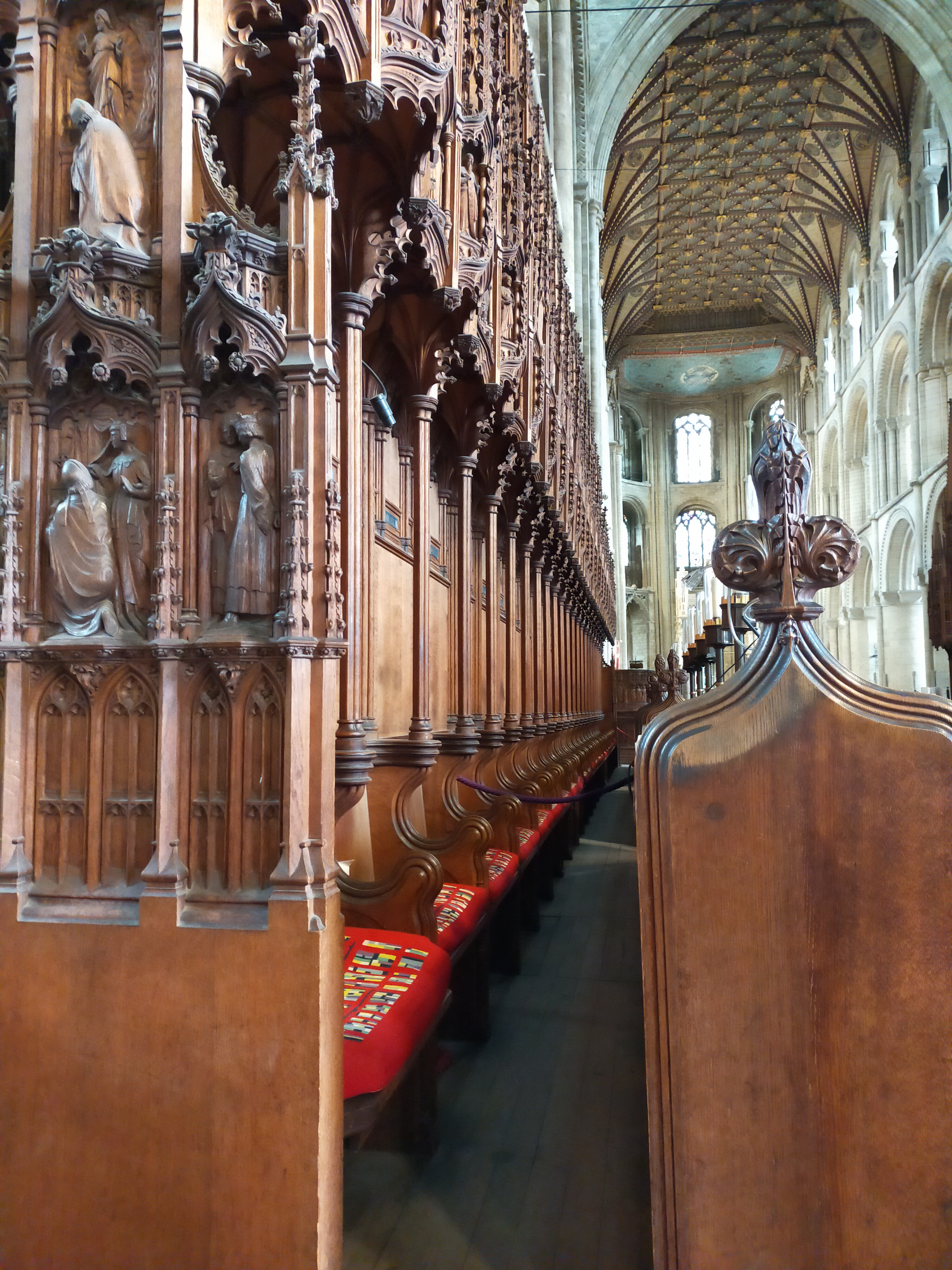
We fancied another pilgrimage and we settled on Peterborough in neighbouring Cambridgeshire, with its epic house of God. While I may be a dedicated heathen, I totally get that back in the days of the great unschooled, the sheer scale and splendour of such colossal erections could keep even the doubters in line. How could mere mortals create such magnificence without the guiding hand of the Almighty? So we jumped on the cross-country ‘Let’s Roll With Pride’ themed train from Norwich.

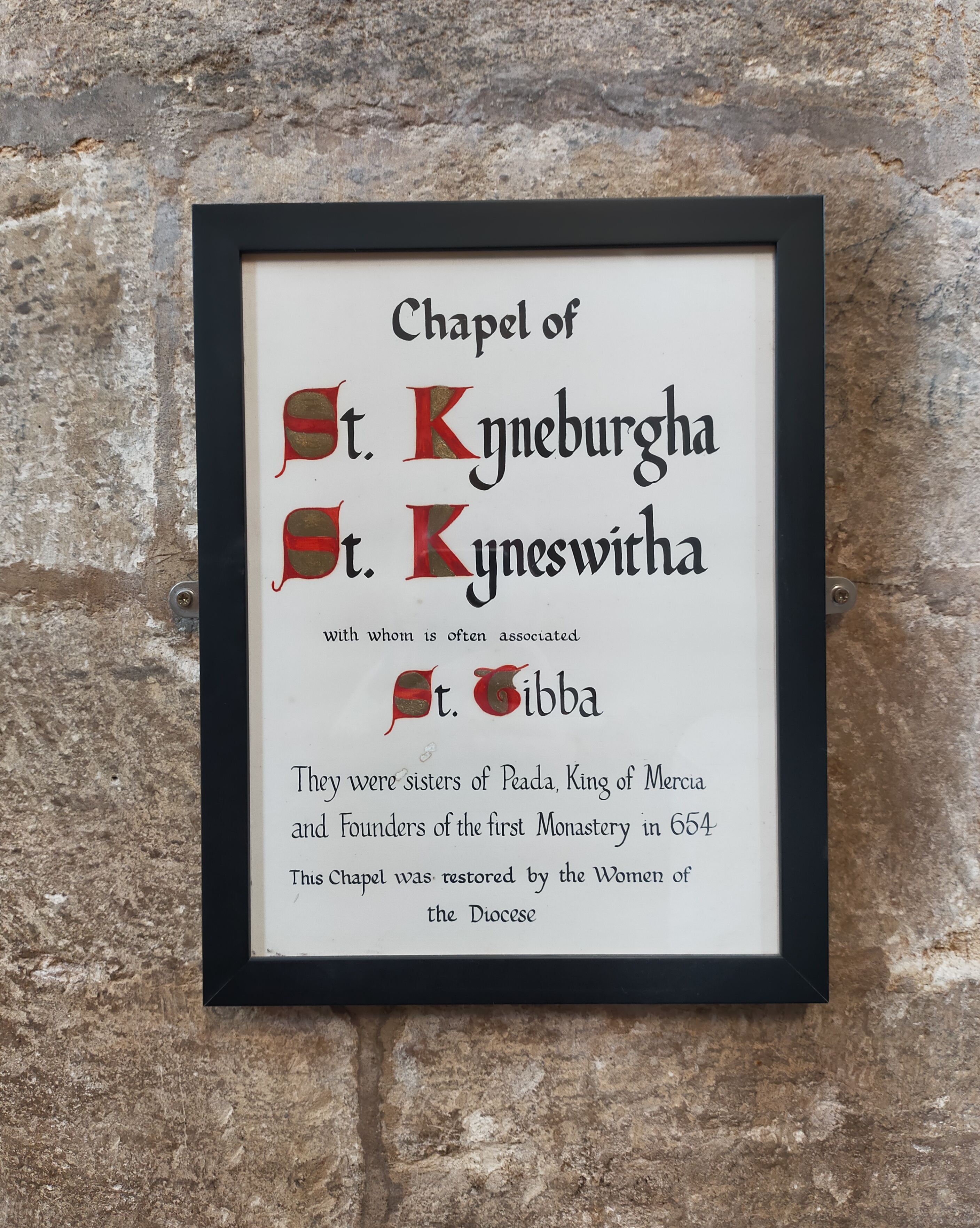
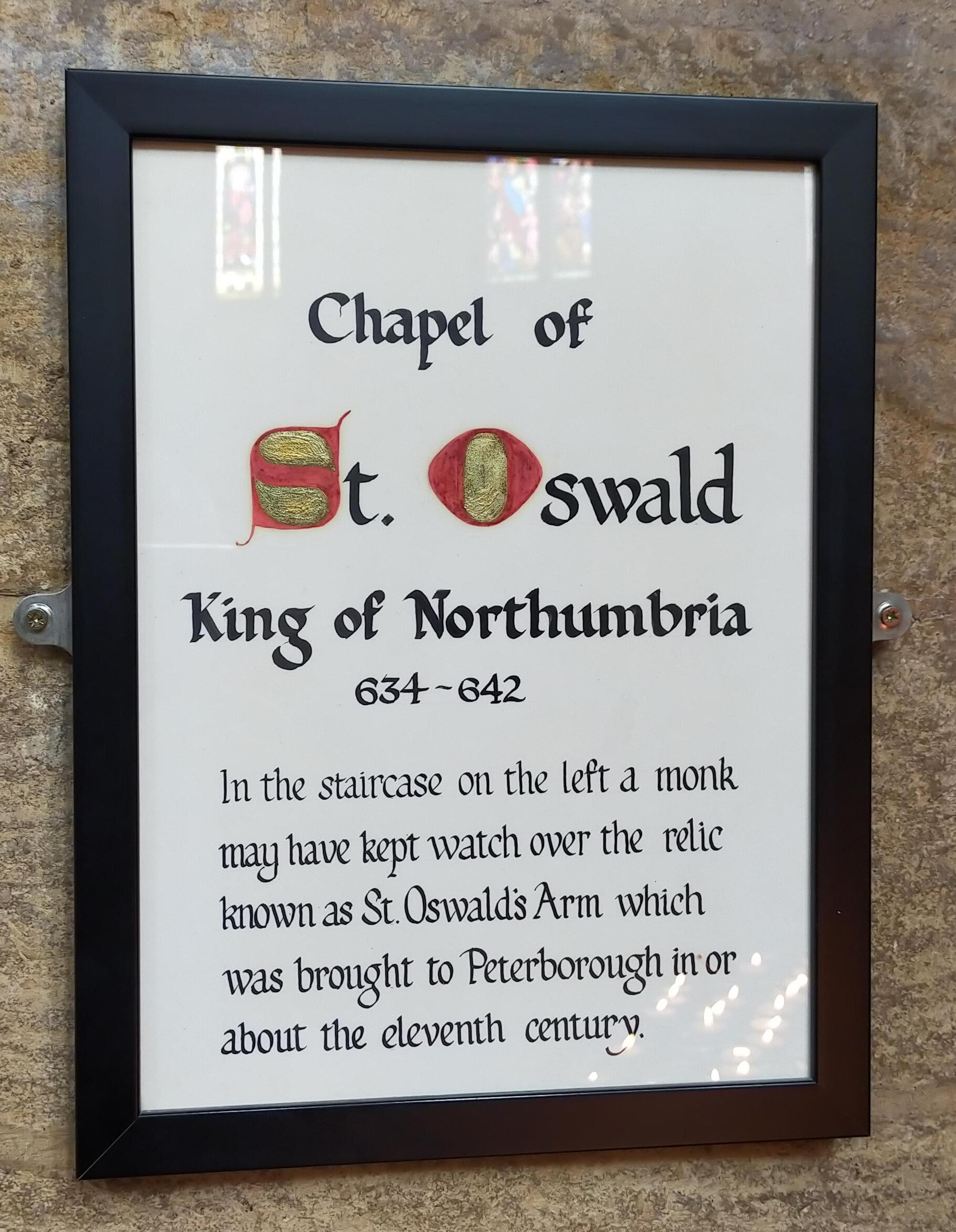
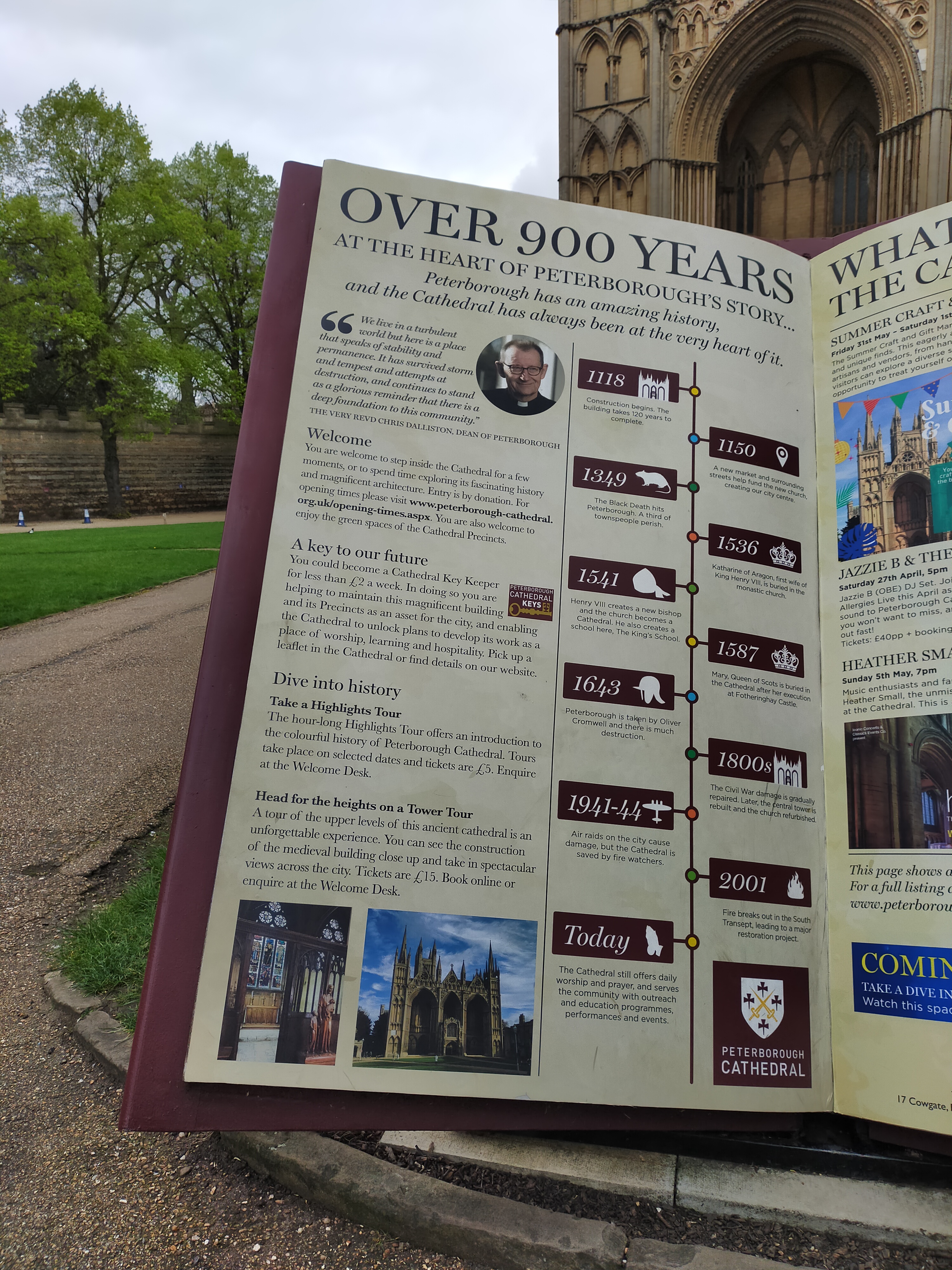
Peterborough Cathedral was originally founded sometime during the 7th century as an Anglo-Saxon monastery called Medeshamstede. The community thrived until the 9th century before being sacked by pillaging Vikings. To avoid any repeat of that maker-meeting misfortune, the monks enclosed a rebuilt Medeshamstede in thick stone walls, and the settlement became a ‘Burh’ – a ‘fortified’ place. The name ‘Peter’ was then prefixed to honour the monastery’s principal titular saint, and thus Peterborough was born. Or maybe a simpler explanation is that no one could actually pronounce Medeshamstede. Whatever the reason, the abbey church was finally re-consecrated as a cathedral in the 16th century when that old bed-hopping plunderer Henry VIII dissolved the monasteries and pilfered their assets to pay for all those lavish royal weddings and glittering codpieces.

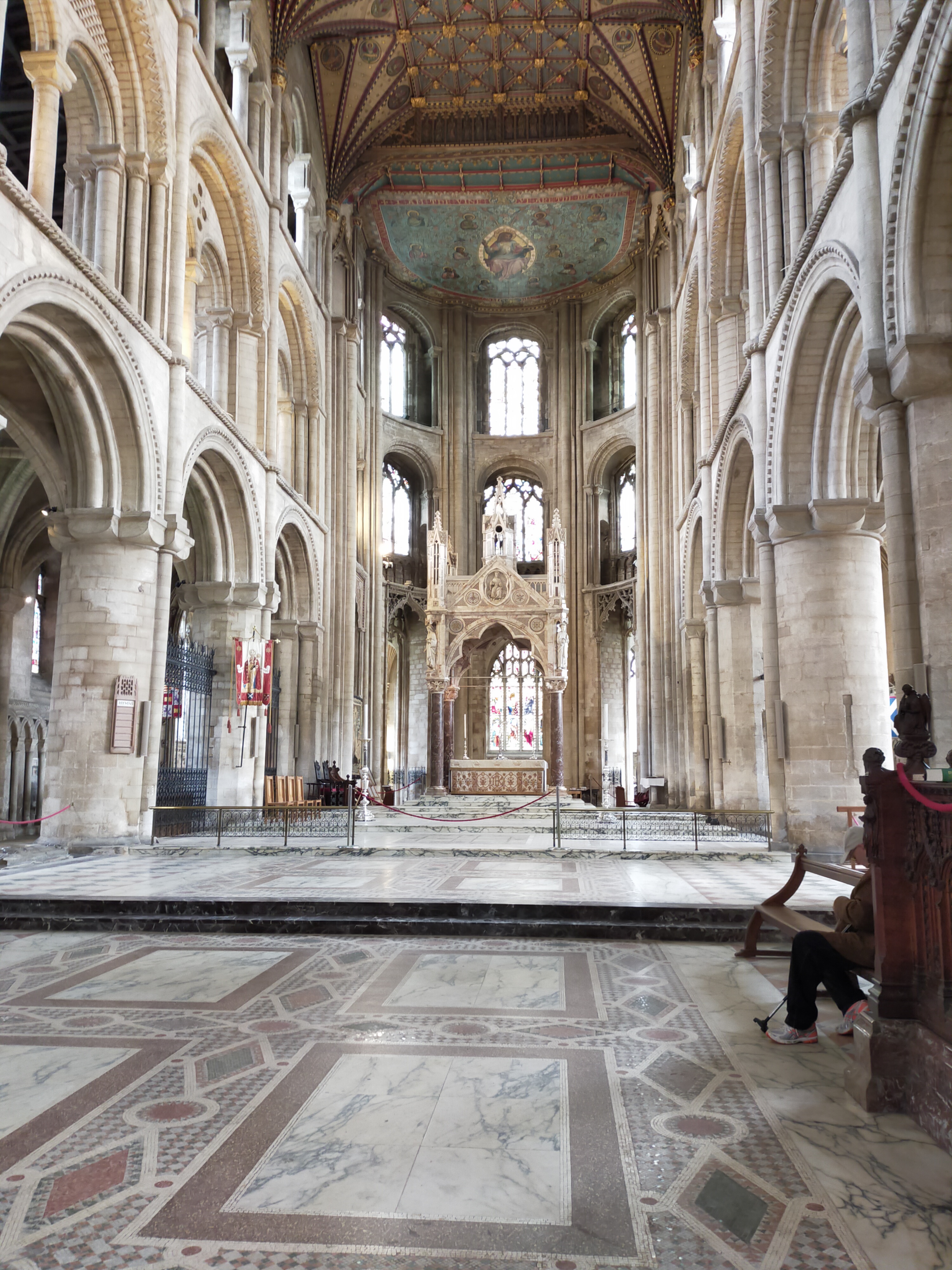
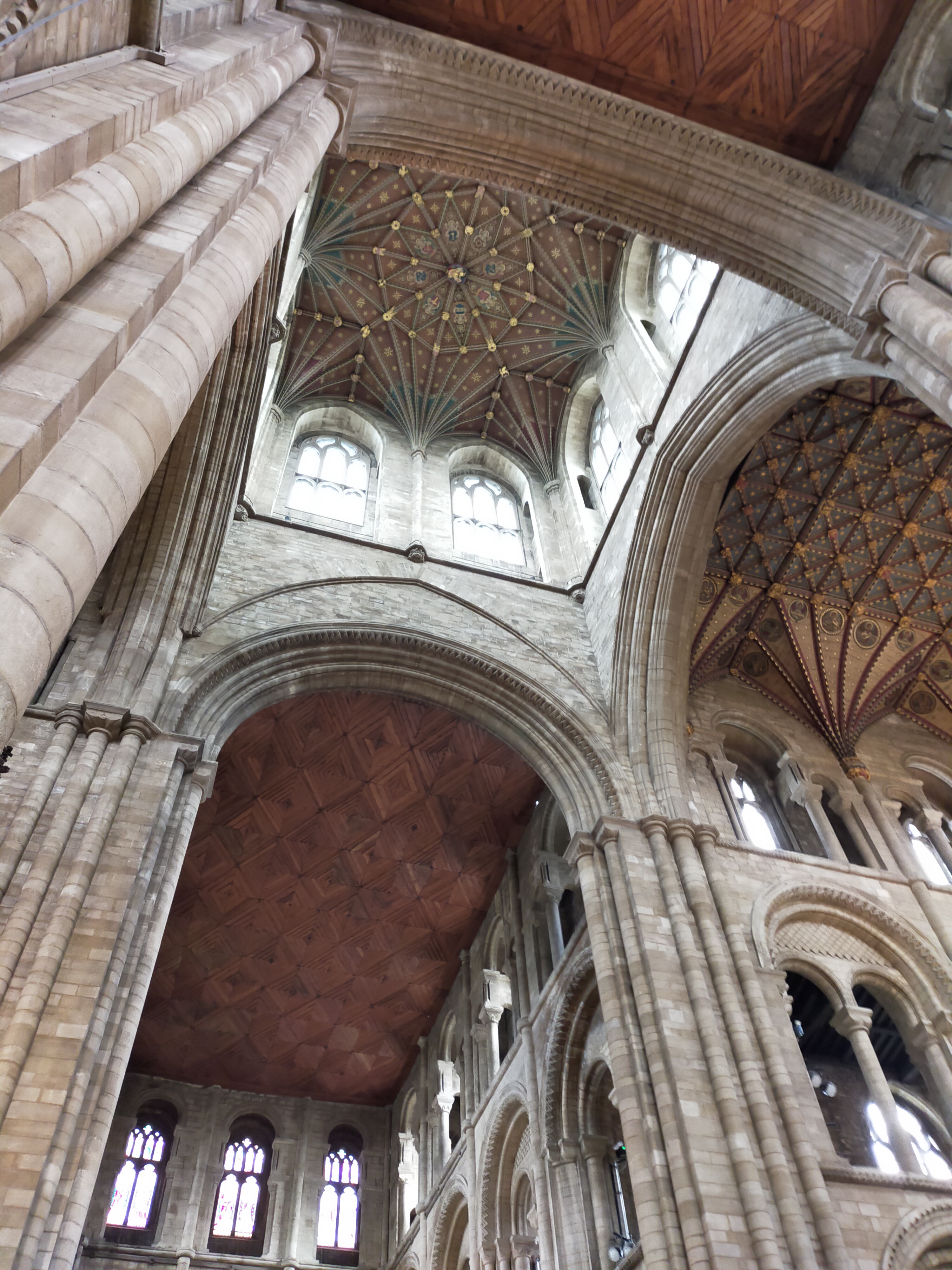
What you see today is mostly 12th-century Norman with a few later Gothic add-ons. As we wandered around, we could hear a heavenly choir rehearsing for an evening concert. The divine sound filled the enormous space – a holy tune amplified by superb acoustics.

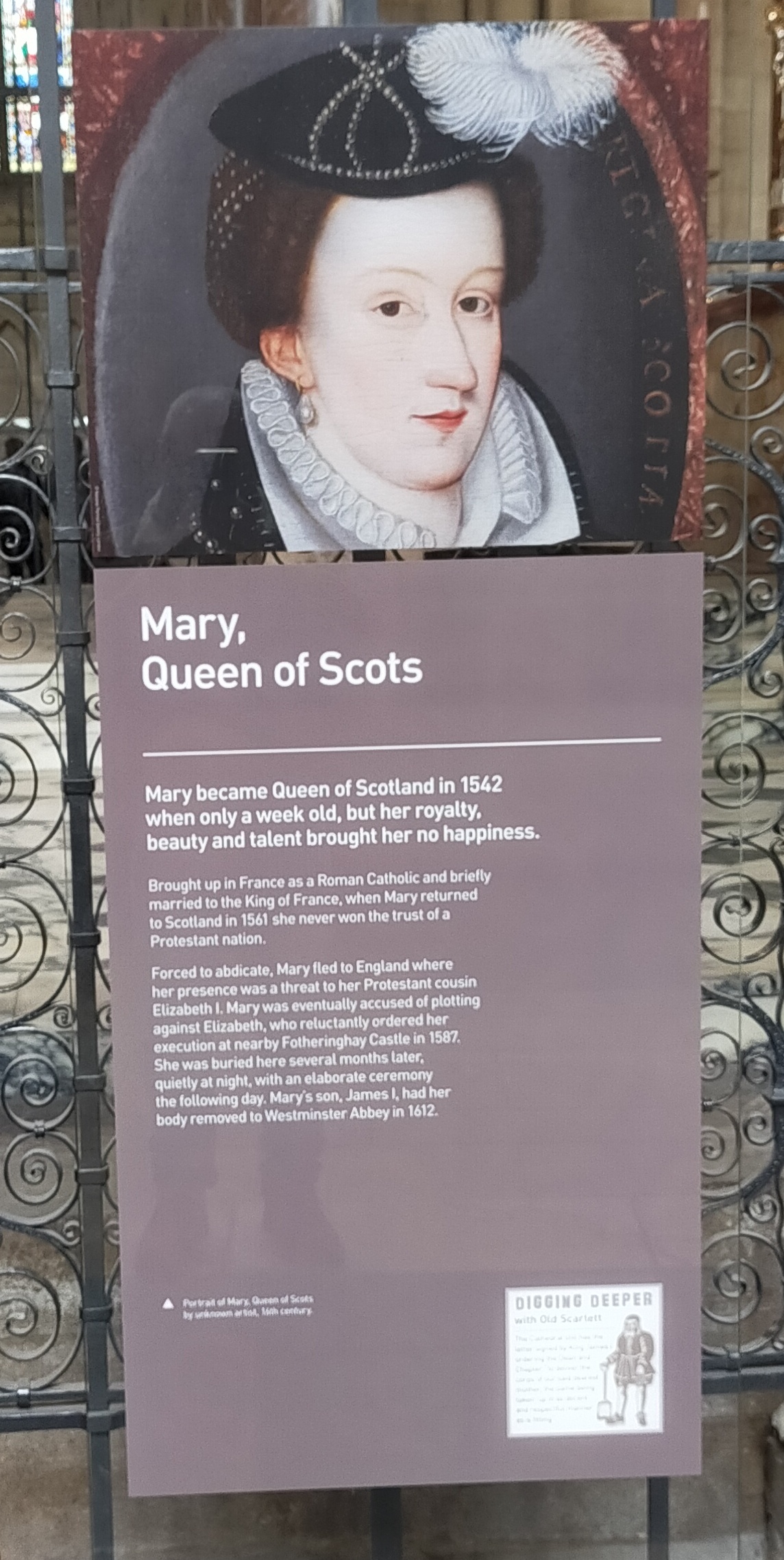
A bit of a surprise was the discovery that Mary, Queen of Scots was buried in the cathedral after she lost her head for plotting against the first Queen Elizabeth. Mary got the last laugh, though. The Virgin Queen died childless and Mary’s own son, James VI of Scotland, became James I of England, thus uniting the crowns. James had his mother’s remains moved to Westminster Abbey. The rest, as they say…

Looking around a big pile works up a big thirst so afterwards we decamped to a local hostelry for a few sherries. It was called the Queen’s Head and featured, yes, you guessed it, the Queen’s head – of the second Queen Elizabeth.

Today, Peterborough often gets a bad press but we found it to be a vibrant and entertaining city with colourful characters and mouthwatering global street food. The only minor irritant was the large congregation of ‘Jesus freaks out on the street, handing tickets out for God’, as famously sung by that other great British queen, Elton John, in ‘Tiny Dancer’. But I guess these modern-day evangelical ‘monks’ are only keeping the holy vibe alive. After all, that’s how it all began.

Making Mischief

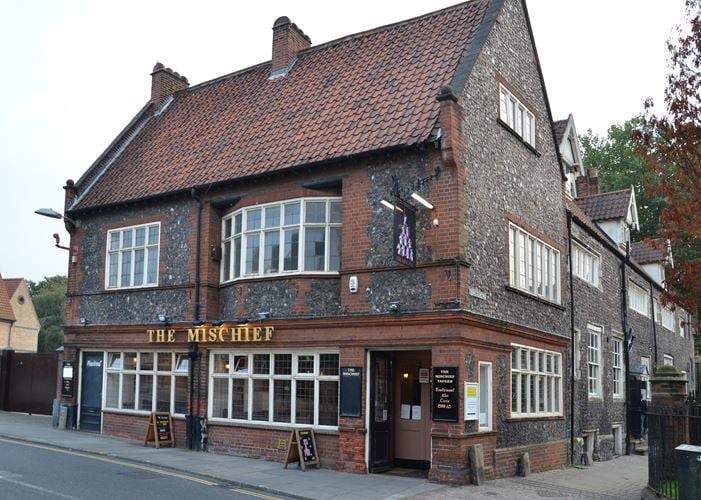
After a few months of hard graft and long days for the publishing malarky, we indulged in a little retail therapy in Norwich followed by a few sherries in the Cathedral Quarter. Unlike other parts of the city, this area has preserved many of its watering holes – just the thing for thirsty shoppers like us. Our final snifter was in the Mischief Tavern on Fye Bridge Street. The Grade II listed building, which sits alongside the River Wensum, was originally a 16th-century wealthy mercer’s house before tumbling down the social ladder to become a pub for the great unwashed.

In more recent times, the basement of the pub was once the venue for the Jacquard Club, a sixties folk music group which hosted the likes of Paul Simon, Judy Collins, Ralph McTell, Tom Paxton and George Melly. The club was founded by our very own Albert Cooper, our neighbour in the old Co-op warehouse before we escaped to the country to become village people. Known about town as ‘The Man in Black’, Albert sings the blues. He’s quite the local celebrity and even gets a mention in the Museum of Norwich. Albert turned 90 last year.

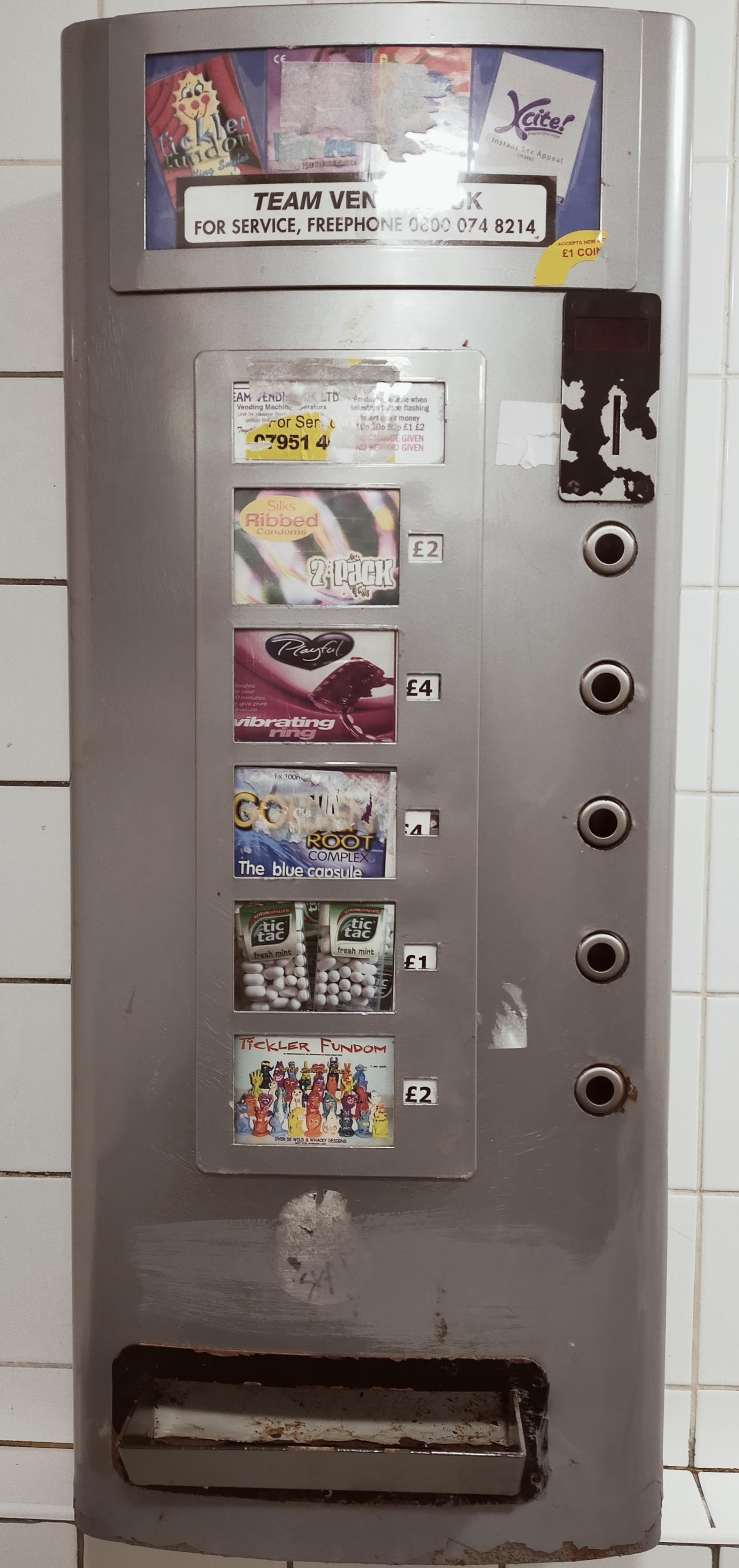
Remarkably, the pub itself still retains some 16th-century features, one of which is definitely not the rusty old condom dispenser in the gent’s loo.

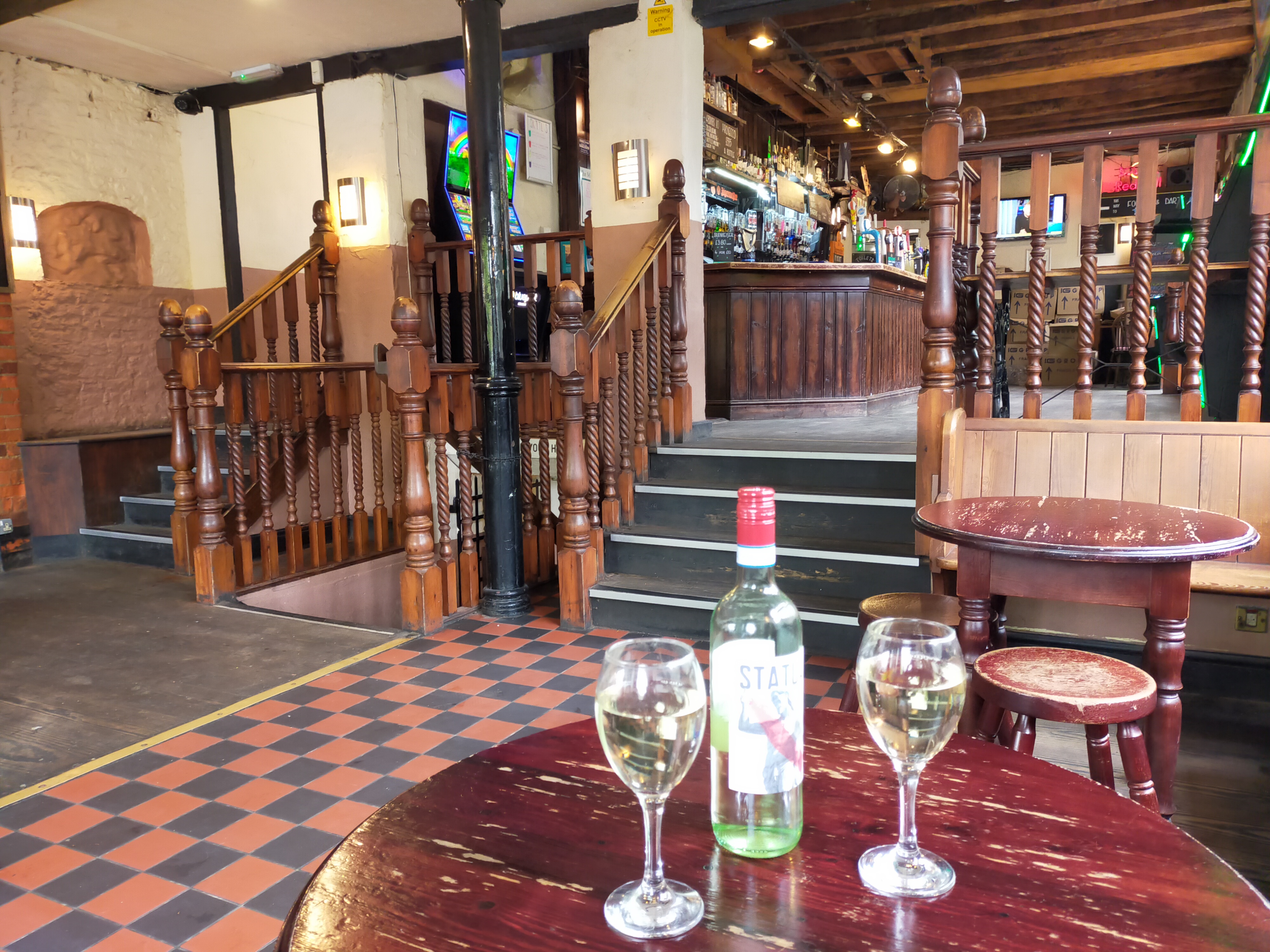
Rather like the pub itself, the cock sock machine has seen better days. Still, we were served a very tasty bottle of Pinot Grigio at a very palatable price, so we weren’t complaining.
From Social Outcasts to National Treasures

London is a gloriously haphazard, jumbled up kind of place where the rich and the ragged sometimes co-exist cheek by jowl. The Boltons in West London is an address for the seriously loaded, thought to be the second most expensive street* in the land – you won’t get much change out of £23 million. Famous former residents include Douglas Fairbanks Jnr, Jenny Lind and Madonna – the queen of pop that is, not of Heaven. And yet, close by is an entirely different Boltons, an imposing late-Victorian pub. It’s a building with a chequered, ever so slightly sleazy history. From the mid-fifties until the early nineties it was a gay bar. But then time was called on the boozy cruising and it was flogged off to be reborn as a faux Oirish theme pub as part of the O’Neill’s chain. Finally, it morphed into a trendy, overpriced gastropub called The Bolton. That didn’t last either. Nowadays, the boozer is down on its uppers – boarded up, forlorn and flaking; the only punters at the bar are squatters.
Back in the late seventies when I was a fresh-faced young gay-about-London Town, I sometimes drank in Boltons. It was a smoke-filled and deliciously seedy den of vice frequented by assorted ne’er-do-wells – rent boys, drunks, druggies, pimps, peddlers and petty thieves – a place to keep a tight hold of your wallet, if not your virtue. Not that I ever rented out, peddled or picked pockets, of course. It was just fun to watch the action, like feeding time at the zoo.
Now I hear that the worthy burghers of Kensington and Chelsea – the local council and my former bosses – have granted the building protected status because as Councillor Cem Kemahli said…

“The recognition of this historic pub as a listed site stands not just as a tribute to its architectural importance but also celebrates its role as a cherished hub within the LGBTQ+ community. The preservation of buildings like this one echoes our history and diverse communities in the borough.”

Blimey. It’s not that long ago when the worthy burghers were trying to get all the local gay venues closed down. From social outcasts to national treasures in just 40 years.
*the UK’s most expensive street is Kensington Palace Gardens in the same London borough, not far away from the Boltons.
Amsterdam, the Big Tulip

Before we got hitched, Liam and I had both enjoyed the many meaty treats of old Amsterdam. Needless to say, it didn’t include a cultural cruise around the august galleries of the world-famous Rijks Museum. These days, life is mercifully more sedate. Randy times with likely lads on the pull are but a distant memory, and nights on the tiles have given way to days on the trail.

First up on our cultural pilgrimage was the Homomonument, a memorial to those poor souls persecuted for their sexuality during the Second World War. Opened in 1987, the monument takes the form of a giant pale pink triangle jutting out into the Keizersgracht. The pink triangle was the badge gay men were forced to wear in the Nazi death camps. And we all know what happened in those places.

This is the one site I’d seen before. Here’s me in the naughty nineties. The second picture is me now. Obviously, I haven’t changed a bit!

To my shame, I’d never visited Anne Frank’s Huis, so I was determined to right this particular wrong. It was a sobering lesson in everyday evil. Lest we forget.

And, yes, we made it to the Rijks Museum – huge and impressive but way too busy, I thought. There’s little time to take in the art without being bothered by jostling, happy snappers. Well, if you can’t beat ’em…

The following day we took an audio tour around the well-sculptured Royal Palace on Dam Square with its lofty ceilings and twinkling crystal chandeliers. It was great fun, apart from the couple of young pushy queens who didn’t understand the simple concept of the queue.

As our long weekend coincided with Storm Babet tearing across Northwest Europe, we were expecting lively weather. And we got it. We coped by drinking through it; like we needed an excuse.

Despite the inclement weather (and contrary to the images below), the city was rammed. Weaving through the obstacle course of talkers, walkers, cars, trams and manic cyclists coming at us from every which way was quite the challenge. It’s a miracle we didn’t come a cropper. But we survived unscathed.

The Big Tulip really is cool. We will return.

Last Pub Standing

It’s often been said that old Norwich town once had a pub for every day of the week and a church for every Sunday. But as we discovered on our recent Hidden Street Tour with The Shoebox Experiences, there were, in fact, over 600 pubs within the city walls. Come chucking-out time, the streets ran yellow with the piss from the pissed. The distressed city burghers tried several ways to stem the flood, all of which met with limited success until some bright clerk came up with the clever idea of paying pub landlords to install loos. And so the public house toilet was born.

Most of the pubs have since closed but enough remain for a good night out and, after our tour, we visited one of them – Last Pub Standing – the last of 58 watering holes that once stood along King Street.

It’s a popular, friendly and well-appointed tavern, and first up on the stag do circuit judging by the gangs of jolly young gentlemen parading past our table. One particular group were farmer-themed in cloth caps, jeans and braces. A bearded farmhand dropped down beside us. He asked me to adjust the floppy strap on his dungarees and invited us to join the party. I happily gave his strap a quick tug but declined his offer of extras. We knew joining the boys out on the lash would only lead to ruination – and pissing in the street, probably.