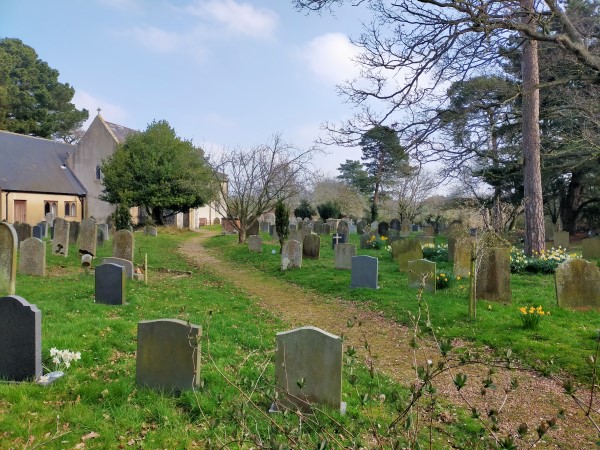
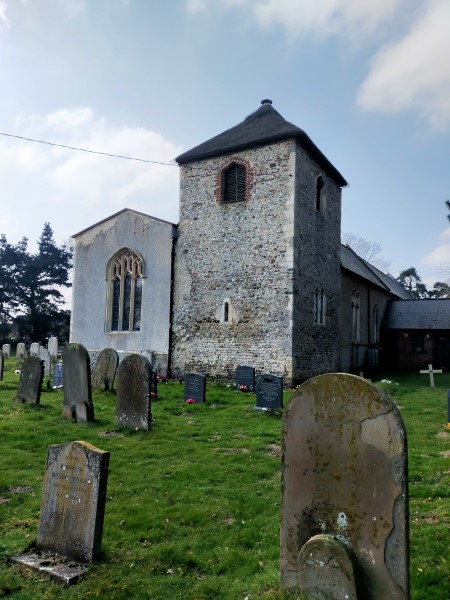
Ringed by wonky tombstones, our pretty village church sits on top of a small hill. Called ‘All Saints’ – to cover all the holy bases – the unassuming little building is an eclectic blend of eras – Norman, Georgian, Victorian and modern. The Norman bell tower features a rare folksy thatched roof, and the east window is rumoured to be from Rouen Cathedral, picked up for a song following the French Revolution.
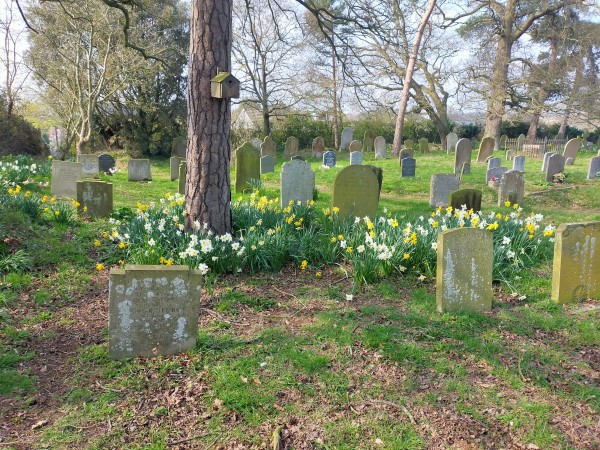
Our micro-cottage nestles at the foot of the hallowed mound, and I pass by the church when popping out for rations. Now and again, I take a stroll around the fir-lined graveyard and while away some me time on a memorial bench. I’m no God botherer, but I find it soulful and restorative, a welcome distraction from a scary world. And now spring has finally sprung, the sight of perky daffodils glowing in the afternoon sun is pretty restorative too.
As our birthdays are just two weeks apart, each year Liam and I tend to mark them together. Nowadays, as befits our budding dotage, our jollies resemble more of a pensioners’ outing than the bop-til-you-drop of our yesteryears. 2025 also marks me reaching my latest chronological milestone – 65 – so Liam planned some fancy ticklers to get me in the mood. First on the menu was a glass of overpriced plonk in a Canary Wharf wine bar followed by a surprise dinner date with family. We dined on Italian, washed down with copious amounts of gossip and scandal – naughty but nice!
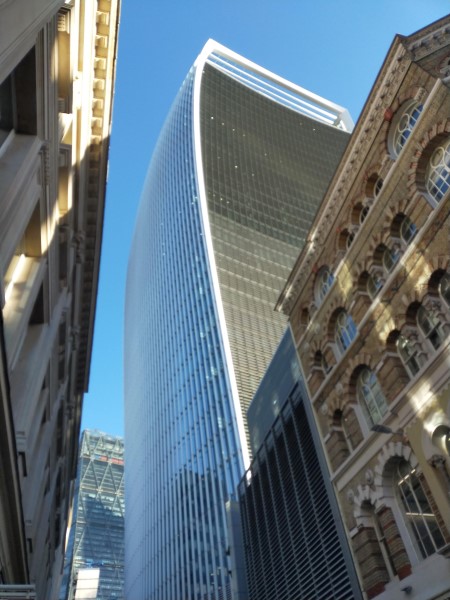
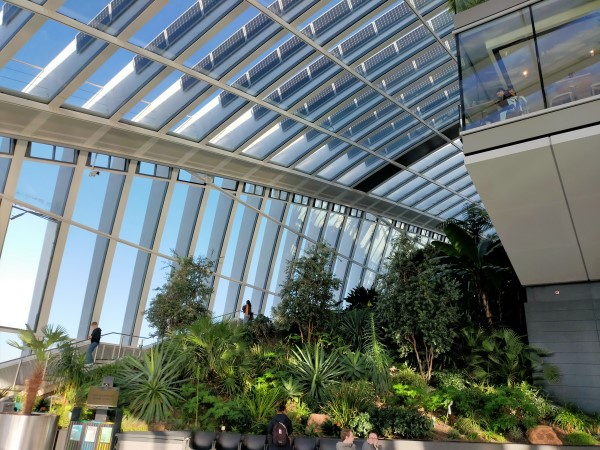
The next morning Liam took me up this…
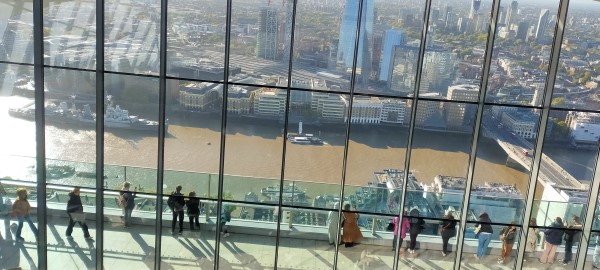
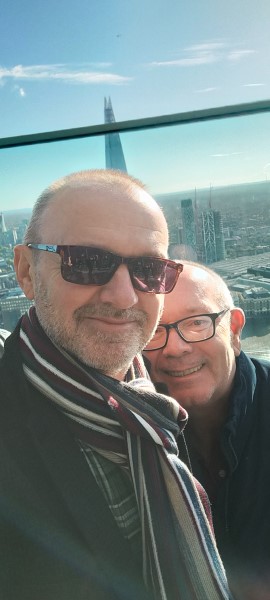
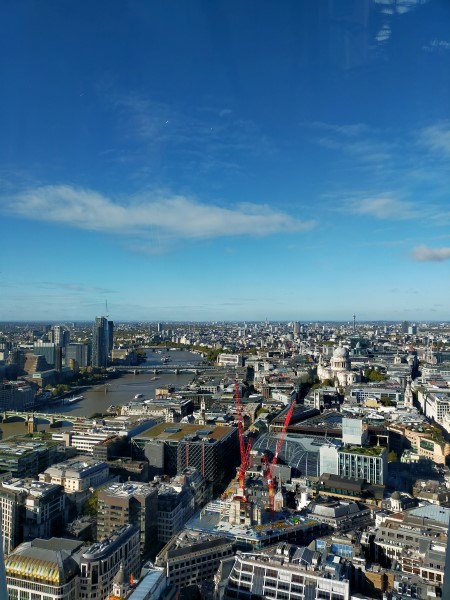
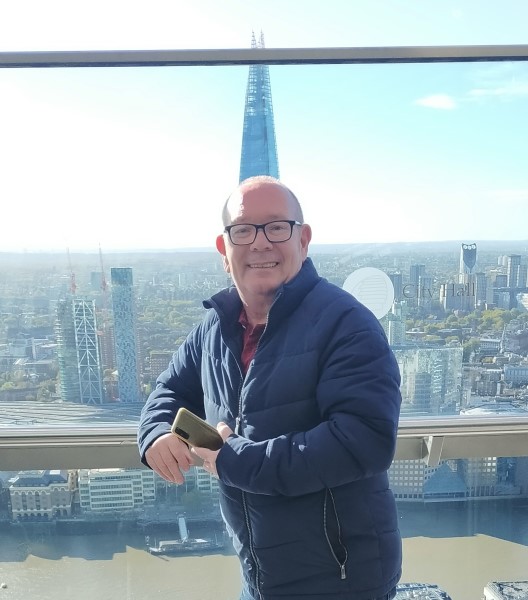
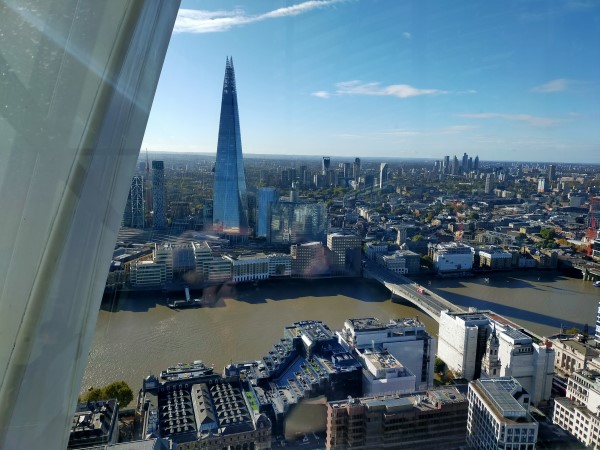
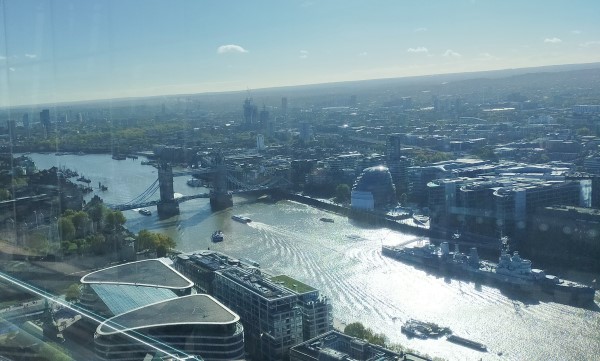
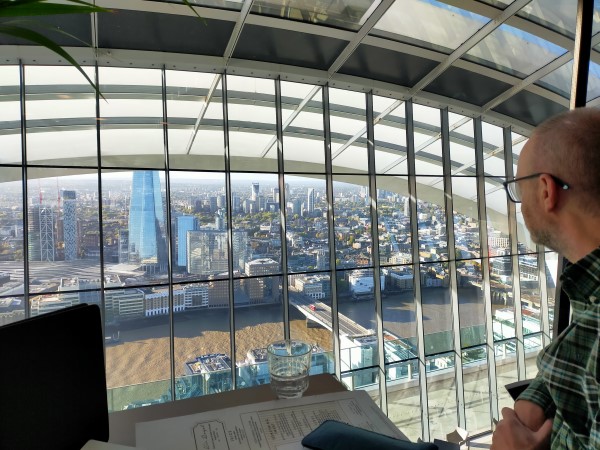
… for a full-on full English with a show-stopping view at the Sky Garden. Perched on top of the Leadenhall Building – affectionately known as the Walkie Talkie – the Sky Garden is London’s highest public green space, with panoramic views of the city. It was a gorgeous crisp day with the sun hanging low in the wispy blue, so our snaps aren’t all that. But you get the picture.
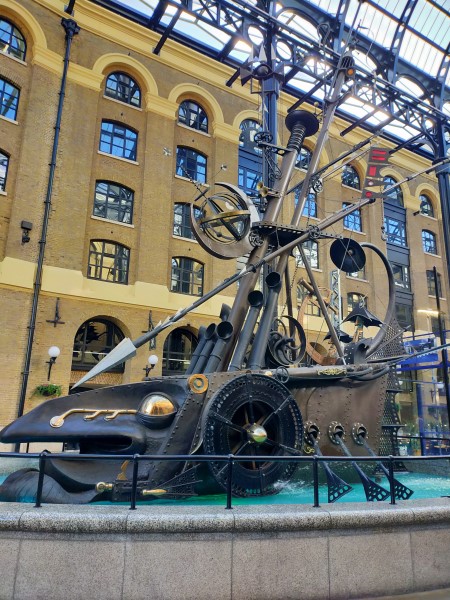
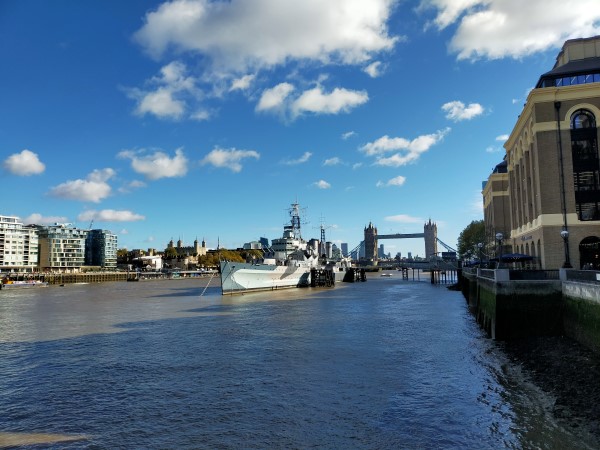
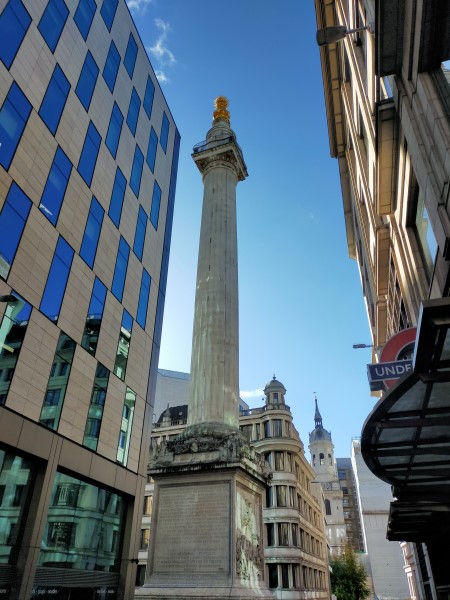
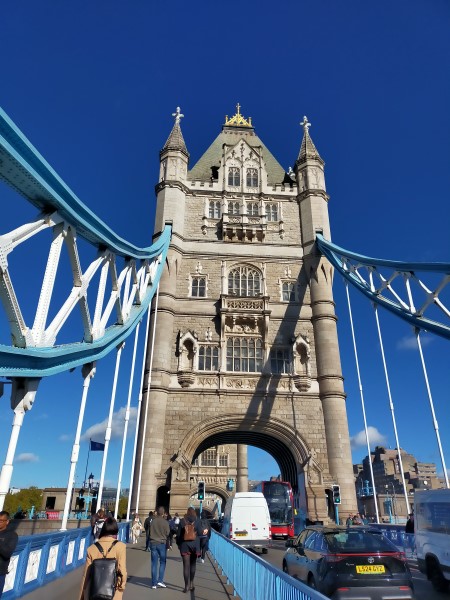
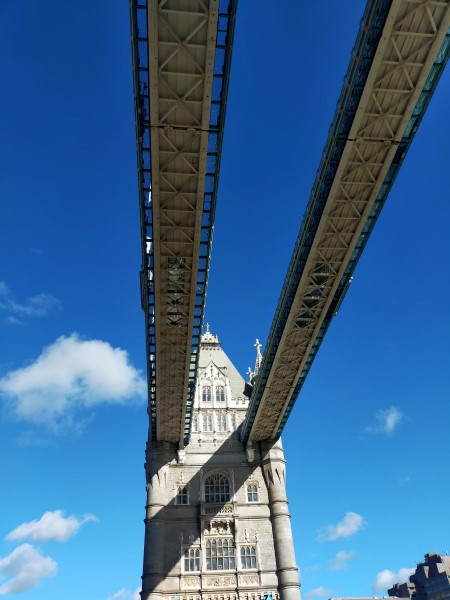
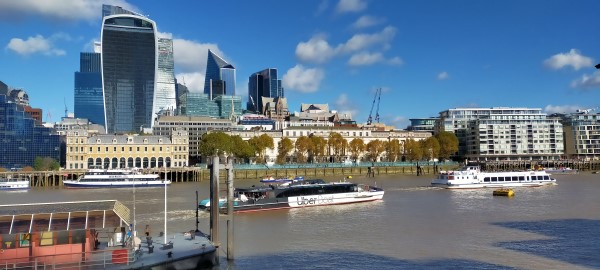
After breakfast, we wandered through the City in a vain attempt to burn off the calories, passing ‘the Monument’, the enormous column commemorating the Great Fire of London of 1666, and then across the Thames to Southwark – pronounced suth-erk – via London Bridge. We strolled along the busy Queen’s Walk, passed HMS Belfast and through Hays Galleria before crossing back into the City via Tower Bridge.
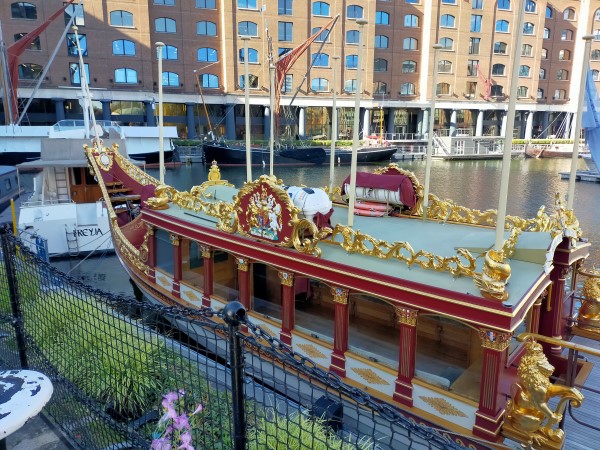
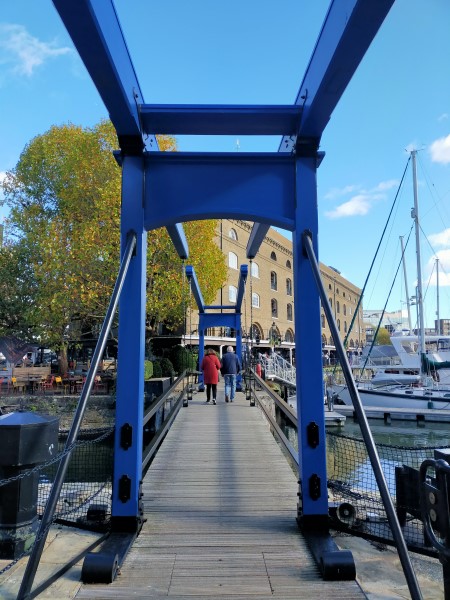
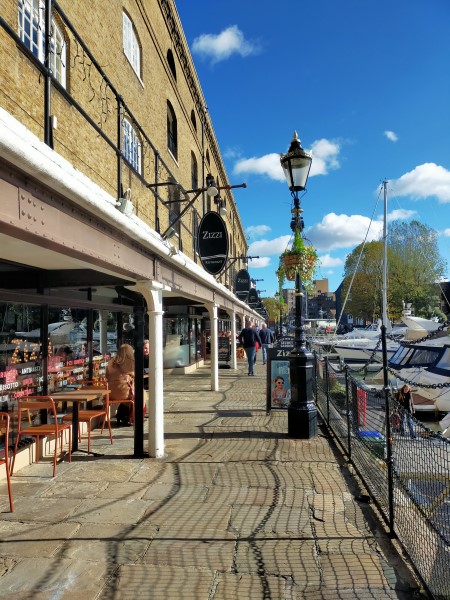
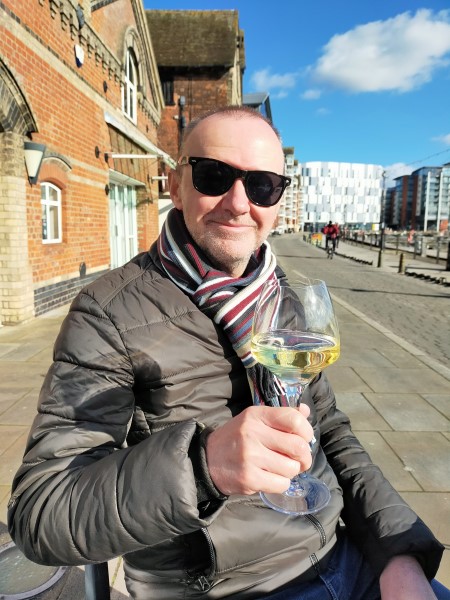
Our final destination was St Katharine Docks, immediately downstream from the Tower. Once part of the Port of London, the docks have since been repurposed as a place to work, sleep, shop and sup, centred around an upmarket yachting marina. After a quick gander, we found a place to sink a bottle and watch the world sail by.
Afternoon drinking can be exhausting even for these two old lushes, so it was back to our Westferry digs for a kip. We had to be fresh and fragrant for the main event, which was…
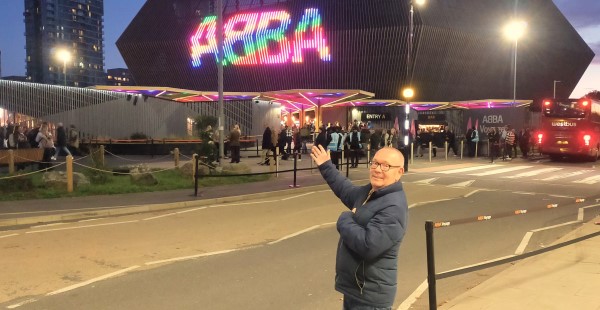
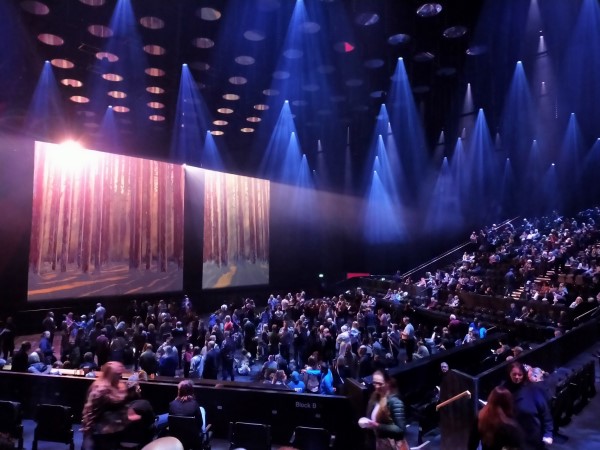
This was our second visit to the breathtaking ABBA Voyage, located by the deliciously named Pudding Mill Lane Station. Our debut performance was in 2023 as part of a birthday bash for the good wife of our local pub’s (now ex) landlord. Back then, we wiggled about like has-been dancing queens to the ageless ABBA classics. This time round we booked comfy seats in the auditorium. This old codger has finally hung up his dad-dancing shoes, much to the relief of all those around. Well, I don’t want to put my back out.
People who know me know that I love an old ruin. Nothing gets me going more than a pile of ancient tumbledown stones. When I can’t visit ’em, I watch programmes about ’em on the box. And few TV pundits get the sap rising better than classical scholar Bettany Hughes. Buxom Bettany flits and flirts around the Med telling tales of the ancients in a fun and fascinating way. In fact, it was she who first introduced us to Ithaca in her series A Greek Odyssey. We’ve been to Odysseus’ legendary isle twice now, so she really does deserve a medal from the Greek Tourist Board.
Bettany’s latest expedition is Seven Wonders of the Ancient World, a three-part series on Channel 5. In a deliciously vivid and insightful narrative enhanced with the very latest archaeological finds, she walks the viewer through the meagre remains of those once wondrous wonders of yore. We’ve visited three of the sites – The Statue of Zeus at Olympia (carted off centuries ago), The Temple of Artemis in Ephesus (just one forlorn column remains standing) and, of course, the scattered pile of stones that is The Mausoleum of Halicarnassus in present-day Bodrum, our former home town.
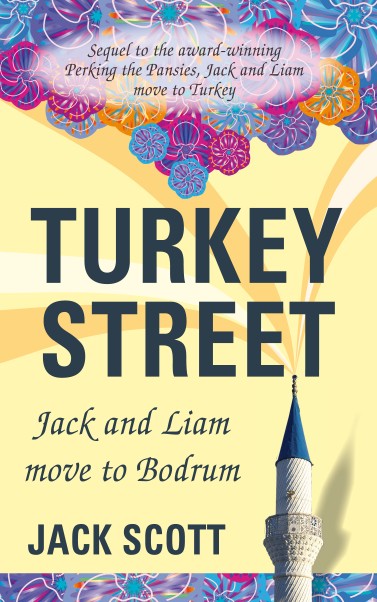
Cue the first shameless plug for my second memoir, Turkey Street…
… as Bodrum had always provided refuge to the exiled and the unorthodox, we gambled on getting the going rate for ‘theatrical’ types. Supplemented by Liam’s feeble but endearing attempts at Turkish, the gamble paid off and Hanife the Magnificent, the undisputed matriarch of an old Bodrum family, accepted us and our pink pounds with open hands. We paid our rent and two weeks later moved into Stone Cottage No. 2 on the corner of Sentry Lane and Turkey Street. And so it came to pass that by happy coincidence we found ourselves living on the same road as the Mausoleum of Halicarnassus, one of the Seven Wonders of the Ancient World.‘I think,’ Liam had said at the time, ‘you would call that a result.’
Chapter 1 – The Garden of Sin
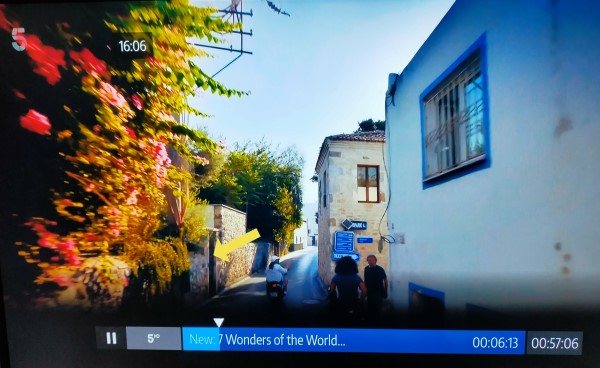
The final episode of Bettany’s epic journey starts with her riding pillion on a scooter driving the wrong way down Turkey Street trying to find the entrance to the ancient site. Imagine our complete surprise and delight as she passed Stone Cottage No. 2 along the way.
Blink and you’ll miss it, so here’s a still with a big yellow arrow indicating our garden wall.
Cue my second shameless plug…
Tired and dripping, I waded past rows of sleeping dolmuş minibuses – ‘dollies’, as Liam called them – and splashed home along Turkey Street. Twenty-three centuries earlier, Alexander the Great had marched along the very same road to wrest old Halicarnassus from the doughty Persians, just before he went on to conquer half the known world. My ambitions were rather more modest: to survivethe short stroll in one piece and jump back under the duck down duvet. Like many old Anatolian thoroughfares, Turkey Street was just wide enough for two emaciated camels to pass each other unhindered. This constraint never seemed to trouble the locals, but for us, motorcades of Nissan tanks flanked by Vespas on amphetamines made for a testing pedestrian experience. Aided by thenow-you-see-them-now-you-don’t pavements, death or permanent disability lurked at every twist and turn of the perilous road.
Chapter 2 – Turkey Street
Eventually Bettany found the Mausoleum, bringing the scanty ruins to life more than I did when I wrote about them back in the day. Thank you, Bettany, you brought back such monumental memories.
Our final sleepover on our three-day Greek odyssey was in a slightly faded, old school hotel with gaudy trappings that wouldn’t have looked out of place in one of Saddam Hussein’s flashy palaces. Nevertheless, our room was clean and comfortable, and meals were wholesome and plentiful.
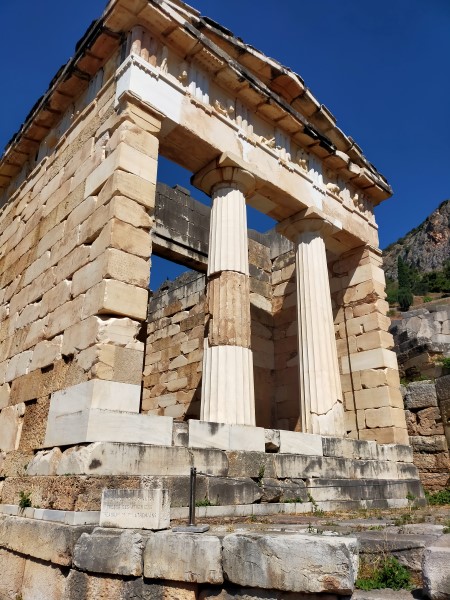
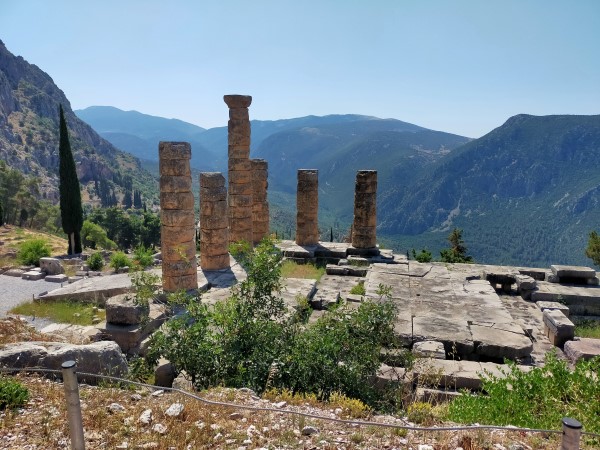
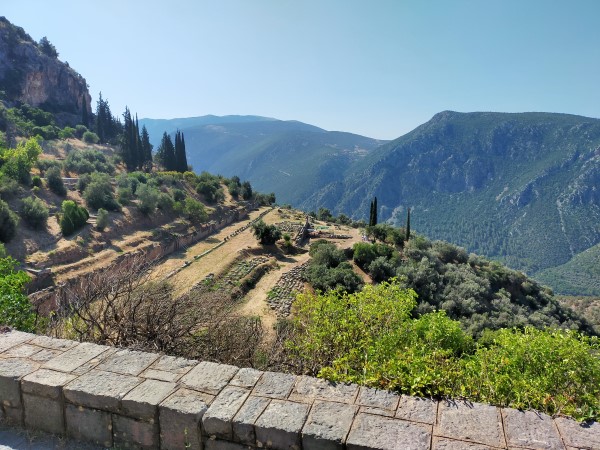
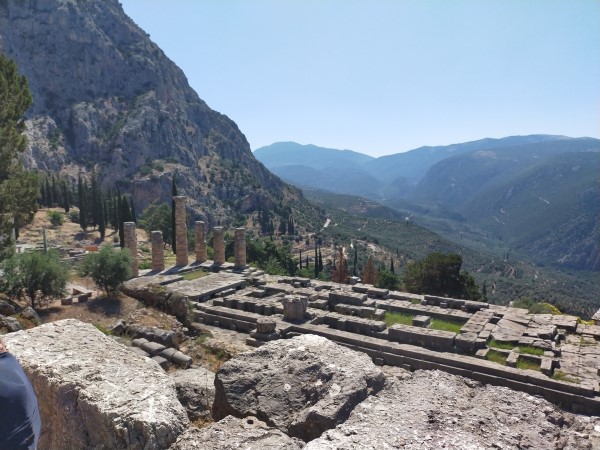
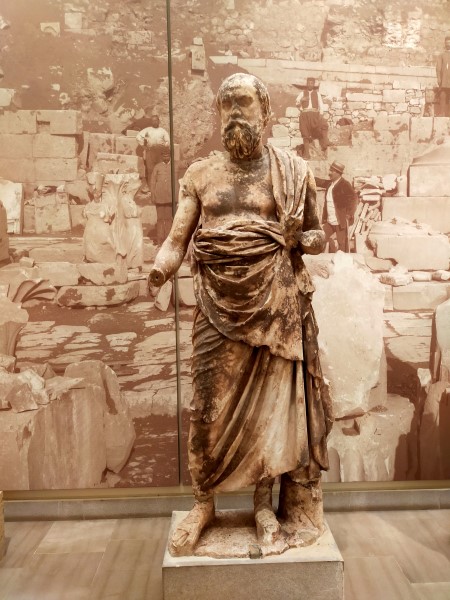
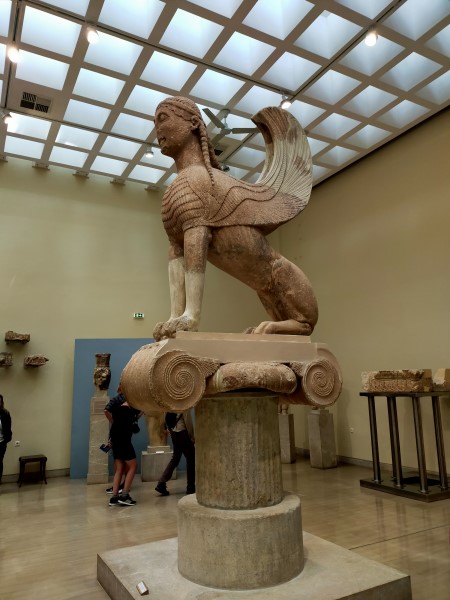
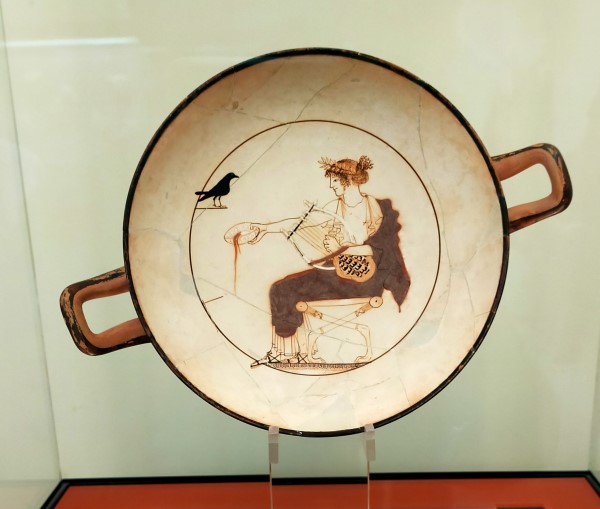
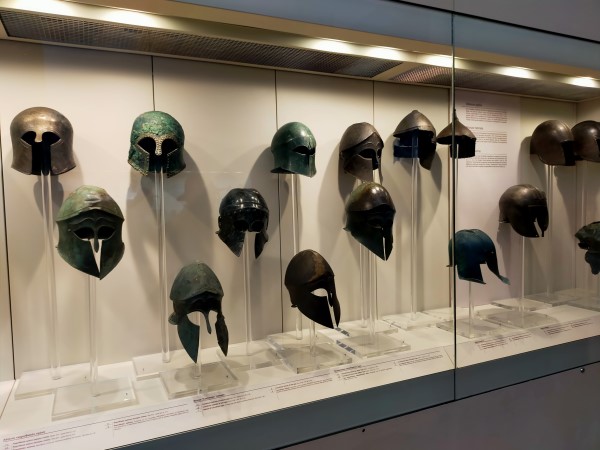
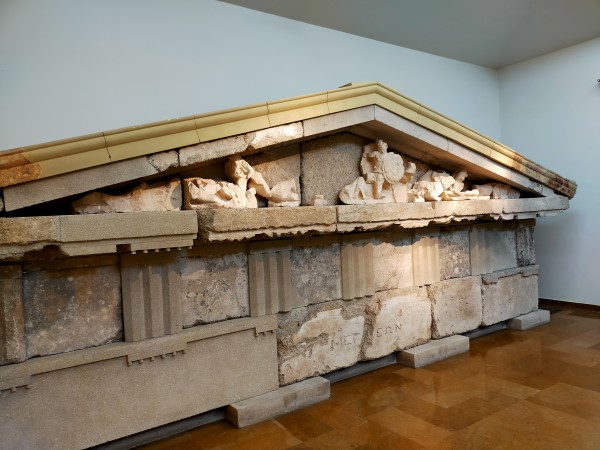
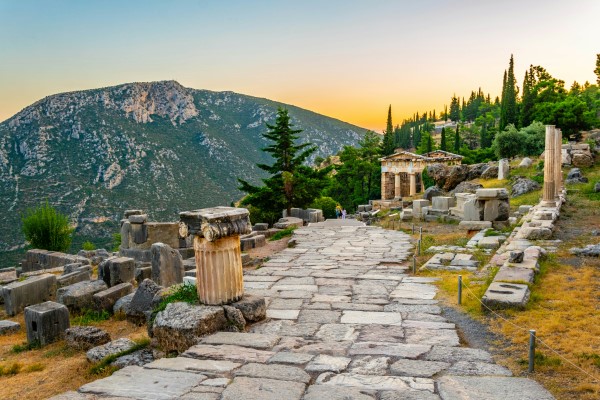
Well-fed and watered, we journeyed to Delphi, the sacred precinct dedicated to Apollo and considered by the ancient Greeks to be the navel of the world. In fact, the name ‘Delphi’ likely comes from the ancient Greek word ‘delphys’, meaning ‘womb’. As such, Delphi held unique religious and political influence, attracting pilgrims from across the Mediterranean. It also attracted their cash and ‘corporate’ bungs from city states competing for holy favours. Ye Gods, those ancients knew a thing or two about raking in the cash and making a mint.
The sanctuary was most famous for the Oracle of Apollo, whose cryptic prophecies would be delivered through the Pythia (a priestess) after she sniffed something she shouldn’t. People could wait months for a chance to consult the pretty-boy deity, but a sneaky backhander might get you to the front of the queue.
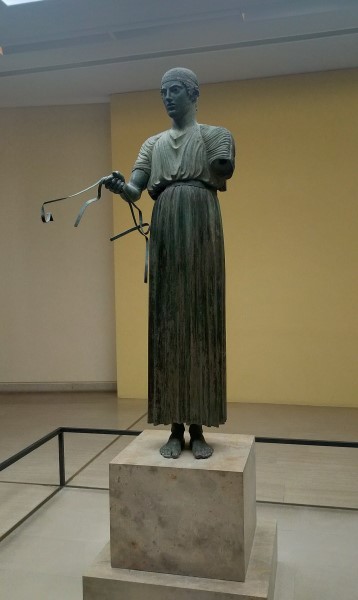
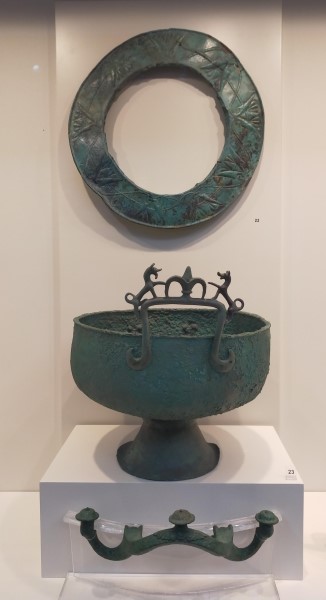
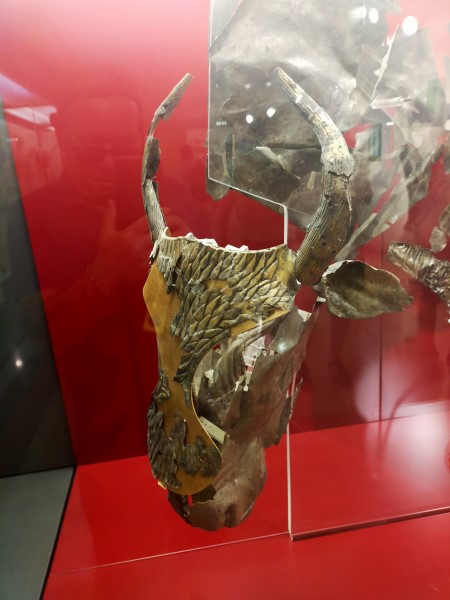
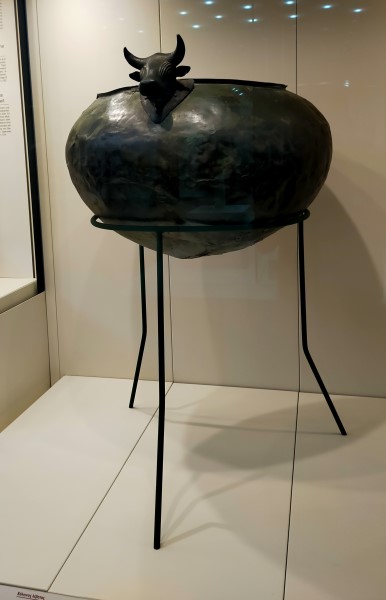
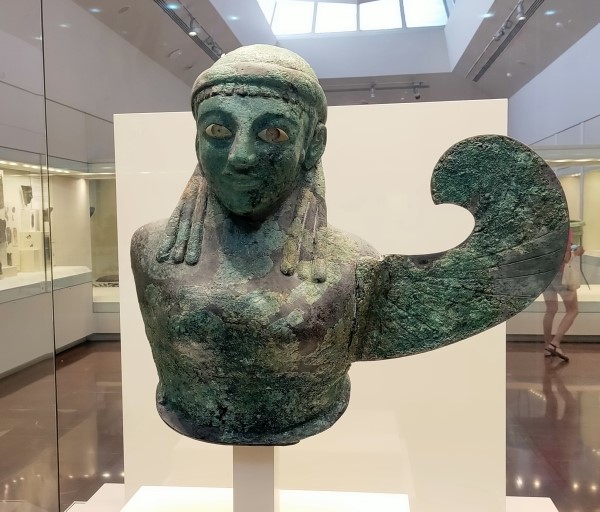
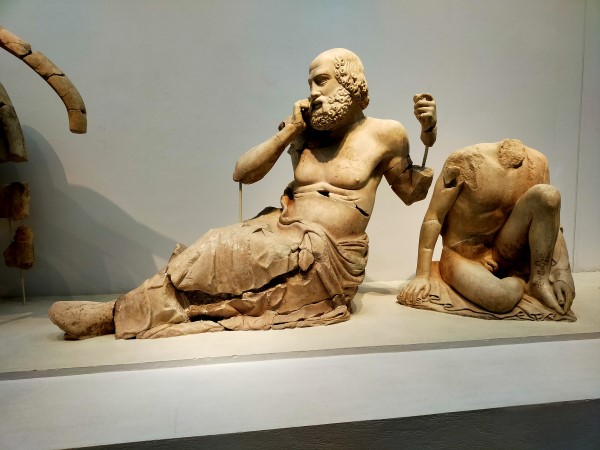
The entire enterprise was closed down by the puritanical Theodosius I in 391 – the very same Christian Emperor who called time on the Olympic Games two years later. I bet he was a laugh at a party. Just like Olympia, it’s hard to visualise how magnificent the sanctuary once looked in its heyday. But Delphi’s position, cradled by lush pine-clad mountains, is even more spectacular, and the museum even more impressive.
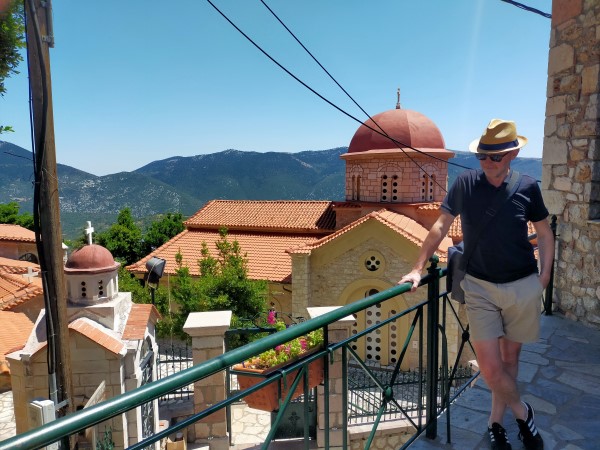
After more tales of the ancients from our guide, Demitrios, it was time to head back to the big city. But not before a lunchtime pit stop in Arachova, a cute little town of narrow streets and stone houses clinging to the slopes of Mount Parnassos.
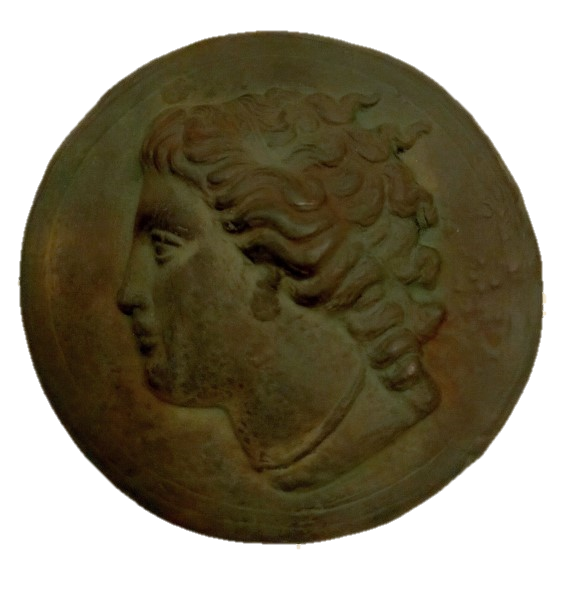
Our grand tour may have reached the end of the road, but we’re bringing home the lurv with our very own piece of classical Greece – an image of Aphrodite, a memento to hang on a wall. It’s not the real thing, obviously. No smuggling out priceless antiquities in our hand luggage. No, we picked her up in the museum shop. Now for a well-earned rest from our sweaty labours. Aegina’s up next.
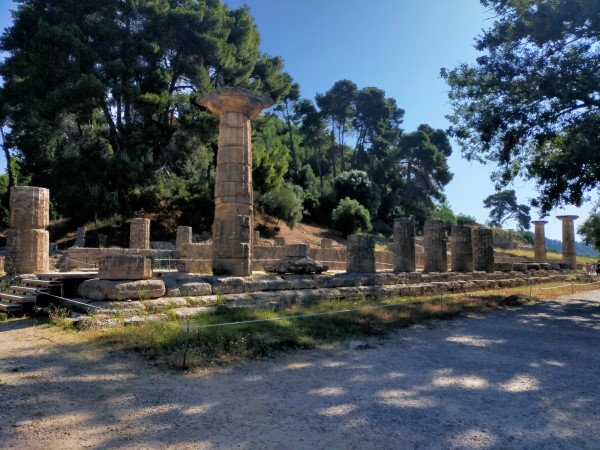
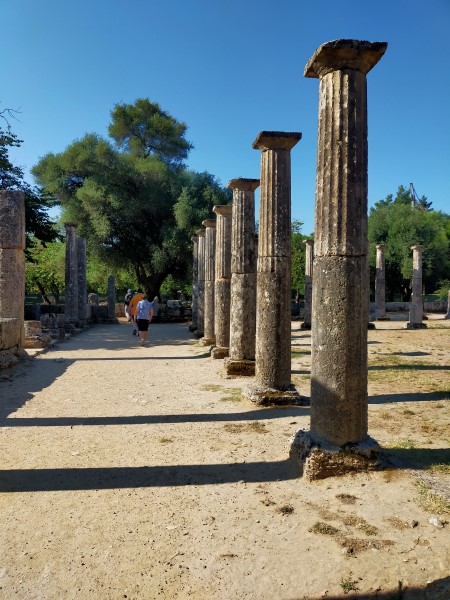
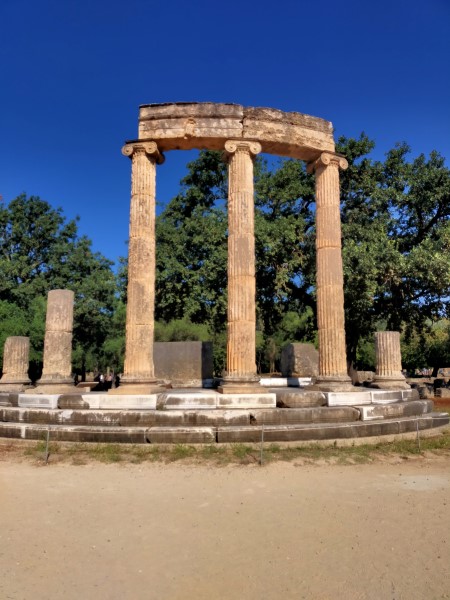
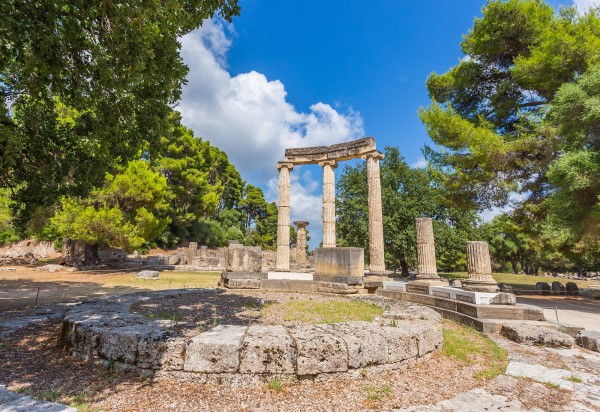
After a restful night and a bountiful breakfast buffet, we were back on the road for our morning reccy of the sanctuary of Olympia, birthplace of the Olympic Games. Just like their modern reincarnation, the games were held every four years and featured a series of athletic competitions. However, rather than the pursuit of national glory, with all that jingoistic flag-waving, the first games were a religious festival to honour Zeus, top god on Mount Olympus.
According to Demetrios, our all-knowing guide, the entire enterprise was a licence to mint money, with gifts to the gods flooding in from across the Greek world. Unlike most Olympiads these days, it made the hosts filthy rich.
The male competitors always competed in the buff. Imagine the sight of sweaty fellas in their birthday suits dripping in olive oil without a jock strap between them, their family jewels swaying from side to side like weights on a grandfather clock – surely they must have done themselves a mischief. But I guess that was the price they paid to be poster boys of their time, to be feted and fantasised about.
Women were not permitted to participate in the main games but had their own, separate events known as the Heraea Games, in honour of Zeus’ missus, Hera. They had to be unmarried, and unlike the ripped blokes, they kept their kit on.
The games ran for about a thousand years, from 776 BCE until 393 CE, when they were abolished by that Christian zealot, the Roman Emperor Theodosius I. The buttoned-up killjoy probably thought all that homoerotic nude wrestling was the work of the Devil.
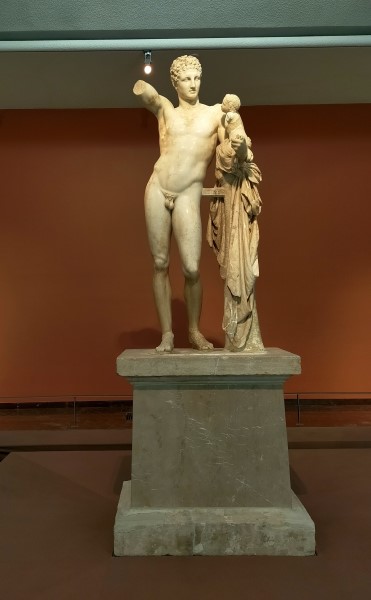
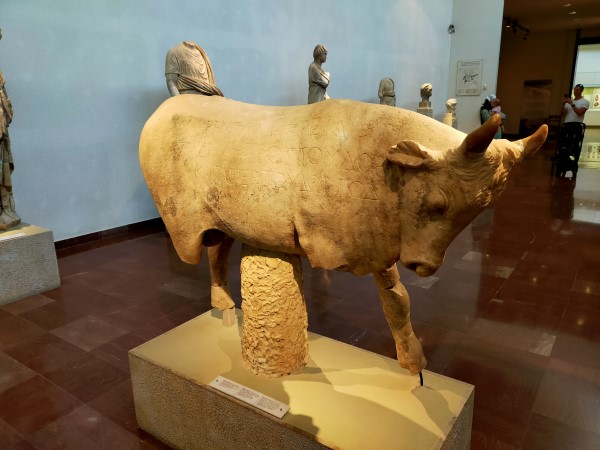
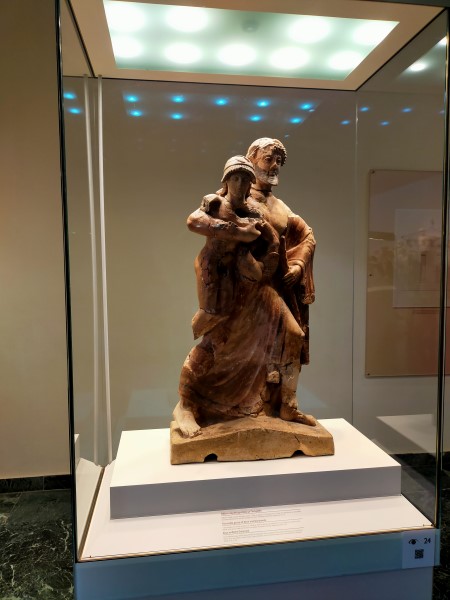
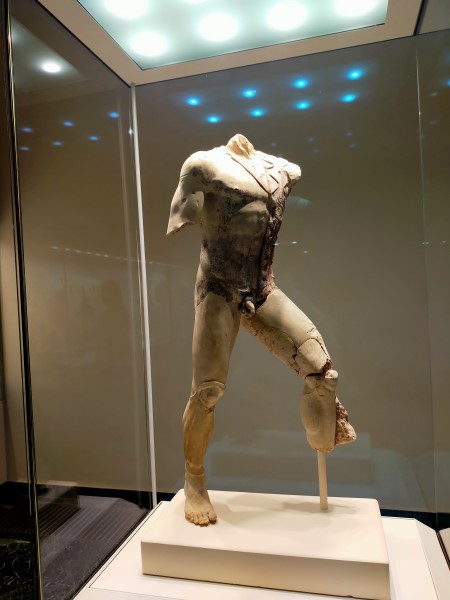
It takes imagination to visualise the once magnificent temples and civic buildings. Nevertheless, the setting is stunning. And the museum is pretty good too. Liam was thrilled to be able to place his big toe on the ancient starting line at the very first Olympic Stadium. He kept his knickers on, much to the disappointment/relief (delete according to taste) of the gathering crowd.
Our three-day whistle-stop tour of some of Greece’s most famous historic sites was both tiring and inspiring in equal measure. We were blessed to be in a small group of just five in our (mercifully) air-conditioned minibus. Our fellow travellers were all Australians. I like Aussies. We share a similar irreverent sense of humour.
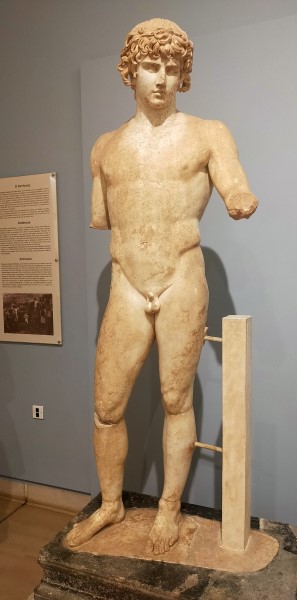
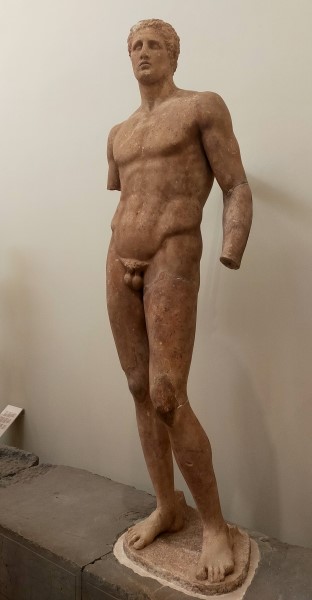
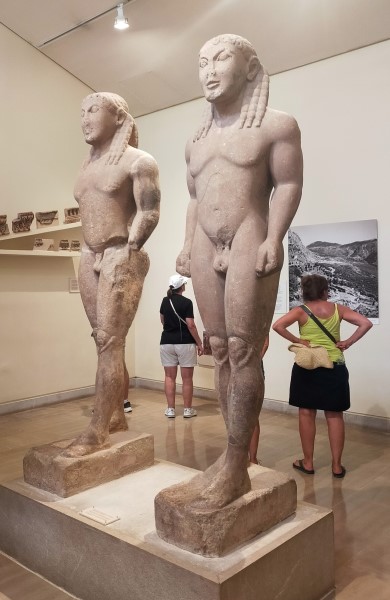
Demetrios, our well-versed tour guide – an archaeologist by trade – really knew his onions. He spun a good yarn, bringing the ancients to life by blending fabulous fact with fantastic fiction. Throughout our odyssey, he told tales of war and heroism, murder and mayhem, loyalty and treachery, greed and generosity, morals both highbrow and gutter – a no-holes-barred mythical soap opera on acid. All the vices of gods and humans were laid bare, literally in the case of the many fine chiselled statues of beautiful young men with their willies hacked off by scandalised Christians.
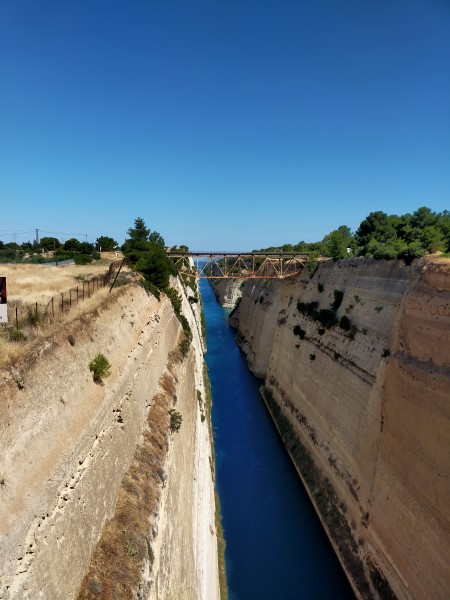
Our first stop was the Corinth Canal – not an ancient site per se; it was completed in the 1880s. But it was a welcome comfort break after the long slog escaping the urban sprawl of Athens. And the canal, cut through the hard rock of the narrow Isthmus of Corinth that separates the Peloponnese from the mainland, is impressive, despite being a bit of a white elephant.
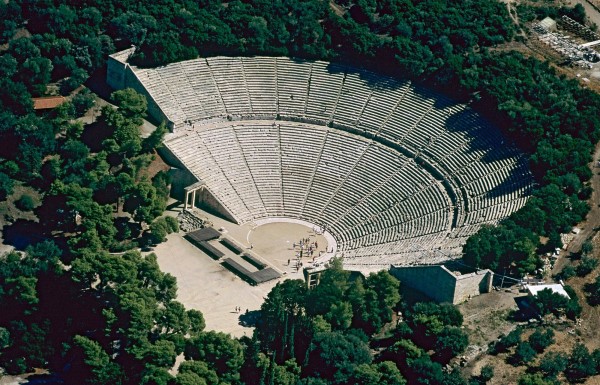
Second stop was the spectacular and well-preserved 4th-century BCE theatre at Epidaurus, with its reputation for almost perfect acoustics – ably demonstrated by Demetrios as we stood in the orchestra pit. The echo was remarkable and a little spooky. Unsurprisingly, the theatre is still in use today.
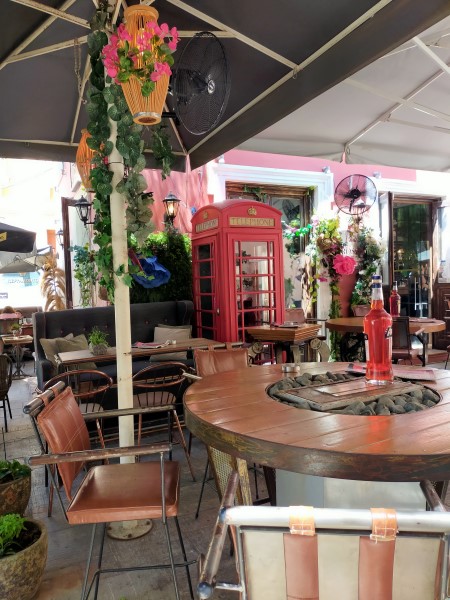
We pit-stopped in modern Epidaurus for a bite. It’s a handsome port town on the Saronic Gulf. Sadly, it was way too hot to explore, though we thought the old British classic phone box in the café was a welcome touch.
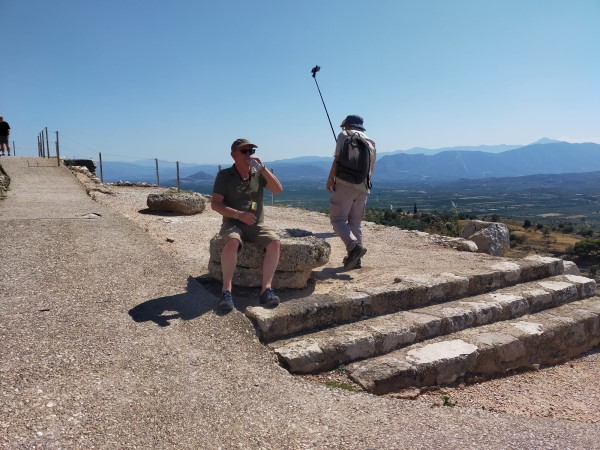
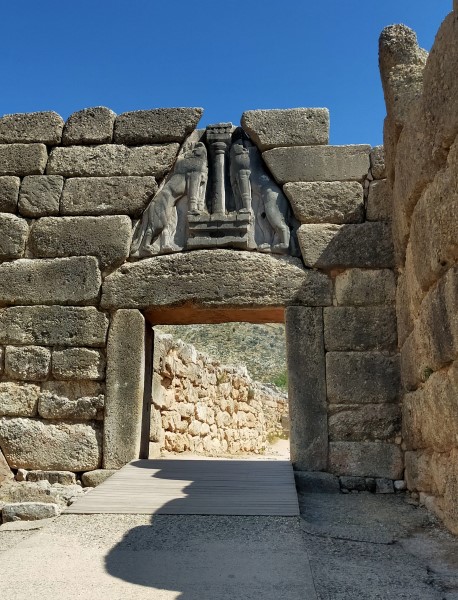
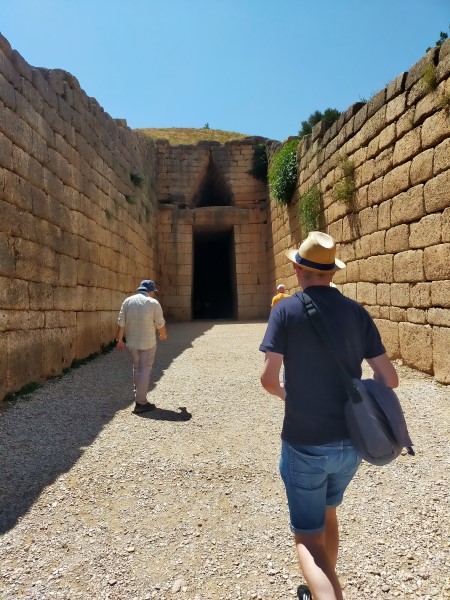
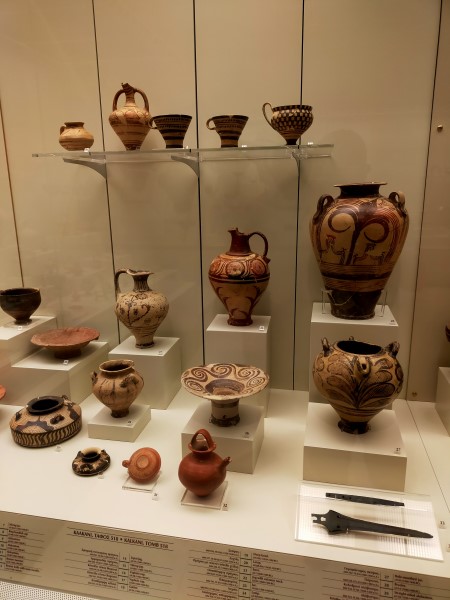
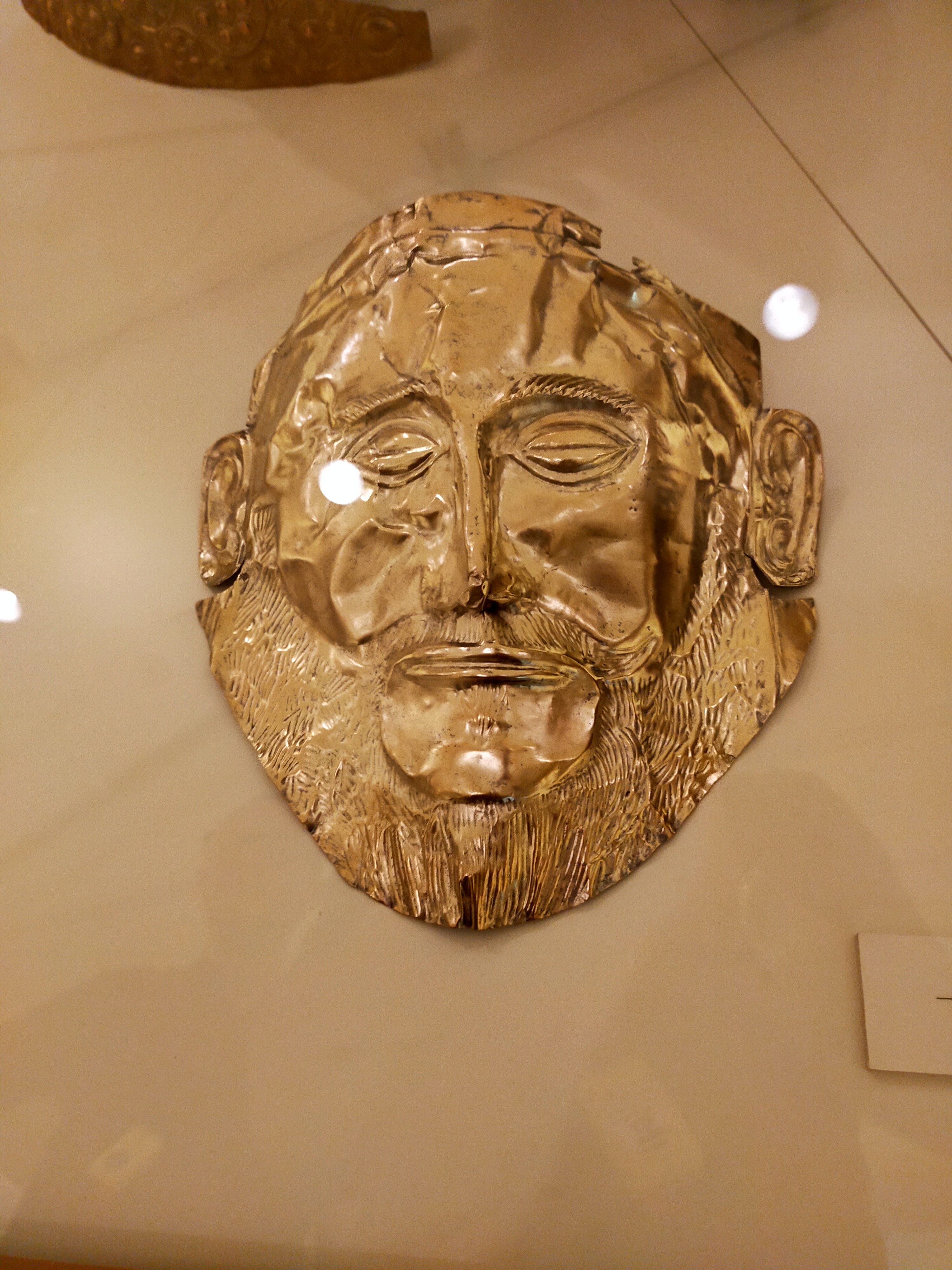
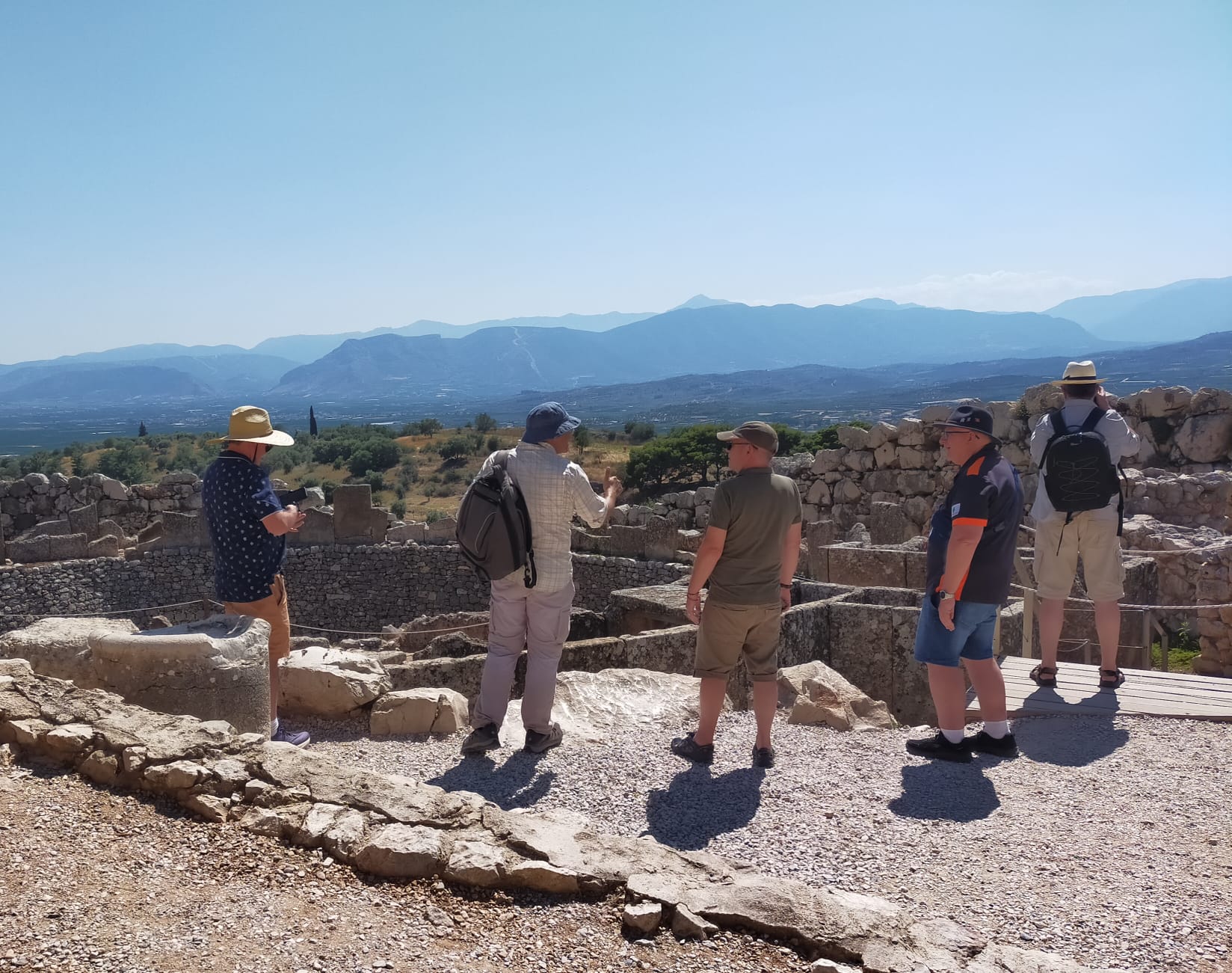
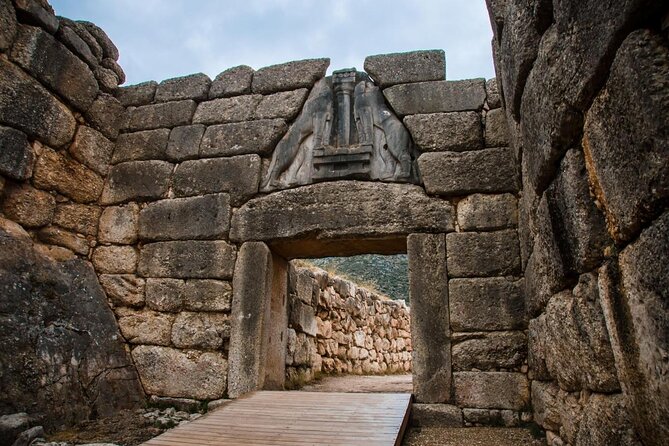
Fourth stop was Mycenae, an acropolis almost as old as time itself, sitting on a hilltop 900 feet above sea level. An entire period of Greek civilisation between around 1,600 BCE to about 1,100 BCE is named after it, so it’s no wonder it’s a UNESCO World Heritage Site.
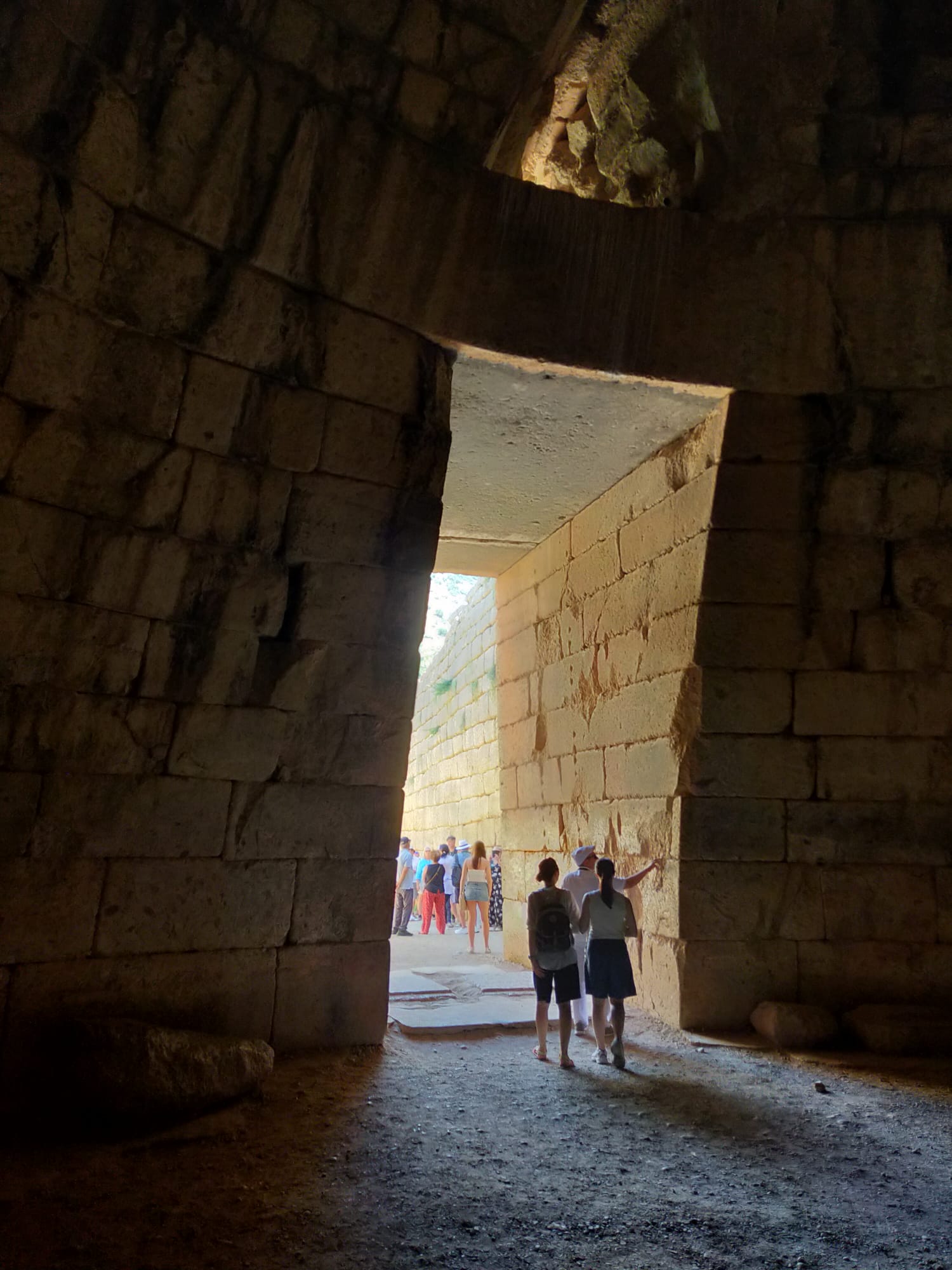
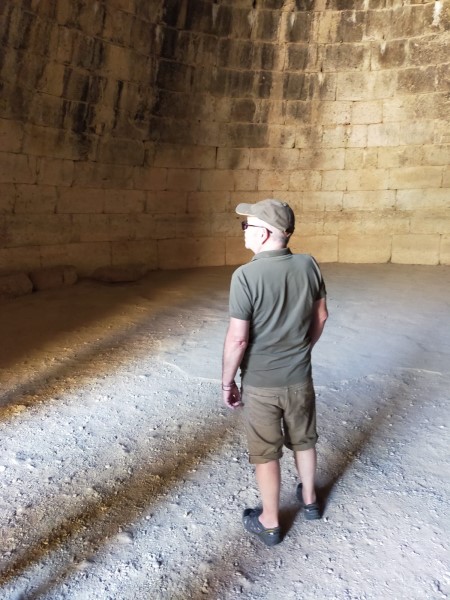
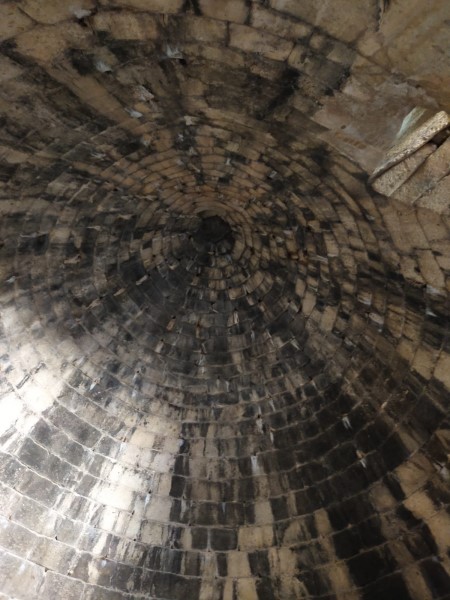
Mycenae is inextricably linked to Homer’s Iliad and the fanciful tales of Troy. Arguably, the most impressive structure still standing is a beehive-shaped building with a pointed dome known in modern popular folklore as The Tomb of Agamemnon, the legendary warrior king who led the Greeks during the Trojan War. It’s highly unlikely to actually be the treacherous old bugger’s final resting place, but never let the truth get in the way of a good myth to lure in the eager punters like me. Liam said I looked like an over-excited boy scout as I gazed in awe at the 3,300-year-old roof.
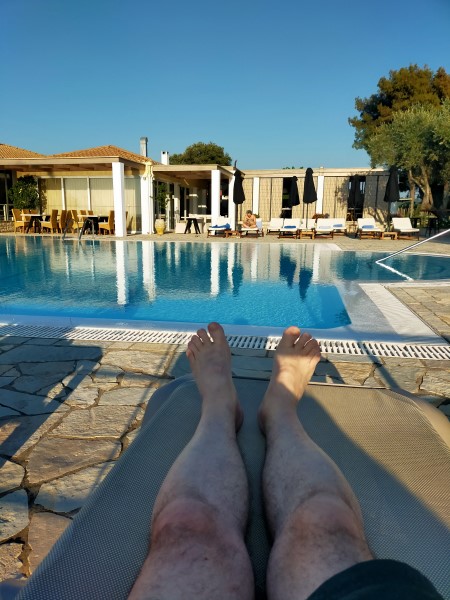
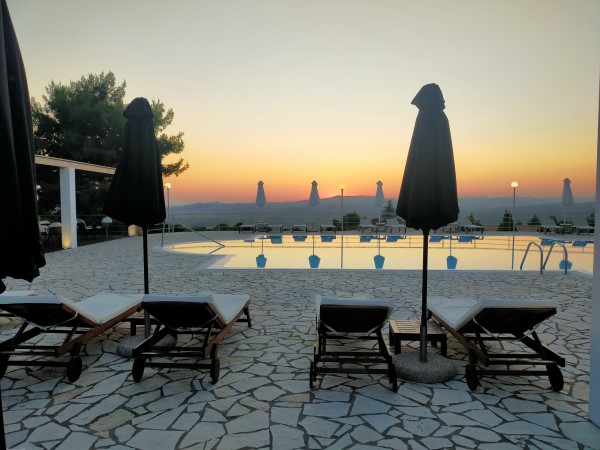
After a sweaty and exhausting first day, we were only too pleased to be dropped off at our digs for the night, just in time for a well-earned dip, followed by a glass or three of tasty local plonk to watch the sun go down.
Tomorrow, Olympia beckons. Let the ancient games begin.
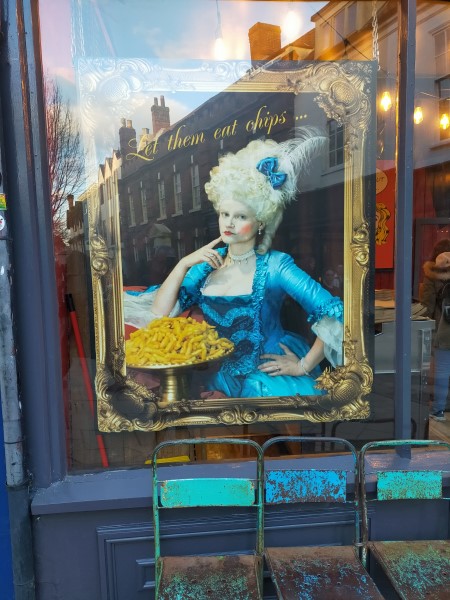
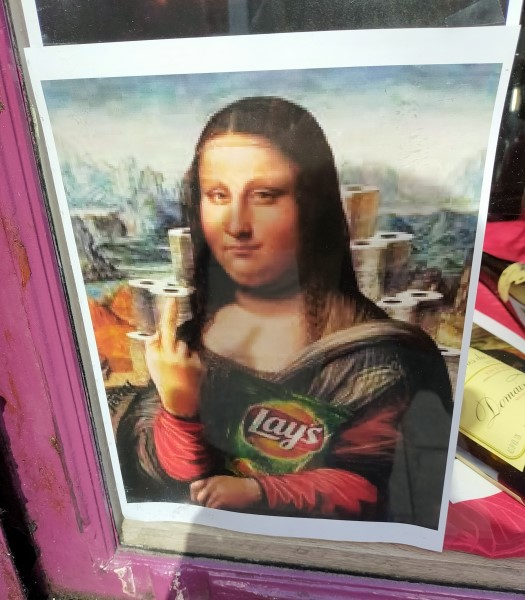
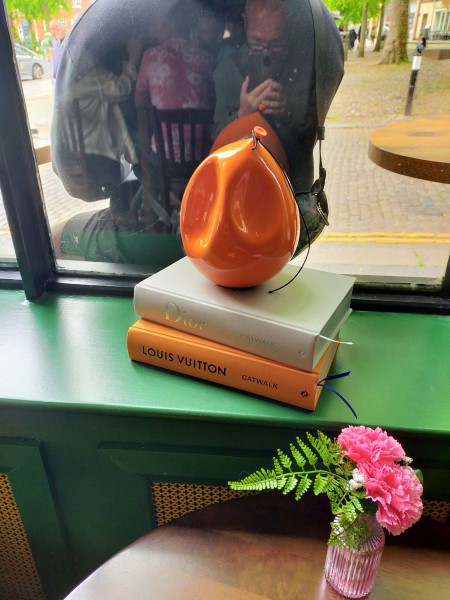
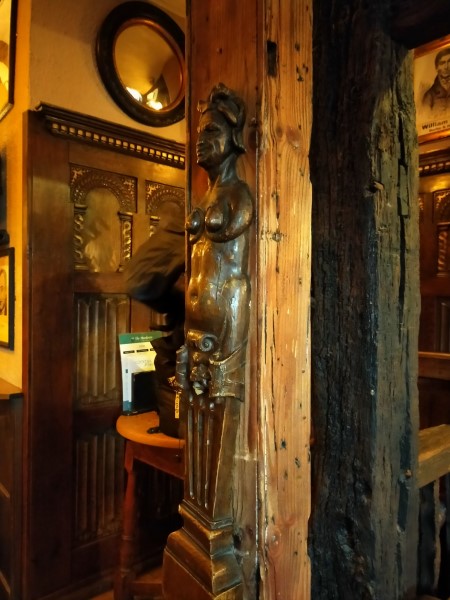
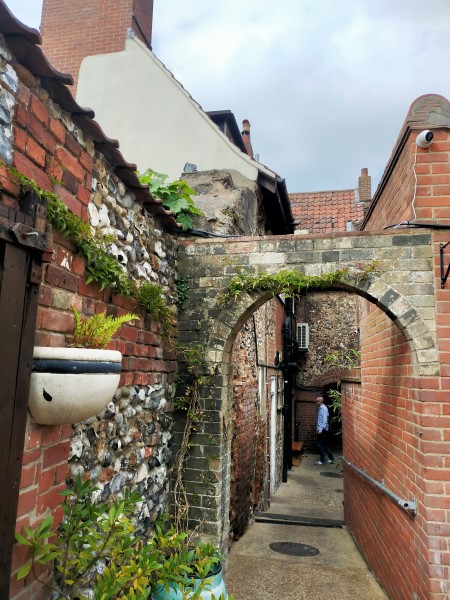
While we’re away on our Greek odyssey clambering over old tumble-down stones trying not to break a hip, here’s a few of my pics that didn’t quite make the cut, mostly taken in or on the way to one drinking den or t’other. Yamas! 🥂
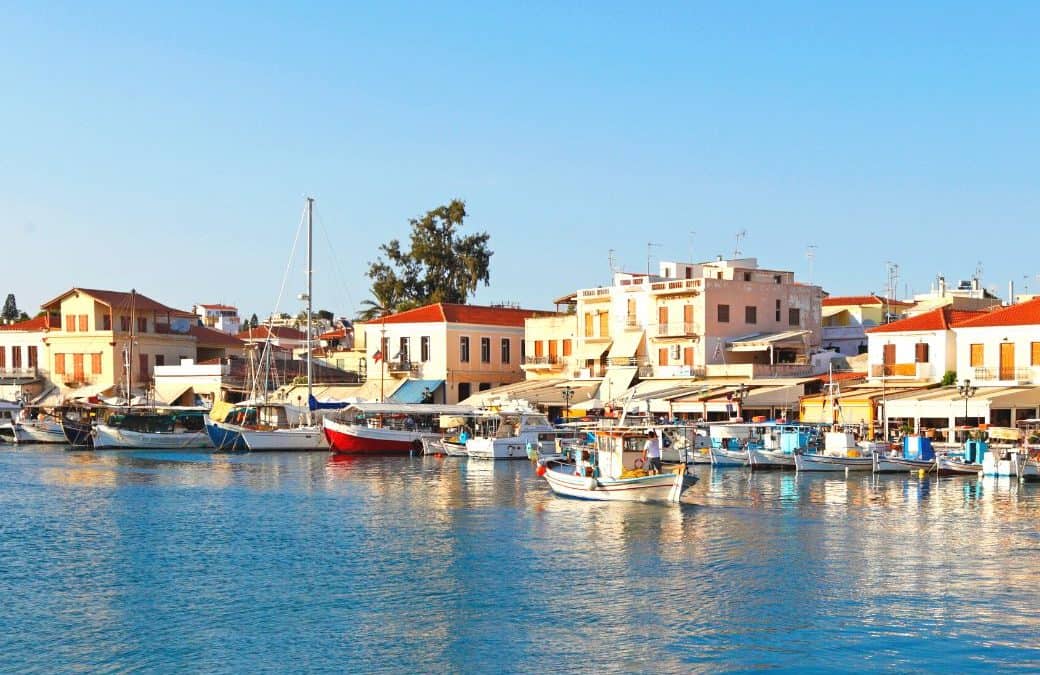
I’ll be off-air for a week and a bit. We’re embarking on our very own Greek odyssey – by coach – taking in the ancient sites at Epidaurus, Mycenae, Olympia and Delphi, topped and tailed with overnights in Athens. I’m a sucker for an old ruin. After our exhausting reconnoitre, we’ll be recuperating on Aegina for a few days, just a short ferry hop from the Port of Piraeus.
It’s our debut pensioners’ coach outing. At this late stage of our life cycle, I can see a pattern developing. Many fridge magnets will be purchased.
In the medieval era, the rag trade made Norwich rich, making it England’s second city. But it wasn’t to last. The steam age killed off traditional weaving, and old Norwich gradually slipped down the rankings, unable to compete against northern upstarts and their dark satanic mills.
Down but not out, the city reinvented itself with a new trade – making money, lots of it. And what better way to make money in a city largely built of wood than fire insurance? And what better way to reduce expensive pay-outs than to employ your own fireman? And thus, in 1797, a canny banker with an eye on the main prize, Thomas Bignold, founded the Norwich Union Fire Insurance Office.
Fast forward a couple of hundred years and following a complex series of mergers, takeovers, re-names and rebrands, Aviva is now the largest general insurer in the land – and pretty big in other lands too.
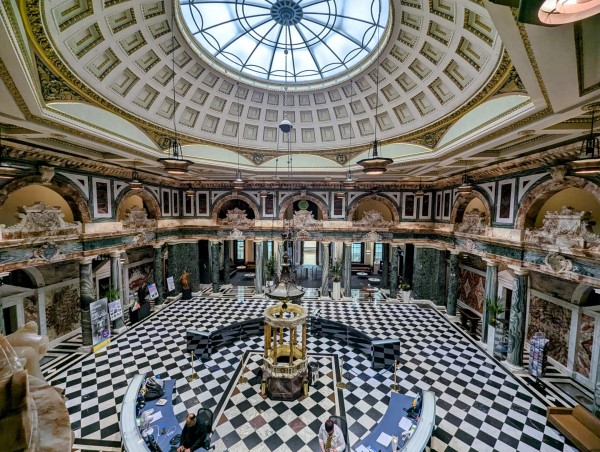
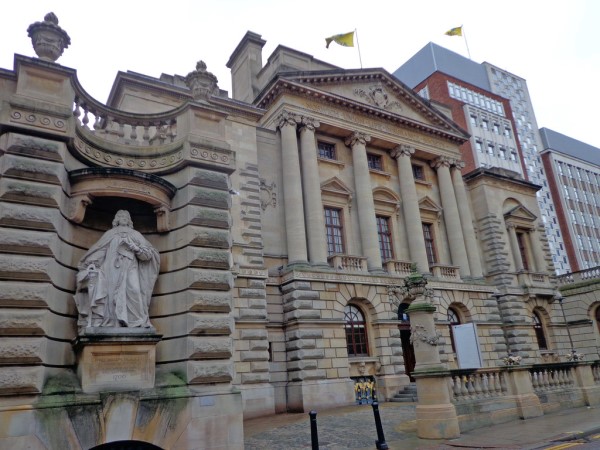
The company dominates the city centre with offices everywhere. But none are so grand as Surrey House, the purpose-built head office opened in 1905. Designed by celebrated local lad George Skipper, the lavish interior is richly decorated in marble, some of which was originally intended for Westminster Cathedral.
Marble Hall image courtesy of Pat Jacobs.
The classy Edwardian pile shines like a diamond among a forest of run-of-the-mill utilitarian Aviva office blocks.
To find out more, we joined a friend for the Marble Hall tour run by The Shoebox Experiences*. The people at Shoebox know how to tell a good tale, punctuating history with tasty nuggets and fun facts – and their tour was simply brilliant.
*The Shoebox Experiences run a number of city tours. All profits go to their social enterprise which creates supportive places for vulnerable people. We last joined a tour on their fascinating Hidden Street gig.
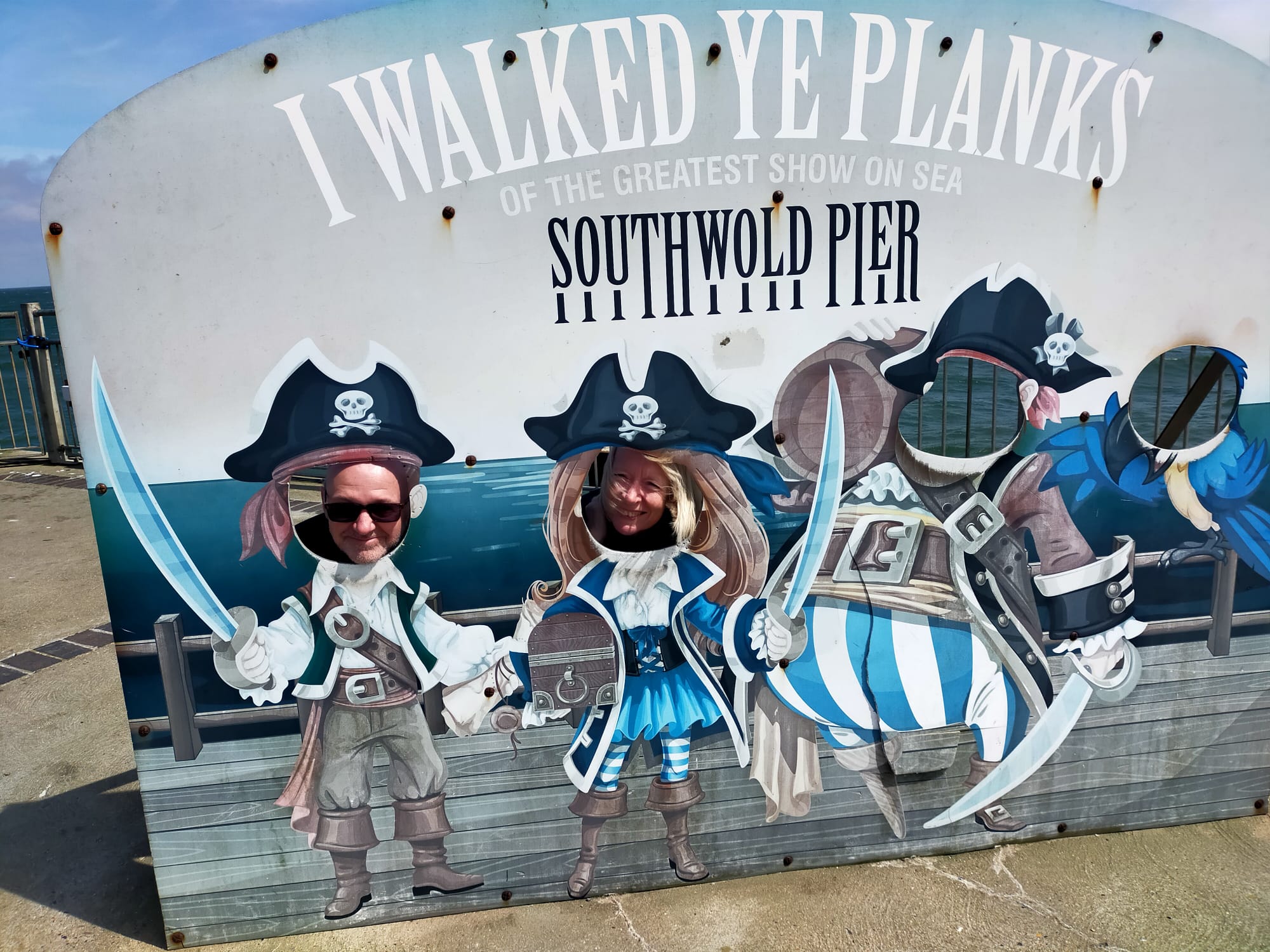
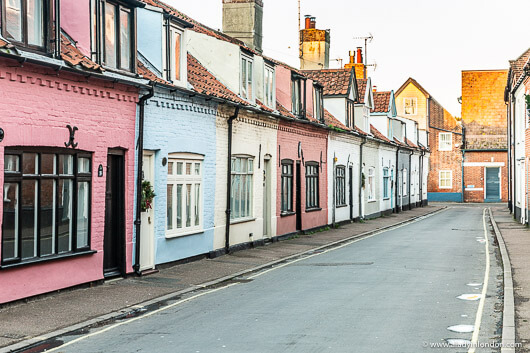
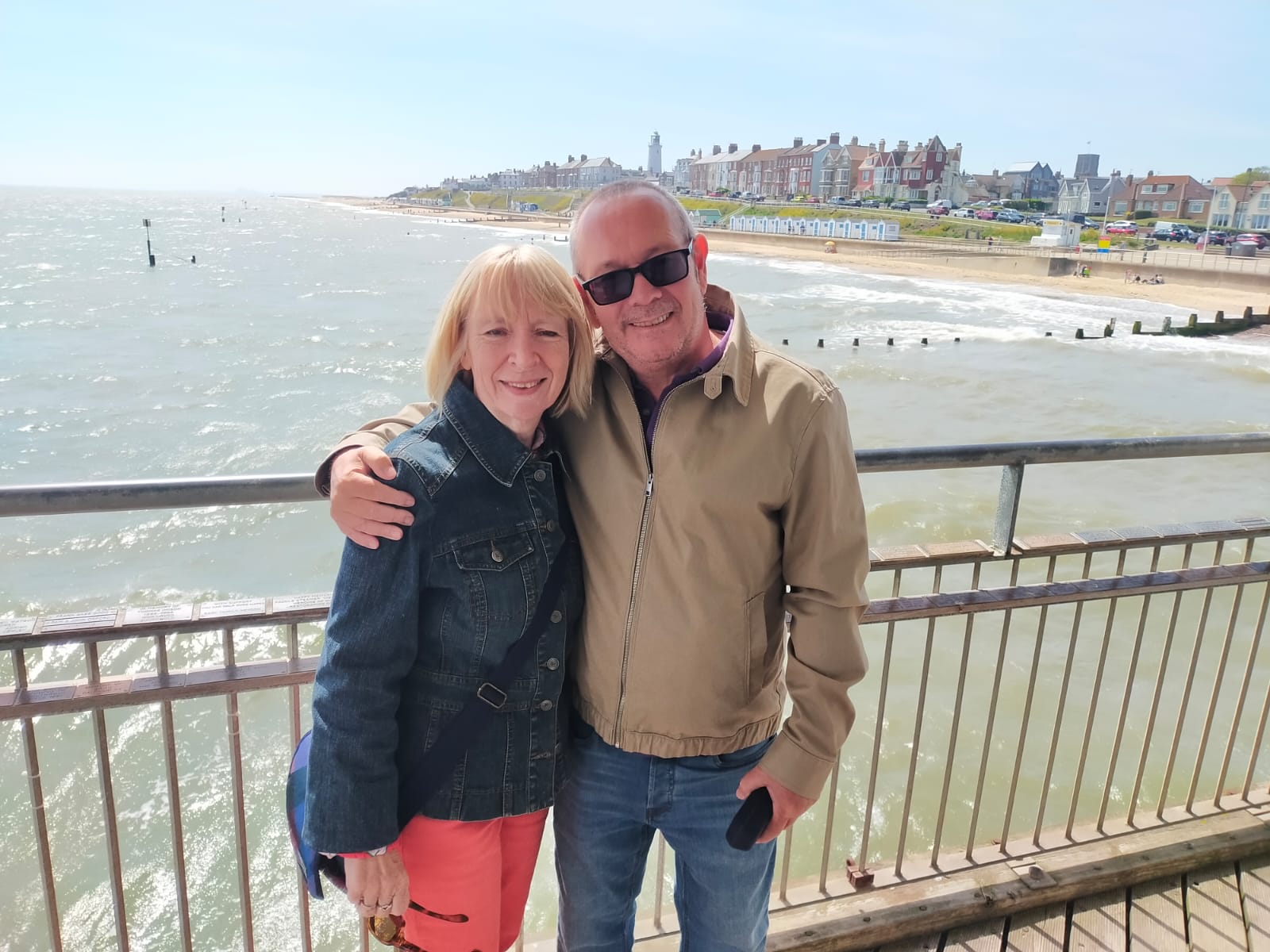
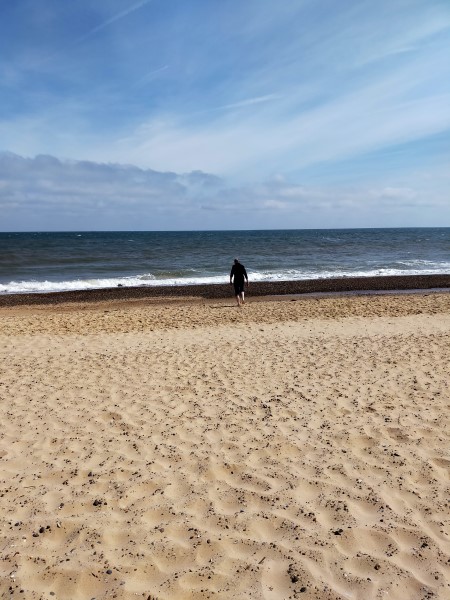
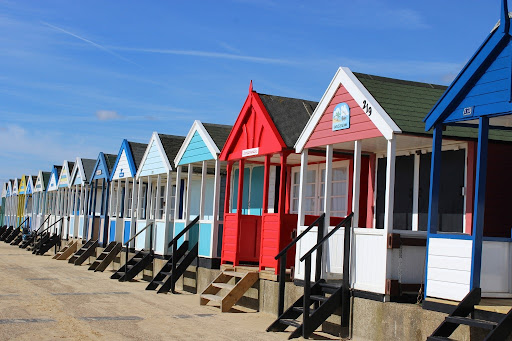
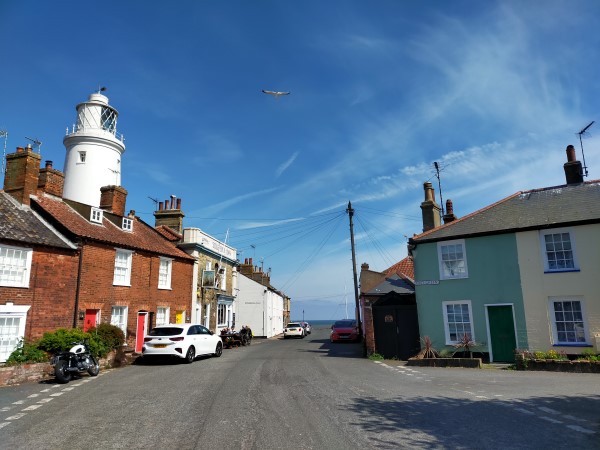
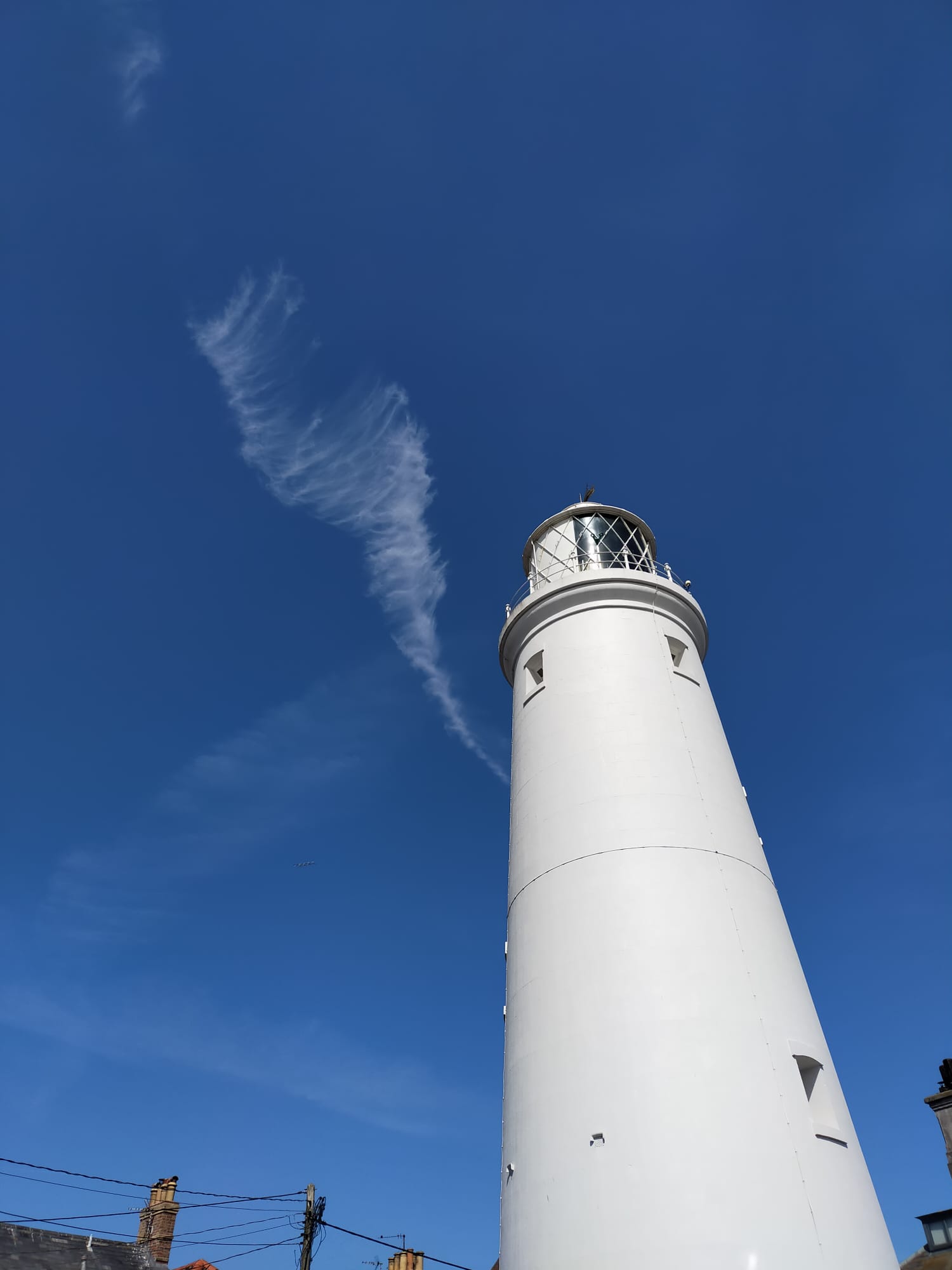
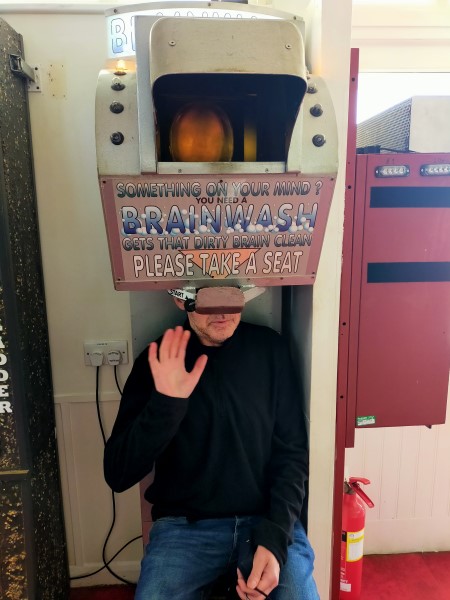
What better way to spend a sunny spring afternoon than a trip to the seaside? We’d never been to Southwold, the classy resort on the Suffolk coast because, without our own wheels, it’s a bit of a trek. So an equally classy neighbour took pity on us and offered to take us. We had a fine time frolicking around on the eccentric antique arcade games at the old pier, strolling along the beach and scoffing scrumptious scones topped with the must-have clotted cream and jam at the posh Swan Hotel. Liam even went for a paddle. The bracing wind blowing in from the North Sea didn’t put him off.
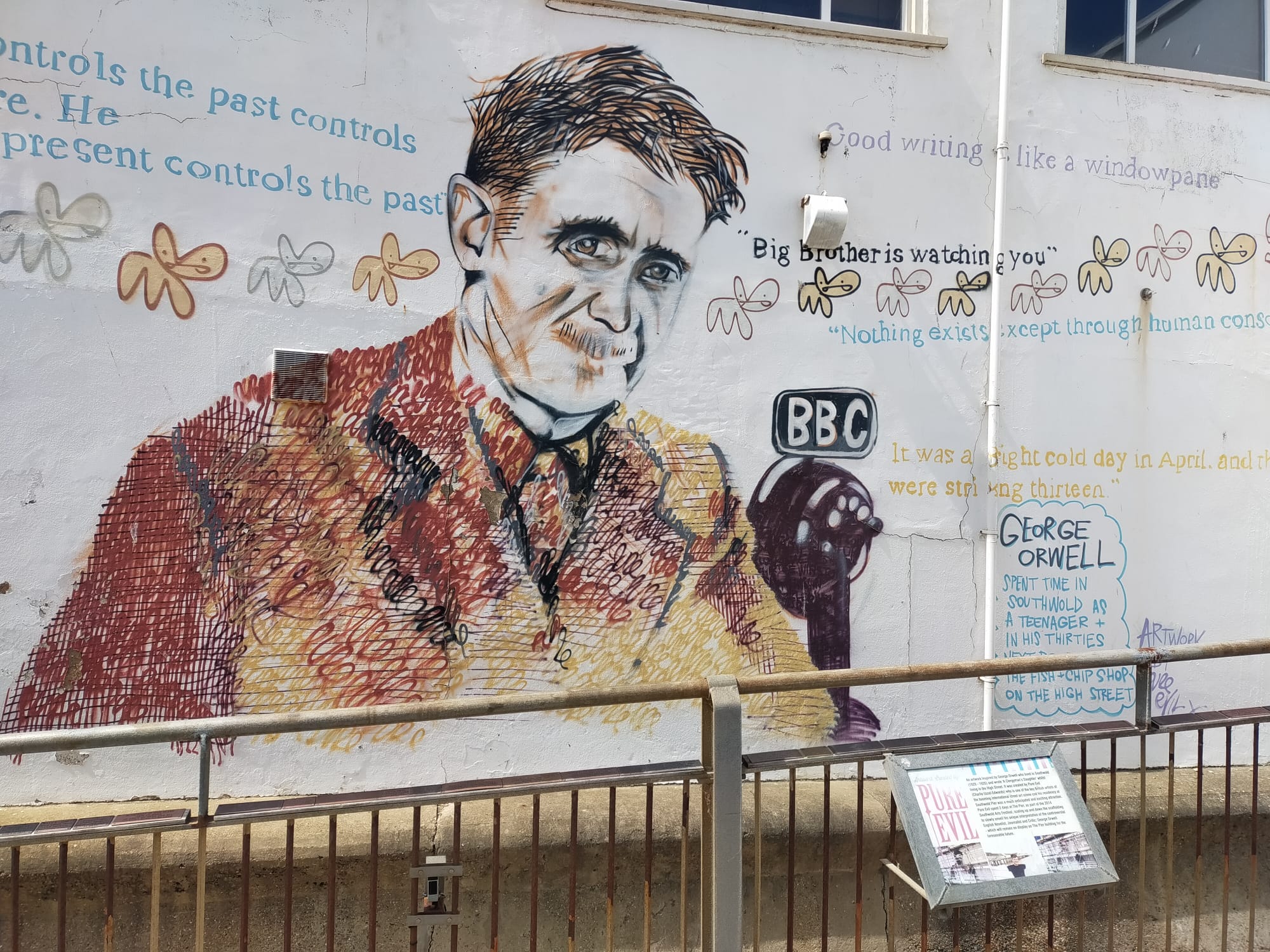
First mentioned in the Domesday Book* of 1086, the pretty town is notable for several things, not least a bunch of bible-bashing, buttoned-up puritans who, in 1637, emigrated to Hingham*, Massachusetts. Southwold was also the teenage home to author George Orwell. His most famous novel, Nineteen Eighty-Four, warns of the slide into totalitarianism. I see a connection.
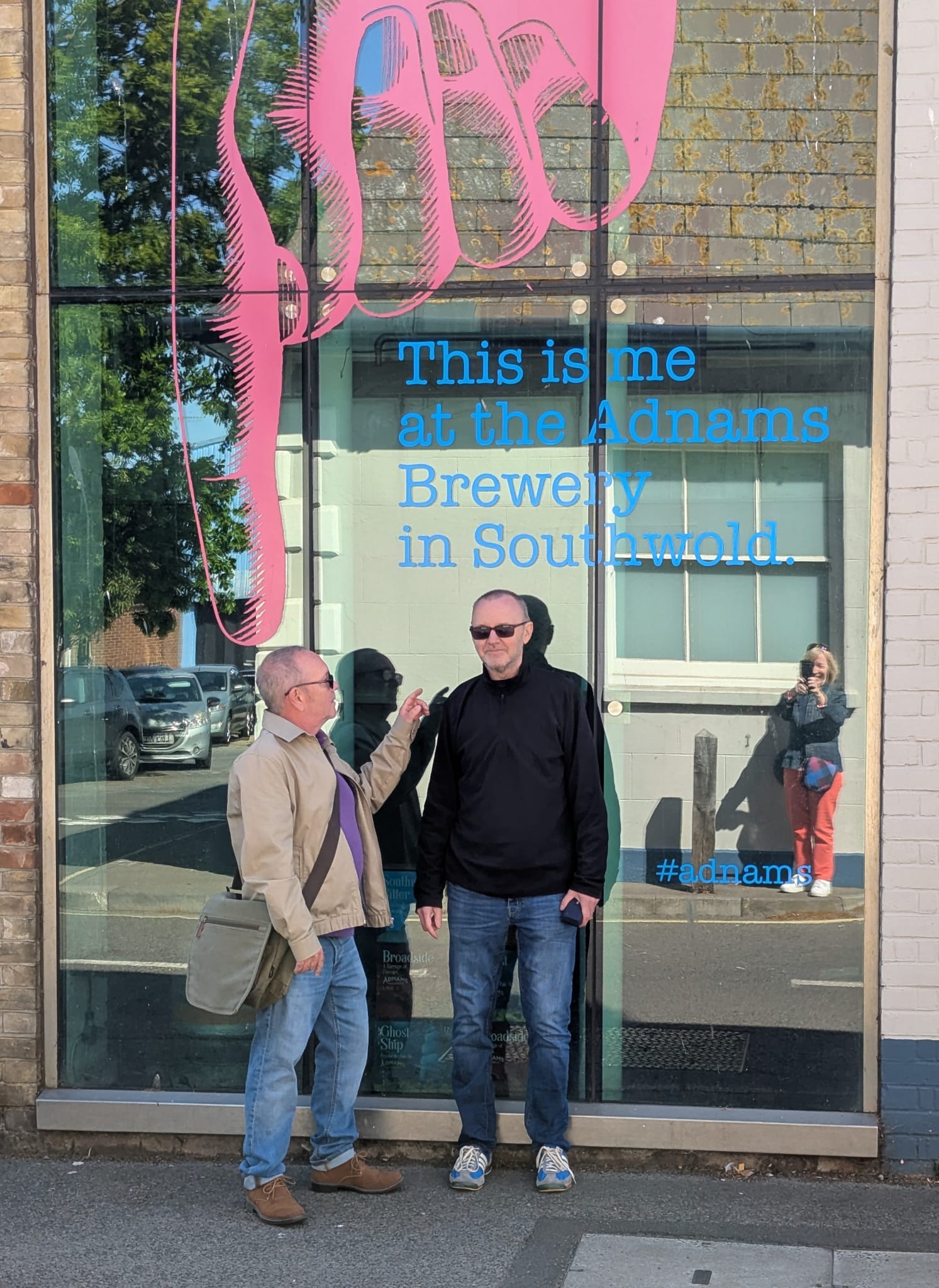
On a lighter note, the town is also home to the famous Adnams Brewery. These days, I prefer the grape to the grain but Liam tells me they brew a quaffable ale. The afternoon ended with traditional fish ‘n’ chips down by the old harbour. All in all, a fun day out.
Some images courtesy of Pat Jacobs.
*The Domesday Book was commissioned by that bastard William the Conqueror to price up the realm he stole.
*The Massachusetts town was named after Hingham, Norfolk, from where most of the new settlement’s first colonists came, including Abraham Lincoln’s ancestor, Samuel Lincoln. A bust of old Abe takes pride of place in Hingham’s St Andrew’s Church. The Norfolk Hingham is also where Liam worked at the medical practice for a few years to keep the wolves from the door after we returned from our Anatolian misadventures. It’s a small world.


 Perking the Pansies