Red Bus Rover

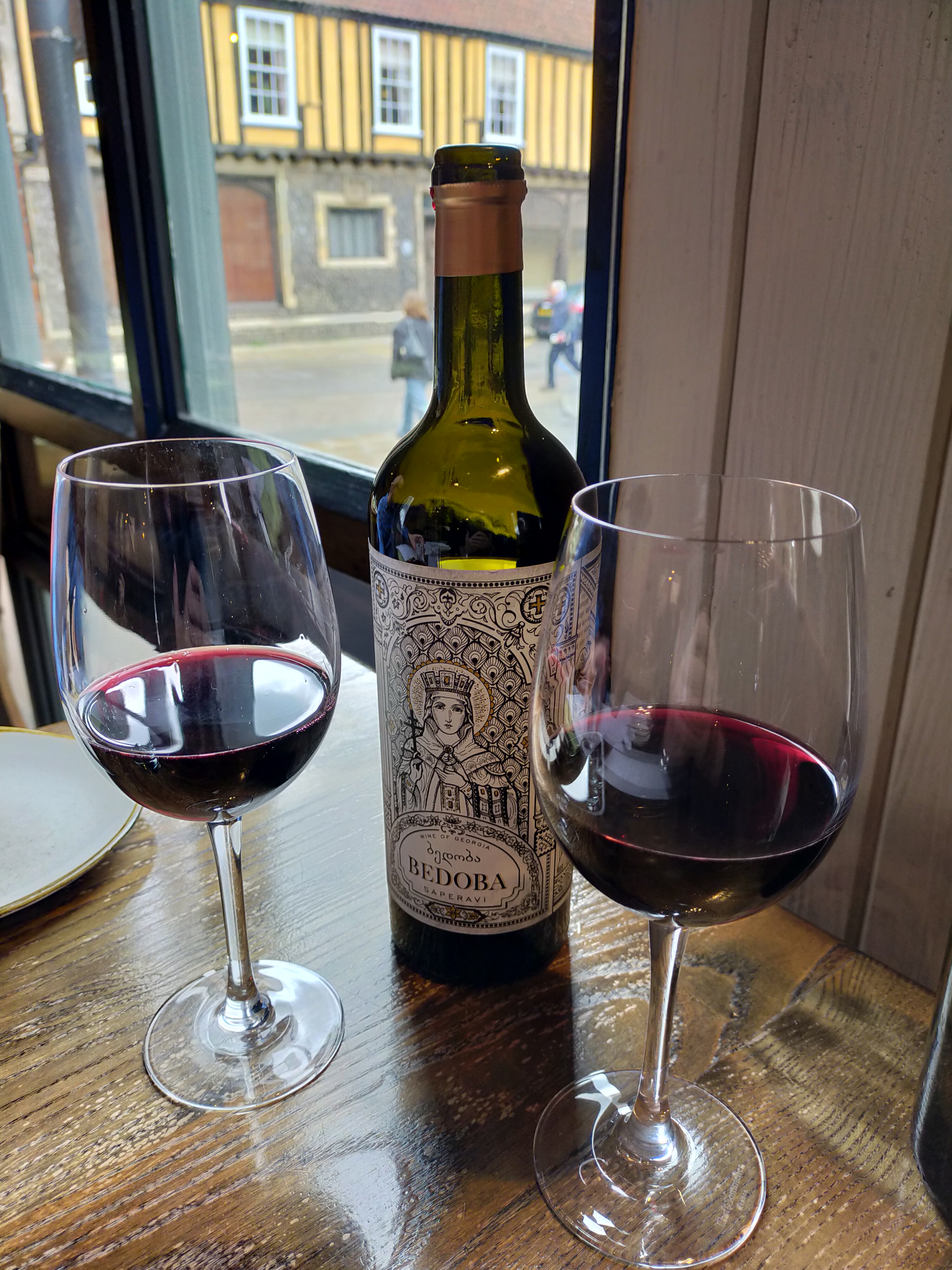
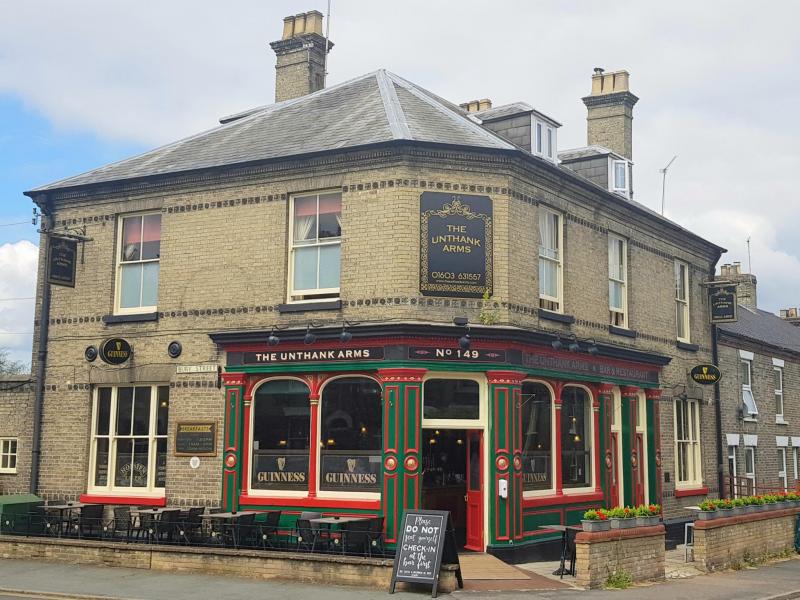
It was our ‘wax’ wedding anniversary last week – sixteen years and counting. We’ve already got enough candles to light a small chapel, so they were off the gift list, and since we’re not part of the huntin’, shootin’, fishin’ set, waxed jackets were out too. So, we went for a celebratory bite instead. Our venue was the Unthank Arms, a traditional boozer in the heart of Norwich’s ‘Golden Triangle’ – a popular residential district west of the city centre. The Unthank is noted locally for top-notch pub grub, and we used to be regulars before we emigrated to the country.

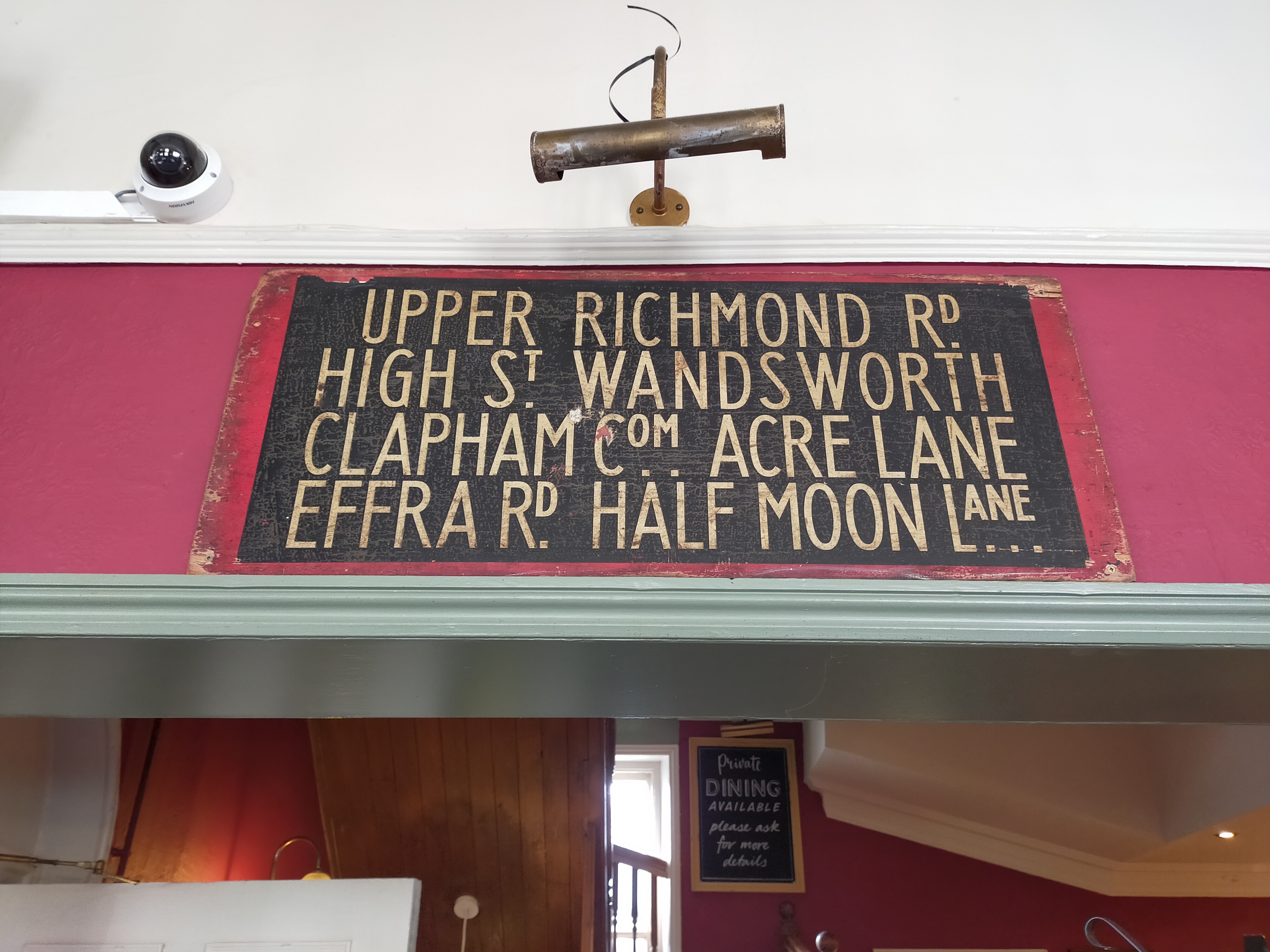
As we tucked into our meal, I looked up and clocked this old enamel sign above the entrance to the loos.  

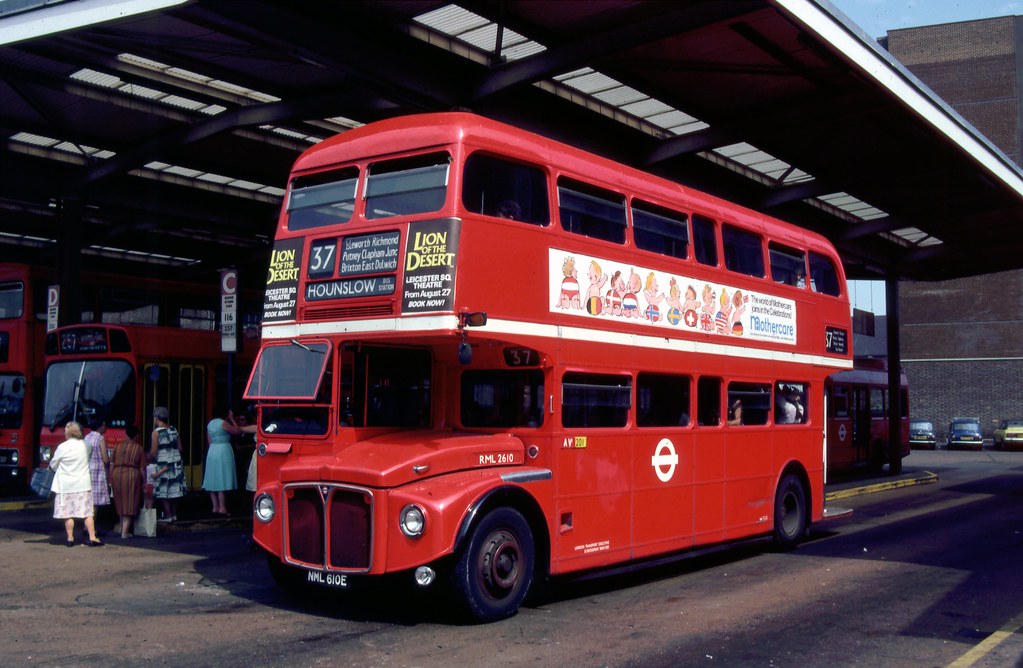
I’m fairly sure the sign refers to the old 37 bus route in London. Memories of my misspent youth came flooding back. The 37 was my main ride back in the seventies when my dad ran a ‘Bottle and Basket’ convenience shop in South London, making a decent living out of booze and bread. Back then, the 37 bus plied its trade between Hounslow in the west to Dulwich in the south. I rode the 37 to school in Battersea, my Saturday job in Feltham, my youth club in Richmond and my bestie’s gaff in Clapham.

The 37 still runs but the route’s changed since my teen heyday. The iconic Routemasters, famous for their open rear platforms –  just right for jumping on and off at red lights – and the (sometimes hunky) conductor and his clickety-click ticket machine, ding-ding to the driver to move on and ‘move down the bus please, plenty of room inside’ mantra have all been pensioned off, more’s the pity. These days, it’s all-electric vehicles that barely make a sound, bored-stiff drivers and bleep-bleep DIY card readers. More efficient, I’m sure, but unlike the seventies, not much of a ride.

Making Mischief

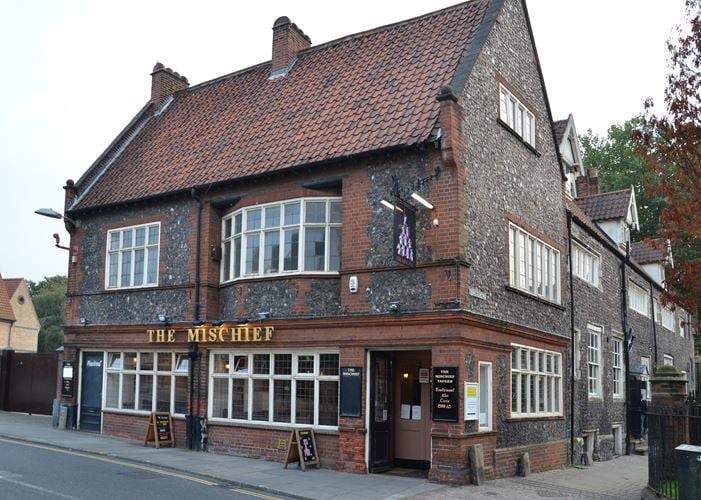
After a few months of hard graft and long days for the publishing malarky, we indulged in a little retail therapy in Norwich followed by a few sherries in the Cathedral Quarter. Unlike other parts of the city, this area has preserved many of its watering holes – just the thing for thirsty shoppers like us. Our final snifter was in the Mischief Tavern on Fye Bridge Street. The Grade II listed building, which sits alongside the River Wensum, was originally a 16th-century wealthy mercer’s house before tumbling down the social ladder to become a pub for the great unwashed.

In more recent times, the basement of the pub was once the venue for the Jacquard Club, a sixties folk music group which hosted the likes of Paul Simon, Judy Collins, Ralph McTell, Tom Paxton and George Melly. The club was founded by our very own Albert Cooper, our neighbour in the old Co-op warehouse before we escaped to the country to become village people. Known about town as ‘The Man in Black’, Albert sings the blues. He’s quite the local celebrity and even gets a mention in the Museum of Norwich. Albert turned 90 last year.

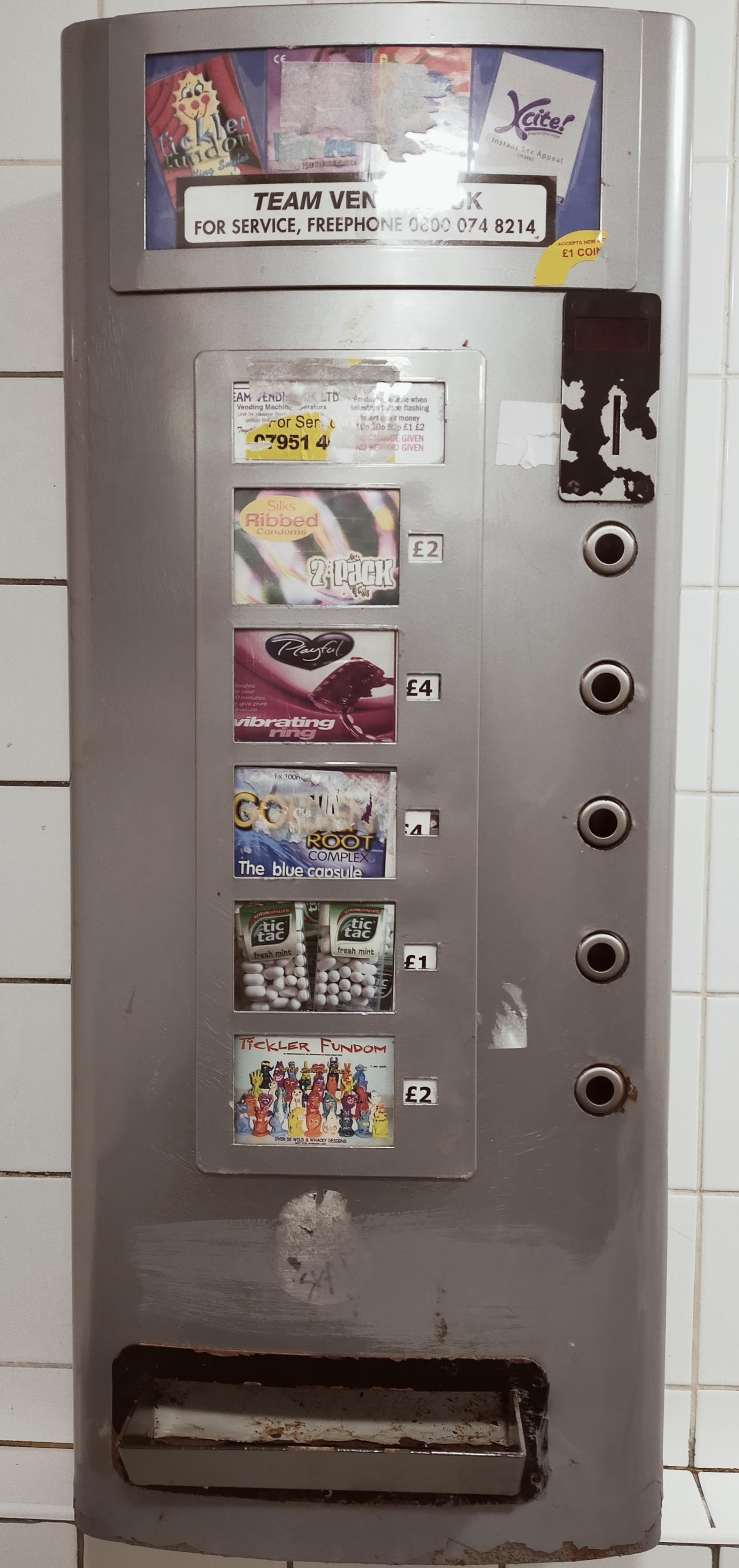
Remarkably, the pub itself still retains some 16th-century features, one of which is definitely not the rusty old condom dispenser in the gent’s loo.

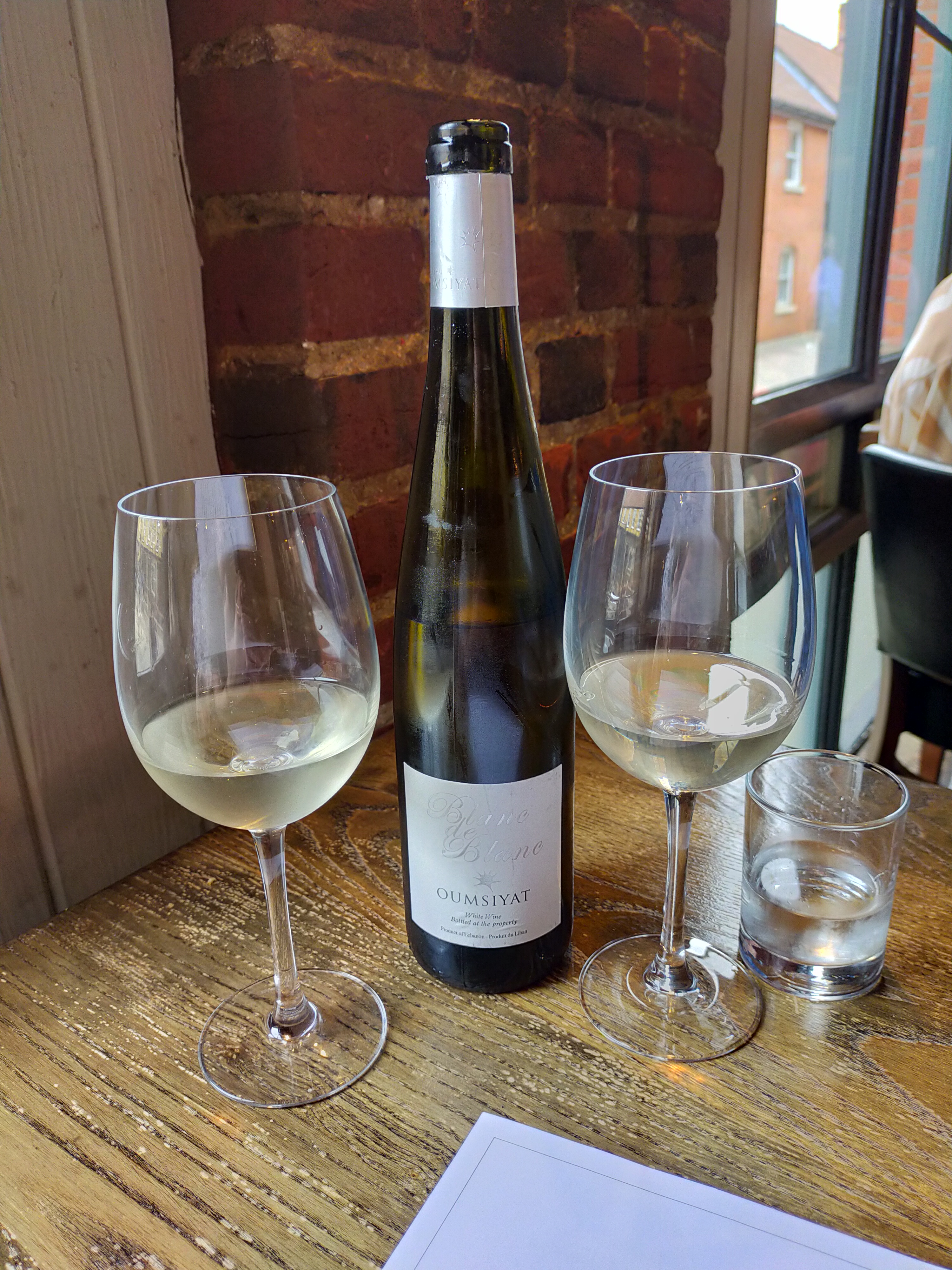
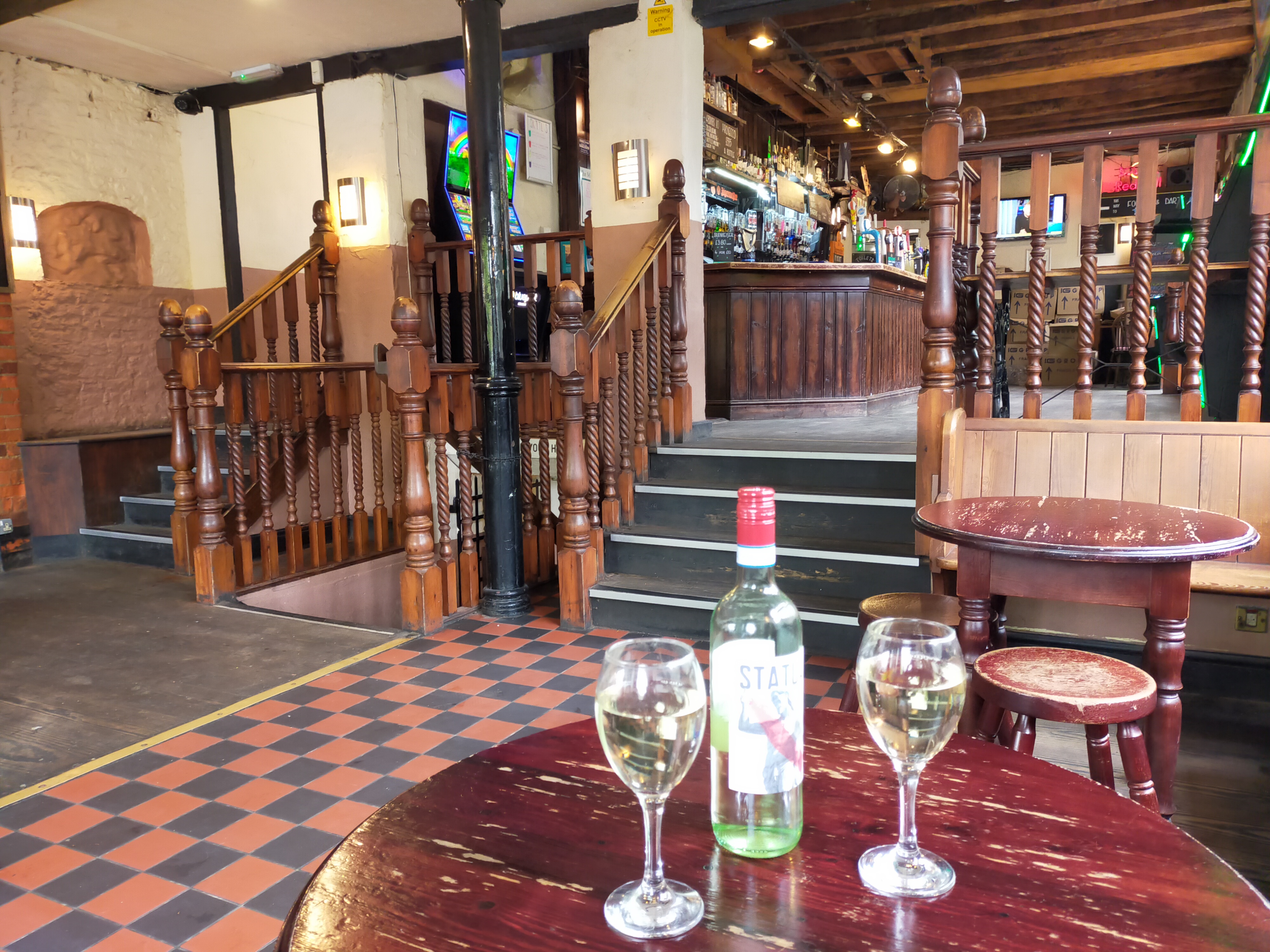
Rather like the pub itself, the cock sock machine has seen better days. Still, we were served a very tasty bottle of Pinot Grigio at a very palatable price, so we weren’t complaining.

All Good Things…

In late 2008 we jumped the good ship Blighty and washed up on a Turkish beach. For our first year, we dropped anchor in Yalikavak, now a flashy resort with a fancy marina for the filthy rich and high prices to match. But back then it was a sleepy hamlet with a laid-back, bohemian vibe. On our very first evening, we wandered through the empty streets looking for somewhere to eat. It was season’s end and most restaurants were closed and shuttered up for the winter. There was a distinct autumnal chill in the air. We hurried towards the harbour, where we spotted the flickering lights of Le Café, looking cosy and inviting, and when we gingerly pushed open the door, we were greeted by the jovial owner, Davendra. We couldn’t have met a more welcoming host – chatty, helpful and engaging. Le Café became a regular haunt.

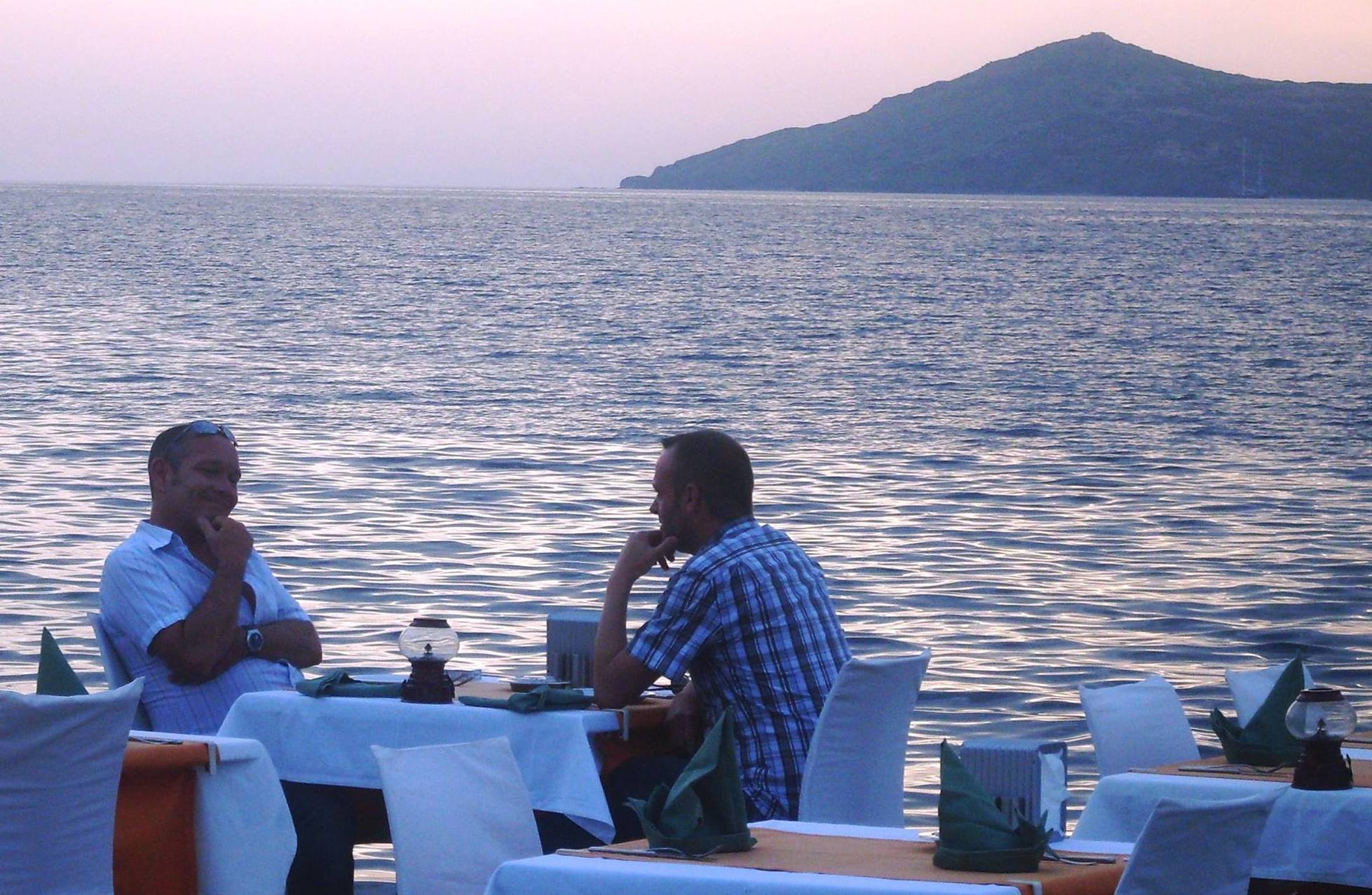
Here we are in Le Café in warmer days, chewing the cud as the sun set over the bay. What a setting. We couldn’t believe our luck.

We’d planned to stay in paradise for the duration, but just four years in, we had to cut short our great adventure. Now I hear that after 19 years, Le Café has shut up shop too. All good things must come to an end, as they say, just as they did for us. Thank you, Davendra, for the great food, lifts up the hill and crates of wine at wholesale prices. Wishing you and your wonderful family many good days to come.

From Social Outcasts to National Treasures

London is a gloriously haphazard, jumbled up kind of place where the rich and the ragged sometimes co-exist cheek by jowl. The Boltons in West London is an address for the seriously loaded, thought to be the second most expensive street* in the land – you won’t get much change out of £23 million. Famous former residents include Douglas Fairbanks Jnr, Jenny Lind and Madonna – the queen of pop that is, not of Heaven. And yet, close by is an entirely different Boltons, an imposing late-Victorian pub. It’s a building with a chequered, ever so slightly sleazy history. From the mid-fifties until the early nineties it was a gay bar. But then time was called on the boozy cruising and it was flogged off to be reborn as a faux Oirish theme pub as part of the O’Neill’s chain. Finally, it morphed into a trendy, overpriced gastropub called The Bolton. That didn’t last either. Nowadays, the boozer is down on its uppers – boarded up, forlorn and flaking; the only punters at the bar are squatters.

Back in the late seventies when I was a fresh-faced young gay-about-London Town, I sometimes drank in Boltons. It was a smoke-filled and deliciously seedy den of vice frequented by assorted ne’er-do-wells – rent boys, drunks, druggies, pimps, peddlers and petty thieves – a place to keep a tight hold of your wallet, if not your virtue. Not that I ever rented out, peddled or picked pockets, of course. It was just fun to watch the action, like feeding time at the zoo.

Now I hear that the worthy burghers of Kensington and Chelsea – the local council and my former bosses – have granted the building protected status because as Councillor Cem Kemahli said…

“The recognition of this historic pub as a listed site stands not just as a tribute to its architectural importance but also celebrates its role as a cherished hub within the LGBTQ+ community. The preservation of buildings like this one echoes our history and diverse communities in the borough.”

Blimey. It’s not that long ago when the worthy burghers were trying to get all the local gay venues closed down. From social outcasts to national treasures in just 40 years.

*the UK’s most expensive street is Kensington Palace Gardens in the same London borough, not far away from the Boltons.

Postcard from Ithaca

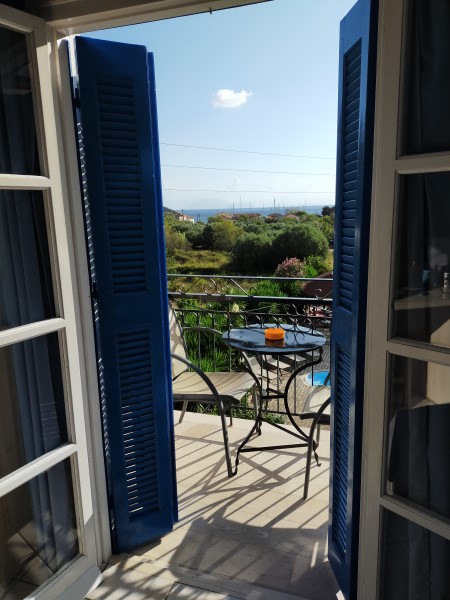
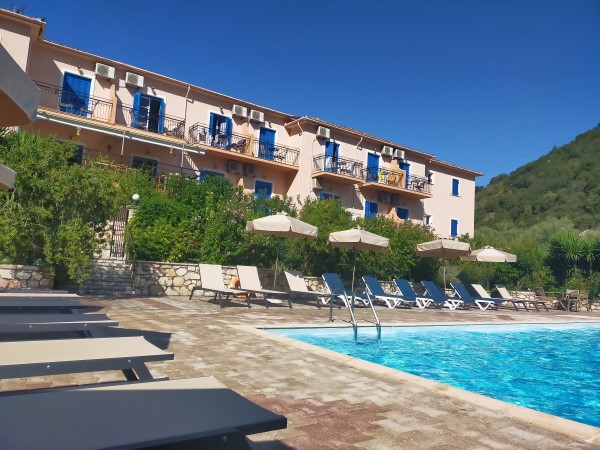
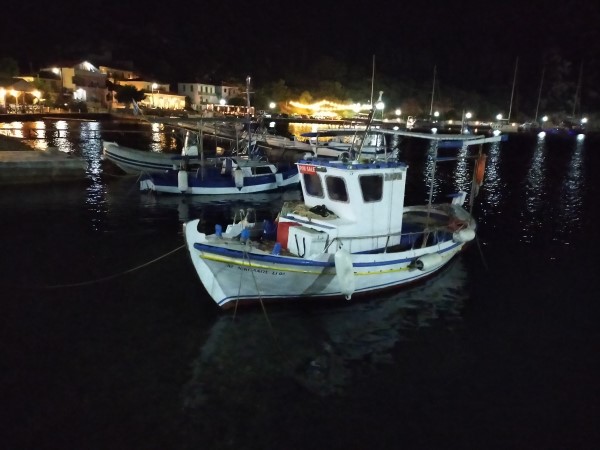
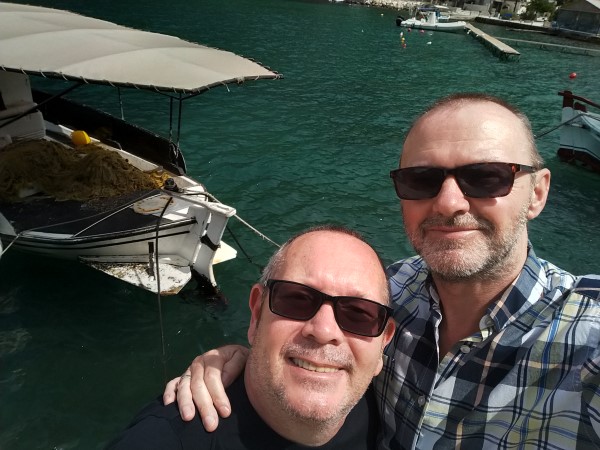
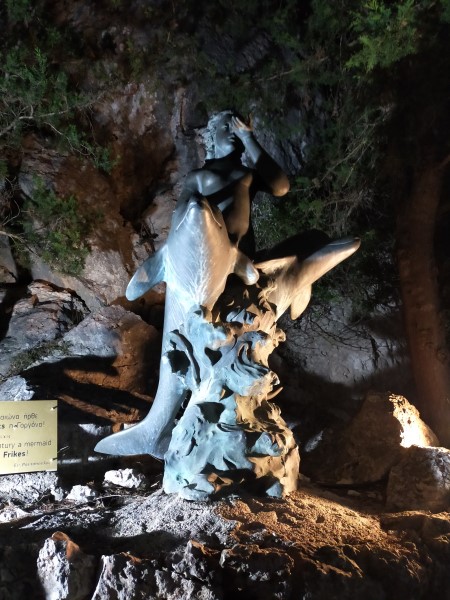
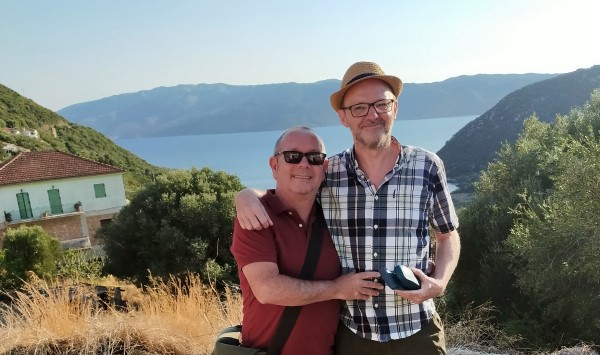
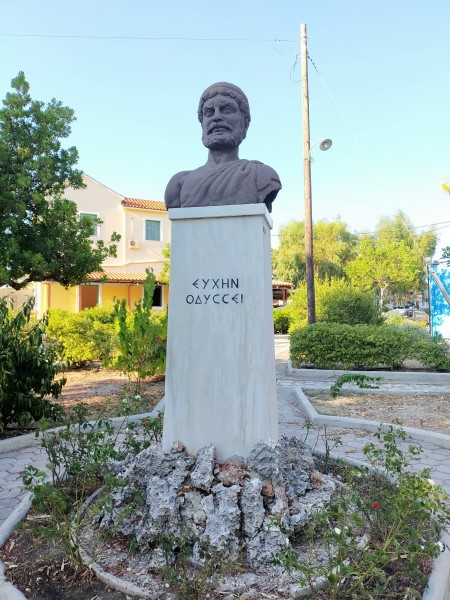
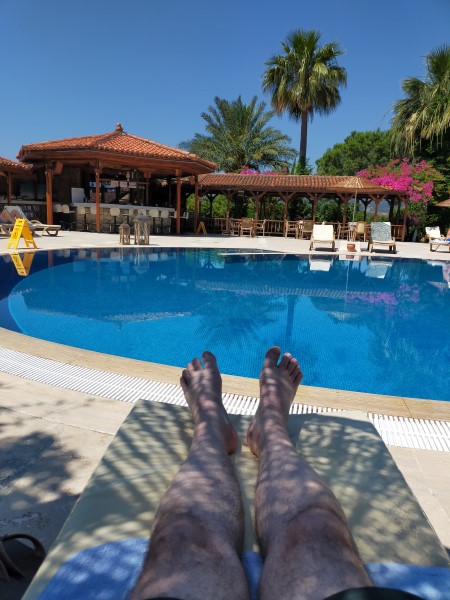
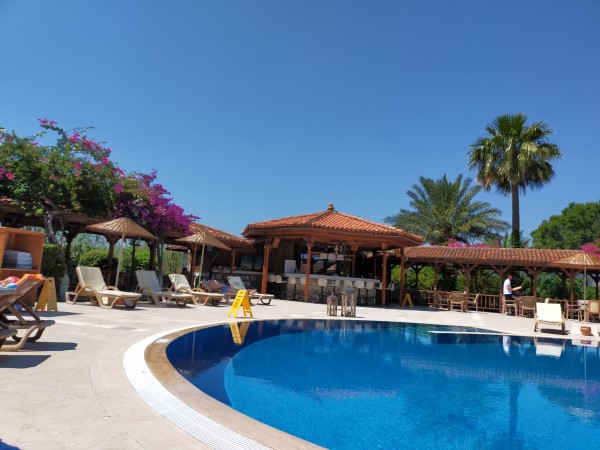
Sleepy Frikes on the idyllic island of Ithaca was simply sublime – serene and restorative. The peace was broken only by the ringing of goat bells in the surrounding hills and wind chimes singing in the breeze. There was one exception, though. Some excitable sprogs commandeered the pool and did what excitable sprogs do everywhere – splash and scream – while their parents buried their heads in their tablets. Mercifully, it was just for the one afternoon.

I always thought Tom Conti’s fake Greek accent in Shirley Valentine was way too much until I heard our poolside barman speak. Young Luca’s deep and rich dulcet tones sent a dribble down the spine. No wonder Shirley dropped her knickers.

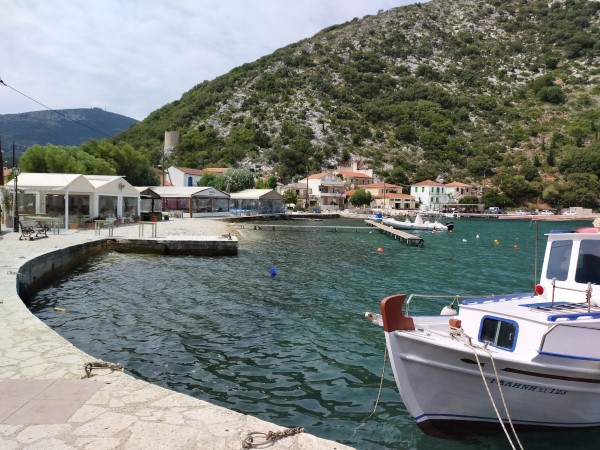
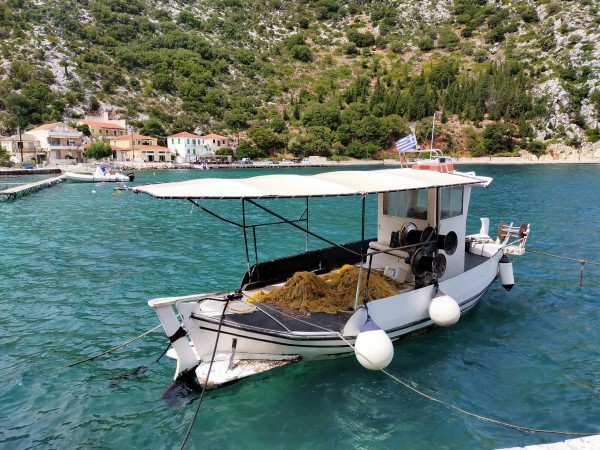
Lazy days basking at the pool were followed by an evening stroll down to the tiny harbour for eats and treats. Food was gloriously nofuss – hearty, fresh and generous, and all washed down with robust local wine.

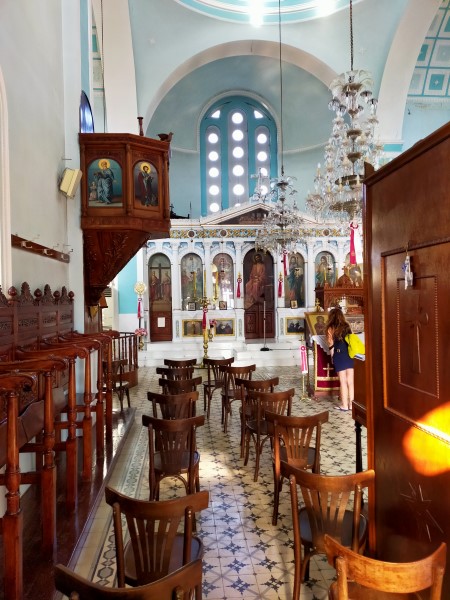
We made only one excursion during our stay – to the cute hilltop village of Stavros for huge portions and a quick gander around the fancy Orthodox church. There we witnessed a devout young lass kiss each icon in turn and an old girl in widow’s weaves gossiping with God on her phone.

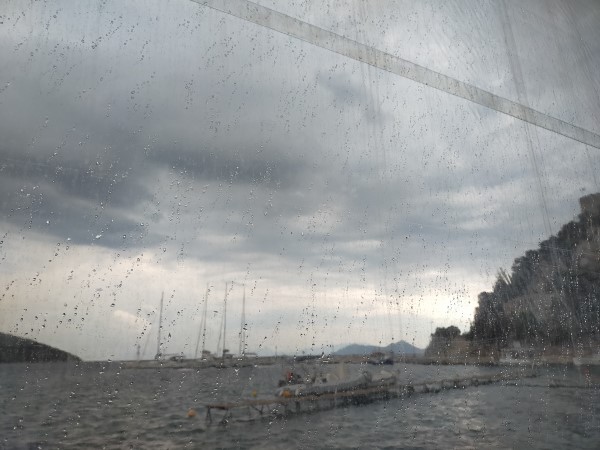
And then came the tempest. Greece has endured a biblical summer season – heat, fire and flood – with devastating consequences. Storm Daniel – the most deadly and costly Mediterranean cyclone ever recorded – rolled over Ithaca trapping us in a harbourside taverna. Locals feared the worst as they rushed about battening down the hatches. ‘Best order another carafe,’ Liam said. And so we did.

In the event, we got off lightly. Tragically, this can’t be said for other parts of Greece – or, a few days later, for Libya.

Last Pub Standing

It’s often been said that old Norwich town once had a pub for every day of the week and a church for every Sunday. But as we discovered on our recent Hidden Street Tour with The Shoebox Experiences, there were, in fact, over 600 pubs within the city walls. Come chucking-out time, the streets ran yellow with the piss from the pissed. The distressed city burghers tried several ways to stem the flood, all of which met with limited success until some bright clerk came up with the clever idea of paying pub landlords to install loos. And so the public house toilet was born.

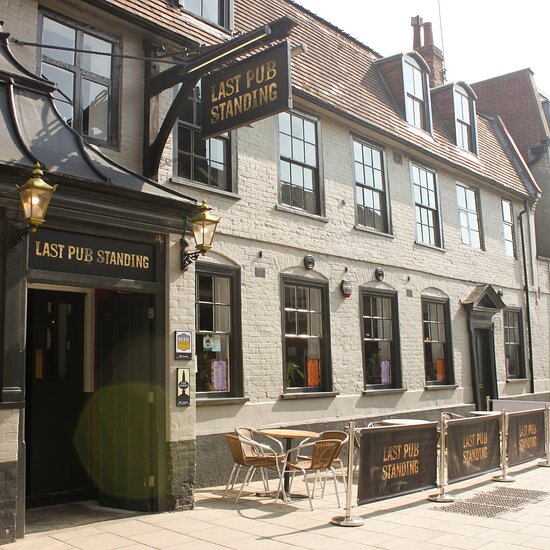
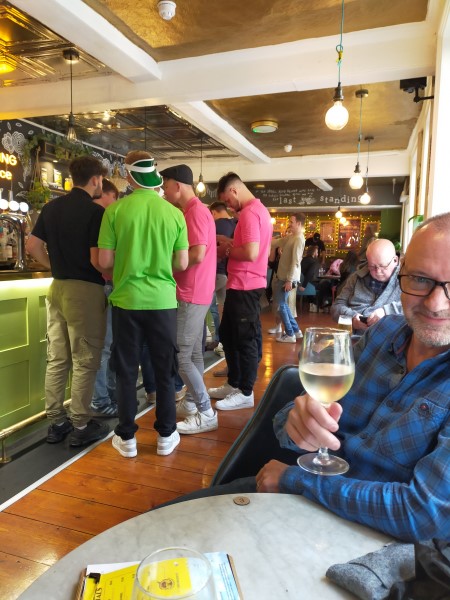
Most of the pubs have since closed but enough remain for a good night out and, after our tour, we visited one of them – Last Pub Standing – the last of 58 watering holes that once stood along King Street.

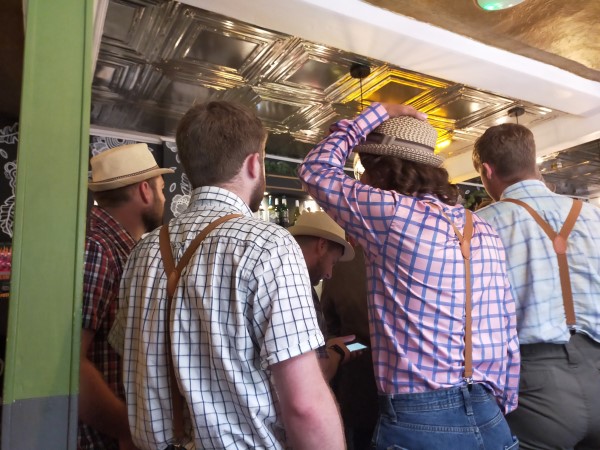
It’s a popular, friendly and well-appointed tavern, and first up on the stag do circuit judging by the gangs of jolly young gentlemen parading past our table. One particular group were farmer-themed in cloth caps, jeans and braces. A bearded farmhand dropped down beside us. He asked me to adjust the floppy strap on his dungarees and invited us to join the party. I happily gave his strap a quick tug but declined his offer of extras. We knew joining the boys out on the lash would only lead to ruination – and pissing in the street, probably.

From Tossers to Flonkers

We’ve become part-time groupies for our local village bowls team. To the uninitiated, bowls is a traditional sport beloved of the grey herd in which the objective is to roll weighted balls along a green so that they stop close to a smaller ball at the other end – closest wins. A variant of French boules, the game has ancient roots. That’s all I know.

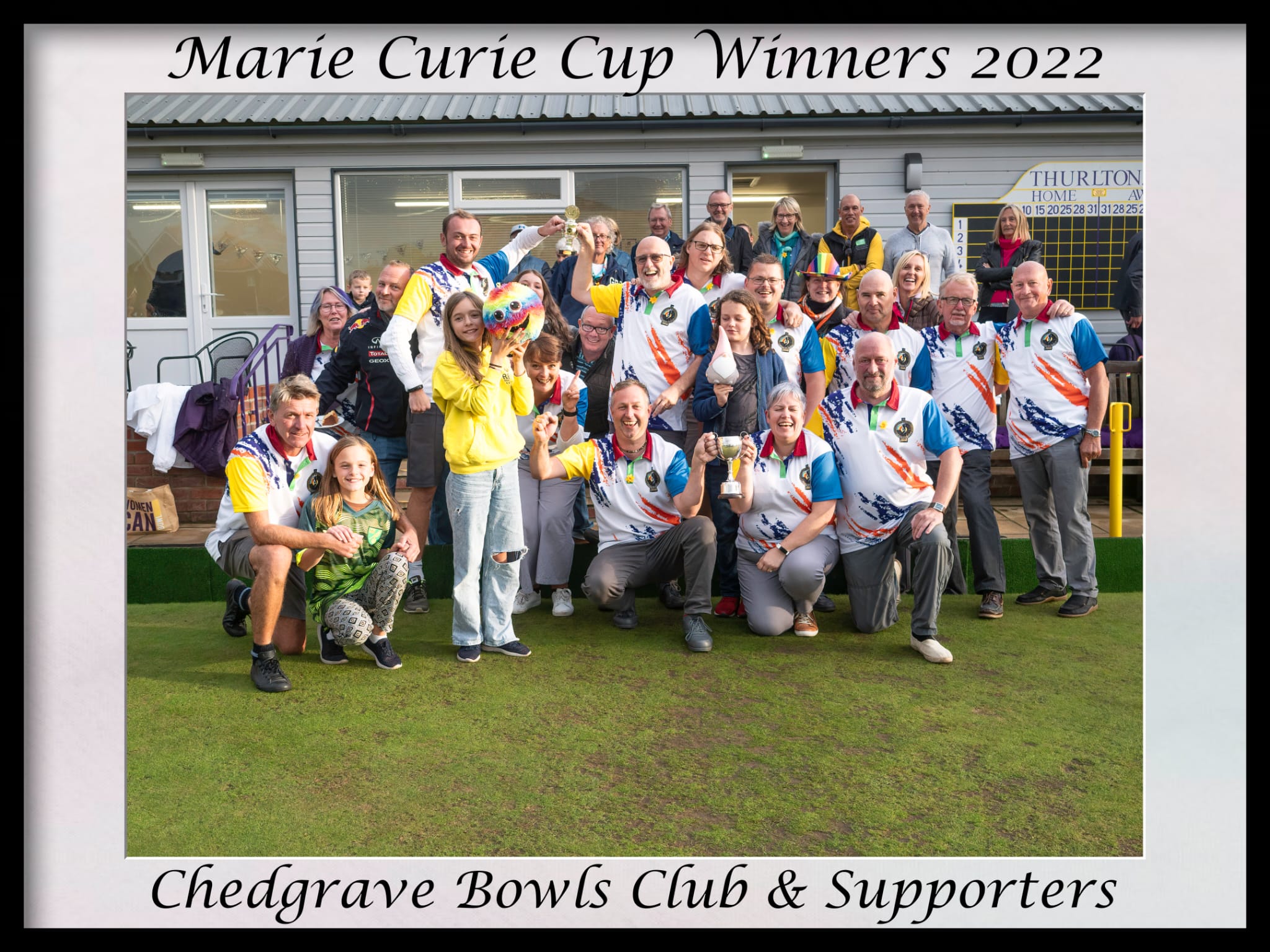
Following a period of death and decline, a newly invigorated Chedgrave Bowls Club has attracted fresh and younger blood and is on a winning streak, starting with the Marie Curie Cup last autumn. While we don’t really have the first clue what’s going on, it’s a pleasant way to while away a warm summer’s day with a couple of G&Ts – ice and a slice. The fact that the bowling green is adjacent to our local tavern is a bonus.

Can you spot us?

The last time we were on groupie duty, it was suggested we might resurrect the old East Anglian pub sport of dwile flonking. This involves two teams of twelve players, each taking a turn to girt (dance) around the other while attempting to avoid a beer-soaked dwile (cloth) flonked (flung) by the non-girting team.

Here are the rules (according to Wikipedia):

A ‘dull witted person’ is chosen as the ‘jobanowl’ (referee), and the two teams decide who flonks first by tossing a sugar beet. The game begins when the jobanowl shouts, “Here y’go, t’gither” (together).

The non-flonking team joins hands and girts in a circle around a member of the flonking team. The flonker dips his dwile-tipped ‘driveller’ (a pole 2–3 ft long and made from hazel or yew) into a bucket of beer, then spins around in the opposite direction to the girters and flonks his dwile at them.

If the dwile misses completely it is known as a ‘swadge’. If this happens, the flonker must drink the contents of an ale-filled chamber pot (or gazunder as in ‘goes-under’ the bed) before the wet dwile has passed from hand to hand along the line of now non-girting girters chanting the ceremonial mantra of “pot, pot, pot!”.

A full game comprises two ‘snurds’, each snurd being one team taking a turn at girting. The jobanowl adds interest and difficulty to the game by randomly switching the direction of rotation and will levy drinking penalties on any player found not taking the game seriously enough.

Apparently, by the end of play, everyone’s too pissed to give a toss. If it’s not illegal, it ought to be. ‘Normal for Norfolk’ as the saying goes.


Many thanks to Gary Shilling, villager extraordinaire, for the inspiration for this post.

Dallying in Dalyan

Dallying in Dalyan

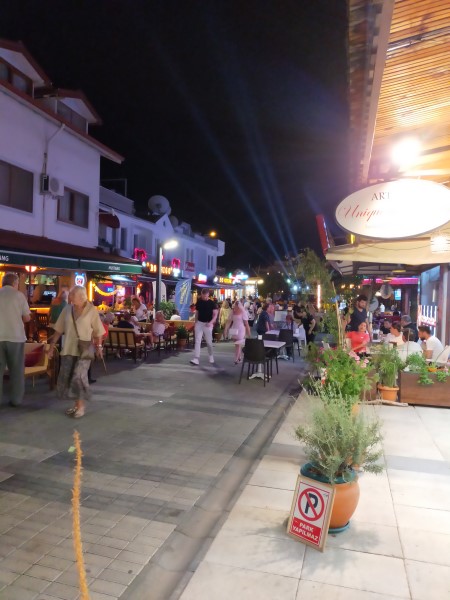
It’s been a quarter of a century since I last visited Dalyan on Turkey’s pine-clad south-west coast. Back in the day, it was a sleepy village on a dreamy, reed-lined river stuffed with turtles. I’d been told that Dalyan had since grown into a full-on resort stuffed with young Russians avoiding the call-up. As they say, forewarned is forearmed.

And what did we find? Yes, Dalyan is much livelier, centred around a buzzy bar street with a smiley hawker at every door and the obligatory flock of peacocking waiters. But the resort has retained much of its old laid-back rustic charm with a hint of Bohemia. The river too is busier these days, but the turtles still pop up for air. As for the Ruskies, they were nowhere to be seen. With tourist visas expired, it seems most have returned to the motherland hoping to keep their heads down.

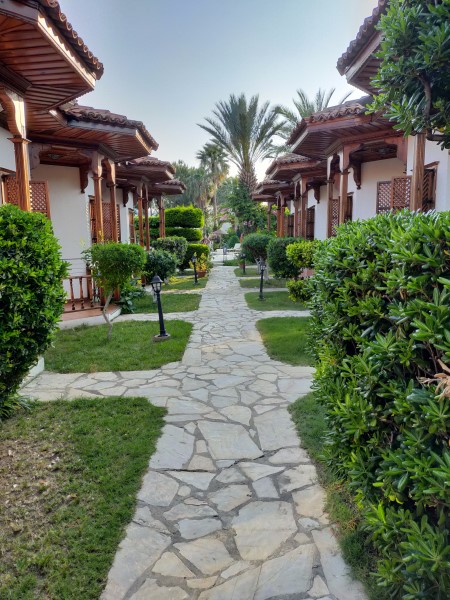
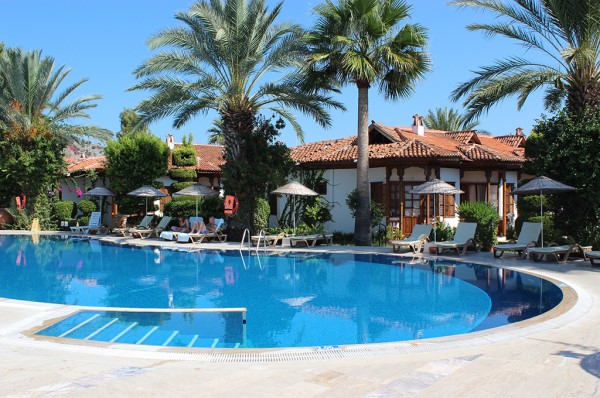
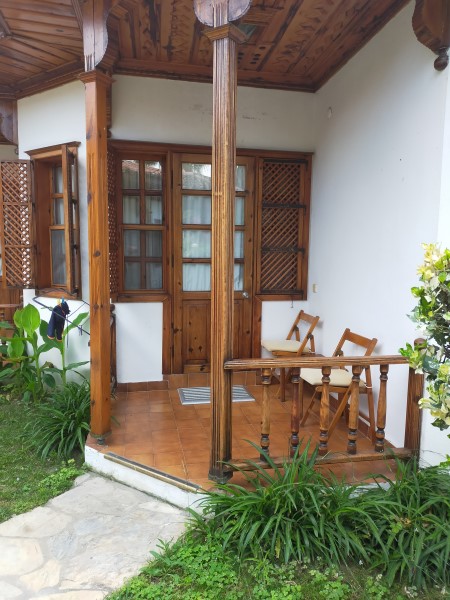
Our waterside family-run hotel delivered a cool pool and pretty wooded gardens running down to a jetty – the perfect place to decompress with a good book and a glass of cheap plonk. Wi-Fi was more notspot than hotspot, but that meant we took a welcome break from our glued-to-the-phone lives.

Built in quirky faux-Ottoman style, our digs were kept squeaky clean by a small gaggle of headscarved ladies who didn’t bat an eyelid at the prospect of a couple of old fairies shacking up together. And talking of wrinklies, compared to most of our neighbours, we were just out of short trousers. So much so, we thought we’d booked into the Best Exotic Marigold Hotel – one of my favourite films – with paramedics and a defibrillator on standby, just in case.

Not that all the residents of our retirement village were retiring types. Our next-door neighbours were a couple of full-throttle sisters from North Wales. Both widowed some years back, the racy ladies had decided life was for living and have been living it large ever since. The widows were merry most nights. Naughty but nice. They were a scream.

Lazy days on the loungers were followed by leisurely meals in town; but just like Cinders, we were tucked up by midnight. The slow stroll home was usually escorted by an assortment of street dogs – ten a penny in Turkey. Two middle-of-the-road mutts reminded us so much of cartoon characters that we called them Hanna and Barbera.

Hanna

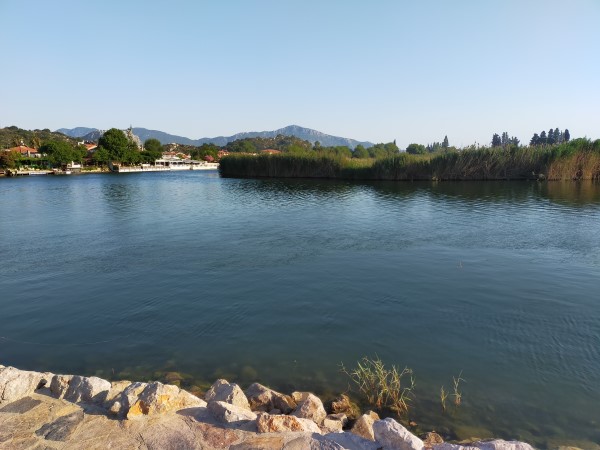
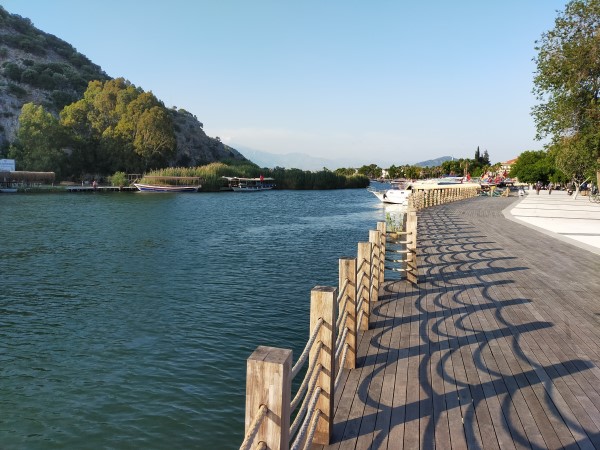
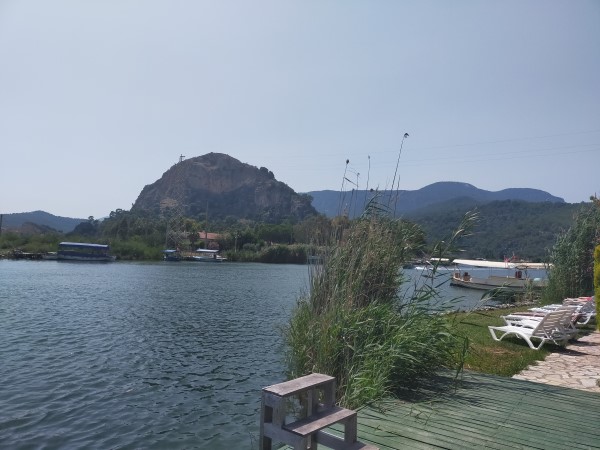
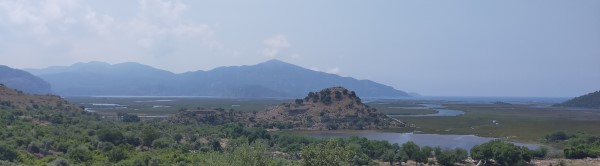
Mid-way through our return to Paradise, we hooked up with a belle from our old Bodrum days. She and her Turkish beau had left the hassle and bustle of Bodrum to build their picture-perfect home in the village of Köyceğiz, on the shores of the large lake of the same name. They gave us a winding road tour with a lazy meze lunch up in the hills where diners can cool their toes in ice-cold melt waters. We were the only tourists at the table. I’d forgotten just how beautiful Turkey is. This image of the meandering Dalyan River does not do it justice. We were too busy taking in the view to capture it.

It was a truly wonderful excursion. Thank you, you know who you are.

A Right Royal Do

My dad took the King’s shilling in the late forties and made a career out of soldiering for the next twenty-something years. Despite swearing allegiance to the monarch, Dad was a soft leftie, voting Labour all his life. He liked and respected the Queen but he didn’t think much of the motley crew of incidental royals – the  ‘hangers on’ as he called them. My mother, on the other hand, was a devoted royalist and had a picture of Her Maj hanging on her bedroom wall.

In my adult years, I’ve always been conflicted about the entire notion of a hereditary head of state. My head questions its relevance in our modern, more egalitarian world but my heart tells me different. I was genuinely saddened by the Queen’s death. I can’t explain why. Maybe it’s my age. And when I look around the world at the assortment of elected nobodies, ne’er-do-wells and nasties, particularly those who would sell their children to the Devil to cling to power, I think, well, if it ain’t broke

Today, we have the right royal do of the Coronation with Charles and Camilla riding the golden Cinderella coach to their ball at Westminster Abbey, the venue for such rituals for nearly a thousand years. The Crown Jewels will be dusted down, oaths will be sworn, heads will be anointed. And yes, we will be joining the locals at our local for a glass of bubbly to watch the fairy tale on the big screen.

Across our twin villages, the streets are decked out in fluttering flags and bunting of red, white and blue, and shops have gone all out to put on the best stately display. Here’s a taste…

And tomorrow, our villages are throwing their very own right royal do with a big Coronation party. We’ll be joining the festivities because let’s face it, we could all do with a party right now.

Fifteen-Year Itch

For our fifteenth wedding anniversary we were itching for a big city scratch with a difference. Despite my heathen leanings, I do like an impressive church, and few are more impressive than London’s St. Paul’s Cathedral, Christopher Wren’s tour de force topped with its heavenly dome. The earlier Gothic pile was torched along with much of the old medieval city in the Great Fire of 1666. It’s reckoned the blaze started in a bakery in the appropriately named Pudding Lane, bringing a whole new meaning to the hallowed phrase ‘give us our daily bread’.

Meandering around the flashy Baroque splendour brought back happy memories of my first pilgrimage – back in my spotty teens when I accompanied my grandmother, who was over from Ireland.

According to the annals, there’s been a church on the same spot since 604 AD, and possibly as far back as the late Roman period, as suggested by a plaque listing the pre-Norman bishops with their glorious tongue-twister names.

In stark contrast to the lavish decor above, the crypt is simply appointed and stuffed with the tombs of kill and cure notables from days long past, from Florence Nightingale and Alexander Fleming – who discovered penicillin quite by chance – to the victors of Trafalgar and Waterloo, Nelson and Wellington. Napoleon must be spinning in his monumental Parisian grave. Wren is there too, of course.

After piety came avarice, with indulgent afternoon tea and bubbles in The Swan at Shakespeare’s Globe Theatre followed by mother’s ruin at Halfway to Heaven, the homo watering hole near Nelson’s massive column, where Liam and I first met. They knew we were coming judging by the ultimate gay megamix playing on the jukebox – Pet Shop Boys, Erasure, Marc Almond, The Communards, Frankie Goes to Hollywood, Dead or Alive, Gloria Gaynor and Hazel Dean – with Liza Minnelli’s ‘Love Pains’ bringing up the rear. Liam’s shoulders shimmied to the beat. Perfect.