
Our three-day whistle-stop tour of some of Greece’s most famous historic sites was both tiring and inspiring in equal measure. We were blessed to be in a small group of just five in our (mercifully) air-conditioned minibus. Our fellow travellers were all Australians. I like Aussies. We share a similar irreverent sense of humour.
Demetrios, our well-versed tour guide – an archaeologist by trade – really knew his onions. He spun a good yarn, bringing the ancients to life by blending fabulous fact with fantastic fiction. Throughout our odyssey, he told tales of war and heroism, murder and mayhem, loyalty and treachery, greed and generosity, morals both highbrow and gutter – a no-holes-barred mythical soap opera on acid. All the vices of gods and humans were laid bare, literally in the case of the many fine chiselled statues of beautiful young men with their willies hacked off by scandalised Christians.
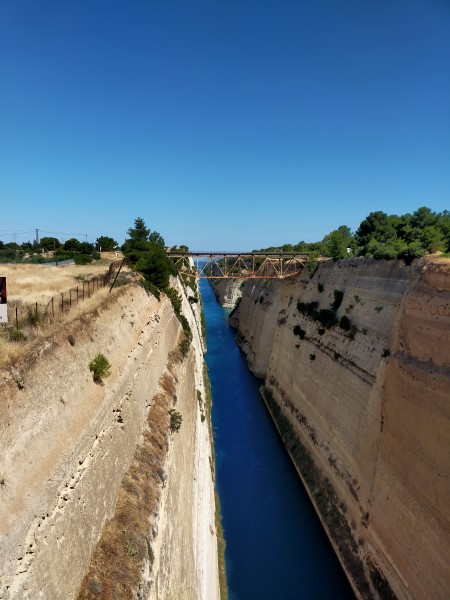
Our first stop was the Corinth Canal – not an ancient site per se; it was completed in the 1880s. But it was a welcome comfort break after the long slog escaping the urban sprawl of Athens. And the canal, cut through the hard rock of the narrow Isthmus of Corinth that separates the Peloponnese from the mainland, is impressive, despite being a bit of a white elephant.
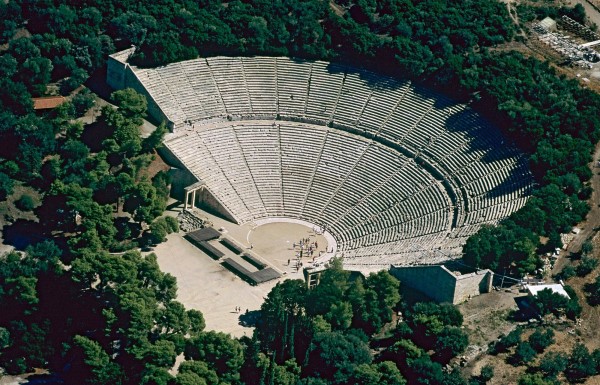
Second stop was the spectacular and well-preserved 4th-century BCE theatre at Epidaurus, with its reputation for almost perfect acoustics – ably demonstrated by Demetrios as we stood in the orchestra pit. The echo was remarkable and a little spooky. Unsurprisingly, the theatre is still in use today.
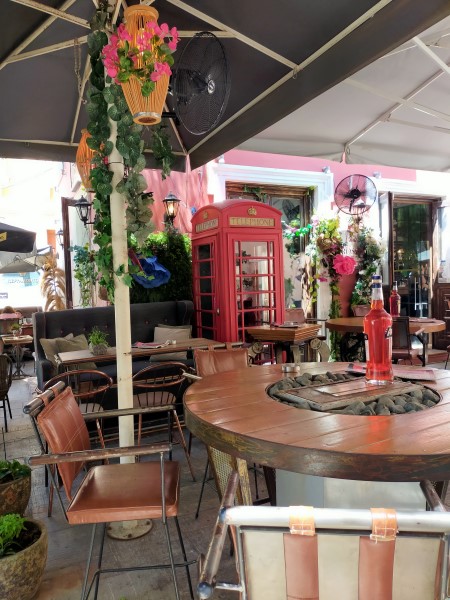
We pit-stopped in modern Epidaurus for a bite. It’s a handsome port town on the Saronic Gulf. Sadly, it was way too hot to explore, though we thought the old British classic phone box in the café was a welcome touch.

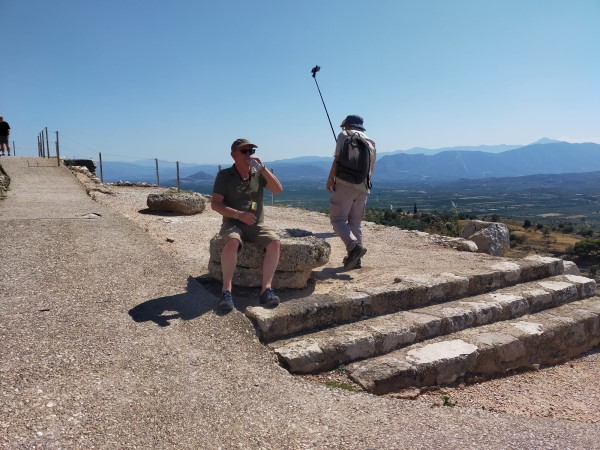
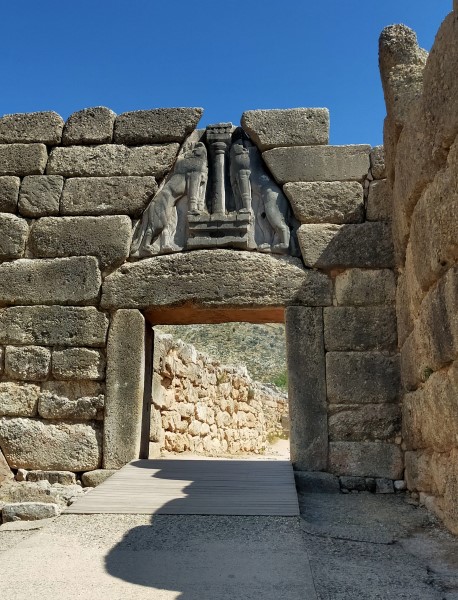
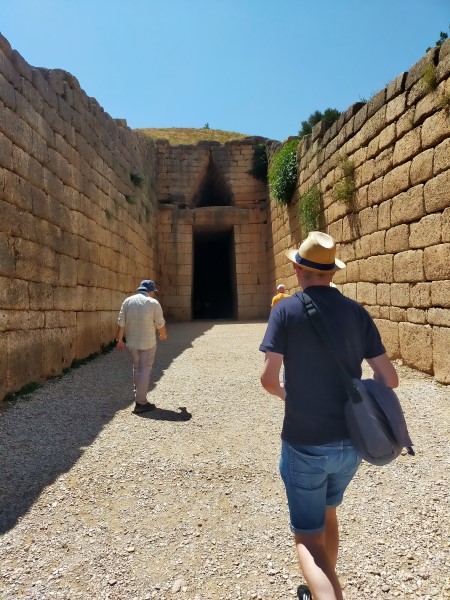
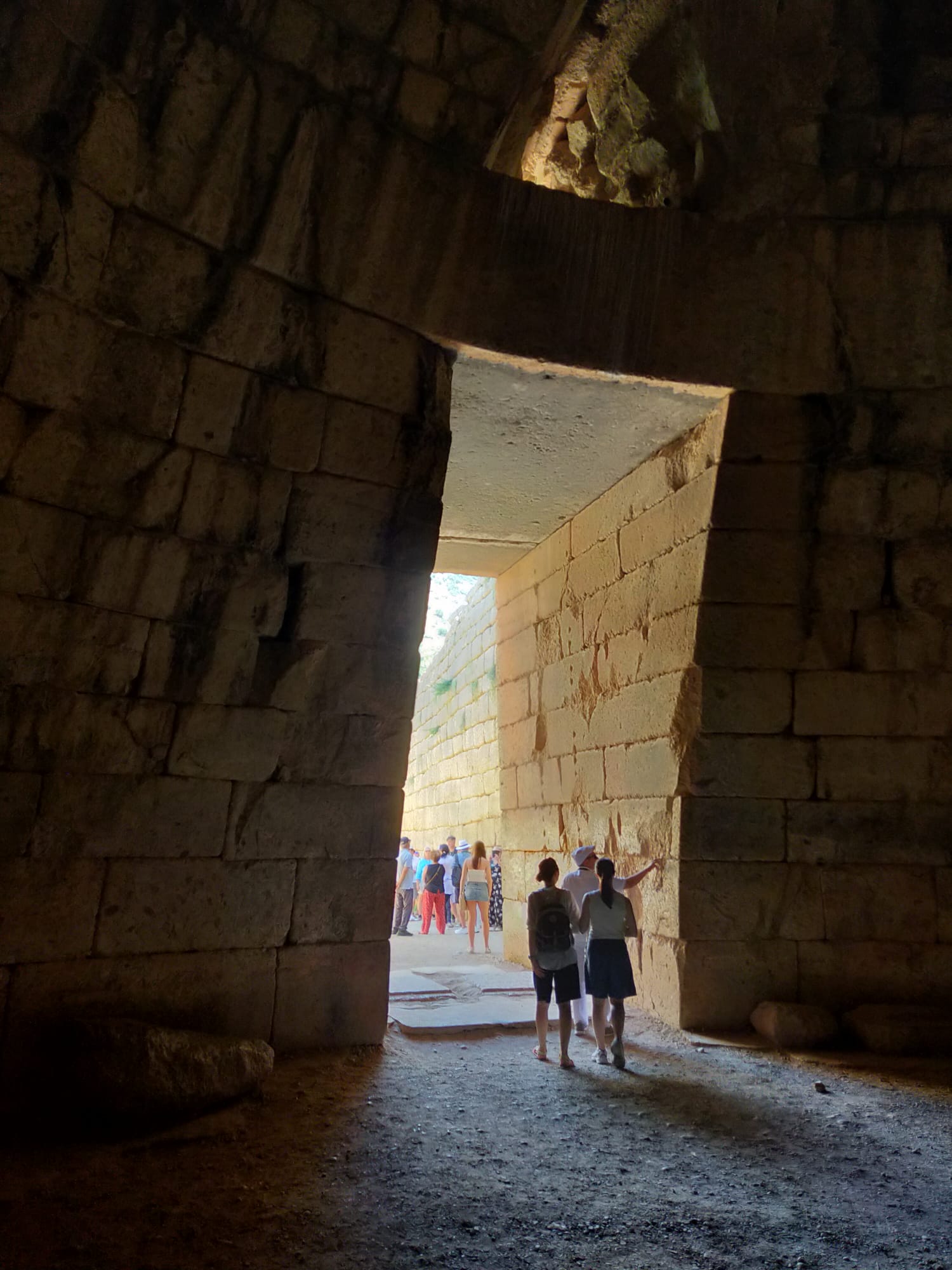
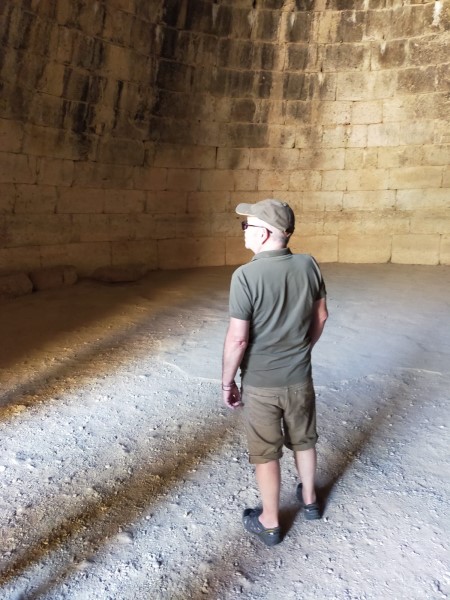
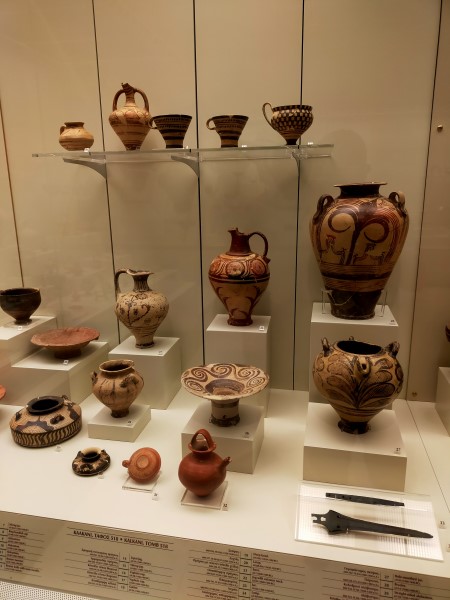
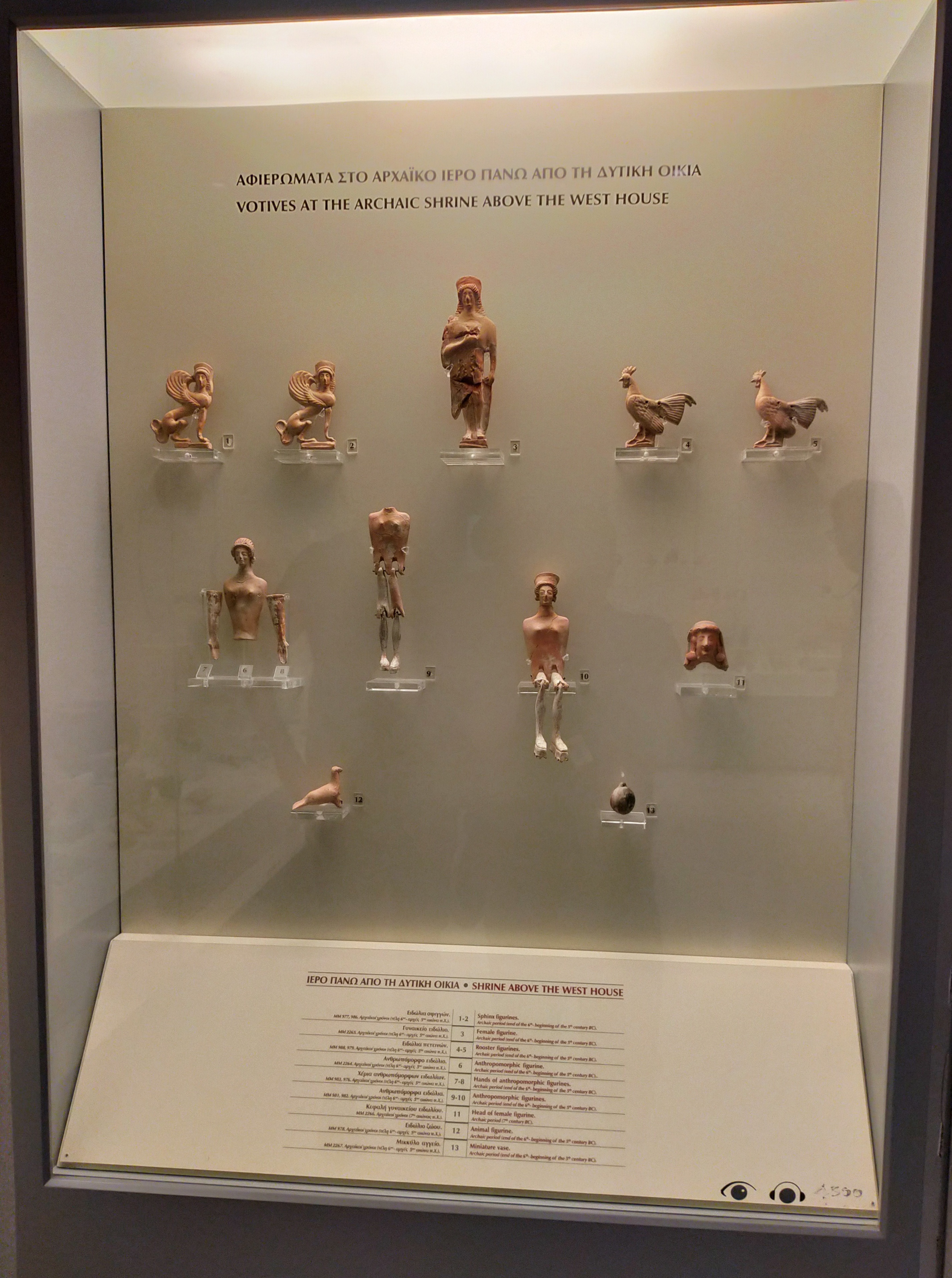
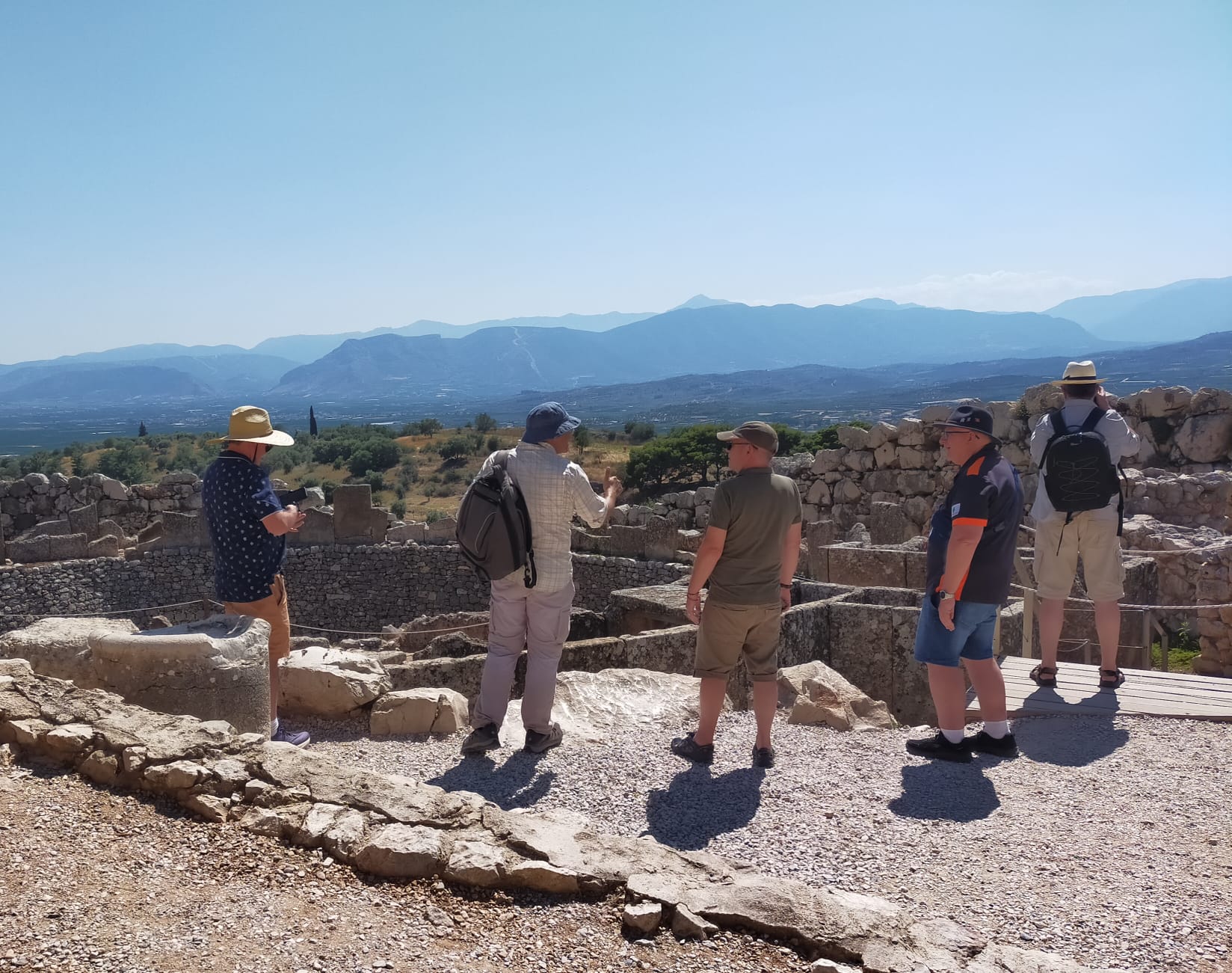
Fourth stop was Mycenae, an acropolis almost as old as time itself, sitting on a hilltop 900 feet above sea level. An entire period of Greek civilisation between around 1,600 BCE to about 1,100 BCE is named after it, so it’s no wonder it’s a UNESCO World Heritage Site.
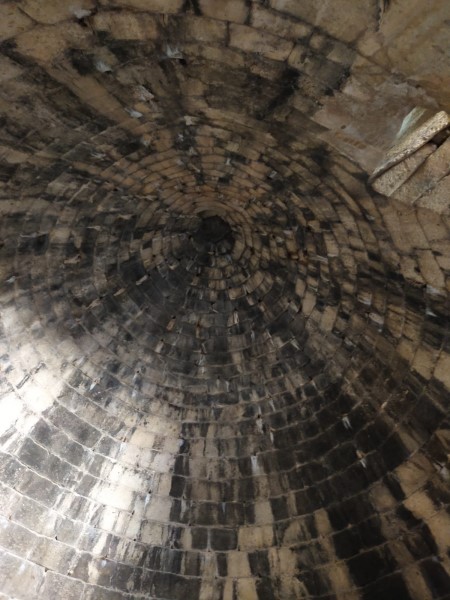
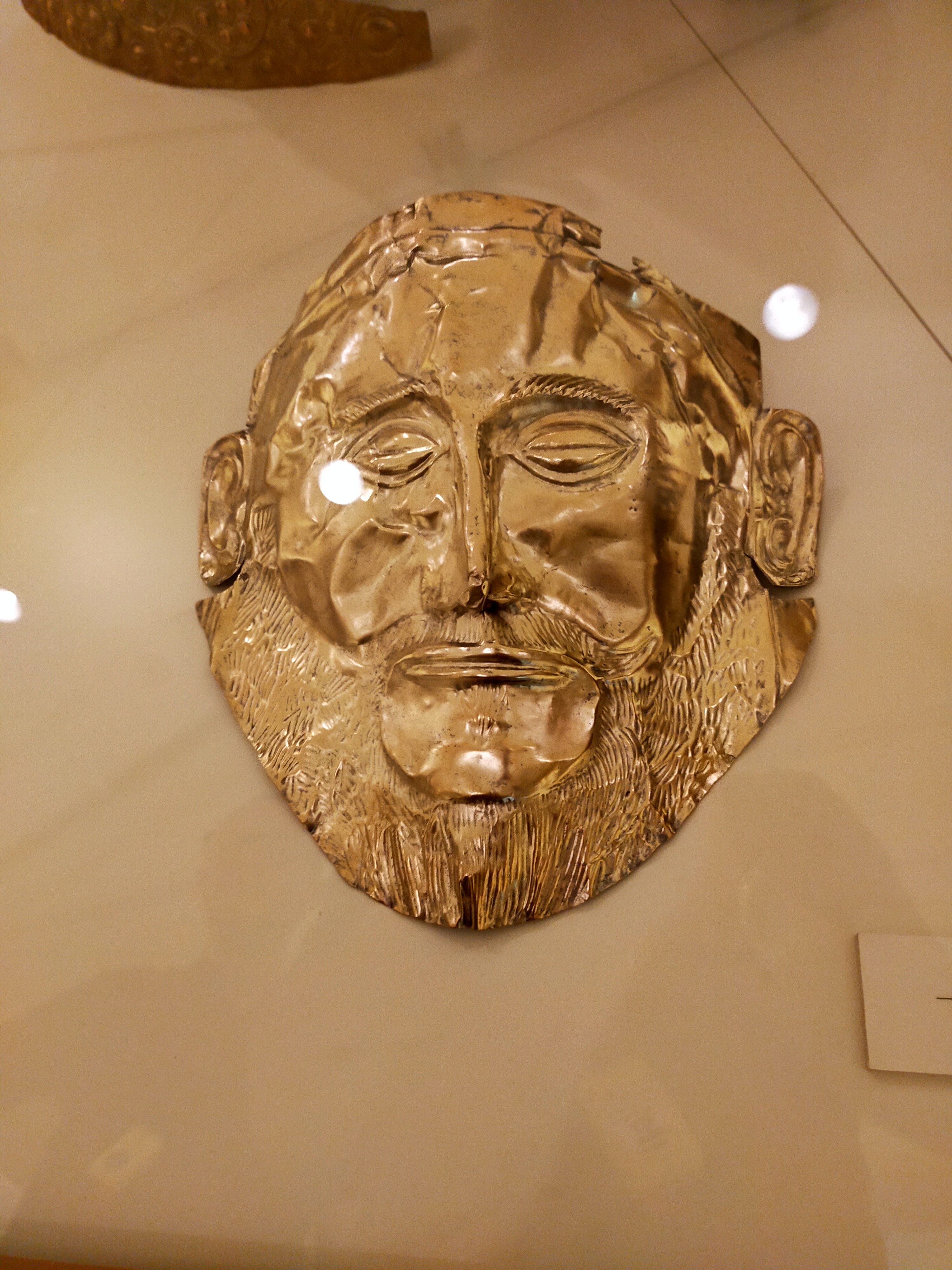
Mycenae is inextricably linked to Homer’s Iliad and the fanciful tales of Troy. Arguably, the most impressive structure still standing is a beehive-shaped building with a pointed dome known in modern popular folklore as The Tomb of Agamemnon, the legendary warrior king who led the Greeks during the Trojan War. It’s highly unlikely to actually be the treacherous old bugger’s final resting place, but never let the truth get in the way of a good myth to lure in the eager punters like me. Liam said I looked like an over-excited boy scout as I gazed in awe at the 3,300-year-old roof.
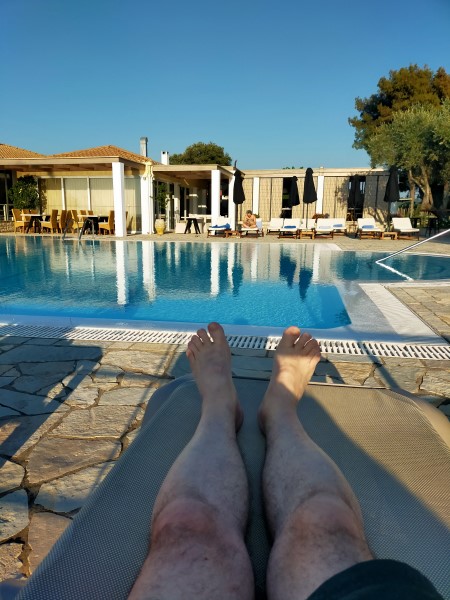
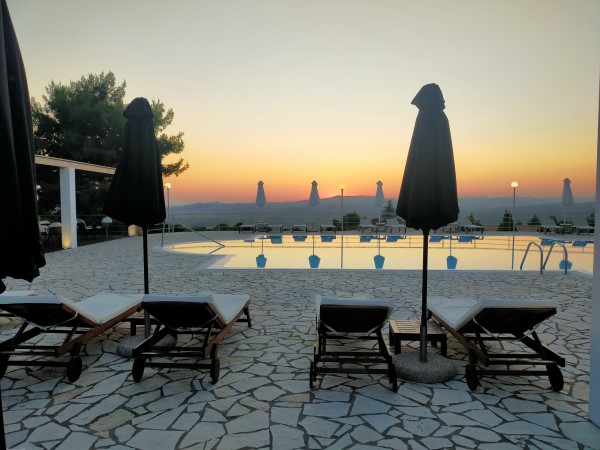
After a sweaty and exhausting first day, we were only too pleased to be dropped off at our digs for the night, just in time for a well-earned dip, followed by a glass or three of tasty local plonk to watch the sun go down.
Tomorrow, Olympia beckons. Let the ancient games begin.
 Perking the Pansies
Sounds like a fabulous tour, and thank goodness for air conditioning! That amphitheater is amazing. Well over 2000 years old and functioning perfectly.
LikeLiked by 1 person
Yes, truly amazing.
LikeLiked by 2 people
Phew! It looks hectic – and hot. I would love to do this though!
LikeLike
It’s well worth the effort, despite the heat! 😀
LikeLiked by 2 people
I’m sure it is. I am a sucker for ruins!
LikeLiked by 2 people
We loved Turkey and Greece. The tour guides are well educated. Sounds like you got a good one, at least entertaining. I could take just so many smashed faces.
LikeLike
That’s those early Christians, for you 😉
LikeLike