
I’ve received a summons. No, I haven’t been caught with my trousers down, at least not recently. I’ve been called for jury service at Norwich Crown Court. The reaction from most people seems to be either “bloody Hell, how can I get out of it?” (generally, you can’t) or “wow, I’d love to do that”. My reaction was “oh no, not again”.
Because it’s my third time. Yes, my third. Most people I know have never been called at all.
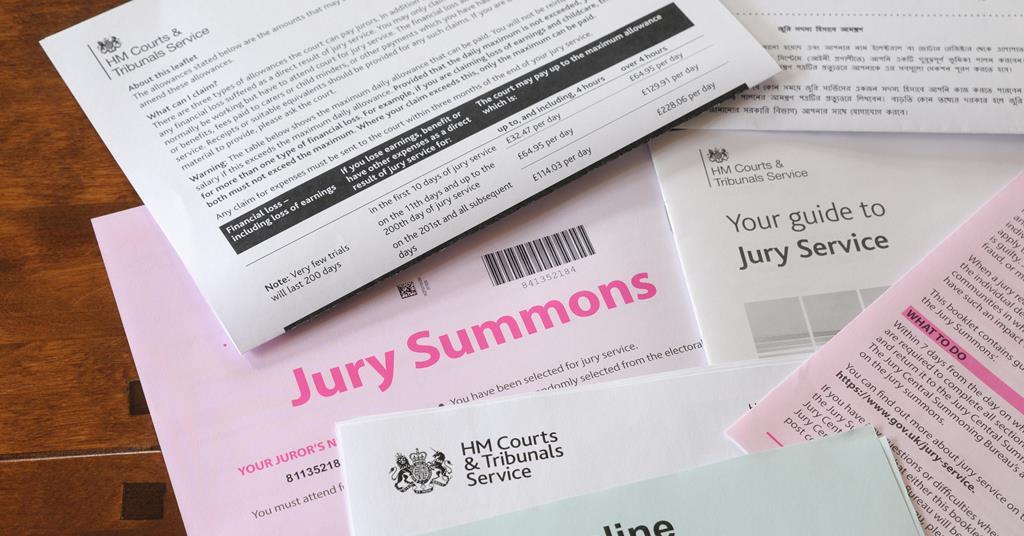
As a veteran juror, I know the drill. It can be fascinating – the theatricals in the court, the drama in the jury room with random jurors drawn from all and sundry, and personal prejudices laid bare. But there’s a lot of sitting around in the jury pool between trials. At least these days technology can help relieve the boredom, so I’ll be twiddling with my tablet rather than my thumbs. All my other digits will be crossed, hoping I don’t get put on a trial that goes on and on.
Gossiping about an ongoing case with anyone – including with him indoors – is strictly verboten, so my lips will be sealed before sealing the fate of the defendant. To cut short the proceedings, I’m thinking of yelling “off with his head” as the accused is brought up from the cells. Or maybe not.
When I served before, I sat on a series of short trials. The one that sticks in my mind the most is the case of an ex-British Rail manager in a cheap suit who was up before the beak for fiddling his business expenses. He was caught charging the amorous services of certain ladies of the night to the company account. We found him guilty. I hope the jollies were worth it.
I’ll do my civic duty. of course, partly because I have no choice but mostly because I think it’s probably the fairest system on offer. As it says on t’interweb…
Trial by jury, where a group of ordinary citizens decide a case, has a rich history evolving from ancient legal practices to modern legal systems. The origins can be traced back to Germanic tribes and the use of juries to investigate crimes and judge the accused. In the 12th century, Henry II in England established juries to settle land disputes, marking a key step in the development of the modern jury system. Today, the jury system is a cornerstone of legal systems in many countries, ensuring a fair and impartial verdict by laypersons.
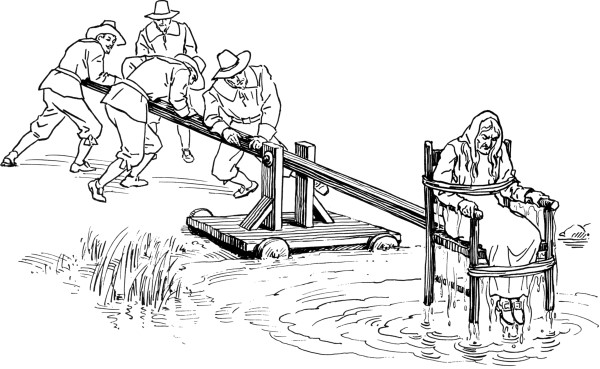
And it certainly beats ‘trial by ordeal’ – torture by any other name – once zealously promoted by the Church, with The Almighty deciding. Flipping a coin would have been fairer. It’s just a pity some traditional forms of punishment have also gone out of fashion. There are a few people I’d cheerfully strap to a ducking stool.

 Perking the Pansies