
Until modern times, the status of women was Bible-clear – to love, honour and obey – with a particular emphasis on obey. Women had little say and precious few rights, no better than chattels passed from father to husband. The rule makers didn’t see women as sexual beings who had their own drives and juices, so it’s no surprise that girl-on-girl action has never been illegal. Naturally, despite their blinkered menfolk, lesbian life did exist, of course, but it was a hush-hush affair of furtive fumbles behind firmly locked doors, laced with shame and guilt. Well, it was for most, but not for all.
Born into an aristocratic Quaker family in 1795, Anna Gurney broke the sapphic mould and got away with it. A great philanthropist, the formidable Anna founded a local school decades before state education was introduced, campaigned for the abolition of slavery and became the first female member of the British Archaeological Association – and these are just some of her many achievements.
And, Anna lived openly and guilt-free with Sarah-Maria Buxton – they referred to each other as their “faithful and beloved partner” – in Overstrand, a small village on the north coast of Norfolk. Apparently, they were referred to as ‘cottage ladies’, a wonderfully British term for cohabiting so-called ‘spinsters of the parish’. The couple are buried alongside each other in Overstrand Church. I guess the vicar didn’t bat an eyelid.
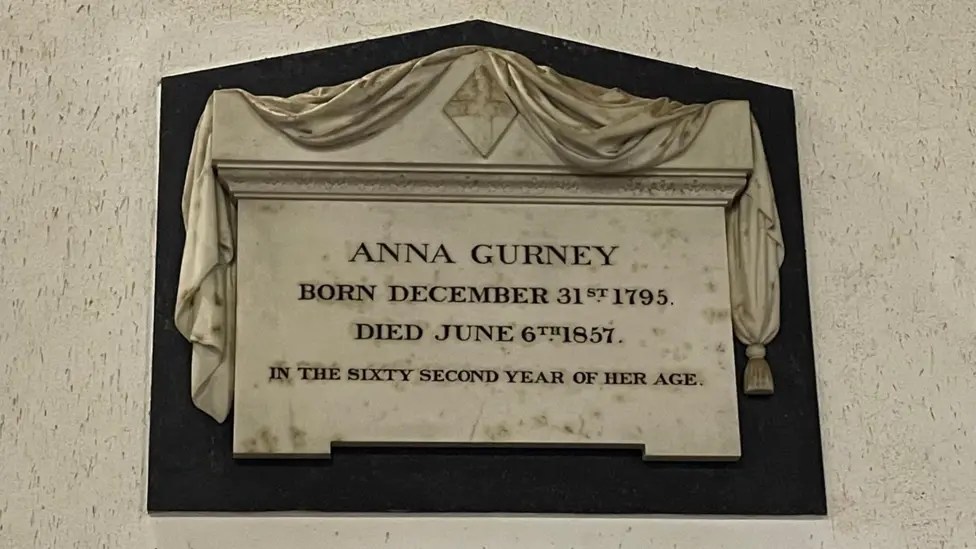
Way to go, Ladies!
With thanks to the Queer Norfolk Archive at the Millennium Library in Norwich for this delicious titbit.
 Perking the Pansies
Cottage ladies? How about cottage broads! 😂
LikeLiked by 1 person
🤣
LikeLike
Good for them!
LikeLike
Well said! 😀
LikeLike