The Canterbury Tales

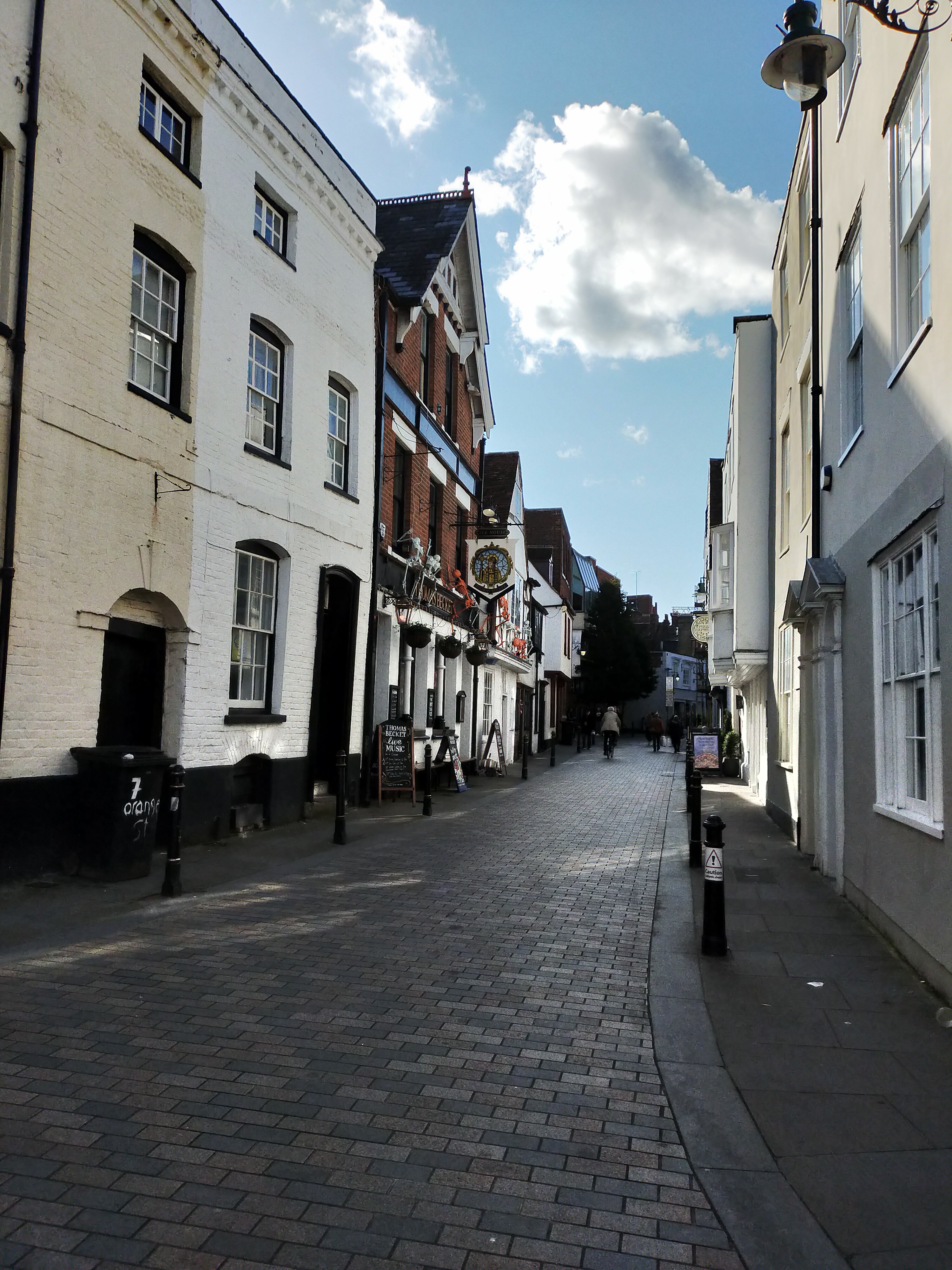
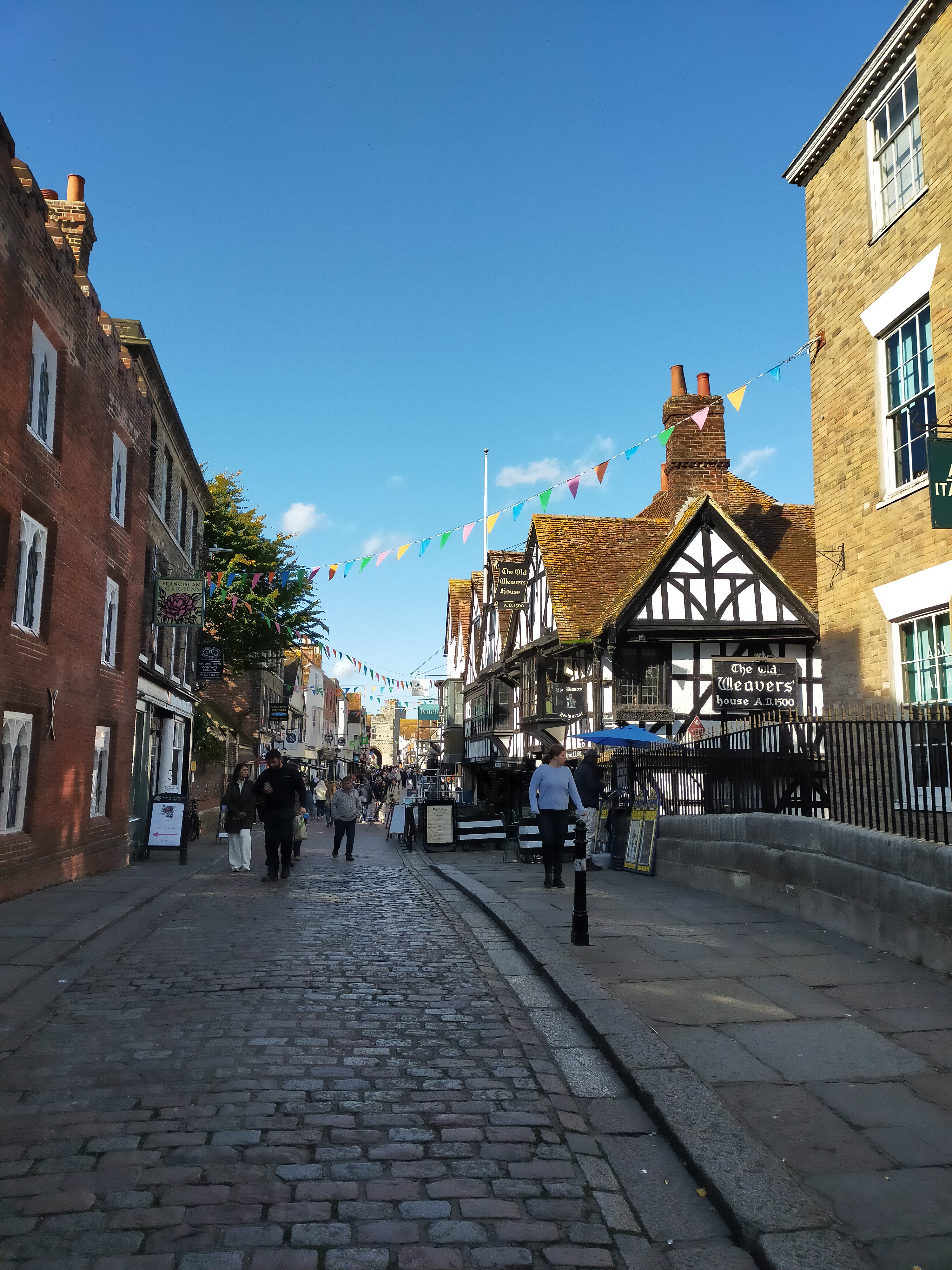
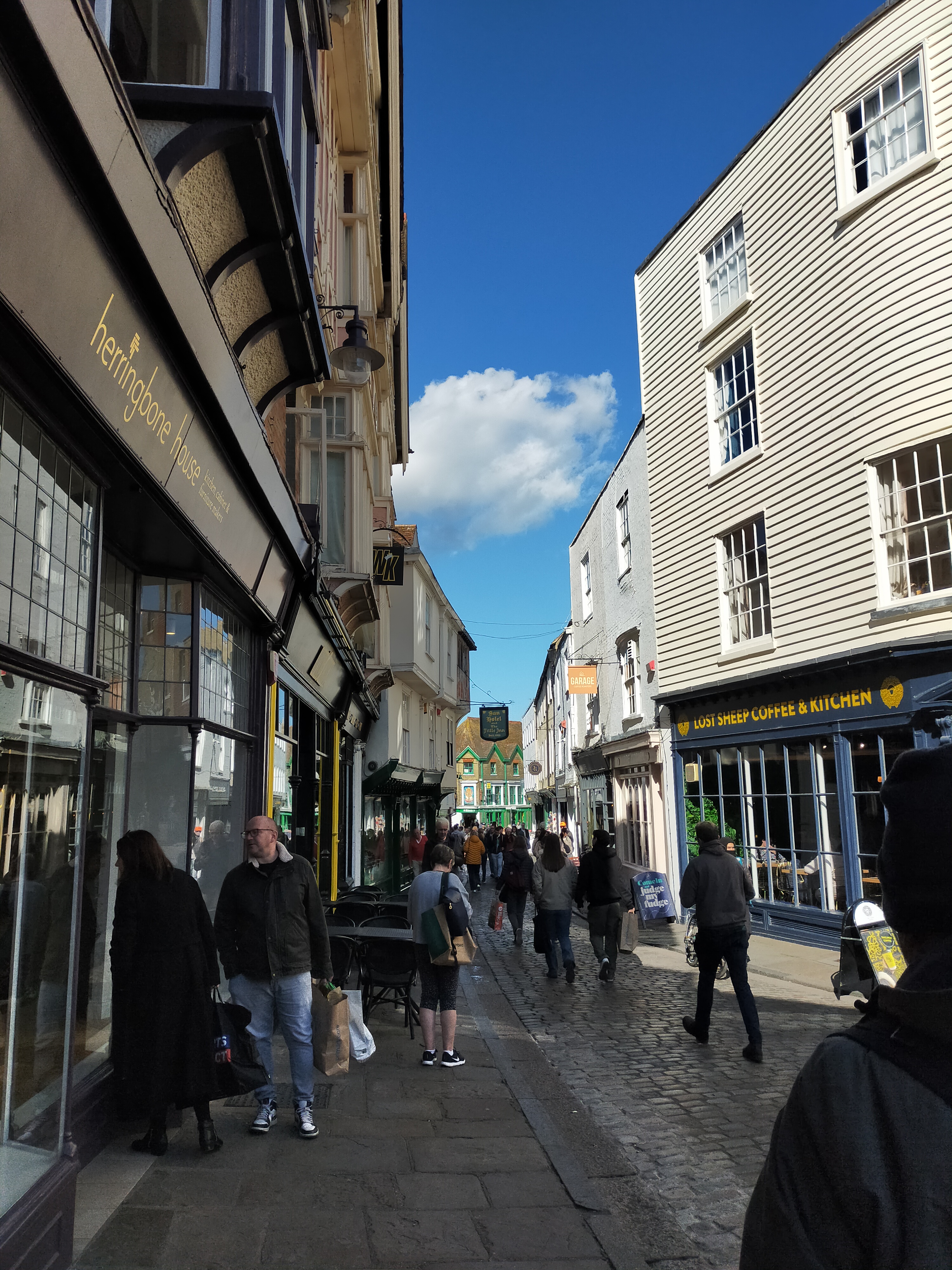
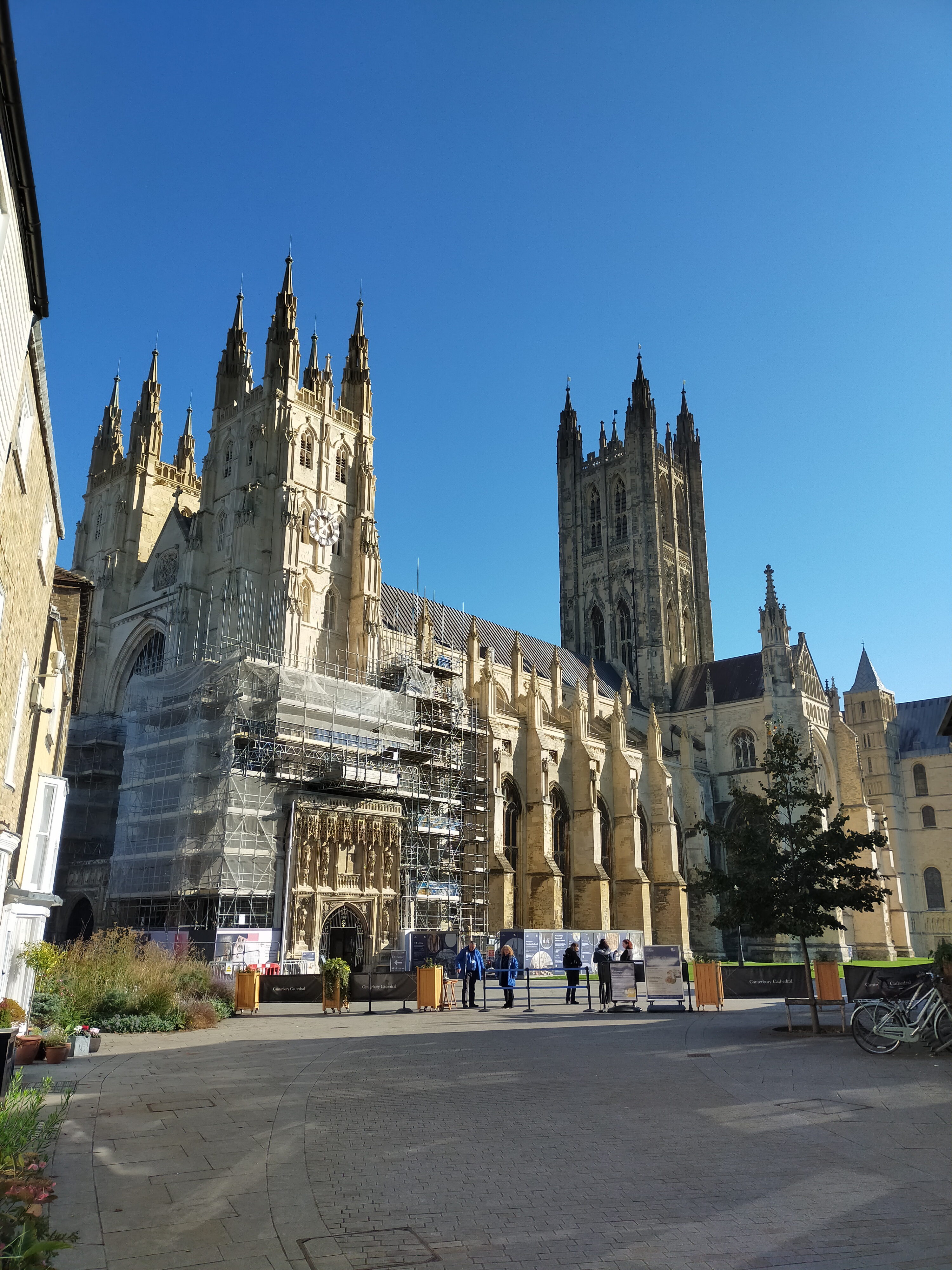
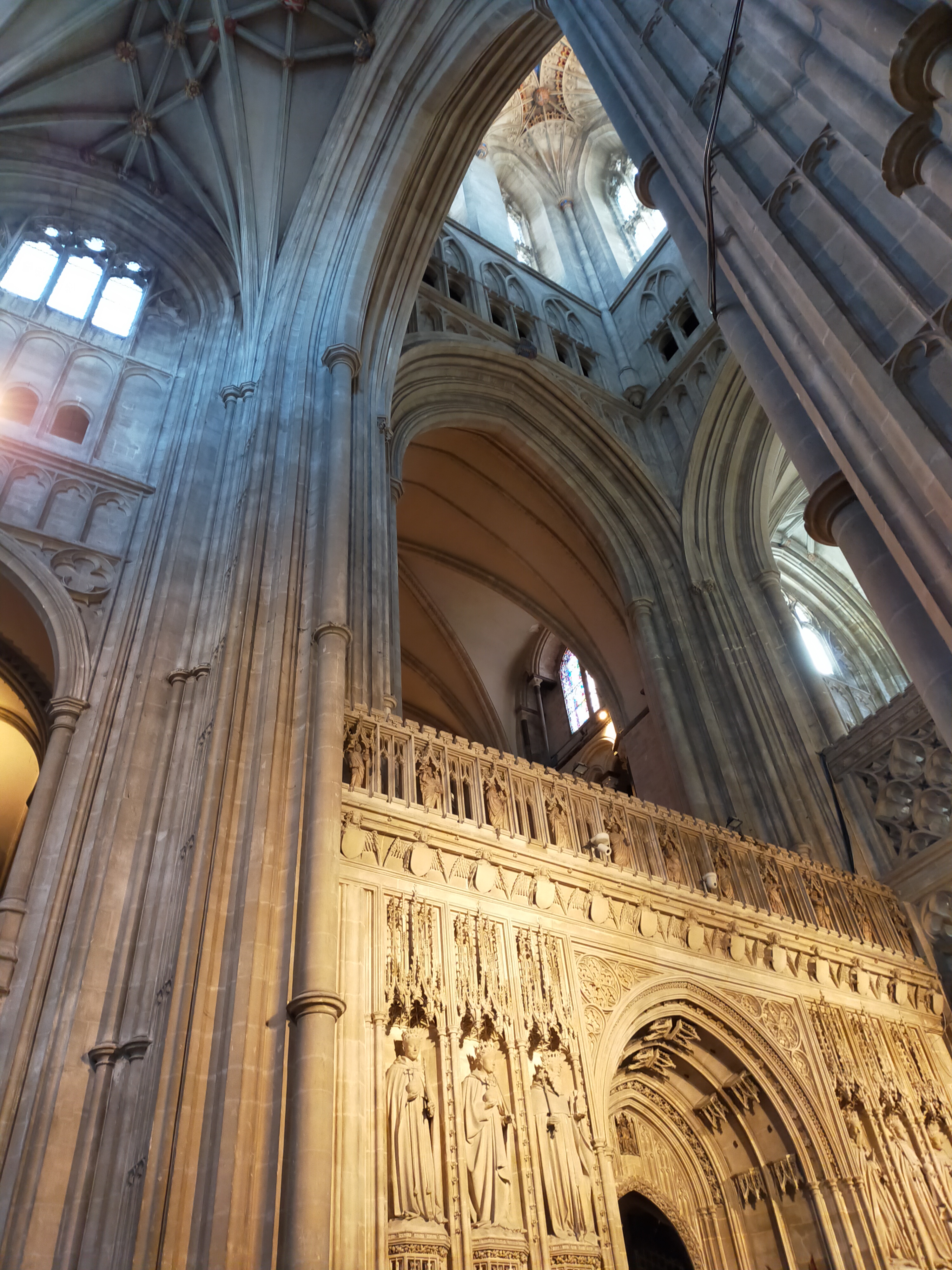
A family wedding took us to rural Kent, the so-called Garden of England, with its rolling downs, dripping orchards and bountiful fields. We padded out the nuptials with a good gander around pretty Canterbury. The city has ancient roots – think Celts, Romans, Jutes, Anglo-Saxons, Vikings, Normans and Huguenots. Canterbury’s city centre was flattened by the Luftwaffe during the Second World War, but unlike many other British towns and cities, it was sympathetically rebuilt. Today, Canterbury is a university city and a huge tourist draw, principally due to the vast cathedral – a UNESCO World Heritage Site – which dominates the skyline. The largely pedestrianised cobbled streets are charming, if a tad Disneyfied (no doubt to keep modern-day pilgrims progressing).
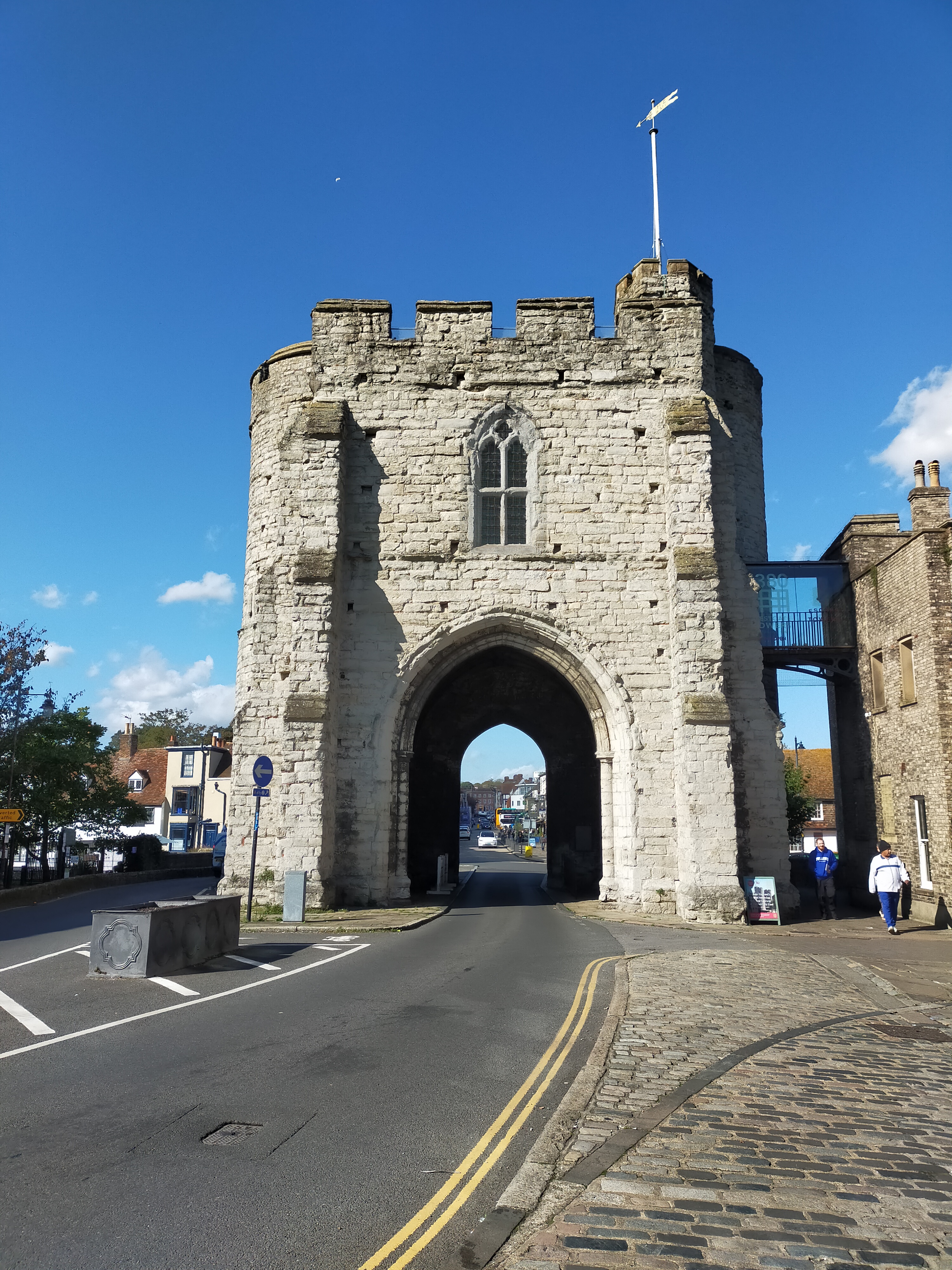
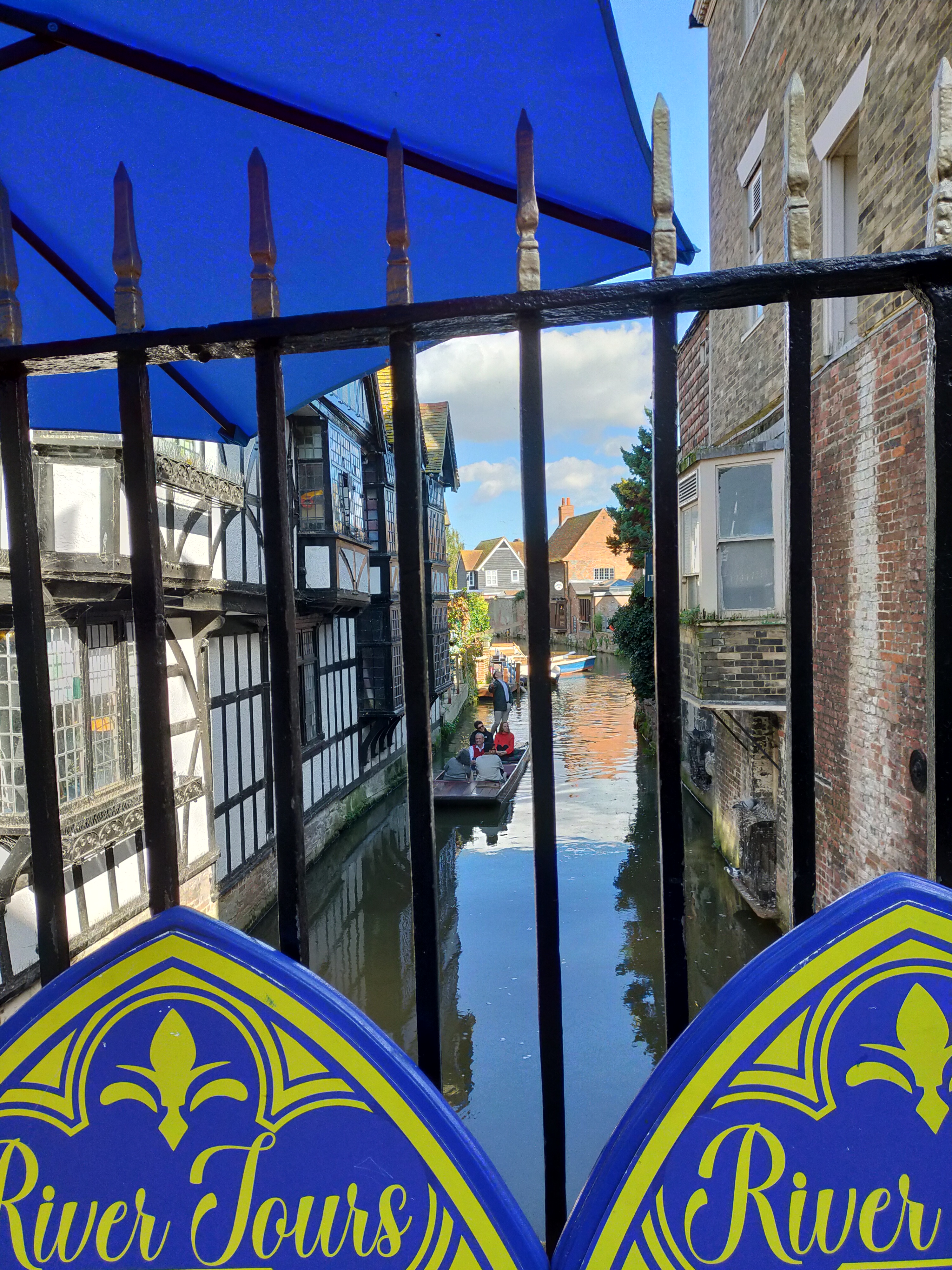
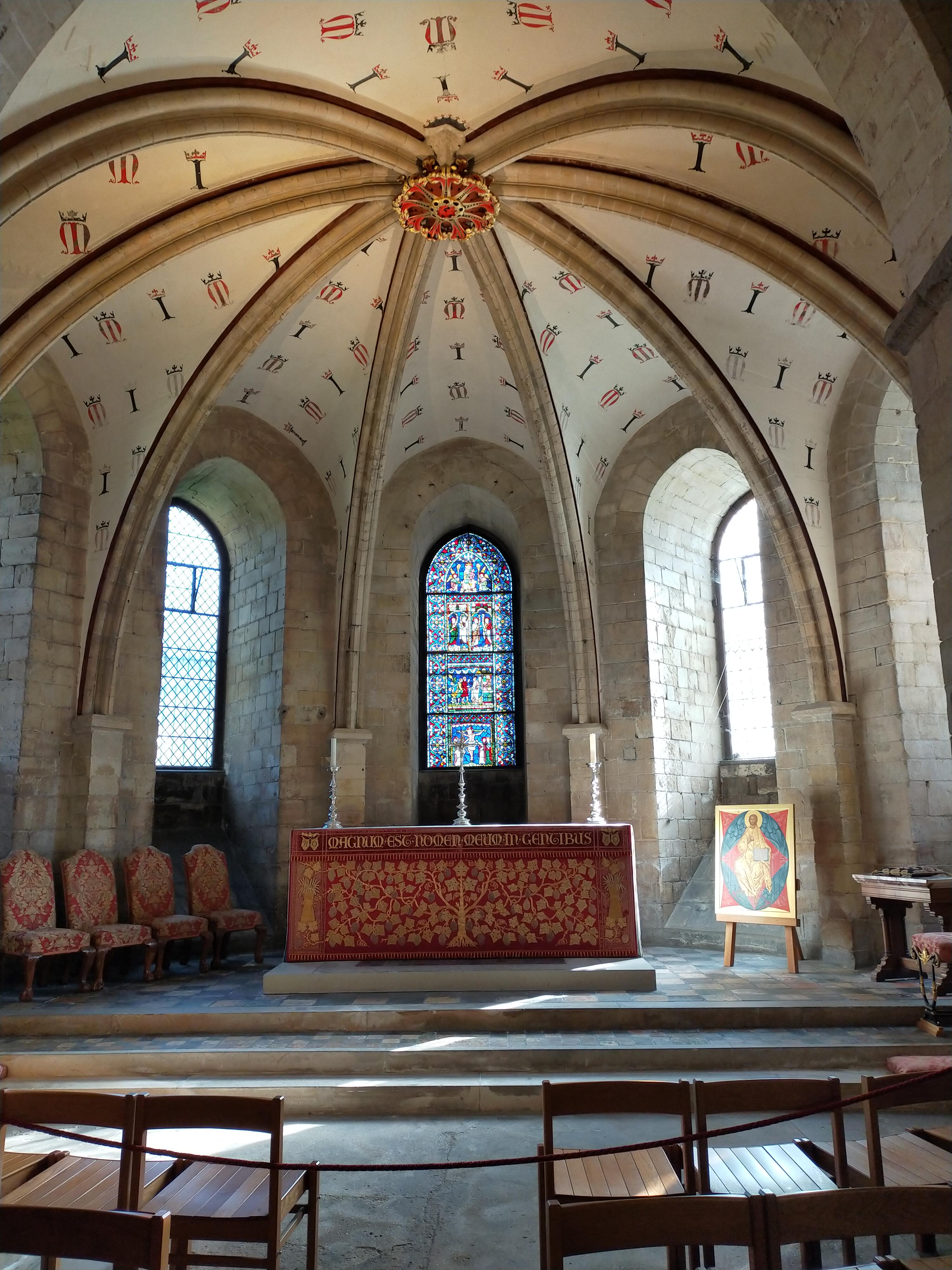
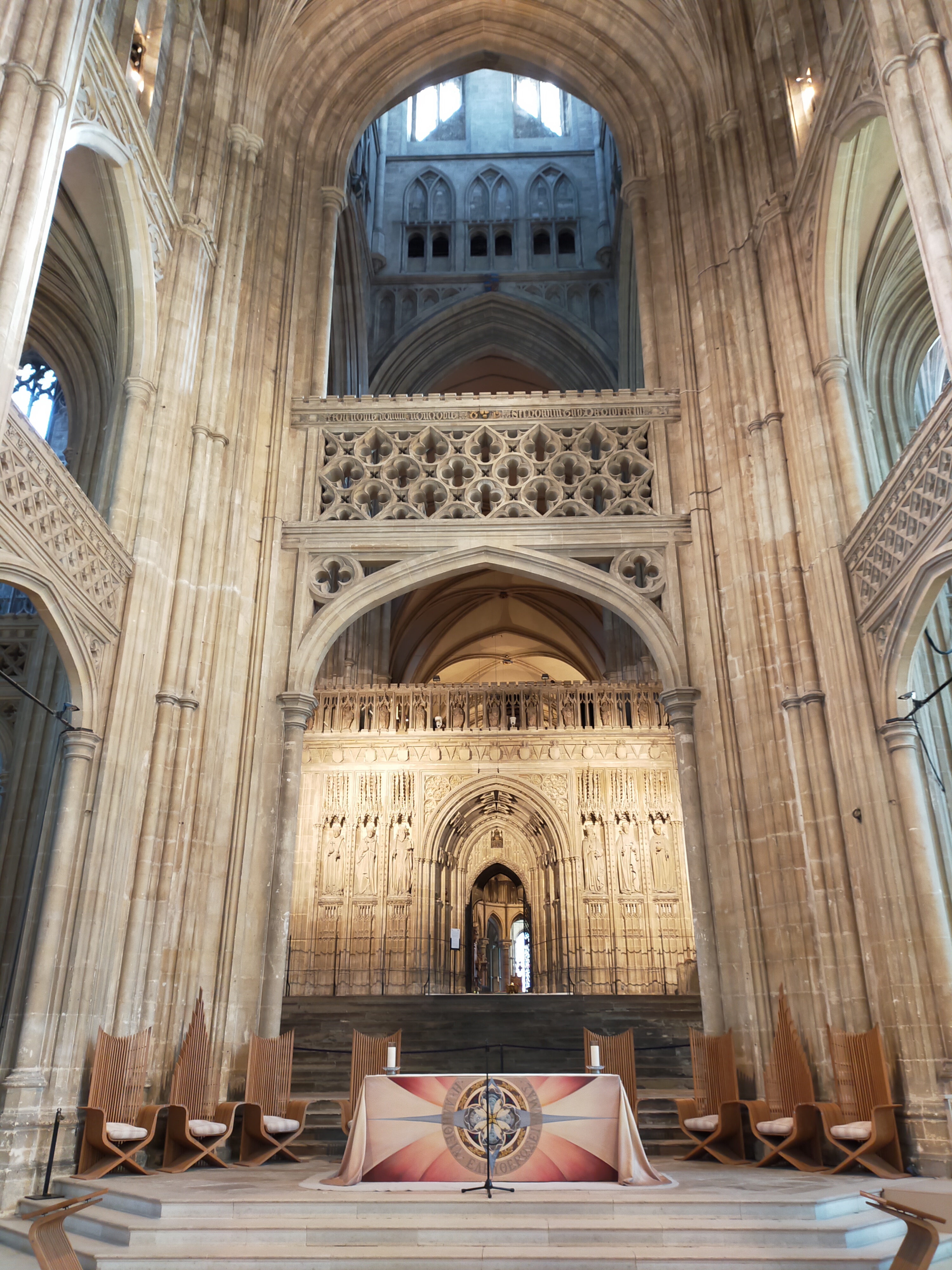
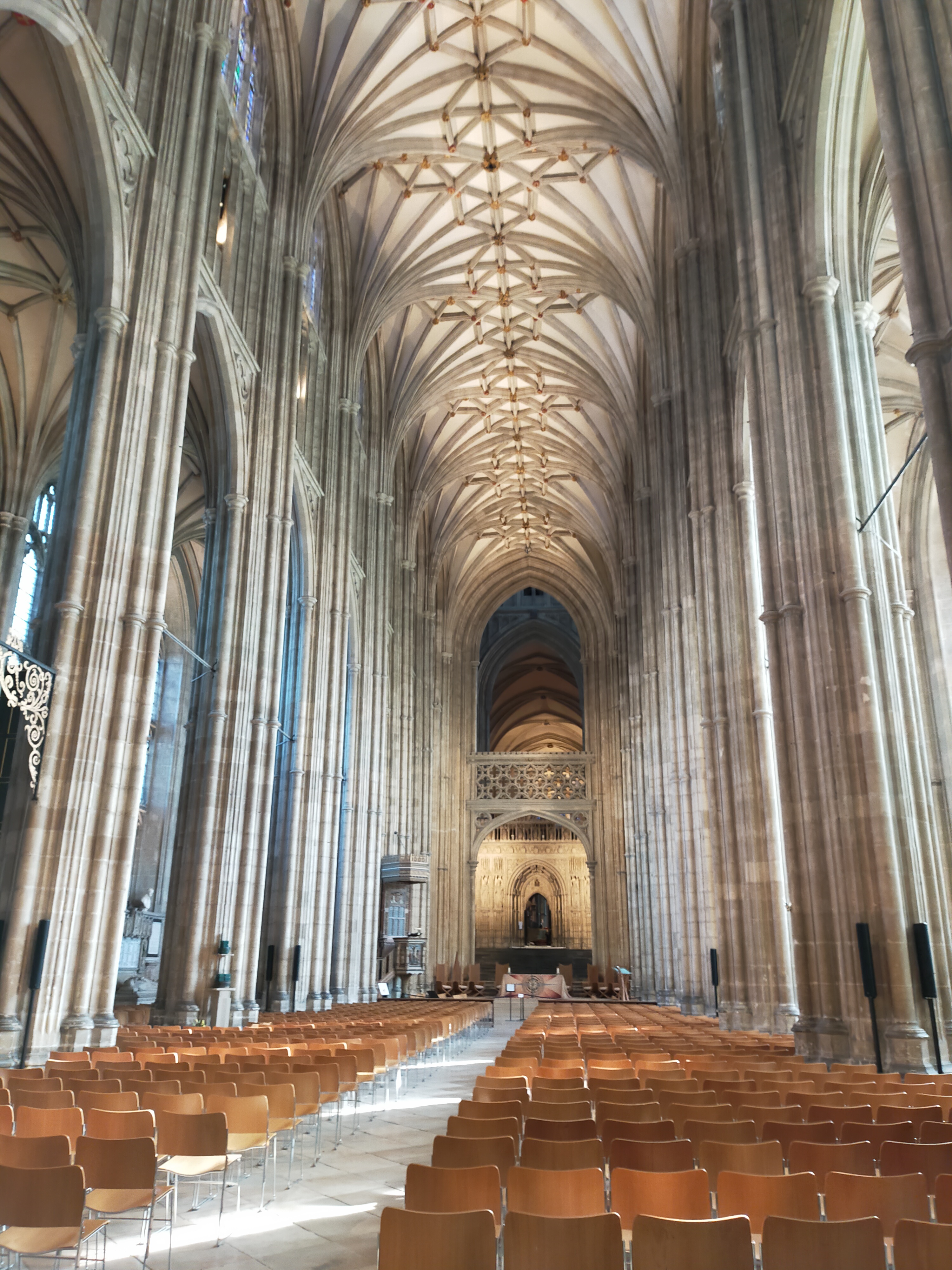
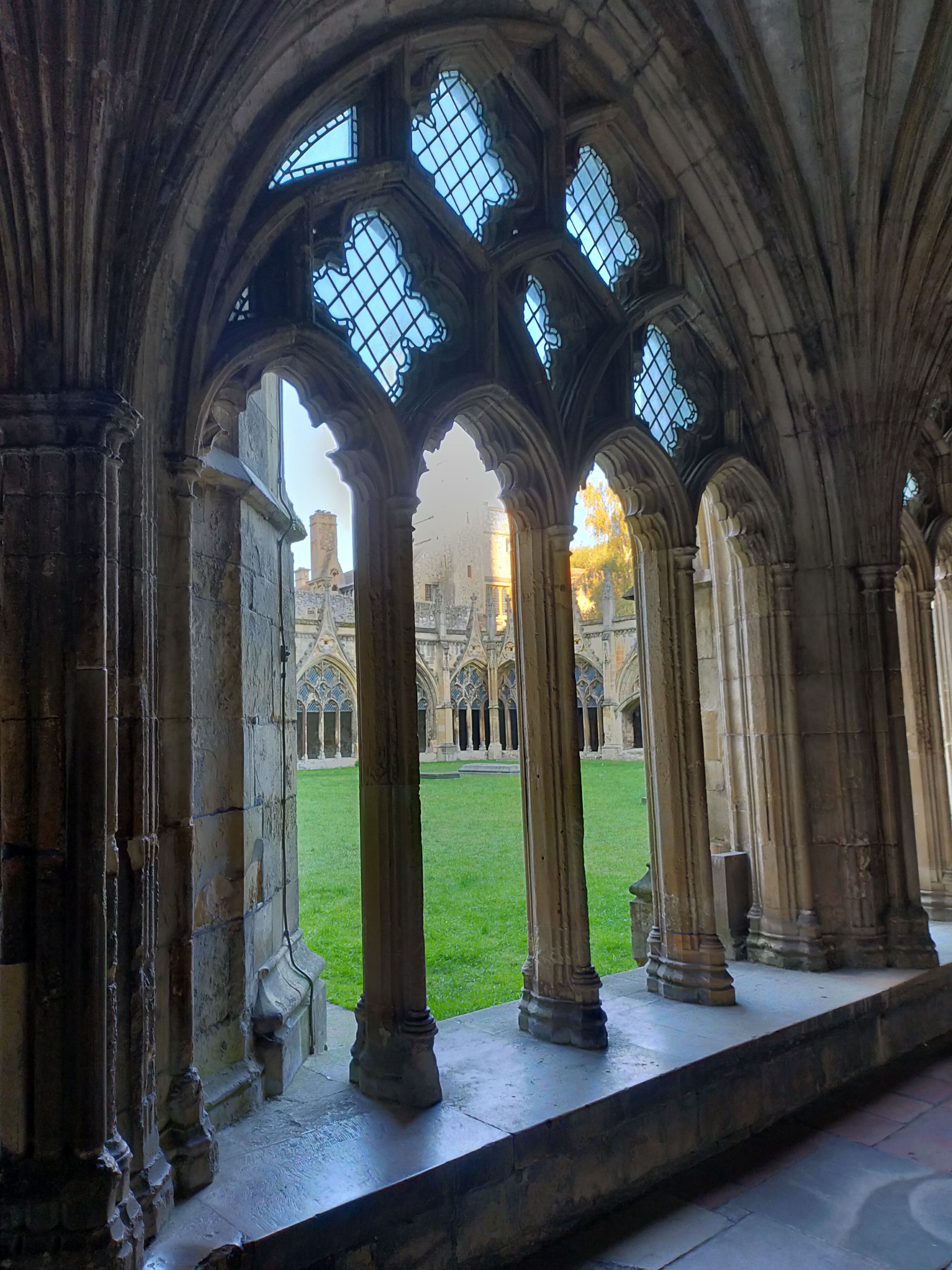
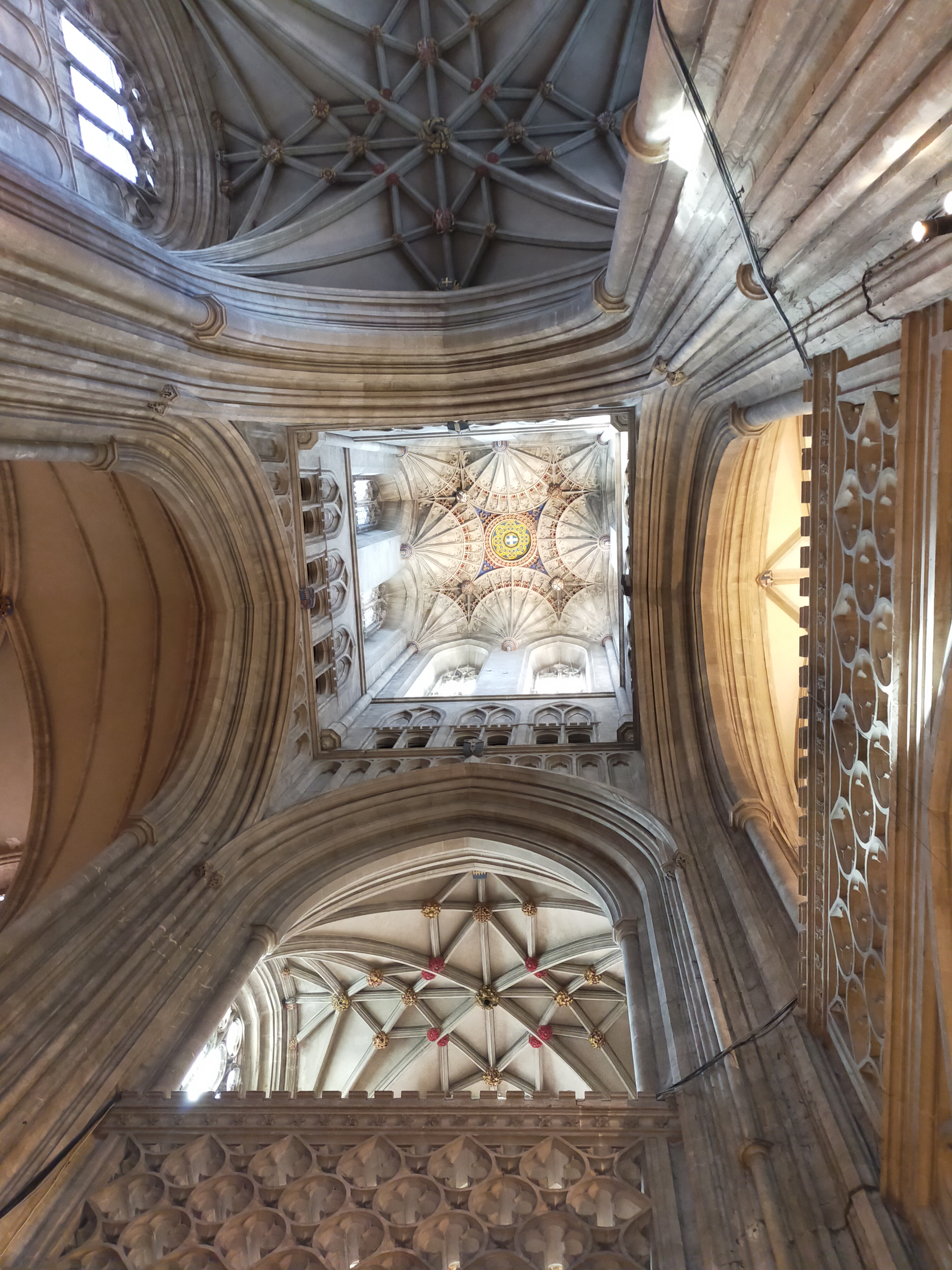
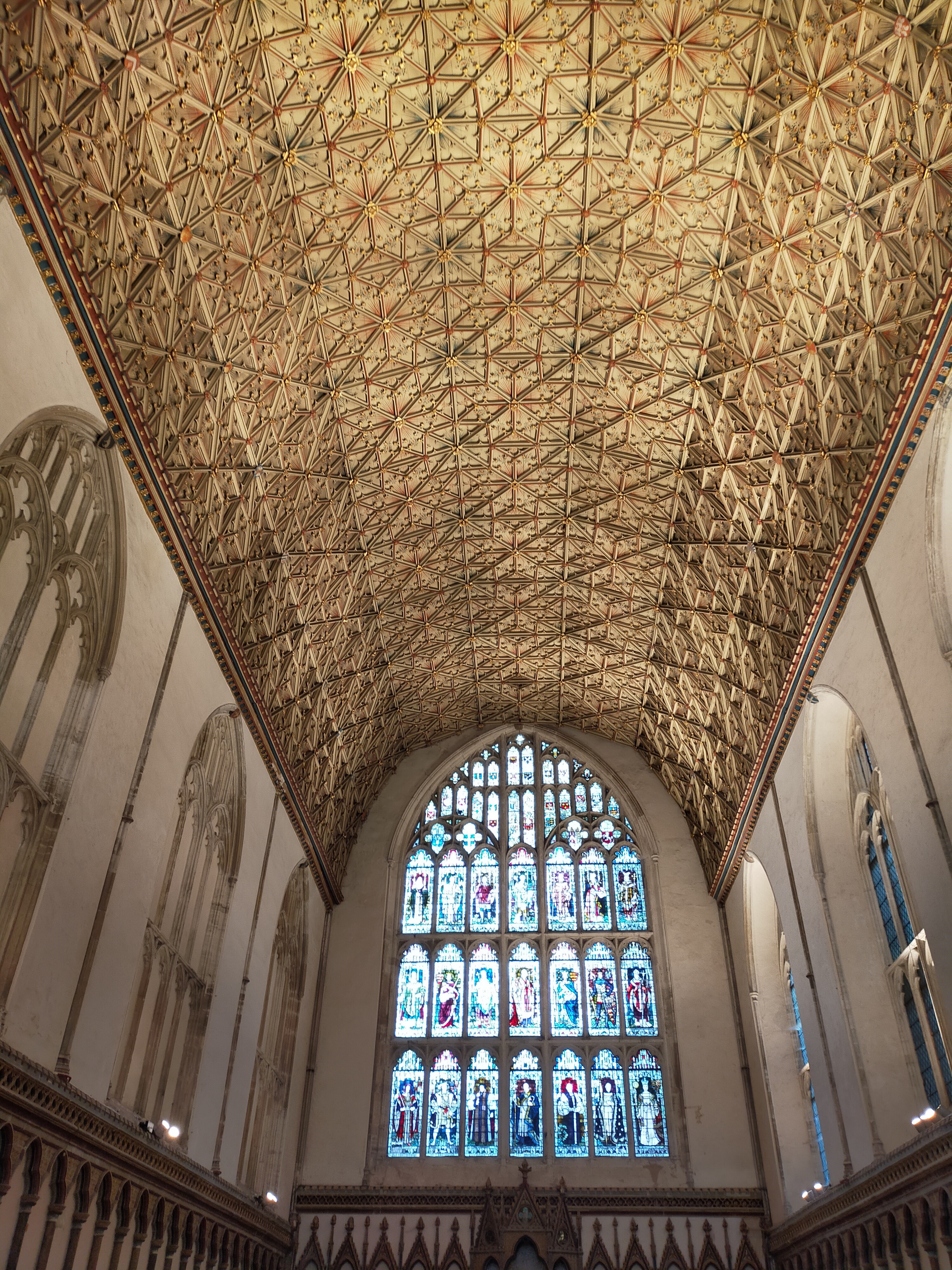
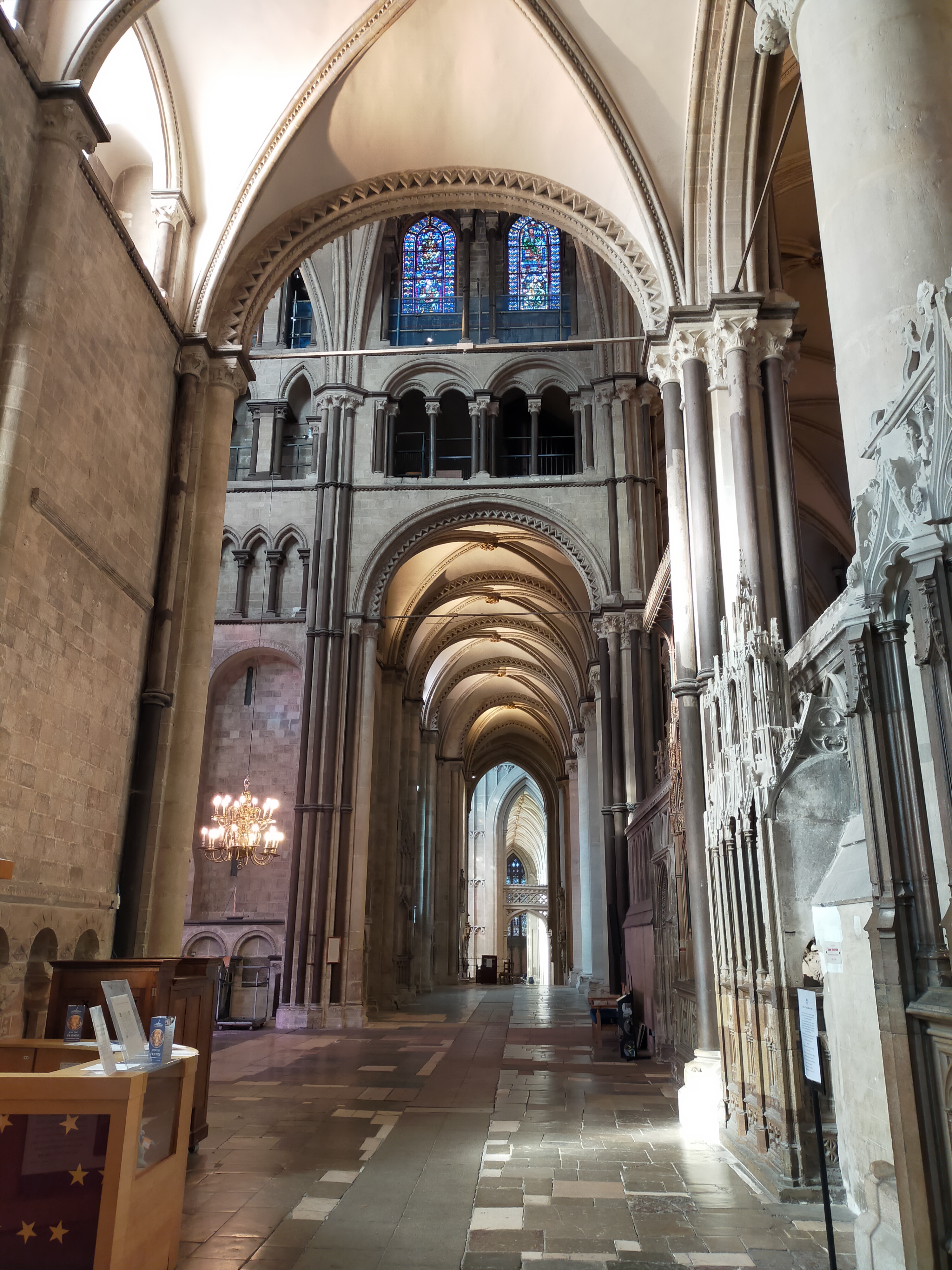
Without a doubt, the cathedral gets top billing and is not to be missed. Despite my dim view of religion in general, I love a big holy pile, and they don’t come much bigger or more holy than Canterbury Cathedral. There’s been a house of God on this site since 597, after Pope Gregory sent Saint Augustine over to save the heathens from their evil pagan ways. What visitors see today largely dates from the 11th and 12th centuries.
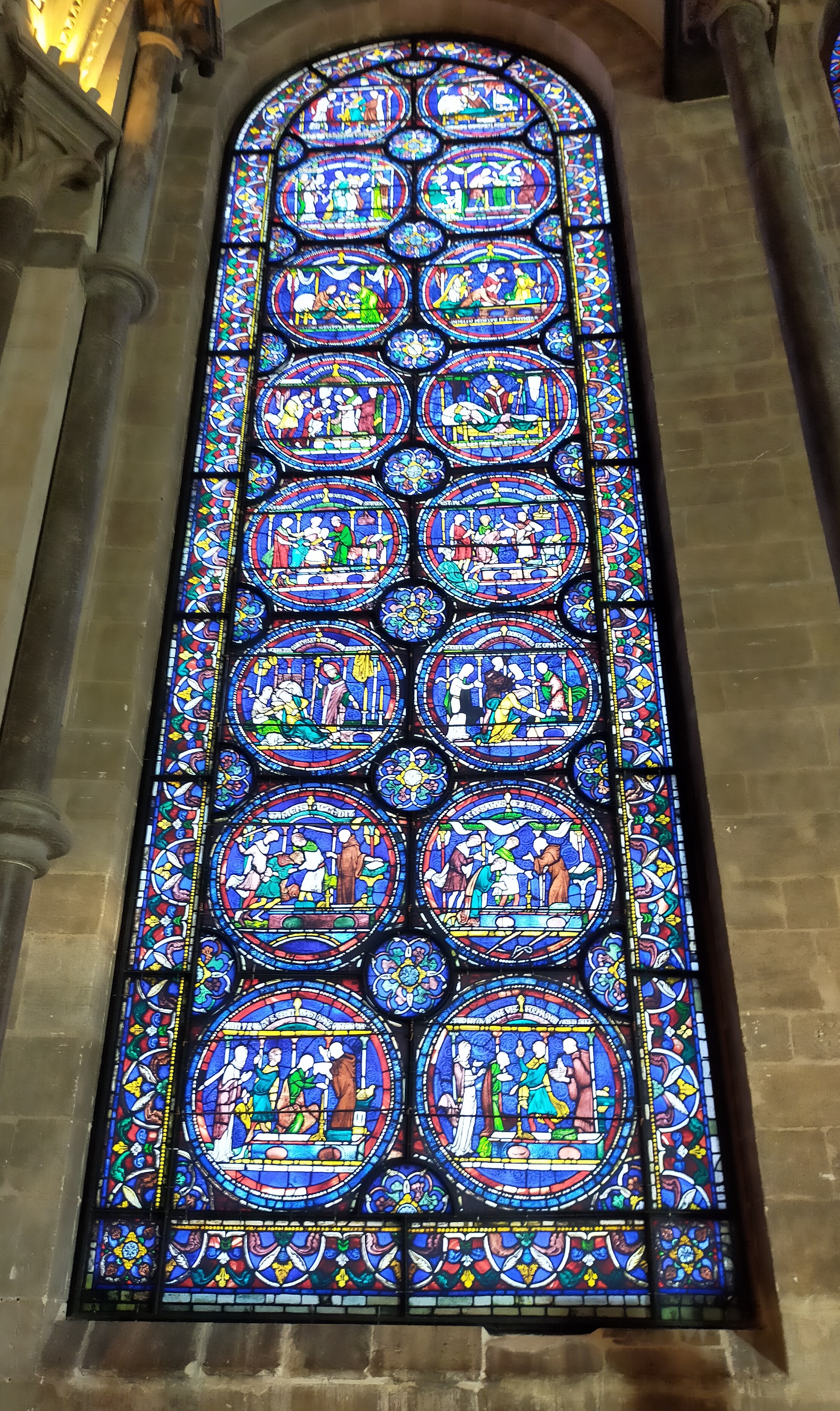
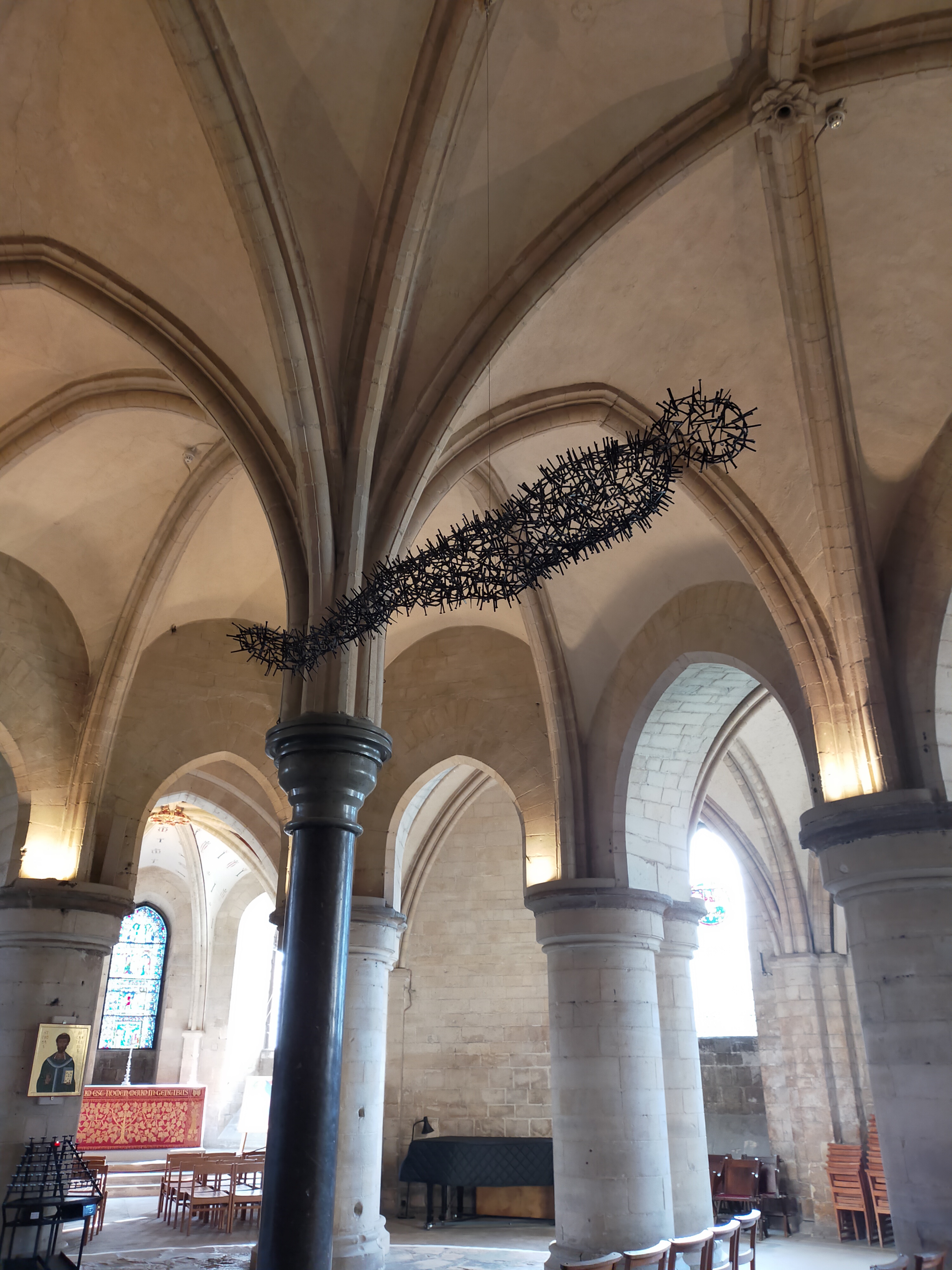
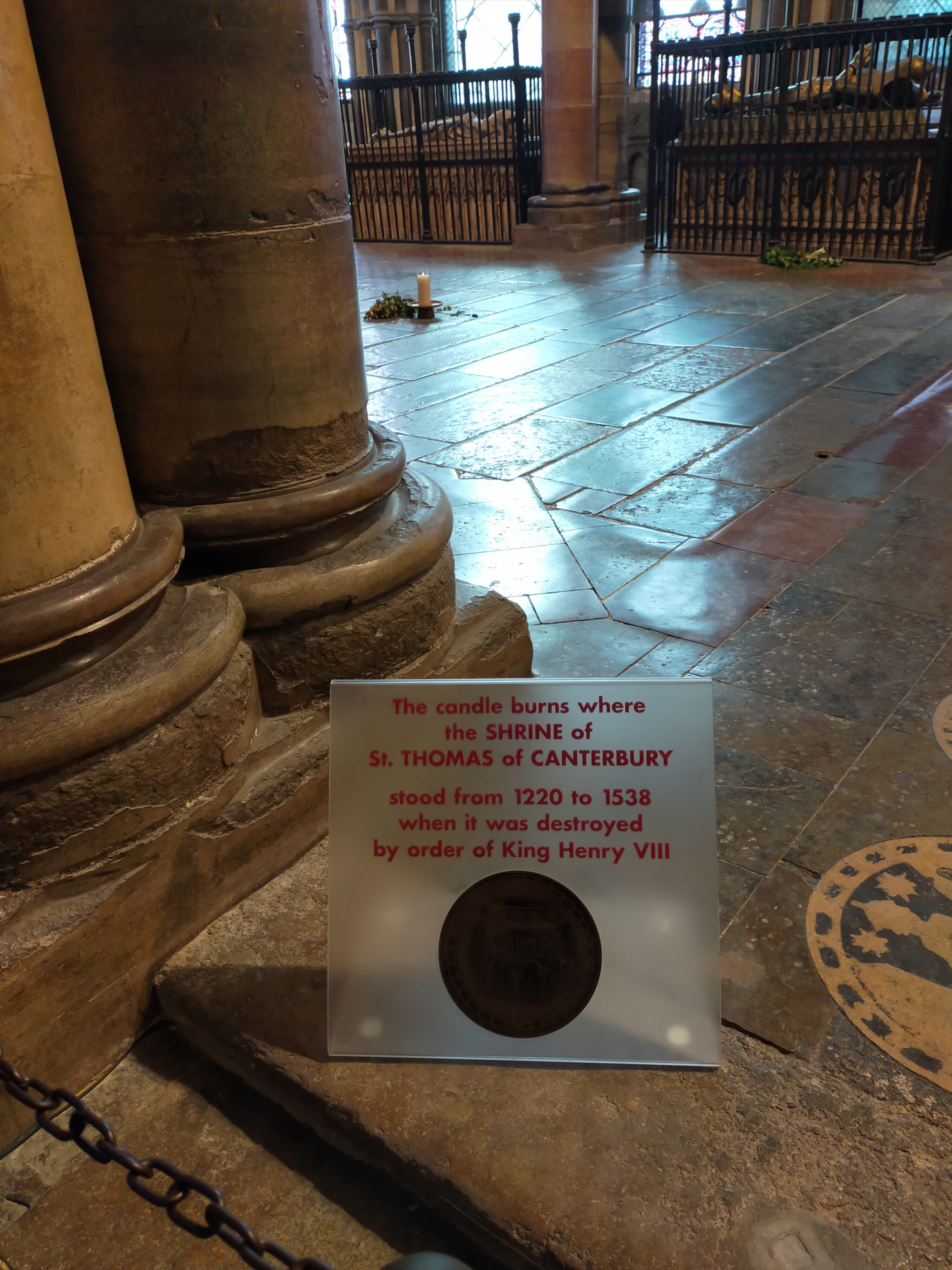
The Cathedral’s fortunes really took off after the murder of Archbishop Thomas Beckett in 1170. Beckett had become a right royal pain in the arse for King Henry II, who threw a queenie fit and exclaimed (allegedly),

“Will no one rid me of this turbulent priest?”

Some knights took Henry at his word and martyred Beckett in the north-west transept. Like you do.

The posthumous veneration of Beckett transformed the cathedral into a major centre of pilgrimage and a money-making machine. And then came Chaucer’s Canterbury Tales. The rest, as they say…
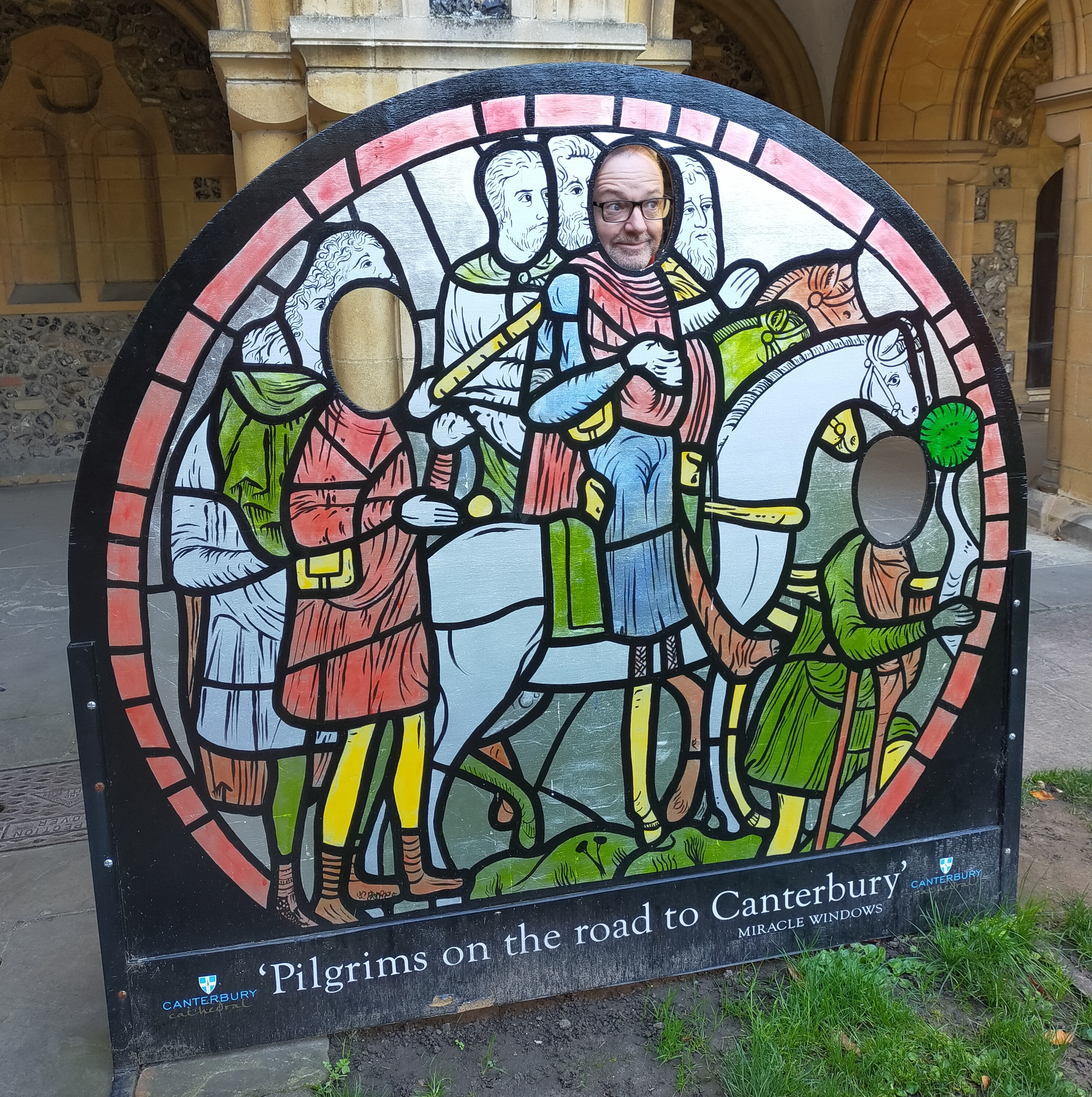
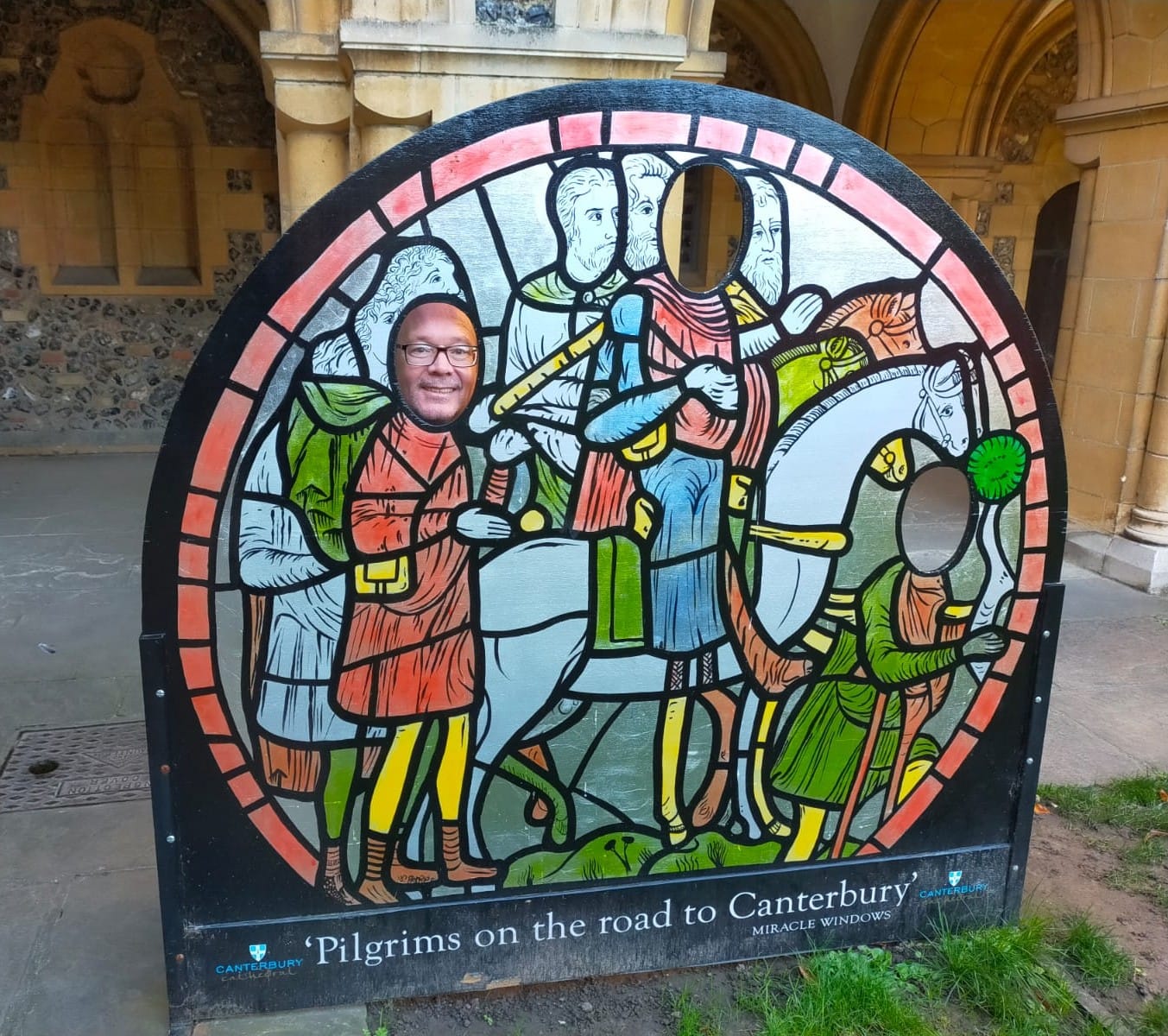
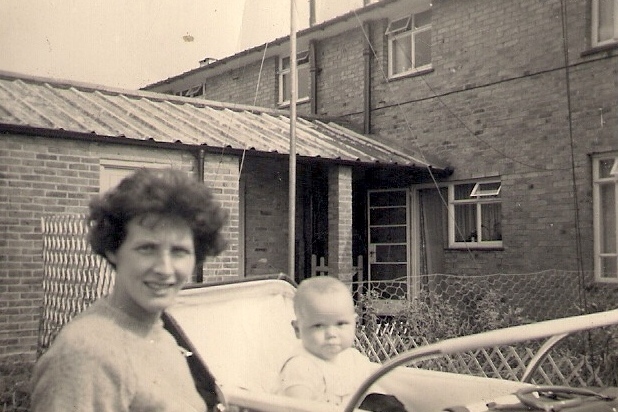
Canterbury is also famous, here at Pansies HQ, as the birthplace of one Jack Scott. Dad was a soldier and I was born at Howe Barracks in married quarters on Talavera Road – number 24, according to my birth certificate. The barracks are long gone, replaced by a new housing development, though Talavera Road remains. That’s my Canterbury tale.

Where To Now St. Peter?

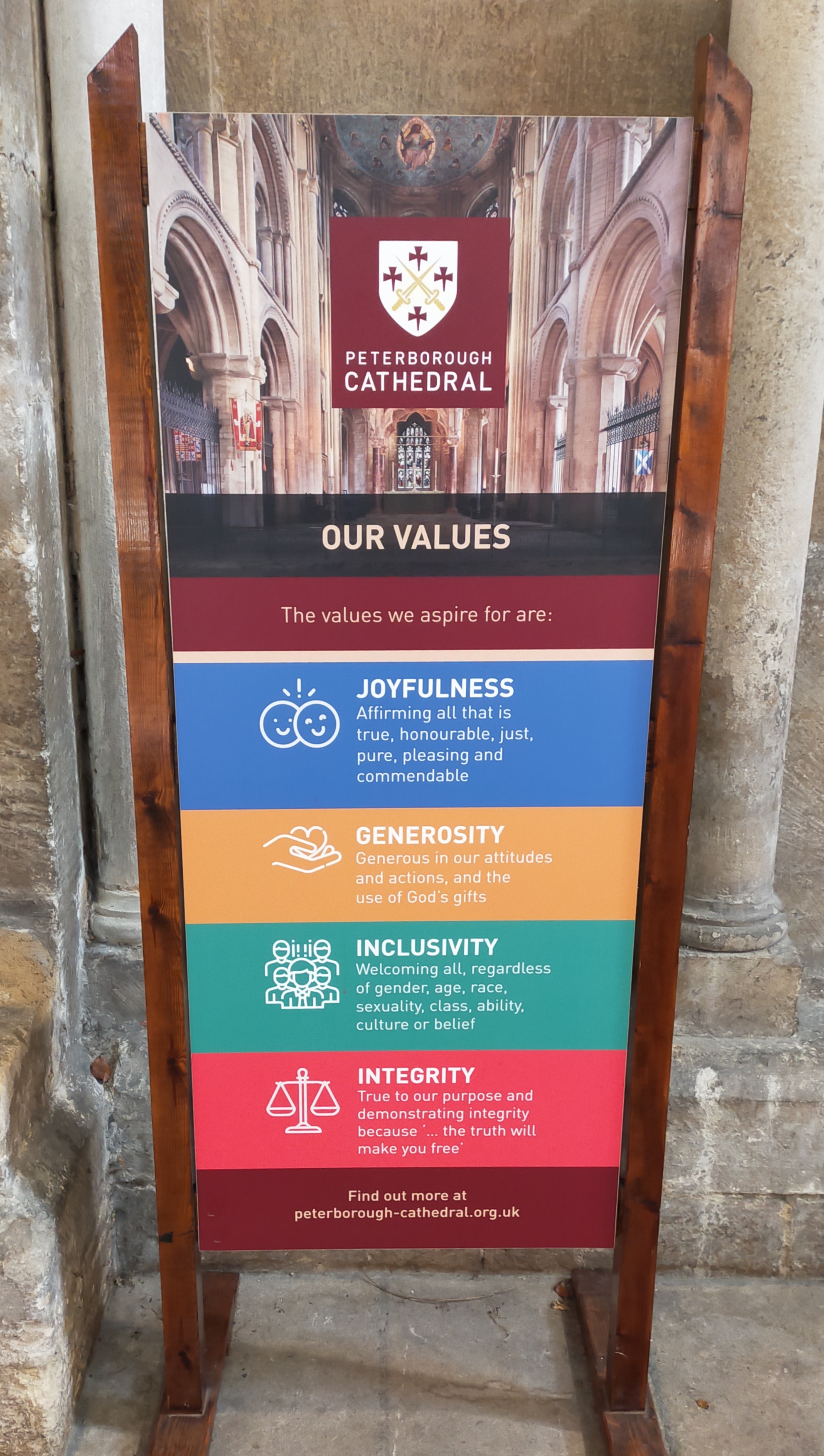
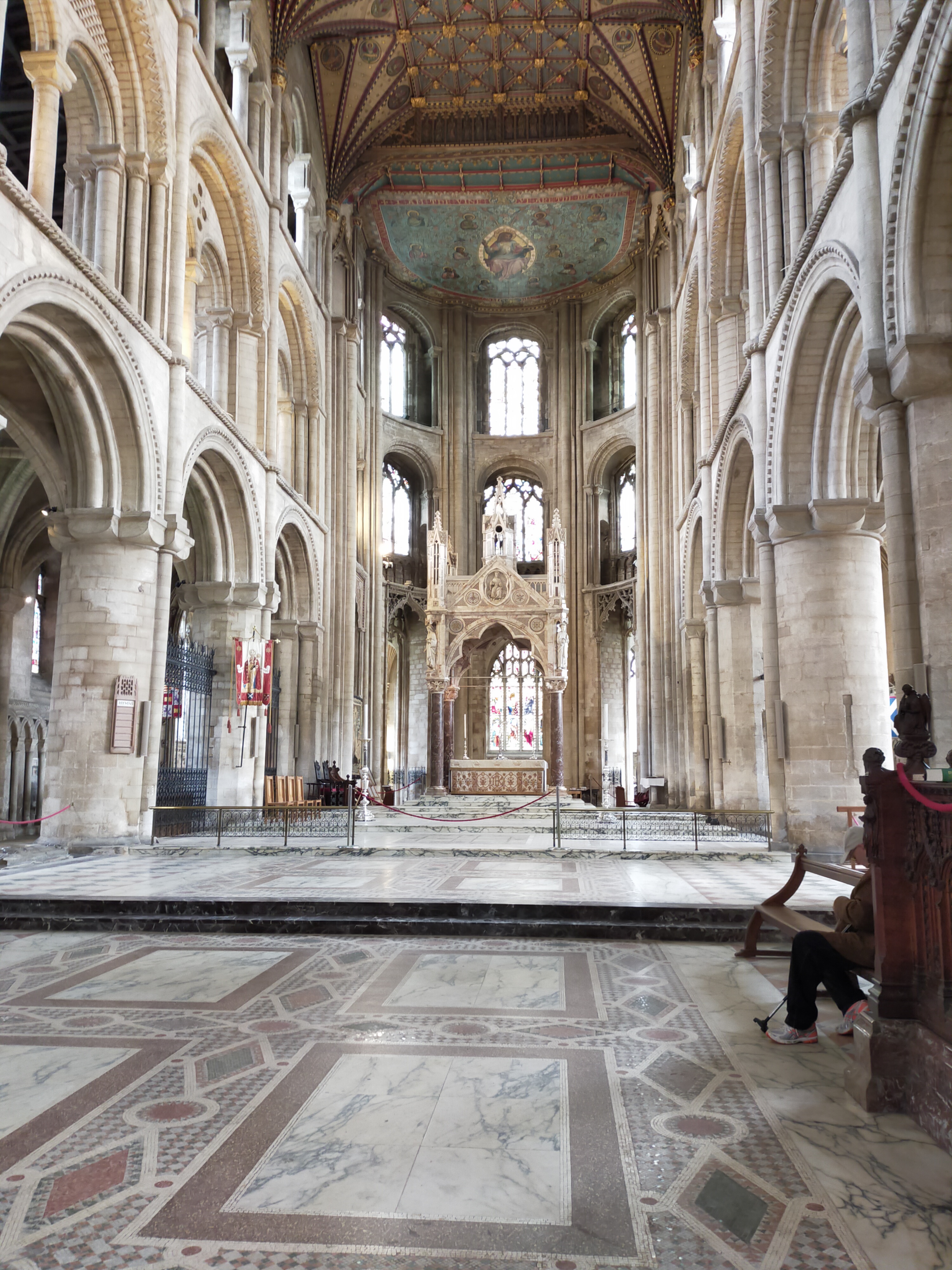
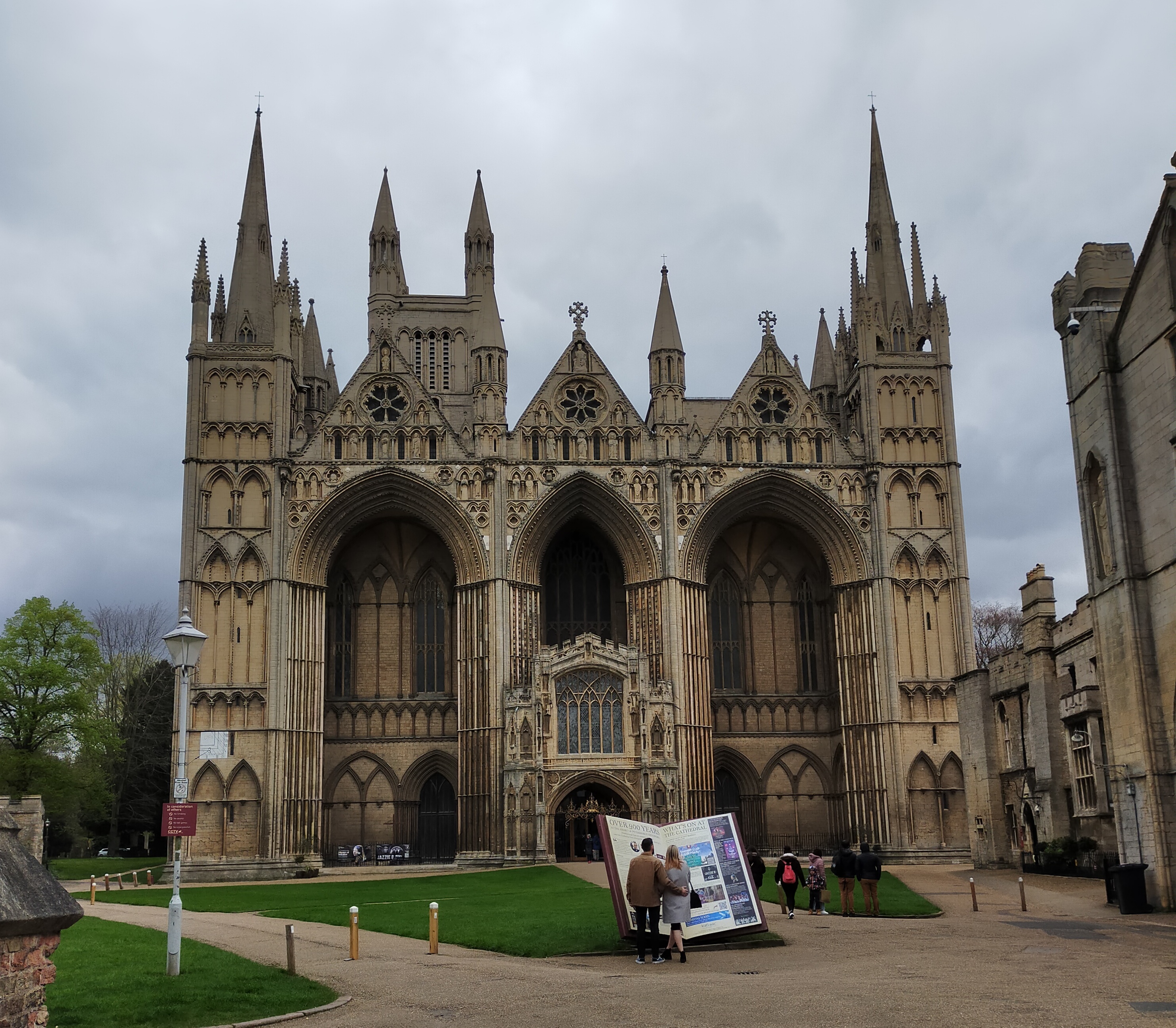
We fancied another pilgrimage and we settled on Peterborough in neighbouring Cambridgeshire, with its epic house of God. While I may be a dedicated heathen, I totally get that back in the days of the great unschooled, the sheer scale and splendour of such colossal erections could keep even the doubters in line. How could mere mortals create such magnificence without the guiding hand of the Almighty? So we jumped on the cross-country ‘Let’s Roll With Pride’ themed train from Norwich.

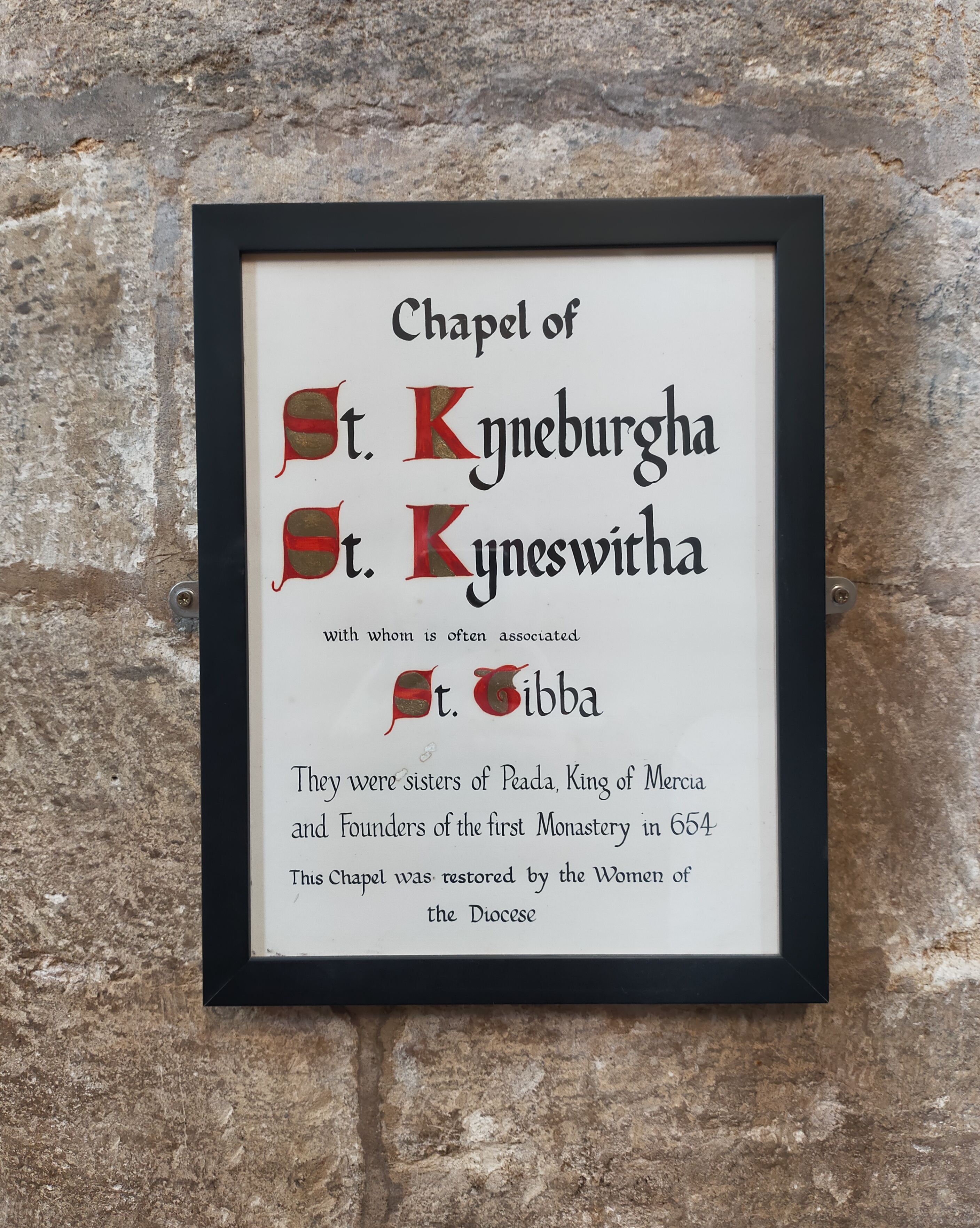
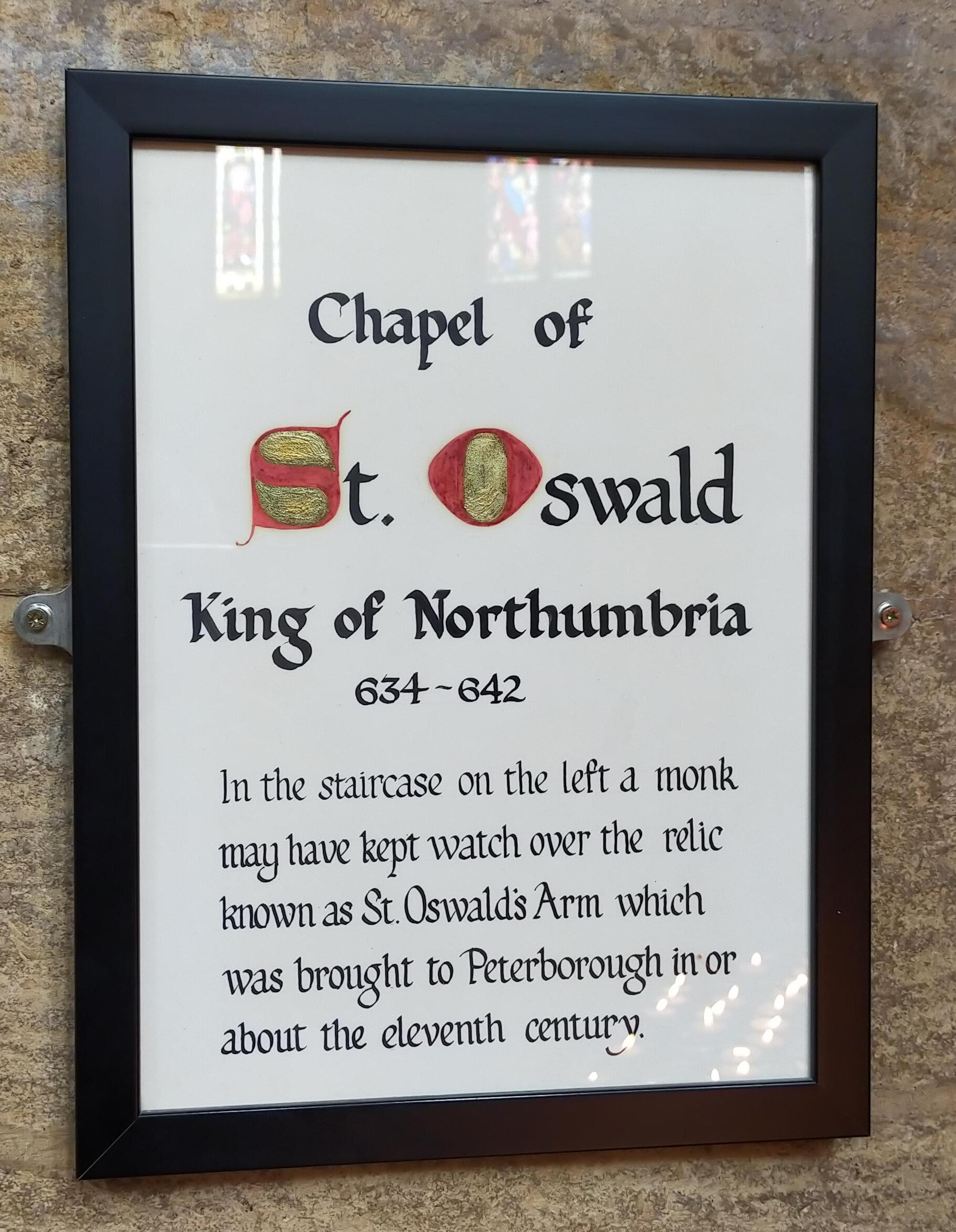
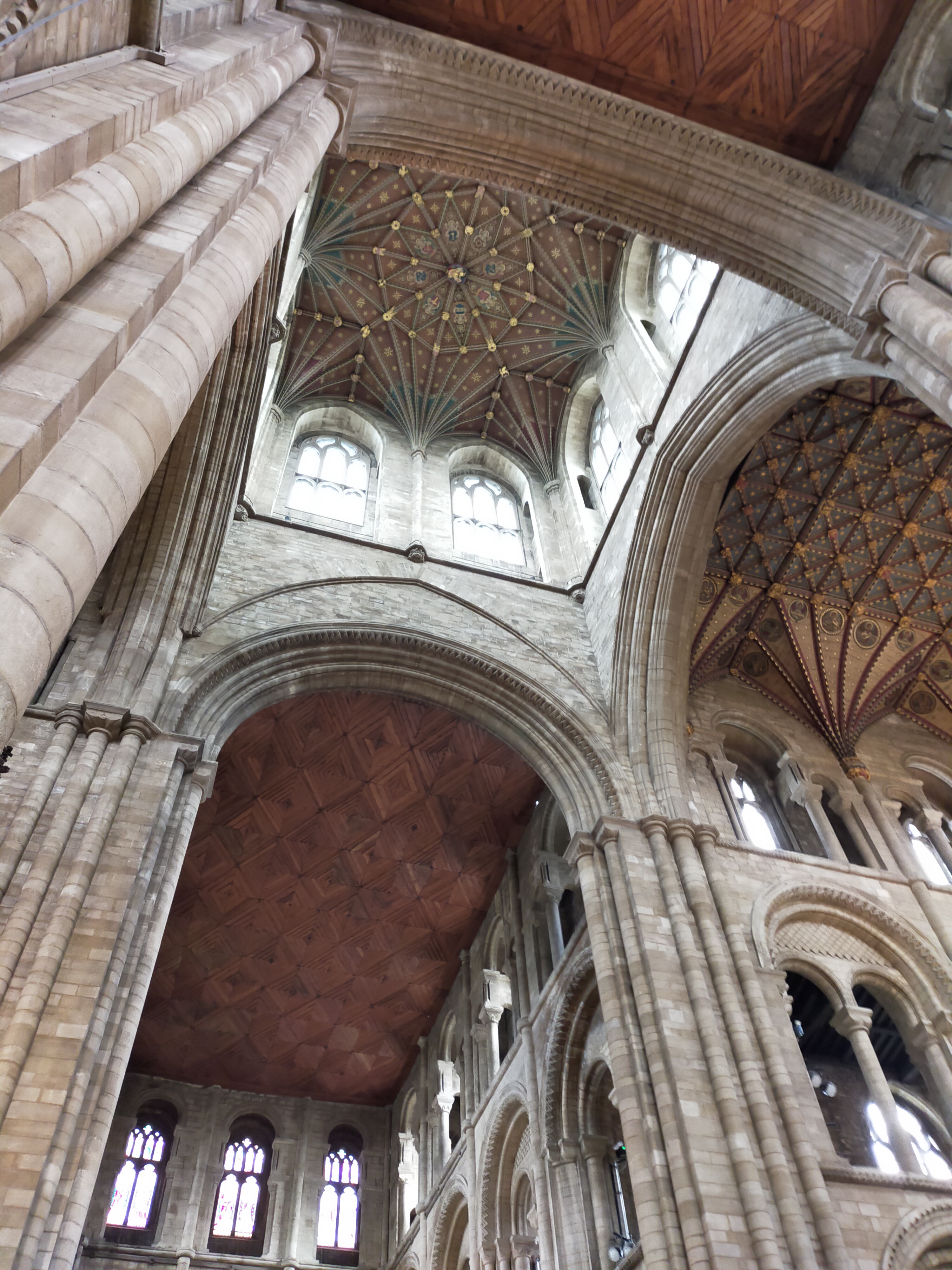
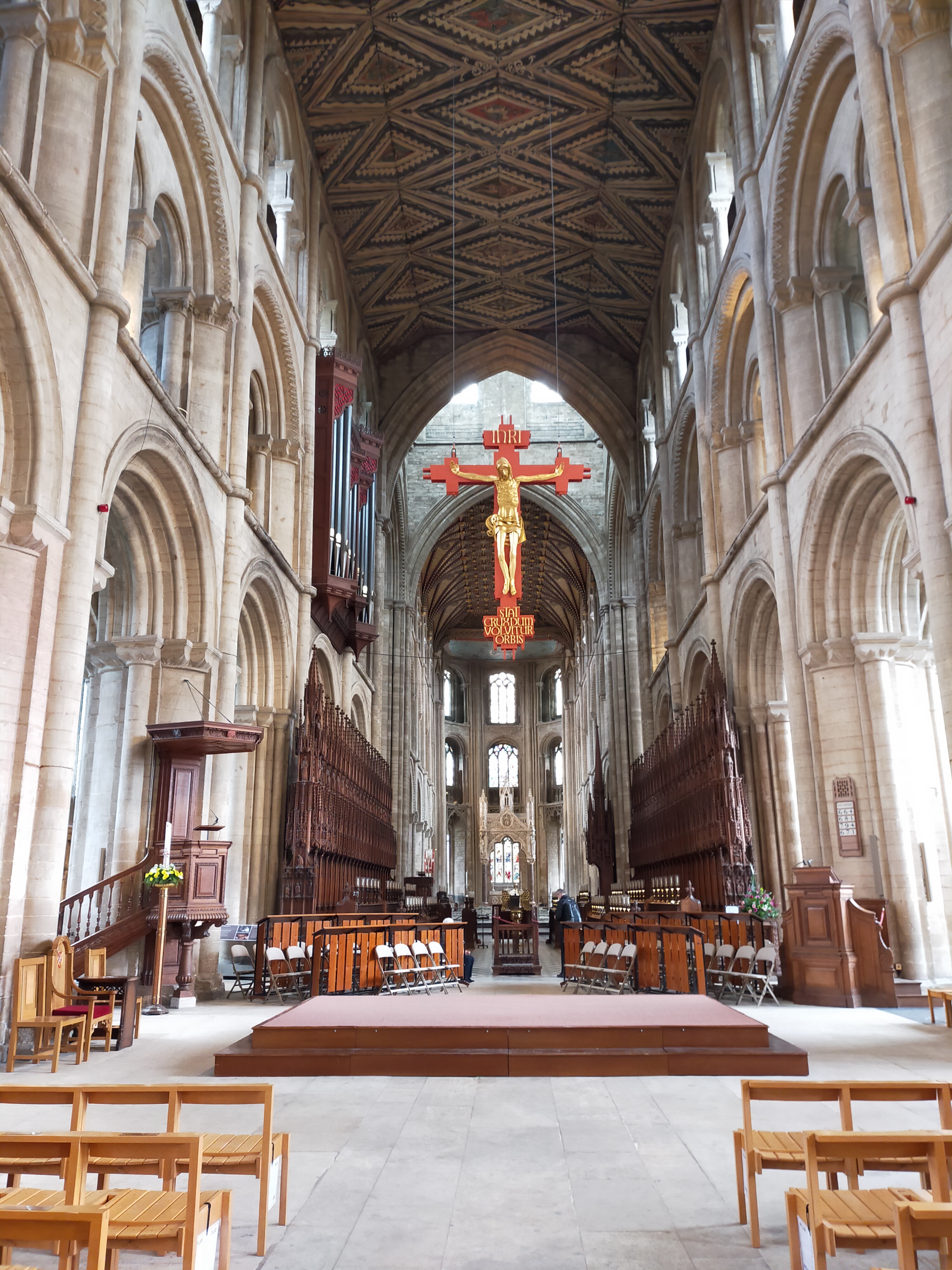
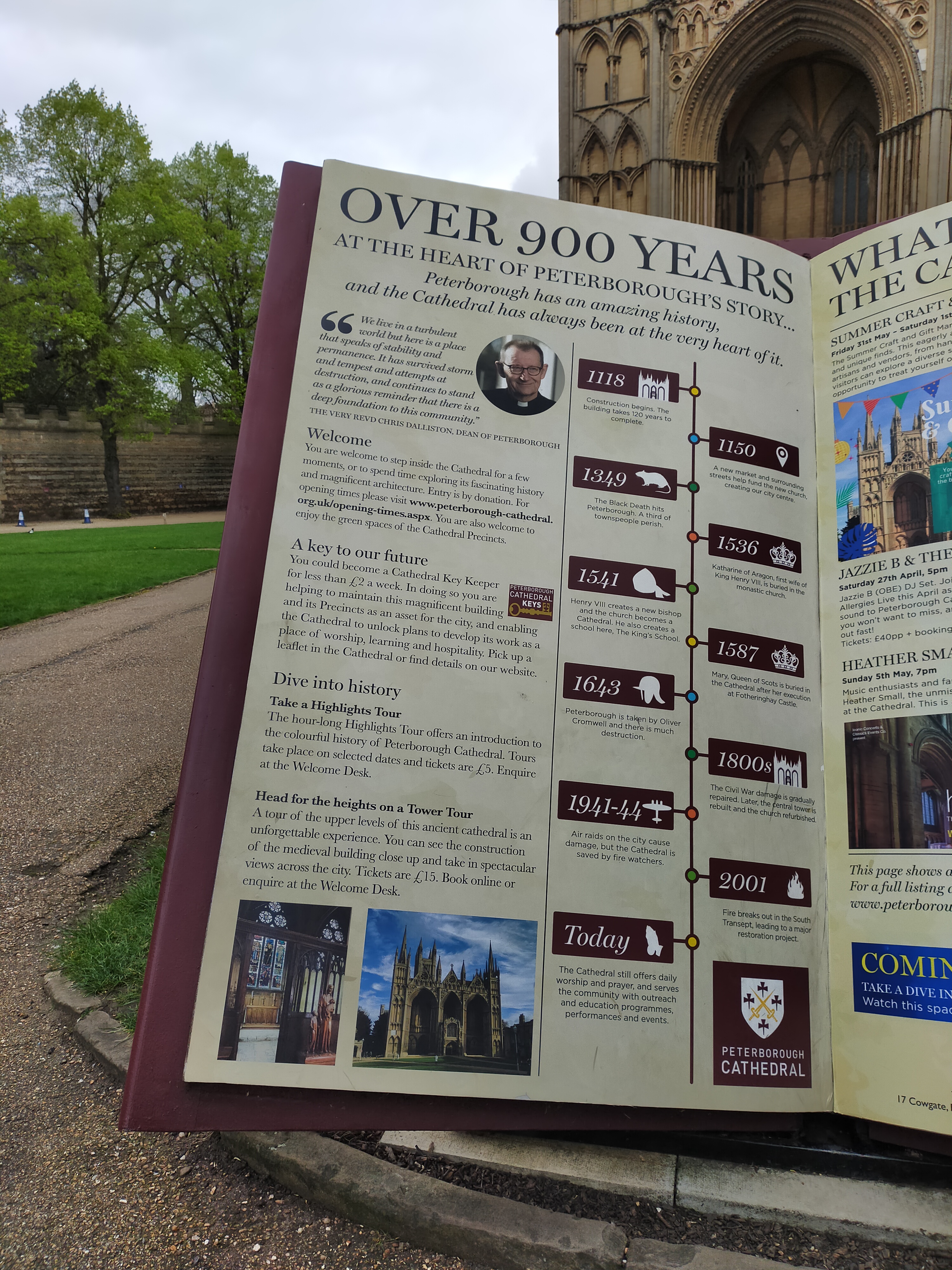
Peterborough Cathedral was originally founded sometime during the 7th century as an Anglo-Saxon monastery called Medeshamstede. The community thrived until the 9th century before being sacked by pillaging Vikings. To avoid any repeat of that maker-meeting misfortune, the monks enclosed a rebuilt Medeshamstede in thick stone walls, and the settlement became a ‘Burh’ – a ‘fortified’ place. The name ‘Peter’ was then prefixed to honour the monastery’s principal titular saint, and thus Peterborough was born. Or maybe a simpler explanation is that no one could actually pronounce Medeshamstede. Whatever the reason, the abbey church was finally re-consecrated as a cathedral in the 16th century when that old bed-hopping plunderer Henry VIII dissolved the monasteries and pilfered their assets to pay for all those lavish royal weddings and glittering codpieces.

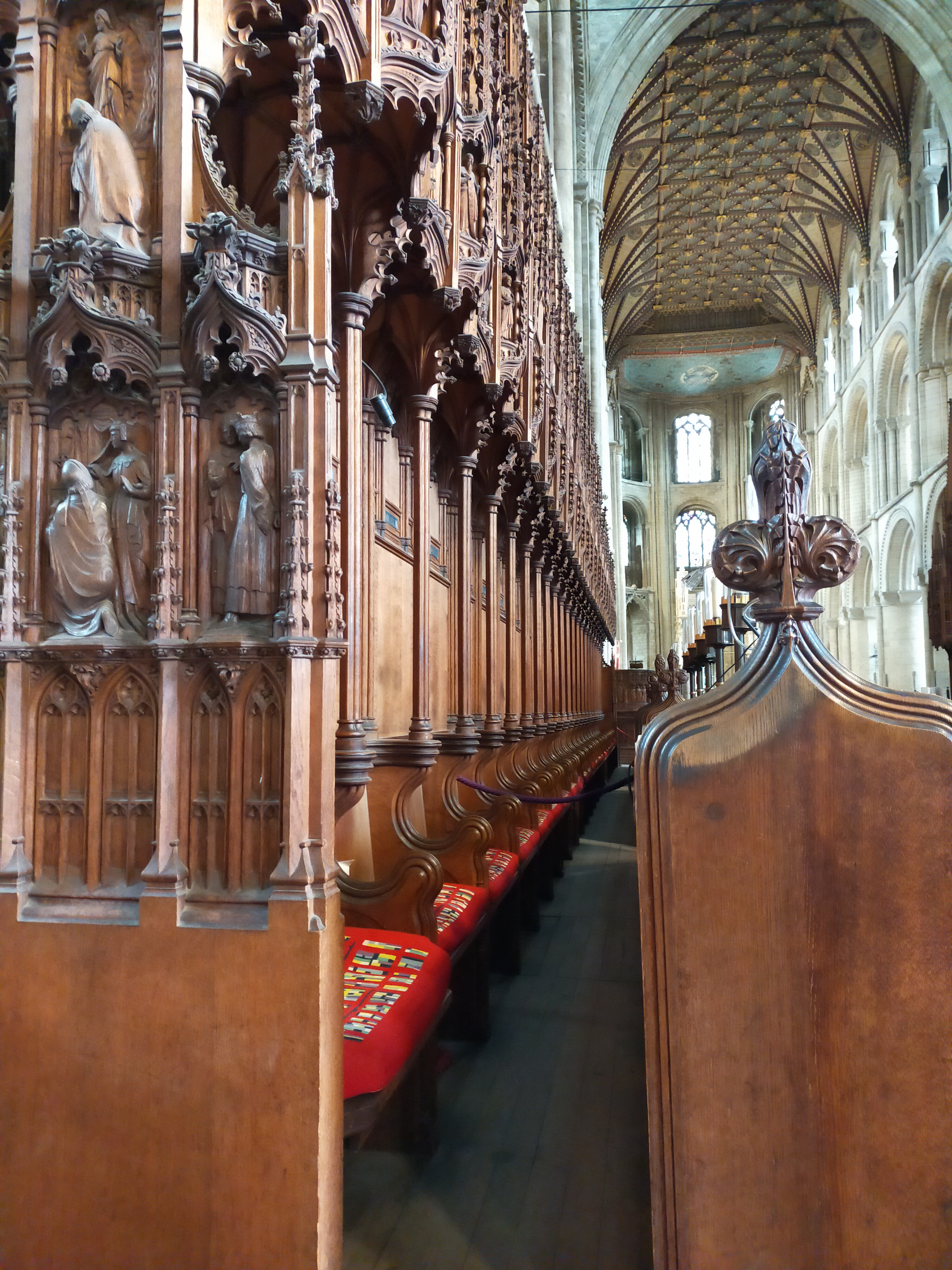
What you see today is mostly 12th-century Norman with a few later Gothic add-ons. As we wandered around, we could hear a heavenly choir rehearsing for an evening concert. The divine sound filled the enormous space – a holy tune amplified by superb acoustics.

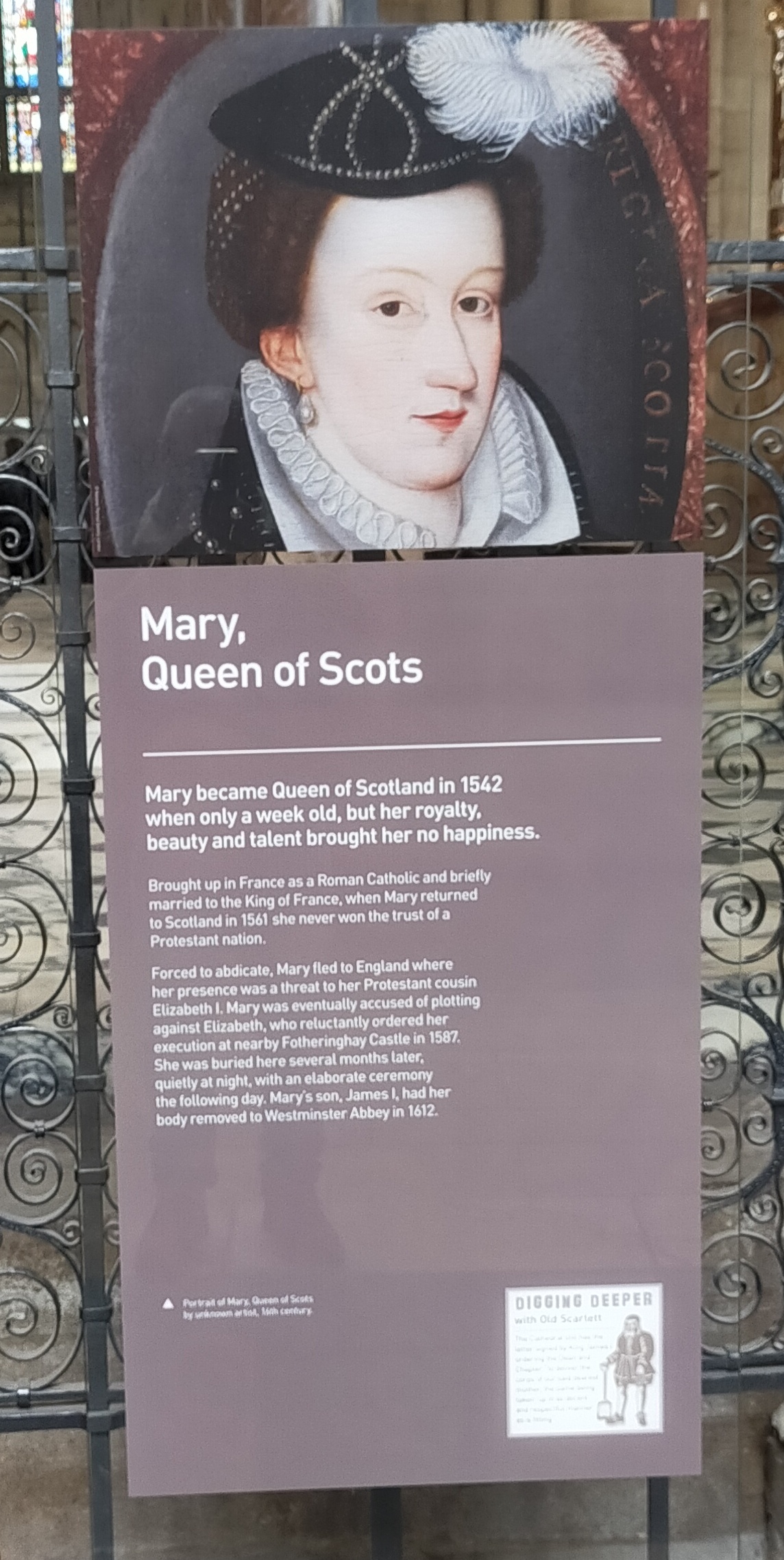
A bit of a surprise was the discovery that Mary, Queen of Scots was buried in the cathedral after she lost her head for plotting against the first Queen Elizabeth. Mary got the last laugh, though. The Virgin Queen died childless and Mary’s own son, James VI of Scotland, became James I of England, thus uniting the crowns. James had his mother’s remains moved to Westminster Abbey. The rest, as they say…

Looking around a big pile works up a big thirst so afterwards we decamped to a local hostelry for a few sherries. It was called the Queen’s Head and featured, yes, you guessed it, the Queen’s head – of the second Queen Elizabeth.

Today, Peterborough often gets a bad press but we found it to be a vibrant and entertaining city with colourful characters and mouthwatering global street food. The only minor irritant was the large congregation of ‘Jesus freaks out on the street, handing tickets out for God’, as famously sung by that other great British queen, Elton John, in ‘Tiny Dancer’. But I guess these modern-day evangelical ‘monks’ are only keeping the holy vibe alive. After all, that’s how it all began.

Fifteen-Year Itch

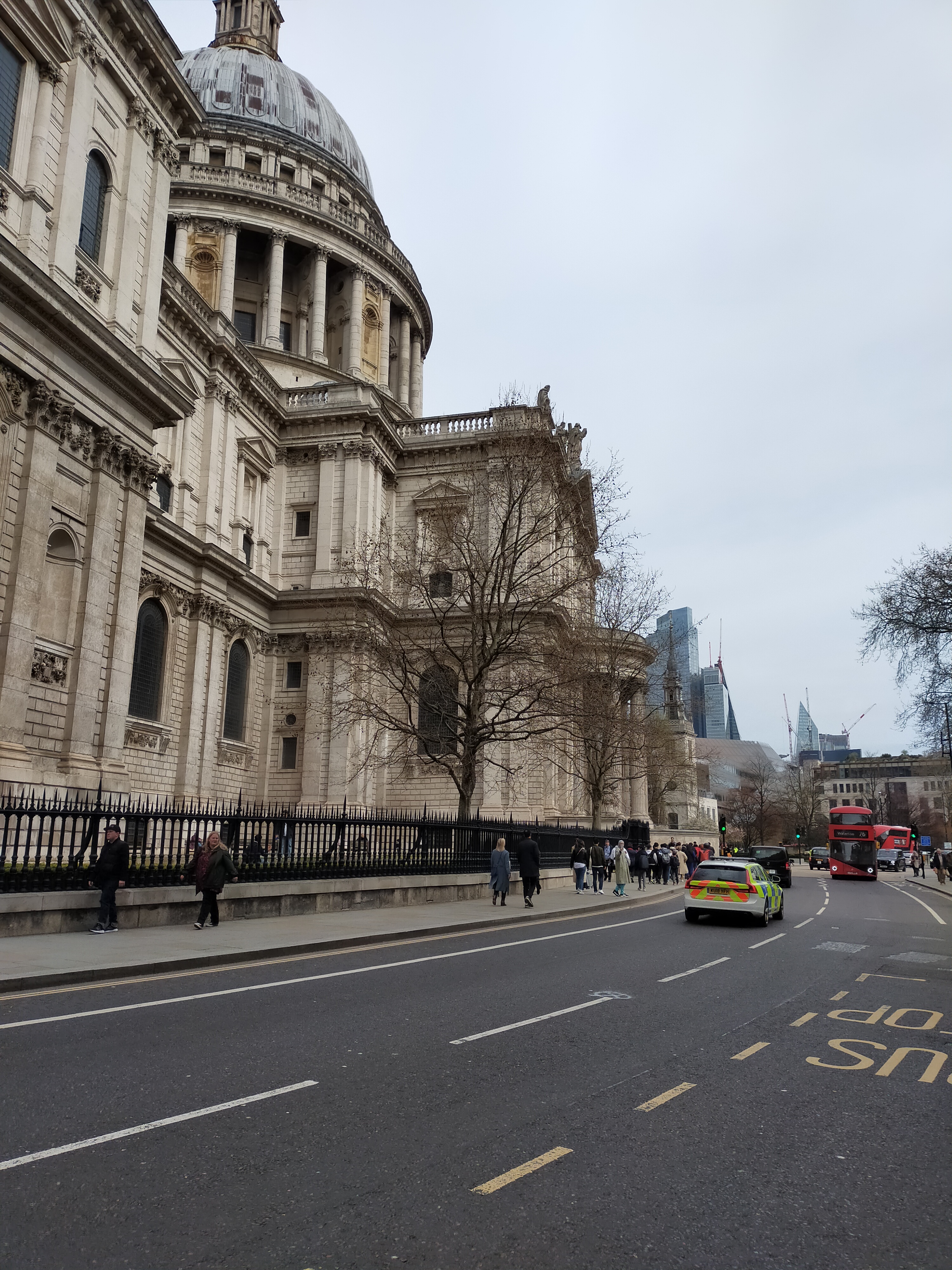
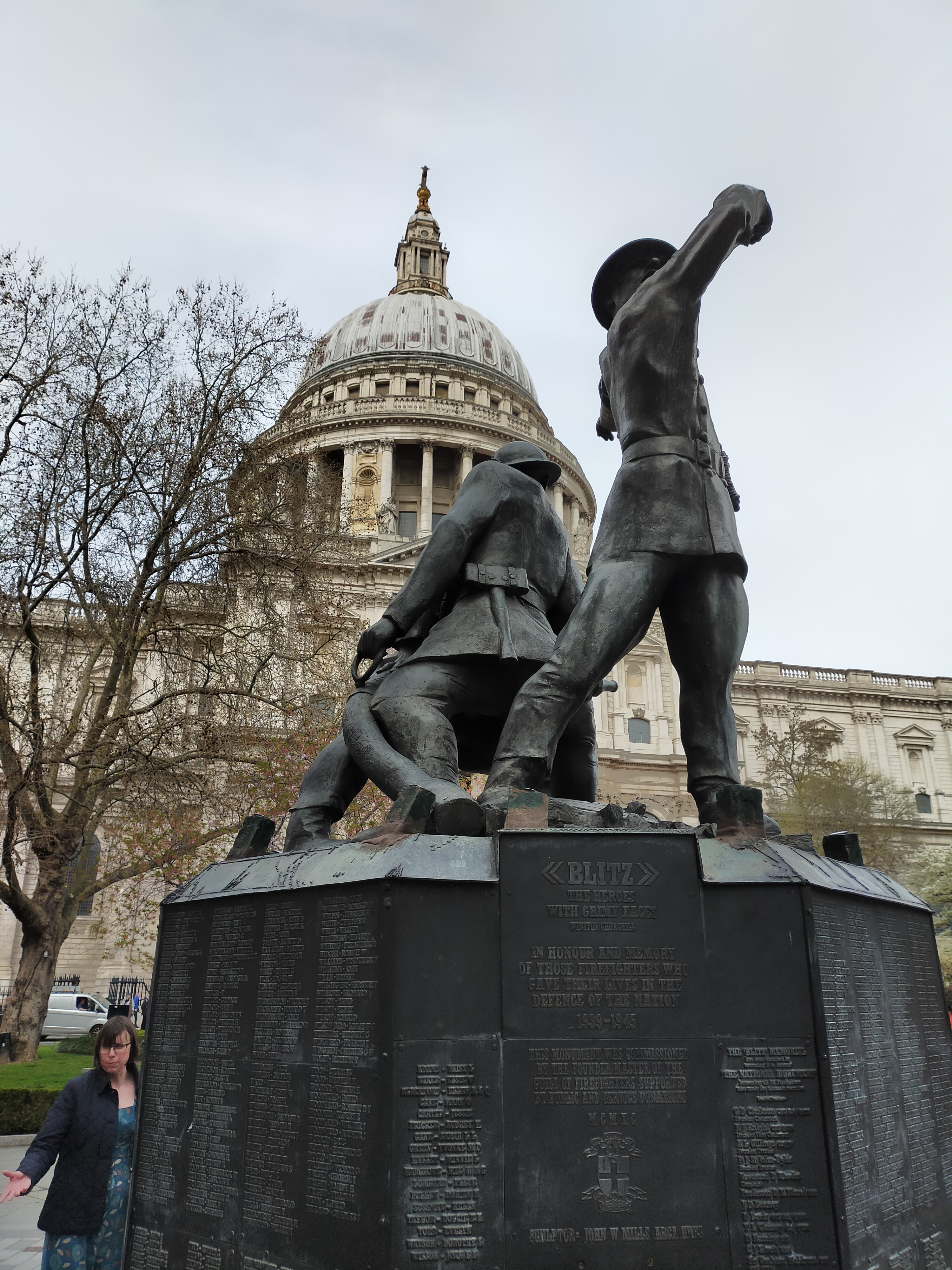
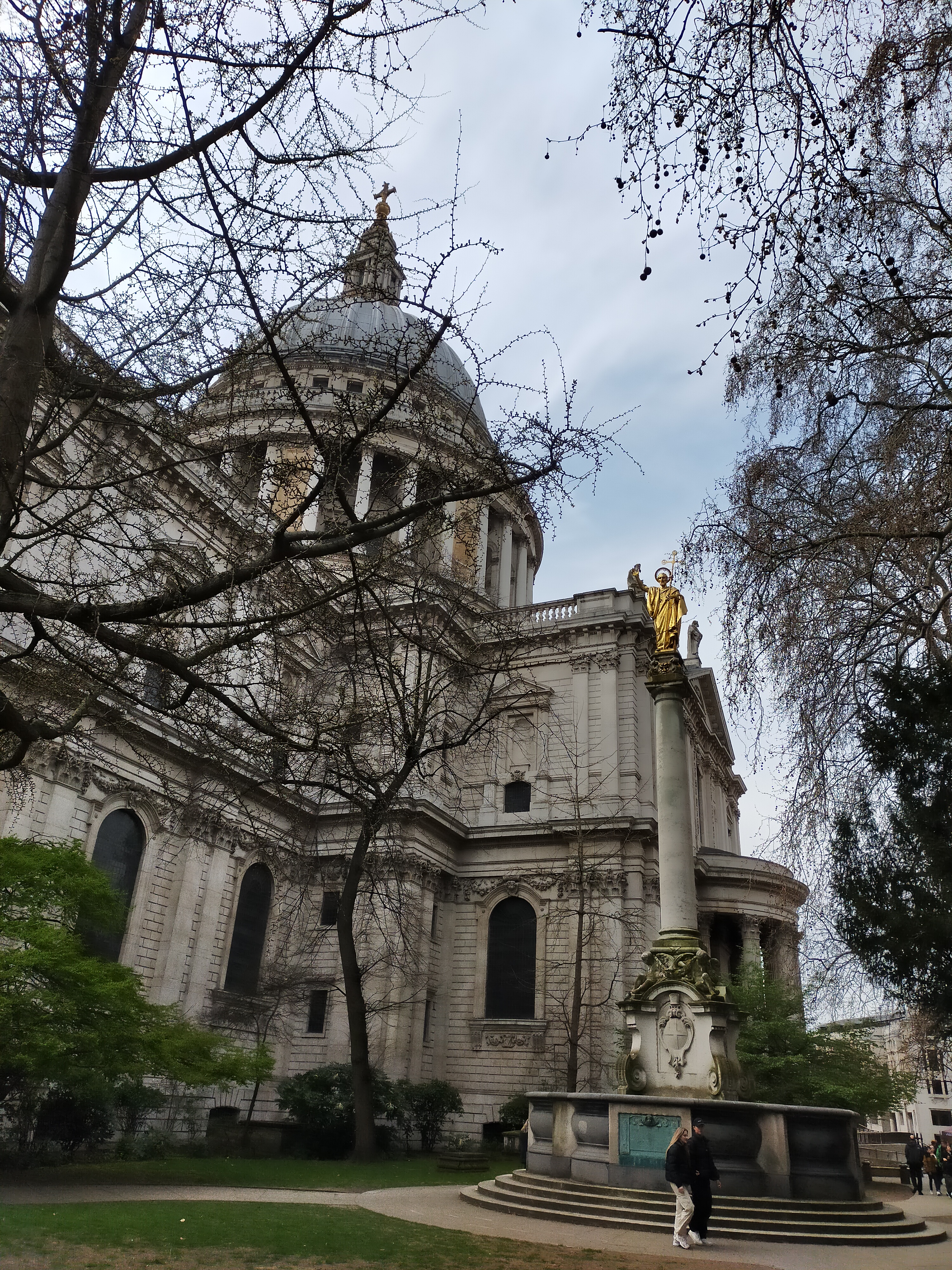
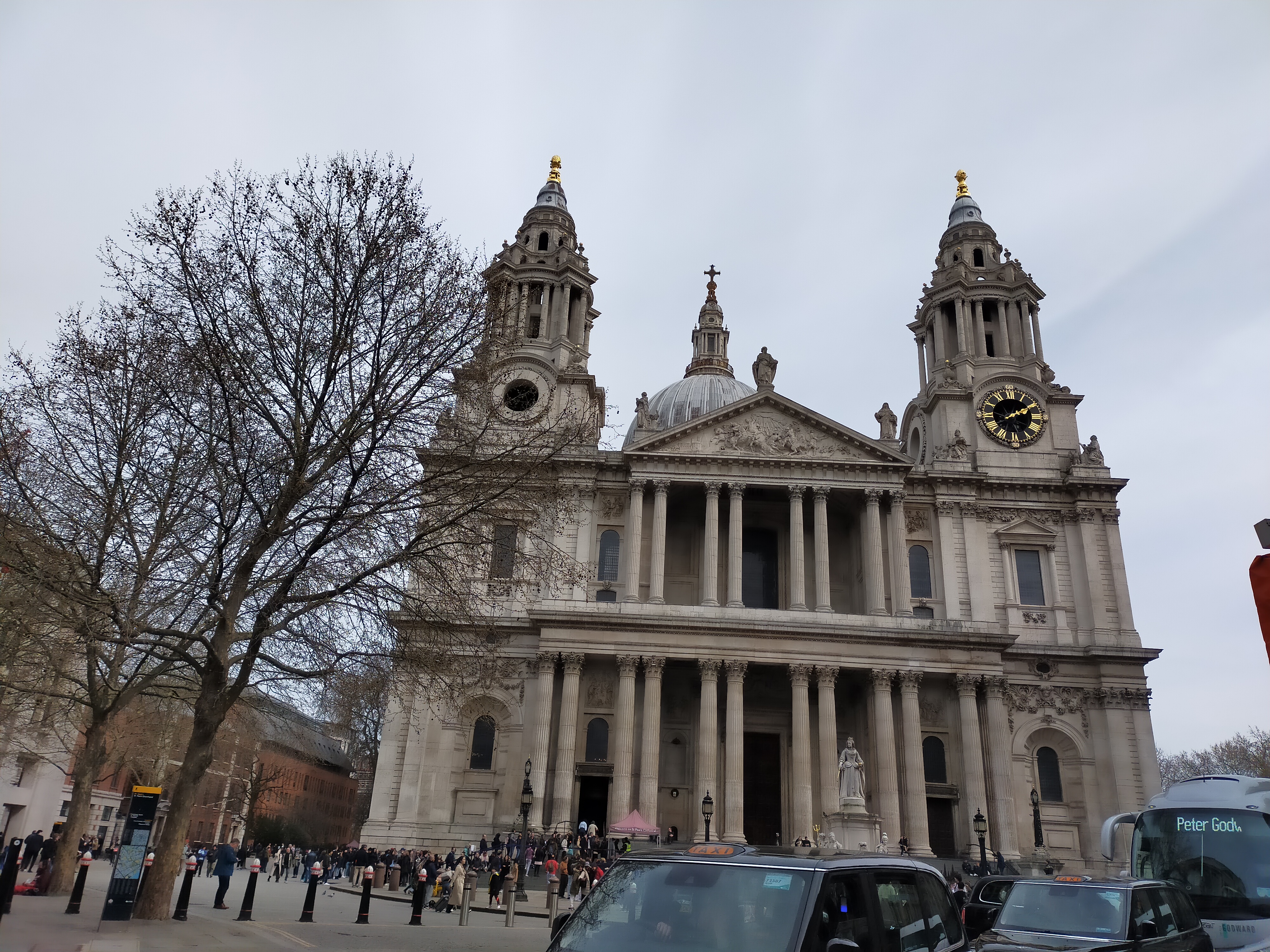
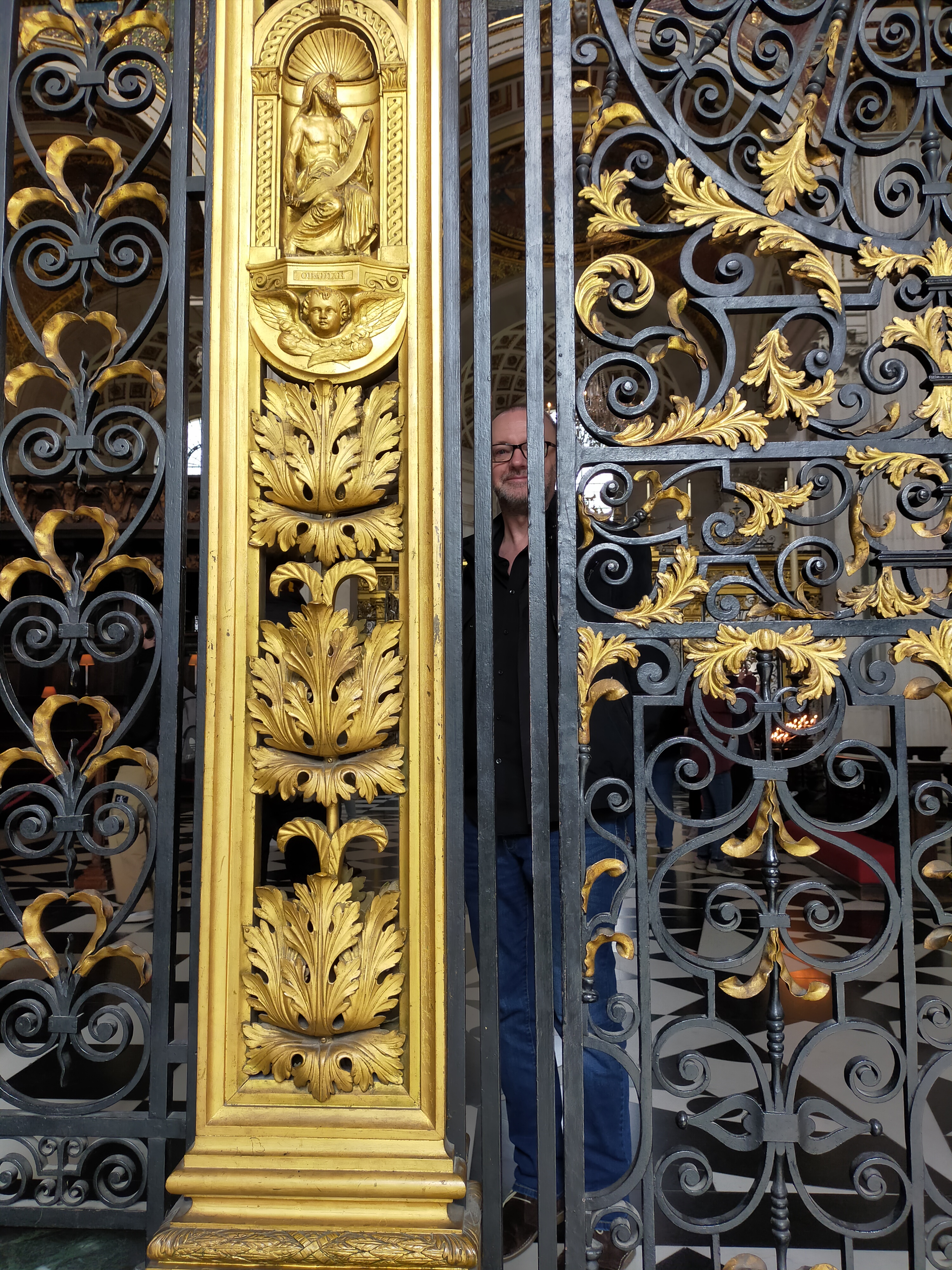
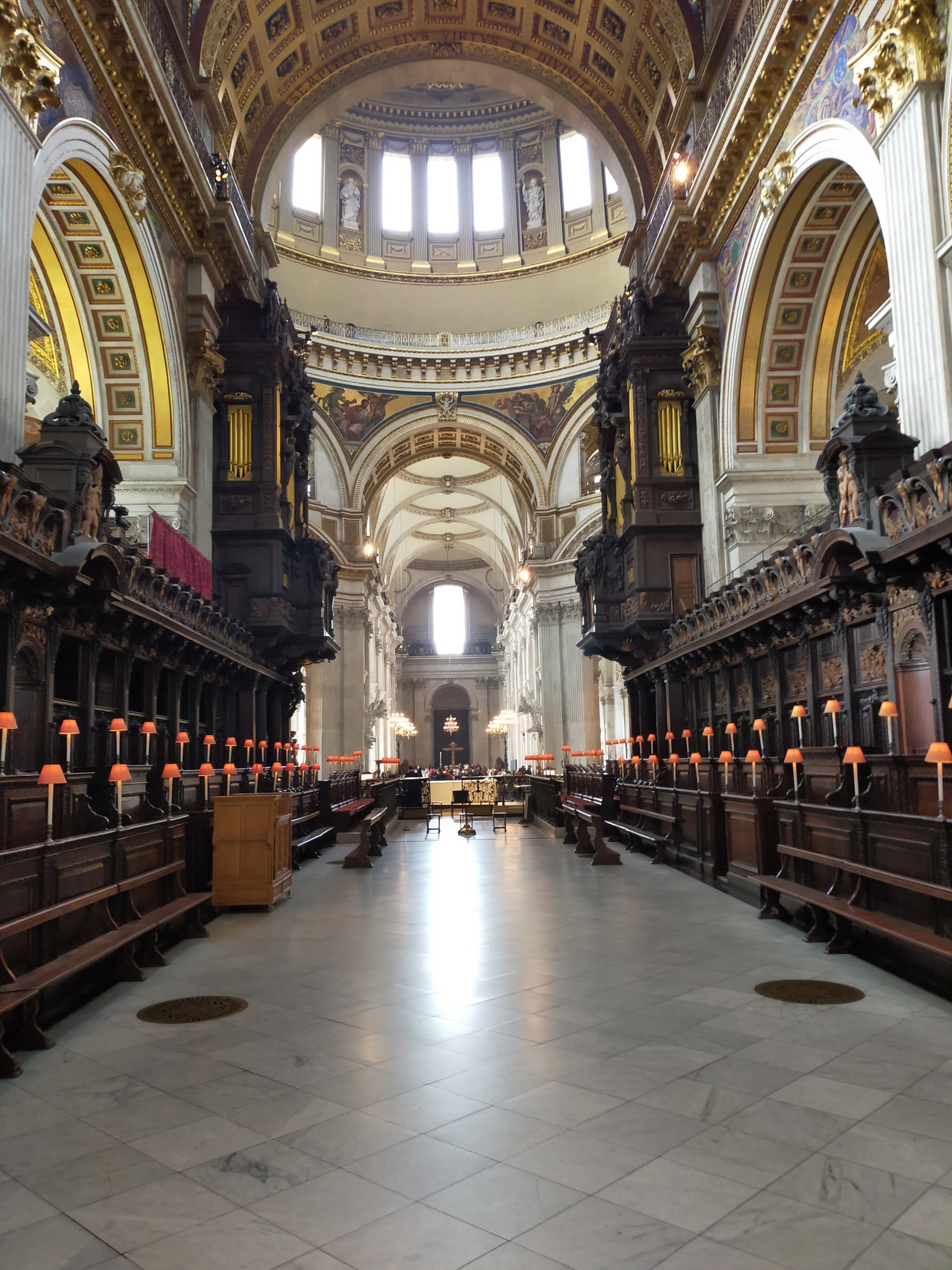
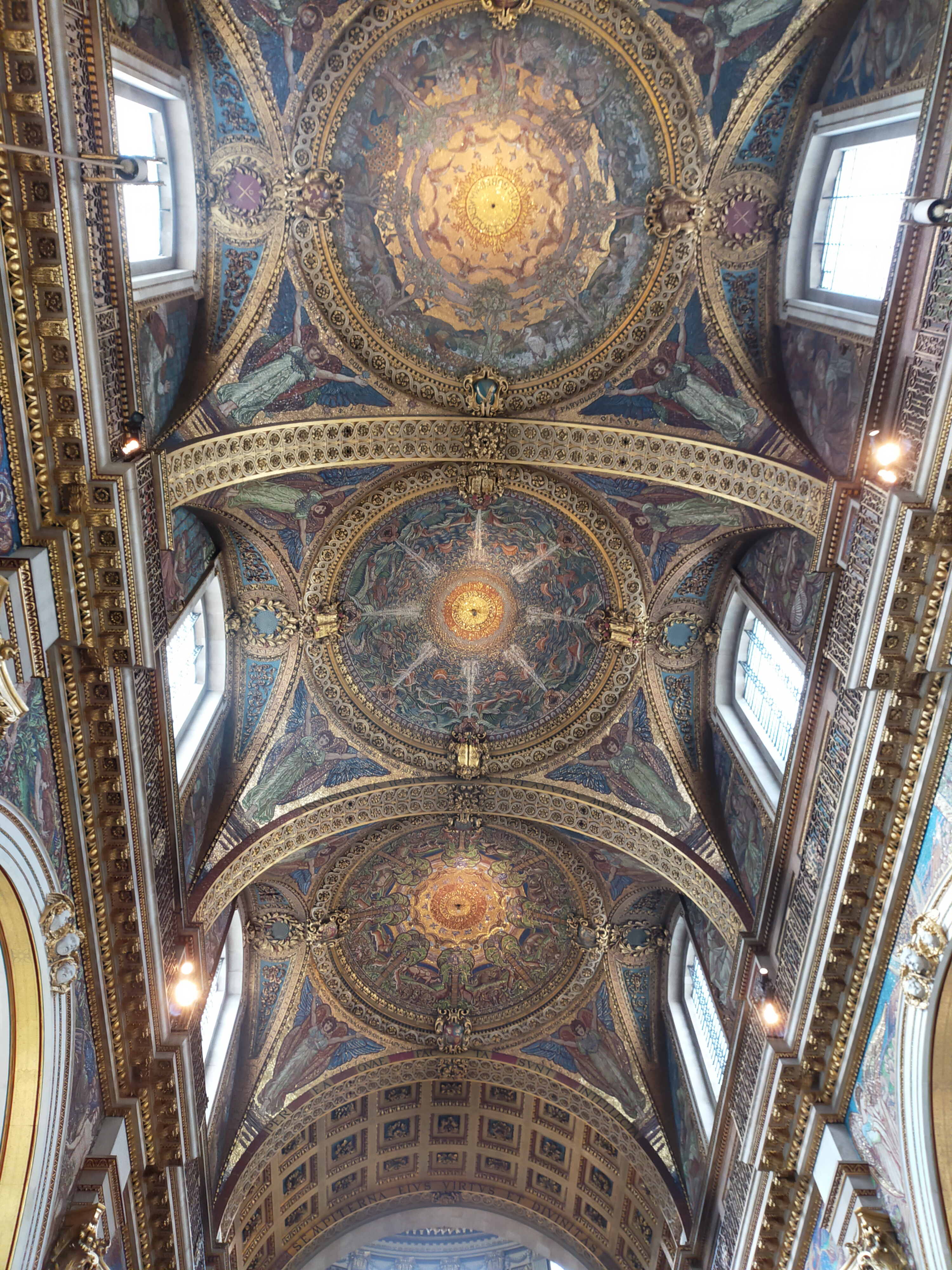
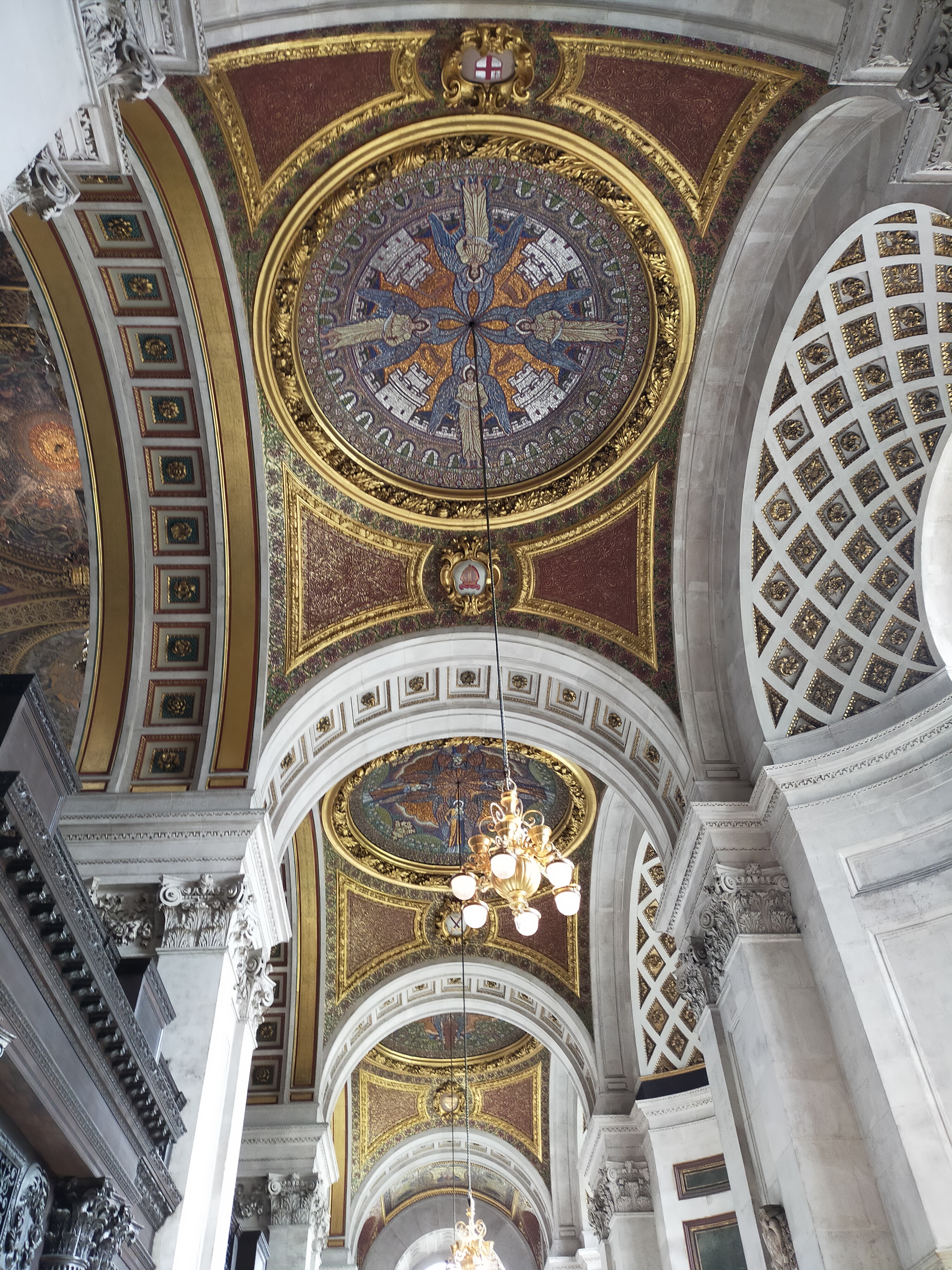
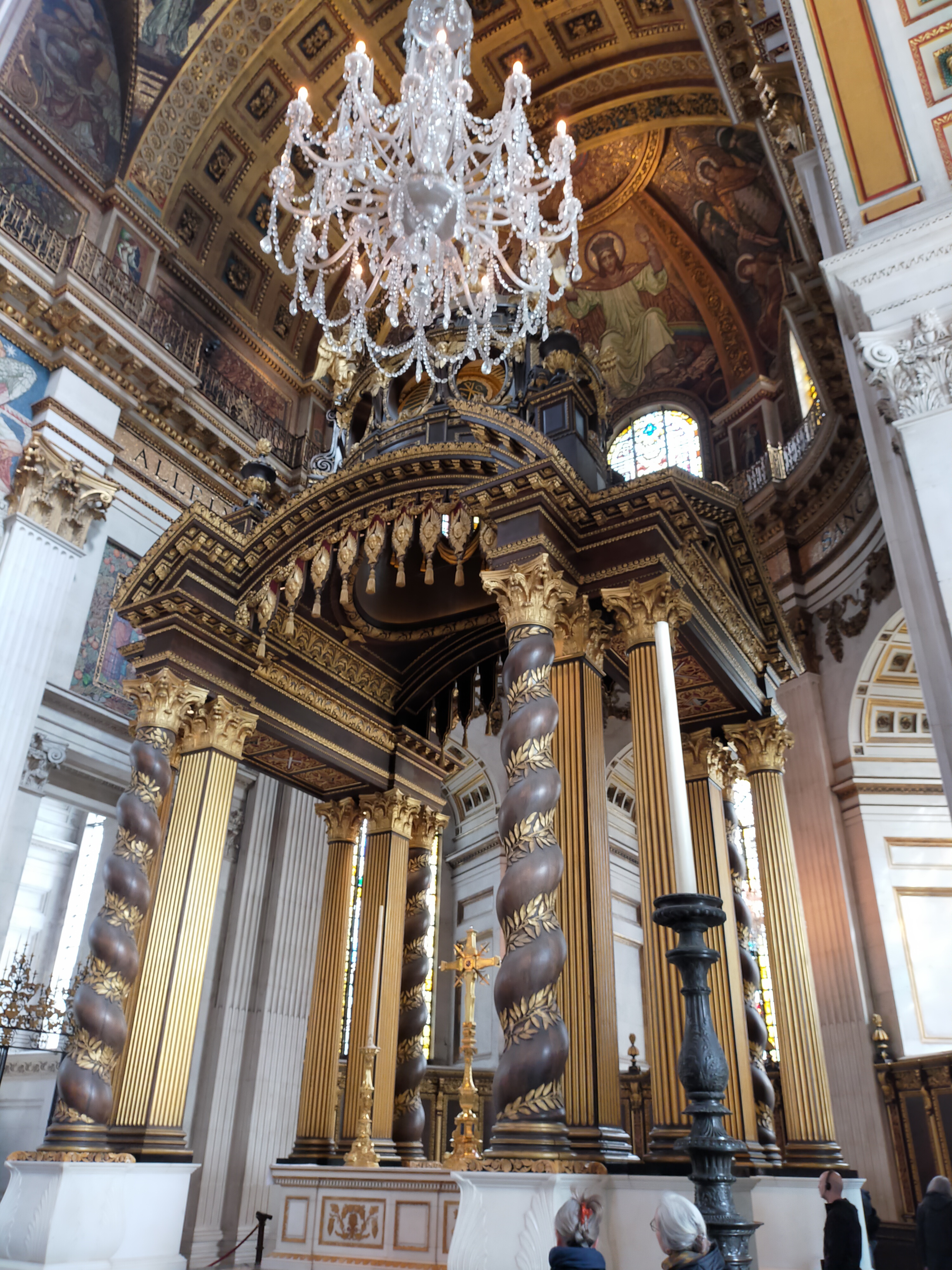
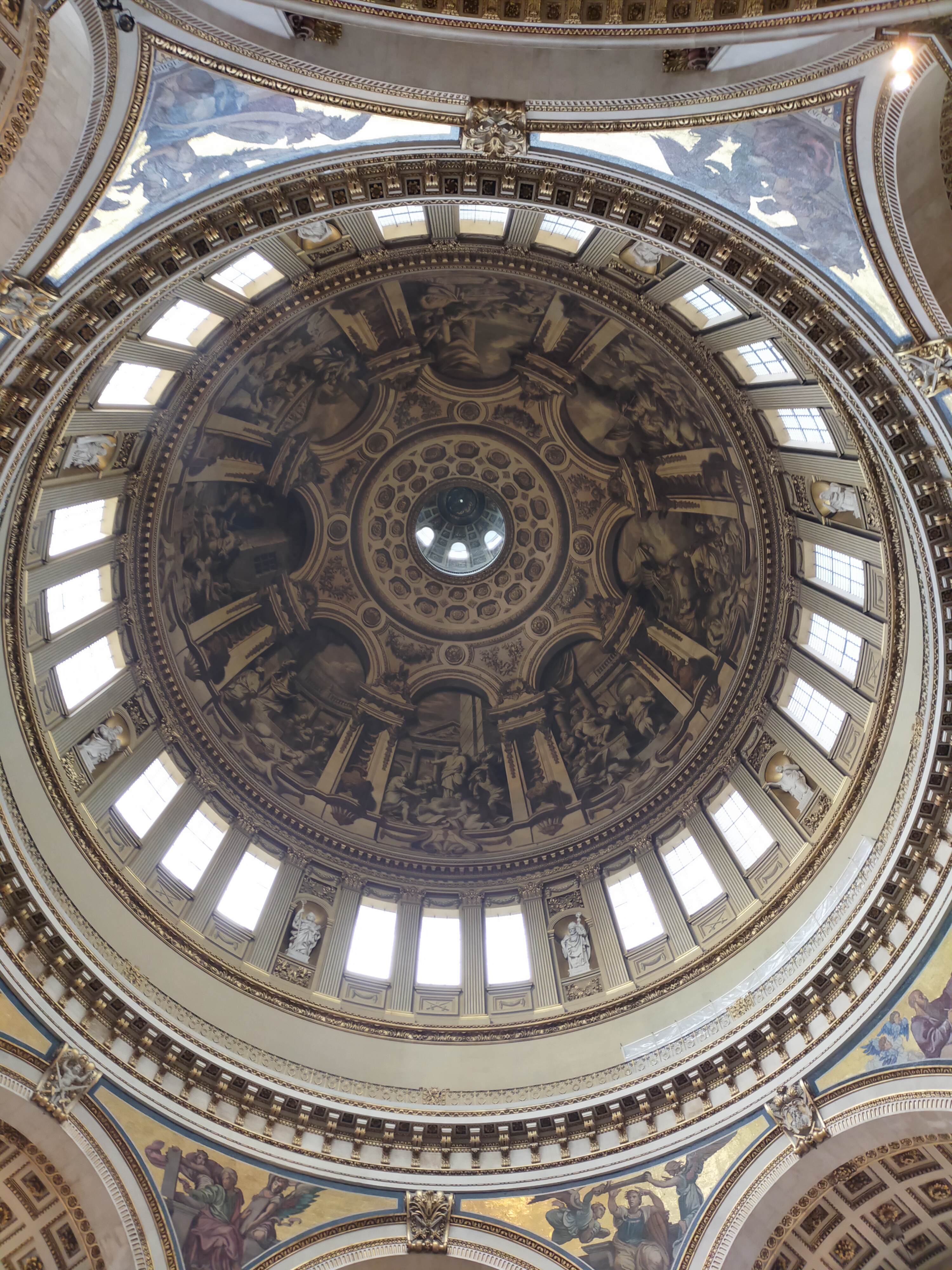
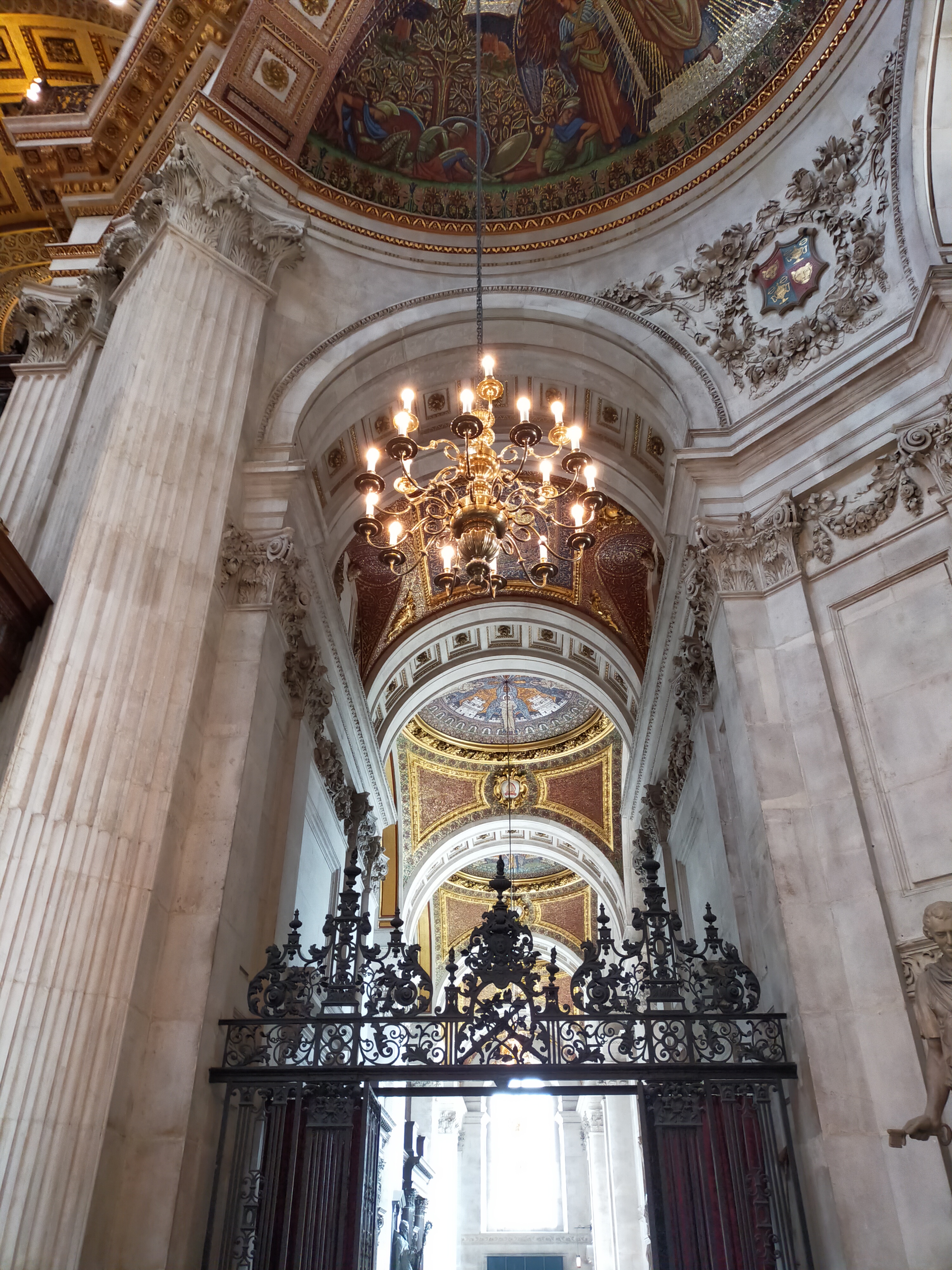
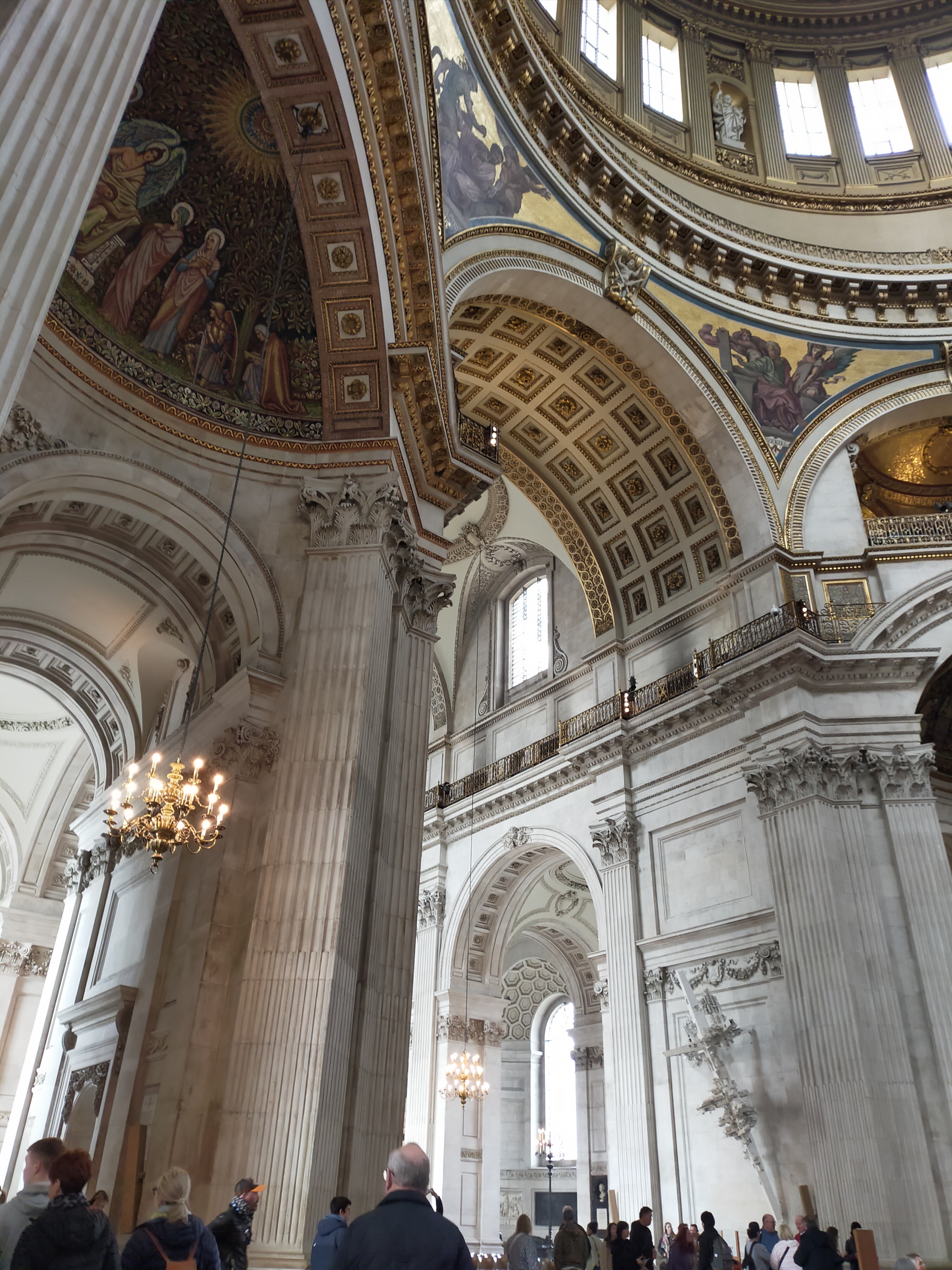
For our fifteenth wedding anniversary we were itching for a big city scratch with a difference. Despite my heathen leanings, I do like an impressive church, and few are more impressive than London’s St. Paul’s Cathedral, Christopher Wren’s tour de force topped with its heavenly dome. The earlier Gothic pile was torched along with much of the old medieval city in the Great Fire of 1666. It’s reckoned the blaze started in a bakery in the appropriately named Pudding Lane, bringing a whole new meaning to the hallowed phrase ‘give us our daily bread’.

Meandering around the flashy Baroque splendour brought back happy memories of my first pilgrimage – back in my spotty teens when I accompanied my grandmother, who was over from Ireland.

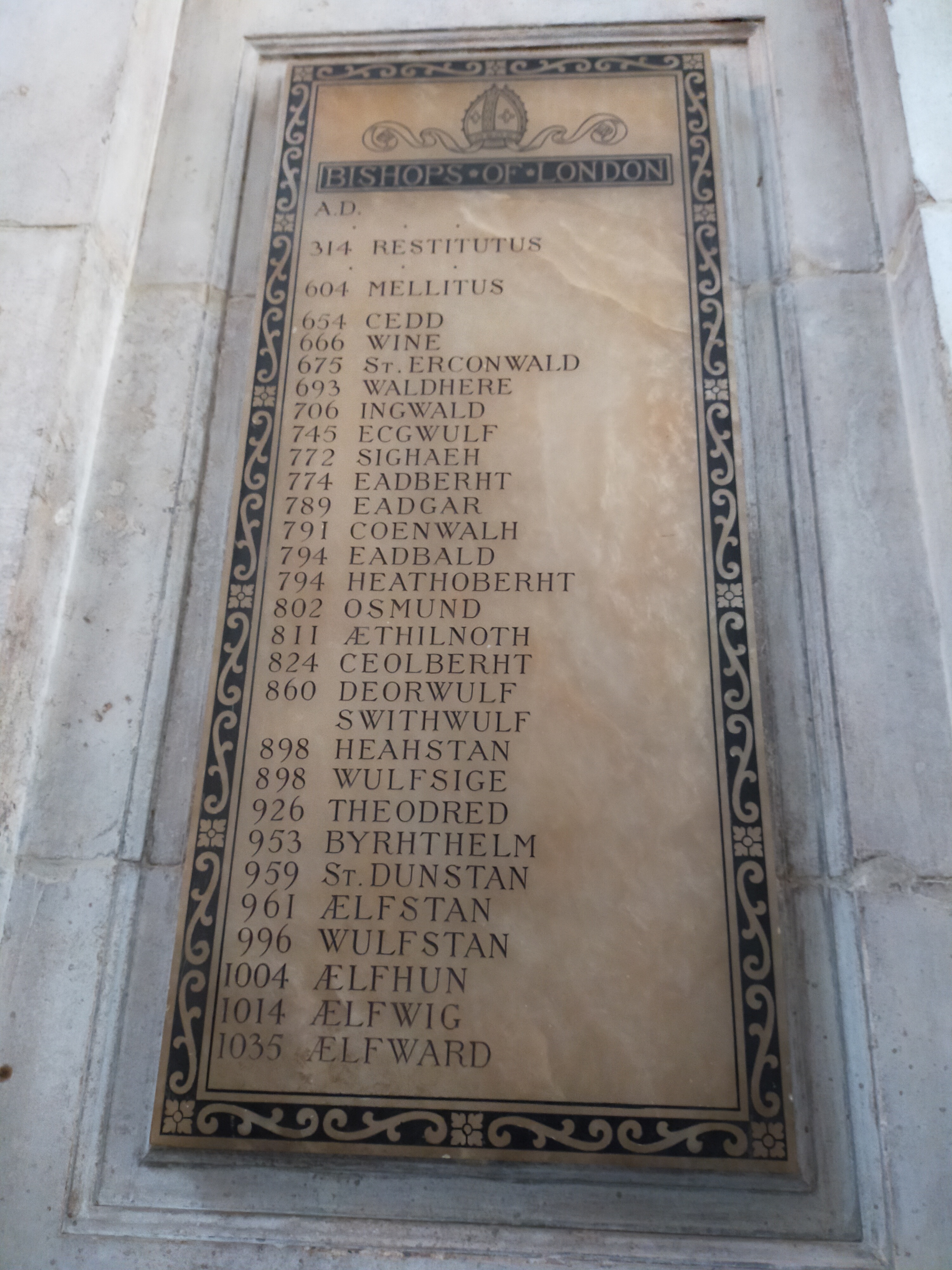
According to the annals, there’s been a church on the same spot since 604 AD, and possibly as far back as the late Roman period, as suggested by a plaque listing the pre-Norman bishops with their glorious tongue-twister names.

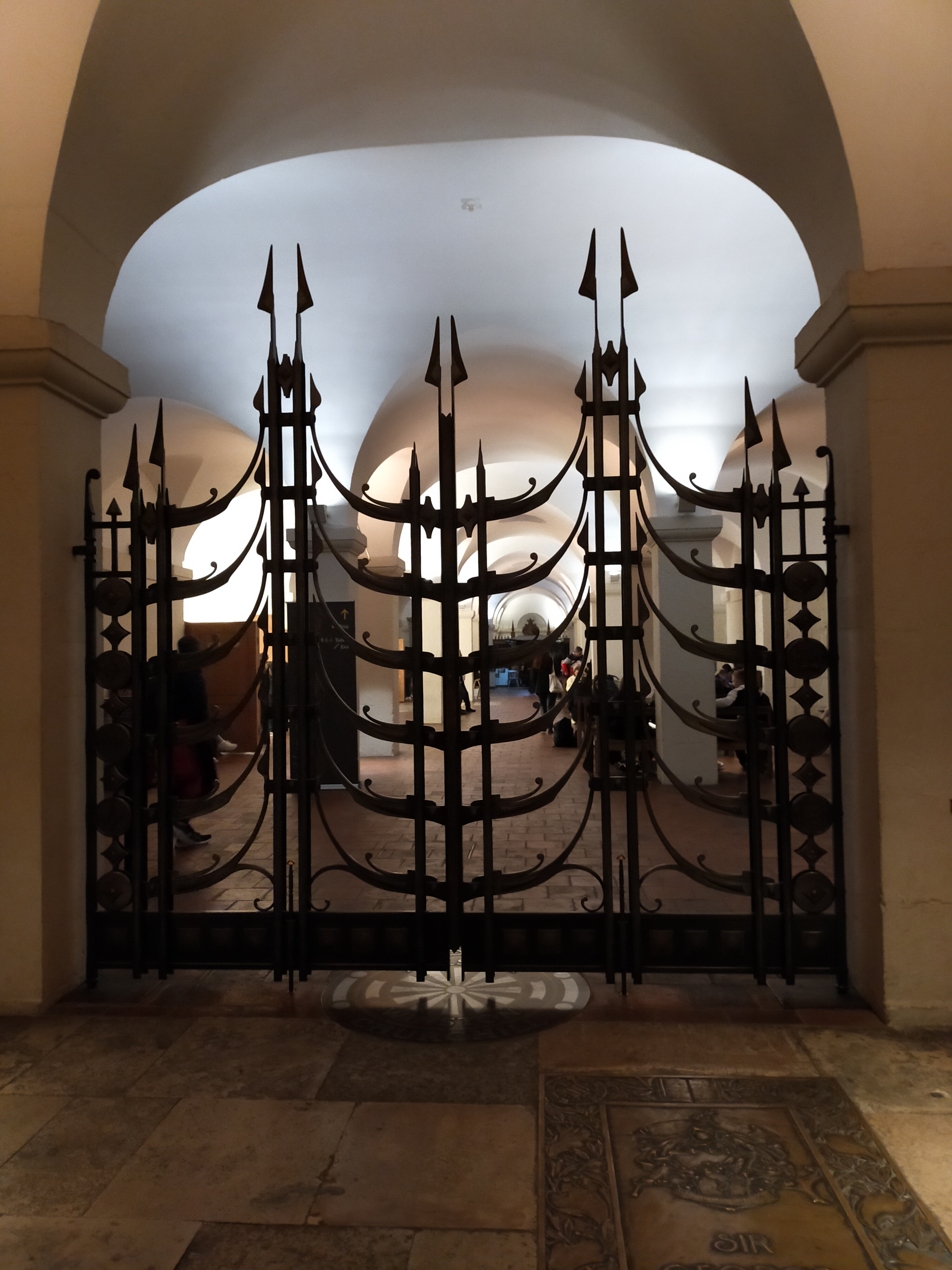
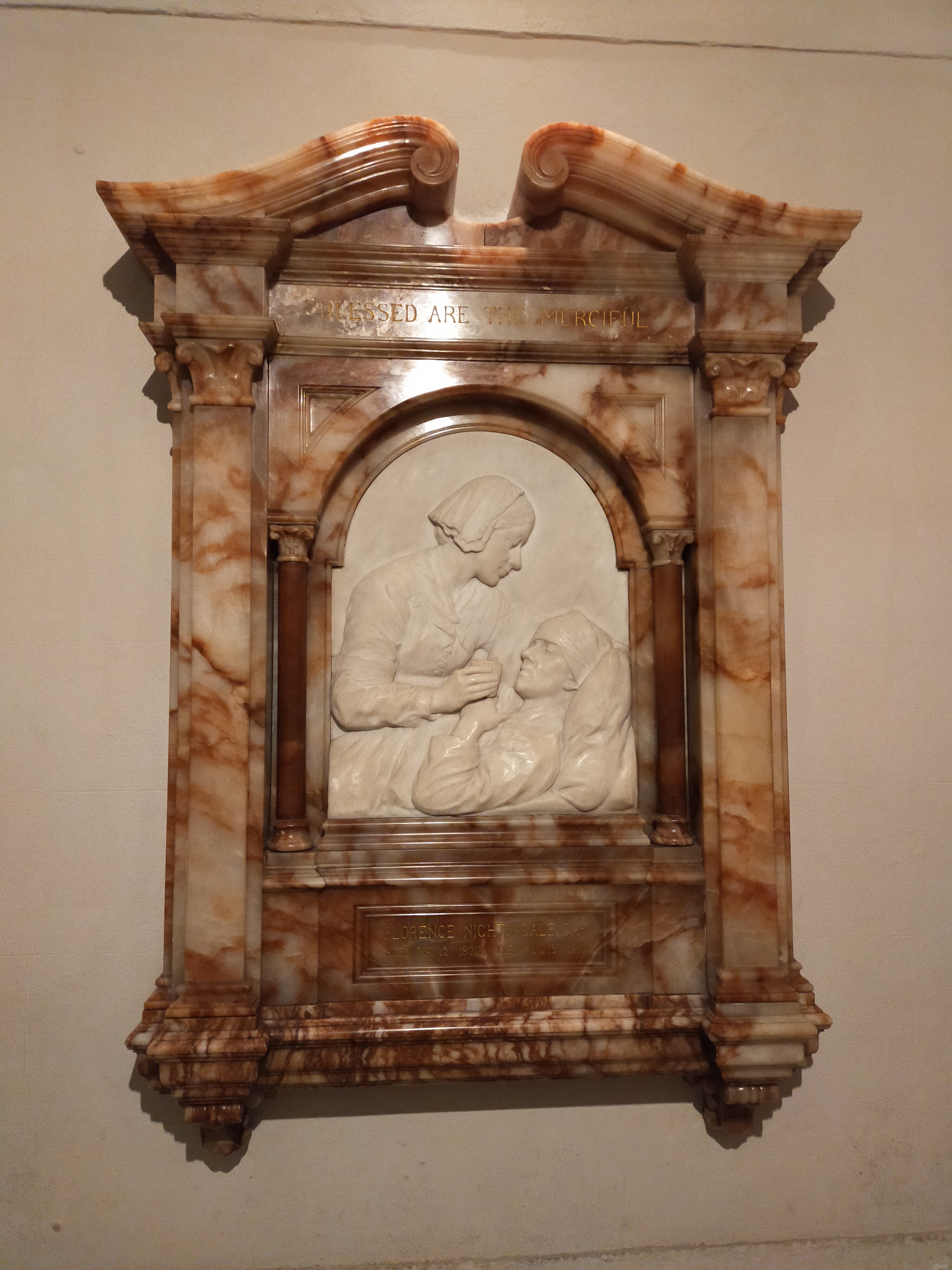
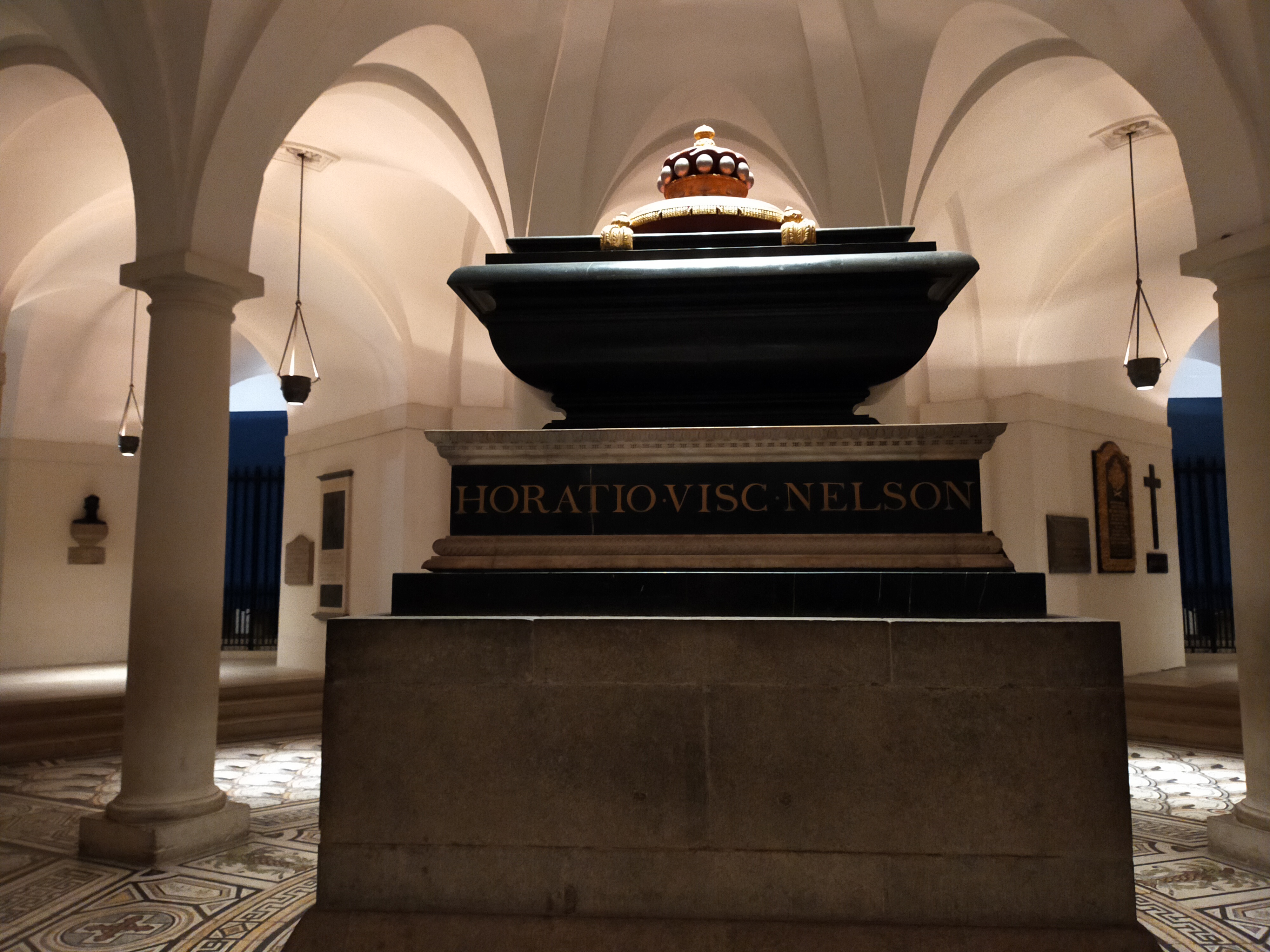
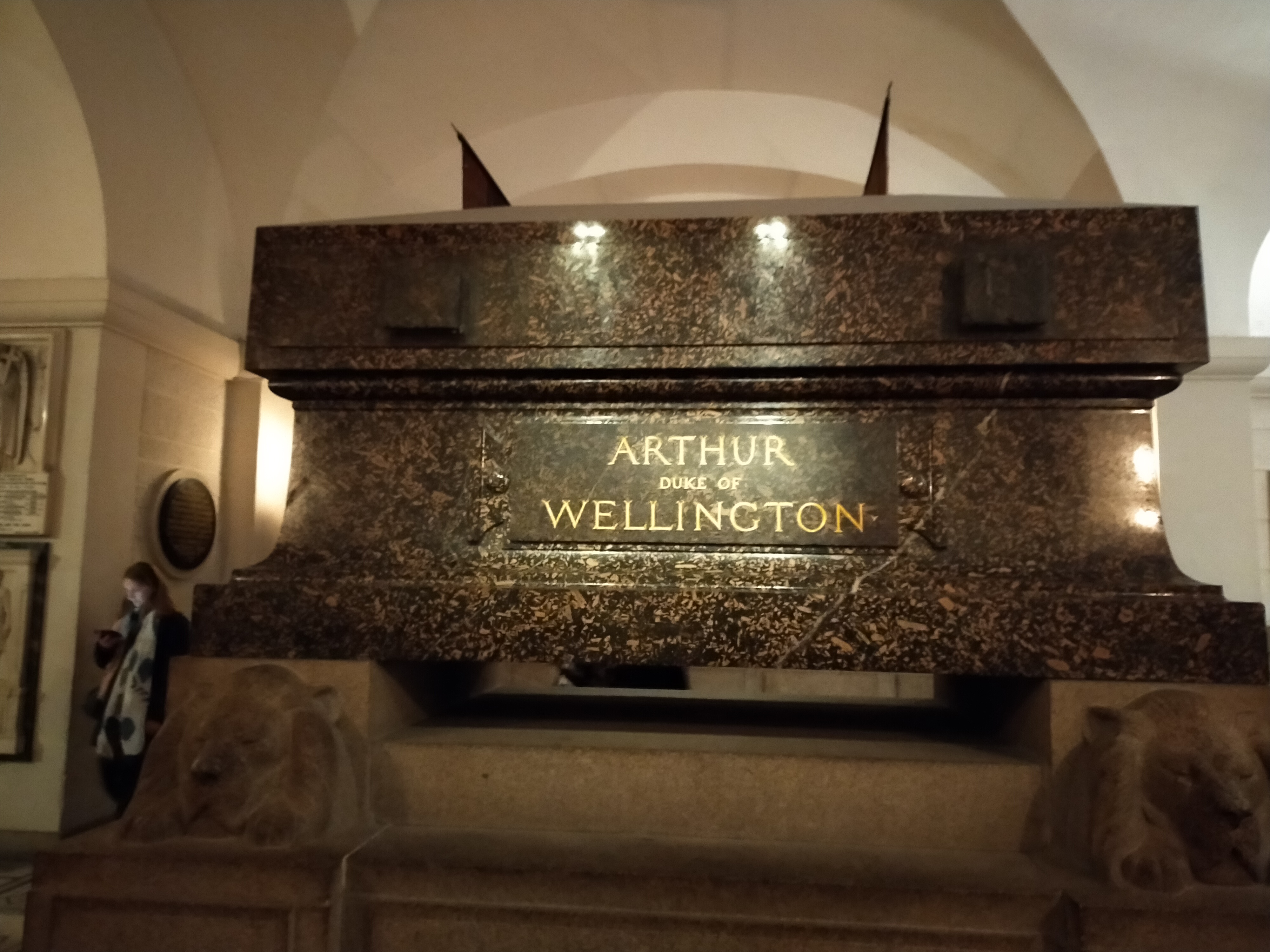
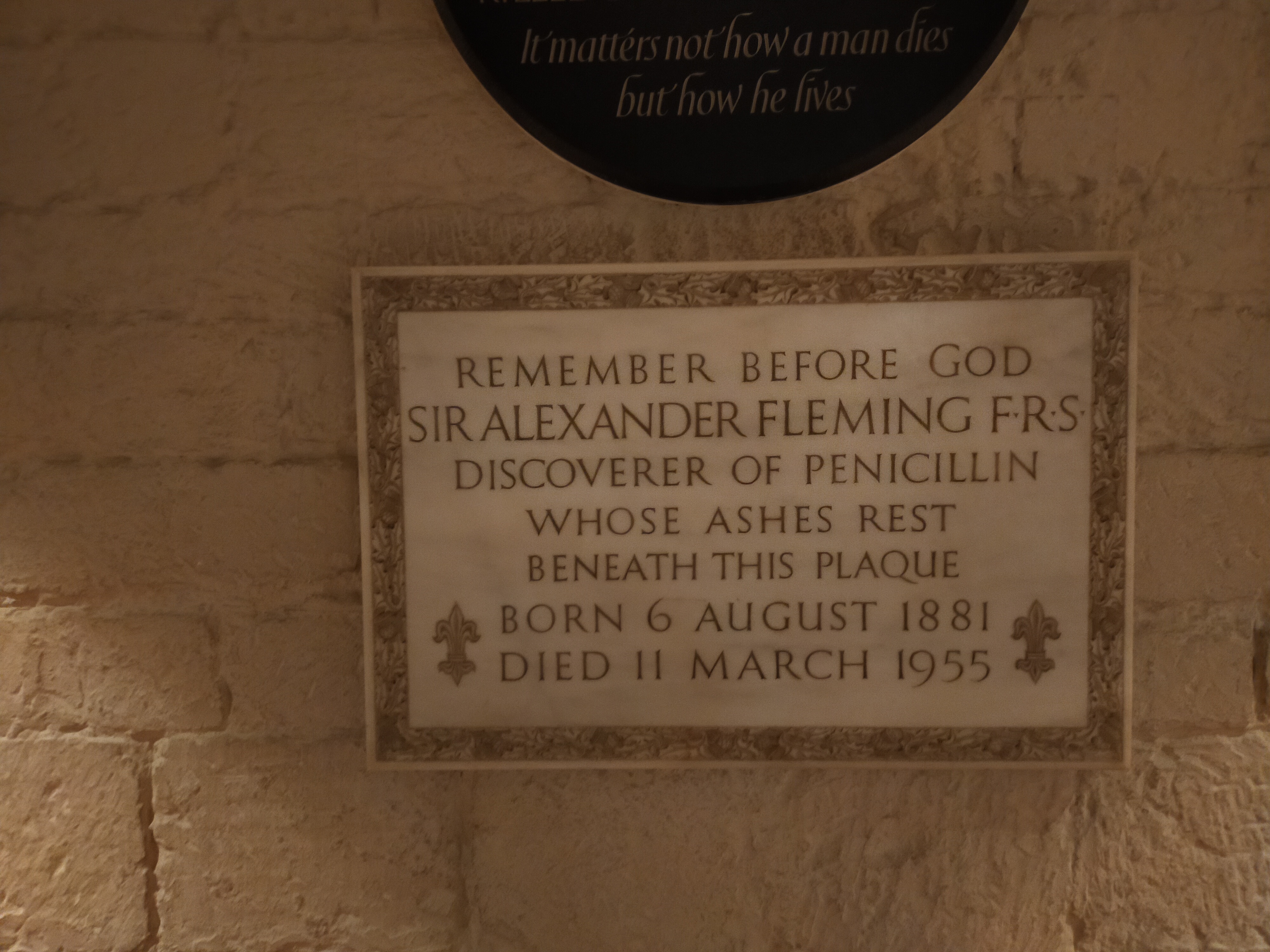
In stark contrast to the lavish decor above, the crypt is simply appointed and stuffed with the tombs of kill and cure notables from days long past, from Florence Nightingale and Alexander Fleming – who discovered penicillin quite by chance – to the victors of Trafalgar and Waterloo, Nelson and Wellington. Napoleon must be spinning in his monumental Parisian grave. Wren is there too, of course.

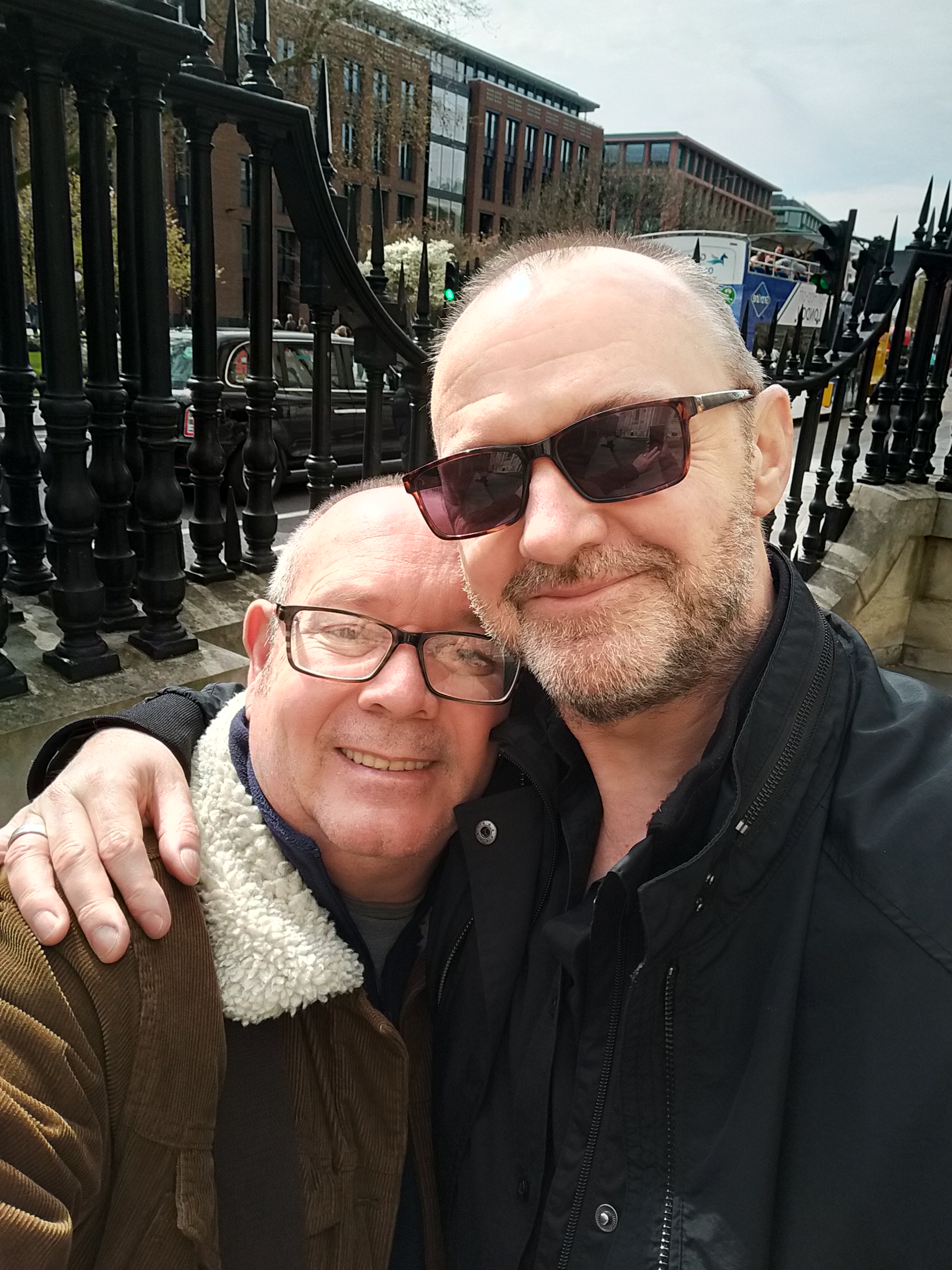
After piety came avarice, with indulgent afternoon tea and bubbles in The Swan at Shakespeare’s Globe Theatre followed by mother’s ruin at Halfway to Heaven, the homo watering hole near Nelson’s massive column, where Liam and I first met. They knew we were coming judging by the ultimate gay megamix playing on the jukebox – Pet Shop Boys, Erasure, Marc Almond, The Communards, Frankie Goes to Hollywood, Dead or Alive, Gloria Gaynor and Hazel Dean – with Liza Minnelli’s ‘Love Pains’ bringing up the rear. Liam’s shoulders shimmied to the beat. Perfect.

What’s Your Poison?

Every month without fail, Chet Contact drops on the mat. Produced by the Chet Valley Churches, the community magazine is packed with handy information about local community groups and services for believers and non-believers alike. There’s a lot going on round these parts. From bells to balls, bats to bowls, cakes to quizzes, pumping iron to eyeing up the birds, from stage to the silver screen, arts and crafts, knitting to nattering, foraging to growing your own, and much more besides – all country life is here.

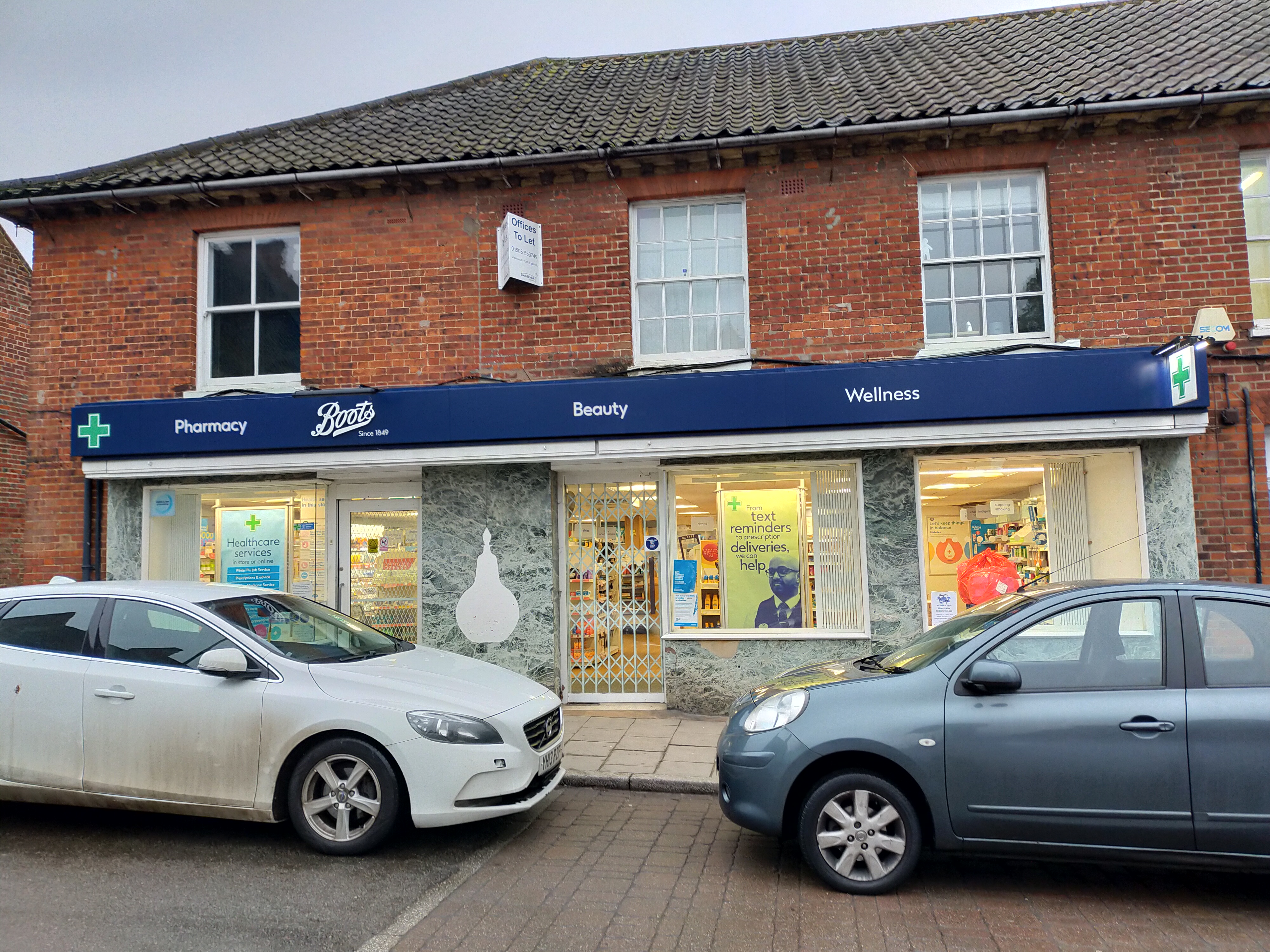
I like the regular history piece in the mag. I knew Loddon has old roots – the earliest written reference to the village was around 1042 – but I was surprised to read that there’s been a pharmacy in Loddon on the same site for over 180 years. It’s now a branch of Boots. Long gone are all those jars full of potions laced with opium and mercury from the apothecary’s handbook of old wives’ tales. Maybe that’s why, back then, life expectancy was only about 57.

Peace on Earth

I’ve never been religious. Despite singing hymns and reciting the Lord’s Prayer in school assemblies back in my kiddie years, the whole God thing pretty much washed over me without leaving a mark. Sure, I liked the Jesus fables – still do. I even once played one of the three wise men in the school nativity. And who wouldn’t agree with the whole ‘peace and goodwill’ Christmas message?

I think my lack of faith has much to do with my upbringing. My parents were little troubled by the vicar. The only trips to church were for weddings, funerals and christenings, which was more to do with social convention than piety. I have four siblings. The first two were baptised in swaddling clothes but my eldest sister had to wait four whole years before she got her dip in the font, accompanying me in a kinda two-for-one offer. And my youngest sister is still a heathen. I guess as time went by, my folks just got a bit bored with the charade.

It seems quite a few of my fellow citizens agree with my strictly secular world-view. According to latest census data for England and Wales published by the Office for National Statistics, the proportion of people describing themselves as Christian has dropped below 50 per cent for the first time since the Dark Ages.

So as a confirmed atheist, imagine my surprise when this popped up in my in-basket.

I opened the email when these two sinners were boozing in a Soho gay bar. Oh, the irony. I really don’t care what people believe in – gods, prophets, angels or the tooth fairy – it’s ok with me. If someone wants to think the world is flat and the moon is made of cheese, that’s fine too. But whoever bought my personal data should get a refund.

Season’s greetings and wishing you all goodwill. God knows we could do with some peace on earth right now.

Where is St Edmund Buried?

In Bury St Edmunds, obviously – or is he? The cute Suffolk market town might be the final resting place of St Edmund, ninth-century Christian king of East Anglia. Allegedly, he was cut down by a wild bunch of pillaging Danes doing what the Danes did back then.

Eventually those pillaging Danes saw the error of their wicked heathen ways, dropped to their knees, converted to the ‘One True Faith’ and hung up their horny helmets.

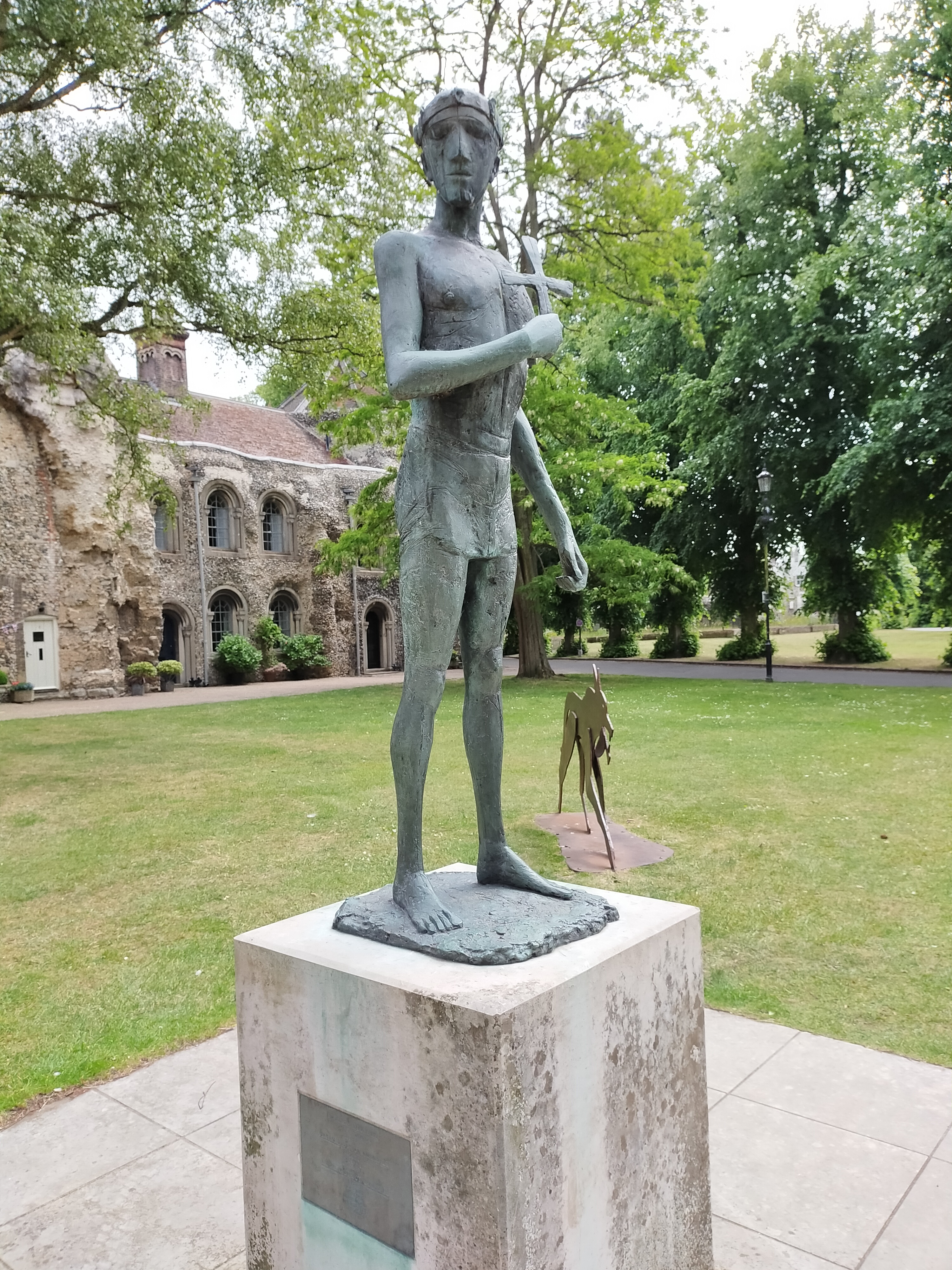
For his sins, Eddie the Martyr was canonised and an abbey founded in his honour by that great Dane, King Canute – he of holding-back-the-tide fame. Edmund even became England’s patron saint for a few hundred years until he was rudely upstaged and replaced by George in or around the fourteenth century. And Georgie boy wasn’t even English. But then, who can compete with a dragon slayer?

In Medieval times, a gravy train of pilgrims rolled in from all over Europe to visit Eddie’s shrine. It was a good little earner and the Abbey of St Edmund became one of the richest, largest and most powerful Benedictine monasteries in all of England. Then in 1539 that old letch Henry the Eighth popped along and ‘dissolved’ the abbey (i.e. pillaged like those Danes of old) and that was the end of that.

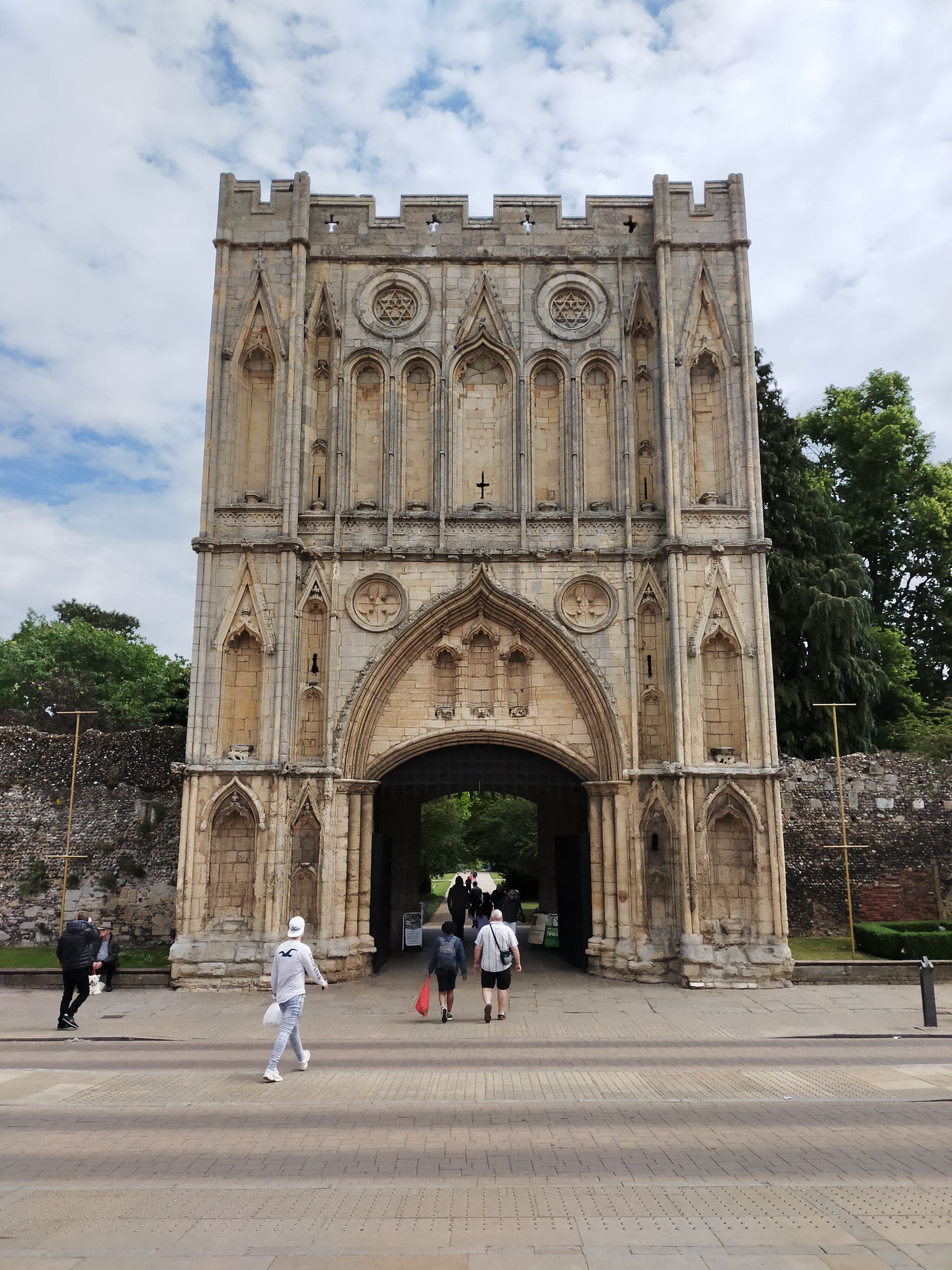
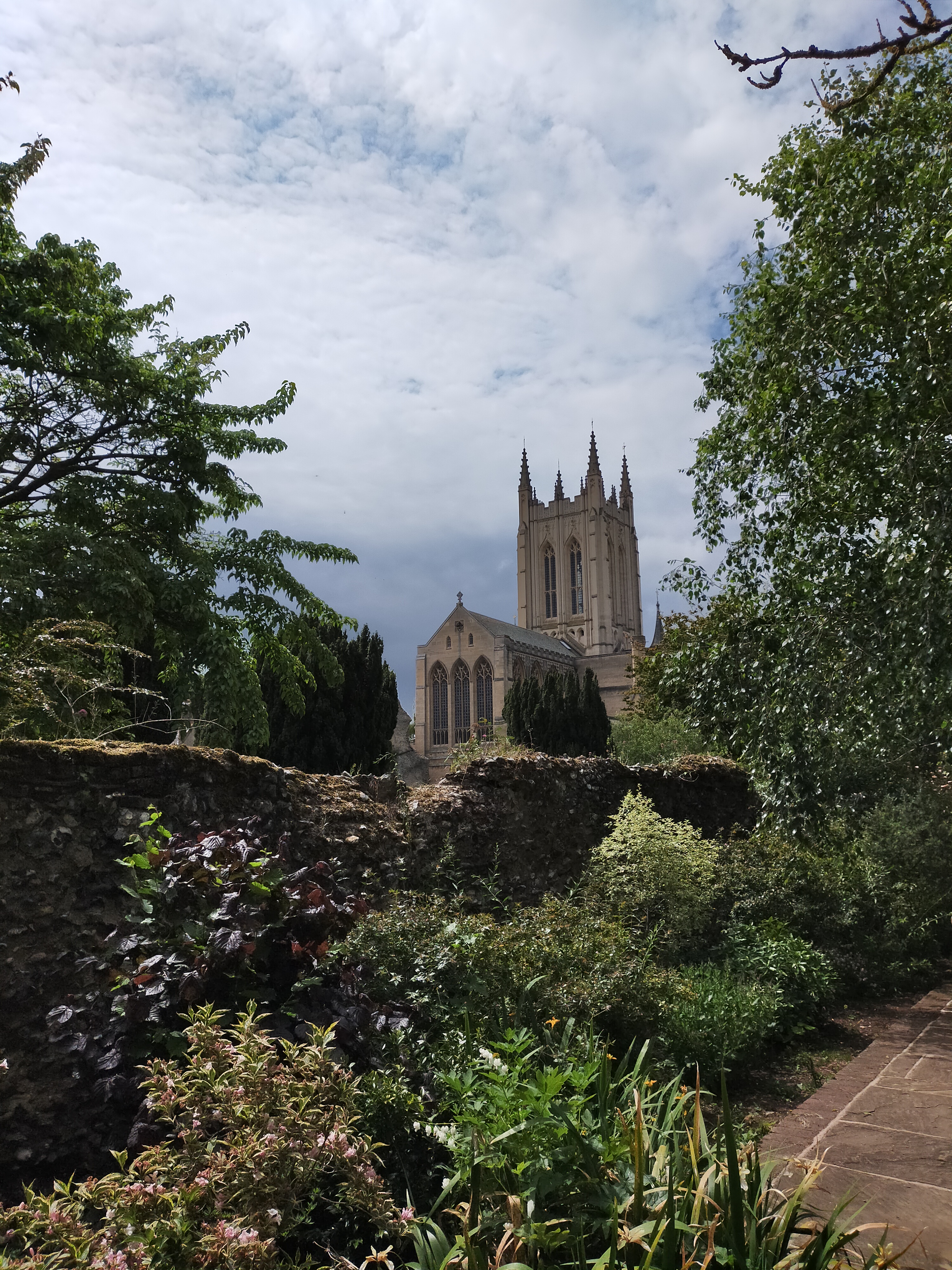
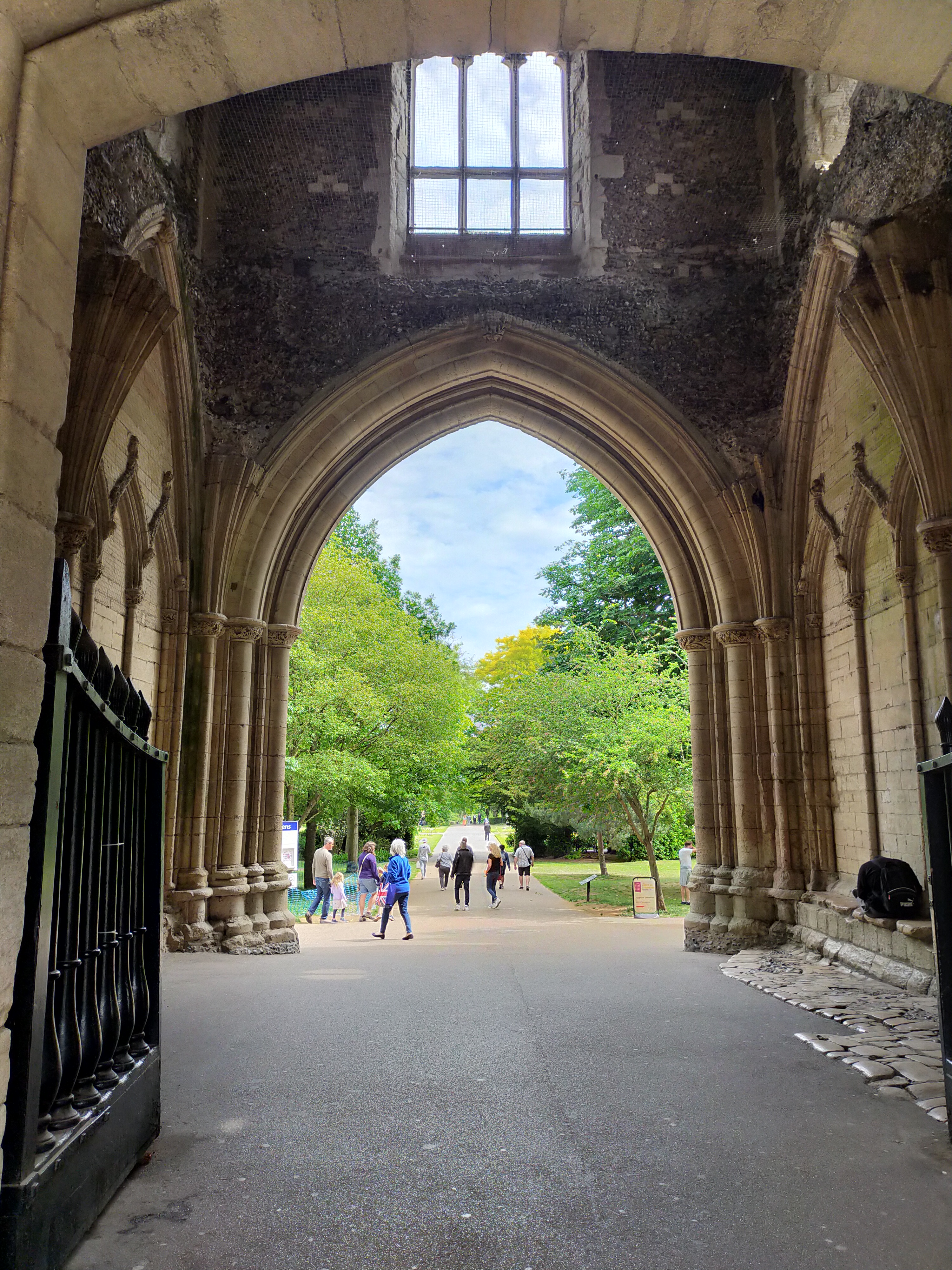
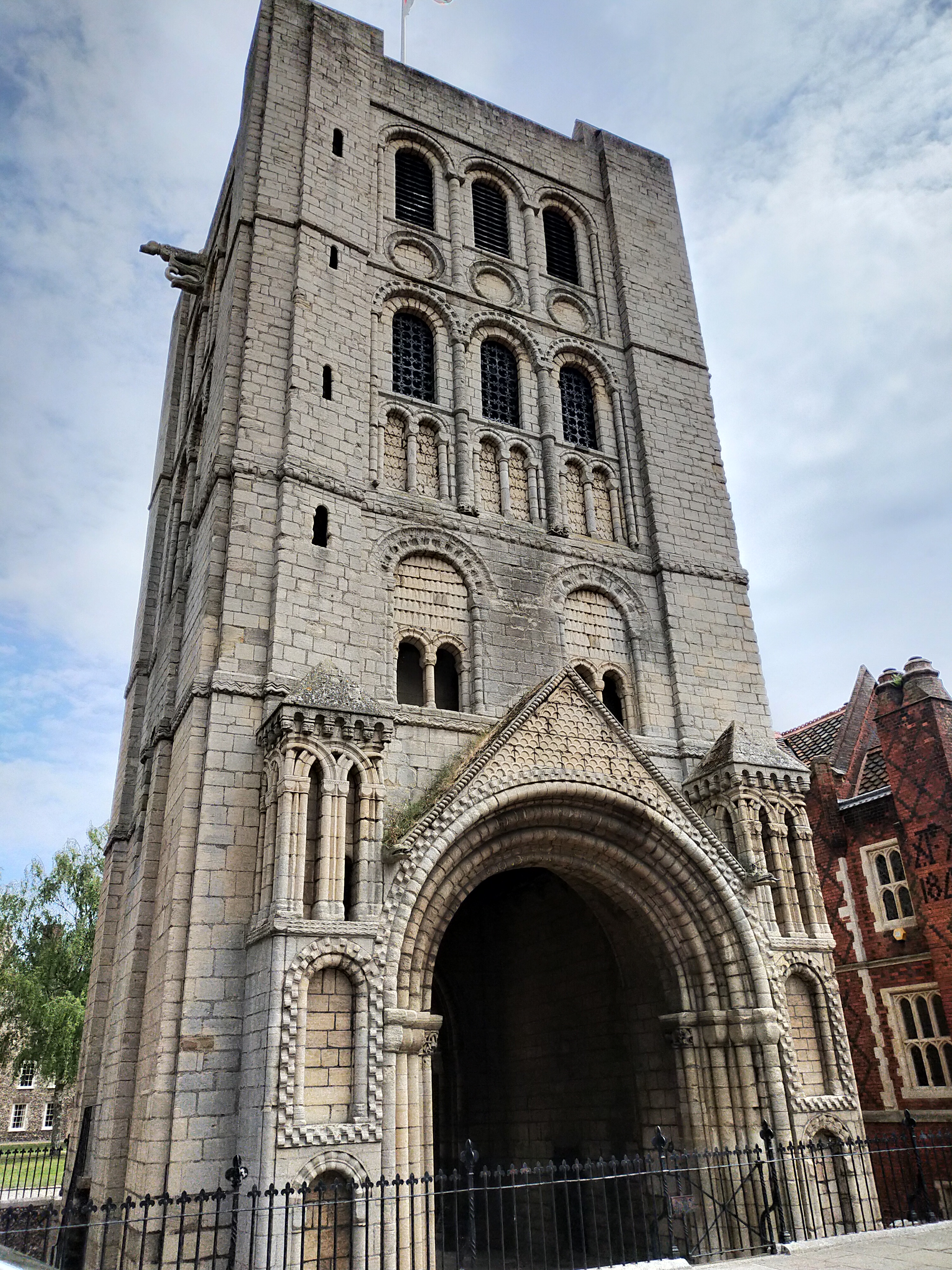
A sunny day took us across county lines for a gander around the old holy pile. Apart from two impressive medieval gatehouses, little remains of the abbey itself, though next door is Bury St Edmunds Cathedral called – wait for it – St Edmundsbury. The Abbey’s pretty grounds are lovingly tendered by the local council and a dedicated army of volunteers; many of them could well be the descendants of those pillaging Danes who cut down the saintly king. ’Tis their penance.
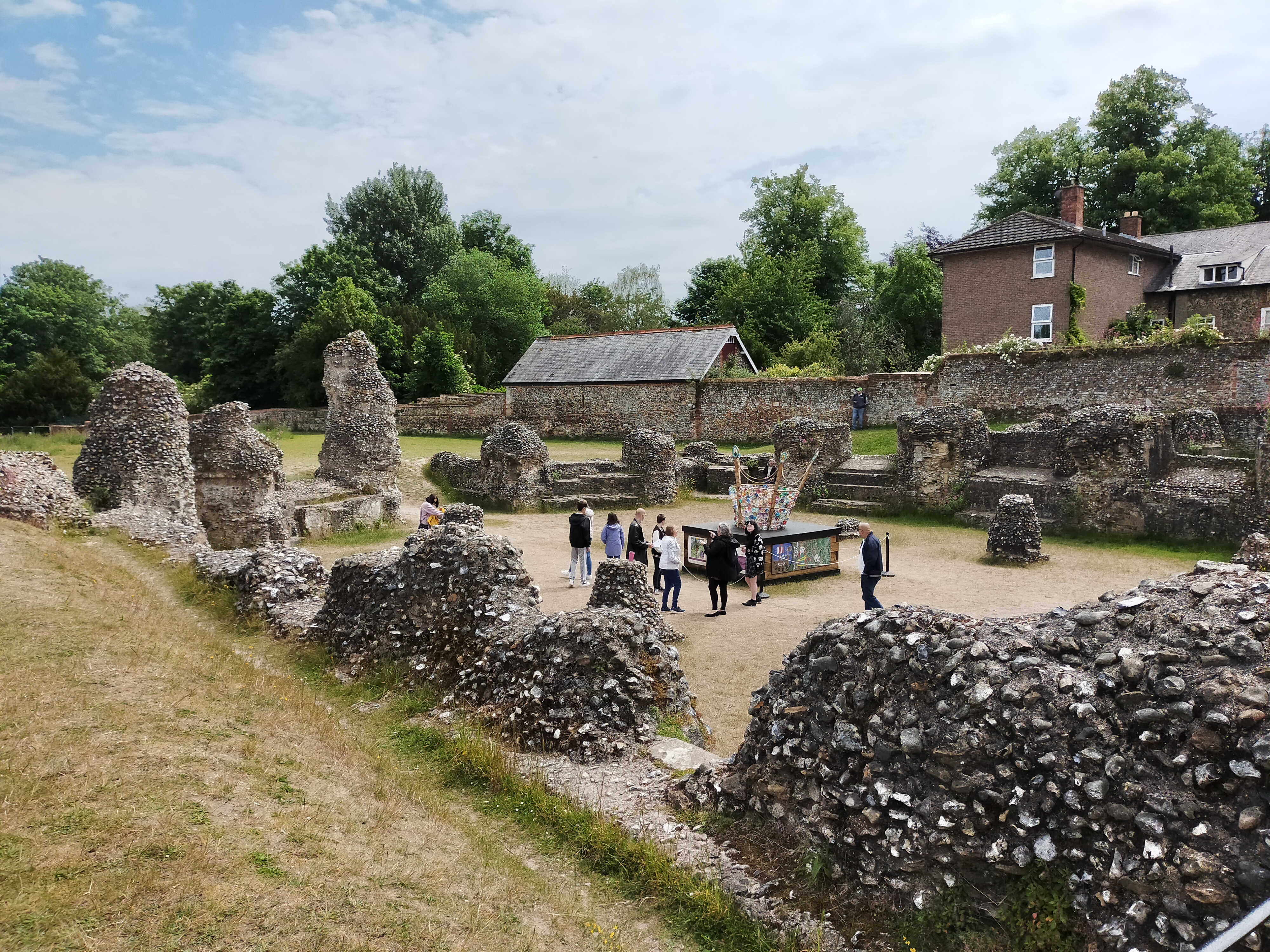
All is forgiven. Nowadays, we really like the Danes.
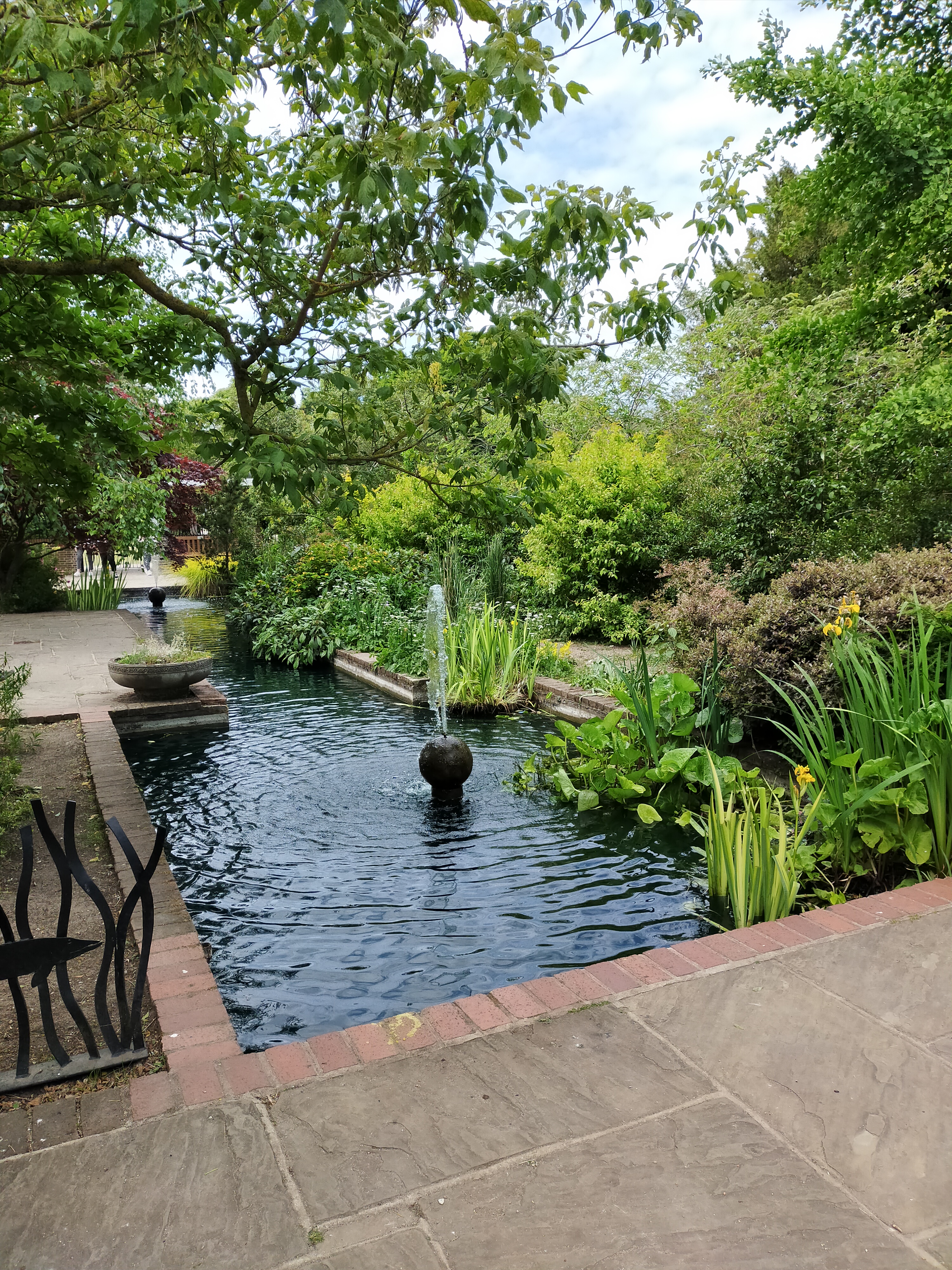
Among the roses and the ruins, there’s a World War Two memorial to the US Airforce (or the US Army Airforce as it was known back then). The USAF was, and still is, big round these parts as East Anglia is famously flat and just a short bombing raid to the continent.

But … the current whereabouts of Edmund’s sainted bones is anyone’s guess.

Go West, Young Man

We have old friends in Torquay, a palm tree-lined seaside resort in Devon. We hadn’t seen them in ages because of the pandemic, so a catch-up was well overdue. All roads lead to London, and we didn’t fancy the hassle of crossing the sprawling metropolis only to come out the other side, so we flew from Norwich International airstrip to Exeter International airstrip on a little jet – like Z-listers without the paps.

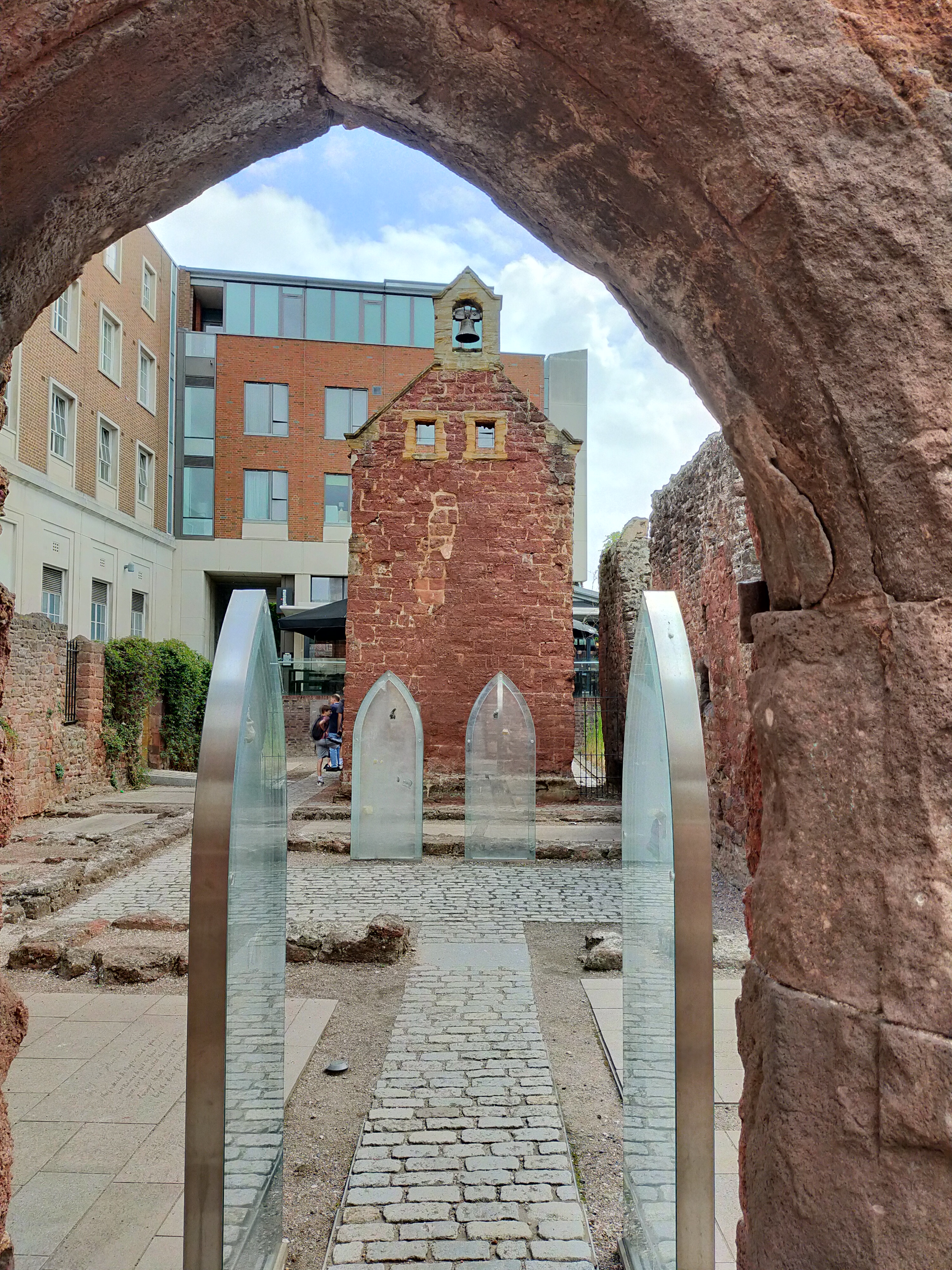
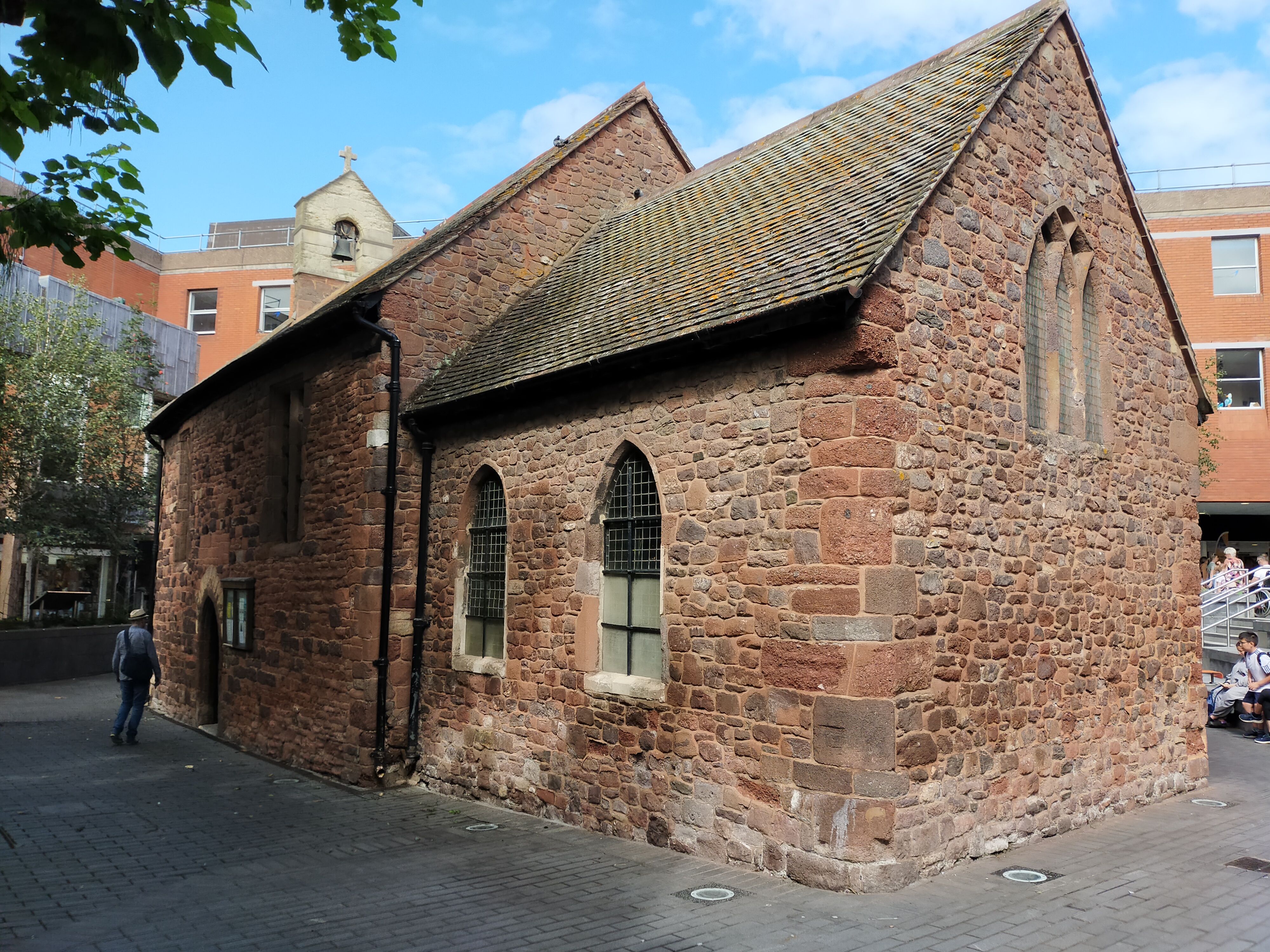
Old Exeter – Roman Isca Dumnoniorum, Saxon Execeaster – has been around a while, though at first glance you’d never know it. The Luftwaffe did a great job flattening the city in the Second World War, so you have to look closely to find ancient treasures.

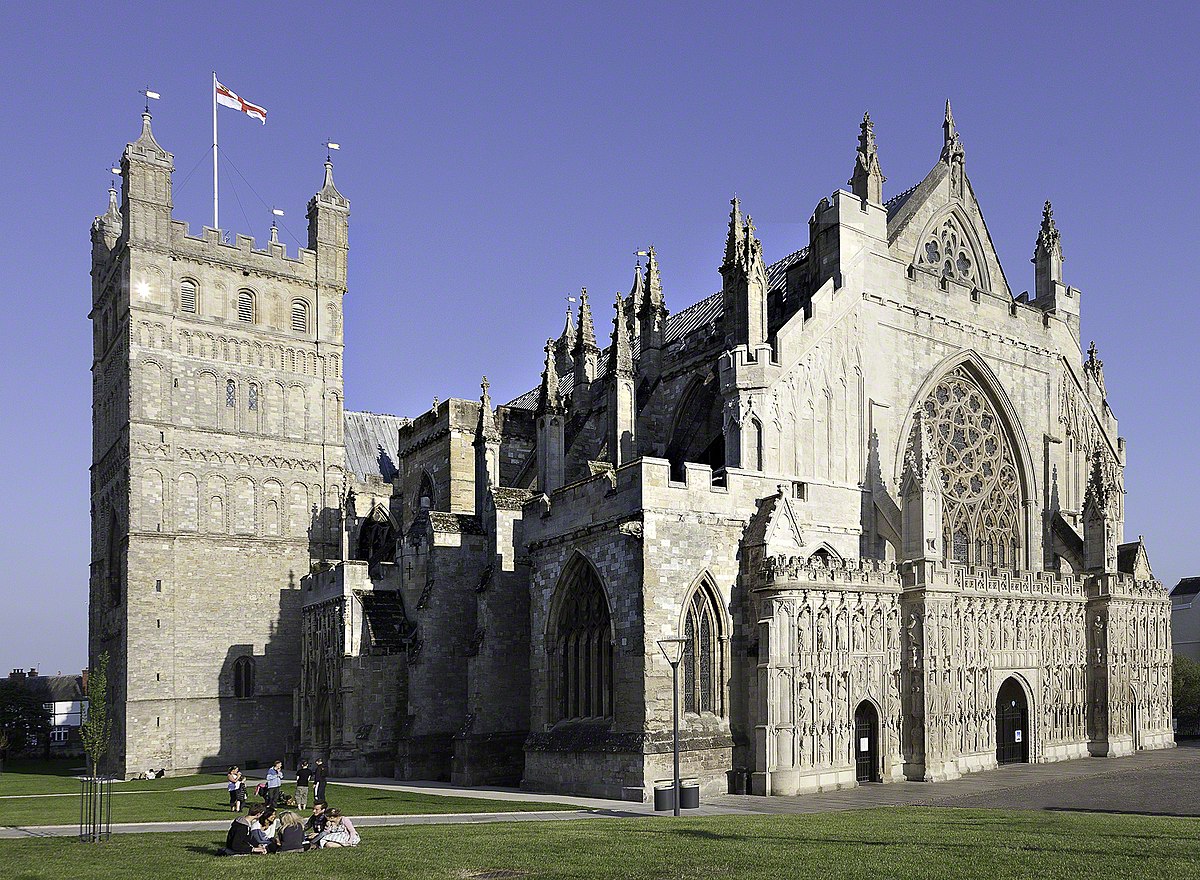
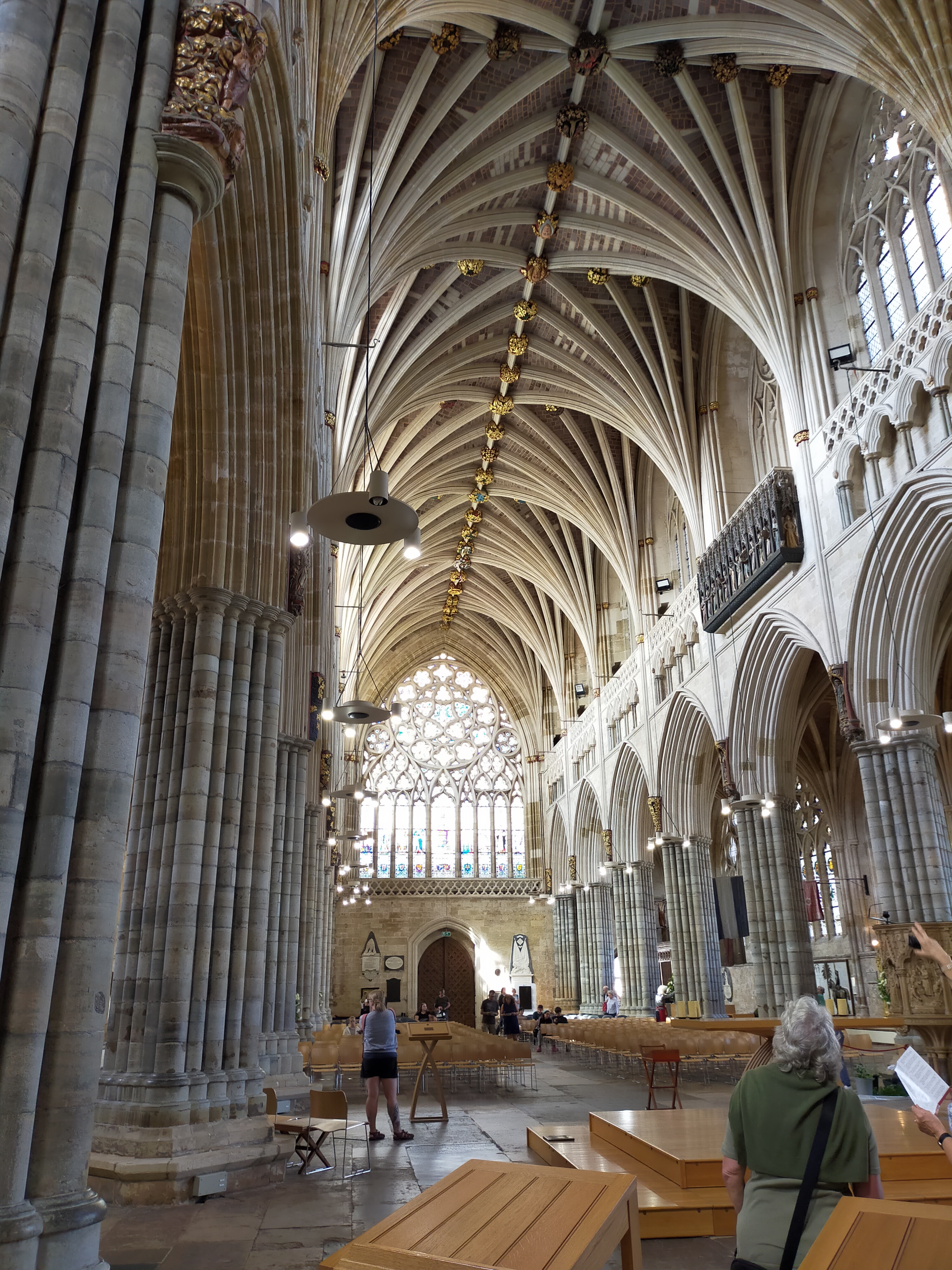
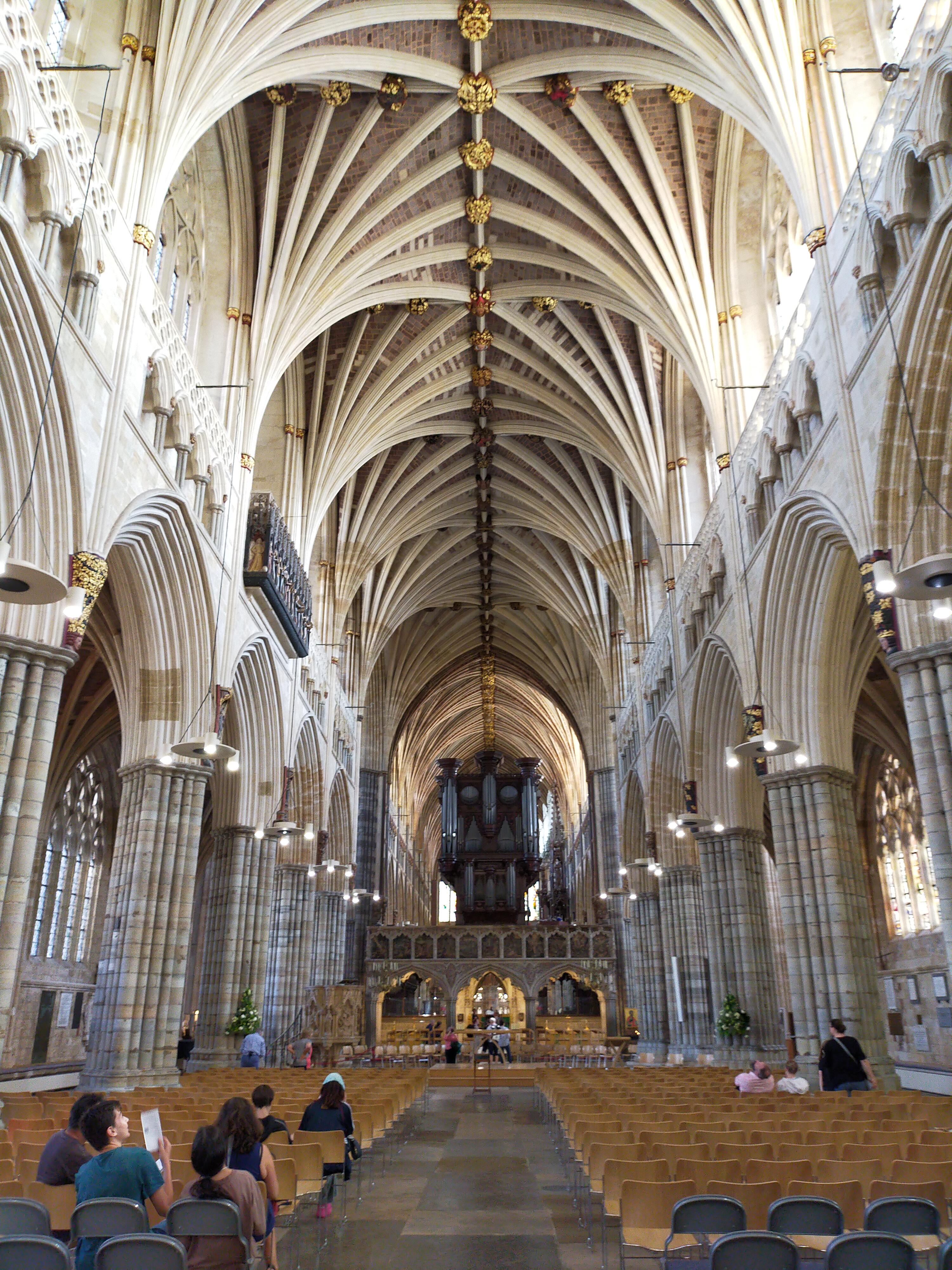
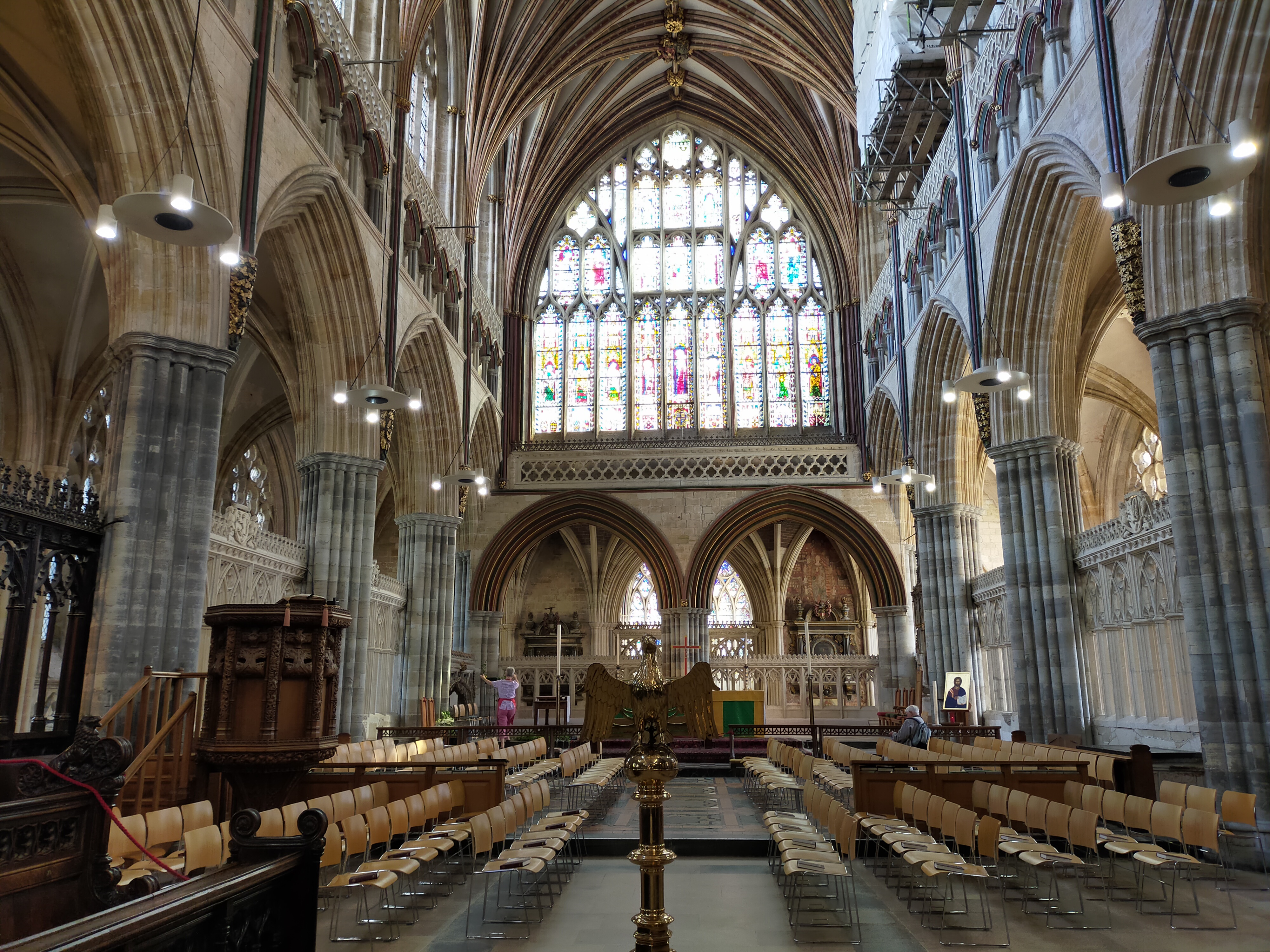
Mercifully, the magnificent cathedral, founded in 1050, was spared the hellfire that destroyed pretty much everything else – a little odd considering it sticks out like a bullseye at the heart of the city. Although I’m not religious in the slightest, I do so love a gander round a holy pile.

Most of what the visitor sees is thirteenth century, and what impresses first is the awe-inspiring ceiling that soars towards the heavens. At 96 metres, it’s the longest continuous medieval stone vault in the world. It surely convinced the hovel-dwelling, unwashed illiterati of old that it was made with divine intervention – and so helped keep them on their knees.

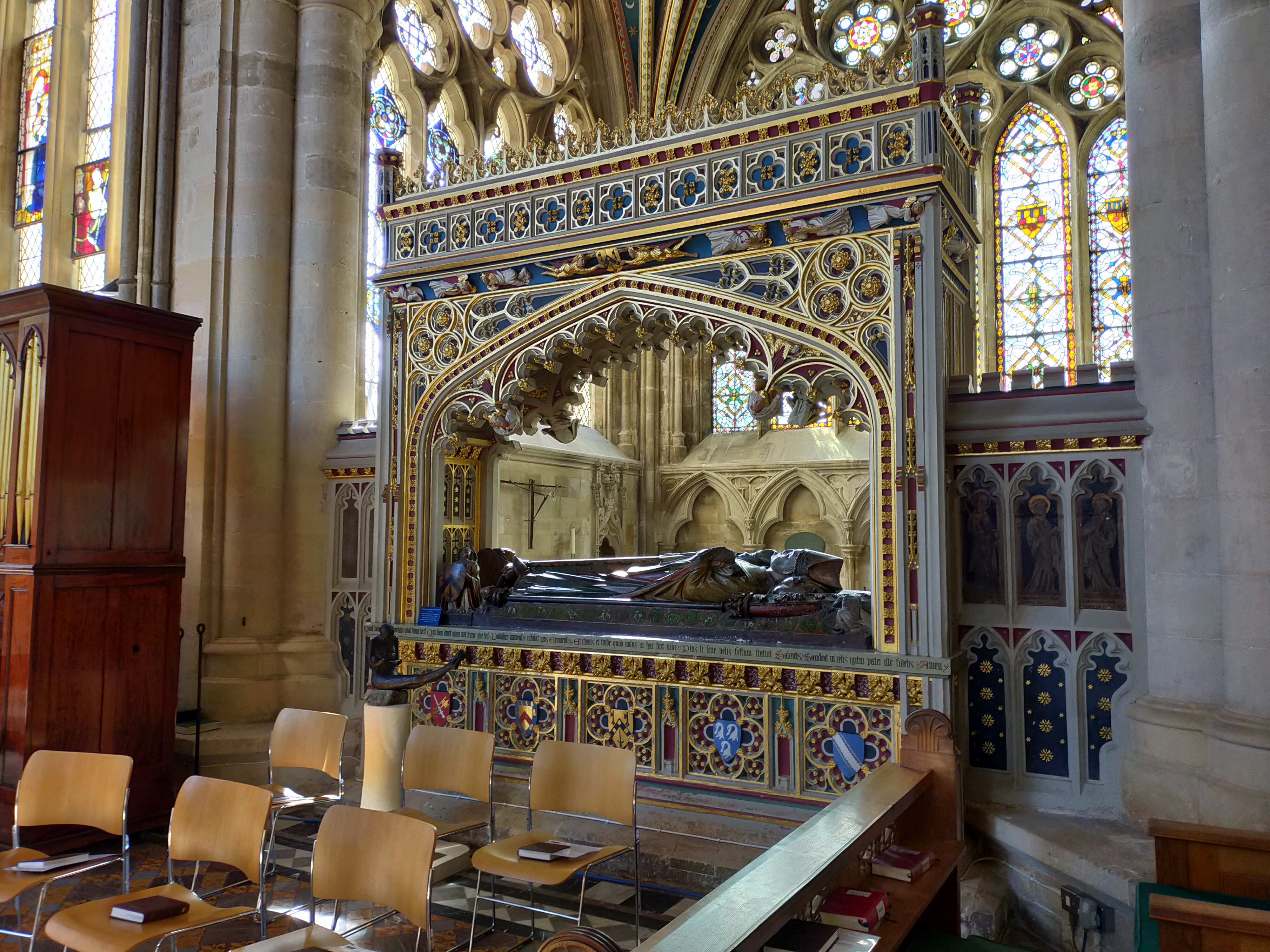
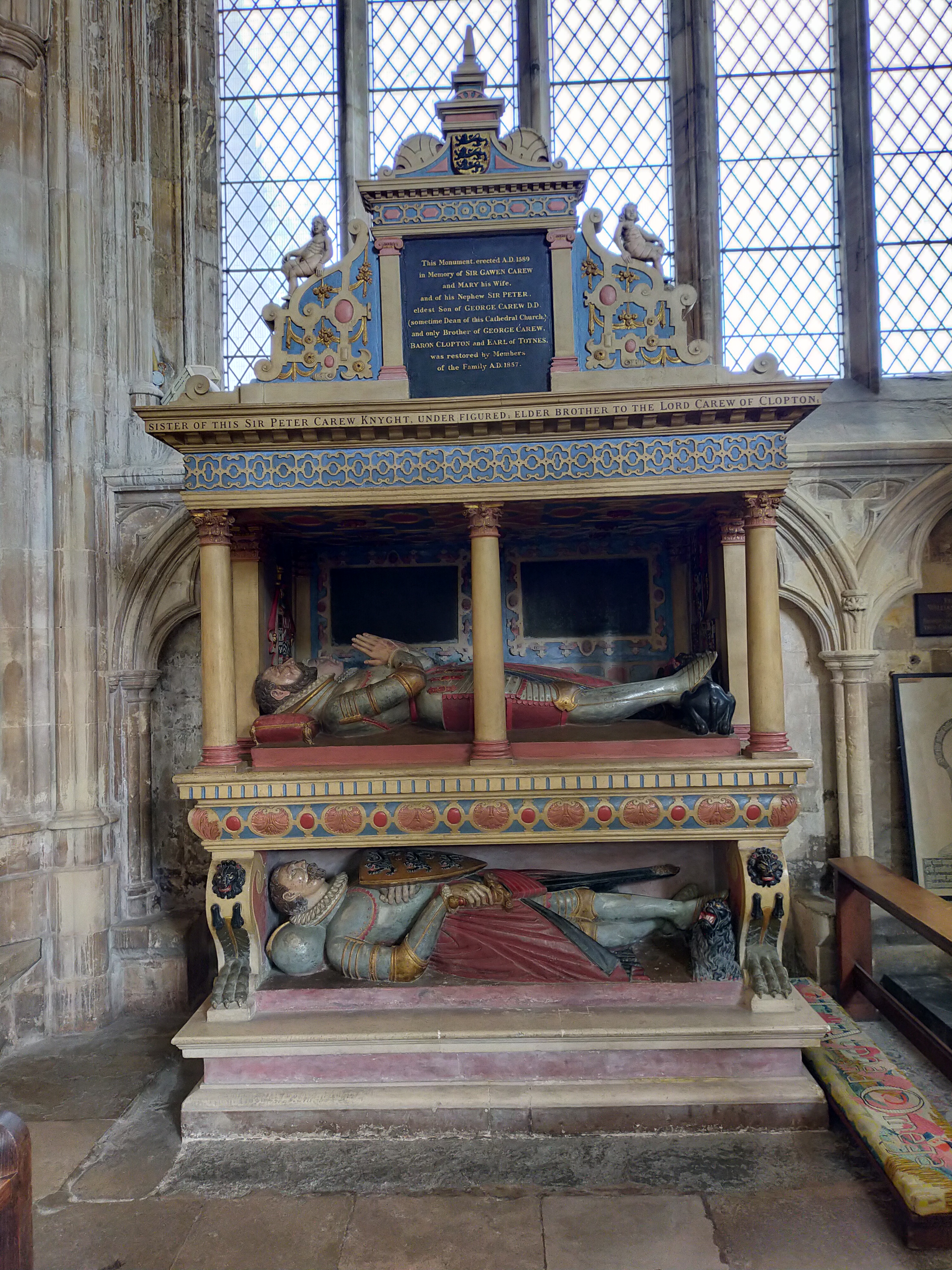
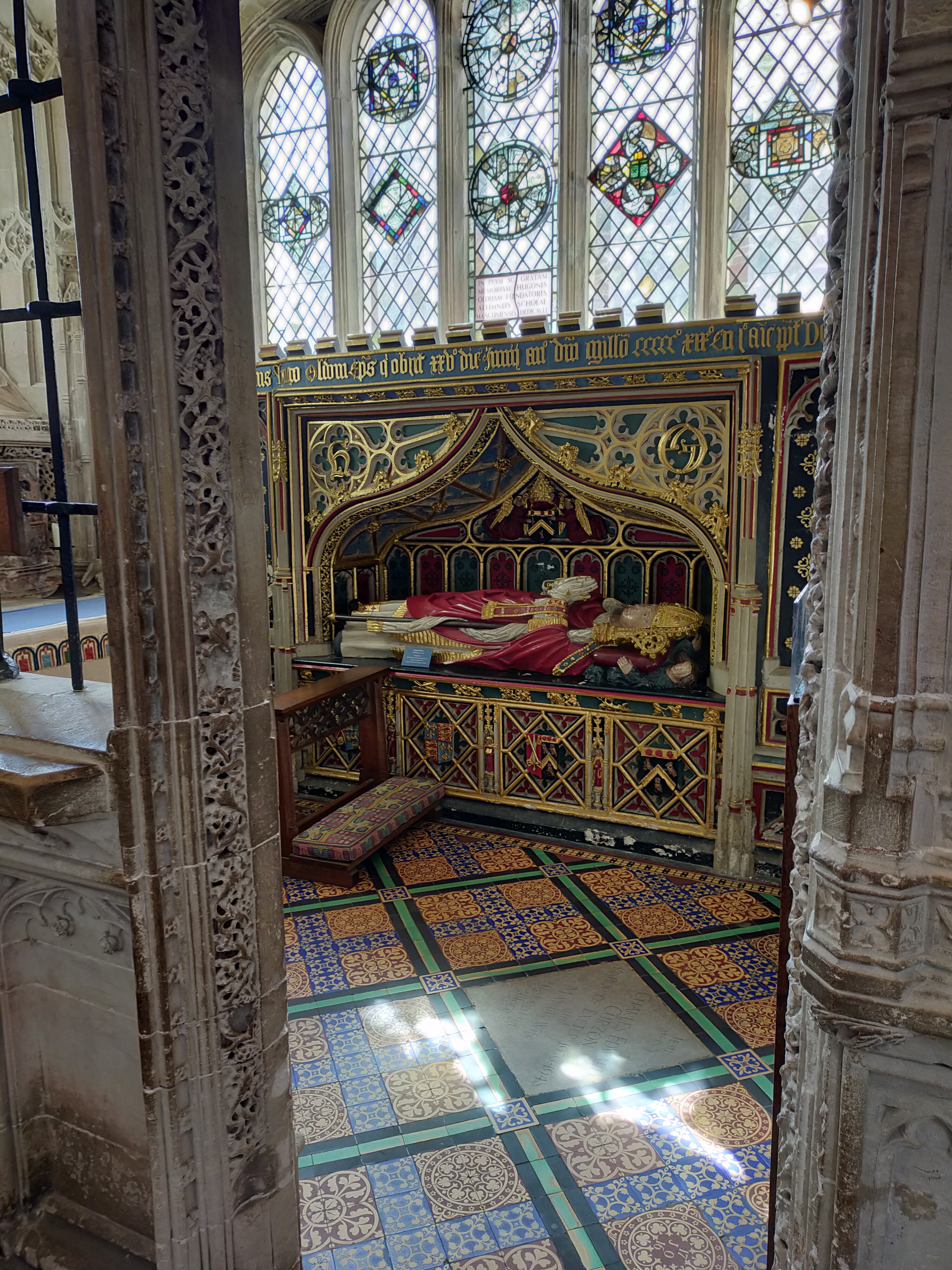
And then there are all the elaborate tombs – mostly containing the old bones of long-dead bishops.

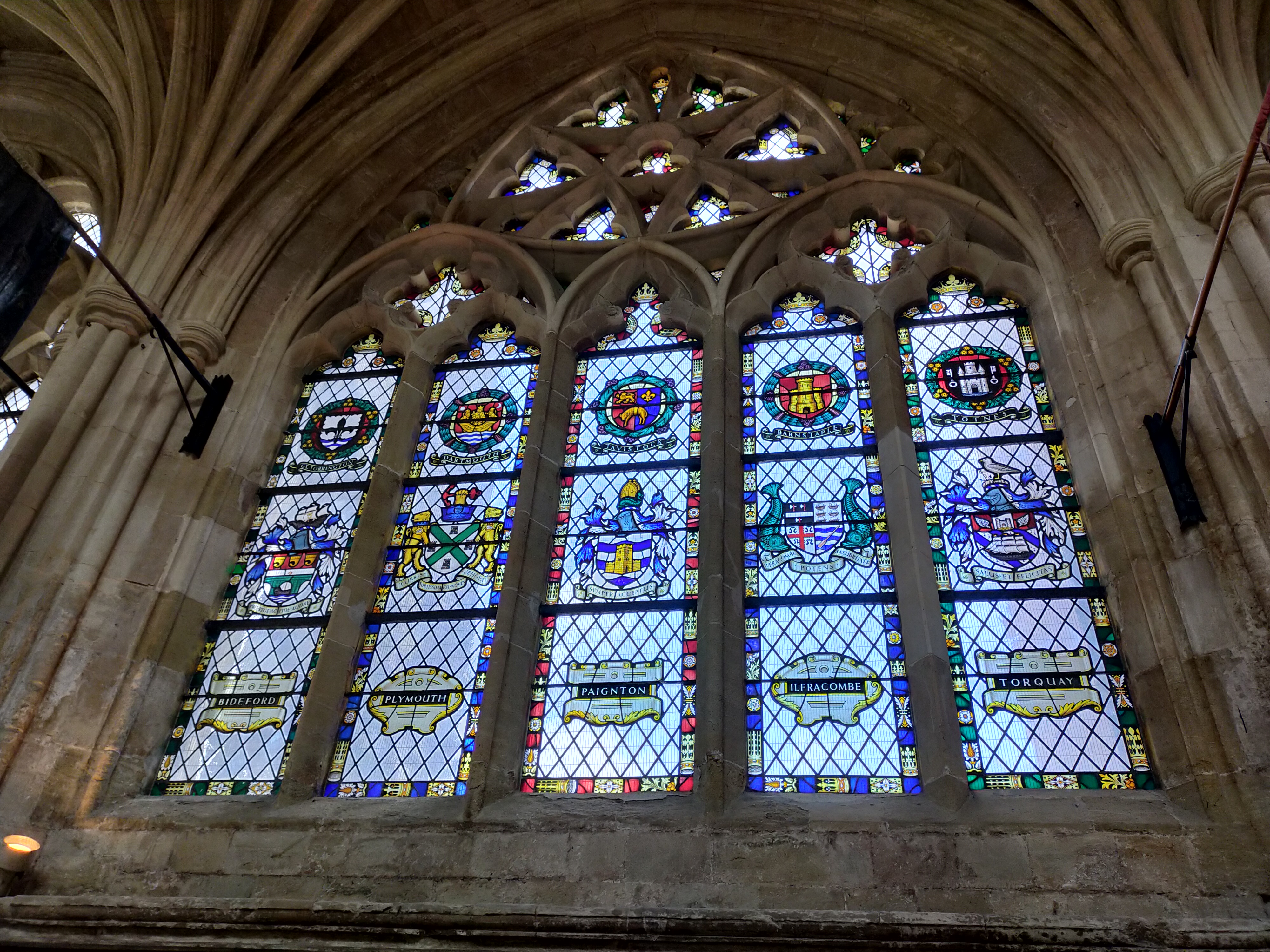
And the stained glass windows aren’t bad either.

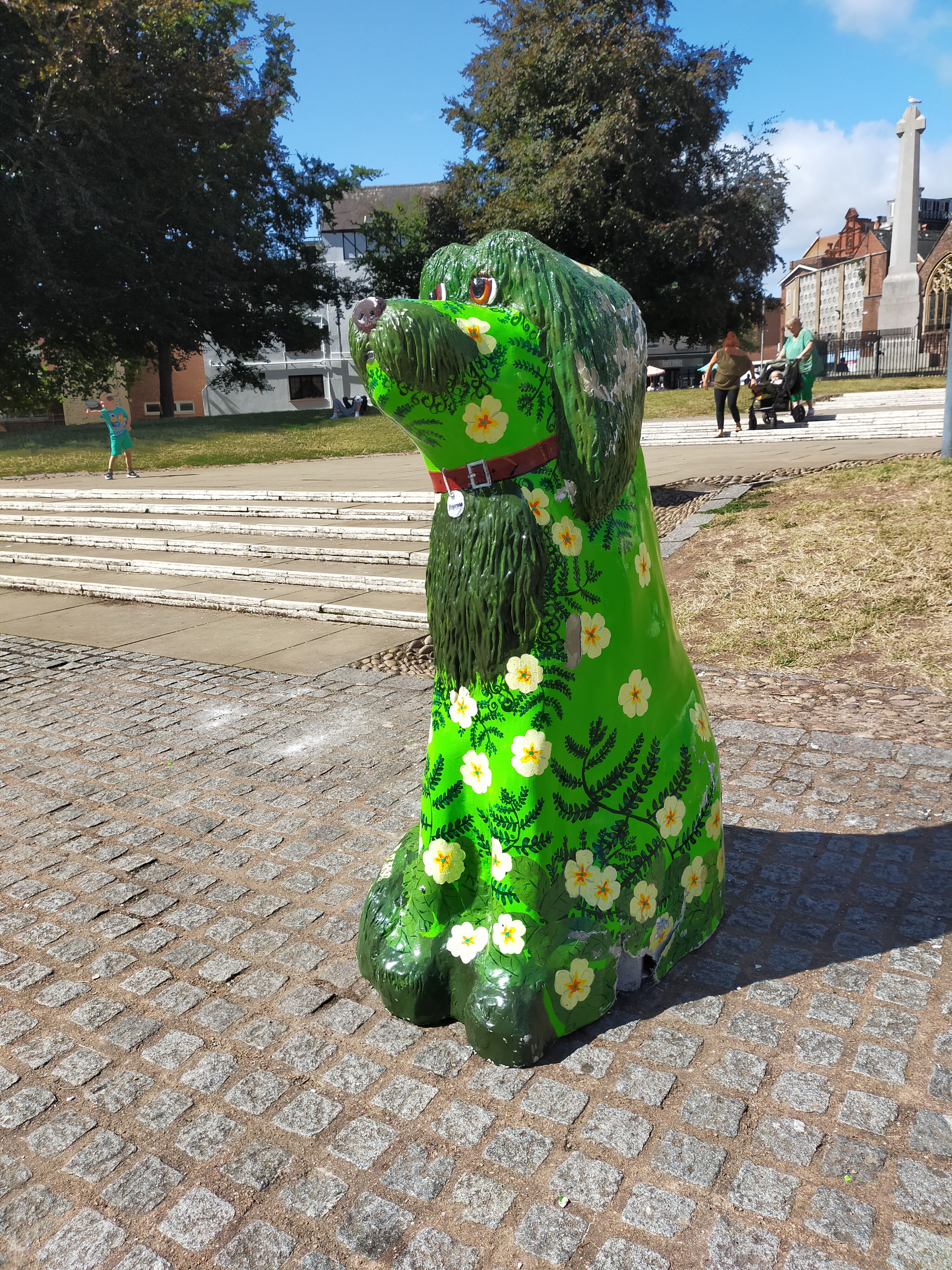
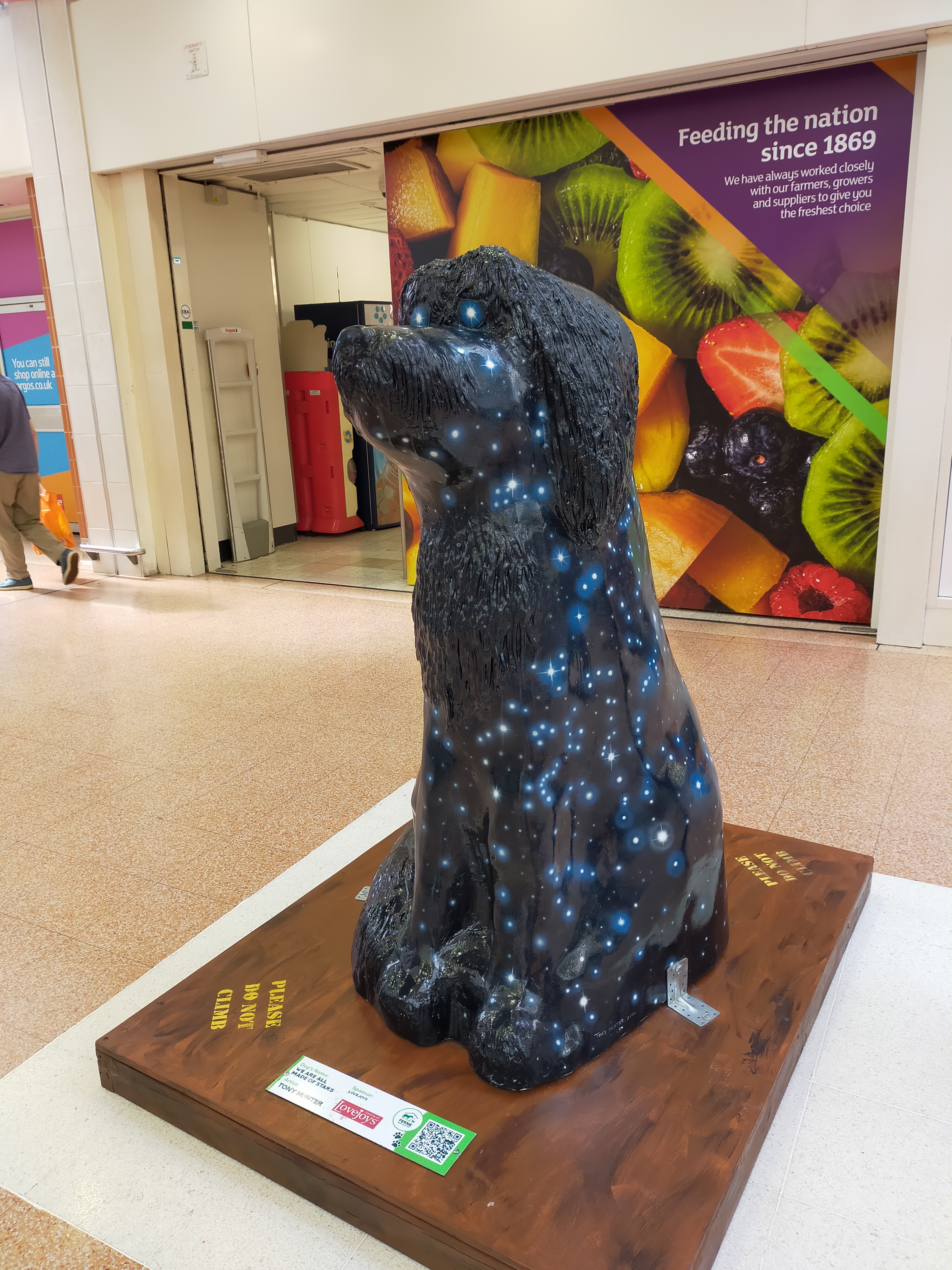
While Norwich hosted T-Rexes and steppe mammoths for the summer, Exeter went for giant cutesy street dogs.

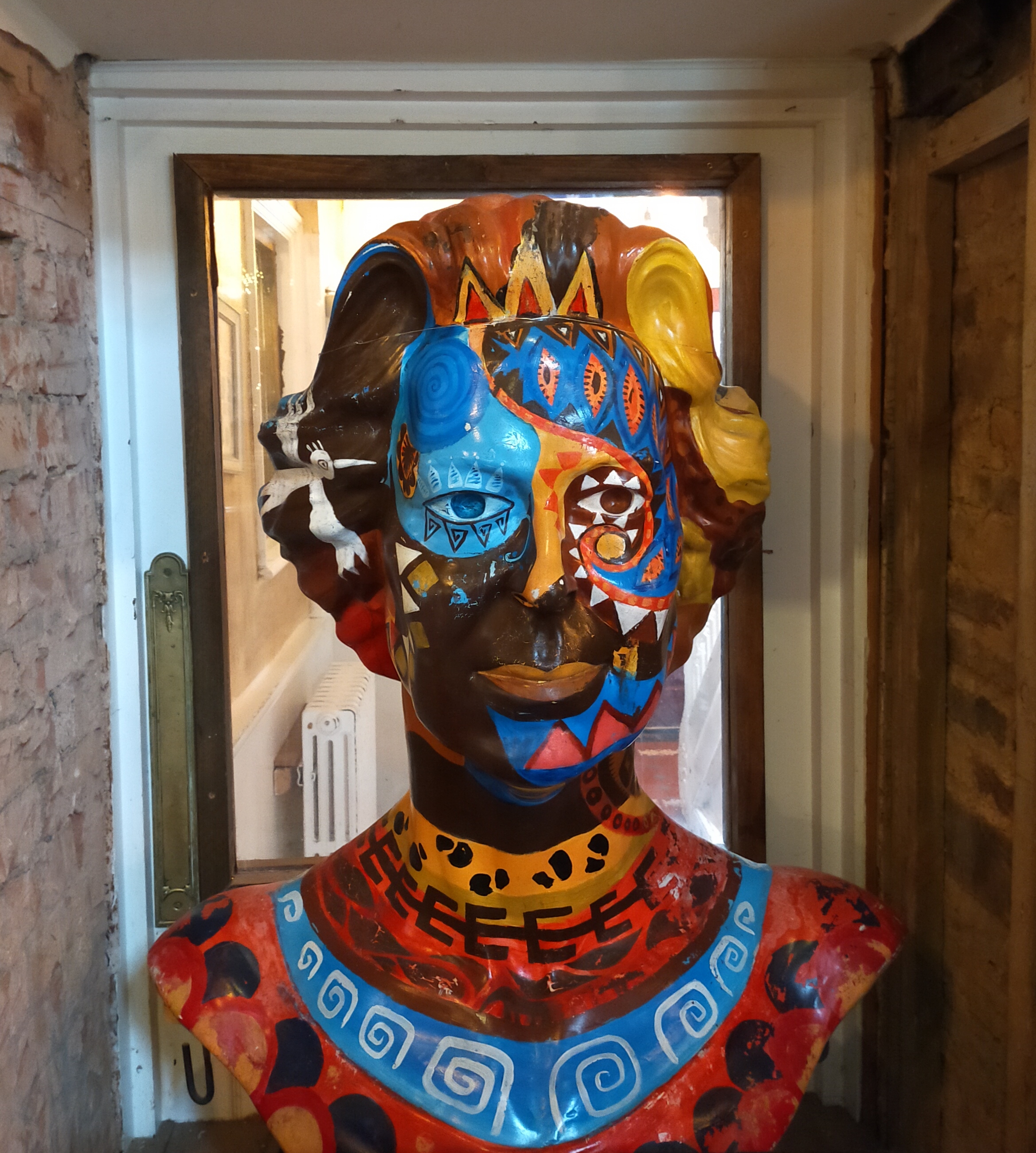
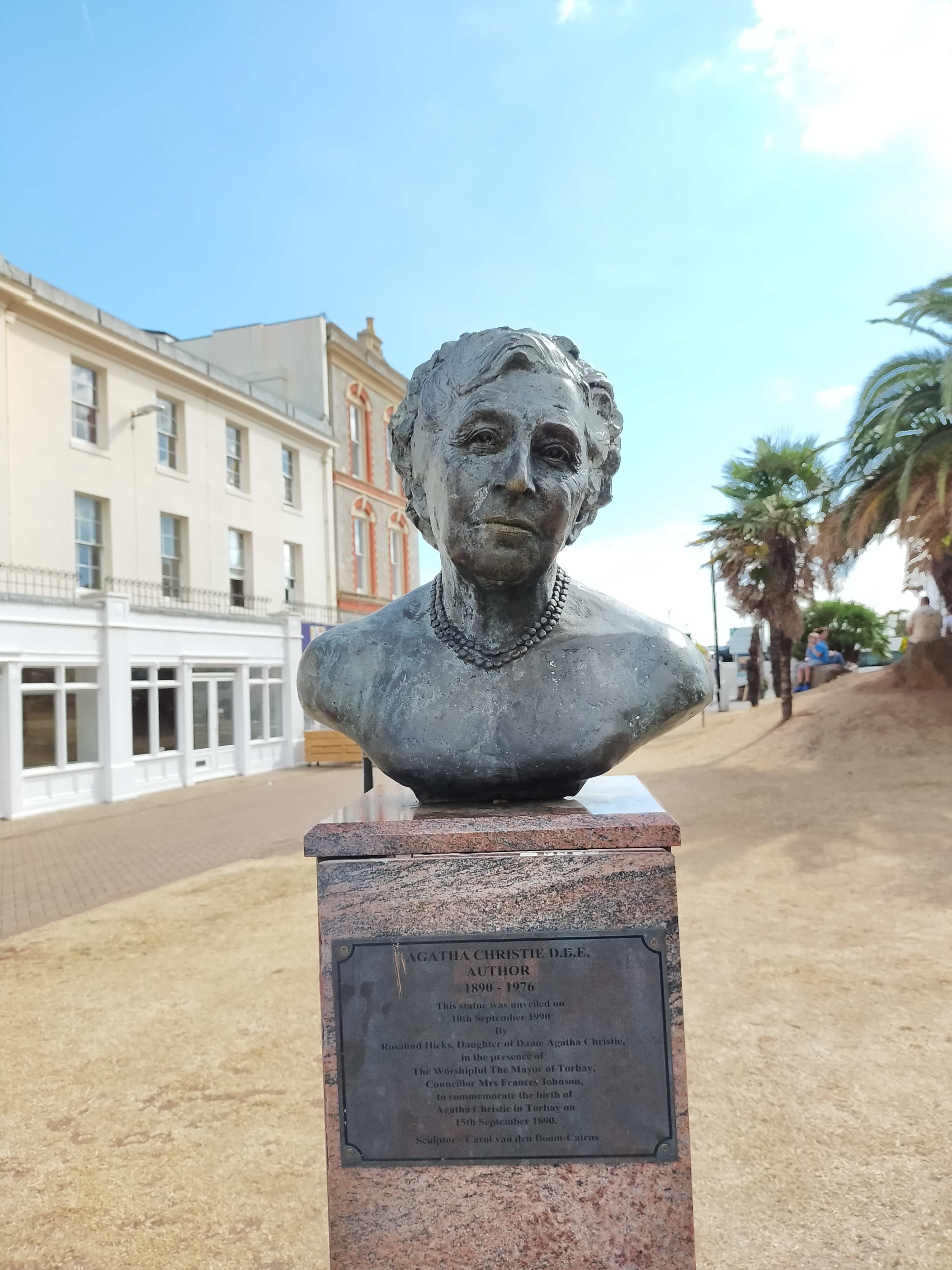
After Exeter, we spent the next couple of days hitting the sherry and chewing the cud with our old muckers at their palatial digs in Torquay. And fantastic it was too. Our hosts are a little camera shy so, instead, here’s an elegant bust of Agatha Christie, the queen of the whodunnit and the best-selling fiction writer of all time, who was born in the town.

The Book of Mormon: The Newest Testament

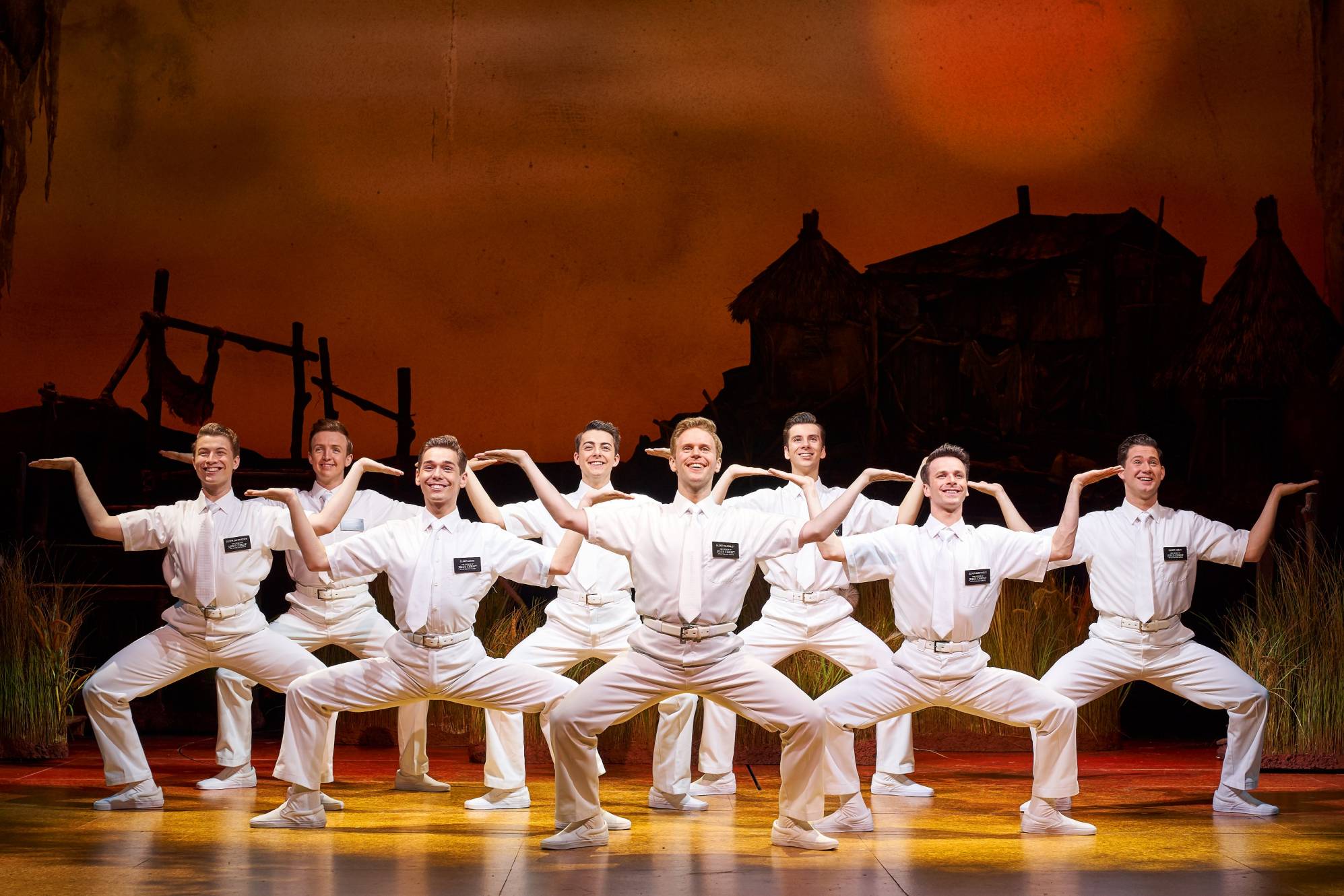
Since they switched the theatre lights back on, we’ve been playing catch-up with all the shows queuing up impatiently in the wings. Our latest gig was the UK tour of The Book of Mormon. Deliciously camp, rude, lewd and super crude, the song and dance show pulls no punches when ridiculing the fairy tales at the core of the Mormon credo – and by extension, organised religion in general. So there was a third biblical testament buried on a hillside in upstate New York? Who knew? Not the villagers in far-flung Uganda who had more pressing, real-world problems to deal with, like trigger-happy warlords, grinding poverty, AIDS and female genital mutilation. Ripe for conversion? The all-American dancing boys from Salt Lake City thought so. The desperate often are.

Credit: Paul Coltas

All’s well that ends well as the Bard once wrote and the show does have a happy ending because, in the end, we all need something to believe in, even if it’s just the power of the human spirit. By curtain call we were all on our feet. Yes, it’s that good.

As we left the theatre, we spotted a solitary Mormon elder politely handing out leaflets for the cause. Seems The Church of Jesus Christ of Latter-day Saints sees the show as an opportunity for a recruitment drive. Who said there’s no such thing as bad publicity?

Belfast – Should We Stay or Should We Go?

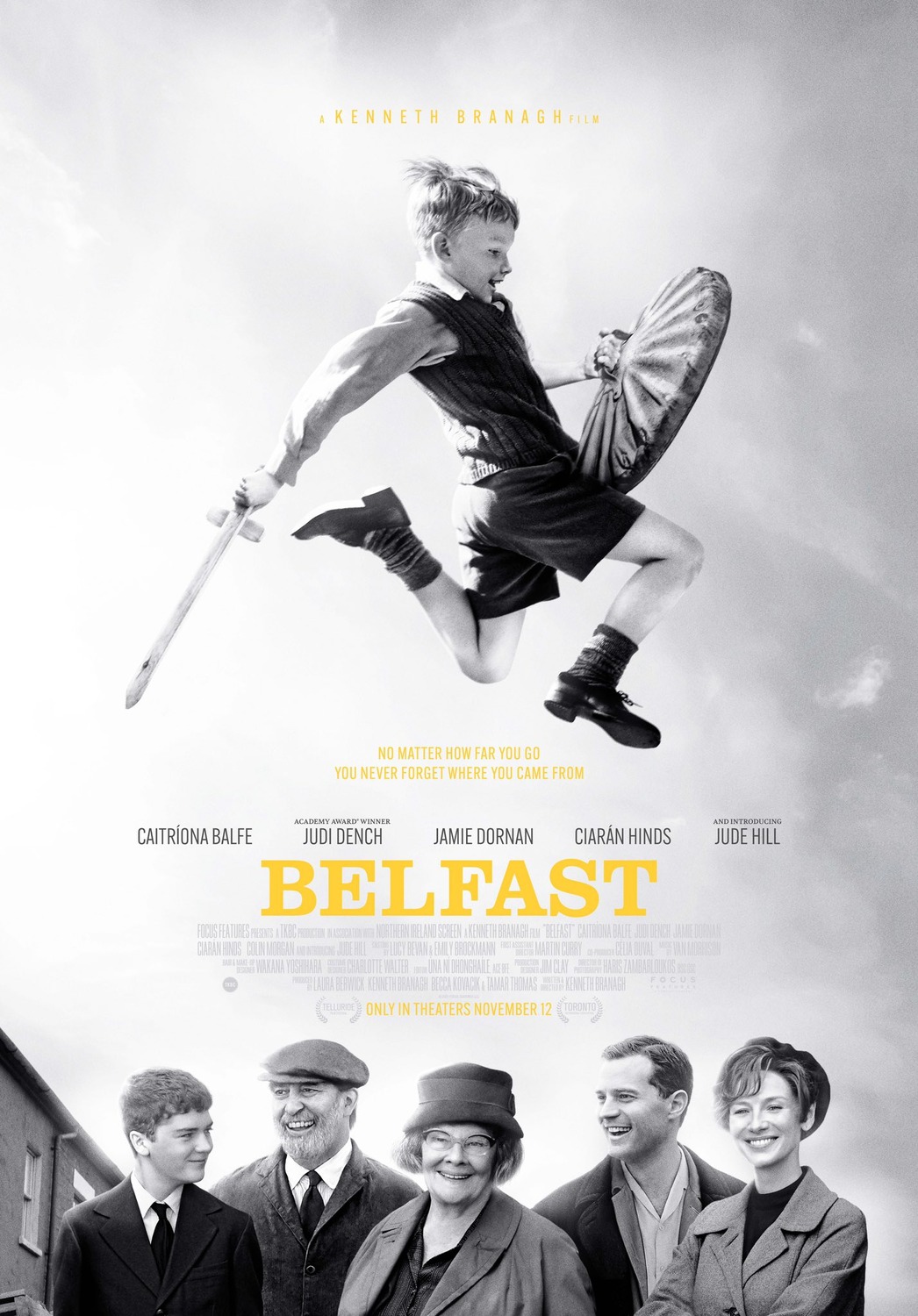
I was a little nervous when I took my seat to watch Belfast, Kenneth Branagh’s semi-autobiographical film about the life of a working-class family in late sixties Belfast. It was a time when the Troubles really exploded on the streets, and I was dreading being slapped about the face by the grim senselessness of sectarianism.

But despite the nightmarish backdrop, there’s something incredibly warm and generous about the film. Set to a Van Morrison soundtrack (with a little help from Love Affair’s Everlasting Love) and shot in radiant black and white, the tender and funny script has a simple question at its heart – leave for a brighter future ‘across the water’ or stay for kith and kin and all that’s familiar. It was a choice faced by generations of Irish people – including our own.

The sparkling cast really deliver – anything with Judi Dench gets my vote – and despite the eye candy that is Jamie Dornan, the stand-out performance has to be from Jude Hill as Buddy, the young boy around whom the story revolves.

Do they stay or do they go? Here’s a clue. Sir Kenneth Branagh is now one of the UK’s foremost actors and directors.

Here’s the trailer…

Jurassic City

It’s been a pretty dismal summer, weather-wise. The shortest of heatwaves in June, a washed-out July and a blanket of low cloud for most of August. Still, we didn’t suffer the death and devastation of flash floods, wilting temperatures and rampant wildfires that afflicted Turkey and much of continental Europe so I guess we should count our lucky stars. And who needs the sun anyway when the streets of Norwich are lit up by brightly coloured dinosaurs?

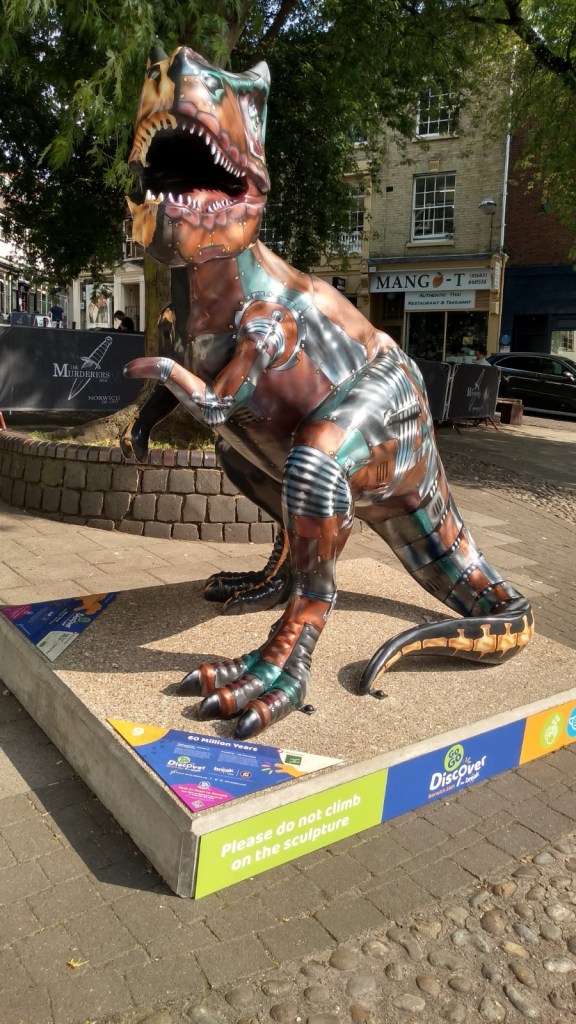
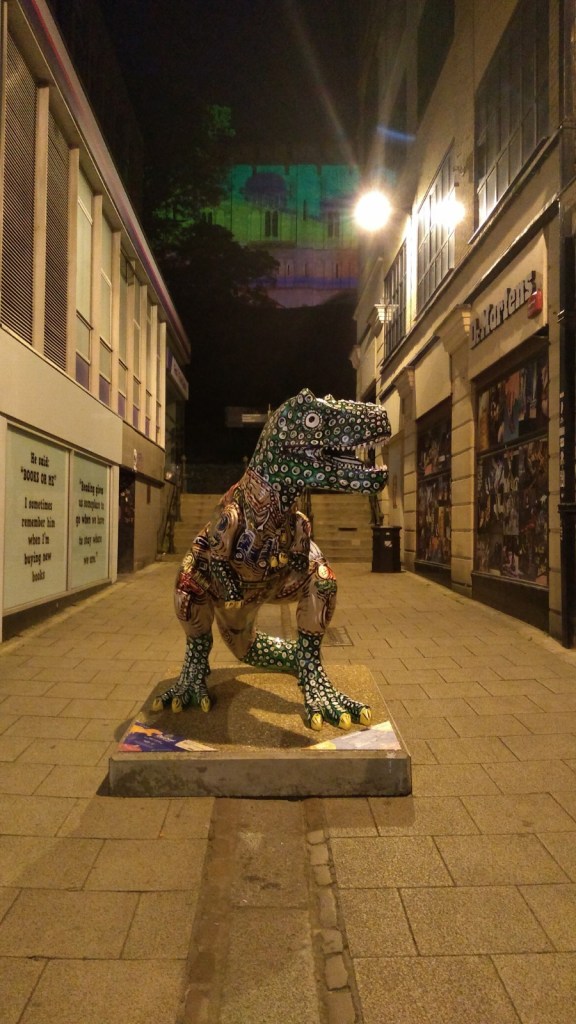
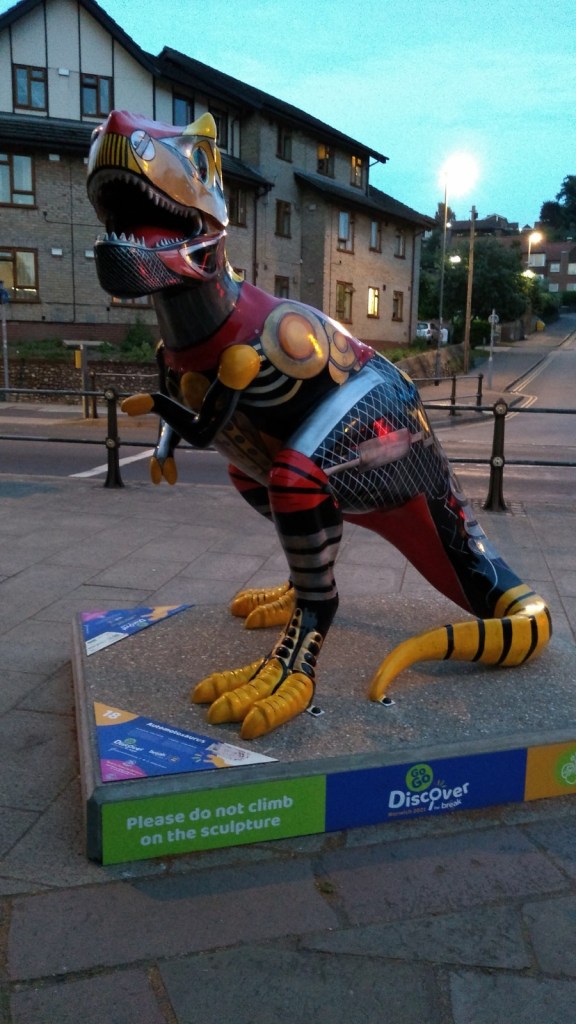
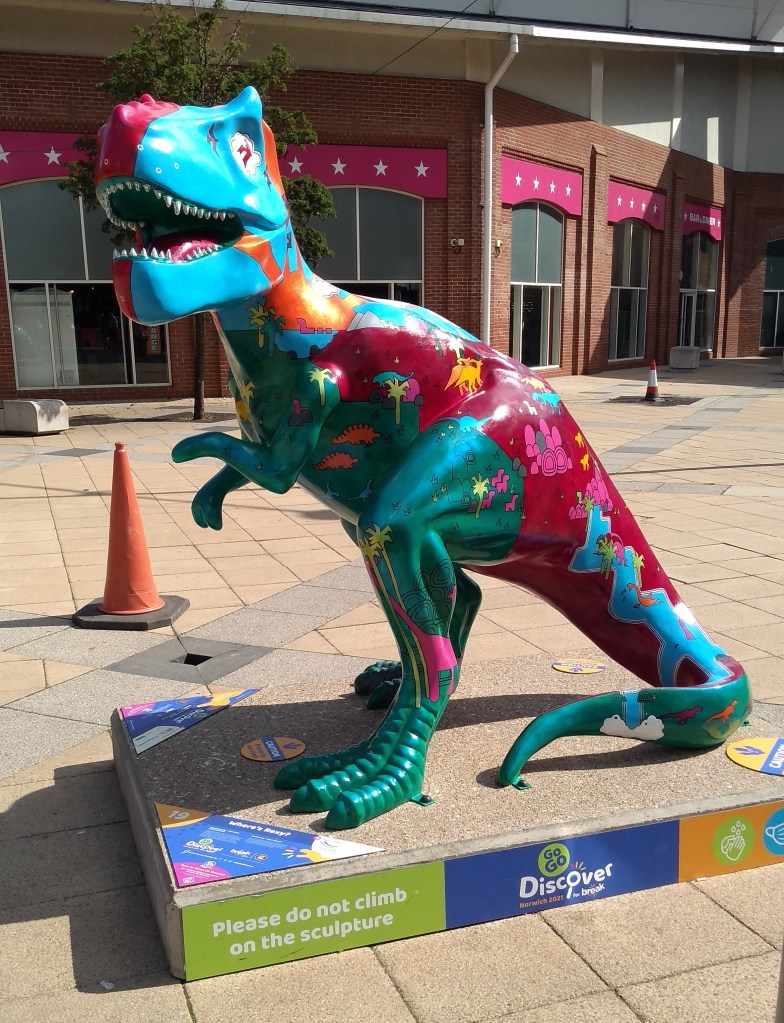
Over the last few years we’ve had an invasion of psychedelic gorillas, a parade of glittery elephants, the flight of the camp dragons, a husk of vivid hares and a swarm of big bugs. Now it’s the turn of dazzling dinosaurs on the Go Go Discover T Rex Trail inspired by the arrival in Norwich Cathedral of Dippy, the Natural History Museum’s iconic Diplodocus cast. It’s the final gig of his nationwide tour.

Image courtesy of Norwich Cathedral

Twenty-one individually designed T Rex sculptures meander through the centre of the city as a guided route to the Cathedral – just in time for school’s out for Summer. If God can’t tempt the kids into church come Sunday, Dippy surely will.

Here’s a small sample. I guess my favourite ought to be the rainbow T Rex stomping all over Millennium Plain but actually it’s Sherlock on Cathedral Close that gets my vote.

As usual, the trail is all in aid of Break, a charity providing support to young people in care. They’ve also covered Cambridge in a herd of colourful cows. That’s a lot of painted udders.