
The various galleries of the Museum of Norwich at the Bridewell chart the city’s journey from its humble beginnings as a few muddy huts by a river bank to a UNESCO World City of Literature. As I wrote when we first visited in 2017…
“It’s a ripping yarn of churches and chapels, friaries and priories, martyrs and merchants, weavers and cobblers, chocolatiers and mustard makers, fire and flood, black death and blitzkrieg.”
The Museum is a splendid way to spend an afternoon, come rain or shine. But it wasn’t the exhibits we came to see on our most recent visit, but a guided tour of the Undercroft, the vaulted cellar beneath the Museum. Norwich is stuffed with medieval undercrofts – they often escaped fire and the wrecking ball. Whereas the current Museum is mostly 18th-century Georgian, the Undercroft itself – the largest in Norwich – dates from the 14th Century.
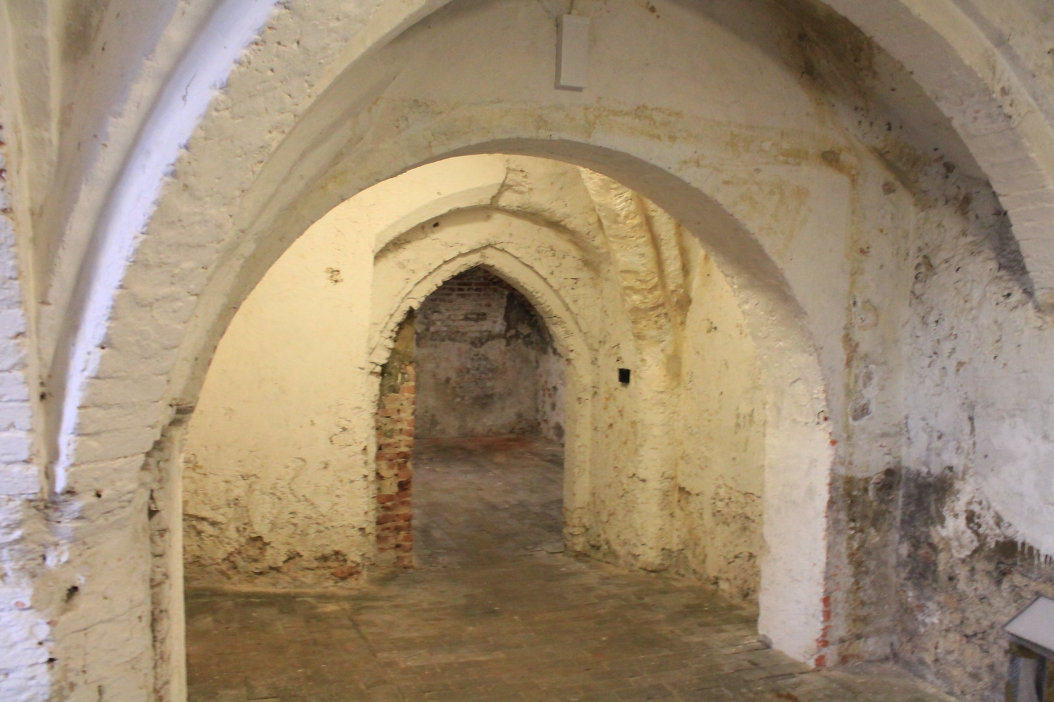
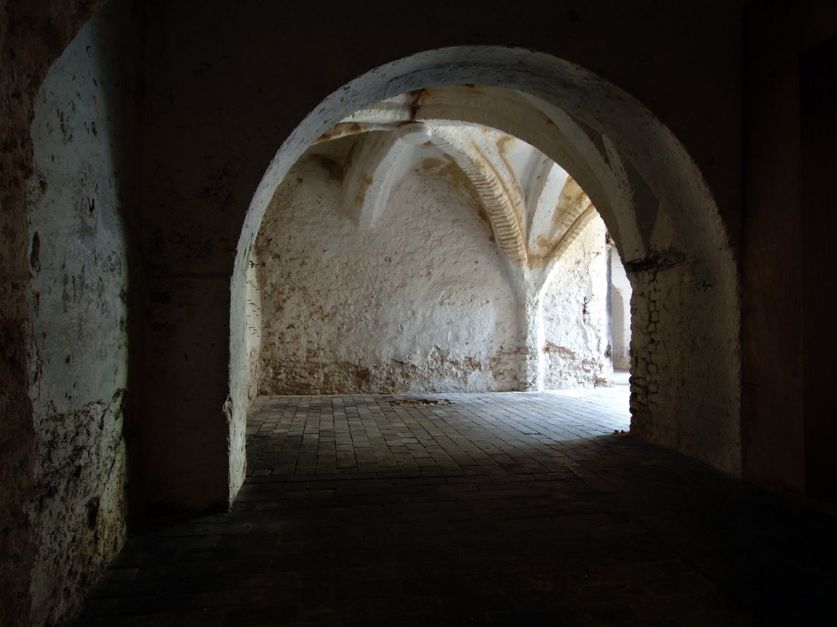
The Bridewell Undercroft was originally used to store and display the precious wares of the filthy-rich merchants who lived in the fancy mansion above. It was a dry and secure place to show off the goodies to potential buyers and keep out thieves. But ironically, after the monied merchants moved out, the building became a ‘bridewell’ – a ‘house of correction’ – where those who had fallen on the hardest of times would find themselves incarcerated – the ‘criminalisation’ of the poor, as our guide put it.
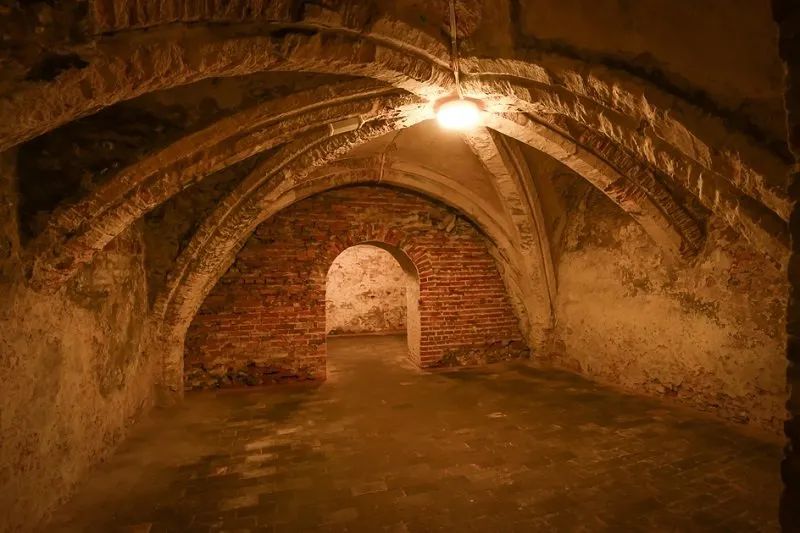
Our guide certainly knew her stuff, bringing the story to life with gossipy titbits from the past blended with the serious stuff as she walked us through the suite of underground rooms. The tour provides a fascinating insight into not just the building but also the ebb and flow of the city’s fortunes. The Undercroft was even used as a bomb shelter during World War II.
From a strong room to a prison cell, a place of punishment to a place of safety, the Bridewell Undercroft tells it all. And yes, I bought a fridge magnet.
 Perking the Pansies
Some residents of the fair town of Norwich must have had a miserable time down there.
LikeLike
Indeed. ‘Justice’ was pretty harsh back then.
LikeLiked by 1 person
Looks a bit creepy. Criminalizing the poor? Sounds familiar.
LikeLiked by 1 person
Sadly, it does 😔
LikeLiked by 1 person
Yes, criminalization of the poor.
I’m glad they were there during World War II, however, and I’m impressed that underground structures that old are still in good shape.
LikeLike
Built to last 😁
LikeLiked by 1 person