Back to Turkey

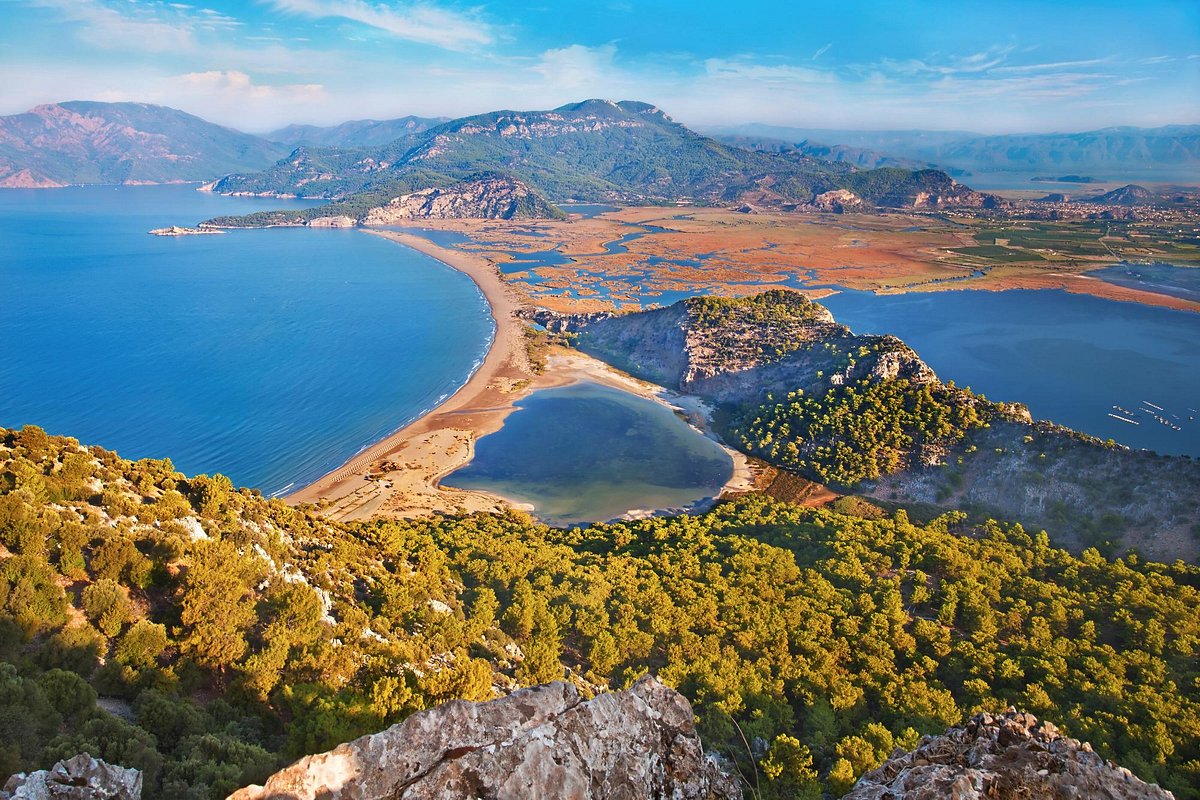
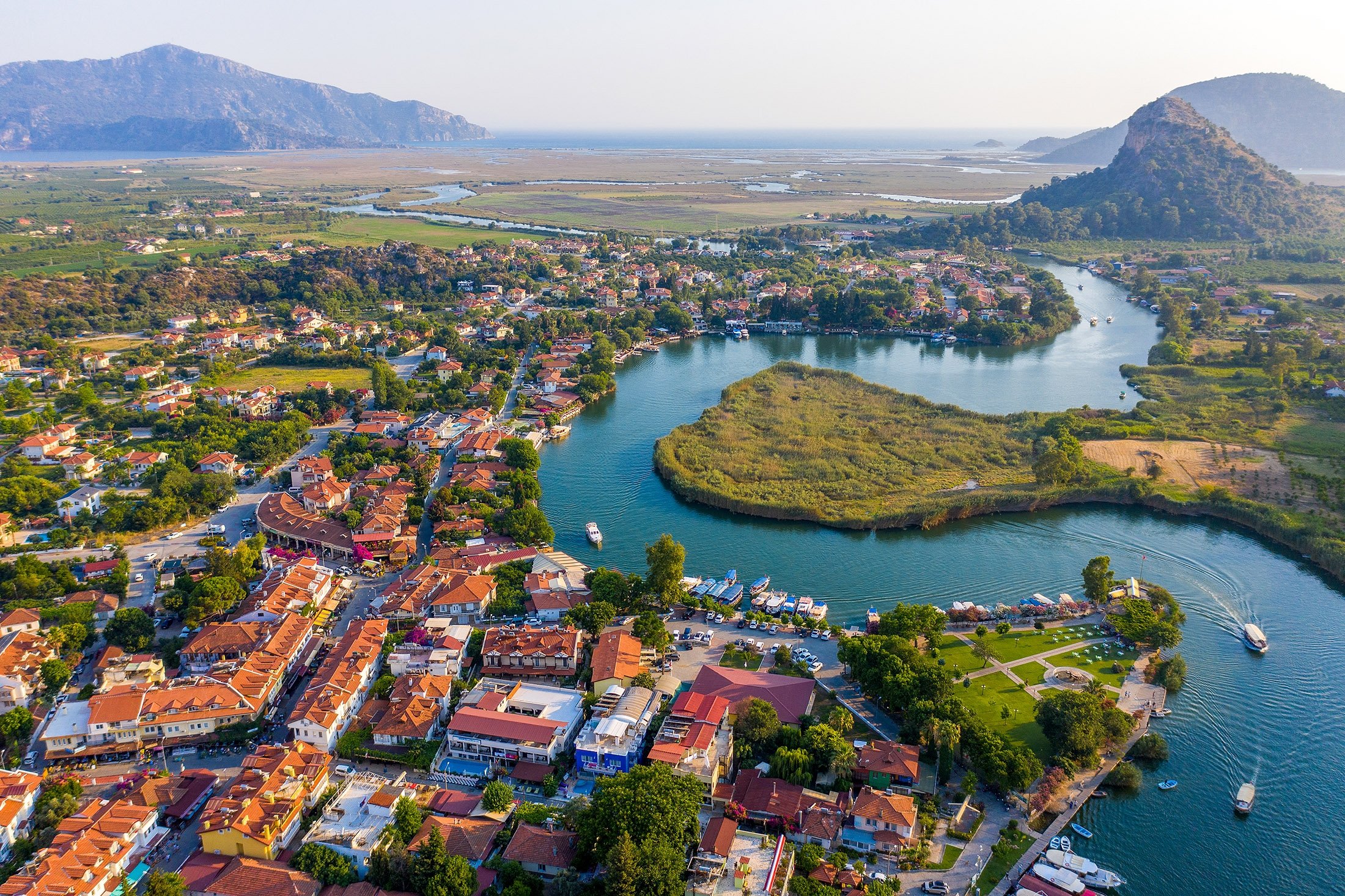
We were struck down with the dreaded lurgy over the festive period and it just went on and on. What’s a boy to do when he’s at his lowest ebb, snot-wise, and he needs to perk up the pansies? Book a holiday of course. And the holiday we booked is to Dalyan in southwest Turkey. We plan a week of R&R with a bit of sightseeing and beach-bumming thrown into the mix.

We all know about last month’s catastrophic earthquakes, which flattened large swathes of Turkey and Syria, killing tens of thousands. It’s truly heartbreaking. We got a small taste of it when we lived in Bodrum. It was just a minor tremor, no damage done, but it still sent us fleeing into the courtyard.

The recent disaster will put some people off visiting Turkey but I hope not too many. The last thing the country needs right now is yet another blow to the economy. As most tourist businesses are family-owned, it’s the ordinary folk who suffer the most.

The situation is desperate and will remain so for a long time to come. If you’d like to help, please give what you can. It all makes a difference. There are plenty of appeals out there to choose from. Here’s one in the UK:

Disasters Emergency Committee

On a lighter note, Dalyan is a long way from the disaster zone. This is how I described it in Postcards from the Ege, a tongue in cheek guide book I wrote many moons ago:

“Back in the day, Dalyan was a quaint and sleepy village on the banks of the Dalyan River. The town first hit the headlines in the mid-eighties when an international campaign successfully defeated a plan to develop the nearby Iztuzu Beach where endangered loggerhead turtles famously lay their eggs. Turtles and tourism now co-exist (just). The soft, white sand is well worth a visit but take a packed lunch, slap on total sunblock and don’t step on the eggs. You don’t want to be responsible for wiping out an entire species.”

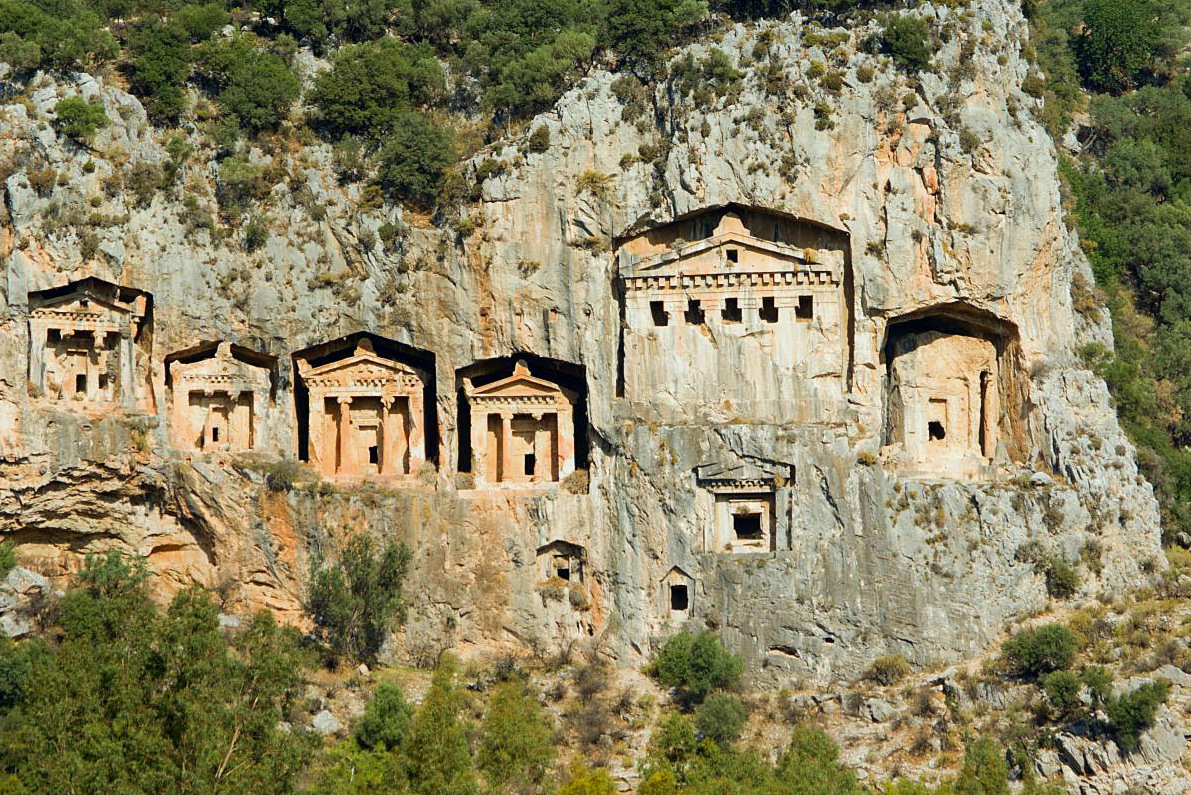
And the nearby ruins of Kaunos:

“Stuck in the bog of the Dalyan river delta with a chronology dating back to the 9th century BC is Kaunos, a city lost in the vegetation for over 300 years. Originally a Carian settlement and now a UNESCO World Heritage site, the ruins are a jumble from different periods – Greek, Roman and Byzantine. Kaunos was a regional seaport of some note. However, like Ephesus, the silting of the harbour left the city high and dry and sealed its fate. The site is best reached by small boat from nearby Dalyan. You’ll gently put-put through the crystal-clear river past majestic reed beds belly dancing in the breeze. Today, the city is appreciated as much for the prolific wildlife as it is for the scattered stones. Also, as with Miletos, the surrounding swamp is particularly popular with holidaying mosquitoes. The city was finally abandoned in the 15th century following a malaria epidemic. You’ve been warned.”
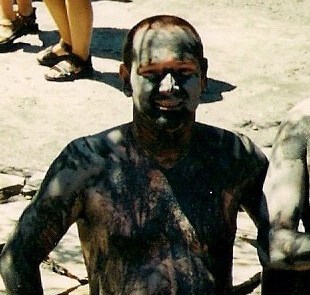
The last time I was in Dalyan was over 25 years ago. I can’t wait to dip my toes in the warm waters of the Aegean again. I might even persuade Liam to take in a mud bath with me in a vain attempt to regain our long lost youth. Yes, this was me back in 1997. It didn’t work then either.
Inevitably, the resort will have changed but I hope not too much. I’ll keep you posted.
Postcard from Bulgaria

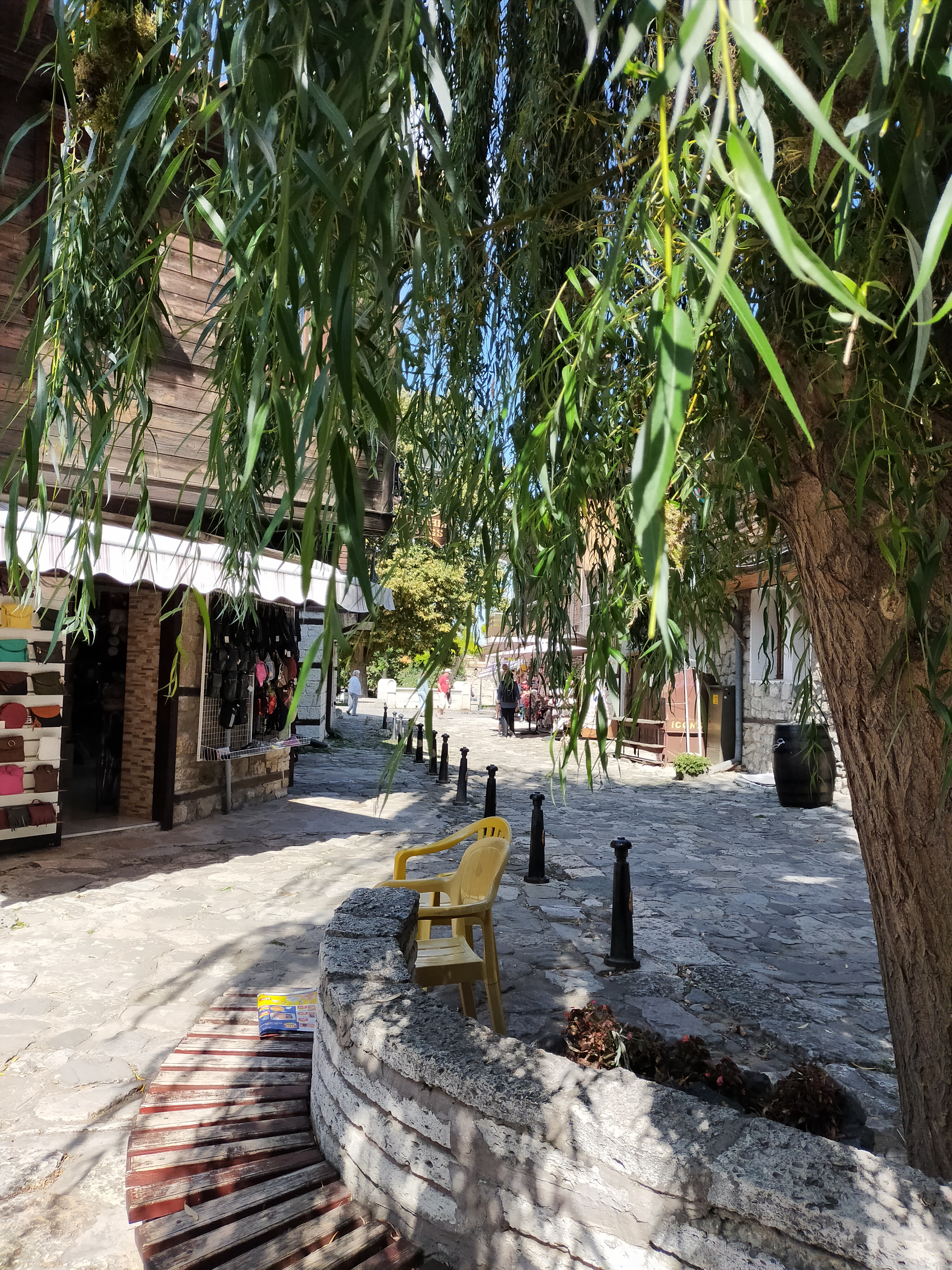
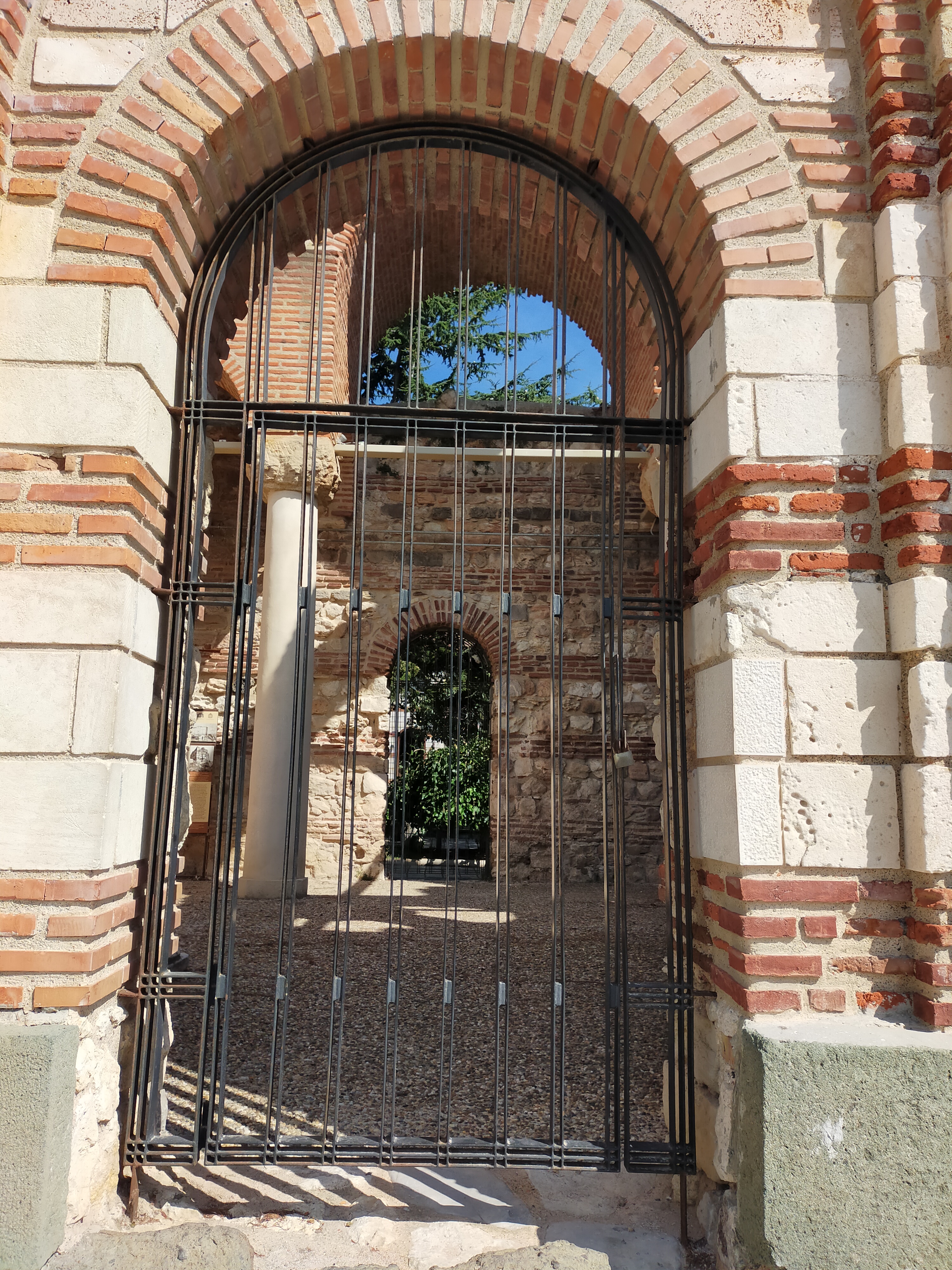
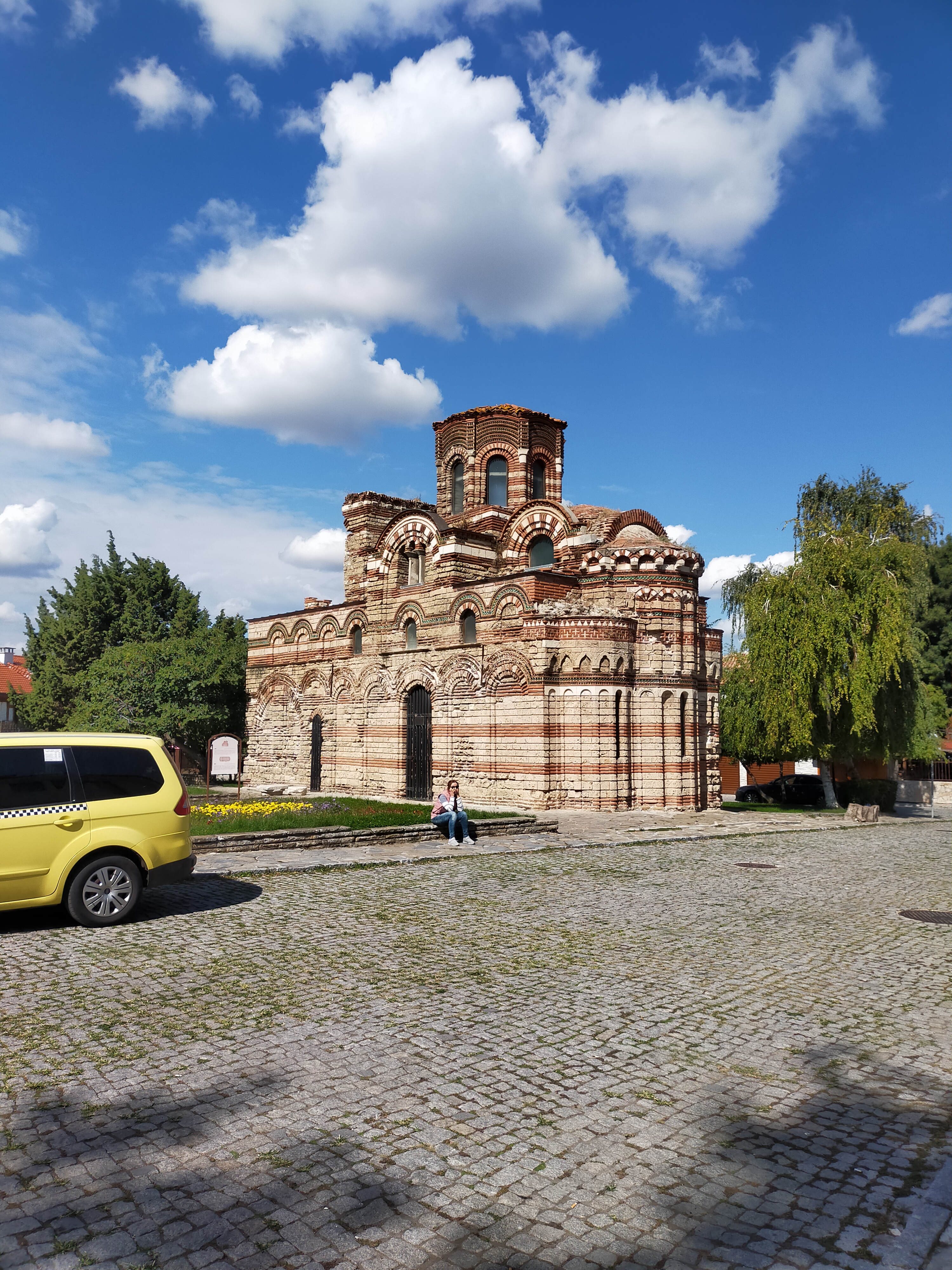
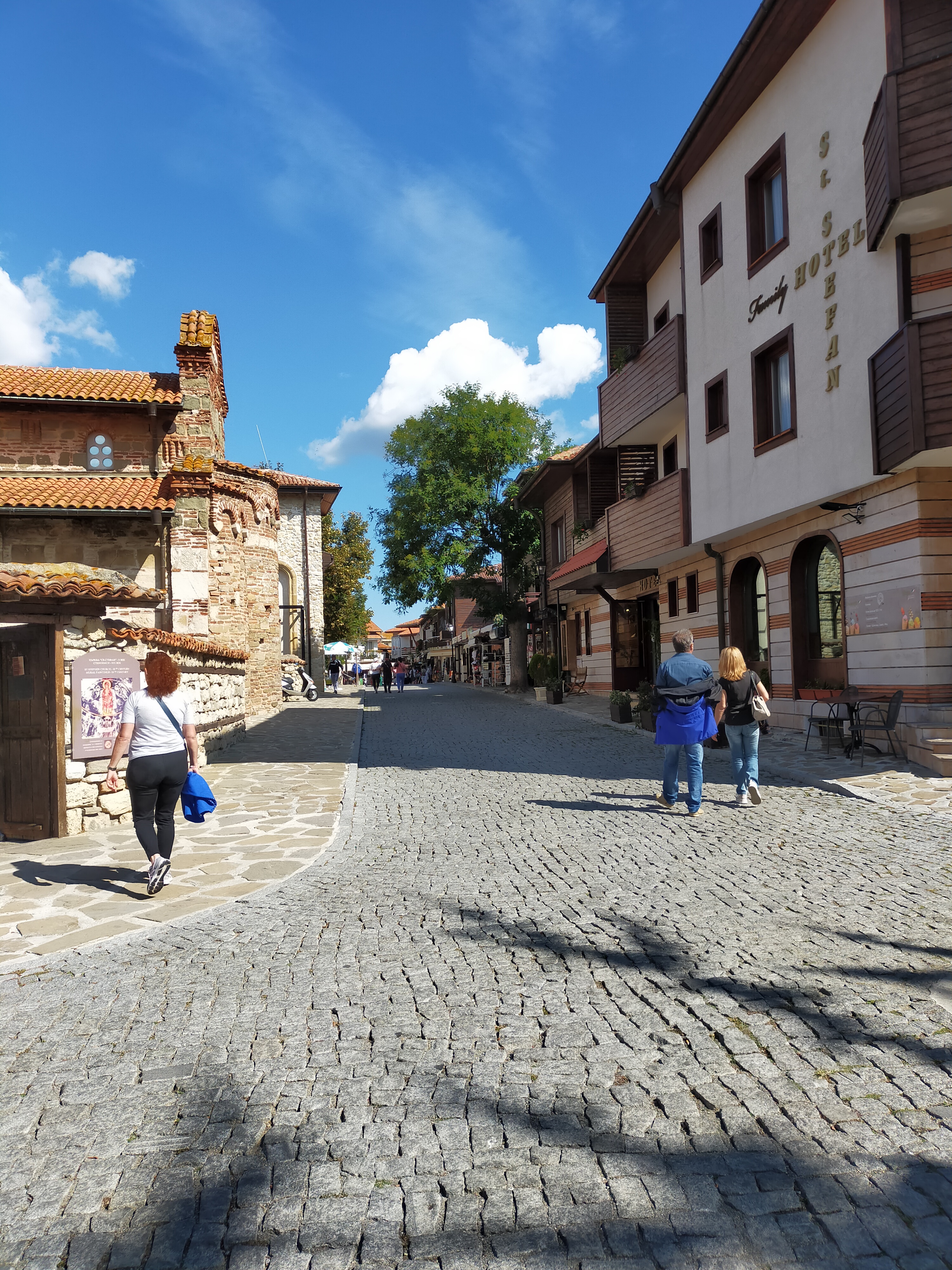
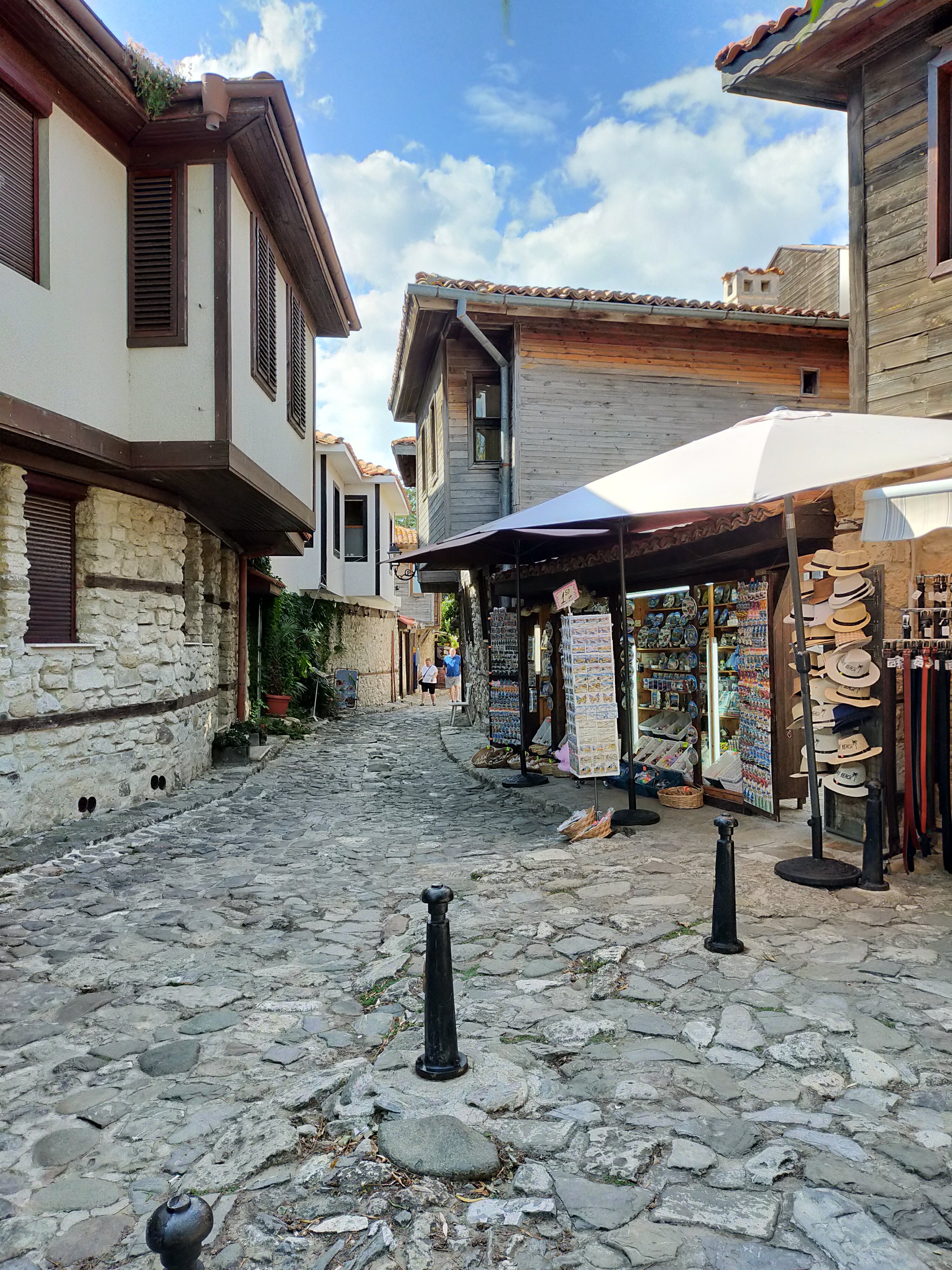
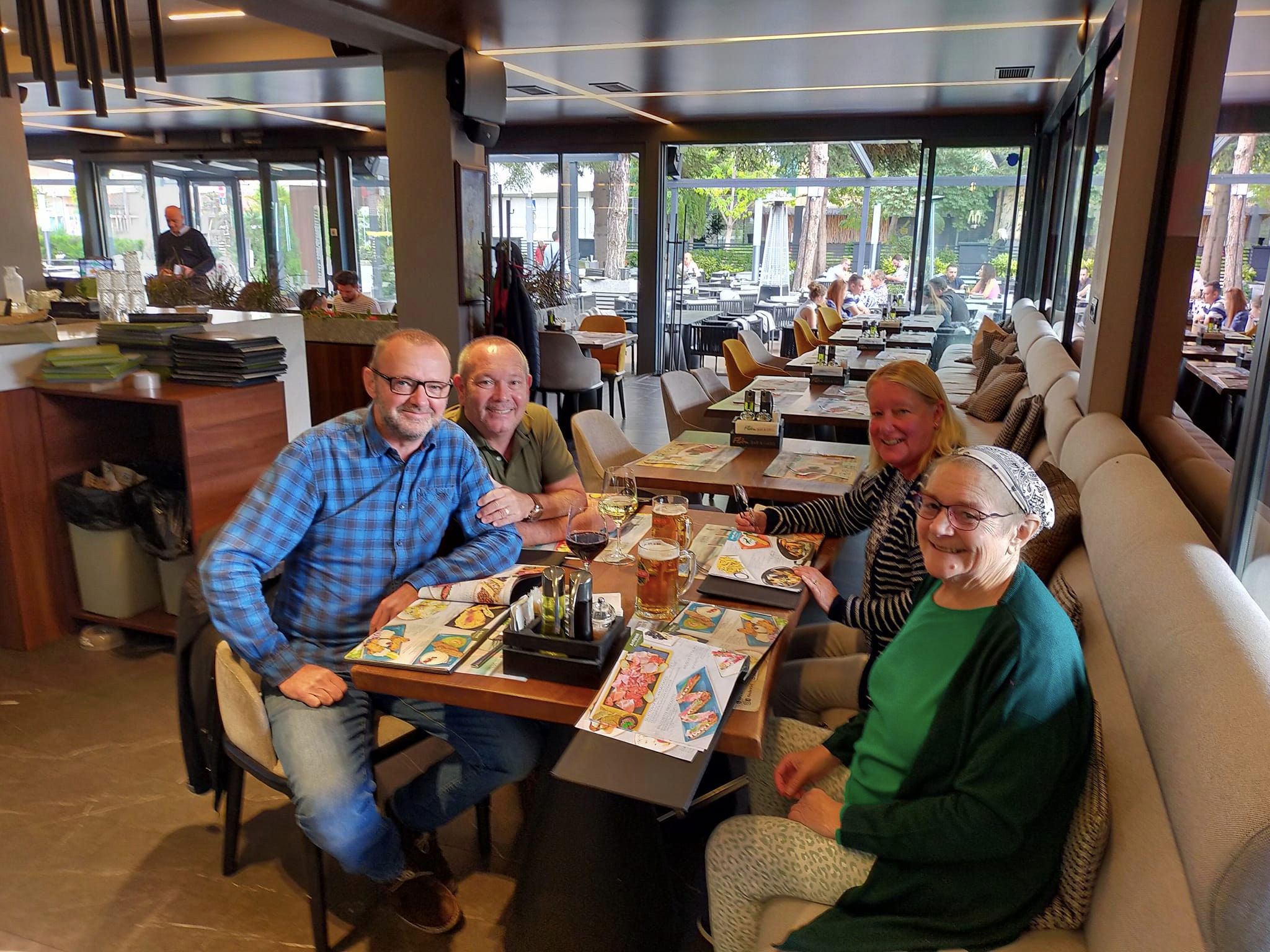
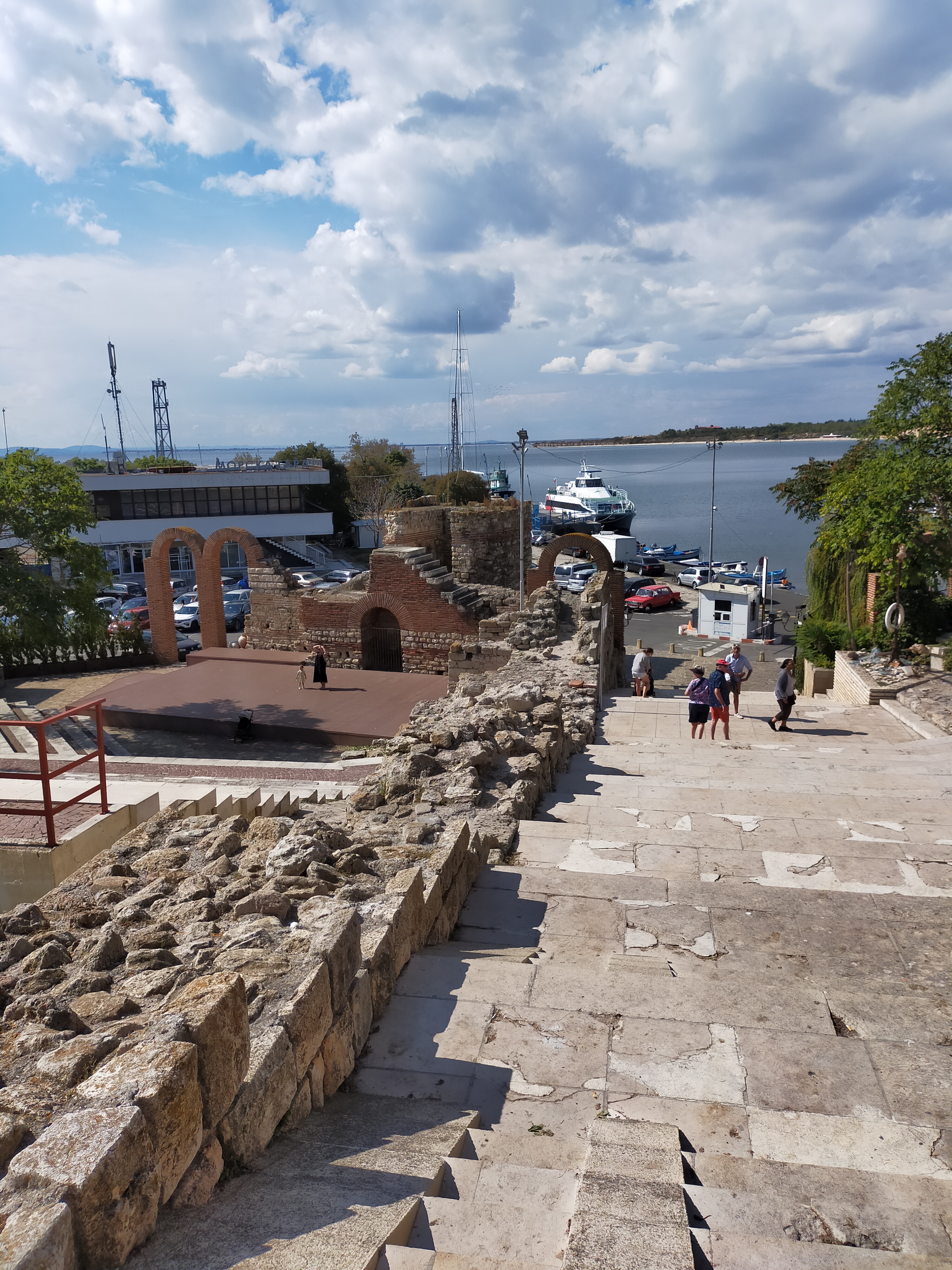
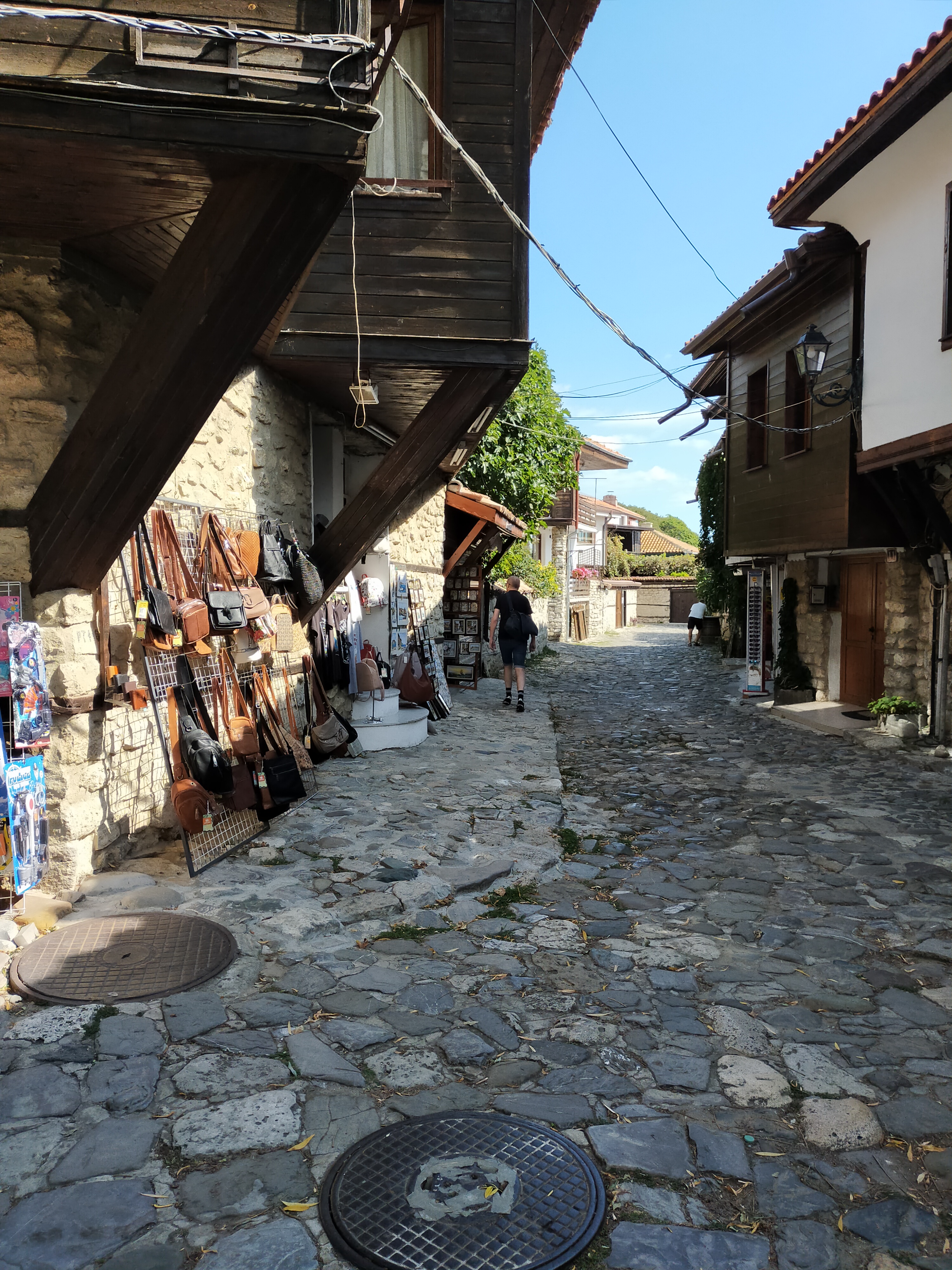
We got the hot gossip washed down with Bulgarian plonk we were hoping for. But that didn’t mean our entire trip was a non-stop booze-fest. In between top-ups, we did manage to drink in a bit of culture too, with a gander round ancient Nessebar, a pretty little town tumbling over a small Black Sea island joined to the mainland by a causeway. It’s full of old Orthodox churches and sprinkled with bars, cafés and places to browse for tourist tat and local handicrafts. The assault course of rough cobbled streets is charming but ladies and drag queens should leave the heels at home. Even the flat-shoed risk a snapped ankle.

Founded in the second millennium BC and originally a Thracian settlement called Mesembria, the town passed down the line to the ancient Greeks, Romans, Byzantines and Bulgars before eventually falling to the Ottomans in 1453. Our guidebook called this ‘the time of the Turkish enslavement’ – memories run very deep in the Balkans. Finally, Nessebar was incorporated into the new Bulgarian state in 1885.

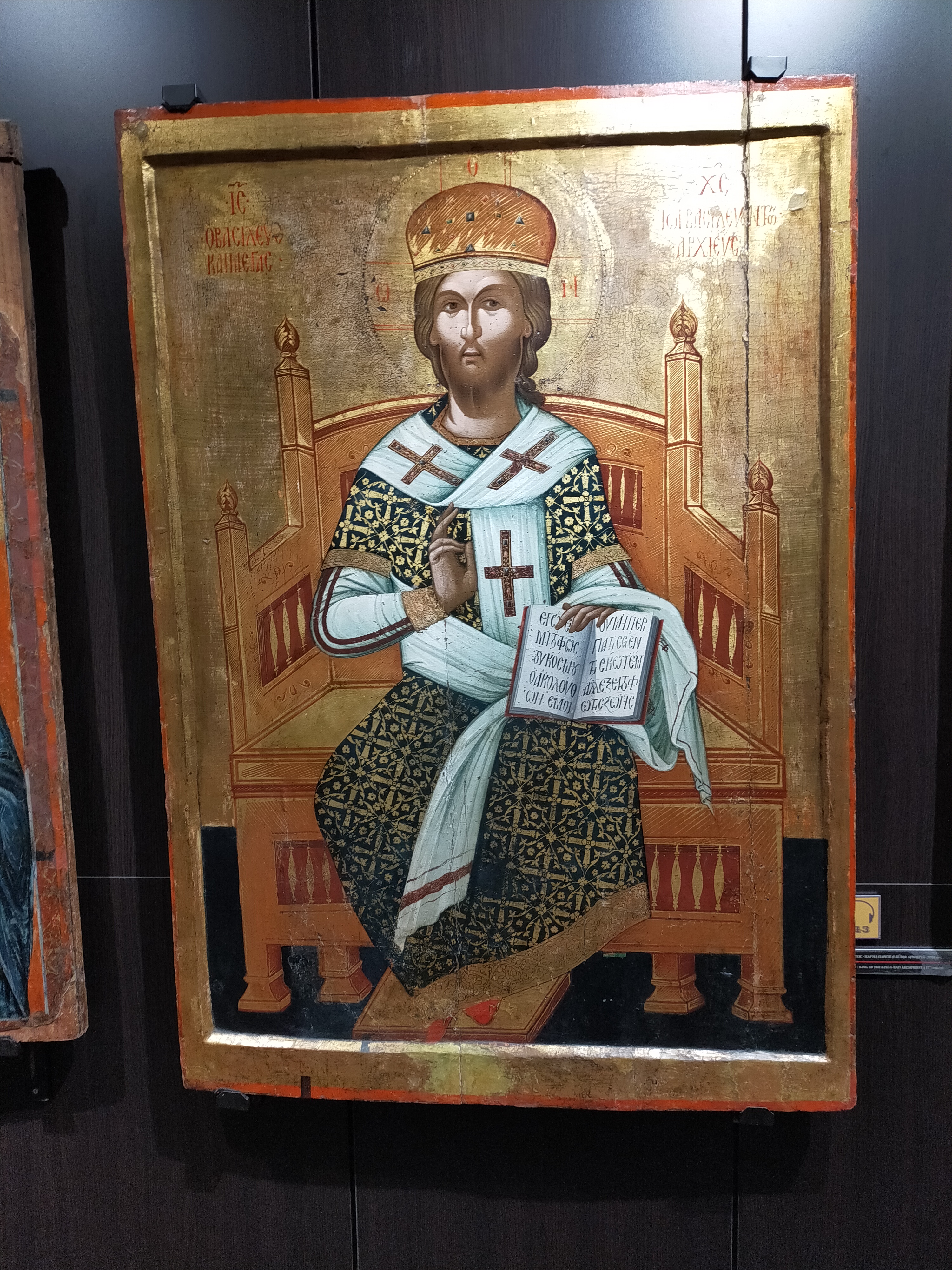
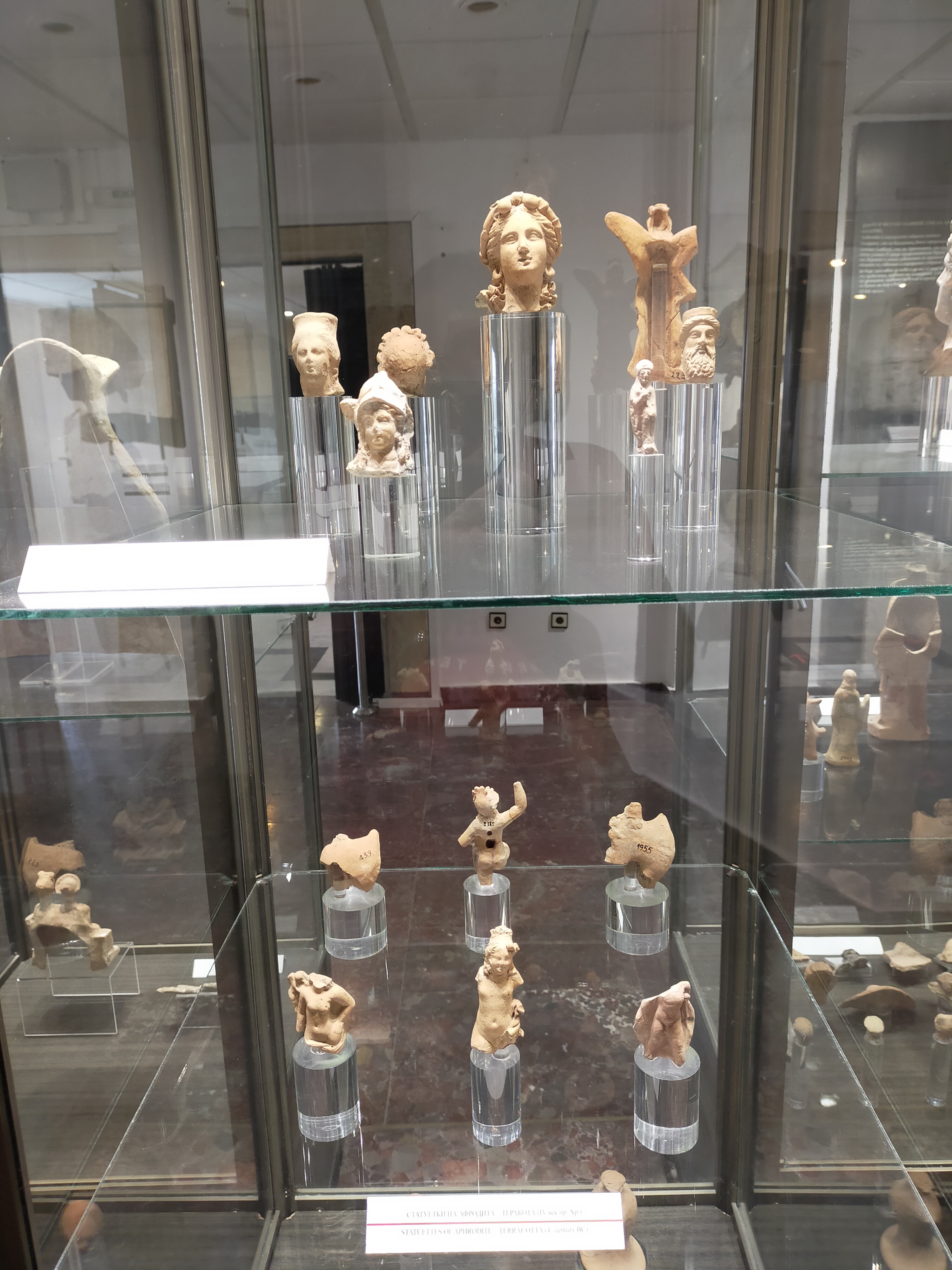
Nessebar has a small but impressive museum exhibiting artefacts from down the many ages. Fallen Catholic Liam loves a religious icon and started to hyperventilate when we stumbled across a room full of ’em.

Thank you to our lovely landladies for putting us up and putting up with us – you know who you are!

Bulgaria Beckons

We’re parachuting into Bulgaria for a few days to catch up with a couple of former Bodrum Belles from our Turkey days. They upped sticks and left Turkey soon after we did. Whereas we washed up in Norfolk, they continued their foreign escapades by pitching their tent in old Bulgaria. It’s pastures new for us – though I did make it as far as Transylvania on a school trip back in the day – so we can’t wait. We’re expecting hot gossip washed down with copious amounts of cheap, full-bodied Bulgarian plonk. We were asked ‘red, white or any alcohol?’ We replied, ‘yes.’

So, until normal service resumes, here are some random summer images from the village.

Наздраве (naz-drah-veh). That’s ‘cheers’ in Bulgarian.

Postcard from Paxos

Postcard from Paxos

After flying into Corfu, we had some time to kill before our ferry to Paxos so we dropped off our suitcases at left luggage and went for a casual stroll around Corfu Town. Suddenly the skies darkened, the heavens opened and Mad Mother Nature threw a hissy fit with an instant snap, crackle and pop storm. And who can blame her? Caught completely off-guard, we and everyone around us rushed for cover to the nearest café. Our jovial host couldn’t believe his luck.

The storm passed as quickly as it had arrived and sun-kissed calm was quickly restored.

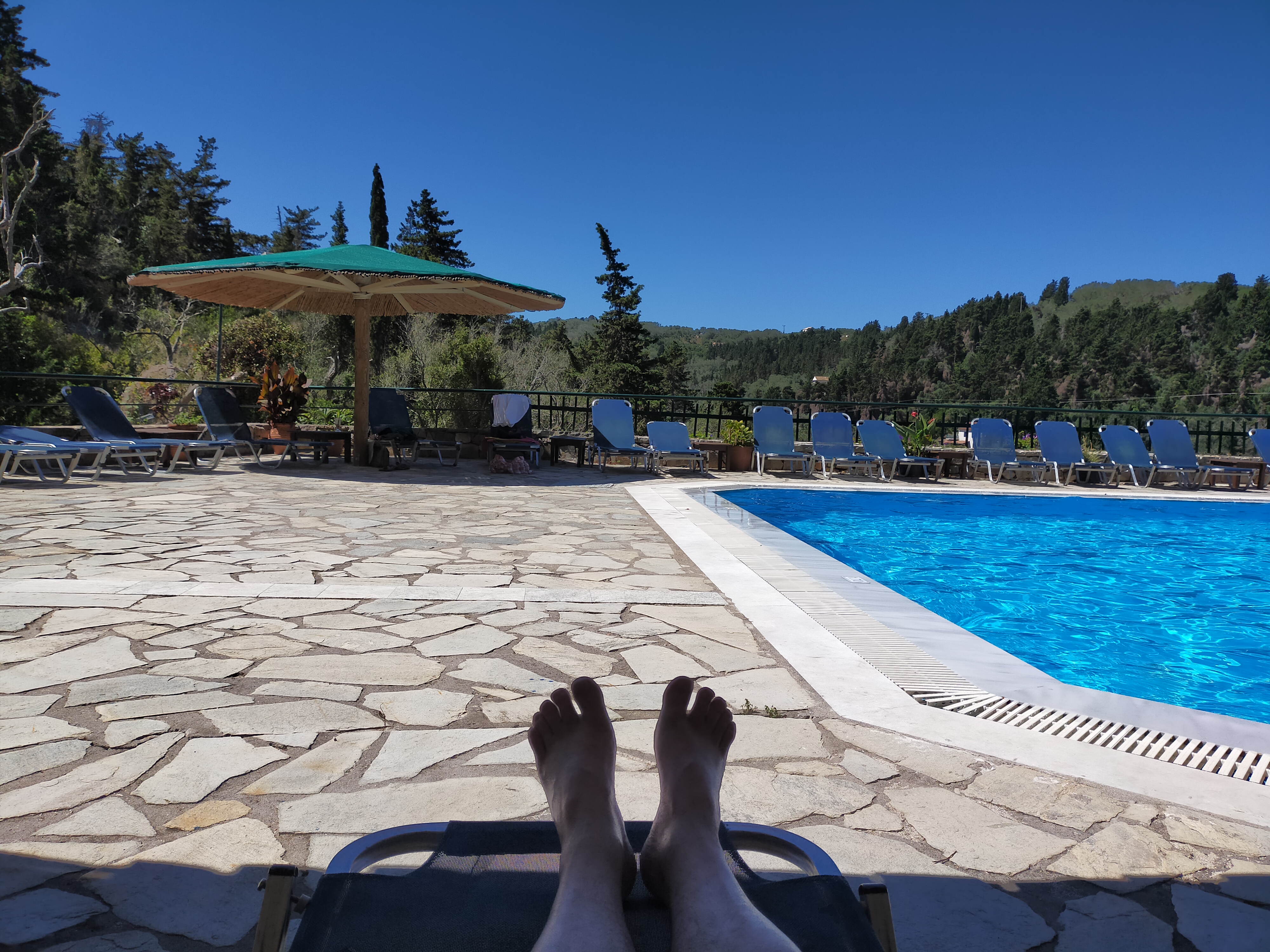
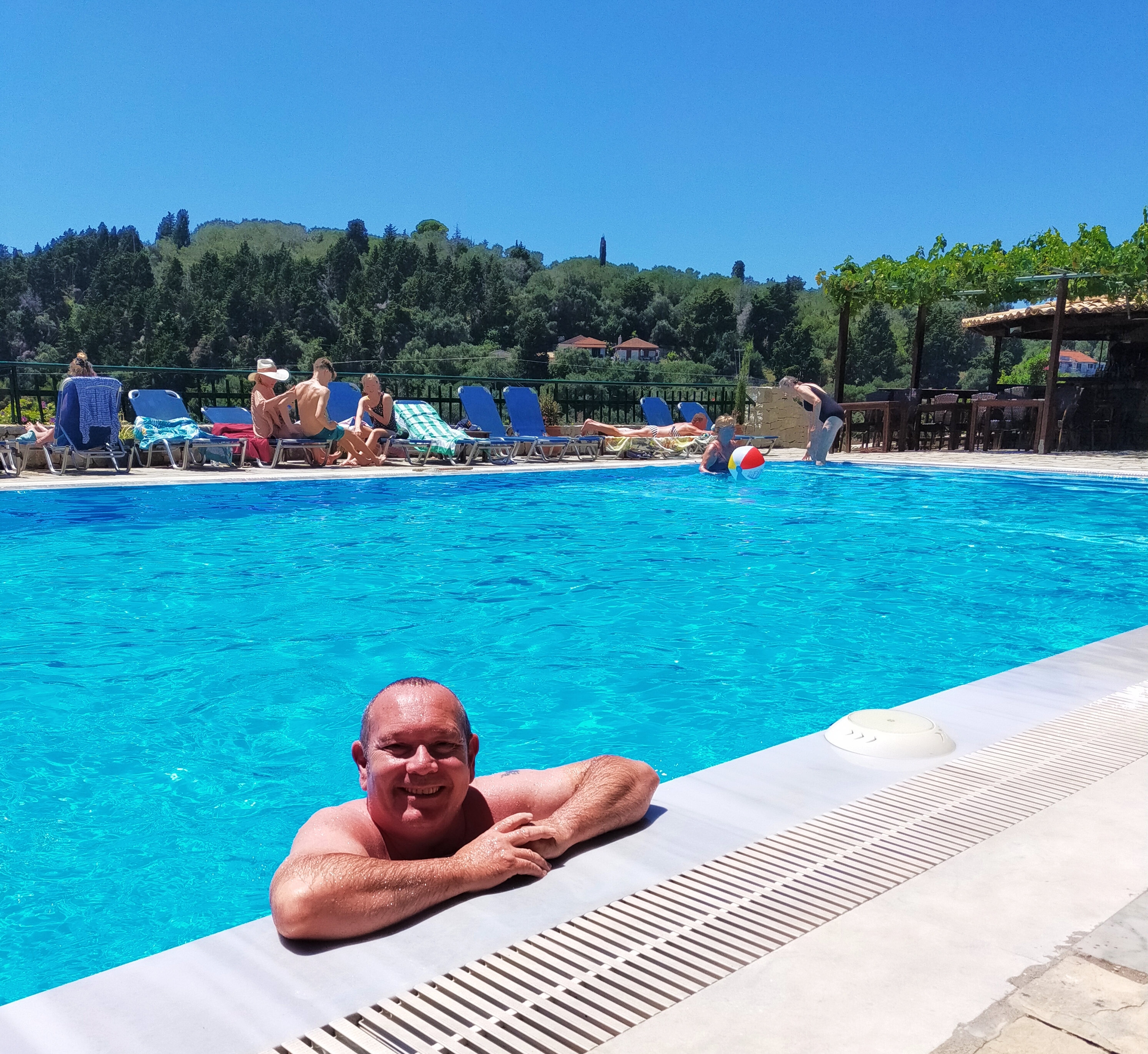
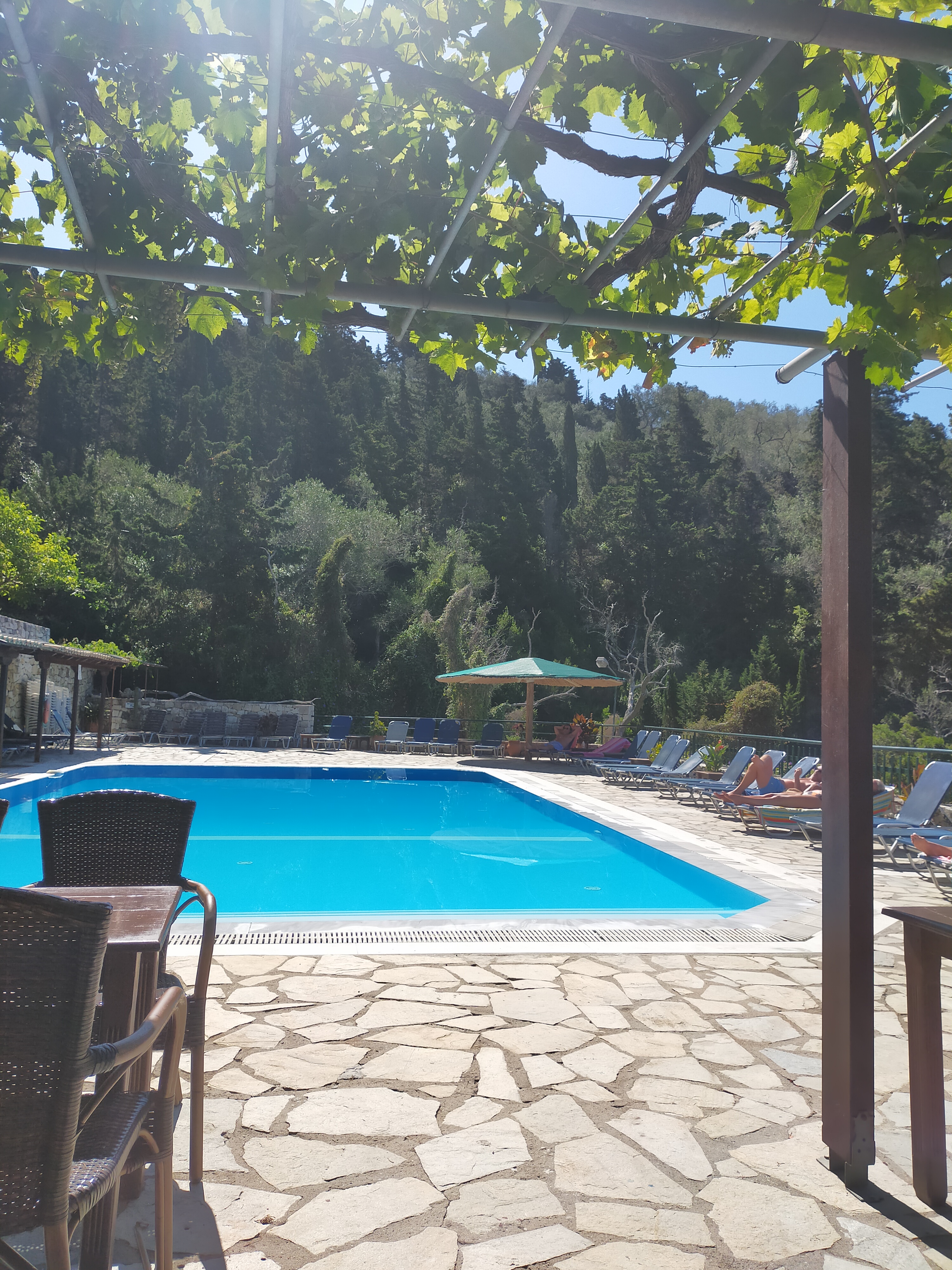
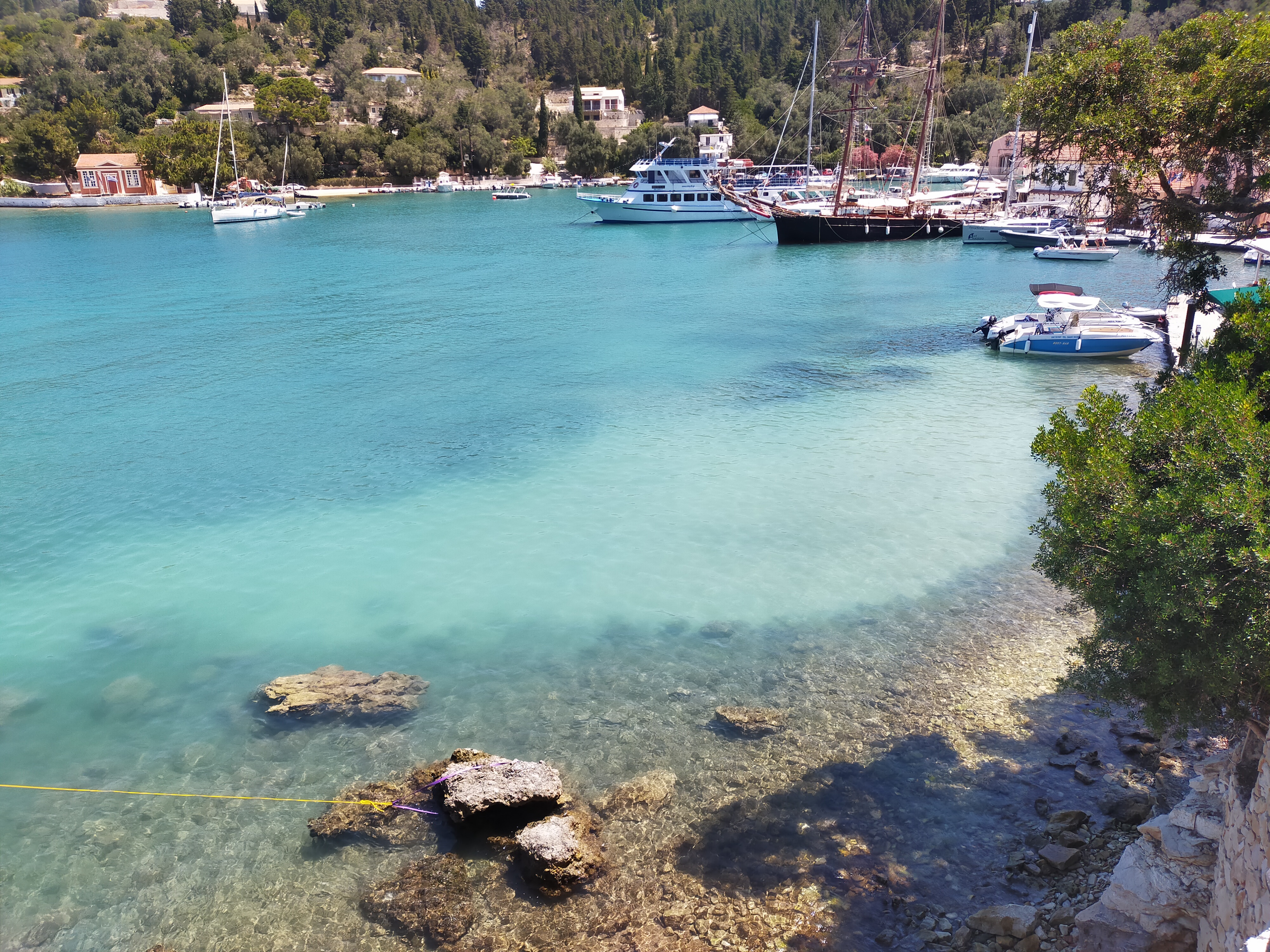
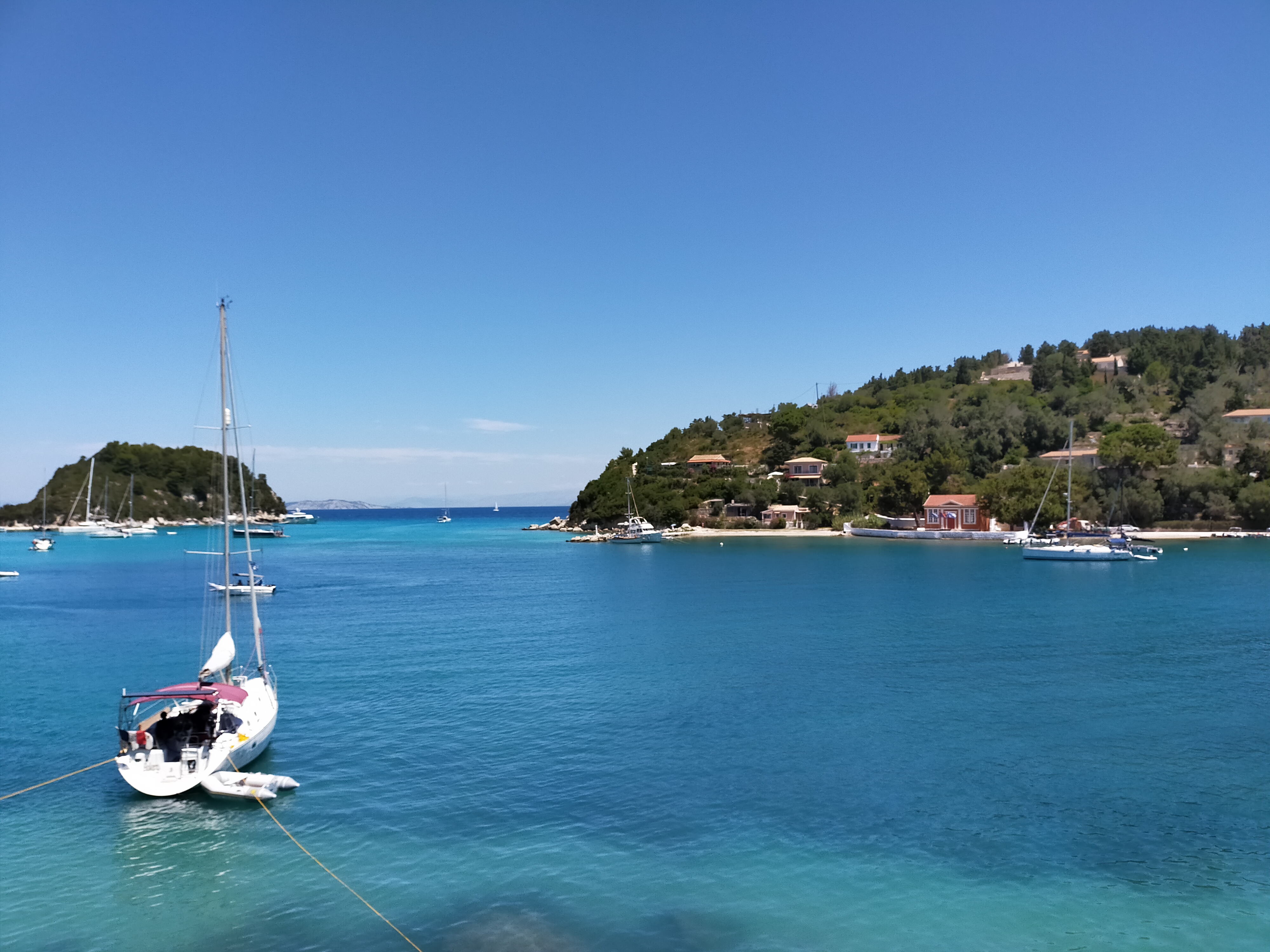
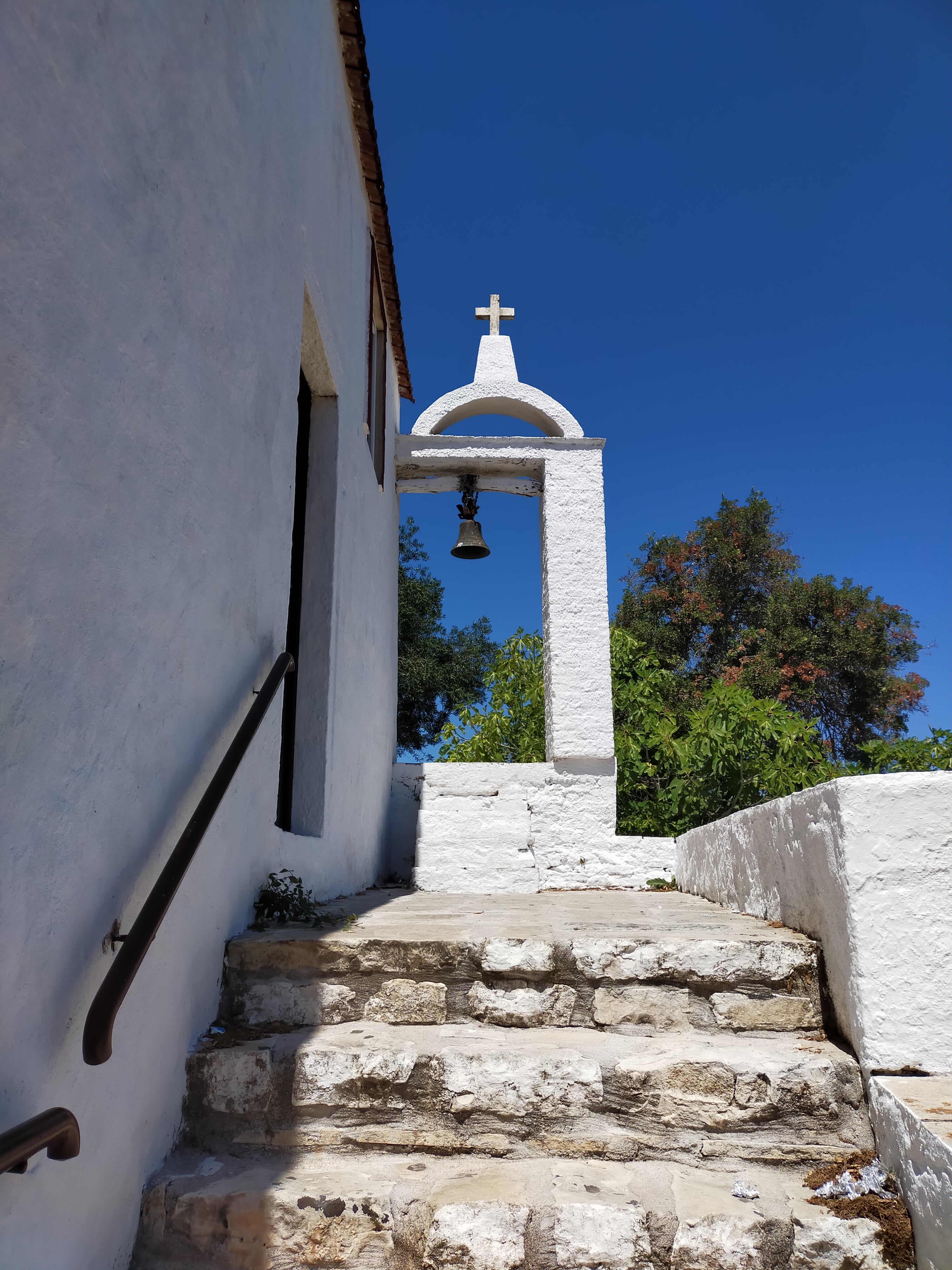
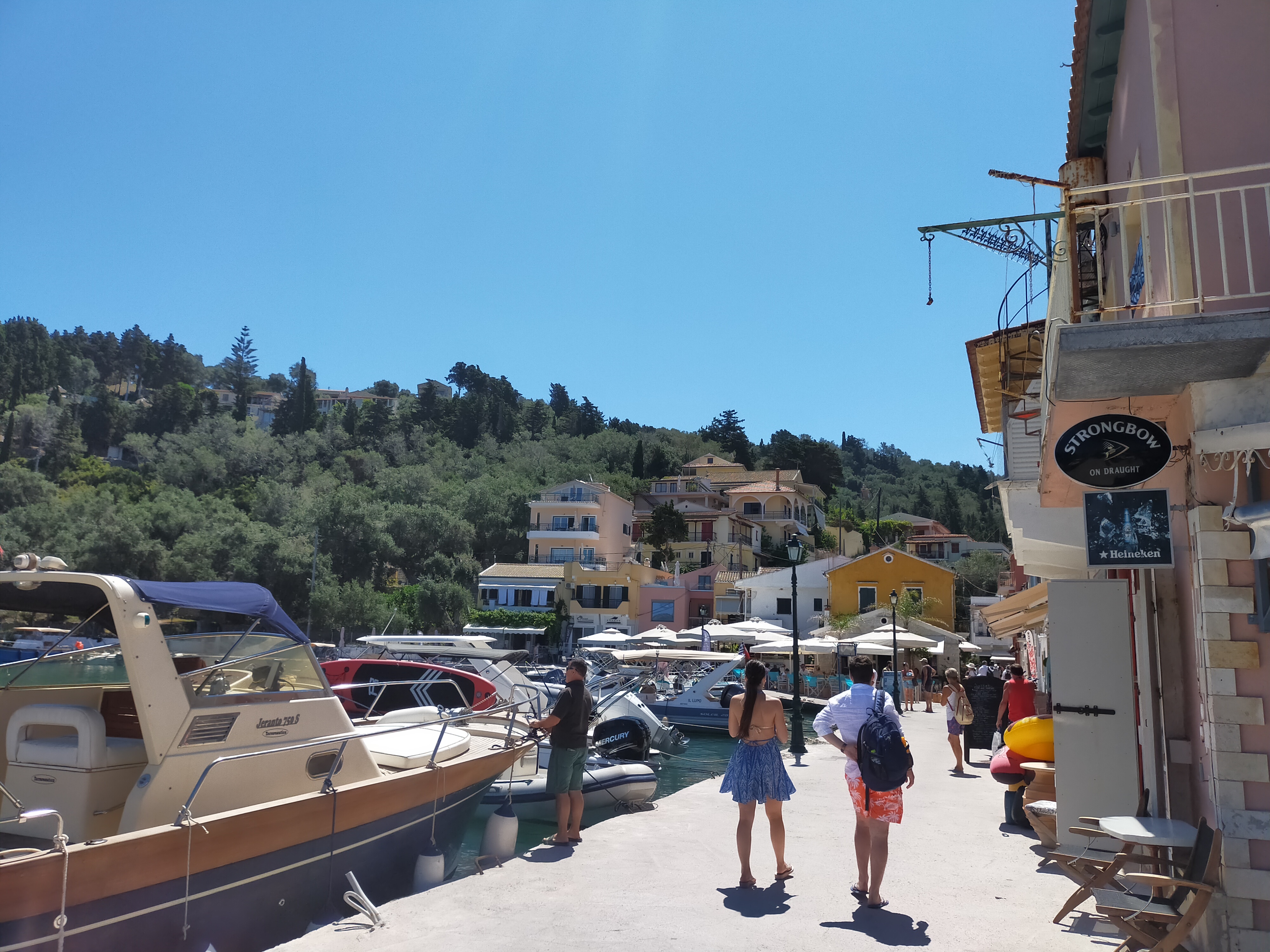
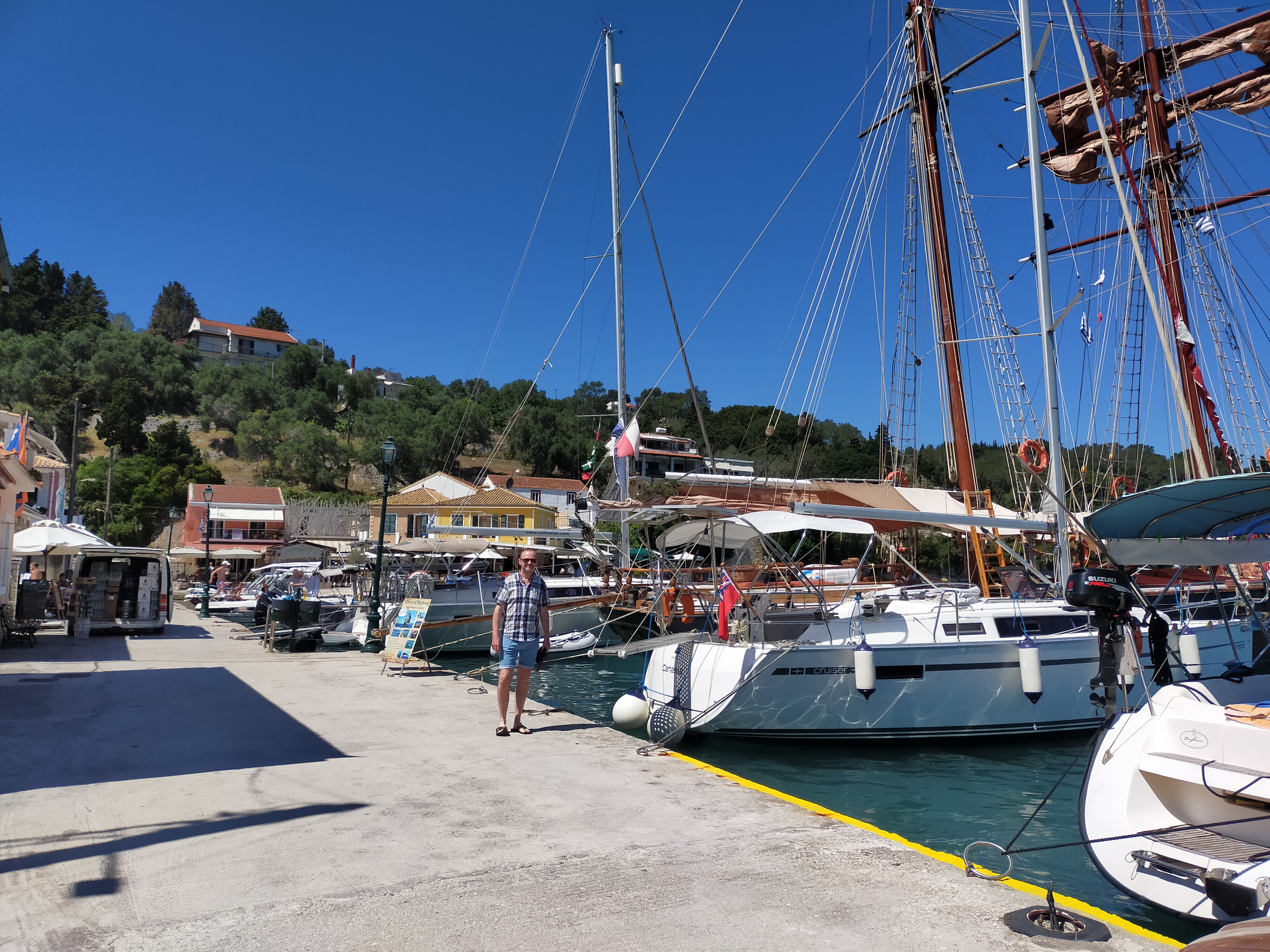
Three hours later we were in the village of Lakka, our home for our lazy week in nirvana. Our digs were typically Greek – squeaky clean but basic – with friendly staff, cheap local plonk and dodgy electrics. The pool, however, was a shimmering jewel surrounded by lush pine-clad hills, just the ticket for dossing and dipping.

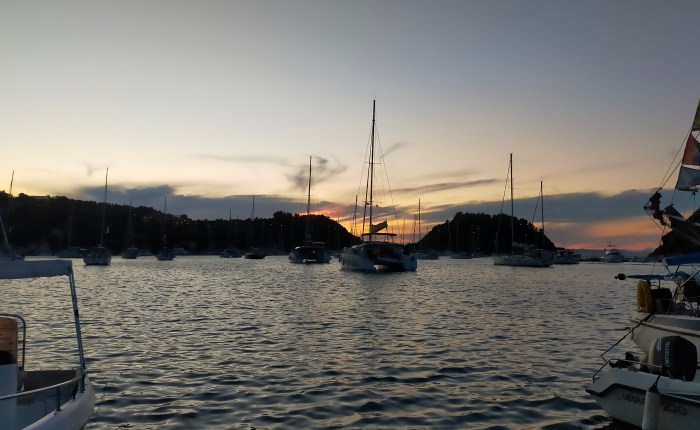
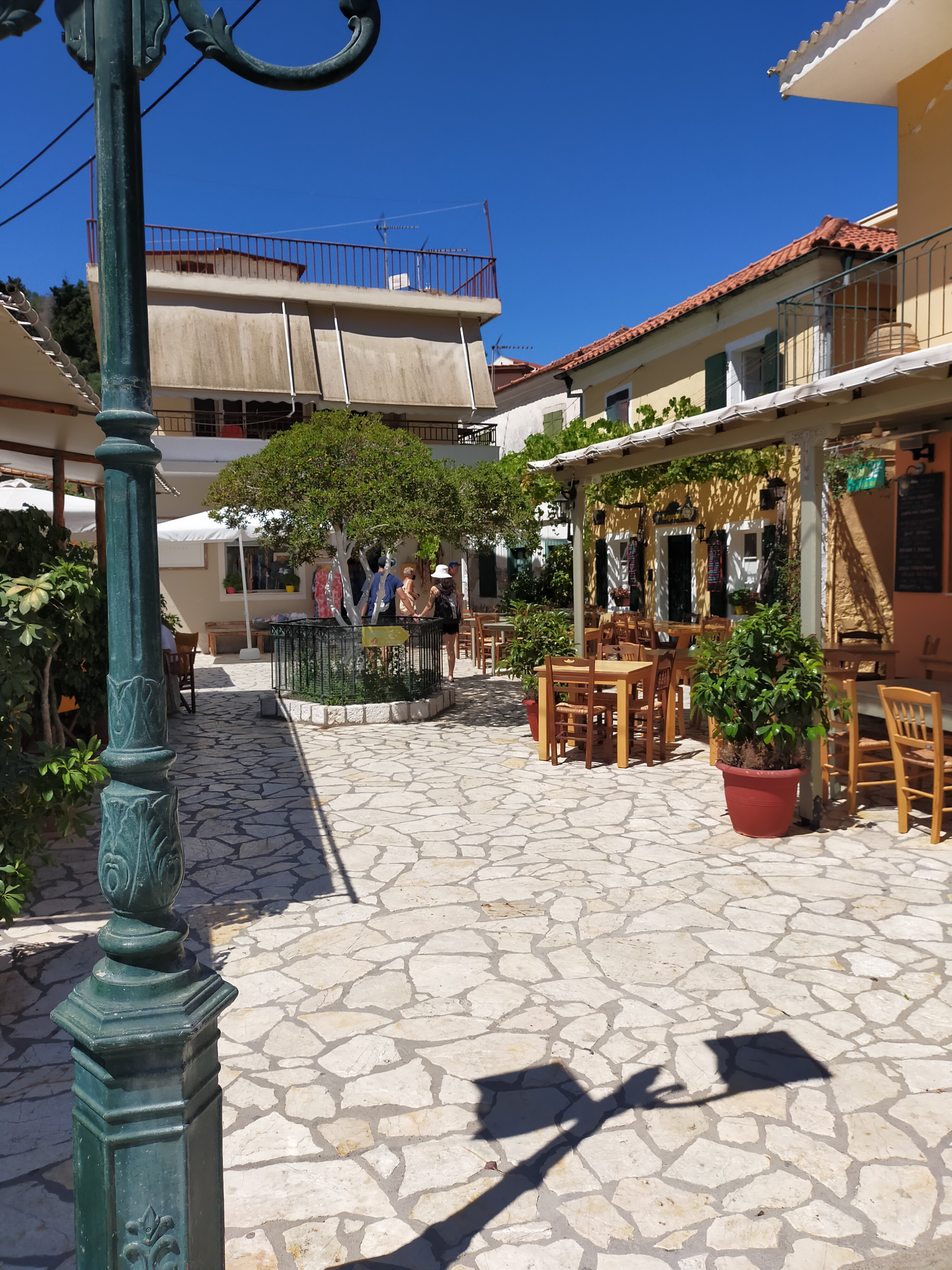
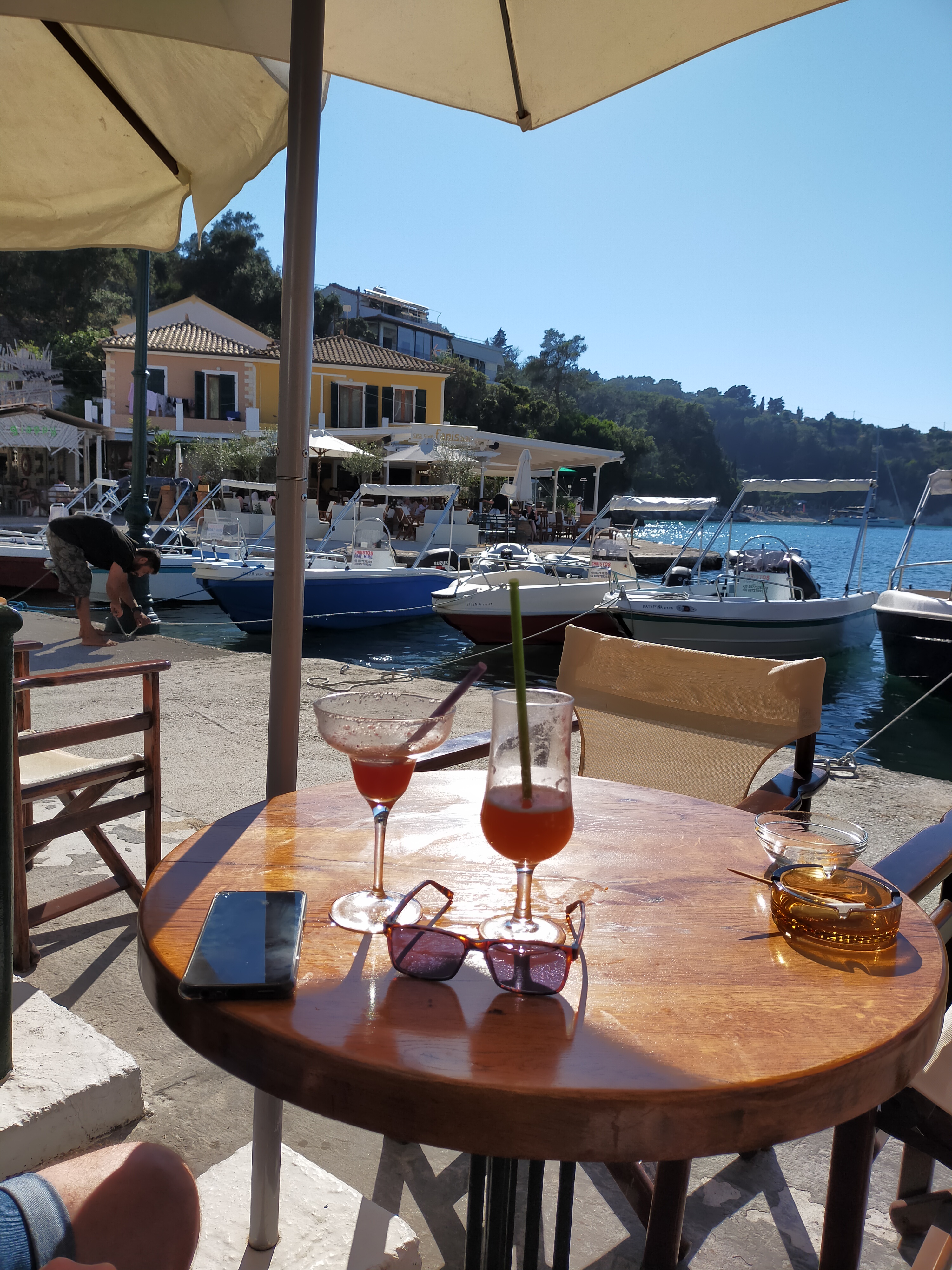
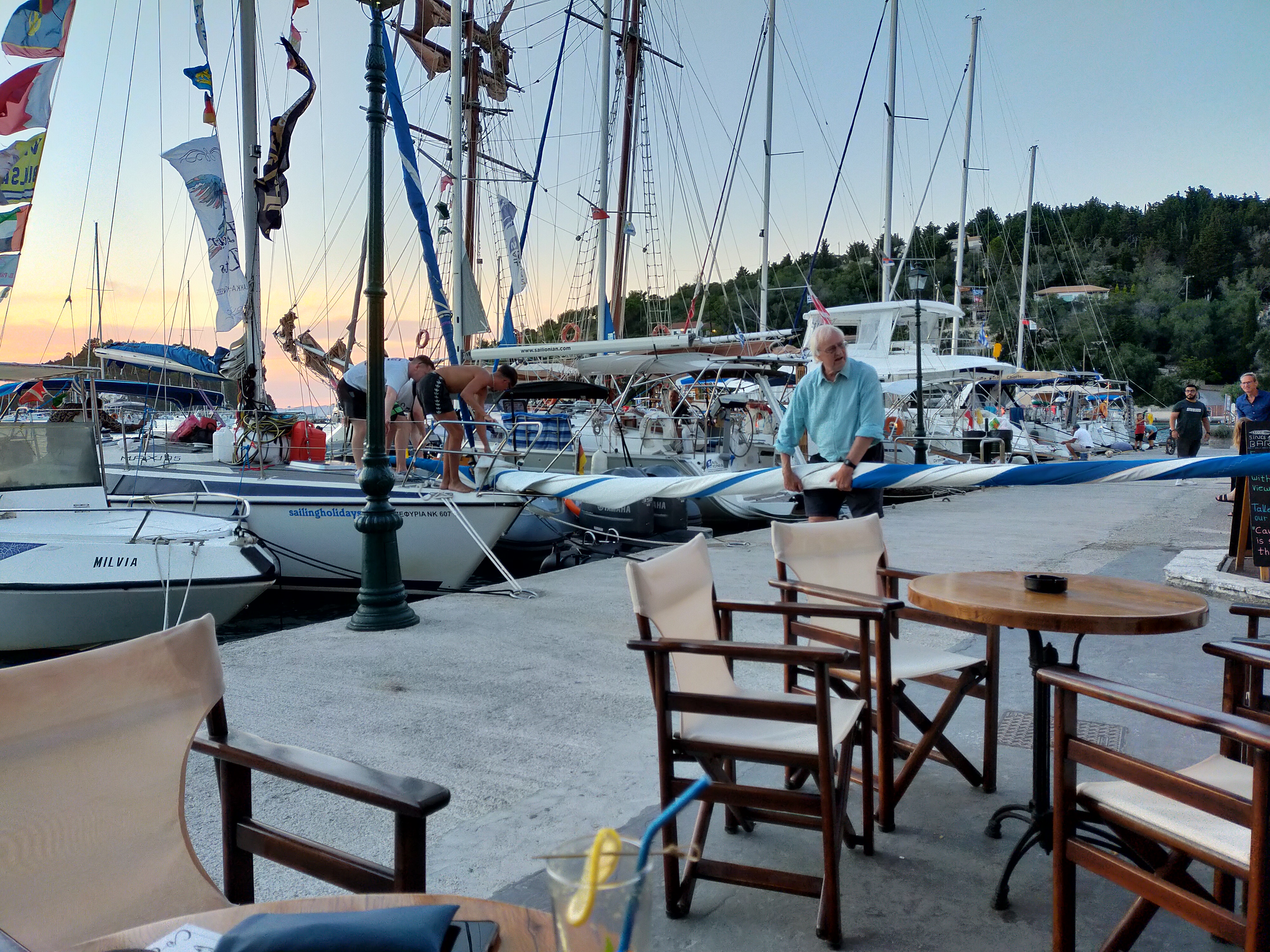
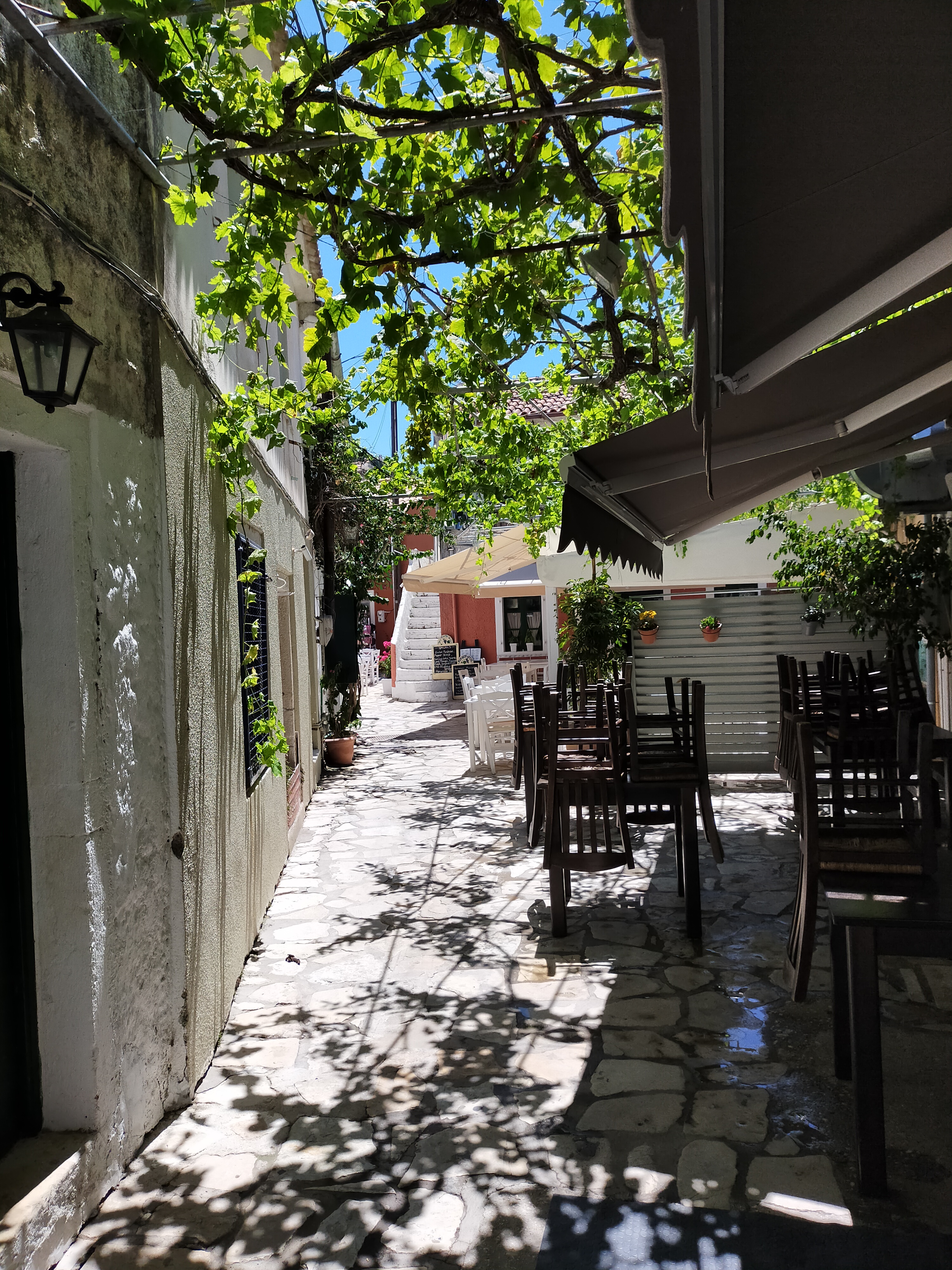
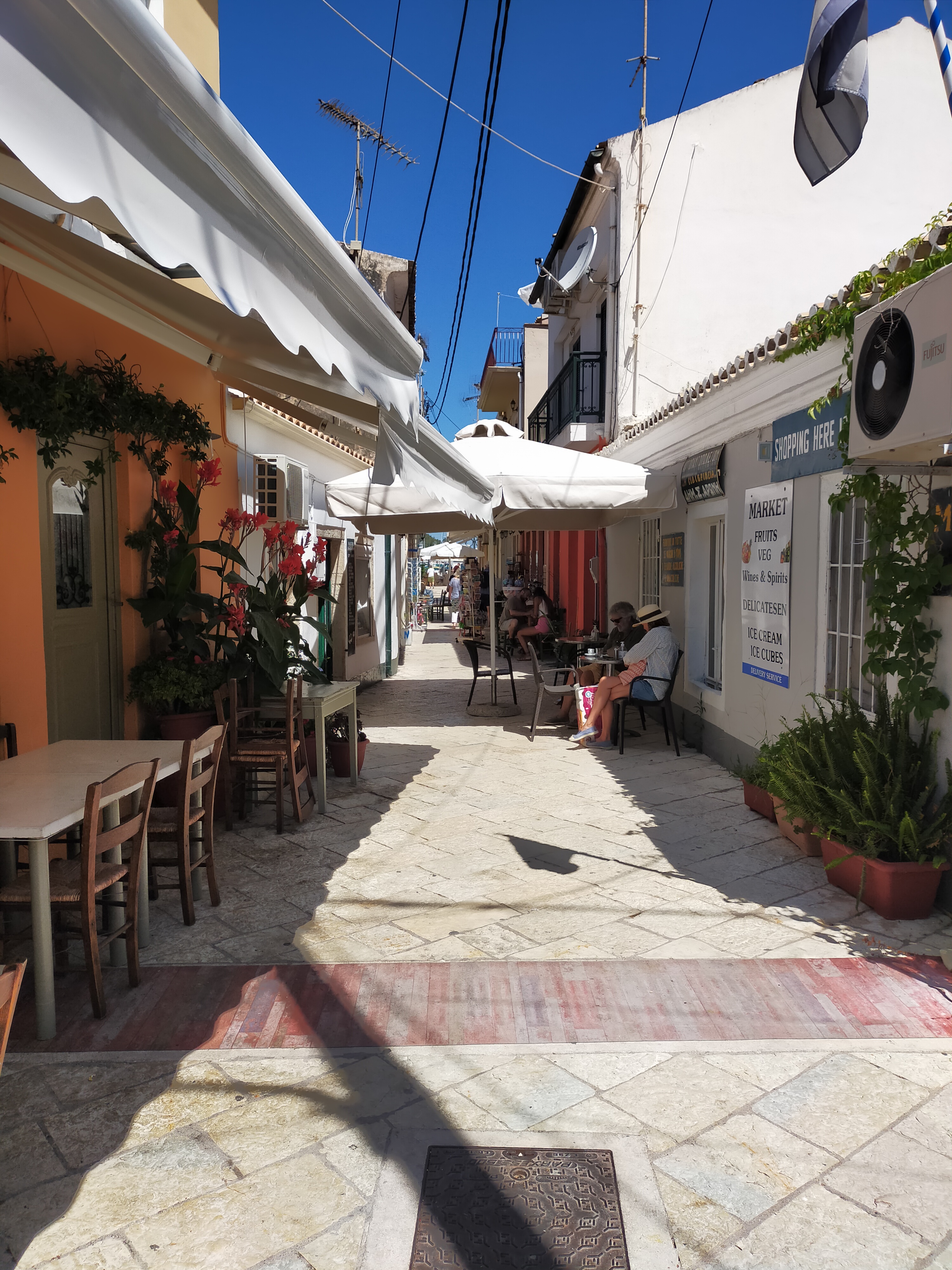
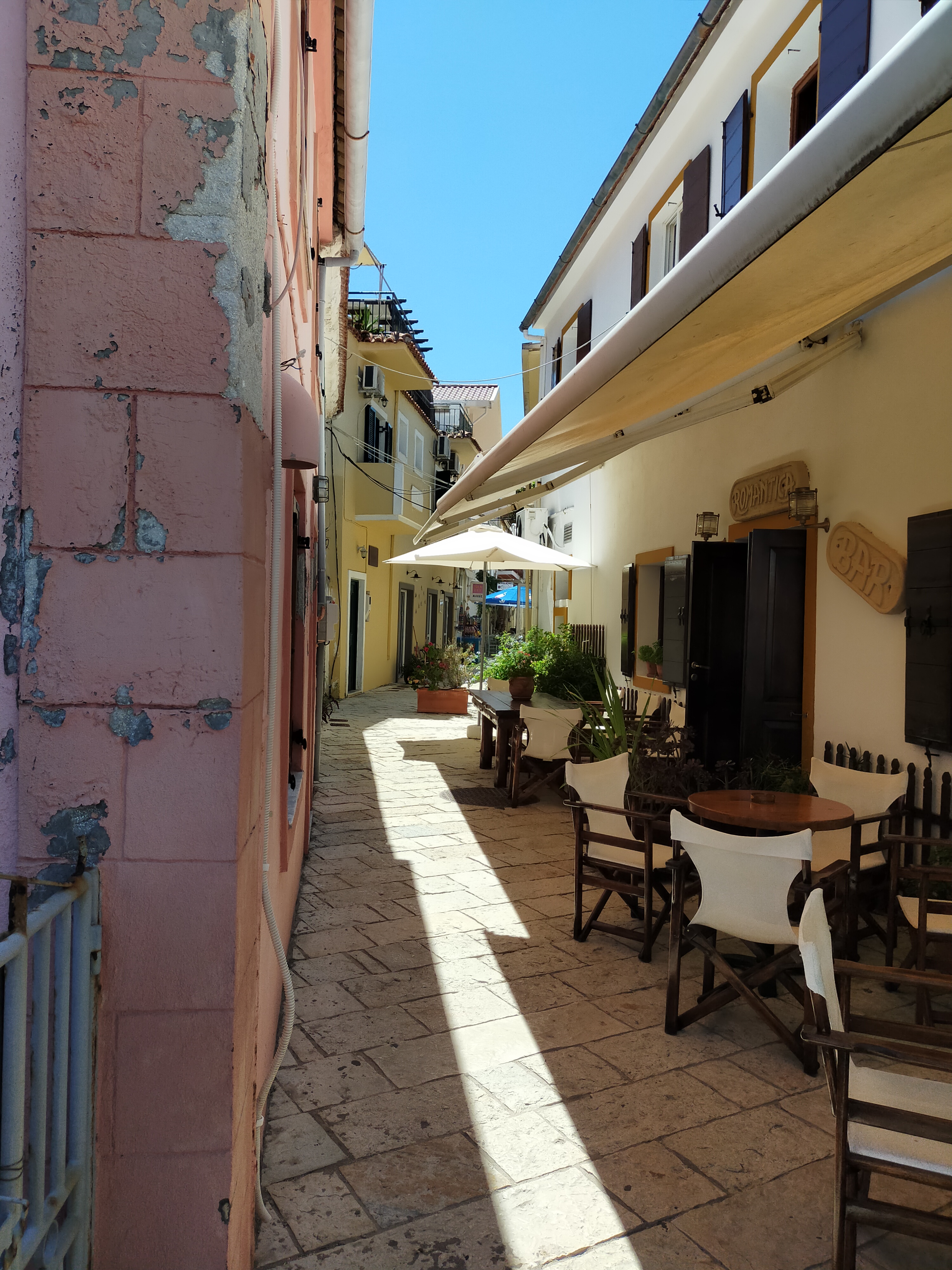
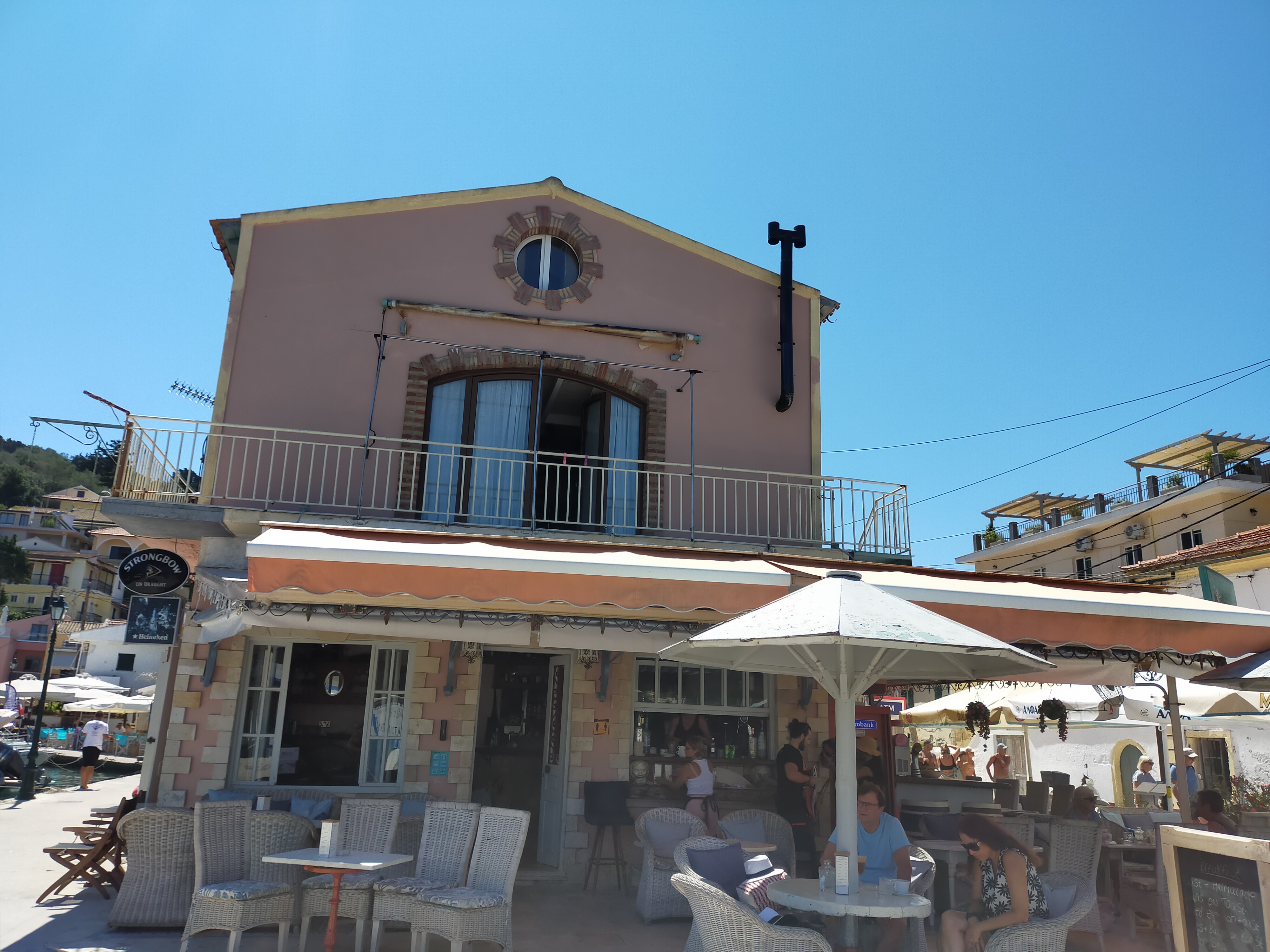
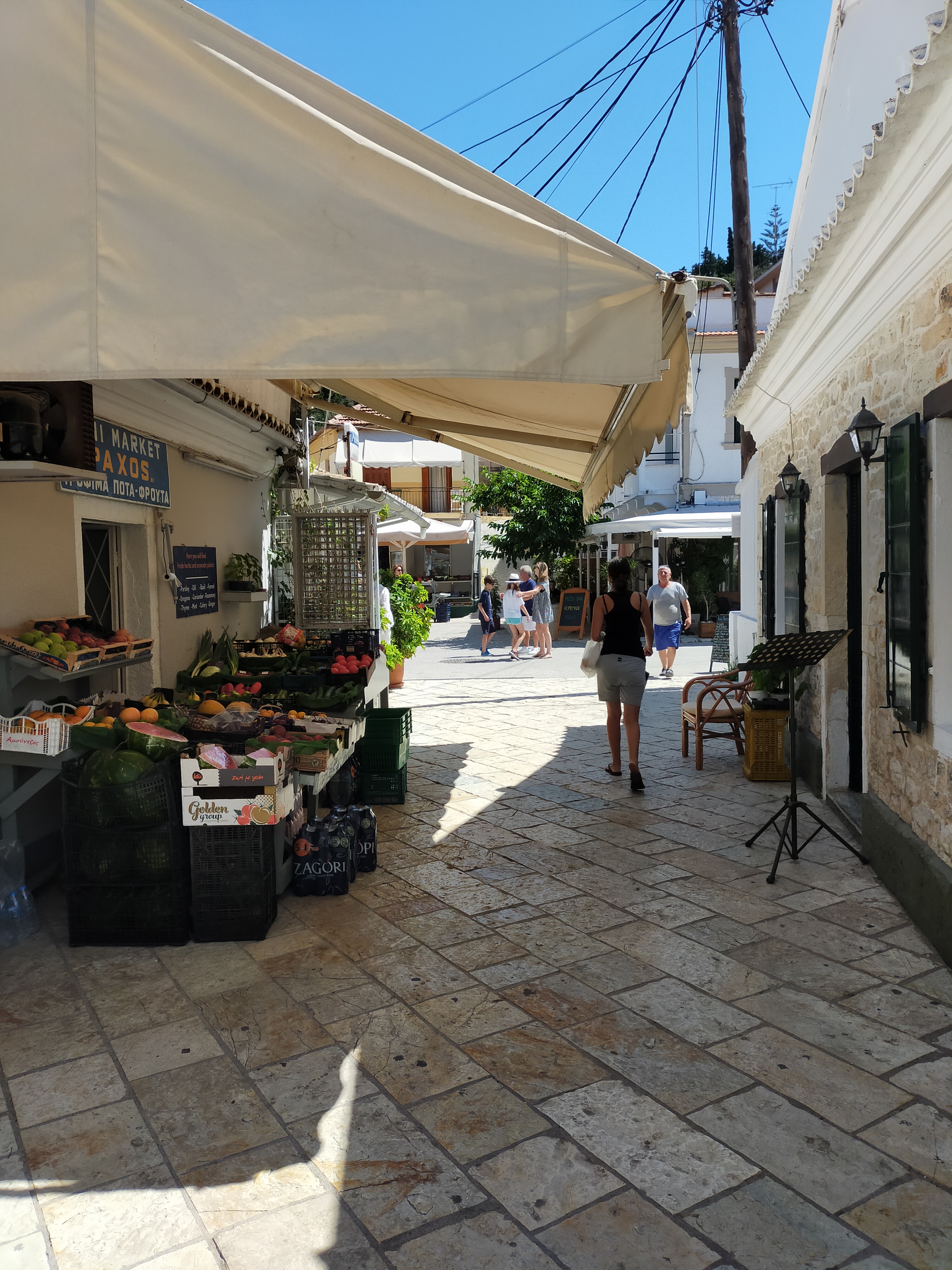
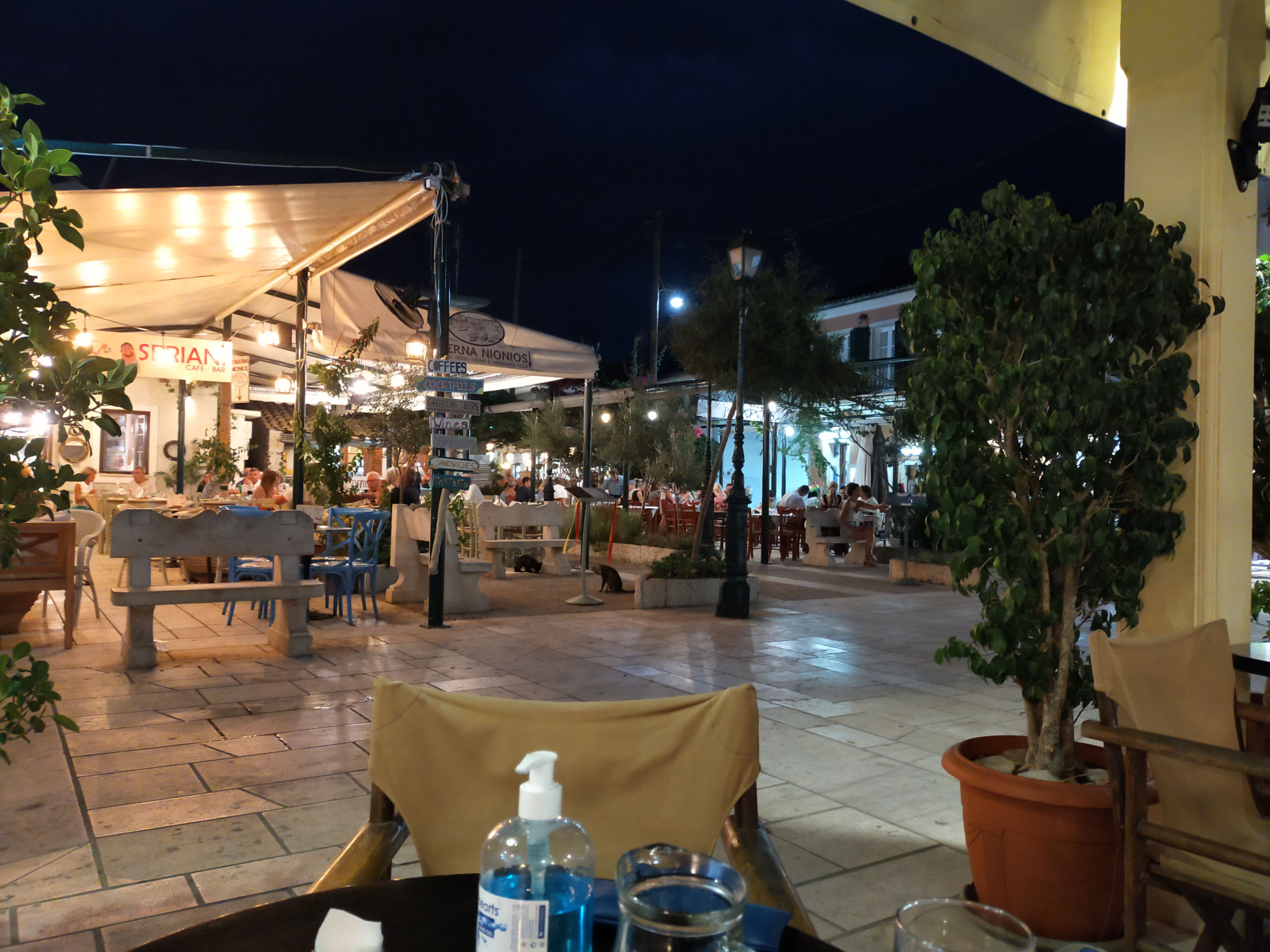
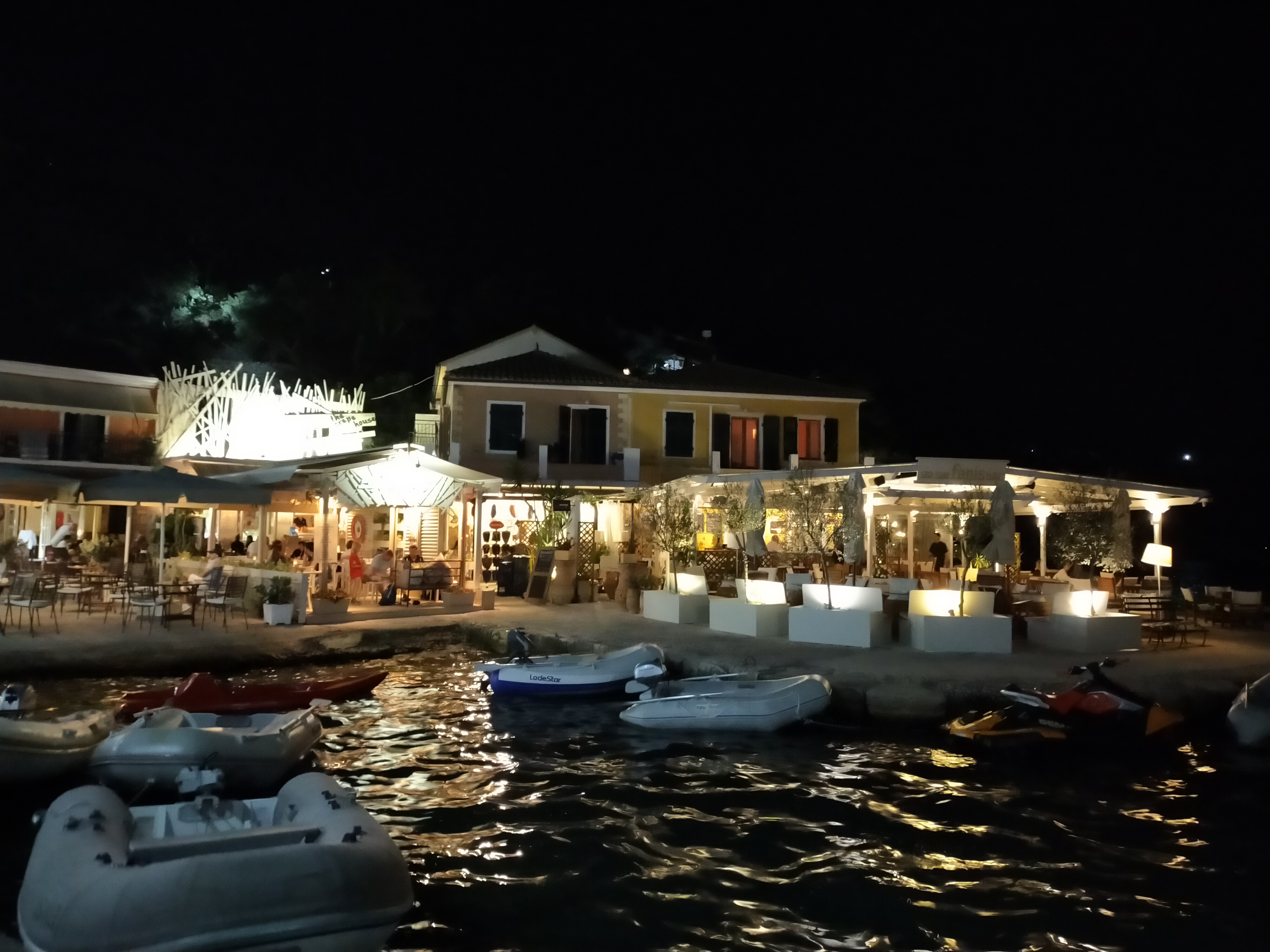
Paxos is a sceptre’d isle of endless olive groves and randy crickets, partially protected from the stresses and strains of modern mass tourism. Laid-back Lakka is on the north side of the island, wrapped around one half of an iridescent yacht-sprinkled bay. Picture-perfect and taverna-stuffed, the pretty village of alleys and squares is an unhurried cash-only kinda of place. Leave the plastic at home.

We absolutely loved it. Yamas!

A Greek Treat

After the big letdown that was our Canarian getaway – cancelled flight, greyish skies, cool-ish nights, sad face, sad face – a Greek treat is next on the holiday agenda. We fly to Corfu followed by a short ferry hop to nearby Paxos. It looks bleedin’ marvelous.

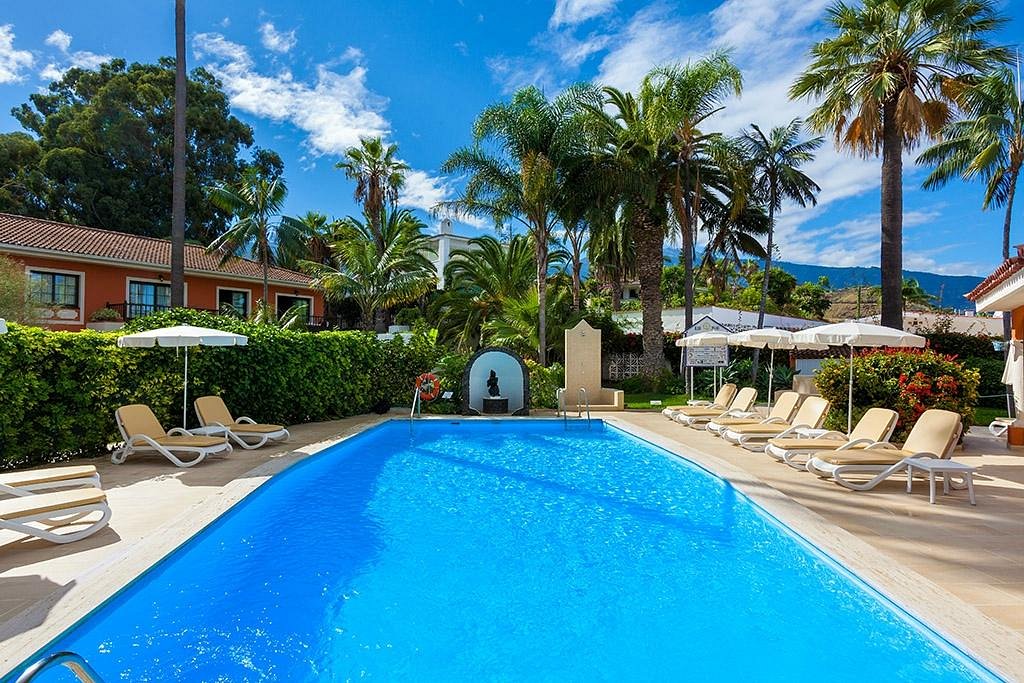
Yes, that’s our pool bottom right. But will it go the way of Tenerife? I’ll keep you posted.

Tenerife: Was it Worth it?

Not really. Our digs were great – comfy and well-dressed – and the staff were fantastic but, let’s face it, the point of any holiday in the sun is, well, the sun. There’s a bit of a clue in the title. And there was precious little sun in Tenerife.

“The sun’ll come out tomorrow,”

Liam sang.

And it did for a couple of afternoons only to disappear once again behind a thick blanket of cloud. Talking of blankets, we put extra layers on our bed to keep warm.

There were no sunny coffee mornings on the terrace, no quick dips in the pool to cool down or sultry evenings on the sauce. We tried to make the best of a bad lot – drinking through it at various watering holes in buzzy Puerto de la Cruz with its trendy old town.

We were rather taken with the Fanny Bar

…and the murals

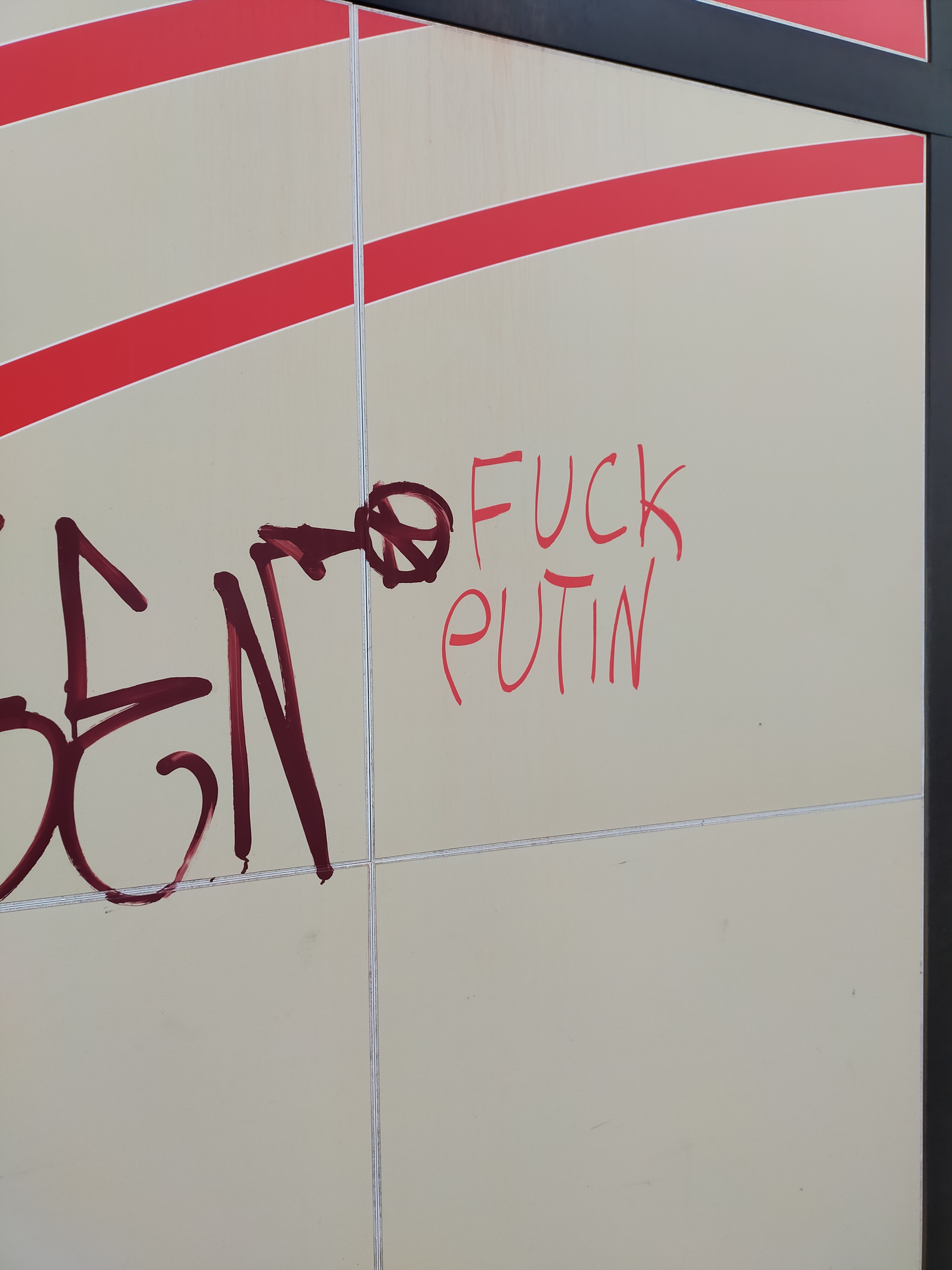
…and then there was the graffiti.

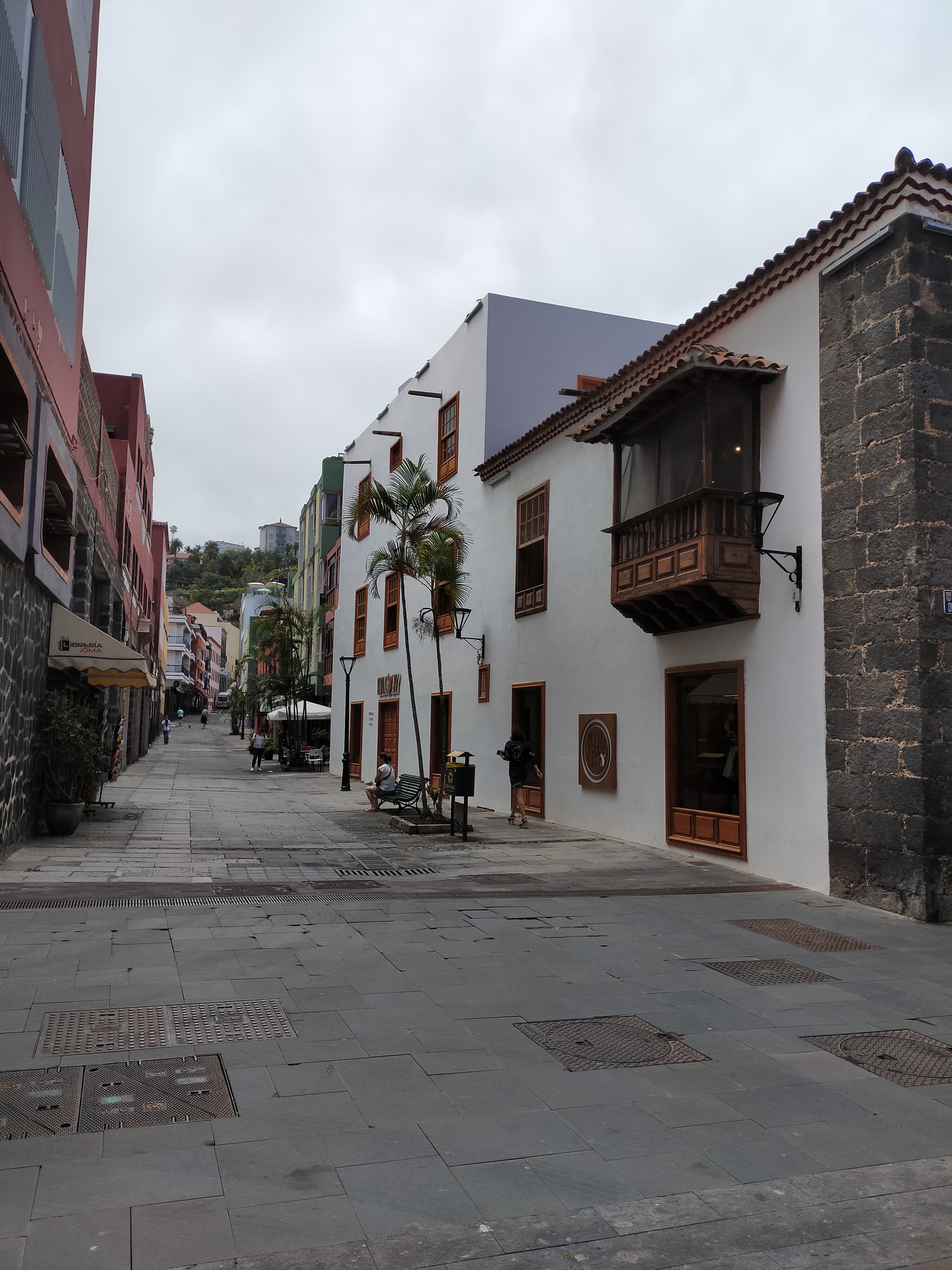
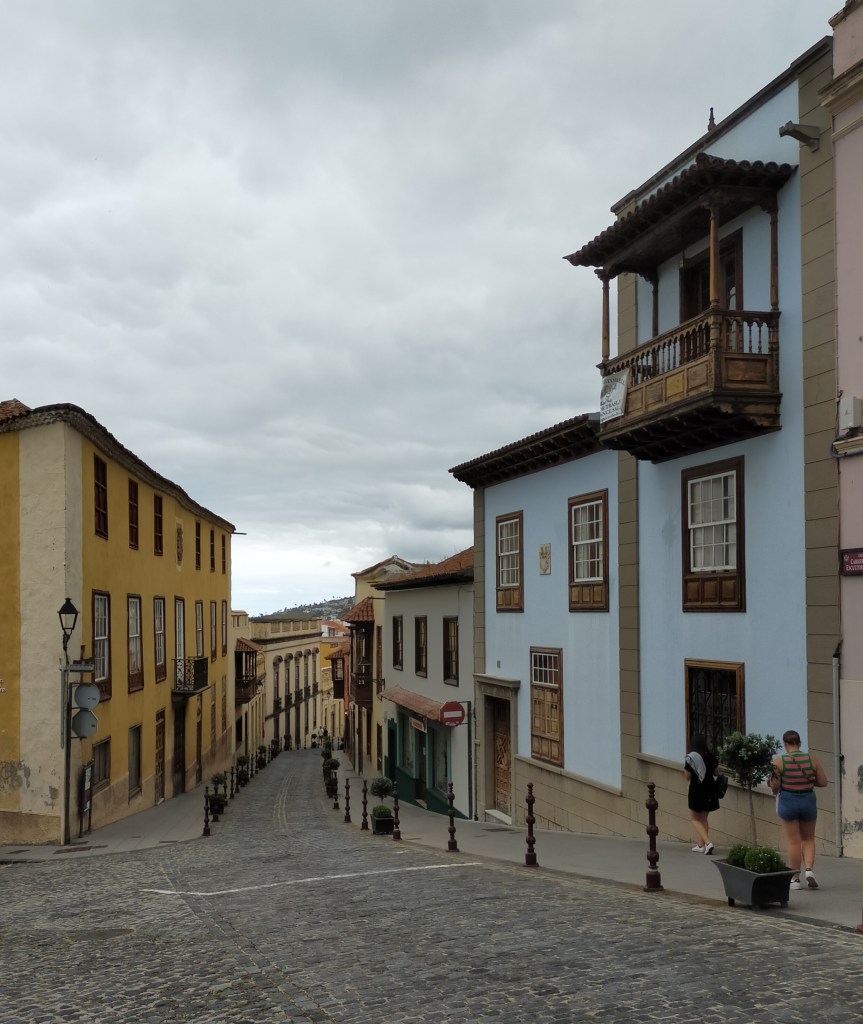
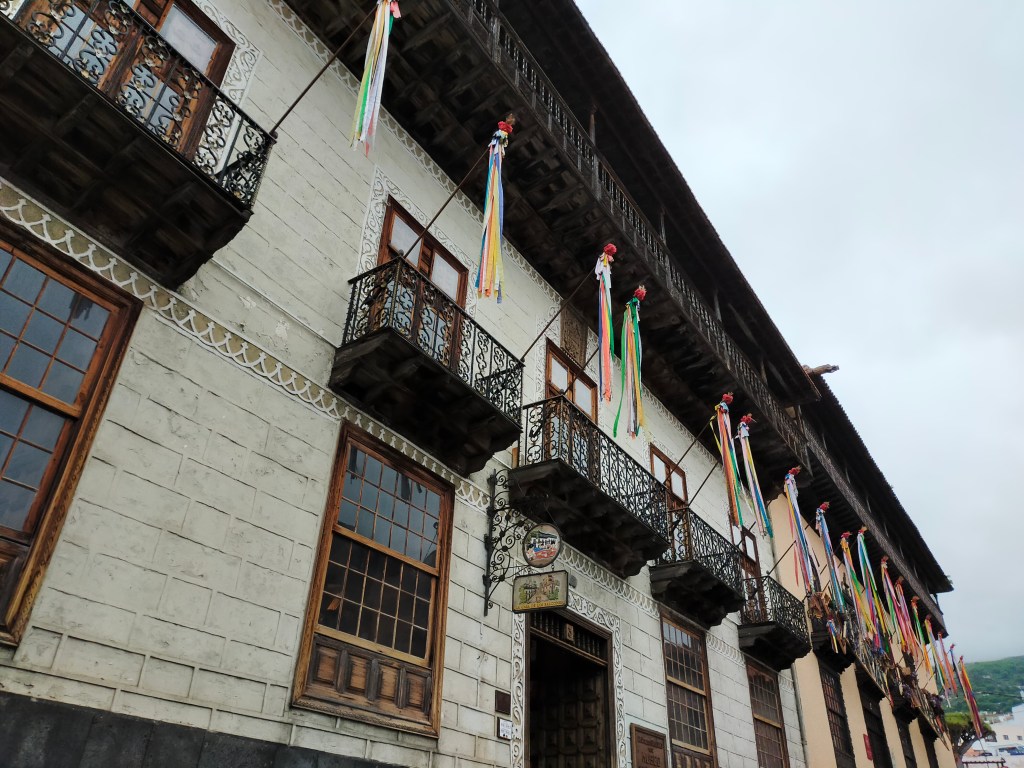
We even managed a day trip to La Orotava, a pretty inland Canarian town.

But in the end, when rain was forecast, we thought sod this for a game of soldiers and came home a week early. Still, as disappointing as it was, we try to keep a sense of proportion. After all, there are real soldier games going on in the world.

And there’s always Greece in July to look forward to, assuming our flight isn’t cancelled again.

We Cross the ‘T’s, Dot the ‘I’s and Put ‘U’ in the Middle

This spells out TUI (get it?) and is the not so catchy slogan from probably Europe’s largest travel company. Sadly there wasn’t much crossing and dotting going on at Norwich Airport as we waited to board our TUI flight to Tenerife. But we were in the middle – the middle of a scrum of mostly pissed-off pensioners. The normally docile grey herd, who usually do little more than tut, had turned into saga louts frothing at the mouth. The drink hadn’t helped.
Why? Because after hanging around for hours, TUI cancelled our flight – adding to the huge number of recent flights scrapped at the last minute as millions of Brits try to migrate to the sun after a couple of turbulent years due to COVID.

‘Operational issues’, is all we were told. We didn’t know if this meant a wing had dropped off the plane or some trolley dolly had broken a nail. Nor did the harassed staff at the departure gate. They valiantly did their best to calm the crowd while being drip-fed (mis)information from TUI HQ. There wasn’t much to smile about.
Eventually, TUI put us up at the Holiday Inn where we were fed and watered – because they had to. Then in the early hours of the next day, we were bussed all the way to Gatwick – yes, Gatwick, London’s second airport – a distance of around 150 miles as the crow flies.

“This better be worth it,”

Liam said.

Tenerife, the Return

To banish our winter blues, we’d booked a welcome pre-Christmas perk to Tenerife for a much-needed shot of vitamin D. But instead of a restorative pick-me-up around a cool pool, we got scuppered by Omicron – the latest incarnation of COVID-19. So rather than take a risk, we put off those lazy days in the sun. What goes around has finally come around. Perking the Pansies will be off-air for a while, and we can’t wait.

Salud!

Wilting the Pansies

Perking the Pansies was to be off-air for a while. After a so-so summer weather-wise, two cancelled getaways and three jabs to keep us out of intensive care, we’d had enough of samey days and dreary skies; the pansies were wilting. So a pre-festive perk with a shot of vitamin D in sunny Tenerife was on the cards. Well, we hoped for sunny. You definitely take your chances in the Canary Islands at this time of year, and we were prepared to pack the pac-a-macs with the factor 30.

Alas it was not to be. We’ve been scuppered by omicron, the latest incarnation of COVID19. It’s far better to be down than out – so we’re staying put. But this is what we’re missing and it’s made us pig sick.

Bikers’ Grove

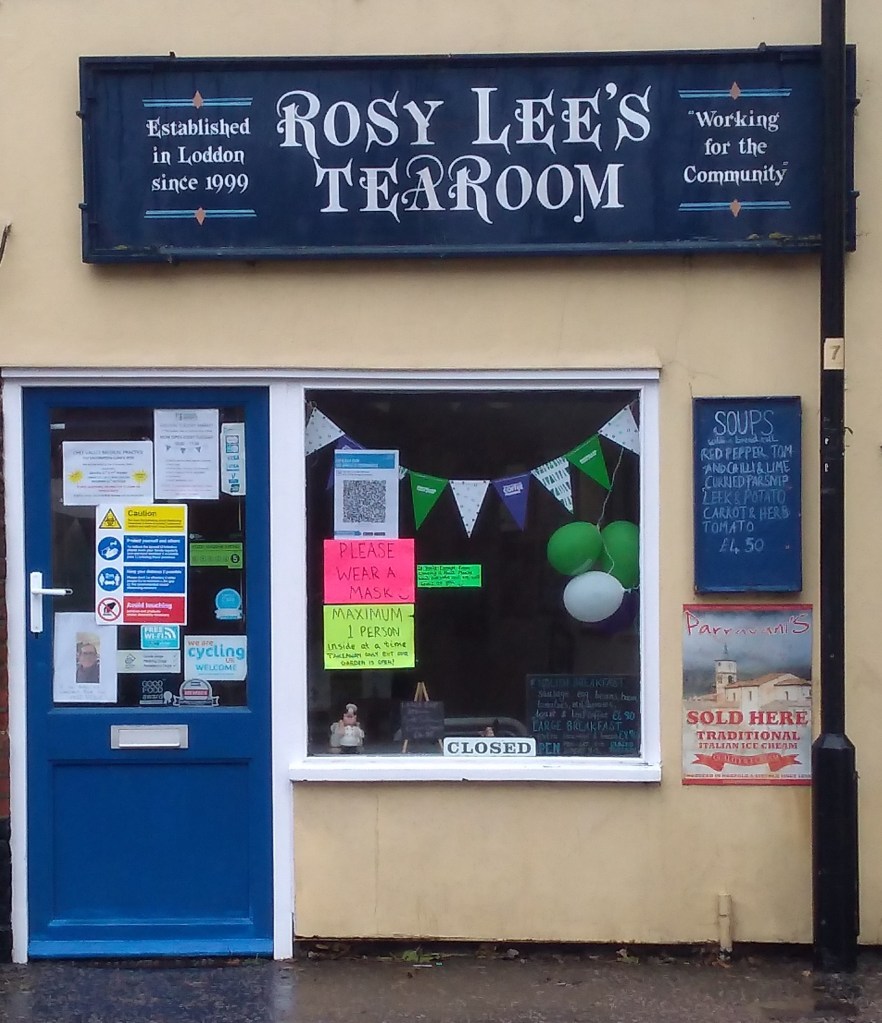
We’ve all got bills to pay and everyone everywhere has been forced to adapt quickly to the new reality of these troubling times. This is as true in sleepy Loddon as it is anywhere. A case in point is Rosy Lee’s Tea Room. For many years now this tiny café has thrived on passing trade from sailors and cyclists stopping off for coffee and cake. The delightful owner, Caroline, is a bit of a local celebrity who, more than 20 years ago, floated down the River Chet, liked what she saw and stayed. But now, social distancing means the café can only accommodate one customer at a time. So what was Caroline the tea lady to do?

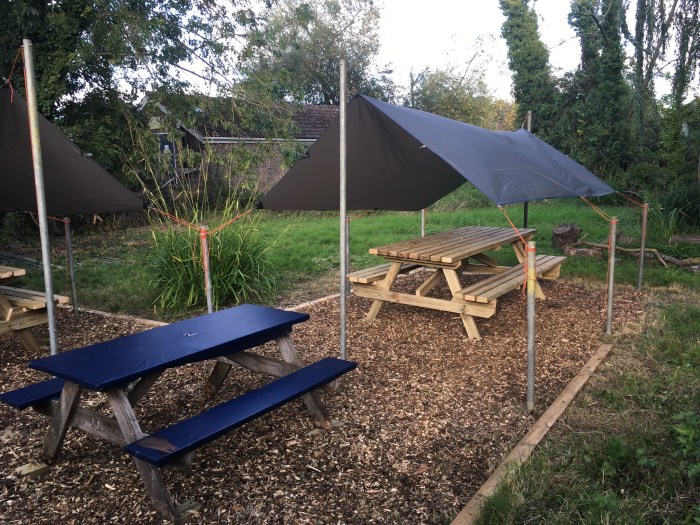
Extend the little secret garden she has created tucked away by Loddon Staithe*, of course. We got the call from Tom, the nice young man who renovated our cottage and sold it on to us. Would we help out? Hell, yes.

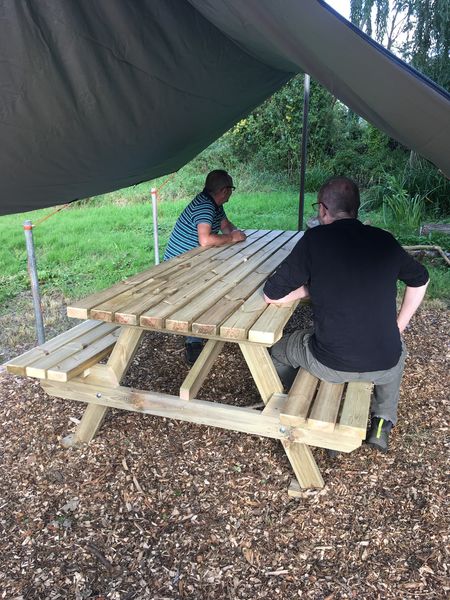
Tooled-up Tom with his broad shoulders and impressive equipment did all the butch work, constructing tables and erecting metal poles. All we really did was mow down the bramble and hold things while he wielded hammer and drill. In the meantime, Caroline kept us fed and watered. I can recommend the bacon sarnie.

Now lycra’d bikers can gather in gangs (of no more than six, of course) in a secret grove to rest and replenish with enough space to keep an eye on their fancy cycles.

Yes, that’s Liam and me with our backs to the camera. We were pleased to do our bit for a village institution.

Loddon Staithe

*A staithe is a landing stage for loading or unloading cargo boats. That ship sailed long ago round these parts. Loddon Staithe is now used by those who like to muck about in pleasure boats.