The Molly Boys

I’ve been watching Suffolk and Norfolk: Country and Coast on the box. It’s a gentle pilgrimage through the timeless counties that make up ancient East Anglia. By episode five, we reached the picture-postcard Norfolk village of Great Hockham – AKA Hockham Magna – and its Hornfair. The annual bash dates back to 1272 when King Henry III granted the villagers permission to hold a fair and weekly market. These days it’s an excuse to get a bit silly with daft games like the Woodchop Challenge and the World Stick Balancing Championship. And then there’s molly dancing. Molly who? You may well ask.

Molly dancing is a form of English Morris dance which was traditionally done by out-of-work ploughboys during midwinter in the 19th century. It was a way to fill the fallow season between Christmas and spring ploughing. The farmhands would visit the more well-to-do parishioners and offer to dance for money – because a boy’s gotta eat. Those who refused might see their mixed borders turned over.

Molly was an old term for an ‘effeminate man’, and dancers always included at least one fella dressed in women’s clothes. Who knew 19th-century country life could be so fluid? I wonder what else the molly boys did for a few farthings when times were hard? Well, it’s better than slipping a ring on Daisy the cow.

Molly dancing has enjoyed a recent revival, and the Hockham troupe are called the Clobhoppers – clumsy bumkins – and here they are in action doing a rather aggressive stick dance. These molly men don’t muck about, even in a frock. And don’t be put off by their black faces. It’s not intended to be racist. The ploughboys of old painted their faces with soot so they wouldn’t be recognised as they ploughed up your prize pansies.

Seaside Specials

After an unseasonably warm few weeks fired by a hot Saharan blast, autumn is finally upon us and thoughts meander back to summer frolics and the bucket-and-spade family entertainment that took me right back to more innocent times in short trousers. Some people may remember Seaside Special on the box during the seventies and eighties. I know I do. It was a Saturday night fixture in our house.

Our first 2023 seaside special was the award-winning Cromer Pier Show at the Pavilion Theatre. For my sins, I was expecting something fun but just a little bit naff. How wrong was I? What we got was a spectacular and lavish vaudeville-on-sea variety show with crackin’ tunes, crackin’ vocals, belly laughs and juggling genius, all wrapped up in sequins and feathers.

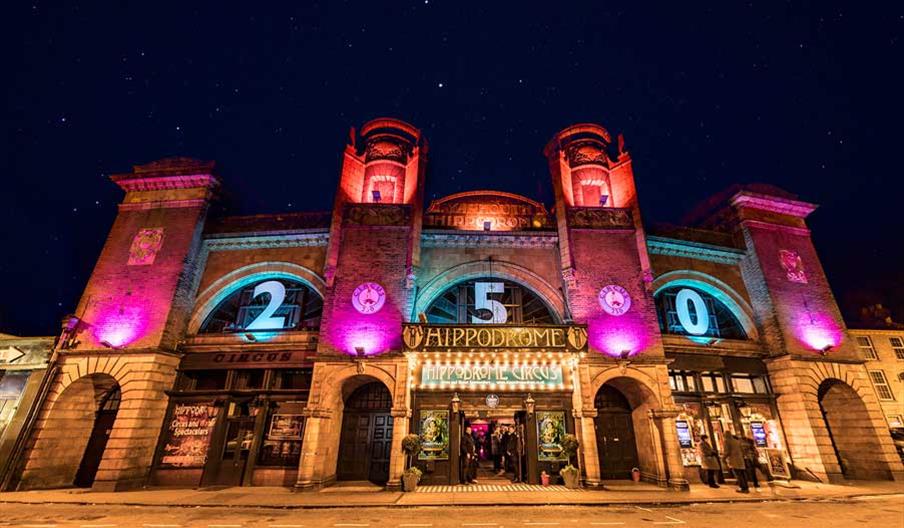
If that wasn’t enough to set the pulse racing, nothing could prepare us for the Hippodrome in Great Yarmouth, Britain’s last remaining circus building. Seemingly untouched by the modern world, the theatre reeks of old-style, time-worn charm – the toilets alone are a riot of Victorian bling. But there was nothing faded about the show. Featuring top-notch acts from around the world, it was full-on, edge-of-the-seat stuff. And it doesn’t get any more full-throttle than four leather-clad bikers playing ‘catch me’ around a metal cage. For the grand finale, the stage fell away to reveal a swimming pool and the show was brought to a splashing close by a shoal of fancy ladies doing a Busby Berkeley number surrounded by fit blokes in tight wet shirts. It felt like I was on drugs.

For more exciting images, check out the Hippodrome’s own website. Many thanks to our fellow village people who invited us along for the rides. You know who you are.

From Tossers to Flonkers

We’ve become part-time groupies for our local village bowls team. To the uninitiated, bowls is a traditional sport beloved of the grey herd in which the objective is to roll weighted balls along a green so that they stop close to a smaller ball at the other end – closest wins. A variant of French boules, the game has ancient roots. That’s all I know.

Following a period of death and decline, a newly invigorated Chedgrave Bowls Club has attracted fresh and younger blood and is on a winning streak, starting with the Marie Curie Cup last autumn. While we don’t really have the first clue what’s going on, it’s a pleasant way to while away a warm summer’s day with a couple of G&Ts – ice and a slice. The fact that the bowling green is adjacent to our local tavern is a bonus.

Can you spot us?

The last time we were on groupie duty, it was suggested we might resurrect the old East Anglian pub sport of dwile flonking. This involves two teams of twelve players, each taking a turn to girt (dance) around the other while attempting to avoid a beer-soaked dwile (cloth) flonked (flung) by the non-girting team.

Here are the rules (according to Wikipedia):

A ‘dull witted person’ is chosen as the ‘jobanowl’ (referee), and the two teams decide who flonks first by tossing a sugar beet. The game begins when the jobanowl shouts, “Here y’go, t’gither” (together).

The non-flonking team joins hands and girts in a circle around a member of the flonking team. The flonker dips his dwile-tipped ‘driveller’ (a pole 2–3 ft long and made from hazel or yew) into a bucket of beer, then spins around in the opposite direction to the girters and flonks his dwile at them.

If the dwile misses completely it is known as a ‘swadge’. If this happens, the flonker must drink the contents of an ale-filled chamber pot (or gazunder as in ‘goes-under’ the bed) before the wet dwile has passed from hand to hand along the line of now non-girting girters chanting the ceremonial mantra of “pot, pot, pot!”.

A full game comprises two ‘snurds’, each snurd being one team taking a turn at girting. The jobanowl adds interest and difficulty to the game by randomly switching the direction of rotation and will levy drinking penalties on any player found not taking the game seriously enough.

Apparently, by the end of play, everyone’s too pissed to give a toss. If it’s not illegal, it ought to be. ‘Normal for Norfolk’ as the saying goes.


Many thanks to Gary Shilling, villager extraordinaire, for the inspiration for this post.

Bet Your Bottom Dollar

Money’s tight right now and when school budgets get squeezed something has to give. And what gives tends to be non-core activities like music, dance and drama. It’s understandable but short-sighted. British performing arts are (still) world-class and contribute big bucks to our economy. Cutting off the supply at source is like serving up the golden goose for Christmas.

And so community-based youth theatre is as important as ever, providing the opportunity for kids to get stuck in – everyone welcome, no one excluded. It takes guts and bravado to step on a stage and strut your stuff in front of a bunch of strangers, especially for the first time. But the rewards – building confidence and learning new skills – can last a lifetime. And, once in a while, a star is born.

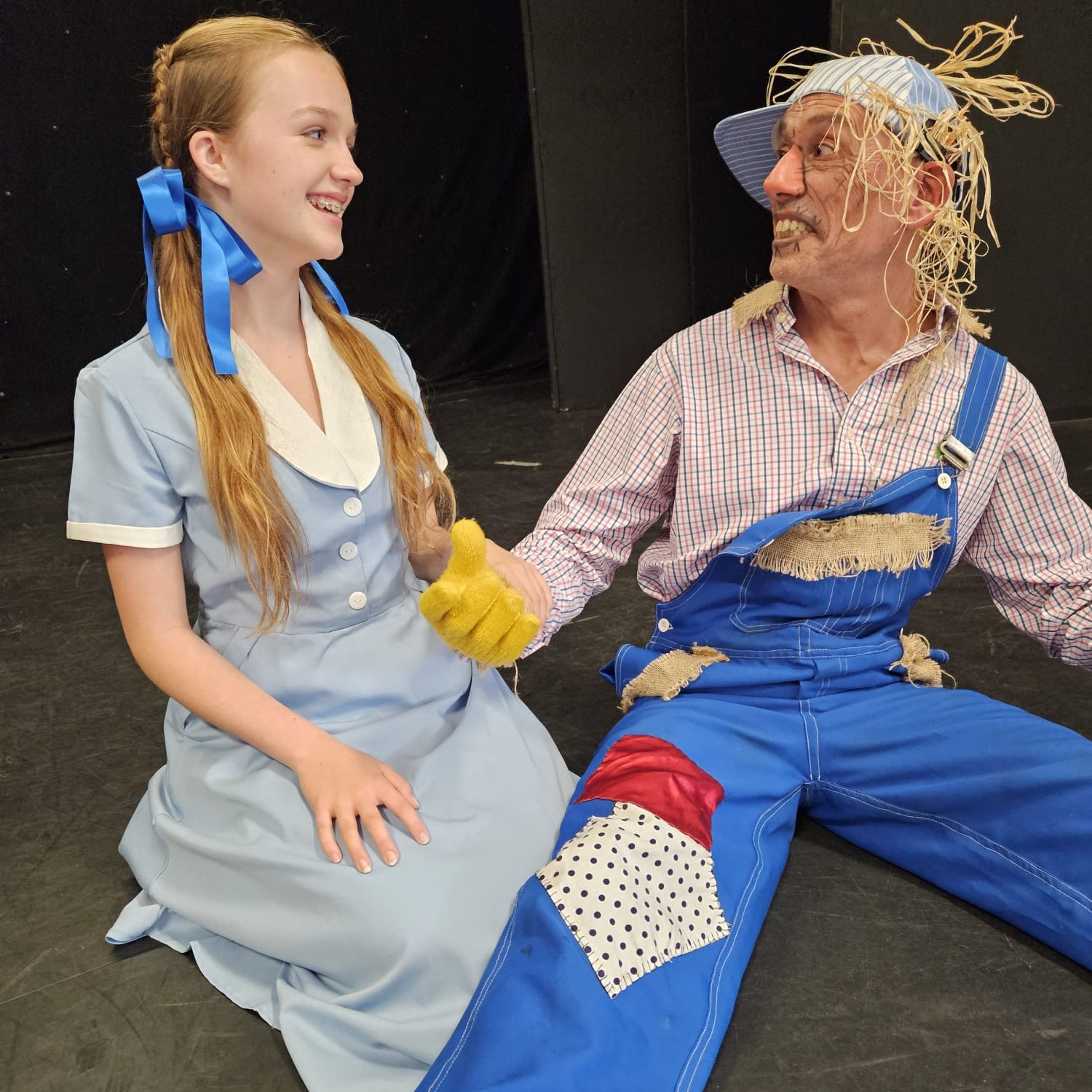
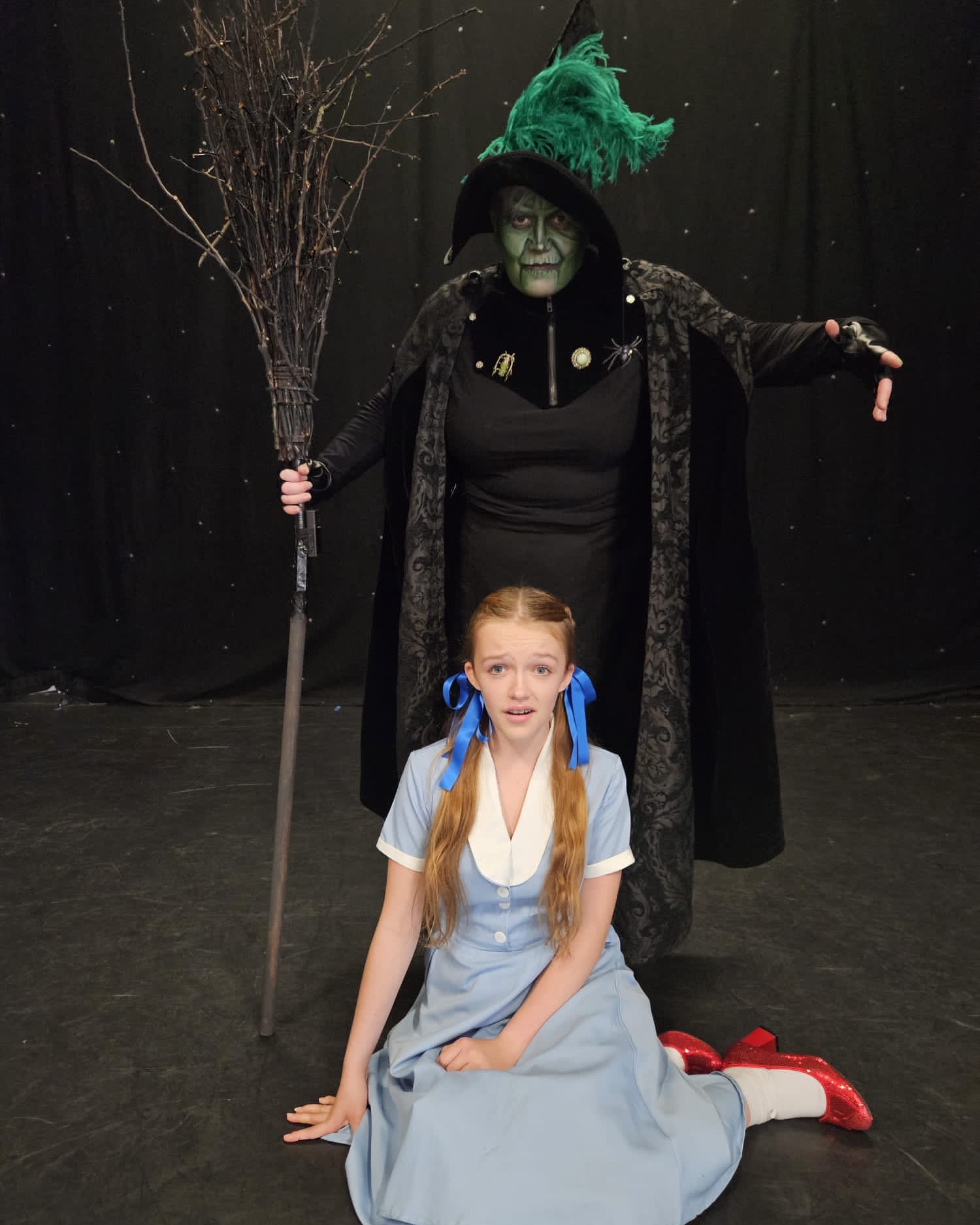
That’s why we love a bit of am dram and, if it involves people we know, we love it more. That’s as it was when we took our seats for Annie, performed by the Fisher Youth Theatre Group based at the rather cute Fisher Theatre in pretty little Bungay. Well done to fledgling starlets Eva and Jas; your elegant armography was good enough for Strictly Come Dancing. I was teary-eyed at the end.

Where is St Edmund Buried?

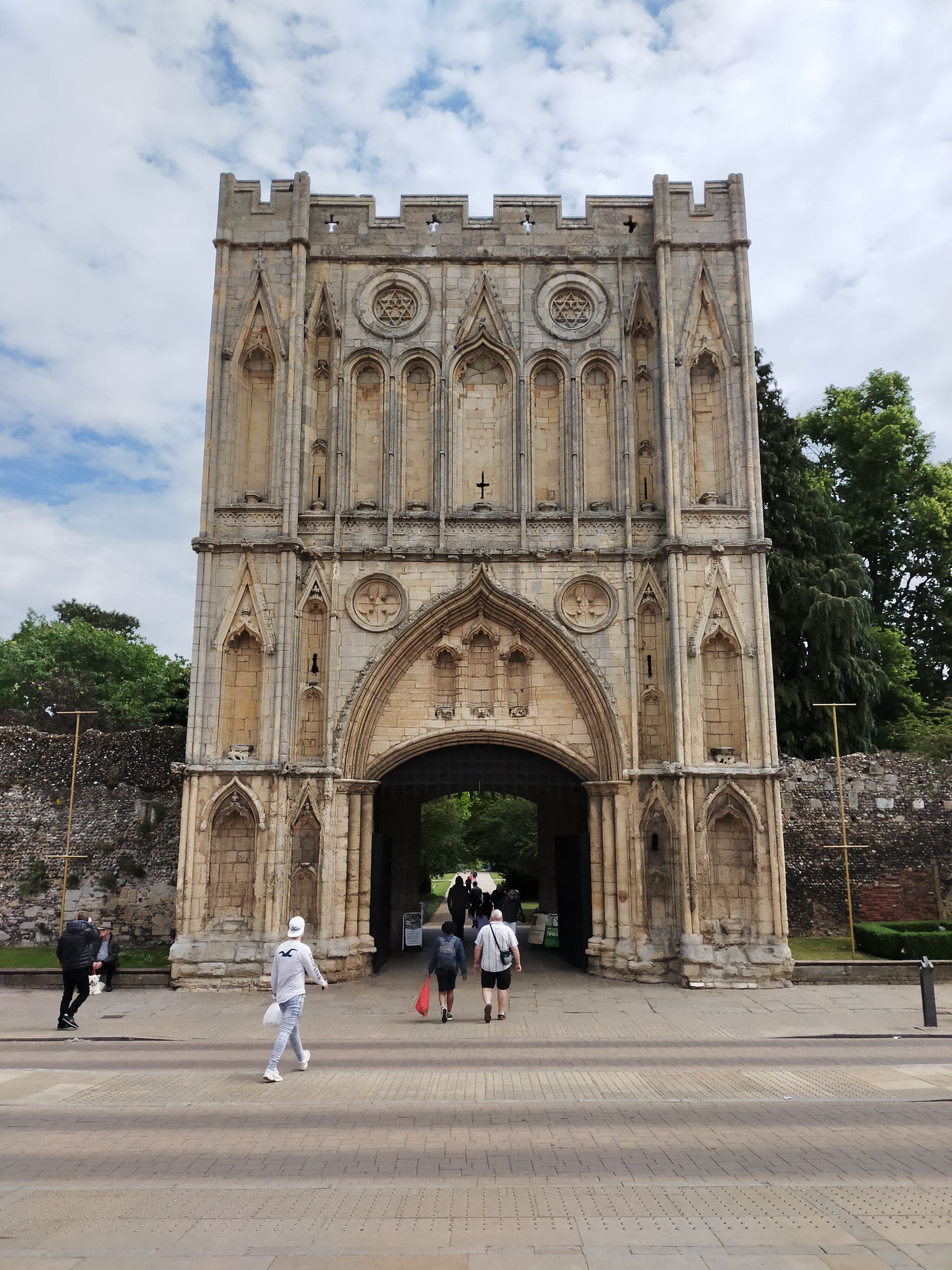
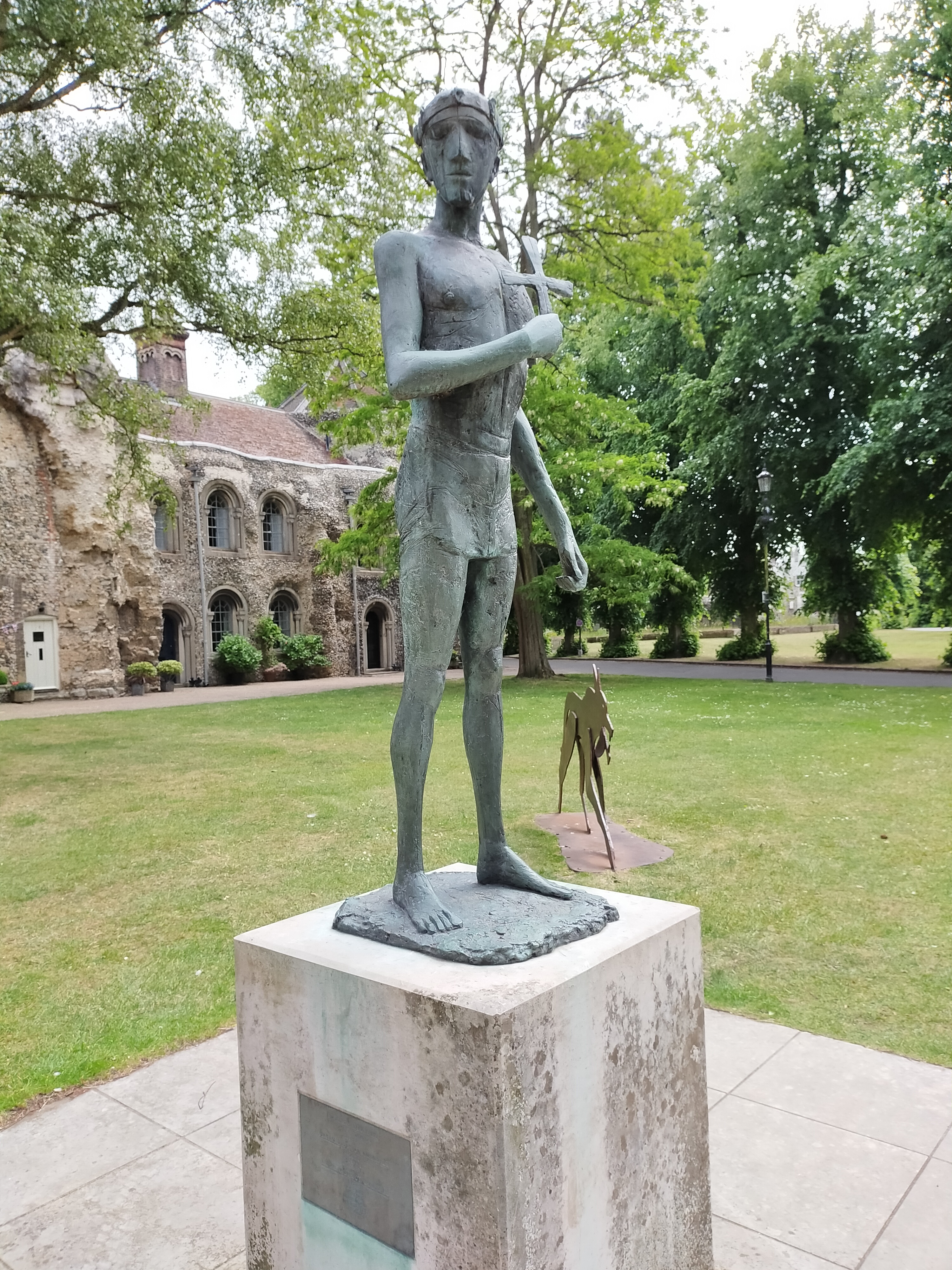
In Bury St Edmunds, obviously – or is he? The cute Suffolk market town might be the final resting place of St Edmund, ninth-century Christian king of East Anglia. Allegedly, he was cut down by a wild bunch of pillaging Danes doing what the Danes did back then.

Eventually those pillaging Danes saw the error of their wicked heathen ways, dropped to their knees, converted to the ‘One True Faith’ and hung up their horny helmets.

For his sins, Eddie the Martyr was canonised and an abbey founded in his honour by that great Dane, King Canute – he of holding-back-the-tide fame. Edmund even became England’s patron saint for a few hundred years until he was rudely upstaged and replaced by George in or around the fourteenth century. And Georgie boy wasn’t even English. But then, who can compete with a dragon slayer?

In Medieval times, a gravy train of pilgrims rolled in from all over Europe to visit Eddie’s shrine. It was a good little earner and the Abbey of St Edmund became one of the richest, largest and most powerful Benedictine monasteries in all of England. Then in 1539 that old letch Henry the Eighth popped along and ‘dissolved’ the abbey (i.e. pillaged like those Danes of old) and that was the end of that.

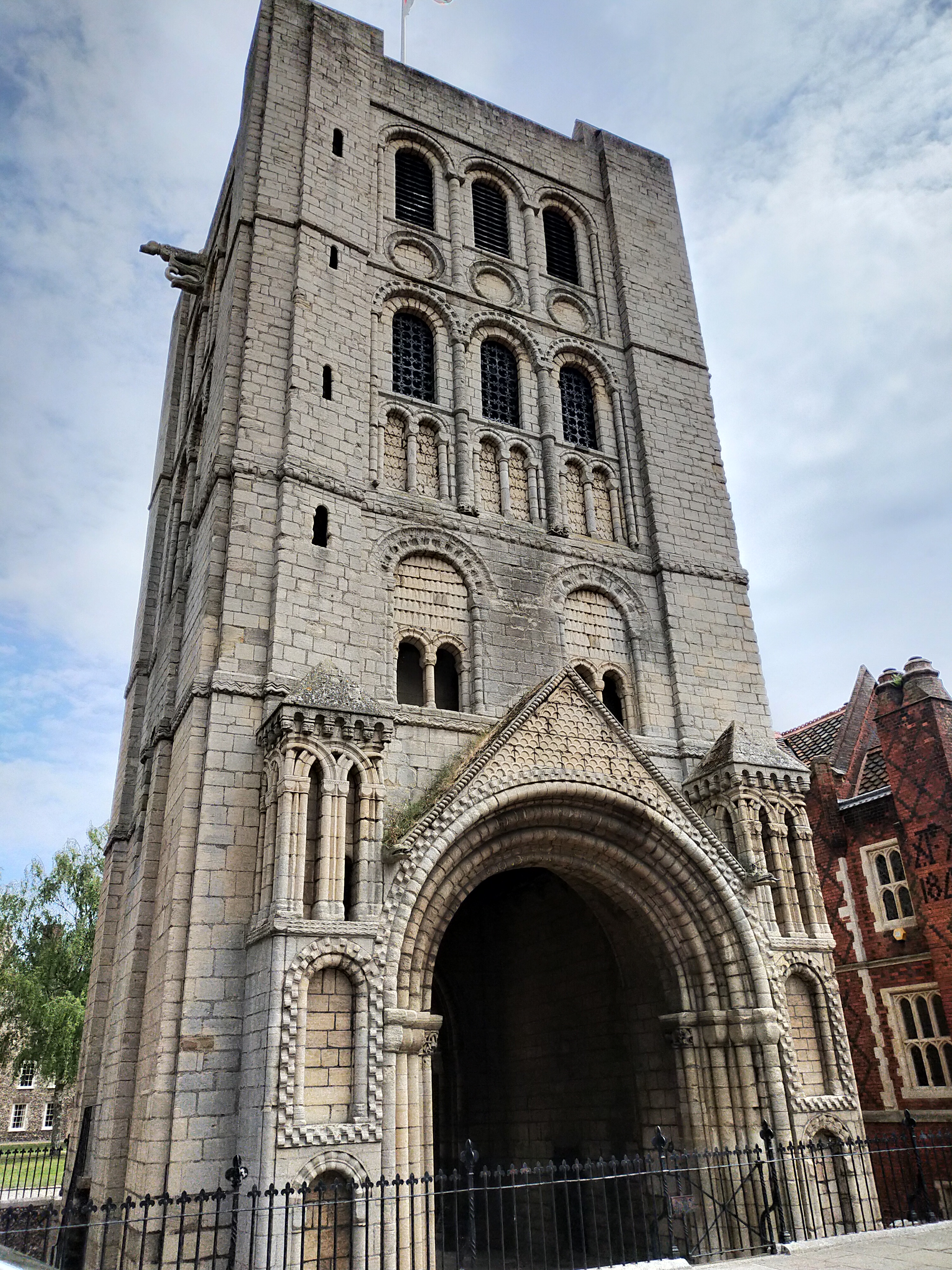
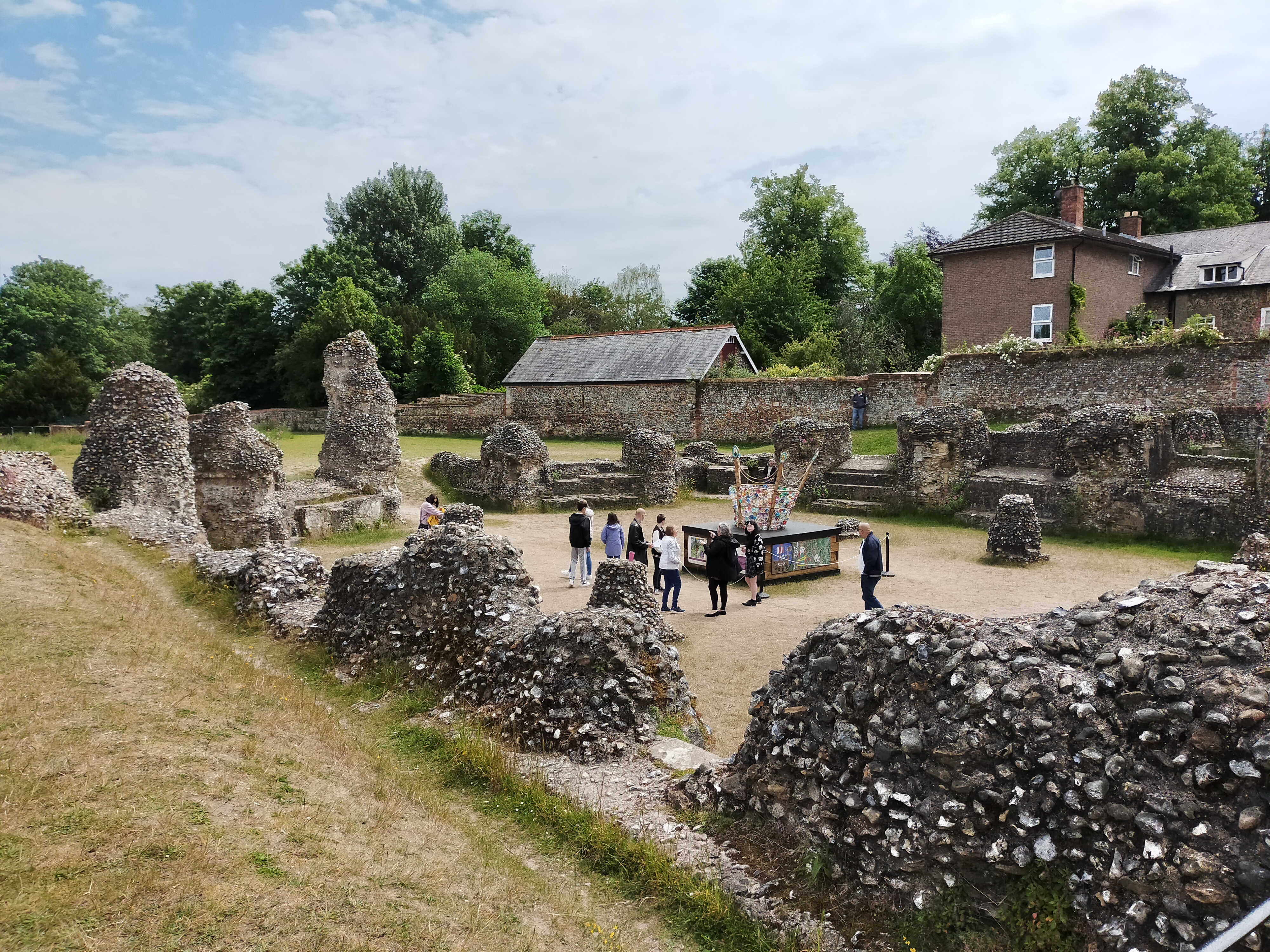
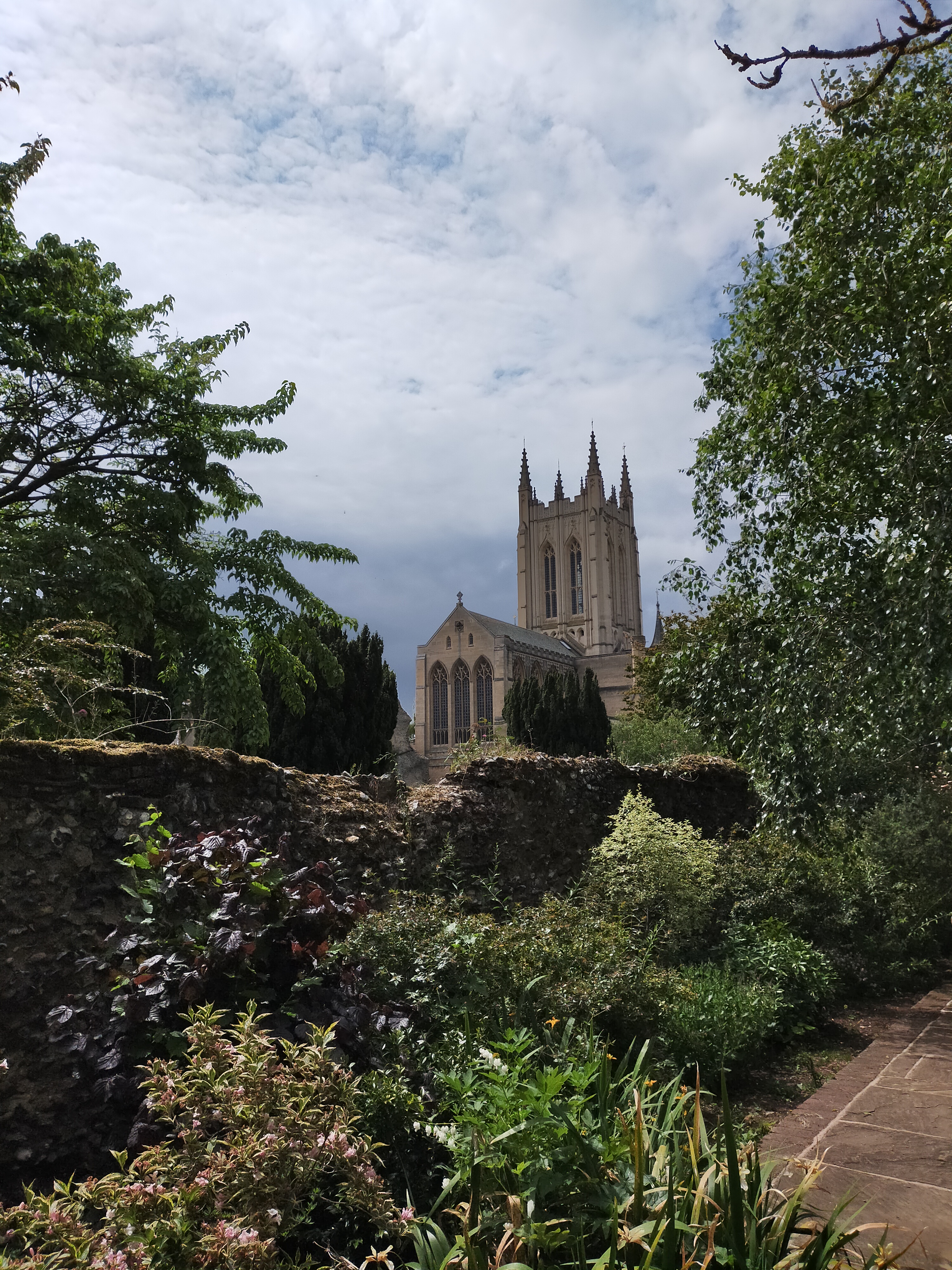
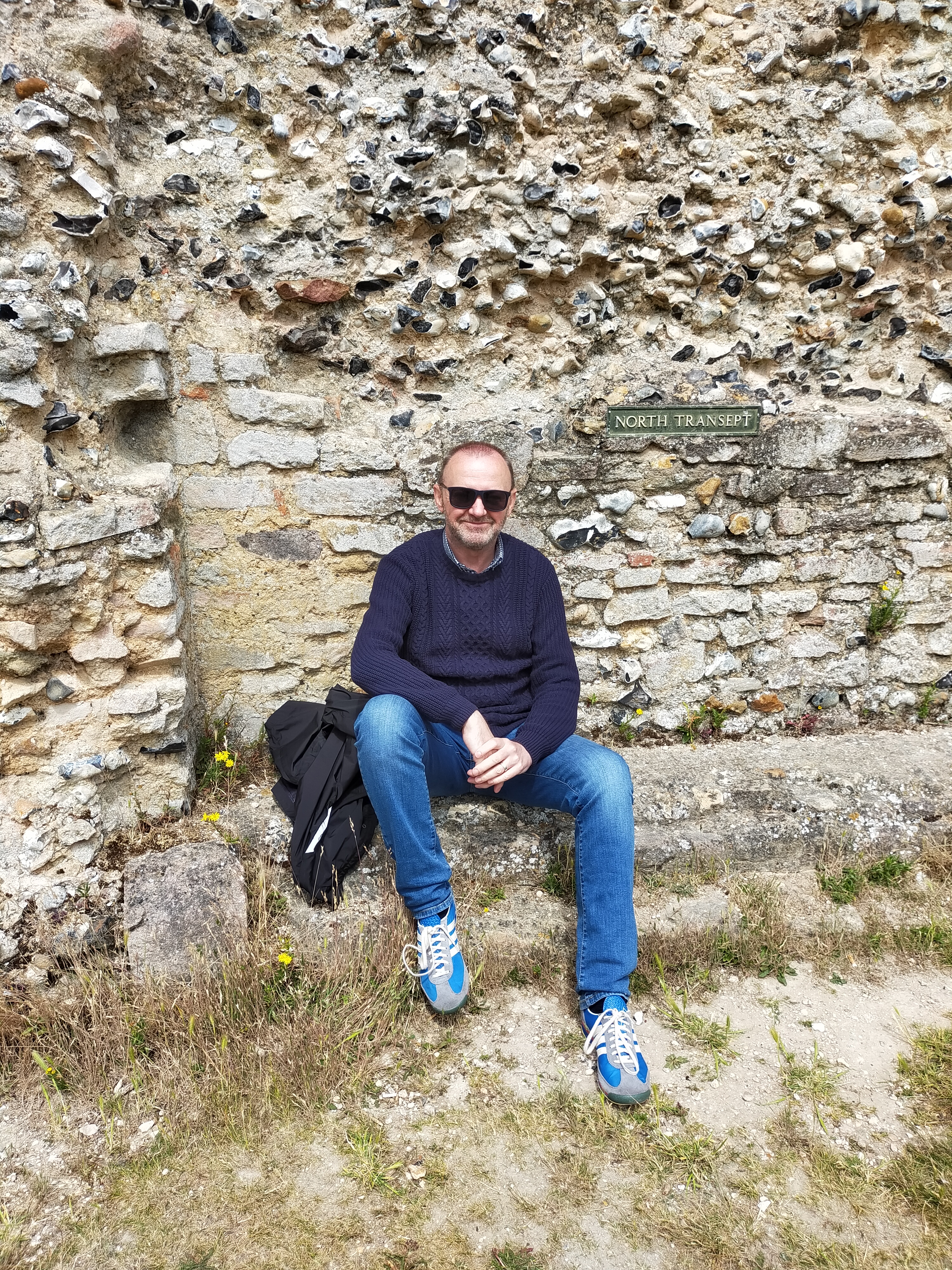
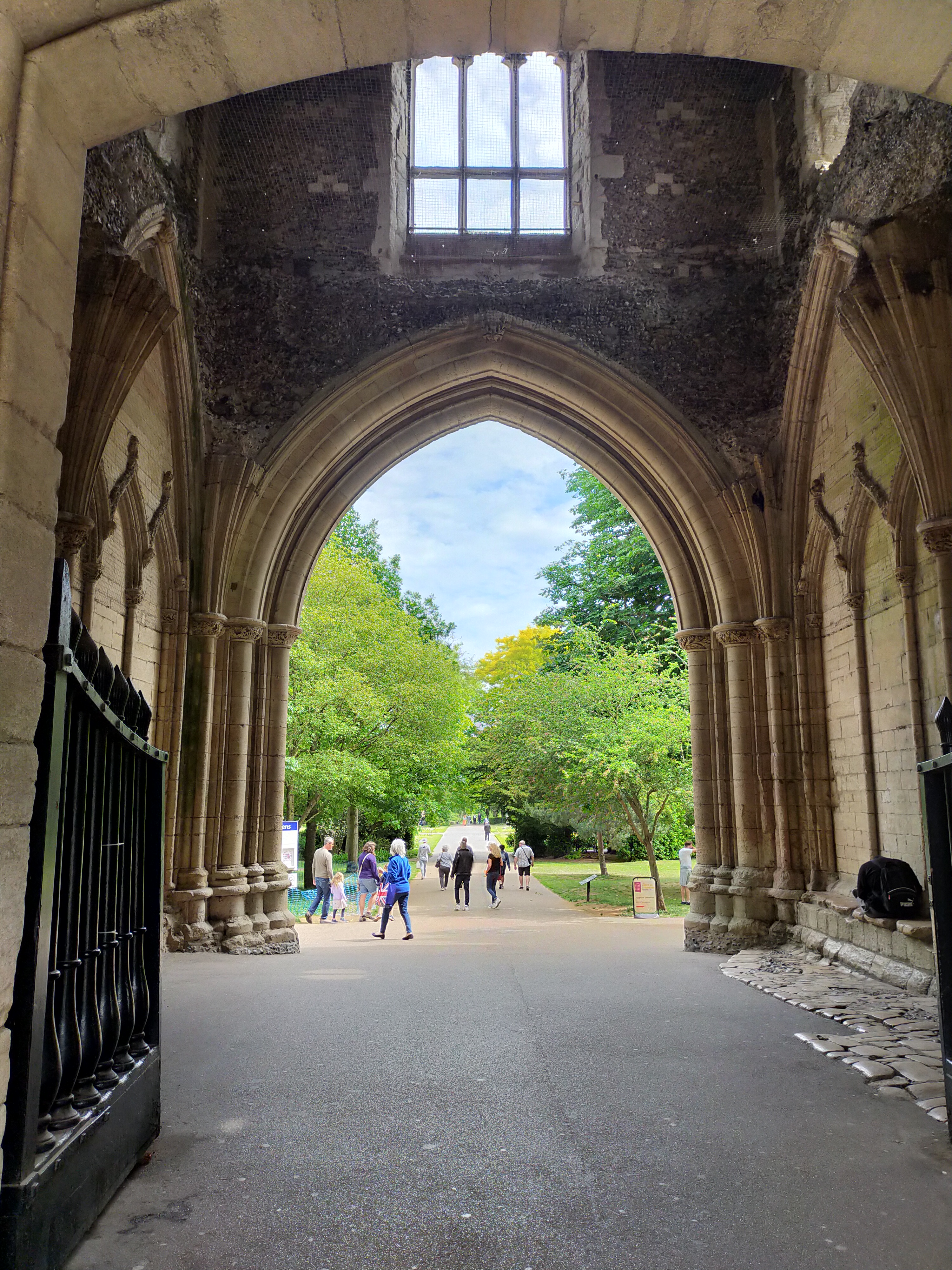
A sunny day took us across county lines for a gander around the old holy pile. Apart from two impressive medieval gatehouses, little remains of the abbey itself, though next door is Bury St Edmunds Cathedral called – wait for it – St Edmundsbury. The Abbey’s pretty grounds are lovingly tendered by the local council and a dedicated army of volunteers; many of them could well be the descendants of those pillaging Danes who cut down the saintly king. ’Tis their penance.

All is forgiven. Nowadays, we really like the Danes.

Among the roses and the ruins, there’s a World War Two memorial to the US Airforce (or the US Army Airforce as it was known back then). The USAF was, and still is, big round these parts as East Anglia is famously flat and just a short bombing raid to the continent.

But … the current whereabouts of Edmund’s sainted bones is anyone’s guess.

Ten Lucky Years

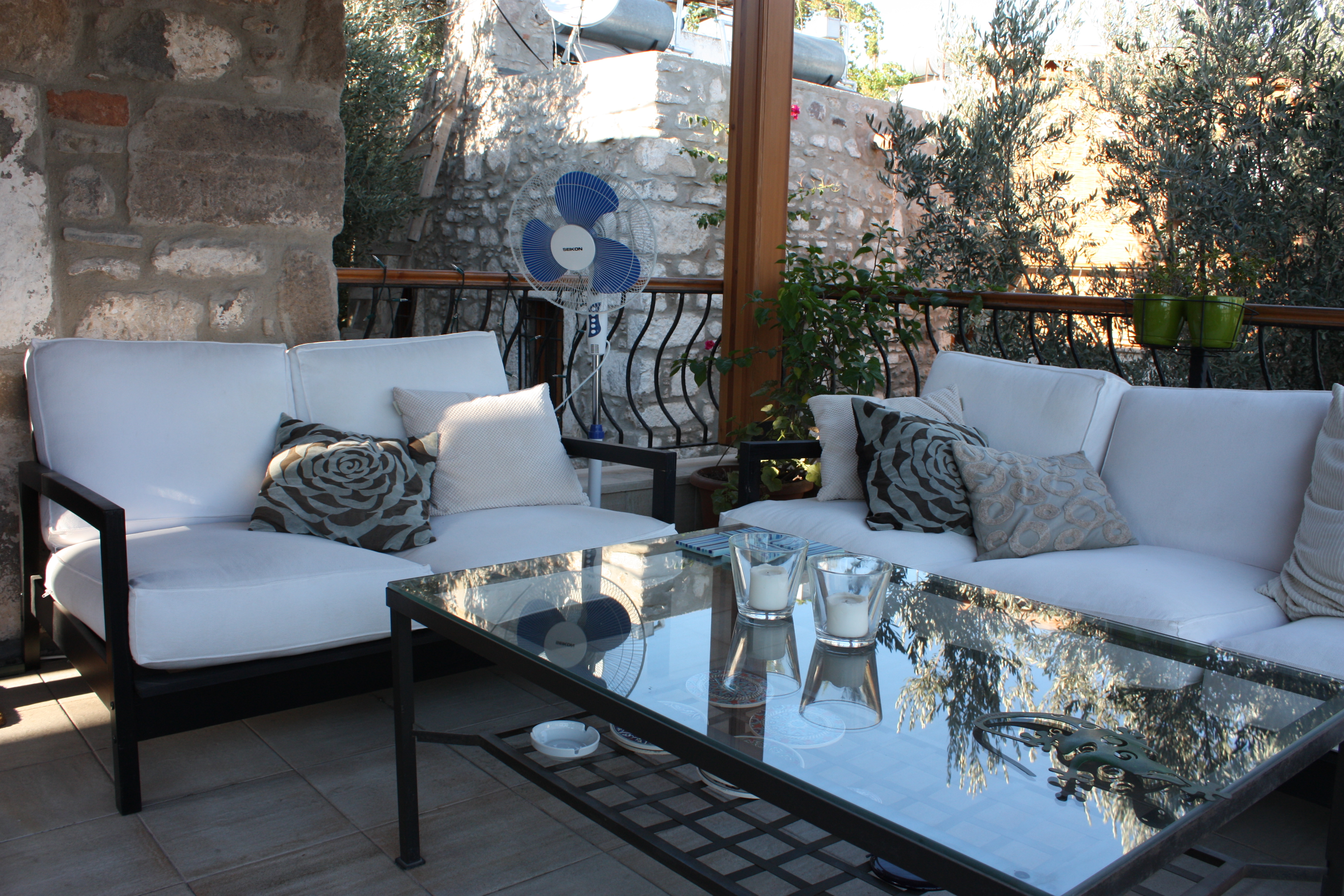
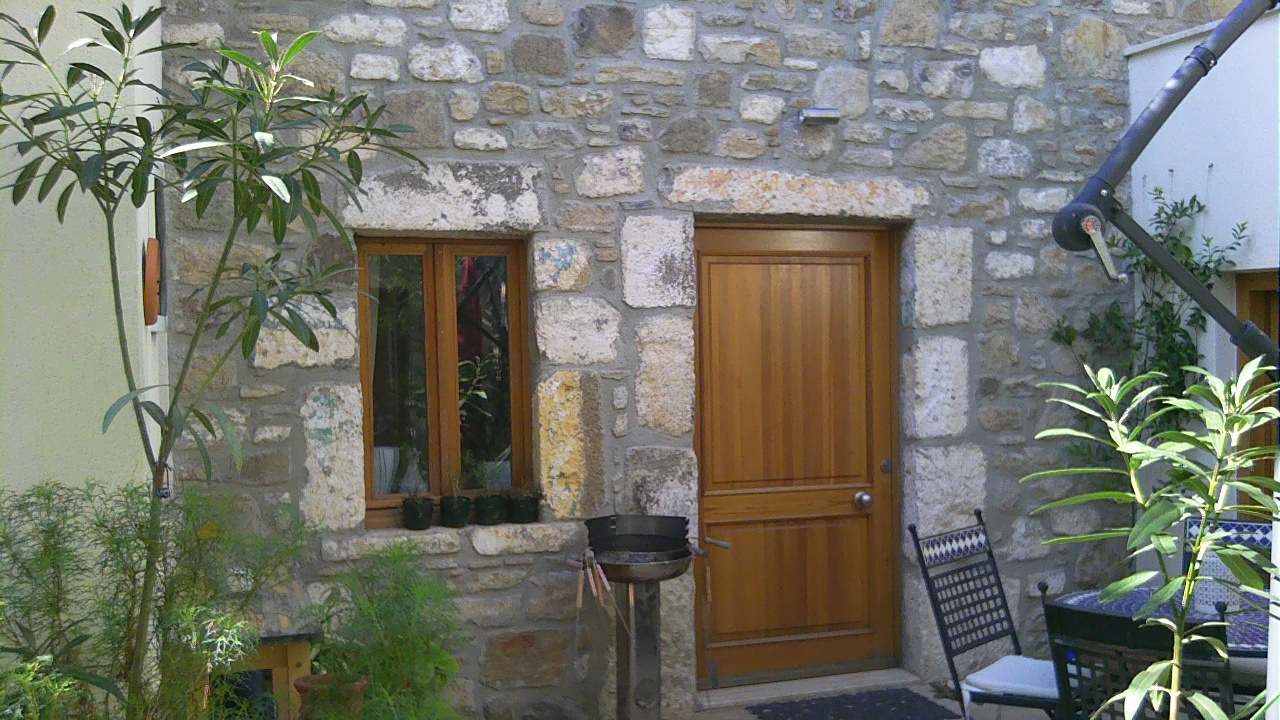
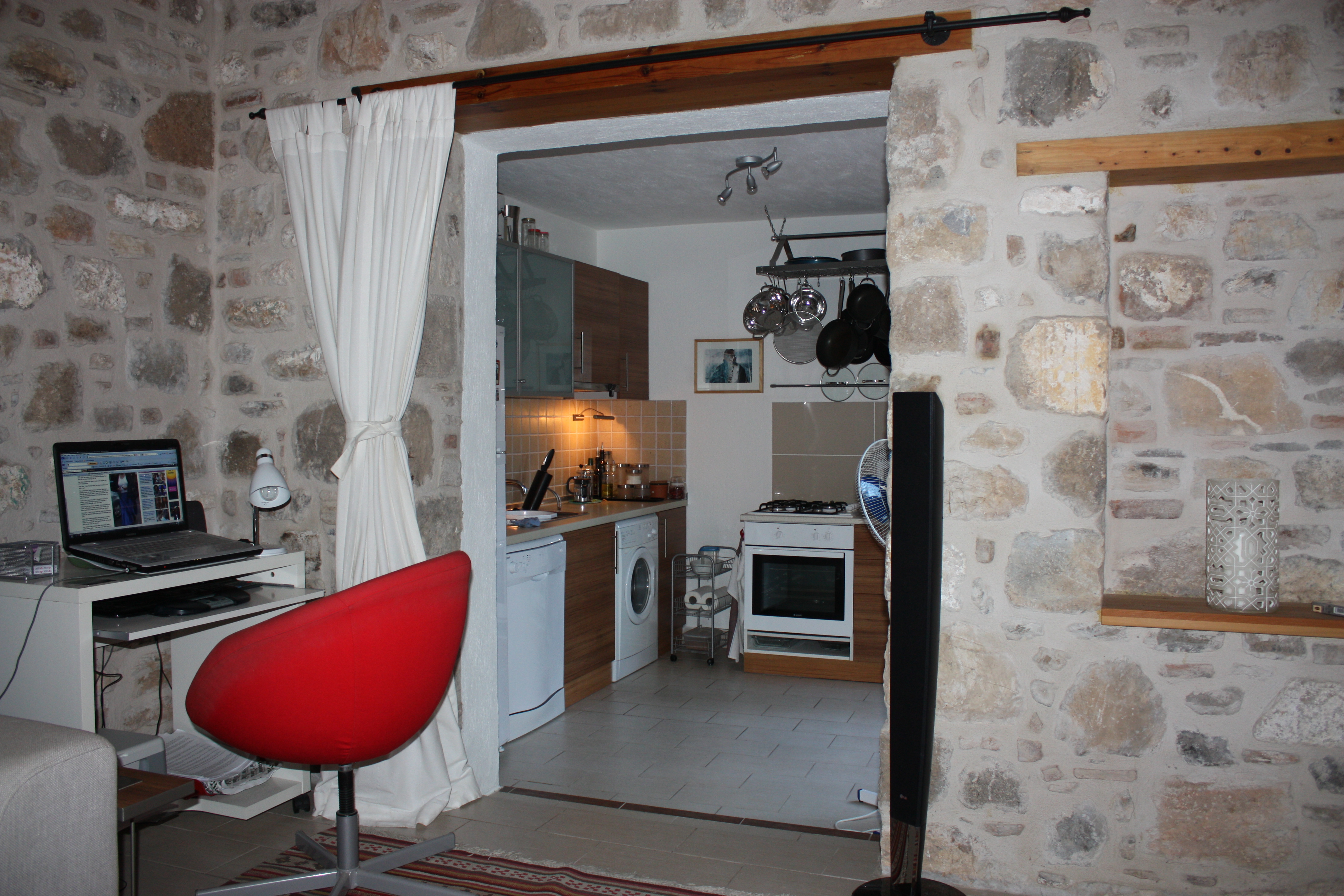
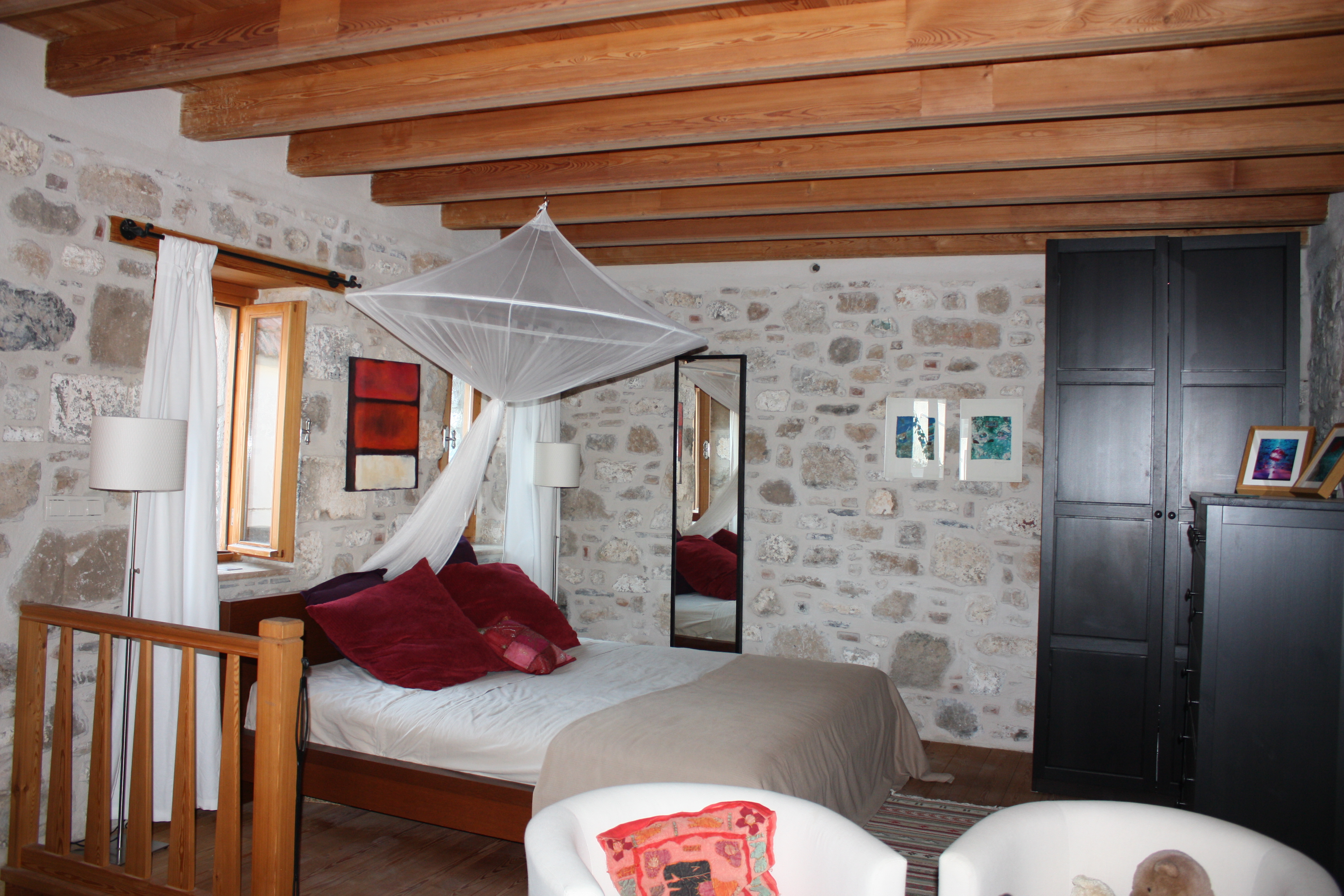
A decade has now passed since we closed the door on the stone house in Bodrum for the last time and brought our four-year Turkish adventure to a sudden end. And ever since, while the world has continued its grim descent into oblivion, we’ve just carried on regardless. Our Anatolian days taught us to think differently and live differently – making do with less and being all the happier for it.

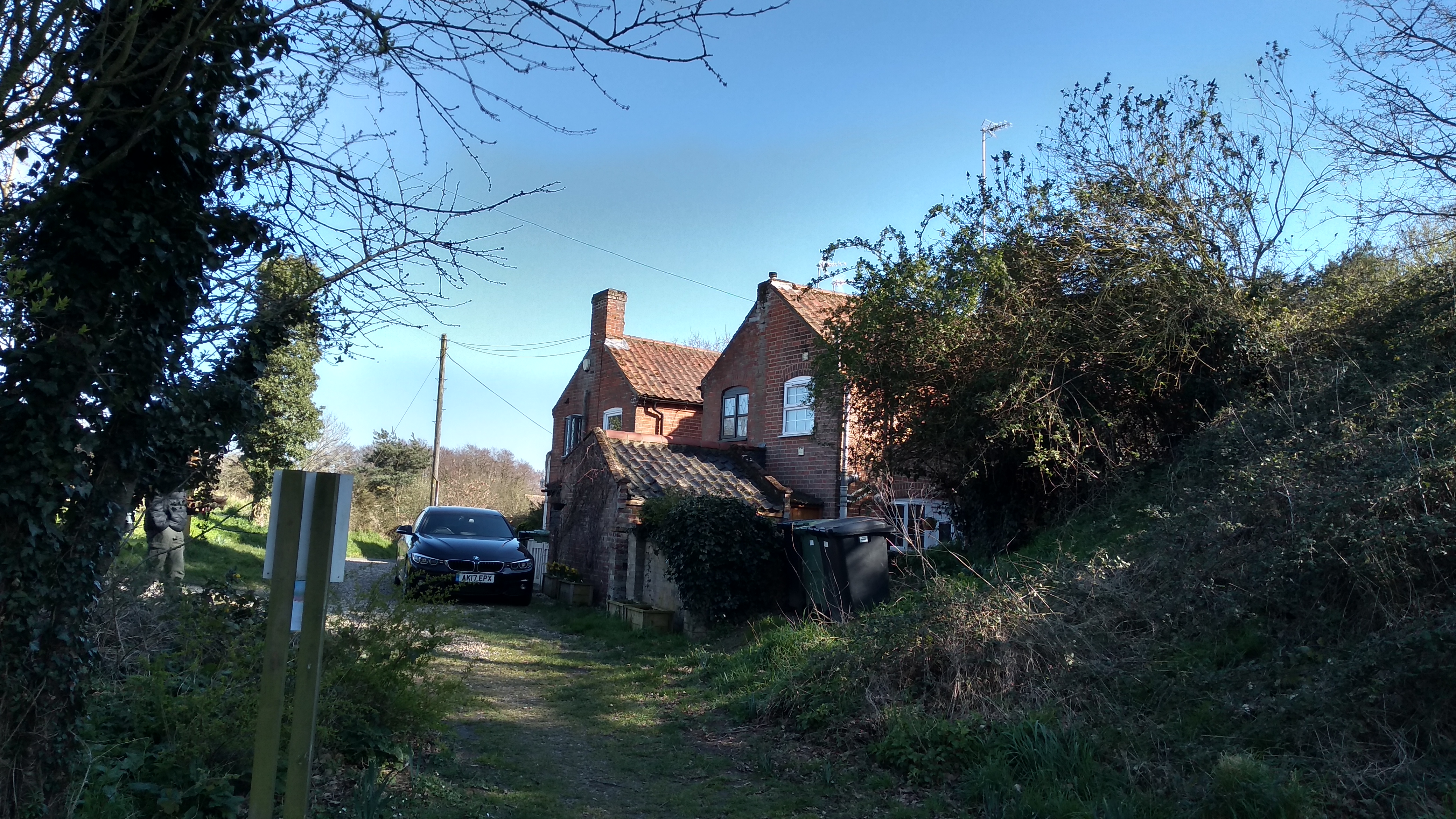
After Turkey, we pitched our tent in Norfolk, a flat and bountiful corner of old England – first in Norwich, then Chedgrave, a village few people have heard of. To begin with, we rented, trying the city on for size. Our first lodgings were a 400-year-old former weaver’s gaff in flint and brick near Norwich’s University of the Arts. We loved it, giving us a taste for city life and its student vibe. But our antique digs were cold and draughty and, even back in 2012, cost a king’s ransom to heat. Gawd knows what the bills are like now.

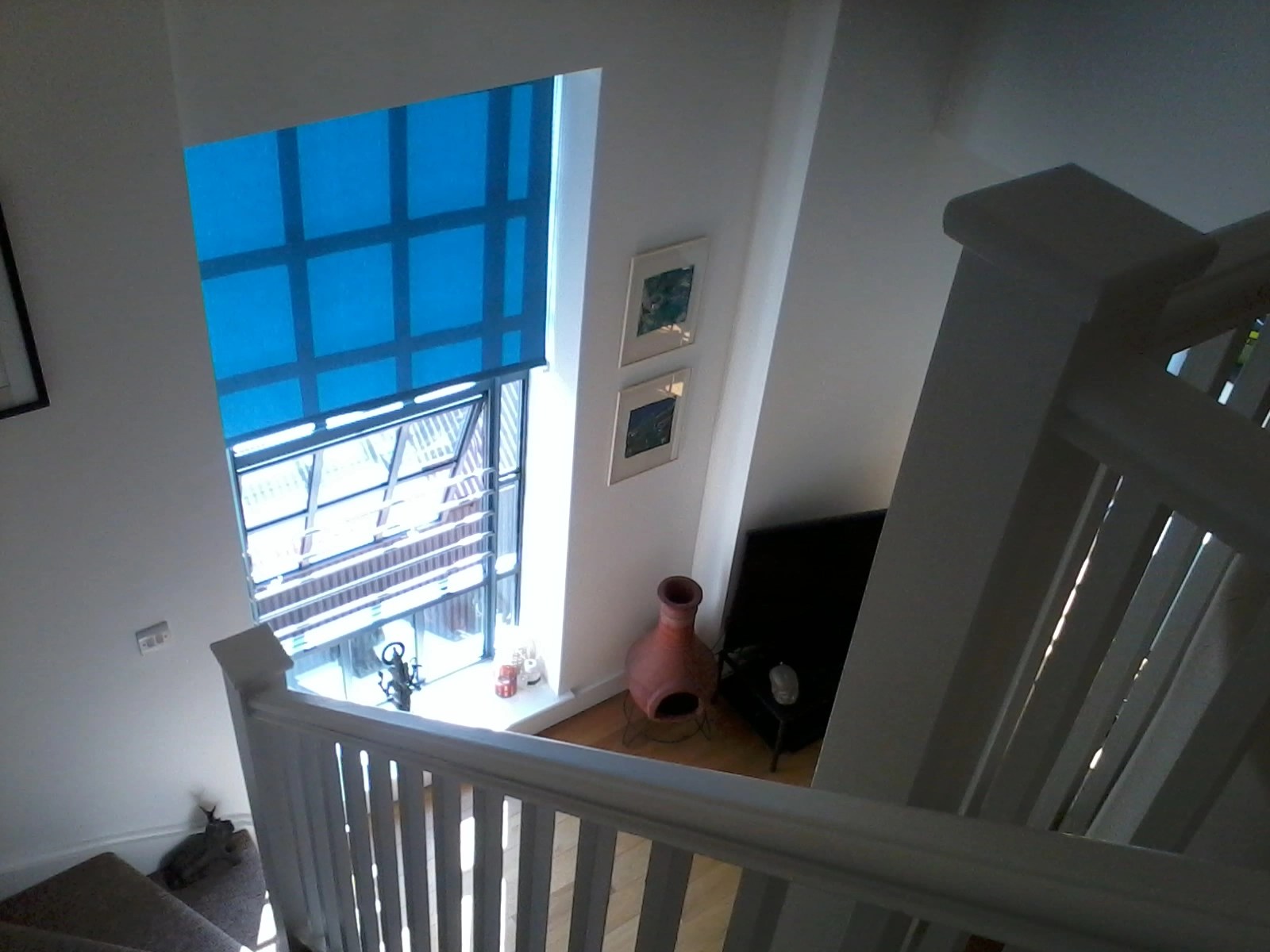
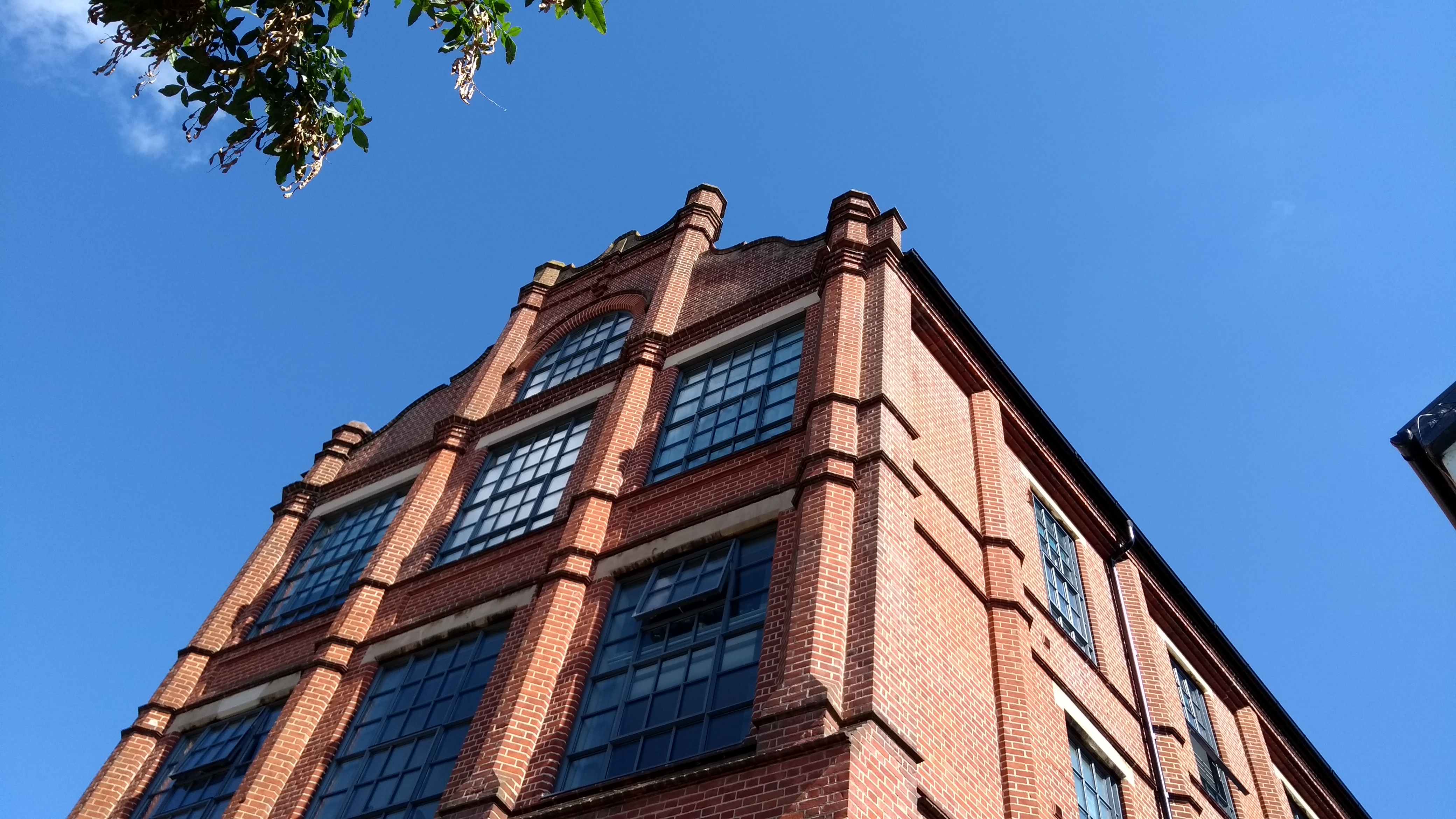
After a couple of years, we decided to put down roots and buy our own slice of historic Norwich – a micro-loft in a handsome converted Victorian warehouse, a writer’s garret to polish off Turkey Street, my second memoir.

At the time, our savings were still in Turkish lira earning pretty good interest. Little did we know that the lira was about to take a dive – and lucky for us, we converted to sterling just in the nick of time. Only days later Turkey’s currency dropped off a cliff, and it’s been more or less in freefall ever since. Had we hesitated it might have been the workhouse for us, not some trendy city-centre apartment.

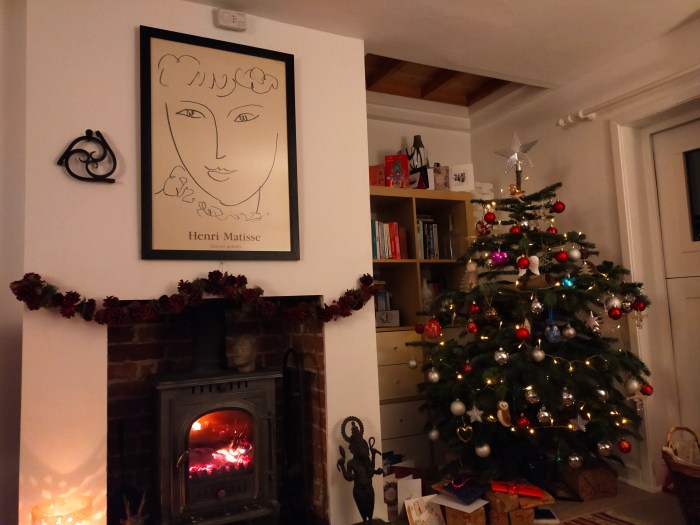
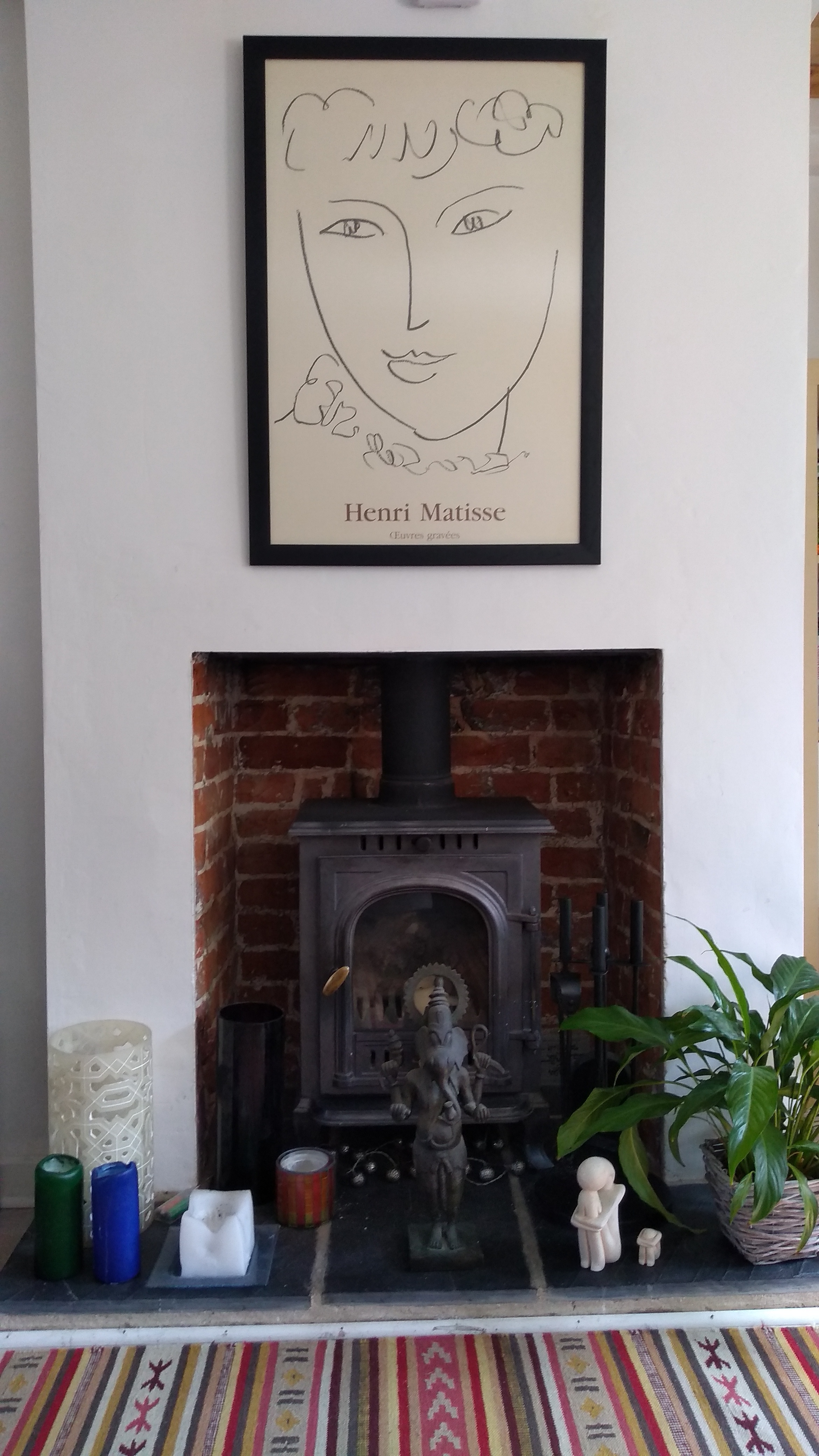
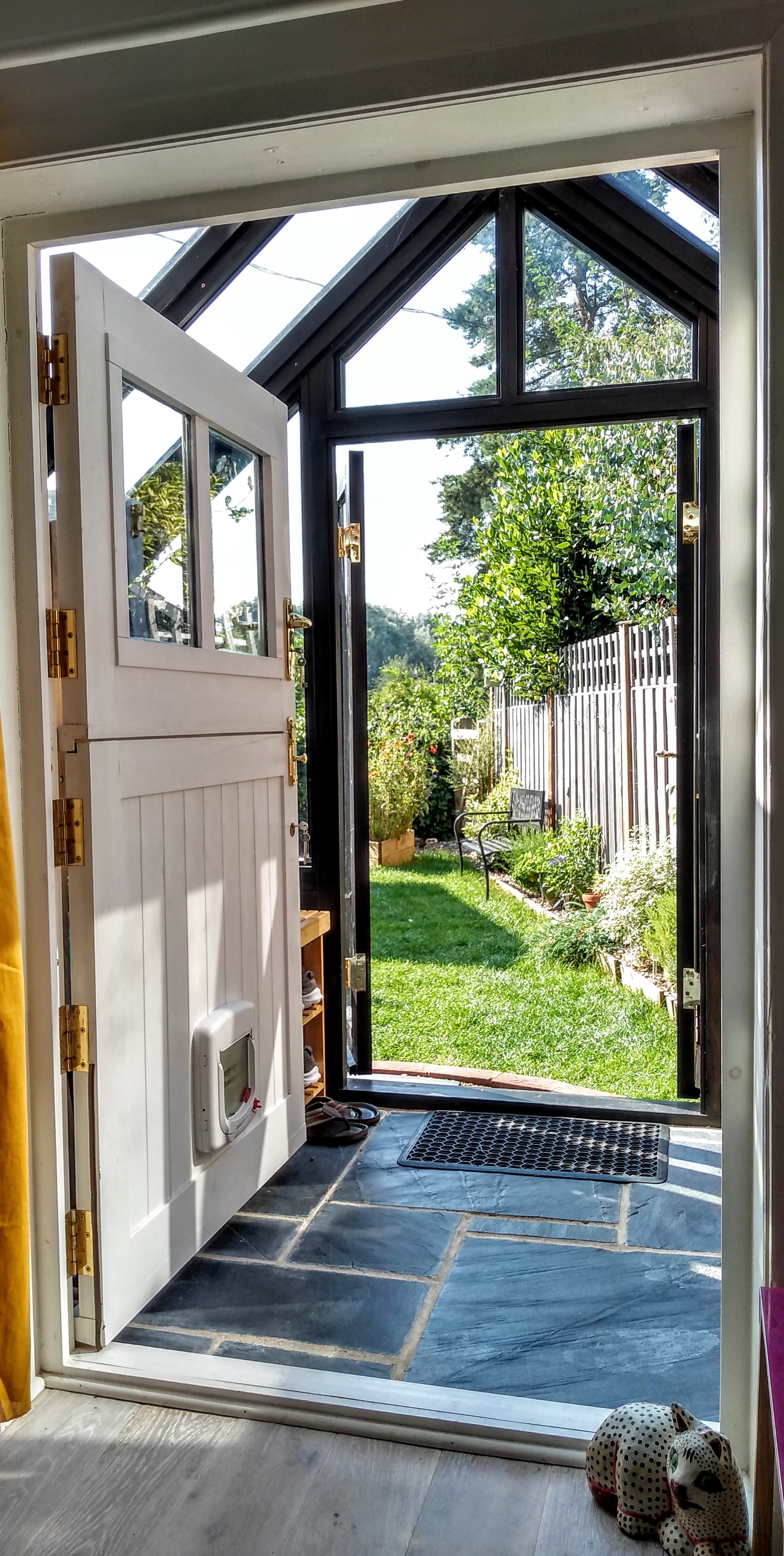
Five years later, we fancied a quieter life, with room to breathe and a log burner to keep our tootsies toasty. We put the micro-loft on the market and it was bought by the first person to view. Quite by chance, Liam noticed a tiny 1850s worker’s cottage for sale. We came, we saw, we bought. Five months into our village life, the world was in lockdown, and our cottage was the perfect place to ride out the storm. Our luck was still in.

Truth is, we only chose Norfolk because we needed somewhere we could actually afford and that was a relatively easy commute to London: there was family stuff to deal with. But as time moved on there was no longer a need for us to stick around the sticks. For a while, we toyed with God’s Own County – Yorkshire – with its big-limbed, hunky Heathcliffs. It certainly does have its moody blue attractions among the moors and mills.

But we’re rather taken with our East Anglian hamlet, with its broad Naarfuk brogue, big skies and chirpy birds with their squawky dawn call – loud enough to wake the dead in the churchyard next door. And we may be newbie Norfolk broads but we’re definitely not the only gays in the village.

The cottage is my nineteenth address. Will I make it to twenty? And will our luck hold? Who knows? But we do have a coffin hatch just in case the Grim Reaper comes a-knocking.

The Nimmo Twins – Normal for Norfolk

After a six-year hiatus, local comedy heroes The Nimmo Twins (Owen Evans and Karl Minns) were back treading the boards at the Norwich Playhouse for the second of their twenty-fifth-anniversary shows. Despite their glittering quarter-century career, to our shame, we’d never heard of them, but then a couple of fellow villagers put us firmly in the picture.

I’m glad they did. In skit and sketch, satire and song, characters old and new, the Twins put us straight about all things normal for Norfolk – the ups and mostly downs of Norwich City Football Club, local petty bureaucrats who couldn’t organise a piss-up in a brewery, geriatric TV presenters well past their sell-by, livestock-lovin’ farmhands with single-digit IQs and flash Londoners with their fancy cars and holiday homes, all delivered in the broadest of Naarfuk and with tongues firmly in cheek. It’s a total, affectionate piss-take and it’s hysterical.

Washing Machines Live Longer with Calgon

Not in this house, they don’t. I can’t be arsed to buy any product advertised on the box which has been dubbed into English. I use a supermarket own brand which is cheaper and probably made by Calgon anyway. Or rather I used to.

The water in East Anglia is notoriously hard. Ever since we moved to the back of beyond I’ve been suffering from slight contact dermatitis, and the mineral-rich water hereabouts was the possible cause. I say slight because it comes and goes and is more of a minor itchy irritant than a major malady. It’s the only downside to village life.

So we got ourselves a water softening wonder box. It sits comfortably next to the boiler and now delivers the silkiest of waters, so no more clogged pipes, furry kettles or lumpy limescale on tiles, taps and toilets. Bath time is now big bubble time. But has it cured my itch? Err, no. Maybe it’s the gardening.
The Ship of the Fens

Our next family do since the end of lockdown was to Liam’s lot. A fun family BBQ in rural Hertfordshire, a night or two in Cambridge and a visit to Ely, a teeny-weeny city with a vast cathedral dominating the flatlands. ‘The ship of the Fens’ can be seen for miles around, demonstrating just how important He used to be to the prince, the pauper and everyone in between. There’s been a house of God on this spot since 673.
Ely sits on a small plot of high ground at the heart of the Fens, a once expansive marsh long since tamed by dykes and ditches, and drained for agriculture. The city has a quirky feel to it and, despite being only 14 miles from Cambridge and 80 miles from London, projects an air of splendid isolation and self-sufficiency, perhaps inherited from times past when it was an island, cut off for much of the year.

Obviously, the huge church is the main event. I’m not even remotely religious but its sheer scale forces you to look up to the heavens in utter astonishment.

The Mean Fields of Norfolk

The Mean Fields of Norfolk

I’ve always said that if I was a stick of Brighton rock, you’d find the words ‘city boy’ stamped all the way though me. And if, as a city boy living in the city, I’d heard gunshot, I’d have called the old bill, no hesitation. The truth is, despite the crime and the grime on the mean streets of old London town, I never heard gunfire for real, not once. Now I’m in the middle of huntin’, shootin’, fishin’ country where men are men and birds are nervous, I’m slowly learning to embrace the back of beyond. When I hear both barrels go off in the mean fields of Norfolk, I just shrug my shoulders and chuck another log on the wood burner. Pity the poor pheasants, though.