The Ferrow Brothers

Another remarkable little gem lifted from the Queer Norfolk Archive at Norwich’s Millennium Library is the astonishing story of the Ferrow sisters of Great Yarmouth who became the Ferrow brothers. Census records reveal they were born in 1922 and 1924, registered originally as Marjorie and Daisy and then re-registered as Mark and David. Mark medically transitioned in 1939 at 17 and David a year later – both with full parental support. “Though we have been girls, we have both felt men at heart,” Mark said at the time.

Their story received quite a lot of press coverage, including this piece in the Daily Herald.  
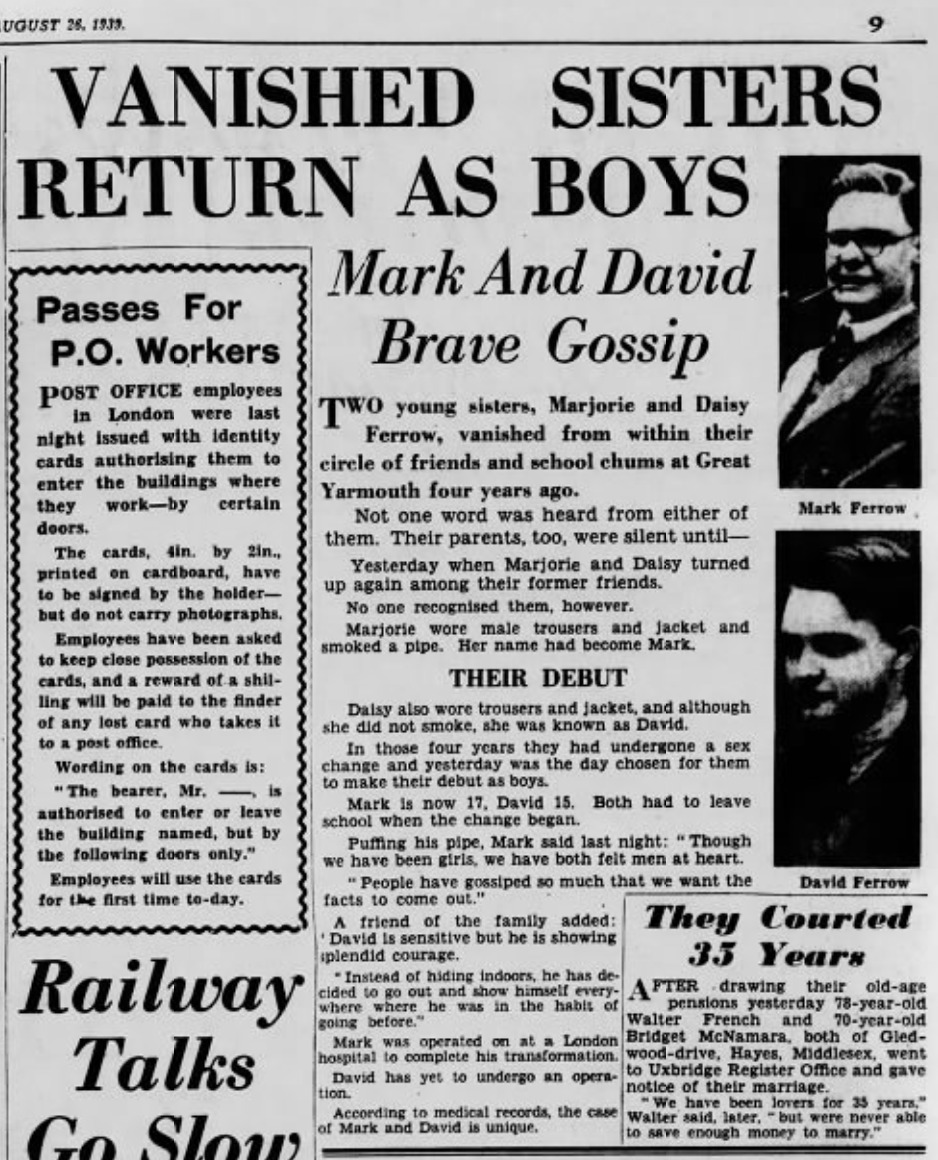
Remarkably, in stark contrast to today’s polarised and often spiteful debate, the coverage was largely positive or, at least, neutral, perhaps because there were much bigger things to fret about, like a looming world war and an existential threat. In fact, Mark did his bit during the blackout and received a commendation for bravery in civil defence – because heroes come in many colours.

Mark also became an artist of distinction. His painting of former England cricket captain, David Gower, was hung in the National Portrait Gallery.
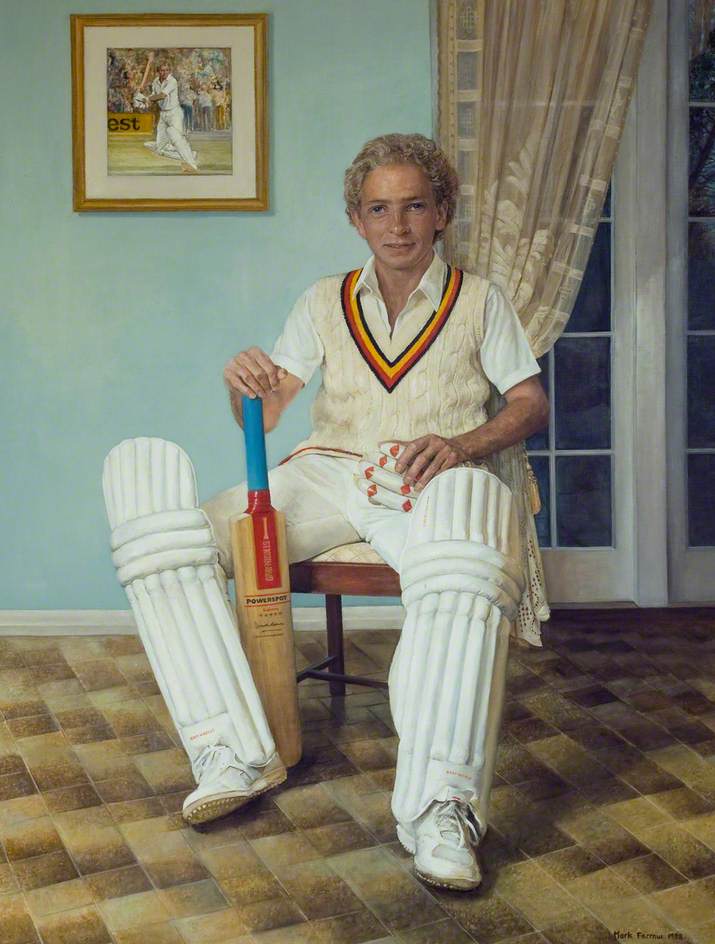
Image credit: Leicestershire County Cricket Club

David Ferrow followed in his father’s footsteps as a Great Yarmouth bookseller and went on to marry. He was well-known and well-liked around town; a bit of a local icon.

Mark died in 1991 and David in 2006. As I said, astonishing.

Cue YouTube…
Cottage Ladies

Until modern times, the status of women was Bible-clear – to love, honour and obey – with a particular emphasis on obey. Women had little say and precious few rights, no better than chattels passed from father to husband. The rule makers didn’t see women as sexual beings who had their own drives and juices, so it’s no surprise that girl-on-girl action has never been illegal. Naturally, despite their blinkered menfolk, lesbian life did exist, of course, but it was a hush-hush affair of furtive fumbles behind firmly locked doors, laced with shame and guilt. Well, it was for most, but not for all.

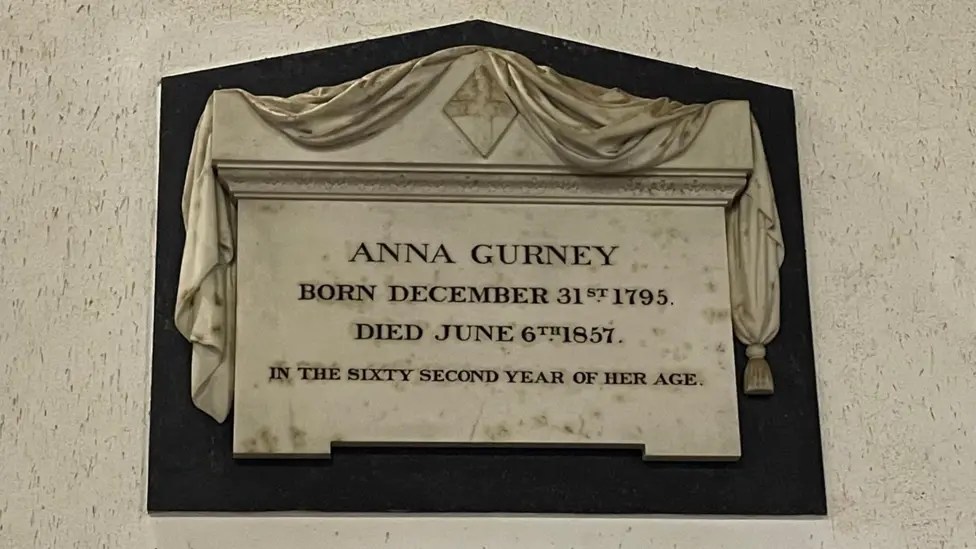
Born into an aristocratic Quaker family in 1795, Anna Gurney broke the sapphic mould and got away with it. A great philanthropist, the formidable Anna founded a local school decades before state education was introduced, campaigned for the abolition of slavery and became the first female member of the British Archaeological Association – and these are just some of her many achievements.

And, Anna lived openly and guilt-free with Sarah-Maria Buxton – they referred to each other as their “faithful and beloved partner” – in Overstrand, a small village on the north coast of Norfolk. Apparently, they were referred to as ‘cottage ladies’, a wonderfully British term for cohabiting so-called ‘spinsters of the parish’. The couple are buried alongside each other in Overstrand Church. I guess the vicar didn’t bat an eyelid.

Way to go, Ladies!

With thanks to the Queer Norfolk Archive at the Millennium Library in Norwich for this delicious titbit.

Dogging in the Dark

Our little Victorian cottage sits at the top of a semi-rural lane which meanders down to the River Chet, with wood, scrub and marsh all around. You’d think, living where we do, our nights would be as silent as the graves in the churchyard next door. Not a bit of it. Even in the depths of winter, we keep our bedroom window slightly ajar and so our country slumber is often serenaded by a cacophony of sounds from the wild things hereabouts. The song of the tawny owl is both soothing and soporific, whereas the screaming of the horny foxes is eerie and bone-chilling. And then there’s the rustling of small rodents as they feed, out of sight of predators. But most recently, a loud barking has been added to the choir.

At first we thought it was a lost dog – our four-legged friends are as popular as mobility scooters around these parts. But it turns out the barking is the call of a randy muntjac deer cruising for a bit of lovin’ in the boggy thicket. An adult muntjac deer is the size of a labrador and sounds a bit like one too.

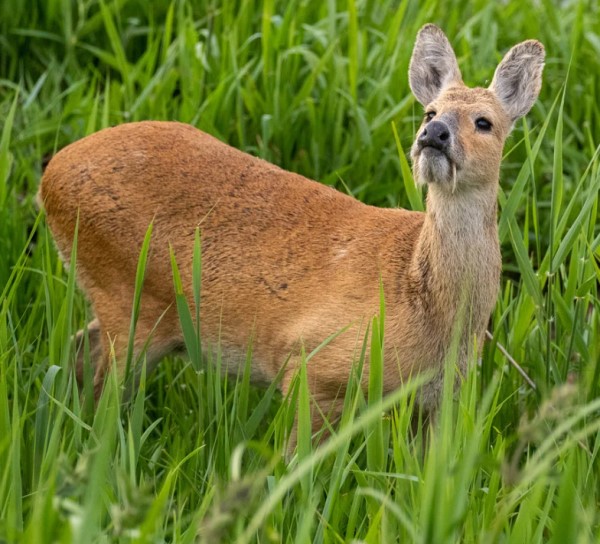
We have two species of small deer around us – the muntjac and the Chinese water deer, neither of which is native to these islands. Both were imported from Asia by toffs in waxed jackets – for their sprawling country estates. Inevitably, some escaped into the wild and bred like rabbits. And so it’s all dogging in the dark for these horny creatures – just like the human variety in copses and clearings, lay-bys and car parks up and down the land.

Roys of Wroxham

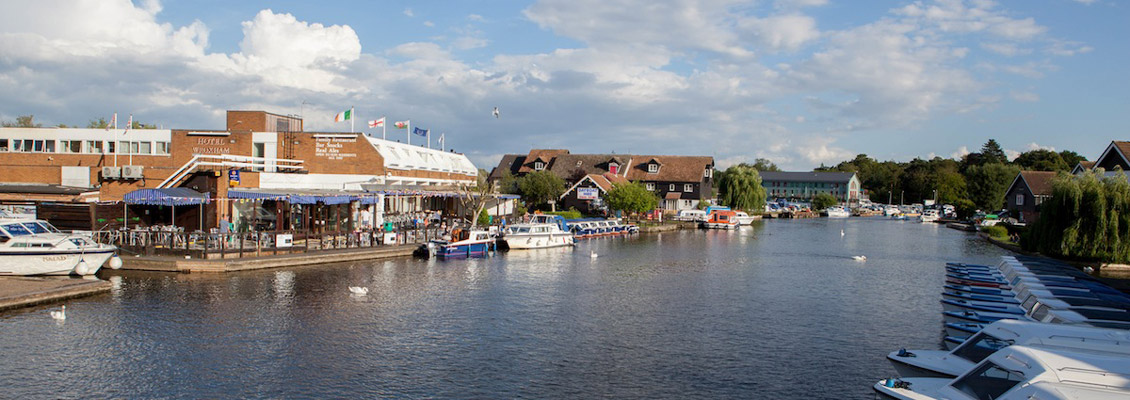
Way back in 2013, I wrote a brief throwaway piece about a day trip to Wroxham – ‘Gateway to the Norfolk Broads’ – a town entirely given over to those who like to mess about in boats and those who service them. I called it Roy’s Town because we were baffled by the dominance of what seemed to be some bloke called Roy – Roys Supermarket, Roys Pharmacy, Roys Toys, Roys Garden Centre, Roys Car Park. Note the missing apostrophes. Tut, tut.

Last week, the long dead and buried post attracted fresh attention. This happens now and again, usually without rhyme or reason. But not this time. BBC East – Auntie Beeb’s local news hereabouts – featured one of those newfangled ‘influencers’ who was also baffled by Roy’s riches. He posted about it on TikTok.

Riding on his coat-tails, my post got a few hundred extra hits. He got millions. Such is life.

My Garden Follies

After a long hot summer of sweaty nights, autumn waits impatiently out to sea and nights are cooling. The changing season has brought with it a welcome respite from the semi-drought. Apart from the occasional monsoon-like downpour that evaporated almost as quickly as it landed, we’ve had very little rain this year. And as East Anglia is the breadbasket of England, the thirsty fields are desperate for a good drink. Our little plot has managed to get through the dry patch relatively unscorched – with the help of a couple of water butts replenished by the odd thunderstorm.

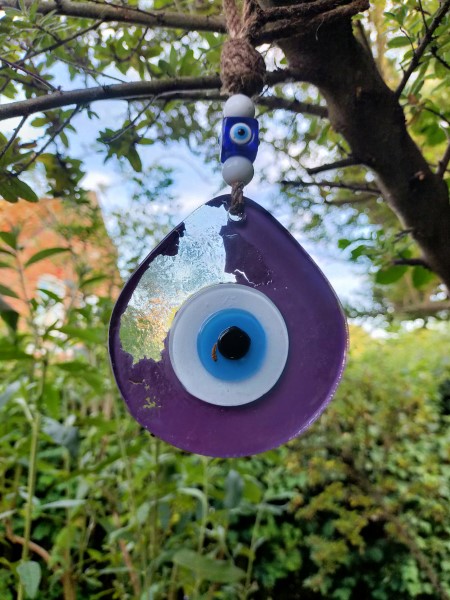
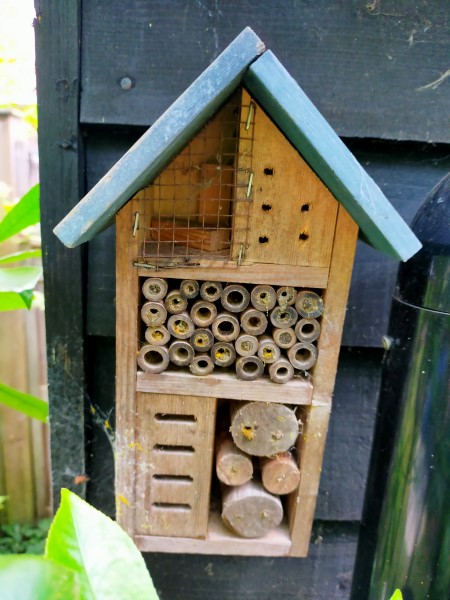
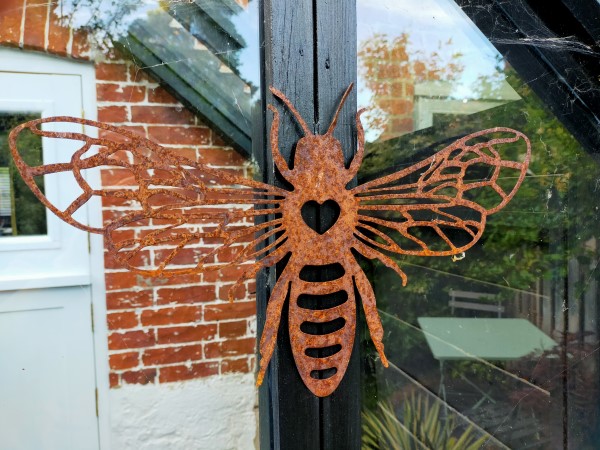
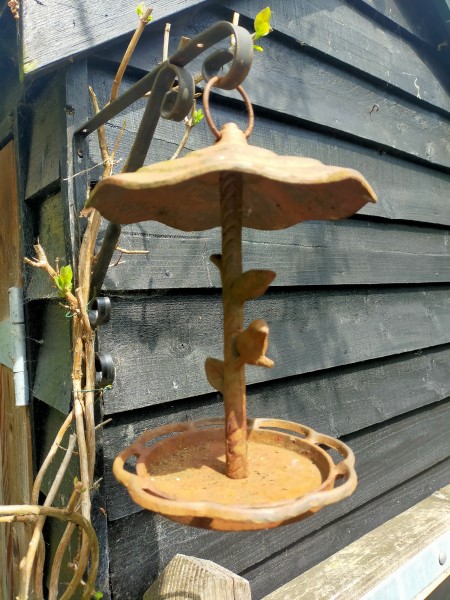
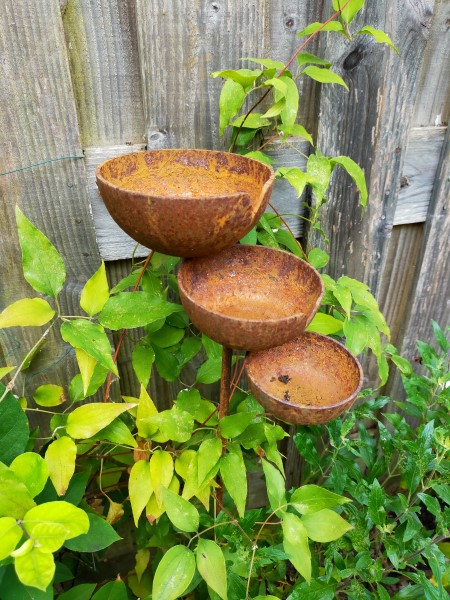
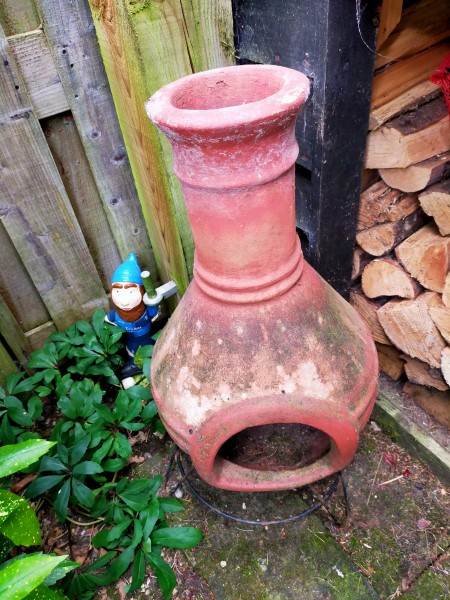
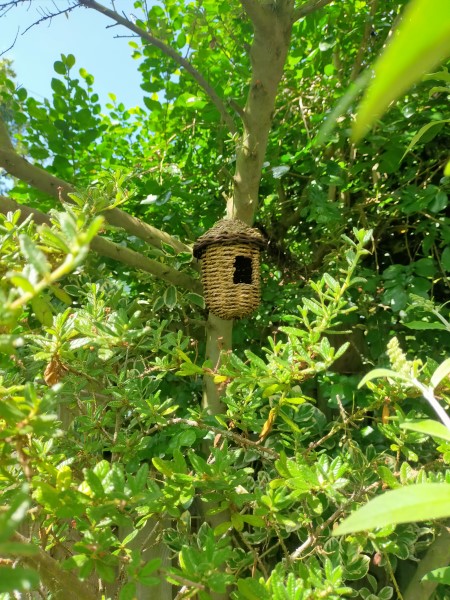
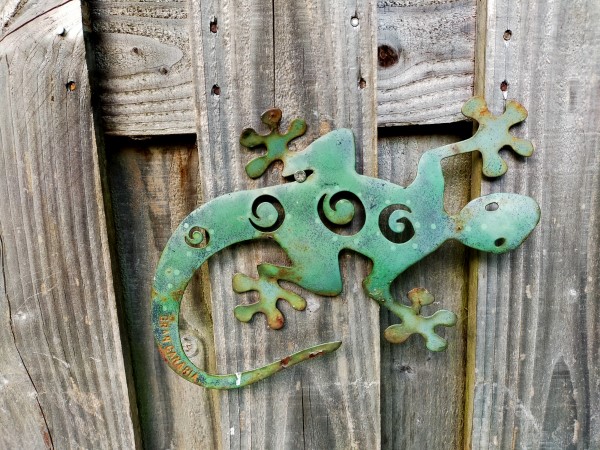
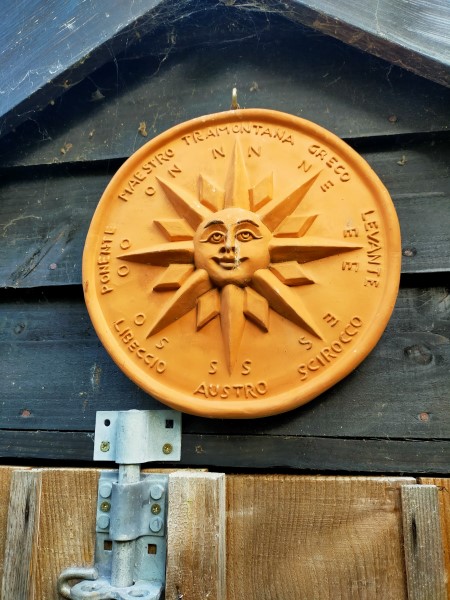
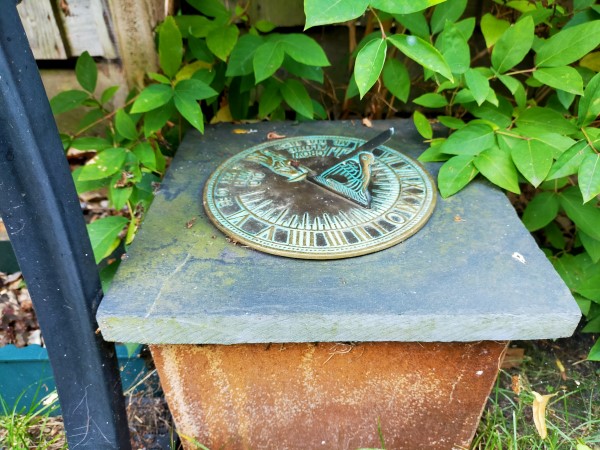
And with shorter days, cosy evenings and frosty nights on the horizon, it won’t be long before the garden goes into hibernation and I’ll have to put away some of our garden toys – my follies, I call ’em – which can’t take the cold. The evil eye hanging from a branch is looking particularly worse for wear. I should’ve bought a new one when we were on Ithaca. Oh well, there’s always next year.

Oh, I Do Like to Be Beside the Seaside

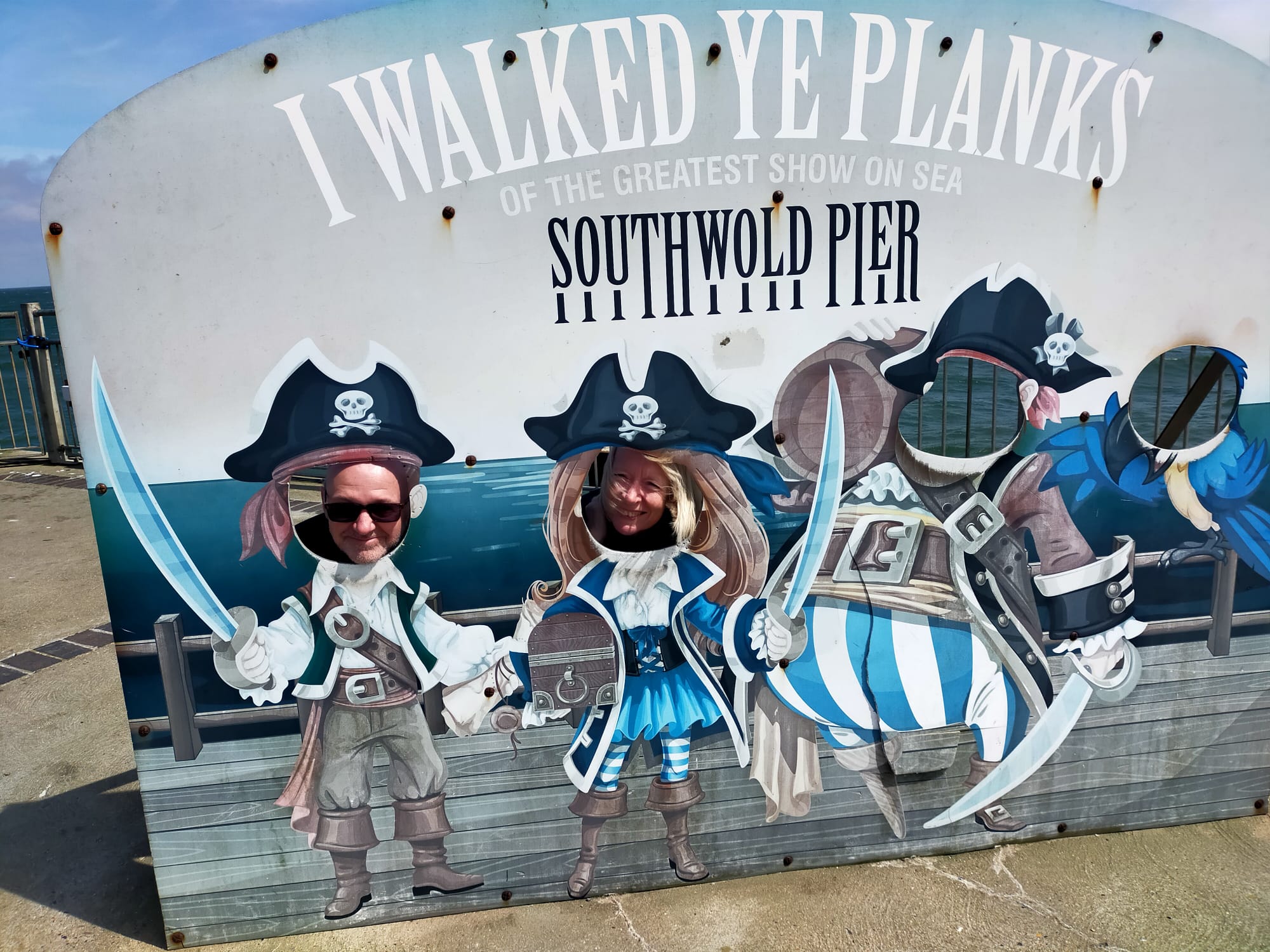
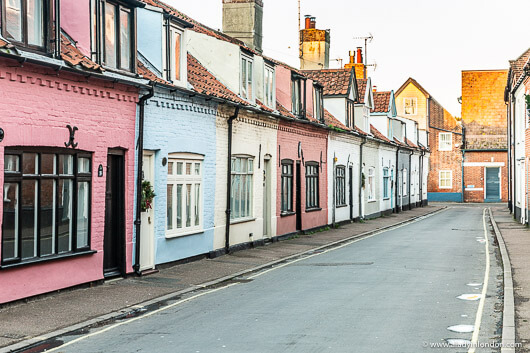
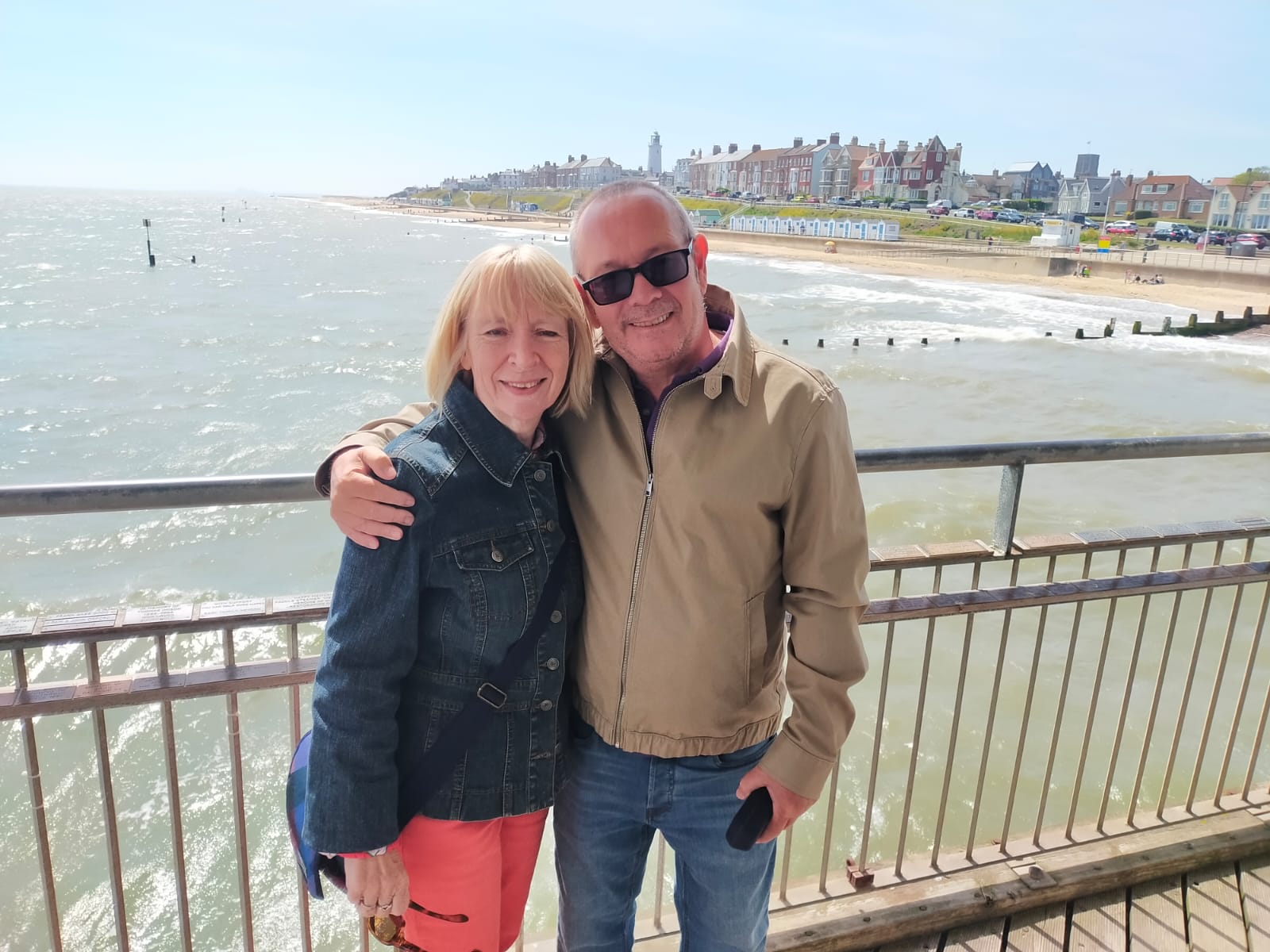
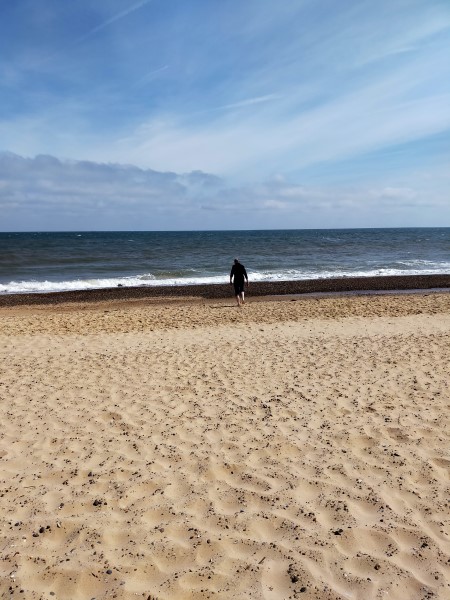
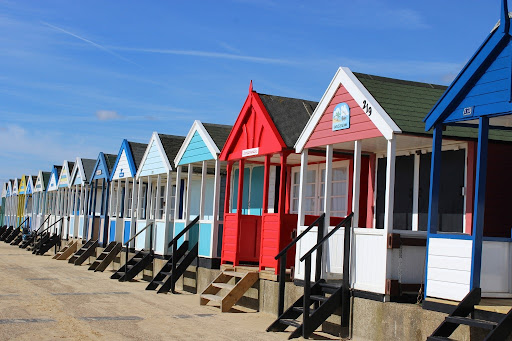
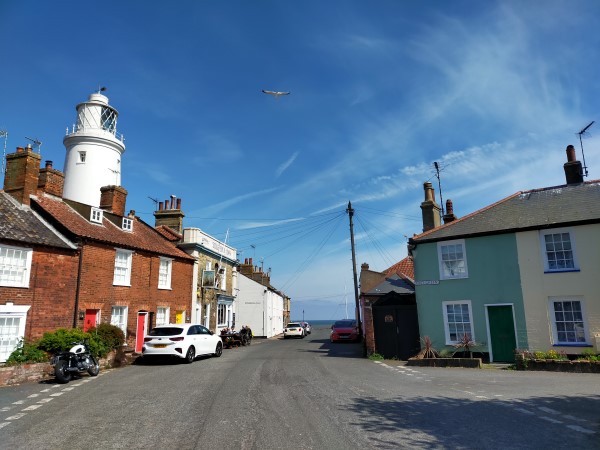
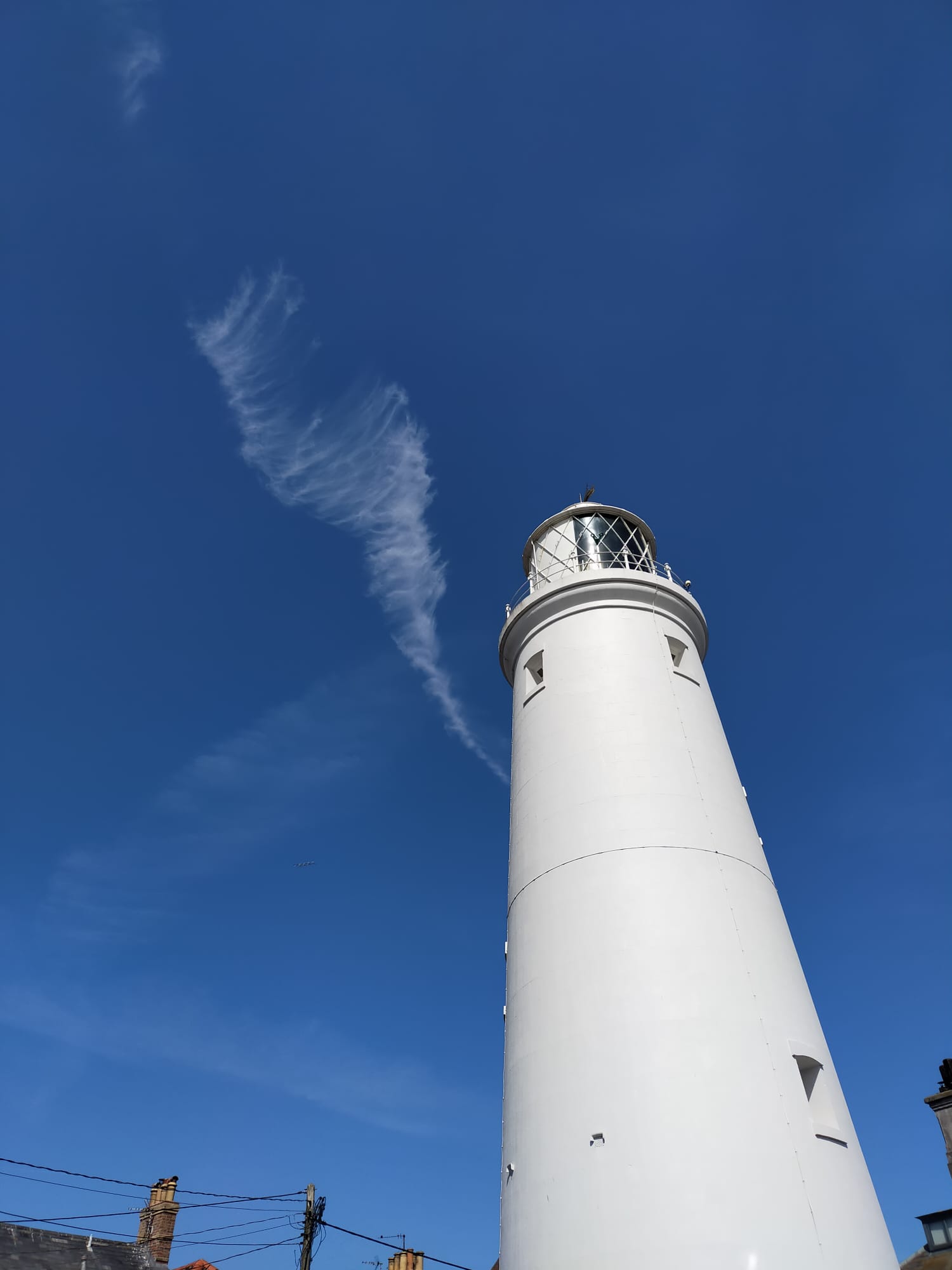
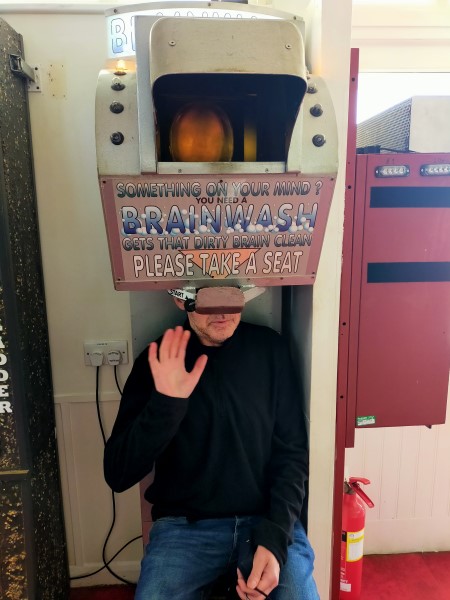
What better way to spend a sunny spring afternoon than a trip to the seaside? We’d never been to Southwold, the classy resort on the Suffolk coast because, without our own wheels, it’s a bit of a trek. So an equally classy neighbour took pity on us and offered to take us. We had a fine time frolicking around on the eccentric antique arcade games at the old pier, strolling along the beach and scoffing scrumptious scones topped with the must-have clotted cream and jam at the posh Swan Hotel. Liam even went for a paddle. The bracing wind blowing in from the North Sea didn’t put him off.

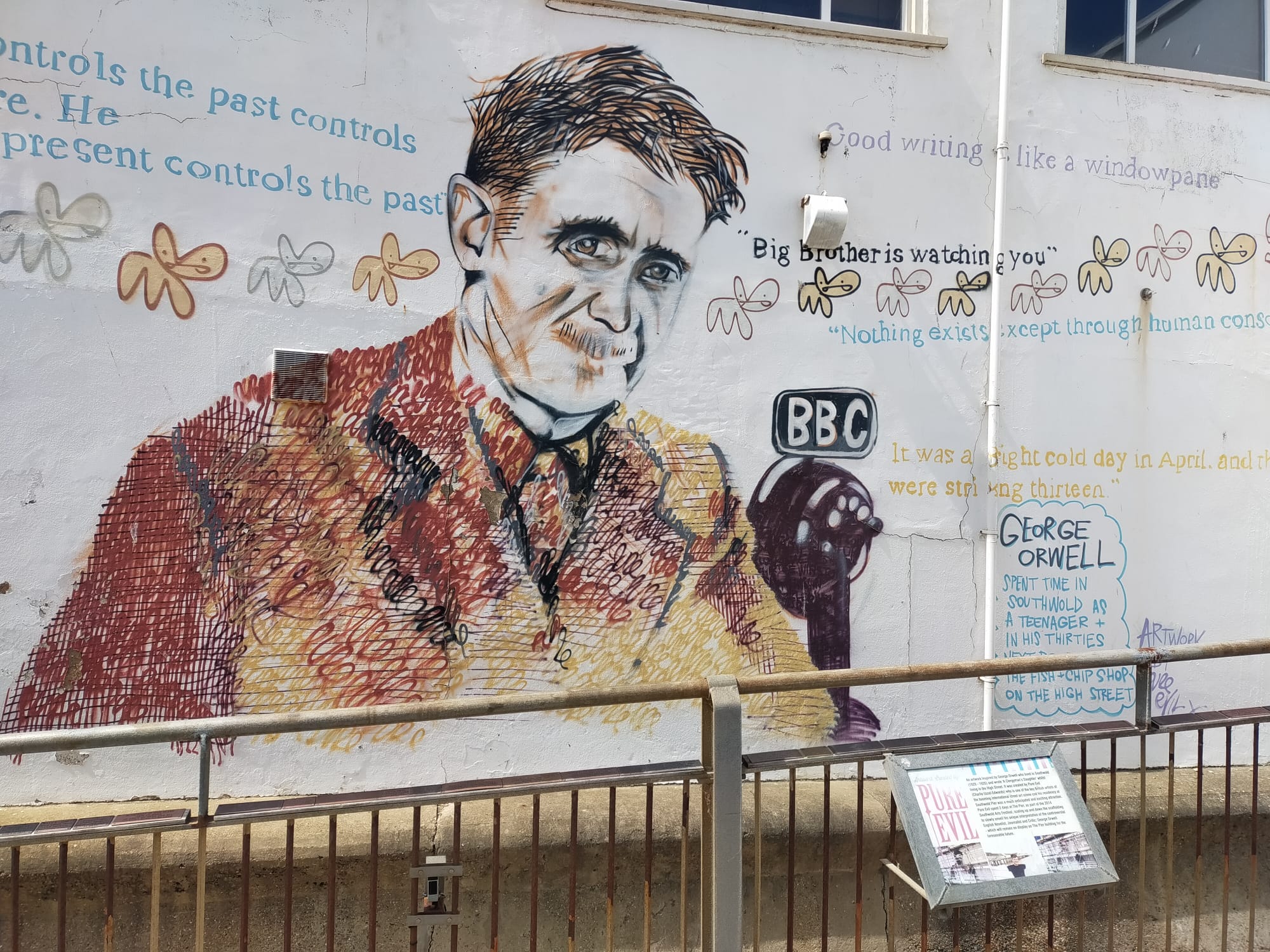
First mentioned in the Domesday Book* of 1086, the pretty town is notable for several things, not least a bunch of bible-bashing, buttoned-up puritans who, in 1637, emigrated to Hingham*, Massachusetts. Southwold was also the teenage home to author George Orwell. His most famous novel, Nineteen Eighty-Four, warns of the slide into totalitarianism. I see a connection.

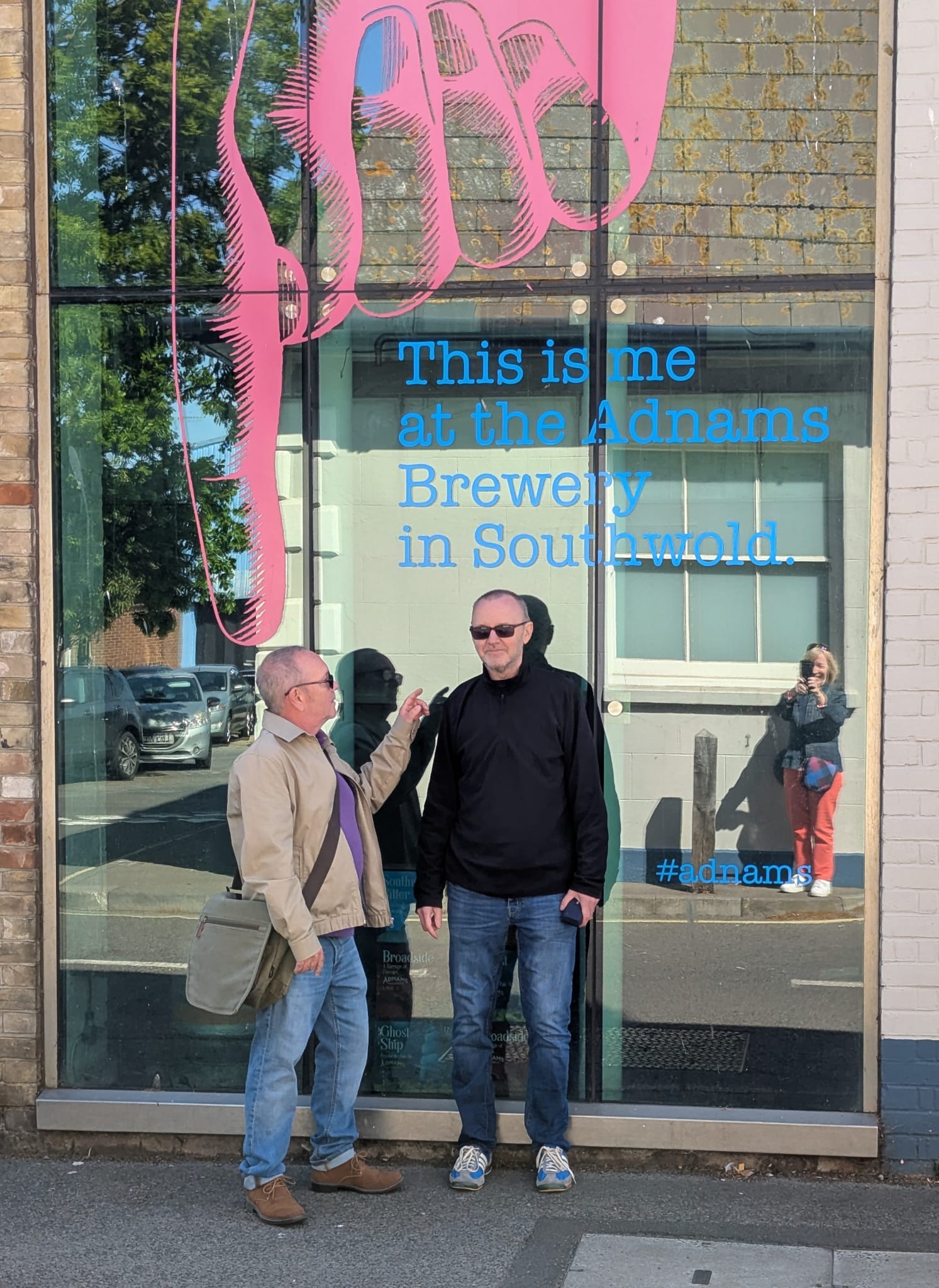
On a lighter note, the town is also home to the famous Adnams Brewery. These days, I prefer the grape to the grain but Liam tells me they brew a quaffable ale. The afternoon ended with traditional fish ‘n’ chips down by the old harbour. All in all, a fun day out.

Some images courtesy of Pat Jacobs.

*The Domesday Book was commissioned by that bastard William the Conqueror to price up the realm he stole.

*The Massachusetts town was named after Hingham, Norfolk, from where most of the new settlement’s first colonists came, including Abraham Lincoln’s ancestor, Samuel Lincoln. A bust of old Abe takes pride of place in Hingham’s St Andrew’s Church. The Norfolk Hingham is also where Liam worked at the medical practice for a few years to keep the wolves from the door after we returned from our Anatolian misadventures. It’s a small world.

Dwile Flonking

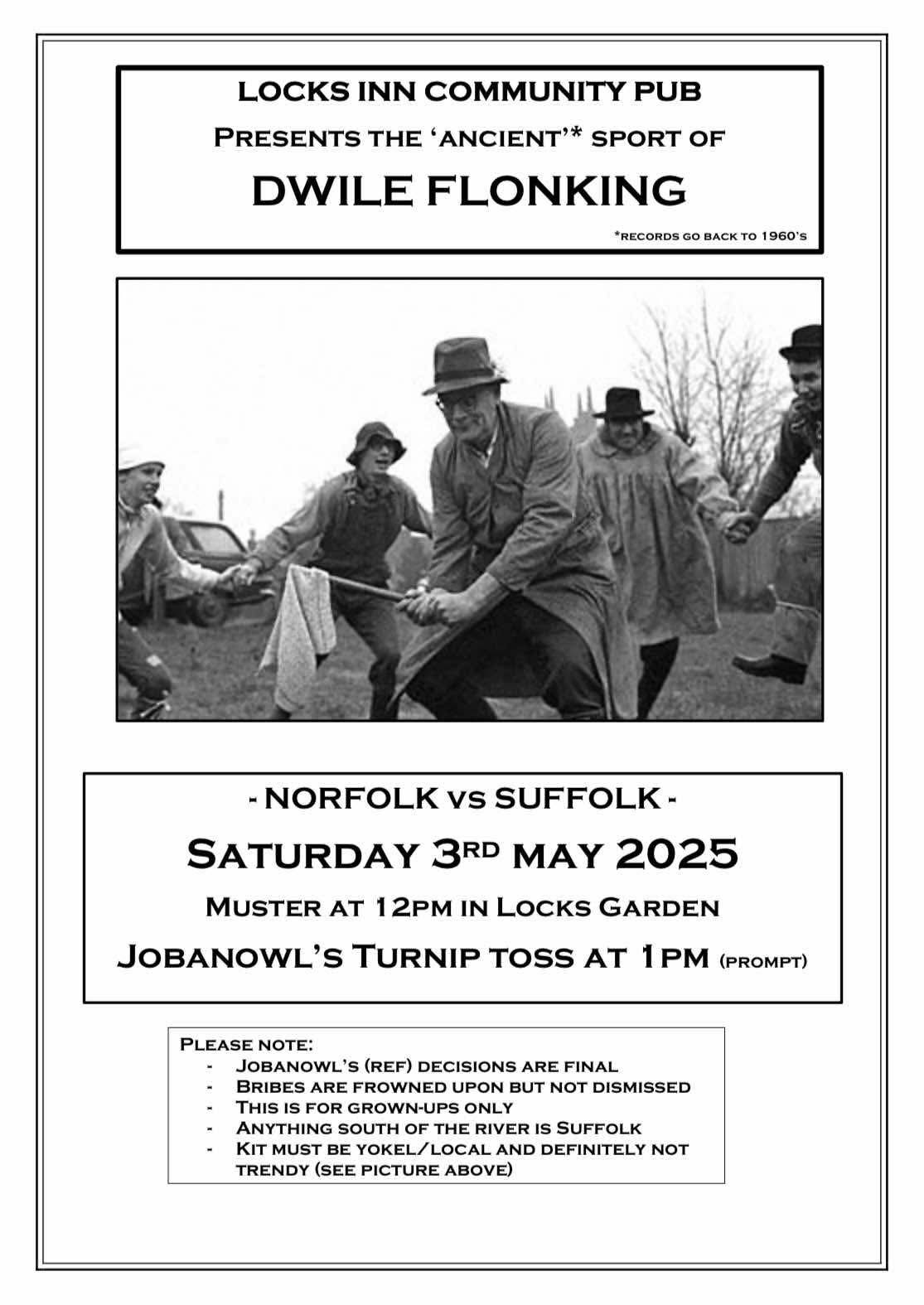
A couple of summers ago, I wrote a tongue in cheek piece about Dwile flonking, a notorious East Anglian pub game involving two teams of twelve players, each taking a turn to girt (dance) around the other while attempting to avoid a beer-soaked dwile (cloth) flonked (flung) by the non-girting team.

Imagine my amazement to find out that the Locks Inn Community Pub, a gorgeous country tavern in the parish of Geldeston, has resurrected the boozy ‘sport’ as a trial of strength between the north folk (Norfolk) and the south folk (Suffolk) of old East Anglia. The Norfolk pub sits on the north bank of the River Waveney looking down on Suffolk on the south side.

Alas, we didn’t find out about it until afterwards and don’t know the result but I hope the merry folk made it a good clean fight. Okay, what I really mean is I hope Norfolk flonked our rivals into the dirt. And don’t even ask about the turnip tossing.

Totally flonking bonkers.

Making Hay While the Sun Shines

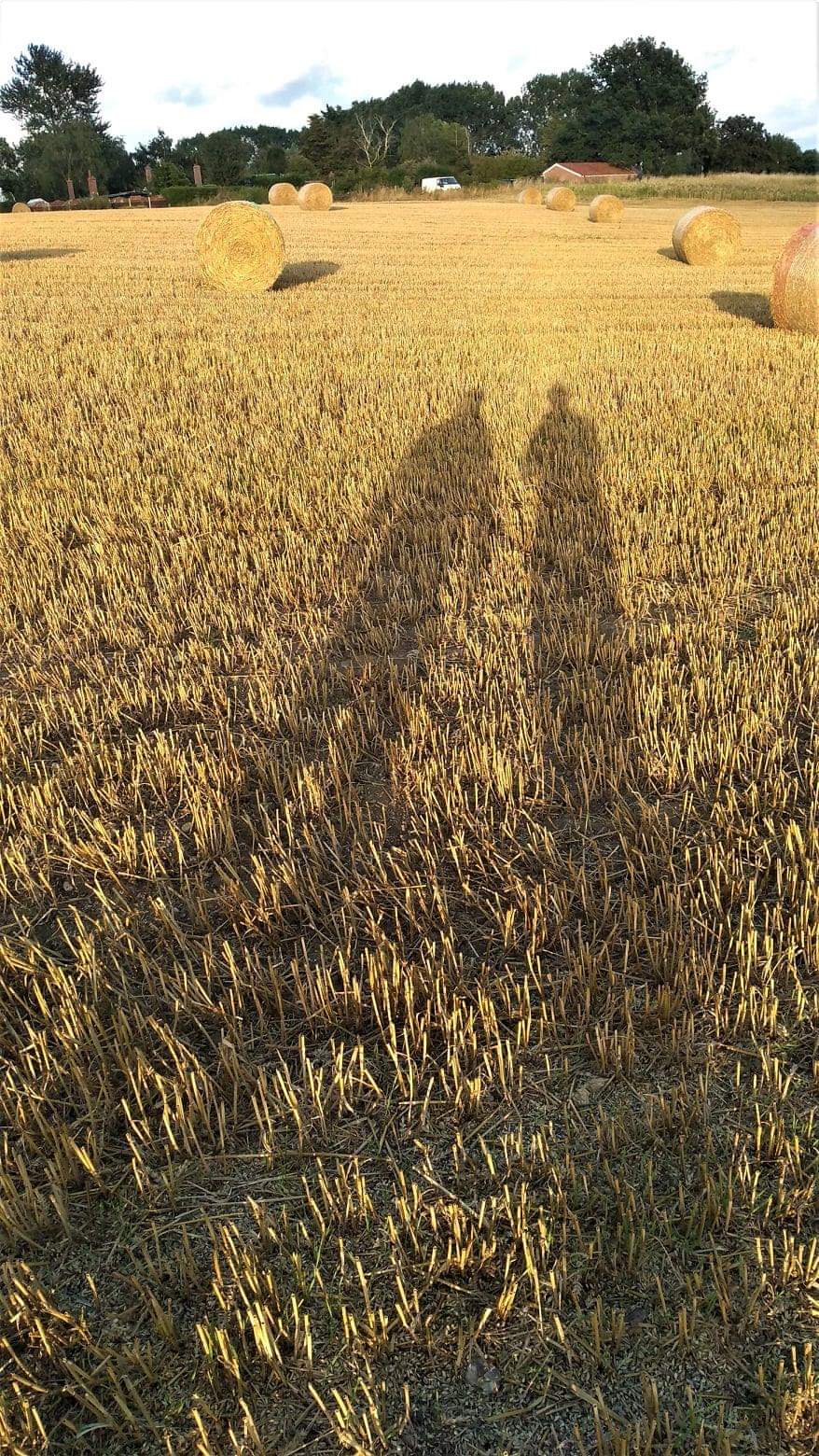
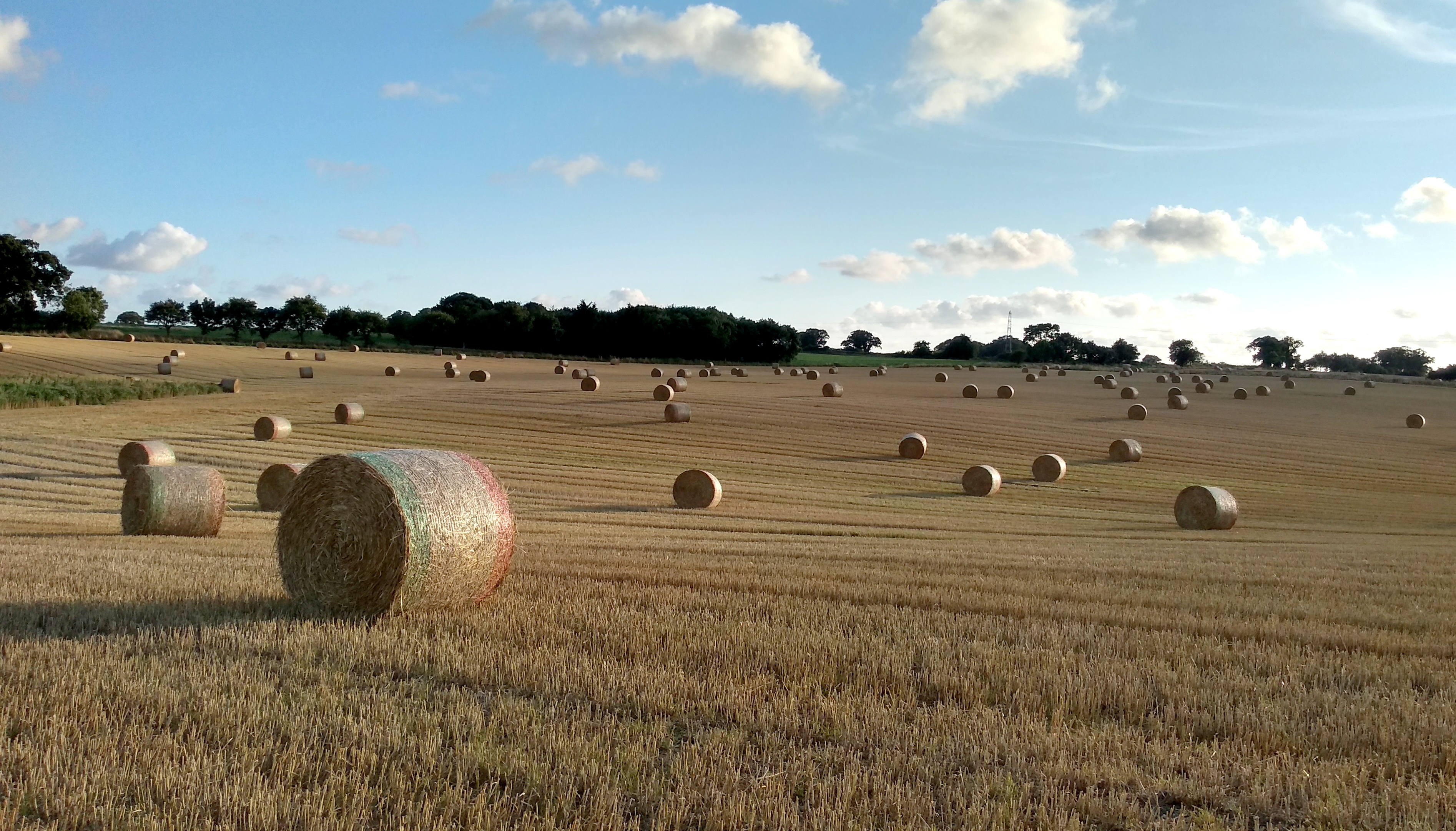
After a damp start, our East Anglian summer warmed up nicely during August. It dried up too, with hardly a drop for our thirsty plot. It’s been perfect weather for bringing in the crops. Ancient lanes hereabouts have vibrated to the rattle of massive farm machinery driven by burly farmhands. Time to make hay while the sun shines. Such is harvest time in England’s breadbasket.

August also witnessed the bonfire of the boats. A row of pleasure craft went up in flames on the nearby River Chet. The inferno spewed thick, choking smoke that could be seen for miles around. We’re used to the never-ending march of walkers passing by our gate. We weren’t expecting fire crews from across two counties. Fortunately, no one was hurt.

Courtesy of Facebook

And we saw an increase in pretend dogfights above our heads – loud and menacing. Jet fighters from a nearby NATO air base thundered across the hazy skies, playing catch-me-if-you-can. Let’s hope it remains just a training exercise.

Seven Swans A-Swimming

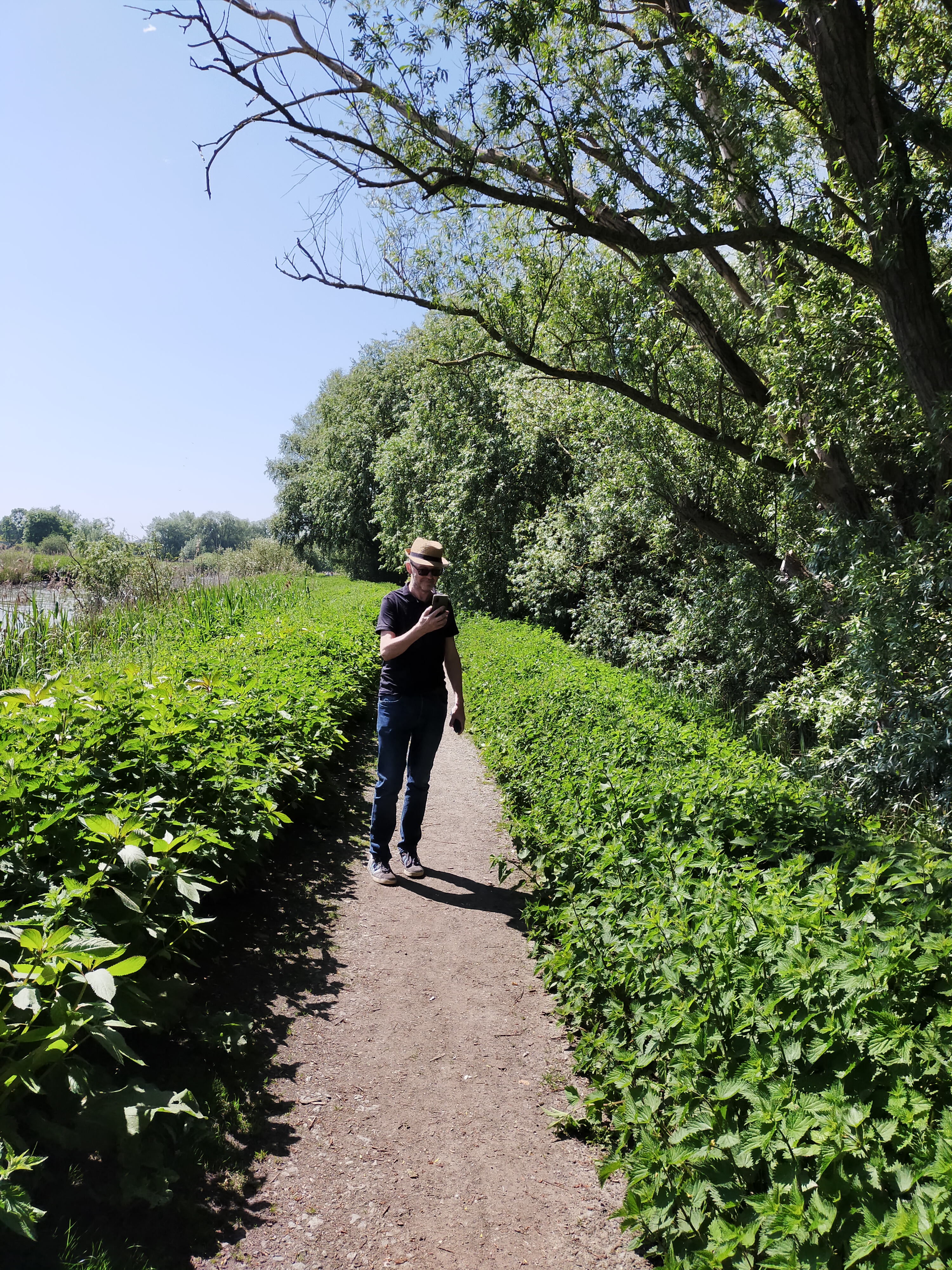
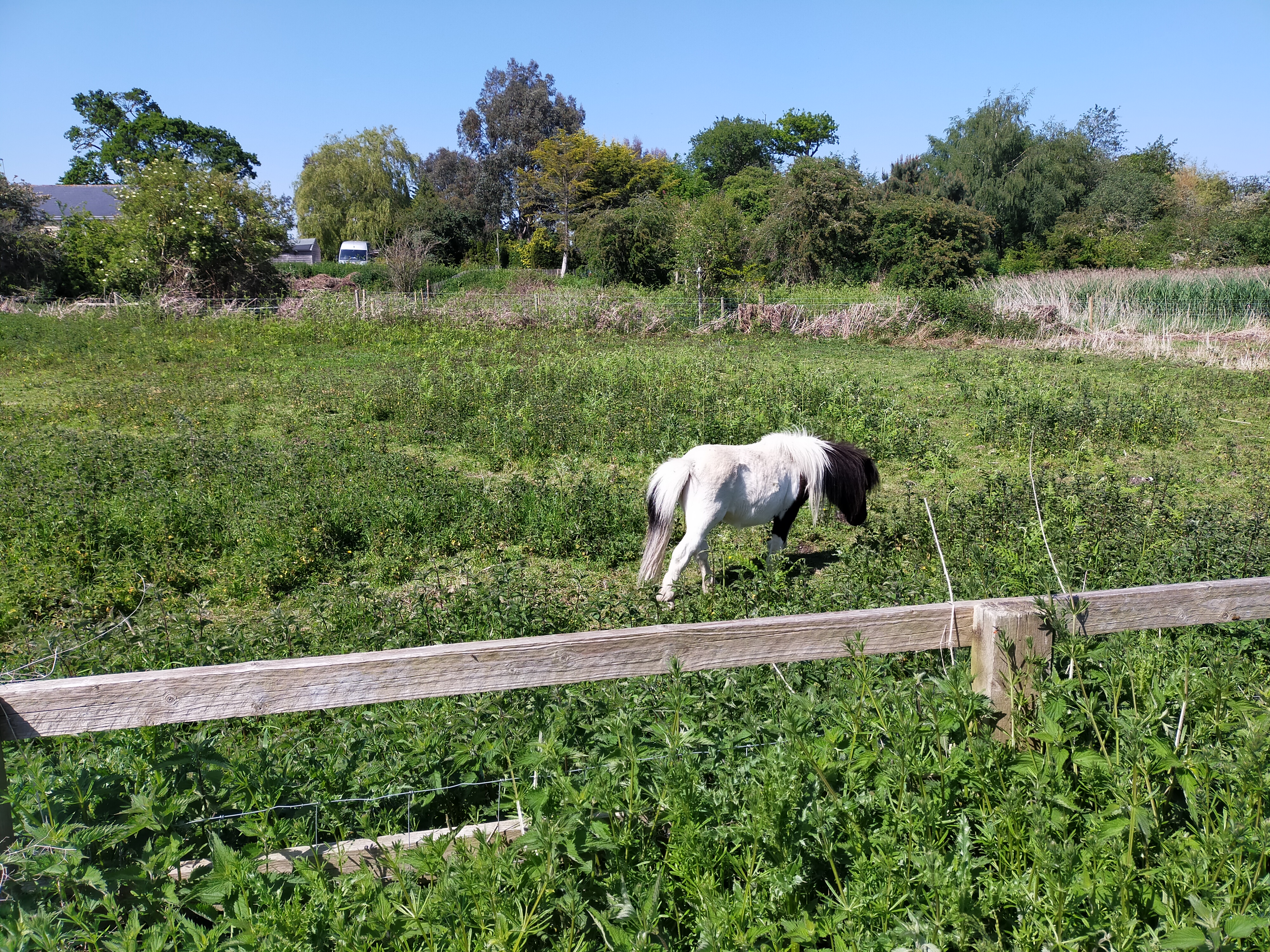
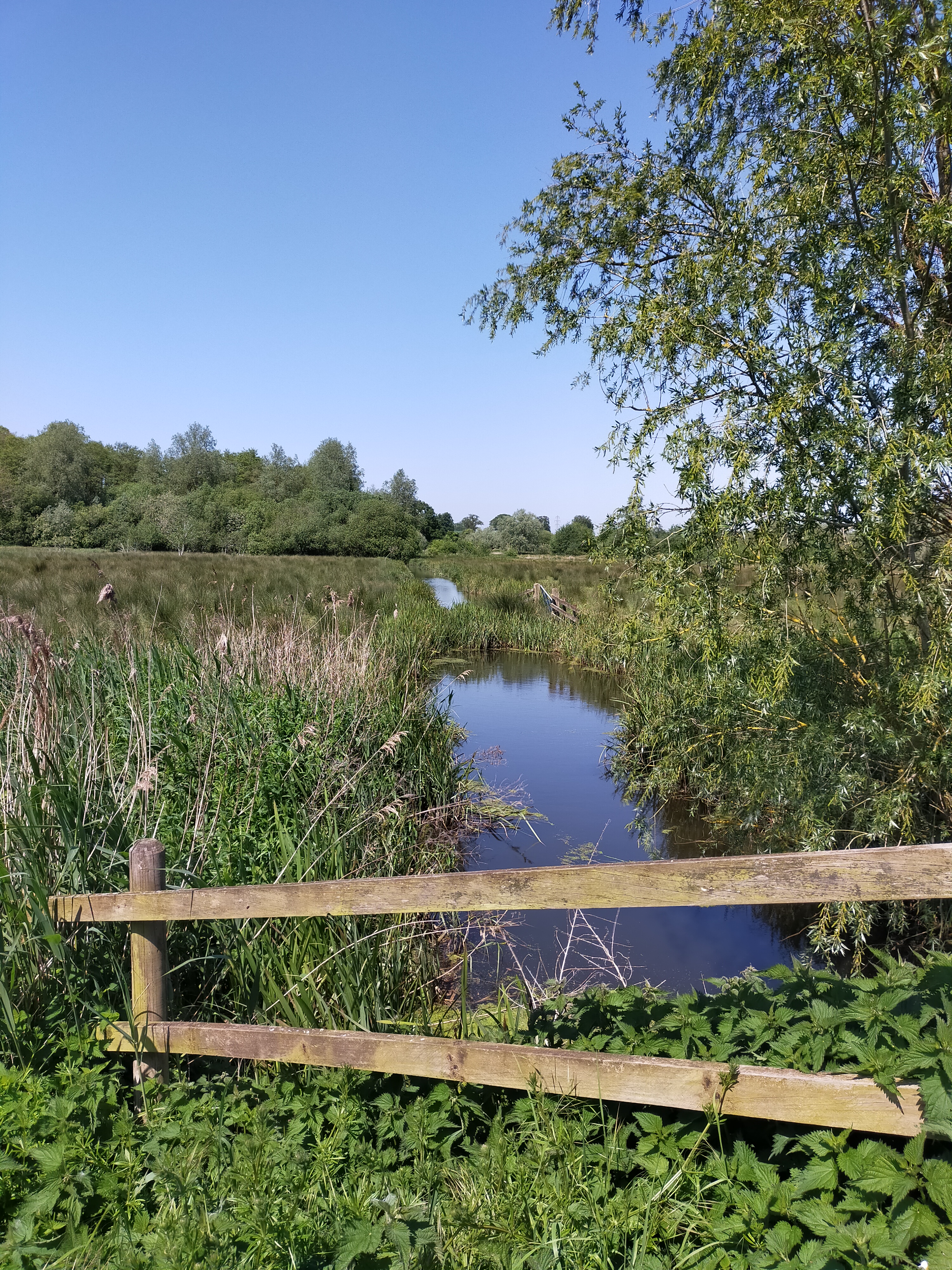
With the sun finally poking through the grey clouds, we grabbed the chance to take a walk down by the River Chet for the first time in an age. As we strolled between the reeded bank and boggy fields past cattle and ponies chewing the cud, we thought it would be fun to repeat our The Twelve Days of Christmas theme to pick out more calling birds. I know, we really ought to get a life. When we approached the bird sanctuary at Hardley Flood, Liam whipped out his handy Merlin app. Ironically, we get a stronger signal down by the waters.

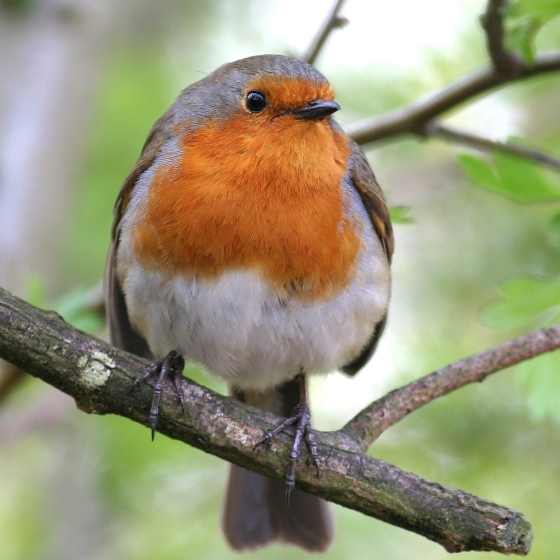
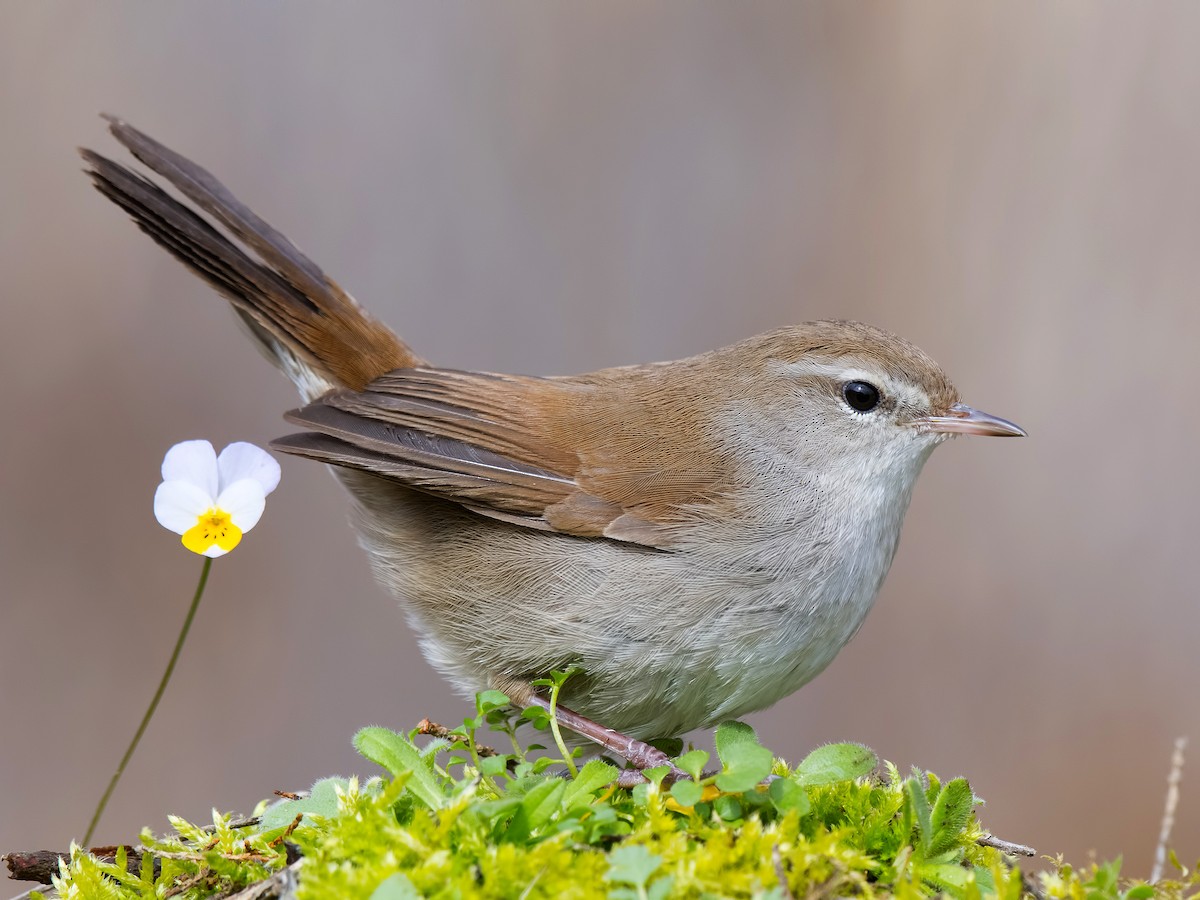
And, yes, smart-arse Merlin identified a few more birdies. I give you an oystercatcher, robin, greenfinch and warblers, sedge and cetti. And then there was the magnificent kestrel stalking its mousey prey from above.

Ok, we didn’t get seven swans a-swimming, but I think a regal pair, flirting in the murky waters churned up by passing pleasure boats, is good enough for anyone.

Two Swans A-swimming

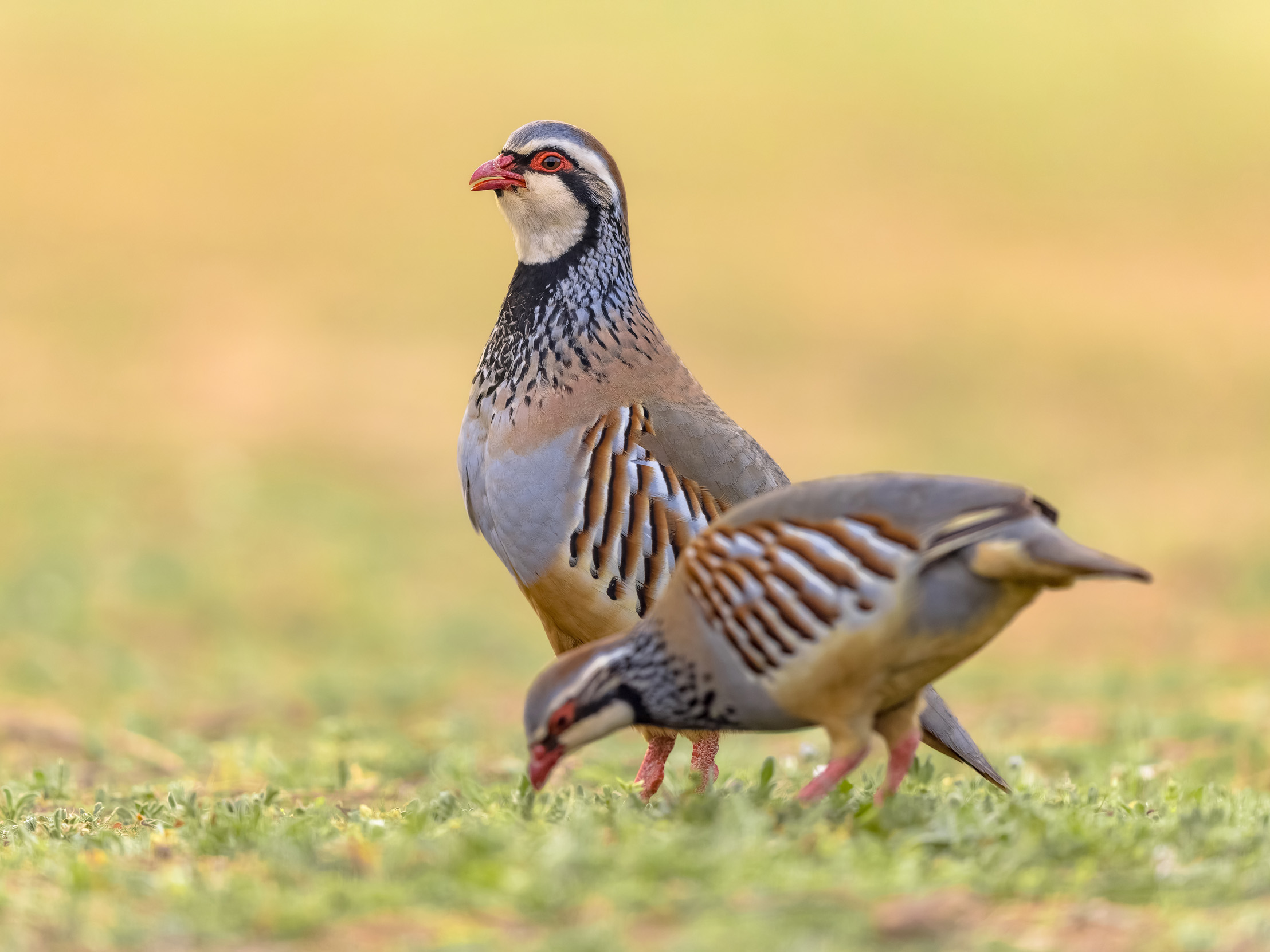
And a Partridge in a Pear Tree

The rural flatlands of Norfolk are habitat heaven for the birds – fields and forests, rivers and wetlands provide the perfect breeding ground for an eclectic collection of feathered flocks. The springtime chorus in our small garden can sound almost symphonic when the competing bands of tweeters all strike up together. We have front row seats. But what are these calling birds?

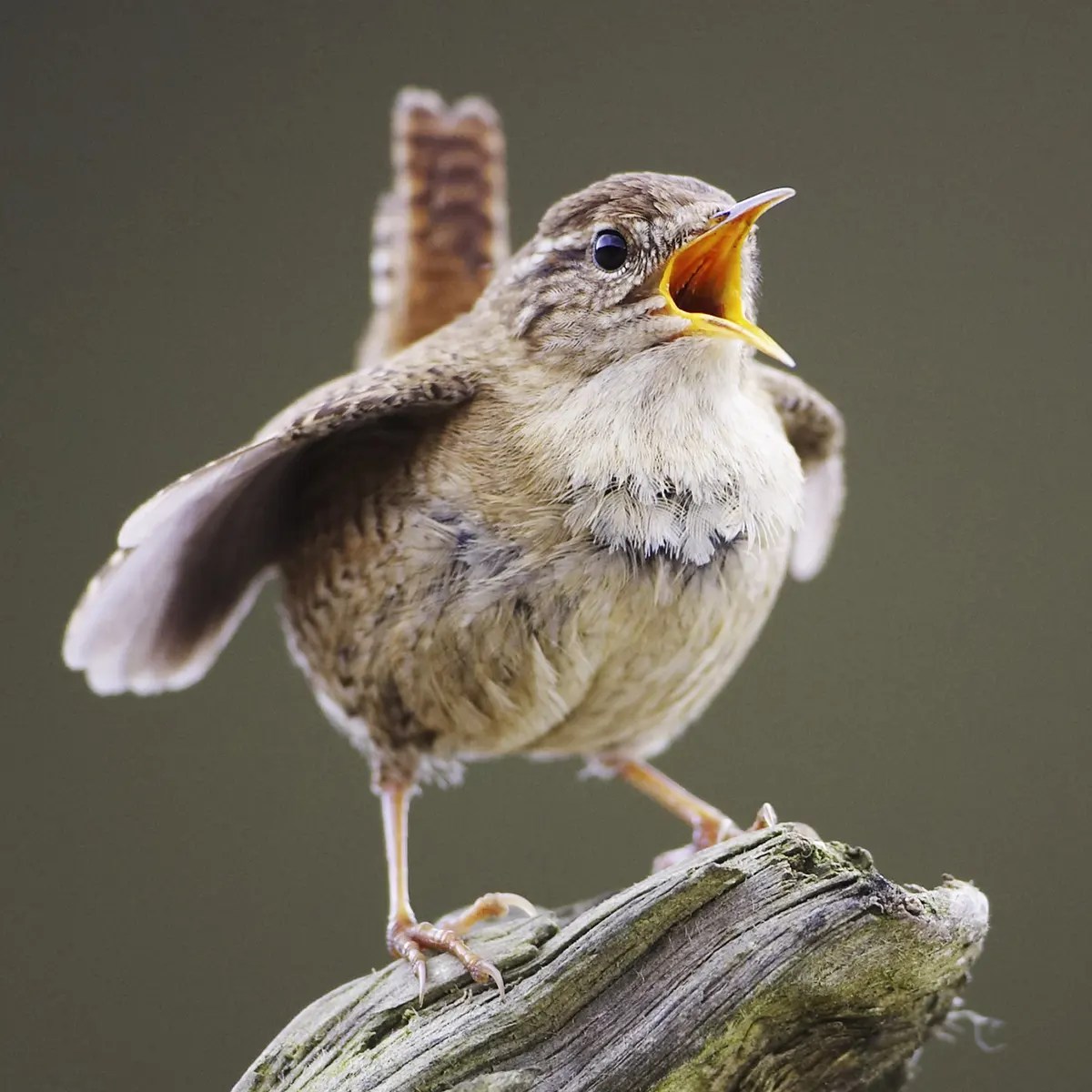
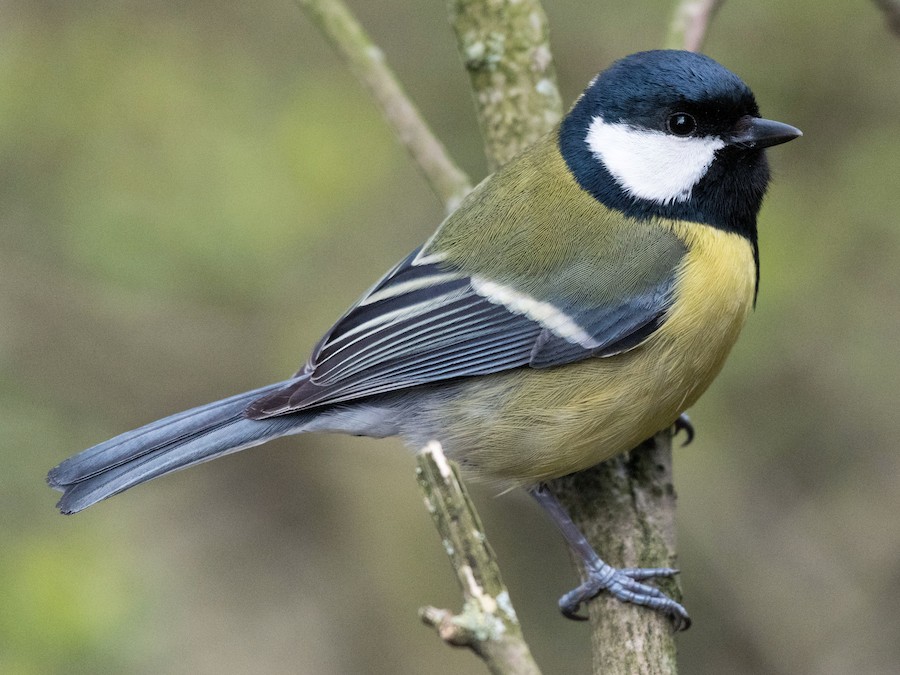
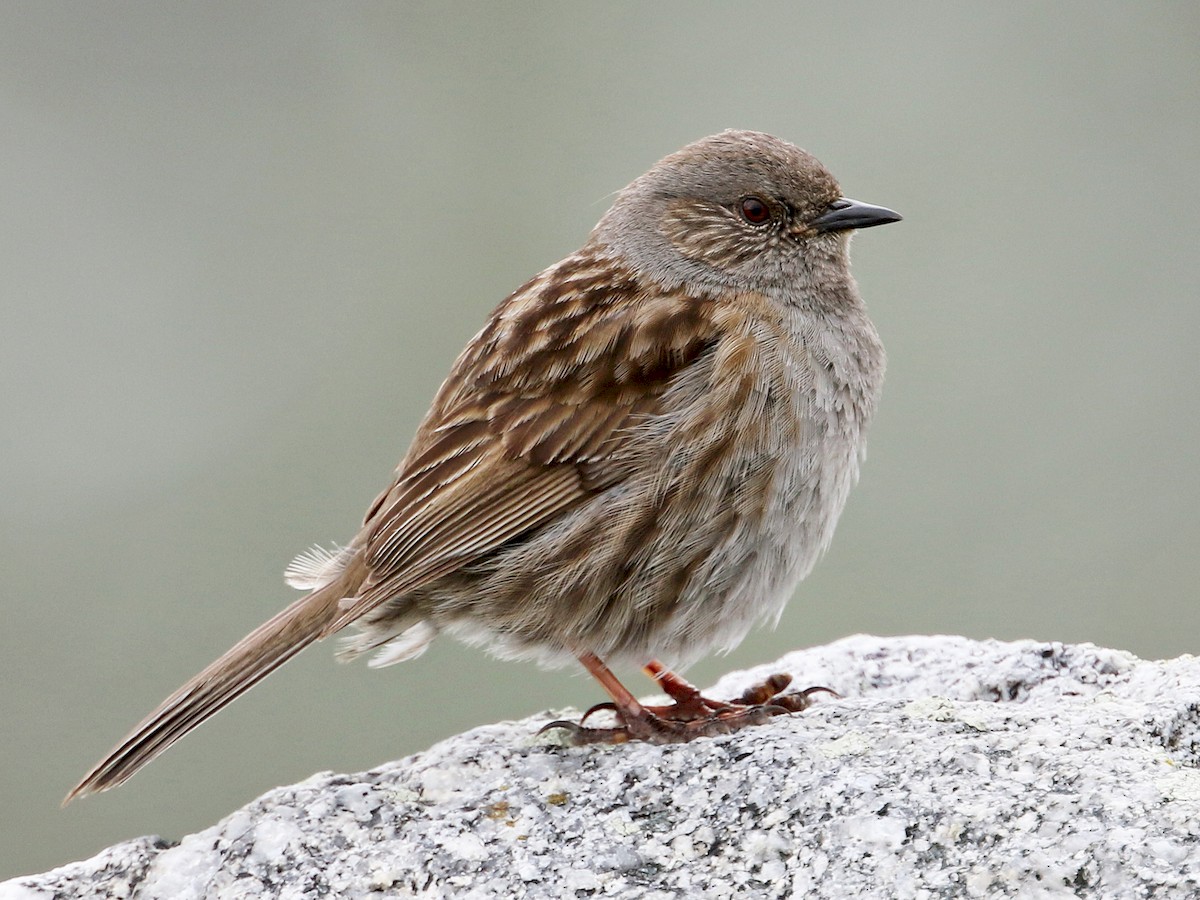
Liam downloaded a handy app called Merlin to his smarty phone. The app identifies bird song just by listening. And what did it hear? An amazing avian gathering – blackbirds, blackcaps, chaffinches, chiffchaffs, collared doves, dunnocks, wrens, wood pigeons and tits great and blue. Of these, the wrens were the most melodious and the wood pigeons were the most prolific. We see wood pigeons all the time. They spend their days shagging and shitting without a care, right before our eyes. I’m forever wiping down the garden furniture with a wet cloth.

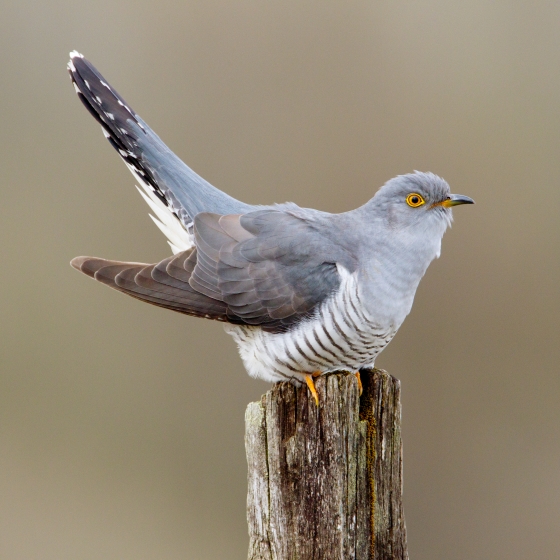
We’ve also heard the occasional cuckoo, cuckooing as they do, in the trees of the old churchyard next door. And sometimes when Liam can’t sleep, he’s soothed by the twit-twoo of a lone tawny owl.

Tawny Owl

And then yesterday we spotted a pair of love-struck partridges waddling across the grass searching for a pear tree to canoodle in. Except, of course, partridges feed and breed on the ground. But let’s not spoil an evergreen Christmas carol with small details like the truth.